Safer bottle stores A guide to Crime Prevention through Environmental Design - A guide to Crime Prevention through ...
←
→
Page content transcription
If your browser does not render page correctly, please read the page content below

Safer bottle stores: A guide to Crime Prevention through Environmental Design • 101

Safer bottle stores
A guide to Crime Prevention
through Environmental Design
102 Safer bottle stores: A guide to Crime Prevention through Environmental Design

Disclaimer
The information contained in these guidelines is intended as a general guide. While reasonable measures have been
taken to ensure that the information is current and accurate as at February 2019, the Health Promotion Agency cannot
accept any liability for any inaccuracy, omission or deficiency in relation to the information. It is not legal advice and
you should not rely on anything contained in these guidelines in any legal proceedings. The information provided
does not replace or alter the laws of New Zealand, and you should consult the legislation and obtain your own legal
and professional advice as appropriate. The Health Promotion Agency will not accept liability for any action taken in
reliance on anything contained in these guidelines.
Safer bottle stores: A guide to Crime Prevention through Environmental Design

Contents
1. Crime in bottle stores                                                              2
  Types of bottle store crime                                                          2
  Aggravated robbery in bottle stores                                                  2
  The characteristics of bottle store crime                                            3

2. Your responsibilities as a licensee                                                 5
  Consider your impact on the local community                                          5
  Keeping safe is good business practice too                                           5

3. What CPTED is and how it can help you                                               6
  How can CPTED help you?                                                              6
  How does CPTED work?                                                                 6
  The three CPTED approaches                                                           6
  Using CPTED: what you need to know                                                   7

4. CPTED for bottle stores                                                             9
  CPTED principles – some questions for bottle stores                                  9
  CPTED approaches for bottle stores                                                  10
    Natural approaches                                                                10
    Organised approaches                                                              13
    Mechanical approaches                                                             15

5. Examples of CPTED layouts for bottle stores                                       18
  Example of a poorly designed store                                                  18
  Example of a well-designed store                                                    19

6. CPTED checklists for licensees and duty managers                                  20
2 Safer bottle stores: A guide to Crime Prevention through Environmental Design

Safer bottle stores: A guide to Crime Prevention through Environmental Design • 1

Safer bottle stores:
A guide to Crime Prevention
through Environmental Design

Who is this guide for?                                            What does this guide cover?
This guide is for licensees of bottle stores. It will also be     The first part of the guide provides information about the
useful for anyone working in a bottle store, including duty       types of crime that commonly occur in bottle stores and
managers and other staff.                                         how using CPTED can help you prevent and respond to
                                                                  them. It covers:
How will this guide help you?                                     1. Crime in bottle stores
This guide will help you use Crime Prevention through             2. Your responsibilities as a licensee
Environmental Design (CPTED) to:                                  3. What CPTED is and how it can help you
• prevent crime in your bottle store
                                                                  The second part of the guide shows you how to use
• keep your staff and customers safe                              CPTED to make your premises safer. It covers:
• meet your responsibilities as a licensee.                       4. CPTED for bottle stores
Having good safety practices is part of having a great            5. Examples of CPTED layouts for bottle stores
business. And, depending on what you’re already doing             6. CPTED checklists for licensees and duty managers
about keeping people healthy and safe, it’s not as hard,
expensive or time consuming as you might think.
2 Safer bottle stores: A guide to Crime Prevention through Environmental Design

1. Crime in bottle stores
By understanding more about the type of                                           Aggravated robbery in bottle stores
crime that occurs in bottle stores, you can                                       Figures from the New Zealand Police show that between
take action to keep yourself, your staff and                                      July 2017 and June 2018:
your customers safe.                                                              • there were 103 aggravated robberies of bottle
                                                                                    stores, up 6% from the previous year

   In this section:                                                               • firearms were used in 13% of aggravated robberies in
                                                                                    bottle stores
   • Types of bottle store crime
                                                                                  • bladed weapons were used in 34% of aggravated
   • Aggravated robbery in bottle stores
                                                                                    robberies in bottle stores
   • The characteristics of bottle store crime
                                                                                  • there was at least one aggravated robbery of a bottle
                                                                                    store in every Police district in New Zealand except
                                                                                    for Tasman
Types of bottle store crime                                                       • the majority of robberies occurred in greater
Aggravated robbery is the most serious crime that                                   Auckland and Waikato – Counties Manukau had the
occurs in bottle stores, and has the greatest potential for                         highest number of aggravated robberies of bottle
harm. It is robbery that involves a weapon, or more than                            stores at 37; Waikato had 17; and Auckland City 15.
one person, or results in grievous bodily harm. Offenders
                                                                                  Data for injuries resulting from aggravated robberies only
committing aggravated robbery are seeking cash.
                                                                                  exists for January to June 2018, but it shows that 23% of
The other crimes that can occur in bottle stores are:                             aggravated robberies resulted in injury.
• theft – taking property, including the belongings of
  staff and customers
• burglary – entering a building with the intention of
  committing an offence (mostly breaking and entering
  and committing theft)
• aggravated burglary – having a weapon while
  committing a burglary
• robbery – theft accompanied by threats of violence
• assault with intent to rob – assault involving a weapon,
  or by more than one person, or where grievous bodily
  harm results
• wilful damage – property damage.
Safer bottle stores: A guide to Crime Prevention through Environmental Design • 3

The characteristics of
bottle store crime
Police data1 suggests that bottle store crime is:
• motivated by cash, tobacco and alcohol – money,
  tobacco and alcohol were taken in 66%, 47% and 12%
  of commercial robberies respectively
• more common at certain times – aggravated robbery
  is most likely to occur on Saturday and Sunday nights
  between 8pm and 10pm, and is more common in
  winter
• often connected to other crime – for example, a
  stolen vehicle was used in at least 33% of robberies.
  Items taken are often on-sold to obtain illegal drugs
• often carried out by young offenders – 44% of
  offenders were 16 or younger at the time of the
  offence. If we include 17-year-olds, this rises to 55%
• opportunistic – rather than planning their crime
  offenders tend to act spontaneously using whatever
  weapons they have to hand (such as a tyre iron in the
  boot of a car)
• hurried – the average aggravated robbery of a bottle
  store lasts between two and three minutes
• less likely to occur when you have customers –
  incidents are less likely to occur when members of the
  public are present in the store.

1 This data is for ‘commercial aggravated robberies’ and includes dairy/superette, petrol station, bottle store, restaurant/cafe, and bar/pub/hotel.
  It is for the period July 2017 to June 2018.
Safer bottle stores: A guide to Crime Prevention through Environmental Design • 5

2. Your responsibilities
as a licensee
As a licensee, you need to consider how your                  Keeping safe is good business
premises would affect the ‘amenity and good                   practice too
order’ of the local area. The decision makers will            Making your premises safe is good business practice.
take this into account when deciding whether
or not to grant your application for a licence.               As well as responsibilities under the Sale and Supply
                                                              of Alcohol Act 2012, licensees also have responsibilities
You are not required to use CPTED under the
                                                              under the Health and Safety at Work Act 2015 to keep
law; however, it is a useful tool that can help               their employees safe.
you meet your responsibilities as a licensee.
                                                              Apart from obvious benefits such as worker wellbeing,
                                                              a focus on health and safety also helps:
  In this section:                                            • increase productivity
  • Consider your impact on the local community               • reduce worker absenteeism
  • Keeping safe is good business practice too                • give your business a strong image
                                                              • bring peace of mind to workers and owners
                                                              • fulfil your legal responsibilities
Consider your impact
on the local community                                        • keep customers happy.

When you apply for a licence you need to demonstrate          Find out more about your general duty of care from
that your licence, if granted, would have little or no        WorkSafe worksafe.govt.nz, or health and safety for
negative effects on the ‘amenity and good order’ of the       businesses from the Ministry of Business, Innovation
local area. This is an assessment of how ‘pleasant and        and Employment business.govt.nz.
agreeable’ the area is now and the effect your premises
may have on that.

Late trading, noise, litter, anti-social behaviour,
congestion and crime around licensed premises can all
cause concerns for the community and have negative
effects on the neighbourhood.

When deciding whether to grant a licence under the Act,
the decision makers (the District Licensing Committee
or the Alcohol Regulatory Licensing Authority) must
consider a number of criteria. These include the layout
and design of the premises and the potential impact
on the surrounding neighbourhood. It will be helpful
to your application if you can show that your layout will
contribute to reduced harm and crime – both in and
around your premises.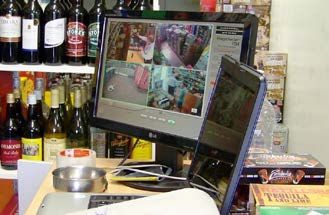
6 Safer bottle stores: A guide to Crime Prevention through Environmental Design

3. What CPTED is and
how it can help you
CPTED stands for Crime Prevention through                                         How does CPTED work?
Environmental Design. The fundamental idea                                        CPTED is based on one simple idea: that crime results
of CPTED is that good design and use of the                                       partly from the opportunities presented by the physical
built environment can reduce crime and the                                        environment. This means that by changing the physical
fear of crime.                                                                    environment, we can reduce the chances of crime occurring.

While crime occurs for many reasons and cannot                                    While it may not seem so, offenders often operate in
be prevented by design alone, CPTED can make a                                    a rational fashion. They prefer to commit crimes that
difference. It has been shown to reduce opportunities                             require the least effort, provide the highest rewards and
for crime and anti-social behaviour and is used around                            pose the lowest risks. Offenders may decide whether
the world. CPTED helps improve planning and design                                or not to commit a crime in a location by considering:
decisions and provides communities with practical                                 • How easy will it be to enter the area?
crime prevention tools.                                                           • Can I see the things I want to steal?
                                                                                  • Will it be easy to steal them?
   In this section:                                                               • What are the chances of being seen?
   • How can CPTED help you?                                                      • If I am seen, will the people in the area do something
   • How does CPTED work?                                                           about it?

   • The three CPTED approaches                                                   • Is there a quick, direct route to leave after the crime
                                                                                    is committed?
   • Using CPTED: what you need to know

                                                                                  The three CPTED approaches
How can CPTED help you?                                                           CPTED has three approaches to managing the physical
                                                                                  environment in ways that will reduce the opportunity
Using CPTED in your premises can help you:                                        for crime:
• keep your staff and customers safe
                                                                                  Natural approaches involve crime prevention as part of
• reduce the risk of robbery and its financial impact                             the design of a built environment. Natural approaches
• reduce your risk of being targeted for other crimes                             affect the behaviour of staff, customers and the public
                                                                                  so that crime is less likely to occur. For example, if bar
• make your premises more inviting for customers.
                                                                                  staff can see what is happening throughout the premises
                                                                                  from behind the bar, then they are able to intervene if
                                                                                  problems occur.

                                                                                  Organised approaches involve things like security
                                                                                  guards, community patrols, or Police who can act as
                                                                                  guardians of a business or a public space.

                                                                                  Mechanical approaches include the use of items like
                                                                                  closed circuit television (CCTV), counter barriers, roller
                                                                                  doors, and alarms – things that many people associate
                                                                                  with crime prevention. While some are simple and low
                                                                                  cost, others are expensive and beyond the budget of
                                                                                  owner-operated premises.
Safer bottle stores: A guide to Crime Prevention through Environmental Design • 7
Use natural approaches first if you can. More expensive You can use CPTED in new or existing premises
organised and mechanical strategies should be considered
Ideally, it would be great to incorporate CPTED into the
when you have exhausted the natural approaches or they
design of new premises from the beginning. But you
are unsuitable.
don’t have to be starting from scratch to use CPTED.
You can build CPTED ideas into a refit of your premises.
Using CPTED: what you need to know You can also use CPTED in your existing premises. Think
CPTED works best when it involves a combination about how CPTED applies in your own situation.
of prevention measures
CPTED is about preventing crime
CPTED is a broad approach to crime prevention. There
rather than catching offenders
is no one correct way to ‘do’ CPTED – it works best when
it involves several prevention measures. CPTED is about CPTED is about crime prevention rather than
more than CCTV or a roller door. While you may use apprehension and punishment. It focuses on designing
CCTV, for example, it will only be effective in reducing environments to make them less attractive to potential
crime if you are doing other things as well. offenders and less likely to be targets of crime. While
some CPTED approaches (such as CCTV) can help
identify offenders, the overall purpose of CPTED is
to prevent crimes from occurring in the first place.8 Safer bottle stores: A guide to Crime Prevention through Environmental Design
Safer bottle stores: A guide to Crime Prevention through Environmental Design • 9

4. CPTED for bottle stores
Offending is influenced by opportunity.                      1. Surveillance – people are present and can see
The greater the opportunity to offend and                    what is going on
get away with it, the more offending will occur.             Ask yourself:
If you reduce opportunity in bottle stores, you              • Can staff clearly see the entrance, the outside of the
reduce offending.                                              store, and throughout the interior?
                                                             • Can members of the public clearly see the entrance to
You can reduce opportunity by:
                                                               the store and inside the store?
• making the desired items (cash, tobacco and alcohol)
  harder to access in and remove from the store              • What can you do to improve visibility and surveillance?
• using good surveillance – incidents are less likely to
                                                             2. Access management – methods are used to
  occur when people are present and can see what is
                                                             attract people and vehicles to some places and
  going on.
                                                             restrict them from others
CPTED reduces criminal opportunity and encourages
                                                             Ask yourself:
positive use of an area by people who have a good
reason to be there. This in turn increases use and           • Where do you and don’t you want vehicles to be?
guardianship of an area and makes crime less likely            Does the physical environment support this?
to occur.                                                    • Does the physical environment around your store
                                                               encourage people to be where you want them or
This section shows you how you can apply CPTED
                                                               the reverse?
directly to your bottle store to keep it safer.
                                                             • Where do you and don’t you want people to be once
                                                               they are inside your store? Does your interior layout
  In this section:                                             support this?
  • CPTED principles – some questions for                    • What can you do to encourage people or vehicles to
    bottle stores                                              be where you want them and discourage them from
  • Specific CPTED approaches for bottle stores                areas where you don’t want them to be?
  • Keeping safe during a crime
                                                             3. Territorial reinforcement – clear boundaries
                                                             encourage community ownership of the space

CPTED principles – some questions                            Ask yourself:
for bottle stores                                            • Is it clear where your store ends and public space
                                                               begins? For example, is your doorway providing
There is no single way to apply CPTED as each
                                                               opportunities for people to loiter in a ‘public’ space?
location and circumstance is different. But there are
four key principles that need to be considered in all        • What can you do to make the boundary between your
cases. Think about your own situation and then consider        store and public space clearer?
the questions below.
10 Safer bottle stores: A guide to Crime Prevention through Environmental Design
4. Quality environments – good quality, CPTED approaches for bottle stores
well-maintained places attract people and
This section sets out specific approaches and
support surveillance
methods for preventing crime in your bottle store
Ask yourself: using environmental design.
• Is your store, and its surrounding environment,
CPTED works best to prevent crime when you use a
clean and attractive?
combination of measures. Use natural approaches first,
• Do people feel safe and comfortable in the if you can, so that crime prevention is integrated into
surrounding area? design and becomes part of the built environment.
• What can you do to make your surrounding Leave the more expensive organised and mechanical
environment more attractive? strategies until you have tried the natural approaches
available to you.
Natural approaches
Natural approaches involve crime prevention as part
of the design of a built environment. These approaches
drive the behaviour of staff, customers and the public
so that crime is less likely to occur.
This section suggests the following natural approaches:
1. Improve visibility to increase safety
2. Ensure your layout supports safety
3. Keep the area around your store clean and attractive
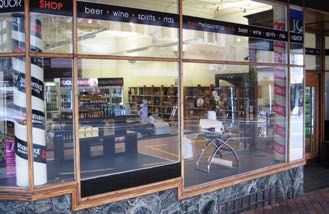
Example of good visibility into store Example of obstructed visibility into storeSafer bottle stores: A guide to Crime Prevention through Environmental Design • 11
1. Improve visibility to increase safety 2. Ensure your layout supports safety
Robbers prefer to work unobserved. Improving the visibility The way you lay your shop out can have a big impact
into the store from outside reduces the risk for robbery. on safety.
99 Enable people walking past to see as much of the 99 Position the cash register and staff to ensure good
inside of the store as possible. There should be control over the premises. The counter and cash
clear lines of sight into and out of the store from register are best positioned near the entrance to
surrounding areas. allow staff to monitor who is entering and leaving the
99 Reduce the number of advertising signs on windows premises.
and keep windows clear of shelving and displays to 99 Position the cash register so that potential offenders
increase visibility. While you may get paid to have cannot see the amount of cash in the drawer.
advertising on your windows, you must balance this 99 Raise the platform behind the service counter to
with the need to keep your store safe and reduce the give staff a better view of the interior of the premises
community’s exposure to alcohol advertising and its and shelving/displays, as well as the exterior of the
negative impacts on the amenity and good order of premises and the street outside.
the locality. There is little point in installing a range of
mechanical security devices instore if your windows 99 Locate any safes on the premises out of public view.
are covered from floor to ceiling with advertising and 99 Make stock displays no higher than 1.3m so the
there is no visibility in or out. cashier can always see customers in the store.
99 Trim any external trees and plants so they don’t Position shelving in one direction so you have a clear
impede visibility into and out of the store. view down each aisle.
99 Ensure cold stores have clear glass frontage and low
Some bottle store owners express concern that increasing displays to give clear visibility of potential shoplifting.
visibility allows potential offenders to see into their store
and encourages crime. The opposite is true – robbers 99 Check that your store interior does not provide any
prefer to work unobserved. Improving the visibility into hiding places for potential offenders.
the premises from outside reduces your risk of robbery. 99 Where blind spots exist, use carefully positioned
mirrors and/or CCTV.
99 Display smaller merchandise closer to the cash
register counter, not at the back of the shop.
Example of good visibility of interior of store12 Safer bottle stores: A guide to Crime Prevention through Environmental Design 3. Keep the area around your store clean 99 Get in touch with your local council and ask them to and attractive help sort the situation if you have concerns about It is important that the area around your store is clean, council facilities such as a broken streetlight or a tidy and attractive and people feel safe. bench that encourages loitering. 99 Check that the outside of your store (front, back and 99 Consider installing a door viewer (peephole) into, and sides) does not provide any hiding places for potential sensor lights outside, any doors that staff leave by at offenders. Remove anything (such as stacked crates the end of the night, and encourage them to check in rear delivery areas) that could provide a place for an these before leaving. offender to hide. 99 If you have a dedicated car park for your venue, 99 Make sure that there is nothing to encourage loitering ensure it is well lit at night. outside your store; for example, avoid having recessed 99 Organise daily inspections of the outside of your front entrances, notice boards, etc. premises, and clean up any rubbish that is on or 99 Get any graffiti or tagging removed as soon as around your premises – even if it hasn’t come from possible (within 24 hours). This is the best deterrent in your premises. combating graffiti. Some councils offer a free removal service. 99 Work with the council, local businesses and the residents’ association to improve the appearance and safety of the local area if you think improvements need to be made.
Safer bottle stores: A guide to Crime Prevention through Environmental Design • 13

Organised approaches                                            2. Community patrols
                                                                Community patrols are organised and operated by their
Organised approaches to crime prevention involve
                                                                local communities. They are volunteers who work closely
people who can help act as guardians of a business
                                                                with Police as extra ‘eyes and ears’ to assist Police and
or a public space. This section looks at the following
                                                                other agencies to build safer communities. Community
organised approaches:
                                                                patrols are independent from the Police but receive
1. Staff                                                        regular Police guidance, training and tasking. Find
2. Community patrols                                            out if you have community patrols in your area at the
                                                                Community Patrols of New Zealand website cpnz.org.nz.
3. Māori Wardens
4. Police                                                       3. Māori Wardens
5. Local groups for licensees                                   Māori Wardens volunteer their services throughout
                                                                New Zealand, providing support, security, traffic and
1. Staff                                                        crowd control, first aid, and other services to the
Good management and staff practices can support                 community. Māori Wardens create safer communities,
good design and promote safety. These include:                  encourage and assist rangatahi, and support whānau.
99 having enough staff on duty to be able to properly
                                                                Māori Wardens are not police, but they have specific
   serve customers and monitor the store
                                                                powers under the Maori Community Development Act
99 ensuring customers (and potential offenders) can             1962 to limit unruly behaviour on licensed premises.
   see staff as soon as they enter the store. Having staff      According to section 31, a Māori Warden may:
   greet customers as they enter the store advises any
   potential offenders that they have been seen and are             “…at any reasonable time enter any licensed premises
   being watched                                                    in any area where he is authorised to carry out his
                                                                    duties and warn the licensee or any servant of the
99 using a door buzzer to alert staff to someone
                                                                    licensee to abstain from selling or supplying liquor
   entering or leaving the store, particularly if staff
                                                                    to any Maori who in the opinion of the Warden is in
   are not at the checkout
                                                                    a state of intoxication, or is violent, quarrelsome,
99 having two or more staff on after dark to keep your              or disorderly, or is likely to become so, whether
   staff safer                                                      intoxicated or not”.
99 waiting until the end of the day to cash up, when all
                                                                The licensee or any employee commits an offence if,
   customers are gone – close and lock all doors and
                                                                after being warned, they supply alcohol to that person
   entrances and then start to cash up. Offenders tend
                                                                on that day.
   to target venues with poor practices that start to cash
   up when the premises is still open to the public.            Find out about Māori Wardens in your area and how you
                                                                can build relationships to make your community safer.
                                                                You can find out more about Māori Wardens at tpk.govt.nz/
                                                                en/whakamahia/maori-wardens
14 Safer bottle stores: A guide to Crime Prevention through Environmental Design 4. Police Actively build relationships with Police so that you can share information with one another about what is happening in your area. The Police provide useful crime prevention information for businesses on their website including: • a commercial crime prevention checklist police.govt.nz/ forms/commercial-premises-security-audit • tips for handling cash safely. 5. Local groups for licensees Many areas have local Alcohol Accords or licensee groups that meet up regularly with Police, public health and councils. These groups can be useful places to share information about local crime trends and crime prevention practices.
Safer bottle stores: A guide to Crime Prevention through Environmental Design • 15

Mechanical approaches                                         Offenders usually like to commit crime without being
                                                              seen. The aim of security lighting is to stop offenders
Mechanical approaches use CCTV, counter barriers, roller      being able to operate unobserved. However, if an area
doors, and alarms – things that many people associate         cannot be monitored at night, then lighting will only
with crime prevention. While some are simple and low          help an offender see what they are doing, rather than
cost, others are expensive to purchase and some include       deter them. In this case, other security measures will be
costs for maintenance and ongoing fees.                       required such as CCTV or monitoring by security staff.

This section looks at the following mechanical                99 Install bright lighting inside to assist with being
approaches:                                                      seen from outside on the street as well as improving
1. Lighting                                                      visibility of customers in the store.

2. Security – physical protections and barriers               99 Provide good lighting to enable staff to monitor for the
                                                                 signs of intoxication and check IDs.
3. Entry controls
                                                              99 Ensure external areas such as car parks, rear loading
4. Alarms                                                        areas, etc. are well lit when in use. Good quality
5. Fog cannons                                                   lighting discourages people who may engage in
6. Safe rooms                                                    conflict, disorderly behaviour and criminal offending.

7. CCTV                                                       99 Ensure that street lighting outside the premises is
                                                                 working properly.
1. Lighting
Good lighting outside your shop and at your entrance          2. Security – physical protections and barriers
ensures customers can see and be seen when entering           Physical barriers and protections slow down offenders
and leaving the premises.                                     and reduce their chances of success. It is important to
                                                              know that slowing down offenders does not make them
When deciding on lighting outside your premises,              become more aggressive or likely to injure staff. Rather
think about who should (and shouldn’t) be using the           they are more likely to leave the scene.
area and when.                                                99 Make desired items more difficult to access and remove,
                                                                 for example by bolting tills to the counter, and using
                                                                 lockable cabinets or vending machines for tobacco.
16 Safer bottle stores: A guide to Crime Prevention through Environmental Design
99 Use external physical barriers to prevent access to the Using these controls slows down offenders and reduces
premises when you are closed. their chances of success. Slowing down offenders does
–– Reinforce vulnerable doors and windows with not make them become more aggressive or likely to
interior screens, security glass or anti-shatter film. injure staff. Rather they are more likely to leave the scene.
–– Place bollards in front of vulnerable windows or 4. Alarms
doors to provide protection from cars being used in An intruder alarm with a silent panic button can
ram raids. Your local council may place restrictions immediately alert the alarm monitoring centre of an
on the use of bollards or other external security aggravated robbery. A panic button positioned in the
features. Talk to them and find out what is allowed. cold store is also good practice in case an offender
–– Avoid external roller doors. They don’t make places restrains an employee there. Integrating the intruder
look attractive and they attract graffiti. alarm with premises lighting, so that the lights come on
automatically when the alarm activates, can have the
–– Ensure that all entry and exit points have door latch
effect of driving the offenders out, as well as improving
guards to make them jimmy-proof.
the quality of CCTV images captured.
3. Entry controls
Night pay and controlled entry systems can provide 5. Fog cannons
extra protection for staff, particularly during high risk Fog cannons are security devices that fill a room with
times (such as after dark). dense fog in a matter of seconds. They are activated
by an emergency button. Fog cannons are an effective
Controlled entry systems allow staff to control who can deterrent because they create a no-go area for
enter the store. Night pay systems mean that staff do offenders. Offenders are unable to see anything inside
not need to allow any entry to the store. They allow the the shop and cannot locate high value items. It also
staff to remain separated from customers and potential allows employees to retreat to a safe place and lessens
offenders. the risk of being a target of violence.
Delaying the entry of offenders reduces crime and the 6. Safe rooms
chances of staff injury. Consider making a safe room in your premises where
staff can go if there is a crime in progress. By physically
separating themselves from offenders, staff are less
likely to be assaulted or injured.
7. CCTV
CCTV is particularly useful for observing areas that
cannot be easily or naturally seen by staff, customers
or the public within and around licensed premises. In
this case CCTV can act as a deterrent to misbehaviour,
particularly where the public is aware that they are
monitored and action may be taken for deviance
disclosed via this medium.
The use of CCTV in bottle stores is encouraged as part
of an overall crime prevention strategy. Making its use
highly visible may deter a robber, as well as assist with
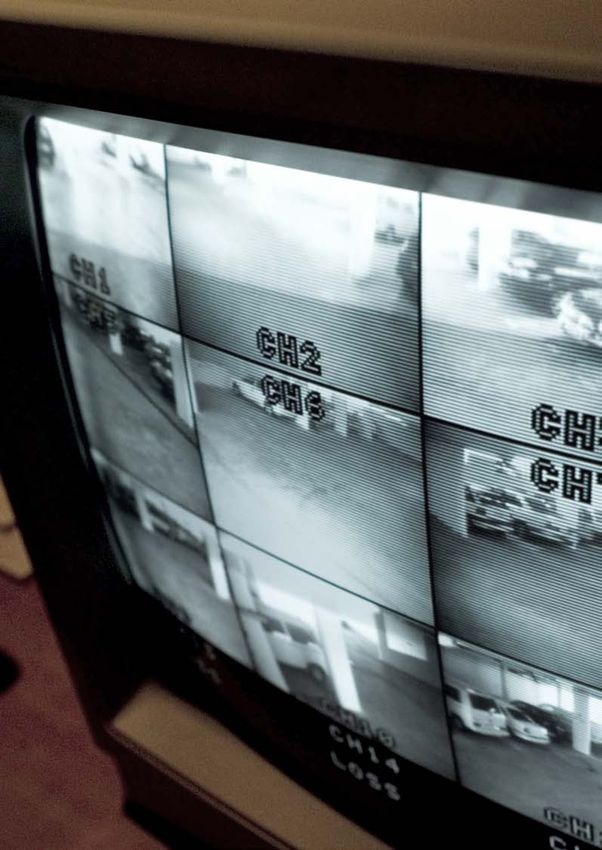
Example of CCTV monitor
their detection and identification if a robbery occurs.Safer bottle stores: A guide to Crime Prevention through Environmental Design • 17
Think carefully about using CCTV – what are you trying Do…
to achieve? If you want CCTV to deter offenders, then it 99 Do build relationships with your local Police
should be highly visible, but if it is to provide intelligence
for identification purposes it should be more discreet. 99 Do train your staff on what to do in the event of a crime
99 Do tell your staff that their safety comes first
CCTV can:
99 Do ring the Police on 111 in an emergency
99 increase the accountability of staff
99 Do report crimes to the Police as soon as you can
99 help identify offenders
99 Do get to know local businesses and neighbours so
99 provide evidence of violence occurring in and around you can share information and keep an eye out for
the premises one another
99 provide evidence of any other serious crimes
occurring in, or involving people at, the premises Don’t…
99 help identify physical hazards and guide improved 88 Don’t confront the offender or put yourself in
premises design. harm’s way
88 Don’t use weapons or encourage your staff to
It is important that staff understand how to operate use weapons
the equipment and how to view and download footage.
Because CCTV captures images of people, which 88 Don’t try to restrain the offender
can be used, stored, manipulated and disseminated, 88 Don’t chase the offender
those who operate the systems need to know how to
manage privacy issues. Good management of personal
information is essential to the effective running of CCTV
systems. For more detailed information read Privacy and
CCTV: a guide to the Privacy Act for businesses, agencies
and organisations at privacy.org.nz.
8. Keeping safe during a crime
If a crime occurs at your premises, keeping yourself,
your staff and your customers safe must be your priority.
Remember that the offender is there to get things (cash,
tobacco, alcohol), so it is safer to let them take what they
want rather than putting yourself at risk of harm.
Aggravated robberies generally last between two and
three minutes. This feels like a long time while it is
happening, but try to stay calm and remember that the
offender will soon be gone. On average, Police respond
to aggravated robberies within five to six minutes.
Here are some dos and don’ts for keeping safe during
a crime:
Example of CCTV at rear of premises18 Safer bottle stores: A guide to Crime Prevention through Environmental Design
5. Examples of CPTED layouts
for bottle stores
Example of a poorly designed store
• A person entering the premises at site A cannot • A robbery at site C is unseen from outside because
be seen by the cashier and has a good view of the the windows are obstructed by shelving and posters
entire store • The robbery is hidden from view and the person feels
• The cashier has limited view of the store more confident
• The person may wait unseen at site B for the best • There is also an increased risk of shoplifting at site B
opportunity to strike
C
B
Cold
store
A
Cash register
WindowSafer bottle stores: A guide to Crime Prevention through Environmental Design • 19
Example of a well-designed store
• Clear windows with few posters and no shelving • Improved shelving layout ensures site B is now visible
improve visibility into and out of the store to the cashier
• Improved lighting increases visibility into the store • The use of mirrors ensures staff can see the entire
• The cash register positioned close to the door at site store
C allows staff to see people enter and leave the store • CCTV installed acts as a deterrent and aids in
at site A identification if a robbery occurs
• The cash register is raised to improve visibility within
the store
B
Cold Cash register
store
CCTV
C A
Mirror
Window20 Safer bottle stores: A guide to Crime Prevention through Environmental Design 6. CPTED checklists for licensees and duty managers Licensees and duty managers can regularly use the checklist below to regularly assess whether CPTED measures are in place. CPTED checklist for off-licensed premises Yes No N/A Windows There is good visibility to and from the premises and the street Lighting Lighting inside the premises is suitable Lighting allows customers to be seen as they enter the premises Lighting allows staff to check IDs, etc. Lighting outside the premises is suitable Lighting outside the premises discourages loitering Car parks and loading bays are well lit when in use Street lighting outside the premises is working properly Internal layout Cash register is positioned near the main entrance Cash register area is raised to improve visibility Safe is out of public view No stock displays are greater than 1.3m Entire premises can be seen by the cashier There is good visibility into cold stores Where there may be blind spots, mirrors or CCTV are installed Smaller stock items are located close to the register Security Doors and windows are reinforced Nothing encourages loitering outside the premises (eg notice boards, etc.) There are no recessed entrances to the premises Intruder alarm is installed Alarm is monitored by monitoring centre Panic buttons are linked to intruder alarm
Safer bottle stores: A guide to Crime Prevention through Environmental Design • 21

CPTED checklist for off-licensed premises                                                         Yes             No              N/A

CCTV

CCTV is installed

CCTV is positioned to monitor vulnerable areas

Customers are aware of the CCTV system

Staff understand its operation

Staff

There are sufficient numbers of staff to control the premises

Two or more workers are on duty after dark

Staff are visible to customers upon entering the store

Staff greet/acknowledge customers entering the store

Door buzzer notifies staff of customers entering the store
22 Safer bottle stores: A guide to Crime Prevention through Environmental Design
Health Promotion Agency
Freephone: 0508 258 258
Email: enquiries@hpa.org.nz

To order resources visit alcohol.org.nz

AL1130 | APR 2019
ISBN: 978-0-478-44973-0 (PRINT) | 978-0-478-44972-3 (ONLINE)
You can also read


