Heart association ISSN 1996-6741 (Print)
←
→
Page content transcription
If your browser does not render page correctly, please read the page content below

south african                                                                                              NEWSLETTER

      heart association                                                                                                     2018
                                                                                                                Volume 15 Number 1
                                                                                                                      ISSN 1996-6741 (Print)
                                                                                                                     ISSN 2071-4602 (Online)

News from the President of SA Heart®

W
             elcome to the first South African Heart®
             Association community Newsletter of 2018.
             I wish you all a successful year and encourage
you to use this Newsletter as your own, to share news,
views and events.

Firstly, I would like to thank Dr Sajidah Kahn, SA Heart®
secretary for 2016 - 2017, who did a sterling job in putting
together 4 great editions of our Newsletter last year filled
with SA Heart® and SIG events. Secondly, a warm wel-
come to Dr Blanche Cupido, newly elected SA Heart®
secretary who has compiled this Newsletter and filled it
with contributions from across the country. Thank you,
Blanche and Sajidah: we look forward to reading all the
new editions as we did previously.

We urge you to contribute to our Journal and Newsletter.
In 2004, after completing 2 terms as president of SA
Heart®, Prof Anton Doubell launched the SA Heart®                 Dr Blanche Cupido, newly elected SA Heart®
                                                                  secretary.
Journal and as editor has grown our Journal over the years.
It is now a real asset to our Association and also fulfils one
of our constitutional duties. The Journal is recognised under
the Department of Education as an approved Journal for           remarkable opening ceremony. We thank David Jankelow
several years now including 2018, allowing for subsidy           and his team for their commitment and dedication to the
from the DoE for authors affiliated to academic institu-         task as well as Sue McGuiness and her team for the
tions. It is recognised further afield as a National Cardio-     outstanding support. Part of the event last year included
vascular Journal by the European Society of Cardiology.          a CVD Imbizo, as the South African Heart® Association
Besides remarkable research from both our members and            remains deeply concerned with this situation in terms of
others, the occasional interesting case studies and the          CVD mortality and morbidity and are committed to
ever popular ECG quiz and imaging feature, the SA Heart®         developing a sustainable, systematic response to this crisis.
Journal incorporates the SA Heart® Newsletter with impor-        A first step was to publish and widely disseminate a position
tant news from and for our community. We urge you to             paper which summarised the current state of cardiology,
both read the Journal and Newsletter – which is available        cardiothoracic surgery and paediatric cardiology training
online on our website (https://www.saheart.org). We
                                                                 in South Africa. The report demonstrated that there has
would also like to encourage you to make contributions,
                                                                 been minimal change in the number of successfully qualified
by submitting your original research, commentaries or
                                                                 specialists over the last decade and, therefore, a de facto
reviews and imaging challenges for the Journal. We now
                                                                 decline per capita. SA Heart® called for an urgent review
have a streamlined online submission process for the
                                                                 of cardiovascular services, new strategies for increased
Journal while newsworthy items and reports from your
                                                                 specialist training for cardiovascular disease in South Africa
region, institution, interest group or congress attendance
should be submitted to the editor of our Newsletter.             and closer engagement with Departments of Health and
                                                                 Education to increase training posts. In addition to this,
Our 2017 congress in Sandton was a wonderful scientific          there is a need for more epidemiological data on CVD and
event, with excellent faculty, sessions and symposia and a       its medical and surgical management in South Africa.

                                                                                                              Continued on page 56

    PO Box 3213 | Matieland | 7602 | Tel/Fax: 021 889 6129 | email: erika@saheart.org | website: www.saheart.org
sa heart
     News from the President continued

       CVD Imbizo congress held in Sandton.

     The Cardiovascular Imbizo allowed us to refocus our
     energies on the overwhelming burden of cardiovascular
     disease and join as practitioners, trainers, politicians and
     researchers to map out a systematic response: Meeting the
     challenges of treating heart disease in Africa & South Africa.
     Speakers included Ms Lyn Moeng and Sandhya Singh from
     the Department of Health, Prof Ana Olga Mocumbi from
     the Lancet commission and academic heads of department
     of Cardiology, Cardiac Surgery and Paediatric Cardiology as
     well as Deans of Faculty of Health Sciences and private
     practitioners discussing training and accreditation. Panellists
     engaged, debated and discussed options specific to our
     context. Several media reports were released following
     the event, focussing on the sugar tax and CVD posts in
     South Africa. A formal report is being prepared for the
     following edition of SA Heart®. The next CVD Imbizo will
     focus on career and capacity building and will feature
     some of our international faculty and include our scholar-
     ships winners.

     Another amazing event in December was the 50th anni-
     versary of the first heart transplant. As one of the events
     that has shaped history and put South Africa on the map,
     it was celebrated in fine style with a wonderfully touching
     event on 1 December which focussed on the donors over
     time. A three-day scientific expose which deliberated not
                                                                       Word of thanks for the heart transplant team.
     only the transplant but key questions around the accessi-

56
Organ donor commemorative stone.

 Painting of Christiaan Barnard done by                          An amazing fly-by, in fact the final sequence made a
 Haim Menashehoff.                                               heart in the sky.

bility of cardiac surgery on our continent followed. Con-       hope to encourage an early morning community walk or
gratulations to Profs Peter Zilla, Johan Brink and Tim Pennel   run each day and hope that all will join us as we look
and their teams for this outstanding event.                     toward the future! Highlights will be focus on imaging of
                                                                the future, live cases (a first for us) and a closing event
This transplant team also made the news in the following        focussing on the highlights from a number of prestigious
months with a double lung transplant performed at Groote        journals including in SA Heart®, European Heart Journal,
Schuur which made international news headlines. Congratu-       Heart Asia and JACC-Imaging led by the respective edi-
lations to the combined cardiac and pulmonology teams.          tors. We also have the CVD Imbizo specifically for those
(https://www.timeslive.co.za/news/south-africa/2017-12-         building careers. This year for the first time, we have kept
14-groote-schuur-transplant-programme-breathes-again/)          registration costs at 2017 prices with special rates for South
Prof Peter Zilla was also featured in the local You magazine    African and African fellows. Block out your diary now for
and Prof Jacques Jansen from Stellenbosch also made             4 - 7 October 2018!!!
news regarding his new valve research. We salute all these
amazing efforts within our community and encourage you          Best wishes and see you in the next edition of the
to let us know what is happening in yours.                      Newsletter.

A final word regarding our congress 2018! Back in Sun City,     Liesl Zühlke
we look forward to a feast of science and networking. We        SA Heart® Association President

                                                                                                                                 57
sa heart
       POPULAR CONGRESSES FOR 2018

                          CONGRESS	DATE	                                                            CITY       COUNTRY

     Africa STEMI live                                          26 - 28 April 2018              Nairobi        Kenya
     https://SUPPLY WEB ADDRESS
     86th EAS Congress                                          5 - 8 May 2018                  Lisbon         Portugal
     http://www.eas2018.com
     Sun Echo Course                                            7 – 11 May 2018                 Tygerberg      South Africa
     https://sunecho.co.za
     World Congress on Interventional 16 - 17 May                                               Montreal,      Canada
     Cardiology and Cardiac Surgery		                                                           Quebec
     https://cardiacsurgery.conferenceseries.com
     24th Annual Cardiologists Conference                       11 - 13 June 2018               Barcelona      Spain
     https://annualmeeting.conferenceseries.com/cardiologists
     New Horizons of Echocardiography                           12 - 15 July 2018               Johannesburg   South Africa
     http://www.newhorizonsinechocardiography.co.za
     First South African Neonatal                               20 - 22 July 2018               Tygerberg      South Africa
     Haemodynamics and Neonatal Performed
     Echocardiography
     http://neonatal2018.co.za
     28th International Conference on                           9 - 11 August 2018              Abu Dhabi      UAE
     cardiology and healthcare
     https://healthcare.cardiologymeeting.com
     Cardiology and Healthcare                                  25 - 29 August 2018             München        Germany
     http://www.escardio.org
     Transcatheter Cardiovascular 21 - 25 September 2018 San Diego                                             United States
     Therapeutics (TCT) 2018			                                                                                of America
     http://www.crf.org
     AFCC - 23rd AESAN Federation of                            29 September - 1 October 2018   Bangkok        Thailand
     Cardiology Congress
     http://afccbkk2018.com

     19th Annual SA Heart® Congress                             4 - 7 October 2018	Sun City 	South Africa
     http://www.saheart.org/congress2018

     5th International Conference on                            18 - 19 October 2018            Abu Dhabi      UAE
     Hypertension & Healthcare
     https://hypertension.cardiologymeeting.com
     34th World congress of Internal Medicine                   18 - 21 October 2018            Cape Town      South Africa
     http://www.wcim2018.com

58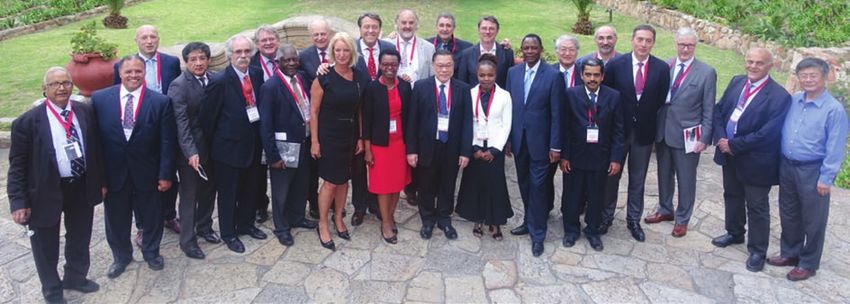
POPULAR CONGRESSES FOR 2018 continued

                      CONGRESS	DATE	                                                                   CITY           COUNTRY

 27th European Cardiology Conference                               22 - 24 October 2018            Rome              Italy

 https://cardiology.conferenceseries.com/europe

 14th International Dead Sea Symposium (IDSS)                      28 - 31 October 2018            Tel Aviv          Israel
 on Innovations and Controversies in
 Cardiac Arrhythmias

 http://2018.idss-ep.com

 AHA Scientific Sessions                                           10 - 14 November 2018           Chicago           United States

 http://ahascientificsessions.org

 World Congress of Cardiology                                      5 - 8 December 2018             Dubai             UAE

  https://www.world-heart-federation.org/congress

Please also consult the SA Heart® website at www.saheart.org for constant updates to this list as well as local
training opportunities offered by SA Heart®, SIGs and other role players.

  CARDIAC ARRHYTHMIA SOCIETY OF SOUTHERN AFRICA

   Several events are planned for CASSA in 2018.                         great honour for CASSA contributing to the international
                                                                         footprint of the society. CASSA has also been invited by
   Annual CASSA symposia                                                 EHRA to participate in the writing and review of joint
   The 2018 annual CASSA symposia entitled “Clinical                     consensus statements and guidelines. CASSA will be
   Updates in Arrhythmias” was held at the Maslow Hotel in               endorsing a consensus document entitled the “Manage-
   Johannesburg on Saturday 17 February 2018 and at the                  ment of arrhythmias and cardiac electrical devices in the
   Vineyard Hotel in Cape Town on 24 February 2018.                      critically ill and post-surgery patient” in 2018.
   CASSA was privileged to host 2 high-quality international
   speakers (Dr Carstens Israel and Dr Riccardo Cappatto)                Ongoing Education
   who are both leaders in their field. Like 2017, the attend-           The quarterly ECG quiz published in the SA Heart® Journal
                                                                         and the 6-monthly The Andrzej Okreglicki Memorial
   ance fees for cardiology registrars and medical interns
                                                                         Advanced ECG and Arrhythmia Interpretation Course
   have been waived to facilitate teaching and to promote
                                                                         continue to promote the teaching of ECG interpretation
   the field to junior doctors. By popular demand, CASSA
                                                                         by cardiologists and cardiology senior registrars.
   aims to host these symposia on an annual basis to promote
   the awareness and treatment of heart rhythm disorders
                                                                         Associate Professor Ashley Chin
   in South Africa.
                                                                         CASSA president

   Collaboration with European
   Heart Rhythm Association (EHRA)
   CASSA was invited to chair a joint session with the
   European Heart Rhythm Association (EHRA) at the annual
   Europace meeting held in Barcelona in February 2018.
   We presented a talk on “Electrophysiological manoeuvres
   in the diagnosis of supraventricular tachycardia”. This was a

                                                                                                                                     59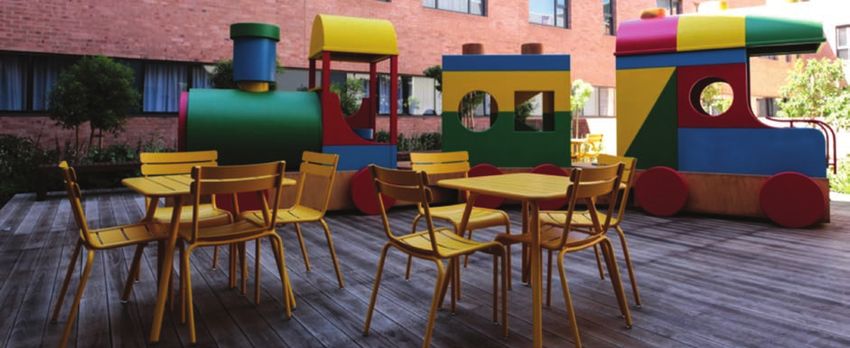
sa heart
     The World Heart Federation in interaction
     with SA Heart®

     B
            ased in Geneva the World Heart Federation (WHF)          Cardiovascular Health in Mexico City, the second Summit
            consists of more than 200 continental and national       held in Singapore in July 2017 focussed on building a civil
            cardiac societies and heart foundations globally         society movement for circulatory health.
     reporting to the World Health Organisation. It combines
     the professional cardiological community with civil society     The World Heart Federation African Summit took place
     and patient voice. The vision of the WHF is to work with        in Khartoum, Sudan on 10 - 11 October 2017. The Summit
     its members like SA Heart and the Heart & Stroke                was held in conjunction with the Sudan Heart Society
     Foundation South Africa to hasten the day when cardio-          Annual Congress, The Pan African Cardiac Society of
     vascular health is no longer a privilege. The key role of the   Cardiology (PASCAR) and the African Heart Network.
                                                                     The Summit included more than 100 participants from
     WHF is the global fight against cardiovascular disease,
                                                                     Africa, Europe, Canada and Asia among other areas, with
     including heart disease, stroke and rheumatic heart disease.
                                                                     active involvement from the members of the Pan African
     This is currently being advanced by Prof David Wood,            Society of Cardiology, SA Heart® and many other African
     Garfield Weston Professor of Cardiovascular Medicine at         Cardiac Societies, European Society of Cardiology, Inter-
                                                                     national Hypertension Society, African Heart Network
     the National Heart and Lung Institute, Imperial College
                                                                     and other non-governmental groups. The very successful
     London. Professor Wood became the WHF president in
                                                                     Summit ended with the Khartoum Action Plan (see below:
     January 2017 serving his term until December 2018. Prof
                                                                     EHJ 2018:39(6);430-433).
     Karen Sliwa, Director of the Hatter Institute for Cardio-
     vascular Research in Africa, Faculty of Health Sciences,
                                                                     Under the umbrella of the WHF are currently many
     University of Cape Town and also currently serving as a         projects relevant for SA Heart®.
     deputy dean research, has been elected as the next presi-
     dent starting her term in January 2019. However, the            The WHF Road Maps initiative focusses on the 25 by 25
     WHF has a very active Board which includes past president       target and how it can be achieved at national level through
     (Prof Salim Yusuf, Population Health Research Institute,        secondary and primary prevention. South Africa is in
     Canada), the president-elect and the current president,         the middle of an epidemic of non-communicable disease
     as well as several other board members working very             and Road Maps on secondary prevention, hypertension,
     actively on a number of projects supported by the CEO           cholesterol, atrial fibrillation, and tobacco control which
     Jean Luc Eisele and his team.                                   address health policy, the organisation of health care
                                                                     systems, the resources required to deliver care as well as
     Building on the first Global Summit on Circulatory Health,      the importance of essential medicines and technology will
     held at the 2016 World Congress of Cardiology and               be highly relevant in the South African context.

       The WHF African Summit, Sudanese Cardiac Society, PASCAR delegated group.

60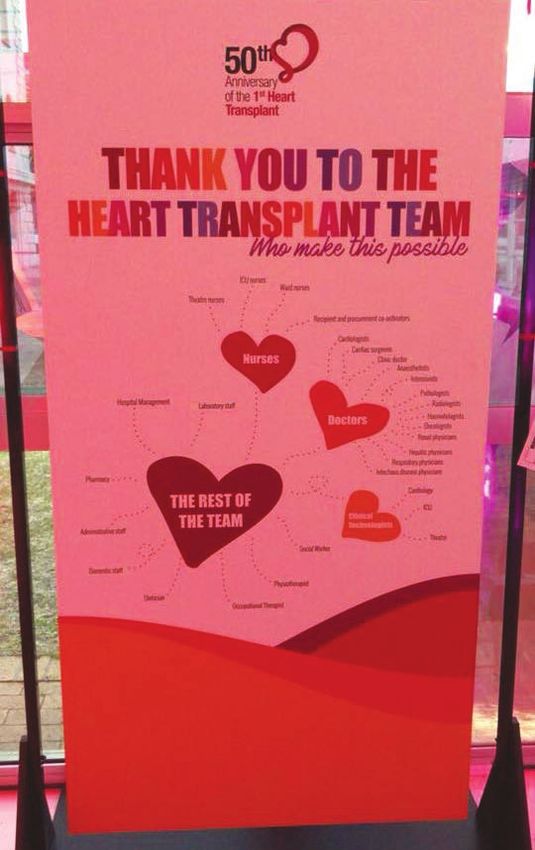
Khartoum action plan
  The following were clear conclusions for crucial actions that need to be taken to improve CV health and
  care in Africa:
  1. Data collection on CVD via simple surveys and scorecards to be able to convince policy makers should be obligatory.

  2.	Promote legislation for task sharing/shifting and knowledge sharing for integrated care. There is a need to work
       together for improved training and collaboration, remove barriers for non-physicians and to break down silos.

  3. Improve access to essential medicines and improve the quality of generic medicines:
      ■■ Set up standards for generics and create a Federal Drug Administration (FDA)-type organisation for Africa
           where there would be strict supervision, its ownership could rest with nurses.
      ■■ Polypill approach could be explored further.

  4.	 Empower patients and work with/support patient groups, allow them a voice such as the treatment action campaigns
        for HIV.

  5.	 Form stronger policies and integrate policies, engage better with governments and other high-level organisations and
        involve them with advocacy work:
      ■■ Work with national health programmes, launch new ones, invite governments to open symposiums, connect
           with Ministry of Health (MoH) officials that understand the importance of health, support WHO with their
           strategies and by providing evidence.

  6.	Provide adequate and continued training of health care providers at all levels. Medical education should study the
       problems and priorities of communities and focus education on these; training should include data collection.

  7. Improve primary health care and create a long-term plan.

  8.	 Focus on RHD to eliminate it – enforce surveillance, diagnosis, availability of penicillin and improved access to
        reproductive health. Learn from the examples of successful countries.

  9. Prevention programmes for hypertension.

  10. Rigid tobacco control and educate the population of adverse effects on health.

  11. Advocate for universal health coverage to the extent that it is possible for governments.

For rheumatic heart disease, which is still highly prevalent       also supported by Prof Liesl Zuhlke, SA Heart® president.
in South Africa, there is also a Road Map and Prof Karen           The WHF, working with governments, secured a World
Sliwa is leading an international task force of stakeholders       Health Organisation Solution on the prevention of rheu-
with the ambition of eliminating acute rheumatic fever and         matic heart disease at the World Health Assembly in
reduce the suffering of patients living with rheumatic heart       May 2018 - an example of the political advocacy by the
disease by improving access to medical and surgical care.          WHF and its partners.
Amongst the taskforce group leaders is SA Heart® member
Prof Peter Zilla, head of cardiothoracic surgery, Groote           The WHF Emerging Leaders programme, which has been
Schuur Hospital, University of Cape Town. The taskforce is         established as an annual activity by Prof Salim Yusuf a

                                                                                                               Continued on page 62

                                                                                                                                      61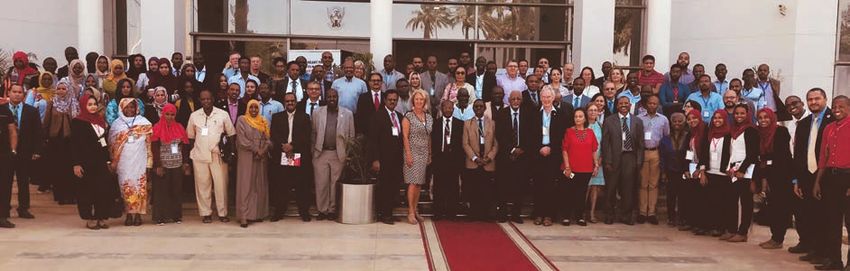
sa heart
       The WHF in interaction with SA Heart® continued

       number of years ago, is recruiting cohorts of 25 health pro-

            Where
       fessionals every year, tasked with addressing specific topics
       through research projects. The fourth and most recent
       cohort met in Cape Town, South Africa in 2017 to tackle

            expertise
       essential medicine and technology as was hosted by WHF
       president-elect Prof Karen Sliwa. From South Africa SA
       Heart® and Hefssa member Dr Sarah Kraus participated at

            becomes
       the event.

       South Africa, via the Heart and Stroke Foundation under
       the active leadership of Dr Pamela Naidoo and SA Heart®

            a community
       is taking part every year in the World Heart Day on
       29 September. The WHF is hoping to engage as many
       SA Heart® members as possible in the activities of World
                                                                       WHF Emerging Leader meeting in Cape Town,
       Heart Day 2018. For more details see www.world-heart-
                                                                       June 2017.
          Become     an ESC Professional Member
       federation.org.
            www.escardio.org/membership

            Where
            expertise
            becomes
            a community
            Become an ESC Professional Member
            www.escardio.org/membership

     ESC-Membership-216x286-OUP.indd 1                                                                             17/08/2017 15:30

62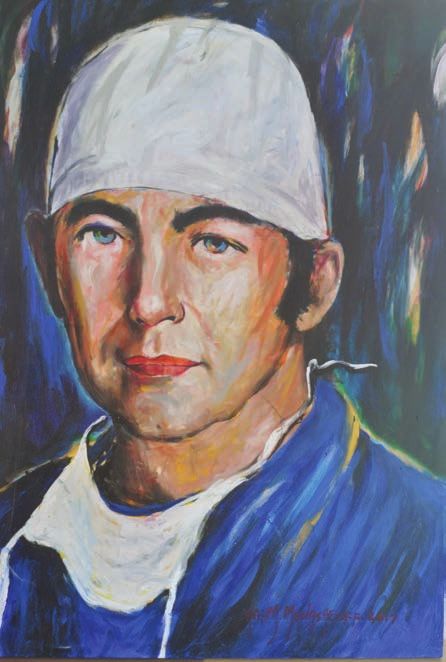
Remembering Professor Francis M. Fontan

                             Professor Francis M. Fontan,        nobody has experience with that.” The cardiologist replied
                             the renowned French paedi-          “I trust you, do it.” He did, and she lived another 33 years.
                             atric cardiac surgeon, died on
                             14 January 2018 of natural          It was almost 3 years before he did another case; he
                             causes, aged 88.                    published those 2 successes in French in 1971. After a
                                                                 third case he published them in English and the world
                           Professor Fontan is best known        began to notice.
                           for the operative procedure
                           that bears his name, an ingen-

                                                                           Professor
                           ious palliative solution for
children with single ventricle physiology. This “Fontan

                                                                        Fontan is best
Procedure” has allowed countless children to live well
into adulthood with a reasonable quality of life; today it
makes up over 3% of all congenital cardiac operations.

Professor Fontan was born in 1929 in Nay in the east of                 known for the
                                                                           operative
France, the son of a cyclist who once wore the yellow
jersey of the Tour de France. When he was 14 years old he
decided he would be a doctor.

He entered Bordeaux University in 1946, aged 17. In 1952                  procedure
he began training with the famous surgeon Georges
Dubourg and was awarded the gold medal at the end of his                  that bears
                                                                          his name.
training. During this time the cardiologists asked him to
examine the post-mortem heart of a cyanotic teenager
who died. He diagnosed tricuspid atresia and published it
in the local medical journal. Dubourg then asked Fontan
to study this defect. So began his long interest in univentri-   Fontan was the initiator and founding president of the
cular physiology, and as a result he was invited to train in     European Association for Cardiothoracic Surgery in 1986.
cardiology, a course he also completed.                          He ended his inaugural speech at the first congress in
                                                                 Vienna in 1987 saying, “If this association grows, it will be
When Dubourg was appointed to the new chair of cardiac           the work of my life of which I will be the most proud.”
surgery in Bordeaux in 1959 he invited Fontan back from          Their conference delegates soon outnumbered the large
cardiology, and he returned to surgery for the rest of his       American conferences.
career. In 1968 he almost accepted a position in a private
clinic but a mentor told him: “Everyone I know who has           Francis Fontan did his first operation in 1952, and retired
left the university hospital regretted it.” Fontan decided to    in 2002 after 50 years. He remained academically active in
dedicate himself to an academic career. He developed             his retirement. I have met him twice, once having dinner
close ties with the Leiden team in the Netherlands, often        with him in 2012. He struck me as a truly humble man,
operating with them on tricuspid atresia. One day during         more interested in me and how he could advise us in
a Glenn procedure the principle of doing a “total cavo-          Africa than in talking about himself.
pulmonary bypass” (the basis of the Fontan procedure)
came to him, and he firmly believed it was possible.             He is survived by his wife Maryse, sister Gaby, 3 married
                                                                 children and 6 grandchildren. His name is today synony-
Disappointingly, the dogs he tried it on only survived hours.    mous with a life-changing procedure done hundreds of
In March 1968 he was referred a 12-year-old girl with            times every day around the world.
tricuspid atresia. Fontan told the cardiologist, his old boss,
“I would like to do a total cavo-pulmonary bypass, but           Prof John Hewitson

                                                                                                                                 63
sa heart
     50th ANNIVERSARY OF THE 1ST HEART TRANSPLANT AT
     GROOTE SCHUUR HOSPITAL

     50 years after Christiaan Barnard’s ground-breaking first
     human-to-human heart transplant on 3 December 1967,
     the world met in Cape Town to commemorate the event
     under the motto “Courage and Innovation”. Almost 500
     participants from 41 countries including leading cardiac
     surgeons, presidents and past presidents of all major
     cardiothoracic societies as well as CEOs of industry con-
     tributed to an unforgettable 3-day programme. The event
     was housed at the two newly renovated 550-seater UCT
     lecture rooms at Groote Schuur Hospital with media
     attention from major national and international TV stations
     including BBC, Al Jazeera as well as European channels.

     On the evening before the official programme commenced,
     the Chris Barnard Department of Cardiothoracic Surgery         Sir Magdi Yacoub giving the gala dinner speech at
     had invited surviving team members of the 1967 event as        UCT’s main auditorium, the Jameson Hall.
     well as colleagues from Anaesthesia and Cardiology who
     kept the Groote Schuur team strong over the past 5
     decades to share anecdotes from a bygone time that wrote      affected regions. The day was structured along 6 round-
     world history. They came from all corners of the globe        table discussions each preceded by a series of 4-minute
     including USA, Europe, Israel, South America and Asia.        “Blitz-presentations” of facts. After a thorough assessment
                                                                   of the cardiac surgical deficits in low- to middle-income
     On 2 December 2017, Peter Zilla, head of the Chris            countries by key representatives of 12 countries including
     Barnard Department, invited a “South North Dialogue”          China, India, Brazil, Russia and Iran, a critical appraisal of
     focussing on the global burden of rheumatic heart disease     contemporary humanitarian missions by all major NGOs
     and the sobering lack of cardiac surgery in the most          followed. The 6 key NGOs active in cardiac surgical
                                                                   “missions” were represented by their founders (e.g. the
                                                                   Alain Carpentier Foundation by Carpentier, the Chain of
                                                                   Hope by Sir Magdi Yacoub). The round-table on “The
                                                                   potential role of Cardiac Surgical Societies” was intro-
                                                                   duced by Prof J.P. van Niekerk on behalf of the “World
                                                                   Federation for Medical Education”. All major societies
                                                                   (World Heart Federation, European Association of Car-
                                                                   diothoracic Surgeons EACTS, American Association of
                                                                   Thoracic Surgeons AATS, Asian Society for Cardiovascular
                                                                   and Thoracic Surgery ASCVTS). The Society for Thoracic
                                                                   Surgery (STS) as well as both African Societies PASCAR
                                                                   and PASCaTS were represented by their presidents,
       Society Presidents and Editors of the main
                                                                   president-elects and/or past presidents.
       Cardiothoracic Journals during the “South-North
       Dialogue” on 2 December 2017. Left-to-right:
       Charles Yankah (President PASCaT), Robert Higgins           With Marko Turina as the moderator, the editors in chief
       (President STS), Jose Pomar (Ex-President EACTS),           of all major journals in the field (Annals Thoracic Surgery,
       Joseph Bavaria (Ex-President STS), Alec Patterson           J Thoracic Cardiovascular Surgery, Biomaterials, Eur.
       (Editor in Chief Annals Thoracic Surgery), Peter Zilla      J Cardiothoracic Surgery, SAMJ, Asian Cardiovascular
       (current Chris Barnard Chair), Sir Magdi Yacoub             Thoracic Annals, etc.) assessed the “publication hurdle”
       (President Chain of Hope) and Friedhelm Beyersdorf
                                                                   that scientists and academic clinicians from developing
       (Editor in Chief, Europe J Cardiothoracic Surgery).
                                                                   countries are experiencing. Concrete measures from the

64
Group photograph after issuing the “Cape Town Declaration”. Left-to-right: Sampath Kumar (All India Institute Delhi),
Robert S.D. Higgins (Johns Hopkins, Baltimore), Bruno Podesser (Vienna), Juan Mejia (Fortaleza, Brazil), Carlos Mestre
(Dubai), Francis Smit (Bloemfontein), Charles Yankah (Berlin/Accra), Marko Turins (Zurich), Karen Sliwa (Cape Town),
Peter Zilla (Cape Town), Ana Olga Mocumbi (Maputo, Mocambique), Robin Kleinloog (Durban), Lee Chuen Neng
(front row) (Singapore), Jose Pomar (back row) (Barcelona), Friedhelm Beyersdorf (back row) (Freiburg, Germany),
Lenias Hwenda (front row) (Lausanne CH/Harare), Richard Kamwi (Ex Minister of Health Namibia), Sinichi Takamoto
(Tokyo), Devagourou Velayodamu (Delhi), Saeid Hosseini (Teheran), Theo Koffidis (Singapore), Alexander Patterson
(St. Louis), Sir Magdi Yacoub (London/Aswan, Egypt) and Wang Wei (Beijing).
leadership of the society presidents involving a 14-member
“South Panel” and an 11-member “North-Panel” con-
densed the suggestions and decisions of the day into the
Cape Town Declaration. This declaration will be simulta-
neously published in the Annals of Thoracic Surgery, the
SAMJ, the J Thoracic Cardiovascular Surgery, the African
J Cardiovascular Med, the European J Cardiothoracic
Surgery and the Chinese J of CT Surgery.
The actual celebrations on Sunday 3 December 2017 were
opened by Christiaan Barnard Junior with a tribute to his
Sir Magdi Yacoub sharing his memories of building up father followed by 38 international speakers honouring
the world’s biggest heart transplant programme at
the pioneers of heart transplantation as well as of ground-
Harefield Hospital in London in the early 1980s.
breaking developments of the following decades. A number
of “surgical giants” were present like Alain Carpentier
(France), Sir Magdi Yacoub (UK), Henning-Rud Anderson
Journals’ side as well as policy incentives in the affected
(Denmark) the inventor of trans-catheter heart valve
countries that could increase the research output were
proposed. insertions, Norberto de Vega (Spain), Manuel Antunes
(Portugal) and Sampath Kumar who had started cardiac
At the end of the day, after a round-table discussion with surgery in India. Amongst today’s participating pioneers
industry captains from Boston Scientific, Novartis, Philips were Volkmar Falk and Hermann Reichenspurner
and Edwards LifeSciences, Bard Getinge and several other (Germany) as early drivers of robotic cardiac surgery,
key industry players discussed their responsibilities towards Simon Hoerstrup (Switzerland) epitomising tissue engi-
the developing world. A consensus debate under the neered heart valves, Bruno Reichart (Germany) who drove
Continued on page 66
65sa heart
50th ANNIVERSARY OF THE 1ST HEART TRANSPLANT continued
After Prof Alain Carpentier’s talk on his pioneering
work on mitral valve repair (Left-to-right):
Beat Walpoth (Geneva), Peter Zilla (Cape Town),
Alain Carpentier (Paris), Francis Smit (Bloemfontein) Prof Volkmar Falk (Berlin) and Prof Peter Zilla
and Justiaan Swanevelder (Cape Town). (Cape Town).
genetically engineered xeno-transplantation to near clinical Vice Chancellor Max Price and the gala dinner speech given
application, Ted Feldman (USA) who was the first to by Sir Magdi Yacoub, a compilation of original movie clips
implant a MitraClip and Alec Patterson from St. Louis showing the historical embedding of the first heart trans-
(USA) who was a father of lung transplantation. The last plant and an homage to Christiaan Barnard were shown.
day, Monday 4 December 2017 was dedicated to cutting-
The most tangible outcome of this celebration was the
edge heart and lung transplantation as well as assisted
commitment of all major cardiothoracic societies to closely
circulation. cooperate in their efforts to make cardiac surgery accessible
to the millions of patients living in developing countries
For the gala dinner, UCT’s main auditorium, the Jameson whose lives could be saved by surgery.
Hall, was turned into an unforgettable venue that lived up
to the occasion. Between the welcome words of UCT’s Prof Peter Zilla
WEBSITE LINKS
SA Heart www.saheart.org
CASSA www.cassa.co.za
HeFSSA www.hefssa.org
PASCAR www.pascar.org
PCSSA www.saheart.org/pcssa
SASCAR (Research) www.sascar.org.za
SASCI www.sasci.co.za
ACC www.acc.org
ESC www.escardio.org
World Heart www.world-heart-federation.org
66SA Heart® 2018 annual congress
Dear Colleagues
On behalf of the Scientific Organising Committee for
SA Heart® 2018, we would like to welcome you to this Aspects of
future technology
year’s annual congress.
Our theme of “What does the future hold?” will look
at various aspects of future technology and how this will
assist us in our goals to deliver care to our patients. We will
look at application-based technology, artificial intelligence
and how this
and robotics, and its benefits for the African continent.
will assist us in
our goals.
Our pre-congress workshops will address new techniques
in cardiac echo, and an update in cardiology for the
generalist. Our streams will cater for the adult cardiologist,
paediatric cardiologist, cardiac surgeons and generalists.
We have also planned sessions for nurses, cardiac tech-
nologists and allied professionals. We hope to run live
cases as well as lively debates on the contentious issues in We invite you to please diarise
cardiology over the 4-day congress.
the date and register for this
Dr Iftikhar Osman Ebrahim exciting meeting.
Chairman Scientific Committee SA Heart® 2018
CALL FOR REGISTRATION
AND ABSTRACT SUBMISSIONS
19 TH ANNUAL
SA HEART
CONGRESS 2018
4 - 7 OCTOBER 2018 | SUN CITY
NORTH WEST PROVINCE | SOUTH AFRICA
What does the future hold?
www.saheart.org/congress2018
Tel +27(0)11 325 0020/2/3 | claire@eoafrica.co.za | Europa Organisation Africa | www.eoafrica.co.za
SA Heart 2018 - A5 half-page Advert - Pr4.indd 1 2018/03/14 2:07 PM
67sa heart
Lung transplantation at Groote Schuur HospitaL
L
ung transplantation (LT) is an accepted modality of
treatment for advanced stage lung disease, and since
the early 1990s, more than 25 000 lung transplants
have been performed at centres around the world.
However, despite Groote Schuur Hospital’s prestigious
pedigree in organ transplantation, and despite an active
renal, liver and cardiac service (including a pioneering HIV-
positive-to-HIV-positive renal transplantation service), LT
was only attempted once at Groote Schuur Hospital over
2 decades ago (a unilateral lung transplant in 1993), and
never enthusiastically adopted. Early results in LT inter-
nationally were suboptimal, which may have contributed to
the initial lack of uptake at GSH. Since then, however,
there have been significant advances in aspects of patient
selection and improvements in peri-operative management
and immuno-suppression. This has led to considerable
improvements of both short- and long-term outcomes.
Moratoriums on solid organ transplantation in the state
sector at the turn of the new millennium and the lack of able to patients whose family and support structure is in
a pulmonologist trained in transplant medicine were Cape Town.
further obstacles to the resurrection of this therapy at
GSH, and until recently there have been few options for In order to establish institutional expertise with LT,
patients with end-stage respiratory disease. Dr Greg Calligaro (a specialist pulmonologist) completed
a Fellowship in Lung Transplant Medicine at St. Vincent’s
As it stands, there has been no other academic centre in Hospital in Sydney, Australia, in 2016. Headed by Professor
the country (or to our knowledge, in the rest of Africa) Allan Glanville, past president of the International Society
offering this therapy to uninsured patients, which com- for Heart and Lung Transplantation (ISHLT), the Lung
prise the vast majority of our population. It is therefore a Transplant Programme at St Vincent’s Hospital is inter-
regional and national priority. There is a considerable need nationally recognised for its excellence in achieving superior
for a LT service for advanced lung disease in the Western outcomes for patients after lung transplantation, and cur-
Cape (WC): GSH has the only specialist adult Cystic rently performs between 50 and 80 transplants per year. It
Fibrosis (CF) clinic, the only Pulmonary Hypertension (PH) is one of the 10 high-volume lung transplant centres in the
clinic, and the largest Interstitial Lung Disease (ILD) clinic world. Dr Tim Pennel (cardiothoracic surgeon) also under-
in the WC. The WC also has one of the highest preva- went a period of training at AKH Hospital in Vienna, and
lence of Chronic Obstructive Lung Disease (COPD) in the went for several weeks to St. Vincent’s Hospital in Sydney
world (as measured in a large international study published to consolidate the medical and surgical aspects of the
in the Lancet Journal in 2008). While LT is only a therapy programme. Other members of the team such as Professor
for highly-selected patients, CF, ILD, PH and COPD are Johan Brink are experienced veterans of the cardiac
the leading indications for LT internationally – so there is transplantation programme at Groote Schuur Hospital, and
clearly an unmet need. have been involved in transplantation for decades.
The only centre regularly performing LT is the Netcare The GSH Unit has established close collaborations with
Milpark Hospital in Johannesburg, which manages patients both the Vienna and Sydney groups, and also have been
on a medical aid. However, the intensive follow-up very well supported by the team at the Milpark Hospital
required in the post-operative period following LT means in Johannesburg. In particular, St. Vincent’s Hospital have
patients have to relocate to Johannesburg for 6 - 12 considered us a “sister” site and we are in close com-
months following the operation, which is often unaccept- munication with them.
68SHARE REGISTRY UPDATE
Another important requirement for a LT programme
is an experienced extracorporeal membrane oxygena-
tion (ECMO) service. ECMO is used during the LT
procedure, and is also invaluable for management of
peri-operative graft dysfunction. We have spent almost
2 years establishing this service and gaining increasing
experience and confidence with this technology.
The SHARE registry projects are proving successful in
There have their new format. As SHARE moves into the 4th year
of its focussed device- and disease-based prospective
been significant registries, 4 exciting new registries are under proposal
and development, and the existing 2 registries are
maturing and bearing fruit. A manuscript describing the
advances in first 100 SHARE Cardiac Disease in Maternity (CDM)
registry patients is being prepared by the Dr Feriel
aspects of Azibani and the team under the helm of the Principal
Investigator, Prof Karen Sliwa, and we look forward to
patient
seeing it being submitted for publication later this year.
The SHARE TAVI registry, led by Drs Jacques Sherman
selection. and Hellmuth Weich, has gained momentum and has
gathered clinical data from over 620 patients who
were evaluated for TAVI, and procedural data for 440
patients who received implants. Analysis of the data
Many thanks to the important role players involved shows TAVI outcomes in SA at 1 year are similar to
with the Lung Transplant programme at GSH: international registries and trials. Interesting outcomes
regarding pacemaker implantation have led to the
■■ Pulmonology: Greg Calligaro, Keertan Dheda,
initiation of a new sub-study, driven by Rudolf du Toit
Greg Symons
in the Western Cape. Data from the SHARE TAVI
■■ Cardiothoracics: Tim Pennel, Johan Brink, Karen registry is being highlighted at various meetings, and
Seele, Hannette Church in 2017 poster abstracts were presented at EuroPCR,
and the ESC Congress, and oral presentations at
■■ Surgery: Elmi Muller
AfricaPCR and our own SA Heart® Congress in
■■ Critical care: Ivan Joubert, Dave Thomson, November.
Malcolm Miller
Bring yourself up to speed on the latest results for
■■ Pharmacology: Marc Blockman, Vani Naicker TAVI outcomes in South Africa, live at the Africa PCR
■■ Anaesthesia: Justiaan Swanevelder, Frank 2018 in Cape Town, 25 - 27 March.
Schneider, Sylvia Heike
Elizabeth Schaafsma
■■ Management: Bhavna Patel, Bernadette Eicke, SHARE Project Manager
Belinda Jacobs
We look forward to growing this exciting initiative.
Tim Pennel
69sa heart
NELSON MANDELA CHILDREN’S HOSPITAL
Dr Ntsinjana’s career as a cardiologist was without a doubt
a calling from a young age.
Having grown up in the rural Eastern Cape, his path to
paediatric medicine became clear when he rotated through
paediatrics as a medical student. He qualified as a doctor
(MBBCh) at Wits University in 2000 and went on to spe-
cialise in paediatrics, qualifying as a Fellow of the College of
Paediatricians (South Africa) and subsequently obtaining a
paediatric cardiology certificate through the same College.
Between then and his current position as Head of Cardi-
ology at Nelson Mandela Children’s Hospital (NMCH), his
resume has grown and reflects his multi-faceted experience.
Dr Ntsinjana’s additional academic qualifications include a
Doctor of Philosophy (PhD), from the Institute of Cardio-
vascular Science, University College London and Great
Ormond Street Hospital for Children NHS Foundation
Trust, London (United Kingdom). His Doctoral work was
on the application of advanced cardiovascular imaging and
Biomedical Engineering techniques including Cardiovas-
cular MRI and Cardiac CT in children and young adults
with congenital heart disease. In addition to clinical service,
his career spans various research and teaching posts in
Dr Ntsinjana, Head of Paediatric Cardiology,
both South Africa and the United Kingdom.
Nelson Mandela Children’s Hospital.
It was after years at Chris Hani Baragwanath Hospital, while
serving there as Paediatric Cardiologist, that he decided to
broach the challenge of setting up the Cardiology Centre at Nelson Mandela Children’s Hospital (NMCH) is a tertiary
Nelson Mandela Children’s Hospital. “What attracted me and quaternary referral facility born out of the need for
to NMCH was not that I was leaving one hospital for specialist paediatric care for the children of Southern
another, but rather the opportunity to establish a state- Africa – regardless of socio-economic standing – a principle
of-the-art heart centre that would collaborate with and that remains at the core of all activities. The department
support all paediatric facilities in the region” says Dr boasts state-of-the art invasive and non-invasive paediatric
Ntsinjana. cardiac technologies with 27 inpatient beds and a vast
Nelson Mandela Children’s Hospital, Parktown, Johannesburg.
70Nelson Mandela Children’s Hospital play area.
Nelson Mandela Children’s Hospital, Parktown, Nelson Mandela Children’s Hospital, Parktown,
Johannesburg – inside area. Johannesburg – aerial view.
array of outpatient facilities. These include a Cardiopul- including technologists and radiographers in ensuring con-
monary exercise and stress laboratory equipped with a sistent high-quality care to patients who are referred here.
bicycle ergometer and treadmill, Echocardiography services He and his team will also continue to assist other facilities
and a hybrid catheterisation laboratory equipped with helping to extend the paediatric network of care through-
high tech video-conferencing and telemedicine capabilities. out the region and the world. The goal is to establish this
Cardiac MRI and CT services are provided on a limited centre as a world-class research hub for both clinical and
basis by one of our supporting units with plans to expand basic sciences where transitional approach from benchtop
into a dedicated cardiac MRI service for both research and to bedside will be carried out within the confounds of
clinical purposes. The Heart Centre also provides surgical best ethical principles. As Paediatric Cardiology is a rela-
and ECMO services supported by critical care (neonatal tively small community we wish to encourage collabora-
and paediatric). tions with respect to research and clinical workshops and
symposiums that can be run from this facility.
In offering both diagnostic and therapeutic interventions,
Dr Ntsinjana will work with a highly qualified team of both Dr Hopewell Nkosipendule Ntsinjana
medical and surgical colleagues as well as registrars/fellows Head of Paediatric Cardiology
71sa heart
INTERVENTIONAL SOCIETY FOR CATH LAB ALLIED
PROFESSIONALS
Feedback - ISCAP Educational educational grants, including the upcoming AfricaPCR
Lecture Series 2017 Course in Cape Town.
Firstly, we would like to thank industry sponsors Boston
Scientific, Medtronic, Paragmed, Siemens, Torque and We strongly believe that ISCAP is the best possible
Volcano for their generous investment and dedication to vehicle to channel these grants, as we are, through our
the ongoing training of ALL allied professionals in ALL association with SASCI, a non-profit organisation. Some
regions. companies have indicated that they are supporting Allieds
(nurses) directly through the respective hospital groups
I would like to highlight a few of ISCAP’s successes and we need you to pursue this when communicated.
of 2017: We will also keep you abreast of any developments.
■■ Great teamwork between ISCAP Exco and industry
We are also involved in the development and co-ordina-
representatives in the different regions. We worked
tion of select Allied programmes during the upcoming
together well to get suitable faculty and maximum
AfricaPCR Course and hope to see you there as this
attendance at all of the workshops.
promises to be an excellent programme.
■■ Insightful topic choices and having great clinical
speakers like Dr Harold Pribut, Dr Danie Buys, It is in your best interest to renew/register as an ISCAP
Dr Adele Greyling and Dr Lindy Mitchell, Dr Piet member, as this is one of the criteria that could be to your
Wessels, Dr Butau, Dr Asherson, Dr Visagie, Dr Pandie, benefit when applying for a sponsorship through ISCAP.
Dr Van Wyk, Dr Kyriakakis, Dr Maharaj, Dr Nico Van We also ensure that our ISCAP Members (paid-up) are
der Merwe and Dr Zambakides. informed of sponsorships that become available.
■■ The inclusion of the ethics speaker, Magriet Badenhorst,
With 2018 well on its way, we are meeting with industry
presenting on Essential communication and conflict to discuss sponsorships to ensure all the regions are
handling skills when working with patients and Cath lab exposed to quality lectures and to ensure maximum
colleagues, has been a highlight for 2017 and we look education be brought to each region.
forward to similar talks for 2018.
■■ Ethics speakers knowledgeable in Labour Law and
If you do not receive communication from
Patient & Practioners’ rights, contributing to the Allieds
ISCAP regarding workshops, please register
wider scope of knowledge.
with joh-ann.nice@medsoc.co.za.
■■ CPD accreditation of all the workshops, consisting of
Standard, Ethics as well as additional questionnaire
points – adding up to a maximum of 13 Standard and We are already well on our way in preparing for the
5 Ethics CEUs (excluding BLS Courses). upcoming SA Heart® Congress of 4 - 7 October 2018, to
be held at Sun City. Please diarise.
■■ Exceptional attendance in most of the regions, with
Cape Town at 75 and Gauteng at 47! As part of ISCAP’s dedication to you as the Allied, we are
■■ Educational workshops in all 5 regions (Cape Town, focussed on your needs and have structured the ISCAP
Johannesburg, Bloemfontein, Durban and Port model to ensure you are represented through all possible
avenues.
Elizabeth), Cathlab staff brought in from outlying areas.
To ensure this, we have the following Allied pro-
Looking forward to 2018.
fessionals as our leaders:
Africa PCR 2018 Waheeda Howell Chairperson
With the recent sponsorship rule changes in the European
Isabel Bender Vice-Chair Nurses
(Eucomed) and South African (SAMED) industry environ-
ment, SASCI and ISCAP are strongly advocating to secure Human Nieuwenhuis Vice-Chair Technologists
72Sabira Khatieb Vice-Chair Radiographers The following individuals from industry also form part of
Dianne Kerrigan Ex-officio our committee:
Marelize Snyman
In addition to these we have the following regional
chairs: Tina Fairfield
Carmen November Western Cape Karien Meyer
Kerri-Leigh Smith Eastern Cape Amy Wolf (co-opted congresses)
Marisa Fourie Free State
Isabel Bender Gauteng
Please feel free to contact Joh-Ann Nice
Selvan Govindsamy KwaZulu-Natal (joh-ann.nice@medsoc.co.za) or your
(interim chair) regional chairperson to get more involved
or in the event that you do not receive
Each region has also elected a representative from each
communication regarding workshops of
subgroup (Nurse, Radiographer and Technologist) to
further ensure that we address your needs. your region.
In addition to the above committee, we also have Gill
Longano co-opted for education, and Carol Makhanya Waheeda Howell
assisting her in the development of new programmes. ISCAP Chairperson
73sa heart
SASCI Visiting Professor Programme 2018 – 1st report
Over the past few years, the SASCI Visiting Professor
Programme has become a highlight on the SASCI academic
calendar. This year, with the longstanding support from
Medtronic and Pharma Dynamics, SASCI brought world-
renowned interventional cardiologist, Professor David
R. Holmes Jr from Mayo Clinic, Rochester, USA to South
Africa for a two-month tenure.
Below are his comments on his first week in
South Africa.
Prof David R. Holmes Jr in the Chris Hani Baragwanath
On Monday 5 February, I arrived here in South Africa
Hospital Cath lab with Dr Mmuso Mogwera (Middle)
with the endless possibilities to interact with physicians, and Dr Zaid Moosa (Right) treating a Chronic Total
catheterisation lab staff and patients. These possibilities Occlusion patient.
made possible by the combination of the very real vision
initiated and implemented by SASCI and funded gen-
erously by Medtronic and Pharma Dynamics.
The goal is to foster the interchange of ideas and imple-
ment new evolving approaches for the treatment of a
variety of cardiovascular diseases – from complex inter-
ventional procedure to structural heart disease such as
left atrial appendage occlusion. In this first week I am
struck by several observations:
■■ The South African cardiologists I have interacted with
are superb – they are up to date in the science of The Chris Hani Baragwanath Cath lab team with Prof
the field. They are committed to learn and teach in David R. Holmes after 2 successful days, dealing with
a two-way interactive process as they continuously complex CTOs.
face increasingly complex clinical scenarios. Everyone
benefits from this process.
One of the highlights of the Visiting Professor Programme
■■ The Chris Hani Baragwanath Hospital medical cathe-
is the SASCI and SA Heart® Branch Evening Lecture Series.
terisation lab staff are extremely attentive, keen to
Prof Holmes presented a lecture on Stroke Prevention in
learn and perform very well under pressure. They are
Non-Valvular Atrial Fibrillation at the SASCI/SA Heart®
uniformly accommodating, friendly and eager to help.
Pretoria Branch Evening Lecture on 7 February at Kream
■■ The patients being treated are increasingly complex, Restaurant, Brooklyn. The lecture was not only presented
not only clinically but by virtue of their associated with excellence and passion but stimulated an interesting
co-morbidities as well as anatomically. Discussions discussion session afterwards. Feedback from the audience
about optimal strategies are robust with active
included comments like “Amazing presenter!” and “Nothing
participation by all.
more, nothing less, it was good!”
■■ The facilities vary – public or private but in every
facility the approach is the same – to focus on the The SASCI/SA Heart® Johannesburg Branch Evening Lec-
patient, to treat the problem safely and effectively and ture on 8 February was no different where Prof Holmes
optimise the patient’s outcome. presented his lecture on Antithrombotic and Anticoagulant
74the next 7 weeks. Next, he will teach and share his know-
ledge and world-class experience in Durban, Bloemfontein
and Cape Town.
Prof David R. Holmes and Dr Chris Zambakides
(Right) treating a patient with CTO, assisted by Dr
Komape.
Prof David R. Holmes presenting his lecture on
Antithrombotic and Anticoagulant Therapy and PCI
at the SASCI/SA Heart® Johannesburg Branch Evening
Lecture.
This SASCI
journey has just
now started,
From left to right: Mrs Ginger Holmes, Prof David R.
Holmes and Dr Iftikhar Ebrahim, chairperson of
SA Heart® Pretoria Branch.
much more to
come.
Therapy and PCI. At the end of the discussion, the audi-
ence had numerous questions regarding the clinical aspects
in different cases and the science behind the current
therapy practice. Feedback from the audience included
comments like “Very informative!” and “Prof Holmes was SASCI would once again like to thank our sponsors,
wonderful, I love how he got the audience involved”. Medtronic and Pharma Dynamics
for their support of this pro-
Prof Holmes ends off his summary of the first week in
gramme and their investment in
South Africa with:
the education and training in
“This SASCI journey has just now started, much more to South African Cardiology.
come.”
Prof David R. Holmes Jr
We are excited about the impact that Prof Holmes will Cardiologist, Mayo Clinic,
have on the South African cardiology community during Rochester, Minnesota
75sa heart
SASCI Fall Fellows Course 2017 – Feedback Report
F
or the past 7 years, SASCI with unconditional sup-
port from Boston Scientific and SCAI was able to
sponsor four senior South African Fellows in inter-
ventional cardiology to attend the annual Society for
Cardiovascular Angiography and Interventions (SCAI) Fall
Fellows Workshop.
The SCAI Fall Fellows Course 2017 was hosted in Las
Vegas, Nevada from 8 - 12 December 2017 with the
theme “Preparing the Future of Interventional Cardiology”.
The programme not only allowed our fellows to attend
world-class lectures on topics like “Tools, strategies, and
drugs for optimal intervention” and “Step-by-step approach
for the challenges of vascular access” but offered them
the opportunity to meet the international invited faculty
members.
Dr Yuvashnee Govender, senior fellow at the
University of KwaZulu-Natal briefly shared her
experience with us:
Dr Yuvashnee Govender attending a dissection ses-
As its historically said that “What happens in Vegas, sion, studying the anatomy for structural interven-
stays in Vegas”. Therefore, I won’t divulge much. tions in Congenital Heart disease.
Amongst the highlights were meeting international
experts in Structural interventions, Coronary disease and
Congenital Heart disease. It was very interesting to We also received feedback from Dr Mfundo
recognise the difference in prevalence of cardiac diseases Mathenjwa, senior fellow at the University of the
and the focus of cardiologists in 1st world countries as Witwatersrand, Charlotte Maxeke Johannesburg
compared to 3rd world countries like sub-Saharan Africa. Academic Hospital:
A lot of focus has been on the aging population, TAVI
I would like to express my heartfelt gratitude to you
procedures and their access to innovative procedures
and SASCI for this marvellous opportunity granted to me
performed daily e.g., TAVI, implantation of the various
to experience cardiology in a resource-rich setting.
circulatory assist devices and the number of cardiac
transplants that are performed annually. The lectures were to the point and abreast with current
literature and innovative interventional strategies. From
We were offered pig hearts for dissection and to study
interacting with other fellows who were from the USA,
the anatomy for structural interventions in Congenital
I got a true impression of how lagging behind Africa is.
Heart disease.
Virtually every hospital in the USA performs interven-
As a female cardiologist there was a session dedicated tional percutaneous procedures (e.g., TAVI, MitracÍip,
to female interventional cardiologists and the challenges Left atrial appendage closure, percutaneous closure of
we face. I was also exposed to a good support system for ASDs and PFOs, LVADs, Impella). These procedures are
our female colleagues and registered in an organisation predominantly a preserve of the affluent who attend
WIN (Women in Interventional Cardiology). private hospitals in South Africa.
Finally, I would like to thank SCAI, SASCI, Department of This just informs me that we have massive strides to take
Cardiology (UKZN) and the responsible sponsors for in the socio-economic front to allow our community to
making it possible for me to attend this once in a life- acquire maximum benefit from the enterprises of inter-
time interventional course in Las Vegas. ventional cardiology.
76Dr Arthur Mutyaba (Left) and Dr H.W. Snyman
(Right) from Stellenbosch University, Tygerberg
Academic Hospital attending the SCAI Fall Fellows
Course 2017.
The SCAI congress ignited and consolidated my fasci-
nation with coronary and cardiac structural interventions.
I desire that SASCI maintain this programme to benefit
more upcoming aspiring interventional cardiologists.
Dr Arthur Mutyaba, senior fellow from the Uni-
versity of Cape Town reported on the course as
follows:
I recently had the privilege of attending the SCAI
Fellows’ Interventional Cardiology course in Las Vegas,
Nevada (USA) under the auspices of SASCI. The trip was
a wonderful educational opportunity and is highly recom-
mended for all fellows towards the end of their training.
Besides residence at a luxury hotel and the opportunity
to experience the Las Vegas buzz, the educational value
of the trip was immense.
The course material covered was specifically aimed at
The Cosmopolitan, Las Vegas, Nevada where the
fellows in training and was delivered by a world-class
annual SCAI Fall Fellows Course is hosted.
faculty. The opportunity to interact with fellows from
other nations and learn about their practice of cardiology
was enlightening.
The SCAI Fall Fellows Course 2018 will once again take
A highlight for me was the opportunity to listen to place at The Cosmopolitan, Las Vegas, Nevada from 7 - 11
Dr Richard Schatz speak about the journey of developing December 2018.
the first balloon expandable stent, the Palmaz-Schatz
stent in 1985. SASCI is looking forward to offering the opportunity to 4
senior fellows to attend again in 2018.
I am grateful to SASCI for this wonderful opportunity
and would encourage all fellows to apply for the course We would like to thank our loyal sponsor, Boston Scientific
when the opportunity arises. for their ongoing support towards this initiative.
77You can also read


