WALES AND THE SUSTAINABLE DEVELOPMENT GOALS - Future ...
←
→
Page content transcription
If your browser does not render page correctly, please read the page content below
Globally
                                                             Responsible            Prosperous

                                                  Vibrant Culture
WALES AND THE SUSTAINABLE                          and Thriving
                                                  Welsh Language
                                                                                                 Resilient

DEVELOPMENT GOALS
2019
                                                                                            Healthier
                                                        Cohesive
                                                      Communities

                                                                       More Equal
Supplementary Report to the United Kingdom
of Great Britain and Northern Ireland Voluntary
National Review of progress towards the
Sustainable Development Goals 2030

                             Y Cymru
                             a Garem
                             The Wales
                             We Want
Foreword
                                                                        development to be the central organising principle of each
The United Nations Sustainable Development Goals (SDGs)                 organisation.
set out an ambitious agenda for transforming the world for
people, planet and prosperity. We share this ambition in Wales          We established the world’s first statutory independent Future
and we are committed to making our contribution to the goals.           Generations Commissioner for Wales to be an advocate for the
                                                                        long term and to support decision-makers in Wales.
As we look back on progress since the SDGs were agreed in
2015, we should reflect on the actions we took in Wales to              We brought together local government with other key players in
prepare us for Agenda 2030.                                             statutory partnerships, Public Services Boards, to carry out
                                                                        sustainable development at the local level.
In 2015, the National Assembly for Wales made a historic
decision to change the course of Wales onto a more                      We made it clear that sustainable development is about
sustainable path by passing the Well-being of Future                    working differently – for Wales this means looking to the future;
Generations (Wales) Act 2015. This reflected the tireless effort        integrating the four dimensions of sustainable development;
by people from across Wales to strengthen the way in which              collaborating to find and deliver more sustainable solutions;
Wales’s future is shaped. It reflects Welsh society’s                   preventing problems from occurring or getting worse; and
commitment to a better quality of life for both current and future      finding new ways to involve people in the decisions that affect
generations.                                                            them so that they have ownership of the solution and ownership
                                                                        of the future.
We built consensus around a number of shared well-being
goals for the future which are integrated and indivisible; these        We are doing things differently in Wales.
reflect the four dimensions of sustainable development – our
economy, our society, our environment, and importantly for              But we know that changes to legislation are only as good as the
Wales, our language and culture.                                        implementation. Since 2015, the context in which Wales
                                                                        achieves these ambitions has changed significantly but the
We engaged and mobilised people across Wales through a                  framework provided by the Act gives us a strong platform to
national conversation on the ‘Wales We Want in 2050’.                   deal with these complex challenges and uncertainties in a more
                                                                        coherent and sustainable way.
We extended our historic obligations to promote sustainable
development to 44 public bodies, legislating for sustainable

1 | Wales and the Sustainable Development Goals – Supplementary Report to the UK Voluntary National Review 2019
Since 2015, our sustainable development legislation has                 some time to come. We recognise that we still have more to do
stimulated both action and discussion about how we transform            to fully embed the Act within Welsh Government and across the
Wales into a more sustainable nation.                                   public sector; working in partnership with civil society, we are
                                                                        committed to delivering on the aspirations in the Act. We hope
This Welsh Supplementary Report is our record of progress so            this report and our contribution towards the Agenda 2030 for
far. It is framed through our seven well-being goals because            Sustainable Development can help us measure where we are
these both translate the SDGs into the Welsh context, and               on this journey, and help highlight where further work is
articulate our nation’s contribution to the SDGs. The report is a       needed.
timely opportunity to reflect on progress in Wales, as we move
towards 2020. It will be five years since both the SDGs and our         We are grateful to those who attended the Sustainable
own well-being goals were agreed and five years since the               Development Goals Summits earlier this year, and the Future
Well-being of Future Generations (Wales) Act received royal             Generations Commissioner for Wales and members of the
assent. Next year we will see the first legally required Future         ‘Wales and the Sustainable Development Goals’ working group
Generations Report for Wales prepared and published by the              that helped shape this supplementary report.
independent Future Generations Commissioner for Wales. This
will give us an independent view of progress under the Act.

Wales is different because sustainable development is the
central organising principle that shapes what it does and how it
works. This Welsh Government will make decisions in the
interests of both current and future generations, and draw on
the talents of everyone to enable our nation to flourish. The
National Assembly for Wales was the first parliament in the
world to declare a climate emergency and the Welsh
Government has accepted the Committee on Climate Change
recommendation to increase Wales’ emissions reduction target
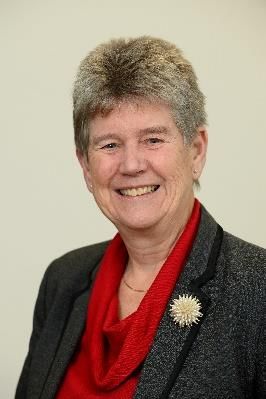
to 95% by 2050. The Welsh Government takes Wales’ global                 Mark Drakeford AM               Jane Hutt AM
responsibilities seriously and we are committed to doing
everything in our power to meet them.                                    First Minister of Wales         Deputy Minister and Chief Whip

As we approach the fifth anniversary of the Act, we are seeing
significant benefits as a consequence. But culture change takes
time and the greatest benefits may not become apparent for

2 | Wales and the Sustainable Development Goals – Supplementary Report to the UK Voluntary National Review 2019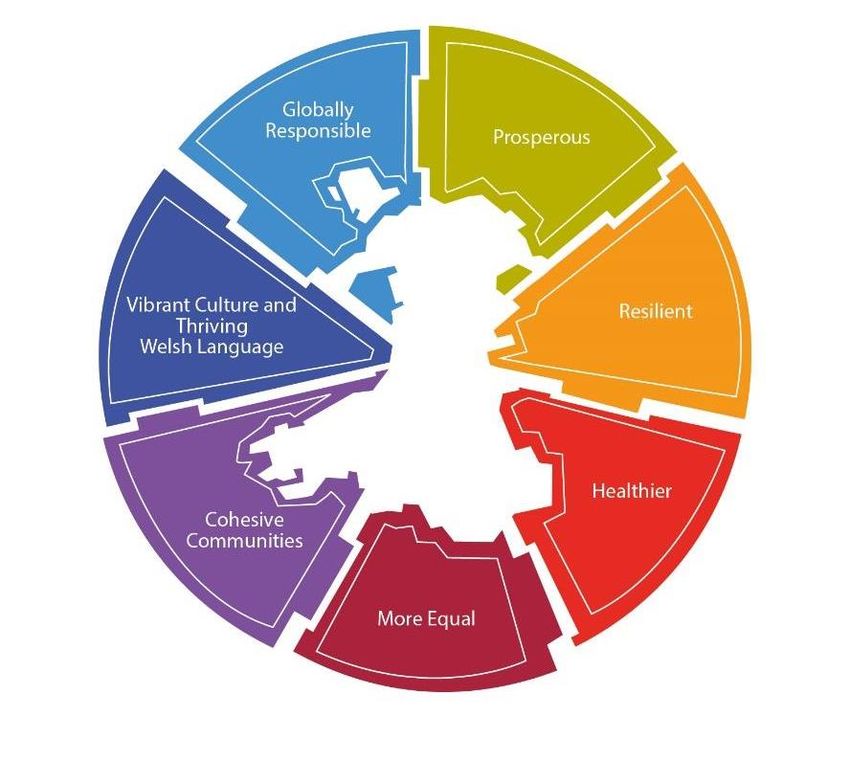
A View from the Future Generations Commissioner for Wales

Wales is a small nation with an ambitious vision. Through our           The eyes of the world are now on Wales to deliver, and it is true
approach to sustainable development, we have showcased our              that the effectiveness of our legislation and our approach to
commitment to improving the well-being of people and planet             meeting the SDGs will be in the changes we see to people’s
for future generations.                                                 well-being.
This Supplementary report to the UK Voluntary National Review           We are three years into the implementation of the Act and four
is an exciting addition; highlighting the progress Wales has            years into the 2030 Agenda for Sustainable Development and it
made in meeting the UN SDGs and our very own Well-being of              is apparent to me, that ways of working are changing, the
Future Generations Act.                                                 status quo is being questioned, and business as usual is
                                                                        deemed no longer fit for purpose.
My role as Commissioner is to support and challenge public
bodies in their implementation of this ground-breaking                  From the transformational changes – the rewriting of Planning
legislation. When the Act was passed, the UN famously said              Policy Wales in alignment with our approach to sustainable
that ‘what Wales does today, the world will do tomorrow’ – and          development, the declaration of a climate emergency, the
many corners of the world now look to the example we set here           commitment to 100% emissions reduction by 2050, the new
in Wales when it comes to sustainability.                               focus on the foundational economy and the adoption of a
                                                                        definition of prevention across Government to track spending
Internationally, our way of doing things is continuing to inspire
                                                                        priorities – to the small but no less significant changes taking
and impact change. Our membership of the Network of
                                                                        place across local authorities and national bodies; people in
Institutions for Future Generations (NIFG) has been
                                                                        Wales are responding to the challenges for the future, today.
instrumental in developing a methodology of sharing best
practice between fellow member countries such as Israel,                My role as Commissioner is unique and not without its
Hungary, Norway, Finland, New Zealand and Canada.                       challenges. Striking that balance between support and
                                                                        challenge has not always been easy; especially in the first
Professor Jonathan Boston from Victoria University, New
                                                                        years. Many are anticipating major changes overnight, but the
Zealand, described our legislation as ‘remarkable in terms of its
                                                                        realities are far slower when it comes to reshaping paradigms
breadth, its coverage and ambition. There’s nothing quite like it
                                                                        and ways of working that are generations deep.
anywhere else in the world at this point. I am enormously
impressed with the amount of work the Commissioner’s team               It’s fair to say that during my first few years, I haven’t shied
has done in a very short space of time.’                                away from challenging the Welsh Government and the rest of
                                                                        the public sector when I have felt progress has been too slow or

3 | Wales and the Sustainable Development Goals – Supplementary Report to the UK Voluntary National Review 2019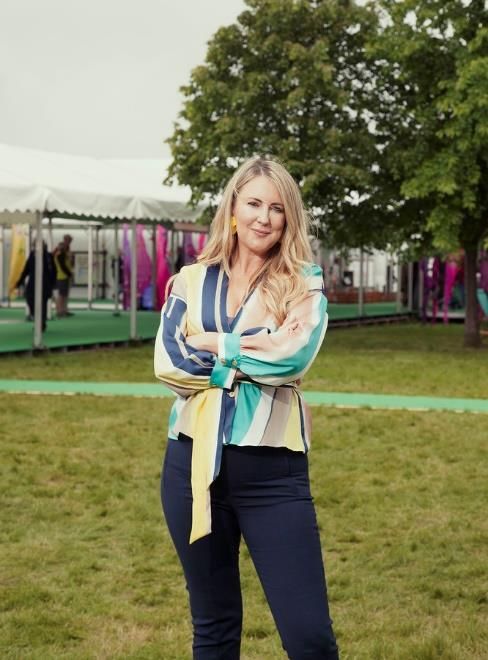
where old habits and ways of working fail to reflect the                way of doing things. We have a long way to go and we have set
sustainable development principle.                                      our benchmark high with our ambitious vision, but nothing worth
                                                                        doing was ever easy, and future generations are depending on
For example, evidence has shown there is a lack of
                                                                        us.
understanding of the goal of ‘a resilient Wales’, with objectives
and steps set by public bodies focusing on low carbon energy
and transport, instead of supporting healthy functioning
ecosystems.
Likewise, evidence shows limited understanding of the goal of           Sophie Howe
‘a globally responsible Wales’, and many of the objectives set
around the ‘prosperous Wales’ goal fail to go beyond                    Future Generations
employment and GDP. The goals of ‘a healthier Wales’ and ‘a             Commissioner for Wales
more equal Wales’ are generally well understood, but there is
still potential for public bodies to think broader and more
holistically about all aspects of our economic, environmental,
social and cultural well-being.
In the coming years I will be focusing my attention on how the
Government will redirect resources to address the climate
emergency, including: the actions they must take to reverse
ecological decline, how we must improve the way we plan,
design and build houses and communities and ensure that the
infrastructure we rely on is fit for a low-carbon future.
I will also focus on the changes needed so that we are directing
resources from healthcare systems based purely on treatment
to a system which focuses on prevention, and on ensuring we
have a system of lifelong learning which positions current and
future generations to thrive in the economy of the future.
I think it’s clear to see within this report, that the Act gives
permission to those working in Wales, who see there is a better

4 | Wales and the Sustainable Development Goals – Supplementary Report to the UK Voluntary National Review 2019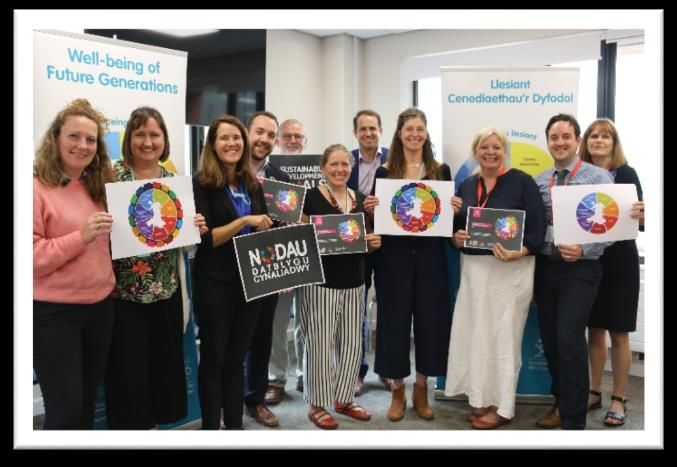
Acknowledgment

Sustainable Development Goals Summits                                     Wales and Sustainable Development Goals Working Group

5 | Wales and the Sustainable Development Goals – Supplementary Report to the UK Voluntary National Review 2019
Contents

Foreword ........................................................................................... 1   A More Equal Wales ...................................................................... 38
A View from the Future Generations Commissioner for Wales ... 3                                          A Wales of Cohesive Communities .............................................. 47
Acknowledgment ............................................................................. 5           A Wales of Vibrant Culture and Thriving Welsh Language ........ 51
Contents ........................................................................................... 6   A Globally Responsible Wales ..................................................... 55
Section A | Introduction ..................................................................... 7         Leave No One Behind.................................................................... 58
Section B | Progress in Achieving Wales’ Seven Well-Being Goals 15                                       Section C | Progress in Working in a Sustainable Way .................. 61
A Prosperous Wales ...................................................................... 16             Section D | Conclusion ................................................................... 69
A Resilient Wales ........................................................................... 26         Appendix A..................................................................................... 73
A Healthier Wales ........................................................................... 32         Appendix B..................................................................................... 78

 6 | Wales and the Sustainable Development Goals – Supplementary Report to the UK Voluntary
 National Review 2019
Section A | Introduction

7 | Wales and the Sustainable Development Goals – Supplementary Report to the UK Voluntary National Review 2019
Introduction

In 2015 the United Nations General Assembly unanimously                   The 2030 Agenda for Sustainable Development
adopted ‘Transforming our World: The 2030 Agenda for
                                                                          The 2030 Agenda for Sustainable Development, provides a
Sustainable Development’. The plan lays out 17 Sustainable
                                                                          shared blueprint for peace and prosperity for people and the
Development Goals which aim to mobilise global efforts to
                                                                          planet, now and into the future. At its heart are the 17
eradicate poverty and achieve sustainable development by
                                                                          Sustainable Development Goals (SDGs), which are an urgent
2030 world-wide, ensuring that no one is left behind.
                                                                          call for action by all countries - developed and developing - in
In the same year, the National Assembly for Wales passed the              a global partnership. They recognize that ending poverty and
Well-being of Future Generations (Wales) Act 2015 to provide              other deprivations must go hand-in-hand with strategies that
stronger governance for the long term in Wales. The Act                   improve health and education, reduce inequality, and spur
enshrined Wales’ historical commitment to sustainable                     economic growth – all while tackling climate change and
development and lays out seven well-being goals for a more                working to preserve our oceans and forests.
sustainable Wales.
Four years on from these historic commitments the UK
Government has submitted a Voluntary National Review report
to the United Nations. To supplement this, the Welsh
Government has worked with the Future Generations
Commissioner for Wales, stakeholders and through the ‘Wales
and the SDGs’ working group to prepare a ‘Wales
Supplementary Report’ to provide consolidated and additional
content on the different approach taken by Wales to
sustainable development.
This report considers progress towards Wales’ well-being
goals (Section 2) and progress in the means of implementation
(Section 3).

8 | Wales and the Sustainable Development Goals – Supplementary Report to the UK Voluntary National Review 2019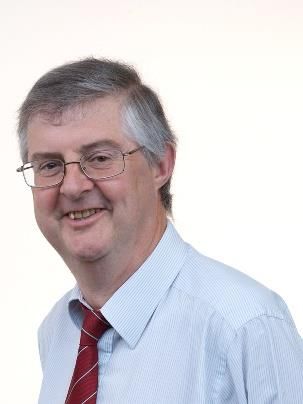
The 2030 Agenda itself consists of 4 sections:                            Sustainable Development in Wales
(i) a political Declaration                                               The policy and institutional framework for sustainable
(ii) a set of 17 sustainable Development Goals and 169 targets            development in Wales was firstly framed by the founding
                                                                          legislation of devolution in the Government of Wales Act 1998
(iii) Means of Implementation                                             where there was a duty to promote sustainable development
(iv) a framework for follow up and review of the Agenda                   through a scheme. The Well-being of Future Generations Act
through Voluntary National Reviews by UN Member States.                   from 2015 (WFG Act) strengthened this framework
                                                                          considerably through a comprehensive approach to
UK Voluntary National Review 2019                                         sustainable development.
The UK’s first Voluntary National Review (VNR) sets out                   Key highlights in Wales’ Sustainable Development Journey
clearly and comprehensively collective efforts on the Goals
since their adoption in 2015. It covers domestic and                             1998    One of the first nations in the world to have a
international work on all 17 Goals, with a focus on the                                  constitutional duty on sustainable development
domestic. It has been produced through collaboration with and
input from the devolved administrations of Scotland and Wales                    2000    The 1st Sustainable Development Scheme –
and the Northern Ireland Civil Service.                                                  Learning to live differently
Wales 2019 SDG Stakeholder Summits                                               2002    Chair of the session at Johannesburg that
In January 2019, the Welsh Government with the Future                                    founded the global Network of Regional
Generations Commissioner for Wales held two Stakeholder                                  Governments for Sustainable Development
Summits in Cardiff and Llandudno bringing people from the                                (now Regions4SD)
public and private sector, higher and further education, and
civil society together to see how Wales is contributing to the                   2002    Co-developer and founding signatory of the
2030 Agenda with its own well-being goals as part of the UK                              Guateng Declaration
Voluntary National Review 2019 and how we can intensify
efforts for sustainable development and the Global Goals. This                   2004    The 2nd Sustainable Development Scheme –
work fed in to the UK VNR report. A summary of these events                              Starting to Live Differently
can be found here. During the event there was a strong call for
Wales to tell its own story in addition to the UK VNR.                           2008    World’s First Fair Trade Nation

9 | Wales and the Sustainable Development Goals – Supplementary Report to the UK Voluntary National Review 2019
2009 One Wales: One Planet – The 3rd scheme 2015 National Assembly for Wales passes ‘The Well-
which committed to a ‘One Planet Nation’ and being of Future Generations (Wales) Act 2015)
recognised global environmental limits.
2011 Welsh Government’s Programme for 2015 Planning (Wales) Act 2015 which includes a
Government which committed to legislate for statutory purpose for sustainable development
sustainable development and create an as defined in the WFG Act
independent sustainable development body
2016 Appointment of the first Future Generations
2012 Sustainable Development Bill : White Paper Commissioner for Wales – Sophie Howe
2013 Active Travel (Wales) 2013 - to set Wales on a 2016 National Indicators for Wales laid before the
path to an ‘active travel nation’. National Assembly for Wales – 46 to measure
Wales’ progress
2014 Founding signatory to the Compact of States
and Regions 2016 Environment (Wales) Act 2015 – which
includes climate change targets, biodiversity
2014 The ‘Wales We Want in 2050’ – A national duty and sustainable management of natural
conversation about Wales’ future to inform the resources set in the context of the WFG Act
goals for legislation.
2017 Public Health (Wales) Act 2017 – includes a
2014 Future Generations Bill introduced into the focus on obesity and Health Impact
National Assembly for Wales Assessments.
2015 Safeguarded an area of forest the Size of
Wales
10 | Wales and the Sustainable Development Goals – Supplementary Report to the UK Voluntary National Review 2019The Well-being of Future Generations (Wales) Act 2015 – stronger governance for the long term The Well-being of Future Generations (Wales) Act 2015 put the Bruntland definition into Welsh law and is now a provides a comprehensive approach to sustainable fundamental part of how public bodies and public services development that mirrors the Agenda 2030 framework and boards must now operate. drew from best practice around the world at the time. It lays out seven well-being goals for Wales, which address the four dimensions of sustainable development in Wales (environmental, economic, social and cultural), places legal duties on public sector bodies and establishes the world’s first Future Generations Commissioner for Wales. Defining sustainable development In Wales, sustainable development is the process by which we reach the goal of sustainability. The Act provided an opportunity to legislate and provide further detail on what sustainable development means. The WFG Act therefore provides a general definition as follows:- “sustainable development” means the process of improving the economic, social, environmental and cultural well-being of Wales by taking action, in accordance with the sustainable development principle, aimed at achieving the well-being goals S.2 of the Well-being of Future Generations Act The two key parts of this definition concern the focus on sustainable outcomes – the seven well-being goals, and sustainable decision making – through the sustainable development principle. The sustainable development principle 11 | Wales and the Sustainable Development Goals – Supplementary Report to the UK Voluntary National Review 2019
In this Act, any reference to a public body doing something                   ecological resilience and the capacity to adapt to
‘in accordance with the sustainable development principle”                    change (for example climate change).
means that the body must act in a manner which seeks to
ensure that the needs of the present are met without                          A healthier Wales
compromising the ability of future generations to meet their
own needs”                                                                    A society in which people’s physical and mental well-being
                                                                              is maximised and in which choices and behaviours that
S.5 of the Well-being of Future Generations Act                               benefit future health are understood.

                                                                              A more equal Wales
The Well-being of Future Generations (Wales) Act 2015
establishes seven well-being goals for Wales. These articulate                A society that enables people to fulfil their potential no
and translate the 17 Sustainable Development Goals into                       matter what their background or circumstances (including
goals for Wales. These articulate a vision for Wales that                     their socio economic background and circumstances).
reflects the four dimensions of sustainable development in
Wales                                                                         A Wales of cohesive communities

   A prosperous Wales                                                         Attractive, viable, safe and well-connected communities.

   An innovative, productive and low carbon society                           A Wales of vibrant culture and thriving Welsh language
   which recognises the limits of the global environment
   and therefore uses resources efficiently and                               A society that promotes and protects culture, heritage and
   proportionately (including acting on climate change);                      the Welsh language, and which encourages people to
   and which develops a skilled and well-educated                             participate in the arts, and sports and recreation.
   population in an economy which generates wealth and
   provides employment opportunities, allowing people to                      A globally responsible Wales
   take advantage of the wealth generated through
   securing decent work.                                                      A nation which, when doing anything to improve the
                                                                              economic, social, environmental and cultural well-being of
   A resilient Wales                                                          Wales, takes account of whether doing such a thing may
                                                                              make a positive contribution to global well-being.
   A nation which maintains and enhances a biodiverse
   natural environment with healthy functioning
   ecosystems that support social, economic and

12 | Wales and the Sustainable Development Goals – Supplementary Report to the UK Voluntary National Review 2019
The Sustainable Development Principle includes five ways of The Commissioner will also publish a Future Generations
working that public bodies are required to take into account report one year before each National Assembly for Wales
when applying sustainable development. election. This will contain the Commissioner’s assessment of
improvement public bodies should make.
These are:
The Auditor General for Wales is also part of the changes to
Looking to the long term so that we do not compromise the
the institutional framework for sustainable development in
ability of future generations to meet their own needs;
Wales as it has a legal power carry out examinations of the
Taking an integrated approach so that public bodies look at public bodies to assess the extent to which a body has acted
all the well-being goals in deciding on their well-being in accordance with the sustainable development principle in
objectives; certain circumstances.
Involving a diversity of the population in the decisions that In recognition of the need to understand the challenges that
affect them; Wales a ‘Future Trends Report’ for Wales must be published
every 5 years. There is a legal requirement in preparing this
Working with others in a collaborative way to find shared
report to take account of any action taken by the United
sustainable solutions;
Nations in relation to the UN Sustainable Development Goals.
Understanding the root causes of issues to prevent them This is the first legal duty of its kind which refers to the SDGs.
from occurring. In Wales, the measurement framework for sustainable
In recognising the importance of local partnerships for development is set out through the Well-being of Future
sustainable development the Act establishes Public Services Generations Act. This mechanism ensures that Welsh
Boards for each local authority area in Wales who will assess Ministers are monitoring progress towards the seven statutory
the state of its area and agree a Local Well-being Plan. well-being goals through 46 National Well-being Indicators for
Wales and Annual Well-being of Wales report. These measure
The Future Generations Commissioner for Wales’ role is to act
the sustainability of wales.
as a guardian for the interests of future generations in Wales,
and to support the public bodies subject to the Act to work Work is also underway to set milestones for Wales against the
towards achieving the well-being goals. national indicators where Welsh Ministers consider they would
assist in measuring the progress towards the well-being goals.
The Future Generations Commissioner for Wales has a range
of actions they can carry out including advising, promoting In 2017 Wales developed an online tool map Wales well-being
awareness, and carry out reviews and making goals and national indicators to the 17 SDGs. demonstrating
recommendations. that there is good coverage across the goals. This can be
found here and in Appendix 2.
13 | Wales and the Sustainable Development Goals – Supplementary Report to the UK Voluntary National Review 2019A Sustainable Wales | Architecture
Sustainable Development Goals
What
(World) 1 2 3 4 5 6 7 8 9 10 11 12 13 14 15 16 17
↕ Well-being goals for Wales ↕
A Wales of
What vibrant
A A Wales of A globally
(A sustainable Wales) A resilient A healthier A more culture and
prosperous cohesive responsible
Wales Wales equal Wales thriving
Wales communities Wales
Welsh
language
Progress National Indicators and Milestones
Sustainable development and well-being duty on public bodies
Making it happen
(well-being objectives)
Individual well-being duty Collective well-being duty
Who
44 Public Bodies Public Services Boards
Sustainable Development Principle
How
Long term Prevention Integration Collaboration Involvement
Greater Transparency Better information
Auditor General for Wales
Examinations
Examination
Future Generations Commissioner for Wales
Supporting the
change Future
Long-term Advice Review Monitor Generations Advisory Panel
Report
14 | Wales and the Sustainable Development Goals – Supplementary Report to the UK Voluntary National Review 2019Section B | Progress in Achieving Wales’ Seven Well-Being Goals The following chapters provide progress against the seven well-being goals for Wales. 15 | Wales and the Sustainable Development Goals – Supplementary Report to the UK Voluntary National Review 2019
A Prosperous Wales
An innovative, productive and low carbon society which recognises the limits of the global
environment and therefore uses resources efficiently and proportionately (including acting on climate
change); and which develops a skilled and well-educated population in an economy which generates
wealth and provides employment opportunities, allowing people to take advantage of the wealth
generated through securing decent work.

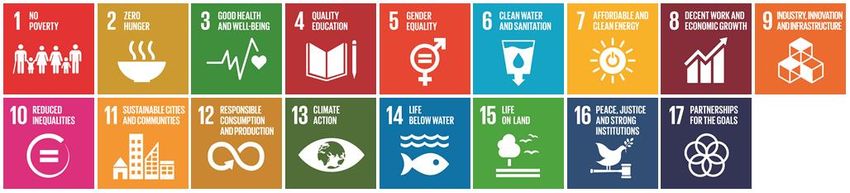
National Well-being Indicators                                           Sustainable Development Goals

16 | Wales and the Sustainable Development Goals – Supplementary Report to the UK Voluntary National Review 2019
A Prosperous Wales
Wales’s Economic Action Plan draws on levers to grow the
Data Picture: Employment rates
economy, spread opportunity, reduce inequality and promote
well-being. The Plan is focused on a common purpose to work Figures show a big improvement in the employment rate in
with business and others to grow the economy inclusively and Wales over the period since devolution, with an employment
spread opportunity. It includes: rate of 74.8% for the period May to July 2018.
Promoting, encouraging, and delivering responsible Employment rate for population aged 16 to 64: 1999 to
practices through the Economic Contract.
2018
Delivering public investment with a social purpose by
channelling financial support to those businesses who
share the same values, and are investing for the future
through the Government’s Calls to Action.
The Economic Contract is the centrepiece of Wales’s
Economic Action Plan, and frames the reciprocal relationship
between government and business to drive public investment
with a social purpose. It requires businesses seeking
investment to demonstrate a commitment to inclusive growth,
Source: Labour Force Survey, Office for National Statistics
fair work, a focus on health, skills and learning in the
https://www.ons.gov.uk/employmentandlabourmarket
workplace and decarbonisation. The Plan has four distinct
themes: providing an individualised approach to employment
Employability
support, underlining the responsibility of employers to support
staff, closing skills gaps and preparing for a radically changing Wales’s Employability Plan sets out how people can be
labour market. supported to increase their skills and ensure a coherent
pathway for them to enter and progress in employment.
Wales’ employability programmes, Jobs Growth Wales,
ReAct, CfW, CfW+ Parents, Childcare and Employment, and
others have supported tens of thousands of people into work
over the last decade.
17 | Wales and the Sustainable Development Goals – Supplementary Report to the UK Voluntary National Review 2019Working Wales is the all-Wales employability advisory service support to both engage participants and address the complex
which provides individualised advice and guidance to support barriers to employment experienced by those furthest from the
people into Employment. labour market.
Wales’ childcare offer provides eligible working parents with Wales strongly supports measures that increase household
30 hours of government-funded early education and childcare income, and continues to promote the adoption of the
for three and four year olds for up to 48 weeks a year. Foundation Living Wage across the public, private and
voluntary sectors. The Welsh Government has been
Activity snapshot accredited as a Living Wage employer since 2015 and the
NHS in Wales has paid the living wage since January 2015.
Four housing organisations in Blaenau Gwent (Linc Cymru, Local Authority pay scales start from above the Foundation
Melin Homes, Tai Calon and United Welsh) with Blaenau Living Wage level.
Gwent Council, Wales Coop Centre and Coalfields
Regeneration Trust have joined up to look at opportunities Ensuring fair work for all is a key focus of Wales’ efforts. In
to work together to support SMEs. Almost 90% 2019 Wales’ independent Fair Work Commission reviewed a
of businesses based in Blaenau Gwent are very small firms range of legislative, economic and other levers to help make
with a workforce of under nine people. They are aiming to Wales a more equal, fair and just society. The Commission
understand the assets housing associations bring to the reported in May and the Welsh Government is considering the
foundational economy of Blaenau Gwent and identify report.
where greater collaboration between housing associations Action to effective learning
and others could build foundational
Wales is delivering positive educational results for children
economy opportunities.
and young people to the end of compulsory schooling, at 16
Fair Work in Wales years old. Results have been improving, with the percentage
of pupils achieving five secondary school grades A*-C
The latest figures show that average disposable income per including maths and English / Welsh rising from just over 4 out
head in Wales is £15,835i, around 80 per cent of the overall of 10 pupils in 2007 to 6 out of 10 pupils in 2016.
UK value. Wales is committed to eliminating the gap in
working age unemployment, and economic inactivity rates In 2018, for the Foundation Phase and Key Stages 2 to 4,
between Wales and the UK average, within 10 years. The girls’ achievement was higher than boys. (Statistical Release
Employability Plan sets out the steps that Wales will take to January 2019). This figure is reflected at the tertiary level with
help people into the right jobs and equip them with the right 17% more women than men receiving undergraduate
skills to progress. It builds on the community employability qualifications in Wales in 2017/18ii and more likely to be in
programmes, which will provide intensive mentoring and apprenticeship programmes iii
18 | Wales and the Sustainable Development Goals – Supplementary Report to the UK Voluntary National Review 2019‘Education in Wales: Our national mission’ pulls together the Additional learning needs
educational reforms needed to secure the effective
New legislation for additional learning needs (ALN) has been
implementation of Wales’s new curriculum. It calls upon
adopted in Wales for children and young people aged 0-25 as
international best practice, and the education performance
part of a wider transformation programme.
expertise of the global Organisation for Economic Co-
operation and Development (OECD). Under the new system, planning will be flexible and
responsive, skilled professionals will identify needs and deploy
The ‘four purposes’ for the new curriculum link directly to the
strategies to help learners overcome their barriers to learning,
Global Goals. They seek:
with the focus on the learner. These reforms have been
Ambitious, capable learners ready to learn throughout designed collaboratively with stakeholders having a key role in
their lives. their development.
Enterprising, creative contributors ready to play a full part Technical, vocational and tertiary education
in life and work.
The Flexible Skills Programme provides direct intervention
Healthy, confident individuals ready to lead fulfilling lives where an employer’s growth is being constrained by a skills
as valued members of society. gap. From April 2018 to March 2019, the programme
supported 61 employers to assist them in achieving their
Ethical, informed citizens ready to be citizens of Wales
workforce development needs. This is believed to have
and the world.
improved skills levels of 4000 employees.
Play in Learning
Wales’s Apprenticeship programme raises the profile of ‘on
All 3 and 4-year-olds in Wales are entitled to early education the job’ training and is on track to create 100,000
via the Foundation Phase nursery programme. The apprenticeship employment opportunities by 2021, ensuring a
Foundation Phase is built on learning through play, as focus on growth sectors to boost productivity levels in STEM
evidence shows that this is a powerful tool which can help and technical sectors.
children to develop and extend their language and
communication skills. Around 6 in 10 pupils aged 4 are at a
stage of development in maths, language, literacy and
communication in English that would be consistent with, or
greater than, their age according to the framework. Around 9
in 10 pupils are within one stage of development consistent
with their age.iv
19 | Wales and the Sustainable Development Goals – Supplementary Report to the UK Voluntary National Review 2019Data Picture: Working-age population with level 4 Activity snapshot
qualification or above
Rhonddfa Cynon Taf employment pathway supports
The qualification profile of the Welsh population has been people to develop skills in line with growth sectors and the
improving over time. The proportion of the working age needs of local employers, and providing opportunities
population qualified to Credit and Qualifications Framework including Apprenticeship and Graduate schemes, work
for Wales (CQFW) or above has increased from 28% in experience and placements at a variety of level. These
2008 to 37% in 2017.v In terms of the highest qualifications include university internships, to providing opportunities for
held by the working-age population females are more likely young people leaving the Care of the Council through the
to hold qualifications at Level 4 or above (higher education ‘Care2work’ and ‘Step in the Right Direction’ programmes
or equivalent level (40 per cent of females, compared to 35
per cent of males). Procurement
Percentage of the Welsh working-age population (aged The Community Benefits policy uses public procurement to
18 to 64) who have a level 4 qualification or above: create jobs and provides training for people facing
2008 to 2017 disadvantage. It encourages community engagement as a
contract requirement to support community initiatives
particularly in deprived communities. By April 2019, 536 public
procurements had included Community Benefits requirements
that have created 2,477 employment opportunities, 1,132
apprenticeships and 103,743 training weeks for Community
Benefit recruits.
From September 2018, eligible first-time undergraduates
receive support to help fund their day-to-day living costs
Source: Annual Population Survey, Office for National during term time, regardless of where in the UK they study. A
Statistics finance package for Postgraduate Master’s study has been
introduced, similar to that which is available for undergraduate
study. Improved support will encourage more people to qualify
at this level, developing their skills and careers.
20 | Wales and the Sustainable Development Goals – Supplementary Report to the UK Voluntary National Review 2019Activity snapshot Activity snapshot
To support efforts by volunteers across Wales to create a The UN Regional Centre of Expertise (RCE) Cymru is part
prosperous country and vibrant place to live – a new digital of an international UN-led network, facilitates collaboration
volunteering platform. Volunteering Wales has been across Welsh Universities to research, develop and
established. Hosted by the Wales Council for Voluntary promote a greater understanding of sustainability and well-
Action this new system allows volunteers to find being of current and future generations. It is central to co-
opportunities, and log their hours and skills gained from developing the sustainable ‘Wales we want’. RCE Cymru is
volunteering. More than 3000 organisations already use a community guided in part by the Welsh Universities’
the platform. Future Generations Group (HEFGG).
Scientific research Low carbon energy
In 2013, Wales had 0.14% of the world’s researchers yet Wales’s Low Carbon Delivery Planvii sets out the ambition for
produced 0.3% of the world’s published articles, citations of low carbon electricity to become the main source of energy in
research articles produced in Wales make up 0.49% of the Wales. Affordable and low carbon energy is a key objective to
global total, and 0.7% of the top 1% most highly cited papers. achieving prosperity in Wales. Approximately 22% of total
This evidences the efficiency of Welsh research, its impact electricity generated in Wales in 2017 was from renewables.viii
and the world-leading nature of a significant proportion of Wales is a net exporter of electricity; the electrical generation
outputs.vi potential from renewable energy installations in 2017 was
estimated to be equivalent to 48% of Welsh electricity
In Wales, the Sêr Cymru programme supports over 160 high
consumption.ix
quality researchers with £100 million in funding. It works with
leading scholars in Welsh universities, increasing the success In Wales, it is expected that overall power demand will
of Welsh research and the technological, medical and increase as a result of growing electrification of transport.
environmental capabilities of the country. Through attracting From 2022 electrification will see bi-mode and tri-mode trains
world leading researchers to tackle some of the world’s most introduced on the South Wales Metro’s Core Valleys Lines
pressing challenges, Wales also ensures that this programme operating entirely from overhead electric power supplemented
is inclusive, ensuring that a minimum of 40% of its Sêr Cymru by batteries. The electrification will be powered by 100%
researchers are female, and requiring all researchers to renewable energy, with at least 50% sourced in Wales,
undertake unconscious bias training. meaning services will be entirely emission free. To ensure
future demand can be met, significant investment is needed in
energy generation, transmission and distribution
infrastructure.
21 | Wales and the Sustainable Development Goals – Supplementary Report to the UK Voluntary National Review 2019Wales also has a target for 1 GW of renewable energy
Data Picture: Renewable Energy Capacity
capacity in Wales to be locally owned by 2030; and an
expectation for all new renewable energy projects to have at The equivalent of 48% of electricity consumption in Wales
least an element of local ownership from 2020. In 2018, Wales was generated from renewable sources in 2017, an
held a call for evidence on the benefits of, and challenges in, increase from 37% in 2015. This continues the long-term
increasing locally-owned energy generation and delivering the trend since 2007.
1 GW local ownership target. It demonstrated that increasing
local ownership of energy generation within Wales is likely to Growth in the percentage of electricity generated from
increase prosperity.x renewable sources in Wales: 2007 to 2017
Activity snapshot
Based in Wales, Shotwick Solar Park is the largest solar
park in the UK at 72.2 Mega Watts (MW). It has a private
wire connecting it directly to Shotton Paper Mill, offsetting
roughly one-third of its annual electricity demand and
saving 22,500 tonnes of carbon per year. It also has a grid
export capacity of 50 MW. The site was developed by
British Solar Renewables, We-Link Energy and Compton
Group and is now owned by Foresight Group.
Regional and local energy planning is being taken forward to
accelerate the deployment of renewable generation in Wales.
The installation of renewable energy generation capacity has
increased in pace with the capacity of technologies such as
solar panels more than doubling from 2014-16, and onshore
wind capacity showing a 50% increase.xi
Source: Energy Generation in Wales, 2016
The Welsh Government has commissioned evidence on the
potential resources in Wales for onshore and offshore wind
and solar resource and is considering the implications of this
work for spatial planning and infrastructure. Wales is taking advantage of its marine natural resources.
Wales has established two demonstration zones, which
provides test bed opportunities for wave and tidal stream
22 | Wales and the Sustainable Development Goals – Supplementary Report to the UK Voluntary National Review 2019devices. This industry has the potential to offer a global support for businesses, including through the Welsh
solution to decarbonising energy generation. It is already Government’s Economy Futures Fund. To access direct
providing economic opportunities in deprived coastal areas in financial support through the Economy Futures Fund, Welsh
Wales. Government tests businesses’ attitude to managing and
lowering their carbon footprint, whilst decarbonisation forms
Wales has called for its public sector to be carbon neutral by
one of five Calls to Action designed to target future proofing
2030. This requires large scale delivery of renewable energy
investment.
and energy efficiency projects within the public sector. The
Welsh Government considers carbon impact when allocating Modern Slavery
capital funding. All new health and education buildings funded
The ‘Ethical Employment in Supply Chains – Code of Practice’
through Welsh Government capital are designed and built to
sets out 12 principles to drive actions on issues such as
maximise energy efficiency. Funding is conditional on projects
supply chain transparency, the National Living Wage and
being designed to achieve an A rating on EPCs, as well as an
eradication of modern slavery. In its first two years 173
excellent accreditation under the Building Research
organisations signed up to the Code.
Establishment Environmental Assessment Methodology to
demonstrate sustainability. Transparency in Supply Chains (TISC) is a centralised
database that gives access to Modern Slavery Statements
Climate mitigation
posted by suppliers. Sponsored by the Welsh Government,
The Welsh Government Energy Service has invested over the site acts as a step towards eradicating modern slavery in
£60m of zero-interest loans across the public sector in Wales supply chains.
between late 2015 and early 2018 and also supported the
delivery of a further £27.5 million of energy and energy Activity snapshot
efficiency projects, where finance was secured from
alternative routes. The carbon savings within the current The NHS Wales Shared Services Partnership (NWSSP) is
carbon budget period alone is estimated to be close to 53,000 an independent organisation owned and directed by NHS
tonnes. The service is on track to deliver business case Wales which provides products and services to the NHS in
targets of 2.5m tonnes of total CO2 savings from measures Wales. NWSSP has signed up to the CoP Commitments
installed and will save the public sector over £650m in avoided developed an Action Plan and appointed its Director of
energy costs over the life of the assets installed. Workforce & Organisational Development as an Ethical
Employment Champion.
Many businesses are already maximising the cost-saving
opportunities of clean growth. Decarbonisation is a clear and The Wales Anti-Slavery Leadership Group provides strategic
consistent thread throughout the Economic Action Plan (EAP), leadership for tackling modern slavery in Wales and to provide
featuring strongly in Wales’s approach for delivering direct the best possible support for survivors, co-ordinating
23 | Wales and the Sustainable Development Goals – Supplementary Report to the UK Voluntary National Review 2019collaboration across devolved and non-devolved partners and and mitigate sustainability risks and to maximise sustainability
third sector organisations, maximising opportunities for multi- opportunities.
agency solutions to tackle slavery. The Anti-Slavery Training
Programme delivers a wide range of courses across Wales. Activity snapshot
The training is approved by Wales’s National Training
Framework and in 2018 in Wales over 10,000 people were Merthyr Furniture Reuse furniture previously sent for
trained. Raising awareness of slavery is leading to an Energy from Waste (EfW) will be reused or recycled.
increase in the number of reported cases. The numbers of Dealing with our materials in this way provides a more
people referred onto the National Referral Mechanism (NRM) sustainable use of raw materials, and re- using/recycling of
have increased year on year from 34 referrals in 2012 to 251 used furniture items is a more cost efficient means of
in 2018. treatment. This project will also provide lower cost furniture
to householders within the County Borough
Sustainable practices
The ecological footprint of Wales provides an assessment of Visit Wales has developed a number of programmes and tools
the total environmental burden associated with Welsh over recent years aimed at helping destinations as well as
consumption. If everyone in the world were to consume the individual businesses become more sustainable. Cadw,
same as the average Welsh citizen, the bio-capacity of just Wales's historic environment service has been actively
over 2.5 planet Earths would be required to provide sufficient integrating ‘best practice’ towards carbon reduction both
resources and absorb the wastes. The Welsh Government’s across the properties in the care of Welsh Ministers and the
goal to achieve ‘One Planet Living’ within the lifetime of a wider historic environment.
generation requires a reduction of the impacts of Welsh In 2011 Wales became the first country in the United Kingdom
consumption by approximately two thirds.xii to introduce a minimum charge of 5p on all single use carrier
Wales uses a range of measures to influence sustainable bags. The policy has resulted in a significant reduction in their
behaviours. Good sustainable procurement practice is use. In 2018, the Landfill Disposals Tax (Wales) Act, ensures
promoted through the 10 principles of Wales Procurement the environmental cost of landfilling waste is identified and
Policy Statement to maximise the impact of the £6bn annual encourage greater prevention, reuse, recycling and recovery
public procurement spend in Wales. As a result, Wales-based of waste. The tax is paid when waste is disposed of to landfill
suppliers won 52% of this annual expenditure in 2018, up from and is charged by weight. The Act includes provisions for
35% in 2004. charging tax on unauthorised disposals of waste, creating a
financial deterrent for people seeking to dispose of waste
The Sustainability Risk Assessment (SRA) ensures illegally.
sustainability is addressed at the planning stage. The SRA is
required for all procurements over £25k and is used to identify
24 | Wales and the Sustainable Development Goals – Supplementary Report to the UK Voluntary National Review 2019Wales’s waste strategy “Towards Zero Waste” sets out how
Activity snapshot
Wales will deal with waste in a way that produces benefits for
not only the environment, but also for the Welsh economy and The ‘Construction for Future Generations’ Initiative in
peoples’ well-being in Wales. collaboration with Constructing Excellence in Wales and the
The Environment (Wales) Act 2016 sets the strategic Office of the Future Generations Commissioner, will require
landscape for Wales’s transition to a more circular economy. A beneficial changes to custom and practice and full adoption
new Resource Efficiency Strategy and Circular Economy of the principles of the circular economy in order to respond
Route map will be consulted on later this year, detailing next to the requirements of the Wellbeing of Future Generations
steps towards zero waste by 2050. (Wales) Act 2015. In the future the sector will act as if it were
a named organisation under the Act thus enhancing sector
Data Picture: : Household Recycling outcomes to support achievement of the wellbeing goals.
Increased recycling is instrumental in achieving Wales’s aim Wales has also made significant progress in recent years in
of becoming a zero-waste nation. Wales is the third best reducing the amount of food unnecessarily thrown away.
household recycling nation in the world, as local authority Wales was the first country in the UK to introduce a landfill
recycling rates rose from 60% in 2015/16, to 64% in 2016/17. allowances scheme to reduce the amount of biodegradable
Percentage of local authority municipal (household and municipal waste sent to landfill. 99% of households in Wales
non-household) waste prepared for reuse, recycled or can access weekly food waste collections, diverting large
composted: 2012-13 to 2016-17 amounts of waste away from landfill. Figures show a reduction
of household food waste in Wales of 12% per person between
2009 and 2015
Source: WasteDataFlow, Natural Resources Wales
25 | Wales and the Sustainable Development Goals – Supplementary Report to the UK Voluntary National Review 2019A Resilient Wales A nation which maintains and enhances a biodiverse natural environment with healthy functioning ecosystems that support social, economic and ecological resilience and the capacity to adapt to change (for example climate change). National Well-being Indicators Sustainable Development Goals 26 | Wales and the Sustainable Development Goals – Supplementary Report to the UK Voluntary National Review 2019
A Resilient Wales

Frameworks for conserving ecosystems                                      place-based approach. Through this, Wales is ensuring that
                                                                          the national priorities for sustainable management of natural
Wales covers a land area of 2,078,224 hectaresxiii, which
                                                                          resources also inform local delivery.
supports agricultural industry and provides homes to a
variety of wildlife. Wales’s natural resources underpin its               Area statements will help coordinate NRW’s work and the
well-being and its prosperity, health, culture and identity.              work of others, to build the resilience of ecosystems and
With legislation, it has embedded biodiversity and natural                enhance the benefits they provide for people. They bring
resource management into policy, to adopt more sustainable                together data, information and ways of engaging others to
ways of managing our natural resources and decrease                       help better understand the state and trends of natural
Wales’s ecological footprint, the Environment (Wales) Act                 resources in an area, the pressures on them and their
2016 ensures natural resources and ecosystems are resilient               benefits.
and can provide benefits now and for the future.                          The Nature Recovery Action Plan for Wales seeks to engage
However, progress has been slow. The State of Natural                     and support participation and understanding to embed
Resources Reportxiv, produced by Natural Resources Wales                  biodiversity throughout decision-making at all levels. It works
(NRW), the national environmental body in Wales, highlights               to safeguard species and habitats of principal importance
that, despite some positive trends, biological diversity is               and improve their management, and increase the resilience
declining, and no ecosystem in Wales is currently showing                 of Wales’s natural environment by restoring degraded
all the attributes of resilience, which is impacting its                  habitats and habitat creation.
ecosystems to provide benefits.
                                                                            Activity snapshot
The Environment (Wales) Act 2016 and the Sustainable
Management of Natural Resources policy reflects Wales’s                     Brecon Beacons National Park Ambassador Schools is a
commitment to the management of natural resources in a                      programme to support schools within and around the
proactive, sustainable and joined-up way. Such ways of                      National Park in making the most of the outdoors for
working are aligned with achieving the Well-being of Future                 learning. It gives pupils and teachers a chance to take
Generations Act (Wales) 2015 goals and objectives.                          what they learn in the classroom out into the environment,
The Natural Resources Policy sets Wales’s priorities for the                giving pupils valuable hands on experience.
sustainable management of natural resources. These
include: delivering nature-based solutions; increasing
resource efficiency and renewable energy; and taking a

27 | Wales and the Sustainable Development Goals – Supplementary Report to the UK Voluntary National Review 2019
Woodland and Peatlands degraded condition.xvi This has negatively impacted their
ability to deliver a range of ecosystem services.
The Woodlands for Wales strategy outlines the commitment
to bring more Welsh woodland into management, expand its Wales continues to invest in tree planting and peatland,
cover and increase its resilience so they can deliver more recognising the well-being benefits they provide, and
benefits to the people of Wales. In the past it adopted a committed to increase the Land Use, Land Use Change and
target of planting 100,000 hectares of trees between 2010- Forestry sink in Wales by the year 2030 by reducing carbon
30. Planting rates in the first seven years of that period have loss from peatlands and building carbon stores within
only been a fraction of the required 5,000 hectares per year. biomass.
However, Wales aims to increase tree planting to at least
2,000 hectares per year, and will increase this to 4,000 Activity snapshot
hectares as rapidly as possible. Wales is developing an
outline of the First Minister’s vision of a national forest. A Wales’s Sustainable Management Scheme programme is
national forest could accelerate reforestation and unlock funding a range of projects which include a peatland
major economic and environmental benefits. element, chief among which is the Snowdonia National
Park led Realising the Natural Capital of Welsh Peatlands
Activity snapshot project. This project has a very broad remit with on-the
ground restoration; and, developing applications for PES
Plant! is a collaborative programme between Welsh support through the Peatland Code mechanism.
Government, the Woodland Trust and Natural Resources
Wales was launched in 2008 and aims to plant a tree for Manage and protect marine and coastal ecosystems
every child born or adopted in Wales since then. To date, Water is one of Wales’s greatest natural assets and an
over 320,000 broadleaf trees (over 147 hectares) have integral part of Welsh culture, heritage and national identity.
been planted across Wales. From 1 April 2014 the
commitment was extended to plant an additional tree in Wales’s marine and coastal environment supports social,
Uganda for every child business and conservation interests, from the UK’s only
coastal National Park in Pembrokeshire, the UK’s first
The total area of peat soil in Wales is approximately 90,995 coastal Area of Outstanding Natural Beauty (Gower), to the
hectares (4.3%).xv Drainage, land use change, inappropriate world renowned Menai Strait in North Wales which is home
grazing, burning and air pollution have all damaged and to Halen Mon Anglesey Sea Salt. It is therefore vital it
degraded Welsh peatlands. Whilst the latest evidence shows remains protected and well-managed.
some positive trends in relation to Welsh peatlands, over 70% Working with Welsh and other UK stakeholders, Wales is
of peatlands were estimated to have been modified and in currently developing strategic planning policies in the first
28 | Wales and the Sustainable Development Goals – Supplementary Report to the UK Voluntary National Review 2019You can also read


