STANDBYME - IN THIS ISSUE Parkinson's NSW applies to become Aged Care service provider - Parkinson's NSW
←
→
Page content transcription
If your browser does not render page correctly, please read the page content below
STANDBYME
      Parkinson’s NSW Limited | Issue 144 SPRING 2021
                                         ISSN 1839-0269

                   IN THIS
                    ISSUE
                    ••••••••••••

     Parkinson’s NSW applies to become
         Aged Care service provider
                   Read more on page 3

                    ••••••••••••

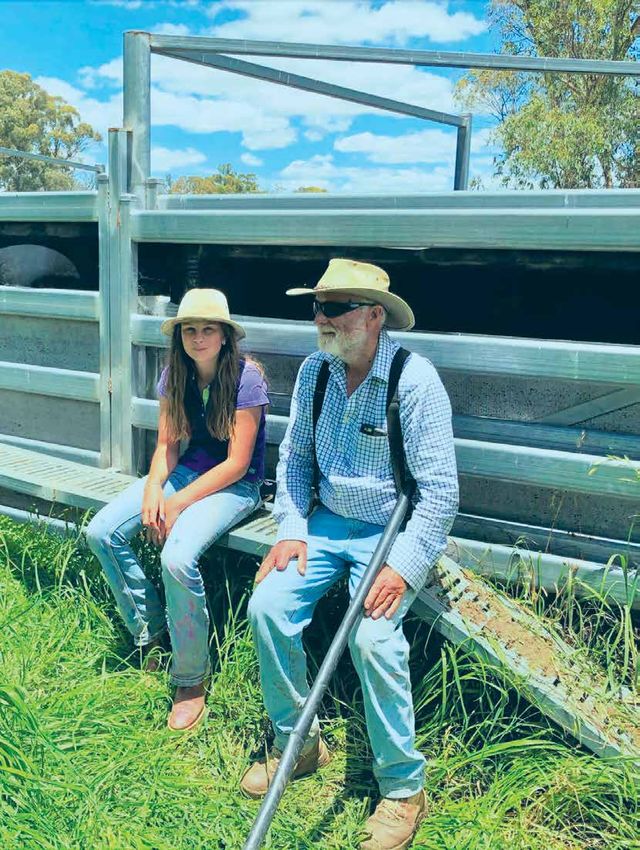
         Parkinson’s In The Country
               - Geoff Bourne
                   Read more on page 7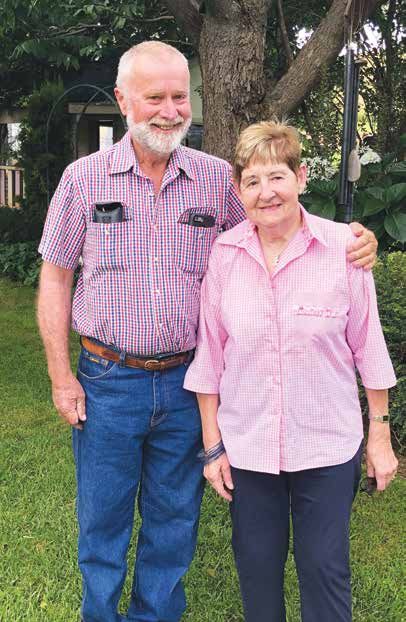
From the CEO
Welcome to the Spring Edition of Stand by Me.
In my message in the Winter edition of this
magazine, we talked about a reception held for us
at NSW Parliament House to raise awareness of the
need for increased Government funding for more
Parkinson’s Specialist Nurses.
At the time I expressed optimism that our message
had been heard, and so it was.
Since then, the NSW Treasurer has announced
that the 2021-22 NSW State Budget includes an
$8.6 million package to support people living with
movement disorders – including Parkinson’s –
over the next four years.
While we are grateful for the promise of increased
John Watkins AM joins
funding, we have reservations about the nursing
model proposed by NSW Health and how the
Board of Parkinson’s NSW
funding will be disbursed. Former Deputy Premier of NSW John Watkins, AM – who is
Therefore advocacy and negotiations are ongoing living with Parkinson’s – has been appointed to the Board of
as we strongly put the case for a model based Parkinson’s NSW.
on the successful, well-established partnerships “John is highly respected in both the political and not-for-profit
between Parkinson’s NSW and Local Health spheres,” said Margaret Scott, President of Parkinson’s NSW.
Districts (LHDs) in several areas of NSW.
“His career in the NSW State Government spanned six Ministerial
On the subject of advocacy, I am delighted to portfolios and culminated in his appointment as Deputy Premier
welcome John Watkins AM, former Deputy in 2005. Following his retirement from politics, he became CEO of
Premier of NSW, who is living with Parkinson’s, Alzheimer’s Australia NSW for nine years and subsequently held an
to the Board of Parkinson’s NSW. He will be a extensive range of non-executive director roles on the Boards of
wonderful advocate for our cause. not-for-profit healthcare and international aid organisations.
“John’s expertise will be invaluable to the Board in advocacy, as well
John brings to our organisation the respect and
as health and aged care policy and planning,” said Margaret.
experience gained during his political career,
plus an impressive list of accomplishments in In 2015, John was announced as a Member of the Order of Australia
his post political life – including stints as CEO of (AM) in the Queen’s Birthday Honours List for his significant service
Alzheimer’s Australia NSW and on the Boards of to the community through leadership in health, education, and the
major not-for-profit healthcare and aged care Parliament of NSW.
organisations.
John also was an Australia Day Ambassador from 2011 to 2017 and
In addition to this good news, this Spring Edition of was awarded an Honorary Doctorate by Macquarie University for his
Stand by Me includes a mix of articles on exercise, services to the community.
stress management, dealing with grief and the His previous not-for-profit Board experience includes:
experience of living with Parkinson’s in a rural area.
Chair of the Board of the Little Company of Mary Health Care Ltd
(Calvary Health) which is one of Australia’s largest not-for-profit
Jo-Anne Reeves healthcare providers, responsible of over 20 public and private
Chief Executive Officer hospitals, aged care institutions and extensive community care
services.
Chair of the Catholic Health Australia Board, which represents all
Catholic hospitals and aged care providers in Australia
Member of the Council of the Australian Healthcare and Hospitals
Association
Member of the Governing Council of Neuroscience Research
Australia (NeuRA)
••••••••
••••••••
Macquarie Hospital Building 17 pnsw@parkinsonsnsw.org.au
51 Wicks Road www.parkinsonsnsw.org.au
North Ryde NSW 2113 www.facebook.com/parkinsonsnsw
1800 644 189 www.instagram.com/parkinsons_nsw
02 Parkinson’s NSW | Issue 144
Parkinson’s NSW applies to become
Aged Care service provider
Parkinson’s NSW is working through the complex                      As its name suggests, Flexible Care Programs (FCP)
process of registering to become an Approved Provider               enable services to be provided across a variety of settings
of Parkinson’s-specific support services under the                  including home, residential care, in the community, or in
Commonwealth subsidised Aged Care system.                           a combination of these.
  “The recommendations of the Royal Commission into Aged            This Program includes two important Sub-Programs:
  Care Quality and Safety are very clear about encouraging          Short-Term Restorative Care (STRC) and Transition
  people to live at home for as long as possible, delivering        Care Program (TCP). The focus of this Program and
  flexible care services that follow people as they transition in   its Sub-Programs is to restore and maintain as much
  and out of hospital and aged care, and building capacity in       independence as possible.
  the sector,” said Jo-Anne Reeves, CEO of Parkinson’s NSW.
                                                                    The Short-Term Restorative Care Program will
  “We support an ageing cohort of people living with                enable the delivery of a variety of in-home, time-
  Parkinson’s so the changes in the sector provide us with a        limited support services including:
  unique opportunity to leverage our experience to deliver
  the services our community requires under subsidised Aged
                                                                    • Parkinson’s Specialist Nursing     • Physiotherapy
  Care programs.”                                                   • Occupational therapy               • Counselling
                                                                    • Social work                        • Speech therapy
The Aged Care system aims to give consumers more
choice, power, and control over their support –                     The Transition Care Program provides time limited
including the ability to mix and match services from                supports intended for people who are leaving
different providers with special expertise in certain areas,        hospital and returning home. It also has a focus on
such as Parkinson’s NSW.                                            low-intensity therapies including:
  “Our organisation will not enter the Residential Aged Care        • Physiotherapy             • Occupational therapy
  system because there are already a lot of providers in that       • Speech Pathology          • Counselling
  space. Instead, we will offer Parkinson’s-specific services       • Social work to connect people with wider
  under the Home Care Program and Flexible Care Program,”            community support
  said Jo-Anne.
                                                                    • Social activities, including exercise
The Home Care Program (HCP) is designed for frail
people aged 65 and over who may have some functional                The TCP program will also provide clinical care
limitations. The focus is on providing supports that                during hospital-home transitioning by a Parkinson’s
enable them to live independently at home.                          Registered Nurse who could offer:
                                                                    • Pain management              • Wound care
The services Parkinson’s NSW could potentially
deliver under various Home Care Programs include:                   • Medication assistance        • Dementia support
                                                                    • Other nursing care as required
• Parkinson’s specific Nursing Care
• Speech pathology
• Occupational therapy
• Exercise physiology
• Counselling
• Social work
• Specialised support services
   such as client advocacy and
   behaviour support.
• Service System Development
   including Aged Care staff training.

           Want to
        register your
  interest in Parkinson’s-
  focused services under
    Aged Care funding?
 Call the Parkinson’s NSW
          InfoLine:
     1800 644 189                                                                                    Parkinson’s NSW | Issue 144   03
The future is now for Parkinson’s education
What started as a COVID-driven necessity has become a              First up in September will be a more sophisticated
path to the future for Parkinson’s NSW Education.                  education module for the Aged Care sector. It will use
                                                                   the Articulate Rise online training module and content
Parkinson’s education for workers in the Aged Care sector          developed in partnership with learning solutions designer.
has always been a priority and it was usually delivered face-
to-face – but the COVID-19 pandemic changed all that.              Next up will be a project called Parkinson’s 101 – a multi-
                                                                   pronged approach to upskilling Allied Health and exercise
Pandemic or no, the need for education was still there. So         providers on the unique needs of people living with
Parkinsons NSW moved quickly last year – using the skills          Parkinson’s.
and tools it had at hand – to create a self-guided, online
learning module for support workers and nurses in Aged               “There are some good Allied Health and exercise providers
Care facilities.                                                     with expertise in Parkinson’s, but we need more to meet
                                                                     the current and future demand,” said Christine McGee,
It was well accepted, but also made it apparent that more            Education and Quality Assurance Manager of Parkinson’s
sophisticated education tools were required.                         NSW.
So with the pandemic ongoing and recommendations from                “Many people in these fields tend to graduate as generalists
the Royal Commission into Aged Care Quality and Safety               or have a special interest such as particular sports,
placing even more emphasis on education for the sector,              injuries, or parts of the body – but they are not necessarily
Parkinson’s NSW developed an ongoing strategy based around           knowledgeable about the special needs of people living
online education – for the Aged Care sector and beyond.              with Parkinson’s. Our aim is to develop a larger pool of
                                                                     Parkinson’s-experienced talent in these vital fields which are
It formed an Advisory Group which includes Parkinson’s               essential to building and maintaining wellbeing.”
Specialist Nurses, physiotherapists, speech therapists and
neurologists. This Group provides input to an in-house
Education Working Group as it plots the future of the
organisation’s educational offerings.

Lottery winner drives away new car
The inaugural Pitch in for Parkinsons Lottery has been won by Mrs. M
who bought a ticket even though she never dreamed of winning.
As the first prize winner, she is now driving a brand-new Suzuki Swift
and is considering purchasing a new television with her $1,500 gift card
from Harvey Norman.
It was a timely win because Mrs. M had been driving an eighteen-year-
old car and was discussing her need for a new vehicle with her family.

04 Parkinson’s NSW | Issue 144
Food, mood,
and stress
Stress is a demand made on your body. A stressor
can be people, places, or events that you see as
a threat. Stress is a normal chemical reaction in
your body which can be either good or harmful.
Parkinson’s is a chronic condition that can lead
to many different kinds of stress. People with
Parkinson’s are often under great stress which
can lead to health problems. If stress does not
stop then your body never gets a chance to
heal itself.
It is important to try to identify the stressors
in your life.
These could include:

  Change of personal circumstances

  Moving house

  Changing your job

  Concerns about family or friends

  Medications new or changed
                                                              The best ways to manage stress are:
Learn to recognise the signs of stress:
                                                              1.	Nutrition – Eating a well-balanced diet of smaller,

  Dry mouth
                                                                 more frequent meals results in smaller serves of protein

  Headache                                                       reducing the interference with levodopa. It will also
                                                                 maintain blood sugar levels instead of fluctuations and

  Confusion
                                                                 this produces a calming effect.

  Nightmares
                                                              Foods that assist the body to form serotonin (a chemical

  Clammy hands                                                that signals the body to relax) are bananas, pineapple,

  Tearfulness                                                 papaya, dates, plums, figs, pecans, walnuts, tomatoes, and
                                                              kiwi fruit.

  Depression
                                                              Eat six serves of complex carbohydrates per day as well as

  Feeling faint
                                                              two or three moderate portions of protein and less fatty

  Fingernail biting                                           foods. Drink plenty of water as it decreases fluid retention
                                                              and aids in the management of constipation.

  Decreased talking

  Speaking too much or too quickly                            2.	Exercise – A natural stress buster that can help to work
                                                                 off anxiety and muscle tension. Regular exercise aids in

  Chain smoking                                                  giving a better outlook on life generally.

  Over or under eating                                        It can also strengthen your immune system, maintain

  Heart palpitations                                          bone strength, and manage cholesterol. Examples of
                                                              exercise are walking, gardening, cycling, swimming,

  Fatigue/weariness                                           dancing, stretching, yoga, boxing, and tai chi.

  Anger, resentment, or irritability
                                                              3.	Relaxation – Reduces stress and improves quality of

  Gut issues including constipation, nausea, diarrhoea,          life. Examples of stress reducers are meditation, yoga,
  or indigestion                                                 going to bed on time, and delegating tasks to others.
These signs and symptoms occur because the body and           In general it is good to ask for help, have a back-up
mind become exhausted from trying to deal with the            plan, and find some time for yourself. Remember how
constant state of stress. Identifying stressors can lead to   important you are, join a support group, and think of what
taking action to manage and reduce stress.                    you are grateful for every day.

       Our next Pitch in for Parkinson’s Lottery is now open.
       For your chance to drive away in a brand-new Suzuki Swift call the
       dedicated Lottery Hotline to purchase your tickets
                                                                                                                          05
       1800 806 277
                                                                                            Parkinson’s NSW | Issue 144
Carer de-stressing exercises
Whether caring begins gradually or happens suddenly,           Knee Hug
most carers will need to develop new knowledge and
skills. One of the most experienced effects of caring is       This exercise will help relieve a
stress.                                                        tired back and release stress.

Learning to manage your stress is an important                 Lie down and hug 1 or both knees to your chest. If you
and possibly new skill you will need to learn. If you          can hug both knees at the same time, rock from side to
don’t care for yourself, you won’t be able to care for         side to massage your spine.
someone else.                                                  Shoulder Shrug
These five simple tips can help you manage your                Holding tension
stress.                                                        in your neck
1. Stay positive. Laughter lowers stress hormones levels,     and shoulders is
    reduces inflammation in the arteries, and increases        common. Shoulder
    ‘good’ HDL cholesterol levels.                             shrugs can help
                                                               release the tension.
2. Meditate. Practice focused thought and deep
    breathing. They have been shown to reduce heart            Sitting comfortably
    disease risk factors such as high blood pressure.          with good posture.
    Meditation’s close relatives – yoga and mindfulness –      Breathe in and bring your shoulders up towards your
    can also relax the mind and body.                          ears. Tighten your arm and shoulder muscles. Breathe
                                                               out and relax your neck and shoulders pulling your
3. Exercise. When we exercise our body releases               shoulder blades down. Repeat a few times.
    endorphins. Exercising not only helps you to de-
    stress, it also protects against heart disease.            Corpse Pose

4. Disconnect. It is difficult to de-stress when it follows   In this exercise you’re trying not to do anything.
    you everywhere. Unplug yourself. Avoid emails and          Sounds a bit contradictory but it’s more difficult than
    TV news. Take some quiet time for yourself each day.       you think. It’s about noticing and acknowledging your
                                                               thoughts and feelings but not dwelling on them.
5. Things you enjoy. Simple things like a warm bath,
    listening to music, or spending time on a favourite        Lie down with your arms, palms up, relaxed at your
    hobby, and being creative can all help to lower the        sides. Close your eyes and focus on the rise and
    stress in your life.                                       fall of your breath. If you have invasive thoughts,
                                                               acknowledge them, and visualise them floating away.
Make time to exercise. Many of us find it difficult            Return to focusing on your breathing and relaxing any
to carve out time to exercise – but 30 minutes of              tight muscles.
moderate activity daily will assist you to manage the
emotional and physical challenges of being a carer.            If one method doesn’t work for you, try another.
                                                               Learning to de-stress takes practice. Be patient with
Regular exercise improves resilience, promotes                 yourself and you will
better sleep, reduces stress and depression, increases         reap the benefits.
strength and flexibility, and increases your energy and
alertness. It also helps maintain a healthy weight and         Getting help from a
build immunity, and protects against common health             professional is always
problems.                                                      a good idea, especially
                                                               if you feel that nothing
Here are some easy de-stressing exercises you can do           seems to help. Talking
at home.                                                       to your primary care
Belly Breathing or Abdominal Breathing                         doctor is a great place to start.

When we are stressed, we generally breath shallowly in         Contact Carers NSW on 02 9280 4744 or
the chest. Taking deeper breaths and filling the lungs         Carer Gateway on 1800 422 737
completely triggers many physiological changes. Your           or visit www.carergateway.gov.au
heart rate slows, blood pressure decreases, and muscle
tension eases.                                                 References:
                                                               https://www.carersnsw.org.au/advice/look-after-yourself/exercise/
                                                               https://www.everydayhealth.com/fitness/yoga-poses-and-exercises-
                                                               for-better-sleep-tonight/
                                                               https://www.mayoclinic.org/healthy-lifestyle/stress-management/
                                                               in-depth/exercise-and-stress
Lie down and put one hand below your belly button.             https://www.everydayhealth.com/healthy-living/fitness/9-exercises-
Breathe in through your nose to completely fill your           stress-relief/
lungs (your stomach should rise). Slowly release,
breathing out through your mouth. Continue for a few           https://www.health.gov.au/health-topics/physical-activity-and-
                                                               exercise/physical-activity-and-exercise-guidelines-for-all-australians
minutes.
                                                               https://www.health.harvard.edu/heart-health/5-ways-to-de-stress-
                                                               and-help-your-heart
                                                               https://www.virtua.org/articles/10-quick-ways-to-de-stress
06   Parkinson’s NSW | Issue 144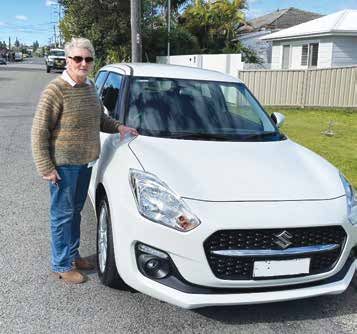
Parkinson’s in the Country: Geoff Bourne
For Geoff Bourne, his farm is not just his home. Those
who know him say it’s his reason for being.
Geoff grew up on an 1800-acre property at Ben Lomond,                     Making peace with ‘Parky’
between Armidale and Glen Innes and has been farming
the land ever since. It’s a family concern for Geoff, who
works the property with his wife Myreen, his son Nigel and
Nigel’s family.
  “My father was an accountant in Sydney. My mother came
  from a farm near Guyra and she hated the city. They bought
  the farm in 1952 when I was four, so while I’m not quite a
  local I’ve been here a long time, and my granddaughters are
  the fourth generation to work on the farm.”
  “I enjoy the peace and quiet here. You can open the blind in
  the morning and look out and see green fields and nothing
  else… if there’s not a drought.”
  At age 65, Geoff was just starting to think about his farm
  succession planning.
  “My son moved back 16 years ago but I was still managing the
  farm on my own, basically. I was very healthy and fit, and I
  was pleased with myself. At 65 I had nothing wrong.
  I thought if I can just find out why my hand keeps shaking, I’ll
  be fine.
  “My diagnosis with Parkinson’s came as a bit of a kick in the
  guts to put it bluntly. It took a while to get used to it, for both
  myself and my wife, but after a while you learn that that’s
  what life dealt to you, so you make the most of it.”
Geoff has a slow progressing form of Parkinson’s that has
affected his movement. He also experiences anxiety and
depression at times. Fortunately, he is still able to drive, which
makes getting to medical appointments that much easier.
  “I regularly see my GP in Armidale, which is about 50 minutes
  away and my neurologist is in Tamworth, which is a four-hour
  roundtrip.
  “When I first was concerned about my condition, I went
  to Brisbane and consulted a neurologist up there and he                                                                  Geoff and Myreen
  diagnosed me with Parkinson’s. However, I decided there
  was no point in going to Brisbane all the time, so we found           Geoff with some of the Glenn Innes Support Group
  a neurologist in Tamworth and I generally see him every six
  months.
  “It’s okay at the minute. I’m still driving. My wife’s not very         they need to see a physiotherapist or travel away. It’s mainly
  keen on driving distances, so I don’t know what’ll happen               just being able to talk to people with the same problem and
  when I’m not driving. My son would probably take me, but I              trying to help each other.
  don’t wish to impose on him all the time.”                              “You have to talk to other people with the disease, otherwise
Being able to keep in contact with his GP and neurologist is              you feel on your own and isolated with the problems of the
just one of the challenges Geoff faces as someone living with             whole thing. If you can just talk to people and compare notes
Parkinson’s in a regional area.                                           and treatments, I think it helps.”
  “It would be an advantage to the patients of Glen Innes to            While his Parkinson’s – or ‘Parky’ as he and Myreen have
  have a Parkinson’s nurse to help us in our travels through the        come to call it – may mean one day he has to leave the farm
  disease – particularly on a practical level for day-to-day living     he loves, Geoff plans to stay put for as long as he can.
  and for any problems that you might run into.”                          “I just take it day-to-day. There’s no good making long-term
Geoff said he and his wife Myreen have both benefitted                    plans but staying on the farm is what I hope to do.
from taking part in the Glen Innes Parkinson’s Support                    “I still own part of the farm and work on it. My son is the
Group. Geoff has also been Secretary of the Group for the                 manager now, which means I don’t have the stress of that
past five years.                                                          job. I basically do what I want and not what I don’t. I think my
  “It’s a place to go and talk about things. To share problems            son forgets that I’ve got Parkinson’s every now and again, but
  and hopefully share solutions. My wife always comes with me             that’s not a bad thing.
  and talks with other patients and carers.                               “I find working on the farm gives me motivation. It keeps
  “At the Support Group, medication is a big topic. People have           me moving and is a reason to get up in the morning and do
  tried different ones and encountered problems and discuss               things. When I get depressed, I go and do something and it
  how they solved them. We also support people financially if             cheers me up, so I’ll certainly stay here while ever I can.”
                                                                                                         Parkinson’s NSW | Issue 144   07
Help us support people living with
Parkinson’s during lockdown
COVID-19 has again resulted in necessary but
challenging lockdowns.
During this time, vulnerable people living with the physical and
psychological symptoms of Parkinson’s – and their dedicated
carers – need extra support.
Now more than ever, there are heavy demands on our services
and programs – which look like they will only increase.
Since the start of the pandemic last year, we’ve been working
hard to expand, to adapt our supports, to make sure that when
someone needs our help, we’re there.
Using technology, we’re connecting with people in new, virtual
ways so lockdowns can’t prevent them getting the immediate
help they need.
Every change comes at extra cost. Your donation will mean
additional support is available for people and their carers when
they need it the most.
Please donate to help Parkinson’s NSW give
people a safe place to turn to for expert
knowledge, answers, referrals, connection,
and guidance during these challenging times.
YES, I would like to help improve the lives of people
living with Parkinson’s and their families...
Title: ______ First Name: _______________________________ Last Name: _______________________________
Address: ______________________________________________________________________________________
Email: _______________________________ Phone: ________________________________________
Please accept my donation of the following amount:
$15 $30 $50 Other $____________ Thank you
for your support
I would like to make a monthly donation of $____________ ($15 minimum)
Please debit my credit card monthly, until further notice. Donations of $2
I would like to pay by:
and over are tax
deductible
Cheque/Money order (payable to Parkinson’s NSW)
Credit Card (details below) Visa Mastercard American Express
Card number ____________________________________
Name on card ____________________________________
Signature ____________________________________ Exp date _______________
Please send me at no obligation, information on how I can leave a bequest to Parkinson’s NSW
I have already included Parkinson’s NSW in my will
PO Box 71, NORTH RYDE BC NSW 1670 | InfoLine 1800 644 189 | parkinsonsnsw.org.au | ABN 93 023 603 545 | ACN 622 455 985
You can also read


