Strategic Business Plan 2016/17 - 2018/19 - Advancing the parliamentary dimension of - British Group Inter-Parliamentary ...
←
→
Page content transcription
If your browser does not render page correctly, please read the page content below
British Group
Inter-Parliamentary Union
(BGIPU)

       Strategic Business Plan

              2016/17 – 2018/19

       Advancing the parliamentary dimension of
               Britain’s foreign relations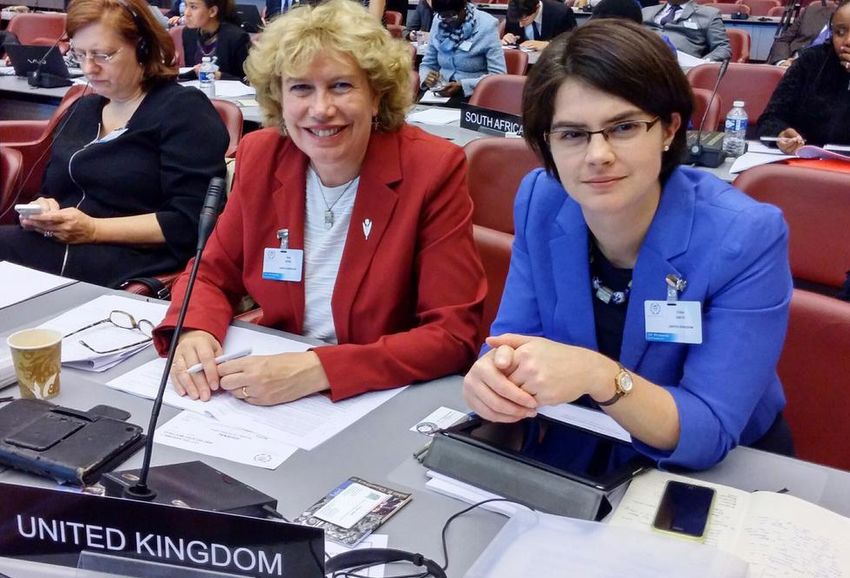
Advancing the parliamentary dimension of
               Britain’s foreign relations.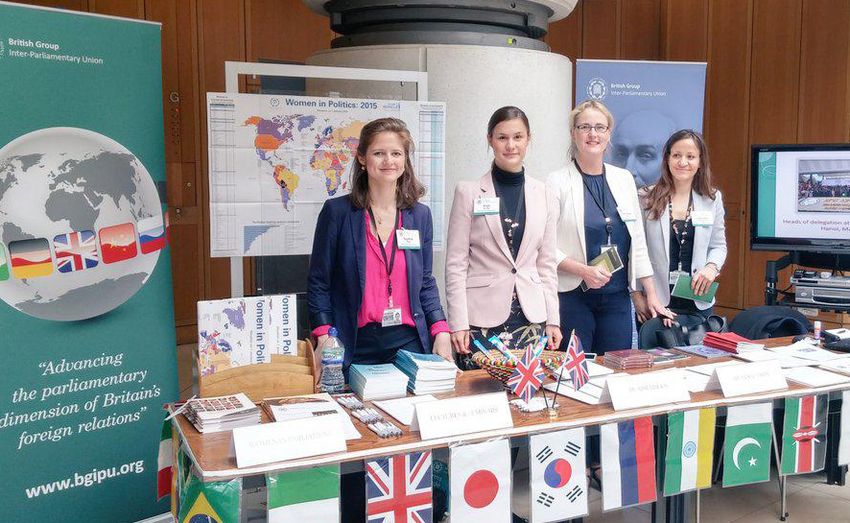
British Group Inter-Parliamentary Union
                (BGIPU)

           Strategic Business Plan

               2016/17 – 2018/19

 (Adopted by the BGIPU Executive Committee on 2 February 2016)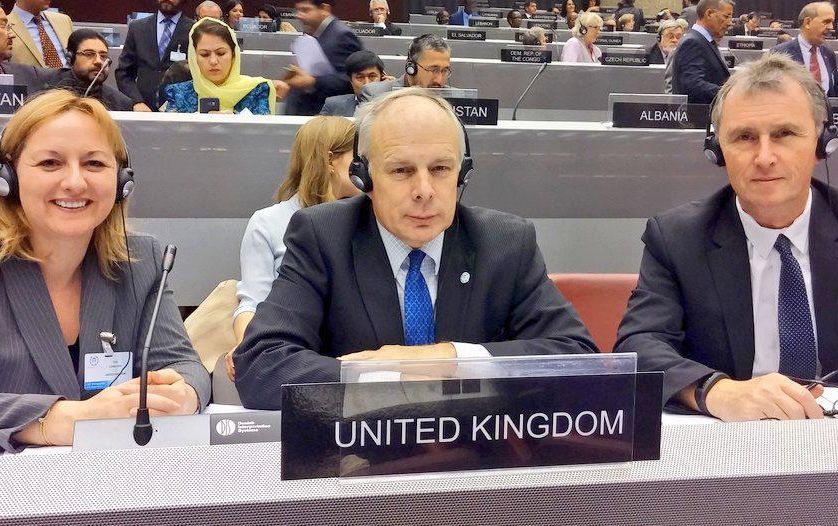
Table of Contents

1. Introduction.............................................................7

2. Vision Statement.....................................................9

3. Core Values...........................................................11

4. Operational Context...............................................12

5. Current Policy Challenges......................................15

6. Key Strategic Objectives........................................19

7. Priorities for Forward Planning...............................21

8. Objectives, Core Activities and Expected
   Outcomes.............................................................24

9. Financial Arrangements and Funding Require-
   ments....................................................................32

10. Secretariat Staffing..............................................34

                                      5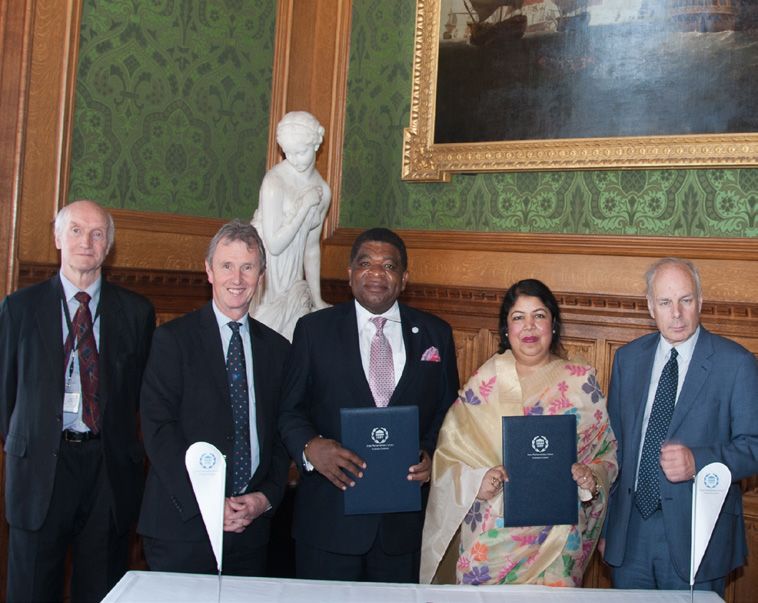
1. Introduction
This second Strategic Business Plan (for the period 2016/17-
2018/19) sets out the high-level strategic objectives for the Brit-
ish Group of the Inter-Parliamentary Union (BGIPU) over the
next three financial years, meeting the requirements created un-
der successive Financial Memoranda with the House of Com-
mon and the House of Lords (the most recent being signed in
March 2014) and providing an effective rationale for BGIPU’s on-
going funding to undertake its inter-parliamentary mandates.

This Plan seeks to better define and prioritise the objectives and
functions of the BGIPU in fulfilling its main inter-parliamentary
and international relations responsibilities to ensure the achieve-
ment of the Group’s main aims. The key beneficiary of activi-
ties is the BGIPU membership (i.e. comprising all members of
both Houses of Parliament, although there are also clear benefits
for the UK Parliament as an institution through facilitating its ac-
tive engagement with counterpart parliamentary bodies worldwide.

Ultimately, this also benefits the United Kingdom’s internation-
al interests overall, through ensuring BGIPU remains an active
and influential member of the Inter-Parliamentary Union (IPU),
not least as one of just two founding members, but also in repre-
senting one of the world’s oldest parliamentary democracies. This
advances the UK’s key objectives to see democratic principles
and representative governance spread globally through the IPU.

In setting forth a vision statement, core values, the operational con-
text and key strategic objectives, the intention is to inform the ac-
tivities and set valid expectations for the outcomes of BGIPU’s
work, while always recognising the importance of retaining flexibil-
ity to respond quickly to emerging needs and opportunities as they
arise given the rapid and ever-changing dynamics of global events.

This Strategic Business Plan also provides a solid basis for plan-
                                  7
ning activities and anticipating likely expenditure for the three finan-
cial years ahead. The specific details of BGIPU’s annual Forward
Programme of activity are ultimately determined in the deliber-
ations of the Executive Committee but this business plan is meant
to inform that process. In particular, the guidance outlined in
this Business Plan is intended to provide a means of achieving a
more coherent and comprehensive programme of work drawing on
agreed strategic objectives and mindful of the desired outcomes.

This Strategic Business Plan will provide a three-year forward look
with the main emphasis on the coming financial year, i.e. 2016-17.
A new Strategic Business Plan will be prepared and submitted to the
Executive Committee towards the start of 2019 to cover BGIPU obli-
gations for the period 2019/20 - 2021/22.

                                   8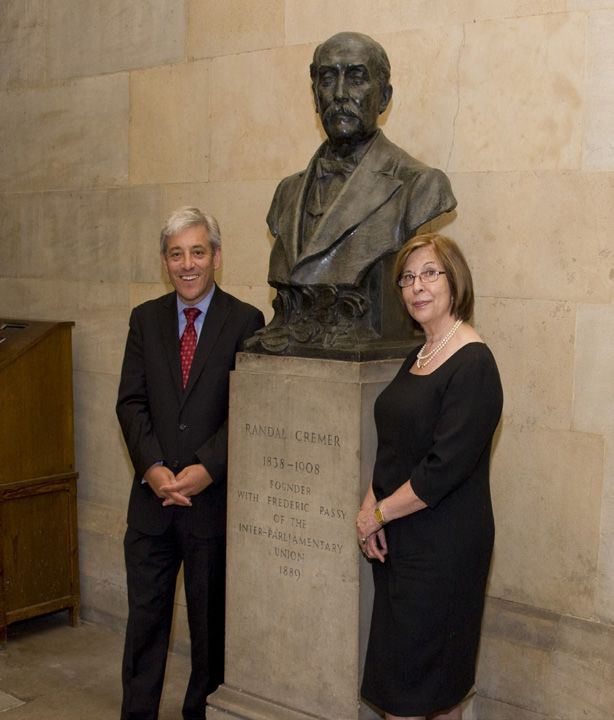
2. Vision Statement

The British Group of the Inter-Parliamentary Union (BGIPU) aims
to serve Britain’s and the UK Parliament’s interests through ad-
vancing the parliamentary dimension of Britain’s foreign relations.

BGIPU’s main objective is to advance Britain’s international interests
through delivering to UK parliamentarians a comprehensive programme
of inter-parliamentary dialogue and exchange activities aimed at improv-
ing mutual understanding with their international counterparts of each
other’s priorities and perspectives on both bilateral and global issues.

This programme is delivered through inward and outward parliamenta-
ry delegation visits, active engagement in meetings of the Inter-Parlia-
mentary Union (IPU) and related international affairs-related events.
Such activities contribute to UK parliamentary efforts to support effec-
tive international mechanisms for global peace, security and prosperity.

By pursuing a strategic policy focus to its work, BGIPU aims to make
a concrete contribution to the UK’s international engagement, draw-
ing on more than a century of achievement and commitment to the
intrinsic value of dialogue between UK Parliamentarians and their col-
leagues overseas. The core of the BGIPU’s efforts remains an abiding
commitment to advancing parliamentary democracy and the rule of
law, promoting human rights and encouraging international dialogue to
resolve conflict and encourage better understanding between nations.

BGIPU works to achieve the continued development of a strong par-
liamentary dimension to international affairs, particularly through the
work of the IPU as the international organisation of the world’s par-
liaments, including in continued efforts to enhance is partnership with
the United Nations to ensure an effective parliamentary voice is in-
fluential in shaping and advancing the world’s multilateral agenda.

Overall, our vision aims to ensure the UK Parliament remains a leader
in the global parliamentary community, actively engaged in its activ-
                                   9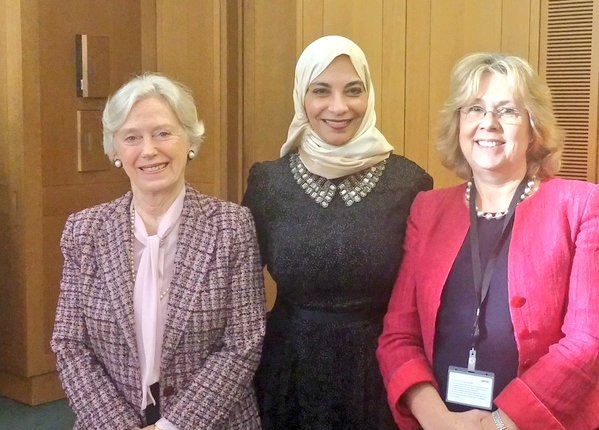
ities and debates. This serves to ensure the UK maintains its high-
ly-regarded reputation as a robust, innovative and effective democracy
with parliamentarians actively engaged and influential with counter-
parts abroad. To this end, it is vital to have a cost-effective and
appropriately skilled BGIPU Secretariat able to provide high-quality
administration of inter-parliamentary engagements to deliver a pro-
gramme of exchanges which will be highly valued by all its members.

                       Speaker Bercow and Lord Speaker
                      D’Souza with founder Randal Cremer

                                     10
3. Core Values
The BGIPU Secretariat will be guided by the following values in
managing our day-to-day operations and undertaking our activities:
▶▶Close attention to the constitutional importance and dignity of
Parliament
▶▶Abiding commitment to the highest standards of service to all
UK Parliamentarians, the staff of both Houses and our over-
seas contacts
▶▶Pursuit of professional excellence, innovative approaches and
intellectual rigour
▶▶Strategic, results-focused approach to all activities
▶▶Behaviour based on honesty, transparency and political im-
partiality
▶▶ Open, transparent and accountable actions, with a key
focus on ensuring value for money and the exercise of
fiscal responsibility
▶▶Committed to a work environment based on a co-operative
approach, mutual support, trust and effective team-working
▶▶Dedicated to the professional and personal development of
all staff
▶▶Belief in the value of international parliamentary dialogue
as a means of increasing understanding and avoiding conflict
within and between states
▶▶Commitment to the promotion of democracy and parliamen-
tary governance with due regard to the diversity of forms this
may take across the globe
▶▶Respect for human rights and due regard for cultural, ethnic
and religious diversity in supporting democratic institutions
and principles
▶▶Total commitment to the achievement of gender equality
▶▶Awareness in all respects of the environmental impact of our
work
114. Operational Context
What is the IPU?
The IPU is an international organisation com-
prising the parliaments of sovereign states
which was established in 1889 in Paris by Wil-
liam Randal Cremer (United Kingdom) and
Frédéric Passy (France). It was the first perma-
nent forum for political multilateral negotiations.
The IPU, as the world organisation of parliaments, is a global fo-
rum for parliamentary dialogue, cooperation and action. In this ca-
pacity it is the focal point for world-wide parliamentary dialogue and
works for peace and co-operation among peoples and for the firm
establishment of representative democracy. It promotes and defends
IPU President Saber H. Chowdhury MP IPU Secretary-General Martin Chungong
democracy and the rule of law. It develops standards, disseminates
information on good practices and helps build parliamentary capaci-
ty and efficacy. Uniquely, it monitors and defends the human rights
of members of parliament and it also promotes respect for universal
human rights values, norms and principles. The IPU works in sup-
port of gender equality and to advance the full participation of wom-
en, minorities and indigenous peoples in political and public life.
Currently comprising parliamentarians from 170 Member Parlia-
ments and 11 Associate Members, the IPU aims to complement
international relations conducted at inter-governmental level by
ministers, ambassadors and other state officials by establishing
friendship, understanding and co-operation between parliamentar-
12ians on issues of common concern and international significance.
The IPU seeks to assist parliaments in
addressing a growing international agen-
da and in contributing a parliamentary
dimension to the work of the United Na-
tions and similar multilateral institutions.
In doing so, it works in close co-opera-
Speaker Bercow at World Speakers’ tion with the United Nations, whose ob-
Conference in New York, Aug 2015
jectives it shares. The IPU is support-
ed by an International Secretariat based in Geneva since 1921
with responsibility for co-ordinating the IPU’s global activities, in-
cluding biannual Assemblies and other specialised meetings.
Who are we?
BGIPU manages the UK Parliament’s engagement with
the IPU and comprises all members of both Hous-
es of the UK Parliament, across all political par-
ties and the cross-benches. It is governed by an
Executive Committee led by a Chair, Vice-Chairs
and Honorary Treasurer. These Officers are elected at the An-
nual General Meeting as stipulated in the Rules of the BGIPU.
Key stakeholders in the work of the BGIPU include
the Speakers and senior officials of both Houses of
the UK Parliament, all UK Parliamentarians and oth-
er inter-parliamentary groups of the UK Parliament.
Partnership with counterparts in foreign parliaments
and close collaboration with the IPU President, Sec-
retary General and Headquarters staff in Geneva
are also central to close cooperation with the UK’s
Foreign & Commonwealth Office (FCO) and inter- FCO Minister Hugo
acts with other government and non-government Swire Annual
speaking at
General
bodies working in the field of the UK’s international Meeting (AGM),
relations, including to facilitate exchanges between Dec 2014
parliamentarians and representatives of civil society organisations.
13What does the BGIPU do?
BGIPU manages a comprehensive programme of inter-parliamentary
dialogue and exchanges, with specific focus
on non-Commonwealth parliaments. This
activity comprises a range of inward parlia-
mentary visits to encourage bilateral engage-
ment and engender a better understanding
of the UK and its perspectives among for-
BGIPU hosting a Speaker-led
eign counterparts. BGIPU also coordinates delegation from Morocco, Jan
outward delegations to advance Britain’s 2015
interests abroad, including through increasing the engagement and
understanding of UK parliamentarians in international
relations matters. It also manages the participation
of the UK Parliament in IPU Assemblies and other in-
ternational meetings and administers the work of the
Chair and Executive Committee in overseeing and
managing BGIPU operations and activities. It can also
contribute to parliamentary strengthening work be-
George Soros speaking ing undertaken by IPU or other appropriate bodies.
at BGIPU Seminar on
Drug Policy Reform,
Through its programme of activities, the BGIPU
Oct 2013 seeks to engage UK Parliamentarians in key global
issues and works to expand awareness and understanding of foreign
relations and the contribution to be made by the UK Parliament to
consolidate parliamentary democracy worldwide.
The Group manages the participation of the UK Parliament at IPU
Assemblies and other international meetings
on key global matters, including global meet-
ings held under multilateral auspices, includ-
ing at major UN-backed meetings such as the
Commission on the Status of Women (CSW),
global climate change negotiations and ma- UK delegation at CSW meet-
jor economic, trade and development events. ing in New York, Mar 2016
145. Current Policy Challenges
BGIPU can reflect on a long and successful history of effective parlia-
mentary diplomacy since the late 19th cen-
tury. Indeed, there have been times when
its activities have made a significant impact
on the conduct of British foreign policy. This
includes in 1984 when the first official par-
liamentary contact between the UK and Ar- PM Thatcher with Mikhail Gor-
gentina after the Falklands War occured at bachev on BGIPU visit in Dec 1984
the IPU Assembly in Geneva and later that year when then Prime
Minister Thatcher met Mikhail Gorbachev under BGIPU auspices, fa-
mously saying “I like Mr Gorbachev. We can do business together”.
Nevertheless, past successes can never be relied upon to validate
current claims for financial resources nor be proof of organisational ef-
fectiveness. BGIPU needs to be able to demonstrate directly the value
of its activities and show clear quantitative and qualitiative evidence of
its continuing effectiveness and relevance. At the strategic level, this
requires close attention to the contribution to
be made to international affairs reflecting the
stated objectives of its programme of work,
balanced against the realities of the current
international and parliamentary environment.
BGIPU meets Prime Minister At a functional level, it also requires us to pre-
Yatsenyuk in Kiev, Feb 2015 pare detailed reports of visit outcomes, main-
tain accurate records of member particpation and keep under constant
review the relevance and responsiveness of our programme of work.
Suffice to say, the challenges facing any organisation working in the field
of international relations are complex, not least given shifts in the policy
landscape and the constantly changing dynamics of the relationships
between nations. Particularly in recent years, we face an increasingly
inter-dependent yet uncertain world, where global events are more un-
predictable with risks to democratic norms and diminished confidence
in the protections provided to us by a rules-based international system.
Indeed, broader hopes for expanded democratic governance as a re-
15sult of the so-called “Arab Spring” were dashed and, instead, increased
instability and created deeper divisions which have been exploited by
undemocratic and extremist forces. The rise of non-state actors like
Da’esh and the creation of ungoverned regions and asymmetrical se-
curity challenges subvert the foreign policy and security preconceptions
shaped by the conventional intra-state wars of the past. Conversely
while the scope of violent conflict has changed, with most conflicts
now taking place within nations not between them, the transnational
impacts such as extremist terrorism and the forced mass movements
of people have created serious challenges for countries located far
from the scene of conflict, as shown progressively across Europe in
2015, under-scored by the terrorist attacks in Paris last November.
At a time when draconian, harsh and often nationalistic measures
can be the knee-jerk response, and ignorance and intolerance risk
exacerbating the divisions driving such conflicts, the continuing scope
for dialogue and cooperation at an inter-parliamentary level be-
comes even more important. It provides an alternative platform be-
yond the formal diplomatic channels of governments, it encourages
better informed debates in the parliaments of the countries involved
and ensures parliamentarians have
greater understanding of the challeng-
es facing themselves and their coun-
terparts in the real world. Additional-
ly, with the increasing importance of
‘soft power’ diplomacy in a multi-polar
world, inter-parliamentary exchang-
UK delegation to Bolivia visiting a school
es can play a key role in advancing in El Alto supported by Save the Chil-
national trade and cultural interests dren, Mar 2016
and underscoring bilateral security and political commitments.
At the international level, the pre-eminent body, the United Nations,
by its very nature, remains a collective body of sovereign executive
governments. It is important in that context that there are alternative
mechanisms for global dialogue and discourse, where the views of
parliaments and the people they represent, can be heard, such as the
IPU. Just as in the national context, it is important in holding execu-
16tives to review, scrutiny and account,
at a global level the recent promi-
nence of parliamentary voices in the
post-2016 global goals debate and
the Paris outcome on climate change
has shown the value of parliamentari-
ans playing an active and responsible
UK Delegation to IPU meeting at role in decisions affecting the future of
COP21, Dec 2015
the whole world.
In support of the broader IPU agenda, it is also vital that the UK
Parliament, through the BGIPU, plays a leading role in promot-
ing key principles of representative governance. In doing so, we
must be mindful of the need to be sensitive to particular national
circumstances and recognise that no one size fits all when it
comes to governance. Nevertheless,
democracy, for all its faults and critics,
is demonstrably proven to be better
suited than any other systems of gov-
ernance in advancing peace and pros-
perity and ultimately protecting human
rights based on globally accepted Joan Ryan MP with Aun San Suu
norms and standards. Overall, our ef- Kyi, Feb 2016
forts need to be supportive of democracy as a process where
people are given the freedom to choose who will govern them
and how that government operates for the greater good of all.
We must also be conscious that BGIPU operates in a UK do-
mestic environment where there is appropriate scrutiny and at-
tention to the activities and cost-effectiveness of the work of
every parliamentarian. There remains strong scepticism of the
actual benefits of overseas travel and international exchang-
es and the value this provides to the public at large. BGIPU
must be open and accountable, able to fully explain and ac-
count for the benefits accrued through its activities and be
able to prove the cost-effectiveness of its work. To this end,
a key challenge is to make the BGIPU relevant and responsive
17in ways which are relevant and meaningful to the general public.
To that end, BGIPU activities must demonstrate clear benefits in ad-
vancing the UK’s national interest in the world by expanding oppor-
tunities for trade and investment, consolidating exisiting or creating
new international partnerships and by supporting the UK major objec-
tives in its international engagement. This includes a definite role for
BGIPU in promoting the ‘Best of Britain’ to the world, in terms of of
boosting partnerships, exports and cultural exchange but also ensuring
better understanding of the UK’s achievements and unique perspec-
tives and in the promotion of fundamental British beliefs and values.
There is also a unique and important role for the UK Parliament, so
UK Delegation visiting the new Ango-
lan Assembly, Sep 2015
often described as the ‘Mother of Parliaments’, to stand in defence
of democratic principles and institutions worldwide, no less impor-
tant than UK standing in the IPU (with France) as one of the two
founding member groups. Using BGIPU activities to promote parlia-
mentary best practice, including drawing on key IPU surveys, find-
ings and reports, is another important role in encouraging cooper-
ation between legislative institutions and supporting the advance of
democracy globally. BGIPU - working with the Commons and Lords
administrations - should also provide what support we can to IPU
efforts to undertake parliamentary strengthing programmes, includ-
ing provision of specific UK parliamentary expertise where practical.
186. Key Strategic Objectives
The Secretariat of the BGIPU has the primary goal of providing high
quality policy advice and cost-effective administrative support for
the activities of the BGIPU Chair, Officers and Members of the Ex-
ecutive Committee. Its main task, under the leadership of the Di-
rector, is to facilitate the engagement of UK Parliamentarians with
their counterparts overseas, particularly through the auspices of the
IPU. In pursuit of this goal, there are four equally important and
inter-related objectives as listed below and expanded in Section 8:
▶▶Objective 1: Provide effective financial manage-
ment and human resources services in full com-
pliance with BGIPU Rules and the Financial
Memorandum with both Houses to ensure accountable and
cost-effective use of public funds provided to BGIPU.
▶▶Objective 2: Deliver high-quality policy advice and ad-
ministrative support for the UK Parliament’s engage-
ment in the Inter-Parliamentary Union, including in support
of UK delegations to IPU Assemblies and other meetings.
▶▶Objective 3: Ensure efficient administrative and poli-
cy support for inwards and outward visits for UK Par-
liamentarians to advance Britain’s foreign relations
through inter-parliamentary exchange and dialogue.
▶▶Objective 4: Administer an effective key events, information
management and communications programme demonstrat-
ing the value of BGIPU activities to its primary stakeholders
and ensuring active engagement by UK parliamentarians.
19BGIPU Chairs
The Rt Hon Ann Clwyd MP (2004-2007)
Dr Roger Berry MP (2007-2010)
Robert Walter MP (2010-2013)
The Rt Hon Alistair Burt MP (2013-2015)
Nigel Evans MP (2015 - present)
207. Priorities for Forward Planning
The respective prioritisation of the BGIPU’s main activities is deter-
mined by the Executive Committee based on suggestions and advice
from the BGIPU Secretariat and from BGIPU members themselves.
Once approved these activities comprise an indicative Forward Pro-
gramme which is reviewed and updated at regular intervals in consul-
tation with BGIPU Officers and members.
To facilitate the effective forward planning of work, the Forward Pro-
gramme lists endorsed inwards/outwards delegations, any short visits
from counterpart Parliaments being supported by BGIPU, anticipat-
ed attendance of UK parliamentarians at IPU Conferences and other
events, proposed seminars and conferences arranged in the UK by
the BGIPU and any other agreed activities to be included on the work
programme of the BGIPU.
In determining the focus of BGIPU activities, our key strategic priorities
for the focus of our foreign policy efforts are aimed at supporting the
UK’s major role as an active and influential player in global affairs.
Our key policy priorities are focused on peace and
security, economic prosperity and sustainable devel-
opment, democratic governance and political empow-
erment and human rights and the rule of law.
Reflecting these priorities, BGIPU gives attention to the full scope of
peace, security and conflict resolution issues, including active en-
gagement in recent debates at IPU Assemblies on global terrorism,
refugees and immigration and arms control and disarmament. BGIPU
also works to encourage partnerships and cooperation for more effec-
tive sustainable development, including through the comprehensive
Global Goals adopted by all UN Members at its Leaders’ Summit in
September 2015.
BGIPU also strongly supports efforts to improve the participation of
women in political and public life, including through a focus on the
need for gender-sensitive parliaments and parallel efforts in the IPU
21to enhance the engagement of youth, including through support for
young parliamentarians. BGIPU remains firmly committed to promot-
ing universal human rights norms and respect for the rule of law,
including supporting the vital work of the IPU in protecting the human
rights of the world’s parliamentarians.
Taking into account recent past and any planned
delegation activities, BGIPU will seek to deliver for
members a bilateral programme which balances
opportunities for visits to all five major regions of
the world, namely Europe, Africa, Middle East, the
Americas and the Asia-Pacific.
Priority countries for inward/outward delegation visits should be se-
lected based mainly on members’ interests, but also reflecting time-
liness in terms of bilateral relations, key developments in the country
in question, including democratic transition/changes of government
and creating opportunities to enhance British influence on core foreign
policy priorities.
BGIPU’s efforts through the IPU at the multilateral
level will focus on ensuring better appreciation of
UK perspectives among IPU members, providing
support for IPU parliamentary strengthening and
democracy objectives, active efforts in support of
developing a more efficient and effective IPU serv-
ing all members equally and working to enhance
IPU engagement with the UN and other multilateral
bodies on global issues requiring key parliamentary
inputs.
In designing the Forward Programme, the BGIPU Secretariat will also
consult with other inter-parliamentary groups and the Overseas Offic-
es of the House of Commons and the House of Lords to avoid duplica-
tion and the FCO, or other relevant UK agencies, to better appreciate
the UK Government’s policy objectives and to seek support from UK
22missions abroad. A nominal programme of annual activity is below:
Nominal Programme of Annual Activity
♦♦ Five Inward Delegations
♦♦ Five Outward Delegations
♦♦ Two IPU Assembly Delegations
♦♦ Two 12 Plus Group meetings
♦♦ BGIPU participation in designated IPU conferences
♦♦ UK-based policy events and report-back meetings
♦♦ Annual diplomatic networking event for State Opening
♦♦ Web-based activity reporting and newsletter
♦♦ Twitter feed on key policy events and issues
♦♦ Annual Report and Financial Accounts
♦♦ Support for All Party Parliamentary Group (APPG) activities
♦♦ Support for other inward parliamentary visits
BGIPU EXCO Members with the IPU Secretary Gen-
eral and Bangladeshi Speaker Dr. Shirin Chaudhury,
May 2016
238. Objectives, Core Activities & Expected Outcomes
Objective 1:
Provide effective financial management and human re-
sources services in full compliance with BGIPU Rules and
the Financial Memorandum with both Houses to ensure ac-
countable and cost-effective use of public funds provided
to BGIPU.
The BGIPU Rules set down the basic corporate governance arrange-
ments for the organisation and guide the overall management and
conduct of the Group’s affairs. BGIPU also has financial, administra-
tive and human resources obligations as a condition of the funding it
receives from the House of Commons and the House of Lords. These
are set out in the Financial Memoranda (current signed in March 2014)
which, inter alia, require BGIPU to discharge its financial responsibil-
ities with regard to the management of public monies procedures laid
down in HM Treasury’s guidance.
Likewise, BGIPU is expected to employ and manage its employees on
terms broadly in line with those set out in the House of Commons Staff
Handbook, including using its pay and grading system. Additionally,
the basis for travel costs undertaken by the BGIPU delegations must
be consistent with guidance established by the House of Commons
and House of Lords for overseas delegations to certain Parliamentary
Assemblies. To meet these obligations, BGIPU has to demonstrate
high-level financial management capabilities, effective administrative
and programme planning skills as well as significant human resources
expertise.
24Objective 1: Financial Management, Planning & Corporate
Core Activities Expected Outcomes
1.1 Management of the Full compliance with the requirements
Annual General of BGIPU Rules and the Financial
Meeting and all Ex- Memorandum, including effective coor-
ecutive Committee dination of governance arrangements to
and other BGIPU the satisfaction of the Executive Com-
governance meet- mittee, the membership and both Hous-
ings. es of Parliament as funding partners.
1.2 Management of Full compliance with the requirements
BGIPU human of BGIPU Rules and the Financial
resources aimed Memorandum, particularly regarding
at providing a work employing and managing staff broadly
environment condu- in line with the standards of the House
cive to supporting of Commons. Effective and efficient
a high performing human resources management to the
team with fairness & satisfaction of the Executive Committee,
attention to personal BGIPU members, Secretariat staff and
development. both Houses of Parliament as funding
partners.
1.3 Management of Full compliance with the requirements
BGIPU Financial of BGIPU Rules and the Financial
resources with close Memoranda and effective and account-
attention to attaining able utilisation of financial resources to
efficient, transparent the satisfaction of the BGIPU Executive
and value for money Committee, the BGIPU membership,
programme expend- external auditors and both Houses of
iture. Parliament as funding partners.
25Objective 2:
Deliver high-quality policy advice and administrative support for
the UK Parliament’s engagement in the Inter-Parliamentary Un-
ion, including in support of UK delegations to IPU Assemblies
and other meetings.
As the body directly responsible for the UK Parliament’s representa-
tion in the IPU, support for engagement in IPU activities and meet-
ings remains a major task for BGIPU. As the world’s pre-eminent
inter-parliamentary body, the IPU brings together parliamentari-
ans from around the world to discuss global issues, propose solu-
tions to pressing international challenges and disseminate and pro-
mote democratic ideals and practices. Active engagement by the
UK Parliament in the IPU provides key opportunities for UK mem-
bers to engage the international parliamentary community, contrib-
ute to global debates and solutions to international issues, to build
networks, and to develop professionally drawing on good practice
models at home and abroad. It also ensures that matters of impor-
tance to the UK are given due attention at inter-parliamentary meet-
ings and that UK perspectives are advocated and better understood.
Executive Committee Member Lisa Andrew Gwynne MP and David Mack-
Cameron MP, IPU Vice-President intosh MP attending Young Parliamen-
Ian Liddell-Grainger MP and BGIPU tarians Conference in Lusaka, Mar 2016
Chair Nigel Evans MP at the 133rd
IPU Assembly in Geneva, Oct 2015
26Objective 2: International Inter-Parliamentary Relations
Core Activities Expected Outcomes
2.1 Manage all aspects Effective and influential UK participation
of UK participation in IPU Assemblies and other meetings
in IPU activities, to ensure the organization is relevant
including for annual and conducive to advancing Britain’s
Assemblies and oth- global interests.
er IPU meetings.
2.2 Manage UK partic- Significant contribution to the work of
ipation in the IPU’s the geopolitical 12 Plus Group in ensur-
12 Plus Group. ing the IPU remains relevant, respon-
sive and accountable to the interests of
12 Plus members.
2.3 Act as the main Ensure the work of the IPU is valued
conduit for engage- in the UK Parliament and serves effec-
ment between IPU tively UK goals to advance international
and the UK Parlia- peace and prosperity, human rights, the
ment. rule of law, parliamentary governance
and democratic principles.
Meg Munn MP and Chloe Smith MP at the 131st
IPU Assembly in Geneva, Oct 2014
27Objective 3:
Ensure efficient administrative and policy support for inwards
and outward visits for UK Parliamentarians to advance Britain’s
foreign relations through inter-parliamentary exchange and di-
alogue.
Inter-parliamentary exchanges promote the UK’s national inter-
est (and parliamentary democracy more generally) internationally,
through its engagement with the global parliamentary community by
hosting inter-parliamentary delegation visits to the Palace of West-
minster and bilateral visits abroad. Members of Parliament and oth-
ers who visit the United Kingdom are given the opportunity to learn
about our practices and parliamentary procedures, our history, cul-
ture and people and our politics and policy priorities. This serve to
promote British values, highlight areas of common interest between
countries, to strengthen bilateral and parliamentary connections
and demonstrate the UK’s open, pluralistic and multi-ethnic socie-
ty. The UK Parliament also maintains a network of country-focused
All-Party Parliamentary Groups (APPGs) and BGIPU support them in
their complementary efforts to deepen relations with other countries.
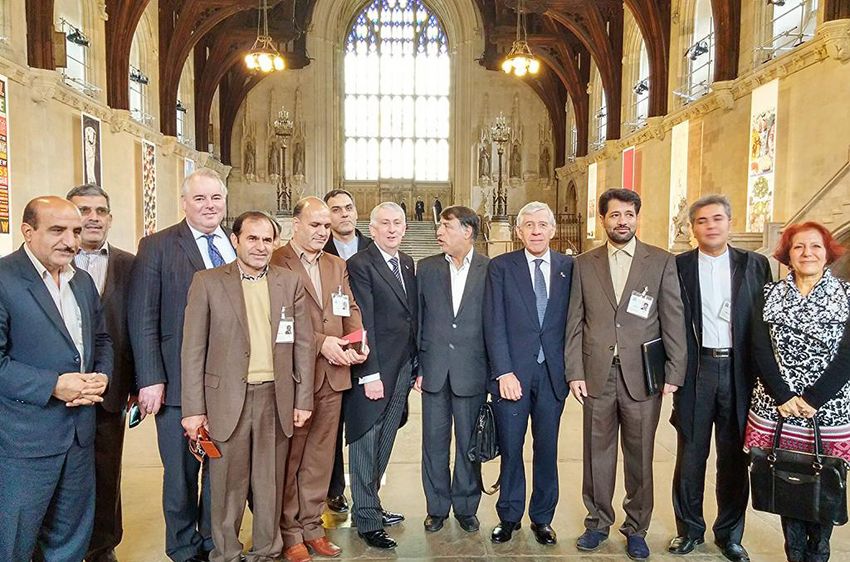
Deputy Speaker Lindsay Hoyle welcoming Iranian dele-
gation in Westminster Hall, Mar 2015
28Objective 3: Bilateral Relations
Core Activities Expected Outcomes
3.1 Coordinate adminis- Results-focused delegation visits which
trative and policy in- provide UK Parliamentarians with
puts for an effective improved understanding of key interna-
Outward Delegation tional relationships and issues, oppor-
programme. tunities for improved bilateral dialogue
and lead to substantive outcomes for
advancing Britain’s foreign relations
interests.
3.2 Coordinate adminis- Effective delegation visits which ensure
trative and policy in- better understanding of UK parliamenta-
puts for an effective ry processes, promote bilateral dialogue
Inward Delegation on issues of mutual concerns and pro-
programme. vide a substantive result in advancing
British interests abroad.
3.3 Coordinate effective- To promote better understanding of UK
ly other parliamenta- views among foreign parliamentarians,
ry visits on request provide cost-effective and informative
and as resources short visit programs which allow bet-
allow. ter understanding of UK Parliamentary
processes and create opportunities for
dialogue.
3.4 Support the activities In full compliance with the BGIPU
of All Party Parlia- Rules, provide practical support and
mentary Groups. financial assistance to assist parliamen-
tarians in advancing bilateral relations
with countries in ways which comple-
ment the work of BGIPU.
29Objective 4:
Administer an effective key events, information management
and communications programme demonstrating the value of
BGIPU activities to its primary stakeholders and ensuring active
engagement by UK parliamentarians.
Following the recommendations of the Executive Committee’s Mod-
ernisation Committee, in October 2011, BGIPU implemented a
move away from printed publications and reporting to comprehen-
sive web-based reporting on a dedicated BGIPU website and through
social media, supplemented by a shorter, more focused Annual
Report format. BGIPU also increased its number of targeted the-
matic events on key foreign policy issues for UK parliamentarians,
including engaging with government and non-government agencies
in highlighting current key themes in international relations. There
have also been specific membership promotional activities in Par-
liament, to raise awareness and understanding of BGIPU’s work
and encourage higher levels of participation in BGIPU’s work.
In December 2014, the Executive Committee decided that all members
of both Houses of the UK Parliament should be deemed to be members
of BGIPU given the body is exclusively funded by both Houses for the
service of all members and reflecting the specific inter-parliamentary
nature of its work. There is active outreach with foreign policy related
bodies, the devolved parliaments, key civil society groups and a re-
sponsive approach to public or media enquiries about the Group’s work.
BGIPU Information Stand in Portcullis House,
July 2015
30Objective 4: Communications, Membership & Outreach
Core Activities Expected Outcomes
4.1 Deliver effective High levels of interest and engage-
communications for ment by UK Parliamentarians, including
members and UK through good rates of nomination for
Parliament contacts. activities and participation in events.
4.2 Convene thematic Highly valued engagement with mem-
foreign policy-based bers on thematic foreign policy work
activities and events. and enhanced reputation for BGIPU in
its areas of expertise. Good levels of
cooperation with relevant organizations
which enhance parliamentary engage-
ment on foreign policy issues.
4.3 Administer BGIPU Consistent and interested readership
website and social of BGIPU reports and publications and
media for members increased numbers of users on the
and public outreach. BGIPU website and those following on
Twitter.
4.4 Proactively manage Balanced media coverage of BGIPU
media relations. activities including a better appreciation
of the public benefits stemming from the
UK Parliament’s engagement in interna-
tional affairs.
Baroness Hooper CMG and Baroness Northover
with Dr. Hayat S. Sendi MP, Dec 2015
319. Financial Arrangements and Funding Requirements
The first Financial Memorandum (FM) was produced in 2009 to un-
derpin BGIPU’s funding arrangements with the House of Commons
and the House of Lords. There have been two reviews in March
2012 and March 2014 reflecting 2011 decisions by both Hous-
es on funding UK inter-parliamentary bodies. These decisions in-
cluded that that revised financial memoranda should be agreed with
the bodies, that detailed and costed annual business plans would
be required in addition to regular reports of outturn figures, and
that there would be limits on levels of reserves. Under the most
recent FM signed in March 2014, there is also a requirement for
the BGIPU to maintain certain financial and business policies, reg-
isters and/or guidance broadly consistent with those of the Parlia-
ment but proportionate and relevant to BGIPU’s own circumstances.
In terms of financial management oversight, the Executive Com-
mittee created in 2004 an Audit Committee which is required to
meet at least twice yearly. It is selected from members of the Ex-
ecutive Committee elected at the Annual General Meeting (AGM).
Since its inception, the Committee reviews annually and updates
the Risk Register and this is now linked to the Risk Management
Strategy, first endorsed by the Executive Committee in 2011, which
is also reviewed annually. To ensure appropriate levels of finan-
cial accountability, the BGIPU also employs external auditors. The
external auditors since 2009 are Kreston Reeves & Co LLP. This
annual external audit usually occurs in May and the Financial State-
ments, an Explanatory Commentary and Key Issues Memorandum
are tabled in the Audit Committee each year, usually mid-year.
It is the responsibility of the Audit Committee to recommend approval
to the Executive Committee, which formally approves the Financial
Statements, which are signed by the Chair and Honorary Treasurer,
together with the Letter of Representation. The Annual Governance
Statement, Report of the Auditors and Financial Statements are pub-
lished annually and circulated to all Members before the AGM towards
32the end of each calendar year. The external auditors attend the sum-
mer meeting at which the draft Financial Statements are considered.
Full details of the BGIPU’s estimated budget for 2016-17 were set
out in the September 2015 Request for Funding to both Hous-
es with a total nominal budget as indicated below, including indic-
ative levels for the subsequent 2017-18 and 2018-19 financial
years. These estimates provides a basis for future financial plan-
ning based on requests to funding bodies for allocations based on
a “no real increase” basis, balancing estimated expenditure against
anticipated funding levels across the period of this Strategic Plan
which we assess as sufficient to deliver BGIPU’s agreed objec-
tives and work programme priorities in line with this Business Plan.
Budget Estimates 2016-17 2017-18 2018-19
(£)
Objective 1 (Admin 466,325 456,700 463,000
& Staff Costs)
Objective 2 518,075 529,900 536,200
(IPU Commitments)
Objective 3 276,000 290,300 296,600
(Bilateral Activities)
Objective 4 (Events/ 40,000 43,000 43,900
Communications)
Total (£) 1,300,400 1,319,900 1,339,700
(Based on Annual Request for Funding (2016/17) submitted to both
Houses in September 2015)
3310. Secretariat Staffing
As of 2 February 2016, the BGIPU has eight permanent staff positions
as shown in the organisational chart below, noting two staff members
work reduced hours under flexible working arrangements, another em-
ployee works compressed hours to facilitate post-graduate study and
one employee is on maternity leave with cover arrangements provided
through a secondment from the House of Commons Overseas Office.
A Human Resources Consultant works under contract to advise and
support the Secretariat’s management of human resources-related
matters.
In recent years there has been a comprehensive review of Secretariat
structure, pay and conditions of service to ensure BGIPU fully meets
its Financial Memorandum requirements to employ and manage staff
broadly in line with the terms of the House of Commons. With the
approval of the Executive Committee in April 2013, these reforms in-
cluded implementing the recommendations of independent job-sizing
review and adopting relevant House of Commons pay banding and
remuneration outcomes. We also produced in 2014 a BGIPU Staff
Handbook to ensure all staff are kept fully informed on human resourc-
es and general conditions of employment-related matters.
34Rick Nimmo
Director (SCS1)
Dominique Rees
Deputy Director (A2)
Jackie Rhodes
Finance and Administration
Manager (B1)
Anja Richter
International Project
Manager (B2)
Alison MacDonald
Human Resources Consultant
Emily Davies
International Project Manger
(B2) Moyo Shodipo
Finance and Administrative
Assistant (D)
Sophia Ostler
International Project
Manager (B2)
Sarah Crandall
(Gabriella Liberotti-Harrison)
International Project
Manager
(B2 Maternity Cover)
35The British Group of the Inter-Parliamentary Union
Palace of Westminster, London SW1A 0AA
Tel: +44 (0)20 7219 3011 | Fax: +44 (0)20 7219 8780
E-mail: bgipu@parliament.uk | Website: www.bgipu.orgYou can also read


