STRATEGIC PLAN 2021-2022 - Viewpoint Housing Association
←
→
Page content transcription
If your browser does not render page correctly, please read the page content below
STRATEGIC PLAN 2021-2022
Section 1 - Introduction

                     This Strategic Plan 2021/22, reflects a combination of renewed purpose and continuing
                     ambition, carrying on from last year’s plan. It helps us comply with our statutory
                     obligations and sets out the priorities for this next year which inform our detailed work
                     plans, business objectives and goals under a common sense of purpose and commitment
Jean Gray,
                     whilst considering value for money. It will help us align our ambitions and actions and
CEO
                     make the most of our capabilities and capacity so we can maintain our resolve in
whatever challenges we continue to encounter.

We are proud of our commitment to continue to improve our customer services and although the pandemic
halted much of our work we remain focused on quality, investment, efficiency and innovation and that, as a not
for profit provider, we can put our tenants and residents at the fore-front of our strategic ambitions.

As a marker, it is fair to state at this point that Viewpoint is still on the journey to consolidate present
changes, amass information, and undertake feasibilities. We had hoped to be further in this journey
but like others in the sector, the impact of the pandemic has significantly affected our ability to
deliver key services. It is also only fair to point out that this pandemic and any other remains a threat
so there is a possibility that the overall impact on the deliverability of some of our objectives could
continue to be delayed from April onwards.

Viewpoint’s current stock is spread across Edinburgh, Lothians & Fife. There is a need to be honest
about how fit our housing stock is both in terms of condition and for older people. Our stock is
difficult, it is old and unique with little uniformity, which means it is more complex and requires a high
level of costs to look after than that of many of our peers. While we have data on the condition of
our stock, we do not yet have a robust assessment of its current and future suitability. Our future
investment need to be informed not only by the condition of our stock but also its current and long
term suitability for our client group. This will be determined by the ongoing work of our asset
management strategy.

The current ‘housing support’ service is, in reality, a blend of landlord health and safety activities,
housing management, estate management and housing support tasks. This service is now under
review after the notification of the decommissioning of the housing support element by the
Edinburgh Health and Social Care Partnership, this will complete by April 2022.

The social care sector is currently under intense scrutiny. This is likely to remain the case for the
foreseeable future. Statutory services have been under financial pressure since the 2008 crash, and
receding, for some time. The full impact of Covid-19 on public services finance and the public sector
itself is so far unclear but will undoubtedly be concerning as we try to plan our future direction.

Our staff are key to the delivery of the strategic plan. We started a redesign of our teams in 2019 and
introduced some changes as we aim to improve customer relations; internal and external
communication; streamline services; empower staff; build teams and in general become a more
inclusive organisation. The pandemic halted the process and it is now our intention to relaunch the

2|P age
project and reintroduce the key objectives to benefit both the organisation and our tenants and
residents.

With the backdrop of our current activities, the uncertain political agenda and the recognition that
significant housing and care challenges still exist within our communities, the success of the
implementation of the current and any future strategic plan relies on continued engagement and
consultation with our tenants, residents, families, partner agencies and the wider communities and
we need to be open, listening and responsive. This means we need to be more innovative in our
methodology particularly as face-to-face communication is limited and we do not know how long this
will continue.

We will use this year to develop strategies that support the challenges facing housing and care that ensure we
continue to improve the lives of our customers in Edinburgh, Lothians and Fife. It is important we maintain a
person-centred approach that considers innovative models and affordable services designed around people
living independently at home within intergenerational communities, as well as retaining our existing high
quality care home model delivering palliative care.

We review our financial plans annually to ensure that we remain financially strong enough to support the
changing needs of the business. We will robustly stress test our business decisions to ensure they are
deliverable under a range of scenarios. Our financial plans are sent to our lenders, the Scottish Housing
Regulator and to any other interested parties.

We are committed to providing a modern, forward-thinking service. This includes updating and modernising
our existing housing, as well as developing new and innovative property designs and service models for the
future. We will challenge ourselves to think differently, embracing the disruptive potential of new technologies
                                    and the challenges and opportunities of social change.

                                   We will never become complacent and will constantly challenge ourselves
                                   to do better and achieve better performance, quality and value for money.
                                   We believe that going forward we are in a strong position to achieve our
                                   objectives in the years ahead. We want to be bold and innovative whilst
                                   remaining pragmatic and we will work hard to provide excellent services we
                                   are proud of and our tenants and residents deserve.

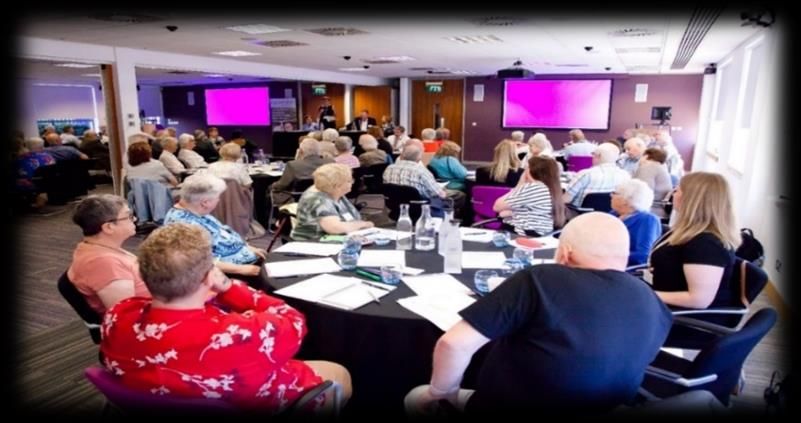
                                                                             Tenants' Conference 2019

3|P age
Section 2 – Viewpoint and its Operating Environment

Viewpoint Housing Association was established in 1947 with the intention of giving a home to a group of
people who otherwise would have no or very little franchise in society.

As its original tenants aged, the need for a variety of housing schemes designed to meet the requirements of
                                                               older people became more apparent. Viewpoint
                                                               soon began offering everything from sheltered
                                                               housing to 24-hour care and introduced amenity
                                                               and general needs housing for people below
                                                               retirement age. In providing a continuum of care
                                                               and support, we also provide end of life care in
                                                               our care homes.

                                                            We have three Care Homes in Edinburgh: St
                                                            Raphael’s is an impressive, bright and airy art
                                                            deco building with 63 en-suite rooms in four units.
                                                            Each unit has a team of Registered Nurses and
                                                            Care Assistants, both day and night. We also have
                                                            a specialised dementia unit. Marian House is one
of our smaller homes with 35 en-suite rooms with wet floor showers. Both these homes are set within the
Grange, a highly desirable part of Edinburgh. Lennox House is located in Trinity and has 34 en-suite rooms
over two floors, an enclosed garden and similar to the other two homes we have a dedicated Activities Co-
ordinator to organise internal and external events and outings

At Viewpoint, we are passionate about people and want
them to choose us as their preferred landlord and care
home provider. We value the wisdom and experience that
comes with age and through this Strategic Plan, we will
ensure we provide homes for our customers where dignity,
opportunity, friendship, support and independence are
paramount and where personal choice is a way of life.

With an annual turnover in excess of £17m, Viewpoint now
owns approximately 1340 properties in Edinburgh, Lothians
and Fife. We are registered with the Scottish Housing
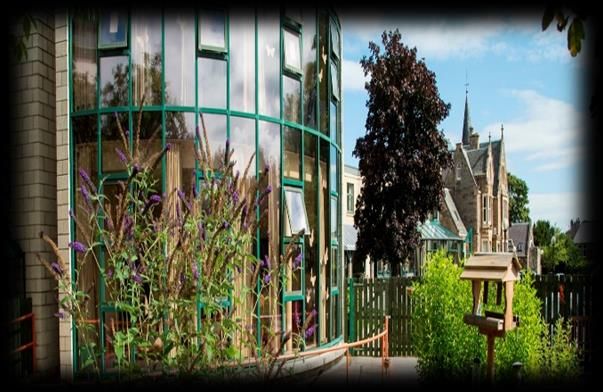
Regulator (SHR) as a Registered Social Landlord and as a          St Raphael's
charity with the Office of the Scottish Charities Register
(OSCR). The Care Inspectorate also regulates our @ Home, Support and Care services.

Control of the Association is vested with a voluntary Board, which is elected by the Association Membership at
the Annual General Meeting. Membership is open to anyone over 16 years old. Tenants are particularly
encouraged to become Members. The Board of Management normally meets eight times per year. It delegates
detailed scrutiny of operational matters and risk and audit to two sub-committees, Risk and Audit and
Operations.

The Association operates a fair and objective allocations policy that prioritises people in greatest housing need.

4|P age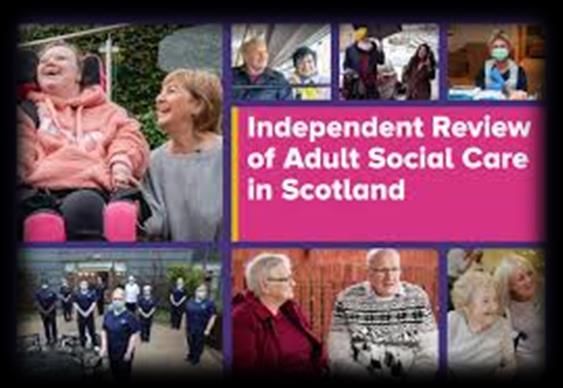
Working with the City Council and other housing
                                                    associations through EDINDEX, Edinburgh’s single access
                                                    point for affordable housing, our homes are allocated
                                                    using a choice-based letting process.

                                                 At Viewpoint, we seek to work in a responsive and flexible
                                                 way to empower our staff and our tenants to contribute in
                                                 their communities effectively. We will continue to work
  Buchan Gardens
                                            with other organisations to improve the quality of life in our
communities whether that be through the development of work ourselves or supporting others to undertake it.

The external world has been extremely challenging for housing associations and their tenants and these tough
times are likely to continue. As we move forward, the changes we have made and are planning to make to our
services will reflect this.

Governance and Risk

Good governance is a prerequisite for a strong and successful organisation. Within 2019, we completed a full,
independently supported, audit of our governance and received a finding of ‘strong’ assurance following a
review by our internal auditors. There is a recognition that we are operating within an environment which
continues to be volatile, complex and ambiguous. By ensuring that risk awareness is embedded throughout the
organisation we are well positioned to respond to any uncertainties we face in order to avoid, manage or
mitigate risks and realise any opportunities that may arise. The Board and Executive consider our risk appetite
annually but continually monitor the current risks particularly with the ongoing impact of the pandemic.

Notwithstanding our desire for innovation, there is an overall cautious concern across the housing and care
sector about diversification and moving away from core areas of expertise particularly as we slowly move out of
the financial and social impact of the pandemic. As an organisation we are open to taking managed risks in
order to secure advantages and opportunities offered by new ventures, devolved working and innovative
technological possibilities.

Fuel Efficient Homes Fit For Purpose

Although new homes are built to the silver standard for energy efficiency and we are continually working to
improve the heating systems we put into our homes there is an increasing concern that our tenants have more
affordability issues that could include fuel poverty. The impact of Covid-19 has meant that more people are
finding it hard to heat their home and the impact on their living conditions, physical and mental health is
palpable. As we begin to collate more data about our tenants this will enable us where possible to take a more
person-centred approach to our homes whereby we will look at both the asset and the person living there to
ensure whatever we are doing not only improves energy efficiency but also is affordable. We are committed to
increasing the amount of staff time focused on more complex face-to-face work with tenants and in the future,
our aim is that we will do this even more.

The legislative requirements of the Energy Efficiency Standard for Social Housing alongside the demands of the
Climate Change Plan require us to fully understand the levels of investment required within some of our most
challenging properties. In June 2019, the UK announced it would be legislating for a net zero carbon emissions
target that will mean the UK will end its domestic contribution to climate change from 2050. This will

5|P age
profoundly affect almost all aspects of society, including the way we heat our homes. Currently most UK homes
use natural gas for heat. In a net zero world, all these households must use alternative, lower carbon sources of
heat. Unless radical changes in housing, energy and climate policy are prioritised, the UK will miss its 2050 net
zero climate target.

The Scottish Government is working directly with the sector to understand some of the challenges we are
facing so at this time it is fair to say there is no clear direction regarding affordable, sustainable options for
heating replacement in social housing stock. We are, however, committed to ensure we both comply with
legislative requirements set out in national targets and that we promote best practice as a responsible and
forward-looking organisation.

Empowering Staff and Tenants to Manage Digital Changes

More and more of day-to-day life is conducted on line and the management of our affairs is quick and easy for
             those of us who are familiar with the use of technology. However, the speed of change in this
             area, especially since the start of the pandemic, has meant that a proportion of our tenants
             have been left behind and this has increased the levels of isolation for some individuals.
             However not having access to technology can be due to extreme poverty, lack of opportunity,
             ill health or being part of a generation who are less willing to embrace these changes.

We believe that we should be empowering our tenants to manage the world around them as best they can. We
want them to access opportunities to live safely, healthily and affordably. To do this we need to empower our
staff to assist them. This means freeing up our staff by doing more of the basic interactions on line and allowing
more time to work face to face with tenants and to enable them to access the help and support they need. It
also means focusing on understanding individual tenant’s issues and seeking to solve them in a person-centred
and thoughtful way.

How We Engage and How our Customers Participate

As we continue to face difficult decisions, we need to ensure we continue to engage and involve our tenants,
residents and other customers. We need to be accessible. Like many providers, we have tenant groups, run
annual conferences, arrange consultation sessions and continue various meetings at our complexes and care
homes.

However true tenant/resident engagement is more about listening than it is talking, so we will aim to engage
with our customers and align those discussions with the priorities of the organisation to make these sessions
relevant, listen to views and ensure customers feel they are making a real contribution to what we are aiming
to achieve.

Our People

We recognise that our success depends upon the combined skill, commitment and talents of our people. It is
through our people that we turn our potential into performance. We are proud to have retained the prestigious
Investors in People Silver Award following independent assessment during 2020-21, but our commitment to
investing in our people is about more than that. It is about continuing to develop the overall level of staff
engagement, commitment, capability, performance and confidence in leadership.

6|P age
We want all our people to be inspired and motivated to achieve results and have recognised that the quality of
management and leadership throughout the organisation is critical to achieving this and therefore we will be
investing in the leadership team development in the next year.
We ensure that individual and team objectives are aligned with the strategic priorities so everyone can see the
vital part they play in our success.
We recognise how important our staff teams are to our tenants and residents. This year we will become a
Scottish Living Wage employer and we will continue to review pay, terms and conditions to ensure we attract,
develop and retain the best possible staff across the business.
Value for Money (VFM)
For Viewpoint Value for Money is about spending wisely and making the best use of our resources, ensuring we
are an effective business. It is important that Viewpoint is able to demonstrate that it delivers VFM in its
delivery of housing and care services to its tenants, residents and other stakeholders. Our focus on delivering
efficiencies and investing resources where they add value is through involving our customers in defining
services by continually seeking their feedback both on an individual level, the Tenant Forums, Residents and
their families as well as through Board membership. This enables us to identify our customer’s priorities and
shape our services to meet these. As a housing and care organisation getting value for money is very important
to us and we have this in the forefront of our minds in all the spending decisions we make
We are committed to providing value for money in all of our activities. We aim to work efficiently and
effectively, delivering the best service we can at the lowest reasonable cost to maintain high quality. The better
our value for money, the more investment we can make and the more we can improve services.
As a housing association, there are many ways that we can demonstrate value for money:
We will keep our rents affordable and any increase as low as possible
We will continue to seek new efficiencies every year, through improved procurement contracts, for
instance.
As we aim to achieve the Energy Efficiency Standard for Social Housing we will be looking at a more
person-centred approach to what we do in your homes. We will talk to you about your circumstances.
For us it isn’t just about fitting the cheapest system we will ensure that we fit something that is
affordable to you and where possible targets families suffering fuel poverty.
However value for money isn’t just about saving money it is about tenancy sustainability and we will continue,
where possible, to ensure that our tenants have an affordable home for life. The additional housing support we
offer and the financial inclusion advice and support we provide, help people improve their personal
circumstances and have a better quality of life. It may not generate money for Viewpoint, but it's a real benefit
to those people living in our communities – and that is a true reflection of value for money
Other Contextual Factors to Consider
Brexit - As we move out of Europe, we expect there may be unintended consequences for those who are on
lower incomes. If there is a lack of food, medicines, supplies and prices rise this will mean families with less
7|P agemeans will find it even harder to cope. We are still not clear what impact Brexit will bring economically and we are unclear how this might affect our tenants, residents and the organisation itself. National & Local Government – Although we are not a public body, we do operate to a large extent alongside other public services. Our principal activities of housing and care are devolved to the Scottish Parliament and therefore we ensure that we keep up to date with the relevant Scottish Government policies. However some areas of our business, such as welfare reform remain under the jurisdiction of the UK Government so we keep abreast of these matters as well. The recently published independent review of adult social care recommends a series of wide ranging reforms to adult social care, including setting up a national care service on an equal footing to the NHS and making care free at the point of need, more funding for unpaid carer respite services to creating a new care minister to oversee reform. The recommendations, which come with a £660m price tag, have already been backed by MSPs. The review recommends a potentially seismic shift in the way that social care across Scotland is overseen. Most significantly, councils would be stripped of their dual role as both commissioners of social care and often providers of services and this would be handed to newly-empowered Integration Joint Boards (IJBs) answering to a national care service. A National Care Service would be established as a legal entity and have a chief executive, on a par with the NHS in Scotland, directly accountable to a newly-created minister for social care. It would be the role of the national care service to ensure a ‘once for Scotland approach’ to putting in place the workforce planning, data, research and IT systems required to deliver national quality standards and improving outcomes for service users. While the plan calls for a narrowing of the role of local authorities, it proposes a greater, direct and more independent role for health and social care partnerships. Instead of being funded by both their local health board and council, Integration Joint Boards (IJBs) that oversee health and social care partnerships would get their money directly from the Scottish government. They would take over the role of not just planning but also directly commissioning and procuring services – with an increased workforce to match. As Viewpoint develops its Care Strategy then it is important that we consider the recommendations of the Adult Care Review. The plan envisages a continued mixed ecosystem of “delivery partners” that would include councils, private and voluntary sector providers. With an increasing older population and higher levels of vulnerable individual in our community we have an opportunity to consider different housing and care models that provide person-centred service built around people’s needs and aspirations. 8|P age
National Care Standards
There is a strong push from the Scottish
Government to develop the capacity and
capability of communities and to enable
them to take control of their destiny. There
has also been a significant amount of work
completed in relation to older people with
a framework that sets out the intended
direction of travel encompassing current Craft Cafe
and future needs. Scottish Government has set out National Care Standards on care homes, care at home,
support services and housing support. These cover the following principles:
1. Dignity and respect
My human rights are respected and promoted
I am respected and treated with dignity as an individual.
I am treated fairly and do not experience discrimination.
My privacy is respected.
2. Compassion
I experience warm, compassionate and nurturing care and support.
My care is provided by people who understand and are sensitive to my needs and my wishes.
3. Be included
I receive the right information, at the right time and in a way that I can understand.
I am supported to make informed choices, so that I can control my care and support.
I am included in wider decisions about the way the service is provided, and my suggestions, feedback and
concerns are considered.
I am supported to participate fully and actively in my community.
4. Responsive care and support
My health and social care needs are assessed and reviewed to ensure I receive the right support and care at the
right time.
My care and support adapts when my needs, choices and decisions change.
I experience consistency in who provides my care and support and in how it is provided.
If I make a complaint it is acted on.
5. Wellbeing
I am asked about my lifestyle preferences and aspirations and I am supported to achieve these.
I am encouraged and helped to achieve my full potential.
I am supported to make informed choices, even if this means I might be taking personal risks.
I feel safe and I am protected from neglect, abuse or avoidable harm
We will continue to work alongside public agencies and our corporate partners where possible to deliver our
part in their strategies.
9|P ageSection 3 – Our Vision and Values
Our Vision
‘Creating Joy in Later Years’
Our Values
Life needn’t be complicated. We’re here simply to help people enjoy their later years.
Our customers are at the heart of what we do. We need to take time to solve problems and work as a team to
help and support those who may be isolated or vulnerable.
Everything we do is about realising our vision and in order to achieve this we have an equally
straightforward set of values. Values which define us.
Inspire with positive smiles and words
Say ‘yes I can and I will’
Celebrate age, experience and wisdom
Do according to our customers’ wishes and ambitions
Treat people (everyone is a VIP) as we would a “loved one”
Work hard, have fun and laugh
Stay courageous, creative and ahead of the game
Work with those that share our values
These promises shape us. They’re a commitment to our residents, staff and suppliers. Everything we do is
focused on helping tenants and residents to thrive and live successfully in the community.
We will be aware of the external environment and be prepared to face new challenges. We will understand and
implement new regulations effectively. We will support our tenants and residents to cope with changes they
are obliged to face. We will also initiate change through our focus on innovation in order to solve genuine
problems that our customers and communities face and to make our organisation more sustainable and
effective.
Our values are fundamental to every single plan, decision and project we embark on.
10 | P a g eSection 4 - Strategic Plan
We have five Strategic Objectives:
1. To ensure our customers are at the heart of what we do
2. To be financially strong enough to support the changing needs of the business
3. To empower and support people to live as independently as they choose
4. To have a Board and staff team that are encouraged to be developing and growing
5. To be efficient and effective whilst considering value for money
Our Key themes over this period are:
The Board are engaged and risk aware and in support of the strategic direction of the business
Develop a Care Strategy that is person-centred, considers sustainability and affordability and provides
different care models and tailored support packages for those that need it
Deliver our Asset Management Strategy to ensure our homes are fuel efficient; fit for purpose and are of
the best achievable standard whilst remaining affordable
Digital evolution moving towards digital first- develop our ICT strategy to dovetail with our
Housing, Care, and Asset Management strategies
Staff are empowered and ready for change and we continue to invest in their development in line with
our aims to create an ongoing succession plan
We consider value for money in all that we do
Continue to implement the Tenant Participation Strategy to ensure customers, who are fundamental in
decision-making, are involved in the ongoing planning and delivery of our strategic direction
Underpinning all of this is the commitment to lead the organisation with the highest standards of
governance, demonstrating openness and accountability, and achieving a high level of compliance the
regulatory standards.
Whilst we set out our strategy, we keep it under review and through ongoing monitoring we will amend as
appropriate. In order to achieve our vision and working with the values we have developed together over the
past few years we have recognised that we need to develop our plan from four perspectives. While our
objectives are all interdependent and all contribute to meeting our vision, we are clear that the overriding
priority is to ensure that our current properties and care homes are fit for purpose now and for the future to
provide, wherever possible, a home for life, providing positive and psychological benefit for older and
vulnerable people in Edinburgh, Fife and the Lothians.
The Strategic Plan is both for external and internal use and its focus is on more new and improvement
initiatives than day to day ‘business as usual’ activities. The plan itself outlines strategic objectives associated
across Governance, Finance, Housing and Support Services, Assets, Business Support and Organisational
Development. This framework was used in our last plan and established in our reporting process. It provides a
robust framework for the organisation to plan our outcome related activities for the year.
Internal Management Plan (IMP) – this reporting matrix allows us to track progress against the agreed
objectives and associated activities in a given year and is principally used by the Board to ensure we are
meeting targets, and to consider where support may be required in order to meet targets. This sits
alongside other reporting measures such as KPI reports and Management Accounts to provide
oversight and controls within our Governance framework.
11 | P a g e Departmental Action Plans – these were developed internally to link the strategic outcomes
and specific objectives to each operational area and then feed into individual performance
objectives for the year ahead. In doing this every staff member is given a clear ‘line of sight’
and can directly see the role they play in the delivery of our Strategic Plan.
12 | P a g eSection 5 - Our Strategic Priorities for 2021/22
We will ensure there is high quality governance and decision making to guide our business activities
In this year we will continue to consolidate our work, assess our systems, plan change, and the time it
will take to deliver. Our aim is to improve our business; modernise systems; focus on customers;
improve our assets; consider value for money and empower our staff.
As we move out of the pandemic we will continue to provide a responsive and effective repair service
and start to deliver a challenging planned maintenance programme as we begin significant investment
into our existing stock ensuring they are energy efficient and fit for the future.
We will continue to review our Rent Policy to ensure Viewpoint tenants have rents which
continue to be affordable, demonstrate value for money and give customers greater choice
over their services.
We will continue to deliver our Dementia Strategy across all our services and look to work with others
to find solutions for people living with dementia, including assisting people to adapt their homes to
meet their needs and make them fit for purpose for the future.
We will gather evidence to help us understand the needs of our customers and how we can help them
either directly or indirectly. We will also seek to identify other high quality flexible services targeted to
improving the lives of our tenants, residents and customers.
We will review and redesign our @ Home and Support Services across our business ensuring
these models deliver quality and reflect what our service users want and can afford.
We will ensure we have astute financial management to ensure we can maximise our impact and
protect our longer-term position, including the affordability of our range of both housing, housing
support and care services.
We believe we can still improve the effectiveness of our systems and improve their transparency. We
can evidence what we do better. We will continue to review and agree an ongoing, achievable and
affordable implementation plan.
We are committed to the evolution of our digital journey through review and implementation of our
ICT, Housing, Assets, and Care strategies, with the intention of changing our mindset to thinking ‘digital
first’. We will look at empowering tenants, residents and staff, continuing to improve the use of
technology in our homes so that they can contact us at a time and in a way that suits them.
We will continue to invest in our people to enable them to deliver the best services that we can but
also to allow them to grow and develop within the organisation.
We will continue to improve our services; review targets and improve performance, as well as
considering what quality marks, standards or tools could support us on our continuous improvement
journey.
We will plan our EESSH 2 programme in line with the Climate Change Plan whilst ensuring we invest in
measures that are sustainable and affordable
13 | P a g eWe will invest a minimum of £5 million in our stock annually to ensure we maintain good quality homes
We will increase our tenant satisfaction further in line with the Scottish Social Housing
Charter outcomes as our performance continues to improve. We will also continue to review
our resident satisfaction in our care homes to ensure quality and efficiency of services.
We will challenge ourselves to make the most of our resources and demonstrate how we balance cost,
quality and performance to provide the best results for residents and tenants ensuring strong financial
management and value for money
We will develop a marketing strategy to ensure we are reaching a wider audience and promoting the
services we deliver at Viewpoint
We will work collaboratively with other partners, agencies and volunteers to help us increase the
activities and support we can offer our tenants and residents
We will consult with our staff on future working models; consider office/home working blended
approach; what do we need, considering the lessons learnt from the pandemic, going forward to
ensure we deliver excellent services together to our tenants and residents.
We will work towards reducing our carbon footprint and as we become more informed regarding the
Climate Change Plan and the Scottish Government agenda we will develop a Sustainability Strategy
We will develop partnerships and learn from other organisations about how we can improve and in our
ongoing consideration of value for money review our operating costs and make sure the business is run
as efficiently as possible
14 | P a g eOur customers are at the heart of what we do
Objective Description Target Date
To create a Housing Strategy To set out our current strategic position in respect of the
that is inclusive of services for provision of housing and services Mar 2022
homelessness, mental health
& other needs To identify future direction of our housing services and specific
areas of focus for development
To continue implementation of To review our ICT Strategy in order to dovetail the Strategy Ongoing
ICT Strategy & digital inclusion with the Housing, Care and Asset Strategies.
Develop Communications To review; consult and implement a Communications Strategy March 2022
Strategy; Review VHA's brand
and marketing; vision & values To rebrand in line with any changes to vision & values Mar 2022
Review and roll out our To support people to live well with dementia in our homes and Ongoing
Dementia Strategy to all properties
Viewpoint services
To ensure that service delivery To improve Customer Satisfaction:
standards and objectives are Review the key areas of customer satisfaction where Ongoing
clearly defined, measured and we are not meeting targets; Consult with our tenants
demonstrate continuous on why they are dissatisfied
improvement through Consider feedback and further action required
effective performance
reporting
Continue to implement the TP Deliver our Implementation and Consultation Plan for 2021/22 Mar 2023
Strategy Work to consolidate the achievements we have made to date
and ensure these are embedded
To deliver on the targets of the Deliver the energy efficiency work programme together with Ongoing
Asset Management Strategy certification, and deliver the planned and cyclical maintenance programme –
work programmes to demonstrate compliance with the 31 May 2021
deadline for
Standards (EESSH1 and then EESSH2)
EESSH1
compliance and
EESSH2 - 2032
Heating replacements options appraisals – consider low carbon Oct 2021
heat technologies when replacing existing systems whilst
looking at the most cost effective system for both the
organisation and customers
Ensure all properties meet the requirements of the Dementia Oct 2021
Strategy
Map out the work required to complete the asset profile and Oct 2021
carry out work with investment priorities
15Ensure compliance with the Scottish Government Fire Safety Feb 2022
Guidance; replace all fire alarms to LD1 standard by February
2022
Review internal procedures on fire safety and evacuation; March 2022
implement changes as required
Continue to use best procurement methods to secure quality Ongoing
contracts while ensuring value for money
To consult, review and Consult and collect from internal and external customers Dec 2021
implement the Customer Care
Charter To ensure we have a clear customer care charter which details Mar 2022
how we deal with people both internally and externally
Implement new Housing Conclude housing service redesign project: Mar 2022
Support Service - Develop and define options for new service model/s
and consult with tenants
- Develop staff structure to deliver new service
- Develop financially sustainable and affordable service
model
16To be financially strong enough to support the changing needs of the business
Objective Description Target Date
To prepare options appraisals & Consider options relating to our existing stock based on
recommendations on VHA's stock information; efficiency; demand; operational costs Oct 2021
geography & future direction
Consider any other land/property to be considered for
disposal including garages
To prepare options appraisals & Board Away Day to consider strategic direction with focus
recommendations on VHA's on years 2022-2025; May 2021
strategic direction What is “growth” in the future of Viewpoint;
consider options and prepare future strategy
Continue to use best Review current procurement policy and practice within
procurement frameworks to the organisation to ensure we achieve consistency Jul 2021
secure quality contracts with moving forward
community benefits while
ensuring value for money Complete training to relevant staff
To develop and implement an In 2021/22 through training and support each
annual budget process, ensuring department will take responsibility for creating their initial Sep 2021
Directors and Head of Functions 2022/23 budget;
are competent in all aspects of
budget-setting, management & this will feed to Finance and then there will be a number
forecasting of scheduled discussions prior to the final draft budget
being presented to the Board in November 2021
To ensure that VHA remains Continue to review existing bank loans and any new annual
financially sustainable private finance opportunities
In line with strategic planning complete relevant scenario
planning and brixx modelling
Strengthen and embed business planning and treasury
management to allow further finance to be sought in
2021/22 for the implementation of our asset
management strategy
Continue to maximise rent collection and reduce rent
arrears
To meet target on void To recover position on void performance following impact
management of COVID-19 restrictions Mar 2022
To scope and appraise options To identify, understand and appraise options for the Dec 2021
for the future of the existing future of the Glenesk – building and site.
Glenesk building and the
opportunities to develop the Present options to Board for consideration
site.
17We empower and support people to live as independently as they choose
Objective Description Target Date
To begin delivering Through review and update of our Housing, Asset, Care and
Technological Systems to ICT Strategies we will continue to focus on the Ongoing
enhance our services to Infrastructure, Security and Technology Enabled Housing
tenants’ in their homes elements with skills development of the workforce also a
priority.
Develop and implement a Complete an evaluation of the current and future demand
Care Home Strategy for care – care homes - what models should we consider Oct 2021
Consider financial models/value for money/sustainability
How do we improve recruitment and retention of staff
Consider collaboration with other partners to achieve
different models
Reviewing the suitability and sustainability of existing care Commence April
home buildings. 2022 (design
This will commission a review of the current staffing follows function)
structure; salaries; care home fees; occupancy; previous
and proposed capital & revenue expenditure on
maintenance; domestic and catering services; levels of care
delivered.
This will provide an over view and ensure we are delivering
efficient and effective person-centred services as well as
value for money
18To have a staff team and board of trustees that are developing and growing
Objective Description Target Date
To continue our Digital Complete the move to off-site hosted solutions to enable a June 2021
Evolution – Digital First as part Cloud based approach to services.
of the reviewed ICT Strategy Continue to invest in all our systems and upgrade as ongoing
required – CIVICA; SUN; QL
Review the longer term efficiency of the Housing Sep 2021
Management system in line with the current and future
business demands
We will ensure there is To be fully compliant with external regulatory and good
high quality governance and practice standards
decision making to guide our Ongoing review of our governance; membership; website Ongoing
business activities information
Succession planning for the Board to ensure continuity of
Strategic Leadership of the Association.
To continue to develop and Through the development of the HR Team we will continue
implement Workforce to develop a Workforce Planning Strategy; this will be a Mar 2022
Planning Strategy continual process used to align the needs and priorities of
Viewpoint with those of its workforce to ensure it can meet
its legislative, regulatory, service and production
requirements and organisational objectives
Continue to implement the Continue to implement the proposals agreed through the
Organisational Design Project project Ongoing
Continue to communicate on an ongoing basis to ensure
staff are motivated, empowered, involved and feel invested Ongoing
in
Review salaries, terms & conditions Oct 2021
Develop a new staff handbook Jul 2021
Consider the future office use and blended home and office Jul 2021
working
Arrange staff conference to celebrate current achievements Dec 2021
and improvements as a result of changes
19To be efficient and effective whilst considering value for money
Objective Description Target Date
To ensure the effective To evidence budget planning linked to strategic objectives
delivery of the Strategic plan To provide evidence through the Internal Management Plan Ongoing
that the plan is being delivered
Set SMART targets
Ensure strategic direction of Implement robust systems and software to provide good
VHA is planned, executed, evidence supporting our asset work and investment moving Ongoing
controlled and monitored to forward
achieve its objectives and
protect its assets At least one Board Away Day per year May 2021
Improved communication and involvement with all staff in Ongoing
the strategic direction of the organisation.
Promoting ownership; empowering staff Ongoing
Ensure there are adequate resources to deliver effectively Ongoing
Identify future office space in Consider a blended working approach like the ‘Hub, Home
line with our future & Roam’ model implemented in the sector by another RSL Sep 2021
requirements
The existing building is not conducive to inclusive working;
we will bring detailed, costed options for the future office
provision to the Board, with a recommended solution, for
approval and future implementation.
We will review options for alternative options alongside the
options for the existing building should we move to
alternative office space
20Section 6 - SWOT Analysis
Strengths Weaknesses
Good Board skills and mix x Poor Customer Communications
Strong Executive Team and developing x Evidencing Value for Money – social
Leadership Group return on investment
Strong financial results and balance sheet x Resilience to change although improving
Good brand and reputation x Need to be better at evidencing and
Good location of homes and complexes promoting achievements and
Size – not too big performance
High level of staff commitment x Delivering what we say we will do
Spectrum of care and support i.e. x Stock condition information
mainstream through to x Landlord Health and Safety improving
sheltered/supported living through to but not there yet
nursing care including palliative care x Inter-departmental communication
Viewpoint Trust funding improving but some way to go
Strong learning and development service x Recruitment of staff in the organisation
Business processes and reporting x Lack of required skills in some teams
improving x Cultural challenges - blame culture and
Arrears performance associated lack of goodwill
Internal training of staff for succession
planning
Opportunities Threats
Care village concept including step x The continuing impact of Covid-19 but
up/down and care at home also further pandemics on our business
Dementia Strategy x Ongoing impact of pandemic on our staff
Growth potential – asset base and resilience and health & wellbeing
financial viability strong coupled with x Constant external change puts strain on
reputation maintaining staff motivation
Potential for innovation in delivery of x Internal systems cannot support growth
housing support and care services x Staff behaviours
Potential to expand into local x Age and profile of stock and levels of
communities e.g. care at home and investment required to ensure fit for
promotion of wellbeing initiatives purpose
Partnerships e.g. shared services – x Climate Change Plan and EESSH 2
procurement and other services requirements
Staff leadership development x The roll out of the Adult Social Care
Tenant Scrutiny Review and the impact of potential
Older population is growing recommendations.
New care strategy that is inclusive, x Failure to respond to changing care
innovative and person centred service and business developments
x Risk of staff burnout due to over
commitment without considering
existing workloads and agreed projects.
21Section 7 - PESTLE Analysis
Political/Legal Economic Social
Ongoing uncertainty Increasing funding Workforce availability –
over Brexit impact complexity and changes in work
GDPR uncertainty expectations
Freedom of Information Staff costs – wage Increasing need for older
Declassification of RSLs pressure, impact of Brexit persons’
as public bodies Self-directed accommodation for
New care standards Support/Personalisation – couples
Health and Social Care increased choice for Care not a career choice
Partnerships – emerging customers Change in expectations
developments EU and Scottish and aspirations of older
New SHR regulatory Government procurement people – baby boomers
framework reform – impact on cost Demographics – older
EESSH and further of goods and services population and numbers
requirements Public spending cuts – with dementia
New definition of Fuel Supporting People Grant, increasing
Poverty NCHC rate Increasing emphasis on
Welfare Reform Maintenance and build customer involvement –
New Government Fire cost increasing Tenant Scrutiny
Regulations Shortage of nurses leading Isolation amongst older
New UK Immigration to recruitment pressures people increasing
Framework and wage costs
Uncertain labour
market/skills shortages
Technological Environmental
Rapid advances in Changes to expectations
assistive technology about transport and
System disruption e.g. vehicle options
hacking and data fraud Adaptation to climate
Telecare and telehealth change - impact on
innovations and housing; levels of
emerging trends investment required;
ICT – rapid changes and affordability
developments
Increasing use of and
reliance on social media
and mobile technology
22Viewpoint Housing Association - Board, Executive and External Advisers
Board
Iain Thompson Chair
Tom Roehricht vice- Chair
Carol Lumsden
Pam Russell
Kate Kennedy
Caroline Jardine
David McIntosh
John Muir
Jack Clyne
Executive Team
Jean Gray Chief Executive
Helen McMorran Director of Business Support
Howard Vaughan Director of Finance & Assets
Esther Wilson Director of Housing & Support
Ann Wood Director of Care
Auditors
External: Alexander Sloan, Head Office: 180 St. Vincent Street, Glasgow, G2 5SG
Internal: Wylie & Bisset, 168 Bath Street, Glasgow G2 4TP
Bankers
The Royal Bank of Scotland
CAF Bank
Solicitors
TC Young, 69a George Street, Edinburgh EH2 2JG
Scottish Housing Regulator,
Buchanan House, 58 Port Dundas Road, Glasgow G4 0HF
Care Inspectorate
Compass House, 11 Riverside Drive, Dundee, DD1 4NY
OSCR (The Scottish Charity Regulator)
2ND Floor, Quadrant House, 9 Riverside Drive, Dundee DD1 4NY
Scottish Public Services Ombudsman (SPSO)
Bridgeside House, 99 McDonald Road, Edinburgh, EH7 4NS
© Viewpoint Housing Association Ltd. 4 South Oswald Road Edinburgh EH9 2HG.
Scottish Charity No SC005619. A Scottish Charitable Housing Association. Register of Co-operative
and Community Benefit Societies No. 1228 RS. Register of Housing Associations No HEP199.
Scottish Property Factor No PF000364
23You can also read


