SUSTAINABILITY STRATEGY 2021-2026 - Imperial College ...
←
→
Page content transcription
If your browser does not render page correctly, please read the page content below

SUSTAINABILITY
STRATEGY
2021–2026

FOREWORD

FOREWORD
                      We are living in a rapidly evolving world.
                      Societal vulnerability in the face of climate and
                      environmental change is serious and undeniable.
                      The UK government has committed to an ambitious target of 2050 for net zero carbon
                      emissions. The societal, economic and technological consequences of this challenge
                      cannot be overstated, and it is universities like ours that must step up to provide the
                      solutions, collaborations and skills necessary to help us get there. If this challenge wasn’t
                      enough, we have the equally serious transition to make society fair and equitable.
                      As we launch our strategy for the next five years, we must bear in mind that the world
                      will change in unexpected ways, as we found this past year. We must have a clear vision,
                      and be prepared to adapt and be agile.

                      Science and technology, and their translation to business, the public and decision makers,
                      are critical to achieving net zero carbon and building a resilient and equitable society.
                      The development and deployment of technical solutions to respond to changes in the
                      natural world is based on our ability to continually monitor the environment. Rolling
                      out new approaches in every sector demands smart application of science and clear
                      assessments of impact. We also must equip the next generation with the skills and
                      knowledge needed to make informed decisions that will drive the necessary action.

                      Imperial College London is already at the forefront of research and learning on many
                      of the most pressing challenges we face. The challenge is great, yet we can go further
                      and do more. Our new sustainability strategy places the transition to zero pollution at the
                      heart of what we will achieve in the coming years in research, training and innovation.
                      We will also focus resources to transform our campus and communities into a testbed
                      for new ways of working and living. Our strategy marks an important step for the College.
                      It builds on the progress we have made through ‘Greening Imperial’ and the work of our
                      Estates team to improve the sustainability of our campuses, and through our outstanding
                      multidisciplinary research centres such as the Grantham Institute for Climate Change
                      and the Environment and the Energy Futures Lab.

                      Framing a strategy is merely the first step. We are launching our strategy at a time when
                      our attention is directed to managing through a global pandemic and it might be tempting
                      to downgrade or delay commitments to other things. We know we must instead seize the
                      opportunity to accelerate our progress on climate action. Experience tells us that Imperial
                      responds well to challenges and I am convinced that 2020 will prove to be a turning point
                      in our collective endeavours and will see the College as a leading driver for the enormous
                      changes that must come.

                      I look forward to working with the extended Imperial community and our partners as we set
                      out to achieve this ambitious set of objectives, and to sharing our progress with you.
LEFT: Undergraduate
Ecology students
at the Silwood Park   Professor Ian Walmsley FRS
Campus.               Provost, Imperial College London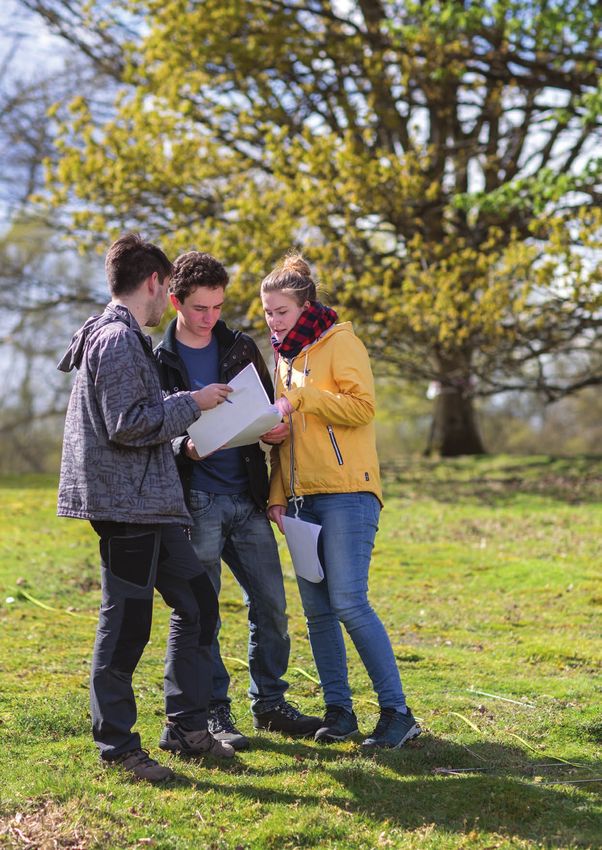
OUR VISION OUR VISION
OUR VISION:
THE ROADMAP TO We must continue
to be a vocal, visible
2026 AND BEYOND advocate for technology
and policy for
sustainability, and
a solutions provider
to business
Sustainability will shape Imperial’s plans Our overall, long-term goal is to be a Finding sustainable solutions together
and activities at all levels and across all sustainable and net zero carbon institution We will build on our extensive
campuses. The College’s Sustainability by 2040. In addition, we anticipate that at sustainability curriculum to ensure that
Strategy Advisory Group was established the end of this current five-year strategy, all Imperial students can access the skills
in 2020 to ensure that we turn this notion this date will be brought forward as we and knowledge they need to lead positive
into reality and, in the context of our achieve efficiencies within the College change. We will reshape our research
considerable but finite resources, set a and take advantage of the evolving energy portfolio, with a growing focus on the
credible roadmap for its delivery. landscape in the UK. Our overarching science, technology and policy solutions
responsibility is to manage the impact needed for a just and equitable transition
Guiding the Advisory Group’s work is of the decisions we make such that they to a sustainable net zero carbon society.
our ambition to ensure that as well as are neither detrimental to the environment We will empower our external stakeholders
Imperial leading the world on science and nor to society, and still enable the College and the wider public to find and implement
policy for sustainability, we also embed to thrive in the future. sustainable solutions together.
sector-leading sustainable practice
throughout our research, teaching and Focusing on what matters In the pages that follow, we set out
operational activities. This ambition is Building on the work of the 2017 our plans, within the framework
Our long-term goal is
captured in our vision: to advance our Greening Imperial study, we interviewed to be a sustainable
of three themes, that collectively
world leading sustainability research stakeholders inside and outside the and net zero carbon will deliver our strategic priorities.
and education, and to apply what organisation, including academic and institution by 2040. Our three themes are:
Imperial excels at to our own activities technical staff, union representatives,
and to the new challenges facing the student bodies, and business partners. ● Resource Management
world. Our strategy brings together the We also launched an online survey with to be a vocal, visible advocate for the College’s decisions on the with our complementary plan to address ● Academic Excellence
work underway in estate infrastructure, the College community to identify themes technology and policy for sustainability, procurement of buildings, services, the broader UN Sustainable Development ● Engagement
research and teaching through a single where expectations are high and where we and a solutions-provider to business. travel and equipment; Goals: www.imperial.ac.uk/global-
framework for sustainability. Goals have the greatest potential to contribute. Everything we do must be underpinned ● we ensure that all teaching and research development-hub/imperial-and-the-sdgs. We are constantly evolving our Strategy,
will guide our action to 2026 and by the resourcing and governance that is carried out in a sustainable way; and expect to add further activities,
beyond, and ensure that we maximise What we heard is that sustainability will bring the different strands of work ● students are equipped with Our Goals science-based targets and measures
the College’s contribution to the UN’s presents a great opportunity for the underway together and drive change. sustainability skills and knowledge Demonstrate sustainability as our work as an institution gathers
Sustainable Development Goals. College – our sustainability research and for the future; in practice further momentum in this area. Please
education is world leading and we should Clear priorities for action for both ● governance, management and We will transform our campuses, get in touch if you have any comments or
do more to implement on campus what the College community and our resourcing of sustainability, including bringing sustainability principles to bear suggestions, or would like to contribute to
we learn and teach. Imperial students stakeholders emerged from our our approach to investment, is at in our decision-making and investment the work, on sustainable@imperial.ac.uk.
represent a huge resource for change findings. These are that: the forefront of the College’s plans in buildings, grounds, transport,
and influence – now and as future ● the complex interplay between climate and ambitions. procurement and partnerships. We will
leaders – and we will ensure they have change, energy generation and human showcase Imperial’s research in action, Professor
the skills and knowledge that leadership activity requires long-term coordinated Sustainability’s ‘social dimensions’, turning our campuses into testbeds for Paul Lickiss
for sustainability demands. Our planning by the College; including human rights, diversity and sustainability. Underpinning this goal is Academic Leader
campuses will become testbeds for our ● we monitor the use of all our inclusion are integral to our activities. our commitment to operate responsibly, in Sustainability,
policy, technology and innovation work, resources and use them efficiently This strategy is focused primarily on the including our approach to governance, Imperial College
and showcase partnership, collaboration to minimise waste; environmental and governance aspects communications and investment London
We will build on our sustainability curriculum. and engagement. We must continue ● sustainability is integral to of sustainability, and goes hand-in-hand for sustainability.
04 ❘ Sustainability Strategy Sustainability Strategy ❘ 05
RESOURCE MANAGEMENT
RESOURCE ENERGY USE
MANAGEMENT Aim:
To achieve carbon neutrality for Scope 1 and 2
emissions by 2040, minimising Scope 3 emissions
where possible, while at the same time ensuring
Laboratory Efficiency
Assessment
Framework (LEAF)
Research groups and
that the College continues to provide world class facilities from seven
departments across
Responsible management of resources is integral facilities to support its overall strategy of Imperial took part in the
to Imperial’s aims of achieving a sustainable, healthy, achieving enduring excellence. national LEAF scheme in
2019–20. Teams made
resilient and smart society. Our campuses should use of the sustainability
also reflect this vision for society, providing a clean guidance in the LEAF
and healthy environment in which the wellbeing Workbook to address
energy efficiency, waste
of our staff and students is a priority.
32%
management, sharing
resources and ensuring
We are committing to generating science-based targets Percentage reduction
in combined scope
that good induction and
leaving procedures were
and improvements in all areas, from energy use, water 1 and 2 emissions in place. Despite the
per FTE over the period
management, waste reduction and catering, to active 2014–15 to 2018–19 challenges presented
travel, sustainable procurement and biodiversity. by the coronavirus
lockdown, many teams
managed to submit
With these commitments built into the College’s calculations on the
wider mission, all our staff and students will not only savings accrued from their
LEAF actions: typically
be aware of the changes they can make as individuals, £1,000–£10,000 per year
but also be enabled to make these changes as part of for each group. Improved
the College community to create a sustainable future. management of fume
cupboards, freezers and
waste led to the highest
Underpinning these commitments is our aim to create We will: enhance data gathering through savings and reduced the
a shared vision for sustainability. We will achieve this ●reduce total Scope 1 and 2 carbon
emissions arising from energy
our building management systems;
● continue to upgrade and enhance
environmental impact
of research. The results
not only through governance and management, building consumption by 15% by 2025–26 existing building services infrastructure were impressive – our
capacity, and demonstrating leadership by example, but against the baseline year 2018–19; to improve sustainability and laboratories were awarded
also by empowering and inspiring our community and ● assess the options available to
increase on-campus renewable
energy performance;
● identify and seek funding for building
six silver and 15 bronze
LEAF certificates. The LEAF
facilitating change within all levels of the College. energy generation; fabric improvement such as façades, scheme will run again in
●develop a roadmap towards glazing and insulation that are more 2021 in an expanded form
a carbon neutral south site of efficient and will effect the reduction across more laboratories.
our White City Campus; of energy consumption.
● continue to procure 100% of our
bought-in electricity through a
Renewable Energy Guarantees Origin
6
(REGO) backed tariff (this significant Measures of progress: Silver certificates
awarded to
step in reducing the College carbon Reduction in total carbon laboratories for
emissions was taken in October 2019); emissions from energy use: energy efficiency
● undertake work to establish ● Total (tonnes CO2e); by staff and
science-based targets to be used students (tonnes CO2e/FTE);
across all campuses; ● By total income (tonnes CO2e/£);
● improve the control of all building ● By building area (tonnes CO2e/m2).
infrastructure and energy use and
Sustainability Strategy ❘ 07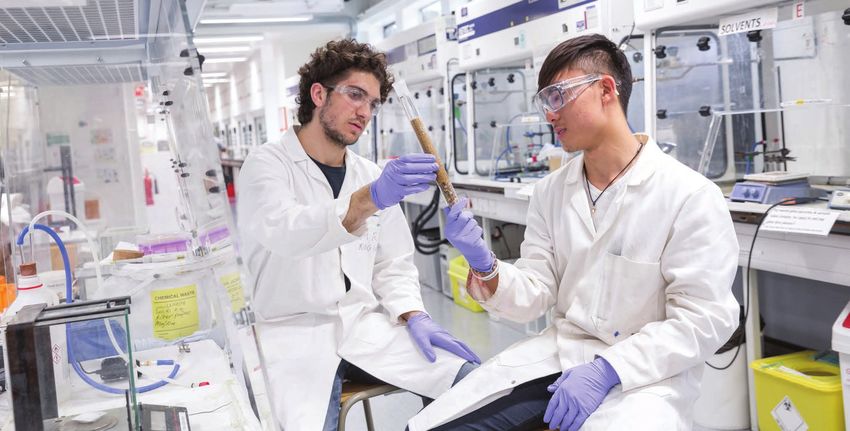
RESOURCE MANAGEMENT RESOURCE MANAGEMENT
WASTE MANAGEMENT WATER MANAGEMENT
Aim: Aim:
To ensure the responsible management of all waste WARPit To ensure the responsible management of water
Imperial participates
streams arising from our activities, using innovative in the WARPit scheme, resources, reducing our consumption and preventing
solutions to reduce our consumption of single-use a redistribution network pollution of the natural environment.
items, to reuse materials and recycle waste produced allowing individuals and
departments alike to give
as much as possible. away or loan items they
no longer require, but
which others may have
a use for. For example, Reducing water use
space undergoing a in our labs
28.77 refurbishment can be
furnished through WARPit
Laboratories use large
amounts of water for
tonnes of CO2e with perfectly serviceable cooling both equipment
saved through items. WARPit brings the and chemical reactions
WARPit scheme
in 2018–19
unused into use, saves via condensers. Use of
money, frees up space, waterless condensers in
diverts resources from the first year Chemistry
landfill, reduces carbon laboratory has recently
emissions and saves on resulted in a saving of
the costs of removal and approximately 20m3
disposal. In the 2018–19 of water over a single
academic year the scheme term. Use of waterless
had 205 transactions condensers is being
(a 6% increase on the introduced across further
previous year), saving teaching courses, and
28.77 tonnes of carbon in research laboratories,
emissions and reusing chemists have found that
4.72 tonnes of potential Use of recirculating an individual may save
waste materials. coolant instead of 5m3 of water per week.
flowing water helps A reduction in running
to reduce water
Electrical waste water in laboratories
consumption in
All Waste Electrical and laboratories across also reduces the risk
Electronic Equipment the College. of floods within buildings.
We will: (WEEE) produced by Use of recirculating
● reduce waste sent to landfill from Measures of progress: the College, for example coolant systems is being
all College sources by being efficient ● Reduction in total amount of computers, fridges and We will: does not rely on water in laboratories, increasingly used with
in use of our resources and in reusing various wastes sent for recycling laboratory equipment is ● work to reduce total and per person for example waterless condensers; laboratory equipment
and recycling unwanted materials; compared to waste going to collected by an external water consumption and continue to ● increase the use of recirculating coolant such as rotary evaporators
● investigate further the reduction, general landfill (tonnes per year); contractor: items still of use the UK government’s Aquafund systems in laboratories and enhance and spectrometers.
reuse and recycling of varied materials ● Reduction in emissions from use are then resold, and framework to carry out detailed building infrastructure to enable water In the Department of
used in laboratories that are currently our waste related activities equipment that cannot audits of our water use; savings to be made; Civil and Environmental
sent to landfill or for incineration; (tonnes of CO2e per year); be remarketed is stripped ● install water control devices and ● install gray water and rainwater Engineering, this change
● increase the use of WARPit to reuse ● Increase in number of equipment to recover materials for more automated meters to better harvesting systems where possible. has saved over
College equipment and furniture; and furniture reuse transactions via recycling and reuse. understand trends in water usage 250m3 of
● promote student recycling schemes
for unwanted bedding and other items
WARPit, waste and emissions saved
(tonnes waste/CO2e per year);
and to enable benchmarking,
monitoring and target-setting; Measures of progress: 20m 3 water per
year.
to be given to charities. ● Increase in quantity of food, ● work with laboratory managers to ● Reduction in total College use Water saved
bedding and other unwanted goods promote the use of the Laboratory of water (m3 per year); over a single term
● Reduction in water usage
in 2018–19 in a
collected from students for donation Efficiency Assessment Framework
single teaching
to charity (tonnes per year). (LEAF) to reduce water consumption; per person (m3 per year). laboratory
● trial alternative equipment that
08 ❘ Sustainability Strategy Sustainability Strategy ❘ 09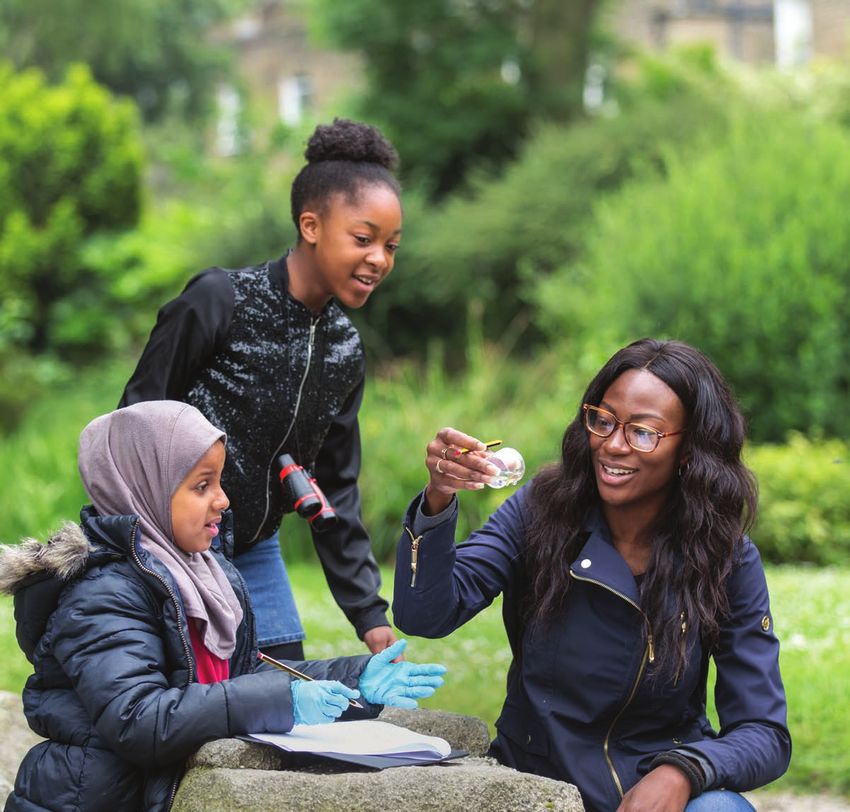
RESOURCE MANAGEMENT RESOURCE MANAGEMENT
SUSTAINABLE PROCUREMENT SUSTAINABLE CONSTRUCTION
Aim:
To use our influence with our suppliers and partners to
AND REFURBISHMENT
procure environmentally-friendly supplies and services, Aim:
to reduce consumption and, where possible, purchase To consider sustainability at all stages of refurbishment
goods and services which may be manufactured, used and new building planning, and to work with architects
and disposed of in an environmentally-responsible way. and contractors to minimise the environmental impact
of construction.
Collaborative
purchasing
A recent project running The Molecular Sciences
Research Hub is certified
from 2018–20 to BREEAM Excellent and has
Molecular Sciences
replace old autoclaves won an S-LAB Award for Research Hub
(steam sterilisation its safe, successful and The Molecular Sciences
equipment) took a holistic sustainable laboratories. Research Hub (MSRH),
approach with input at the new research home
departmental and faculty for the Department of
level and worked with our Chemistry, was awarded
Purchasing Project and BREEAM Excellent
Estates teams. Running Certification for its overall
costs of electricity, steam, environmental and
water consumption, operational performance.
maintenance and service BREEAM sets best
contracts on plant, as practice standards for the
well as the autoclaves environmental performance
themselves were of buildings through
considered, together We will: ambitious external environmental design, specification,
with insurance inspections, ●plan for our next academic building, performance certifications, for example construction and operation.
the staffing costs to run The School of Public Health, the Building Research Establishment In 2019, the MSRH was
the facility and the on the White City Campus to be Environmental Assessment Method also awarded the S-Lab
upfront cost of their initial BREEAM excellent; (BREEAM) and the Royal Institution (Safe, Successful,
purchase. Overall, this ● design buildings and infrastructure of Chartered Surveyors SKA Rating Sustainable Laboratories)
led to a reduction in the with low-cost, low-frequency for Higher Education. Award in the Refurbished
number of autoclaves maintenance and easy access to Buildings and Spaces
needing to be purchased, space, plant and equipment; category. The S-Lab Awards
and introduced greater ● optimise passive design features, are recognised around the
energy efficiencies. such as increasing daylight and world as the benchmark
natural ventilation and reducing Measures of progress: for good laboratory
We will: the supplier base to reduce the heating and mechanical cooling, ● Increase in percentage of new design, operation
● develop appropriate metrics to measure
progress in influencing our suppliers and
College’s carbon footprint;
● support staff to understand the
30% and increase the wellbeing of students,
staff and visitors through improved
buildings of new buildings that are
certified at least BREEAM Excellent
and management.
partners to procure environmentally- environmental impact of purchases, reduction in building design; or equivalent;
number of
friendly supplies and services; considering the whole life cycle cost ● maximise low and zero carbon ● Increase in percentage of
● assess all potential suppliers on their of equipment and services.
autoclaves
purchased technologies such as solar photovoltaic refurbishment projects that BREEAM
environmental policies such as BS7750,
EMAS and ISO 14001, and continually
and ground source heat pumps;
● carry out life cycle cost analysis of
are certified at least BREEAM
Very Good or equivalent; Excellent
monitor our major suppliers on their Measures of progress: construction and refurbishment on all ● External awards for sustainable The MSRH in top 10%
of UK new non-
environmental policies and practices; ● Increase in percentage of projects to ensure that sustainability construction and design; domestic buildings
● work with major suppliers to purchases from environmentally considerations are taken into account; ● Improvements in building
develop and share, where appropriate, responsible suppliers. ● benchmark all construction and energy efficiency.
environmental policies and minimise refurbishment projects against
10 ❘ Sustainability Strategy Sustainability Strategy ❘ 11
RESOURCE MANAGEMENT RESOURCE MANAGEMENT
CATERING BIODIVERSITY AND ECOSYSTEMS
Aim: Aim:
To work with our suppliers to ensure that food and drink To raise awareness of the College’s natural environment The Secret Garden
The Secret Garden is a
are sourced responsibly, food miles are minimised and and promote biodiversity across the College estate, haven amidst the South
the effects on the wider environment are taken into act as stewards to safeguard and conserve natural Kensington Campus open
account, and to increase consumer awareness of the ecosystems, and where possible, ensure construction to all staff and students.
It is home to the Imperial
environmental impact of food and drink. or refurbishment work undertaken by the College and Apiary Project, run by the
contractors has a net positive impact on biodiversity. College’s Environmental
Society, which produces
Plantworks significant amounts
Launched in April 2019 of honey. Waste piles
on the South Kensington are shredded, left to
Campus, Plantworks is biodegrade and the
Imperial’s first entirely resulting compost used
plant-based and vegan on lawns and planted
catering outlet. Plantworks areas.
features a bespoke and
fresh menu of plant- Biodiversity
based foods and drinks, at Silwood Park
encouraging staff and Our Silwood Park Campus
students to choose provides important
a healthier option at habitats including
lunchtime and make their wet woodlands, acid
diet more sustainable grasslands, traditional
for the planet. orchards and parklands.
These provide havens for
Drink, Refill, Repeat a wide range of wildlife
The Drink, Refill, Repeat such as ancient trees
campaign, a collaboration which support many
between Campus Services rare species of insects,
The Secret Garden
and Greening Imperial, is open to all staff
lichens and fungi. Some
encourages students and and students. of these habitats and
staff to transition from species are considered
disposable drinks bottles scarce, vulnerable, or in
and toward reusable We will: ● utilise and enhance natural resources need of protection under
containers. To support ● map biodiversity on all College like the Secret Garden at the South national and international
We will: ● introduce more water fountains this, we have introduced campuses and monitor its health Kensington Campus; conservation schemes.
● work to develop and implement and encourage the use of refillable new water fountains and growth; ● encourage and equip staff and students
a sustainable food policy; drinks containers. across our campuses and ● where possible, increase the number to become stewards of green space Green roofs
● use innovative menus and promote removed plastic cups from of green walls, roofs and spaces to on campus and beyond. Green roofs are habitats
meat-free meals to reduce the amount water stations, saving maximise benefit from Imperial’s limited for wildlife, absorb
of meat used in College catering; Measures of progress: approximately 850,000 urban campuses; rainwater, help to improve
● work with our suppliers to reduce the ● Reduction in plastic and single-use plastic cups per year. ● continue to enhance the ecology, wellbeing and help to
use of unsustainable catering supplies; items used and sold through College conservation and environmental mitigate against the heat
● work with suppliers to ensure that catering outlets; work carried out at Silwood Park, Measures of progress: island effect. Green roofs
all fish served in College catering ● Reduction in waste produced from the College’s rural campus; ● Increase in area of roofs, walls can be found on the South
outlets is Marine Stewardship
Council certified;
catering operations;
● Reduction in amount of meat used
850,000 ● make biodiversity considerations
integral to planning;
and other spaces with improved
biodiversity;
Kensington Campus and
at the White City Campus
number of plastic
● continue to replace plastic and in College catering; cups saved ● increase planting of trees and drought ● Increase in number and variety on the new MSRH and
single-use items throughout catering ● Reduction in amount of palm oil in 2018–19 resistant plants to create a greener of wildlife species recorded as I-HUB buildings.
operations, for example by continuing used from non-sustainable sources. environment and improve wellbeing present on our campuses.
the disposable cup levy; of staff and students;
12 ❘ Sustainability Strategy Sustainability Strategy ❘ 13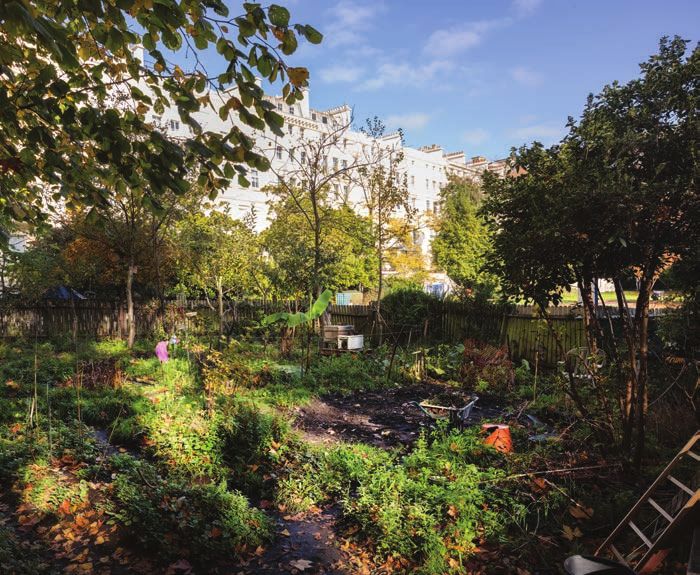
RESOURCE MANAGEMENT RESOURCE MANAGEMENT
TRAVEL GOVERNANCE AND MANAGEMENT
Aim: Aim:
To promote climate conscious travel among staff and Profs Who Fly To provide oversight, direction and focus to
Profs Who Fly is a
students in order to reduce the environmental impact socially responsible the College’s actions on sustainability and climate
of College-related travel. carbon offsetting system change. This will be done by creating a shared vision
where Climate Damage for sustainability; building capacity; empowering
Mitigation Certificates
are purchased. The and inspiring staff, students and College leaders;
income generated directly facilitating change within the College at all levels
supports sustainable and demonstrating leadership by example.
development projects Developing the
around the world that Sustainability
remove carbon from the We will influence decision making across the College Strategy
atmosphere through so that every aspect of the College’s work is compatible In November 2019,
biological sequestration. Professor Paul Lickiss,
Originally developed with the Sustainability Strategy. the College’s first
by our Centre for Academic Leader for
Environmental Policy, Sustainability was
offsets can now be appointed with a remit to
A Dr Bike mechanic checks a student’s bicycle. purchased by any member develop a Sustainability
of staff through the Strategy for the College.
College’s procurement The Sustainability
We will: opportunities for improvements to systems and charged to Strategy Advisory Group
● develop a sustainable travel policy active transport options between projects, departmental advised on key matters
by 2022; and around our campuses; codes or research relating to environmental
● provide staff and students ● replace existing College petrol or support accounts. sustainability and
with innovative virtual and video diesel vehicles with electric or hydrogen considered progress made
conferencing tools to advance alternatives where possible for use on Active travel and best practice across
collaboration and increase conference campus and between campuses; Move Imperial aims the higher education, and
participation, while reducing the ● introduce solutions to enable College to support staff and College-level challenges.
need to travel; members to move from being owners to students in making their Both internal and external
● develop appropriate mechanisms being users of the means of transport; transport to campus – stakeholders were
to encourage less air travel (such as ● reduce the number of vehicles on and across London – interviewed to inform the
a carbon tax or frequent flyer levy) campus as far as possible and increase more active. From route scope of the strategy and
and mitigate some of the impact electric vehicle charging points for maps to financial support, feedback from a College-
of necessary air travel (for example staff and visitors. staff and students can wide survey in June 2020
by carbon offsetting), taking care find guidance on the fed into its development.
that reductions in aviation emissions College’s Active Travel
are distributed fairly across the Measures of progress: website to transform their
Imperial community; ● Reduction in carbon emissions commute into one that is
● provide incentives for low-carbon
travel, for example participating in the
from air travel by 25% by 2026
against the baseline year 2017–18
healthier for themselves
and the environment.
1,155
Sustainable
government’s Cycle to Work Scheme (tonnes of CO2e per person Move Imperial also We will: at all levels, including long-term Imperial survey
and permitting slow travel days for per year); provides information ● establish a Sustainability Advisory academic and financial planning; responses
greener modes of transport; ● Increase in sustainable modes for staff applying to the Board under the direction of the ● empower the College community
● improve data collection on staff of commuting both to and from government Cycle to Work Academic Leader for Sustainability; to engage widely in action on climate
and student travel, particularly by air, College and between campuses scheme, which can help ● strengthen and build on existing change and sustainability, working
to benchmark and develop accurate (methods for assessing per capita save up to 39% on the evaluation processes, and ensure in partnership with each other and
targets for the future; carbon emissions from air travel and cost of a new bike. that annual reports are developed with senior leadership;
● promote the use of public transport travel surveys are being investigated to assist in monitoring progress ● benchmark our sustainability
and active travel to and from campuses, by the College to enable more and decision-making; performance against national and
including improving cycle facilities, and detailed KPIs to be developed). ● ensure that sustainability is an international institutions.
engage with local councils to identify integral part of decision-making
14 ❘ Sustainability Strategy Sustainability Strategy ❘ 15
ACADEMIC EXCELLENCE

ACADEMIC                                                     ACADEMIC
                                                             EXCELLENCE
EXCELLENCE
Our goals to demonstrate sustainability in practice          Tackling global challenges
and share our learning with the world focus us on the        Imperial’s pioneering research in
                                                             sustainability is helping to shape
impact of teaching and research – the ‘handprint’ of         a cleaner future for all. Through our
Imperial that goes well beyond our operational footprint.    highly-collaborative and multidisciplinary
Capturing and reporting the progress we are making           approaches, the College contributes
                                                             significantly to the science, policy
through our core activities is more complicated,             and innovation guiding the transition
but our aim is to be more systematic and effective           to a more sustainable society. From
in harnessing the great research and teaching that           fundamental discoveries about our
                                                             planet’s climate system, to development
goes on at the College in the quest for solutions            of low-carbon technologies, the ground-
to the challenges ahead.                                     breaking research undertaken in our
                                                             faculties, centres, networks and Global
                                                             Challenge Institutes will allow us to
The College’s Learning and Teaching Strategy sets out        develop new insights and knowledge
our commitment to ensuring that an Imperial education        to help make sustainable change. The
is recognised as globally outstanding in the fields of       Grantham Institute for Climate Change
                                                             and the Environment sits at the heart
science, engineering, medicine and business, with a          of our work on climate change and the
focus on the skills needed to address current and future     environment and is one of six Global          Professor Jason Hallett from the Department of Chemical Engineering. His research focuses on how
global challenges. Our portfolio of sustainability courses   Institutes established to promote inter-
                                                             disciplinary working and to meet some of
                                                                                                           ionic liquids could be used to in biofuels, sustainable chemical feedstocks and recycling.

is designed to equip our students with the knowledge         the greatest challenges faced by society.     evidence-based research that addresses
and understanding to become leaders in their fields.         The Energy Futures Lab is another of          the key economic, social, environmental
We now plan to build on this foundation by making            our institutes which aims to tackle major
                                                             sustainability challenges by promoting
                                                                                                           and technological challenges facing
                                                                                                           organisations today. We are also creating
knowledge and skills for sustainability increasingly         energy innovation and advancing               a Centre for Climate Change Innovation
central to all learning at Imperial.                         systemic solutions for a sustainable          which will bring together a critical mass
                                                             energy future. The Environmental              of expertise around climate change
                                                             Research Group, part of the School of         solutions technology to catalyse the
                                                             Public Health, is a leading provider of       development of a world leading climate
                                                             air quality information and research in       change innovation cluster. All these efforts
                                                             the UK, combining air pollution science,      bring together the science, engineering,           that sustainability questions will
                                                             toxicology and epidemiology to determine      medicine, business and policy expertise            dominate their careers, whatever
                                                             the impacts of air pollution on health.       at the College and foster collaboration            professional path they take – including
                                                             In the Imperial College Business School,      with a wide variety of external partners.          those destined for leadership roles
                                                             the Leonardo Centre for Sustainable                                                              in industry, the public sector and civil
                                                             Business envisions a society where            Teaching the leaders                               society. We will respond to student
                                                             companies pursue profit for societal          of the future                                      and societal needs both by building
                                                             impact, exploring and experimenting with      We know students are looking for a better          sustainability into the curriculum and
                                                             the transition to sustainable and inclusive   understanding of the many challenges               increasing the number of sustainability
                                                             logics of enterprise. The Centre for          we face and of the solutions coming                courses. This will also provide access
                                                             Responsible Leadership at the Business        on-stream, many of which are being                 to relevant modules and courses to all
                                                             School will help businesses redefine          developed through our own research.                students, and increase our focus on the
                                                             their approach to leadership through          A growing number of students recognise             skills required to lead and drive change.

                                                                                                                                                                                  Sustainability Strategy ❘ 17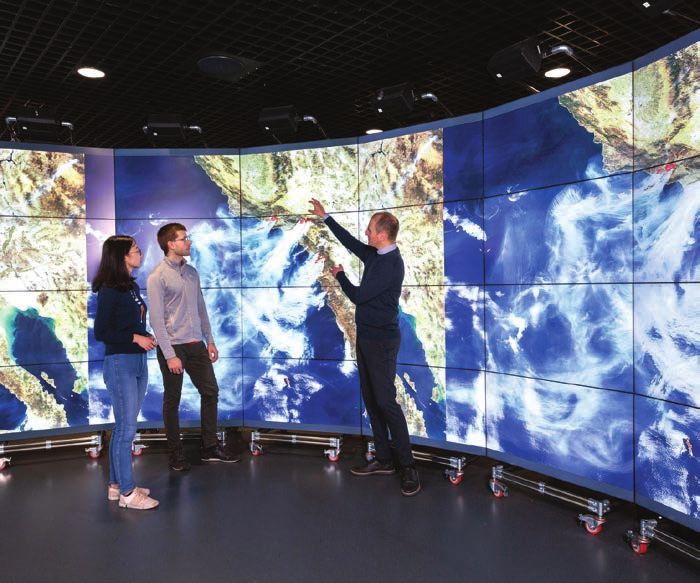
ACADEMIC EXCELLENCE ACADEMIC EXCELLENCE
LEFT: Undergraduate students
Dario Mongiardi and Jedidiah
Cheung from Team CleanSea
working on their idea for the
Faculty of Natural Sciences
Make a Difference competition.
The team developed a
technology that could filter
hazardous microplastics from
wastewater before they enter
the ocean.
as BIO-F Solutions have benefited from
Enterprise Lab support to advance their
aim of transforming the way our food
is produced by developing eco-friendly
fertilisers. Welcoming new sustainability
startups to the Imperial White City
Incubator community also enables
our entrepreneurial activity to drive
our ambition for a sustainable society.
A number of startups have joined the
Incubator community to advance their
technologies for renewable energy and
sustainable food industries. Multus
Media, formed by Imperial students,
is developing next-generation growth
media to enable the cultivated meat
industry to scale production and make
more affordable products; RFC Power
is developing a low-cost, long-duration
battery with the aim of facilitating the
transition to 100% renewable energy.
The College is committed to working with
industry for a greener future, exerting
Our diverse offering of courses Change. We are also training future to engage and learn more about from across Imperial to bring together heart of the Centre for Environmental our influence by engaging with wider
includes the BSc in Ecology and leaders in the sustainability field through sustainability research at the College. expertise from their respective fields Policy’s mission to provide a unique society through key stakeholders.
Environmental Biology which enables courses such as our MSc in Sustainable to address environmental problems and interdisciplinary research interface The Endowment and other
students to focus their study on important Energy Futures and our MSc in Climate Engaging with policymakers and support evidence-informed policy between science and technology, and investments are a key part of the College.
ecological and environmental topics Change, Management and Finance. The Forum, Imperial’s policy engagement development. The Ocean Plastic Solutions the economic and policy context in They support the mission through the
such as climate change, biodiversity The application of scientific knowledge, programme, has been helping Imperial Network, for example, contributes to the which it is developed and applied. income they generate and act consistently
and conservation. The Silwood Park policy and engineering to solve researchers contribute to key public Greener Plastic Future project, which aims with, and as part of, the College’s vision,
Campus – our global centre for research environmental problems and address policy debates around sustainability. to create a technical, socio-economic Sustainable enterprise mission and values. The College’s Socially
and teaching in ecology, evolution, sustainability is also a focus of our MSc On the topic of air quality, The Forum and policy roadmap for how the UK can Promoting the next generation of Responsible Investment (SRI) Policy will
and conservation – is home to a variety in Environmental Technology, through organised for two researchers to brief prevent waste plastics from entering entrepreneurs through our Enterprise ensure that any investment decisions
of postgraduate courses such as the which students acquire a diverse range Department for Transport officials and the environment. A focus on evidence- Lab programmes is just one of the many take into account the same social,
MRes in Ecosystem and Environmental of discipline-specific problem-solving the Chief Scientific Adviser, and supported based policy making is also at the ways in which the College supports environmental and governance concerns
frameworks for tackling contemporary the Environmental Research Group in the the development of sustainable as the College, including pursuing an
environmental issues. These specialist School of Public Health to respond to the enterprise. Flagship programmes such active approach to engagement with
courses are complemented by a wide House of Commons Environment, Food as WE Innovate, which champions its investments in all asset classes.
range of undergraduate and postgraduate and Rural Affairs Select Committee inquiry female entrepreneurs, and the Venture This proactive approach is at the core
opportunities to learn more about into air quality. The Forum also organises Catalyst Challenge provide unique of the College’s mission and an SRI
sustainability through additional bespoke workshops for civil servants to opportunities for Imperial students and Engagement Group has been established
module options, such as our I-Explore hear about Imperial research on various alumni to develop innovative ideas for to develop and implement methods
STEMM modules on Climate Change – topics, including the circular economy, commercialisation. The Faculty of Natural to monitor and assess progress we are
Science and Solutions, and the Horizons city fires, plastics, and water management Sciences Make-a-Difference competition making to influence fossil fuel companies
Programme for undergraduates. Our suite and flooding. brings together undergraduate students through our research, collaborations
WE Innovate winner, Olivia Ahn has developed of free online courses, including our edX The College’s multi-faculty networks A workshop for the College’s policy engagement in teams to develop low-cost technology and education programmes and as
Planera, a flushable sanitary pad. courses, encourage our wider community provide an opportunity for researchers programme, The Forum. for societal benefit. Companies such a world leading university.
18 ❘ Sustainability Strategy Sustainability Strategy ❘ 19ACADEMIC EXCELLENCE ACADEMIC EXCELLENCE
RESEARCH FOR SUSTAINABLE EDUCATION FOR SUSTAINABLE
DEVELOPMENT DEVELOPMENT
Aim: Aim:
To expand sustainability and climate change To provide all students with learning opportunities to Horizons Programme –
My World:
research, helping societies to become healthier, develop their understanding of sustainability and equip Be Sustainable
smarter and more resilient. We will ensure them with the skills and resources needed to apply Imperial Horizons
our operational activities will be informed their learning to contribute to a more sustainable society. is the Centre for
Languages, Culture
by our world-leading research. and Communication’s
flagship programme for
undergraduates. Horizons
Transition to offers students a wide
Zero Pollution range of modules they
One of the first initiatives can take alongside their
arising from the College’s degree to stimulate their
new Academic Strategy personal, professional
is the launch of Transition and intellectual growth.
to Zero Pollution, The Horizons module
a transdisciplinary ‘My World: Be Sustainable’
approach to tackling all offers students the
forms of pollution in a opportunity to work
holistic way. This involves together to explore their
collaboration across all own sustainability footprint
aspects of College research and design and test
including, engineering, sustainability innovations
A final year Biochemistry student
healthcare, business working on a research project to limit their impact on
policy and fundamental exploring plant physiology. the environment.
science to address both
local and global needs The Science
and to realise our vision We will: ● develop the leaders of tomorrow, and Solutions for
of a zero pollution future. ● continue to be have a positive ensuring they have the knowledge a Changing Planet
Dr Apostolos Voulgarakis discusses the impact of wildfires on air pollution and Mary Robinson, former impact on society through our and skills they will need to drive Doctoral Training
cloud formation with PhD students Alexander Kuhn-Regnier and Yawei Qu. UN High Commissioner world leading education; change for a better world. Partnership
for Human Rights and a ● train future leaders in sustainability This unique and
renowned global climate and equip our students with the prestigious doctoral
We will: for example, through the Global justice campaigner, gave resources to act sustainably; Measures of progress: training opportunity,
● continue to drive the sustainability Development Hub www.imperial.ac.uk/ a keynote address at the ● review the current curricula (with ● Increase in number of departments funded by the Natural
and climate change agenda through global-development-hub; online launch, arguing support from programme and module to have an Education for Environment Research
our world leading research; ●expand our portfolio of research and for climate justice and leads) to suggest ways to incorporate Sustainable Development Council (NERC), and
● foster collaboration between innovation activities that have a positive highlighting that: “Zero more sustainability and action on curriculum plan to incorporate based at the Grantham
operational and research-led activities environmental impact. pollution is a timely and climate change; more sustainability into their Institute, integrates six
to develop our campuses as valuable holistic concept ● incorporate sustainability into modules and degree programmes; host partners and private
‘living labs’, applying research to guide policy makers as induction programmes for every ● Increase in number of courses and and public sector partners
to our everyday operations; Measures of progress: the world tries to develop new student and member of staff; departments that have sustainability to train and inspire
● facilitate network-building across ● Increase in number of researchers a viable and sustainable ● engage with alumni in positions integrated into inductions and a new generation of
our research community in the field engaged in projects related to post-pandemic recovery.” of impact related to sustainability throughout the degree course; environmental experts
of sustainability and climate change; sustainability and climate change; and climate change; ● Increase in number of Imperial and leaders to tackle
● develop our communications to ● Increase in funding for our portfolio ● review teaching laboratory alumni driving sustainability some of the toughest
provide a clear source of information of research in sustainability infrastructure and operations to via senior positions in business, challenges of our time.
on our research activity for both our and climate change. make them more sustainable, government and civil society.
internal and external community, e.g. by reducing solvent use;
20 ❘ Sustainability Strategy Sustainability Strategy ❘ 21ENGAGEMENT
ENGAGING WITH OUR
COLLEGE COMMUNITY
ENGAGEMENT
Students, staff, our local partners and the communities Imperial College Union
Volunteers from
where we are based all have a stake in sustainability The Imperial College Union Ethics and
Environment Network is a supportive
Imperial College
at Imperial and we are committed to working with network within the student community
Union during the
Environmental
them to drive change on the ground. We know from aiming to create a greener campus for all. Society’s annual
Go Green Week.
surveys that Imperial students, alumni and staff have The Network supports and coordinates
ethical and environmental campaigns
high expectations of the College – particularly in across the College and engages in
implementing what we learn and teach, and in the discussions with the Union and College
way we operate our campuses – and our community on ethical and environmental policies.
The Imperial College Union Environmental
are keen to support with action. Society builds on this work, bringing
together students with a common passion
The London Boroughs of Kensington and Chelsea, for the environment and engaging
students with nature through the Society’s
Hammersmith and Fulham, and Westminster are Secret Garden and beehives. The Society
important partners in the management and development promotes a sustainable lifestyle for
of our main sites and the links between them. We also students all across campus through
sustainability talks and workshops.
share their objectives on many themes from tackling
climate change and air pollution, to improving the Student Switch Off Campaign
quality of life of people living and working in the Our students have been reducing their
impact on the climate crisis by taking
area and creating more opportunities for our personal action in halls through Imperial
local community. halls of residence Student Switch Off
Campaign. In 2019–20, 831 students
pledged their support for the campaign,
Our many partners in business are also central to with 22 training as ambassadors and a
delivering our research and educational ambitions. further 1,857 students participating in
Imperial is also part of the global community acting to the National Climate Quiz. The campaign
also achieved a 5.6% reduction in
staff can make greener choices at work
through simple actions such as recycling,
and discussions on Imperial Plexus to
facilitate further conversations outside
achieve the United Nations’ Sustainable Development consumption of electricity compared to reusing containers and switching off their the event. The team regularly collaborates
Goals, which connect our research and teaching the baseline from 2017–18 and 2018–19 computer when not in use. with the Grantham Institute and Energy
to action on the ground to tackle environmental for the months of full occupancy in halls
where data were recorded. Alumni engagement
Futures Lab on events and are planning
to host an alumni event around the
degradation, poverty, inequality and lack of access We are engaging through events, 2021 UN Climate Change Conference
to healthcare and education. Imperial Insights communications and volunteering (COP26). The College’s sustainability
Imperial Insights is the College’s opportunities. For students and recent news and events reach 80,000 alumni
induction and welcome event for new graduates, the Alumni Insights event, Let’s through monthly e-newsletters and
staff. During the session, staff from Talk Green Careers, provided an opportunity there are plans to create a sustainability
a variety of departments provide an for experienced alumni to share sector- Professional Interest Network (PIN) led
overview of Imperial and highlight specific advice to those new to, or interested by alumni volunteers from the sector.
important issues currently facing in, a career within the green sector. The PINs provide a forum for alumni and
the College, including sustainability Alumni Relations team have also hosted professionals working in a specific sector
challenges. The College’s Estates Facilities an industry-level alumni panel discussion to share ideas, challenges and expertise,
team offer practical guidance on how on sustainability and economic recovery and address relevant topics of interest.
Sustainability Strategy ❘ 23ENGAGEMENT ENGAGEMENT
WORKING WITH OUR ENGAGING
COLLEGE COMMUNITY WITH SOCIETY
Aim: Aim:
To engage the Imperial community of staff and Greening Imperial To work collaboratively with our local communities
Greening Imperial is
students in improving the environmental and social a cross-campus and and the wider public to develop appropriate actions
impact of the College. community initiative that addressing sustainability challenges. We will
aims to make Imperial create public engagement opportunities related to
a pioneer and exemplar
To promote knowledge exchange and best practice in sustainability. Greening sustainability locally, nationally and globally.
by building capacity across all departments, Imperial’s achievements
and encourage all students and staff to embed include working with the We will:
Campus Services team ●make our sustainability research
sustainability practice in all their activities. to help bring about accessible and responsive to the needs Community Science
a 20% reduction in meat of society to address local and global Seed Fund
consumption in catering environmental challenges; The College’s Community
outlets from 2017–18 ●engage populations locally and globally Science Seed Fund was
to 2018–19 thanks to to develop evidence-based policy launched to offer small
changes in customer recommendations to find solutions to grant funding to local
choice, tweaks in menu environmental challenges together; residents and community
options and an increase ●empower the public to make groups seeking to engage
in vegetarian and vegan informed choices about sustainability, with STEM education
options. The initiative both in terms of personal behaviour and research. One of the
has also hosted the and the development of wider policy; ground-breaking projects
Greening Imperial Week, ●encourage our staff and students supported through the
an Imperial College to be sustainability champions both Visitors explore the Greener Futures Zone at the fund is Bubble & Squeak,
Union-led showcase on and off our campuses, recognising Great Exhibition Road Festival 2019. a social enterprise led
of events and activities their responsibilities as citizens by primary school
around campus focused of a wider society; children on East Acton
on sustainability and the ●build capacity and act as leaders Measures of progress: Estate, which brings the
environment. Each day in creating opportunities for ●Increase in number of collaborative community together to
of the week highlighted sustainable action; initiatives around the theme tackle the problem of
a different theme, from ●continue to build strong relationships of sustainability; food waste. Local children
We will: ●work with Imperial College Union food, travel and waste, with our international partners and ●Increase in number of external organise a wide variety
●establish diverse and inclusive to support the development of to energy and lifestyle, global community of alumni to address partners engaged with sustainability of activities from hosting
networks of staff and students, such as engagement activities for our students; offering students and the challenges of climate change; projects and programmes; a weekly surplus food
a Sustainability Champions Network; ●continue to engage Imperial alumni staff the opportunity to ●continue to collaborate with our ●Increase in number of Imperial stall and intergenerational
●continue to hold an annual in our sustainability work; learn about the small local authorities on the sustainability staff and students engaged with community events, to
Sustainability Week to showcase ●create open and welcoming adjustments they can of our campuses and London external bodies and diverse running a community
current activity and to provide staff campus environments. make to their daily routines in general; public audiences influencing garden and collaborating
and students with the knowledge to to help the environment. ●bring our sustainable development the sustainability agenda; with diverse partners.
enable them to act more sustainably agenda to bear, with our partners ●Increase in number of public The College has been
at work and home; Measures of progress: in business, to ensure that our work participants engaging with supporting Bubble &
●provide all staff with training to equip ●Number of staff and students together maximises its contribution sustainability-related learning Squeak’s Super Scientist
them with the skills to have a positive
impact on the environment;
attending sustainability training
and events;
85% to sustainability;
●ensure that our institutional
opportunities;
●Increase in the proportion of
Soup project which aims
to explore STEM while
of undergraduate
●provide regular communications ●Impact of staff and students actively students want to be sustainability targets contribute to participants or partners reporting fighting food waste.
to our community about current participating in sustainability involved in sustainability the wider London plan for tackling increased confidence and positive
initiatives, strategy development networks and initiatives to create activities at the College climate change; intentions in relation to addressing
and practical guidance to bring about more environmentally-friendly (Sustainable Imperial ●use the UN Sustainable Development sustainability challenges as a result
survey)
positive change and contribute to campuses. Goals as a basis for research and of engagement with the College.
a more sustainable society; partnership locally and globally.
24 ❘ Sustainability Strategy Sustainability Strategy ❘ 25ENGAGEMENT ENGAGEMENT
WORKING
LEFT: Local children
from White City explore
Hammersmith Park as
part of Creative Roots,
COLLABORATIVELY
an outreach programme
run jointly by Imperial and
the Royal College of Art.
WITH OUR PARTNERS
At our new innovation campus in White One action we have taken, in most ambitious and important global
City, our Community Engagement team is partnership with the London Borough agreements in recent history. Universities,
working with the Grantham Institute for of Hammersmith and Fulham, has been with their broad remit around the creation
Climate Change and the Environmental to support the work of Arborea, one of and dissemination of knowledge and
Research Group to engage local residents a number of sustainability startups on the their unique position within society, are
and community groups in sustainability White City Campus to develop pioneering key actors in the achievement of the
research and policy development – ‘BioSolar Leaf’ technology to improve Sustainable Development Goals (SDGs).
focusing on the challenges faced by urban air quality. The technology, the first As a world leading STEM institution, we
areas and particularly for Black, Asian and of its kind in the world, purifies the recognise our urgent and critical role in
Minority Ethnic (BAME) communities. air through the photosynthesis of accelerating society towards a resilient,
In recent years, we have been microscopic plants, removing greenhouse sustainable future and we believe that
reaching out to community groups and gases from the environment whilst the College has an important role to play
organisations from across the local area generating breathable oxygen. in supporting the SDG agenda.
and have been holding workshops with The recently established Global
residents to enhance our understanding Public engagement Development Hub showcases
of local sustainability concerns and We deliver a varied programme Imperial’s global impact on sustainable
priorities, as well as sharing findings of activities to engage and involve development and the SDGs.
and toolkits with policy makers in local young people, adults and families
government. The next stage of our with sustainability issues and research. The Global Development Hub offers:
engagement is to develop localised We will expand and improve on these ●a community-building network to
networks that bring together researchers programmes, with a focus on reaching support new multidisciplinary and
and residents to investigate sustainability people typically underrepresented cross-sectoral research partnerships
issues and develop evidence-based and underserved in this area. of attendees saying they went away with Reach Out Makerspace at the White City and enhance our research. For example, focused on global development
actions and policies that can make Our Great Exhibition Road Festival a better understanding of how Imperial Campus) and are providing activities for our Maker Challenge programmes at challenges, bringing together academia,
a difference to people’s lives. (previously known as the Imperial is working to tackle the environmental young people to engage with the The Invention Rooms in White City government, policy makers, NGOs, civil
Festival) has regularly featured a challenges we face, while 88% of College’s sustainability research. work with school-aged participants to society and industry;
Green Zone exploring environmental attendees felt they had the opportunity Our two-way engagement practice develop creative ideas to solve real-world ●a platform to support education and
and sustainability issues, attracting to discuss these issues with researchers. is designed to empower participants problems, most of which are linked to student experience, linking to and
thousands of visitors each year. In 2021, Twenty Imperial teams participated from sustainability, climate change and waste. developing programmes that instil in
the Festival will include an even greater research areas such as air pollution, We have worked intensively with nearly our students a passion for sustainable
emphasis on climate change with a new ocean plastics and water management. 500 young people, while more than development, and the skills and
interactive area designed to empower 2,500 people have taken part in events thinking needed to rise to the challenge
young families to work towards Schools outreach and taster sessions. We will embed more of the SDGs and their legacy;
a cleaner and greener future. Sustainability features prominently in of our research into these programmes ●a series of SDG-focused access points to
In addition, our popular Imperial our outreach programmes designed to to provide further opportunities for the research and innovation ecosystem
Lates series regularly features activities support science learning for young people discourse with local young people, at Imperial, covering dozens of research
focused on sustainability themes, at school. We are developing additional their families and teachers. centres of excellence and profiling the
connecting our researchers with adult opportunities for researchers to work with mission-driven startups, SMEs and
audiences through creative, memorable pupils in our on-campus outreach spaces Global engagement industry research centres constantly
experiences. The Greenovate Late in (at the Wohl Reach Out Lab at the South Maker Challenge Programme participants The United Nations’ 2030 Agenda for emerging from our labs, hackspaces
Visitors at Bugs! day at the Silwood Park Campus. 2018 engaged 700 visitors, with 81% Kensington Campus and the Dangoor at The Invention Rooms, White City Campus. Sustainable Development is one of the and incubators.
26 ❘ Sustainability Strategy Sustainability Strategy ❘ 27You can also read


