The American University 2021 Campus Plan - ANC 3E October 15, 2020
←
→
Page content transcription
If your browser does not render page correctly, please read the page content below
The American University
                     2021 Campus Plan
A thoughtful and measured consensus-based plan supporting AU’s educational and research
 missions and reflecting the university’s commitment to the communities of which it is a part

                                October 15, 2020
                                        ANC 3E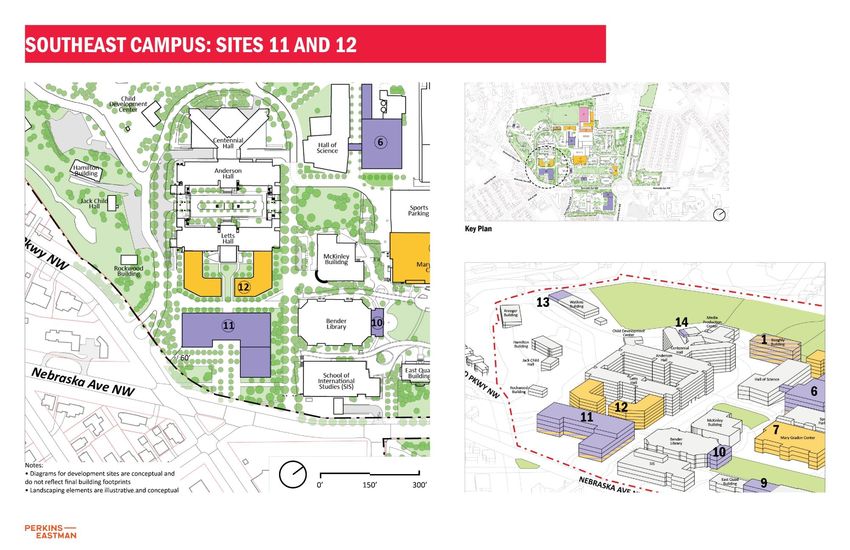
Meeting Overview
▪ Introduction
▪ Timeline for Development of the 2021 Campus Plan
▪ 2021 Campus Plan Overview
 ▪ Enrollment

 ▪ Proposed Development and Campus Character

 ▪ On-Campus Life and Student Housing
 ▪ Neighborhood Quality of Life Issues

 ▪ Transportation and Parking

▪ Looking Forward: Implementation of the 2021 Campus Plan
▪ Conclusion

                                                       2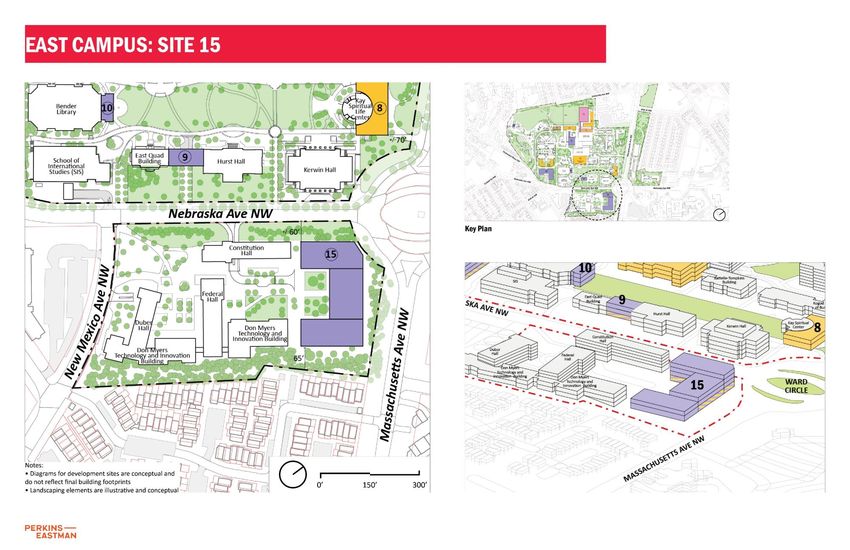
Introduction
▪ 2021 Campus Plan is an integral component in successful
  implementation of AU’s Strategic Plan and will inform key
  priorities of ambitious fundraising campaign
  ▪ Alignment of these planning efforts key to Campus Plan timeline
▪ Campus Plan-focused outreach and engagement with
  neighborhood stakeholders launched in 2018
▪ The AU Neighborhood Partnership has served as
  collaborative forum for constructive engagement and
  problem-solving around all key Campus Plan elements
▪ In addition to work with the Partnership, AU’s planning effort
  provided extensive opportunities for full public review
  and comment to promote information sharing and
  ensure transparency

                                                                      3
Timeline for Development of the
2021 Campus Plan

                                  4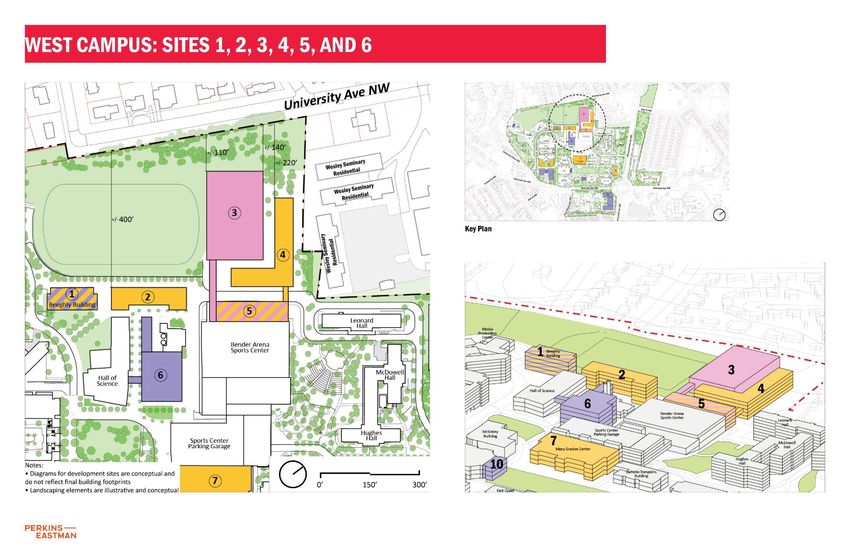
Late 2018 – November 2019
Evaluating Campus Plan Objectives and Priorities

▪ AU launched its Strategic Plan: Changemakers for a Changing
  World which established institutional objectives and priorities
  that informed key Campus Plan elements
▪ AU Neighborhood Partnership organized working group
  structure including regular meeting schedule
▪ AU and neighborhood stakeholders collaboratively evaluated and
  considered long-range planning interests and priorities

                                                                    5
December 2019 – March 2020
 Establishing Preliminary Campus Plan Framework

▪ Through early spring 2020: AU and community stakeholders clarified
  and confirmed key interests and priorities and worked toward building
  consensus on all Campus Plan components
▪ March 2020: AU released Preliminary Campus Plan Framework
  reflecting this input and launched Community Input Portal to facilitate
  public comment

                                                                        6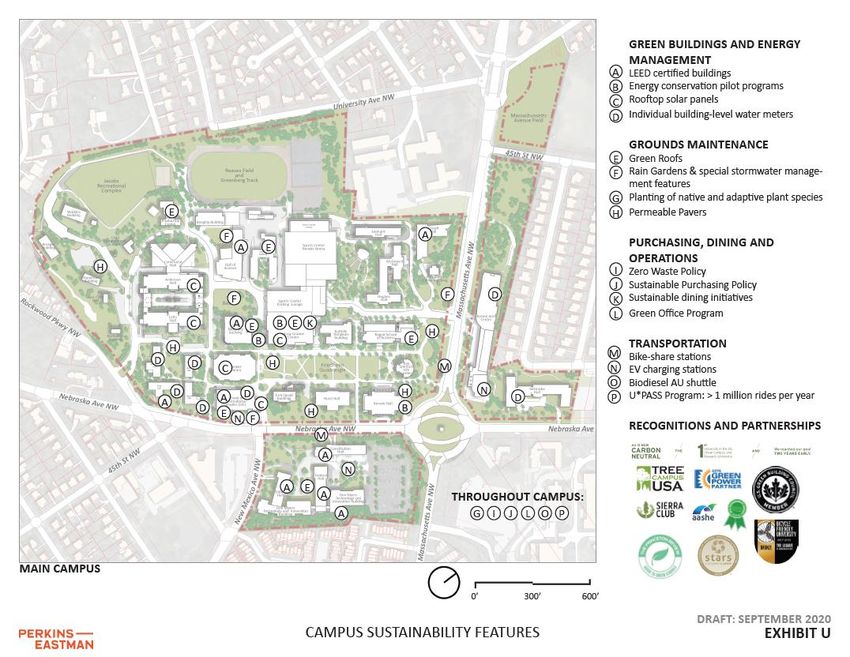
March 2020 – September 2020
    Preparation and Public Review of Campus Plan Draft

▪   Through June 2020: AU solicited feedback on Preliminary Framework from
    all community stakeholders through multiple outlets, including special CLC
    meetings, Planning 101 session, and online Community Input Portal
     ▪   Effectively shifted to all virtual platforms in March 2020 as a result of COVID-19
▪   June 1, 2020: Neighborhood Partnership Steering Committee reached
    consensus on all key terms reflected in updated Campus Plan Framework
▪   June through September 2020: Additional outreach and engagement,
    including special CLC meeting while AU team prepared draft Campus Plan
▪   Community Input Tracker: ~125 responses posted through September 2020

                                                                                              7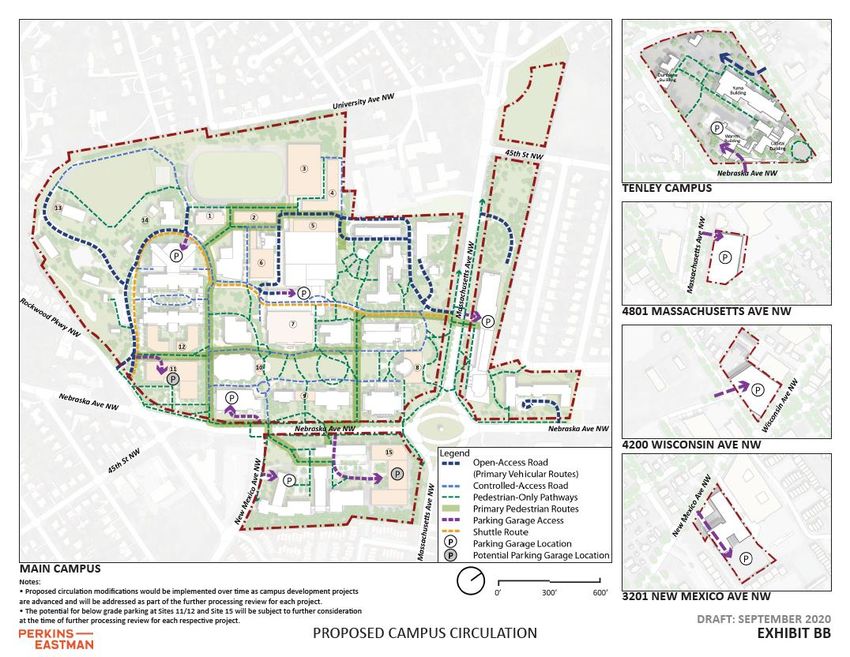
September 2020 through November 2020
    Finalization of Proposed 2021 Campus Plan

▪   September 2020: AU released full 2021 Campus Plan Draft and CTR report
    (both affirmed by AU Neighborhood Partnership) for public review and comment
▪   October 2020: AU released Notice of Intent to file Campus Plan on October 1
    and will release file-ready version of 2021 Campus Plan, reflecting feedback
▪   ANC 3D and 3E full review through September and October meetings
▪   November 2020: ANC anticipated votes, followed by filing of 2021 Campus Plan
▪   Community Input Tracker: AU will continue to post responses to comments

                                                                                   8
December 2020 through 2021
 Regulatory Review and Approval

▪ December 2020: ANC3D and ANC3E review filed 2021 Campus Plan
  to confirm consistency with Campus Plan acted on in November
▪ Early 2021: Zoning Commission hearing dates (anticipated)
▪ Community Input Portal will remain active throughout Campus Plan
  review and approval process to facilitate continued communication
  and engagement

                                                                      9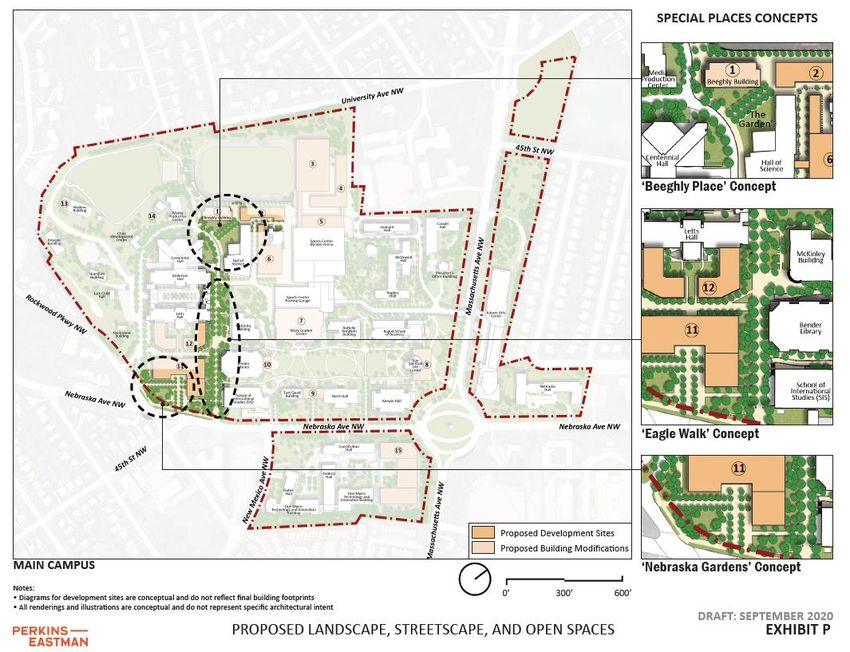
Campus Plan Overview

Student Enrollment

Measured Growth, Reduced Enrollment
Cap, and a Focus on Managing Impacts

                                       10
Enrollment: AU’s Comprehensive Approach
▪ 2016 Zoning Regulations impact the way AU and other DC
universities must count students (for AU – more types of
students, additional locations)
▪ Proposed enrollment cap below 2011 Campus Plan when revised
to reflect the impact of the updated Zoning Regulations
▪ Maintain commitment to maintain supply of housing for 67% of
the full-time undergraduate student population
▪ Retain 2,000 student enrollment cap at the Tenley Campus
(with flexibility to allow students enrolled in other academic
programs to attend classes at Tenley Campus)
▪ Focus on actively addressing and effectively managing
impacts of AU students on the neighborhoods surrounding
campus
11Enrollment: Impact of 2016 Zoning Regulations
12Enrollment: Impact on Enrollment Cap
13Enrollment: Proposed Enrollment Cap
14Campus Plan Overview
Development Plan & Campus Character
Providing High-Quality Facilities and
Creating Special Campus Places that
Reinforce AU’s Culture of Sustainability
1516
17
18
19
20
Landscape and Open Spaces

                            21
Landscape and Open Spaces
22AU’s Culture of Sustainability
23Campus Plan Overview
On-Campus Life and Student Housing
Supporting Student Success in a Vibrant
and Inclusive Campus Community
24On-Campus Student Life
▪ 2021 Campus Plan focuses on enhancing the on-campus
student life experience including:
▪ Reinvigorating Mary Graydon Center as a campus
hub for a myriad of student-focused activities
▪ Repurposing existing and developing new space to
accommodate integrated student health and wellness
programs, particularly those focused on supporting
students’ mental health
▪ Integrating ground floor campus life uses in new
development
▪ Offering range of dining options and social gathering
spaces throughout campus
25Athletics and Recreation
26Student Housing
▪ Maintain requirement to make housing available for 67%
of full-time undergraduate population
▪ Assuming AU can continue to count 200 off-campus
master leased beds toward the housing requirement, the
University proposes to add up to 500 additional beds
on campus over the term of the Plan
▪ These new housing facilities would be designed in
marketable and competitive unit configurations that
meet student preferences, while also taking into
consideration the implications of cost on students’ housing
decisions
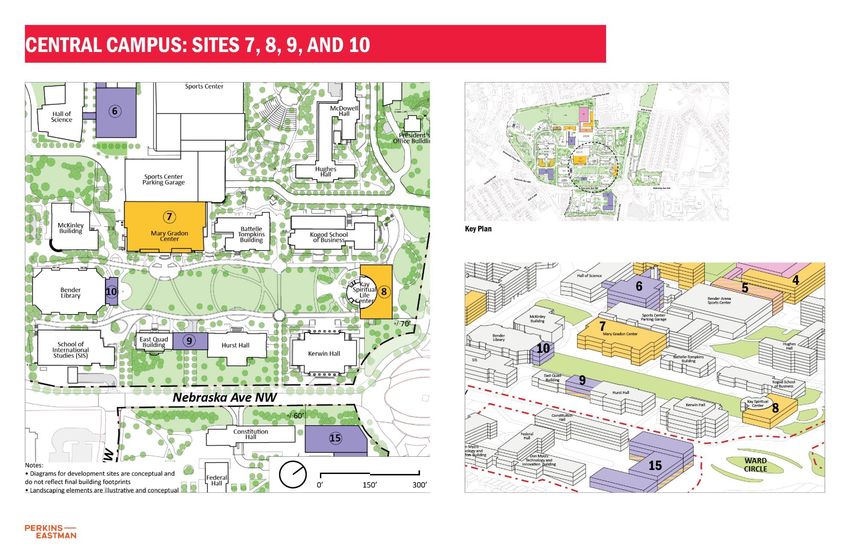
27Prioritization of Residential Sites
▪ Based on AU’s anticipated needs and planning priorities,
balanced with feedback gathered throughout the planning
process, the university prioritized identified residential sites
to meet the 500-700 bed target
▪ Together Sites 2 and 4 (including any potential beds in Site 5)
identified as priority residential sites that would meet AU’s
target of approximately 500 additional on-campus beds
▪ Site 12 would provide for additional capacity if master leased
beds cannot be counted toward the housing requirement, are
not available, or if additional housing capacity is otherwise
necessary over the term of the Campus Plan
▪ Beeghly Hall could also potentially be repurposed for
residential use over the term of the Plan depending on university
needs (e.g., if Site 11 is constructed and Site 12 is not)
28Prioritization of Residential Sites
29Prioritization of Residential Sites
▪ Residential Sites NOT Included in the 2021 Campus Plan
▪ “South Hall”
▪ East Campus Residential Site
▪ Throughout the planning process, several community members
voiced concern over potential residential site proposed and
approved in 2011 Campus Plan as “South Hall” and indicated a
preference for adapting Beeghly Hall to residential use
▪ While a potential residential site on East Campus at the
corner of Nebraska and New Mexico Avenues was generally
well received during the planning process, the site was not
favored by AU due to various site constraints (i.e., site originally
envisioned and approved as academic site; footprint not as
efficient for residential use and bed yield lower than other new
development opportunities)
30Campus Plan Overview
Neighborhood Quality of Life Efforts
Commitment to a Collaborative and
Proactive Approach to Preventing and
Managing Impacts
31Updates to Good Neighbor Guidelines
▪ AU students are required to abide by AU Student Conduct
Code, and all relevant university policies, including proposed
updates to the Good Neighbor Guidelines
▪ Purpose of the Guidelines is to educate AU community
members on how to become active and responsible
members of the surrounding community in which they live
while maintaining their involvement with and connection to the
university
▪ The Guidelines inform students of their responsibility to
be aware of and abide by applicable DC laws and
regulations regarding noise, disorderly conduct, alcohol
and marijuana consumption, winter sidewalk safety, and
weed control around their residences
▪ Violations of the Guidelines may be subject to disciplinary
action under the Student Conduct Code
32Enhanced Student Orientation Programs
▪ AU has proposed improvements to its off-campus living orientation
program to better inform and educate students who choose to live
off-campus of their rights and responsibilities
▪ Online training module to be developed in consultation with the Student
Life & Safety Working Group that students in 20016 and 20008 must
complete and affirmatively acknowledge that they have fulfilled the training
and understand AU’s expectations
▪ Will incorporate the “Pledge to Uphold Community Standards” developed
in consultation with the Student Life and Safety Working Group which details
the responsibilities and obligations associated with living off-campus
▪ Will expand AU’s in-person off-campus housing orientation program
▪ Regular communication to students from the Dean of Students’ Office
▪ To remind students of AU’s expectation that students maintain the
condition of their property and manage the behavior of their guests
▪ States that AU expects students to know, understand and abide by the
Disorderly Conduct Amendment Act of 2010 and the District of
Columbia Noise Control Act of 1977, both of which address noise
disturbances, and which will be detailed during the orientation programs
33Expanded Community Outreach
▪ AU will continue its practice of making annual or more frequent
visits to the major apartment complexes/condominium
communities where students live
▪ The Office of Community Relations will create, in consultation
with the Student Life and Safety Working Group, a neighbor
education tool that informs residents of AU’s strategies for
student training and includes resources on how to contact
AU and/or file a complaint in the event of an undesirable incident
▪ The university will also create and distribute, in consultation with
the Student Life and Safety Working Group, an “AU Eagle
Living Guide” that will include good neighbor tips, resources,
and a copy of the Pledge
34Campus Plan Overview
Transportation and Parking
Comprehensive Planning and Forward-
Thinking Strategies
35Parking Space Requirement
▪ 2011 Campus Plan Requirement: maintain inventory of
approximately 2,200 parking spaces on campus
▪ AU Parking Space Inventory:
FULL CAPACITY CURRENT AU USE
Main Campus, Tenley Campus,
and additional three properties 3,045 2,701
▪ 2021 Campus Plan Proposal: establish parking
inventory ceiling of no more than 3,000 parking
spaces for university use
▪ Would provide on-campus parking capacity to meet needs
of current and future campus population and provide
capacity for special eventsTDM Planning and Enforcement
▪ Continued commitment to comprehensive Transportation
Demand Management (TDM) planning, currently including:
▪ Shuttle Service
▪ AU/WMATA U*Pass Program
▪ Telework and Distance Learning
▪ Enforcement and Monitoring
▪ Maintain and enhance Good Neighbor Parking Policy
▪ Monitor parking utilization of exclusive university-use facilities
▪ Continued collaboration with Transportation and Parking
Working Group and DDoT to develop appropriate monitoring
methodsImproved Campus Circulation
Comprehensive Transportation Review (CTR)

▪ As part of the Campus Plan review and approval process, AU worked in
  close coordination with members of the community, specifically the
  Neighborhood Partnership Transportation and Parking Working Group,
  and the DC Department of Transportation (DDoT) to prepare the
  Campus Plan Comprehensive Transportation Review (CTR)
▪ The CTR consists of the multi-modal evaluation and assessment of
  current and future transportation operations with a focus on high
  quality site design, transit accessibility, and effective parking TDM
  (Transportation Demand Management) planning
▪ Members of the Working Group collaborated to develop the scope of the
  CTR study area (which included 42 intersections in and around campus
  for analysis, compared to 13 intersections in the 2011 Campus Plan) and
  provided feedback and guidance on the CTR report before its finalization
  and submission to DDoT in September 2020.

                                                                        39
Looking Forward: Implementation of the
2021 Campus Plan
40Proposed Conditions of Approval
▪ 2021 Campus Plan includes proposed conditions of
approval (reviewed and affirmed by the AU
Neighborhood Partnership) to guide the implementation
and enforcement of the objectives and commitments set
forth in the Plan
▪ The proposed conditions address Campus Plan term
and scope, community engagement, student enrollment
and employee population, development plan and
campus character, student housing and on-campus life,
neighborhood quality of life issues, and transportation
and parking
41Role of the AU Neighborhood Partnership
▪ Following approval of the 2021 Campus Plan, AU
Neighborhood Partnership working groups will provide
a collaborative forum for the ongoing implementation of
the objectives and priorities of the Campus Plan
▪ The Steering Committee will continue to focus on
fostering active collaboration, information sharing and
problem-solving
▪ Promoting positive and mutually-beneficial
programmatic opportunities between AU and the
community
▪ Ensuring that the commitments and obligations set forth
in the 2021 Campus Plan are appropriately managed
42Continued Transparency and Information Sharing
▪ Throughout the 10 year term of the 2021 Campus Plan,
AU will maintain its commitment to continued
transparency and information sharing
▪ In addition to continued work with the Partnership,
members of the community will be kept informed about
various topics related to the 2021 Campus Plan through
comprehensive online resources, robust engagement
coordinated through the Office of Community
Relations, and regular meetings of the CLC
▪ The CLC and the Neighborhood Partnership will also
maintain websites featuring content of specific interest
to their members and constituencies
43Conclusion
44Conclusion
The 2021 Campus Plan sets forth a comprehensive, thoughtful, and
measured approach for the next ten years, including:
▪ Strategic enrollment management at a level lower than the student
cap established in 2011, when adjusted to reflect District regulations
▪ Balanced development program that strengthens the student-centered
living and learning campus experience and actively advances AU’s
culture of sustainability
▪ Student housing opportunities to encourage more students to stay on
campus during their time at AU
▪ Enhanced policies and robust engagement with students who choose to
live off-campus to equip them to be responsible members of the
community and promote positive relationships between students
and their neighbors
▪ Continued commitment to effective Transportation Demand
Management to promote sustainable transportation options and
preserve on-street parking for members of the community
45Conclusion
▪ In developing the 2021 Campus Plan and envisioning its
long-term implementation in partnership with a wide range
of community stakeholders, AU strives to ensure that the
campus will adapt to and meet the changing needs of
AU students, faculty and staff while at the same time
respecting and enhancing the quality of life of those
who live within the neighborhoods surround campus.
▪ It is AU’s fundamental goal that the 2021 Campus Plan
successfully accomplishes both of these objectives.
46Discussion
47You can also read


