The Causes of Malaysian and Indonesian Pilgrims' Hospitalization during the Hajj Season 1440 (2019) in Mena and Arafat Hospitals
←
→
Page content transcription
If your browser does not render page correctly, please read the page content below
Saudi Journal of Biomedical Research
                                                                                                       Abbreviated Key Title: Saudi J Biomed Res
                                                                                              ISSN 2518-3214 (Print) |ISSN 2518-3222 (Online)
                                                                                    Scholars Middle East Publishers, Dubai, United Arab Emirates
                                                                                              Journal homepage: https://saudijournals.com/sjbr

                                                                                                                                Case Report

The Causes of Malaysian and Indonesian Pilgrims’ Hospitalization
during the Hajj Season
                    1*
                       1440 (2019) in Mena
                                       2
                                           and Arafat
                                                  3
                                                      Hospitals 4
Prof. Dr. Sharifah Ezat Wan Puteh , Abdulaziz Abdullah Al Salem , Najibah Ali Radwan , Siti Dahliah Ahmad Zannah
1
  Department of Community Health, the Medical center PPUKM Faculty of Medicine, The National University of Malaysia
2
  Department of Community Health, the Medical center PPUKM Faculty of Medicine, The National University of Malaysia
3
  Ministry of Health, Saudi Arabia
4
  International Open University England

DOI: 10.36348/sjbr.2020.v05i06.003                                 | Received: 30.05.2020 | Accepted: 08.06.2020 | Published: 12.06.2020
*Corresponding author: Prof. Dr. Sharifah Ezat Wan Puteh

    Abstract
2 Malaysian and 31 Indonesian pilgrims, most of them were older than 50 years hospitalized to the seasonal hospitals in
Hajj season 1440-2019. The total number of hospitalization in the targeted hospitals are 1398 Pilgrims according to
M.O.H census. 1398 out of total number of pilgrims 2,489,406 (0.05%). The common causes of Malaysian and
Indonesian pilgrims‟ admission in Mena and Arafat hospitals with referral are Cardiac diseases; 4 cases (0.28%),
Indonesian patients; 4 cases, Nephrological disorders included Dialysis; 1 case (0.07%), Indonesian patients; 01, and
pulmonary diseases; 9 cases (0.64%), Malaysian patient; 1 case, and for Indonesian patients; 8. As well gastrointestinal
diseases; 15 cases (1.07%), for Malaysian patient; 1, and Indonesian patients is 14 cases. The highest and the Most
common causes are pulmonary and gastrointestinal diseases. The collected data and diagnosis data were collected from
admission registry, discharge summary, and report of Saudi health minister‟s Closing Press Release on 1440H.-Hajj
Season, 2019. 13 August, 2019.
Keywords: Common; Cause; Hospitalization; Pilgrims; Malaysia; Indonesia Hajj season2019.
Copyright @ 2020: This is an open-access article distributed under the terms of the Creative Commons Attribution license which permits unrestricted
use, distribution, and reproduction in any medium for non-commercial use (NonCommercial, or CC-BY-NC) provided the original author and source
are credited.

CHAPTER I                                                                      to be performed in three main locations in Makkah: the
INTRODUCTION                                                                   sacred Kaaba (in the holy city of Makkah), and Mena
BACKGROUND                                                                     and Arafat, which are approximately 5 and 18
          Hajj is the largest annual gatherings in the                         kilometers from Makkah.
Islamic world. Hajj is the fifth pillar of Islam and is
performed by all Muslim adults at least once in their                                   The World Health Organization (WHO) would
lifetime provided they have the means and are                                  like to congratulate the Government of Saudi Arabia
physically fit to travel to Mecca. Hajj takes place on a                       and the Ministry of Health for successfully hosting the
fixed date of five to six days between the 8th and the                         hajj season 1440/2019 without a single public health
13th days in the month of Dhu al-Hijjah, the twelfth                           event or disease outbreak being reported among
month in Muslim calendar. Muslims depend on the                                pilgrims performing the hajj [1].
Islamic lunar calendar or known as the Hijri calendar to
perform Hajj, in which the Hijri calendar is shorter than                               There are four hospitals in Mena-Mena
the Gregorian calendar by 10 or 11 days. Therefore, the                        General hospital, Mena Aljisr, Mena Alwadi, and Mena
period to perform Hajj falls 10 or 11 days earlier each                        Almahbat, and four hospitals in Arafat, Arafat General
year. This inconsistency caused climatic difference                            hospital, Jabal Alrahmah hospital, and Namera
occurred from one hajj season to another, and thus                             Hospital. The hospitals in Mena and Arafat are
affects the types of diseases in different climatic season.                    temporary health care facilities that provide essential
During hot weather, heat-related diseases become a                             medical services to pilgrims during the Hajj season
common health problem during Hajj. Approximately 3                             only. The hospitals in Mena begin operation on the
million pilgrims perform Hajj every year. Planning for                         seventh of Dhul-Hijjah month and close on the evening
health care requires knowledge of the pattern of                               of the thirteenth, whereas Arafat hospitals operate for
diseases, complications, and outcome of pilgrims who                           one day only, the ninth day of Dhul-Hijjah, as pilgrims
require hospitalization during the Hajj period. Hajj has                       stay in Arafat only from sunrise to sunset of that day.
       © 2020 |Published by Scholars Middle East Publishers, Dubai, United Arab Emirates                                                       98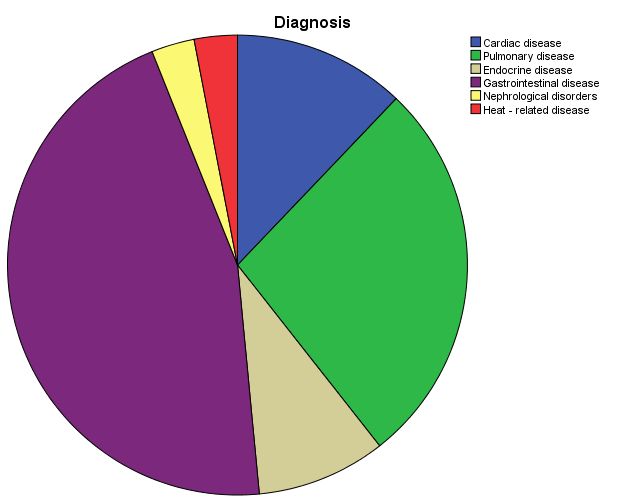
Sharifah Ezat Wan Puteh et al., Saudi J Biomed Res, June, 2020; 5(6): 98-111

Upon closure of these hospitals, patients who cannot be                 Pilgrims were transferred from Al Mdinah to Makkah
discharged are transferred to permanent tertiary health                 By ambulances [2]. As shown in figure: 1.1. This study
care facilities in Makkah for further management,7045                   will identify the most common causes of hospitalization
Pilgrims are seen by Al Madinah hospitals physicians,                   ofMalaysian and Indonesian pilgrims during the Hajj
175 of them were admitted to the hospitals, and 157                     season 1440 [2].

                                  Fig-1.1: Malaysian and Indonesian pilgrims’ hospitalization journey

RESEARCH JUSTIFICATION                                                             The Malaysian mission for pilgrimage was
         Annually, millions of Muslims embark on a                      awarded the title of “Best pilgrimage Mission” by many
religious pilgrimage called the “Hajj” to Mecca in                      official institutions and religious scholars through the
Saudi Arabia. The mass migration during the Hajj is                     years as their organization and discipline catch the eyes
unparalleled in scale, and pilgrims face numerous                       of all Muslims from all over the world and the credit for
health hazards. The extreme congestion of people and                    their organization goes to Tabung Haji (TH). And
vehicles during this time amplifies health risks, such as               Indonesia is the world‟s most populous Muslim nation,
those from infectious diseases that vary each year. To                  and it also provides the largest number of pilgrims for
review the most common types of hospitalization and                     the hajj.
the communicable and non-communicable hazards that
pilgrims face. With the rise in global travel, preventing               Research Question
disease transmission has become paramount to avoid                               What are the most common causes of
the spread of infectious diseases, including SARS                       hospitalization of Malaysian and Indonesian pilgrims
(severe acute respiratory syndrome), avian influenza,                   during the Hajj season?
and haemorrhagic fever. The study was identified the
most common causes of hospitalization of pilgrims                       Research Objective
during the Hajj season 1440 [2].                                                 To identify the most common causes of
                                                                        hospitalization of Malaysian and Indonesian pilgrims
         The outcomes of this research are expected to                  during the Hajj season 1440 [2]
help decision makers of healthcare system, and
healthcare system legislators and supervisory agencies                  CHAPTER II
to focus on the findings of this study that will help in                LITERATURE REVIEW
Mass Gathering Medicine. Hence, results of this                         INTRODUCTION
research can be utilized for planning the public                                According to study was conducted in 2013 to
healthcare system in the next Hajj seasons.                             determine the type of health-related problems among
                                                                        Malaysian pilgrims and to identify the health care

    © 2020 |Published by Scholars Middle East Publishers, Dubai, United Arab Emirates                                          99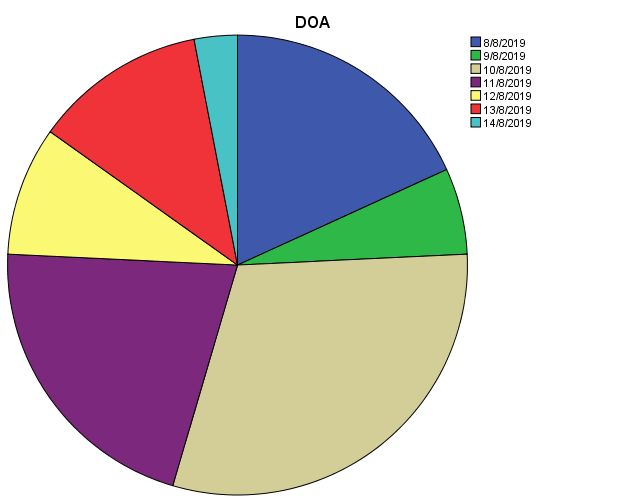
Sharifah Ezat Wan Puteh et al., Saudi J Biomed Res, June, 2020; 5(6): 98-111

services required by them during Hajj in Makkah. The                    and Ethics Committee. Informed consents were
large population of human congestion in Makkah                          obtained from the participants. Survey forms were
during Hajj would promote contagious diseases. Thus,                    distributed at Madinatul-Hujjaj, Jeddah, and Tabung
the pilgrims require health care services that are                      Haji Clinic, Madinah, Saudi Arabia where pilgrims
efficient, effective, and high quality. A cross-sectional               stayed on transit before returning to Malaysia. The
study was conducted in which involved 379 Malaysian                     response to the survey was on voluntary basis. The
pilgrims in 2013/14234H. The survey was conducted                       inclusion criteria were Malaysian citizens that
after the pilgrims completed their Hajj ritual. A total of              performed Hajj in the 2007M/1428H Hajj season,
400 sets of questionnaires were distributed at Abraj                    coming back via Madinatul-Hujjaj, Jeddah, or Madinah,
Janadriyah Hotel, which was occupied by more than                       Saudi Arabia, and with at least one respiratory
3000 Malaysian pilgrims. The response rate for this                     symptom. The exclusion criteria were Hajj pilgrims
survey was 93%. Male respondents were constituted of                    who could not read or write in the Malay language.
49.6% and female respondents were 50.4% with the                        Data were entered and analyzed using the SPSS
mean age 52 years old. The underlying disease among                     software (SPSS, Chicago, USA) version 12.0. Results
Malaysian pilgrims during Hajj was respiratory disease                  were expressed in terms of the number and percentage.
(77.5%). The demands for health personnel (36.1%)                       For continuous variable, they were categorized in
and quality medication (34.7%) are among the                            groups and analyzed similar to categorical variables. A
important healthcare services required by the Malaysian                 p-value of
Sharifah Ezat Wan Puteh et al., Saudi J Biomed Res, June, 2020; 5(6): 98-111

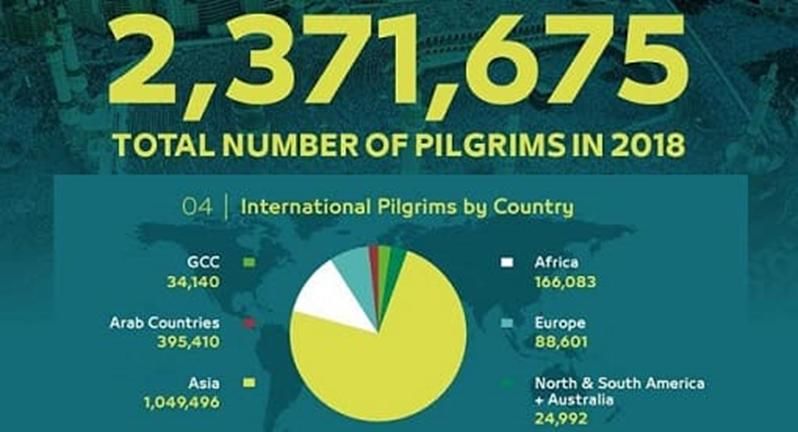
                              Table-2.2: Total hospitalized cases in Hajj season 1439- 2018.
                                    Total admitted cases in Hajj season 1439- 2018.
                                           Total cases of admission            2142
                                             Total delivery cases               11
                                                Source: www.moh.gov.sa

                                  Table-2.3: Total pilgrims of the year 1439 (2018)
  Total pilgrims of the    Total External Asian Countries           Non Saudis domestic pilgrims in 1439 – (2018)
   year 1439 (2018)           pilgrims                                    Malaysian               Indonesian
       2,371,675              1,758,722            1,049,496                  464                    1,945
    (163 Countries)           (74.15%)              (59.7%.)               Male: 246               Male: 947
                                                                          Female: 218             Female: 998
     Total Malaysian and Indonesian pilgrims of the year 1439               23,789                  173,293
                             (2018)
                                        Source: www.stats.gov.sa/en/page/206

          As shown in table 2.2. The percentage of total                transcription polymerase chain reactions and
Asian pilgrims of the year 1439 (2018) is 59.7% to the                  microarray. Demographic data including age, sex, and
total external pilgrims. And 74.15% is percentage of                    country of origin were obtained for all participants.
total external pilgrims to the total pilgrims of the year               While we did not detect MERS-CoV in any of the
1439 (2018).                                                            samples, several other viruses were detected in 50.8%
                                                                        of the cases. Among the detected viruses, 64.2% of the
         More than two million Muslims visit Makkah,                    cases were due to a single-virus infection and 35.8%
Saudi Arabia, annually to perform the religious rituals                 were due to the coinfections with up to four viruses.
of Hajj where the risk of spreading respiratory                         The most common respiratory virus was influenza A,
infections is very common. The aim here was to screen                   followed by non-MERS human coronaviruses,
symptomatic pilgrims for Middle East respiratory                        rhinoviruses, and influenza B. Together, we found that
syndrome coronavirus (MERS-CoV) and other viral                         it was not MERS-CoV but other respiratory viruses that
etiologies. Thus, 132 nasopharyngeal samples were                       caused acute respiratory symptoms among pilgrims.
collected from pilgrims presenting with acute                           The observed high prevalence of influenza viruses
respiratory symptoms at the healthcare facilities in the                underscores the need for more effective surveillance
holy sites during the 5 days of the 2014 Hajj season.                   during the Hajj and adoption of stringent vaccination
Samples were tested using real-time reverse                             requirements from all pilgrims [5].

                                                   Source: www.stats.gov.sa/en

          To determine the common health problems                       184 countries in the world congregate in the holy place
e.g. diseases and emergency incidents encountered by                    „Haram‟ at Makkah in Saudi Arabia to perform Hajj.
pilgrims during Hajj was the main objective of this                     During the pilgrimage, they come across a great deal of
study. An extensive literature review to determine the                  rough and tough environment, physical hassle and
common health problems and emergency incidents                          mental stress. Due to the hardship of travel, fluctuation
during Hajj was conducted through a systematic                          of weather, continuous walking during religious rites at
literature review. Every year 2-3 million pilgrims with                 specific time and sites, many pilgrims injury, feel tired,
different background and most of them are elderly from                  sick, and exhausted. These may also create

    © 2020 |Published by Scholars Middle East Publishers, Dubai, United Arab Emirates                                         101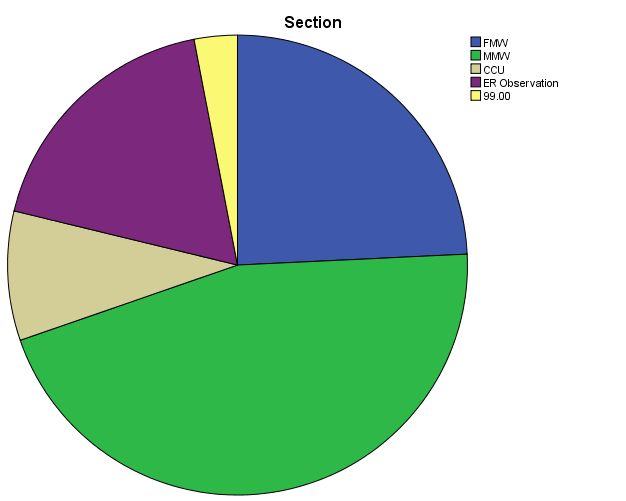
Sharifah Ezat Wan Puteh et al., Saudi J Biomed Res, June, 2020; 5(6): 98-111

complications and overburden the physiological                          (0.5%) patients were from North America and Australia
functions including heart, chest, abdominal, and kidney                 [7].
of those who suffer from chronic diseases. Besides the
problem of diseases, crowds could cause some other                               According to study conducted between August
significant problems including missing and lost                         and October 2015, to describe inpatient clinical
pilgrims, injuries, and even death. Numerous scholarly                  conditions at an advanced care facility in Saudi Arabia
databases were used to search for articles published                    during the annual Hajj pilgrimage and to determine
related to health problems and emergency incidents                      factors correlating with length of stay (LOS).With
during Hajj from 2008 to 2016. Eligible articles                        retrospective cross-sectional study, demographic,
included case reports, experimental and no                              administrative and clinical data were collected from
experimental studies. Only thirty articles out of two                   patient charts and analyzed.A total of 296 inpatients
hundred and sixty articles had met the specific inclusion               were included in the study, of which the majority were
criteria. The analysis revealed that respiratory diseases               male (73.6%) and ≥55 years old (77%). Walk-in
include pneumonia, influenza, and asthma (73.33%)                       admissions occurred less frequently than referrals
were the main health problems encountered by the                        (38.9% versus 61.1%). Most patients (41.6%) were
pilgrims during Hajj followed by heat stroke or heart                   admitted during the peak Hajj period (the 8-13th days
attack, sunlight effects (16.67%), cardiovascular                       of Dhu al-Hijjah). Acute coronary syndrome was the
disease, heart disease (10%). The analysis also revealed                most prevalent provisional diagnosis (65.2%). In terms
that emergency incidents include traffic accidents, and                 of outcomes, 89.2% of the inpatients were discharged in
trauma was 3.33%. Notwithstanding the information                       a stable condition, with 37.5% discharged within ≤24
given above, according to the analysis, the common                      hours of admission. However, 39.9% required
health problems during Hajj are mainly divided into                     admission to the Intensive Care Unit (ICU). Overall,
two categories: non-communicable diseases (62.5%)                       LOS was significantly associated with various factors,
and communicable diseases (37.5%). IBM‟s statistical                    including the mode of admission, admission period,
package for the social sciences (SPSS) version 22 was                   admitting department, number of comorbidities and
used to analysis the result [6].                                        ICU admission (P
Sharifah Ezat Wan Puteh et al., Saudi J Biomed Res, June, 2020; 5(6): 98-111

bacteria over S. pneumoniae may reflect the prior use of                Makkah Pilgrimage are described as well as a review of
amoxycillin and the effect of exhaustion, malnutrition,                 the epidemiological and clinical findings observed by
and old age [9].                                                        the author during the pilgrimages of 1980/81 when 176
                                                                        cases and 467 cases of Heat Stroke were seen and
          To establish the pattern of admission during                  treated respectively and a new physiological method of
this mild weather and to elucidate the possible risk                    treatment of heat stroke which proved very successful
factors. Study was conducted to establish the pattern of                in clinical field trials was introduced [11].
medical conditions necessitating admission differs
according to the weather condition in that particular                            Meningococcal meningitis epidemics, which
year. Previous studies had been conducted during the                    occurred in the Kingdom of Saudi Arabia (KSA)
hot weather, none over the last 10 years, were carried                  coincided with Hajj and Umra seasons; the 2 major
out during, the milder weather we are experiencing. A                   pilgrims to Muslims. In many countries, the disease
prospective study was performed in 4 hospitals in 2                     showed major changes of its epidemiological
different locations in Al-Mashaer, Kingdom of Saudi                     determinants, in particular to age and prevailing
Arabia. Data were collected during one working shift in                 serogroup. This study was conducted to determine the
2 hospitals in Arafat on the 9th of DhulHijjah 1422,                    epidemiological trend of meningococcal meningitis
corresponding to 21st of February 2002, and another                     disease in KSA. All confirmed meningococcal
working shift in 2 hospitals in Mina on the 10th of                     meningitis cases reported in KSA during the period
DhulHijjah 1422, corresponding to 22nd of February                      from January 1999 to December 2002 were studied
2002.A cohort of 76 patients from Arafat hospitals and                  retrospectively. Confirmation of cases was based on
84 patients from Mina hospitals were included (total                    isolation of the causative organism from cerebrospinal
160 patients). Males constituted 62% and females 38%                    fluid (CSF) or blood culture or detection of antigen in
with the median age of 60 +/- 15 years. The respiratory                 the CSF. Personal, clinical and laboratory results were
system was the most commonly affected (57%),                            analyzed using Epi info version 6 software. Categorical
followed by cardiovascular system (19.4%), and                          data were tested using chi2 test.A total of 729 cases
gastrointestinal tract (GIT) in 6.3% of cases. There                    were reported, 304 cases (42%) were among people
were only 3 cases of heat-related admissions with only                  coming from abroad for Hajj or Umra and 425 (58%)
one confirmed case of heat stroke. Similarly, only one                  were among local population. Nearly half of the later
case of meningitis was confirmed in this cohort.                        (48%) were reported at the 2 holy areas of Makkah and
Pneumonia was encountered in 63 cases (39.4%) and                       Madinah, KSA. Thirty-nine percent of cases were
exacerbation of asthma and chronic obstructive                          children aged
Sharifah Ezat Wan Puteh et al., Saudi J Biomed Res, June, 2020; 5(6): 98-111
Ministry of Health with more than 29.495 specialized drugs and medical equipment as well as products) with
medical staffs include: doctors, pharmacists, nurses, pilgrims and Hajj missions as well as supporting
technicians and administrators. Moreover, the health supervisory entities responsible for the inspection of
services provided to pilgrims include the following: facilities that provide meals to pilgrims in Makkah,
open-heart surgery, cardiac catheterization, dialysis Medina and the holy places. It is worth mentioning that
including both hemodialysis (HD) and peritoneal SFDA provides seven major services including:
dialysis (PD), digestive endoscopies, in addition to inspection of food, drugs and medical equipment as
birth deliveries and other specialized medical services well as products coming through ports, health
needed by pilgrim patients, where the number of surveillance of food facilities located in the scope of
operating hospitals totaled 25 hospitals in Makkah and Holy Makkah Municipality and Al Medina Regional
holy places. It is noteworthy that the number of health Municipality, health inspection of sacrifices
centers reached 153 centers that equipped with all slaughtered in slaughterhouse in Mina place conducting
health, medical and ambulatory potential, in addition to, field studies of food safety, raising awareness during
106 field teams in holy places as well as inside and Hajj season of the safety of food, drugs and medical
outside Makkah, 100 small ambulances operating as equipment as well as products, in addition to inspection
mobile intensive care units in order to handle field of transportation means entering Makkah and holy
ambulatory emergencies and 80 highly-equipped big places[14].
ambulances. Ministry of Health hospitals, since the
beginning of Dhul-Qa'dah till the first of Dhul-Hijjah, CHAPTER III
in terms of services provided to the pilgrims, have METHODOLOGY
conducted 142 cardiac catheterization procedures, 9 INTRODUCTION
open-heart surgeries, 761 dialysis (hemodialysis HD) 30,200 Malaysian pilgrims and more than
,39 endoscopy procedures, in addition to other 568 200,000 Indonesian pilgrims came to the Hajj season
surgeries during the same period. Moreover, The 1440-2019. The total number of pilgrims for the year
Saudi Red Crescent Authority has allocated 127 1440-2019 is: 2,489,406, without gender
temporary and permanent rescue centers, 361 preponderance. For this study, the targeted hospitals in
ambulances, 20 bicycles, and more than 1861 people Mena-Mena General hospital, Mena Aljisr, Mena
for the emergency teams and workforce within the area Alwadi, and Mena Almahbat, and four hospitals in
of Makka, Medina and Holy places, to provide all Arafat, Arafat General hospital, Jabal Alrahmah
emergency and medical services to pilgrims. hospital, and Namera Hospital. The hospitals in Mena
and Arafat are temporary health care facilities that
In addition to, all health and ambulance staff provide essential medical services to pilgrims during
works in Makkah 24 hours a day, until Sunday, 15 the Hajj season only. The hospitals in Mena begin
DhuHijjah, where the concerned entities have operation on the seventh of Dhul-Hijjah month and
developed integrated programs and plans which close on the evening of the thirteenth, whereas Arafat
include: providing all needs and possibilities to handle hospitals operate for one day only, the ninth day of
emergencies and disasters, and providing medical, Dhul-Hijjah, as pilgrims stay in Arafat only from
preventive, therapeutic as well as ambulatory services sunrise to sunset of that day. The collected data and
to pilgrims, Umrah performers and Makkak as well as diagnosis data were collected from admission registry,
Prophet's Mosque visitors. These services are provided discharge summary, and report of Saudi health
efficiently, effectively and according to a unified minister‟s Closing Press Release on 1440H.-Hajj
methodology, with latest methods of medical and Season, 2019. 13 August, 2019. The targeted hospitals
ambulance care as well as with qualified cadre with in this study are Mena Alwadi hospital (158 beds), Al
practical and scientific training, to achieve the health Jasir hospital (152 beds), Mena general hospital (138),
security of holy places and the Two Holy Mosques and Asharia hospital (50 beds), East Arafat hospital
visitors, access roads, and air as well as sea ports. It (230 beds), Namerah hospital (90 beds), Arafat general
should be recalled that these services are not limited to hospital (300 beds), and Al Rahmah hospital (140 beds)
ground service through ambulances, but also including from the seventh to the thirteenth day of the Hajj season
the Saudi Air Ambulance, motorcycles, rapid response of the Islamic year 1440 [2], corresponding to 8 to 14
specialized team, field teams in in the Holy Mosque and August 2019. The hospitals in Mena begin operation on
the Prophet's Mosque as well as surrounding squares the seventh of Dhul-Hijjah month and close on the
depending on available human resources, in addition to evening of the thirteenth of the month, whereas Arafat
a constellation of volunteers (males and females). hospitals operate for one day only, the ninth day of
Dhul-Hijjah, as pilgrims stay in Arafat only from
On the other hand, The Saudi Food and Drug sunrise to sunset of that day, as shown in figure. 3.1:
Authority(SFDA) handling supervisory tasks on (food, Sampling process.
© 2020 |Published by Scholars Middle East Publishers, Dubai, United Arab Emirates 104Sharifah Ezat Wan Puteh et al., Saudi J Biomed Res, June, 2020; 5(6): 98-111
Fig-3.1: Sampling process
DATA COLLECTION of pilgrims 2,489,406 (0.05%).The common causes of
Data collection was done during Hajj season admission for Malaysian and Indonesian Pilgrims in
1440-2019 from the 7th to the 13th day of the Hajj Mena and Arafat hospitals with referral are Cardiac
season of the Islamic year 1440 [2], corresponding to 8 diseases; 4 cases (0.28%), Indonesian patients; 4 cases,
to 14 August 2019. Using Data Survey Form (see Nephrological disorders included Dialysis was 1
Appendix A). The collected data and diagnosis data Indonesian case (0.07%), and pulmonary cases were; 9
were collected from admission registry, discharge cases (0.64%), Malaysian patient; 1 case, and for
summary, additional to the report of Saudi health Indonesian patients; 8. As well gastrointestinal diseases;
minister‟s Closing Press Release on 1440H.-Hajj 15 cases (1.07%), for Malaysian patient; 1, and
Season, 2019. 13 August, 2019. The hospitals in Mena Indonesian patients is 14 cases. The highest and the
begin operation on the seventh of Dhul-Hijjah month most common causes are pulmonary and
and close on the evening of the thirteenth of the month, gastrointestinal diseases. The collected data and
whereas Arafat hospitals operate for one day only, the diagnosis data were collected from admission registry,
ninth day of Dhul-Hijjah. discharge summary, and report of Saudi health
minister‟s Closing Press Release on 1440H.-Hajj
CHAPTER IV Season, 2019. 13 August, 2019. The pilgrims stay in
RESULT air-conditioned tents in Mena during the entire Hajj
Background season, and the medical care is provided free to
2 Malaysian pilgrims out of 30,200 were pilgrims by the Saudi Ministry of Health. The climate
admitted, they were older than 50 years, and 31 in the Hajj season in Makkah region is usually the high
Indonesian pilgrims out of 200,000, most of them were temperature of 24–33°C and a low temperature of 19–
older than 50 years hospitalized to the seasonal 25°C.
hospitals in Hajj season 1440-2019 included
observation status. The total number of hospitalization Demographic characteristics of 1398 Patients
in the targeted hospitals are 1398 Pilgrims, (702 Male (Pilgrims) admitted in Mena and Arafat hospitals in the
50.21%, 696 Female 49.78%).1398 out of total number Hajj season 1440-2019.
Malaysian Pilgrims Indonesian Pilgrims
Gender n. % n. Percentage n. Percentage
Male 702 50.21% 2 100% 20 64.51%
Female 696 49.78% 0 0 11 35.48%
Total 1398 100% 2 100% 31 100%
© 2020 |Published by Scholars Middle East Publishers, Dubai, United Arab Emirates 105Sharifah Ezat Wan Puteh et al., Saudi J Biomed Res, June, 2020; 5(6): 98-111
Nationality * Gender Crosstabulation
Count
Gender
Total
Male Female
Malaysian 2 0 2
Nationality
Indonesian 20 11 31
Total 22 11 33
Nationality
Frequency Percent Valid Percent Cumulative Percent
Malaysian 2 6.1 6.1 6.1
Valid Indonesian 31 93.9 93.9 100.0
Total 33 100.0 100.0
Diagnosis
Frequency Percent Valid Percent Cumulative Percent
Valid Cardiac disease 4 12.1 12.1 12.1
Pulmonary disease 9 27.3 27.3 39.4
Endocrine disease 3 9.1 9.1 48.5
Gastrointestinal disease 15 45.5 45.5 93.9
Nephrological disorders 1 3.0 3.0 97.0
Heat - related disease 1 3.0 3.0 100.0
Total 33 100.0 100.0
© 2020 |Published by Scholars Middle East Publishers, Dubai, United Arab Emirates 106Sharifah Ezat Wan Puteh et al., Saudi J Biomed Res, June, 2020; 5(6): 98-111
Gender
Frequency Percent Valid Percent Cumulative Percent
Male 22 66.7 66.7 66.7
Valid Female 11 33.3 33.3 100.0
Total 33 100.0 100.0
Nationality * Gender Cross tabulation
Count
Gender Total
Male Female
Nationality Malaysian 2 0 2
Indonesian 20 11 31
Total 22 11 33
Age
Frequency Percent Valid Percent Cumulative Percent
Valid 21-30 2 6.1 6.1 6.1
31-40 2 6.1 6.1 12.1
41-50 4 12.1 12.1 24.2
51-60 10 30.3 30.3 54.5
61-70 8 24.2 24.2 78.8
71-80 3 9.1 9.1 87.9
81-90 4 12.1 12.1 100.0
Total 33 100.0 100.0
Nationality * Age Cross tabulation
Count
Age Total
21-30 31-40 41-50 51-60 61-70 71-80 81-90
Nationality Malaysian 0 0 0 1 1 0 0 2
Indonesian 2 2 4 9 7 3 4 31
Total 2 2 4 10 8 3 4 33
Marital Status
Frequency Percent Valid Percent Cumulative Percent
Valid single 2 6.1 6.1 6.1
Married 31 93.9 93.9 100.0
Total 33 100.0 100.0
© 2020 |Published by Scholars Middle East Publishers, Dubai, United Arab Emirates 107Sharifah Ezat Wan Puteh et al., Saudi J Biomed Res, June, 2020; 5(6): 98-111
Nationality * Marital Status Cross tabulation
Count
MartitalStatus Total
single Married
Nationality Malaysian 0 2 2
Indonesian 2 29 31
Total 2 31 33
Location
Frequency Percent Valid Percent Cumulative Percent
Valid Mena 24 72.7 72.7 72.7
Arafat 9 27.3 27.3 100.0
Total 33 100.0 100.0
Nationality * Location Cross tabulation
Count
Location Total
Mena Arafat
Nationality Malaysian 1 1 2
Indonesian 23 8 31
Total 24 9 33
Hospital
Frequency Percent Valid Percent Cumulative Percent
Mena al wadi 7 21.2 21.2 21.2
Al Jasir 4 12.1 12.1 33.3
Mena general hospital 12 36.4 36.4 69.7
Asharia 1 3.0 3.0 72.7
Valid East Arafat 1 3.0 3.0 75.8
Namerah 3 9.1 9.1 84.8
Arafat general hospital 4 12.1 12.1 97.0
Al Rahmah 1 3.0 3.0 100.0
Total 33 100.0 100.0
DOA
Frequency Percent Valid Percent Cumulative Percent
8/8/2019 6 18.2 18.2 18.2
9/8/2019 2 6.1 6.1 24.2
10/8/2019 10 30.3 30.3 54.5
11/8/2019 7 21.2 21.2 75.8
Valid
12/8/2019 3 9.1 9.1 84.8
13/8/2019 4 12.1 12.1 97.0
14/8/2019 1 3.0 3.0 100.0
Total 33 100.0 100.0
DOA = Date of admission
© 2020 |Published by Scholars Middle East Publishers, Dubai, United Arab Emirates 108Sharifah Ezat Wan Puteh et al., Saudi J Biomed Res, June, 2020; 5(6): 98-111
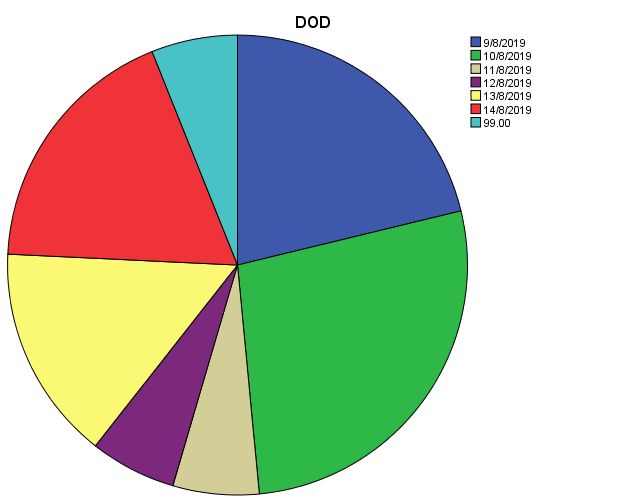
DOD = Date of Discharge Section
Frequency Percent Valid Percent Cumulative Percent
Valid FMW 8 24.2 24.2 24.2
MMW 15 45.5 45.5 69.7
CCU 3 9.1 9.1 78.8
ER Observation 6 18.2 18.2 97.0
99.00 1 3.0 3.0 100.0
Total 33 100.0 100.0
© 2020 |Published by Scholars Middle East Publishers, Dubai, United Arab Emirates 109Sharifah Ezat Wan Puteh et al., Saudi J Biomed Res, June, 2020; 5(6): 98-111
DOA = Date of Admission
Nationality * Diagnosis Crosstabulation
Count
Diagnosis
Heat -
Cardiac Pulmonary Endocrine Gastrointestinal Nephrological Total
related
disease disease disease disease disorders
disease
Malaysian 0 1 0 1 0 0 2
Nationality
Indonesian 4 8 3 14 1 1 31
Total 4 9 3 15 1 1 33
CONCLUSION News/Pages/news-2019-08-13-009.aspx
This study identified the most common causes 2. Ministry of Health – (MOH). (2019). Health
of Malaysian and Indonesian pilgrims‟ hospitalization Minister‟s Closing Press Release on 1440H.-
during the hajj season 1440, 2019 in Mena and Arafat HajjSeason,2019.13August,2019.https://www.moh.
hospitals. This study provided information on the gov.sa/en/Ministry/MediaCenter/News/Pages/news
causes of Malaysian and Indonesian pilgrims‟ -2019-08-13-009.aspx
hospitalization during the Hajj season 1440 2019 in 3. Radhiah, N., Rosminah, M., Suhaimi, A. W., &
Mena and Arafat Hospitals, and the required medical Omar, O. (2017). The Fundamental Of Hajj
services for pilgrims in Hajj season. Hajj is the fifth of Demand For Health Care Services Within
the five pillars of Islam. The Hajj begins on the eighth Congestion In Makkah. Malaysian Journal of
day of Dhul-Hijjah, the twelfth month of the Islamic Public Health Medicine, 17(1), 84-93.
year, and ends on the thirteenth day of the same month. 4. Siti, A., SuMiman, M. D., Mohd, S., & Wahab, M.
Hajj has to be performed in three main locations in D. (2007). Preference of treatment facilities among
Makkah, and this study was done in two locations, Malaysian Hajj pilgrims for acute respiratory
Mena and Arafat. In this study we describe the symptoms. Ann Saudi Med, 27, 105.
outcomes of Malaysian and Indonesian pilgrims who 5. Hashem, A. M., Al‐ Subhi, T. L., Badroon, N. A.,
admitted during the Hajj season of the Islamic year Hassan, A. M., Bajrai, L. H. M., Banassir, T. M., ...
1440, 2019. In this study, the majority (30.3%) of & Azhar, E. I. (2019). MERS‐ CoV, influenza and
hospitalized patients were older than 50 years and more other respiratory viruses among symptomatic
than one third (24.2%) of patients were older than 60 pilgrims during 2014 Hajj season. Journal of
years. More than (93.9 %) of patients were from medical virology, 91(6), 911-917.
Indonesia, and (6.1%) were from Malaysia. Most of the 6. Al Masud, S. M. R., Bakar, A. A., & Yussof, S.
patients (54.54%) were discharged from the hospital (2016). Determining the types of diseases and
within a maximum of 24 hours of admission. This short emergency issues in Pilgrims during Hajj: A
hospitalization was observation of patients, and literature review. Stat Inf, 5, 7.
discharged from the hospital as soon as possible so that 7. Madani, T. A., Ghabrah, T. M., Al-Hedaithy, M.
they would be able to complete the Hajj rituals and to A., Alhazmi, M. A., Alazraqi, T. A., Albarrak, A.
free hospital beds to accommodate the big influx of M., & Ishaq, A. H. (2006). Causes of
patients requiring hospitalization in the Hajj period. The hospitalization of pilgrims during the Hajj period
common causes of Malaysian and Indonesian pilgrims‟ of the Islamic year 1423 (2003). Annals of Saudi
admission in Mena and Arafat hospitals were medicine, 26(5), 346-351.
gastrointestinal disease 15 cases (45.5%) for Malaysian 8. Mirza, A. A., Al-Sakkaf, M. A., Mohammed, A.
patient; 1, and Indonesian cases were 14 cases. A., Farooq, M. U., Al-Ahmadi, Z. A., & Basyuni,
Pulmonary diseases; 9 cases (27.3%), Malaysian M. A. (2018). Patterns of Inpatient Admissions
patient; 1 case, and Indonesian cases were 8. and during Hajj: Clinical conditions, length of stay and
cardiac diseases with referral; 4 cases (12.1%), patient outcomes at an advanced care centre in
Indonesian patients; 4 cases, endocrine disease 3 cases Makkah, Saudi Arabia. Pakistan journal of medical
(9.1%) were Indonesian patients. Nephrological sciences, 34(4), 781.
disorders included Dialysis; 1 case (3.0 %), was 9. Alzeer, A., Mashlah, A., Fakim, N., Al-Sugair, N.,
Indonesian patient. The heat - related disease; 1 case Al-Hedaithy, M., Al-Majed, S., & Jamjoom, G.
(3.0%) was Indonesian pilgrim. So, the highest and the (1998). Tuberculosis is the commonest cause of
Most common causes were gastrointestinal and pneumonia requiring hospitalization during Hajj
pulmonary diseases. The outcomes of the patients who (pilgrimage to Makkah). Journal of
discharged against medical advice was not studied. infection, 36(3), 303-306.
10. Al-Ghamdi, S. M., Akbar, H. O., Qari, Y. A.,
REFERENCES Fathaldin, O. A., & Al-Rashed, R. S. (2003).
1. Health Minister‟s Closing Press Release on Pattern of admission to hospitals during muslim
1440H.-Hajj Season. (2019). 13 August, 2019. pilgrimage (Hajj). Saudi medical journal, 24(10),
https://www.moh.gov.sa/en/Ministry/MediaCenter/ 1073-1076.
© 2020 |Published by Scholars Middle East Publishers, Dubai, United Arab Emirates 110Sharifah Ezat Wan Puteh et al., Saudi J Biomed Res, June, 2020; 5(6): 98-111
11. Khogali, M. (1983). Epidemiology of heat illnesses control?. Saudi medical journal, 25(10), 1410-
during the Makkah Pilgrimages in Saudi 1413.
Arabia. International journal of 13. Ministry of Health – (MOH). (2018). (online)
epidemiology, 12(3), 267-273. available at http://www.moh.gov.sa
12. Al-Mazrou, Y. Y., Al-Jeffri, M. H., Abdalla, M. N., 14. The General Authority for Statistics (GASTAT),
Elgizouli, S. A., & Mishskas, A. A. (2004). 2018. The statistical calendar of 1439 H Hajj
Changes in epidemiological pattern of season,(online) available at
Meningococcal disease in Saudi Arabia. Does it https://www.stats.gov.sa/en/ (accessed 9 Feb 2019).
constitute a new challenge for prevention and
Appendix A
Hajj 1440-2019 SURVEY
SOCIODEMOGRAPHIC INFORMATION
NATIONALITY: ( ) Malaysian ( ) Indonesian
GENDER: ( ) Male ( ) Female
AGE: ……………………………
MARITAL STATUS: ( ) Single ( ) Married
ADMISSION INFORMATION
Location,
Mena Alwadi hospital East Arafat hospital
Al Jasir hospital Namerah hospital,
Mena Mena general hospital Arafat Arafat general hospital
Asharia hospital Al Rahmah hospital
DATE OF ADMISSION: ………./……/2019 - …./ 12 /1440
DATE OF DISCHARGE: ……..../……/ 2019- .…/ 12 / 1440
SECTION……………………………………………………………………………………….
CAUSE OF ADMISSION……………………………………………………………………....
……………………………………………………………………….
……………………………………………………………………….
© 2020 |Published by Scholars Middle East Publishers, Dubai, United Arab Emirates 111You can also read


