The Education and Training Inspectorate - First interim evaluation on the International Fund for Ireland's Sharing in Education Programme
←
→
Page content transcription
If your browser does not render page correctly, please read the page content below
The Education and Training
         Inspectorate
First interim evaluation on the International Fund
   for Ireland’s Sharing in Education Programme
                   June 2012
Contents

                                                                                                                                                                                   Page

PART ONE - SUMMARY OF KEY FINDINGS

1. Introduction ...............................................................................................................................................................     1

2. Remit of the report ..................................................................................................................................................           2

3. Context of the projects ...........................................................................................................................................              3

4. Methodology ..............................................................................................................................................................       4

5. Summary of Key Findings in June 2012 .............................................................................................................                               6

6. Next steps to embed the learning and sustain the work of the programme ..........................................                                                               10

PART TWO - THE EVALUATION OF THE INDIVIDUAL PROJECTS

The Evaluation of the Belfast Old Firm Alliance Project - Belfast Community Sports
Development Network ................................................................................................................................................               14

The Evaluation of the Building New Communities through Positive Parenting and
Reconciliation Project - South-Eastern Education and Library Board .....................................................                                                           16

The Evaluation of the Change Makers Project - Northern Ireland Children’s Enterprise
(NICE), Community Relations in Schools (CRIS) and Belfast YMCA .....................................................                                                               18

The Evaluation of the Classrooms Re-imagined: Education in Diversity and Inclusion
for Teachers Project - Stranmillis and St Mary’s University Colleges ......................................................                                                        20

The Evaluation of the Creative Change Project – Fostering Personal Development and
Mutual Understanding through Creativity - University of Ulster, Coleraine ............................................                                                             22

The Evaluation of the Cultural Learning and Social Skills Project - ReachAcross ......................................                                                             24

The Evaluation of the Distinctive Voices: Collective Choices Project - Headliners....................................                                                              26

An Evaluation of the ‘Facing our History, Shaping the Future’ Project - The Corrymeela
Community ......................................................................................................................................................................   28

The Evaluation of the Hand of Friendship Project - Junior Achievement Ireland.....................................                                                                 30

The Evaluation of the Learning to Live Together Project - South-Eastern Education and
Library Board ..................................................................................................................................................................   32

The Evaluation of the Partnership, Inclusion, Reconciliation, Citizenship and History
Project - North-Eastern Education and Library Board ..................................................................................                                             34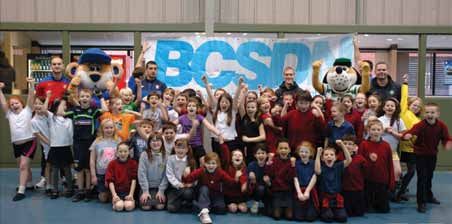
The International Fund for Ireland

The Evaluation of the Primary Curriculum Partnership Project - Southern Education
and Library Board .........................................................................................................................................................                36

The Evaluation of the Promoting Reconciliation through a Shared Curriculum Experience
Project - Western Education and Library Board ...............................................................................................                                              38

The Evaluation of the Reel Frontiers Project - Cinemagic .................................................................................                                                 40

The Evaluation of the Sharing Classrooms: Deepening Learning Project - Northern Ireland
Council for Integrated Education ..........................................................................................................................                                42

The Evaluation of the Sharing Education Together Project - Spirit of Enniskillen ...................................                                                                       44

The Evaluation of the Together Through Culture Project - Comhairle na Gaelscolaíochta ...................                                                                                  46

The Evaluation of the Welcoming Schools Project - Southern Education and Library
Board ..................................................................................................................................................................................   48

The Evaluation of the Youth Works Project - Department of Education ....................................................                                                                   50

Appendix ............................................................................................................................................................................      53   An interim ev
                                                                                                                                                                                                         Irela

 ii
An interim evaluation of the International Fund for
                                                         Ireland’s Sharing in Education Programme
                                                                                         June 2012

1.       Introduction                                                   a significant contribution to the
                                                                        development and maintenance of the
1.1      The Sharing in Education Programme                             infrastructure for co-operation and
         was set up to support the strategic                            reconciliation across Ireland. It has
         objectives of the International Fund                           invested more than £21m in this area
         for Ireland (IFI) by providing funding
                      1
                                                                        prior to the establishment of the SiEP.
         for projects that enable young                                 The current strategic focus is to target
         people2 to participate in shared                               areas of greatest need and to ensure
         education. Since November 2008,                                that its work is made sustainable
         the IFI Liaison Team within the                                in the longer term. Furthermore,
         Department of Education (DE) has                               IFI is seeking to share the lessons,
         managed the programme; it ‘works                               experiences and skills acquired over
         with providers in education, registered                        20 years of peace‑building in Northern
         youth organisations and related                                Ireland, with those tackling the
         services to support educational                                challenges of peace-building in other
         experiences which are shared between                           regions, thus giving something back to
         young people representative of the                             the international community.
         two communities.’ The Sharing in
         Education Programme seeks to break                     1.3     The timing of the funding is
         down the barriers arising from the                             opportune. Enrolments within the
         historic conflict in Northern Ireland by                       school population are falling and the
         providing a range of opportunities for                         need for rationalisation within the
         young people to learn together and to                          schools estate provides an opportunity
         reach the highest possible standards                           to consider what ‘sharing’ means
         of educational achievement.                                    beyond just a shared space. The
                                                                        programme, while based on bringing
1.2      The International Fund for Ireland                             the two main traditions together,
         has been working for many years to                             widens the discussion of shared
         underpin efforts towards peace in                              education across economic and social
         Northern Ireland. Its work has made                            divides, including the transition to

1
      The International Fund for Ireland is an independent international organisation set up by the British and Irish
      Governments in 1986. The objectives of the Fund are to: promote economic and social advance; encourage
      contact, dialogue and reconciliation between nationalists and unionists throughout Ireland; and, support
      programmes and projects which aim to facilitate the sharing of educational experiences among young people
      on a cross-sectoral basis.
2
      For the purpose of this report the term ‘learner’ is used to define the participant in the project whether they
      are a child, pupil, young person, teacher or staff member or parent.

                                                                                                                    1
The International Fund for Ireland

           post-primary education. The work                             • build on community relations
           of the projects can build potentially                            within and between schools;
           on the curriculum by developing
           further the cross‑curricular skills and                      • support cultural outreach amongst
           capabilities and prepare the learners                            young people representative of the
           to develop effectively as individuals,                           differing communities/traditions;
           contributors to society, the economy                             and
           and the environment.
                                                                        • address strategic gaps in
1.4        The Sharing in Education Programme                               achieving reconciliation through
           complements fully the work to                                    a cross‑community, cross-border
           promote peace and reconciliation                                 approach through education and
           which DE has carried out for more                                the related services sector.4
           than 25 years through such initiatives
           as the Cross-Community Contact
                                                                2.       Remit of the report
           Scheme. The programme encompasses
                                                                2.1      This interim evaluation report is
           pre-school, primary, post-primary
                                                                         intended to help guide the work of the
           and special education; the promotion
                                                                         projects at this interim stage as the
           of community relations within
                                                                         projects plan to sustain and embed
           and between schools; and teacher
                                                                         the work of reconciliation through
           education. With funding of almost
                                                                         shared education beyond the funding
           £17 million, it supports 22 projects3
                                                                         provided by IFI. The report recognises
           which aim to facilitate reconciliation
                                                                         the existence of a range of definitions,
           for a shared future through the
                                                                         interpretations and approaches to
           medium of education in order to:
                                                                         shared education within Northern
           • promote shared education by                                 Ireland. In essence the differing and
              linking schools representative of the
              two communities;

3
        In addition to the 19 projects which the Education and Training Inspectorate are evaluating, three others are
        subject to a separate evaluation under the auspices of the Shared Education Learning Forum (SELF) group.
        They are Queen’s University Belfast for the Shared Education Programme, the Fermanagh Trust Sharing
        Education Trust and the North-Eastern Education and Library Board for the Primary Integrating/Enriching
        Education Project.
4
        In November 2012, DE produced a Strategy for Delivery document for the Sharing in Education Programme.
        The purpose was to identify strategic gaps and areas where a more targeted intervention would be beneficial
        in meeting the Fund’s strategic aims and objectives. The following were identified: The Revised Curriculum
        including the priorities of Literacy & Numeracy, the Entitlement Framework/Area Learning Communities,
        School Leadership and Boards of Governors Non teaching/support staff, Education Other than at School,
        Looked after Children, Young Offenders, Extended Schools and School Councils.

    2
An interim evaluation of the International Fund for
                                                  Ireland’s Sharing in Education Programme
                                                                                  June 2012

      acceptable definitions are part of the              in embarking on the promotion of
      purpose of the overall programme.                   shared education. It also recognises
      These differing perspectives reflect the            that in being prepared to ‘share’, the
      contexts and the starting points of                 participants have been willing to ‘lose’
      each project and the range of learners              on some things. In extending the
      involved.                                           work further, it will require a new way
                                                          of thinking to remove key structural
2.2   Throughout the evaluation, the work                 barriers within the education sector.
      of each of the projects in promoting
      shared education is evaluated within          3.    Context of the projects
      the context of the individual project’s
      aims as identified in their initial bid       3.1   In reaching a composite evaluation,
      for funding. Indeed throughout the                  the inspection team has taken account
      whole process, the facilitators, project            of the individual contexts and the
      managers, departmental officials and                different starting points of each
      members of the inspection team are                  project. Given the wide variation in
      engaged in shared education on many                 the contexts of projects, the reader
      levels to enhance their own learning                should not make direct comparisons
      of emerging good practice. In this                  across them.
      respect there is already a legacy of the
                                                    3.2   Due to the lateness of appointments
      programme which will enhance the
                                                          of staff, some of the projects are still
      debate on shared education.
                                                          at an early stage of development,
2.3   The interim evaluation report                       whilst others are at a more developed
      recognises the complexities of                      stage. Some of the projects focus
      promoting shared education                          entirely on the shared education
      experiences within the context of                   experiences of the children, pupils
      restricted resources. The work of the               and young people, whereas others
      projects is commendable as a result of              focus on the training of teachers to
      their clear focus on the development                promote effective shared education
      of skills, attitudes and dispositions               experiences. There is also variation
      acquired by the learners through                    in the level of funding reflecting
      shared education. The personnel                     the differing size and scope of
      involved have themselves had to                     the projects. More details of
      consider their attitudes towards                    the allocations of funding are in
      prejudices and stereotypes, and to                  Appendix 1.
      face their own fears of the unknown

                                                                                                   3
The International Fund for Ireland

3.3   Issues have emerged with regard to                 the challenge of recruiting schools
      the recruitment of organisations to                within constrained time limits;
      the projects given the time constraint
      of the funding and the competing                • the physical distance between
      range of initiatives facing schools.               schools; and
      Furthermore, while one of the
                                                      • the structures of governance within
      projects is working with area learning
                                                         education that continue to reflect
      communities (ALCs), the Further
                                                         the divided society of Northern
      Education (FE) sector is not the key
                                                         Ireland.
      focus of any of the projects.

3.4   It is also important to recognise the
                                                4.    Methodology
      educational context in which these
                                                4.1   The Education and Training
      projects operate and the legacy
                                                      Inspectorate (ETI) were commissioned
      of a divided society. For example,
                                                      to carry out an evaluation of 19 of the
      the existence of separate teacher
                                                      22 projects. An initial oral report in
      training colleges and the exemption
                                                      September 2011 identified strengths
      of the teaching profession from the
                                                      such as: the strong commitment from
      Fair Employment and Treatment (NI)
                                                      project leaders and staff to the aims of
      Order 1998 limits the development of
                                                      their projects and the overall aims of
      shared education amongst teachers.
                                                      the programme; the examples of good
      In addition, there is not a joined-up
                                                      communication and comprehensive
      approach to shared education across
                                                      written information with the few
      the government departments.
                                                      participating organisations which had
                                                      already begun their work; the strong
3.5   During the evaluation, the projects
                                                      and positive working relationships
      raised the following as potential
                                                      between the facilitators and the
      barriers to the development of their
                                                      learners and their teachers; the
      work:
                                                      positive engagement of the learners
      • the lack of time, training and space          and their enthusiasm to participate
         for teachers to reflect on their own         and work with others; and the good or
         perspectives and feelings;                   better teaching in the small sample of
                                                      sessions (10) observed.
      • the short-term nature of the
         funding of the projects, including
         the associated bureaucracy and

4
An interim evaluation of the International Fund for
                                                 Ireland’s Sharing in Education Programme
                                                                                 June 2012

4.2   The areas identified for improvement               • talked, where possible, to principals,
      included:                                             teachers, support staff, parents,
                                                            governors and learners;
      • a planned and progressive move
         from single identity work to a more             • observed lessons and training
         shared approach to education;                      sessions;

      • the building of capacity amongst                 • attended training days and
         the teachers and other staff to                    conferences hosted by the projects,
         sustain the work of the various                    including a major conference
         projects and to deal with more                     organised by the IFI Liaison Team
         contentious issues; and                            within DE;

      • the planning for sustaining the                  • held discussions with stakeholders
         outcomes of, and learning from, the                across the educational community;
         project beyond its lifetime to the
         benefit of the learners.                        • researched the online
                                                            representation of the projects; and
4.3   Between January and April 2012,
      a team of 23 inspectors conducted                  • evaluated the quality of the
      evaluations of the 19 projects. The                   resource materials.
      interim findings have been reported
                                                   4.5   The Inspectors evaluated the work of
      back in detail to the leadership of
                                                         the individual projects under the three
      each project. A summary of the main
                                                         key areas which ETI uses corporately
      findings for each project forms the
                                                         to formulate lines of enquiry in
      second part of this report.
                                                         evaluating any educational provision
4.4   During the visits, the inspectors:                 namely; quality of leadership and
                                                         management; quality of provision
      • scrutinised a wide range of                      for learning; and achievements
         documentation, including the                    and standards of learners. Using
         initial funding bids, the progress              criterion referenced indicators each
         reports sent by the projects to the             section is then evaluated against
         IFI Liaison Team within DE, the                 six performance levels ranging from
         planning for the individual sessions            outstanding to unsatisfactory.
         and the evaluations made by the
         project leaders, where available;

                                                                                                5
The International Fund for Ireland

4.6        In developing its evaluation work for                         carefully the possible risks within
           this programme, ETI shared its quality                        some of the projects, the IFI-funded
           indicators with the projects to enable                        programme has encouraged a range
           them and the receiving organisations                          of projects to explore new ways of
           to develop further their capacity for                         developing shared education. The
           self‑evaluation linked to continuous                          varied projects allow the learners to
           improvement and sustainability.                               explore their own values and beliefs,
           As organisations provide ongoing                              to learn about the values and beliefs
           feedback, these indicators will                               of their counterparts and to consider
           be adjusted further to customise                              the principles of inclusive shared
           them as a comprehensive internal                              education.
           self‑evaluation tool for organisations
           involved in reconciliation work beyond                5.1.2 A significant strength of the
           the life of this particular programme.                        programme is the level of
                                                                         cross‑sectoral representation across
5.         Summary of Key Findings in                                    the formal education sector and
           June 2012                                                     including, in one instance, a project
                                                                         in the non-formal sector. There are
5.1        The overall programme                                         projects in early years through primary
                                                                         and post-primary education, to initial
           The Sharing in Education Programme
                                                                         teacher training and continuous
           is making good progress; learners,
                                                                         professional development.
           of all ages, are benefiting from the
           programme.                                            5.1.3 At this interim stage of the evaluation,
                                                                         almost all of the projects are
5.1.1 Through the significant funding by
                                                                         working at the expected level at this
           IFI, the projects have been able to
                                                                         stage of the programme. A minority
           engage in more in-depth learning
                                                                         of the projects are performing at a
           with sensitive and controversial issues
                                                                         better level than expected.6
           around peace and reconciliation
           at a greater pace than would have
           been possible without that funding.
           Taking into consideration the advice
           from the IFI Liaison Team within DE
           on the applications, and measuring
6
        For the purpose of the interim evaluation report, the conclusion for each of the project reports states whether
        the project is working at above the level expected, at the level expected or below the level expected.

    6
An interim evaluation of the International Fund for
                                                  Ireland’s Sharing in Education Programme
                                                                                  June 2012

5.2   The leadership and management of the                 of quality assurance, including
      programme                                            qualitative and quantitative evidence.

       The IFI Liaison Team within DE is            5.2.3 The team has been proactive in
       providing effective leadership and                  encouraging collaboration between
       management.                                         the projects, including the sharing
                                                           of resources and expertise without
5.2.1 At all stages of the programme, from                 duplication of funding. For example, it
       the initial applications for funding                has established the Teacher Education
       through to the present, the IFI Liaison             Forum which provides opportunities
       Team within DE has managed the                      for the projects involved in teacher
       selection and monitoring of the                     education to discuss good practice
       projects to match the aims of IFI and               and how to make connections across
       to benefit the wide range of learners               their work.
       and their educational improvement.
       Through regular monitoring reports           5.2.4 As several of the projects involve
       and accountability meetings, the                    organisations beyond the formal
       IFI Liaison Team within DE works                    schools sector, the IFI Liaison Team
       flexibly with the leadership of the                 within DE should continue to
       projects to achieve an acceptable                   increase the collaboration across
       balance between being creative and                  the projects. In particular as the
       taking risks to maximise the learning               work involves ALCs, the greater
       about shared education.                             strategic involvement of the ALCs
                                                           would establish a more effective
5.2.2 In addition, the IFI Liaison Team                    understanding of the concept and of
       within DE has prioritised the                       the practicalities of sharing within
       need for the projects, and the                      and beyond the classroom. Links
       organisations with which they                       with the Department of Employment
       work, to show clearly how their                     and Learning would promote shared
       work can be sustained when the                      education with the colleges of further
       funding comes to an end. The team                   education represented within the work
       is reviewing the progress reports from              of several of the projects.
       the projects so that they state clearly
       an evaluation of the progress made           5.2.5 The team employed to implement and
       in promoting reconciliation through                 oversee the project is open‑minded in
       shared education, informed by more                  its approach and continues to develop
       rigorous and systematic methods                     an understanding of the programme

                                                                                                  7
The International Fund for Ireland
and its potential. As the programme education projects to inform their own
has progressed there have been learning and to benefit the learners.
obvious links between projects which
the IFI Liaison Team within DE has 5.3.2 Where projects have recruited
encouraged the various partners and trained key personnel who
to explore. There are a number of understand the remit of the
schools which have more than one particular project, they effect
project running; the evidence is that it improvement through careful
is rare for the projects to link together planning which matches the work
or for the school to review how the to the particular needs of the
projects might work together to the participating schools. The thoughtful
benefit of the learners. Management and well‑informed facilitators work
at all levels needs to consider effectively in a cohesive manner to
how to link the shared education perform their varying roles, using their
projects with other improvement skills to provide effective support for
initiatives in order to build more the learners.
effective communication and mutual
5.3.3 A few of the projects have begun
understanding within and beyond the
to explore how they might work
classroom.
together and learn from each other.
5.3 The leadership and management of the As the process develops the projects
projects will benefit from the sharing of good
practice and in reflecting on how
The leadership and management of to bring about further improvement
most of the projects are good or in the interest of the learners. For
better. example, given the development of
the range of good age-appropriate
5.3.1 The more successful projects have a resources, it is timely to share and
clear rationale for their work. They learn from each other which resources
articulate clearly to the team and work best with particular age groups
to the schools their vision, how it and stages of learning.
promotes shared education and
how it links to the overall aims of 5.3.4 The majority of the projects have
the programme and the main aims assessed sufficiently the needs of
of IFI. In a few instances, there are the organisations with which they
developing links with other shared work. They respond appropriately
and flexibly to the needs of the
8An interim evaluation of the International Fund for
Ireland’s Sharing in Education Programme
June 2012
participating organisations in order 5.4.3 All of the projects create a safe
to meet their needs effectively and to space where there is mutual trust.
challenge their thinking about shared The learners enjoy being together
education. and talk openly about sensitive and
personal issues. As a result of the
5.4 The quality of provision for learning positive ethos, excellent working
relationships and mutual respect
In most of the projects, the quality
between the facilitators and learners,
of the provision for learners is good
the discussions are open and frank.
or better. The learners understand
The facilitators provide very good
the purpose and rationale of the
pastoral care for the learners and
project and there are clear links with
involve everyone at his or her stage
the aims of shared education.
of understanding and learning. They
have an appropriate understanding
5.4.1 In good quality planning, the projects
that teachers need to model the
use effective base-lining exercises to
learning process when dealing with
assess the stage of understanding of
sensitive and controversial issues.
the schools and the learners. They
analyse the information carefully
5.4.4 The effective methodologies include
to effect improvements in the
an appropriate balance of activities,
development of the projects and in the
discussion and reflection to engage
work with individual organisations.
the learners actively, to meet their
The post-briefing sessions with the
individual needs and to progress their
teachers and learners inform future
thinking. The resource materials are
planning, for example, the greater
challenging and thought-provoking,
involvement of parents and the wider
and, in the best practice, include the
community.
development of case study examples,
as part of the legacy arrangements for
5.4.2 The planned sessions have clear
when the programme will finish.
learning outcomes and associated
success criteria which are focused
5.4.5 The facilitators recognise and
sharply on promoting shared
celebrate the success of the learners.
education. The learning outcomes
They respond sensitively and
are linked appropriately to the specific
appropriately to the questions,
underpinning knowledge, skills and
discussions, debates and reflections
behaviours identified for development.
of the learners, and use these
responses to inform more in‑depth
9The International Fund for Ireland
learning. They give the learners 5.5.3 The learners demonstrate positive
opportunities to discuss their learning and discernible changes in their
and practice and to apply it to a views and express their learning in
context which is relevant to them and a range of creative ways. They offer
their communities. thoughtful opinions and demonstrate
a good understanding of social,
5.5 Achievements and standards political and cultural issues relating
to stereotyping, culture, sectarianism,
In most of the projects, the
inclusion and reconciliation. They
achievements and standards attained
discuss in depth their thoughts on
by the learners are good.
complex problems facing them and
their community.
5.5.1 The learners, of all ages, display a
sense of enjoyment and participate
5.5.4 In the best but less frequent
enthusiastically in the projects. They
practice, the learners transfer their
work well and learn together as
learning into other curriculum areas
they share views and opinions with
in the school or within the home
growing confidence. They explore
environment; they achieve the
their personal attitudes, values and
targets that they set for themselves.
beliefs through the shared education
They recognise and articulate
experiences, including how to make
well their improved interpersonal,
judgements based on evidence.
communication and employability
skills. Where appropriate, they
5.5.2 The learners benefit from the
attain external accreditation with an
opportunities to talk about their
opportunity to progress to the next
personal beliefs and feelings; they
level.
listen to the thoughts and aspirations
of others; and they develop a
6. Next steps to embed the learning
greater understanding of the
and sustain the work of the
shared and differing beliefs of their
programme
counterparts. They develop and
demonstrate high levels of maturity, 6.1 All of the projects have worked
respect and confidence; and they hard to reach the present stage
are beginning to think critically of development within the
and creatively about the practical overall programme. Most of them
implications of shared education. have worked effectively with the
participating organisations to have
10An interim evaluation of the International Fund for
Ireland’s Sharing in Education Programme
June 2012
a shared understanding of the remit 6.4 As part of the sharing and learning
of the particular project, how it links process, the facilitators need to reflect
to the overall Sharing in Education on their learning and on what has
Programme, and to begin the learning gone well in order to continue to
process. develop their skills and expertise. The
learning outcomes need to provide
6.2 The projects and the participating progressive challenge for the learners
organisations need to plan more in the final year, including increasing
strategically to embed the emerging the pace of change to maximise the
learning from shared education in the value for money as a result of the
life and work of their organisations. significant funding by IFI.
For example, not all of the schools
make sufficient use of the 6.5 There is a variation in the quality
development planning process to assurance processes used across
include the whole school community, the projects. They use a range of
including parents, governors and the strategies to assess the effectiveness
wider community in contributing to of their work and to inform future
the project’s aims. They need to draw planning. They need to develop
out the lessons learned and the ways and use rigorous and systematic
of developing further the ownership of processes which will provide both
shared education at all levels through qualitative and quantitative evidence
the school. to identify and disseminate in a
systematic way, effective practice in
6.3 Given the time limitations on the the management of the programme,
funding, all of the projects need to in the quality of teaching and learning
reflect on their programmes and to and in the development of shared
plan to progress the learning in the education models.
participating organisations from
single identity to shared education 6.6 The IFI Liaison Team within DE should
experiences. This needs to include a continue to support and follow up on
demonstrable increase in the number the areas for improvement identified
of shared classes and an emphasis on in this interim evaluation with the
the opportunities for the learners to individual projects.
learn together.
11The International Fund for Ireland 12
An interim evaluation of the International Fund for
                                                  Ireland’s Sharing in Education Programme
                                                                                  June 2012

                     PART TWO: THE EVALUATION OF THE
                           INDIVIDUAL PROJECTS

A number of quantitative terms are used in the report. These terms should be interpreted as
follows:

                                  Almost/nearly all          more than 90%

                                               Most          75%-90%

                                         A majority          50%-74%

                             A significant minority          30%-49%

                                         A minority          10%-29%

                          Very few/a small number            less than 10%

In assessing the various features of the provision, Inspectors relate their evaluations to six
performance levels as set out below.

                                             DESCRIPTOR

                                             Outstanding

                                              Very Good

                                                Good

                                             Satisfactory

                                             Inadequate

                                            Unsatisfactory

The following reports on the individual projects are based on the evidence available at the time
of the interim evaluation. The final evaluation of each project and their collective impact will
reflect the outcomes of the projects on completion and provide a clear evaluation of the overall
progress achieved toward meeting the stated aims of the Sharing in Education Programme. In
this endeavour, the final report will signal the key factors and actions which have the potential to
lead to sustainable reconciliation as a guide to inform and influence further similar actions across
schools and organisations.
The International Fund for Ireland
The leadership and management of the
The Evaluation of the Belfast programme at individual school level is
underdeveloped; only approximately one-fifth
Old Firm Alliance Project of the 40 participating schools are working in
partnership to extend the programme into the
life and work of the school.
Belfast Community Sports
Development Network The provision for learning
The quality of the provision for learning is
Context good.
The project receives £271,000.
The staff facilitate the workshops effectively
Project start date: February 2010 within a safe and secure environment that
Project end date: November 2012 encourages those from both communities to
articulate their opinions, feelings and emotions
The project aims to develop good relations
about issues around sectarianism in sport and
through sport for children and young
in communities.
people living in interface areas and divided
communities across greater Belfast. It includes The coaching sessions observed were delivered
primary schools and community partners from to a high standard and took good account
across Belfast with coaches provided by the of the skill and ability levels of all of the
Glasgow ‘Old Firm’ football clubs of Rangers learners. The planning, coaching and learning
and Celtic. have developed appropriately in helping the
learners to form friendships and to gain a better
The project has engaged 1,120 children and
understanding of the values and identities held
young people in 30 schools and 28 youth/
by their peers from a different community.
football clubs. In formal and non-formal
educational settings, the learners meet and The staff use the symbols of the Celtic
learn together, and form friendships across and Rangers football clubs well to develop
the sectarian divide, particularly in interface discussion and debate among the learners. They
communities. The project provides a safe and link the learning effectively to issues relating
supportive environment in which to further to sectarianism within the learners’ own
community relations and help to foster peace communities.
and reconciliation.
Achievements and standards
Leadership and management
The quality of achievements and standards is
The quality of the leadership and management satisfactory.
is good.
The learners respond positively and
The director of the project provides very enthusiastically to both the sports and
good leadership; articulating a sound vision discussion elements of the project. Their active
for sharing in education and engages very participation leads to a good level of reflection
effectively with the schools and community and debate. In the sessions observed, the
groups in the promotion of the project’s aims. learners shared their opinions and feelings in
an open manner; they engaged well with each
other sharing values and their perceptions
about the ‘other’ community.
14An interim evaluation of the International Fund for
Ireland’s Sharing in Education Programme
June 2012
The area for improvement is:
• the further involvement of the
teachers and management of the
schools to work towards sustaining the
good work of the project.
Conclusion
At this interim point of evaluation, the overall
quality of the provision of the project is at
the expected level. The project is meeting
effectively the overall aims of the Sharing in
Education Programme.
15The International Fund for Ireland
The timing of the approval of the project and
The Evaluation of the the funding framework resulted in a delay in
the commencement of the implementation
Building New Communities and recruitment of staff. The constricted
through Positive Parenting timetable led to insufficient consideration of
and Reconciliation Project the geography of the pairing of schools and
insufficient preparation of the schools taking
part. As a result, the project was not included
South-Eastern Education and in the schools’ development plans. The project
board are, however, aware of the factors which
Library Board have adversely affected elements of the initial
Context roll-out of phase one. They have sought to
address these areas of concern for the next
The project receives £980,000. phase, for example, in the revised criteria for
Project start date: 1 May 2011 the next cohort of schools.
Project end date: 31 December 2013 The project has not yet achieved its aim for
The project is a shared initiative of the five inclusivity as outlined in the original bid as, to
Education and Library Boards (ELBs) led by date, no integrated, voluntary pre-schools or
the South-Eastern Education and Library Irish medium settings have been included in
Board (SEELB). It targets schools in areas of the pilot. The project team are also aware of
social need and interface areas to deliver a the need to try to attract more male parents or
highly-structured parenting and reconciliation carers.
programme to the parents of pre-school
There are clear systems in place to monitor the
children. Participating schools are paired on
quality of the delivery of the Incredible Years
a cross-community basis and the project will
element of the project through first‑hand
eventually encompass a total of 40 schools
experience. For example, the peer coaching
(8 from each ELB area). The parenting aspect
sessions allow the Incredible Years facilitators
of the programme is based on the Incredible
to reflect on, assess and improve their practice.
Years Parenting Programme. The programme
The monitoring of the reconciliation sessions,
lasts 14 weeks and parents will be offered
on the other hand, relies heavily on written
the opportunity to complete an Open College
evaluations completed by the participants. It
Network (OCN) level 2 accreditation. The
is also difficult to provide a fair indication of
project commenced within the SEELB and
added value as the initial baseline experience of
Belfast Education and Library Board (BELB) in
settings did not provide sufficient consideration
June 2011; it will be rolled out during 2012‑13
of those participants with previous experience
to the other three ELBs in phase 2.
of reconciliation and parenting programmes.
To date 13 teachers and 13 classroom
assistants have been trained in the delivery of The progress reports to the IFI Liaison Team
the Incredible Years programme for parents. within DE tend to focus on actions completed
Eighty-four per cent (160 out of 191) of with little evidence provided for the evaluative
parents have completed the course successfully. comments. While a range of data is currently
Eighty-two per cent obtained the OCN level 2 being gathered, there is a need to shorten the
accreditation. monitoring loop and to base all evaluations
more firmly on first-hand evidence and
Leadership and management observations.
The quality of leadership and management is The project team has planned improvements for
good. the next phase, based on a range of sources,
16An interim evaluation of the International Fund for
Ireland’s Sharing in Education Programme
June 2012
including feedback from ETI and their own in parenting skills and in the behaviours of
reflections and evaluations. They demonstrate the children with an increase in the parents’
a commitment to quality improvement at all confidence as a result of implementing the
stages. strategies learned to date.
During discussion with a focus group,
The provision for learning the parents indicated a very high level of
The quality of the provision for learning is satisfaction with the course. They articulated
good. well the learning over the 14 weeks; they
demonstrated clearly their knowledge about
The quality of the work observed in all of the the theory and the practice, with reference
sessions observed ranged from satisfactory to to specific examples such as actions and
very good. The facilitators have established a consequences and proximal praise.
positive ethos within each group reflecting the
excellent working relationships between them The parents report an increasing awareness
and the parents. There is a bond of trust and that their peers on the other side of the
mutual respect which has led to some very open community face similar parenting issues. They
and honest discussions. also reported that they would not have gone
to the other community on their own but felt
At the start of both the parenting and safe in the context of the group. Growing
reconciliation sessions, the group leaders set cross‑community relationships are evident
clear and agreed targets and objectives for through ‘text’ buddies.
the parents. The parents complete written
Most of the nursery staff have benefited from
evaluations at the end of each session. The
the training in the parenting and reconciliation
parents rehearse their learning in the group;
aspects of the programme. Their participation
they practise and apply it in their home
is building the capacity in the sector to sustain
environment; and they review their learning
the work of the project.
within the group. They share the achievements
of the practical implementation of ideas The areas for improvement are:
through reflections on their homework at the
start of the sessions. • a more focused means of monitoring
the success of the project based on
Achievements and first-hand, observed evidence; and
standards • the development of
links with other initiatives
The quality of achievements across the five ELBs to work
and standards is good. towards the building of
The parents participate well capacity and sustainability
in paired, small group and beyond the life of the
whole-class discussions. Most project.
are highly motivated and
Conclusion
engaged and they express
differences of opinions freely At this interim point of
in an atmosphere of mutual evaluation, the overall
respect. The parents respond effectively to their quality of the provision of the project is at
home learning with the majority completing the expected level. The project is meeting
their written tasks. Many described how they effectively the overall aims of the Sharing in
had used some of the strategies successfully. Education Programme.
There are clear examples of improvements
17The International Fund for Ireland
To date, approximately 1,300 pupils have
The Evaluation of the Change entered for an Open College Network NI level 1
qualification with a success rate of 85%
Makers Project achieving the qualification. Thirty-two teachers
have achieved accreditation in community
relations/reconciliation.
Northern Ireland Children’s
Enterprise (NICE), Community Leadership and management
Relations in Schools (CRIS) and
The quality of the leadership and management
Belfast YMCA is outstanding.
Context Overall, the strategic and operational leadership
of the project at all levels is outstanding. Under
The project receives £1,134,000.
the highly effective leadership of the project
Project start date: July 2012 leader, all members of the team work very
Project end date: June 2013 effectively in a cohesive manner to perform
their varying roles.
The Change Makers
project currently The high quality
engages with input provided by the
10 post‑primary research assistant
schools in the Belfast plays a key role in
and Lisburn area quality assuring the
and aims to embed work of the team.
community relations The leadership of
within the culture the project uses
of the participating the qualitative
schools in a more and quantitative
strategic manner. evidence provided
The supporting by the research
vision is for schools assistant to identify
to develop community relations models in and disseminate, in a systematic way, effective
a holistic manner. The aim of the project is practice both in the management of the project
to develop the competence, confidence and and in the development of the quality of the
capacity within teachers and learners to engage teaching and learning.
and develop understanding with those who
The well-conceived planning is linked effectively
may be commonly perceived as from another
to the overall strategic aims of the project. The
community background.
course evaluation sessions include a rigorous
There are four main strands to the project: scrutiny of the teaching and inform any
accredited pupil programmes; accredited amendments. The individual teaching sessions
teacher/staff training; non‑accredited pupil observed were adapted well to the individual
programmes; and, non-accredited teacher/staff requirements of each of the schools.
training.
18An interim evaluation of the International Fund for
Ireland’s Sharing in Education Programme
June 2012
The ongoing development of case study leadership roles, positive discrimination,
examples supports well the strategies for the inclusion and prejudice. The level of discussion
third year of the project and forms part of the and debate is of a high quality and the learners
legacy arrangements beyond the life of the display good self-management. In discussions,
project. The outstanding forward thinking and the learners use appropriate language to
planning serve well as a model of good practice talk about subjects which are, at times,
for the Sharing in Education Programme in uncomfortable for them.
general.
The range of qualitative and quantitative data,
The provision for learning including the analysis of lesson observations
and attitudinal questionnaires provides clear
The provision for learning is very good. evidence of very good improvement in the
learners’ attitudes and communication skills.
The quality of the teaching observed ranged
from outstanding to very good with a majority The area for improvement is:
of the lessons being evaluated as outstanding.
The detailed planning for lessons is focused • the further development of the mixed
clearly on expected learning outcomes and identity focus for the project, an area
associated success criteria. The planning identified by the project and on which
is linked appropriately to the specific it is already working.
underpinning knowledge, skills and behaviours
identified for development through the Change Conclusion
Makers project. At this interim point of evaluation, the
The facilitators use very good open questions, overall quality of the provision of the project
which allow the learners to develop their is above the expected level. The project is
discussions and to extend their thinking on how meeting very effectively the overall aims of the
particular issues affect them. There is skilful Sharing in Education Programme.
management of the learning throughout the
session, including the excellent opportunities
for the learners to reflect on what they have
learned.
The facilitators use a range of well-produced,
high quality resources including information
and communication technology, to engage the
interest of the learners. The active learning
strategies, such as the excellent use of role play,
lead to an excellent quality of discussion which
is skilfully and subtly managed.
Achievements and standards
The quality of achievements and standards is
very good.
The learners engage in activities and
discussions which extend and change their
views discernibly on, for example, stereotyping,
19The International Fund for Ireland
within the classroom and on a whole‑school
The Evaluation of the basis. A critical part of the project is to provide
teachers with the opportunity to work across
Classrooms Re-imagined: the educational phases so that they raise their
Education in Diversity and awareness of the continuum of education which
Inclusion for Teachers Project all learners experience.
Forty teachers have completed the ‘Exploring
Skills’ course and 14 teachers have completed
Stranmillis and the ‘Extending Skills’ course.
St Mary’s University Colleges
Leadership and management
Context The quality of the leadership and management
The project receives £839,000. is very good.
Project start date: April 2011 There is a clear rationale for, and progression
Project end date: December 2013 in, the courses which are drawn up and
adapted by a team of teaching staff from both
In Classrooms Re-imagined: Education in universities. The teachers are given practical
Diversity and Inclusion for Teachers (CREDIT), opportunities to extend their knowledge and
the two colleges provide a range of professional understanding, and to develop their skills
development courses for teachers. The courses through discussion, exploration and video and
support the development of specific curriculum PowerPoint presentation. An appropriate range
areas such as Personal Development and Mutual of experienced facilitators help to extend their
Understanding (PDMU) and Local and Global theoretical knowledge and to provide practical
Citizenship. They also address key issues which suggestions for the classroom through an
have risen to greater interesting variety of
prominence in recent learning experiences.
years in relation
to diversity and The teaching team
inclusion. makes effective use
of daily verbal and
Two courses are on written evaluations,
offer – Exploring and of regular contact
Skills in CREDIT through the virtual
which is suitable for learning environment,
teachers who feel to develop and adjust
they would like to the courses, and
develop basic skills adapt them to the
in this area, and specific needs and requirements of the cohort
Extending Skills in CREDIT, a more in-depth of teachers. Many of the written evaluations
course to embed good practice in different indicate that the pairing of teachers in
educational phases and sectors within Northern different phases of education is a successful
Ireland. The key underlying approach is to way of working and of extending the teachers’
support the development of the participants’ knowledge.
skills and confidence to deal with issues of
diversity, inclusion and community cohesion
20An interim evaluation of the International Fund for
Ireland’s Sharing in Education Programme
June 2012
The provision for learning significant strength is the realistic approach to
planning for their particular school and in the
The quality of the provision for learning is
pairing with other schools at a similar stage of
very good.
development.
The thorough planning allows the teachers
The teachers take an active role in the process
to become an integral part of the process
of discussion and debate. They are enthusiastic
as they begin to help shape and direct the
about presenting orally their identified way
most beneficial way of working for them
of working, and writing up their assignment,
and their schools. It provides a personalised
which is a requisite element of the course.
learning programme which meets effectively
Teachers reported that they were unsure
the differing needs and experiences of the
about the assessment of their input or indeed
teachers and of their schools. The teachers
the value of the tasks undertaken. They also
reported that, at times, they found the issues
acknowledge that the skills gained were
and tensions being dealt with challenging; they
invaluable when supporting and improving their
gain much from the discussions which are led
classroom teaching.
skilfully by the facilitators.
The area for improvement is:
The quality of the work in the sessions observed
was always good or very good. There is a • the placing of the assessment of the
good balance of information-giving and active written task within a framework of
learning. The facilitators equip the teachers continuing professional development
with ideas to support the work in their which enables the teachers to build up
classrooms, and to work with senior leaders an individual portfolio reflecting their
and other staff to begin to embed the shared progression.
education ideals throughout the school. The
teachers appreciate the skilful and interesting Conclusion
manner in which the facilitators raise their
awareness of local, regional and national At this interim point of evaluation, the
politics. They feel that, as a result of these overall quality of the provision of the project
sessions, and of visits to a range of different is above the expected level. The project is
cultural centres, their learning and teaching meeting very effectively the overall aims of the
approaches in school will be enhanced. Sharing in Education Programme.
Achievements and standards
The quality of achievements and standards is
very good.
The teachers benefit greatly from their
participation in the course through their
increased awareness of contemporary
approaches to work on mutual understanding
and the acquisition of practical ideas for
classroom practice. The facilitators support
them well in finding approaches which can be
implemented in the short- and longer-term. A
21The International Fund for Ireland
learning sessions; and, the enhancement of the
The Evaluation of the teacher training experience of Post‑Graduate
Certificate in Education (PGCE) Primary
Creative Change Project – students through their involvement in the
Fostering Personal project.
Development and Mutual Eleven teachers, 13 classroom assistants, 10
Understanding through principals and 40 PGCE students have been
involved in the project to date along with 280
Creativity children and 388 parents.
University of Ulster, Coleraine Leadership and Management
The quality of the leadership and management
Context is very good.
The project receives £389,000. The project manager provides very effective
strategic leadership and draws on his extensive
Project start date: May 2011
experience in community relations, diversity
Project end date: December 2013
and reconciliation to guide the project. The
The Creative Change project, delivered through enthusiastic team has a shared vision for the
the School of Education in the University of implementation and development of the project.
Ulster at Coleraine, supports cross-community The members have clearly defined roles, work
partnerships in ten primary schools in the North very well together and are committed to the
Coast Triangle Area, which incorporates the delivery of a creative, high quality programme
towns of Coleraine, Portrush and Portstewart. for learners within a cross-community context.
The focus of the project is to support the The clear rationale for the project has been
teaching of PDMU at foundation stage in the shared successfully with the participating
primary schools through the development schools. All staff have a clear understanding of
and delivery of a creatively-themed PDMU the core aims of the project, to which they are
programme. It provides the participating fully committed. There are very good levels of
schools with opportunities to integrate, work engagement between the project team, partner
together and develop an understanding of, and schools and parents. In addition, the project
respect for, diversity within a cross-community is research‑lead which informs effectively the
context. planning and implementation.
The main strands of the project include: the The project manager works closely with the
development and delivery of support materials research team within the School of Education
and new resources to enhance teaching and to ensure that a robust system of ongoing
learning in PDMU at the foundation stage; monitoring and evaluation is in place, which
a training programme facilitated by creative informs improvement in the quality of the
experts in art, drama, storytelling and music project.
for teachers and classroom assistants in the
participating schools; the involvement of The provision for learning
parents and guardians in the learning process The quality of the provision for learning is
through cross‑community workshops and very good.
22An interim evaluation of the International Fund for
Ireland’s Sharing in Education Programme
June 2012
The quality of the sessions observed was very Achievements and Standards
good. The project team and the facilitators
The quality of achievements and standards is
create a positive, secure environment for
good.
learning. The well-planned sessions have a
clear focus on intended learning outcomes and The teachers and classroom assistants who
a high level of active involvement from the participate in the creative facilitator workshops
participants. and development days display a sense of
enjoyment and participate enthusiastically in
One of the storytelling sessions observed
the sessions. They develop their knowledge and
engaged the learners actively; they were
understanding of the
learning from
PDMU programme
one another and
and acquire new
developing their
skills and practical
understanding of
ideas for classroom
self-worth and
practice.
difference. The
parents were The learners involved
provided with in the shared
opportunities to storytelling session
participate in the engage easily and
session and to positively with
learn with their their peers from
children. The their partner school
session fostered a and enjoy learning
sense of connecting; the parents, teachers and together. The participation of parents and
learners interacted comfortably with each other guardians in the training course on storytelling
and developed relationships in an informal helps to develop confidence and skills enabling
cross‑community setting. them to be more involved in their children’s
learning.
The facilitators used an excellent range
of teaching strategies during the initial The area for improvement is:
development day for teachers, including group
and paired work, to engage the teachers in a • the continuing building of capacity
frank and honest discussion about their own within the participating schools and
cultural background and traditions. The project through the greater involvement of
manager led the discussion sensitively and PGCE primary students in the project.
skilfully. The explicit agenda around mutual
understanding was positively and effectively Conclusion
developed in the session and there was a At this interim point of evaluation, the
high quality of engagement, interaction and overall quality of the provision of the project
discussion amongst the teachers. is above the expected level. The project is
meeting very effectively the overall aims of the
The project team has developed very good,
Sharing in Education Programme.
appropriate resource materials in partnership
with the teachers. The creative facilitators
provide the teachers with new, practical ideas
and a range of valuable approaches to support
their work in the classroom.
23You can also read


