WE ARE - THE VOICES AMPLIFYING - National Youth Council
←
→
Page content transcription
If your browser does not render page correctly, please read the page content below
WE
                           ARE

AMPLIFYING
THE VOICES
OF OUR YOUTH
YOUTH CONVERSATIONS 2019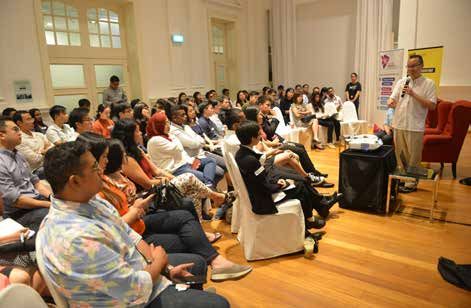
Contents

4
DEAR YOUNG
            Minister's Message   14       Narratives of Success

                                 WE ARE REDEFINING
SINGAPOREANS                     OUR OWN VERSIONS
                                 OF SUCCESS

6           Executive Summary

THIS IS OUR TIME
                                 23           Lifelong Learning

                                 WE ARE CHANGING
                                 COURSE AND
                                 LEARNING
                                 DIFFERENTLY

                                 27
                                 WE ARE REWIRING
                                                 Mental Health

                                 MINDSETS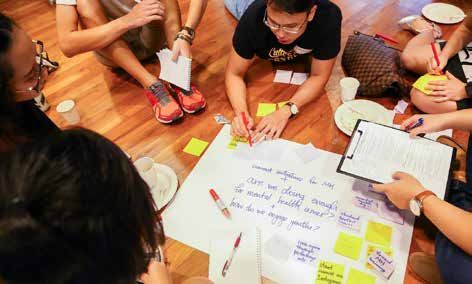
32
WE ARE CALLING
              Race & Religion     45    Environmental Sustainability

                                  WE ARE TRASHING
OUT RACISM FOR                    OUR OLD WAYS
WHAT IT IS

36
WE BELIEVE THAT
               Social Equality    49
                                  WE WANT TO SHAPE
                                                        Geopolitics

EQUALITY IS NOT A                 THE FUTURE OF THE
LUXURY                            REGION

41           Social Inclusivity

WE ARE REMOVING
                                  53
                                  VOICES THAT
                                                    Youth Message

THE INVISIBLE                     MATTER
CLOAK

                                  55
                                  YOU ARE MORE
                                                NYC Opportunities
MINISTER’S MESSAGE

              Dear Young
              Singaporeans
                     a message from Grace Fu

                      GENERATION ME OR GENERATION
                      WE?

                      Society is often quick to pin labels on you,
                      our youths—the “Strawberry Generation”,
                      “Generation Me” and more. They claim
                      that you bruise easily, are not able to face
                      challenges and feel deeply self-entitled.

                      I disagree with these labels.

                      I believe that you are a great force for
                      positive change. While you may think and
                      operate differently from the previous gen-
                      erations, I know that you care very much
                      about our society. I have seen how you
                      have brought valuable perspectives, fresh
                      ideas and solutions to the many challeng-
                      es we as Singaporeans face. I have also
                      seen many of you step up and take the
                      lead to effect change in our community.
                      With your passion and sense of purpose,
                      I believe we can shape a brighter future
                      for Singapore, together.

                                                                  4
MINISTER’S MESSAGE

                                          Turn Conversation Into Action
                                          Conversations must yield opportu-
                                          nities for collaboration and action.
                                          Many of you have already done so
Your Voice Matters                        by forming new communities, and
My Ministry and the National Youth        together, translating some of the
Council started the Youth Conver-         ideas into collaborative action. I am
sations in response to your desire        glad to see some of you stepping up
to be heard, to be empowered and          to create positive and tangible im-
to have a greater stake in our future.    pact. I hope more of you can similar-
The Youth Conversations provides          ly step up, take action in areas you
you with a safe space for dialogue        are passionate about, and support
and sharing of diverse views, based       one another’s efforts. The National
on mutual respect, an openness            Youth Council is ready to support
to listen and the desire to under-        you by providing access to infor-
stand one another better. Since April     mation, networks and the necessary
2018, as many as 8,000 of you, from       resources. We will also be creating
all walks of life, came forward to        access for our youth leaders to part-
share your views with other youth         ner directly with agencies on policy
and policy makers. You engaged            issues that matter to them.
in meaningful discourse with fellow
youths and the government about           Later this year, we will be launching
the challenges you and other citi-        the SGYouth Action Plan, which en-
zens face as a nation.                    capsulates your views, dreams, and
                                          aspirations for Singapore, from what
I trust that those of you who partic-     you have shared through the Youth
ipated walked away with broader           Conversations and other platforms.
perspectives and an understanding         We will work together with you to
of national issues. This is crucial for   translate your feedback into policy
us to have a shared vision of how         changes, and support you to lead
we want to progress as individuals,       initiatives in areas that you and oth-
a society and a nation.                   er young Singaporeans care about.

The conversations should also             Every single action, no matter big
reach out to more of our young            or small, counts. Lead your own
people, with more diverse back-           conversations and catalyse actions
grounds. Look out for the Digital         with your friends to bring about the
Youth Conversations that will be          change you want to see. Be ambi-
launched later in 2019. This will give    tious, not only for your own aspi-
you more opportunities to partici-        rations, but also for the collective
pate and expand your networks with        good of our nation. I am confident
other online communities.                 that you will rise up to the challenge.

                                          Yours,

                                          Grace Fu
                                          Minister for Culture, Community and Youth
                                          Chairperson, National Youth Council

                                                                                      5
THIS IS
OUR TIME
Our times are not easy. As young Singaporeans living in the
21st century, our world is changing very quickly around us.
Every day in the news, there are new technological disrup-
tions, new shifts in global powers, new pandemics, new
trends, new threats—the list is never-ending.

                                                              6
EXECUTIVE SUMMARY

It wasn’t that long ago that the world   This time is messy, but it is ours.
seemed united around the promise
of borderless trade and travel. To-      Today, 42% of the world population
day, globalisation has produced its      is under 25 years of age. Here in
winners and losers. World leaders        Singapore, every one in four per-
have won elections by riding the         sons is under 35 years of age, num-
waves of nationalism and populism,       bering over 1 million. We are the
driven by populations increasingly       future Singapore, so we have to
weary of being overlooked. As a          build on foundations laid by those
result, the walls between nations        before us, and continue to adapt
                                                                                  YOUTH IN SINGAPORE¹
are getting taller. And can we talk      and create the rules that we will
about climate change? We don’t           hold on to as a people. We have to          Resident Population:
need to be scientists to see how out     chart the path ahead, the dreams                  3.994M
of whack the weather has become.         we want to chase and the home we
                                         will build together.
In the short span of a few years,
we’ve seen our home change dra-          We aren’t doing this from scratch.         Youth:
matically. There are new housing         Compared to young people living            1.055M
estates, new MRT lines, new build-       in other parts of the world, we are
ings, and new schools created from       fortunate to have an effective sys-
shrinking cohorts. This quickening       tem, good education, accessible
pace comes with escalating expec-        healthcare and above all, peace.
tations. Do well in school but don’t
stop there, lifelong learning is the     Life in Singapore is good and we
way to go. Don’t stick to traditional    can make it even better.
courses, go for a broad-based ed-

                                                                                1 million
ucation. But focus on the growth
sectors, which also keep changing,
mind you. Get an overseas stint
but come back. And please have                                                   There are over 1 miilion youth
children, two or more if you can.                                              residing in Singapore, making up
                                                                               approximately 1/4 of our resident
                                                                                           population.

                                                                               Youth is defined as persons aged

                                                                                 15 to 35
                                                                                       years old

                                                                                                                   7
EXECUTIVE SUMMARY

YOUTH HAVE A STRONG SENSE              There are great opportunities for
 OF PURPOSE AND PLAY AN                connection and action like never
  ACTIVE ROLE IN SOCIETY               before. With a few clicks, we can
                                       reach out to like-minded people,
                                       and we can start a movement and
                                       hear the voices of many more re-
                                       sounding back.
                                                                                      > 5,000
     9 in 10
consider helping the less fortunate
                                       A video of a turtle with a straw up
                                       its nostril can change how we live
                                       our daily lives. A 26-year-old can tell
                                                                                 of us participated in online polls,
                                                                                 contributing some 3,000 state-
  and contributing to society as       world leaders at a United Nations         ments casting close to 140,000
      important life goals²            climate summit that they aren’t do-       votes on topics of discussion that
                                       ing enough. Singapore youth are           mattered to us—aspirations for
                                       indeed ready, and are taking action.      young people, doing more for the
                                                                                 environment, building an inclusive
                                       We have what it takes to be ex-           society, mental health, and geo-
                                       traordinary. We lead the world in         politics.
                                       Math and Science scores, we top
                                       Asia in employment, education and

       2 in 5
                                       entrepreneurship mobility, and our
                                       people are passionate about mak-
                                       ing a difference.
    youth (aged 15—24) have
   volunteered in the past year³
                                       We can bridge that gap between                         Close to

                                                                                         3,000
                                       hope and reality. And that is why
                                       we came together for the Youth
                                       Conversations in 2018—a platform
                                       that allows for us to speak up on         of us joined 30 Youth Conversations
                                       what we believe in, deliberate with       on these topics, diving into issues
            more than                  one another, and to partner poli-         and listening to voices and per-

       3 in 5
                                       cy-makers to create solutions on          spectives that we never considered.
                                       issues that we care about.
youth have participated in at least
                                       In all of these sessions, we heard
one civic activity in the past year4
                                       from youth who were different from
                                       us, with different life stories and
                                       experiences. We heard from youth
                                       outside the room, through digital
  From April to June 2018, youth       tools that brought in diverse views
 voted on statements provided by       and perspectives. And we were
  one another, in response to the      heard by experts and policymak-
             question                  ers who wanted to know what we
                                       thought.
 “AS A YOUTH IN SINGAPORE,
 WHAT ARE YOU CONCERNED
         ABOUT?”5

    Here is what we voted for:

 Inclusivity
 Pathways to Success
 Active Citizenry
 Environment & Sustainability
 Governance & Politics
 Education & Learning
 Jobs & Economy
 Cost of Living
 Mental Health
 Marriage & Parenthood

                                                                                                                   8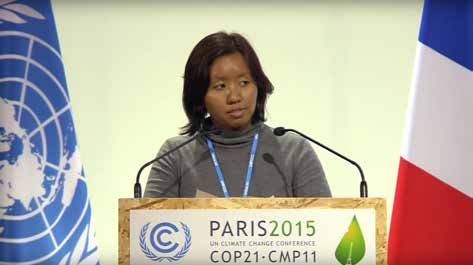
EXECUTIVE SUMMARY

                                                              “How should we define
                                                              Success?”
OUR ASPIRATIONS AND CONCERNS
                                                              Our journey uncovered the com-
                                                              plexity of success, particularly the
                                                              difference between how society
During our conversations, we shared how our aspirations       defines success, and how we see
are different from our parents, and how we are discovering    it. For many of us, nowhere is this
                                                              tension more keenly felt as when
different pathways for ourselves in life, while balancing     our parents tell us what they expect
                                                              of us. For most of us, success is
family and societal expectations and practical needs.         being able to chase our dreams, to
                                                              grow and discover ourselves in the
We’re fuelled by our curiosity and passion as we learn, and   journey toward our goals whether
want to forge our success stories on our terms, without       we reach them or not, and finding
                                                              happiness in the experiences of life.
letting stress overwhelm us.                                  It is our hope that Singapore will
                                                              encourage new dreams, different
                                                              pathways and provide support to
“One of the first things we did was the                       help us achieve them.

values board, where we tied a string                          “When was the last time you
                                                              learnt something new?”
between opposing values. The idea is that
                                                              Learning does not stop after school.
there is no one definition of success                         We shared similar views on the im-
                                                              portance of learning, particularly
that you might have as an individu-                           with the fast pace of change today.
                                                              Given our commitments to work,
al. It’s more of how your values inter-                       family and friends, learning is often
                                                              the last thing on our minds. When
play and there are different tensions                         we do decide to commit the time
                                                              and money, it’s a tough choice be-
that exist. I think one good example is                       tween professional upgrading for
                                                              career advancement and a person-
work-life balance—do you want to spend                        al interest that we are passionate
                                                              about.
more time at work, or with family and
                                                              But for something so personal, the
friends, or doing things that you like?"                      onus falls on us to take charge of
                                                              our own path and at our own pace.
—Pay Leon Khee, participant at the Youth Conversation         Society can play a part by providing
 on Narratives of Success                                     the resources, networks, and sup-
                                                              port for us to tap on when we find
                                                              the right circumstances.

                                                              “What should we do to address
                                                              mental health in Singapore?”

                                                              The stress of juggling our dreams
                                                              and life’s demands can take a toll on
                                                              our mental health. The proportion of
                                                              people who have experienced a
                                                              mental disorder has increased over
                                                              the past few years, with depression
                                                              emerging as the most common.
                                                              We brainstormed about what more
                                                              could be done for mental health in
                                                              Singapore—whether it’s putting out
                                                              more positive stories of persons in
                                                              recovery, having public figures
                                                                                                 9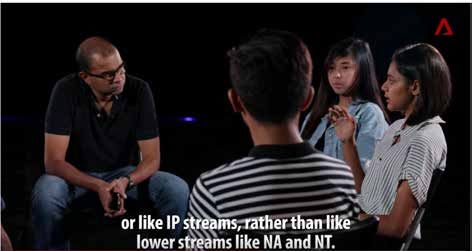
EXECUTIVE SUMMARY

talk openly about mental health,
or broadening education among
young people and their parents.
The stigma of an invisible ailment
makes it so much more difficult for
sufferers to seek help.

The Conversations led to action.
Two of us came together to start
The SOAR Initiative (School of Abili-
ty and Recovery), that aims to foster
mental wellness and reduce stigma
in the community through educa-
tion. Many of our peers who par-
ticipated have also stepped up to
form a resource panel for the Health
Promotion Board, giving feedback
on their publicity, programmes and
collaterals for mental health. Youth
Corps Singapore has also strength-
ened education and equipping for
youth volunteers passionate to
make a difference in this area. There
are so many possible avenues to
make difference if we choose to
step up and stand in the gap!

                                        “During the youth convo, we were very thankful for
                                        a safe space created for the participants. Because
                                        of that, the youth felt safe to share their personal
                                        struggles with mental health. It was very encouraging
                                        to see our youth rising up and having courage to share
                                        their personal struggles and lend their trust and sup-
                                        port to fellow peers who are facing similar problems.“
                                        — Cho Ming Xiu, participant at the Youth Conversation on Mental Health.
                                         Together with his friends, Ming Xiu started Campus PSY—a mental health
                                         literacy training programme aimed at equipping youths to better support
                                         their peers with mental health issues.

                                                                                                              10
EXECUTIVE SUMMARY
TOWARDS A MORE INCLUSIVE
SOCIETY “I think there are no real one-off solu-
tions. Education as a long-term approach
We want to build an inclusive Singapore, is key, so it is important to continue to
with space and love for those who are
organise such events where students and
different. Across class, age, race, religion,
youth of different backgrounds can
and where we come from, Singapore must
come and interact, to really understand
be big enough for all of us to belong. We
understand that it won’t be easy. But we each other’s experiences, which can open
care, and see what others might not— up new perspectives on these issues.”
the casual racism of a “joke”; the uneven —Sujandren Alaghimanvalan, participant at the Youth
Conversation on Race and Religion
opportunities enjoyed by different people
in society; and invisible people whom we
might conveniently forget.
“What should we do about “Is life fair?” “How can we show migrant
racism?” workers in Singapore that we
Our Conversations touched on how value them?”
Together we reflected on how inequality and exclusion can cut
common casual racism can be, across many labels, because all of Our dream of an inclusive Singapore
and how often it goes unacknowl- us have multiple identities—race, extends to the invisible workers in
edged. We struggled with what we religion, gender, sexual orienta- our midst. The Youth Conversation
should do in those situations and tion, choice of career, or disability. on Migrant Workers was a learning
challenged each other to be cou- Too often, we talk about inequality journey for us to the ‘homes’ of
rageous against the status quo. We when we are really asking for fair- the migrant workers at the Tuas
reaffirmed the importance of honest ness. And fairness and inclusion are View dormitory, hosted by migrant
conversations so we can build a ideals that we strive towards even worker ambassadors. This was fol-
deeper appreciation for our diver- if it will never be perfect. But that lowed by a panel discussion with
sity. Not everyone had a personal doesn’t mean we should accept the representatives comprising policy
experience of racism or discrimina- status quo. There is room for us to makers and authorities.
tion, but everyone made an effort to make a difference, as did Clarence
understand how it mattered. Ching, who started Access, a pro- Among the participants, many of
gramme that focuses on tackling us were already working with mi-
education inequality in Singapore grant workers in our school or vol-
through providing greater equal- unteering in projects. We asked
ity of opportunities, mentorships candid questions on the adequacy
and apprenticeships for students. of housing regulations and paths
Whether we start by looking at our to resolve employment disputes.
own mindsets and attitudes, or our We wrestled with the trade-offs and
institutions and policies, what mat- implications to what had seemed
ters is that we start. Through our like straightforward tweaks to em-
actions, we can build the future we ployment legislation. We left with a
want to live in. better understanding of the issue
and a deeper conviction that as
youth, we can do more to help the
invisible workers among us.
11EXECUTIVE SUMMARY
OUR PLACE IN THE WORLD “What can we do to fight
Climate Change?”
We came together over two Youth
For many of us, the threat of climate Conversations on Climate Action
and Zero Waste. While we all came
change is a growing concern. We are to the conversation with different
increasingly dedicating ourselves to sus- starting points, with some of us
leading local sustainability efforts,
tainability efforts, and we see advocacy and others just starting to think
about these issues, we all agreed
gaining momentum. While we understand that we needed to do more to bring
Singapore towards becoming a
that environmental sustainability might zero-waste nation.
not be at the top of everyone’s minds, we We may have strong views on fight-
want to challenge our society to do better, ing climate change, but through the
process of dialogue, we also rec-
to create a more sustainable environment ognised that sustainable practic-
es to reduce waste must consider
for everyone and for future generations. other perspectives. Take banning
straws for example—we can and
must step up our efforts to reduce
usage of plastic straws, but this
must not come at the cost of oth-
er’s needs, such as people with
disabilities. We walked away from
these conversations with a stronger
conviction to do more in our daily
lives, be it learning how to recycle
right, or starting conversations with
our family and friends.
“What is Singapore’s place
within ASEAN?”
The insightful discussion opened
our eyes to the inter-dependence
among ASEAN member states and
the considerations behind our for-
eign policy. Most of us gained a
broad understanding of Singapore’s
position within the region and that
made us think about how we can
be Singapore’s ambassadors in our
circles and professional networks.
This topic held special significance
because of Singapore’s Chairman-
ship of ASEAN in 2018.
12EXECUTIVE SUMMARY
FROM CONVERSATION TO ACTION
What did we make of all these Youth Conversa-
tions? As we listened deeply to each other and
connected on the issues that matter to us, three
key insights about us youth emerged: We want Singapore, our little Red Dot,
to continue to be exceptional, and help
3 KEY POINTS EMERGED FROM THE 2018 shape a world that is even better than to-
YOUTH CONVERSATIONS
day's. We want to inspire our children and
1. Youth are not apathetic
They want to find out more, about many issues our children’s children to achieve more.
that concern them. They want to hear from policy
makers about what was really going on behind
the scenes, about the dilemmas, trade-offs and This report charts our journey through
other considerations. Among the participants,
more than four in five were new to the National the Youth Conversations. It describes the
Youth Council, keen to expand their perspectives.
After the conversations, 79% indicated they had hopes and ideas of young people stepping
up to make a difference in our own way.
a better understanding of issues that Singapore
faces.
But we can only do so much by ourselves.
2. Youth want to make a difference
In fact, some are already initiating action on the We need to partner with the rest of Singa-
ground across issues and causes. But there are
many more youths who aspire to make a differ- pore as we find our way forward.
ence, but who may lack the awareness, oppor-
tunities, resources and networks.
3. Youth want to be engaged through different This is our time.
And we claim it.
modes, reflecting their diversity and versatility
Not all need to engage in deep face-to-face con-
versations to gain an appreciation of the issues
that matter to them, or to contribute. Many more
youths participated digitally through social media
and online polls. Time is a precious resource.
YOUTH CONVERSATIONS GAVE
PARTICIPANTS OPPORTUNITIES TO HEAR
AND APPRECIATE NEW PERSPECTIVES
86% 87%
were more aware of were more
other citizens’ views appreciative of what
and perspectives, they had in common
which might be differ- with others
ent from their own
13WE ARE
REDEFINING
OUR OWN VERSIONS OF
SUCCESS
14NARRATIVES OF SUCCESS
WE NEED A NEW WAY OF LOOKING AT SUCCESS TOP 10 LIFE GOALS THAT ARE
VERY IMPORTANT TO YOUTH
AND FAILURE, TO SUPPORT THE DIVERSITY OF OUR
The 2016 National Youth Survey
ASPIRATIONS. HELP US DREAM BIGGER. showed that while careers are im-
portant to youths, it was secondary
to learning and acquiring new skills.
Earning lots of money surprisingly
came in 5 th in the list. Youth also
WE ARE REDEFINING SUCCESS value helping the less fortunate and
being able to contribute to society.
It wasn’t so long ago that your proudest moment was Home ownership 70%
Strong family relationships 70%
seeing us stand up and take our first steps. How we Learn/acquire new skills 62%
made you smile when we called you ‘Ma’ and ‘Pa’ for Successful career 59%
Earn lots of money 46%
the first time. We see the milestones you lovingly laid Help less fortunate 41%
out for us: doing well in school, finding a girlfriend or Contribute to society 40%
Get married 36%
boyfriend, getting a degree, landing a good job, getting Have children 35%
Good religious life 31%
married, and having kids. We know that you want the best
for us. You mean so much to us, and how you see our
choices shapes how we see ourselves and our narratives
of success.
We appreciate you and others journeying alongside us
as mentors and friends—to advise, support and even WHAT YOUTH VALUE
challenge us in our pursuits. However, we also ask that These findings were similarly re-
you take the time to understand how complex our world flected in a series of online polls
on the topic of success for the
has become, and that you give us space to define what Youth Conversations. Over 500
respondents defined success as
success means for ourselves. broader than getting good grades,
traditional jobs and financial sta-
bility. Instead, youths strive for
non-conventional goals, such as
personal development, caring for
their well-being and seeking out
purposeful experiences.
15NARRATIVES OF SUCCESS
“When it came to domains of suc-
cess defined by us, most of us
chose personal factors like family,
finance, spirituality and emotional
well-being. On the other hand, do-
mains of success defined by society
tend to be more objective-driven,
such as career and studies […] I
found myself relating with stories
about the dilemma of choosing
courses in school or carving own
“What I shared about was real- This Is What Success career paths, all while balancing ex-
ly how to align both passion and Means To Us pectations from family and friends.”
purpose. With passion being what
makes you happy, brings you joy, In a 3-part series that took place
and purpose being how you can over 5 sessions and 7 months, we
contribute to others and to the wid- explored what success means to —Jocelynna Seah,
er community with the things that us. Here are the key takeaways Youth Conversation participant
you are passionate about.” from our conversations.
—Jared Kong, an in-house lawyer 1. Success is more multi-dimen- “I used to think there shouldn’t be a
and part-time DJ, on how he sional than what it used to be. tension between any of the worlds,
brought together his passion with and that I should only choose one of
a rewarding career There is a difference in how we see those worlds. In this session, I had
society defines success and what to think about what would be the
we believe success should be. We best of these two tensions. When
think that society values success I thought about it, I realised I’ve
in the domains of studies, career, already been doing that in my life,
finance, family and having a place like juggling and balancing between
of our own. But as youth, we also these two worlds. It made me real-
place great value on personal learn- ise that I shouldn’t be so adamant
ing and growth, freedom, passion, about just choosing one world. It
meaning and emotional well-be- really gave me this objective view
ing. And for society as a whole, of my life.”
we would be successful if we are
compassionate, kind and caring.
We are pragmatic, and we know —Ng Sze Min,
money is important to fulfil basic Youth Conversation participant
“I grew up in a typical family, where needs. We have families to support
I’d come home with a 92% and my and bills to pay. But what we also
parents would ask, what happened seek is a broader definition of suc-
to the other 8%? I was at the height cess and more diverse pathways
of my career at 22, and yet, I real- to get there. Our pathways and
ised I was unfulfilled, still looking for choices may appear at times com-
that missing 8%. I thought passion peting and contradictory, but what
meant I had to suffer for my craft, we learn and experience within the
but now I realised that passion has journey is just as important as the
to graduate to compassion, a con- destination.
nection to something larger than
yourself.” That is why many of us live in the
complexity of having to navigate
—Inch Chua, a singer-songwriter the tensions in life. We are aware of
on how she took a break at the the need to responsibly fulfil prac-
height of her career to rediscover tical needs; at the same time, we
a balance of pursuing passion want to live for more. While this
and self-exploration. path is not easy, we believe that
we can determine our successes
and create the meaningful lives that
we desire.
16NARRATIVES OF SUCCESS
HOW WE THINK SOCIETY VIEWS SUCCESS, AND HOW WE VIEW
SUCCESS
Top 3 Domains of Success Top 3 Domains of Success
According to Society According to Youth
Our views on societal definitions of Our goals, however, are much
success focus on these few more varied:
domains:
• Career/Work • Emotional well-being
• Finance/Money • Personal learning/growth Clement Tan, a participant who had
• Studies • Family a conversation with his parents
• Family • Finance/Money after the Youth Conversations
• House/Belongings • Spirituality
“I think my parents and I realised
there are differences between our
expectations of how I should lead
my life. While my mom made her
choices based on what she thought
was ‘natural’ or ‘best for my fu-
ture’, I believe that these implicit
narratives of ‘natural’ and ‘best’ are
based on some sort of social norm
of her generation.
2. Believe in us. On hindsight, although I realised
that the intention of what she did
We are grateful for our families. was for my own good, I would
Nothing beats having your love and have preferred that the execution
support. We know you want the of what she did was more tactful. As
best for us, and it is not easy to let a young kid and now a young adult,
us do something different, new or it may still be hard to discern the in-
uncertain. Allow us to take owner- tentions of the giving party from the
ship of our choices, and have the sentiments of the receiving party.
space to discover and learn. It’s
okay to let us fall; we will pick our- I think this is what may be causing
selves up and find our way in life, the tension between parents and
as you did too. youth now. For example, parents
say, ‘you must get good grades’.
At our conversations, many of us And then, the child feels his worth is
voiced our desire to be able to de- only tied to the grades. But implicit
fine, for ourselves, what success in that statement is the nuanced un-
means. We believe we can chart derstanding that our society, espe-
our own paths and create oppor- cially government institutions, use
tunities. grades as the meritocratic leveller
to determine who gets the job and
During our conversations, we also who doesn’t, which in turn deter-
heard from others who found a mines who gets a stable income
balance between pursuing their and ultimately, lives a ‘more com-
dreams and meeting the expecta- fortable’ life.
tions placed on them. They shared
about difficult conversations they Maybe it’s the silent concession
had with their parents about their of the parent to the realities of an
tensions. It reminded us that having institution that has and is still fo-
such open communication with our cused on grades. Or maybe it’s the
own parents is important and deep- generic Asian mentality of having a
ly empowering. measurable medium of comparison
between two things.”
17NARRATIVES OF SUCCESS
WHAT IF YOU COULD TELL YOUR PARENT YOUR INNER FEARS?
We penned letters to our parents on what we didn’t
dare to say.
3. In redefining success, we
should also redefine failure.
We want to redefine and be more
accepting of failure, but still it’s
tough to not worry about failing.
We are also pragmatic and see that
conditions out there can be com-
petitive and sometimes unforgiving.
Also, we might have to strive harder
than before for the same goals. But
that’s life and we can accept it.
As we try to redefine the notion of
failure for ourselves, we’ll need to
deal with the stigma around not
being good enough and the fear of
being judged if we make a misstep.
In Singapore where standards are
high, expectations can be daunting.
But failing is naturally part of grow-
ing and learning, and we know
these anxieties can hold us back
from reaching our full potential. Yet,
overcoming these anxieties is easi-
er said than done, and it would help
if society can progressively shift its
perspective of failure as necessary
growth experiences.
We recognise that it will take cour-
age to forge our own paths, and
to persevere in the face of circum-
stances. Hearing the stories of
fellow youth who have overcome
failure gives us hope and inspires us
to take charge of our own journeys.
We want to be brave and open in
the face of unknowns, to explore
opportunities and possibilities, to
overcome our self-doubt, and to
see failures as opportunities to-
wards success. We see in each oth-
er courage, perseverance, passion
and purpose.
18NARRATIVES OF SUCCESS
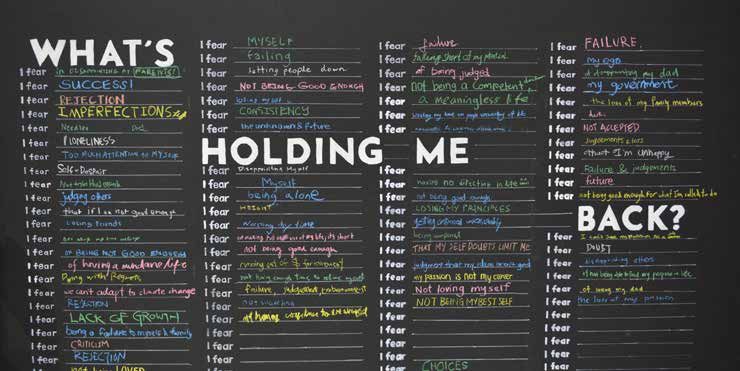
At the final Youth Conversation on Redefining Success, Together, we shared what we believed was
holding us back.
“In the booth where we expressed our
ideal successes for Singapore, pasted
were distinct goals that we would not
have considered successes a dec-
ade ago, like “empathy” and “accept-
ance” […] Indeed, the idea of success
encompassing the achievement of
certain career ideals was challenged 4. As a society, we want to be
by the sheer variety of hopes and more inclusive, compassionate
dreams that participants had, even and kind.
those beyond the workplace […] If
such discussions can lead us toward Redefining success is not an indi-
“I’ve faced quite a number of re- a society that is more accepting of dif- vidual pursuit. Our personal suc-
jections and failures throughout ferent ways people think of success, cess is defined in relation to our
our 5-year journey. Courage and perhaps thoughts of successes and friends, family and society. In the
perseverance are often not loud failures may be less distressing and final conversation, we saw that our
and dramatic—they are often quiet burdensome, especially to youth like individual life choices determine
and made up of many small steps myself who do not know much about the nature of our society. And so,
that shows a firm resolution to keep what we want to achieve just yet.” standing at the nexus of the pres-
trying.” ent and the future, we want to live
a life with a larger purpose and to
—Jumaiyah Mahathir, co-founder be able to make a difference in our
of Halalfoodhunt community.
—Grace Neo,
Jumaiyah was one of the resource Youth Conversation participant We hope for a Singapore that val-
persons who shared with partici- ues and appreciates our different
pants how her team kept their chins perspectives, skills and talents. In
up despite their challenges. Despite one of the group activities in our
rejections by investors and many conversations, nearly 7 in 10 of us
setbacks, Halalfoodhunt is now an expressed a wish for Singapore to
established halal food directory in be more inclusive, kind and com-
Singapore. passionate—a broader narrative of
success.
19NARRATIVES OF SUCCESS
OUR REFLECTIONS AND HOPES FOR OURSELVES AND SINGAPORE
I am Chew Si Min I am Melissa
and to me, success means: and to me, success means:
being happy and caring about other Doing my best in all that I strive to
people’s happiness achieve
I care about Youth Development
I care about education and a successful Singapore should:
and a successful Singapore should:
have a more connected community
give students opportunities to explore platform to voice and/or share suc-
interests outside academics like in cess, failures, learnings and stories
theatre, arts, music, etc
I am Jun Jie
I am Abdullah and to me, success means:
and to me, success means: doing what you love no matter what
living a meaningful life, learning and others may say or how society might
experiencing as much as possible define success to be
I care about contentment I care about my loved ones
and a successful Singapore should: and a successful Singapore should:
be a place where everyone has the embrace different talents and
opportunity to do what they want aspirations regardless of background,
and be supportive of each other social status or interests
I am Clorisa
I am Jack Kong Jing Kai and to me, success means:
and to me, success means: adhering to your own goals (can be
bring out the best within ourselves passion, purpose) and being satisfied
I care about the future with your achievements
and a successful Singapore should:
be a more caring, comprehen- I care about social issues
and a successful Singapore should:
sive, inclusive, cohesive, open-heart- work hand in hand. listen, under-
ed, open-minded, and meaningfully stand and empathise with each
peaceful and harmonious society other, taking action to make impact
on disadvantaged people. Be kind.
I am Jerry I am Izzanzurin
and to me, success means: and to me, success means:
accepting and loving yourself on your making my parents proud of me and
own terms taking very good care of them when
I care about smiles
they come to old age
and a successful Singapore should: I care about the people of Singapore
and a successful Singapore should:
embrace gratitude, appreciation, and
celebration of life and people. continue doing what it means to be
successful
20NARRATIVES OF SUCCESS
5. Success is not a destination; it's a journey.
Life is a constant negotiation of opposing values and priorities. In meeting
fellow youth who came for the conversations, we’ve come to realise that we
are all at different points, moving at our own pace.
Many of us start out uncertain Some of us are standing at the
and unsure because we haven’t edge, we have some idea of what
quite figured out what we want and we want, but still we are held back
what drives us. We are quite com- by the weight of our own fears and
fortable where we are; beyond this, that of others’ expectations. We do
we haven’t yet asked ourselves the not want to disappoint ourselves or
hard question of how far we are those who love us. We are finding
willing to go and how much we are it scary to take the leap into the
prepared to risk. unknown, as we do not know if we
will find success.
Comfort At the
zone edge
“During the session, I was
surrounded by people who
have made it, and youth
like me who are searching
New growth Taking the for roads that lead to the
and new plunge
ground discovery of their passion
and purpose. It was a safe
space to explore multiple
S ome of us have made i t Some of us have chosen to
across the abyss and found our take that leap into the unknown, possibilities of our lives and
own version of success. We did not and are swimming in fear and
always know that we would make self-doubt. We’re not sure if we take small steps in the
it, but today we find ourselves, on will achieve our dreams but we are
solid ground of our own making. trying. While the fear is great, we midst of uncertainty to
But life is not all peaches and roses are committed to who we want to
once we land; having reached a be and emboldened by those who create new possibilities for
personal milestone, we keep going have succeeded before us.
on this journey, onwards to new ourselves.”
challenges, new discoveries.
—Marielle Descalsota,
Youth Conversation participant
21NARRATIVES OF SUCCESS
A youth athlete and aspiring profes-
sional sportsperson, Diane recalled
a powerful point shared at the Youth
Conversation panel discussion on
Redefining Success, Together.
“Mr Alex Soh (a life coach) said that
his idea of success is about having
Samuel Choo, happiness and health. This is mean-
Youth Conversation participant ingful for me. You can’t buy happiness
or health. Having both are more im-
At one of the Youth Conversations, portant than other forms of material
Samuel shared his experience with wealth. Doing track and field makes
fellow participants, hoping that oth- me happy, even if it is not something
ers might find strength from his that other people would consider a
story. Samuel mixed with the wrong proper career. One thing I learnt from
company during his formative years “Being constantly tired and stressed the Youth Conversation is not to let the
and was sentenced for drug abuse became the norm for me. It got to views of others decide what success
to a year in military prison during his the point that I couldn’t see any oth- means to me.”
National Service. er possibility than the reality that I
was living. Throughout my first clini-
During his time in prison, his family cal year, I felt insignificant, and often
would travel every month without stuck in the identity that I was never —Diane Hilary Pragasam,
fail from the east to the west to enough—never smart enough, never Youth Conversation participant
visit him. That was the turning point hardworking enough.
which made him realise the love his This Is Our Time; Redefine
family has for him. After a summer of intrapersonal work, Success with Us.
it made me realise that I had every
Following his release, Samuel cut choice and ability to live a life of my It’s hard not to compare in Singa-
ties with bad company and has own calling. A group of us started pore, but if we want a more inclu-
stayed drug and smoke‐free. He is Project HAY (How Are You?) after a sive and accepting society, that
currently pursuing his studies and life-changing summer that we had change starts with us. It starts with
is grateful that his family did not with a dear mentor who taught us the recognition that all of us have
give up on him and had constantly about social emotional learning. The different starting points in life, with
been supporting him to bounce 6 of us shared our personal journeys, our own paths to lead. Our collec-
back in life. and we realised that this was an issue tive choices and pathways add up
that so many of our peers were go- to the collective story of us.
To Samuel, success is about not ing through, yet no one ever speaks
letting his family and friends down about. Through the Youth Conversations
and keeping the promises he has on Success, it became clearer what
made. Through Project HAY, we hope to success means to us as a genera-
someday see our community care tion. But it takes more than us youth
for ourselves as much as we do for talking among ourselves. It would
our patients. Until then, we will still be be naive to think that the current no-
working tirelessly to see that happen. tions of success held by many in our
society can be changed overnight.
To you, I’d want to say “Have courage
dear heart”. You don’t necessarily We hope our parents and socie-
have to make a huge change, but ty will hear us. Better yet, be our
imagine the few people whose lives friends and mentors. Jour ney
you’ve changed for the better just with us as we redefine and push
because you did what you did.” the boundaries of what it means
to be successful for ourselves
and Singapore.
—Mak Wei Zhi, This is our time, come redefine
Youth Conversation participant success with us.
22WE ARE
CHANGING
COURSE AND
LEARNING
DIFFERENTLY
23LIFELONG LEARNING
WE CAN FIND THE JOY OF LEARNING IF WE TAKE
CHARGE OF HOW WE LEARN.
WE ARE RETHINKING LEARNING
We spend over a decade sitting for tests and exams,
being told that we need to do well in school to do well in
life. When we finally graduate from school and step out
into the working world, it feels like yes, now is when our
lives can finally begin.
Reality kicks in when the job hunt begins. Suddenly, all
those years of formal education seem barely sufficient to
score us an interview. Things are moving so quickly these
days that what we learnt in school might be outdated by
the time we graduate. New skills are emerging as quickly
as old ones become obsolete. When we land a job, we
are told that we need to upgrade to stay relevant, because
if we don’t, we will get left behind.
DO YOU THINK WHAT YOU ARE
LEARNING/HAVE LEARNT IN
SCHOOL IS PREPARING YOU
Every year, salary guides tell us also reflected in a Youth.SG poll in
WELL FOR THE WORKFORCE?
which professions are the most April 2018. Among 376 respond-
Unsure/Disagree that learn- promising, and every year, the ents, 7 in 10 agree that learning
ing helps to prepare for the pecking order changes. We would prepares us for the future.
workforce love to know what the future skills
that we need are, so that we can The same poll also highlighted our
Agree that learning helps to get there in due time, but no one fears regarding the relevance of our
prepare for the workforce has such prescience. And so, we formal education. 7 in 10 were either
can only try our best to keep learn- unsure or disagreed that learning in
ing, whether through short courses, school had sufficiently prepared us
part-time studies or from mentors for entry into the workforce. This
at work. It’s our best bet against an underscores our attitudes towards
uncertain future. learning, particularly young working
adults among us who have gradu-
31% We Are Gear ing u p for an ated from the structured education
Unknown Future system and entered the workplace.
69% Among the top life goals for youth,
‘Acquiring new skills and knowl-
edge’ comes in 3rd after ‘Having a
place of our own’ and ‘Maintaining
strong family relationships’. Our
strong emphasis on learning was
24LIFELONG LEARNING
Across two Youth Conversations on Challenge 2: We can’t decide Challenge 3: We don’t know
Lifelong Learning sessions in 2018, if we should prioritise learning it all
we came together to discuss the something useful or something
challenges we face and to brain- that we enjoy Much as we don’t like admitting it,
storm ideas on how we might better we don’t know everything in our
support young working adults. For some of us, formal certification professed areas of expertise. And
is a fundamental part of our on- it takes a certain kind of maturi-
Challenge 1: We don’t have going professional development, ty to acknowledge weaknesses; it
enough time or energy and a necessary step for career demands vulnerability that some of
progression. For the rest of us with us may yet not be brave enough to
Holding down a full time job can career paths that are more varied, admit. Our fear or misplaced pride
drain the life out of us. At the end of the multitude of options makes it can stand in the way of learning
a work day, we barely have enough difficult to choose what to pursue. new things.
time or energy for much else. No one knows what skills might be
Learning is often reduced to short needed four years from now, so
news articles or nuggets of interest- what we think might be our next “[Let] yourself know that
ing facts that we scroll through on career break might just be irrelevant
our mobile phones. Anything more by the time we are done. it is okay to fail, that
than that becomes a serious com-
mitment that we have to carefully Conversely, we need to decide if you can learn through
consider. picking up something that we enjoy
might have a bigger return on our failures… embracing the
With little time or energy, learning mental wellbeing, even if it may not
often becomes a chore. Those who improve our earning ability. With fact that you are not
pursued part-time degrees talked limited time and energy, negotiating
about the personal discipline they learning priorities is a challenge. good enough, that you need
had to exercise and sacrifices they
had to make in order to pursue their "We are advancing so fast to learn new things, and
learning. On bad days, it’s easy to
do just enough to get by. as a society. I guess what have the ability to move
we need to do is to grab forward from it.”
“I’d succumbed to being
hold of every opportunity —Youth Conversation participant
nothing more than anoth-
to learn. For example, I
er drone reading emails,
work as a pharmacist
checking for social media
and part of my job is to
updates, and perusing me-
dispense medicine accu-
dia releases.”
rately. Now with tech-
—Rice Media article, ‘“Why Do I
Feel Dumber As I Grow Older?” nology, this process is being
Said Every Singaporean Ever’6
automated in order to
minimise error. Instead of
learning how to dispense
medicine, I need to learn
how to operate such ma-
chinery."
—Nirmal Bhai,
Youth Conversation participant
25LIFELONG LEARNING
9 in 10 We Are Rediscovering the Joy
of Learning
Respondents preferred to learn
Equipping ourselves with new
through non-traditional approaches
where they attend courses relevant 1. Learning is a journey learning approaches and mind-
to their personal interests, learn from We engage in introspective reflec- sets will support us better in our
their peers, engage in online learn- tion, make sense of our experienc- learning journey. Through the Youth
ing platforms, or have a personal es and struggles, and draw insights Conversations, it became clear that
mentor. for ourselves. It is through this jour- while competition motivates many
ney that we grow and understand of us to learn, this anxiety is tiring
Compared to learning through tra- ourselves. and counter-productive. We want to
ditional approaches such as in a rediscover our love for learning by
classroom setting, new learning for-
taking charge of our own learning
mats allow us to set our own pace
and style of learning, and are hence journey, whether through new sub-
more engaging and authentic. jects, skills or formats.
Beyond tangible programmes, we
2. Learning feeds our passions are embracing different mind-sets
WHAT DOES LEARNING MEAN We pursue our interests and do towards learning. From our group
TO YOU? not limit ourselves to what is con- discussions at the Youth Conver-
ventional. sations, we came to realise that the
joyful learning mind-sets we have
Learning through are expressed in these different
non-traditional approaches ways.
21% Attending any course out of We Never Stop Learning
passion/personal interest
This new mind-set is in truth quite
21% Listening to other people share old. Henry Ford said that “Anyone
their life stories/experience who stops learning is old, wheth-
er at 20 or 80”. There’s a similar
13% Reading online (lifestyle, 3. Learning is part of everyday Malay saying—“Pelajar Sepanjang
entertainment content, fiction life Hayat”—which means “student for
books, etc) We see learning as a cornerstone a lifetime”. Both maxims are quoted
of our lives, and not just the class- often, probably because they hold
13% Having a personal mentor room. It is part of all our interac- a grain of truth.
tions with others and the things we
12% Watching documentaries observe. Learning is evidence of an aspir-
ing young mind, one that is never
10% Reading online (news, research satisfied with his or her lot in life.
papers, etc) There are undoubtedly challenges
in pursuing lifelong learning, but we
can overcome them. We will expand
the possibilities open to us in an
Learning through uncertain world with the seeds of a
traditional approaches joyful learning mind-set, paired with
the blessing of divine discontent
10% Attending courses to obtain 4. Learning is driven by that drives us to always do better.
professional work-related purpose
certification We assess the usefulness and rel-
evance of the knowledge we gain
by how it helps us keep pace with
changes and circumvent challenges
in the world. More importantly, we
learn best when we have a sense
of purpose for what that knowledge
is for and how it can make a posi-
tive impact on the world and those
around us.
26WE ARE
REWIRING
MINDSETS
27MENTAL HEALTH
WE WANT TO TALK OPENLY ABOUT MENTAL HEALTH
—IT’S OKAY TO BE DIFFERENT AND IT’S OKAY TO
SEEK HELP.
STRESS IS PART OF OUR LIVES
“In working with patients
Our challenges are manifold. We stress about our studies, suffering from mental
stress about our relationships, stress about money, stress illness, we found that so-
about work, stress about our future, and stress about our cial stigma is a major
health. In a vicious cycle, this stress in turn affects our block for them, in getting
health. There’s just no running away from stress. So, we back to their previous
deal with it in the best way we know. We share our prob-
lives, and being accepted.
lems with our family and friends, on social media, and we
Even though they had sig-
get by. But sometimes, when it gets a bit too much, our
mental health takes a hit. nificantly recovered from
their mental illnesses, they
The National Youth Survey 2016 The Singapore Mental Health Study
found that youth experience similar 2016 also found that depression is were still not accepted
stressors across our life stages, the most common mental disorder,
with top three stressors remaining with 1 in 16 people suffering from it back into their homes.”
the same across the 2013 and 2016 at least once in their lives.
study. —Team M.U.S.E.
The same study also found that the
According to the Singapore Mental proportion of people suffering from
Health Study 2016, the proportion mental disorders not seeking help
of people who have experienced a remains high, with more than 3 in 4
mental disorder has increased from people suffering in silence.
1 in 8 to 1 in 7 over recent years.7
YOUTH ARE STRESSED OVER THE FUTURE AND THEIR
RESPONSIBILITIES8
Rating from 1—Not at all stressful, to 5—Extremely stressful
Mean Scores for Stressors
2013 2016
Team M.U.S.E from Youth Corps
3.46
3.46
3.43
5—Extremely stressful
3.36
Singapore filmed a social exper-
3.22
3.3
3.13
3.23
3.07
3.04
iment video inviting passers-by
along Orchard Road to reach out
to someone suffering from schizo-
phrenia with a simple act of giving
1—Not at all stressful a high five. The short video gives a
A B C D E glimpse of the stigma that people
suffering from schizophrenia face,
A Future Uncertainty
B
and the compassion in all of us.
Studies
C Emerging Adult Responsibilities
D Health of Family Member
E Finances
28MENTAL HEALTH
The Issue Is Stigma MORE SUPPORT, MORE AWARENESS, MORE INCLUSIVITY
A 2018 survey by the National
Council of Social Service found that
6 in 10 people have a misconcep-
tion that mental health conditions
are caused by a lack of self-disci-
pline and willpower. Furthermore, 5
in 10 people indicated that they are A poll conducted with 170 youths They also felt that more could be
unwilling to live with, live nearby or on mental health issues found that done to increase awareness on
work with a person with a mental the majority feel that more sup- mental health issues, destigmatise
health condition.9 port is needed for young people in mental health, and create a more
schools and workplaces inclusive society
It doesn’t have to be this way.
We want those of us suffering from
Disagree (%) Agree (%)
mental disorders to know that it is
okay, and that they will be support-
Words like ‘crazy’ come to my
ed. Living with a mental disorder is 74% mind when I hear the term ‘mental 26%
already so difficult, and it shouldn’t illness’.
be tougher than it already is.
Being able to talk about mental
0% issues is important.
100%
Fighting the stigma starts with edu-
cation to help youth and the people We should be inclusive of those
around us understand what mental 0% with mental health issues. 100%
disorders are. And because mental
disorders are invisible, we will teach There should be greater publicity
0% on the mental health resources 100%
Singaporeans to be more compas-
that are currently available.
sionate towards others who are
different. There should be more mental well-
1% ness group activities for young peo- 99%
ple in schools or in the workplace.
Workplaces in Singapore need to
"I think it's very impor- support those with mental health
0% problems, instead of discriminating 100%
tant to question our own against or stigmatising them.
biases, insecurities and
fears, because these are
the underlying factors in
mental health stigma-
tisation. When we have
that awareness with-
in ourselves, it would be
easier for us to recog-
nise how and what we
want to contribute."
—Nawira Baig, mental health
advocate
29MENTAL HEALTH
TOGETHER, WE ARE CALLING FOR SINGAPORE TO
TAKE ACTION ON MENTAL HEALTH.
1. Let’s use social media campaigns to spread awareness
about the issue and learn how to support our friends in their
times of need.
2. Let’s put out more positive stories
and show how sufferers have recovered to lead fulfilling
lives.
3. Let’s rebrand mental health terminology
to be more positive.
4. Let’s humanise the issue and encourage sufferers
to step out of the shame to seek treatment.
5. Let’s care for the caregivers,
who support sufferers through their journey.
Put the Positive Word Out in their video also uncovered the “It was heart-warming to
inherent compassion in Singapo-
Over the years, there has been in- reans. see everyone very open to
creased attention on mental disor-
ders. In 2016, the #Howru campaign Through the Youth Conversation the concept and to see
saw celebrities showing their sup- on Mental Health, the insights
port for World Suicide Prevention and ideas were shared with rele- people come up to give
Week by wearing a black plaster vant government agencies includ-
on their inner wrists. In 2018, Chan- ing the Health Promotion Board a high five. Even though
nel NewsAsia Insider produced a (HPB) Mental Health and Strate-
4-part documentary series on de- gic Planning team, the Agency for there was a low num-
pression, drawing attention to how Integrated Care (AIC) Community
it affects students, working adults, Mental Health Division, the National ber of high fives in the
women, and the elderly. Council of Social Service (NCSS)
Youth Alliance Team, and the Public beginning, there was still
In the Youth Conversation on Men- Service Division’s Moments of Life
tal Health, close to 50 passionate Families Programme Office. acceptance from peo-
students, volunteers, mental health
professionals and working profes- Many of these participants have ple for who they are.”
sionals came together to share also stepped up to form a panel
what more could be done for mental of resource persons for the Health —Eddie Chan, Team M.U.S.E
health in Singapore. Promotion Board to provide feed-
back for HPB’s programmes and
We Care About Mental Health collaterals, share insights about
mental health-related issues among
Among us, there are many who care young people, and raise awareness
passionately about changing things of HPB’s initiatives in their own net-
for the better. works.
Through their social experiment vid-
eo, the members of Team M.U.S.E
met volunteers who wanted to be a
part of their project, and challenge
the stigma against schizophrenia.
The honest responses of strangers
30MENTAL HEALTH
Through this Youth Conversation, other agencies like NCSS and AIC, “I also think it’s very im-
Ying Ying, 32, and Geraldine, 27, they’ve also lent support to youth
came together to start a project groups like Campus Psy and Hush portant to bring mental
called The SOAR Initiative (School Teabar.
of Ability and Recovery), that aims health literacy to school.
to foster mental wellness and re- As the closing event for the Men-
duce stigma in the community tal Health Awareness Singapore We have physical educa-
through education. They reached Learning Series in 2018, Campus
out to more people to join them and Psy organised “Stay Woke Youth tion, and I think we should
more than 20 people from all walks Fest” in the National University of
of life responded to their open call. Singapore to get students to learn also have mental health
Starting in January 2019, they are more about mental health.
running a series of workshops titled education in schools.
“Slowing Down” to help partici- Campus Psy has also joined forces
pants learn how to take care of their with 8 other organisations to collec- They go hand in hand.”
mental health. tively design solutions to address
mental health issues among chil- —Nawira Baig, mental health
dren and youth, with the support of advocate
the Singapore Tote Board.
“I think that education, honest conver-
sations and meaningful interactions
with persons in recovery will really We Can Fight the Stigma
make a difference in breaking down “I felt that there is progress in terms
that ‘us’ versus ‘them’ barrier to sort of youths and young adults coming Stress will always be in our lives.
of level the playing field for different forward to talk about mental health Our struggles today may not be
stakeholders in the community. issues. There is more awareness for basic needs like those of our
and more advocacy done in terms grandparents’ generation, but they
The response to SOAR’s workshops of events, or even dialogues like the are challenging nonetheless. While
has been quite good, people turned Youth Conversations on mental health life in Singapore is fast-paced and
up, and they gave good feedback by NYC and Youth Corp. which is a demanding, it doesn’t have to be at
about the content of the workshop, good sign, because a few years back, the expense of our mental health.
and the quality of the trainers, so I there weren’t such open discussions
think that’s quite heartening for me, or open dialogues on mental health Now, we need everyone to sup-
knowing that there is so much support issues; people weren’t talking about port us in spreading the word and
from the ground.” it, it’s like a taboo topic. Even now, fighting the stigma. Help us make
there’s still prevalent stigma. But you a difference.
realise, youth and young adults are
more forthcoming because they see
a lot of campaigns going on, like for
—Lee Ying Ying, co-founder of the example, the recent beyond the label
SOAR Initiative campaign by NCSS.”
Championing Mental Health
Also happening in 2019 is a series —Cho Ming Xiu, co-founder of
of film screenings by Sherman Ho Campus PSY
from the Happiness Initiative. Sup-
ported by the National Youth Fund,
the “Happiness Film Festival” is a
series of film screenings and Q&A
sessions that aim to make it easier
to talk openly about personal strug-
gles with mental health.
With more of us stepping up to
champion mental health, Youth
Corps Singapore has also strength-
ened education to equip youth
volunteers passionate to make a
Photo credit: Youth.SG
difference in this area. Along with
31You can also read


