TOOLS FÜR DAS MANAGEMENT VON FORSCHUNGSDATEN - GFZpublic
←
→
Page content transcription
If your browser does not render page correctly, please read the page content below
TOOLS FÜR DAS
  MANAGEMENT VON
 FORSCHUNGSDATEN
Workshop „Wege in die Köpfe“ des DFG-Projekts „EWIG -
    Entwicklung von Workflowkomponenten für die
   Langzeitarchivierung von Forschungsdaten in den
                  Geowissenschaften“

                 Berlin, 03.07.2014

 Heinz Pampel, Deutsches GeoForschungsZentrum GFZ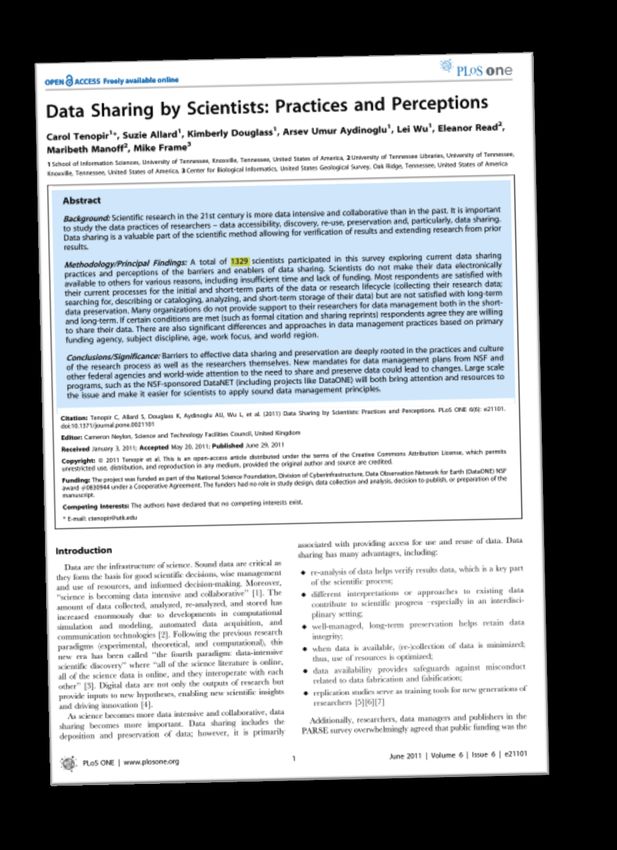
TOOLS – EINE AUSWAHL
Tools zur Analyse
       von
Forschungsdaten
                    MATLAB   R-Pakete   GRASS GIS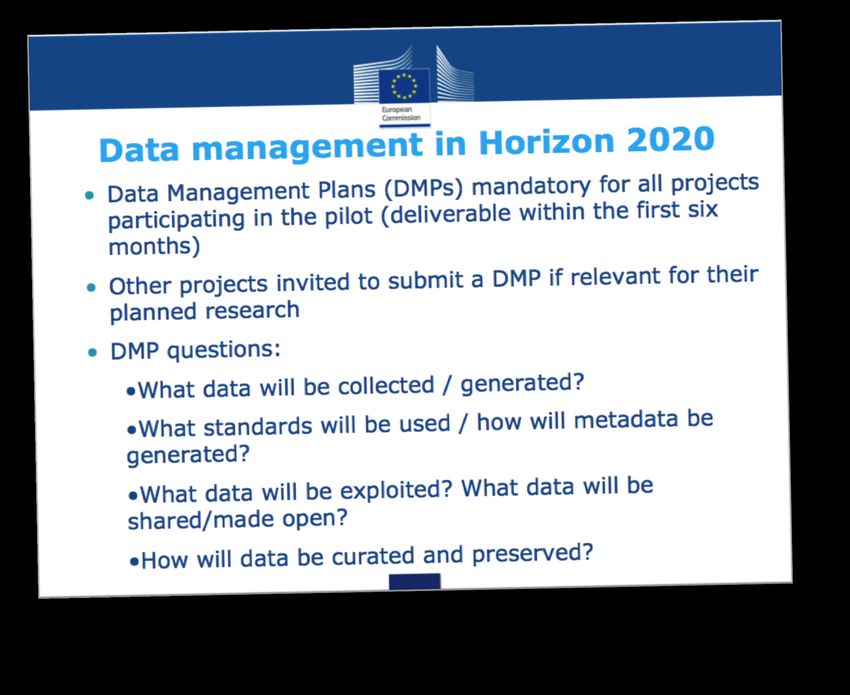
TOOLS – EINE AUSWAHL
Tools zur Analyse
       von
Forschungsdaten
                    MATLAB   R-Pakete   GRASS GIS

   Tools zum
 Austausch von
    „Daten“
                                         FileZilla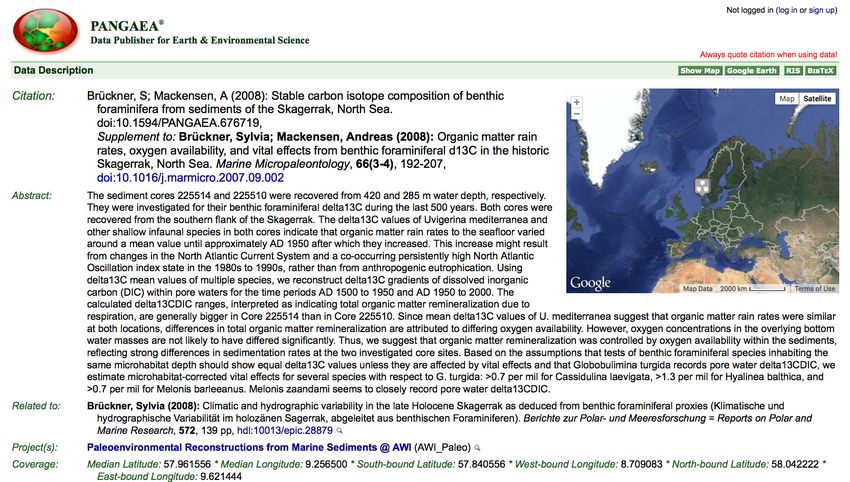
TOOLS – EINE AUSWAHL
Tools zur Analyse
       von
Forschungsdaten
                    MATLAB   R-Pakete   GRASS GIS

   Tools zum
 Austausch von
    „Daten“
                                         FileZilla

   Tools zum
Management von
Forschungsdaten
                                        LabArchives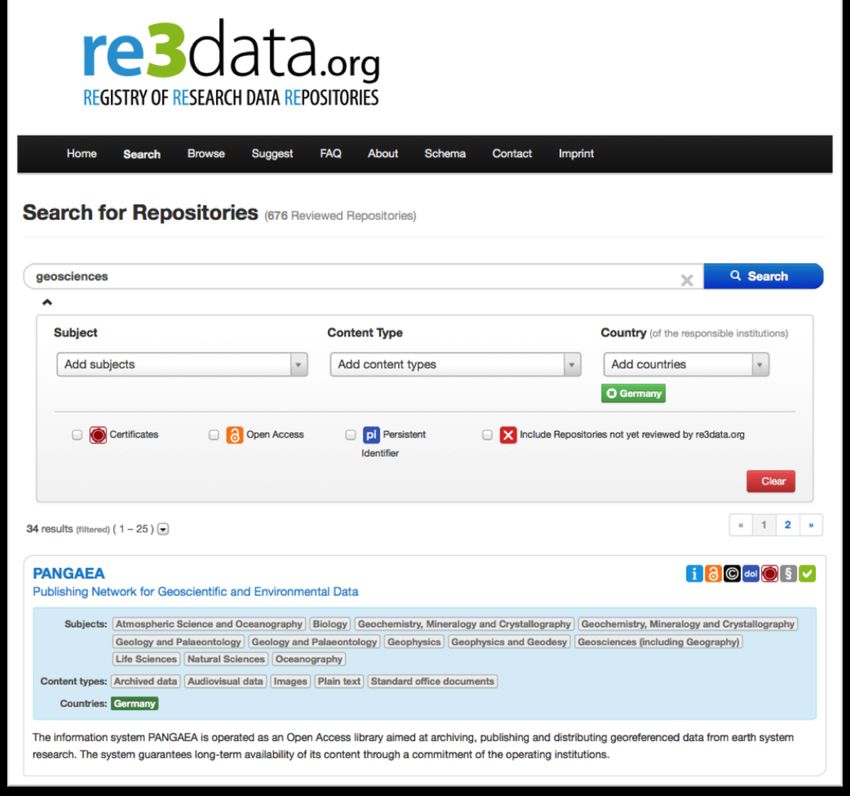
TOOLS – EINE AUSWAHL
Tools zur Analyse
       von
Forschungsdaten
                     MATLAB   R-Pakete   GRASS GIS

   Tools zum
 Austausch von
    „Daten“
                                          FileZilla

   Tools zum
Management von
Forschungsdaten
                                         LabArchives

     Tools zur
   dauerhaften
Zugänglichkeit von
 Forschungsdaten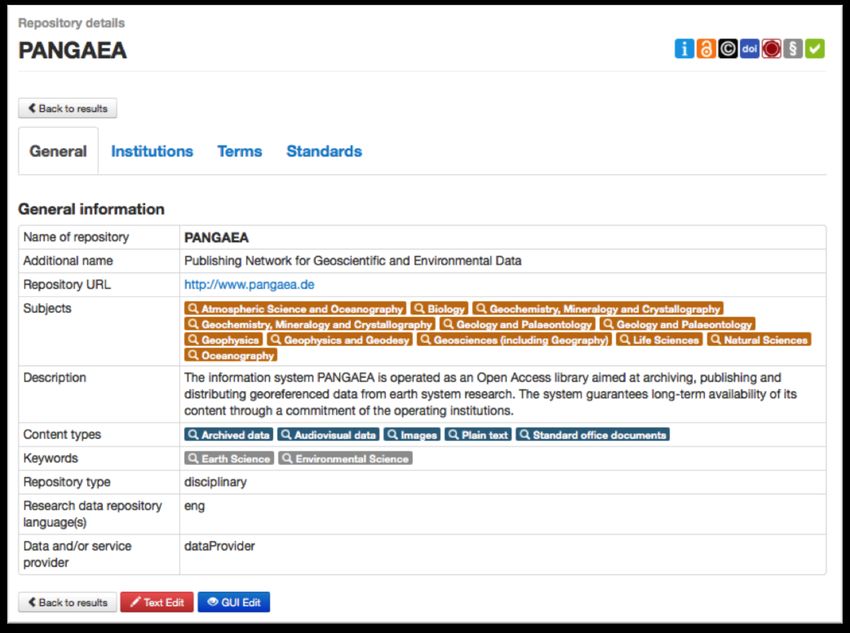
TOOLS – EINE AUSWAHL

  Klump, J., & Bertelmann, R. (2013). D 8 Forschungsdaten. In R. Kuhlen, W. Semar, & D. Strauch
  (Eds.), Grundlagen der praktischen Information und Dokumentation. Berlin: De Gruyter Saur.
  doi:10.1515/9783110258264.575
INFRASTRUKTUR ALS ANREIZ
• „Building a sound infrastructure for data sharing,
  preservation, and use is a challenge, but is in some
  ways easier than changing a culture.“

• „The leading reasons were insufficient time and lack
  of funding.“

• „These are difficult to solve, but systems that make it
  quick and easy to share data without cost may help.“

         Tenopir, C. et al. (2011). Data Sharing by Scientists: Practices and
         Perceptions. PLoS ONE, 6(6), e21101. doi:10.1371/journal.pone.0021101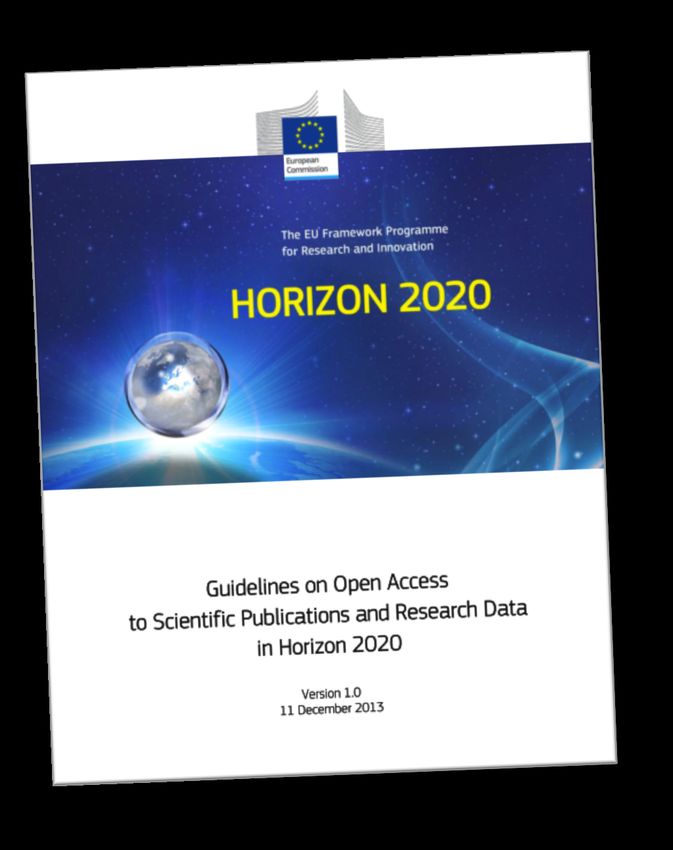
INFRASTRUKTUR ALS ANREIZ
• „Building a sound infrastructure for data sharing,
  preservation, and use is a challenge, but is in some
  ways easier than changing a culture.“

• „The leading reasons were insufficient time and lack
  of funding.“

• „These are difficult to solve, but systems that make it
  quick and easy to share data without cost may help.“

         Tenopir, C. et al. (2011). Data Sharing by Scientists: Practices and
         Perceptions. PLoS ONE, 6(6), e21101. doi:10.1371/journal.pone.0021101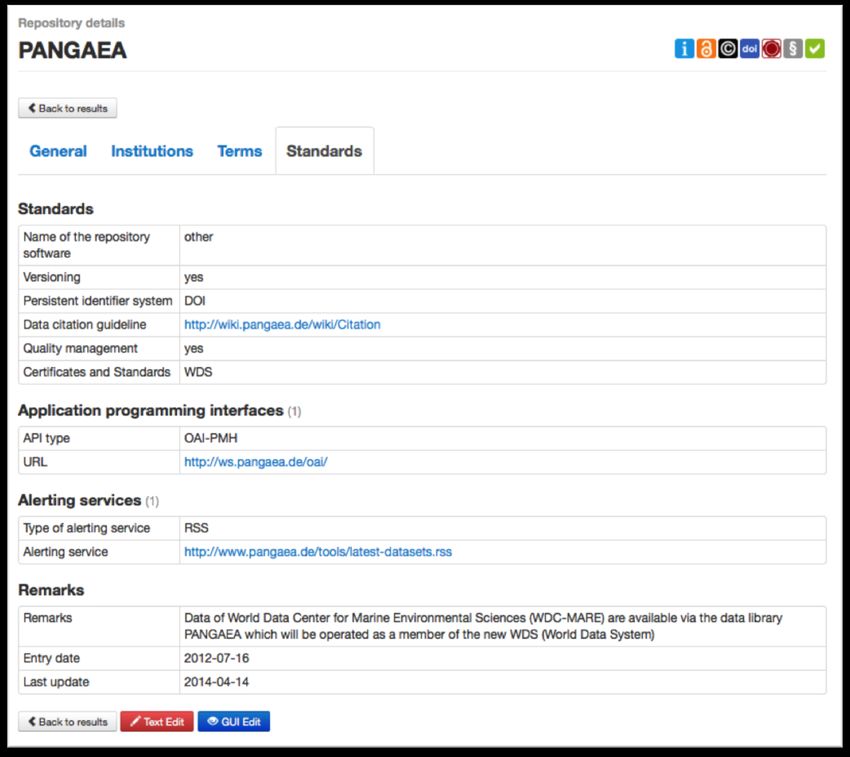
INFRASTRUKTUR ALS ANREIZ
• „A key finding is that incentives for data sharing have to
  be developed. These have to be linked to the academic
  incentive system as well as to the research assessment
  schemes.“
• „The technical barriers to share data have to be reduced
  by simplifying data sharing workflows.“
• „Several stakeholders, from publishers or data centres
  to funders have to be involved in this process to
  address researchers’ hesitation to manage their data
  and make them available.“
         Dallmeier-Tiessen, S.; et al. (2012): D6.1 Summary of the Studies,
         Thematic Publications and Recommendations. Retrieved from doi.org/
         10.5281/zenodo.8305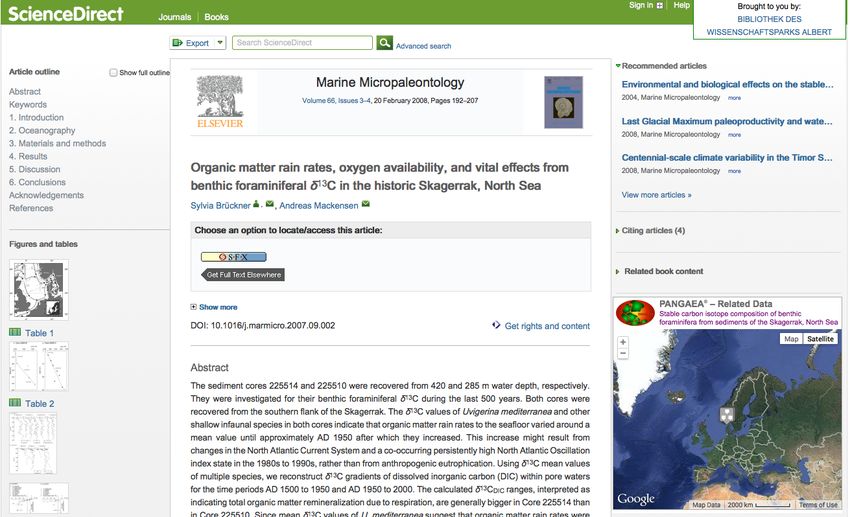
INFRASTRUKTUR ALS ANREIZ
• „A key finding is that incentives for data sharing have to
  be developed. These have to be linked to the academic
  incentive system as well as to the research assessment
  schemes.“
• „The technical barriers to share data have to be reduced
  by simplifying data sharing workflows.“
• „Several stakeholders, from publishers or data centres
  to funders have to be involved in this process to
  address researchers’ hesitation to manage their data
  and make them available.“
         Dallmeier-Tiessen, S.; et al. (2012): D6.1 Summary of the Studies,
         Thematic Publications and Recommendations. Retrieved from doi.org/
         10.5281/zenodo.8305
RAHMENBEDINGUNGEN
Grafik: re3data.orgRAHMENBEDINGUNGEN
Grafik: re3data.orgRAHMENBEDINGUNGEN
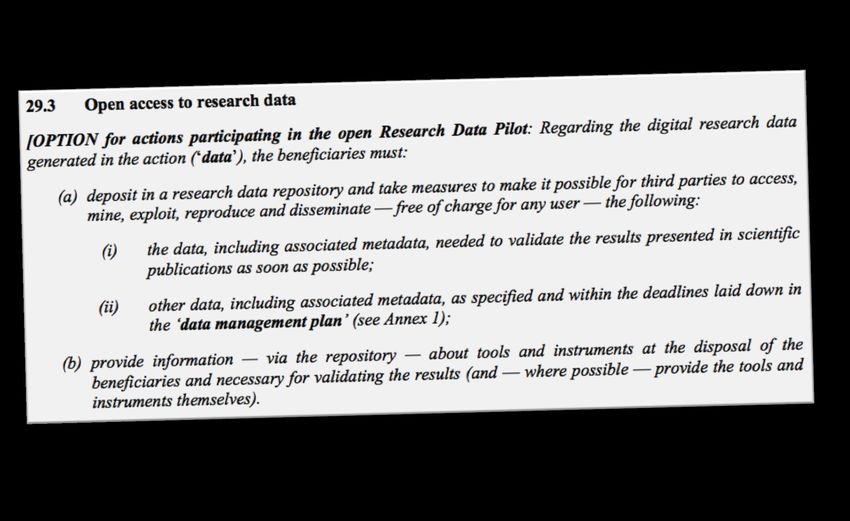
• Data Policies von Förderorganisationen
• Europäische Kommission: HORIZON 2020
Horizon 2020 Annotated Model Grant Agreements. Version 1.6. 2 May 2014. Retrieved
from http://ec.europa.eu/research/participants/data/ref/h2020/grants_manual/amga/
h2020-amga_en.pdfRAHMENBEDINGUNGEN
• Data Policies von Förderorganisationen
• Europäische Kommission: HORIZON 2020
Spichtinger, D & Ramjoué, C. (2014): Open Access and the Open Research Data Pilot
in H2020. EC Seminar. Retrieved from http://ec.europa.eu/information_society/
newsroom/cf/dae/document.cfm?action=display&doc_id=4602RAHMENBEDINGUNGEN • Data Policies von Journals • Beispiel PLOS ONE
PLOS ONE
Verlagsplattform

 Öffentliches
 Repositorium

   Sonstiges
re3data.org
                                                       •    Projektpartner:
                                                             •   Deutsches GeoForschungsZentrum
                                                                 GFZ, Bibliothek und
                                                                 Informationsdienste (LIS)

                                                             •   Humboldt-Universität zu Berlin,
                                                                 Institut für Bibliotheks- und
                                                                 Informationswissenschaft (IBI)

                                                             •   Instituts für Technologie (KIT),
                                                                 KIT-Bibliothek

                                                       •    Förderorganisation:
                                                             •   Deutsche
                                                                 Forschungsgemeinschaft

                                                             •   Phase 1:       2013-2014

                                                             •   Phase 2:       2014-2015

                                                       •    Diverse Kooperationspartner
Pampel, H. et al. (2013). Making Research Data Repositories Visible: The re3data.org
Registry. PLOS ONE, 8(11), e78080. doi:10.1371/journal.pone.0078080
re3data.org • Aufbau eines Verzeichnisses zur Beschreibung von Forschungsdaten-Repositorien • Unterstützung für Forschende, Förderorganisationen und Einrichtungen der Informationsinfrastruktur • Beitrag zur Weiterentwicklung der Forschungsdaten- Repositorien (Standardisierung und Professionalisierung) • Nationaler Beitrag zur weltweiten Diskussion über die Schaffung von offenen Forschungsdaten-Infrastrukturen
re3data.org
•   Version 1.0 (2012)
     •   Resultat einer Bestandsaufnahme

     •   http://doi.org/10.2312/re3.001

•   Version 2.0 (2012)

     •   Ergebnis einer öffentlichen Konsultation

     •   http://doi.org/10.2312/re3.002

     •   http://www.re3data.org/schema/2-0/

•   Version 2.1 (2013)

     •   Zusammenarbeit mit Kooperationspartnern

     •   http://doi.org/10.2312/re3.004

     •   http://www.re3data.org/schema/2-1/

•   Neue Version in Arbeit (2014)                   Vierkant, P., et al. (2013). Schema for the Description of Research
                                                    Data Repositories. Version 2.1. doi:10.2312/re3.004
re3data.org
simple
search box
filters
icons
resultsre3data.org
re3data.org
re3data.org
re3data.org
re3data.org
                        • Requirements
                                •      be run by a legal entity, such
                                       as a sustainable institution
                                       (e.g. library, university)
                                •      clarify access conditions to the
                                       data and repository as well as
                                       the terms of use
                                •      have an English graphical user
                                       interface (GUI)
                                •      have focus on research data

Vierkant, P., et al. (2013). Schema for the Description of Research Data
Repositories. Version 2.1. doi:10.2312/re3.004
re3data.org Vierkant, P., et al. (2013). Schema for the Description of Research Data Repositories. Version 2.1. doi:10.2312/re3.004
re3data.org

http://www.re3data.org/2014/06/wikipedia-entry-for-re3data-org/
re3data.org
• Kooperationen: Verlage
re3data.org
• Kooperationen: Verlage

              http://www.nature.com/sdata/data-policies/repositories
re3data.org
• Kooperationen: Förderorganisationen
European Commisson. (2013). Guidelines on Open
Access to Scientific Publications and Research Data in
Horizon 2020. Retrieved from http://ec.europa.eu/
research/participants/data/ref/h2020/grants_manual/
hi/oa_pilot/h2020-hi-oa-pilot-guide_en.pdfDEFINITION
• Spannungsfeld: Anspruch – Wirklichkeit
• „Research Data Infrastructures can be defined as managed
networked environments for digital research data consisting
of services and tools that support: (i) the whole research
cycle, (ii) the movement of research data across scientific
disciplines, (iii) the creation of open linked data spaces by
connecting data sets from diverse disciplines, (iv) the
management of scientific workflows, (v) the interoperation
between research data and literature and (vi) an integrated
Science Policy Framework.“
GRDI2020. (2012). GRDI2020 Final Roadmap Report. Global Research Data Infrastructures: The Big Data Challenges. Retrieved from http://
www.grdi2020.eu/Repository/FileScaricati/e2b03611-e58f-4242-946a-5b21f17d2947.pdfTYPOLOGIE
• Disziplinäre Forschungsdaten-Repositorien
• Institutionelle Forschungsdaten-Repositorien
• Projektspezifische Forschungsdaten-
Repositorien
• Multidisziplinäre Forschungsdaten-
Repositorien
• Portale, die verteile Datensammlungen
zugänglich machen
Pampel, H. et al. (2012). re3data.org: Aufbau eines Verzeichnisses von Forschungsdaten-Repositorien. Ein
Werkstattbericht. In B. Mittermaier (Ed.), Vernetztes Wissen – Daten, Menschen, Systeme. WissKom 2012
(pp. 61–73). Jülich: Verlag des Forschungszentrums Jülich. Retrieved from http://hdl.handle.net/2128/4699
Pampel, H. et al. (2013). Making Research Data Repositories Visible: The re3data.org Registry. PLOS ONE,
8(11), e78080. doi:10.1371/journal.pone.0078080HERAUSFORDERUNGEN
• „The three main challenges in developing an
ecosystem of data repositories are (1) gaps in the
present data infrastructure and (2) connectivity
issues (between the workflow of researchers and the
institutional data infrastructure and between
institutional and national data infrastructures) and
(3) long-term financial basis.“
Van der Graaf, M., & Waaijers, L. (2011). A Surfboard for Riding the Wave. Towards a four country action
programme on research data. Retrieved from http://www.knowledge-exchange.info/Admin/Public/
DWSDownload.aspx?File=/Files/Filer/downloads/Primary+Research+Data/Surfboard+for+Riding+the+Wave/
KE_Surfboard_Riding_the_Wave_Screen.pdfHERAUSFORDERUNGEN
• „Research data infrastructures must provide some
network-enabled “support services” in order to
achieve the conditions needed to facilitate effective
collaboration among spatially and institutionally
separated communities of research.“ (GRDI2020,
2012)
GRDI2020. (2012). GRDI2020 Final Roadmap Report. Global Research Data Infrastructures: The Big
Data Challenges. Retrieved from http://www.grdi2020.eu/Repository/FileScaricati/e2b03611-
e58f-4242-946a-5b21f17d2947.pdfAKZEPTANZ
• u. a. Abhängig von:
• „connectivity issues“ – Integration in den
wissenschaftlichen Arbeitsablauf
• „support services“ – Unterstützung und
MehrwertBEISPIEL: DRYAD
BEISPIEL: DRYAD
BEISPIEL: PANGAEA

Pampel, H. (2013): PANGAEA und Elsevier kooperieren. Retrieved from http://wisspub.net/
2010/01/12/pangaea-elsevier/
BEISPIEL: PANGAEA
BEISPIEL: PANGAEA
BEISPIEL: GFZ

http://dx.doi.org/10.2312/GFZ.b103-14046
BEISPIEL: GFZ

http://dx.doi.org/10.2312/GFZ.b103-14046
BEISPIEL: INSPIRE / HEP DATA

   Cranmer, K. (2013): Enabling data sharing, citation, and discovery. Retrieved from http://
   blog.inspirehep.net/2013/10/enabling-data-sharing-citation-and.html
BEISPIEL: INSPIRE / HEP DATA
INTELLIGENT OPENNESS
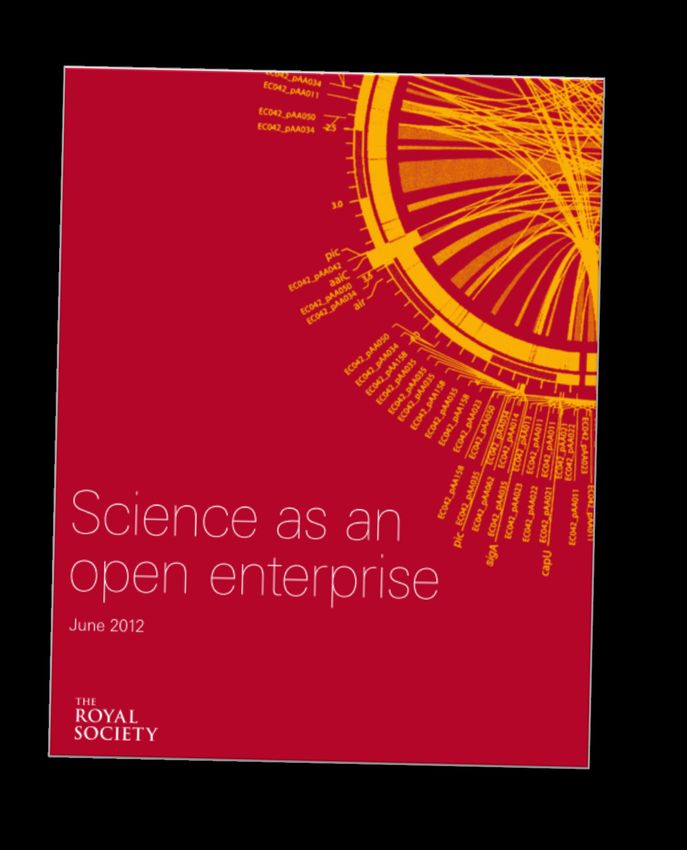
Terms            Definition

accessible       „Data must be located in such a manner that it can readily be found
                 and in a form that can be used.“
assessable       „In a state in which judgments can be made as to the data or
                 information’s reliability. Data must provide an account of the results of
                 scientific work that is intelligible to those wishing to under- stand or
                 scrutinise them. Data must therefore be differentiated for different
                 audiences.“
intelligible     „Comprehensive for those who wish to scrutinise something.
                 Audiences need to be able to make some judgment or assessment of
                 what is communicated. They will need to judge the nature of the
                 claims made. They should be able to judge the competence and
                 reliability of those making the claims. Assessability also includes the
                 disclosure of attendant factors that might influence public trust.“
useable          „In a format where others can use the data or information. Data
                 should be able to be reused, often for different purposes, and
                 therefore will require proper background information and meta- data.
                 The usability of data will also depend on those who wish to use them.“

               The Royal Society. (2012). Science as an open enterprise. The Royal Society Science Policy
               Centre report 02/12. Retrieved from http://royalsociety.org/uploadedFiles/
               Royal_Society_Content/policy/projects/sape/2012-06-20-SAOE.pdf
INTELLIGENT OPENNESS
Terms Definition
accessible „Data must be located in such a manner that it can readily be found
and in a form that can be used.“
assessable „In a state in which judgments can be made as to the data or
information’s reliability. Data must provide an account of the results of
scientific work that is intelligible to those wishing to under- stand or
scrutinise them. Data must therefore be differentiated for different
audiences.“
intelligible „Comprehensive for those who wish to scrutinise something.
Audiences need to be able to make some judgment or assessment of
what is communicated. They will need to judge the nature of the
claims made. They should be able to judge the competence and
reliability of those making the claims. Assessability also includes the
disclosure of attendant factors that might influence public trust.“
useable „In a format where others can use the data or information. Data
should be able to be reused, often for different purposes, and
therefore will require proper background information and meta- data.
The usability of data will also depend on those who wish to use them.“
The Royal Society. (2012). Science as an open enterprise. The Royal Society Science Policy
Centre report 02/12. Retrieved from http://royalsociety.org/uploadedFiles/
Royal_Society_Content/policy/projects/sape/2012-06-20-SAOE.pdfHERAUSFORDERUNG
• Beispiel: Biomedizin
Sansone, S. A, (2013). Data standards, sharing and publication in life sciences: landscape,
challenges and exemplars. ODIN first year conference. Retrieved from https://
indico.cern.ch/conferenceOtherViews.py?view=standard&confId=238868HERAUSFORDERUNG
• Beispiel: Biomedizin
Sansone, S. A, (2013). Data standards, sharing and publication in life sciences: landscape,
challenges and exemplars. ODIN first year conference. Retrieved from https://
indico.cern.ch/conferenceOtherViews.py?view=standard&confId=238868HERAUSFORDERUNG
• Beispiel: Biomedizin
Sansone, S. A, (2013). Data standards, sharing and publication in life sciences: landscape,
challenges and exemplars. ODIN first year conference. Retrieved from https://
indico.cern.ch/conferenceOtherViews.py?view=standard&confId=238868HERAUSFORDERUNG
• Beispiel: Biomedizin
Sansone, S. A, (2013). Data standards, sharing and publication in life sciences: landscape,
challenges and exemplars. ODIN first year conference. Retrieved from https://
indico.cern.ch/conferenceOtherViews.py?view=standard&confId=238868VISION Pampel, H. et al. (2014): Rolle und Perspektive von re3data.org bei der Förderung von Open Science. 103. Deutscher Bibliothekartag, Bremen, 04.06.2014. Retrieved from: http://nbn- resolving.de/urn:nbn:de:0290-opus-15741
RDA DEUTSCHLAND TREFFEN
•   Datum:   20. bis 21. November 2014
•   Ort:     Deutsches GeoForschungsZentrum GFZ
•   Infos:   http://tinyurl.com/RDAtreffen
10 PUNKTE
                                 1. Was erwarten Förderorganisationen?
                                 2. Welche Anforderungen haben
                                       Journals?
                                 3. Wie organisiere ich meine Daten?
                                 4. Wie sichere ich meine Daten?
                                 5. Soll ich meine Daten veröffentlichen?
                                 6. Welche Vorteile hat das Data Sharing?
                                 7. Welche Nachteile hat das Data
                                       Sharing?
                                 8. Wie finde ich ein Repositorium?
                                 9. Welchen Vorteil bieten Data Journals?
                                 10.Wo finde ich weitere Informationen?

Pampel, H., Neumann, J., Fenner, M., & Tullney, M. (2014). Publikation
von Forschungsdaten. In Technischen Informationsbibliothek (TIB) (Ed.),
CoScience – Gemeinsam forschen und publizieren mit dem Netz. (Version
1). Hannover. doi:10.2314/coscv1.53
DANKE FÜR DIE
AUFMERKSAMKEIT!
• Kontakt: pampel@gfz-potsdam.de
• re3data.org: http://re3data.org
• Wiki: http://forschungsdaten.org
• Mailingliste: http://tinyurl.com/datenliste
• GFZ / LIS: http://bib.telegrafenberg.de
Alle Texte dieser Präsentation, ausgenommen Zitate, sind
unter einem Creative Commons Namens-nennung 3.0
Deutschland Lizenzvertrag lizenziert. http://
creativecommons.org/licenses/by/3.0/deYou can also read


