Update on HTN and ABPM - Raj Padwal Division of General Internal Medicine University of Alberta
←
→
Page content transcription
If your browser does not render page correctly, please read the page content below

Update on HTN and ABPM

             Raj Padwal
Division of General Internal Medicine
         University of Alberta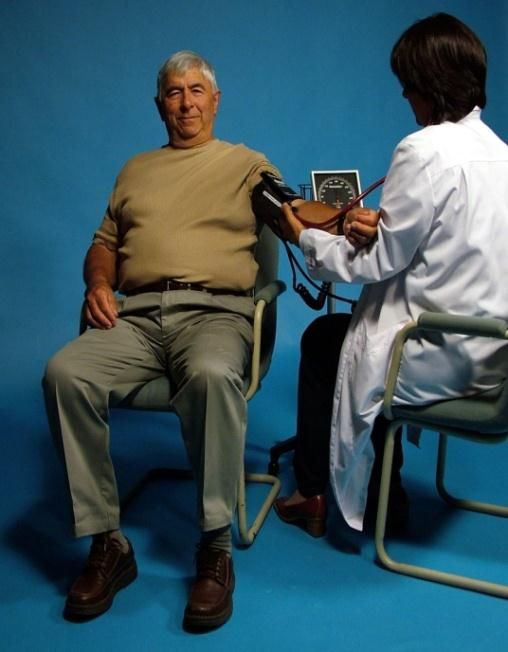
Disclosures
Funding: CIHR, AIHS, HSF, UHF

Research Collaboration: Novo Nordisk, CVRx

Consulting: Vivus, Medtronic

Speaking and other Honoraria: Abbott
Outline
1. Understand how to interpret ABPM.

2. Review the pros and cons of different
   methods to diagnose hypertension.

3. Discuss some current controversies in HTN
   management.
Epidemiology and Significance
European Society of Hypertension
                Classification of Blood Pressure

 Category                                 Systolic                    Diastolic

 Optimal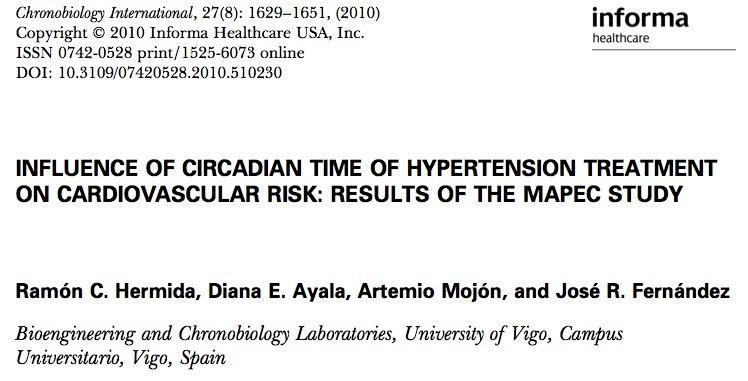
Hypertension in Canada:
Prevalence and Control
      Overall prevalence is 21%

       McAlister et al. CMAJ 2011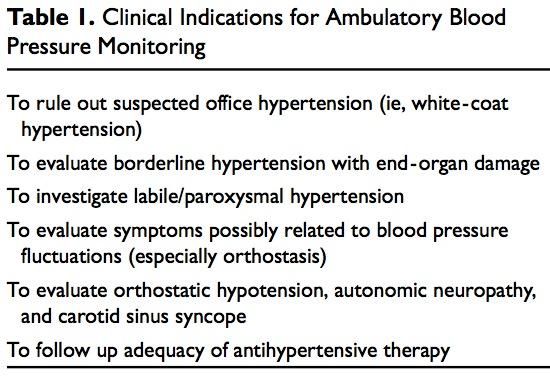
Life time risk of Hypertension in Normotensive
                  Women and Men aged 65 years

               Risk of Hypertension %                                 Risk of Hypertension %
100                                                         100

                  Women                                                   Men
80                                                          80

60                                                          60

40                                                          40

20                                                          20

 0                                                          0
      0    2     4    6   8   10   12   14   16   18   20         0   2   4    6   8   10     12   14   16   18   20

                     Years to Follow-up                                       Years to Follow-up

                                                                                            JAMA 2002: Framingham data.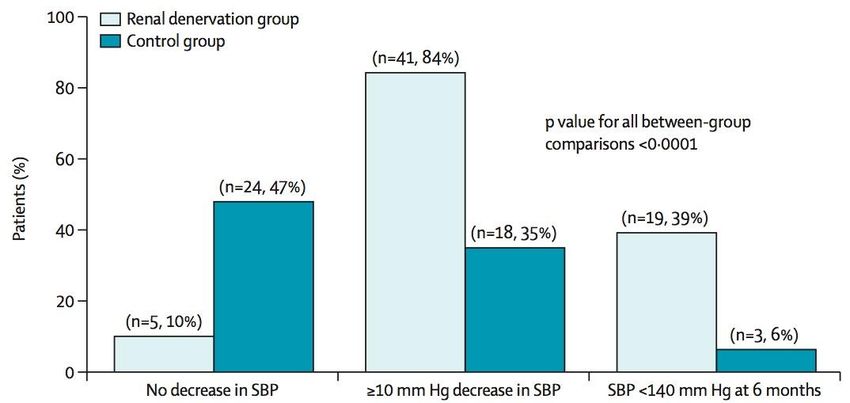
Diagnosing Hypertension
Blood Pressure Assessment:
              Patient preparation and posture

Standardized Preparation:

Patient
1. No acute anxiety, stress or pain.
2. No caffeine, smoking or nicotine in the preceding
   30 minutes.
3. No use of substances containing adrenergic
   stimulants such as phenylephrine or
   pseudoephedrine (may be present in nasal
   decongestants or ophthalmic drops).
4. Bladder and bowel comfortable.
5. No tight clothing on arm or forearm.
6. Quiet room with comfortable temperature
7. Rest for at least 5 minutes before measurement
8. Patient should stay silent prior and during the
   procedure.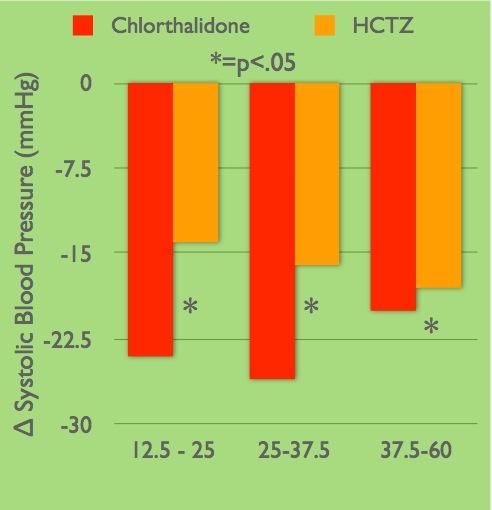
II. Criteria for the diagnosis of hypertension and
               recommendations for follow-up
                                                  BP: 140-179 / 90-109

              Clinic BP                             ABPM (If available)             Home BPM

Hypertension visit 3
>160 SBP or                Diagnosis
>100 DBP                    of HTN       Awake BP              Awake BP       < 135/85     >135/85
                                          135 SBP or
85 DBP or
               or                         24-hour                              Confirm
                                                                24-hour
                                          130 SBP or    with repeat
Hypertension visit 4-5                                          >80 DBP      Home BPM
                                                                              or ABPM
>140 SBP or                Diagnosis
>90 DBP                     of HTN
                                         Continue to           Diagnosis     Continue to   Diagnosis
                                          follow-up             of HTN        follow-up     of HTN
                           Continue to
< 140 / 90                  follow-up
                                           Patients with high normal blood pressure (clinic SBP
                                          130-139 and/or DBP 85-89) should be followed annually.
Clinic, Home, Ambulatory (ABP) Blood
Pressure Measurement Equivalence Numbers
A clinic blood pressure of 140/90 mmHg has a
similar risk of a:
Description Blood Pressure mmHg
Home pressure average 135 / 85
Daytime average ABP 135 / 85
24-hour average ABP 130 / 80ABPM Indications Chughtai and Peixoto. Hosp Phys 2003
Contraindications to ABPM
1. Not cooperative

2. Severe PVD or thrombocytopenia

3. Afib (relative): not accurate

4. Arm too big

5. Severe office HTN (≈220/120)
ABPM 1
ABPM 1
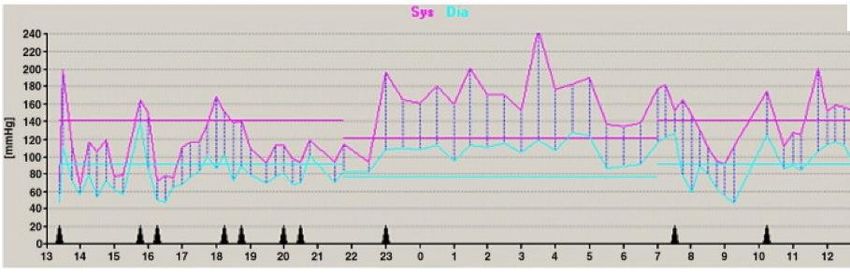
Information Provided by ABPM
1. Estimate of true overall 24 hour BP

2. Diurnal variation in BP

3. Variability in BP

4. Duration of action of drug
ABPM Normal Parameters

BP should dip by 10-20% during sleep
                 Chughtai and Peixoto. Hosp Phys 2003
ABPM 2
ABPM 2
ABPM 3
ABPM 3
ABPM 4
ABPM: Number of Readings
• Recommendation is at least 14 readings in the
  daytime (NICE Guidance).

• Minimum number is 2 per hour.

• We usually do a reading an hour at night.
ABPM 5
ABPM 5
ABPM 5

Ziemmsen. J Neurol Sci 2010
White Coat and Masked Hypertension

                            200
Home/Ambulatory SBP mmHg

                            180
                                     Masked
                                                         Hypertension
                                     Hypertension
                            160

                            140
                                                                                               135
                            120
                                    Normotension         White Coat
                                                         Hypertension
                            100
                              100      120         140    160           180            200
                                                   Office SBP mmHg

                                                                Derived from Pickering et al. Hypertension 2002: 40: 795-796
Prognosis of Masked Hypertension
Prevalence of masked hypertension is approximately 10% in the general population but is
higher in patients with diabetes
J Hypertension 2007;25:2193-98Prognostic Significance of Clinic vs.
ABPM
Dawes. BP Monit 2006Prognostic Significance of Clinic vs.
ABPM
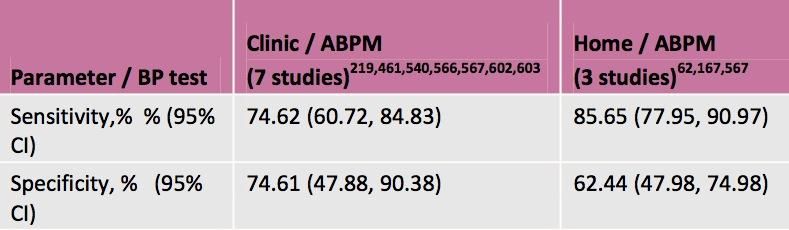
Dawes. BP Monit 2006Diagnostic Utility of BP Measures
NICE 2011 Guidance DocumentDiagnostic Utility of BP Measures
Hodgkinson. BMJ 2011Cost-Effectiveness of ABPM
Lovibond. Lancet 2011Diagnosis of Hypertension: Key
Points
• Non-automated office BP measurements are
not accurate.
• This results in inappropriate management.
• Out-of-office measurement – particularly
ABPM – should be used to confirm the
diagnosis of HTN.Bedtime Dosing of Antihypertensive Drugs
Predictive Role of Nighttime BP

         Hansen. Hypertension 2012
The MAPEC Trial
MAPEC
Hypothesis: Bedtime chronotherapy leads to better
  BP control and reduces CV endpoints.
Design: PROBE RCT
Country: Spain
Sample Size: 2156; mean age 56
Endpoints:
1. All-cause mortality and CVD events (huge
   composite endpoint)
2. 48-hour ABPM
MAPEC: Results

Baseline awake systolic ABPM was 134 mm Hg.
Baseline asleep systolic ABPM was 123 mm Hg.
MAPEC: Results
MAPEC Study: Issues
• Inconsistent numbers presented across trial
  publications. Is this truly an RCT with a
  predefined start and end? Original sample size in
  the protocol was 3344. Subsequent publication
  mentions 734 normotensive subjects – uncertain
  if they are included in the main paper.

• Most of the literature in the field comes from a
  single centre and one group of investigators.

• Huge effect size from such a small, simple
  change.
Bottom Line: Bedtime Dosing
• Practical point: relatively simple ‘intervention’

• Conversely, I don’t view the data as definitive
  yet.

• I don’t routinely do it; however, I will in
  refractory hypertension. Also, in this group, I
  often use drugs that need bedtime dosing
  (alpha blockers and some CCBs).
Choice of ‘Thiazide’ Diuretic for
              HTN

       Chlorthalidone vs. HCTZ
Pharmacologic Structure
• Chlorthalidone is often
mislabeled as ‘thiazide-
like’.
• It is a non-thiazide with a
distinct pharmacological
structure….
• ….that has similar
pharmacological action
(DCT NaCl symporter
blockade)
Kurtz. Hypertension 2012.Thiazides and Non-thiazides Thiazides Non-thiazides Hydrochlorothiazide Chlorthalidone Chlorothiazide Indapamide Methychlothiazide Metolazone Polythiazide Bendroflumethiazide
Pharmacokinetics
DRUG           ONSET        PEAK              T1/2 (h)       Duration (h)
               (h)
HCTZ           2            4-6               6-9 (single)   12 (single)
                                              8-15 (long     16-24 (long
                                              term)          term)

Chlorthalidone 2-3          2-6               40 (single)    24-48
                                              45-60 (long    (single)
                                              term)          48-72 (long
                                                             term)

                     Carter BL. Hypertension 2004;43:4-9
BP Control
• Meta-analysis of 108
HCTZ and 20
chlorthalidone studies
(n=10443)
• Comparisons are indirect,
not head-to-head
• Chlorthalidone is a more
Dose potent drug
Ernst, ME. Am J Hypertens. 2010MRFIT Trial Results
MRFIT. JAMA 1986Trial Results Trial Drug Result MRFIT Both + HDFP Chlorthalidone + ALLHAT Chlorthalidone + SHEP Chlorthalidone + Oslo BP HCTZ - MAPHY HCTZ - MRC HCTZ - Wing HCTZ - Amery HCTZ + MIDAS HCTZ + ANBP HCTZ + INSIGHT HCTZ + ACCOMPLISH HCTZ -
Diuretic Choice: Summary
• Thiazides and non-thiazides are similar and
  dissimilar properties.

• Chlorthalidone (non-thiazide) is more potent
  and can reduce BP more than HCTZ at equal
  doses.

• Non-definitive ‘hard outcome’ indirect
  comparisons: ?chlorthalidone better
Diuretic Choice: Practical
                Considerations
• Chlorthalidone: smallest dose available in Canada is 50 mg.

• Chlorthalidone: not commonly available in combos
  (atenolol only). HCTZ: many combos

• If BP controlled on HCTZ, I don’t change. If I need to
  choose a fixed dose combo with a diuretic, I use perindopril
  indapamide or a HCTZ combo ($$ and coverage considered)

• In uncontrolled refractory hypertension, I will usually use
  chlorthalidone
Treatment Target in Mild HTN
Treatment of Mild Hypertension
Treatment of Mild Hypertension
Treatment of Mild Hypertension
        Primary Prevention Subjects with Mild HTN

   Total events 77 vs 90: Nearly all from one study

          Diao et al. Cochrane Collaboration 2013
Comments on This Review
1. Essentially reflects one study (that used BB in
half the active treatment group)
2. Underpowered – study not designed to
specifically look at this subgroup.
Randomization not stratified for this subgroup.
3. The authors excluded relevant studies:
a) Non-placebo controlled studies (e.g., HDFP).
b) Didn’t have data for some studies (VA, Oslo, others)
but number of events for these would have been
smallMajor Trials Including Patients with Mild
Hypertension
Trial (n) Age Results for Primary Endpoint
BP (intervention vs. control)
MRC 35-64 Stroke events: 60 vs 109
17354 0.14 vs. 0.26 per 100 pt*y
5y 90-109 pMajor Trials Including Patients with
Mild Hypertension
Trial (n) Age Results for Primary Endpoint
BP (intervention vs. control)
HDFP 30-69 Total mortality: 231 vs. 291
7825 5.9% vs. 7.4%
90-104 stratum PHDFP Mortality RRR
HDFP. JAMA 1971Canadian Hypertension Education Program Recommendations For Initiating Drug Therapy 1. Prescribe for DBP ≥ 100 or SBP ≥ 160 (Grade A). 2. Strongly consider for DBP ≥ 90 and TOD or other CV risk factors (Grade A). 3. Strongly consider for SBP ≥ 140 and TOD (Grade C for mild HTN).
Major Trials Including Patients with Mild
                      Hypertension
Trial (n)   Age      Results for Primary Endpoint       NNT over 1 year     NNT over 10 y
            BP       (intervention vs. control)
MRC         35-64    Stroke events: 60 vs 109           4167                416
17354                0.14 vs. 0.26 per 100 pt*y
5y          90-109   p
Major Trials Including Patients with
Mild Hypertension
Trial (n) Age Results for Primary NNT over NNT over 10 y
BP Endpoint 1 year
(intervention vs. control)
HDFP 30-69 Total mortality: 231 vs. 291 333 33
subgroup 5.9% vs. 7.4%
7825 90-104 PHDFP Trial Alderman. Hypertension 1983
II. Indications for Pharmacotherapy
                   after diagnosis of hypertension (1)

• Patients at low risk with stage 1 hypertension (140-
  159/90-99 mmHg)
   – lifestyle modification can be the sole therapy.
• Patients with target organ damage (e.g. left
  ventricular hypertrophy) (140-159/90-99 mmHg)
   – Treat with pharmacotherapy
• Patients with chronic kidney disease should be
  considered for pharmacotherapy if the blood pressure
  is equal or over 140/90 mmHg
• Patients with diabetes should be considered for
  pharmacotherapy if the blood pressure is equal or
  over 140/90 mmHg
II. Indications for Pharmacotherapy
after diagnosis of hypertension (2)
• Patients with other risk factors (over 90% of Canadians
with hypertension have other risk factors) (140-159/90-
99 mmHg despite lifestyle modification)
– Treat with pharmacotherapy
• Treatment Gap Alert: Many younger hypertensive
Canadians with multiple cardiovascular risks are
currently not treated with pharmacotherapy. Health care
professionals need to be aware of this important care
gap and recommend pharmacotherapy.Treatment of Mild Hypertension: Key
Points
1. All patients should be treated with lifestyle
modification.
2. Decision to institute drug treatment should
take into account global risk.Renal Denervation
Resistant Hypertension
• Failure to achieve BP target despite treatment
  with three antihypertensive drugs (including a
  diuretic) at optimal doses.

• Prevalence is not well studied. Appears to be
  about 10-20% of hypertensive patients.

               Sarafidis. J Clin Hypertens 2011
Sympathectomy for Severe
Hypertension
Bilateral T8-L3
Sympathectomy
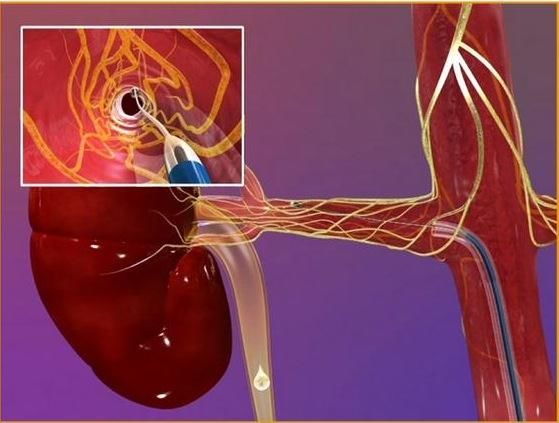
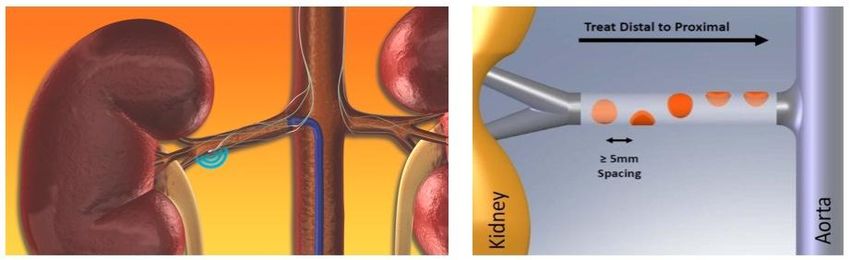
Ray BS. Ann Surg 1949Renal Sympathetic Denervation
Papademetriou et al. Int J Hypertens 2011Renal Sympathetic Denervation for Resistant
Hypertension
Source: Medtronic
73Renal Sympathetic Denervation for Resistant
Hypertension: SYMPLICITY HTN-2 RCT
6 month BP difference of 33/11
PRenal Sympathetic Denervation: Safety • Well tolerated – one femoral pseudoaneurysm was the only adverse effect. Renal function similar at end of six months. • Only half had ABPM measured; ABPM difference was 16/8 mm Hg between groups. • Irreversible nature of the procedure • Renal adverse effects? – Stenosis, dilation – Proteinuria – Renal function
Renal Sympathetic Denervation: Key Point

• An emerging procedure

• Potential to be used in a large number of
  patients

• Long-term efficacy and safety data required.
Outline
1. Understand how to interpret ABPM.

2. Review the pros and cons of different
   methods to diagnose hypertension.

3. Discuss some current controversies in HTN
   management.
You can also read


