WAIMEA COLLEGE - CHARTER 2019-2021 Incorporating 2019 Annual Plan
←
→
Page content transcription
If your browser does not render page correctly, please read the page content below
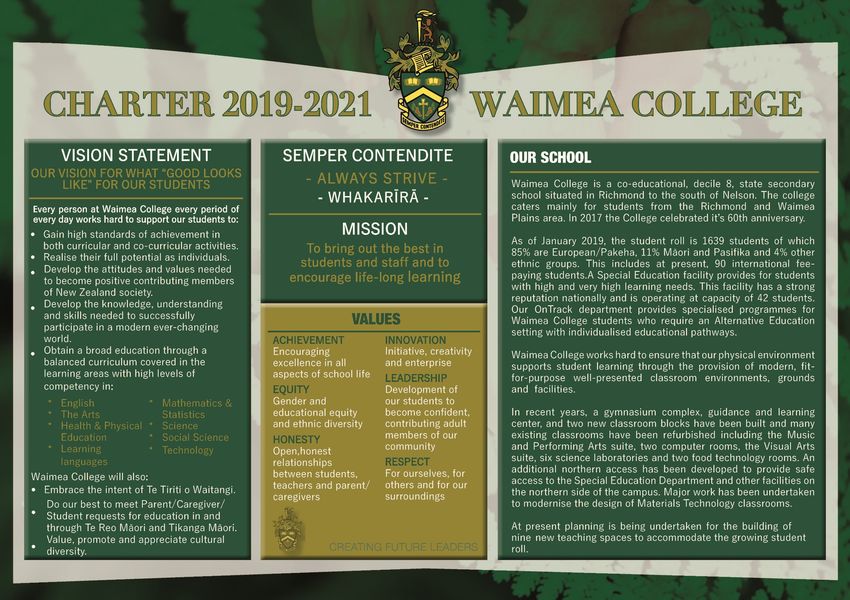
WAIMEA COLLEGE

      CHARTER 2019-2021
 Incorporating 2019 Annual Plan
Waimea College Charter 2019                                                                                                          Page 1 of 32
C:\#Cloud Sync Files\Dropbox\AA Executive Waimea\AA BoT\BoT Charter, Planning & Reporting\Charter\Waimea College Charter 2019.docx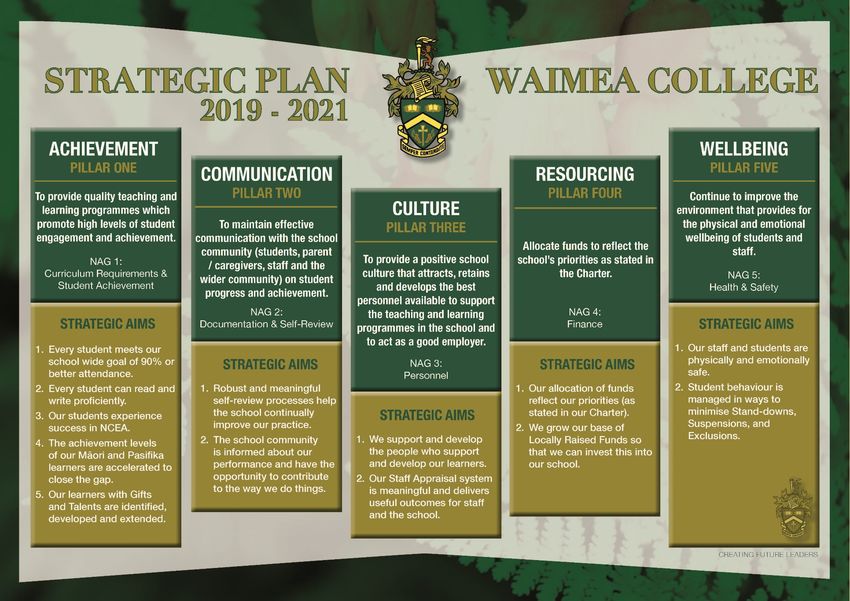
Waimea College Charter 2019                                                                                                          Page 2 of 32
C:\#Cloud Sync Files\Dropbox\AA Executive Waimea\AA BoT\BoT Charter, Planning & Reporting\Charter\Waimea College Charter 2019.docx

1 THE WAIMEA COLLEGE STRATEGIC PLAN
INTRODUCTION
The Strategic Plan provides long-term direction for Waimea College which:
Recognises our changing environment and sets out to build on our strengths and eliminate any
weaknesses.
Sets priorities in line with the College’s Mission Statement, Values and Vision Statements.
Outlines priorities, strategies and defines goals that can be measured and that will help us focus
our energy and resources on improving student outcomes.
2 WAIMEA COLLEGE GOVERNANCE AND MANAGEMENT STRUCTURE
BOARD OF TRUSTEES
The Waimea College Board of Trustees meets approximately 10 times per year (December and
January excluded). Several sub-committees of the Board of Trustees exist to support the functions
of the full board.
Sub-committees:
Finance (as required)
Property (as required)
Policy (as required)
Personnel (convened as necessary)
Health and Safety (BOT Rep to sit on school H&S Committee)
Disciplinary (convened as necessary)
3 WAIMEA COLLEGE AND THE WAIMEA COMMUNITY OF LEARNING /
KĀHUI AKO
Waimea College is a member of the Waimea Plains Community of Learning / Kāhui Ako. Waimea
College is committed to the principles of cross-school collaboration and embraces the opportunity
to work with neighbouring schools in the pursuit of the common interests of our communities’
learners.
This Charter should be read alongside the Waimea Community of Learning Strategic Plan
The Waimea Community of Learning Achievement Challenges (endorsed) are currently:
1. To improve the achievement in writing for boys in Years 1-10. (addressed in the Waimea
College Charter in Priority Area 1 Strategic Aim 2)
2. To reduce the gap between the achievement of males and females at NCEA Years 11-13
(addressed in the Waimea College Charter in Priority Area 1 Strategic Aim 3)
3. To improve the educational outcomes for Māori students Years 1-13 (addressed in the
Waimea College Charter in Priority Area 1 Strategic Aim 4)
Waimea College Charter 2019 Page 3 of 32
C:\#Cloud Sync Files\Dropbox\AA Executive Waimea\AA BoT\BoT Charter, Planning & Reporting\Charter\Waimea College Charter 2019.docx
4 EXTERNAL FACTORS
A number of external factors that are expected to impact on how Waimea College operates in the
next 3-5 years:
           Growth, development and use of ICT in education - BYOD, Blended Learning, Flipped
           Classrooms and incorporation of other digital technologies and pedagogies.
           Global national migration - Movement of people from other regions, countries / cultures into
           the Tasman District.
           Growth and development in the Tasman District - Increasing demand on schools through
           roll increases and social change associated with growth.
           Community expectation that schools assume responsibility for social issues - sole Parent /
           Caregiver and blended family situations, drugs / alcohol / chemical issues, changes in social
           values, increasing disparity between socio-economic groups.
           Social Media: - The increasing prevalence of Social Media is influencing the lives of our
           students as well as influencing the way that Waimea College communicates with our school
           community.
           Financial dependence on sources of funds other than operational grants - Sponsorship,
           business associations, international fee-paying students, donations, fundraising.
           Expectation by staff of improved working conditions and facilities - National and global
           teacher shortage may mean significant demands by staff for better working conditions and
           salaries.
           Local, national and global economic and political change - Changing value of the NZ dollar,
           political influence such as a change of government or the actions / statements of politicians,
           terrorism, significant economic change in a country with connections to NZ.
           Demographics - Longer life expectancy and falling birth rates that will double the number of
           elderly in our community and challenge our ability to find employment for our young people
           and fund social welfare provisions.
           Advances in education and technology - Health and technology empower the individual as
           never before leading to increased demands for transparency and participation in decision
           making. Technology advancements (particularly disruptive technologies) will affect the type
           of employment that we are preparing our students for as well as the skillsets that our
           students will require.
           Student-Centred Focus: - As a school our orientation is changing from being MOE / school
           driven decision making to being focussed on gathering voice from students and their families
           and delivering on this voice.

Waimea College Charter 2019                                                                                                          Page 4 of 32
C:\#Cloud Sync Files\Dropbox\AA Executive Waimea\AA BoT\BoT Charter, Planning & Reporting\Charter\Waimea College Charter 2019.docx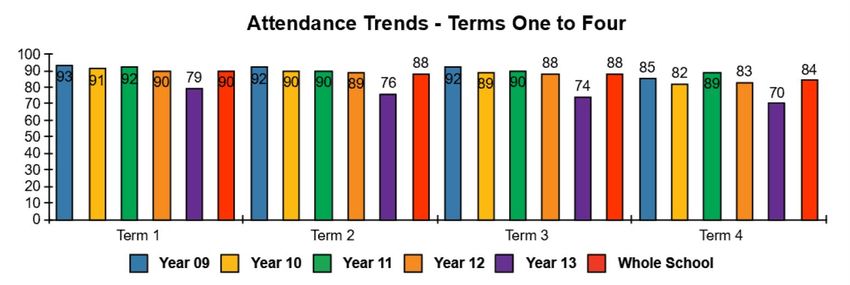
RECOGNISING NEW ZEALAND’S CULTURAL DIVERSITY
                                          Education Act 1989 Section 61 (3) (a) (i) & (ii)
Waimea College, as appropriate to its community, has developed procedures and practices that
reflect New Zealand’s cultural diversity and the unique position of Māori.
In recognising the unique position of Māori, Waimea College has taken all reasonable steps to
provide instruction in Tikanga Māori (Māori culture) and Te Reo Māori (Māori language) for students
whose Parents / Caregivers request it.
To achieve this Waimea College:
     •     Provides adequate resources to support Tikanga and Te Reo Māori programmes in the
           school.
     •     Supports students learning Te Reo Māori.
     •     Has developed a Māori and Pasifika Achievement Plan in consultation with our local
           community.
     •     Ensures that Waimea College receives guidance from our school Kaumātua.
     •     Has an active and engaged Rūnanga Mātua (Māori and Pasifika Parents / Caregivers) who
           meet regularly to assist the school in cultural matters, develop and review the Māori and
           Pasifika Achievement Plan and to ensure regular consultation on school policies, procedures
           and planning.
     •     Has developed a relationship with our local iwi Rangitāne.
     •     Provides regular Māori and/or Pasifika related Professional Development to staff and
           trustees.
     •     Has dedicated roles supporting Māori and Pasifika learners including Māori/Pasifika
           Achievement Co-ordinator and Cultural Inclusiveness and Responsiveness Co-ordinaor.
     •     Supports students to participate in Ngā Manu Kōrero (Māori speech competitions), Te Rarou
           Kura (Regional combined school’s Kapa Haka), Tama Tū Tama Ora (school-based Kapa Haka)
           and other cultural events.
     •     Provides for the pastoral care needs of our Māori students.
     •     Uses correct Māori protocol, when appropriate, to pōwhiri manuhiri on to our school, to
           poroporoaki groups travelling from our school and any other occasions as they arise.
     •     Is building relationships and consults and communicates with our local marae Whakatū
           (Nelson) in the spirit of partnership.
     •     Has ensured that the interests of Māori are represented on our Board of Trustees.

Māori Responsiveness Plan
If a Whānau requests a higher level of Tikanga or Te Reo than is at present available in our school
Māori programme, the school and whānau will discuss and explore the following options:
     • Further explain the existing programmes or extend the programmes if possible and
       appropriate.
     • Combine with a neighbouring school for parts of the day / programme.
     • Provide in-school support and resources to further enhance inclusion of Te Reo and Tikanga
       within the student’s classes.
     • Explore other schools who may offer a programme closer to their expectations.
     • Other negotiated options.

Waimea College Charter 2019                                                                                                          Page 5 of 32
C:\#Cloud Sync Files\Dropbox\AA Executive Waimea\AA BoT\BoT Charter, Planning & Reporting\Charter\Waimea College Charter 2019.docx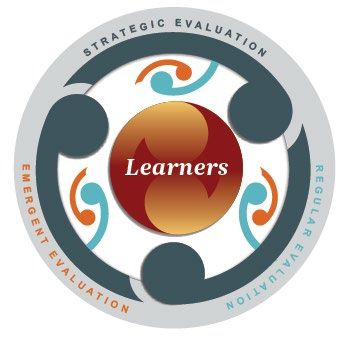
5 STRATEGIC AIMS 2019-2021

Waimea College Charter 2019                                                                                                          Page 6 of 32
C:\#Cloud Sync Files\Dropbox\AA Executive Waimea\AA BoT\BoT Charter, Planning & Reporting\Charter\Waimea College Charter 2019.docx

PRIORITY ONE: To provide quality teaching and learning programmes which promote high levels
of student engagement and achievement.
Strategic Aim 1: All students meet our school-wide goal of 90% attendance or better.
Annual Objective: Target: 2019
Refinement of our attendance procedures to more effectively 90% student attendance at school (inclusive of justified and non-justified
communicate the link between student attendance and absences)
student achievement
Target: 2020
91% student attendance at school (inclusive of justified and non-justified
absences)
Raise Year 13 cohort attendance rate by 10% (from 2018 figures) to 80%.
Baseline Data/Supporting Information:
Requirements of NAG 1 a, c, d, e, f and Nag 2 c
Administration Policy
Attendance Procedures
“Attendance Matters” – MOE Best Practice Guide to Managing Attendance 2011
Attendance in NZ Schools 2016 – A National Picture of Attendance
2018 Schoolwide Attendance Summary
When What/Action Who Indicators/Progress
1.1.1 Daily Ensure accurate recording of Teachers Attendance Office feedback
attendance.
1.1.2 Daily Ensure accuracy of data input Attendance Office / Student System in place to check these are
Office coded right. (Green slips)
1.1.3 Weekly Caucus Committee convenes to Deputy Principal with Identified students with attendance
caseload and review behaviour and Oversight of Attendance, issues respond to interventions.
attendance rates (individual and Priority Learning Leader,
school-wide). Individual student Achievement Team, Deans School-wide attendance rates
strategies identified and school-wide improving.
attendance rates and refine attendance Less student unexplained absences
processes to clear.
Positive feedback staffing and
students re attendance processes.
1.1.4 Monthly ROCK ON GROUP convenes to caseload Waimea College Senior Fewer individuals of concern
individual students with attendance Leadership Team with outside brought to meetings.
concerns. agencies (DTS, Oranga
Tamariki, Police and MoE) Individuals of concern go through
intervention process and re-
engage.
1.1.5 Every Term Regular promotion of the importance Form Teachers (Form Classes) Students and Parent / Caregivers
of attendance to students, Parent / aware of link between attendance
Caregivers. Deans (year levels) and achievement
DPs & Principal (assemblies) Increase in numbers in students
being allowed to attend senior ball
due to attendance.
Increase of number of junior
students graduating within the
attendance criteria
Waimea College Charter 2019 Page 7 of 32
C:\#Cloud Sync Files\Dropbox\AA Executive Waimea\AA BoT\BoT Charter, Planning & Reporting\Charter\Waimea College Charter 2019.docxStrategic Aim 2: Every student has the numeracy and literacy skills required to enable them to access the
curriculum.
Annual Objective: Target 2019 - 2021:
Develop and implement assessment tools to measure Literacy and To show that students are improving their Literacy Results through junior
Numeracy in the junior school and refine school systems and testing. Based on Yearly PAT and Bi-annual SAST (Spelling) and Exploring
structures to raise literacy and numeracy levels for junior school Language Assessment results.
students. (Links to Achievement Challenge).
Baseline Data/Supporting Information:
ERO National Report: Literacy and Mathematics in Years 9 and 10: Using Achievement Information to Promote Success (July 2012)
ERO National Report: The Collection and Use of Assessment Information - Good Practice in Secondary Schools (June 2007)
School-wide Literacy Coordinator Job Description (2019)
Progressive Literacy & Numeracy Levels compared with Decile 8-10 National Averages
Waimea Community of Learning Strategic Plan
When What/Action Who/Responsibility Indicators/Progress
1.2.1 Commenced Term Appointment of School-Wide Literacy Co- Principal A Specialist role is created to
1 2018 ordinator. (refer to Job Description above) coordinate the provision of
appropriate literacy education
and assessment metrics and to
coordinate literacy education
across all curriculum levels
1.2.2 February Undertake benchmark PAT (Comprehension, HOD English & Literacy Every student has benchmark
Vocabulary, Listening, Punctuation and Grammar) Co-ordinator PAT data showing where they
assessments for Year 9 and 10 cohort. start the year. Year 10 results
will indicate progress from
Year 9.
Mathematics Department undertake benchmark e- Core Subject Departments
asTTle testing for the Year 9 and 10 cohort, with HOD Mathematics
February assist with the testing of
this benchmark data showing where they start the students
year. This will be repeated mid-year and end-of-
year, following the junior reporting cycle.
1.2.3 February & Undertake pre and post SAST (Spelling) and HOD English Every student has pre and post
November Exploring Language testing with Year 9 and 10 test data to assess progress.
cohorts.
1.2.4 March PD for staff about how they can use literacy and Literacy Co-ordinator Staff accessing, and
numeracy data to inform their unit and lesson understanding, Literacy and
planning. Numeracy data in KAMAR.
Sharing data with teachers to inform planning and Staff using this data in unit
teaching plans to adapt the curriculum
for individual students.
1.2.5 Termly Active monitoring by the Priority Learner Leader Priority Learner Leader Senior Student achievement
and the Achievement Team of senior student and Achievement Team data is regularly monitored and
achievements, giving specific regard to the NCEA Students At Risk of Not
Literacy and Numeracy requirements. Students at Achieving (SARONA) the
Risk of Not Achieving Literacy and/or Numeracy Literacy and/or Numeracy
credits are identified and supported with credits are supported with
individually targeted strategies. individually targeted
strategies.
Methods undertaken to improve Literacy across all junior students.
• 2 Year cycle of teaching
• Year 9 Reading Focus
• Year 10 Writing Focus
• Start of every English lesson 10-15 minutes Silent Reading Year 9 and Year 10
• Weekly Spelling tests
• “Warrant of fitness of literacy skills” introduced with Year 9 cohort. For some this will be reinforcing what they already know from
primary/intermediate schools, however for others it will be filling gaps in their learning to make sure they have the same skills as
their cohort.
• Daily (10 minutes) or fortnightly (hour) language work across both year groups
• Regular Reading Logs (show improvement of comprehension – literal and inferential)
• Portfolio Writing across the year (to show improvement)
• Students learn a language technique weekly so that students have a basic warrant of fitness of literacy skills
Waimea College Charter 2019 Page 8 of 32
C:\#Cloud Sync Files\Dropbox\AA Executive Waimea\AA BoT\BoT Charter, Planning & Reporting\Charter\Waimea College Charter 2019.docxMethods undertaken to improve Numeracy across all junior students.
• Mixed ability classes
• Improved low-stakes diagnostic/formative assessment processes – using the online e-asTTle platform
• Homework and class tests moved to Mathster online platform – more formative data
• Focus on differentiated teaching and learning through the use of Low Floor, High Ceiling rich mathematical tasks
• Focus on promoting Growth Mindset towards the learning of Mathematics
• Focus on Learning and Assessment for Learning rather than high-stakes Testing
Waimea College Charter 2019 Page 9 of 32
C:\#Cloud Sync Files\Dropbox\AA Executive Waimea\AA BoT\BoT Charter, Planning & Reporting\Charter\Waimea College Charter 2019.docxStrategic Aim 3: Our students experience success with NCEA
Annual Objective: NCEA Attainment Annual Target: 2019 (Enrolment Based Cumulative)
85.5% NCEA Level 1 Attainment (c/f 80.7% in 2018 & 78.5% in 2017)
Elements of learners’ identity, language and culture are 85% NCEA Level 2 Attainment (c/f 82.6% in 2018 & 85.5% in 2017)
integrated into the curriculum, student achievement data is 75% NCEA Level 3 Attainment (c/f 72.7% in 2018 & 66.8% in 2017)
used to target resources to optimum effect, early, intensive 58% University Entrance Attainment (c/f 55.2% in 2018 & 51.5% in 2017)
support is provided to those who are falling behind, and high
expectations for success are held for all. NCEA Attainment Annual Target 2020 – 2021 (roll based)
NCEA Level 1 Attainment: 87.5% in 2020 & 90% in 2021
NCEA Level 2 Attainment: 87.5% in 2020 & 90% in 2021
NCEA Level 3 Attainment: 77.5% in 2020 & 80% in 2021
University Entrance Attainment: 60% in 2020 & 62% in 2021
NCEA Endorsement (Merit or Excellence) Annual Target 2019 (Enrolment Based
Cumulative)
60% NCEA Level 1 Endorsement (c/f 50.9% in 2018 & 57.9% in 2017)
48% NCEA Level 2 Endorsement (c/f 46.1% in 2018 & 36.4% in 2017)
55% NCEA Level 3 Endorsement (c/f 51% in 2018 & 48.4% in 2017)
NCEA Endorsement Annual Target 2020 – 2021 (roll based)
NCEA Level 1 Endorsement: 62.5% in 2020 & 65% in 2021
NCEA Level 2 Endorsement: 50% in 2020 & 52.5% in 2021
NCEA Level 3 Endorsement: 57.5% in 2020 & 60% in 2021
Baseline Data/Supporting Information:
NCEA Results Analysis
NCEA Results Analysis 2014-2018 – Certificate Endorsements Comparisons
NCEA Overall Achievement - Comparisons
Regional National Gender – Comparisons
NCEA Results Analysis Māori
NCEA Results Analysis Pasifika
Progressive Literacy Attainment
Scholarship Results – Longitudinal Regional Decile 8 Comparison
Scholarship Passes 2009-2018
ERO National Report: Achievement 2013-2017: Success for students in 2013 (Nov 2014)
ERO National Report: Raising Achievement in Secondary Schools (June 2014)
ERO National Report: The Collection and Use of Assessment Information - Good Practice in Secondary Schools (June 2007)
Waimea Community of Learning Strategic Plan
Achievement Team Terms of Reference January 2019
Strategic Plan Raising Student Achievement Pyramid, January 2019
Data Analyst Job Description (2019)
Priority Learner Leader Job Description (2019)
Special Educational Needs Coordinator (SENCO) Job Description (2019)
School-wide Literacy Co-ordinator Job Description (2019)
Māori and Pasifika Raising Achievement Coordinator Job Description (2019)
Boys Achievement Job Description (2019)
Boys Achievement Team Terms of Reference (2019)
Gifted and Talented Education (GATE) Achievement Co-ordinator Job Description (2019)
Curriculum Team Terms of Reference January 2019
Curriculum Implementation Strategy 2018-2020
When What/Action Who/Responsibility Indicators/Progress
Student Monitoring
1.3.1 Appointments Appointment of a School Data Analyst with Appointments Committee School Leadership, Governance
confirmed responsibility for providing a wide range of confirms appointments. and Faculty’s / departments
statistical information to support strategy and receive useful, timely and
decision making. relevant statistical information
that highlights areas of strength
Appointment of Priority Learning Leader with and areas requiring further
responsibility for coordinating and overseeing progress.
an Achievement Team who will use data to Student achievements are
track and monitor student progress at all Year tracked throughout the year.
levels (prioritising the senior school) and co- Students at Risk of Not Achieving
ordinating interventions where required. in NCEA will be identified early
and targeted for additional
Appointment of a Special Educational Needs support.
Co-ordinator (SENCO) with responsibility for
Scholarship students will be
identifying and supporting students with
effectively supported.
Special Educational Needs in the mainstream.
Refer to Job Description above. Students requiring support with
Literacy and/or numeracy credit
support will be identified.
Waimea College Charter 2019 Page 10 of 32
C:\#Cloud Sync Files\Dropbox\AA Executive Waimea\AA BoT\BoT Charter, Planning & Reporting\Charter\Waimea College Charter 2019.docxAppointment of a School-Wide Literacy Co-
ordinator with responsibility for oversight of Additional support is offered to
school-wide literacy provision at Waimea students who are at risk of not
College. This role also works one-to-one with achieving (SARONA) in NCEA
Year 13 students who did not gain UE Literacy The achievements of Māori and
in Level 2 to assess / provide additional Pasifika students are supported.
support to students to gain UE Literacy. Refer
to Job Description above. An effective pedagogy for male
learners is developed and
programmes to identify, engage
Appointment of Māori and Pasifika
and raise achievement of male
Achievement Coordinator with responsibility
students.
for working with the Priority Learner Leader
and Achievement Team to support the Students identified as Gifted and
achievement of our Māori and Pasifika / or Talented are supported and
students. Refer to Job Description above. challenged in their studies.
Appointment of a Boys Achievement
Coordinator and Boys Achievement Team with
responsibility for taking a leading role in
developing effective pedagogy for male
learners and to implement and lead
programmes to assist in the effective learning
of male students at Waimea College. Refer to
Job Description above.
Appointment of a Gifted and Talented
Education (GATE) Co-ordinator with
responsibility for developing structures and
processes to and supporting students who are
identified as Gifted and/or Talented. Refer to
Job Description above.
1.3.2 Termly Achievement Team Monitoring and Support
Led by Priority Learner Students achievements are
Student Monitoring: Leader and Achievement tracked throughout the year.
Early identification of “students who are at Team Students at Risk of Not Achieving
risk of not achieving” (SARONA) (based on (SARONA) in NCEA will be
previous performance). identified early and targeted for
Disseminate information to Deans and additional support.
Teachers. Target these students for Scholarship students will be
additional support. effectively supported.
Identify Scholarship students at the start of
Term 2. Coordination of scholarship Students requiring support with
students, liaising with teachers, Parents / Literacy and / or numeracy credit
Caregivers and students to make them support will be identified.
aware of requirements
Additional support is offered to
Tracking and providing data on literacy and
students who are at risk of not
numeracy
achieving (SARONA) in NCEA
Co-coordinating ‘extra’ sessions or
differentiated / individualised programmes
in Term 3 and 4 for students who need to
gain their literacy and numeracy credits
Monitoring Level 2 and 3 students to ensure
that they achieve the UE literacy
requirements
Liaise with HODs re tutorials for Y12 & Y13
students who should be aiming for
Excellence
Provide information to the Principal and
staff on students achieving Excellence
1.3.3 Termly Actively pursue strategies that will encourage Parents / Caregivers of our
Parent / Caregivers to take an active role in learners are engaged with the
their child’s education. school.
Parent / Caregiver Interviews SLT
Parent / Caregiver focus group meetings Deans
Rūnanga Matua hui PLL & TIC Māori
PTA Meetings PTA Chair
Hold TIPS Sessions (Teen Information HOD Guidance/Principal
Parent / Caregiver Sessions) designed to establish TIPS Schedule
support Parent / Caregivers to support their
students.
Waimea College Charter 2019 Page 11 of 32
C:\#Cloud Sync Files\Dropbox\AA Executive Waimea\AA BoT\BoT Charter, Planning & Reporting\Charter\Waimea College Charter 2019.docxCurriculum Team Leader
1.3.4 2019 Self-Review of Curriculum Implementation and Curriculum Team - A thorough and effective
Process self-review of the
implementation of the
proposals from the
Curriculum Review is
undertaken during 2019.
Amendments /
modifications implemented
as necessary.
Curriculum Team Leader
1.3.5 2020 Cyclical Review of Curriculum & Timetable and Curriculum Team - A cyclical review of our
Policy Curriculum and Timetable
is undertaken to ensure
that we continue to meet
the needs and aspirations
of our learners.
Waimea College Charter 2019 Page 12 of 32
C:\#Cloud Sync Files\Dropbox\AA Executive Waimea\AA BoT\BoT Charter, Planning & Reporting\Charter\Waimea College Charter 2019.docxStrategic Aim 4: The Achievement Levels of our Māori and Pasifika learners are accelerated to close the gap.
Annual Objective: Annual Target for 2019: (Enrolment Based Cumulative)
NCEA Level 1 Māori = 70% for 2019 (c/f 64.9% in 2018 & 71.4% in 2017)
Accelerate the progress of our Māori and Pasifika learners to close NCEA Level 2 Māori = 82.5% for 2019 (c/f 80.6% in 2018 & 75.9% in 2017)
the achievement gap between non-Māori & Pasifika learners. NCEA Level 3 Māori = 57.5% for 2019 (c/f 56.3% in 2018 & 31.3% in 2017)
UE Māori = 40% in 2019 (c/f 31.3% in 2018 & 35.7% in 2017)
Annual Target for 2020-2021: (Enrolment Based Cumulative)
NCEA Level 1 Māori = 72.5% for 2020 & 75% in 2021
NCEA Level 2 Māori = 85% for 2020 & 87% in 2021
NCEA Level 3 Māori = 60% for 2020 & 62.5% in 2021
UE Māori = 42.5% for 2020 & 45% in 2021
Achievement targets have not been set for Pasifika students due to the
low numbers of Pasifika students and the fact that the sample size is not
big enough to have any statistical validity.
Baseline Data/Supporting Information:
Waimea College Māori Achievement Data NCEA
Waimea College Pasifika Achievement Data NCEA
Waimea Community of Learning Strategic Plan
ERO National Report: Improving Education Outcomes for Pacific Learners May 2012
ERO National Report: Raising Achievement in Secondary Schools (June 2014)
ERO National Report: Raising Student Achievement through Targeted Actions (December 2015)
ERO National Report: Educationally Powerful Connections with Parent / Caregivers and Whanau (November 2015)
ERO National Report: Partners in Learning: Good Practice in Working with Parent / Caregivers (2008)
Māori and Pasifika Raising Achievement Job Description (2019)
Cultural Inclusiveness & Responsiveness Co-ordinator Job Description (2019)
Priority Learner Leader Job Description (2019)
Achievement Team Terms of Reference January 2019
Strategic Plan Raising Student Achievement Pyramid (2019)
Ka Hikitia Accelerating Success 2013-2017
Pasifika Education Plan 2012 – 2017 (Version 2)
Waimea College Strategic Plan for Māori and Pasifika Students 2019-2021
When What/Action Who/Responsibility Indicators/Progress
Resourcing:
1.4.1 Appointment Appointments Committee Māori and Pasifika students
made Appointment of Māori and Pasifika confirms appointment and their whanau are
November 2018 Achievement Coordinator with responsibility for supported through specific
for 2019 working with the Priority Learner Leader and culturally appropriate contexts.
Achievement Team to support the achievement
of our Māori and Pasifika students. Refer to Job Māori and Pasifika student
Description above. achievement is tracked
throughout the year.
Appointment of a Cultural Inclusiveness and Students at Risk of Not
Responsiveness Coordinator with responsibility Achieving in NCEA will be
for working with other roles to identify and identified early and targeted
support all students from diverse cultural for additional support.
backgrounds including Māori and Pasifika
learners and their families, students from other
countries, new migrants and refugees.
1.4.2 Ongoing Connecting, Listening and Responding Stakeholders in the Māori and
Pasifika community are
Create productive partnerships with students, engaged with the school in
whanau, hapū, iwi and Māori and Pasifika learning and educational
entities that are focused on educational success: success focused conversations.
- Māori/Pasifika Students. Ideas and actions suggested by
- Kaumātua/Kuia - Principal the Māori and Pasifika
- Commitment to ensuring Māori - TIC Māori community are valued and
representation on BOT - Priority Learning responded to.
- Regular Rūnanga Mātua meetings Leader
- Work in partnership with Rūnanga towards - PD Coordinator
a Teacher Only Day at Whakatū Marae.
- Strategic partnerships with NRAIT (Ngāti
Rārua Ātiawa Iwi Trust), Wakatū
Incorporation and other iwi entities.
Waimea College Charter 2019 Page 13 of 32
C:\#Cloud Sync Files\Dropbox\AA Executive Waimea\AA BoT\BoT Charter, Planning & Reporting\Charter\Waimea College Charter 2019.docx1.4.3 Ongoing Provide for the increased awareness of Te Reo Led by Principal, a Cultural Whānau and tamariki are well
Māori & Tikanga Māori. Inclusiveness and informed about the
(Aim to achieve the goals of Te Tiriti o Waitangi, Responsiveness opportunities that are offered
Ka Hikitia and Tātaiako) Coordinator, Māori and and their views and feedback is
Pasifika Raising listened to and acted upon.
Term 1 - Hold a meeting (hui) within the first half of Achievement Coordinator,
Term 1 of all Māori & Pasifika Parents / Priority Learning Leader
Caregivers and whanau. The aim of this hui and TIC Maori / HOD
is to introduce them to Waimea College Languages.
and each other and to outline the support
networks in the school. Hui of all Junior TIC Maori / HOD
students goal setting. Languages to convene
with SLT Support
Monthly – Feb- - Provide close mentorship and support to
Dec the Culture Captains by having fortnightly TIC Māori / HOD Culture Captains are confident
hui in order to reflect and plan activities. Languages with DP in their roles and are
Use school or community people to help Support meaningfully engaged with
mentor. other students in the
promotion of Te Reo Māori &
- Board of Trustees to ensure Māori Tikanga Māori.
Ongoing representation on the Waimea College Board to annually consider The Māori world-view is
Board of Trustees whether the mix of skills included and valued by the
and ethnicities on the Waimea College Board of
Annually – - Hui of all senior Maori students to focus on board is appropriate and Trustees.
Term 3 reaching potential to co-opt if required.
Rūnanga Mātua, staff and Rūnanga Mātua providing
Twice per Term - Hui with the Rūnanga Matua -Whānau SLT. effective support to whanau,
support group. All whanau and staff and school.
invited. SLT to rotate attendance.
Joint organisation from TIC Māori and Pasifika student
Twice per year - Hold Celebrating Māori and Pasifika Māori / Rūnanga and SLT success is recognised and
(Terms 2 and 3) Student Success awards ceremonies. Māori celebrated in a culturally
and Pasifika student success is recognised appropriate context.
and celebrated. Whānau, peers and HOD Careers and HOD
teachers are invited. Guest speakers from Transition, HOD Māori and
Māori/Pasifika role models subject teachers.
Students are kept well
- Career and leadership opportunities informed of opportunities and
Ongoing continue to be offered to students. are encouraged to apply if
appropriate.
1.4.4 Throughout Create an engaging atmosphere at Waimea All staff – led by Cultural Classrooms at Waimea College
2019 College for Priority Learners: Inclusiveness and will be culturally safe and
- Increased opportunity for cultural Responsiveness engaging places for all
participation (Pōwhiri, Kapa Haka, Ngā Coordinator, Māori and students.
Manu Kōrero, and other cultural activities) Pasifika Coordinator,
- Culture reflected in classrooms (displays, Kaumātua, Priority Teaching Practices will reflect
use of Te Reo in classroom, Learning Leader. the needs of the learners.
- Build strong interpersonal relationships
with priority learners.
- Developing a school song/school kapa haka
- Develop teaching strategies that are
culturally appropriate and take into
account the learning needs of Māori and
Pasifika students.
- Look at the Best Practice research already
undertaken and involve our Māori and
Pasifika community.
- e.g.
o Ka Hikitia Accelerating for
Student Success
o Tātaiako – Cultural
Competencies
o Pasifika Education Plan
1.4.5 Identifying Priority Learners for Accelerated Coordinated by Priority A process is undertaken to
Support Learning Leader. Follow-up identify priority Learners who
by Deans are at risk of not achieving, but
Termly - Monitor and report on student have the potential to achieve
achievement and credit tracking (for all with support.
students).
Term 1 - Identify a list of Priority Learners for All staff prioritise support to
Accelerated Support. accelerate the learning and
Waimea College Charter 2019 Page 14 of 32
C:\#Cloud Sync Files\Dropbox\AA Executive Waimea\AA BoT\BoT Charter, Planning & Reporting\Charter\Waimea College Charter 2019.docx- Send home regular snapshots of NCEA achievement of priority
credits (for all students) and Dean follow- learners.
Termly up individually with Identified Priority
Learners.
- All staff know who their priority learners
are and prioritise time and resources to
accelerate the learning and achievement of
these students.
1.4.6 Ongoing Increase Opportunities for Māori Leadership Cultural Inclusiveness and Māori students are well
Responsiveness represented in student
- Highlight role models in school and Coordinator / Maori and leadership roles.
classroom Pasifika Coordinator
1.4.7 Ensuring the success of our Pasifika Students.
Undertake statistical analysis of the School Leadership, Governance
Every Year performance of our Pasifika students compared School Data Analyst and Faculty / Departments
to National Average and Decile 8-10 Average have access to sound
information about the
performance of our Pasifika
students.
Review strategies to support Pasifika students at
Waimea College. Specific Terms of Reference to Staff are active in identifying,
2019 include strategies to identify, engage, mentor engaging, mentoring and
and monitor our Pasifika students. monitoring the performance of
our Pasifika students.
Pasifika students feel valued
Pasifika students’ academic
performance is at targeted
levels.
Hold Celebrating Māori and Pasifika Student
Success awards ceremonies. Māori and Pasifika Māori and Pasifika student
Twice per year student success is recognised and celebrated. Joint organisation from TIC success is recognised and
(Terms 2 and 3) Whā nau, peers and teachers are invited. Guest Māori / Rūnanga and SLT celebrated in a culturally
speakers from Māori/Pasifika role models appropriate context.
Waimea College Charter 2019 Page 15 of 32
C:\#Cloud Sync Files\Dropbox\AA Executive Waimea\AA BoT\BoT Charter, Planning & Reporting\Charter\Waimea College Charter 2019.docxStrategic Aim 5: Our Learners with Gifts and Talents are identified, developed and extended.
Annual Objective: 2019 Target:
To meet the individual needs of gifted and talented students, by The newly appointed GATE (Gifted and Talented Education) Coordinator
ensuring that they are identified and receive appropriate support as will:
early as possible.
a. lead a thorough and comprehensive review of our Gifted and
Talented Provision
b. Develop a GATE Strategic Plan to implement the vision moving
forward.
All departments will:
c. Complete a scan to identify Gifted and Talented students in
their area and this data is recorded in the GATE Register
including details about how the identified students will be
supported.
2020 Target:
Implementation of the GATE Strategic Plan
2021 Target:
Stakeholder feedback and review regarding the effectiveness of our GATE
provision.
Baseline Data/Supporting Information:
Achievement Team Terms of Reference January 2019
Strategic Plan Raising Student Achievement Pyramid (2019)
Priority Learner Leader Job Description (2019)
Gifted and Talented Education (GATE) Achievement Co-ordinator Job Description (2019)
School-wide Literacy Co-ordinator Job Description (2019)
ERO National Report 2008: Schools Provision for Gifted and Talented Students: Good Practice
ERO National Report: Raising Student Achievement through Targeted Actions (December 2015)
When What/Action Who/Responsibility Indicators/Progress
1.5.1 Appointment Resourcing: Appointments Students identified as Gifted
made Committee confirms and/or talented are supported
November 2018 Appointment of a Gifted and Talented Education appointment of Gifted and challenged in their studies.
(GATE) Co-ordinator with responsibility for and Talented Education
developing structures supporting and challenging (GATE) Coordinator
students who are identified as Gifted and/or
talented. Refer to Job Description above.
1.5.2 2019 Development of a Gifted and Talented Education Gifted and Talented A cohesive action plan is
(GATE) Action Plan Education (GATE) developed outlining the
Coordinator specific activities that will be
undertaken by the Gifted and
Talented Education (GATE)
Coordinator and others in
order to support students who
are identified as gifted and/or
talented.
1.5.3 Ongoing Undertake activities that affirm our commitment Priority Learning Leader Waimea College recognises the
to providing a holistic education for our students. coordinates with importance of delivering on
Achievement Team the holistic education
Specific opportunities valued by our board and opportunities for students and
school community include: works to achieve balance
- Extracurricular, between the competing needs
- Sporting, of providing these
- Cultural opportunities and securing
- Leadership opportunities time in-class to progress
academic learning.
When undertaking school planning and approval
for event requests, the Senior Leadership will be
cognisant of these expectations and will work to
provide a balance between providing holistic
learning opportunities and securing sufficient in-
class time to be effective in their academic
learning
1.5.4 Ongoing Identify students who should be categorised as Co-ordinated by Priority - Gifted & Talented
Gifted and Talented Students. Learning Leader and register created kept up-
to-date
Waimea College Charter 2019 Page 16 of 32
C:\#Cloud Sync Files\Dropbox\AA Executive Waimea\AA BoT\BoT Charter, Planning & Reporting\Charter\Waimea College Charter 2019.docxAchievement Team with - Departments aware of
Term 1 Review and refine identification methods (refer to support from Deans GATE students and have
GATE Procedure link above) appropriate extension
Ongoing (staff
encouraged to Develop GATE Registers activities and
update their opportunities available
registers in Monitoring of GATE students - Mentoring provided for
Term 1) identified GATE students
Monitoring of Department Schemes / programmes
- Workshops organised
Term 1 for identified GATE students and actions taken to
and facilitated
support.
- Staff informed as
Providing mentors for GATE students where opportunities become
Terms 2 and 3 appropriate and where possible available
- Students informed of
- opportunities as they
become available
1.5.5 2021 Review: Led by the Gifted and - The Gifted and Talented
Talented Education Education provision is
A thorough and comprehensive self-review of our (GATE) Coordinator with reviewed on a cyclical
Gifted and Talented provision is undertaken. support from the basis to ensure that it
Achievement Team. continues to meet the
needs of our learners
who identify as Gifted
and/or Talented.
Waimea College Charter 2019 Page 17 of 32
C:\#Cloud Sync Files\Dropbox\AA Executive Waimea\AA BoT\BoT Charter, Planning & Reporting\Charter\Waimea College Charter 2019.docxPRIORITY TWO: To maintain effective communication with the school and wider community
(Students, Parent / Caregivers, Staff and the wider community) on student progress and
achievement.
Strategic Aim 1: Robust and meaningful self-review processes help the school continually improve our practices
Annual Objective: Annual Target:
Robust review and reflection of what we do to improve outcomes. All staff conduct a self-review about their practice and use this to help
inform and refine their future planning.
Baseline Data/Supporting Information:
Documentation and Review Policy
Procedure for Departmental Self-Review
Cycle of Review of Policies
ERO Report on Evaluation at a Glance: Priority Learners
ERO School Evaluation Indicators (2016)
ERO Self Review Guidelines & Self-Review Indicators & Frameworks (ERO website)
ERO National Report: Effective Internal Evaluation for Improvement (2016)
Annual Department Report Request Template to HOD’s
Annual Department Reports from HOD’s – including annotations from Principal Review
Overview of Waimea College Department Reviews (for 2017 Academic Year). Note 2018 Department reports not published at time of writing.
Department Review Schedule
Curriculum Team Terms of Reference January 2019
Curriculum Implementation Strategy 2018-2020
Diagram Source: ERO National Report: Effective internal evaluation for Improvement (2016)
When What/Action Who/Responsibility Indicators/Progress
2.1.1 Terms 1 & 2 Reading and Learning: Senior Management School Leadership and
2019 Team & Board of Governance are well-read
SLT & BOT to familiarise ourselves with the ERO Trustees and well informed about
Self-Review Indicators (2016) and other best- current best practice for
practice documentation relating to school self- school self-review.
review so that we are better informed about what
best practice looks like
2.1.2 2019 Standardised self-review mechanisms built into all SLT with Achievement HODs / TICs / SLT and BOT
aspects of Lesson Planning, Unit Planning, Team support have self-review
Assessment, class and cohort achievement, school- mechanisms in place.
wide achievement and every major school event
2.1.3 2019 Staff Professional Development undertaken to Principal with PD All staff at Waimea College
support self-review expectations Committee Support know how to undertake
robust, high quality self-
review
2.1.4 Annually Gathering and acting on student voice: Various Student voice is valued at
Waimea College. It is
Waimea College Charter 2019 Page 18 of 32
C:\#Cloud Sync Files\Dropbox\AA Executive Waimea\AA BoT\BoT Charter, Planning & Reporting\Charter\Waimea College Charter 2019.docxregularly gathered and
Student voice is a central part of the decision- responded to.
making at Waimea College. Specific mechanisms
for gathering student voice include:
- Annual Year 9 and Year 10 Student
Perception Survey
- Annual student evaluation forms used in
teacher appraisal
- Student Surveys
- Curriculum Review Consultation
- Student Council
- Student Exit Feedback
International Student Forum supported by the
International Department Team
2.1.5 Annually Annual Department Reports HODs provide reports to Each Department
the Principal. undertakes a formal process
As part of our self-review process, the Senior of self-review and evaluation
Leadership Team request that HODs / TICs and annually across a range of
Committee Convenors provide the principal and areas. HODs receive written
Board of Trustees with a comprehensive report Principal reads each
report, provides written feedback to support this
each year that documents progress against school- review and best practice is
wide goals, tracks student achievement etc. feedback to each HOD
and provides summary shared across the school.
Written feedback is provided for each report and best-practice data with
summary “best practice” data is shared with all all HODs.
HOD’s/TIC to grow best practice.
Principal shares relevant
themes with the Board
of Trustees
2.1.6 Annually Department Reviews Senior Leadership Team The Senior Leadership Team
undertake in-depth reviews
- As part of our quality assurance process the of each department on a
Senior Leadership Team undertake formal cyclical basis to ensure
department reviews on a cyclical basis. (refer quality of delivery.
to documentation above).
Improvements implemented
where identified.
2.1.6 2020 All Waimea College Policies and Procedures Board A Policy and Procedure
reviewed as part of a triennial cycle. review schedule exists and
all Board Policies are
regularly reviewed in
accordance with the
schedule.
2.1.7 2019 Review and refresh of our school website Led by ICT Director & DP Our school website is
with ICT Oversight. refreshed and updated so
that it continues to meet the
needs of our school
community.
2.1.8 2020 Update the Waimea College Prospectus Led by Principal Our school Prospectus is
refreshed and updated so
Work begins in 2019 for a new Prospectus launch that it continues to
for the 2020 academic year. accurately reflect and
portray the values and
character of Waimea
College.
Waimea College Charter 2019 Page 19 of 32
C:\#Cloud Sync Files\Dropbox\AA Executive Waimea\AA BoT\BoT Charter, Planning & Reporting\Charter\Waimea College Charter 2019.docxStrategic Aim 2: The school community are informed about our performance and have the opportunity to
contribute to the way we do things.
Annual Objective: Annual Target:
Ensure that our school connects with, our community to report to Stakeholders in the school have access to recent, relevant reporting
listen to, and respond to the needs of our community. about student achievement data.
Baseline Data/Supporting Information:
Requirements of NAG 1 and 2 relating to Reporting
Reporting and Assessment Committee Report to the Principal for the 2017 Year
Strategic Plan Māori and Pasifika 2018-2020
ERO National Report: Partners in Learning: Helping Your Child do well at school (October 2016)
ERO National Report: Educationally Powerful Connections with Parent / Caregivers and Whanau (November 2015)
ERO National Report: Partners in Learning: Good Practice in Working with Parent / Caregivers (2008)
ERO National Report: Partners in Learning: Schools' Engagement with Parent / Caregivers, Whānau and Communities (May 2008)
Strategic Sports Plan Poster
Waimea College Strategic Sports Plan Video
Strategic ICT Plan
When What/Action Who/Responsibility Indicators/Progress
2.2.1 Various in 2018 Connecting, Listening & Responding Led by SLT A comprehensive and
and beyond. diverse range of
Seek input from our school community to inform stakeholders views are
our planning: actively sought annually to
Examples of how input is sought: help inform our planning.
- PTA
- Rūnanga Mātua
- Parent / Caregiver / Caregiver Focus Groups
- Parent / Caregiver / Caregiver Evenings
- Student Course and Teacher Evaluation
forms
- Student Leaver forms
- Specific topic surveys and feedback (Parent /
Caregivers and staff)
2.2.2 2019 Review of our Mission Statement, Vision and BoT and SLT to Lead The strategic direction of
Values and School-Wide Theme Waimea College reflects the
needs and aspirations of the
Consult with Staff, Students, Parent / Caregivers school community.
and the wider Community about whether our
current Mission, Vision and values still reflect the
aspirations and direction required from our
community.
2.2.3 BOT Strategic Strategic Planning: Charter & Annual Plan Principal produces Our Charter reflects the
Session Oct Charter under BOT’s intent of the Board of
each year Waimea College Charter produced and shared with guidance & direction. Trustees, the aspirations of
the school community. Feedback welcomed. the community and is
Charter drafted owned by the various
Dec/Jan each stakeholders.
year
2.2.4 Strategic Planning for Significant Activity Centres Strategic planning informs
and Cost Centres at Waimea College the direction and operation
of the significant activities
Implementation of: and cost centres at Waimea
ICT Director/HOD
- Strategic IT Plan (developed 2018) TSC/Principal College.
2019 incorporating our intended strategic
direction for IT Teaching and Learning
(including associated Teacher Support & PD
requirements to support this), Strategic IT
Infrastructure, Strategic IT R&D and BYOD
Implementation. This plan to be
implemented by the ICT Committee.
- Strategic Sports Plan (first pillar developed
2019/2020 2018 with the balance to develop 2019).
Note – Strategic Plans for other activity areas are
covered elsewhere in this document.
2.2.5 Reporting Annual Report (forming Our reporting mechanisms
part of the school are regular, in plain English
charter) prepared by
Waimea College Charter 2019 Page 20 of 32
C:\#Cloud Sync Files\Dropbox\AA Executive Waimea\AA BoT\BoT Charter, Planning & Reporting\Charter\Waimea College Charter 2019.docxPrincipal with support and meet the expectations
February each Annual Report and Analysis of Variance produced from others. of our community.
year and shared with the school community. Feedback
welcomed.
Reporting on Student Achievement occurs Reporting on Student
Termly updates regularly to BOT and Community Achievement led by
for BOT and Principal with support
annual from school statistician
reporting to
Parent /
Caregivers (in
first newsletter
of the year)
2.2.6 2019 Connecting with Iwi Principal, Sonny Alesana, Ongoing - We show our local
Kaumātua iwi that we recognise and
Undertake visits or hui with our local iwi Rangitāne value them by engaging with
o Wairau to establish links and build relationships them and establishing
partnerships with them.
2.2.7 Termly Connecting with Campus Schools and education Led by Principal with We are active, contributing
providers support from Associate members of the education
Deputy Principals and community in our region.
Establish and maintain effective communication others We establish and maintain
with other campus schools, local primary schools, effective communication
neighbouring secondary schools and tertiary with our education partners.
providers.
2.2.8 2020 Connecting with Industry/Employers/NMIT and Led by Principal and BOT An Industry Liaison Co-
other Stakeholders ordination role is
considered.
Investigate the creation of an Industry/Community
Liaison Co-ordinator who can assist the school in
aligning ourselves with the needs of the local
community, especially local industry.
Waimea College Charter 2019 Page 21 of 32
C:\#Cloud Sync Files\Dropbox\AA Executive Waimea\AA BoT\BoT Charter, Planning & Reporting\Charter\Waimea College Charter 2019.docxPRIORITY 3: To provide a positive school culture that attracts, retains and develops the best
people available to support the teaching and learning programmes in the school to act as a good
employer.
Strategic Aim 1: We support, develop and professionally grow the people who support and develop our learners
Annual Objective: Annual Target 2019-2021
Our staff (teaching and support staff) are supported, challenged and a. All new teaching staff receive a comprehensive Teacher
grown professionally in their roles. Induction Programme
b. Professional Development priorities are dictated by staff
needs
Annual Target 2020:
c. Review of the need for a more formal Employee Assistance
Programme
d. Recruitment practices and Policies reviewed
Baseline Data/Supporting Information:
Employer Responsibilities Policy
Principal Appraisal Policy
Staff Appraisal and Development Guidelines
Education Council Website - Teacher Appraisal
ERO National Report: School Leadership that Works (November 2016)
ERO National Report: Managing Professional Learning and Development in Secondary Schools (May 2009)
ERO National Report: Student Safety in Schools: Recruiting and Managing Staff (Jan 2014)
2018 Staff Development Annual Report
When What/Action Who/Responsibility Indicators/Progress
3.1.1 2020 Review Teacher Induction Programme SCT and DP in charge of New staff receive a thorough
New Staff Induction and relevant induction to
(last reviewed 2018) leads in review with SLT Waimea College.
3.1.2 Ongoing Staff Professional Development is linked to staff Associate Principal in Staff Professional
need charge of PD and Development is relevant to
Professional the learning needs of the
Development Committee staff.
3.1.3 2019 Explore strategies to further enhance Board Board and HODs A functional and effective
connection with departments connection exists between
the Board of Trustees and
Curriculum/other functional
areas in the school.
3.1.4 2020 Investigate the provision of a formal Employee Principal and HOD Staff who require
Assistance Programme to provide counselling and Guidance to investigate counselling support or
support for staff who need it (for both in school and report to BOT assistance have confidential,
and personal issues) easily accessible access to
these services through their
employer.
3.1.5 2020 Recruitment practices and Policies reviewed SLT to lead Recruitment practices
exemplify best practice.
Waimea College Charter 2019 Page 22 of 32
C:\#Cloud Sync Files\Dropbox\AA Executive Waimea\AA BoT\BoT Charter, Planning & Reporting\Charter\Waimea College Charter 2019.docxStrategic Aim 2: Our Staff Appraisal System is meaningful and delivers useful outcomes for staff and the school
(and therefore students)
Annual Objective: Annual Target:
Our staff appraisal system delivers meaningful and useful outcomes a. All staff (Teaching and Support Staff) are appraised annually.
for staff and the school. b. The appraisal system is linked to the Charter Goals, School-
wide targets and professional development goals.
c. The appraisal system provides relevant and useful feed-back
and feed-forward to enable professional growth and
enhance staff performance.
Baseline Data/Supporting Information:
Employer Responsibilities Policy
Principal Appraisal Policy
Professional Boundaries Guidelines
Staff Professional Development - Restraint, Seclusion, Professional Boundaries and Professional Standards
Education Council Website - Teacher Appraisal
ERO National Report: Appraisal as a Catalyst for New Learner Outcomes (2016)
ERO National Report: Effective Internal Evaluation for Improvement (2016)
ERO National Report: Supporting School Improvement Through Effective Teacher Appraisal (May 2014)
ERO National Report: Supporting School Improvement Through Effective Principal Appraisal (May 2014)
When What/Action Who/Responsibility Indicators/Progress
3.2.1 Term 1 Annually Teaching Staff appraisal progress to be Principal School Governance is
reported on to BOT as required informed about the status
and effectiveness of the
Staff Appraisal System.
3.2.2 Ongoing Staff Performance Appraisal system is DP in charge of Staff Good alignment exists
linked to the Staff Professional Performance appraisal and between staff appraisal and
Development priorities to ensure that PD Co-ordinator to lead staff professional
staff receive Professional learning and development activities.
growth
3.2.3 Oct/Nov Annually Self-Review of school-wide staff Teaching Staff Review: SCT Our staff appraisal system is
performance appraisal system (for & DP in charge of Staff tweaked and refined
teaching and support staff) Performance Appraisal incrementally through a
process of annual self-
Support Staff review: review.
Resource Manager
3.2.4 2020 Formal Review of Teaching Staff and Led by DP in charge of Our staff performance
Support Staff Appraisal systems Performance Appraisal (for appraisal system is
teacher appraisal system) comprehensively self-
and Resource Manager (for reviewed with consideration
support staff appraisal given to the professional
system) growth and learning needs
of staff, Education Council
requirements and BOT
policy requirements.
Waimea College Charter 2019 Page 23 of 32
C:\#Cloud Sync Files\Dropbox\AA Executive Waimea\AA BoT\BoT Charter, Planning & Reporting\Charter\Waimea College Charter 2019.docxPRIORITY FOUR: Allocate funds to reflect the school’s priorities as stated in the Charter
Strategic Aim 1: Our allocation of funds effectively supports teaching and learning programmes
Annual Objective:
Annual Target:
• To ensure that all income and expenditure is budgeted to enable • All funds allocated are subject to scrutiny and analysis
the school’s goals and objectives to be met. about how the use of these funds will impact on improving
• To ensure needs are prioritised and financed according to an student outcomes.
agreed order. • Annual Spending falls within acceptable parameters:
• To ensure all areas of need and all programmes of learning have a) Annual spending should remain within 97% - 103% of
a budget income;
b) Financial equity should remain close to 75% or more
of total assets;
c) Current asset ratio should remain close to (or better
than) 1.5:1.
Baseline Data/Supporting Information:
Finance and Property Management Policy
Schedule of Delegations (2018)
Credit Card Use Policy
Theft and Fraud Prevention Policy
Special Financial Assistance Funds Procedure
Management Procedure for Allocating Fixed Term Management Units and Fixed Term Middle Management Allowances
MOE Financial Information for Schools Handbook (FISH)
Education Leaders Website: Understanding School Finances
ERO National Report: Schools’ Use of Operational Funding: Case Studies (June 2007)
2017 Annual Report
When What/Action Who/Responsibility Indicators/Progress
4.1.1 Annually around Annual School-wide budgeting process is Resource Manager Our budgeting process is
September/October zero-based and funds are allocated on the coordinates driven by student
basis of student numbers and need achievement needs and
identified, particularly in line with school- school-wide goals.
wide goals.
4.1.2 Annually around Allocation of Fixed Term Units and Fixed Principal leads. Allocation The process for the
October/November Term Middle Management Allowances is Committee which consists allocation of Fixed Term
transparent, consultative and awarded of SLT, BOT Staff Rep and Management Units and
around identified needs in our school-wide PPTA Branch Chair Middle Management
goals. Allowances is transparent,
consultative and based on
the identified needs in our
Seek consultation on Procedure for the school-wide goals.
2020 Principal undertakes
Allocation of Fixed Term Units & Fixed Term
Middle Management Allowances (refer to consultation
document link above) from staff and PPTA.
Waimea College Charter 2019 Page 24 of 32
C:\#Cloud Sync Files\Dropbox\AA Executive Waimea\AA BoT\BoT Charter, Planning & Reporting\Charter\Waimea College Charter 2019.docxYou can also read


