Webcast: FCPA Trends in the Emerging Markets of Asia, the Middle East and Africa - Kelly S. Austin Nicola T. Hanna Graham Lovett - Gibson Dunn
←
→
Page content transcription
If your browser does not render page correctly, please read the page content below
Webcast: FCPA Trends in the Emerging Markets of
Asia, the Middle East and Africa
Kelly S. Austin
Nicola T. Hanna
Graham Lovett                           March 8, 2016
MCLE Certificate Information

Most participants should anticipate receiving their certificate of attendance in
three to four weeks following the webcast.

Our National Training Administrator will follow up with you regarding your
credit.

Virginia Bar Association members should anticipate receiving their certificate
of attendance in six weeks following the webcast.

Questions regarding MCLE information should be directed to Jeanine
McKeown (National Training Administrator) at 213-229-7140 or
jmckeown@gibsondunn.com.

                                                                                                    2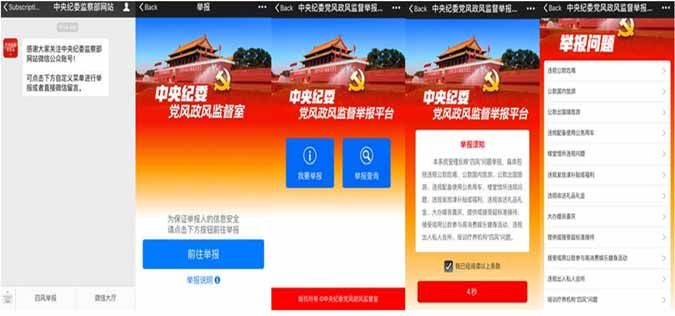
Topics to Be Discussed

•   An Overview of the FCPA and its Enforcement
•   Emerging Market Trends: China, the Middle East & Africa, and
    India
    – China: Anti-Corruption Enforcement & Trends
    – Middle East and Africa: Anti-Corruption Enforcement & Trends
    – India: Anti-Corruption Enforcement & Trends
•   Global Trends and Risk Mitigation Strategies

                                                                                       3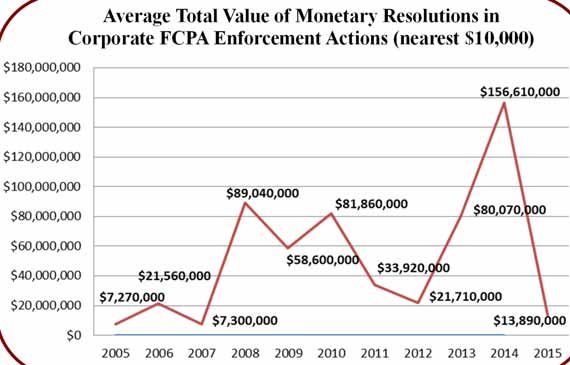
An Overview of the FCPA and
      its Enforcement

                                                         4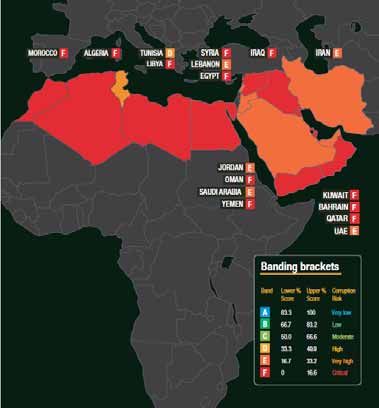
Overview: FCPA
What is the Foreign Corrupt Practices Act?

The FCPA was enacted in 1977 in the wake of reports
that numerous U.S. businesses were making large
payments to foreign officials to secure business.

 •   Anti-Bribery Provisions: The FCPA prohibits corruptly giving, promising, or
     offering anything of value to a foreign government official, political party, or party
     official with the intent to influence that official in his or her official capacity or to
     secure an improper advantage in order to obtain or retain business.

 •   Accounting Provisions: The FCPA also requires issuers to maintain accurate
     “books and records” and reasonably effective internal controls.

                                                                                                               5
FCPA: Who is Covered by the FCPA?
•   Issuers: Any company whose securities (including American Depository Receipts and
    registered debt) are registered in the United States or that is required to file periodic reports
    with the SEC.
     • The FCPA also applies to stockholders, officers, directors, employees, and agents acting
         on behalf of the issuer.
     • Issuers must adhere to both the FCPA’s Anti-Bribery and Accounting Provisions.

•   Domestic Concerns: Any individual who is a U.S. citizen, national, or resident of the
    United States (not just U.S. citizens), or any business organization that has its principal
    place of business in the United States or which is organized in the United States.
     • The FCPA also applies to stockholders, officers, directors, employees, and agents acting
        on behalf of the domestic concern.
     • Domestic Concerns must adhere to the FCPA’s Anti-Bribery Provisions.

•   Other Persons: Anyone who takes any act in furtherance of a corrupt payment while within
    the territory of the United States.
      • “Other Persons” must adhere to the FCPA’s Anti-Bribery Provisions.

                                                                                                                  6
Definition of “Foreign Official”
The FCPA prohibits corrupt payments to “foreign officials,” which is
defined expansively to include:
                                                                                Eleventh Circuit Adopts Broad Definition
•   Any officer or employee (including                                                    of “Instrumentality”
    low-level personnel) of a foreign
    government department or agency;                           In U.S. v. Esquenazi,* the 11th Circuit defined an “instrumentality”
                                                              as an entity that 1) is controlled by the foreign government and 2)
•   Personnel of an “instrumentality”                         performs a function the government treats as its own.
    of a foreign government, which has
    been construed to include                                 According to the court, characteristics of a “controlled” entity may
    employees of government-owned                             include:
    or government-controlled                                  • Government’s formal designation;
    businesses and enterprises;                               • Government ownership stake;
                                                              • Government’s ability to hire and fire the entity’s principals;
•   Personnel of public international                         • Extent to which the entity’s profits go to the government; and
    organizations, such as the United                         • Extent to which government funds the entity.
    Nations, World Bank or other
    international financial institutions,                     Characteristics of an entity that performs a government function may
    the Red Cross, and others;                                include:
                                                              • Whether the entity has a monopoly over the function;
•   Political party officials and                             • Whether the entity receives government subsidies;
    candidates; and                                           • Whether the entity provides services to the public at large; and
•   Members of royal families.                                • Whether the public and the government perceive the entity to be
                                                                  performing a public function.

                             *752 F.3d 912 (11th Cir. 2014); see also U.S. v. Duperval, 777 F.3d 1324 (11th Cir. 2015).
                                                                                                                                                             7
FCPA: What Types of Payments are Prohibited?
• The FCPA prohibits not only actual payments, but also any offer, promise, or
  authorization of the provision of anything of value.
   — No payment needs to be made nor benefit bestowed for liability to attach.
    — An offer to make a prohibited payment or gift, even if rejected, is a violation of
      the FCPA.

• The FCPA also prohibits indirect corrupt payments.
   — The FCPA imposes liability if a U.S. company authorizes a payment to a third
      party while “knowing” that the third party will make a corrupt payment.
    — Third parties include local agents, consultants, attorneys, subsidiaries, etc.

• Political or Charitable contributions can violate the FCPA.

                                                                                                           8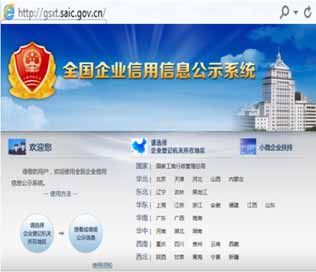
FCPA: What Constitutes a “Thing of Value”?

 •   There is no “de minimis” exception.              “As part of an effective compliance
 •   It is not limited to tangible items of           program, a company should have
     economic value.                                  clear and easily accessible guidelines
                                                      and processes in place for gift-giving
 •   It can include anything a recipient              by the company’s directors, officers,
     would find interesting or useful,                employees, and agents.”
     including:
                                                       -A Resource Guide to the U.S. Foreign Corrupt Practices Act (p.16).

     •   Gifts                    •   Trips
     •   Sporting Event Tickets   •   Loans
     •   Entertainment            •   Employment
     •   Food and Wine            •   Consulting Fees
     •   Meals                    •   Mobile phones and electronic devices
     •   Internships              •   Education
     •   Professional Training    •   Political or Charitable Contributions

                                                                                                                             9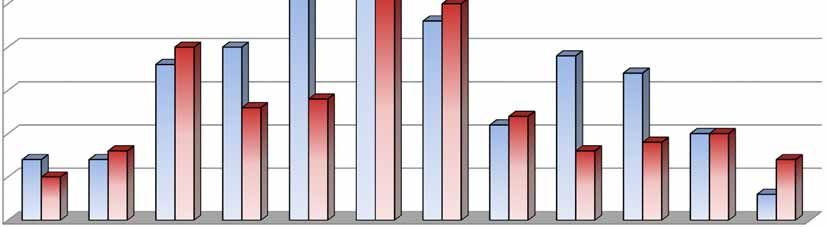
FCPA Enforcement Actions Per Year (2005-2016*)

 50                                                      48                                                             DOJ Actions
                                                                                                                        SEC Actions
 45

 40

 35

 30
                                               26               26
                                                                          25
 25                                                                  23
                              20   20
                                                                                         19
 20                      18
                                                                                                    17
                                                    14
 15                                       13
                                                                                    12
                                                                               11
                                                                                                                   10     10
                                                                                                           9
 10                  8                                                                          8
      7          7                                                                                                                    7
             5
  5                                                                                                                              3

  0
      2005       2006    2007      2008        2009      2010        2011      2012      2013       2014           2015         2016

                                                                                                           *As of March 7, 2016.                  10
Number of FCPA Enforcement Actions by Region
(2005 to 2016*) in FCPA Enforcement Actions
(2005-pres
China 73
Nigeria 70
Iraq 45
Mexico 32
Indonesia 31
Argentina 29
India 24
Russia 20
Venezuela 17
Thailand 17
Brazil 16
Vietnam 15
South Korea 15
Saudi Arabia 14
Egypt 13
Angola 13
Kazakhstan 12
UAE 11
Greece 11
Honduras 10
Costa Rica 10
Turkey 9
Poland 9
Malaysia 9
Ecuador 9
Azerbaijan 9
Panama 9
Taiwan 8
Haiti 8
Uzbekistan 8
Macedonia 7
Kyrgyzstan 7
Croatia 7
Bangladesh 7
Montenegro 6
Iran 6
Senegal 5
Rwanda 5
Italy 5
DRC 5
0 10 20 30 40 50 60 70 80
* Minimum five enforcement actions.
** As of March 7, 2016
11Enforcement of the FCPA: Criminal Penalties
Anti-Bribery Provisions
• Corporations: $2 million fine or twice the pecuniary gain or loss.
• Individuals: Up to five years’ imprisonment and a $250,000 fine or twice the pecuniary gain or loss.
Books and Records Provisions
• Corporations: Criminal penalties up to a $25 million fine.
• Individuals: Up to 20 years’ imprisonment, and a $5 million fine.
Average Total Value of Monetary Resolutions in
Corporate FCPA Enforcement Actions (nearest $10,000)
Money Matters
U.S. enforcement authorities have
obtained over $6.7 billion in
penalties, fines, and disgorgement
under the FCPA since 2004.
The average value of a corporate
FCPA enforcement action has
dipped below the $20 million
mark only three times since 2004.
12Recent Blockbuster Enforcement Actions
Three of the top ten largest monetary settlements in FCPA history were reached in 2014
and 2016. All but two were reached after 2010.
No. Company Total Resolution DOJ Component SEC Component Date
1 Siemens AG* $800,000,000 $450,000,000 $350,000,000 12/15/2008
2 Alstom S.A. $772,290,000 $772,290,000 -- 12/22/2014
3 KBR/Halliburton $579,000,000 $402,000,000 $177,000,000 2/11/2009
4 BAE Systems** $400,000,000 $400,000,000 -- 2/4/2010
5 Total S.A. $398,200,000 $245,200,000 $153,000,000 5/29/2013
6 VimpelCom Ltd.*** $397,600,000 $230,100,000 $167,500,000 2/18/2016
7 Alcoa $384,000,000 $223,000,000 $161,000,000 1/9/2014
8 Snamprogetti/ENI $365,000,000 $240,000,000 $125,000,000 7/7/2010
9 Technip S.A. $338,000,000 $240,000,000 $98,000,000 6/28/2010
10 JGC Corp. $218,800,000 $218,800,000 -- 4/6/2011
* Siemens’s U.S. FCPA resolutions were coordinated with a €395 million ($569 million) anti-corruption settlement
with the Munich Public Prosecutor.
** BAE pleaded guilty to non-FCPA conspiracy charges of making false statements and filing false export licenses,
but the alleged false statements concerned the existence of the company’s FCPA compliance program, and the
publicly reported conduct concerned alleged corrupt payments to foreign officials.
*** VimpelCom’s resolutions were coordinated with a $397.5 million settlement to Dutch regulators.
13Global Emerging Market Trends
© Transparency International, 2015
Source: Transparency International–2015 Corruption Perceptions Index
14China: Market Characteristics
Estimated population of
1.4 billion China in 2015. High median
age (36.8).
China’s foreign trade surplus in
$593.2 billion 2015.
China’s projected GDP growth
rate for 2016. GDP is expected
6.3% to grow 2.8% in the U.S. and
2.9% worldwide during 2016.
$2.27 trillion Total value of exports in 2015.
Expected reduction of working
age population between 2010 and
90 million 2040 primarily due to low
fertility rate.
$126.3 billion Total inbound FDI in 2015.
Sources: Worldometers: China Population 2015; CIA World Factbook: China; General Administration of Customs: Access to Public Information -
Customs Statistics; World Economic Outlook: Uncertainty, Complex Forces Weigh on Global Growth (Oct. 6, 2015); China Working Age
Population ‘to Fall 10% by 2040, FT (Dec. 9, 2015); MOFCOM Data Center.
15Middle East & North Africa: Market Characteristics
385 Estimated MENA
million population.
Middle East’s Uncertain Financial Future
• Oil price collapse has lead to slowed Gulf Cooperation Council $2.92 MENA’s estimated GDP in
(“GCC”) growth (down from 3.25% to 2.6%), uncertainty in trillion 2015.
M&A markets and projects, increased focus on economics
(sometimes at price of best practices) an impact on MENA projected GDP
2.8%
governmental institutions (as active economic players). growth rate for 2016.
• Political geopolitical instability and terrorism have also MENA projected GDP
contributed to decreased FDI. 3.3%
growth rate for 2017.
• Iran as potential new market. Projected size of MENA
185
workforce in 2020, up from
million
146 million in 2010.
$121 Total inbound FDI in 2014
billion (up 22%).
Total outbound FDI in 2014
$38 billion
(down 21%).
Lost revenues due to oil
$340
price collapse, 24% of GCC
billion
GDP.
Sources: The World Bank , Data: Arab World; The World Bank, Unlocking Employment Potential in the Middle East and North
Africa: (2014); Focus Economics , Economic Snapshot for the Middle East & North Africa..
16Africa: Market Characteristics
1.186 Estimated population of
billion Africa in 2015.
Africa’s Financial Future
• Decreased commodity prices have
affected a number of new $1.73 Africa’s estimated GDP
infrastructure projects and related trillion in 2015.
FDI.
Sub-Saharan Africa’s
• Political instability, lack of projected GDP growth
governance, and corruption still seen 4.4% rate for 2016. GDP is
as major issues for investors. expected to grow 3.3%
worldwide during 2016.
• Rapid urbanization and growing
consumer class will also drive growth. Number of workers
450 projected to join the
• Infrastructure, consumer-facing goods
(specifically TMT, financial services, million workforce between 2010
and retail), and agriculture are and 2035.
expected to be driving investments.
Total inbound FDI in
$38 2015—decline of 31%
billion from 2014 figure of
USD53.9 billion.
Sources: World Bank, Data – Sub-Saharan Africa (developing only); EY, Fraud and corruption – The Easy Option for Growth?
Europe, ME, India and Africa Fraud Survey 2015; EY, Attractiveness Survey Africa 2015 – Making Choices; United Nations
Department of Economic and Social Affairs, Population Division.
17India: Market Characteristics
Estimated population of India in
1.25 billion 2015—set to match and possibly
exceed China by 2022. Low
median age (27.3).
$-7.9 billion India’s foreign trade deficit in
January 2016.
India’s projected GDP growth rate
for 2016 is expected to match
7.5% 2015’s rate. GDP expected to
double by 2018.
Total value of 2014-2015 exports
$310.3 billion (India calendar year).
12 million The number of people who enter
India’s work force each year.
“What is the aim of reform? Is it just to increase the measured rate of
GDP growth? Or is it to bring about a transformation in society?
My answer is clear. We must reform to transform.”
- Prime Minister Narendra Modi (Nov. 7, 2015)
Sources: CIA World Factbook: India,; UN: India to Overtake China’s Population by 2022, BBC NEWS ASIA (July 30, 2015); Trading Economics,
India Balance of Trade; IMF, World Economic Outlook Update, T1; India’s GDP Can Double in 3 Years: Railway Minister Suresh Prabhu, NDTV
(Aug. 21, 2015); India Department of Commerce, Export: Country-wise; Indian Economy Better Placed Today, Reforms Will be Pursued: PM
Narendra Modi, THE ECONOMIC TIMES (Nov. 7, 2015); The Numbers, India’s Labor Force, THE WALL STREET JOURNAL (July 22, 2015).
18CHINA
19China’s Corruption Landscape
83rd China’s CPI Rank (2008-2015)
2008 2009 2010 2011 2012 2013 2014 2015
When the anti-corruption campaign
is in its third year, China has scored 60
37 (up from 36 in 2014), and has 70
improved its rank from 100th to 83rd.
80
90
Corruption cases handled by 100
110,000 Chinese prosecutors from
110
2013 to August 2015.
Corruption cases concluded Officials since investigated for
by Chinese courts 1,536 corruption from September 2012
16,000 nationwide in 2015. to mid-February 2016.
Value of funds and assets
embezzled or misused by Officials at or above the provincial
¥6.3bn sentenced officials since 155 or ministerial level investigated
for corruption since August 2012.
August 2012.
Sources: Transparency Int’l, Corruption Perceptions Index (2015); Chinese Prosecutors Probe 54,000 Officials for Graft, Negligence in 2015,
CHINA DAILY (Jan. 25, 2016); China Prosecutors Investigate 140,000 Suspects in Anti-Graft Drive, XINHUA NEWS (Sept. 21, 2015); Catching
Tigers and Flies, https://anticorruption.chinafile.com/ (last accessed Feb. 28, 2016); China Punishes 249 Officials for Laziness during
Corruption Crackdown, THE GUARDIAN (Sept. 29, 2015), 445 - (Dec. 8,
2015), http://news.jcrb.com/jxsw/201512/t20151208_1571779.html.
20FCPA Enforcement Actions in China
Since 2002, the DOJ and the SEC have brought enforcement actions against 36
corporations relating to business activities in China:
• InVision Technologies, 2004 • Rockwell Automation, 2011
• Diagnostic Products Corp., 2005 • Watts Water Technologies, Inc., 2011
• Schnitzer Steel Industries, 2006 • Biomet, Inc., 2012
• Paradigm BV, 2007 • Pfizer/Wyeth, 2012
• York International, 2007 • Nordam Group, Inc., 2012
• Alcatel-Lucent, 2007 • Tyco, 2012
• AGA Medical, 2008 • Eli Lilly, 2012
• Faro Technologies, 2008 • Keyuan Petrochemicals, Inc., 2013
• Siemens AG, 2008 • Diebold, Inc., 2013
• ITT Corporation, 2009 • Bruker Corp., 2014
• Avery Dennison, 2009 • Avon Products (China) Co., Ltd, 2014
• Control Components, Inc., 2009 • BHP Billiton, 2015
• UTStarcom, Inc., 2009 • Mead Johnson Nutrition, 2015
• Daimler AG, 2010 • Bristol-Myers Squibb, 2015
• Veraz Networks, Inc., 2010 • SciClone Pharmaceuticals, 2016
• Alliance One International, 2010 • PTC Inc., 2016
• RAE Systems, Inc., 2010 • Qualcomm Inc., 2016
• IBM Corp., 2011
• Maxwell Technologies, 2011 No. 1: In the past decade, the number of enforcement
actions involving conduct in China ranks No.1,
surpassing those involving conduct in Nigeria.
21FCPA Enforcement Actions in China (cont’d)
At least 24 China-related investigations are underway:
5
24 Disclosed
Number of companies that 4 Investigations
resolved China-related
3
DOJ/SEC enforcement actions AstraZeneca, Delphi
from 2008-2016. After a brief 2
Automotive,
dip, the trend appears to be
1 Deutsche Bank,
once again on the rise.
0
Dun & Bradstreet,
2008 2009 2010 2011 2012 2013 2014 2015 2016 General Cable,
GlaxoSmithKline, Goldman
Recurring risk patterns in ongoing investigations are: Sachs, Grifols, HSBC,
Risk Areas Company Disclosures Harris Corp., Ingersoll-Rand,
Johnson Controls,
Pharmaceuticals / Personal AstraZeneca, GlaxoSmithKline, Grifols, Novartis, Nu Skin
JPMorgan Chase,
Care
Las Vegas Sands,
Whistleblower Allegations NCR Corp., Wal-Mart MTS Systems, NCR Corp.,
Gift, travel and entertainment Harris Corp., MTS Systems, Nortek, SL Industries Nortek, Novartis, Nu Skin
to government officials Enterprises, Rolls Royce,
Sales / Marketing / Payment AstraZeneca, General Cable, GlaxoSmithKline, Grifols, Nortek, Sensata Technologies,
Practices Sciclone, United Technologies SL Industries, United
Third Parties AstraZeneca, General Cable, Harris Corp., Novartis, Rolls
Technologies,
Royce, Sensata Technologies, United Technologies Wal-Mart
Employee Hiring Practices Chase, Deutsche Bank, Goldman Sachs, HSBC, JPMorgan
Sources : SEC filings and public disclosures.
22China-Related FCPA Enforcement Actions in 2015
SEC: Bristol-Myers Squibb
Common Themes From
• Bristol-Myers Squibb’s JV in China allegedly provided cash, other gifts, 2015 Enforcement Actions
meals, travel, entertainment, and sponsorships for conferences and
meetings to health care providers (“HCPs”) at state-owned hospitals in
• Healthcare-sector focus;
exchange for prescription sales, and falsely recorded these transactions as
• Gifts, meals, travel, and
legitimate business expenses.
• Cost: BMS paid more than $14 million and will submit to a two-year entertainment provided to
compliance self-monitorship to settle FCPA accounting charges. government officials;
• Speech engagements,
SEC: Mead Johnson Nutrition sponsorships for
• Mead Johnson’s Chinese subsidiary allegedly provided cash and other conferences, meetings, and
incentives through “distributor allowance” funds to HCPs at state-owned high-profile events;
hospitals in exchange for formula milk recommendations to new or expectant • Inadequate procedures to
mothers, and did not accurately reflect the more than $2M in improper ensure meaningful
payments in its books and records. preparation, review, and
• Cost: Mead Johnson paid $12 million to settle FCPA accounting charges. approval of hospitality
requests;
• Use of fake or altered
SEC: BHP Billiton
invoices, receipts, and
• BHP Billiton allegedly offered tickets and other benefits in connection with the purchase orders for expense
Beijing Olympic to government officials. Sponsored guests, primarily from reimbursement in connection
countries in Africa and Asia, received hospitality packages, including event with improper payments; and
tickets, luxury accommodations, and sightseeing excursions. • Use of off-book slush funds
• Cost: BHP paid a $25 million penalty to settle FCPA accounting charges, and in collusion with
will self-report on the state of its compliance program to the SEC for one year. distributors.
Sources: SEC BMS Administrative Order (Oct. 5, 2015); SEC BMS Press Release (Oct. 5, 2015); SEC
Mead Johnson Press Release (July 28, 2015); SEC BHP Billiton Press Release (May 20, 2015).
23China-Related FCPA Enforcement Actions in 2016
SEC: SciClone Pharmaceutical Emerging Trends from
• SciClone’s China-based subsidiaries allegedly gave money, gifts, and other things of Recent Enforcement
value to HCPs at state health institutions in China, and inaccurately reflected these Actions in 2016
improper inducements in the company’s books and records.
• Cost: SciClone agreed to pay over $12.8 million in civil penalties, disgorgement and • Healthcare- and
prejudgment interest and will submit to three years of remediation status reporting to technology-sector
settle FCPA anti-bribery and accounting charges. focus;
SEC & DOJ : PTC Inc. • Money, gifts, and
• PTC’s Chinese subsidiaries provided recreational travel and gifts to Chinese recreational travel
government officials through local business partners, and falsely recorded these provided to
transactions as legitimate commissions or business expenses. government officials;
• The SEC entered into its first individual deferred prosecution agreement in an • Employment and paid
FCPA case with Yu Kai Yuan, a former PTC China employee, who agreed to cooperate internships provided
throughout the three-year deferral period. to relatives of
• PTC did not receive voluntary disclosure or full cooperation credit because it failed to government officials;
disclosed relevant facts at the time of its initial disclosure. • Misconduct condoned
• Cost: PTC agreed to pay $28 million in total to settle FCPA anti-bribery and by management;
accounting charges and entered into a three-year non-prosecution agreement. • Full disclosure
SEC: Qualcomm Inc. required to receive
voluntary disclosure or
• Qualcomm allegedly offered or provided employment and paid internships to relatives full cooperation credit;
of Chinese officials, and provided frequent meals, gifts, and entertainment to Chinese
and
officials and their family members. Qualcomm allegedly misrepresented the things of
• Expanded use of
value provided as legitimate business expenses in the company’s books and records.
individual DPAs to
• Cost: Qualcomm agreed to pay a $7.5 million penalty to settle FCPA anti-bribery and
accounting charges, and agreed to a two-year self-monitorship. cover individuals.
Sources: SEC SciClone Administrative Order (Feb. 4, 2016); SEC SciClone Press Release (Feb. 4, 2016);
SEC PTC Administrative Order (Feb. 16, 2016); SEC PTC Press Release (Feb. 16, 2016); SEC Qualcomm
Press Release (Mar. 1, 2016).
24Legislative Development in Anti-Corruption Areas
Nationwide
Latest Amendment to Criminal Law Anti-Corruption Provisions (effective Nov. 1, 2015)
• For the first time, criminalizes bribery of officials’ close relatives or associates.
• Replaces specific monetary thresholds for official embezzlement charges with more
flexible tiers for offenses involving “relatively large,” “huge,” and “especially huge”
amounts.
• Adds monetary fines for all graft- and bribery-related offenses.
• Requires higher level of cooperation for leniency.
Proposed Amendment to Anti-Unfair Competition Law (Released Feb. 25, 2016)
• Clarifies that economic benefits not accurately reflected in contracts and accounting
records are deemed commercial bribes.
• Clearly prohibits commercial bribery through third parties.
• Prohibits promising to offer and agreeing to accept commercial bribes, even where
bribes are not actually given or accepted.
• Redefines penalties for commercial bribery to 10%-30% of illegal revenues.
• Adds penalties for obstruction of investigation.
25Legislative Development in Anti-Corruption Areas
Healthcare Industry
New Rules Governing Donations to Healthcare Entities (Trial Implementation)
• Apply to PRC healthcare-related donees and domestic and foreign donors.
• Implement a broad definition of “donations” and impose limitations on use.
• Require donees to publicly disclose information regarding donations received.
• Prohibit donations involving commercial activities, unfair competition, or commercial
bribery, or relating to the donee’s procurement of goods and services.
• Do not specifically address whether pharmaceutical or medical device companies’
sponsorship of hospital events are permissible.
26Chinese Anti-Corruption Campaign:
Domestic Enforcement
By the Numbers (2015):
33,966 Number of officials disciplined by CCDI in China for violations of the “Eight Rules” (embezzlement,
bribery, abuse of power, misappropriation, dereliction of duty, and malpractice).
36,911 Number of cases investigated by CCDI for violations of the “Eight Rules.”
49,508 Number of officials investigated by CCDI for violations of the “Eight Rules.”
High-Ranking Officials Caught in the Anti-Corruption Crackdown:
• Former member of the CCP Politburo Standing From September 2012 to mid-February, 2016:
Committee and former Minister of Public Security
Zhou Yongkang sentenced to life in prison. • 155 officials at or above the provincial or ministerial
level investigated for corruption, including:
• Former President Hu’s top aide, Ling Jihua, arrested
and pending prosecution. • 44 from Beijing; and
• Allies of Zhou Yongkang, including Jiang Jiemin • 44 from the military.
and Wang Yongchun, former top executives of • At least one top official in each of China’s 31
CNPC and PetroChina, and former top officials provinces has been ensnared in a corruption
from Sichuan province, sentenced to lengthy prison scandal.
terms.
Sources: 2015 12 4785 2016 1 12 );
( ), China Economic Net (Nov.19, 2015); Catching Tigers and
Flies, https://anticorruption.chinafile.com/ (last accessed Feb. 28, 2016); Portrait of A Purge, THE ECONOMIST
(Feb. 13, 2016). 27Chinese Anti-Corruption Laws
Chinese law punishes both the giving and taking of bribes. Chinese criminal law
includes provisions criminalizing three types of bribery:
1. Official Bribery: Criminalizes bribery of state organs, state functionaries, or their
close relatives or associates.
• Harsh penalties applicable, including the death penalty.
• RMB 10,000+ triggers criminal liability for bribery; no minimum threshold for
graft.
• Criminal fines assessed for all official bribery offenses, regardless of whether
the offender is an individual or an entity.
2. Commercial Bribery: Criminalizes bribery of “staff of a company or enterprise”
and imposes record-keeping obligations.
• Employers are liable for the acts of their employees.
• No exception for small facilitating payments.
3. Foreign Bribery: Criminalizes bribery of “any foreign public official or official of
an international public organization.”
28Chinese Anti-Corruption Enforcement Agencies
CPC
Procuratorates Public State Administration
Discipline and
(Prosecutor’s Security (Law for Industry and
Inspection
Offices) Enforcement) Commerce (“SAIC”)
Commissions
Administrative (commercial
Enforcement Internal party discipline;
Criminal Criminal bribery); but can refer charges
Authority expanded supervisory role
to criminal authorities
Yes; expanded investigating
Yes; New Anti-Corruption
powers over party heads of
Bureau (“ACB”) established
higher people’s courts and
Investigating within the SPP (the national-
provincial-level
Powers (incl. level procuratorate), to
procuratorates, leading Yes Yes
Inspection, centralize anti-corruption
ministerial officials; and top
Raids) resources and overcome
executives of key state-owned
bureaucratic hurdles in handling
enterprises (“SOEs”) and
significant corruption cases
financial institutions
Charging No; but can refer cases to No; but can refer cases to
Yes Yes
Powers Procuratorate Procuratorate
Yes; including fines,
Quasi-judicial power, e.g.,
Enforcing confiscation of illegal income,
freezing bank accounts to No; determined by courts No; determined by courts
Penalties potential blacklisting by
maintain the status quo
government agencies
Investigates crimes Antitrust, consumer rights,
Other concerning public officials; Investigate crimes not business registration, trademark
Enforcement can use “Shuanggui” Prosecutes all crimes concerning public infringement, advertising, direct
Powers (“double-designation”) officials sales, market and online
against public officials transactions
29China Enforcement Trend:
Cross-Functional Regulatory Enforcement
• The developing Market Supervision Administration (“MSA”) combines the regulatory
functions of several existing agencies:
• Administration of Industry and Commerce
(“AIC”) – Business registration, enforcement of
Anti-Unfair Competition Law. AIC
• Food and Drug Administration (“FDA”) –
Regulation and registration for drugs and medical
devices, administration and supervision of food
(including health food) safety.
• Administration of Quality Supervision,
Inspection and Quarantine (“AQSIQ”) – FDA MSA AQSIQ
Importation controls on a wide range of products,
entry-exit commodity inspection.
• Development and Reform Commission (“DRC”)
– Pricing supervision and inspection.
Administratively, it may be easier for companies to interact DRC
with a single regulatory body with a centralized structure.
However, the broad power of a MSA to investigate a wide
range of conduct may increase the risk that corruption
investigations arise in tandem with other inquiries.
30Chinese Anti-Corruption Campaign: Extraterritorial Efforts
China is broadening the territorial reach of its anti-graft campaign to apprehend
corruption suspects and recover criminal assets overseas.
Apprehension of Overseas Fugitives
• China launched “Operation Fox Hunt” in 2014, followed by the “Sky China’s Capital Outflows
Net” campaign in 2015. Both initiatives are aimed at tracking down • China is the leading source of
corruption suspects overseas and recovering their ill-gotten assets. illicit outflows among
• In 2015, 857 PRC nationals in 66 overseas countries or regions have developing countries, with
been apprehended. nearly $1.4 trillion of illegal
Anti-Money Laundering Efforts funds transferred from China
between 2003 and 2013.
• Chinese authorities are cracking down on underground banking and
money laundering to prevent corrupt PRC officials from transferring • China noted a record $194
their criminal assets overseas. billion in capital outflows in
• Withdrawals at overseas ATMs are capped to stem capital outflows. September 2015.
U.S.-China Cooperation
• The U.S. and China have agreed to increased cooperation on cybersecurity, corrupt and criminal asset discovery,
and law enforcement.
• The U.S. repatriated its first Chinese corruption fugitive under the Sky Net campaign in 2015.
• The U.S. Treasury Department’s Financial Crimes Enforcement Network and its counterpart in China,
the China Anti-Money Laundering Monitoring and Analysis Center, signed a MOU to expand
AML cooperation.
Sources: China and US to Co-operate on Corrupt Asset Seizures, Deportations, FT (Sept. 27,2015); China, U.S. Sign Agreement to Expand
AML Cooperation, FCPA BLOG (Dec. 14, 2015); Police Step Up Underground Banks Battle, CHINA DAILY (Oct. 16, 2015); China Cracks $64
Billion `Underground Bank' Moving Money Abroad, BLOOMBERG (Dec. 16, 2015); 857 Fugitives Captured in “2015 Fox Hunt” Campaign (“
2015” 857 ), XINHUA NEWS (Jan. 27, 2016).
31Chinese Anti-Corruption Campaign:
Whistleblowing on the Rise
• Four out of five corruption investigations in China reportedly originated from whistleblower tips.
• Chinese authorities at many levels have established official channels, including telephone hotlines,
web pages, online platforms, mobile apps, and social media accounts for the public to report
corruption.
• A website designed to receive whistleblower reports regarding the Central Government has
received 4,924 whistleblower tips since its December 2014 launch.
• CCDI recently opened an account on a popular Chinese social media platform “WeChat.”
Through the account, users can lodge corruption complaints against government officials.
Key Lesson
Multinational companies
(“MNCs”) operating in
China should be aware of
increased risk of
whistleblowing in China.
Companies need to have a
process in place to promptly
and properly address and
investigate internal
whistleblower complaints,
thereby lowering the risk of
external exposure.
Sources: 众 , 2016 1 1 ); Vanessa Piao, China Lets Citizens’
Fingers Do the Talking to Report Graft, NYT (June 19, 2015); 关 开 4924 , 32
(2015 12 10 ).China Enforcement Trend: Continuing Scrutiny of SOEs
Dealing with China’s complicated web of state-owned entities is often a practical necessity for
companies. Many of these entities have been under investigation for corruption, and MNCs
should be alert for scrutiny arising from their local business relationships.
Sector Recent Enforcement Developments
Financial • Top officials at China Securities and Regulatory Commission (“CSRC”), major securities brokerages, including
CITIC Securities, and their senior executives under investigation following 2015 market crash.
• CCDI has launched an inspection tour of China’s financial regulatory agencies, including the China Banking
Regulatory Commission, as well as the big four state-owned commercial banks, including Agricultural Bank of
China.
Energy • Former top executives from Sinopec Group and China Resources under investigation for graft and corruption.
• Former executives of PetroChina and Sinopec face prosecution on corruption charges.
• President of Sinochem under investigation for graft and corruption.
Telecom • Senior executives of China Mobile’s Beijing, Tianjin, Shanxi, Hunan, and Fujian branches investigated for
corruption.
• Two major graft investigations are underway involving China Unicom subsidiary Huasheng Communications.
• Chairman and CEO of China Telecom resigned in a corruption probe.
Aviation • At least three officials from the Civil Aviation Administration of China and the general manager of Beijing
Capital Airport detained for suspicion of corruption.
• Several senior executives of China Southern Airlines under investigation.
Automotive • The president of Dongfeng Motor Group and the chairman of FAW Group Corp probed for suspected corruption.
Media • Party organ People’s Daily targeted in a corruption and blackmail investigation.
• Top executives of People.cn, the website of People’s Daily, detained for alleged corruption.
33China Enforcement Trend:
Anti-Corruption Push Shifts to Shanghai
Recent cases show that China’s anti-graft agencies have zeroed in on fighting corruption in the
country’s largest city and financial center. Companies seeking to take advantage of Shanghai’s
wealthier consumer base, educated labor force, and friendly business environment should
understand the risks.
• Twenty corporate, institutional and investment enterprises in Shanghai
under CCDI inspection, including:
• Two of China’s largest state-owned brokerages, Guotai Junan
Securities and Haitong Securities; and
• Major SOEs in the energy, aviation and financial sectors: Shanghai
Automotive Industry Corp., Shanghai Media Group, China
Pacific Insurance, Shenergy Co., Shanghai Electric Group Co.,
and Shanghai International Airport, etc.
• Vice Mayor Ai Baojun became the first provincial-level official sacked
in Shanghai in the anti-corruption campaign.
• Fosun Group chairman Guo Guangchang was recently taken away to
“assist in certain investigations,” and the scope of further investigation
remains unclear. Fosun was previously cited in a court proceeding
against Wang Zongnan, former chairman of Bright Food Group, for
the sale of two villas developed by Fosun to Mr. Wang’s parents at
below-market prices.
Sources: China Antigraft Agency to Scrutinize Over Dozen Shanghai Enterprises, WSJ (Nov. 24, 2015); China Jails Former Bright Food
Chief for 18 Years for Embezzling US$30 Million, SCMP (Aug. 12, 2015); Fosun’s Guo Guangchang Appears at Company Event in Shanghai,
WSJ (Dec. 14, 2015); China Probes Shanghai Vice Mayor for Suspected Graft, REUTERS (Nov. 11, 2015). 34China Enforcement Trend:
Expanded Avenues for Conducting Due Diligence
Due diligence on third parties—in particular on those who are close relatives or associates of
government officials—remains crucial to mitigating corruption risks. Conducting due diligence
has been made easier with China’s increasing willingness to grant access to its public records.
Incremental Access to Publicly Available Information
• A new set of enterprise reporting and disclosure data is available on the
Enterprise Credit and Information Public Disclosure System:
• Annual report for the preceding year filed with the local
Administration of Industry and Commerce (“AIC”) is available to
the public during the first half of the year.
• Information that may reflect the registered enterprise’s good
standing, including information regarding administrative sanctions
received, is disclosed on a real-time basis, within 20 working days of
such information becoming available.
• The Supreme People’s Procuratorate maintains a centralized Bribery
Conviction Database, linking systems of local procuratorates across the
country:
• Information on the nature of bribery charges, the name of the party (individual or company) offering the
bribe, the amount of bribe involved, and the penalties imposed are available through the database.
Sources: The Interim Regulation on the Public Disclosure of Enterprise Information ( ) (promulgated Aug.7, 2014, effective
Oct. 1, 2014); 关 , SPP.GOV.CN (Feb. 8, 2013); Prosecution of Bribery Cases Intensified in
2015, GLOBAL COMPLIANCE NEWS (Aug. 21, 2015); , YFW.COM.CN (Dec. 14, 2012),. 35China Enforcement Trend: Increasing Challenges to
Cross-Border Data Production
• China has been strengthening its state secrets and Key Lessons in Conducting Investigations and
data privacy laws, making it more difficult to Diligence in China
obtain sensitive information involving state When seeking documents and information in
secrets or citizens’ personal data. China, remember that PRC data privacy and state
secret laws and regulations may constrain data
• E.g., Ninth Amendment to the PRC Criminal Law production and transfer.
expands Article 253-1 criminalizes illegally
• A host of laws and sector-specific regulations
obtaining or providing any type of citizens’
may impact the legality of collecting personal
personal information. data of potential commercial relevance.
• Meanwhile, the effect of China’s state secrets and • Individuals who illegally obtain or provide
data privacy laws are being tested in U.S. citizens’ personal data are subject to criminal
litigation, and MNCs may face a dilemma when penalties under PRC Criminal Law Article 253-
compelled to produce restricted data from China. 1. Those who illegally obtain personal data in
the course of fulfilling official duties are
• In Gucci America Inc. et al. v. Li et al., No. 10- subject to increased penalties. Recipients of
04974 (SDNY), non-party Bank of China resisted data may also be held liable.
subpoenas to produce account records of suspected
• Chinese law does not clearly define the
counterfeiters, citing PRC laws. The Bank was meaning and scope of “state secrets.”
found in contempt and subject to a daily fine of Commercially relevant data may be classified
$50,000 until it complied with the subpoenas. and barred from overseas transmission.
Sources: U.S. Judge Holds Bank of China In Contempt For Defying Subpoenas, WSJ (Nov. 24, 2015); Bank
• Companies should seek expert advice regarding
of China Faces Daily Contempt Fines in U.S.-Court Ruling, REUTERS (Dec. 1, 2015). data collection, transmission, and production.
36Middle East & Africa
37MENA Corruption Landscape
Transparency International Corruption Perceptions Index 2015
3/10 Three out of the bottom 10 countries in the
Iraq: 161 Transparency Corruption Index are in MENA.
But diverse region – see United Arab
Iran: 130 Emirates, Qatar, Bahrain, Saudi Arabia and
Turkey– which are ranked 23rd, 22nd, 50th,
Turkey: 66
48th and 66th, respectively.
Saudi Arabia: 48 49% Percentage of MENA surveyed who believe
offering gifts or cash payments to win business
Qatar: 22
is justifiable to help business survive.
United Arab Emirates: 23 35% Percentage of MENA surveyed who believe
© Transparency International, 2015 bribery/corruption are widespread practices.
Stability, security and economic growth (in the face of economic slow-
downs) have taken precedence over, and have actually undermined, According to a recent survey of
anti-bribery and corruption efforts. corporate management in MENA,
only 52% of respondents stated that
Iran: semi-governmental organizations (e.g., Islamic Revolutionary they had an anti-bribery or anti-
Guards Corp) and sanctioned groups are deeply embedded economic corruption policy and code of
players (often held by holding companies and affiliates), a major conduct in place.
concern for companies entering into the market.
Sources: Transparency Intl., Corruption Perceptions Index 2015:Results; Transparency Intl. ; ME and North Africa: A Region in
Turmoil (2014); EY, Fraud and Corruption – the Easy Option for Growth? (2015); MENA Firms Lack Anti-Bribery, Anti-Corruption
Policies: Survey , ALBAWABA BUSINESS (June 17, 2015); Firms linked to Revolutionary Guards to win sanctions relief under Iran deal ,
REUTERS (Aug. 9, 2015). 38MENA Corruption Landscape: Increased Security,
Increased Corruption
• Increased defense spending across the region, coupled
with a lack of accountability and oversight, has fueled
increased corruption.
• Corruption further enables conflict and feeds illegal arms
proliferation, especially with poor export control systems
and the infiltration of organized crime into procurement.
• Examples of high-risk practices:
– Egypt’s entire defense budget ($4.4 billion) is classified as a
state secret, and no details on the spending are available.
– Bahrain has completed a number of large arms purchases
recently, but the process is very opaque. The procurement
steps are exempted from public tender and undefined. This
is also the case in the UAE.
– In Saudi Arabia, defense spending has increased and now
makes up 30% of public spending. However, the Ministry
of Defense does not exercise procurement control; often,
large strategic purchases can be undertaken by a single,
high-ranking member of the royal family. © Transparency International, 2015
Source: Transparency International, Defence & Security: Regional Results, Middle East and North Africa Government Defence Anti-
Corruption Index, 2015 .
39Africa Corruption Landscape
$60 billion Estimate by the UN Economic Commission for
Africa of the annual outflow of illicit finance
through trade mispricing alone.
72-90% Percentage of those surveyed in Nigeria (72%),
South Africa (78%), and Kenya (90%) stating that
bribery and corruption are widespread. Police and
the private sector are perceived as most corrupt. Of
public institutions, courts were also perceived as
very corrupt.
Country CPI Country CPI Country CPI
Rank Rank Rank
Botswana 28 Rwanda 44 Benin 83
Burkina
Cape Verde 40 Ghana 56 76
Faso
© Transparency International, 2015 Seychelles 40 South Africa 61 Zambia 76
According to Transparency International, 58% Mauritius 45 Senegal 61 Gabon 99
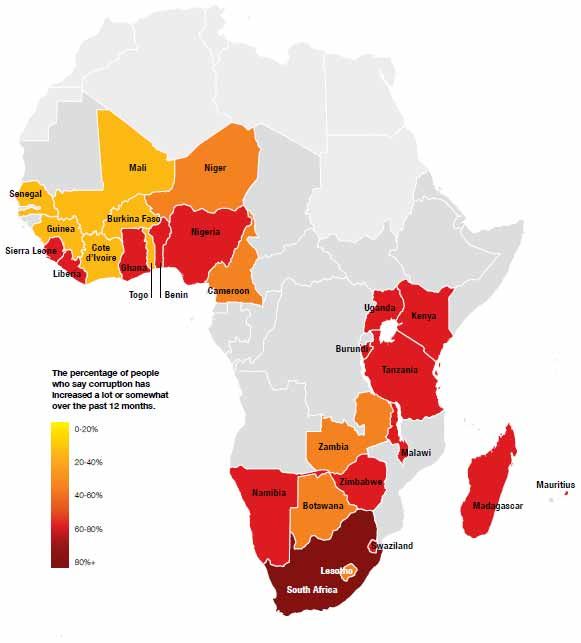
of people in Africa think corruption has Lesotho 61 Sudan 165 Liberia 83
increased in recent years. Countries with the
highest percentage of people with this belief Sao Tome and
Namibia 55 66 Somalia 167
were: (1) South Africa, at 83%, (2) Ghana, at Principe
76%, and (3) Nigeria, at 75%.
Sources: Transparency International , Corruption Perceptions Index 2015; Transparency International , Sub-Saharan Africa: Corruption Still
Hurts Daily Lives; EY, Attractiveness Survey Africa 2015: Making choices; Transparency International , People and Corruption: Africa
Survey 2015 – Global Corruption Barometer.
40Middle East: Anti-Corruption Trends
Oman: Since the Arab Spring, Oman has strengthened its
domestic anti-corruption laws by boosting the powers of the
state to investigate suspicious cases, and has sentenced nearly
30 people (including public officials and private sector
executives) for graft and corruption.
Tunisia: Tunisia is slowly unwinding the corrupt legacy of its deposed leader –
who in 2010 reportedly had, along with his privileged insiders, captured 21% of
all private sectors of the economy.
While several countries, such as Oman and Jordan, have taken
positive steps, the region generally lags behind in terms of
reform and legislation that focuses on integrity, transparency,
and accountability. For example, only three countries have
access to information laws (Yemen, Tunisia and Jordan), and
whistleblower protection is nearly nonexistent.
Sources:; After popular protests, Oman starts to pursue graft, REUTERS (March 23, 2014); Transparency International , Middle East and
North Africa: A region of Turmoil (2014); The World Bank , New World Bank Study Details Manipulation of Regulations by Former
Tunisian Regime Officials (2014). 41Africa: Anti-Corruption Trends
Africa lags behind in terms of institutional capacity and political will to fight
corruption. However, there is an increasing willingness on the part of states to
prosecute both current and former public officials for fraud and corruption and to
trace assets domestically and internationally.
Nigeria
Though many challenges remain, Nigeria’s President Buhari was elected in 2015 on a platform to
clean up politics. Recently, Nigeria’s former national security advisor, Sambo Dasuki, was
arrested for allegedly stealing over $2 billion by awarding phantom contracts to buy military
equipment (including helicopters and fighter jets) in connection with the fight against Boko
Haram militants. Given the entrenched institutional and political corruption, progress will likely
be ad hoc.
South Africa
Lack of enforcement has been a paramount issue for South Africa, which is a signatory to the
OECD convention and has recently strengthened its Anti-Corruption Task Team. The perception
remains, however, that the government lacks commitment to investigate and prosecute cross-
border corruption. South Africa has not prosecuted any major foreign bribery cases in the last
four years.
Sources: Transparency Intl., Sub-Saharan Africa: Corruption still hurts daily lives (2014); Transparency Intl, People and Corruption:
Africa Survey 2015; Transparency Intl , More enforcement against foreign bribery in SA (2015); PDP faults President Buhari for
collecting SUV’s from Dasuki, DAILY POST (Dec. 17, 2015); Nigeria’s Dasuki arrested over $2bn arms fraud, BBC NEWS (DEC. 1, 2015) 422015 FCPA Enforcement Actions Relating to the
Middle East and Africa
PBSJ Corporation (now known as The Atkins North America Holdings
Corporation): Florida engineering and construction firm allegedly offered
and authorized bribes and employment prospects to a Qatari foreign official
to win government contracts in Qatar and Morocco. The investigation found
that the firm offered and authorized approximately $1.4 million in payments
and benefits (designed as “agency fees”) in return for confidential
information relating to bids it submitted.
• SEC settlement: $3.4 million in disgorgement, interest, and penalties and
a DPA based on the company’s self-reporting and cooperation.
• Notably, this is only the third DPA entered into by the SEC.
Hitachi, Ltd.: Allegations that the Japan-based company sold a 25% stake in
its local South African subsidiary to Chancellor, a company that functioned as
an alter ego of the ANC. This arrangement allegedly allowed Chancellor to
share in profits from contracts won by Hitachi to build power plants worth
$5.6 billion.
• SEC settlement: $19 million in penalties. No bribery charges were
brought likely because the conduct occurred outside of the U.S.
• This case serves as a noteworthy reminder for robust risk-based
compliance programs, especially around new business partners.
432015 FCPA Enforcement Actions Relating to the
Middle East and Africa
BNY Mellon: Allegedly provided internships to relatives of foreign officials
overseeing an unnamed Middle Eastern sovereign wealth fund, which had over
$55 billion in assets under bank management.
• SEC charged the bank with violations of the anti-bribery and internal
controls provisions, pursuant to which BNY Mellon paid $14.3 million in
disgorgement, interest and penalties.
• This is the first case involving internships as the thing of value
• The SEC’s theory was that the “requesting officials derived significant
personal value in being able to confer this benefit on their family
members.”
Goodyear Tire & Rubber Co.: Allegedly paid bribes in connection with tire
sales in Kenya and Angola. The payments were in cash to employees of
private companies or government-owned entities and local authorities.
• Goodyear paid $16 million to settle the SEC’s charges, which were based
on a “failure to prevent or detect” risks, but did not include anti-bribery
charges.
• No penalty was levied due to the company’s self-reporting, remediation,
and cooperation.
442015 FCPA Enforcement Actions Relating to the
Middle East and Africa
FLIR: The SEC charged Oregon-based FLIR with violating the anti-bribery,
books and records, and internal controls provisions by allegedly financing a
“world tour” of personal travel for Saudi Arabian and Egyptian officials in
order to influence sales of its infrared technology products. FLIR allegedly
made over $7 million in profits from tainted transactions.
• FLIR self-reported the conduct and cooperated with the investigation. It
agreed to pay approximately $9.5 million in disgorgement, prejudgment
interest, and penalties.
• Like the other cases discussed, there were also no DOJ charges.
• Gifts, travel, and entertainment remain an important enforcement theme.
Key Lessons from the FLIR Settlement
• More often than not, enforcement involves multiple countries. Ensure consistency in
compliance programs (and enforcement) and messaging across the region.
• FLIR illustrates how governments tend to be very large players—both as regulators and
customers—in the marketplace. This is especially true in the security industry.
• DOJ perhaps more frequently declining to prosecute companies for FCPA violations.
45Middle East Enforcement Trend: Improvement in
Legal Frameworks and Enforcement
In Middle Eastern countries where Western businesses are more likely to invest
(e.g., the GCC countries, Turkey, Israel), there are clear signs of improvement in
transparency and anti-corruption enforcement. However, macro-headwinds may
slow down or reverse progress.
Main Challenges:
• Historically, GCC governments have been major players in the economy rather
than arm’s-length regulators.
• Retention of local agents or sponsors may be a prerequisite for doing business in
certain markets.
• Public sector funds and the ruling family’s wealth are sometimes indistinguishable.
• A focus on security concerns and business imperatives, along with a challenging business
environment, make corruption more attractive and put enforcement in the backseat.
Key Takeaways:
• Political corruption, lack of transparency and a declining security situation that perpetuates corruption are all
major challenges, though certain major markets in the region have seen a slow cultural shift towards “arm’s-
length” business transactions.
• Local relationship-driven business culture increases the risk of FCPA and U.K. Bribery Act violations.
• Companies are advised to exercise caution and carry out due diligence before entering JVs or retaining agents or
distributors.
46Trend: Iran Sanctions Relief
The Iran sanctions regime is the most comprehensive U.S. sanctions regime, and
includes hundreds of black-listed organizations and individuals, targeting both the
jurisdiction and specific industrial sectors.
E.U. Sanctions Relief
• Sanctions relief (since Implementation Day on 16 January 2016) has allowed EU firms to
reenter Iran.
U.S. Sanctions Relief
• For non-U.S. persons: broadly speaking (a) sanctions have been lifted (b) sanctioned
individuals have been removed from sanctions list, and (c) entities no longer face the choice
between Iranian and U.S. markets.
• For U.S. persons, relief includes:
• export of civil aviation goods,
• imports of food stuffs and certain goods,
• foreign subsidiaries of U.S. companies resuming
work in Iran, and
• an easing of granting licenses
(will vary depending on the political atmosphere).
47Trend: Iran Sanctions Relief (cont’d)
Main challenges and takeaways:
• Many significant entities remain sanctioned (e.g., the Islamic Revolutionary Guard Corps).
Enhanced due diligence will therefore remain essential;
• Ongoing legal and reputational risk;
• Possible for there to be a “snap back” of sanctions (e.g., post election);
• Western banks have not (yet) entered the Iranian market (de-risking approach);
• Non-U.S. firms can again engage with many of Iran’s largest banks, corporations, and
organizations without risking their U.S. market access;
• Culture of compliance from top down is key;
• Enhanced and continual due diligence with robust internal controls and accurate risk analysis
is vital, as is paying attention to partly owned entities, enhanced reps, and warranties.
A brief illustration of the continuing challenges:
While there is now relief for the civil aviation
sector, companies will still have to contend with
sanctioned individuals and entities—for example,
Mahan Airlines, which has been involved in
transporting Iranian troops and military
equipment to Syria and Yemen, will remain
conflicted.
48Africa Enforcement Trend
Arab Spring and various sub-Saharan African countries have been taking
serious steps to fight corruption and to trace assets of former and current
officials.
• Poverty, political instability, and slow economic development are the main
challenges facing the African continent.
• Corruption remains a major problem.
• Several nations have taken proactive measures to fight corruption:
• Nigeria and Tunisia have been pursuing the assets of former regime
members worldwide with some degree of success.
• Djibouti, Senegal, and Malawi have taken enforcement action against high-
profile individuals charged with corruption-related offenses
• Tackling corruption will continue to be prominently featured on the political agenda as long as it remains a
key objective of foreign aid donors. For example, foreign aid may comprise up to 40% of Malawi’s budget.
After the cabinet’s sacking in Malawi, the EU threatened to withhold a scheduled aid payment of 29 million
Euros until the government could prove it was taking steps to confront endemic corruption.
Key Takeaways
Although some changes have been made in Africa, broadly speaking there has been a lack of significant institutional progress in
both government and private sectors. Companies looking to do business and invest in Africa are advised to ensure that their anti-
corruption policies and procedures are up-to-date. Companies are also advised to do extensive due diligence prior to committing
funds to ensure compliance with the local regulatory regime and global expectations.
49You can also read


