Welcome to the ESG Risk Webinar Series icaew.com/esgrisk - We will begin the webinar shortly
←
→
Page content transcription
If your browser does not render page correctly, please read the page content below
Welcome to the
                           ESG Risk Webinar
                           Series
                           icaew.com/esgrisk
                           Brought to you by the Financial Services Faculty

We will begin the webinar shortly…
                                                                   © ICAEW 2021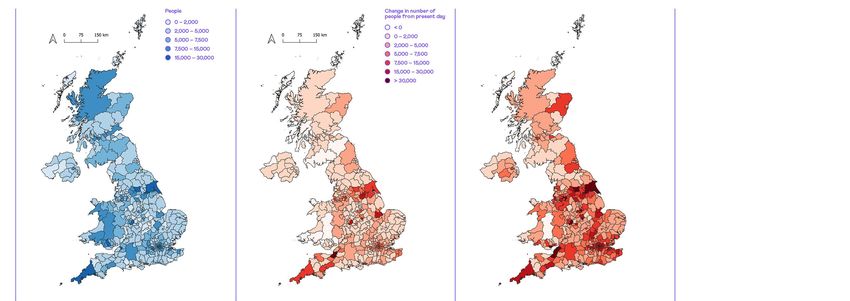
ESG Risk Webinar Series
• The Science behind the risks we face
• 08 September 2021, 11:00 - 12:00
• Data: Are we at peak complexity?
• 15 September 2021, 11:00 - 12:00
• Data - in practice
• 21 September 2021, 16:00 - 17:00
• Risk Management
• 06 October 2021, 11:00 - 12:00
• Reporting
• 13 October 2021, 11:00 - 12:00
• Assurance - getting it right
• 20 October 2021, 11:00 - 12:00
                                         © ICAEW 2021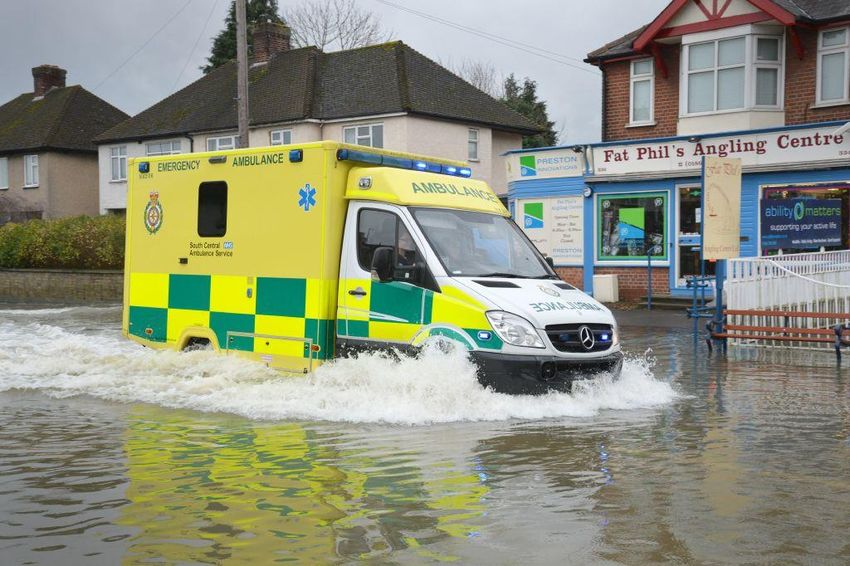
ESG: The science
                                                     behind the risks we
                                                     face

Find out more information at www.icaew.com/esgrisk
                                                                     © ICAEW 2021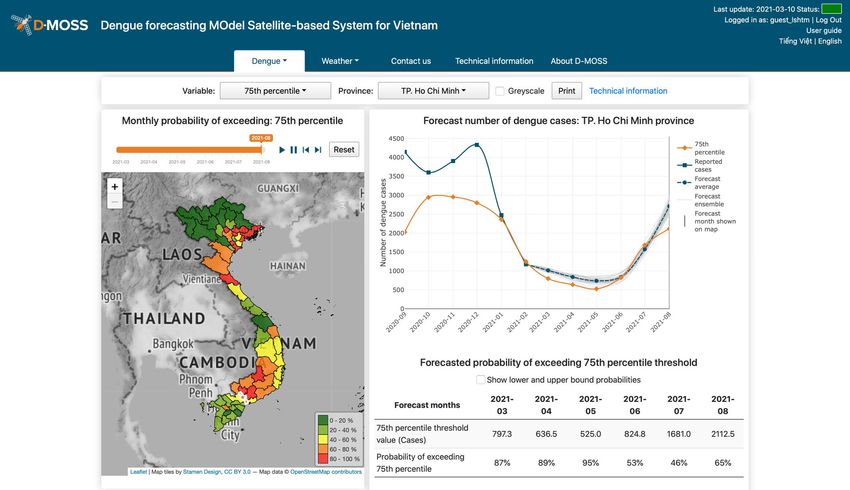
Presenters

 Professor Alan Dangour   Dr Sari Kovats BA MSc   •   Dr Rachel Lowe BSc    Hitesh Patel, NED &   Zsuzsanna Schiff,
     MSc PhD RNutr                 PhD                     MSc PhD            Chair of ICAEW      Financial Services
                                                        •   LSHTM          Insurance Committee         Faculty
        LSHTM                    LSHTM
                                                                                                       ICAEW

Find out more information at www.icaew.com/esgrisk
                                                                                                                   © ICAEW 2021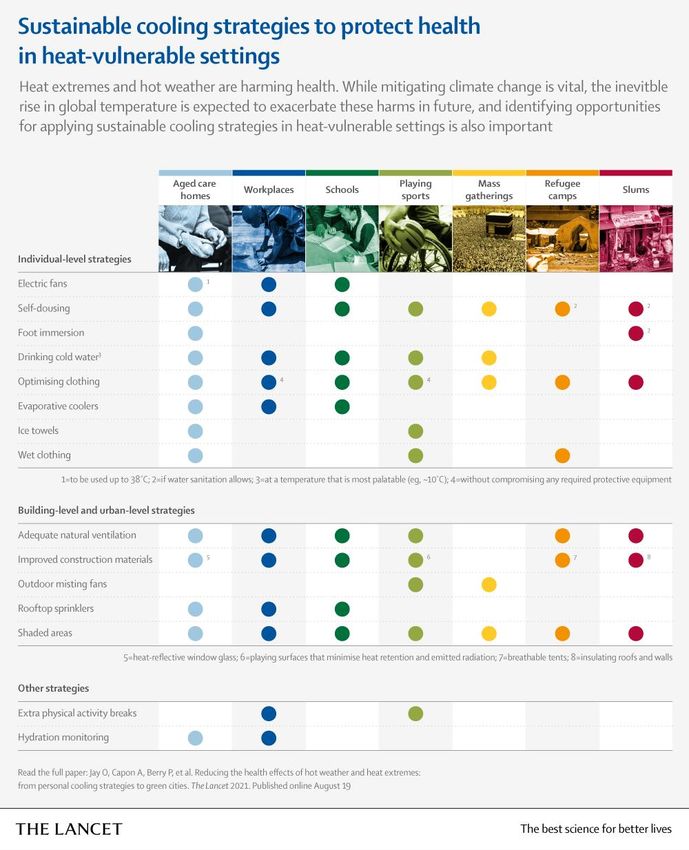
Professor Alan
Dangour MSc PhD
RNutr

             © ICAEW 2021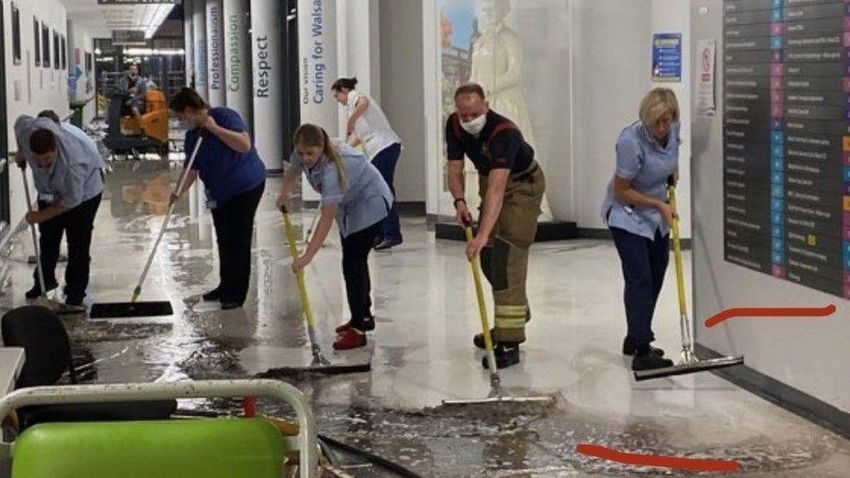
Climate change and health
       Dr Sari Kovats
       Dr Rachel Lowe
   Professor Alan Dangour

                            @LSHTM_Planet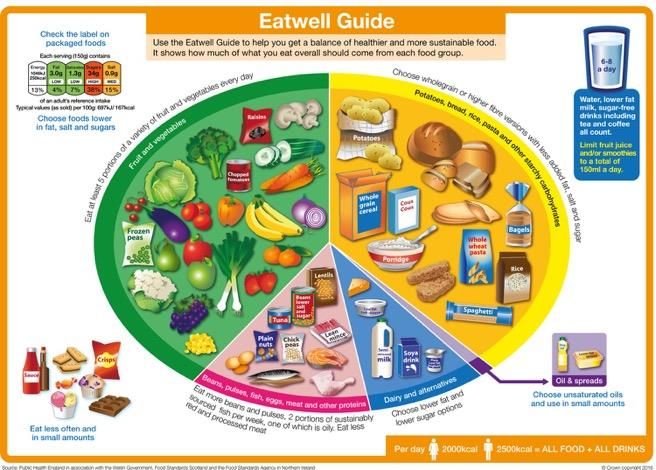
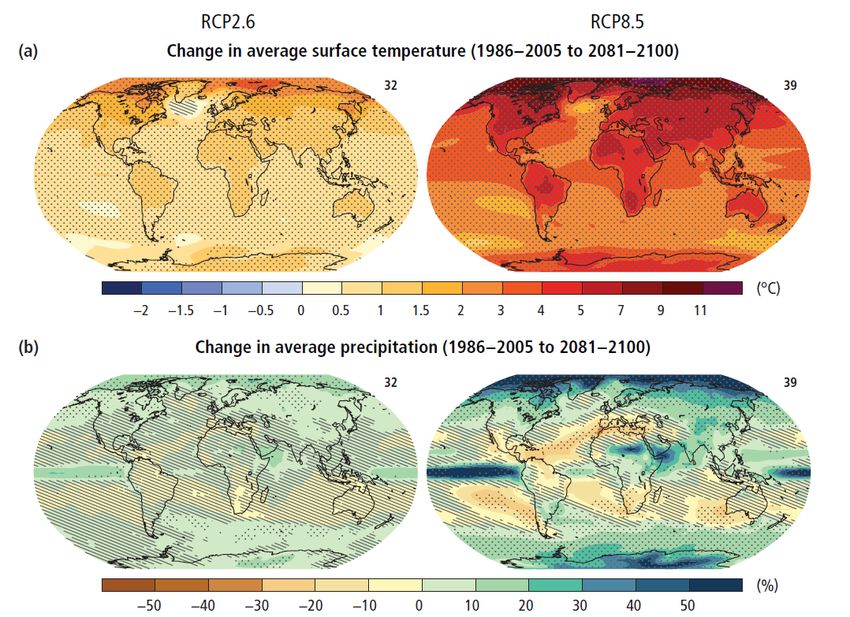
Projected environmental change

IPCC, 2014.
Environmental change-health impacts

                                   ▪ Direct
▪ Climate change                   heat
                                   extreme events
▪ Freshwater depletion and
  contamination                    ▪ Ecosystem-mediated
▪ Land use change and soil         vector-borne diseases
  degradation                      water-borne diseases
                                   mental health
▪ Biodiversity loss                (mal-)nutrition
▪ Ocean acidification and
                                   ▪ Socially-mediated
  overfishing
                                   poverty
▪ Air pollution                    migration
                                   conflict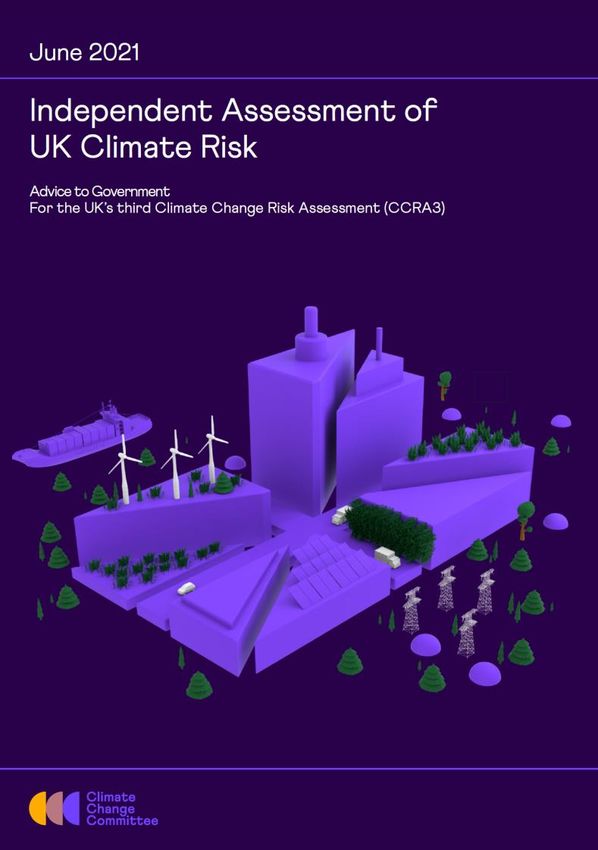
Mitigation                              Adaptation
-- actions to limit                -- adjusting to current
global warming                         or expected CC

                      Climate actions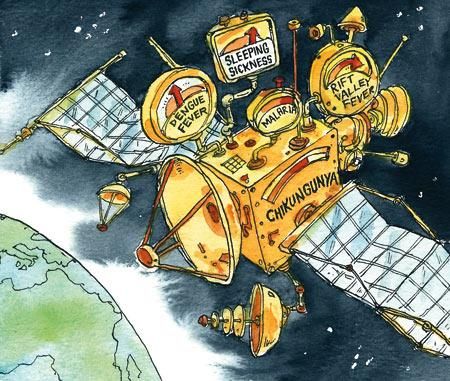
What are we eating in the UK?

                                Scheelbeek et al, BMJ Open 2020.
Eatwell Guide is healthy and has lower footprint
Relative risk
(95% CI)
Following 5+ recommendations
equates to a 7% reduction in risk of
early mortality in adults in the UK.
Scheelbeek et al, BMJ Open 2020.Impacts on cereal yields World Bank, Development Report 2010.
Who produces UK fruit and vegetables?

            Supply from
    climate vulnerable countries:
             1987: 20%
             2013: 37%
Scheelbeek et al, Nature Food 2020.
Dr Rachel Lowe
BSc MSc PhD
© ICAEW 2021Climate change and infectious diseases:
risks and opportunities
Rachel Lowe
Associate Professor / Royal Society Dorothy Hodgkin Fellow
London School of Hygiene & Tropical MedicineTracking climate suitability for mosquito-borne diseases
HDI Low Medium High Very High
2.0
Mean length of transmission season
Change in length of transmission season 1.5
−5.0 −2.5 0.0 2.5 5.0
HDI
Low
1.0 Medium
Change in length of transmission season High
−5.0 −2.5 0.0 2.5 5.0
Very High
0.5
0.0
1950 1960 1970 1980 1990 2000 2010
YearFuture risk of mosquito-borne disease in a warmer world
Colón-González et al., The Lancet Planet Health 2021From global observations to local interventions
Illustration: David Simmons, The Economist
Fletcher et al. Med 2021Dengue early warning system framework in Brazil
Lowe et al., The Lancet Infect Dis 2014D-MOSS user platform
Compound climate extremes and dengue in the Caribbean

                                                 Lowe et al., (in prep)
Impact on policy and practice
Thank you

    rachel.lowe@lshtm.ac.uk

    @drrachellowe
Dr Sari Kovats BA
MSc PhD
© ICAEW 2021Climate change and human health:
risks and opportunities
Dr Sari Kovats, Faculty of Public Health and Policy
Sari.Kovats@lsthm.ac.ukOutline
• UK Climate Change Risk Assessment
• Key risks
– Heat
– Flooding
– Health services
• Adaptation gaps
– Housing
– Planning
– Equity
• Synergies with mitigation
• Implications of COVID-19Hot summer 2018
Hot summers are • UK: Summer 2018
expected to become more was the joint
hottest on record
common. together with
• 1981-2000: the probability of 2006, 2003 and
a summer as hot as 2018 1976.
was low (10%) • England:
• NOW probability is 10-20%. summer 2018
• With future warming, hot was hottest on
summers by mid-century record
could become even more
common (probabilities of
the order of 50% depending
on the emissions scenario)Increases in heatwaves and hot weather Annual likelihood of at least one heatwave event UKCP18 projections constrained to pathways to 2°C, and 4°C global warming at 2100 Source: Arnell et al. 2020.
Impacts of heat

                                 •   Temperature-related mortality, heatwave
                                     deaths
2,566 deaths in 2020 heatwaves
[official estimate from PHE]
                                 •   Hospital admissions
                                     •    Respiratory, renal, diabetes
                                 •   Occupational hazard, accidents
                                 •   Disruptions to public services
                                     •    Overheating leading to closures, absences
                                     •    Hospitals, care homes, schools and prisons
                                 •   Impacts on wellbeing
                                     •    Learning and cognition
                                     •    Sleep disruption, anxiety
                                 •   Maternal health
                                     •    Risks to preterm birth
                                 •   Reduced labour productivity (see chapter 6 -
                                     Business)
                                                                                       31
Heatwaves and mortality in the UK
Temperature-mortality • Daily mortality, Greater London, 2003
function..
200
150
100
50
0
01jan2003 01apr2003 01jul2003 01oct2003 01jan2004
date
age >75 age 65-74
age 15-64 age 0-14
Source: Hajat Source: ONSHeat interventions
Built environment
Housing
Public health/education
(Heatwave Plan for England)
Occupational health/health
and safety
Heat Health Action PlansChange in number of people at flood risk from present day
Present day – 2021 2050s on a pathway to 2°C global 2080s on a pathway to 4°C global Source: UKCP18 projections
warming by the end of the century warming by the end of the centuryHealth and social care assets at current risk of flooding
Sayers, P. B., Horritt, M. S., Carr, S.,
Kay, A., Mauz, J., Lamb, R., & Care Homes
Northern Ireland
Penning-Rowsell, E. (2020). Third Hospitals
UK Climate Change Risk Assessment
GP surgeries
(CCRA3) Future flood risk - Main
Report. London, UK: Emergency Services
https://www.ukclimaterisk.org/wp- Care Homes
content/uploads/2020/07/Future-
Hospitals
Wales
Flooding-Main-Report-Sayers-
1.pdf GP surgeries
Emergency Services
Care Homes
Scotland
Hospitals
GP surgeries
Emergency Services
Care Homes
England
Hospitals
GP surgeries
Emergency Services
0 500 1,000 1,500 2,000 2,500 3,000
Asset counts - signfiicant probability
Fluvial Coastal Surface WaterImpacts of flooding and coastal change
• Death, injury, illness, displacement, damage and disruption
• Long term mental health implications
• Disproportionate impact on disadvantaged communities
• Severe coastal impacts
• Increased subsidence, damp/moisture and structural
damage
• Loss of recreational and leisure amenity and cultural
heritage
• Economic and environmental costs
• Loss of coastal communities
• Eastern/Southern England, west Wales
• Disruption to health care, prisons and educationPHE National Study on Flooding and Health
• Floods winter 2013/14 • Adjusted ordinal
• Survey at 12 months post flood regression analysis of
depression, anxiety,
• N= 2126 post-traumatic stress
• Exposure classification: Flooded, disorder by
affect and not-flooded displacement status
• Munro et al. 2017.
Lancet Planetary Health.
• Waite et al. 2017. BMC
Public Health.*Based on single, limited or indicative studies
Acting on adaptation Source: CCC, based on Watkiss. P (2021)
Benefit: cost ratio
Less than 1:1 More than 2:1 More Than 5:1 More than 10:1
Water efficiency measures
Heat alert and heatwave planning
Weather & climate services including early warning
Capacity building*
Surveillance & monitoring for pests and diseases*
Upland peatland restoration
Flood preparedness and protection
Making new infrastructure resilient
Climate smart agriculture
Adaptive fisheries management*
Urban greenspace & SUDS*
Household flood resilience and resistance measuresKey Points
• Climate change is already having significant impacts on health and wellbeing.
• Reducing carbon emissions (mitigation) can have large benefits to health from active travel and sustainable
diets
• Health and other benefits offset the costs of emissions reductions
• Market unable to address adaptation sufficiently
• Government has limited role in adaptation in the food system
• All countries will be affected by climate change
• Low and middle income countries will be the worst affected
• Impacts on health from increases in malnutrition and infectious disease
• UK is ahead in developing adaptation policy but many gaps remain
• Addressing overheating in buildings, offices and schools
• Managing flood risks
• There are limits to adaptationQ&A
Find out more information at www.icaew.com/esgrisk
© ICAEW 2021The Centre on Climate Change & Planetary Health at
the London School of Hygiene & Tropical Medicine
To find out more about the Centre’s work and how you can
get involved please go to lshtm.ac.uk/planetaryhealth
• Find out about upcoming centre webinars and events
• Sign up to the monthly Centre newsletter
• Contribute to Centre research projects, such as the
zero-carbon Pathfinder Initiative – we need your
input!
Or contact Philanthropy Manager, Mary-Alice McDevitt at
mary-alice.mcdevitt@lshtm.ac.uk or on 020 7612 7879ICAEW Financial Services Faculty
Gain sector-specific technical support and insights to keep you up to
date in a fast-changing environment for:
• Banking
• Insurance
• Investment Management
• Meet CPD requirements with our events
• Monthly Focus ebulletin
• Access exclusive regulatory insights
• Find guidelines, articles and top tips to support your career
• Influence the regulatory and policy agenda by contributing to our
work
• Learn from fellow members' wide-ranging experience
• ICAEW membership is not a prerequisite
For more information, go to: icaew.com/joinfsf
© ICAEW 2021Thanks for
attending.
Please complete
our short survey.
Find out more information at www.icaew.com/esgrisk
© ICAEW 2021icaew.com
© ICAEW 2021You can also read


