2013 Health Career Programs - UTHSC
←
→
Page content transcription
If your browser does not render page correctly, please read the page content below
Health
Career
Programs                                   2013
This report will examine the successes and areas for improvement for
Health Career Programs 2013 summer experiences.                        Annual Report

TABLE OF CONTENTS
                                                                                         Page
I.           Acknowledgments                                                                3
II.          Executive Summary                                                              4
III.         Program Improvements                                                         5-6
IV.          Tennessee Institutes for Pre-Professionals (TIP)                               7
         i     Introduction
               General Information                                                         8-9
        ii     Program Description                                                          10
       iii     Program Participants
                            Faculty                                                      11-12
                            Students                                                     13-14
       iv    Program Operation
               Curriculum: All Tracks                                                    14-15
        v    Program Outcomes
               Student Performance: MCAT, PCAT, and DAT                                  16-19
               Learning Skills Development: Nelson Denny and Watson Glaser Assessments   20-25
       vi    Student, Faculty and Program Evaluation                                        26
               Student Program Evaluation
                            Track I: Internship, Preceptor, Friday Activities            26-33
                            Track II: Test Preparation and Learning Skills Workshops     34-43
                            Track III: Course Ratings and Professor Ratings              44-53
       vii   Recommendations for the Future
               All Tracks: Program Organization, Tutoring, and Student Assistants           53
IV.          Summer Research Programs                                                       54
         i   Program Overview                                                               55
                Program Participants                                                     56-57
        ii   Evaluations                                                                    57
                            Student Program Evaluation                                   57-63
                            Preceptor SRS Student and Program Evaluation                 64-65
       iii   Recommendations                                                                66
V.           Summer Science Institute                                                       67
         i   Summary of Program                                                             68
             Program Participants Session I                                                 69
        ii   Program Surveys Session I
                Session I Pre-Survey                                                     69-71
                Session I Post-Survey                                                    71-72
             Program Participants Session II                                                73
       iii   Program Surveys Session II
                Session II Pre-Survey                                                    73-75
                Session II Post-Survey                                                   75-77
       iv    Recommendations for SSI 2013                                                   77
VI.          Community Affairs Service Program (CASP)                                       78
             Summary of Program                                                             79
VII.         Overall HCP Recommendations                                                    80

             2 Health Career Programs Annual Report 2013
I. Acknowledgements
The success of the summer programs offered by the Office of Health Career Programs (HCP) is the direct result of a
team of dedicated individuals pulling together resources to help students prepare for future careers in the health
professions. In an effort to acknowledge some, we will undoubtedly forget someone who we intended to say thank
you to, so to all who are reading, “Thank you, for your support of our students and our programs!”
To the University of Tennessee Health Science Center administration and deans, Chancellor Schwab, Dr. Scheid and
Dr. Brown, without your support financially and professionally the summer programs would not exist. We are proud
to say that we have extraordinary support from within our institution.
Dr. Eoff, Dr. Thomason, Dr. Johnson, Dr. Covington, Mrs. Chandra Alston and Mr. Nelson Strother, thank you for
your assistance in selecting an excellent group of students. The partnership with your colleges is such a blessing for
our students.
To Elise Moore in the Department of Special Events, thank you for your daily contributions, guidance, and support.
To the faculty of the Colleges of Medicine, Pharmacy and Dentistry: thank you for your time and energy to teach our
students not only the content knowledge, but how to be successful.
To the Track II faculty: Dr. Sherry Painter, Dr. Dan Osborne and Mary Avery Poole. The students are able to achieve
their dreams because you care.
To the Track I preceptors, the exposure you provide to our students is invaluable to their career development. The
students may have already said thank you, but please receive it one more time, “Thank you!”
To the HCP/SASS staff:, Kathy Gibbs, Laurie Brooks, Marcia Seeburg, Nikki Dyer, Tanya Biscardi, and Erin O’Brien
thank you for working so hard to encourage and guide the HCP students into academic success. Whether it was
copying stacks of papers, sorting excel spreadsheets, meeting with a student in crisis or giving encouragement, it is
greatly appreciated.
To the Summer Research Programs mentors and their laboratory staff, thank you so much for the seeds you have sown
in the next generation of biomedical scientists.
Summer Science Institute has been with us for four short years, but has already made an impact on UTHSC and
Tennessee high school students. Thank you to our student assistants for being on the front lines and making everything
flow. Your energy and knowledge excites, enlightens and engages. Thank you.
To our superstar tutors who helped guide Track III students to success, Thank you.
To the GEB staff, you make it happen! Scheduling, clean up, tables, IT, thank you for making it look easy.
We look forward to doing it again next year!
Constance Tucker
3 Health Career Programs Annual Report 2013II. Executive Summary
Program Summary
In 2007, minorities (Latino, American Indian and Black) constituted about 30% of the US population but only
8.7 percent of doctors were from these groups. It is estimated that by the time the overhaul in healthcare is fully
implemented there will be 35 million newly insured Americans, creating a shortage of 100,000 primary care doctors in
2020. Tennessee Institutes for Pre-Professionals (TIP) addresses the inequities that exist within professional school
education, patient care and educational opportunities for traditionally underrepresented students. The program uses
three tracks (Track I, Track II, and Track III) as a conduit to accomplishing its goal of increasing the number of
underrepresented minorities in health professional programs (see page 8 for track descriptions).
Of our two hundred and thirty (230) applicants, TIP faculty and staff successfully supported fifty-nine (59)
students in the 2013 summer program. The students reported overwhelmingly strong satisfaction with the program’s
ability to help them pursue their career goals in all three tracks. Faculty also expressed their overall contentment with
the program and the students. However, there are three areas in which the program must address to continue its success.
Below we identify the problem statement areas and our proposed response to each concern.
4 Health Career Programs Annual Report 2013III. Program Improvements
2013 Updates 2014 Program Improvements
TRACK I
Friday activities with TIP I are dependent on the quality
A full time student assistant was assigned to Track I of the student assistant. Continuous monitoring of the
programming for consistency in services. Track I experience should happen by HCP staff to ensure
quality experiences.
Student assistant visited all Track I sites during students Continue to include scavenger hunt, case study reviews
clinical experiences. and CPR certification course.
The Track I schedule was constantly in flux due to last
Weekly journals were submitted and graded via minute changes and cancellations. Share Outlook
Blackboard calendar with students so they are able to see the last
minute changes.
The weekly book discussion was enhanced by asking Incorporate some spelling and grammar lessons for those
students to regularly contribute to a blog. students who struggle with writing.
The Track 1 schedule was developed and maintained on
Outlook, allowing all HCP staff to keep up to date at all Include some verbal and speed reading workshops for
times. Screen shots of the weekly schedule were taken students who perform poorly on Nelson Denny
and handed to students every Friday.
New programming was added including CPR
certification, UTHSC Scavenger Hunt and case study
reviews.
PSR Lab was removed to allow for more study time
TRACK II
Continued restructuring of Track II to support long term Increase personal study time for students to prepare for
stability and growth: Contract with Kaplan upcoming lessons by removing unnecessary
MCAT/DAT/PCAT On-Demand programs for Track II programming
Increased materials and faculty support for DAT/PCAT: Provide a Dental, Pharmacy and Medicine student
TOPSCORE, Crack the DAT/PCAT and Orgomon series assistant for each track to answer questions specific to
material. each track
Share the Outlook calendar with student assistants and
PSR Lab was removed to allow for more study time students so they are able to view changes as they are
made.
Track II schedule was developed and maintained on
Outlook, allowing all HCP staff to keep up to date with Meet the Deans event structure and set up should be
changes. Screen shots of the weekly schedule were revisited.
posted to Blackboard for Track II participants to view
Include some verbal and speed reading workshops for
students who perform poorly on Nelson Denny
TRACK III
College of Medicine students completed with 100% Distribute the same amount of petty cash to all students.
success.
Track III schedule was developed and maintained on Increase personal study time for students to prepare for
Outlook and shared with all the faculty members and upcoming lessons by removing unnecessary
students. This allowed for instant notification of
schedule changes. programming
Have student assistants contact each participant before
PSR lab was removed to allow for more study time orientation to advise them on the intensity of the
program.
Recruit tutors for subjects
5 Health Career Programs Annual Report 2013SSI
COP MCOE grant was able to provide $300 stipends to Increase and sustain focus on the overall theme of the
all students. program through more activities.
The theme “The Use of Technology in Healthcare” Increase student exposure to the process of
promoted an awareness of the evolution of healthcare in
graduate/professional school admission.
the age of technology.
SRS
Weekly GRE prep sessions were provided to SRS Provide more opportunities for social interaction and
students. volunteer opportunities.
Poster Presentations took the place of final oral
Implement a more extensive questionnaire in the
presentations to give students experience creating and
acceptance package in order to better match students with
presenting a scientific poster.
a preceptor/lab more geared to their interest/career goal.
Workshops were given to teach students how to write
scientific abstracts and create a scientific poster. Create a more detailed program schedule for students
which outlines who must attend which event.
Students were mailed the results of their poster Include sessions for students who would like to prepare
presentation including scoring sheets from judges. for the PCAT and DAT as well as the MCAT and GRE.
Provide awards at closing lunch after poster presentation
SUSTAINABILITY
Online Application for all HCP 2013 programs was A database and tracking system of all HCP recruits and
successfully developed and implemented enrollees continues to be developed.
Develop a mass marketing plan to communicate HCP
programs to a wider audience.
Prepare a budget and programming to account for he loss
of the MCOE grant and staff.
6 Health Career Programs Annual Report 2013Tennessee
Institutes for
Pre-
Professional 2013
Students
. Annual Report
7 Health Career Programs Annual Report 2013i. Introduction
General Information
The Tennessee Institutes for Pre-Professionals (TIP) program is a state-wide effort whose objective is to increase the
representation of various groups of students who are underrepresented in the health professions. TIP operates on the
campus of The University of Tennessee Health Science Center (UTHSC). Since TIP’s inception in 1987, one thousand
five hundred and nine (1,509) students have participated.
Program participants are all undergraduate or graduate students. The participants are recruited from colleges
throughout Tennessee and bordering states, as well as other states where there are Historically Black Colleges and
Universities (HBCU) and sizeable concentrations of Tennessee residents.(e. g. Atlanta, Georgia).
A total of on hundred and sixty-five (165) applications were received. Thirty-five (35) students were denied because of
academic deficiencies in their records and/or ineligibility; One (1) student withdrew their application from
consideration; seventy (70) applications remained incomplete despite repeated efforts to expedite their completion, 59
students were accepted. As is normally true, the majority of participants, forty-One (41) were women.
Out of the 59 participants, 39 students attended Tennessee undergraduate institutions. The number of students from
various undergraduate institutions is reflected in Table 1 below.
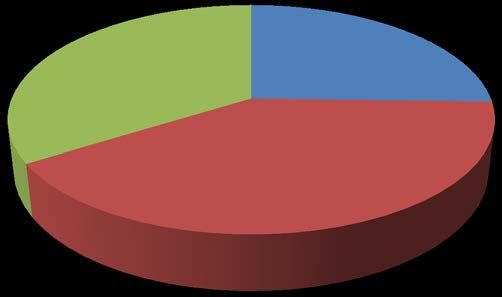
The distribution of students relative to their health professional area of interest and TIP program tracks is summarized
in Figures 1 and 2, respectively.
Table 1. Distribution of Students by Institution
Institution Number of Students
Alcorn State University 2
Austin Peay State University 1
Carson-Newman College 1
Christian Brothers University 3
Georgia State University 1
Jackson State University 4
Lane College 1
Lemoyne-Owen College 1
Middle Tennessee State University 6
Mississippi State University 1
Oakwood University 3
Oral Roberts University 1
Rhodes College 1
Rust College 1
Spelman College 1
Southwest Community College 1
Tennessee Tech University 1
Tuskegee University 1
UNC Chapel Hill 1
University of Arkansas at Pine Bluff 1
University of Memphis 12
University of Southern Mississippi 1
University of Texas at Arlington 1
University of Tennessee - Chattanooga 5
University of Tennessee - Knoxville 3
University of Tennessee - Martin 1
Vanderbilt University 2
Xavier University 1
8 Health Career Programs Annual Report 2013Figure 1. Distribution of Students by
Professional School Interest
8%
12% ALLIED HEALTH
39%
DENTISTRY
MEDICINE
NURSING
PHARMACY
39%
2%
Figure 2. Distribution of Students by Track
25%
34%
TRACK 1
TRACK 2
TRACK 3
41%
9 Health Career Programs Annual Report 2013ii. Program Description
There are three distinct components or Tracks of the TIP program:
Track I.
Track I provides internship experiences where students work alongside local practitioners in the students’ areas of
interest. It enables students to fully understand the rigors and challenges of being a health professional. For many, it
provides a framework by which students may come to (1) appreciate the stark realities of the profession, (2) reaffirm
their desires to become health professionals, and (3) help them better articulate (to admissions committees) their
reasons for wanting to pursue the vocation. So often, underrepresented students do not appreciate the importance of
acquiring exposure to the health professional setting and are ill-equipped to express substantive reasons for their
aspirations of becoming health professionals.
A total of twelve (12) practitioners were identified eight (8) physicians, two (2) pharmacists, one (1) nurses and one
(1) occupational therapist. These individuals provided “shadowing experiences” for students. The Track I component
was seven weeks in length between the months of June and July. Their eight hour work days were Monday through
Thursday. Fridays the students devoted their time to academic workshops, site visits, and reflection about their
internship experience.
Track II.
Members of underrepresented minority groups continue to experience difficulties associated with standardized exams.
For example, the MCAT average at UTHSC for students who are accepted is a 9 or 10 in each of the three tested areas.
(A perfect score in each area is 15). The Association of American Medical Colleges (AAMC) reports that the MCAT
average for African American residents of Tennessee is a 7. The Track II component of TIP is a test preparation
program, where the intent is to enhance students’ understanding of standardized test construction and to improve their
skill levels on such exams. This track helps students to identify any deficiencies they may have in their test taking and
learning skills. The students then learn how to overcome these deficiencies, which in turn will enable them to achieve
the criterion score on the entrance exam critical to professional school admission.
Track III.
The participants of the Track III component of TIP have already applied and been accepted for admission to UTHSC
colleges of medicine and pharmacy, but their eventual matriculation into these colleges require that they achieve a
grade of no less than a “C” in each of the courses offered in this track. The courses offered are the same as many in the
first year’s curriculum (discussed in detail below).
The Track III component also includes a great deal of learning skills preparation. Formal workshops were given for
such topics as goal setting/time management, problem solving, memorization, stress management, etc., but time in the
schedule also allowed students the opportunity to work individually.
10 H e a l t h C a r e e r P r o g r a m s A n n u a l R e p o r t 2 0 1 3iii. Program Participants
Faculty
Track I was facilitated by HCP staff. In addition, a preceptor or practitioner was assigned to each student for various
internship exposures. There were three faculty members provided for in class instruction for Track II students in
addition to the Kaplan online instructors. One Track II faculty member was full time faculty in Le Moyne-Owen’s
Chemistry and Physics Departments; one Track II faculty member was faculty at Southwest Community College in the
Natural Sciences Department and one conducts research at Le Bonheur Children’s Hospital. There were fifteen (15)
UTHSC faculty members in Track III who taught courses to students holding acceptances to the College of Medicine
and the College of Pharmacy.
Track II Faculty
Kaplan provided various faculty for Biology, Sherry Painter, Ph.D.
Physics, Chemistry, Organic Chemistry, Reading Associate Professor
Comprehension, Verbal Reasoning and Critical Chemistry
Thinking
Daniel Osborne, Ph.D. Mary Avery Poole
Assistant Professor Verbal Reasoning
MCAT Science Review
Track III Medicine Faculty
Eldridge Johnson, Ph.D. Donald Thomason, Ph.D.
Professor Professor & Dean of Graduate Health Sciences
Anatomy & Neurobiology Physiology
Charles Leffler, Ph.D. Angela Cantrell, Ph.D.
Professor Associate Professor
Physiology & Biophysics Anatomy & Neurobiology
Satoru K. Nishimoto, Ph.D. Pat Ryan, Ph.D.
Professor Associate Professor & Assistant Chair
Molecular Sciences Microbiology
David Nutting, Ph.D. Tony Marion, Ph.D.
Associate Professor Professor
Physiology & Biophysics Immunology
Vicki M. Park, Ph.D. George Cook, Ph.D.
Associate Professor Professor
Genetics Biochemistry
11 H e a l t h C a r e e r P r o g r a m s A n n u a l R e p o r t 2 0 1 3Track III Pharmacy Faculty
Michael Christensen, Ph.D. Kafait Malik, Ph.D.
Professor Professor
Clinical Pharmacy Pharmacology
Pat Ryan, Ph.D. David Nutting, Ph.D.
Associate Professor & Assistant Chair Associate Professor
Microbiology Physiology & Biophysics
John Buolamwini, Ph.D. Dale Suttle, Ph.D.
Professor Associate Professor
Pharmaceutical Sciences Pharmacology
George Cook, Ph.D. Donald Thomason, Ph.D.
Professor Professor & Dean of Graduate Health Sciences
Pharmacology Physiology
Lidia Gardner Tony Marion, Ph.D.
Instructor Professor
Neurology Immunology
Charles Leffler, Ph.D.
Professor
Physiology & Biophysics
12 H e a l t h C a r e e r P r o g r a m s A n n u a l R e p o r t 2 0 1 3Students
Table 2 below displays the names of the students, their respective tracks, health career profession of interest, and
their undergraduate institutions.
Table 2. Distribution of Students by Track, Discipline of Interest, and Undergraduate Institution
Name Discipline Undergrad Institution
Track I Number of Track I Students:15
Female Student Allied Health Christian Brothers University
Female Student Allied Health University of Tennessee – Chattanooga
Female Student Allied Health Christian Brothers University
Female Student Allied Health University of Tennessee – Chattanooga
Female Student Medicine Spelman College
Male Student Medicine Vanderbilt University
Female Student Medicine Rust College
Female Student Medicine Middle Tennessee State University
Female Student Medicine South West Community College
Female Student Medicine Lemoyne-Owen College
Female Student Medicine University of Memphis
Female Student Medicine Middle Tennessee State University
Female Student Nursing University of Memphis
Male Student Pharmacy Oral Roberts University
Female Student Pharmacy Austin Peay State University
Track II Number of Track II Students:24
Male Student Allied Health Carson Newman College
Male Student Dentistry Middle Tennessee State University
Female Student Dentistry University of Memphis
Male Student Dentistry Alcorn State University
Female Student Dentistry University of Memphis
Male Student Dentistry University of Memphis
Female Student Dentistry University of Memphis
Female Student Dentistry Jackson State University
Female Student Medicine Jackson State University
Male Student Medicine Vanderbilt University
Female Student Medicine Lane College
Male Student Medicine University of Tennessee – Knoxville
Male Student Medicine University of Tennessee – Chattanooga
Female Student Medicine Rhodes College
Female Student Medicine Oakwood University
Male Student Medicine Christian Brothers University
Male Student Pharmacy Oakwood University
Female Student Pharmacy Oakwood University
Male Student Pharmacy University of Arkansas at Pine Bluff
Male Student Pharmacy University of Memphis
Female Student Pharmacy University of Memphis
Female Student Pharmacy University of Tennessee – Martin
Female Student Pharmacy Alcorn State University
Female Student Pharmacy University of Memphis
13 H e a l t h C a r e e r P r o g r a m s A n n u a l R e p o r t 2 0 1 3Table 2. Distribution of Students by Track, Discipline of Interest, and Undergraduate Institution
Name Discipline Undergrad Institution
Track III Number of Track III Students:20
Male Student Medicine Middle Tennessee State University
Female Student Medicine Jackson State University
Female Student Medicine Middle Tennessee State University
Male Student Medicine University of Tennessee – Knoxville
Female Student Medicine University of Tennessee – Knoxville
Female Student Medicine Tennessee Tech University
Male Student Medicine UNC Chapel Hill
Male Student Pharmacy University of Tennessee – Chattanooga
Female Student Pharmacy University of Texas – Arlington
Female Student Pharmacy University of Memphis
Female Student Pharmacy University of Memphis
Male Student Pharmacy Tuskegee University
Male Student Pharmacy Georgia State University
Female Student Pharmacy Mississippi State University
Female Student Pharmacy Jackson State University
Female Student Pharmacy Middle Tennessee State University
Female Student Pharmacy University of Southern Mississippi
Female Student Pharmacy University of Tennessee – Chattanooga
Female Student Pharmacy University of Memphis
Female Student Pharmacy Xavier University
iv. Program Operation
CURRICULUM
Track I
As has been mentioned, the primary objective of Track I is to provide students with an exposure to health career
professions. Such experience is essential as students contemplate health professional school applications. A number
of interesting workshops were scheduled, including such workshops as: Internship Discussions, Study Skills, Meet
the Deans, Interviewing and Writing of Personal Statements.
Track II
The curriculum focused on the application of the scientific body of knowledge contained in the pre-health
curriculum, and specific to entrance tests required for acceptance to professional school. The fact that Track II
students have completed the minimum science pre-requisites enabled the curriculum to be structured in a test-
specific manner.
The minimal pre-requisites for professional school exams require that students have taken the following courses:
biology, general chemistry, organic chemistry, and physics. The online Kaplan course required students to sit for
several full length practice tests during the program. Additional practice tests and questions were purchased for the
DAT and PCAT students. Test review sessions were spent in class with our faculty reviewing all of the appropriate
subjects. Faculty were trusted to gauge weak areas and spend more time on subjects accordingly.
14 H e a l t h C a r e e r P r o g r a m s A n n u a l R e p o r t 2 0 1 3TRACK II EXPOSURES
Table 3. Student Contact Hours in Track II Courses
Lectures MCAT Hrs. of DAT Hrs. of PCAT Hrs. of GRE Hrs. of
Exposures Exposures Exposures Exposures
Physics 6 - - -
General Chemistry 9 6 6 -
Biology 9 6 6 -
Organic Chemistry 9 6 6 -
Quantitative - 3 6 -
Perceptual Ability - 3 - -
Verbal Reasoning 25 - 9 8.5
Test Review 26 49.5 43 -
Math - - - 14
Reading Comprehension - 3 3 -
Critical Thinking 9 - - -
Track III
The Track III, pre-matriculation program extends an acceptance to students contingent upon their successful
completion of the eight week pre-matriculation program, consisting, largely, of courses which will be taken in the
regular curriculum. These courses are taught by members of the UTHSC faculty. Students accepted to the College of
Medicine were exposed to 99 hours of instruction; gross anatomy lectures (12 hrs.), gross anatomy lab (12 hrs.)
biochemistry (13 hrs.), physiology (28 hrs.), genetics (10 hrs.), molecular biology (9 hrs.), microbiology (11), and
immunology lectures (4). Students accepted to the College of Pharmacy had 97 hours of instructional time which
consisted of classes in medicinal chemistry (16 hrs.), pharmacology (23 hrs.), pharmacy math (15 hrs.), physiology
(28 hrs.) and microbiology (11 hrs.), and immunology (4 hrs.).
Additionally, five 1hour question group sessions and six 1 hour sessions with an Educational Specialist from
Student Academic Support Services were provided to the College of Medicine students. Four 1 hour question group
sessions and six 1 hour sessions with an Educational Specialist were provided to the College of Pharmacy students.
15 H e a l t h C a r e e r P r o g r a m s A n n u a l R e p o r t 2 0 1 3v. Program Outcomes
STUDENT PERFORMANCE (TRACKS II and III)
Track II students were offered basic science course review and were required to take several mock
MCAT/PCAT/DAT standardized exams. All twenty-four (24) participants completed the program successfully.
MCAT
In all sections, students saw an average increase of two points. In some instances, students’ MCAT total scores
increased by as much as eleven points. This is summarized in Figures 3 and 4 below.
Figure 3. Mock MCAT Average Pre and Post Test Score
Comparison
9.00
8.00
7.00
Scale Score
6.00
5.00 Pre-Test
4.00 Post- Test
3.00
2.00
1.00
0.00
Mock MCAT Physical Mock MCAT Verbal Mock MCAT Biological
Sciences Reasoning Sciences
Figure 4. Mock MCAT Average Pre and Post
Overall Score Comparison
21.00
20.00
Scale Score
19.00
18.00 Overall Score
17.00
16.00
15.00
Pre-Test Post-Test
16 H e a l t h C a r e e r P r o g r a m s A n n u a l R e p o r t 2 0 1 3PCAT
PCAT students had exposure to practice questions and full length tests via Crack the PCAT as well as the material
and practice tests provided by Kaplan. In some instances, students’ PCAT total scores increased by as much as on
hundred and eighteen (118) scale points. PCAT students saw the greatest improvement in Biology and Reading
Comprehension. Students’ pre and post-test scores were taken from the Kaplan PCAT (Pre and Post Test). Figure 5
and 6 summarizes performance of the students on these tests.
Figure 5. Mock PCAT Average Pre and Post Test Score
Comparison
450
400
350
Scale Score
300
250 Pre-
Test
200
150 Post-
100 Test
50
0
Mock PCAT Mock PCAT Mock PCAT Mock PCAT Mock PCAT
Biology Chemistry Quantative Reading Verbal Ability
Reasoning Comprehension
Firgure 6. Mock PCAT Average Pre and Post
Overall Score Comparison
405
400
395
390
Scale Score
385
380
Overall
375 Score
370
365
360
355
350
Pre-Test Post-Test
17 H e a l t h C a r e e r P r o g r a m s A n n u a l R e p o r t 2 0 1 3DAT
Students used TopScore DAT practice exams and Crack the DAT software. These exams allowed students to
practice on the computer and seem representative of how most students will score. Pre and post-test scores were
taken from the Kaplan course . The pretest DAT academic average was 13.17 points while the posttest average
was16.67. In some instances, students’ DAT total scores increased by as much as thirty-three points. Figures 7 and
8 summarize students’ performance on DAT. Note: data for one student was not available for inclusion in these
figures.
Figure 7. Mock DAT Average Pre and Post Test Score
Comparison
25
20
15
10
5
0
Pre Test Scale Score
Post Test Scale Score
Figure 8. Mock DAT Average Composite Score
Comparison
120
100
80
Mock DAT
60 Composite
40
20
0
Pre-Test Post-Test
18 H e a l t h C a r e e r P r o g r a m s A n n u a l R e p o r t 2 0 1 3Successful performance in Track III was judged as the attainment of no grade less than “C” in any one course.
There were 20 participants (7 medicine and 13 pharmacy). All College of Medicine students will be enrolling in
the in-coming class. (ie. Medicine Class of 2017). Of the 13 College of Pharmacy students, 8 will be enrolling in
the in-coming Class of 2017, 2 have been asked to repeat the TIP Track 3 program next year, and 3 were not
successful.
19 H e a l t h C a r e e r P r o g r a m s A n n u a l R e p o r t 2 0 1 3LEARNING SKILLS DEVELOPMENT
TIP 2013 Report of Pre- and Post-Assessments
The students were administered the following pretest assessments: The Nelson Denny Reading Test and the Watson-
Glaser Critical Thinking Appraisal. The students’ results were used as a tool to develop individual learning plans
by Educational Specialists when giving academic advice in order to assist them in improving their skills before
matriculation..
The range of scores indicative of average to excellent performance on the Nelson Denny Reading Test and the
Watson-Glaser Critical Thinking Appraisal falls between the 40th and 99th percentiles. TIP 2013 Tracks II and III
students’ pre- and post-assessment performance is summarized in Figures 9-15 below. Note: Track 1 students did
not complete a post Watson-Glaser.
Figure 9. Tracks II and III Pre and Post Test Score
Comparisons
50
45
40
35
30
25
20
15
10
5
0
Nelson-Denny Nelson-Denny Nelson-Denny Watson-Glaser
Vocabulary Reading Reading Rate
Comprehension
Pre-Test Avg
Post Test Avg
Note: the slight gains in performance may be a result of the reduced access to PSR labs for remedial work.
20 H e a l t h C a r e e r P r o g r a m s A n n u a l R e p o r t 2 0 1 3Track II only. Note: Data from 2 students was not included as they did not complete any post-tests
Figure 10. Track II Nelson Denny Pre and Post Score
Comparisons
18
16
14
12
10
8
6
4
2
0
Pre-Test 0-39 %ile Pre -Test 40- Post-Test 0-39%ile Post-Test 40-
99%ile 99%ile
Vocabulary Reading Comprehension Reading Rate
Figure 11. Track II Watson-Glaser
20
15
10
5
0
Pre-Test 0-39 Pre -Test 40- Post-Test 0- Post-Test 40-
%ile 99%ile 39%ile 99%ile
21 H e a l t h C a r e e r P r o g r a m s A n n u a l R e p o r t 2 0 1 3Figure 12. Track II Watson-Glaser
20
18
16
14
0-39%ile
12
10 40-99%ile
8
6
4
2
0
Pre-Test Post-Test
Figure 13. Track III Nelson Denny Pre and Post Test Score
18
Comparisons
16
14
12
10
8
6
4
2
0
Pre-Test 0-39 Pre -Test 40- Post-Test 0- Post-Test 40-
%ile 99%ile 39%ile 99%ile
Vocabulary Reading Comprehension Reading Rate
22 H e a l t h C a r e e r P r o g r a m s A n n u a l R e p o r t 2 0 1 3Figure 14. Track III Watson-Glaser
16
14
12
10
8
6
4
2
0
Pre-Test 0-39 %ile Pre -Test 40-99%ile Post-Test 0-39%ile Post-Test 40-99%ile
Figure 15. Track III Watson -Glaser
16
14
12
10
0-39%ile
8
40-99%ile
6
4
2
0
Pre-Test Post-Test
23 H e a l t h C a r e e r P r o g r a m s A n n u a l R e p o r t 2 0 1 3Comparison of TIP 2013 Students’ Average Percentile rank scores with an M-1 Class
Average Percentile rank scores
From the comparison of the average percentile rank scores of an M-1 class and the TIP 2013 Track I, II, and III
students’ post-test percentile rank scores, the following was noted (Figures 16-18):
Figure 16. TIP/M-1 Class Average Nelson Denny Percentile (%)
Comparison
80
70 70
70
60
Percentile (%)
49
50 45.23 Vocabulary
40 35.46
Reading
30.64 29.54 30.56
30
28.25 Comprehension
Reading Rate
20
10
0
TIP Pre-Test (%) TIP Post- Test (%) M-1 Mean Score (%)
.
Figure 17. TIP Track I, II & III Pre-Test/M-1 Class Average Neleson Denny
Percentile (%) Comparison
80
70
60
50
Vocabulary
40
30 Reading Comprehention
20 Reading Rate
10
0
Track I (%) Track II (%) Track III (%) M-1 Mean Score
(%)
24 H e a l t h C a r e e r P r o g r a m s A n n u a l R e p o r t 2 0 1 3Figure 18. TIP Track I, II & III Post-Test/M-1 Class Average Neleson Denny
Percentile (%) Comparison
80
70
60
50
Vocabulary
40
30 Reading Comprehention
20 Reading Rate
10
0
Track I (%) Track II (%) Track III (%) M-1 Mean Score
(%)
25 H e a l t h C a r e e r P r o g r a m s A n n u a l R e p o r t 2 0 1 3vi. STUDENT, FACULTY and PROGRAM EVALUATION
Track I Course Ratings and Professor Ratings
Track I Course Ratings
Number of students polled: 14
1. Choose the TOP 3 things the TIP I Program did well
Response Response
Answer Options
Percent Count
• Defining responsibilities in the Student Handbook 21.4% 3
• Organizing a smooth and orderly
21.4% 3
orientation/registration process
• Addressing my questions and concerns. 85.7% 12
• Providing Internship Placement and Experiences 85.7% 12
• Developing Weekly Career Sessions 14.3% 2
• Providing information helpful to the pursuit of my
71.4% 10
career goals.
2. For what reason would you recommend the TIP program to your peers interested in Medicine, Pharmacy,
or Dentistry?
• It gives you the opportunity to have a better understanding of the health care profession and you will have an
all-around great experience.
• I would recommend the TIP program to my peers because it is a perfect way to show people how the health care
profession really is and how the real world works in the health care profession. It teaches you how to deal with
patients and also learn information about the field that they are interested in from their preceptor.
• I would recommend this program to my peers because it exposes you to what you'll be doing in the health care
career.
• I would recommend this program to my peers because through this program I truly gained a lot. The primary
thing I gained was confirmation that I desire to be a physician. Additionally, through my preceptor, I've made
numerous connections, and have been taught so much information on what being a doctor entails.
• Because it is a great program and an excellent resource for pre-health students.
• This program was such a good experience. Not only does it provide more than the minimum hours of
shadowing needed, it allows one to learn and experience the life of a doctor inside a hospital/clinical setting.
Through this program, I have met various patients, made new friends, and learned many things about cardiology
and the medical field.
• The program helped me to learn different things about the health professions.
• This particular program allows you not only to gain experience in the profession of your choice but also allows
you to meet others that have the same interest in you, become familiar with the health professionals and faculty
of the program, learn as much about the program to prepare you for entrance, and receive compensation for the
program.
• I would recommend this program as a great learning experience about health professions. It prepares you for a
chance to go into the health career you've always wanted.
26 H e a l t h C a r e e r P r o g r a m s A n n u a l R e p o r t 2 0 1 3• The TIP program gives you a chance to network with the UT professors and deans and also build a relationship
with our preceptors.
• Exposure to your desired field
• The TIP program allows students the opportunity to intern at a site and in a field that they are interested in
pursuing.
• It gives people a good opportunity to explore the career that they're interested in.
3. Preceptor Evaluation
Strongly
Answer Options Agree
Agree
• My Preceptor was a helpful resource in
12 1
addressing my questions and concerns.
• I learned new clinical skills and improved on
13 1
others.
• I acquired a better understanding of the
14 0
requirements for career success.
• I was provided an opportunity to meet new
people and learned how to work with them 12 2
effectively.
• My motivation increased to perform well in
13 1
academic course work
• My confidence increases in the ability to take
on more challenging course work. I developed 11 3
a better understanding of personal career goals.
4. Choose the TOP 5 workshops provided during the summer.
Response Response
Answer Options
Percent Count
• Internship Discussion 64.3% 9
• "The Immortal Life of Henrietta Lacks" Book
35.7% 5
Discussion
• Exploring Leadership 0% 0
• Assessment Workshop 14.3% 2
• Social Media and Your Professional Career 14.3% 2
• Test Taking 21.4% 3
• Time Management 57.1% 8
• Cultural Competence 7.1% 1
• Interviewing Workshop 7.1% 1
• Meet the College Deans 71.4% 10
• Mock Interviews 85.7% 7
• CPR Certification 42.9% 6
• Journal Experience 35.7% 5
• Case Studies 28.6% 4
27 H e a l t h C a r e e r P r o g r a m s A n n u a l R e p o r t 2 0 1 35. How would you improve on your TOP 5 workshops to make them even better?
Internship Discussion
• I would give more detailed description of my experiences.
• No improvement needed.
• Internship discussions were wonderful because one was able to gain knowledge about what others were
doing daily. My only improvement would be to have specific questions to ask about our week because
majority of the things we talk about are repetitive.
• Talk more in detail
• Maybe we could make the talking much shorter.
• Writing down my daily experiences more
• The internship discussion ran smoothly and I wouldn't change anything about it.
• Limiting people's talking time
Book Discussion
• I could have asked more question or answered more questions
• No improvement needed
• I would give more time to the discussions and introduce other cases pertaining to the book
• Search more for details
• Annotating the text
• The book discussion was very informative and I wouldn't change anything.
Assessment Workshop
• I would set aside another day during the week in which students could work on their weaknesses with
trained professionals
• I feel like the tests helped me figure out my skills, but I was hoping it would be more like the MCAT
Social Media and Your Professional Career
• use less time on social media
• Continue to remember to keep my social media site professional
Test Taking
• make a detailed schedule to follow
• None
• I enjoyed this session. It has helped to keep me prepared and prepare me for undergrad and graduate school.
28 H e a l t h C a r e e r P r o g r a m s A n n u a l R e p o r t 2 0 1 3Time Management
• Time management was extremely beneficial for me because I struggle with adequately being able to achieve
everything I want to do because I run out of time. I think this workshop was helpful, and can't think of any
specific changes.
• This was perfect!
• None
• Nothing I would change
Cultural Competence
• Have the group leaders practice getting the course started ahead of time.
Interviewing Workshop
• None
Meet the College Deans
• I will ask more questions
• I feel that there should have been more time to meet with the deans.
• More than one rep from each college
• Take the knowledge gained and apply throughout the rest of my undergraduate career
• Some of the deans should be certain about info before answering questions.
• None
• It was loud and I had difficulty hearing the dean at times. Have separate rooms for each dean
• Nothing needs to be changed. It has been an awesome experience.
• None
Mock Interviews
• I will try to be less nervous.
• Before the interview have a guideline that the interviewer will ask the interviewee and after the interview they
will grade them on a scale from one to ten and also give the interviewee a copy of what the grade was. That will
be helpful in the future to let them know what they need to work on and the interviewer can also add comments
on it.
• I think they should have gone over the power points with the interns that were emailed to us. Also, it would
have been nice to talk to someone from the admissions board for tips on interviewing.
• Mock interviews were my favorite because it was great practice for future interviews. Once again I don't have
any specific corrections. I thought it was beneficial to say the least.
• I would have the students interviewed by more than one person for more about 30 minutes each
• Make the interviews more like the real ones.
29 H e a l t h C a r e e r P r o g r a m s A n n u a l R e p o r t 2 0 1 3• Discussing the strengths and weaknesses of the interview and more in depth session for tips/advice
• Looking over the questions more
• They could be a little more organized.
• Be interviewed by actual deans/ assistant dean/chairman of the dept.
Journal Experience
• I will turn in my journal earlier
• The preceptor should assign multiple duties during work hours to have more things to discuss in the journals.
• I would give a less detailed outline as to what the journal should be about. This way the students can explore
more and not worry about answering every question on the outline.
• I have nothing to say about this one. I really liked it.
• None
CPR Certification
• No improvement needed
• Be comfortable applying what I know in case of an emergency
• None
• Maybe practice on baby dummies
• None
Case Studies
• Have everyone tell their opinion to the other people that are doing a case study in that group. They just picked
two people to represent each case study. Have everyone talk on it.
• Smaller groups
• Nothing I would change
• Have more examples of case studies
6. Locate a moment that was a high point, when you felt most effective and engaged. Describe how you felt
and what made the situation possible.
• There have been many high points in my internship. I have many wonderful memories. My preceptor, liked to
give me and the other TIP participant topics to research. It was a lot of hard work but it paid off at the end.
Mostly, every day we had to present a topic we learned about to him. It was hard work but it benefited me, I
learned various life lessons in the internship. When I presented my topic and he and I really knew it, I felt
effective. When my preceptor gave his insight on our topic, I was engaged.
• There were two moments in which I felt I was the most effective and engaged. I was really engaged in the case
study. We had to pretend that we were board members of the school and read a bio of a student looking to get
30 H e a l t h C a r e e r P r o g r a m s A n n u a l R e p o r t 2 0 1 3into medical school. It was effective by getting some of the other students input, to know what they think to
whether just accept that person or to give them an interview.
I loved the Scavenger Hunt. It was engaging because the first team that finds all of the correct answers win,
even though there was no prize involved. It was very effective on teaching us things about the college and
historic people.
• The time that I felt was most effective was when I got to test a patient’s urine for an UTI. Also, I got to spin the
sample of urine in the centrifuge and prep it onto a slide so I could look at it under a microscope. It was quite
exciting because I got to use my skills from my chemistry lab. Being in the TIP program made this all possible.
• I recently felt a high point when meeting UT medical school student. Though this is something simple, she truly
gave me insight and encouraged me. It was extremely beneficial talking with and getting to know someone who
is where you want to be next in life. I met her at the Baptist Hospital as my preceptor was performing surgery,
she was doing urology that day. Making connections is helpful as she is going to continue to help me on my
journey to one day become a dermatologist.
• Every day on site. I felt like I was learning all the time.
• Every day when I shadow is a high point. I am always engaged in the medical conversations. I felt like a real
doctor during these times. I would give my input and receive some. If I did not understand something, I would
ask my preceptor and read up on it. It was just like taking a summer course, which was perfect for me. Because
other than getting shadowing hours, my aim for participating in this program was to learn. And that was
accomplished and then some!
• One moment that I would consider a high point would be assisting with one of the patients during treatment. I
was able to help my mentor do their treatment with the patient, and also encourage them throughout the process.
I felt as if I was an essential helping hand during that part of treatment. My mentor kept me engaged by
explaining what I was doing, and allowing me to write down information to be used for his charting.
• I was highly engaged with my preceptor whenever I saw her. She was a wonderful woman, and she showed me
the things I wanted to see. I felt engaged looking up new terms I haven't heard and assisting her with patients. I
will never forget any of the moments I've shared with her.
• My high point of this program was when we did the mock interviews and met with the deans. I tend to get
nervous in interviews, and the mock interviews made it a little easier for me. Meeting with the deans gave me a
realistic view of the people that have the power to accept or decline my application. It was nice to match names
and faces, and I enjoyed hearing the advice each of the deans gave based on some wrongdoings of their
previous applicants.
• I felt most engaged during the mock interviews. I rarely reflect back on all I've done during my years in college
and the interview forced me to do just that. It made me realize that I've done a lot and have come a long way.
Reminding yourself of all you've done in your life makes you more motivated to continue the rest of your
journey.
• I was most engaged in my intern site. The physical therapist made an effort to include me as part of the team
which allowed me to relax and learn actively.
• At my internship when they were short on staff I was allowed to "play Physical Therapist." I called patients,
reviewed exercises with them, and prepared ice and heat packs for them prior to their leaving. I felt proud that
31 H e a l t h C a r e e r P r o g r a m s A n n u a l R e p o r t 2 0 1 3they were trusting me and they believed in me so much that they allowed me to basically do their job.
• When I met one of the physical therapist faculty from UTHSC. Meeting one of the faculty members made me
realize that being a physical therapist was something I really wanted to do. In fact, being in this internship had
increased my motive for being a physical therapist. However, meeting her made me feel even more confident
about my career choice.
7. Describe three concrete wishes for the future of this program?
• I would like to have more time with preceptor. I would also like to have more interactive programs, like the
scavenger hunt.
• The people that are supposed to come for workshops on Fridays and do activities, make sure that they do not
back out of it at the last minute. When giving out the lab coats, books, GRE Prep, MCAT, and etc. Think about
letting the students have that material so they could use it in the long run or refer back to it. And also consider
paying for them to take a practice MCAT/PCAT/DAT or GRE one time, preferably during the time in the
program or at the end.
• The three wishes that I have for this program are: 1. To add a session that preps interns for interviewing skills.
2. Continue to use previous TIP participants/ UT students as the leaders on Fridays. 3. Lastly, I don't think there
was really anything else overall the program was well organized, but if I had to choose I say there needed to be
a little improvement on communication for the future.
• 1) To continue allowing students to shadow and incorporating in workshops. It is effective and efficient.
2) If at all possible to match students to the specific profession they want to attain. Though it was helpful
shadowing a physician in general, it would have been even better to work with a Dermatologist
3) To spend time preparing for the MCAT , and other future test depending on one’s desired profession.
• That it will grow to include more students
That more preceptors will be on board
That creative leaders will always be available
• My wishes for this program are that I get to participate in TIP 2 and 3, that the program never dies down, and
that it becomes bigger and extend to other schools.
• In the future, I hope the program can be a little more organized, maintain the sessions that were provided, and
have more fun events with all of the tracks.
• I don’t really have any in mind.
• I hope this program will continue to grow! I was expecting maybe thirty students for Track I, so I hope more
students will try to apply. I wish that it would have been a tad bit more organized. Also, I would have loved to
see Constance more often!
• I hope the program will be more organized in terms of activities planned for the day we meet.
• -To be better organized on the weekly track meetings.
-For the program to continue to expose students to actual work environments.
-To continue the mock interviews.
32 H e a l t h C a r e e r P r o g r a m s A n n u a l R e p o r t 2 0 1 3• I wish the program was more organized.
I wish that events planned for the day, such as the Hip Hop class, should be executed if planned.
I wish the program, as far as the beneficial opportunities it offers, continues.
• 1. being more organized during weekly tip program meetings
8. Describe any change in your educational and/or career goals as a result of this experience.
• I still want to be a doctor but I am also thinking about staying with the Biochemistry major and double minor in
Biology and Neuroscience instead of switching to Biology major and minor in Chemistry and Neuroscience
• The change that I have in my educational and career goals are that I have completely decided that I do want to
be a Medical Doctor in Internal Medicine. I was not quite sure before I signed up with the program whether I
wanted to do Internal Medicine or not.
• Being placed at my clinical site, my preceptor has taught me the importance of being well rounded so I plan on
continuing to learn new things even when I'm not told. Also my preceptor said he never missed a party in
college because of study because he always stayed ahead in all his classes. So this upcoming semester I plan on
staying ahead in all my classes so ill have time for other stuff.
• I have no change in my goals, but I've been motivated and encouraged to achieve my ultimate goal.
• My career goals were further fortified. Having participated in this program gave me a greater conviction to
work harder to become a doctor.
• I have learned so much and I'm ready to know what it's going to take to be an pharmacist
• I plan to focus much more on my courses, acquire more experience to gain more knowledge of Occupational
Therapy, and set higher goals for myself throughout my college career.
• I haven't really changed any of my dreams. They were just enhanced tremendously. I got to see what it’s like to
be an OB/GYN. It’s something I want to be one day and seeing everything that my preceptor did gave me an
idea of what I will be going through. It just made me even more excited and now, I really want to become one.
• This program has really opened my eyes and made me understand that this IS definitely something I want to do!
I have not looked at my college education very seriously, but now I am going to make sure I stay on top of
everything so I can be the applicant they pick to be a part of UT Pharmacy School!
• I feel more motivated and confident as a result of this experience.
• No changes. I am still very interested in becoming a physical therapist.
• The program has made my desire and drive to reach my goals so much higher.
• I am more confident in my career choice.
33 H e a l t h C a r e e r P r o g r a m s A n n u a l R e p o r t 2 0 1 3Track II Course and Professor Ratings
Number of Students Polled: 22
1. For what reason would you recommend the TIP program to your peers interested in Medicine, Pharmacy,
Dentistry or Allied Health
• TIP has prepared me for the DAT. It has all sources that can help me to succeed on the test.
• The program provides a rigorous schedule that really helps prepare students for their professional tests.
• The program helps fully prepare you for your entrance exams for a health career profession of your choice.
• The program really prepares students and helps them get into the mindset of health care professionals.
• It offers opportunities to those who are interested in health careers which are not regularly available to most
students.
• It is a fantastic opportunity to hone your skills and learn what it takes to succeed in your career of choice.
• It not only prepares you to take the DAT but also teaches you how to deal with stress or problems that might
occur when you are in school.
• Great way to get prepared for dental school and the DAT. It is also a great way to meet new people. Also, the
fact that you are getting paid to study.
• TIP provides a lot of material for preparing for the DAT. It helps to sculpt you're study habits, as well. I've
never studied this hard before. Also, since we're studying for the same thing with other people, you don't have
to stress or feel alone on this journey.
• This program would be able to prepare you for the real world and it also will help get you ready for applying to
medical, dental and pharmacy schools
• This program is a good way to get focused and increase your ability on problem solving. Also it is a very good
way to get to know the staff.
• The staff is very supportive and works hard to make sure that students are well informed about opportunities.
They acknowledge that the path to becoming a professional isn't easy; however, they show students better ways
to handle the various difficulties.
• It will prepare you for their future health care profession.
• I feel as though this was a great program as far as preparation for the entrance exam. I learned a lot, and
obtained good study tips.
• TIP 2 really prepares you for the PCAT. You work hard and it really pays off.
• This program gives students a great opportunity to be more competitive when applying for their professional
schools. The material is priceless, as are the workshops and personal advice that is given throughout the
program.
• it is good exposure to the school, and the people there. It can benefit you very well and it is wise to apply for
TIP
34 H e a l t h C a r e e r P r o g r a m s A n n u a l R e p o r t 2 0 1 3• It prepares future medical professionals academically by providing courses/materials geared toward the
professional school of choice. In addition to academics, TIP provides information on how to be successful in
professional school interviews as well as other ways to successfully matriculate through school once accepted.
In my opinion, TIP is a highly rewarding summer program dedicated to a student's future success.
• Great mentorship which can guide you to right direction.
• The TIP program really prepared me to take my PCAT. It is a great program to meet people and to learn what it
takes to get into pharmacy school.
• They provide you with the needed resources to achieve your goals
• TIP offers individual instruction that minorities would not otherwise receive. I've learned what to expect from
my entrance exams and what to do to better prepare myself. It is a great learning experience.
2. Choose the TOP 3 things the TIP II program did well
Response Response
Answer Options
Percent Count
• Defining responsibilities in the Student Handbook 9.1% 2
• Organizing a smooth and orderly
31.8% 7
orientation/registration process
• Addressing my questions and concerns 54.5% 12
• Providing sound curriculum to prepare for the PCAT,
86.4% 19
DAT or MCAT
• Regular review sessions with Dan, Sherry or Mary 81.8% 18
• Providing information helpful to the pursuit of my
career goals in career development sessions.(i.e. 50.0% 11
personal statement, interviewing, etc.)
• Other (please specify) 0
3. Test Preparation Evaluation: What benefit, if any, did you derive from the summer test preparation
portion of the program?
Very
Answer Options Beneficial Not Beneficial Detrimental N/A
Beneficial
• Academic Strategy
9 13 0 0 0
Sessions
• Kaplan Course 10 11 1 0 0
• MCAT Review Sessions
5 3 0 0 14
(Dan Osborne)
• PCAT/DAT Review
10 3 0 0 9
(Sherry Painter)
• GRE Review (Sherry 0
1 0 0 21
Painter)
• Verbal Reasoning (Mary 6
3 0 0 13
Avery Poole)
• Crack the PCAT/DAT 5 8 0 1 8
• TopScore 5 4 1 0 12
• Additional Comments 4
35 H e a l t h C a r e e r P r o g r a m s A n n u a l R e p o r t 2 0 1 3• We were never really told when to use the TopScore program. I thought we would be given an
assignment to use it, but I believe we were only told once to use it, so it wasn't very beneficial for
me. We also used Crack the DAT, but we weren't given an opportunity to review answers we
missed. However, we did have a day when we didn't have anything scheduled, so that's when
some of us looked over the answers we missed.
• I would have liked a few more sessions with Dan although I realize he was quite busy. Some additional content
explanation would have been slightly more helpful to me.
• Someone needs to update the software for crack the PCAT.
• The Pearson Practice Tests were very helpful.
4. Choose the TOP 3 workshops provided during the summer
Response Response
Answer Options
Percent Count
• Interviewing Workshop 4.5% 1
• Mock Interviews 59.1% 13
• Personal Statement 27.3% 6
• Perfectionism 18.2% 4
• Time Management 31.8% 7
• Learning Skills and Goal Setting 13.6% 3
• Test Anxiety 63.6% 14
• Note taking 4.5% 1
• Test taking 18.2% 4
• Meet the Deans 50% 11
5. How would you improve your TOP 3 workshops to make them even better?
Interviewing Workshop
• More feedback
• More feed back
• I would have two interview workshops instead of one, to see how we improved.
Mock Interviews
• Use dental students for the dental interviews
• I like more feedback based on improvements to be given to the student after the interview.
• Have non-students conduct interviews
• Give feedback to students!
• Mock interviews were great. They actually felt like real interviews, therefore I would not change anything.
• Practice answers to common interview questions.
• Give more Mock Interviews one when we first start and one at the end of the program
36 H e a l t h C a r e e r P r o g r a m s A n n u a l R e p o r t 2 0 1 3You can also read


