2017 Annual Conference - November 3-4 Orlando, Florida - Florida Occupational Therapy Association
←
→
Page content transcription
If your browser does not render page correctly, please read the page content below

2017 Annual Conference
                                    November 3-4 • Orlando, Florida

Thank you to our FOTA17 Sponsors:
O C C U P A T I O N A L T H E R A P IIS
                                      ST &
OCCUPATIONAL THERAPY ASSISTANT
Career Opportunities in CA, IA, IL, MO, TN & TX.
Director of Rehab, Staff Therapist & Travel Positions.
Relocation Assistance Available!
ONR IS HIRING!!! Orthopaedic & Neurological Rehabilitation (ONR) is a therapist owned rehab company.
We have provided quality care for over 25 years throughout the US. We are seeking talented therapists to join
our rehab team, to share our values and goals in improving the quality of life of people in our care.

CALIFORNIA OPPORTUNITIES ~ FOR COTA POSITIONS UP TO $40/HR WITH BENEFITS!
    IT IS QUICK & EASY TO START WORKING IN CALIFORNIA ON A 60-DAY TEMP LICENSE!
DIRECTOR OF REHAB             OTA OPPORTUNITIES               ADDITIONAL OPPORTUNITIES
• Placerville (OT)            • Clearlake                     We have new positions that become available all of the
• Santa Rosa (OT)             • Los Gatos                     time. Please inquire regarding additional opportunities
                              • Palo Alto                     throughout ONR in CA, IA, IL, MO, TN & TX.
OT OPPORTUNITIES              • Portola Valley
• Palo Alto                   • San Francisco                 TRAVEL ASSIGNMENTS
• Placerville                 • San Jose                      We offer in-house travel positions with non-taxed
• San Francisco               • Union City                    housing & meals/incidental stipends.

TO LEARN MORE: Visit www.ONR-INC.com to learn more about ONR and to find an opportunity
that is just right for you. To join the ONR team contact:
Keisha Roche’ Wilson 1-800-311-9667 Office
kwilson@onr-inc.com / 1-714-584-7339 Text                 Follow us on… ONR, Inc    ONR

                                                                                           WIFI: FOTA17
                                                                                           Password: 100years

                                                                        2017 Annual Conference
                      Friday, November 3, 2017                          Continuing Education (CE)
                      Saturday, November 4, 2017                        Certificate Policy
                      Renaissance Orlando at SeaWorld®                  You must attend an entire session to earn
                                                                        Continuing Education (CEs).
                      6677 Sea Harbor Drive
                      Orlando, FL 32821                                 Your attendance certificate is a two-part, carbonless
                                                                        NCR form available at the registration desk. Write
                      Vision                                            your name, Florida OT/OTA license number and the
                      FOTA is the respected authority on occupa-        name of the session(s) that you attend.
                      tional therapy’s contribution to health and       Attendance will be verified at each session by a host
                      well being in Florida.                            who will initial the form indicating the session you
                      Mission                                           are attending.
                      FOTA members support and develop the              At the end of the conference, total the CE hours
                      best practice of occupational therapy to          of the sessions that you attended and enter on the
                      advance the profession and to better serve        form. Sign the form and return the yellow copy to the
                      our consumers.                                    conference registration desk. Secure the white copy in
                                                                        your records for at least four years.
                      www.flota.org
                                                                        Ensure that your name, license number and total
                                                                        hours of CEs are correct. FOTA will not process any
                                       FOTA is a state affiliate
                                                                        certificate without the practitioner’s correct Florida
                                       of the American
                                                                        OT/OTA license number.
                                       Occupational Therapy
                                       Association.
President’s Welcome                                                                           Schedule at a Glance
                   Welcome to FOTA17, the annual conference
                   for the Florida Occupational Therapy
                   Association. Thank you for attending and
                   participating in this exciting event. Your
                   support and experiences during this
                   educational opportunity demonstrates
                   your commitment to our profession and
                   to occupational therapy in Florida.

Our conference theme – FOTA17: 100 Years of Occupational
Therapy – provides us an opportunity to celebrate the centen-
nial anniversary of our beloved profession. This year we come
together in Orlando to reflect on the progress we have made in
serving society’s occupational needs, to recommit to our shared      Friday, November 3, 2017
values, principles, and knowledge, and to reconnect as members
of a community devoted to supporting each other for ongoing          7 am              Registration Open,                  Atrium
growth through service. It is this opportunity to gather, connect,
and celebrate during our centennial year that makes FOTA17                             Exhibitor Set up
very special.                                                        8 am - 5 pm       Exhibit Hall Open                   Atrium
The conference’s educational sessions this year offer an expand-     8 am - 12:00 pm Education Sessions
ed roster of diverse topics including two-hour Workshops
and many one-hour Short Courses and sessions called
                                                                     8:30 - 11:30 am   Student Track                       Mako
Conversations That Matter that target the special interest           9 am - 4 pm       Student Posters                     Ballroom
sections. Poster sessions showcase both professional and student
posters from educational programs across Florida. Two courses        12 pm             Conference Welcome                  Ballroom
required for licensure, Medical Errors and Florida Laws              12:30 - 1:30 pm   Lunch                               Atrium
and Rules, are offered again this year.
                                                                     1:30 - 5 pm       Education Sessions
Back by popular demand, we are pleased to offer a separate
track Friday especially designed for OT students.
                                                                     5:30 pm           Student Poster Awards

Our aim for all educational sessions is to share evidence based
best practice emerging from research along with practical            Saturday, November 4, 2017
knowledge that you can implement at work on Monday.
                                                                     6:45 am           Yoga                                Walu
This year’s Exhibit Area is open for more hours both Friday and      7 am              Registration                        Atrium
Saturday. Please stop by and see the latest and greatest from
our vendors. Join our students and faculty late Friday afternoon     8 am - 5 pm       Exhibit Hall Open                   Atrium
for the student poster awards events – always exciting and           8 am - 11:30 pm Education Sessions
energizing.
                                                                     9 - 10:30 am      Professional Poster                 Ballroom
To refresh, try yoga Saturday morning. Saturday mid-day, the                           Sessions
general membership meeting convenes. At the Saturday awards
ceremony, we will recognize individuals who have advanced            11:30 am -        FOTA Member Meeting                 Ballroom
occupational therapy in Florida. Join us Saturday to meet our        12:30 pm           & Awards
FOTA Lobbyist who assist us in advocacy with our state legisla-
                                                                     12:30 - 1:30      Lunch                               Atrium
ture and drop by our FOTA Town Hall event Saturday afternoon
to discuss the current trends and issues affecting OT in Florida.    3 pm              FOTA Town Hall                      Ballroom
Thank you to FOTA Vice President Deb Misrahi and the FOTA17          2 - 6 pm          Education Session
Conference Convener Tia Hughes, the dynamic duo who
produced a conference with exciting events and meaningful
educational sessions. Special thanks to Deb Oliviera, Exhibitor
Chair and Vicki Case Volunteer Coordinator. FOTA Administrative
Assistant Janine Silvaroli is responsible for a huge amount of
behind the scenes coordination, both before and during
conference. To her, extend a sincere expression of gratitude.

Without the conference volunteers, we would be lost. Thank
you, practitioners, board members and student volunteers – we
value your time and energy.

Best regards, Brent Cheyne, OTD, OTR/L

                                                                                                Celebrating 100 YEARS of Occupational Therapy 3
STUDENT TRACK
                                                                                    Friday, November 3 • 8:30 am - 5 pm MAKO

                                                                                                  Employer Panel
                                                                                    ST-1          This expert panel includes Tim Finlan, MSM, MHS,
                                                                                  FRIDAY          OTR/L is the director of Therapeutic & Rehabilitation
                                                                                 8:30-9:20        Services at Nemours Children’s Hospital in Orlando;
                        PRESIDENT             Brent Cheyne                                        Carlos Perez is the director of Rehabilitation at Florida
                        VICE PRESIDENT Debra Misrahi                          Hospital Orlando; and, Jan Wooten, OTR is a Winter Garden clinic owner
                                                                              and adjunct professor at Adventist University of Health Sciences and
                        TREASURER             Kathleen Frahm                  Hobie Wooten.
                        SECRETARY             Elise Bloch
                                                                                   ST-2            FOTA President Meets with Students
                                                                                                   - You and Your State Association
                                                                                  FRIDAY           Brent Cheyne, OTD, OTR/L
   STANDING                                                                     9:30-10:20
   COMMITTEE CHAIRS                                                                                This session is designed for students in OT and OTA
   GOVERNMENTAL AFFAIRS                           RESEARCH CO-SIS             programs at all levels of study. Come meet with the current Florida
   Kelly Uanino                                   Lynn Jaffe, PhD, OTR/L      Occupational Therapy Association President, Brent Cheyne, OTD, OTR/L.
   & Sharon Rosenberg                             Sarah Fabrizi, PhD, OTR/L   Brent welcomes questions and discussion related to issues of student
                                                                              interests and concerns. He will discuss current and future issues relating
   MEMBER CONCERNS                                SCHOOL SYSTEMS              to our state association and opportunities for professional growth and
   Marsha Shuford                                 Kim McKinney                development through sustained membership in FOTA.
                                                                              • Understand the FOTA organization, its mission and vision,
   PRACTICE SIS: Ricardo                          SENSORY INTEGRATION            and strategic plan
   Carrasco                                       Gustavo A. Reinoso          • Realize the importance of sustained involvement with membership in
   REGIONAL REPRESENTATIVES                       TECHNOLOGY
                                                                                 state professional associations
   Cathy Peirce                                   Rick Davenport              • Reflect on their own professional development and the role FOTA
                                                                                 can play in future professionalism
   CONFERENCE CONVENER                            WORK PROGRAM
   Tia Hughes                                     Regina Bonynge                                   Financial Management for Students
                                                                                   ST-3    Radhamés Lizardo is a professor of Finance,
   AOTA REP (FL)                                                                 FRIDAY
   Edwin Myers                                                                             Accounting, and Economics in the Department
                                                  REGIONAL                     10:30-11:20 of Healthcare Administration at Adventist
                                                  REPRESENTATIVES                                  University of Health Sciences in Orlando. Professor
   SIS CHAIRS                                     REGION 1: NORTHWEST         Lizardo holds a doctorate degree in finance from the University of
                                                  Open                        Texas-PA, a master’s degree in accounting from the University of North
   ADMINISTRATION                                                             Texas, a master’s degree in finance from the Inter-American University
   Tim Finlan                                     REGION 2: CAPITOL           of Puerto Rico, and a bachelor’s degree in accounting from the Antillean
                                                  Sylvia Young                Adventist University. He is a certified public accountant in Florida.
   DEVELOPMENTAL DISABILITIES
   Kathleen Frahm                                 REGION 3: NORTH CENTRAL
                                                                                                   Preparing for the NBCOT Exam
                                                  Linda Struckmeyer                 ST-4           NBCOT provides a world-class standard for
   EDUCATION
   Kurt Hubbard                                   REGION 4: NORTH EAST
                                                                                  FRIDAY           certification of OT practitioners. The certification
                                                  Julie Watson                   1:30-2:30         process for U.S. candidates consists of five key phases,
   FIELDWORK EDUCATION                                                                             each with its own set of requirements, fees, and
   Pam Kasyan                                     REGION 5: CENTRAL EAST                           forms. Phase 1 is Determination of Eligibility based
                                                  Karen Rathgeber             on education, fieldwork and other requirements. Phase 2 is Applying for
   GERONTOLOGY                                                                the Exam followed by Scheduling the Exam in Phase 3. Phase 4 includes
   Anjali Parti & Annette Bul-                    REGION 6: SOUTH EAST        taking the exam, an overview of the exam and its handbook. Post-Exam
   lard                                           Lindsey Demetres            Phase 5 refers to retake information and score transfers.
   HEALTH PROMOTIONS                              REGION 7: SOUTH
   AND WELLNESS                                   Cathy Peirce                      ST-5           Prepare for Fieldwork
   Elizabeth Strickland                                                                            Pamela Kasyan-Howe, OTD, OTR/L, Ed.S
                                                                                   FRIDAY
                                                  REGION 8: SOUTH WEST                             and Kim Gensolin, MS, OTR/L
   HOME & COMMUNITY                               Karen Tinaglia                     3-5           This expert panel will discuss preparation for
   Amanda Kotolski                                                                                 Fieldwork.
                                                  REGION 9: CENTRAL WEST
   MENTAL HEALTH                                  Dana Dixon
   Martha Montejo-Whaley

   PHYSICAL DISABILITIES
   Kristin Salvato

4 Celebrating 100 YEARS of Occupational Therapy
TOWN HALL
   Saturday, November 4 • 3 - 4 pm BALLROOM

FOTA Town Hall: OT in Florida 2017 and Beyond
Brent Cheyne, OTD, OTR/L
BASIC
This session will provide conference attendees the chance to address
questions to a panel of speakers including FOTA leadership team from
executive officers a panel of speakers including FOTA leadership team
from executive officers to committee chairs in areas such as Governmen-
tal affairs. Issues will be discussed including current challenges to OT     Shop ‘Til You Drop SOTA Fundraising
practitioners in Florida as affected by trends in the healthcare industry.
Potential area of concern include reimbursement changes, state policy          Florida OT schools will be fundraising
and legislative changes, and shifts in practice patterns and scope of               during FOTA17 Conference.
practice of a variety of other healthcare professionals, The dialogue in
the session will allow FOTA and its members to discuss and gather input      Student Occupational Therapy Association
as to the direction FOTA is taking to addressing these issues.                 teams from the schools will be selling
• Express their concerns related to the issues and trends affecting               products at the exhibition hall.
  Florida OT practitioners in the state.
• Understand the current actions and initiatives the state association is        Friday Nov. 3 • 8 am - 5 pm
  providing on behalf of members in areas of practice, education, and           Saturday Nov. 4 • 8 am - 5 pm
  advocacy across the state.
• Discuss issues that may include state policy and legislative changes,
  reimbursement, healthcare reform, and the state’s organizations
  strategic plans.
• Identify areas to become more involved and active in the state
  association to support the health of FOTA as an organization, and
  ways FOTA can support its members.                                             Complimentary 50-Minute Class
                                                                                 Gentle Hatha Yoga with
                                                                                    a Vinyasa Flow
                SAVE the DATE
               FOTA HILL DAY
               January 10, 2018
                      Tallahassee, FL

                                                                                                               Saturday
                                                                                                                6:45 am
                                                                                                        Walu - 2nd floor
                                                                                                            Angelique Courts
                                                                                             S/B certified yoga instructor at
                                                                                          YogaFit and Fitness Instructor at
                                                                                         RDV Sportsplex which is a premier
                                                                                          fitness facility in Orlando Florida

                                                                                                Celebrating 100 YEARS of Occupational Therapy 5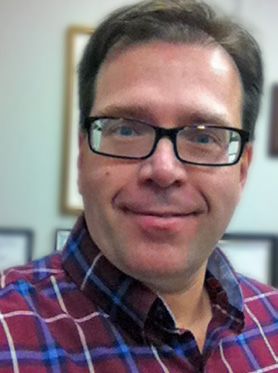
Schedule Friday, November 3

                                                             Registration Open 7 am - 5 pm ATRIUM

              DISCOVERY              DAMSELFISH               FANTAIL             GROUPER            ANEMONE                MAKO               WALU            ATRIUM
              BALLROOM
  8:00                                SC-1                 SC-2                CTM-1                CTM-2                                   SC-3
                                    Improving        Merging multiple     Cost-effective    Early intervention                         The science behind
                 SP-1           adaptive skills with theories into one standardized testing within the state of
                                  activities done
                                                                                                                                         why catching Z’s
                                                          pediatric    tools & assessments Florida what does                          impacts neuromotor
  8:30          Judging
                                       in the        treatment session for use in home &     the future hold?
                                                                                                                         ST-1         recovery & therapy’s
                                   community                                                                                            role in addressing
                                                                            community
                                                                                                                        Employer               sleep
                                     CTM-3                 SC-4                 SC-5                CTM-4                Panel              SC-6
  9:00
                 SP-1                Sit stand      Fill your cup before   Printing? Cursive?  Past and current                           Calling all
                Student                                    you pour         Preschool?Older administration/man-
                                    computer              Optimizing                                                                     pediatric OT        Exhibitiors
                Posters                                                      students? Can
                                  workstations -      therapist health                        agement issues in                         ninja warriors!
  9:30         SESSION 1                                                    handwriting be                                                                   8 am - 5 pm
                                necessity or luxury? to better serve                          the practice of OT
             Presentation                                                  taught effectively
                                                            clients
                                                                              & efficiently?                             ST-2
                                                                                                                       Presidential
  10:00                              WS-1                  WS-2                 WS-3                 WS-4                Address           WS-5
                                 The use of Pilates     A systematic     Behavior anaylsis       Mixed-methods                             Laws and
                 SP-2              with children        approach to         principles to          approach to                            fieldwork:
  10:30         Judging           during therapy     planning functional increase teaching        develop an OT                         FLOTEC module
                                     sessions       occupational therapy effectiveness&        driving intervention      ST-3
                                                     treatment sessions     outcomes in            for returning        Financial
                                                                            pediatric OT        combat veterans        Managment
  11:00
                 SP-2
                Student
                Posters
  11:30        SESSION 2
             Presentation

  12:00                                             FOTA Welcome in the DISCOVERY BALLROOM
  12:30                                                              LUNCH in the ATRIUM
  1:30                                SC-7                 SC-8                 SC-9                 SC-10               ST-4             CTM-5
                 SP-3               Evaluating &          The use of        Roles of dogs in      One-handed            Officers         OT and hand
                Judging           treating children   Pranayama or yoga      rehabilitation        ponytail            Networking     therapy go hand in
                                  post-concussion         breathing                                                                         hand
  2:00
                                                       exercises during
                                                         OT treatment
  2:30                                                        Exhibitiors 8 am - 5 pm ATRIUM                                                                 Exhibitiors
                                                                                                                                                             8 am - 5 pm
  3:00           SP-3                 WS-6                 WS-7                 WS-8                 WS-9                ST-5             WS-10
                Student            Medical Errors       Development &      International legal, Tests and treatments    Fieldwork         Demystifying
  3:30          Posters                                validation of the     human rights, &        for tremulous      Preparation    fieldwork education
               SESSION 3
                                                       screening assess-   financial aspects of hands: essential,
             Presentation
                                                        ment of sensory     human trafficking:       Parkinson’s,
  4:00                                                    integration        Proactive role for   ystonic, multiple
                                                                                   OT’s             sclerosis and
                                                                                                 functional tremors
  4:30

  5:00

  5:30                           AWARDS Student Posters & Flotec Fieldwork DISCOVERY BALLROOM

6 Celebrating 100 YEARS of Occupational Therapy
Schedule Saturday, November 4
                                                          Registration Open 7 am - 5 pm ATRIUM
                                                                  Yoga 6:45 - 7:30 am in WALU
                                                                Exhibitiors 8 am - 5 pm ATRIUM
		      DISCOVERY          ZANDER           DAMSELFISH             LABRID A            LABRID B           GROUPER        ANEMONE                MAKO                     WALU
        BALLROOM
8:00                       WS-11              WS-12                WS-13                WS-14             WS-15          WS-16                 WS-17
                              Laws            Promoting           Clinical utility    Supporting the        Hands on   Oxycontin and       The occupation of
                             & rules          self-efficay,       of the fitness-    person, environ-     Lymphedema     a whiskey          advocate - let’s
8:30                                            health          to-drive screening     ment & salient                  chaser: Aging         explore your
                                              & wellness          measure’s for       tasks of college                 & chronic pain      political activities
                                                                    identifying         students w/                                          of daily living
                                                                   at-risk older      developmental
9:00                                                                  drivers        disorders of lear-
        Professional                                                                  ing & attention
           Poster
9:30    PRESENTATIONS
           9-10:30

10:00                                                                      Exhibitiors 8 am - 5 pm ATRIUM

10:30                       SC-11              SC-12                SC-13               CTM-6              SC-14         CTM-7                 CTM-8                 CTM-9
                           Oral motor        The emerging        Diversity in OT:     Caseload vs.          Flick of     A contextual       Using surveys to      Measuring quality
                          components        practice niche:      Perspectives &      workload in the       the wrist       analysis          assess learning       of life for adults
                          to successful     Exploring your       implications to     school system,                    of OT practice in    styles for incom-     w/ Intellectual &
                           mealtimes        entrepreneurial       educational &                                                                                    developmental
11:00                                                                                 what works                        mental health        ing students to
                                                                                                                                                                      disabilities:
                                               itch in OT        clinical practice       best?                                             facilitate learning     What’s OT role?

11:30                                      FOTA Business Meeting & Awards DISCOVERY BALLROOM
12:30                                                                   LUNCH in the ATRIUM
 1:30                                                            Exhibitiors 8 am - 5 pm ATRIUM
2:00                        SC-15              SC-16               SC-17                SC-18              SC-19         CTM-10              CTM-11                  CTM-12
                          FOTA lobbyist    Play & executive    The future   The distinct value Safe Mobility for       Activity trackers       Let’s talk         Clinic to commu-
                                                                                                  Floridians:                                                     nity: Motivating
                           meet & greet        functions    of OT education of OT in adult day                          and how they         about making         clients w/chronic
2:30                                                                                              State-wide
                                            interconnected                   service centers                             potentially          my practice             diseases to
                                                                                                 resources for                                                          become
                                               in young                                                                     fit into        evidence-based
                                                                                                  generalists                                                       self-managers
                                                children                                                                practice areas
                                                                                                 & specialists
3:00
           FOTA
3:30       Town            WS-18              WS-19                WS-20                WS-21              WS-22          WS-23                WS-24
            Hall          Playful motor     Expanded review Pediatric private   Concussion     The role of stroke Rock and Roll! Distinct value of
                          strategies for    of cost-effective     practice:   management and       caregiver       Harnessing the OT in assessment
                           handwriting       OT assessments      Balancing     visual deficits   readiness to       power of the    & intervention
4:00
                             success       for adult & geriat- practice based                      enhance        vestibular system  for assistive
                                              ric population      evidence                         discharge                          technology
                                                                w/ evidence                       outcomes
4:30                                                           based practice

5:00                        SC-20              SC-21              CTM-13                SC-22             CTM-14          SC-23                SC-24
                        The sky’s the limit: OT & transgender      Documenting Progression from The evolution of   The impact of             Empowering
                                                                      sensory      therapist to scien-            marginalization,
                         Taking your pro-      populations’                                            fieldwork                              leadership:
                                                                integration daily tist: Development               armed conflict
5:30                     fessional growth perspectives &         interventions &                       education   & longitudinal             Leadership
                                                                                     of a research
                          to new heights recommendations        computer guided question from                      stress on the             Development
                                                for practice    clinical reasoning                               health & wellness             Program
                                                                                    clinical practice               of children

                                                                                                                                Celebrating 100 YEARS of Occupational Therapy 7
SHORT COURSES
                        Community Integration: Improving Adaptive                 1. Brief review of education on the science behind sleep and why it
        SC-1     Skills with Activities Done in the Community                        matters for neurological functioning
  Fri. 8:00-8:50 Joseph Werner, OTD, OT/L and                                     2. Review of a post-acute rehab’s quality initiative to incorporate sleep
  DAMSELFISH Melissa Conti, COTA/L, OT/S                                             hygiene as an intervention to enhance patient satisfaction and
  INTERMEDIATE                                                                       outcomes
                       Research and practical experience point to the fact
                                                                                  3. Address sleep as an occupation/ADL and a self-management approach
                       that children and adolescents with varying degrees of
                                                                                     to sleep preparation and sleep participation, including identification
disabilities, need experiences out in their natural community to develop
                                                                                     of barriers to sleep maintenance and interventions to support sleep
adaptive and functional skills. Parents and caregivers also need to see their
                                                                                     participation/performance in an inpatient rehabilitation setting
children be successful in community settings (parks, stores, restaurants,
                                                                                  4. Provide education on how to establish an individualized sleep hygiene
etc...) so the entire family can participate and enjoy community activities
                                                                                     routine
and to help accomplish everyday activities outside of the home.
                                                                                  5. Explore ideas among colleagues in ways to continue to enhance OT
  1. Liability issues with taking clients out into the community.
                                                                                     role in facilitation of sleep as an occupation along the continuum of
  2. Collaborating with parents/caregivers to establish community integra-
                                                                                     care and over various diagnoses.
     tion goals for their child/adolescent.
  3. Methods of evaluating client strengths and weaknesses to match with
     the best community learning experience where they will be successful.                            Fill Your Cup Before You Pour: Optimizing
                                                                                        SC-4     Therapist Health to Better Serve Clients
  4. Preparing staff therapists to be aware of safety issues of taking clients    Fri. 9:00-9:50 Lauren Grabowski, MS, OTR/L
     out in the community.                                                           FANTAIL
  5. Individual versus group interventions out in the community.                                       Currently, productivity and quality patient care is
  6. Assessing progress in community integration outings.                          INTERMEDIATE        the driving force for reimbursement, coverage, and
  7. Appreciation of the therapeutic advantages of working out in the                                  authorization for therapy services. Both productivity in
     community versus in a clinic.                                               the workplace and the ability to provide quality client care begins with the
                                                                                 therapists’ mental, physical, and emotional well-being. This presentation
                        Exploration, Integration, Optimization:                  will explore the importance of developing healthy habits within and out-
        SC-2     Merging Multiple Theories into one                              side the workplace to optimize a therapists’ ability to interact, participate,
  Fri. 8:00-8:50 Pediatric Treatment Session                                     and engage with clients.
     FANTAIL     Lauren Grabowski, MS, OTR/L                                       1. Understand the interaction of personal health and wellbeing and
        BASIC                                                                         patient care
                      Frames of reference of occupational therapy practice         2. Strategize ways to promote healthy habits within the workplace and
                      are typically studied individually to maximize a child’s        daily life
success in therapy. However, the ability to intertwine these approaches            3. Identify opportunities to encourage a positive and collaborative
to develop a comprehensive treatment session is rarely discussed. This                environment throughout the workplace
presentation will identify the opportunity to explore and integrate the most       4. Articulate strategies for improving physical, mental, and emotional
widely practiced theoretical approaches to optimize whole child interaction           wellbeing to provide high quality care
and engagement, with specific activities throughout a treatment session.           5. Understand the correlation between personal wellbeing and client
  1. Differentiate the most common theoretical approaches for pediatric               results and satisfaction
     treatment, such as Sensory Integration, Motor Planning, DIR/Floortime
     Approach, Visual Perceptual, and Sensorimotor                                                    Printing? Cursive? Preschoolers? Older
  2. Understand the opportunity for exploring and intertwining various                  SC-5     Students? Why, What, When and How
     theoretical approaches to optimize treatment sessions                        Fri. 9:00-9:50 Can Handwriting be Taught Effectively
  3. Understand and articulate basic framework for structuring a treatment          GROUPER & Efficiently these Days?
     session to optimize child participation and success
  4. Identify opportunities for engaging pediatric clients in difficult            INTERMEDIATE       Chaya Gottesman, MOT, OT/L
     activities through gross motor play                                                               School-based occupational therapists are inundated
  5. Articulate treatment activities across various frames of reference to       with handwriting referrals. The question then surfaces: How can this
     conduct a comprehensive session to facilitate the achievement of goals      manual skill be taught effectively and efficiently these days. Evidence sup-
                                                                                 ports a shift from letter form to letter size. This simple paradigm shift can
                        The Science Behind Why Catching Z’s Impacts              be a challenge for today’s therapist. This proven, concept based interven-
        SC-3     Neuromotor Recovery and Therapy’s Role in                       tion and program is simple to learn and can be easily embedded into any
  Fri. 8:00-8:50 Addressing Sleep Hygiene                                        academic curriculum or therapy session.
       WALU      Kristen Haines, MOT, OTR/L and                                  1. Discuss the need to shift the focus of instruction from letter form to
                        Becky Piazza, MA, OTR/L, BCPR                            letter size. Reframing the skill instruction seeks to improve occupational
  INTERMEDIATE
                       Elevate your practice to incorporate meaningful           performance. Concrete evidence and testimony of parents and teachers
occupational interventions to support neuromotor recovery through                will be shared.
addressing sleep as an occupation! This course will provide information          2. The simplicity is what makes this program a paradigm shift for seasoned
on programmatic development of a Sleep Hygiene/Sleep Maintenance                 therapists. Discussion will include the key concepts of the program, data
quality initiative addressing ADL/IADL independence within an inpatient          collection, and adaptations for use with differing populations.
rehab setting. Learn how to educate and guide clients through identifica-
tion of barriers to sleep maintenance and introduction to interventions to
support sleep participation/performance in order to improve health/well-
ness and overall physical and cognitive function and recovery.

8 Celebrating 100 YEARS of Occupational Therapy
SHORT COURSES
                     Calling All Pediatric OT Ninja Warriors!                    2. Understand training necessary for each type of role
       SC-6     Tammy Bishop, MS, OTR/L                                          3. Understand rules and regulations including aviation restrictions,
 Fri. 9:00-9:50                                                                     housing Requirements, ADA protection
      WALU      Join Tammy as she walks new and advanced OTRs
                                                                                 4. Learn Do’s and Don’ts of Service Dog Etiquette
                      through the challenging and not-so-challenging
  INTERMEDIATE                                                                   5. Learn therapy strategies for therapy dog via video case demonstration
                      stages of the daily obstacle course: owning and
                                                                                    and live in-person interactions with therapy dog
                      operating a pediatric business. She discovered a niche
that is perfect for OTs who want the independence and flexibility of own-
                                                                                                     One-Handed Ponytail Device and
ing and operating their own business, without the hassles of managing a              SC-10      Learning Kit
clinic and employees.                                                            FRI. 1:30-2:20 Sara Uhrig, OTR/L, CHT
  1. an underserved niche in pediatric OT treatment                               ANEMONE In this workshop you will learn to make a one-handed
  2. building a caseload
  3. advertising                                                                      BASIC            ponytail device and practice ponytail for use with your
  4. treatment settings                                                                                patients who desire to independently put up their hair.
  5. money: rates, billing, taxes                                               Learn the specific methods and graded steps to teach this complex, vision-
  6. equipment: purchasing, storing, and transporting                           occluded ADL. Learn to use clinic materials to teach the patient and family
                                                                                this independent skill.
                     Evaluating and Treating Children                             1. Select appropriate clientele for this activity; including cognitive,
       SC-7     Post-Concussion: An introductory course                              physical, sensory processing and psychological considerations.
 Fri. 1:30-2:20 Kathleen Nightlinger, OTD, OTR/L; Kristin Hubbell                 2. Learn graded steps to learning technique using ongoing activity
 DAMSELFISH and Shannon Hoffman, OTS                                                 analysis and adaptation to teach this method to clients.
                                                                                  3. Learn safety and frustration reduction procedures, specifically the
      BASIC           The purpose of this course is to instruct practitioners        necessity to master on the practice ponytail blindfolded prior to patient
                      working in the outpatient setting with basic knowl-            trying in their own hair.
edge about treating pediatric patients with a diagnosis of concussion.            4. Learn how to make the device and learning kit from readily avail-
This course will go through the OT evaluation process, an introduction to            able clinic/home supplies, and how to teach families/friends to make
treatment ideas and plans for discharge to return to play/school. In this            replacements.
course, a case study will also be presented.                                      5. Apply knowledge learned to make a device to take home and to
  1. Identify the key steps in creating an occupational profile for a                master the technique on practice ponytails in workshop with feedback
     post-concussive client                                                          from presenter.
  2. Utilize appropriate evaluations to identify occupational deficits
  3. Identify resources available for this patient population                                        Oral Motor Components to Successful
  4. Demonstrate understanding of the “Return to Play” model as well as               SC-11      Mealtimes
     return to school                                                           Sat. 10:30-11:20 Angelique Micallef, OTR/L
  5. Be armed with additional community resources to help support the               ZANDER
     recovery of these children                                                                      Oral motor strength and range of motion is necessary
                                                                                      BASIC          for successful mealtimes. Learn the oral muscles and
                                                                                                     how each one can impact eating.
                     The Use of Pranayama or Yoga Breathing
       SC-8     Exercises During Occupational Therapy
                                                                                 1. Recognize the muscles of the face and tongue that directly impact
 Fri. 1:30-2:20 Treatment                                                           feeding.
    FANTAIL     Angelique Micallef, OTR/L
                                                                                 2. Understand the difference between strength and range of motion of
                                                                                    these muscles and its implications to feeding.
      BASIC
                       Yoga is ancient form of mind body exercise that           3. Indicate when screening for Range of Motion and strength in oral
focuses on breathing and using breath to help with increasing the quality           motor structures are necessary to help task analysis in the occupa-
of movement during occupational performance. Pranayama or the                       tional therapy process.
practice of breathing exercises can be used clinically to calm, excite,
help with concentration or coping skills with clients during occupational                            The Emerging Practice Niche: Exploring Your
therapy sessions.                                                                     SC-12      Entrepreneurial Itch in Occupational Therapy
  1. Learn yoga breathing exercises and how to correctly perform them.          Sat. 10:30-11:20 Kay Richardson, COTA/L; CEAS II
  2. Understand the clinical application of breathing exercises during           DAMSELFISH This seminar is designed for the occupational therapist
     occupational therapy sessions.                                                   BASIC           interested in entrepreneurship or establishing an
  3. Demonstrate 5 different types of breathing exercises to help with vari-                          emerging practice. It is designed to identify the right
     ous clinical issues impacting occupational therapy clients in all ages.    emerging practice area, develop a plan to identify a niche and discuss a
                                                                                plan to promote the practice. Kay Richardson is occupational therapy
                     Roles of Dogs in Rehabilitation: So Much                   assistant with fifteen years experience growing and marketing an emerg-
       SC-9     More than Man’s Best Friend                                     ing practice.
 Fri. 1:30-2:20 Sandra Brown, PhD, OTR/L                                          1. Identify and discuss various emerging practices areas
   GROUPER                                                                        2. Identify and discuss personal interest related to emerging practice
                      The purpose of this presentation is to provide un-
      BASIC                                                                          areas
                      derstanding of the roles and types of animals often
                                                                                  3. Identify a structured approach to marketing occupational therapy
                      seen in rehabilitation including emotional support,
                                                                                     services
therapy, and service dogs. Legal rights and regulations will be reviewed
                                                                                  4. Understand and discuss promotion strategies to create awareness
for each role, such as housing and aviation. Additionally, specific levels of
                                                                                     about OT and emerging practice
animal-assisted intervention will be presented. Video case examples will
                                                                                  5. Learn and discuss the tools and techniques of marketing an emerging
be presented, with an in-person visit from a trained therapy dog.
                                                                                     occupational therapy business/practice.
  1. Identify and discriminate the roles of dogs: Service Dog, Emotional
                                                                                  6. Understand marketing techniques to grow emerging practice/business
     Support Dog, Therapy Dog
                                                                                                                    Celebrating 100 YEARS of Occupational Therapy 9
SHORT COURSES
Diversity in Occupational Therapy: the use of an intervention that emphasized executive functions to
SC-13 Perspectives and Implications to Educational which will allow a better understanding of the topic for those who
Sat. 10:30-11:20 and Clinical Practice work with young children.
LABRID A Douglene Jackson, PhD, OTR/L, LMT, ATP; Nardia
BASIC Aldridge, MS, OTR/L; Jessica Henry, BS, OTD-S; and The Future of OT Education
Esther Ojo, MPH, OTD-S SC-17 Tia Hughes, DrOT, MBA, OTR/L
Cultural and ethnic diversity are inherent in society and are critical to the
Sat. 1:30-2:30 This course will address the current environmental
occupational therapy profession. Workforce diversity requires that educa-
LABRID A stressors pressing for changes in OT education: delivery
tional programs foster diversity and equip professionals with skills to be INTERMEDIATE models, entry level practice, faculty requirements, and
effective in diverse workplaces and in clinical practice. This session will fieldwork. Demands from our stakeholders leaves the
discuss terminology related to cultural competency and implications to oc- educational community an opportunity to change its current practice. Join
cupational therapy practice. Educational, clinical, and student perspectives us to learn more about the background of these issues and the current
on workforce diversity will be shared, as well as professional resources. plans to address them.
• Define at least 4 common terms related to workforce diversity as it 1. Identify the environmental demands creating the need for change in
relates to occupational therapy practice OT education
• Provide 3 perspectives on workforce diversity, including educator, 2. Understand the proposed changes to our college and university offer-
clinical, and student experiences ings
• Discuss 3 key workforce diversity resources related to occupational 3. Distinguish the options for our fieldwork partners to offer progressive
therapy professional clinical education
Flick of the Wrist The Distinct Value of Occupational Therapy
SC-14 SC-18
Sharon Rosenberg, MS, OTR/L in Adult Day Service Centers
Sat. 10:30-11:20 The purpose of this presentation is to provide an intro- Sat. 2:00-2:50 Nardia Aldridge, MS, OTR/L
GROUPER ductory education to Occupational Therapy Practitio- LABRID B
BASIC ners on the topic of Wrist injuries and OT intervention By the year 2050, adults age 60 and in the United
BASIC States will double, increasing to about 27 million.
for best clinical practice.
1. Basic Anatomy of the Wrist Adult Day Service Centers (ADSC) have increased in
2. Common wrist injuries/conditions with definitions response to the elderly population’s desire and need to age in place in
3. Best Practice and treatment of the above wrist injuries (will be follow- their homes and communities, with approximately 50% providing rehabili-
ing the slides for each condition) tation services. Discussed in this presentation will be the distinct value of
4. The Dart Thrower’s Motion concept of the wrist occupational therapist in ADSC and implications to professional practice.
1. Define Adult Day Service Centers (ADSC) as a long-term care provider
2. Identify the role of occupational therapy in ADSC
SC-15 Meet the Lobbyist 3. Discuss implications of ADSC program development and regulations to
occupational therapy practice
Sat. 2:00-2:50 Cochran & Johnson Partners
ZANDER
Safe Mobility for Floridians: State-wide
SC-19 Resources for Generalists and Specialists
Sat. 2:00-2:50 Sandra Winter, PhD, OTR/L
GROUPER
Florida Department of Transportation’s Safe Mobility
SC-16 BASIC for Life Coalition promotes community mobility and
Sat. 2:00-2:50 Play and Executive Functions Interconnected participation of aging road users. We present a variety
DAMSELFISH in Young Children of resources for use by occupational therapists, road users, and family
Stephanie Adams, DrDHS members to support driver fitness, transitioning from driving, and use of
BASIC alternate transportation. Given the proper tools, occupational therapists
OTs work with young children identifying play explora-
tion and participation as their primary occupation. Dr. Adams will discuss can be strong advocates for their clients and support state-wide injury
foundational information on the topic of developmental play and research prevention efforts.
on executive functions with the emphasis on the interconnection of these 1. Describe the Safe Mobility for Life Coalition and their statewide efforts
two dynamics. She will discuss her research and development of a pilot to reduce the serious injury and fatality rates of older adults by improv-
study that was implemented using a play-based intervention with an ing their safety, access, and mobility.
emphasis on executive functions. The Behavior Rating Inventory of Execu- 2. Understand the elements and benefits of CarFit driver safety commu-
tive Function-Preschool Version (BRIEF-P) will be reviewed as an effective nity events, and other safety and mobility resources, and how to easily
tool for OTs to utilize in pediatric practice. As the occupation of play will be access them.
discussed, this will bring a better understanding of how executive dysfunc- 3. Reflect on their practice setting, and provide feedback on the transpor-
tion may affect a child’s ability to be successful in formal education. tation needs of older adults in their communities and the educational
1. Learn about the occupation of play and the hierarchy of developmental resources that can help them remain safe and mobile.
play skills in young children.
2. Learn about current research on executive functions with the emphasis
on how it impacts higher level cognitive skills for success in academic
learning.
3. Learn about a pilot study as it is connects the occupation of play with
10 Celebrating 100 YEARS of Occupational TherapySHORT COURSES
SC-20 The Sky’s the Limit – Taking Your Professional SC-23 The Impact of Marginalization, Armed Conflict
Sat. 5:00-5:50 Growth to New Heights Sat. 5-5:50 and Longitudinal Stress on the Health and
ZANDER Shonda Brandon, COTA/L and Wendy ANEMONE Wellness of Children: Exploring Vulnerabilities,
Underwood OTA/L Resiliency and How Occupational Therapy
INTERMEDIATE INTERMEDIATE Can Help
Our Short Course includes information related to
certifications available to OT Professionals. We have found many OTs and Dr. Stanley Paul, PhD, MD, OTR/L
OTAs do not know they can specialize and be certified in many areas of Populations marginalized from geographical isolation, chaos, armed
Occupational Therapy. We are going to provided a breakdown of which conflict, and environmental disasters incur physical and mental scars that
certification are available to OTs and which also include OTAs. Our session destabilize their well-being. This impedes civil liberties, travel, basic services
will include where to find information related to these certifications and and engagement in occupations. Children are vulnerable in unstable
participants also received CEU credit. regions, and their ability to learn, socialize and explore play is severely
• Identify certifications available hampered. Shadowy figures exploit these vulnerabilities by trafficking
• Define what it means to be certified in various areas adolescents who receive no representation by their parents nor from a
• Understand the benefits of becoming certified related to professional lawless state.
growth 1. Identify the destabilizing forces that impact the wellbeing of individuals
• Become familiar with how to access information to begin their own and populations.
certification journey 2. Illustrate the vulnerabilities of children immersed in environmental
disasters and armed conflicts.
SC-21 Occupational Therapy and Transgender 3. Explore the normalization of displaced populations who are impacted
Sat. 5-5:50 Populations’ Perspectives and by occupational uncertainty, emotional distress and diminished support
Recommendations for Practice networks.
DAMSELFISH
Mariana D’Amico, EdD, OTR/L, BCP, FAOTA 4. Exploit the co-mingling of psychosocial intervention with life-skills to
INTERMEDIATE and Elizabeth Schuster, OT-S assist a displaced population in regaining function and normalcy.
Transitioning from one gender to another requires learning new occupa-
tional skills related to self-care, community integration, socialization and Empowering Leadership: Our State
ways of being. Transgender and gender non-conforming populations often SC-24 Association’s Leadership Development
experience barriers that affect mental and physical health, and limit par- Sat. 5-5:50 Program – Inspiration, Interaction, and
ticipation and engagement in meaningful daily activities. This presentation MAKO
will enhance OT practitioners’ knowledge and skills in providing health and
Expansion of Opportunities to Lead
wellness programming for these populations. INTERMEDIATE Brent Cheyne, OTD, OTR/L; David S. Pallister, JD,
OTR/L and Debra Misrahi, DrOT, OTR/L
Have increased awareness of the occupational needs of the transgender
This session is devoted to describing the state association’s newly designed
and gender non-conforming populations enhance OT practitioners’ skill set
leadership development program. The methods used to identify and address
to provide effective and unique services to these populations by learning
FOTA’s goal to develop future leaders and involve more state association
useful terminology, common transitioning processes and sequences, and
members will be shared. An overview of the content, format, and outcomes
occupational challenges.
of initial pilot program and educational session, focused on OTAs, will be
presented to participants. Plans for future leadership program activities and
Progression from Therapist to Scientist:
SC-22 Development of a Research Question from
events will be discussed.
Sat. 5-5:50 Clinical Practice
1. Understand the history and development of the leadership program to
LABRID B Sandra Brown, PhD, OTR/L
this point in time
2. Identify issues of key importance in the need for leadership develop-
INTERMEDIATE ment in the state association to meet its mission, vision, and strategic
The purpose of this presentation is to expose clinicians
to the process of developing a research question from observations in clini- plan
cal practice. Therapists will understand the pathway involved in reviewing 3. Discuss the leadership program content, format, outcomes, and plans
literature to guide formulation of questions to probe potential gaps in the for future development and expansion of the program
evidence. Therapists will learn about the types of reviews which can be 4. Share views on leadership, mentorship, values, and practices that can
conducted, and how to search and evaluate available evidence to guide be developed through service to the state association, and in profes-
scientific inquiry. sional activities
1. Learn about the types of literature reviews.
2. Review valid and reliable sources for examining current evidence.
3. Understand and discuss the difference between a clinical and research
question.
4. Describe the pathway leading to formulation of a research question.
Celebrating 100 YEARS of Occupational Therapy 11CONVERSATIONS that MATTER
CTM-1 Finding, utilizing and incorporating cost- CTM-4 Past and Current Administration/
effective standardized testing tools and Fri. 9:00 - 9:50 Management Issues in the Practice of
Fri. 8:00 - 8:50 Occupational Therapy
assessments for use within the home and
GROUPER DAMSELFISH Michael Steinhauer, OTR, MPH, FAOTA
community setting
INTERMEDIATE Amanda Kotolski, PhD, OTR/L INTERMEDIATE Come and meet the new FOTA Administration and
All pediatric and adult home and community health Management SIS chair, Michael Steinhauer. This in-
practitioners welcome. Please come to openly discuss, share and collabo- formal conversation will encourage interaction and share with participants
rate with other therapists about current and upcoming trends on updated the last few years of AOTA Administration/Management SIS published
evaluation and re-evaluation codes and the use of standardized tests for articles, and discuss their relevance to today’s practice environment. We’ll
evaluation and treatment. also identify new concerns and challenges identified by participants.
• OT practitioner will share and discuss positive aspects of ongoing and • Participants will be able to identify the environment of AOTA Adminis-
changing community and home health practice. tration and Management Special Interest Section published articles to
• OT practitioner will share and discuss concerns and difficulties experi- better assess key issues of concern and challenge to OTs in practice.
enced with community and home health practice. • Participants will be encouraged to achieve the objective of identifying
• OT practitioner will be able to network with other practitioners to current administration/management issues of concern and challenge
provide support and sharing among SIS group. and provide leadership in addressing these concerns via use of the FOTA
• OT practitioner will learn about cost-effective standardized assessment newsletter and other outlets.
tools for use in their daily practice. SIS: Administration
SIS: Home & Community Health
CTM-5 OT and Hand Therapy Go Hand in Hand
Early Intervention within the state of Fri. 1:30-2:20 Kristin Antolino, MOT, OTR/L
CTM-2 Florida, what does the future hold?
Fri. 8:00 - 8:50 WALU For more than 60 years, tension has existed
Kimberly McKinney, MPT, MOT, OT/L between the founding philosophies of occupational
ANEMONE BASIC therapy and the medical model. Hand therapist
Recently, there have been recommendations for
INTERMEDIATE the state of Florida to make within the Early have been inclined to approach treatment through
Intervention system. We will look at what the the biomechanical approach reflecting physical therapy practice approach-
recommendations are, as well, as the effect they will have on Early es. In current hand clinics, OT’s are utilizing physical agent modalities
Intervention agencies, families, and therapists. What should EI therapists be and exercise prescriptions to treat clients with hand diagnosis. When we
prepared for? look into rehabilitation centers and skilled nursing facilities, hand therapy
• What are the suggested changes for the state to make in regards to is almost non-existent. Occupation based hand therapy is essential for
Early Intervention? bringing back the value of occupation in hand therapy and increasing the
importance to address hand therapy within skilled nursing and rehabilita-
• Why were these changes suggested?
tion facilities.
• What are the changes that the state will likely accept?
• Identify the historical background relating to occupational therapy
• How will the changes affect agencies? Families? Children? Therapists
philosophy and hand therapy
• How can EI therapists advocate for changes?
• Compare and contrast the difference between occupation-centered and
SIS: School Systems/Early intervention
biomechanical approaches to hand therapy
• Re-defining the occupational therapist role in hand therapy within
Sit Stand Computer Workstations –
CTM-3 Necessity or Luxury?
skilled nursing and rehabilitation centers.
Fri. 8:00 - 8:50 SIS: Physical Disabilities
Regina Bonynge, OTR/L, CEAS
DAMSELFISH
From Runner’s World, to FaceBook, to almost CTM-6 Caseload vs. Workload in the School
BASIC any magazine a person can find an advertisement
promoting a sit stand computer workstation. But
Sat. 10:30-11:20 System, what works best?
Kimberly McKinney, MPT, MOT, OT/L
what’s all the hype? What effects – physiologically and psychologically WALU
- does altering sitting and standing have on an individual when they sit There have been suggestions for school based
INTERMEDIATE therapist to work on a “workload” versus “case-
all day? Can “moving” improve these conditions? Discussing options for
altering positions, using sit/stand computer workstations, and the benefits load” basis. What exactly does that mean? Are
will be the mission of “the Conversation that Matters.” the school districts within the state finding that this model of treatment
• The physiological and psychological benefits of being able to utilize a works well for all stakeholders? We will look at what AOTA says about this
sit/stand workstation verses having the ability to “just move” during format. We will also address ways that this model can be incorporated into
one’s work day will be identified. school districts.
• Various types of sit/stand workstations will be reviewed. The differences • What is considered a “caseload”?
of each type of sit/stand workstations and the benefits the workstation • What is considered a “workload”?
may provide in various work settings will be discussed. • How many districts within the state incorporate the workload model?
• Individuals attending the Work SIS Conversation That Matters will be • What are the benefits of having a workload?
encouraged to participate in the discussion sharing experiences that • Is there buy-in from administrators? parents? students? teachers?
will assist with providing our customers with high quality information to therapists?
meet their ergonomic needs. • What is the stance from AOTA?
SIS: Work Program • What are steps that could be used to incorporate the workload model
into your district, if desired?
SIS: School Systems/Early intervention
12 Celebrating 100 YEARS of Occupational TherapyCONVERSATIONS that MATTER
CTM-7 A Contextual Analysis of Occupational work is now needed that will establish and link occupational therapy’s
Therapy Practice in Mental Health: unique contribution to achieving satisfactory quality of life.
Sat. 10:30-11:20 Getting From Here to There • Discuss current practice assessment domains and indicators.
ANEMONE Mirtha Whaley, Ph.D, MPH, OTR/L • Contribute examples of subjective, participatory indicators for each
INTERMEDIATE assessment domain discussed.
Supporting the re-emergence of occupational SIS: Developmental Disabilities
therapy in mental health requires looking at the
OT workforce, and contexts of the practice. Only through awareness and Exchange of Ideas on Persuasive Activity
understanding of factors that facilitate or potentially obstruct our re-entry, CTM-10
can we prepare ourselves to re-engage in services to individuals with SAT. 2-2:50 Trackers (e.g. Fitbit, Garmin) and How They
mental illness. Through audience participation, this conversation explores Potentially fit into Practice Areas
ANEMONE Rick Davenport, PhD, OTR/L
those factors as well as ways in which we can ensure we will “get there
from here.” BASIC Innovative persuasive activity trackers (e.g. Fitbit,
• Identify the contexts that affect both the preparation of the OT work- Garmin) are becoming ubiquitous in society.
force and mental health practice This session will focus on discussing the current innovative practice
• Compare the contexts that facilitated the emergence of OT in mental oriented approaches to utilizing these novel persuasive activity trackers.
health, and current contexts affecting the practice Participants will be given the opportunity to share their activity tracker
• Discuss factors that have the potential to facilitate and those that experiences and discuss how these persuasive activity trackers fit into
potentially interfere with our re-entry into mental health practice their practice areas. This session will also include discussion of the cur-
• Explore how these factors affect, not just OT practice, but access to and rent literature on activity trackers in the clinical setting.
quality of services to individuals who have mental illness • Participants will expand their knowledge about the current persuasive
• Explore the unique contributions of occupational therapy to consumers activity trackers being utilized.
of mental health service • Participants will expand their knowledge about how persuasive activity
• Evaluate ways to influence the contexts of clinical education and mental trackers potentially fit into their practice areas.
health practice to” facilitate our re-entry into mental health practice… • Participants will be able to identify current evidence that potentially
“getting there from here.” supports the use of persuasive activity trackers as a component of
SIS: Mental Health rehabilitation therapy.
SIS: Technology
Using Surveys to Assess Learning Styles
CTM-8 Let’s Talk About Making My Practice
for Incoming Students to Facilitate CTM-11
Sat. 10:30-11:20 Learning Evidence-Based
SAT. 2-2:50
MAKO Kurt Hubbard, PhD, OTD, OTR/L, FAOTA and Lynn Jaffe, ScD, OTR/L, FAOTA and
MAKO Sarah Fabrizi, PhD, OTR/L
INTERMEDIATE Kimberly McKinney, MPT, MOT, OT/L
INTERMEDIATE After a quick agreement on the meaning of
The VARK is a tool that can be used by educators evidence based practice, this conversation will
to identify four distinct learning styles in their students (visual [V], aural focus on finding and using evidence resources to enhance practice. Most
[A], reading/writing [R] and kinesthetic [K]). The identification of these four resources can be found online. Strategies for accessing formal resources
learning styles may facilitate program development (specifically labs) as to and making the whole process manageable will take up the bulk of the
how to facilitate the learning environment. This is important for program session.
self-assessment in order to develop more effective teaching methods and • Understand what we mean by evidence based practice.
to maximize student learning potential. • Finding useful resources online.
• To demonstrate how the VARK can be used as a tool for educators to • Networking for additional resources.
identify learning styles in students • Generate strategies for practice.
• To demonstrate how the VARK can be used as a tool for students to SIS: Research
identity study strategies that best fit their learning styles
• To demonstrate how the VARK can be used as a research tool to gather From Clinic to Community: Motivating
evidence relating to what type of learner is attending your education CTM-12
Clients with Chronic Diseases to Become
program SAT. 2-2:50
Self-Managers
• To demonstrate how the VARK can be used to facilitate a better cur- WALU Elizabeth Strickland, OTR/L
riculum development and change to reflect a “better match” to student BASIC
learners This Conversations that matter session will focus
• To demonstrate how the VARK can be used to facilitate curriculum on identifying strategies that occupational therapy
development to match all adult learning styles. practitioners can use to help their clients learn how to self-manage their
SIS: Education chronic disabilities from in the clinic to in the community. We will discuss
various chronic diseases and interventions that promote wellness. We
Measuring Quality of Life for Adults will learn how to help clients become self-managers of their diseases to
CTM-9 promote good follow thru when they are discharged from care, in hopes,
Sat. 10:30-11:20 Diagnosed with Intellectual and Develop- to help decrease the hospital remittance and improve their quality of life.
mental Disabilities: What is Occupational
WALU • Identifying various chronic diseases
Therapy’s Role? • Define Self-management
INTERMEDIATE Kathleen Frahm, MBA, OTR/L and Darren • Benefits from self-management promotion in healthcare
Gregory, MSW • Self-management strategies to facilitate good follow thru from clinic to
As adults who are diagnosed with intellectual and developmental disabili- community
ties have been transitioned into Medicaid managed care, the importance SIS: Health Promotions/Wellness
of a more client-centered social model has been recognized with its highly
subjective measurement challenges. A paradigm shift from a performance-
driven, objective medical model to a more participatory, subjective frame-
Celebrating 100 YEARS of Occupational Therapy 13CONVERSATIONS that MATTER WORKSHOPS
CTM-13 Documenting Sensory Integration (SI) The Use of Pilates with Children during
Daily Interventions and Computer Guided WS-1 Therapy Sessions
SAT. 5-5:50 Fri. 10-10:50 Angelique Micallef Courts, OTR/L OT
Clinical Reasoning
LABRID A Gustavo Reinoso, PhD, OTR/L DAMSELFISH
Pilates is a form of mind body exercise that focuses
INTERMEDIATE Reporting your daily interventions, messy as they BASIC on core stability and strength and can be effectively
can be, is an important step in building practice- adapted to help facilitate pediatric clients in completing functional play
based evidence. Oftentimes we do not carefully examine our daily notes and leisure skills as well as overall gross motor, motor planning and
when treating children with SI problems. The following conversation that graded control skills during all activities of daily living.
matters will provide an opportunity to discuss how and what information 1. Learn Pilates principles and how it differs from other forms of exercise.
to document when using sensory integration as your main intervention 2. Identify exercises to help with graded control using a Pilates approach.
approach and how the future may change using emerging software such 3. Identify exercises to help with core strength
as OTMetrics® 4. Learn how to sequence exercises for ease in home program
• Understand the importance of practice based evidence in sensory suggestions for common pediatric concerns.
integration SIS: Developmental Disabilities
• Examine and reflect on what information you report daily on clients
treated with OT/SI A Systematic Approach to Planning Function-
• Revise examples of large datasets using OTMetrics® in clients where WS-2 al Occupational Therapy Treatment Sessions
OT/SI is the main intervention approach utilized in a clinical setting Fri. 10-11:50 Mildred Alfonso, MS, OT/L
• Work in groups and create a plan for the future that brings you closer to FANTAIL
developing a structured strategy to report your interventions when using As occupational therapy practitioners, we must find
OT/SI as your main intervention approach INTERMEDIATE opportunities to assist our client’s in engaging in
SIS: Sensory Integration meaningful occupations. This workshop will introduce
the participant to a process that identifies the components involved in
Fieldwork Education planning functional treatment sessions and progressing the client from
CTM-14 preparatory to occupation-based activities. We will also explore the use of
The Evolution of Fieldwork Education
SAT. 5-5:50 Pamela Kasyan-Howe, OTD, OTR/L, Ed.S and occupation-based kits to promote function during treatment.
GROUPER Douglene J. Jackson, PhD, OTR/L, LMT, ATP • Provide the occupational therapy practitioner a process for planning
INTERMEDIATE a treatment session which focuses on functional activities and how to
Fieldwork today is undergoing an evolution to meet select appropriate treatment interventions.
the current needs of professional practice. AOTA • Understand how to use an occupational therapy diagnosis quick refer-
recently proposed a new model of fieldwork education which includes an
option for first-year practitioner residency. This conversation will inform the ence guide to tailor the occupational therapy intervention to the client’s
participant on proposed fieldwork models. medical needs.
• Identify at least 3 of the problems facing current fieldwork education • Determine how to identify the client factors/impairments which limit the
models. client’s independence in occupations.
• Identify two models of fieldwork education. • Determine how to design/implement treatment activities which will lead
• Discuss steps needed to implement proposed AOTA model of fieldwork to greater independence with occupations.
residency programs in Florida. • Differentiate the various types of treatment activities that can be used
SIS: Fieldwork Education during a therapy session.
Using Behavior Analysis Principles to
WS-3 Increase Teaching Effectiveness and
Fri. 10-11:50 Outcomes in Pediatric Occupational Therapy
WALU Erin Davis, MS, OTR/L
BASIC This workshop will highlight ways that pediatric
occupational therapists can use the principles of
applied behavior analysis (ABA) to enhance their ability to teach and
achieve functional outcomes while working with children and families.
Misconceptions regarding ABA’s methodology and functionality will be
explored, as well as the potential reinforcing aspects of common sensory-
seeking behaviors that occupational therapists may encounter during
treatment.
• Articulate basic tenets of applied behavior analysis (ABA) theories.
• Recognize areas where ABA principles work in accord with the occupa-
tional therapy practice framework.
• Discriminate possible reinforcing effects of common sensory stimuli and
negative behaviors.
• Identify ways to integrate functional behavior analysis within the
Follow FOTA on development of a child’s occupational profile as well as during treat-
ment sessions.
SIS: Developmental Disabilities
Stay Connected www.flota.org
14 Celebrating 100 YEARS of Occupational TherapyYou can also read


