IDEA Selective Review Process Guide 2018-2019 - Office for Exceptional Children Office of Early Learning and School Readiness 25 South Front ...
←
→
Page content transcription
If your browser does not render page correctly, please read the page content below
2018-2019

                  IDEA Selective Review
                     Process Guide

                          Office for Exceptional Children
                   Office of Early Learning and School Readiness
                 25 South Front Street, Columbus, Ohio 43215-4183
                                  (614) 466-2650

September 2018                                                      1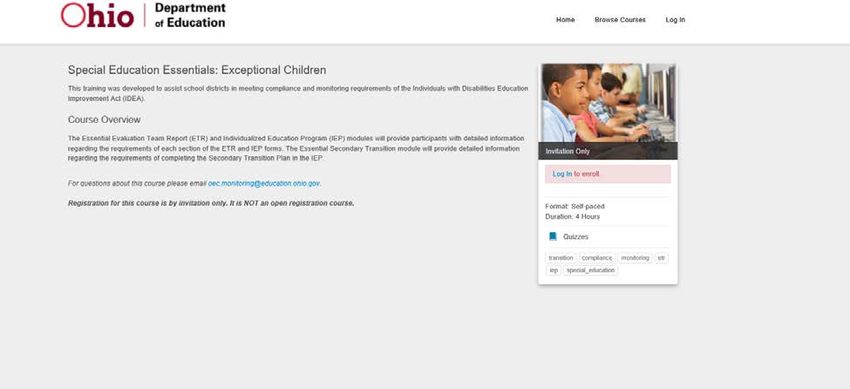
Table of Contents
   Overview................................................................................................................................................. 3

   Pre-Onsite Activities ............................................................................................................................... 4

   Onsite Review Activities ......................................................................................................................... 5

   Post-Onsite Activities ............................................................................................................................. 7

   Reimbursements .................................................................................................................................... 9

Appendices

   1. Record Review Questions
         a. Child Find
         b. Delivery of Services
         c. Least Restrictive Environment
         d. Discipline
         e. Data Verification

   2. Indicator 13 Checklist

   3. IEP Verification Checklist

   4. Record Review Data Collection Form

   5. Corrective Action Plan (CAP) Instructions

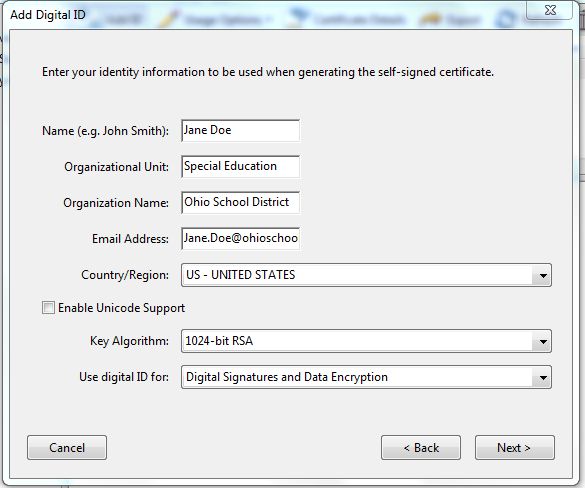
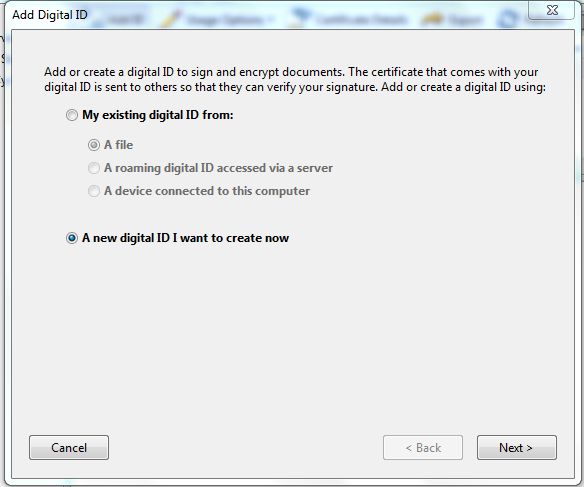
   6. Instructions for Creating Electronic Signature

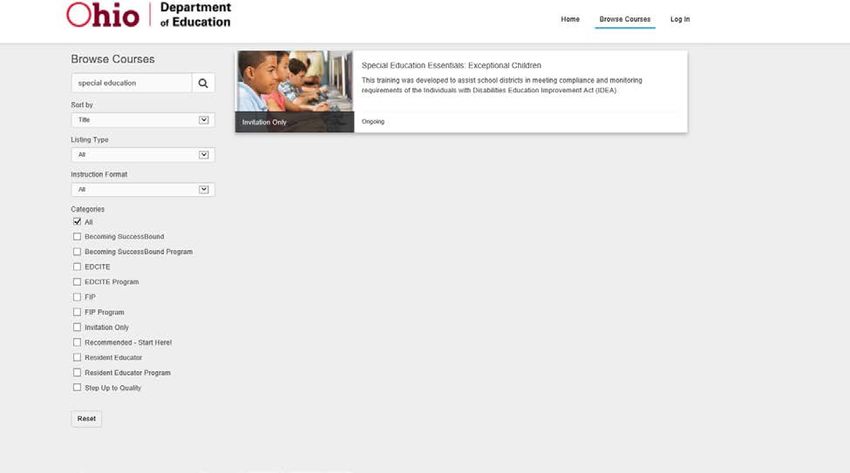
   7. Login Instructions for Learning Management System (LMS): Special Education Essentials –
      Exceptional Children

   8. Definitions

September 2018                                                                                                                                             2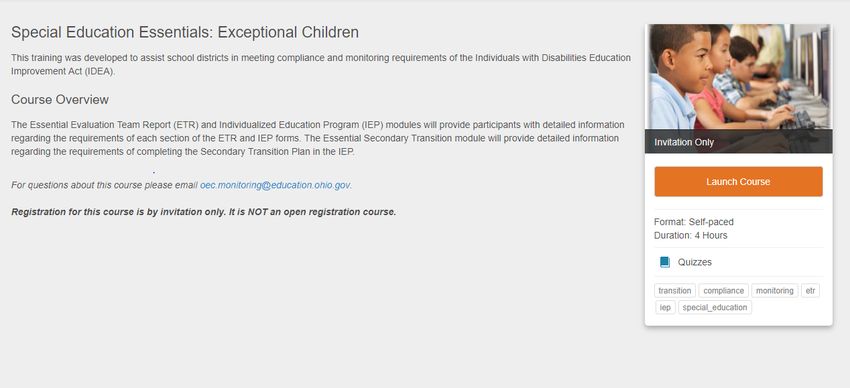
Overview
The Office for Exceptional Children (OEC), in coordination with the Office of Early Learning and
School Readiness (ELSR), developed a Comprehensive Monitoring System for Continuous
Improvement and Implementation of the Individuals with Disabilities Education Act (IDEA). The
purpose is to determine compliance with federal and state laws for serving students with
disabilities and to assist educational agencies in building a continuous improvement process.
“Educational agency” refers to all school districts, community schools, career technical centers
(CTCs), educational service centers (ESCs) and county boards of developmental disabilities (DDs).
    • Pre-Onsite Activities
          Review of data and student records, scheduling onsite activities
    •   Onsite Review Activities
        Interviews, IEP Verifications and Public Parent meeting
    •   Post-Onsite Activities
        Summary of findings, Corrective Action Plan (CAP), Individual Record Corrections and
        implementation and completion of CAP activities
Educational agencies may be scheduled for a review for one or more of the following reasons:
    •   Random selection;
    •   Education Management Information System (EMIS) and other data that suggest
        irregularities in the educational agency’s special education process
    •   Patterns of repeated and/or systemic complaints and due process hearing requests
        about special education services
    •   Risk analysis based upon multiple factors and measures associated with compliance and
        outcomes data
When agencies serving multiple districts (CTCs, ESCs, DDs) are selected for review, all associate
educational agencies will be included in the review activities. While the district of residence is
responsible for compliance with all state and federal special education laws and regulations,
there is shared responsibility and accountability for agencies that have agreed to provide
educational services to member districts and communities. As such, both the selected
educational agency and all associate educational agencies will be expected to share responsibility
and collaborate to ensure that special education services and documentation are complete and
compliant. Any corrections required from the review process are expected to be completed
quickly and accurately. The agency (CTE, ESC, DD) will notify the associate educational agencies
of the review schedule and other pertinent details regarding the review process.

September 2018                                                                                  3
Pre-Onsite Activities

OEC Risk Analysis and Data Review
OEC will review the educational agency’s background information and performance data to
identify possible areas to target for the onsite review. The purpose of the data review is to
identify trends or patterns in the educational agency, which may point to an area(s) of concern
(placement, performance, disability categories, discipline, etc.) and to allow the team to target
the review and determine:
   •   The rationale for record selection
   •   Student records selected for review
   •   Questions for the interviews
   •   Other activities or documents needed for the review
Risk analysis is based upon multiple factors and measures associated with compliance and
outcomes data, including fiscal issues and other results-driven outcomes. The data review
includes, but is not limited to, Special Education Profile Report, Local Report Cards, educational
agency policies and procedures, dispute resolution issues, Ohio Improvement Process (OIP),
Comprehensive Continuous Improvement Plan (CCIP) and use of early intervening funds and
other resource management areas.

Student Record Reviews

OEC staff will review a sample number of records based on the area(s) of concern and
representative of the population of students with disabilities that are impacted by the concern
using the Record Review Questions (See Appendices 1, 2 and 3). Record selection may be random
across grade levels, disability categories, buildings or may be targeted based on the analysis of
educational agency data.
OEC will review Evaluation Team Reports (ETRs), at least two consecutive years of Individualized
Education Programs (IEPs) and IEP Progress Reports. The review will include evaluation of goals,
data utilized and description of progress. Prior to the onsite, the educational agency will be
directed to submit selected records to OEC in an approved, secure, electronic format.

The educational agency will provide copies of student and staff schedules and special education
files during the onsite visit for clarification as needed.

September 2018                                                                                  4
Educational Agency Review Team

The educational agency will identify a cross-functional team which may include:
    •   Administration: Superintendent, Treasurer or other central office staff, and building
        principals (include administrators with authority to direct resources that affect change)
    •   Community school sponsor and management company representative (if applicable)
    •   Representative from each Associate Educational Agencies (if applicable)
    •   Special education director and coordinators
    •   Early childhood coordinator
    •   Curriculum supervisors or coordinators
    •   Data management staff (EMIS coordinator)
    •   Individual(s) familiar with the Comprehensive Continuous Improvement Plan (CCIP)
    •   Related service providers
    •   School psychologists
    •   Teachers
    •   State Support Team (SST) representatives
    •   OIP Facilitator
    •   ODE representatives

The educational agency will also identify an internal monitoring team which will include:
   • Special Education Coordinator/Director
   • Representative from each Associate District (if CTE, ESC, or DD)
   • Intervention Specialists (Lead intervention specialists based on building and grade
       assignments)
   • General Education Teachers (English Language Arts teachers and Math teachers)
   • School Psychologist
   • Speech language pathologist
   • Occupational therapist
   • Physical therapist
   • Others as designated by the educational agency
Please note: Each associate educational agency will need to identify their own internal
monitoring team.

                                 Onsite Review Activities

IEP Verification
OEC will randomly select student IEPs from previously-submitted records to conduct verification
of the delivery of IEP services in the student’s classroom. Team members will hold pre- or post-
verification interviews with the teachers to confirm that the students are receiving identified
services as described in their IEP, including verification of transition services, as applicable.
Documentation ensuring IEP implementation will be collected and reviewed. Substitutes may be

September 2018                                                                                 5
needed during OEC’s interviews with the teachers. The focus of IEP verification is on the
implementation of the student’s IEP, not teacher performance.

For electronic schools, this will require access via central office computer classrooms as well as
any related service brick and mortar locations.

Public Parent Meeting
The educational agency will coordinate scheduling of a public parent meeting and inform OEC of
the location for the meeting. For electronic schools, this will include multiple locations across
the state to accommodate parents. The educational agency will mail an OEC-provided notice to
all parents/guardians of students with disabilities, as well as post the notice on its website at
least four weeks prior to the onsite visit regarding the meeting purpose, time and location. OEC
will contact the educational agency to arrange for any special accommodations, such as
interpreters, that may be needed for the meeting. Documentation of the notice will be provided
to OEC prior to the onsite visit.

OEC will conduct the public parent meeting to gather parental input regarding the educational
agency’s special education services. OEC and State Support Team (SST) representatives will invite
parents to comment on the educational agency’s special education program. Parents may also
submit written comments to OEC by e-mail or USPS. Parents have up to 30 days after the public
meeting to submit comments to OEC. Information will be available at the meeting for parents
regarding resources, the dispute resolution process and contacts.

While educational agency’s representatives are not permitted to attend the public meeting, an
educational agency representative will introduce OEC and SST consultants at the beginning of the
meeting and remain available after the meeting for any questions or issues that may arise.

The educational agency will have copies of A Guide to Parent Rights in Special Education available
at the meeting.

Interviews
OEC and SST representatives will work with the educational agency to select personnel who will
participate in the interviews (administrators, intervention specialists, related service providers,
general education teachers, school psychologists and other personnel who are associated with
the records reviewed). When agencies serving multiple districts (Career Technical Schools,
Educational Service Centers and County Boards of Developmental Disabilities) are selected for
review, all associate educational agencies will cooperate with the agency in selecting school
staff and administrators for interview sessions.
The educational agency will coordinate with OEC concerning the interview locations and times.

September 2018                                                                                   6
Interviews will be conducted separately with:
    • Teams consisting of special education teachers, general education teachers, related
        service providers and other personnel whose records were reviewed (team size will be 8
        to 10 members);
    • When applicable, separate preschool interviews may be scheduled;
    • Teams of educational agency administrators;
    • For CTCs, ESCs and DDs, teams of associate educational agency staff consisting of special
        education teachers, general education teachers, related service providers and other
        personnel;
    • For CTCs, ESC, and DDs, teams of associate educational agency administrators;
    • Any other stakeholders involved in the educational agency’s special education process.
In the interest of transparency and open communication, supervisory staff cannot attend
interviews with instructional staff.

The educational agency may be asked to provide additional documentation or evidence of
policies, procedures and/or practices in response to information gathered during the interviews.

For electronic schools, the interviews may be held at multiple locations to accommodate the
various locations of staff.

Exit Meeting
OEC’s Review Team will conduct an exit meeting with the educational agency’s leadership team.
The purpose of the exit meeting is to address the following:
   • A general summary of preliminary review results;
   • Additional documentation or data as required;
   • An explanation of the educational agency’s report and timelines of the post onsite
       activities;
   • Areas of required professional development that the educational agency will begin. This
       may include targeted technical assistance with the SST, Universal Supports on ODE’s
       website, and/or the Learning Management System (LMS) through the SAFE portal.

                                     Post-Onsite Activities

OEC Summary Report

OEC will complete a Summary Report of the onsite review findings. If systemic noncompliance
issues are found, OEC will provide the educational agency with a Corrective Action Plan (CAP)
outline to guide the educational agency in developing a CAP to address those systemic areas.
Systemic noncompliance is identified when OEC finds a noncompliance level of 30% or greater
in any single area or in specific areas of concern found during the onsite review activities (student
records, IEP verification, interviews, parental input and document reviews).

September 2018                                                                                     7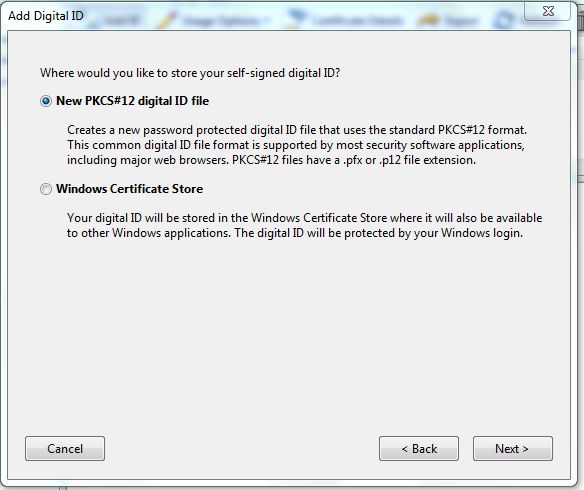
For agencies serving multiple districts, the summary report presentation will include
representatives from all associate districts.

OEC Presentation

OEC will schedule an onsite presentation of the selective review summary report and outline for
corrective action. This meeting with the educational agency’s cross-functional team will include
a presentation of OEC’s findings and a review process for developing and implementing a CAP.
CAPs are due within 30 school days of the date of the summary report. The educational agency
and SST consultant will electronically sign and email the CAP to OEC for approval.
For agencies serving multiple districts, the summary report presentation will include
representatives from all associate districts.
Individual Corrections
The educational agency, and the associate educational agencies when applicable, are required
to correct all findings of individual noncompliance within 60 school days of the date of the
educational agency’s summary report. If the review identifies any issue(s) denying the provision
of a Free and Appropriate Public Education (FAPE), the educational agency must correct the
issue(s) within 15 school days of notification to ensure compliance with the requirements of
(OAC) 3301-51-09(H) (1), OAC 3301-24, (ORC) Chapter 3323.

Technical assistance will be provided by OEC and SST staff. Individual student record review
comments are provided with the summary report. Record review issues are communicated to
the parent/guardian by a separate letter. Individual corrections will be reviewed and verified by
OEC. The educational agency will receive a confirmation letter of completion of individual
correction from OEC once all corrections have been verified.

Verification of CAP Activities and Record Compliance
The educational agency will be required to demonstrate completion of CAP activities within the
given timelines in the educational agency’s summary report. OEC will review documentation of
completed CAP activities and new records produced after the educational agency has received
training and technical assistance from the SST. Record compliance is established through the
verification of at least five examples of compliance for all individual areas of noncompliance
found in the original review. For agencies serving multiple districts, at least one student record
from each district will be reviewed. The educational agency will complete and submit the CAP
Verification Form (included in the CAP form) to OEC. OEC will verify completion through a review
of documentation associated with each CAP activity and a review of new records. Upon
documented completion of all CAP activities and record compliance, the educational agency will
receive a letter of clearance from OEC.

September 2018                                                                                  8
Reimbursements

OEC will reimburse the educational agency and associate districts for substitute and postage
costs in relation to this review. Substitutes will be needed during staff interviews and IEP
Verifications. An invoice for the substitute and postage costs will need to be submitted within
30 days of the review to:
                   Attn: Donna Horn
                   Office for Exceptional Children
                   25 S. Front St., 4th Floor
                   Columbus, OH 43215

OEC will reimburse for substitute and postage costs through the educational agency’s CCIP as
Additional Allocation.

September 2018                                                                               9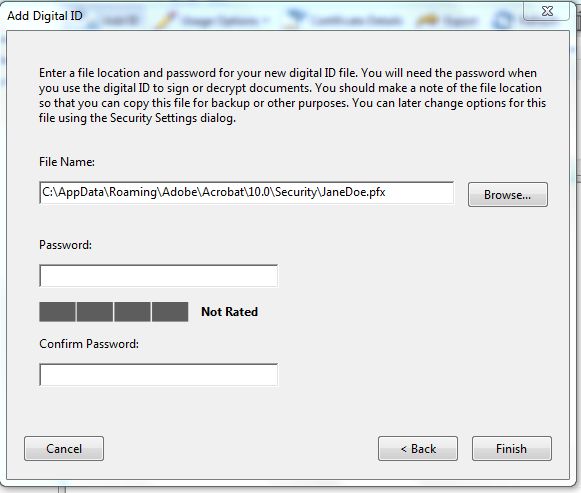
Pre-Onsite Documents
The following documents may be requested by OEC for review prior to the onsite visit:
   1. Staff lists with titles, years of service
   2. Verification that the workload/caseload ratios for special education service providers meet
        the requirements in the Operating Standards 3301-51-09 (I).
   3. Restraint and Seclusion Policy
   4. Communication plan with other associated educational agencies
   5. OEC approved special education policies and procedures manual
   6. Student schedules
   7. For preschool, interagency agreements for Part C Head Start and/or community people
   8. Other specific documents or policies identified by OEC prior to the review.

Additional documents requested for Career Technical Centers (CTCs):
   1. The local Perkins Plan with supporting evidence of implementation.
   2. Program/Course Catalog including statement of equal access to all programs.
   3. The CTC Admissions Policy and Procedures

Additional documents requested for Educational Service Centers (ESCs)
   1. List of districts served
   2. List of services provided
   3. List of districts sponsored (if applicable)

Additional documents requested for Electronic Schools
   1. How SDI and related services are provided
   2. Locations where services are provided

September 2018
1
Record Review
Questions
September 2018Child Find
Record Regulation
Record Review Potential Source(s) of
Review 34 CFR 300 or Compliant Evidence
Question Documentation
Item OAC 3301-51
CF-1 300.305(a) For children Information from Part C must be documented and can * Help Me Grow
transitioning from Part include: Forms,
C, did the educational • Observations in more than one setting and in multiple * Records from the
agency utilize child activities; Transition
information from the • Interviews (information provided by parents or Conference,
Individual Family Service YES caregiver); * PR-06 Evaluation
Plan (IFSP) and other • Results of the Bailey or Battelle. Team
documentation Report- Part 2,
provided by Help Me * PR-04 Referral Form,
Grow in suspecting or * PR-01 Prior Written
when determining Notice
eligibility for Part B There is no evidence that the data indicated above are
supports and services? documented as part of the decision-making process for
suspecting or determining eligibility.
*Preschool Only
NO
*Initial Evaluation Only
The child is not transitioning from C to B.
NA
September 2018Child Find
Record Regulation
Record Review Potential Source(s) of
Review 34 CFR 300 or Compliant Evidence
Question Documentation
Item OAC 3301-51
CF-2 3301-35-06 Does the educational The record shows evidence of intervention data and * Data from
3301-51-06(A) agency provide provides a summary of the interventions that have been interventions,
interventions to resolve implemented prior to referral or during the evaluation * PR-06 Evaluation
concerns for any school- process. Team Report-
age child who is For initial evaluations the summary of interventions Section 2,
performing below provided must include: * PR-04 Referral Form,
grade-level standards? 1. A description of the research-based intervention(s) used, * PR-01 Prior Written
2. How long the intervention was provided (how many Notice.
weeks),
3. The intensity of the intervention – how often, and for
how many minutes,
4. A description of the results compared to the baseline
data, and
YES 5. The decision was made as a result of the intervention(s).
For reevaluations, the summary of interventions provided
would include:
1. A description as delineated above if interventions were
provided in addition to the specially designed instruction,
related services, and other supports contained in the IEP.
2. If no additional interventions were provided, a
statement that it was determined by the ETR team that
the IEP special education supports and services were
appropriate to meet the child’s needs.
3. This area cannot be left blank and must refer to actual
interventions, if provided, and not simply
accommodations or modifications.
The student record contains no evidence that interventions
NO were provided to the child.
Transfer ETR from previous educational agency OR
NA
Preschool Record
September 2018Child Find
Record Regulation
Record Review Potential Source(s) of
Review 34 CFR 300 or Compliant Evidence
Question Documentation
Item OAC 3301-51
CF-3 300.501(b) Were the * Evaluation Planning
parents/guardians Form
There is evidence of parental involvement or evidence the
afforded an opportunity * PR-01 Prior Written
parent was provided the opportunity to participate. This
to participate? Notice
applies to transfer-in ETRs adopted by the educational
* PR-02 Parent
agency.
Invitation
YES * PR-04 Referral Form
* Other
Documentation:
Phone logs, parent
contact logs, e-
mails, conference
call
*Documentation of
No evidence of parental involvement or no evidence the educational agency
parent was provided the opportunity to participate. and Parent
Agreement (must be
NO
verified by
consultant for
compliance)
* If transfer ETR,
adopting
The parent and the educational agency agreed that a educational agency
reevaluation was unnecessary. documentation of
parent involvement
in the ETR planning
NA
September 2018Child Find
Record Regulation
Record Review Potential Source(s) of
Review 34 CFR 300 or Compliant Evidence
Question Documentation
Item OAC 3301-51
CF-4 300.300 Was parental consent YES Signed PR-05 PR-05
obtained prior to new No evidence of PR-05; OR
NO
testing? If PR-05 is signed prior to the planning form.
The parent and the educational agency agreed that a
NA reevaluation was unnecessary. OR No new testing was
conducted.
CF-5 300.304(c)(4); Is there evidence that There is evidence that the evaluation addressed all areas * Evaluation Planning
300.307-311 the evaluation related to the suspected disability, including, if appropriate: Form
addresses all areas • health, * PR-04 Referral Form
related to the suspected • vision and hearing * PR-01 Prior Written
disability including: • social and emotional status, Notice
• health, • general intelligence, * Preschool evaluation
• vision and hearing • academic performance, form
• social and emotional • communicative status, and * OP-4 documentation
status, • motor abilities. of Agreement not to
• general intelligence, There are additional procedures for evaluating for Specific Reevaluate
• academic YES Learning Disabilities, Multiple Disabilities, and Deafness or
performance, Hearing Impairment and preschool-age children.
• communicative Multiple sources of information are required to determine
status, and eligibility. For preschool, these sources include but are not
• motor abilities limited to, information from Part C when children transition
from early intervention, structured observations in more than
one setting and in multiple activities, information provided by
the parent or caregiver and criteria and norm-referenced
evaluations. All developmental areas, not just those related to
the disability, must be assessed with at least one source of
information.
The evaluation report did not address all areas related to the
suspected disability.
NO
If no Planning Form (unless tested for everything).
The parent and the educational agency agreed that a
NA
reevaluation is not necessary.
September 2018Child Find
Record Regulation
Record Review Potential Source(s) of
Review 34 CFR 300 or Compliant Evidence
Question Documentation
Item OAC 3301-51
CF-6 300.306 (c) Does the ETR clearly There is a clear and concise summary of the
state the summary of data/information obtained during the evaluation process
assessment results? and the assessment results; not just a word-for-word copy
YES of all the assessments conducted. The summary of the
assessment results is in language understandable to the
parent.
The ETR does not contain a clear summary of the results of
all the data and assessments. Or there is merely a re-
NO statement of all the assessments conducted without a
concise summarization.
The parent and the educational agency agreed that a
NA reevaluation is not necessary.
CF-7 300.306 (c) Does the ETR contain a The description of educational need contains specific and
clear and succinct adequate information about this child that will allow the
description of IEP team to develop an effective and actionable IEP. This
YES
educational needs? includes the need for special education and related
services.
The ETR does not contain a clear description of educational
need for the child, or contains generic information that is
NO
not individualized to this child’s needs.
The parent and the educational agency agreed that a
reevaluation is not necessary or this ETR substantiates the
NA decision that the child no longer qualifies as a child with a
disability under IDEA.
September 2018Child Find
Record Regulation
Record Review Potential Source(s) of
Review 34 CFR 300 or Compliant Evidence
Question Documentation
Item OAC 3301-51
CF-8 300.306 (c) Does the ETR contain The ETR clearly describes the need and implications for
specific implications for specially designed instruction and, if applicable, related
instruction and progress services. This must include how progress could be
monitoring? monitored in relation to IEP goals and services.
YES
There is no description of the implications for instruction or
for progress monitoring. Or, the implications description is
generic in nature and does not address the specific needs
of this child.
NO
The parent and the educational agency agreed that a
reevaluation is not necessary or this ETR substantiates the
decision that the child no longer qualifies as a child with a
disability under IDEA.
NA
September 2018Child Find
Record Regulation
Record Review Potential Source(s) of
Review 34 CFR 300 or Compliant Evidence
Question Documentation
Item OAC 3301-51
CF-9 300.306(a)(1) Determining Eligibility A group of qualified professionals determines eligibility. * PR-06 Evaluation
300.303(a) Refer to OEC’s established guidelines for Qualified Professionals Team Report-
Did a group of qualified 1. Parent, Section 1 Individual
professionals and the 2. Educational Agency Representative, Evaluator’s
3. Person qualified to interpret the results of the assessments
parent of the child Assessment and
used,
determine whether the 4. Additional group members,
Section 5 Signatures
child is a child with a • The child’s general education teacher; or If the child does * PR-01 Prior Written
disability? not have a general education teacher, a general classroom Notice to Parents
teacher qualified to teach a child of his or her age; or * PR-02 Parent
• For a child of less than school age, an individual qualified by Invitation
the SEA to teach a child of his or her age; and * Documentation of
• At least one person qualified to conduct individual educational agency
diagnostic examinations of children, such as a school and Parent
YES psychologist, speech-language pathologist, or remedial Agreement (must be
reading teacher. verified by
Reevaluations
consultant for
IEP Team Members
compliance)
1. Parent,
2. General Education Teacher,
3. Special Education Provider,
4. Educational Agency Representative,
5. An individual who can interpret the instructional implications
of evaluation results,
6. At the discretion of the parent or the school educational
agency, other individuals who have knowledge or special
expertise regarding the child, including related services
personnel as appropriate;
Whenever appropriate, the child with a disability.
Eligibility was not determined by a group of qualified
NO professionals.
The parent and the educational agency agreed that a
NA
reevaluation is not necessary.
September 2018Delivery of Service
Record Regulation
Potential Source(s) of
Review 34 CFR 300 or Record Review Question Compliant Evidence
Documentation
Item OAC 3301-51
DS-1 SPP Indicator 13 Does the transition plan in IEP (PR-07) Sections 4 & 5
300.320 (b) the current IEP meet all 8 The transition planning elements of the IEP are
3301-51-07(H) required elements for compliant with criteria established on the National
(2) IDEA? Secondary Transition Technical Assistance Center
(NSTTAC) Indicator 13 Checklist.
YES
Transition planning on the IEP is noncompliant with
one or more of the 8 required federal elements
outlined on the checklist.
NO
The child is not 14 or above, or the IEP reported in
EMIS is the current IEP.
NA
September 2018Delivery of Service
Record Regulation
Potential Source(s) of
Review 34 CFR 300 or Record Review Question Compliant Evidence
Documentation
Item OAC 3301-51
DS-2 300.320(a)(1) Does the IEP include PLOP must include the following information as it *PR-07 IEP Section 6
Present Levels of relates to each goal: (Present Level of Academic
Academic Achievement • Summary of current daily academic/behavior Achievement and Functional
and Functional and/or functional performance (strengths and Performance)
Performance (PLOP)that needs) compared to expected grade level
address the needs of the standards in order to provide a frame of
student? YES reference;
• Baseline data provided for developing a
measurable goal. (E.g. ETR results, if current;
formative, curriculum-based, ecological,
transition, functional behavior assessments.)
Present levels of performance do not provide
detailed and targeted summary of current daily
academic/behavior and /or functional performance
NO
related to the development of measurable goals.
DS-3 300.320 Do annual goals address There is alignment between the academic needs *PR-07 IEP Section 6
(a)(2)(i) the child’s academic identified in the ETR and the annual goals or
area(s) of need? evidence in the IEP that the IEP team, based on the
YES
severity of needs, decided to prioritize addressing
the needs.
Annual goals fail to address the child’s academic
NO needs identified in the IEP.
Academic needs were not identified at this time.
NA
September 2018Delivery of Service
Record Regulation
Potential Source(s) of
Review 34 CFR 300 or Record Review Question Compliant Evidence
Documentation
Item OAC 3301-51
DS-4 300.320(a)(2)(i) Do annual goals address YES There is alignment between the functional needs *PR-07 IEP Section 6
the child’s functional identified in the ETR and the annual goals. Or
area(s) of need? evidence in the IEP that the IEP team, based on the
severity of needs, decided to prioritize addressing
the needs.
Functional means nonacademic, as in “routine
activities of everyday living.”
"It is not necessary to include a definition of
"functional" in these regulations because we believe
it is a term that is generally understood to refer to
skills or activities that are not considered academic
or related to a child’s academic achievement.
“Functional" is often used in the context of routine
activities of everyday living." (Commentary in the
Federal Register, page 46661)
NO The annual goals fail to reasonably address
functional area(s) of need identified in the IEP.
NA Functional needs were not identified at this time.
September 2018Delivery of Service
Record Regulation
Potential Source(s) of
Review 34 CFR 300 or Record Review Question Compliant Evidence
Documentation
Item OAC 3301-51
DS-5 300.320(a)(2)(i) Are annual goals stated in Measurable annual goals are statements in *PR-07 IEP Section 6
measurable terms? measurable terms that describe what can be taught (Measurable Annual Goals)
to that child using specially designed instruction
within a twelve-month period.
A measurable annual goal must contain the
following:
• Clearly defined behavior: the specific action the
child will be expected to perform.
• The condition (situation, setting or given
material) under which the behavior is to be
performed.
YES
• Performance criteria desired: the level the child
must demonstrate for mastery and the number
of times the child must demonstrate the skill or
behavior.
There must be a direct relationship between each
measurable annual goal and the present levels of
academic achievement and functional performance
that precede it.
The goal must be measurable on its own.
The annual goals do not describe what can be taught
to the child using specially designed instruction, and
do not contain the above.
NO
September 2018Delivery of Service
Record Regulation
Potential Source(s) of
Review 34 CFR 300 or Record Review Question Compliant Evidence
Documentation
Item OAC 3301-51
DS-6 300.320(a)(3) Was progress reporting Instructional data collected for each measurable • Progress Reports;
3301-51-07(L) data collected and annual goal; evidence of data analyzed to inform • Progress toward last
analyzed to monitor future instruction year’s goals;
performance on each • Concerns of parents;
goal? • Student’s desired
This refers to progress school/post-school
reporting data used to outcome goals;
YES
inform instruction.
• Input from related
service providers;
• Use of
objective/measurable
terms in present levels
of performance and
goals/objectives.
No evidence of data collection, progress
reports/analysis.
NO
September 2018Delivery of Service
Record Regulation
Potential Source(s) of
Review 34 CFR 300 or Record Review Question Compliant Evidence
Documentation
Item OAC 3301-51
DS-7 300.320(a)(4) Does the IEP contain a The IEP specifically identifies the provision of *PR-07 IEP Section 7
statement of specially specially designed instruction and describes the Description(s) of Specially
designed instruction that nature of the instruction that aligns with the needs Designed Services
addresses the needs of of the child and supports achievement of annual
the child and supports goals.
annual goals? Definition 300.39 (b)(3)
Specially designed instruction means adapting, as
appropriate to the needs of a child under the
content, methodology, or delivery of instruction;
or
The child is receiving related services that the IEP
team has determined is specially designed
YES
instruction; i.e., only related services listed on the
IEP.
Examples:
• Direct instruction (with a multisensory approach)
in basic reading skills, to include phonics,
vocabulary, analysis of the structure of words.
• Instruction in the area of math multi-step
problem solving to include modeling, corrective
feedback, repeated practice.
• Instruction in organization skills to include use of
daily checklist and academic subject organizers.
•
The IEP does not specifically identify the provision of
specially designed instruction and does not describe
NO the nature of the instruction that aligns with the
needs of the child and support achievement of
annual goals.
September 2018Delivery of Service
Record Regulation
Potential Source(s) of
Review 34 CFR 300 or Record Review Question Compliant Evidence
Documentation
Item OAC 3301-51
DS-8 300.324(b) Do subsequent IEPs From year to year, the IEP increased in complexity Previous year/current year
contain measurable and moved towards more inclusive environments data documentation
annual goals and relative to the student’s progress and demands of • IEP data binder
services/placement the general education curriculum and activities; or • Student work portfolio
YES
consistent with progress the IEP decreased in complexity as a result of • Documentation records
made? adjustments made to reflect the student’s current • Progress Reports
needs and capabilities. • IEP Data Sampling
Progress toward last year’s
There is no evidence of change from previous IEP. goals
NO
Initial IEP
NA
DS-9 300.320(a)(7) Does the statement of The IEP specifically identifies the location of services. *PR-07 IEP Section 7
specially designed If more than one location, each location must show Description(s) of Specially
instruction indicate the YES the specially designed instruction that will be Designed Services (Location
location where it will be provided in that location. of Services)
provided?
The IEP does NOT specify where specially designed
NO
instruction will be provided.
DS-10 300.320(a)(7) Does the statement of *PR-07 IEP Section 7
specially designed The statement of specially designed instruction Description(s) of Specially
instruction indicate specifically identifies the amount of time and Designed Services (Amount
YES
amount of time and frequency of services the child will receive. And is of Time and Frequency)
frequency? clear and understandable to parent.
The specially designed instruction statement does
not specify the amount of time and frequency of
NO
services received. More than one goal is lumped in
the amount of time.
September 2018Delivery of Service
Record Regulation
Potential Source(s) of
Review 34 CFR 300 or Record Review Question Compliant Evidence
Documentation
Item OAC 3301-51
DS-11 300.320(a)(4) Does the IEP identify The IEP specifically identifies the provision of related *PR-07 IEP Section 7
related services that services that align with the needs of the child and Description(s) of Specially
address the needs of the support achievement of annual goals. Designed Services (Related
child and support annual Services)
goals? From the Operating Standards:
Related Services means transportation and such
developmental, corrective and other supportive
services as are required to assist a child with a
disability to benefit from special education, and
includes speech-language pathology and audiology
services, interpreting services, psychological
YES services, physical and occupational therapy,
recreation, including therapeutic recreation, early
identification and assessment of disabilities in
children, counseling services, including rehabilitation
counseling, orientation and mobility services, and
medical services for diagnostic or evaluation
purposes. Related services also include school health
services and school nurse services, social work
services in schools and parent counseling and
training.
The IEP does not specify related services that align
NO
with the needs of the child or support annual goals.
Based on the needs of the child, related services
NA
were not identified at this time.
September 2018Delivery of Service
Record Regulation
Potential Source(s) of
Review 34 CFR 300 or Record Review Question Compliant Evidence
Documentation
Item OAC 3301-51
DS-12 300.320(a)(7) Does the statement of *PR-07 IEP Section 7
related services indicate The IEP specifically identifies where related services Description(s) of Specially
the location where they YES will be provided. Designed Services (Related
will be provided? Services)- (Location of
Services)
Location is not specified for each related service.
NO
Based on the needs of the child, related services
NA were not identified at this time.
DS-13 300.320(a)(7) Does the statement of *PR-07 IEP Section 7
related services indicate The IEP specifically identifies the amount of time, Description(s) of Specially
amount of time, duration, duration and frequency of related services that will Designed Services (Related
and frequency? YES be provided. And is clear and understandable to Services)- (Amount of
parent. Time and Frequency)
Amount of time, duration and frequency are not
specified for each related service.
NO
More than one goal is lumped in the amount of
time.
Based on the needs of the child, related services
NA
were not identified at this time.
September 2018Delivery of Service
Record Regulation
Potential Source(s) of
Review 34 CFR 300 or Record Review Question Compliant Evidence
Documentation
Item OAC 3301-51
DS-14 300.323 During the IEP Verification There is evidence the IEP is implemented as • Written documentation of
process, was there evidence written (See IEP Verification Checklist). observations
of the following? • Copies of lesson plans;
• Teacher has copy of IEP(s) • Interviews;
for SWD(s) in the • Contact logs;
YES
classroom • Classroom instruction and
• Teacher is aware of activities are aligned with the
contents of IEP(s) for IEP goals and objectives;
which he/she is • Collection of appropriate data
responsible and what (process, impact,
should be implemented No evidence is available, or partial evidence implementation)
within the classroom is available for review (See IEP Verification • IEP data binder;
• Teacher is providing what Checklist). • Student work portfolio;
is required in IEP • Progress Reports;
• Addressing goals/ • IEP Data Sampling;
objectives as per IEP • The establishment of a
NO
• Specially designed measurable baseline of
instruction; Related student’s abilities and needs for
services; determining progress;
Accommodations; • Instructional staff use a broad
Modifications; and/or range of objective data
Assistive technology collection methods to monitor
provided as per IEP Student’s IEP was not verified for delivery of student progress;
• Setting for instruction as special education services. • Impact achieved from
described in the LRE implementation of
statement recommended strategies is
• Ongoing Progress NR documented;
Monitoring • Instructional staff use data
• Transition Services are from progress monitoring to
being delivered as written. inform instruction.
September 2018Delivery of Service
Record Regulation
Potential Source(s) of
Review 34 CFR 300 or Record Review Question Compliant Evidence
Documentation
Item OAC 3301-51
DS-15 300.324(b) During this school year, were • Data from progress monitoring drives • Staff use student progress data
revisions to the IEP made decisions made to modify the IEP. as evidence to assess the
based on data indicating • After data analysis, the decision was effectiveness of each special
changes in student needs or made to adjust instruction to promote education instructional service
abilities? increase student learning. Rationale for and strategy that has been
(See DS-6) YES instructional adjustment is documented implemented to determine if the
• The amended IEP documents the instructional approach is
instructional adjustment(s) effective with the student.
• Documentation verifies that
interventions have been
implemented with fidelity
(training, observations) prior to
Data indicating the need for revision was request for change.
available (goal was mastered or no progress • Evidence exists that when
was made) but no revisions were evident progress monitoring shows the
NO (PR-02, IEP amendment, change of student is not likely to reach
placement). his/her annual goals, the
educational agency schedules IEP
reviews in a timely manner to
This is the first assessment period of the review and, if appropriate, revise
year and sufficient data is not yet available the IEP.
to inform IEP adjustments; or based on • Data analysis worksheet
progress monitoring data, no revisions were indicating the necessary
necessary. instructional adjustment(s);
NA • Parental participation to adjust
instructional strategies actively
pursued;
• The IEP amendment.
September 2018Delivery of Service
Record Regulation
Potential Source(s) of
Review 34 CFR 300 or Record Review Question Compliant Evidence
Documentation
Item OAC 3301-51
DS-16 300.324(a)(2)(v) Does the IEP identify The IEP includes identified assistive technology *PR-07 IEP Section 2
assistive technology to and/or services the child needs. Special Instructional
enable the child to be Definition(s). It may be defined in the goal. Factors,
involved in and make *PR-07 Section 7
progress in the general 300.5 Assistive Technology Device: any device Description(s) of Specially
education curriculum? item, piece of equipment, or product system, Designed Services-
whether acquired commercially off the shelf, Assistive Technology
modified, or customized, that directly assist a
child with a disability to increase, maintain, or
improve his or her functional capabilities. A
YES medical device that is surgically implanted or
the replacement of such a device is not
included under the term assistive technology
device.
300.6 Assistive Technology Service: Any service
that directly assists the child in the selection,
acquisition or use of an assistive technology
device.
Assistive technology and/or services was
identified in the ETR but not included on the IEP
or assistive technology is listed as needed, at
NO the discretion of the teacher, as requested.
Based on the needs of the child, assistive
technology and/or services were not identified
NA
at this time.
September 2018Delivery of Service
Record Regulation
Potential Source(s) of
Review 34 CFR 300 or Record Review Question Compliant Evidence
Documentation
Item OAC 3301-51
DS-17 300.320(a)(6)(i) Does the IEP identify (This can be listed anywhere in the IEP.) *PR-07 IEP, Section 7
300.320(a)(6)(i) accommodations The IEP describes accommodations provided to Description(s) of Specially
provided to enable the the child and explains the conditions for and Designed Services-
child to be involved in the extent of the accommodation. Accommodations
and make progress in the
YES
general education Accommodations provide access to course Profile or PLOP
curriculum? content but do not alter the scope or
complexity of the information taught to the ETR
child.
• Accommodations were identified by the IEP
team but not included on the IEP or
• Accommodations listed as needed, at the
discretion of the teacher, as requested or
NO • The conditions and/or extent were not
explained (who, when, where services
provided).
Based on the needs of the student
accommodations were not identified at this
time.
NA
September 2018Delivery of Service
Record Regulation
Potential Source(s) of
Review 34 CFR 300 or Record Review Question Compliant Evidence
Documentation
Item OAC 3301-51
DS-18 300.320(a)(4) Does the IEP identify The IEP describes the type of modification and *PR-07 IEP, Section 7
modifications to enable the extent of the modification provided to the Description(s) of Specially
the child to be involved in child. Designed Services-
and make progress in the Modification
general education Modifications means changes made to the
curriculum? content that students are expected to learn Profile or PLOP
where amount or complexity of materials is
altered from grade level curriculum
expectations. When an instructional or
curriculum modification is made, either the
specific subject matter is altered or the
YES performance expected of the student is
changed. Sometimes the nature and severity of
the student’s disability require that both the
materials and the performance expected of the
student are changed.
Modifications of the curriculum result in the
child being taught the same information as the
same-age and grade-level peers, but with less
complexity. Explain how the curriculum is being
modified.
The IEP does not describe the type of
modification and the extent of the modification
provided to the child or modifications listed as
NO
needed, at the discretion of the teacher, as
requested.
Based on the needs of the child, modifications
NA were not identified at this time.
September 2018Delivery of Service
Record Regulation
Potential Source(s) of
Review 34 CFR 300 or Record Review Question Compliant Evidence
Documentation
Item OAC 3301-51
DS-19 3301-51-07 Is the alternate The AASCD Participation Criteria form is Ohio AASCD Participation
(H)(1)(h)(ii) assessment participation completed in its entirety answering all three Criteria form
criteria form in the questions with a “Yes” or “No” including all
student’s file? YES required signatures (educational agency
representative, parent/guardian, general
education teacher, and intervention specialist).
No evidence of the AASCD Participation Criteria
NO
form
The student did not participate in the alternate
NA
assessment
DS-20 300.320(a)(4) Does the IEP identify *PR-07 IEP, Section 7
supports for school The IEP describes support(s) to school Description(s) of Specially
personnel to enable the personnel who may need assistance in Designed Services-Support
child to be involved in implementing the child’s IEP. for School Personnel
and make progress in the For each support, the team must list the school
YES
general education personnel to receive the support, the specific
curriculum? support that will be provided, who will provide
the support, and when the support will take
place.
Supports for school personnel were identified
by the IEP team but were not included on the
IEP, or is listed “as needed at the discretion of
NO the teacher.”
Did not specify the support, who would provide
the support or when the support would take
place.
NA Supports for school personnel were not
identified at this time.
September 2018Delivery of Service
Record Regulation
Potential Source(s) of
Review 34 CFR 300 or Record Review Question Compliant Evidence
Documentation
Item OAC 3301-51
The IEP Team consisted of the following:
DS-21 300.321(1)-(5) Did the IEP meeting YES
consist of a qualified • Parent
team? • General Education Teacher
• Special Education Teacher
• Educational Agency Representative
(authorized to allocate funds)
• Person qualified to interpret instructional
implications participated in the meeting
and signed the IEP.
A member of the IEP team may be excused
from attending an IEP team meeting, in whole
or in part, if:
(i) The parent and the educational agency
consent, in writing, to the excusal; and
(ii) The member submits, in writing to the
parent and the IEP team, input into the
development of the IEP prior to the meeting.
One or more of the above were not involved in
NO
the IEP meeting.
September 2018Least Restrictive Environment
Record Regulation
Potential Source(s) of
Review 34 CFR 300 or Record Review Question Compliant Evidence
Documentation
Item OAC 3301-51
LRE-1 300.320(a)(5) Does the IEP include an The IEP includes a justification for why the child *PR-07 IEP- Section 11(LRE)
explanation of the extent was removed from the general education *PR-07- Section 3 (Profile)
to which the child will classroom, and *PR-07- Section 6
not participate with • Is based on the individual needs of the child, Present levels of academic
nondisabled children in not the child’s disability. achievement and functional
the general education • Reflects that the team has given adequate performance
classroom? consideration to meeting the student’s needs
in the general classroom with supplementary
aids and services.
• Documentation that the nature or severity of
the disability is such that education in general
YES education classes, even with the use of
supplementary aids and services, cannot be
achieved satisfactorily.
• Describes potential harmful effects to the child
or others, if applicable.
Students moving from preschool special
education to kindergarten, information including
the Early Learning Assessment, and the Child
Outcomes Summary Form; parent information;
previous setting was an EC classroom or not;
severity of the disability and adequate supports,
should be found.
A rationale is not given or the rationale given:
• Is NOT based on the student’s individual
needs;
• Does NOT reflect consideration or provision of
NO
supplementary aids and services in the general
education classroom;
• Does NOT describe potential harmful effects to
the child or others, if applicable.
The student receives all special education services
NA
with nondisabled peers.
September 2018Discipline
Record Regulation
Potential Source(s) of
Review 34 CFR 300 or Record Review Question Compliant Evidence
Documentation
Item OAC 3301-51
DIS-1 300.530(e)(1) Did the educational * PR-03
The team completed a manifestation
agency conduct a YES
determination review form (PR-03).
manifestation
determination to
determine the
relationship of the child’s The team did not complete a manifestation
NO
behavior of concern to the determination review form (PR-03).
child’s disability?
DIS-2 300.530(e)(1) Was the manifestation The date of the manifestation determination * Student discipline record
SPP Indicator 4 determination conducted review is not more than 10 school days from the documenting cumulative
within 10 school days of YES days of out-of-school
date of the decision to go over 10 days of out-of-
the educational agency’s school suspension or expulsion. suspension/expulsion,
decision to change the from which the MD
placement of a child with review timeline can be
a disability? The date of the manifestation determination calculated.
(When a student is NO review is more than 10 school days from the * PR-03
removed for more than 10 date of the decision to go over 10 days of out-of-
days, this is considered a school suspension or expulsion.
change in placement.)
NA If DIS-1 is “NO”
DIS-3 300.530(f)(1) Did the educational * Could be documented
agency conduct a YES An FBA is included in the student’s file. on OP-1 FBA form
functional behavioral (optional form) or
assessment (FBA) after educational agency-
the manifestation created form
determination? (Unless NO An FBA is not included in the student’s file.
September 2018Discipline
Record Regulation
Potential Source(s) of
Review 34 CFR 300 or Record Review Question Compliant Evidence
Documentation
Item OAC 3301-51
the educational agency * Could be documented in
conducted the FBA before the PR-06 Evaluation
the behavior that resulted The team determined that the conduct was not Team Report, PR-07 IEP
in the change of NA Student Profile, or IEP
a manifestation of the student’s disability.
placement.) Present Level of
Performance
DIS-4 300.530(f)(1) Did the educational * Could be documented
agency develop a on OP-2 BIP form
behavioral intervention (optional form) or
plan (BIP) for the child as a YES A BIP is included in the student’s file. educational agency-
result of the FBA? created form
OR * Could be documented in
If the BIP had already the PR-07 IEP
been developed, did the * Could be documented
educational agency review NO A BIP is not included in the student’s file.
on OP-2 BIP form
the BIP after the (optional form) or
manifestation educational agency-
determination and modify The team determined that the conduct was not created form
NA
it as necessary to address a manifestation of the student’s disability.
* Could be documented in
the child’s behavior?
the PR-07 IEP
September 2018Data Verification
Record Regulation
Review 34 CFR 300 or Record Review Question Compliant Evidence Potential Source(s) of Documentation
Item OAC 3301-51
DV-1 300.323 Did the child have an IEP Current IEP (PR-07) that had effective
300.645 in effect on October 31? The child had an IEP in effect on dates encompassing October 31. IEP
YES October 31. includes IEP team signatures and no
evidence is on file that parent revoked
consent prior to October 31.
The child did not have an IEP in
NO effect on October 31.
The child was not included in the
NA October Child Count.
DV-2 300.306 Does the child have an ETR Current ETR (PR-06) that determined the
300.645 in effect on October 31 on The child had an ETR in effect on student as a student with a disability. ETR
file? YES October 31. includes evaluation team signatures.
The child did not have an ETR in
NO effect on October 31.
The child was not included in the
NA October Child count.
September 2018Data Verification
Record Regulation
Review 34 CFR 300 or Record Review Question Compliant Evidence Potential Source(s) of Documentation
Item OAC 3301-51
DV-3 SPP Indicator 20: Does the child’s EMIS data a) IEP (PR-07) Child’s Information section, student
Accurate and accurately reflect All information from the child’s master file or electronic record
Timely Reporting information from the YES record matches the data entered b) IEP (PR-07) Meeting Information section
of Special student record, specifically: in EMIS, where applicable. c) ETR (PR-06) Date of meeting on cover, date of
meeting on signature page and date of evaluation
Education Event a) DOB team signatures.
Record b) IEP dates (IIEP, RIEP, TIEP, RETR – Review of ETR, or decision that current
CIEP, or FIEP events) on The information from the child’s documentation is sufficient
300.324 special education event NO record did not match the data TETR – IEP team reviews ETR of a transfer student,
record entered in EMIS. and accepts it in its entirety
300.306 c) ETR dates (IETR, RETR, d) Referral for Evaluation (PR-04) only for initial
TETR) on special evaluations
education event record e) Parent Consent for Evaluation (PR-05) only for
initial evaluations. Date Signed may not be the date
d) Referral date on special entered on the form- the date reported is the date
education event record the educational agency RECEIVED the consent. The
e) Consent date on special receipt date must be documented (i.e date
education event record stamped on the form, other written documentation
referencing the receipt of consent).
f) Disability category as
f) ETR (PR-06) Section 4 – Eligibility Determination
indicated as an outcome
g) Student master file or electronic record
of ETR on special
h) Student master file or electronic record
education event record
NA i) Written documentation that describes reasons why
g) Admission date an ETR or IEP was not completed according to the
(educational agency will federally mandated timelines.
provide documentation) • 05 Parental Choice Documented --usually a PR-
h) Withdrawal date 01
(educational agency will • 06 Parent Refused Consent OR repeatedly
didn’t show up at scheduled meeting and
provide documentation.) consent was never obtained
i) Noncompliance reason for • 07 Child’s Health
ETR or IEP dates • 08 Student’s Incarceration
09 Compliance with timelines, but
incorrect/missing data reported in a prior reporting
period
September 2018You can also read


