PROJECT FUNDING NEEDS 2020 - Glacier.org
←
→
Page content transcription
If your browser does not render page correctly, please read the page content below
2020
PROJECT
FUNDING
NEEDS
Focus on
    the Future
    Glacier Conservancy 2020 Priorities

    This year we celebrate the 20th anniversary of the founding of the Glacier Fund – the
    Conservancy’s predecessor as Glacier National Park’s official nonprofit fundraising
    partner. That visionary group had a big idea: private philanthropy could educate
    future stewards, inform leadership decisions through scientific research, and
    preserve the place that means so much to so many.

    Today we stand on the shoulders of those visionary leaders. With the support of
    a growing family of generous contributors like you, we are proud to announce a
    record 75 grant projects for 2020, totaling over $2.5 million in private support to our
    beloved Glacier National Park.

    The following pages are dedicated to sharing a personal, in-depth view of the
    signature projects that distinguish this public-private partnership between the
    Conservancy and the park as among the most dynamic, productive and impactful of
    its kind. We hope you’ll take a minute to settle into a comfy chair and give it a read.
    And when you are done, we hope it will stay on your coffee table as a reminder of
    the important work that you make happen. Together, we’re making the impossible
    possible as we write the next chapter in the history of one of America’s greatest
    natural treasures, Glacier National Park.

    John Donovan                            Doug Mitchell
    Chairman, Board of Directors            Executive Director

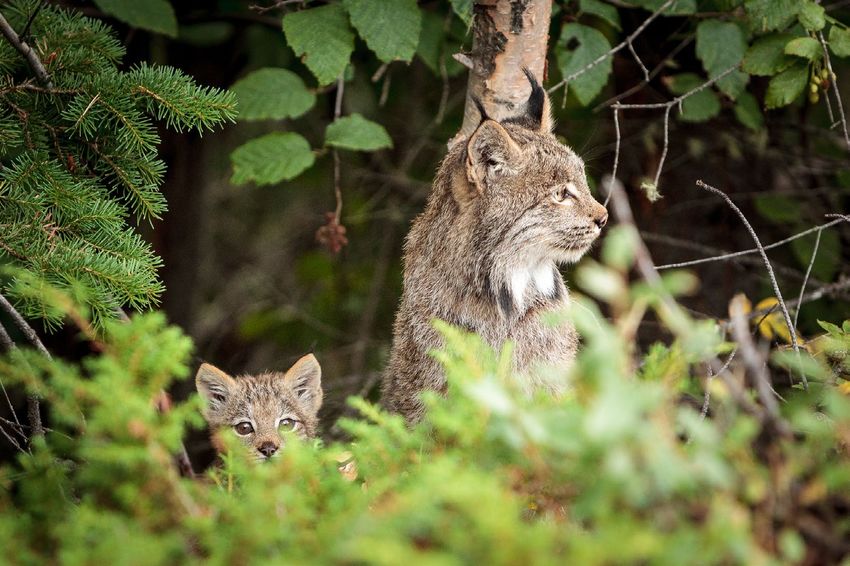
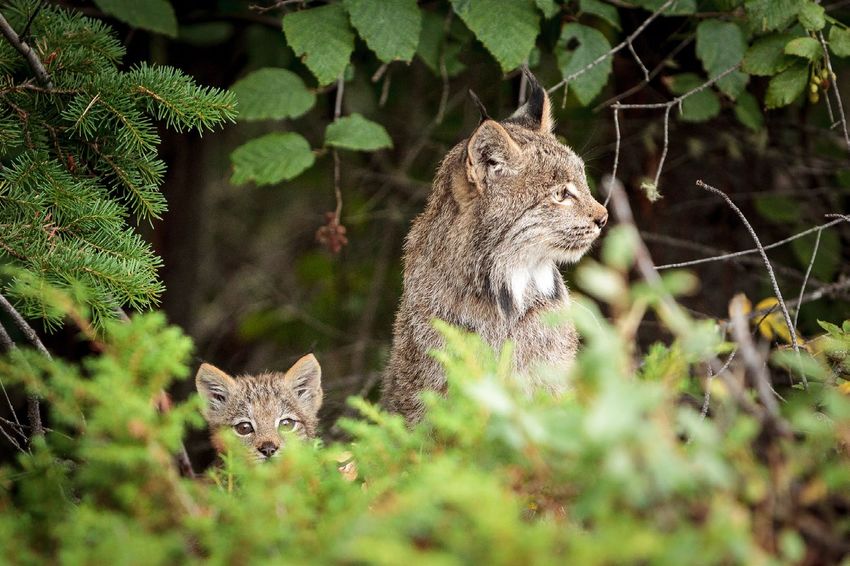
    Cover: Lynx / Bastian Sander
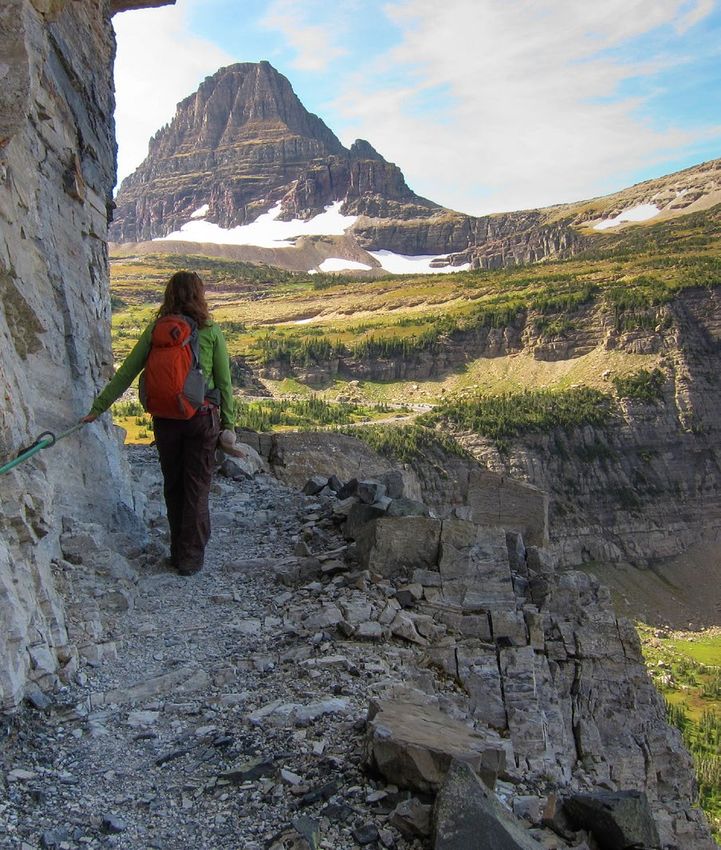
    Right: Highline Trail / Bob Webster

2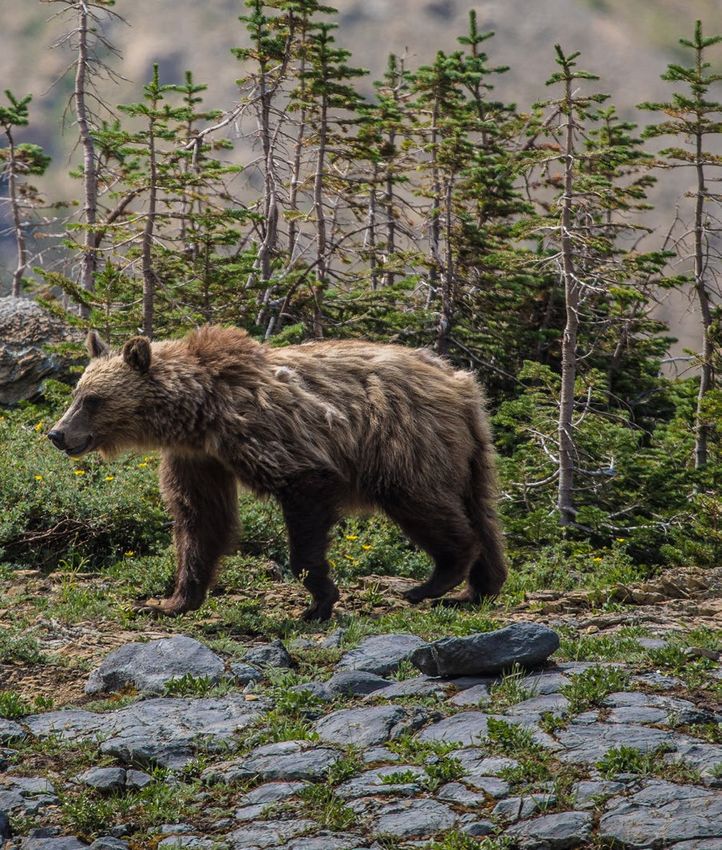
“The national park idea has been nurtured by each succeeding generation of
Americans. Today, across our land, the National Park System represents America
at its best. Each park contributes to a deeper understanding of the history of
the United States and our way of life; of the natural processes which have given
form to our land, and to the enrichment of the environment in which we live.”

                            -- George B. Hartzog, Jr.
                           NPS Director, 1964 -1972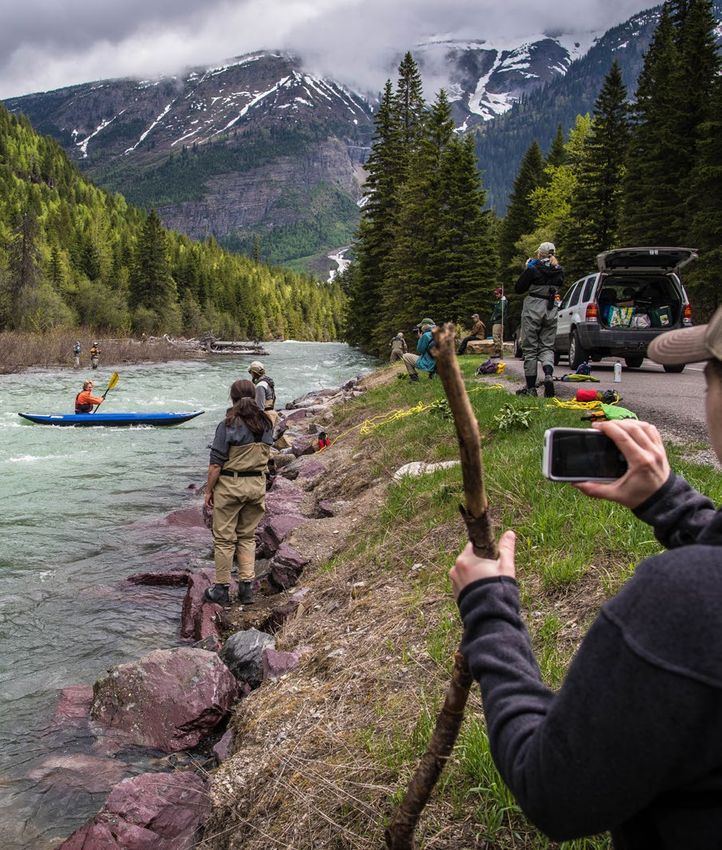
Native
America Speaks
Glacier’s Indigenous speaker series is the longest-
running in the National Park Service.

The Native America Speaks program, now in its 35th year, is the cornerstone
of the park’s tribal community engagement project. With continued Conservancy
support, the park will employ a full-time ranger to enhance relationships with
local tribal communities. It will also support a VISTA volunteer to help create
training programs enabling young Blackfeet to find employment in Glacier, and
will fund over 100 Native America Speaks presentations throughout the park
and on the Blackfeet Indian Reservation.

Funding Needed: $151,827

                               Sharing Culture
                               “My father co-founded the Native America Speaks
                               program to amplify Indigenous voices and give a
                               deeper context to this land. It is humbling to share
                               in that legacy and help visitors recognize the roots
                               we have grown over millennia.”

                                 -- Mariah Gladstone, Blackfeet Culinary Artist
                                          and Creator of Indigikitchen
Mariah Gladstone
/ Shelby McGrady

                                        Blackfeet Indian Dancers / Donnie Sexton

                                                                                      5
Citizen Science
    Since 2005, Glacier’s citizen science program has
    invited the public to assist in biological research
    while recreating in the park.

    Glacier National Park’s sheer size makes it impossible for the park’s few full-
    time biologists and scientists to assess the park in its entirety and collect the full
    scope of data they need. That’s where Glacier’s citizen science program comes in.
    This vibrant program allows volunteers to explore, research and learn about
    Glacier’s resources and wildlife, while simultaneously collecting valuable data
    for park managers.

    No Scientific Background Required
    Anyone can participate in the citizen science program. This empowers visitors
    who already plan to recreate in the park to participate, whether that be hiking in
    the alpine or bird watching along one of Glacier’s many beautiful lakeshores.

    Already a successful program in Glacier, citizen science is a true public-private
    partnership with numerous stakeholders and participants in the government,
    nonprofit, tribal and educational communities. The program helps address
    a growing list of research and monitoring needs concerning mountain goats,
    bighorn sheep, pikas, Canada lynx, loons, golden eagles, black swifts, terrestrial
    and aquatic insects, fungi and invasive species.

    Glacier National Park Biologist and Citizen Science Coordinator, Jami Belt, says,
    “We have a lot of species in the alpine that we want to know more about. What we
    don’t know in the alpine could fill a book.” This grant will help provide core funding
    for staff, expand equipment capabilities and provide overall support for a program
    that engages park visitors and students in work that delivers actionable results for
    park researchers and leaders.

    Funding Needed: $ 61,000

    Black swift research. / NPS
    Right: Harelquin duck research on McDonald Creek. / NPS

6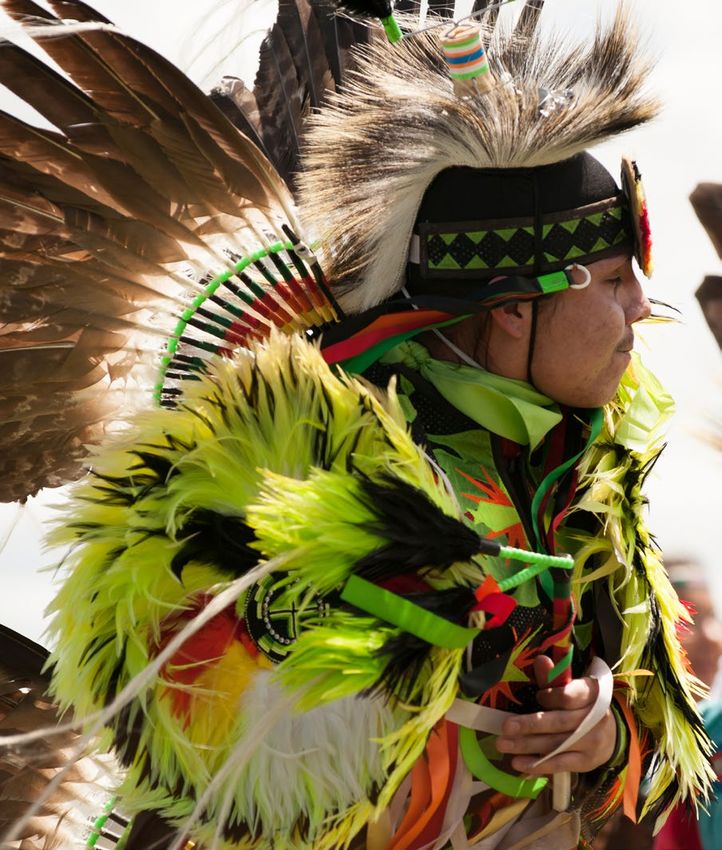
“My favorite part about the program is how citizen scientists
make their own discoveries while doing surveys. They develop
their own hypotheses about why wildlife are doing what they
do. Many of these hypotheses are brilliant and give us really
good food for thought or directions for future research.”

    -- Jami Belt, Biologist and Citizen Science Coordinator
                    Glacier National Park

                                                                7
KINTLA LAK

                                                                                                                                         10

    2020 PROJECTS
                   preservation                                                        Education
    1    Lake McDonald Barn Rehab                                     38   Native America Speaks and Tribal Engagement
    2    Backcountry Invasive Weeds Management                        39   Fisheries Program Internship
    3    Restoring Harlequin Duck Habitat Phase II                    40   Conservation Intern
    4    Fuels Reduction in Greater Apgar Area                        41   Cooperative Greenhouse Propagation Specialist
    5    Connecting with Park History                                 42   Investigating Vegetation in Fire-Disturbed Areas
    6    Digitize and Preserve Historic Motion Picture Film Phase I   43   Engage Advocates for the Wild and Scenic Flathead River
    7    Remove Creosote Lumber from Quartz Lake Trail                44   Backcountry Cultural Heritage Specialists
    8    Restoring Clark’s Nutcracker, Whitebark and Limber Pine      45   Expand Citizen Science Opportunities
    9    Addressing the Impacts of Increasing Visitation Phase II     46   Glacier Podcasts
    10   Cultural Resources Internship                                47   Social Media Summit
    11   Hydro-excavation Trailer                                     48   Half the Park Happens After Dark
    12   Park Produced Publications                                   49   Wildlife Blinds at Oxbow
    13   Operate Spring Hiker Biker Shuttle on the West Side          50   Glacier in Focus
    14   Respond to Increased Visitor-Wildlife Encounters             51   Ranger Led Field Trips and Distance Learning
    15   St. Mary Auto Shop Tire Machine                              52   Professional Development for Teachers
    16   Grizzly Point Photovoltaic Replacmemnt                       53   Funding Transportation for School Field Trips
    17   Granite Park Photovoltaic Replacement                        54   Glacier Youth Engagement Program
    18   Green Glacier's Rides                                        55   Youth Internship and Professional Development
    19   Increase Recycling Awareness                                 56   Glacier Conservation Corps
    20   Belly River Cultural Monitoring Phase I                      57   Research Fellowships
    21   Gracie Refresher Training                                    58   Scholarships for NPS Staff
    22   Operational Effectiveness                                     59   Ranger Pocket Reference
    23   Tribal Tourism Partnership                                   60   Volunteer Ambassador Program
    24   Crown Managers Partnership                                   61   Middle School Girls STEAM Mini-Camp
    25   Wilderness Character Mapping Phase I                         62   Next Generation of Park Leaders
    26   Lead Backcountry Rangers
    27   River Patrol Rangers
    28   Prevent Catastrophic Mussel Infestation
    29   Increasing Ranger Station Staff at Many Glacier Valley
    30   Create Accessible Camping Opportunities                           scientific Research
    31   Accessible Trails Drum Roller
    32   Swiftcurrent Accessible Trail                                63   Lake McDonald Water Quality Assesment
    33   Preventative Search and Rescue                               64   Rare Plant Monitoring
    34   Employee Health and Wellness                                 65   Two Dog Flats Native Plant Recovery
    35   Improve Winter Emergency Response                            66   Grassland Health Monitoring
    36   Reducing Non-Native Plant and Animal Infestation             67   Detecting Rare Alpine Insects Using Environmental DNA
    37   Emergency Medical Services Program Enhancement               68   Survey Glacier's Lynx Population Year II
                                                                      69   Grizzly Bear Diet Study: Cutworm Moths Year II
                                                                      70   Wildlife Sighting Notebook
                                                                      71   Monitoring Avian Productivity and Survivorship
                                                                      72   Great Gray and Boreal Owl Surveys
                                                                      73   Black Swifts: Monitoring and Sharing Results
                                                                      74   Bighorn Sheep Movements
                                                                      75   The Iinnii Iniative: Monitoring Impacts to Elk Herds

8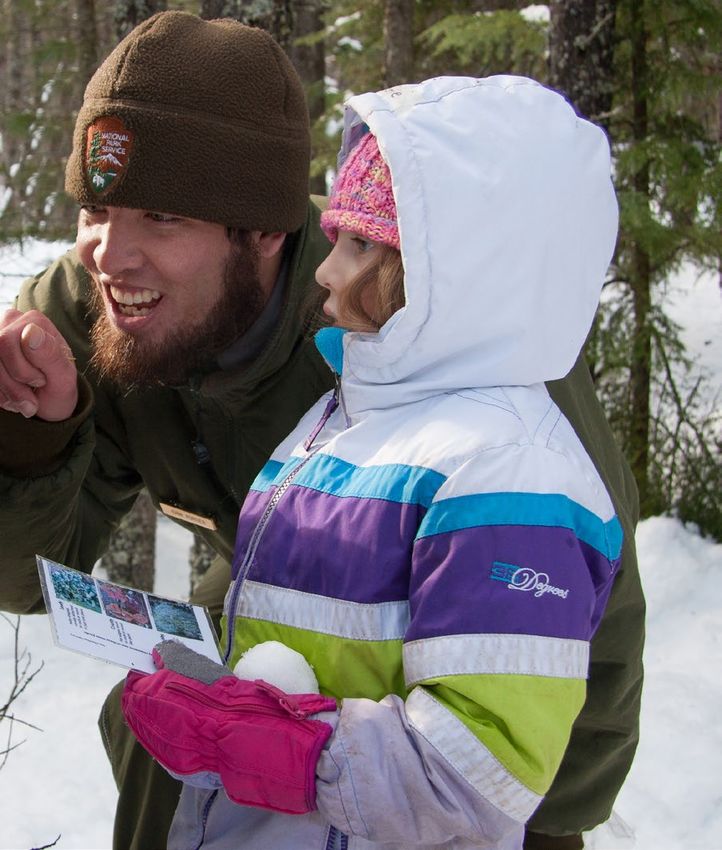
24
KE
                                   GOAT HAUNT

                                      62 69                     20 44
                   25                                           36
     68

     BOWMAN LAKE
                                                             18 29 31 32

 37 7                                                           MANY GLACIER

 27 39 42
                                                    17 67       40 56 70

                   GLACIER NATIONAL PARK
                                                                                                ST. MARY
                                                                                     8 12 14
                                                            9 19 21 33 73            15 16 23
                                                3
                                                                LOGAN PASS
                                          AVALANCHE
                                            CREEK               50 59                65   48

                                                                                                        BLACKFEET
                           1 30 28 63                                                                    INDIAN
                                                                                                       RESERVATION

                          LAKE MCDONALD
                                                                                                  64

               41 46 47           4   5     6
                                                                                                38 52 61
               49 51 53           13 11 22
                          APGAR
                                                                                                TWO MEDICINE
               54 55 57           34 71
                   60                                                                                      74

                                                                                                  2

                                                       43                                                       75 66

                                                                                                       58
                                                                         72
                                                                                                 45

                                                                                26        35
                                                                               WALTON

                                                                                                                        9
SECRET
LYNX

       Lynx in Montana, February 2019 / Cory DeStein
Shadow of the forest
Determining Lynx Population Status in Glacier
Did you know that a lynx can spot a single mouse from 250 feet away? This mysterious cat, known as the “shadow of
the forest,” has been rarely studied in Glacier because Montana is near the southern extent of their range.
Threatened Species Cameras Provide New Approach to Research
The majority of lynx live in Canada and Alaska, so most lynx This study will survey lynx across the entire park and will give
research has derived from further north. This landmark study researchers a better understanding of where lynx are currently
will change that by providing critical, actionable science about living in Glacier. Wildlife biologist, Alissa Anderson, says that
the distribution, habitat use and travel patterns of lynx throughout historically most lynx research has occurred in the winter, when
the park. This work is particularly critical as the Canada lynx is research methods will not interfere with hibernating bears and
listed as a threatened species under the Endangered Species Act when it is easier to follow lynx movements via snow tracking.
and will likely be heavily impacted by climate change, especially in Winter field work is more difficult, dangerous and expensive than
Glacier, at the southern limit of their range. summer field work.
Funding Needed: $106,500
“The methods we will employ to study lynx with camera traps in the
summer were developed in the state of Washington. I am excited to
try them out for the first time in Montana.”
-- Alissa Anderson, Wildlife Biologist
Lynx Habitat
Lynx Habitat burned since 1999
or below 4000 feet
Lynx detected on camera 2018
No Lynx detected on camera 2018
Lynx Territory in Glacier
In 2019, 120 camera traps will be installed throughout the Belly River,
Many Glacier, St. Mary, West Glacier and Walton areas of the park.
The research team divides the park up using hexagons in order to
assess various sections of lynx habitat and to assess how lynx are Camera traps are a noninvasive way to study lynx in their natural
distributed throughout the park. Once the camera traps are installed, habitat and track their patterns. Setting up the cameras is an arduous
the park will continue to collect the SD cards from these cameras process. It involves precise placement in order to capture wildlife,
with the help of volunteers from the citizen science program. and many camera locations are deep in Glacier’s backcountry.
12“2019 is shaping up to be the ‘Year of the
Lynx!’ Thanks to a very generous tip from a
friend, I searched for two days in -20° F hoping
to photograph this male cat as he passed
through the wilds of Northwest Montana.
Some moments are bigger than anything you
could ever imagine for your bucket list, and
locking eyes with this magnificent creature
is more than I could have ever dreamed of. I
am incredibly grateful for this wonderful state
and all of its wild places and wild inhabitants.”
-- Cory DeStein
Wildlife and Nature PhotographerWhy we give
Karen and Nick Chickering have been giving to Glacier for three decades.
Nick and I joined the Glacier Conservancy Board the passion of our park biologists. The field work
of Directors when we retired in the Flathead Valley. demands both physical rigor and at key times, single-
It was our way of finding connection with our new minded concentration. My soul is stirred when I am
home and feeding our passion for the outdoors and immersed in the ever-changing, awe-inspiring beauty
conservation. We both have different charities that of the park, where there is sometimes quiet and
we support individually, but the Glacier Conservancy solitude, and at other times, fast-paced coordinated
is one that we have been deeply committed to as a teamwork crafted by experience, good communication
couple, and have devoted much of our resources to, and perseverance. Best of all, our work informs park
both in time and financial support. For us, our shared managers and wildlife biologists to make sound
commitment to Glacier represents a legacy project decisions that preserve and protect the wilderness.
for our family. There are not many places this wild These are a few of the projects I have been privileged
and pristine left in the world, so leaving it intact for to work on, including harlequin duck migration, life
the next generations of our own family and yours is cycle and habitat requirements, black swift presence
critical to us. and nesting success, discovering which bat species
inhabit the park, mountain goat numbers and use of
In addition to Nick’s and my work on the board and the landscape, pika location and status.
regular philanthropic giving, I went one step further
and became a citizen scientist in the park in order to None of these projects would happen without grants
grow my interest in wildlife biology and to get a closer made possible through private donations to the
look at science and preservation in the park. Through Glacier Conservancy, and I’m proud to be a part of this
this volunteer work for over 10 years, I have witnessed transformational work.
Karen Chickering prepares to release a harlequin duck after it has been tagged. / Dick Walker
14WAYS
to Give
YOUR GLACIER LEGACY
How will you remember Glacier?
Think of Glacier, and images of its
expansive vistas, abundant wildlife
and clear blue waters immediately
spring to mind. It’s how we
remember Glacier when we’re not
Give Online in the park and it’s how we want to
leave it for the next generation.
It’s simple, fast and secure: glacier.org
Every donor’s path to purposeful
Stocks, Bonds and other Securities giving is rooted in majestic
Many gifts of appreciated securities such as stocks, bonds and mutual funds provide a full moments and everyday experiences
deduction for the full fair market value of the donated asset. If you have owned securities that create the desire to preserve
for more than one year and the fair market value has increased since you purchased them, Glacier’s future.
you can avoid capital gains tax and receive a charitable income tax deduction equal to the
fair market value.
Charitable IRA Rollovers
Individuals age 70 1/2 or older may give up to $100,000 directly from their individual
retirement account without paying federal income tax on the withdrawal. Amounts given
this way count toward satisfying the required minimum distribution for the year of the gift.
A Gift in Your Will or Living Trust
The simple act of including a bequest to the Glacier Conservancy in your will or living
trust helps to secure the future of our organization. Leaving a legacy gift to the Glacier
Conservancy is an opportunity to honor what is close to your heart, and to ensure that the
park remains a beloved treasure for future generations. A legacy gift makes a lasting impact
beyond your lifetime and commemorates your special connection to Glacier, helping the park
thrive far into the future.
For more details or to discuss
If you’ve included a gift to the Glacier Conservancy in your estate plan, let us know of your planning a gift to the
intentions. This will guarantee that your wishes are carried out after your lifetime. Glacier Conservancy, please contact:
A Gift of Retirement Account Assets or Life Insurance Nikki Eisinger
If you have a life insurance policy that you no longer need, you can turn the policy into a Phone: 406.892.3250
charitable, tax-deductible gift by naming the Glacier Conservancy as a partial or full
nikki@glacier.org
beneficiary of an existing policy. The gift is easy to make. Simply request a change of
beneficiary form from your insurance company. If the policy is paid up, you will receive an
immediate tax deduction in an amount equal to the policy’s cash surrender value. Name the Thank you for helping preserve and
protect Glacier National Park for the
Glacier Conservancy as a beneficiary of an IRA, 401K or 403b, or donate those retirement
next generation.
accounts to reduce or eliminate these taxes completely.
Clements Mountain / NPS
15Navigating a digital
wilderness
Glacier National Park’s first social media summit seeks to
expand the conversation with social media users about the
real-world impacts of online behavior.
Around 3.5 billion people in the world today access social media daily. Leading platforms
like Instagram and Facebook are where people get information and create expectations
about Glacier National Park.
Glacier’s first social media summit will bring together generations, some influencers lack understanding and
many of social media’s top influencers who post respect for the park’s rules and regulations.
about the park, with the goal of improving content
quality and informing them about the best practices The two-day training event will invite the region’s most
of following and sharing when using social media to influential social media contributors to attend lectures,
promote Glacier. There are dozens of social media presentations and workshops that focus on the role
influencers with over 10,000 followers each who social media should play for national parks. Since most
frequently post about the park. The combined impact managers of these social media accounts proclaim their
of these accounts, and the hundreds more with only love of Glacier, it is important to provide them with
a few thousand followers, easily drowns out Glacier’s information on how to be better stewards of the park.
messaging from their official accounts. While many This social media summit will be an opportunity for park
social media influencers support Glacier’s mission staff to plead the importance of rules and regulations to
to preserve natural and cultural resources for future a highly influential group.
Funding Needed: $24,550
Expanding the Conversation
“We are mostly excited about the possibilities for social media to be part of the
solution. As technology changes faster than policy can keep up, it’s important that
we engage in difficult conversations about how these new digital tools can be used to
preserve wild places while mitigating their potential negative side effects. We don’t
have answers to a lot of questions right now and we hope that the social media
community, which is clearly very passionate about protecting this place, will help us
find the best way forward in this new era of the digital outdoors.”
-- Daniel Lombardi, Visual Information Specialist, Glacier National Park
Daniel Lombardi / NPS
iPhone Sunset / NPS
16Room to Roam
With annual visitation on the rise, these projects aim at
providing the scientific research and resources necessary for
humans and bears to coexist on the landscape.
Respond to Increased Visitor-Wildlife Encounters Cutworm Moth Study
Funding Needed: $54,500 Funding Needed: $121,590
Authentic wildlife viewing in Glacier is a bucket This funding will complete the critical two-year study
list item for many visitors. This grant will provide that is providing important information about the
additional wildlife staff to curate safe, meaningful dietary habits of Glacier’s grizzly bear population.
experiences for the public. This investment will also Perhaps surprisingly, data shows the army cutworm
act as a force multiplier by allowing for the training moth can represent as much as 50% of a bear’s
of additional volunteers who can further expand annual caloric intake.
this important work.
Grizzly bear in Many Glacier campground. / D. Hanlon Grizzly bear and cub search for cutworm moths under
rocks. / Erik Peterson
Grizzly bear in Sperry Basin. / NPS
18Death Camas grows next to a hiker on the Highline trail. / NPS
Preserving Glacier’s
              Backcountry
       By acting now, we ensure that Glacier’s backcountry remains
                    wild and intact for years to come.

Lead Backcountry Rangers                                  two-person crew to survey, map and treat noxious
Funding Needed: $62,000                                   weeds specifically in and around backcountry
Keeping the wilderness wild is a core value of the park   trailheads, trail corridors, campgrounds, hitchrails
and the Conservancy. As a result of unprecedented         and cabins across the entire park. This will augment
increases in annual visitation, Glacier’s incredible      existing front country investments made as part of
wilderness character is increasingly degrading. This      the park’s ongoing maintenance program and allows
program will add two full-time lead backcountry           for an enhanced focus on protection of the park’s
rangers to help address the issues associated with        backcountry plant habitat.
increased visitation. From monitoring for noxious
weeds to educating the public on Leave No Trace           Addressing the Impacts of Increasing Visitation
principles, this project will ensure protection of        Funding Needed: $68,500
Glacier’s backcountry.                                    Increased visitation to Glacier, averaging over 3
                                                          million visitors in the past three years, has created
Backcountry Invasive Weeds Management                     an urgent need for actionable data to inform park
Funding Needed: $20,000                                   leadership as they balance resource protection
Protecting Glacier’s pristine backcountry wilderness      and visitor experience issues. This grant will fund
from invasive plants (weeds) is critical to the           additional staff, counters, cameras and an agreement
preservation of this fragile ecosystem. This grant        with the University of Montana to capture and
invests in this forward-leaning work by funding a         analyze this critical data.

Volunteers remove weeds near St. Mary Lake.               Millennials pose for a selfie on Lake McDonald. / NPS

                                                                                                                  21
Fishing at Oldman Lake. / NPS
Protecting Glacier’s
             pristine waters
                 In addition to the many recreational opportunities
                they provide, Glacier’s waterways are critical for the
                         ecosystems that depend on them.
Prevent Catastrophic Mussel Infestation                    earlier study (Ellis et al. 1992) and will partner with
Funding Needed: $70,000                                    Glacier to evaluate and report on the raw water quality
It’s hard to overestimate what is at stake in preventing   data. If changes have occurred since the earlier data was
the introduction of invasive mussels into the park’s       collected, the park will evaluate solutions to the situation.
pristine waters and more broadly, to the ecosystem
of the Columbia River Basin. One fully mature female       Engage Advocates for the Wild and Scenic
zebra muscle can produce hundreds of thousands of          Flathead River
eggs in a single season. That’s why inspection of every    Funding Needed: $30,330
watercraft – kayaks and paddleboards included – that       2018 marked the 50th anniversary of the Wild
launches in Glacier merits a robust public-private         and Scenic Rivers Act. This pilot project invests
partnership that leverages state, federal and private      in the future of Glacier’s vital waterways. A citizen
funds to keep the Columbia River Basin free of this        science approach will be used to augment river use
destructive invasive species.                              monitoring for the Wild and Scenic North Fork of the
                                                           Flathead River. This data will inform and guide future
Lake McDonald Water Quality Assessment                     management decisions. The project will leverage
Funding Needed: $12,000                                    existing expertise within Glacier National Park,
Last studied over 30 years ago, the water quality of the   the Flathead National Forest and the field science
park’s most iconic and heavily visited body of water       program at Whitefish High School. The goal is to
is due for an updated scientific evaluation. Thankfully,   deliver a mobile data collection app to streamline data
one of the world’s premier research institutions, the      management, enable near real-time data displays and
Flathead Lake Biological Station, conducted an             to encourage participation by new audiences.

An NPS employee cleans a kayak to prevent                  River ranger rowing on the North Fork of the
the spread of aquatic invasive species. / NPS              Flathead River. / NPS

                                                                                                                           23
Knocking down
classroom walls
Funded almost entirely through your support,
Glacier’s education programming uses place-based
learning to connect kids with nature and foster a
sense of stewardship.
This project has been accepted for the Whitefish Community
Foundation’s Great Fish Challenge. If you wish to support
this project, you can contribute directly to the Conservancy
or visit whitefishcommunityfoundation.org, and donate
directly to the Whitefish Community Foundation on behalf of
the Glacier Conservancy from July 25 to September 13, 2019.
Ranger-Led Field Trips and Distance Learning
To see the wonder on a student’s face the first time they see the majesty and experience
the magic of Glacier is to fully understand the power of this critical program. Under
the direction of Education Specialist, Laura Law, and in partnership with the Glacier
Institute, this impactful program provides access to curriculum-based tools and
hands-on learning to over 10,000 students and teachers. In so doing, Glacier has
distinguished itself as a national leader in educational programming in national parks.
Glacier Youth Engagement Program
The National Park Service has identified the need to connect children with parks as
one of the top five critical issues facing our national parks. This innovative program
takes a multifaceted approach to engaging youth, providing experiential opportunities
and forging connections to Glacier during the summer. From supplying junior ranger
booklets to over 20,000 children to supporting improved experiences at the Apgar
Nature Center, this grant provides multiple touchpoints for families and kids on their
summer break. This program also funds youth engagement positions that conduct
formal children’s programs and activities, maintain a campground children’s lending
library and provide professional development opportunities for local teachers.
Total Funding Needed for 2020 Education Programming: $864,909
Students touch the pelt of
a snowshoe hare as part of
a lesson on how the hare’s
seasonal color change
protects it from predators.
/ NPS
Right: A ranger and a
student inspect lichen
on a tree. / Sheperd
Waldenberger
24“Let children walk with nature, let them see the
beautiful blendings and communions of death and life,
their joyous inseparable unity, as taught in woods and
meadows, plains and mountains and streams of our
blessed star, and they will learn that death is stingless
indeed, and as beautiful as life, and that the grave has
no victory, for it never fights. All is divine harmony.”
-- John Muir, Thousand Mile Walk to the GulfExploring Dark Skies
Using groundbreaking remote technology, anyone from anywhere
will be able to look through the lens of a new telescope in St. Mary,
giving researchers and classrooms from around the world an
opportunity to experience Glacier’s incredible night skies.
This year will mark the grand opening of the Outdoor artificial lights in cities around the world
Conservancy funded observation dome at the St. illuminate our night skies, making it impossible to
Mary Visitor Center. The ongoing partnership see most stars in surrounding metropolitan areas.
between the Conservancy, Glacier National Park, Light pollution also disrupts the natural cycles
the Big Sky Astronomy Club and other partners of plants and causes habitat disruption for many
celebrates the wonders of astronomy in Waterton- nocturnal species. Through this program, thousands
Glacier, the world’s first designated International of park visitors, many of whom come from places
Dark Sky Park. Your support helps the park maintain where light pollution prevents viewing of the night
a long-term commitment to preserving dark skies sky, will experience both the science of the cosmos
by funding the installation of dark sky compliant and the majesty of nature’s dark skies.
lighting throughout the park and the expansion of
various astronomy education programs. Funding Needed: $84,720
Flowers and Milky Way at Logan Pass. / NPS
262020 By The Numbers
WHAT WILL $2.5 MILLION ACCOMPLISH IN GLACIER?
Preservation
37 Projects Clark's Digitizing
$1,210,389 Nutcracker Historic Motion
Restoration Picture Films
Belly River Preventative
Cultural Search and
Monitoring Rescue
Education
25 Projects
$864,909 Glacier
Podcasts
Glacier
Conservation Teacher Girls STEAM
Corps Workshop Camp
Scientific
Research
13 Projects Bighorn Sheep
$457,328 Connectivity
Monitoring Avian
Productivity and Alpine Insect Black Swift
Survivorship eDNA Sampling Monitoring
LEARN ABOUT ALL 75 PROJECTS AT GLACIER.ORG
27Glacier National Park Conservancy
402 Ninth St. W. • P.O. Box 2749
Columbia Falls, MT 59912
Construction equipment near Going-to-the-Sun Mountain, ca. 1932 / Glacier National Park Archives
The printing of this publication has been made possible
through the generous support of Charter CommunicationsYou can also read


