2021 IHRSA MEDIA REPORT - HEALTH AND FITNESS CONSUMER DATA & INDUSTRY TRENDS BEFORE AND DURING THE COVID-19 PANDEMIC
←
→
Page content transcription
If your browser does not render page correctly, please read the page content below
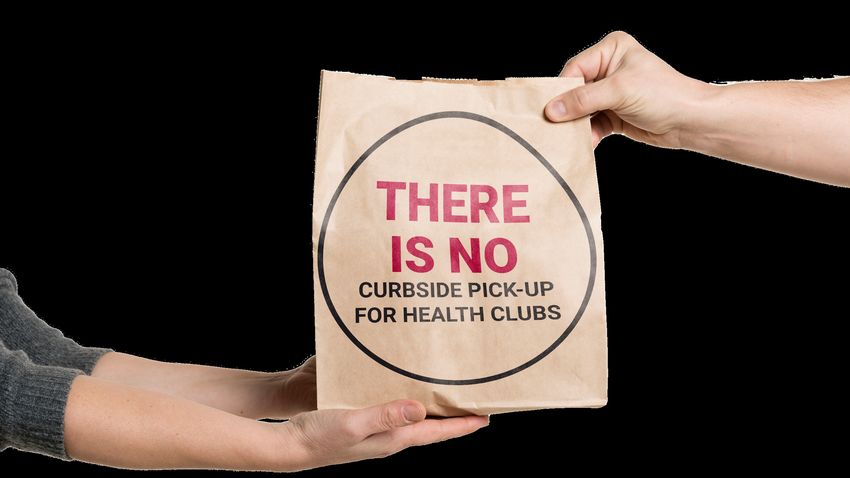
Health Club Industry
            Data & Consumer
           Trends from IHRSA

          FOR MEDIA USE ONLY

2021
IHRSA MEDIA REPORT
HEALTH AND FITNESS CONSUMER
DATA & INDUSTRY TRENDS BEFORE
AND DURING THE COVID-19
PANDEMIC

                                  1
INTRODUCTION
       IHRSA, the International Health, Racquet & Sportsclub Association, is the not-for-profit trade
       association representing the global health and fitness industry—health and fitness clubs, gyms,
       spas, sports clubs—and their suppliers.

       IHRSA and its members diligently work to make the world healthier, happier, and more
       productive through regular exercise. As a recognized leader in research for and about the fitness
       industry, IHRSA tracks and reports industry performance and consumer behavior trends.

       In a year unlike any other, 2020 tested the resiliency and strength of the fitness industry. From
       the start of the pandemic, IHRSA focused its efforts on advocating for the industry and curating
       resources to aid facilities through unmarked territory—such as government-mandated closures,
       capacity restrictions, and new safety and cleaning guidelines. In total, IHRSA’s released over 140
       Coronavirus Resources materials—and counting—including articles, checklists, webinars, videos,
       and more.

       During this pandemic, memberships were frozen or cancelled, revenue declined 58%, and 17%
       of health and fitness clubs closed their doors for good. In the coming years, we will learn even
       more about COVID-19’s devastating impact on the industry—as well as the public’s activity levels
       and overall health and wellness.

       Throughout these unprecedented times, IHRSA launched national and state-level grassroots
       campaigns, ranging from reopening health clubs to urging lawmakers to include the health and
       fitness industry in any coronavirus relief package. As of this writing, more than 79,000 fitness
       professionals and consumers took action on IHRSA campaigns relating to the coronavirus
       pandemic.

       This report is created specifically for members of the media and comprises IHRSA’s industry
       and consumer research, specifically covering U.S. health club consumer trends. We hope that
       the following information helps you develop accurate, compelling coverage of fitness clubs, their
       members, and the countless benefits these clubs provide to their communities.

       Please credit IHRSA if and when using material from this report. If you would like information on
       the global health club industry, please email pr@ihrsa.org for a copy of the IHRSA 2020 Global
       Report.

       If you have any questions about this report or the industry, or would like to receive news alerts
       about health club industry trends, email pr@ihrsa.org.

IHRSA.ORG                      FOR MORE INFORMATION, CONTACT SAMI SMITH AT PR@IHRSA.ORG                     2
METHODOLOGY
   The majority of this media report’s information comes from the IHRSA Health Club Consumer
   Report, derived from an omnibus study conducted in collaboration with Sports Marketing
   Surveys. This report concentrates on the health club consumer and member (i.e., someone who
   used a health club within the past 12 months).

   In 2019, a total of 18,000 online interviews were carried out with a nationwide sample of
   individuals from U.S. proprietary online panels representative of the U.S. population for people
   ages six and older. Strict quotas associated with gender, age, income, region, and ethnicity were
   followed to ensure a balanced sample.

TABLE OF CONTENTS
   WHAT WE KNOW SO FAR ABOUT COVID’S IMPACT ON THE                                                PAGE 4
   FITNESS INDUSTRY

   THE FITNESS INDUSTRY’S RESPONSE TO COVID                                                       PAGE 5

   10 KEY FINDINGS, 10 YEARS OF FITNESS CONSUMER TRENDS                                           PAGE 7

   WHERE AND HOW OFTEN AMERICANS CHOOSE TO WORKOUT                                                PAGE 8

   PRICE AMERICAN’S PAY FOR FITNESS                                                               PAGE 9

   WHO IS GOING TO HEALTH CLUBS                                                                 PAGE 10

       MEMBERS BY GENDER
       MEMBERS BY AGE
       MEMBERS BY EDUCATION & INCOME
       MEMBERS BY ETHNICITY

   THE NEW NORMAL: GYM MEMBER OUTLOOK POST COVID                                                PAGE 14

   WHY AMERICANS EXERCISE AT HEALTH CLUBS/GYMS                                                  PAGE 15

   BIGGEST ISSUES FACING THE FITNESS INDUSTRY                                                   PAGE 15

   ABOUT IHRSA                                                                                  PAGE 17

IHRSA.ORG                     FOR MORE INFORMATION, CONTACT SAMI SMITH AT PR@IHRSA.ORG                     3
WHAT WE KNOW SO FAR                                                                           2 to 5
ABOUT COVID’S IMPACT ON                                                                       MONTHS
THE FITNESS INDUSTRY
The small businesses and millions of                                                      How long U.S. gyms closed
                                                                                          due to lockdowns, with little
fitness professionals that make up the                                                    to no relief, and clubs in some
health and fitness industry have been                                                     states are being forced to
exceptionally impacted, through no                                                        close a second or third time
fault of their own.

 U.S. FITNESS INDUSTRY
 BEFORE COVID-19
                                                        3% net membership growth from 2018 to 2019

            40K            3M                    73M                  $35B                       $14B
            health clubs   employees             gym-goers            industry revenue           in taxes and
                                                                                                 payroll benefits

                               80% were considered small businesses

 AS OF DECEMBER 31, 2020

 ROUGHLY       6,800
 or 17% of health clubs have
 permanently closed

 AN ESTIMATED         1.4M                                                                ACTIVITY LEVELS
 American jobs lost, given the
                                                                                          PRIOR TO VS. DURING
 closures and reduced staffing
 patterns of remaining clubs
                                                                                          PANDEMIC-RELATED
                                                                                          SHUTDOWNS

 $20.4B lost in revenue                                                                   50% less active

                                                                                          31% about the same

                                                                                          19% more active

                                                                         1 OUT OF 10 PEOPLE
                                                                         who haven’t kept up their routine, admit
                                                                         they’ve stopped exercising altogether

IHRSA.ORG                      FOR MORE INFORMATION, CONTACT SAMI SMITH AT PR@IHRSA.ORG                                     4
THE FITNESS INDUSTRY’S RESPONSE TO COVID

                           Clubs around the world have made the Active & Safe Commitment developed
                           by industry experts in accordance with the foremost public health guidance.

                                  >     Physical distancing/mitigation
                                        measures;                                >    Cleaning, sanitizing, and
                                                                                      disinfecting; and

                                  >     Employee/member safety
                                        protocols;
                                                                                 >    Contact tracing.

  Clubs immediately started working with and following a four-pronged framework for managing risks
  associated with COVID-19 in exercise facilities. IHRSA created this framework with reference to the
  World Health Organization (WHO), U.S. Centers for Disease Control and Prevention (CDC),
  John Hopkins Center for Health Security, as well as in consultations with club operators and
  federations partners worldwide.

  IHRSA and the fitness industry created a Medical, Science, and Health Advisory Council to work with
  medical, science, and health experts to protect public safety while improving population health and
  individual health risks, and advance the health and fitness industry.

                                       There is substantial data that America’s gyms and health clubs, when
    PROTOCOLS WORK
                                       following safety protocols can operate safely.

                                                                                                 ENGLAND
                                                                                                 1,300 GYMS
                                                                                                 8 MILLION CHECK-INS
                                                                                                 17 CASES OF COVID-19
       UNITED STATES                                                                             DATA COLLECTED BY UKACTIVE

       2,877 GYMS
       49.4 MILLION CHECK-INS
                                                                                                 AUSTRALIA
       0.002% INFECTION RATE
       DATA COLLECTED BY MXM &
                                                                                                 423 GYMS
       IHRSA FROM JUNE - AUGUST                                                                  6.26 MILLION CHECK-INS
                                                                                                 13 CASES OF COVID-19
                                                                                                 DATA COLLECTED BY
                                                                                                 FITNESS AUSTRALIA

  A case control study published in the CDC’s Morbidity and Mortality Weekly Report found that people
  who tested positive for COVID-19 were more likely to have dined in a restaurant or have had a close
  contact diagnosed with COVID-19. There was no statistically significant association between COVID-19
  test results and visiting a gym.

  Data collected as part of an ongoing study at the University of Florida found no detectable SARS-CoV-2
  (the virus causing COVID-19) in the air during multiple testing periods at a health club in Florida in which
  patrons were following state guidelines and appropriate social distancing measures.

IHRSA.ORG                             FOR MORE INFORMATION, CONTACT SAMI SMITH AT PR@IHRSA.ORG                                5
CONTACT TRACING PER STATE BEARS THIS OUT AS WELL
             As of March 18, 2021 six U.S. states have released COVID-19 contact tracing data.
                             *Massachusetts combined with casinos, pools, beaches, and hospitality and
                               Washington combined gyms with arts, entertainment, and recreation.

               locations responsible for the                                                    cases linked to
                 HIGHEST SPREAD                                                                     GYMS

            33.9%       healthcare locations
                                                          CO
                                                                                                   0.05%
                        factory and
            13.4%       manufacturer
                                                                               IL
                                                                                                   1.32%

            17.3%       food processing                   LA                                             1.5%

            83.2%       households                                            MA                   0.2%*
                        households & social
              74%       gatherings                        NY
                                                                                                   0.06%
                        healthcare & social
              24%       assistance                                           WA
                                                                                                         1%*

   PEOPLE ARE MORE CONFIDENT IN THEIR
   GYM’S SAFETY PROTOCOLS THAN OTHER
   BUSINESSES

            69% of gym
            members are
            confident in their
            gym’s protocols

                                                             67% confident            67% confident               62% confident
                                                             in retailers’            in coffee shops’            in indoor dining
                                                             protocols                protocols                   protocols

IHRSA.ORG                        FOR MORE INFORMATION, CONTACT SAMI SMITH AT PR@IHRSA.ORG                                            6
10 KEY FINDINGS, 10 YEARS OF FITNESS CONSUMER TRENDS
Recovering after COVID-19 will be daunting, but 10 years of data show the health club industry is resilient
when faced with challenges. These 10 key findings from the 2020 IHRSA Health Club Consumer Report
reveal fitness club trends since 2010, the impact of COVID on the consumer, and applications for fitness
industry stakeholders.

1             HEALTH CLUB MEMBERSHIP & USAGE                                   2     THE HEALTH CLUB INDUSTRY OFFERS
              TRENDS INDICATE SUSTAINABLE GROWTH                                     MULTIPLE OPTIONS FOR ANY CONSUMER’S
              OVER THE LONG-TERM.                                                    GOALS, PREFERENCES, & BUDGET.
                      MEMBERS   TOTAL USERS
                                                                71.5
                                                                       73.6                                                            2019
                                                        70.2
IN MILLIONS

                                                                                     2010
               58.1
                                              64.3
                                                        60.9    62.5
                                                                       64.2
                                                                                                       22% Growth
                                              55.3
                                                                                                 across traditional for-profits,
               50.2
                                                                                                 multipurpose clubs generated
                                                                                                      the greatest growth.

3             TREADMILLS, FREE WEIGHTS, & RESISTANCE                                        4   MEMBERS WILL PAY MORE FOR AN
              MACHINES REMAIN THE MOST POPULAR PIECES                                           EXPERIENCE & PERCEIVED VALUE.
              OF EQUIPMENT AMONG MEMBERS.
                                                                                                       average monthly dues paid across

                                                                                                 all facilities                boutique studios

                                                                                                     $51                           $90

5             ROUGHLY 2 OUT OF 5                        6      DEMAND FOR FITNESS                       7   GENERATION Z HAS THE
              MEMBERS PAY UNDER $25                            SHOWED STRONG GROWTH                         INGREDIENTS OF A LONG-
              PER MONTH.                                       BEFORE & DURING                              TERM, AVID FITNESS USER.
                                                               PANDEMIC-INDUCED
                                                               CLOSURES.                                     the youngest
                                                                                                             generation achieved
                                                                                                             the greatest growth
                                                           fitness equipment
                                                                                                             over 10 years
                                                         sales increased during
                                                          peak of shutdowns
                                                               (NPD Group)          130%                     69.8%

8             MILLENNIALS WANT TO                       9      FITNESS IS A HIGH                10    THE MOST LOYAL MEMBERS MAY
              EXPERIENCE POPULAR                               PRIORITY FOR GEN X.                    BE THE WARIEST OF RETURNING
              CLUB ATTRACTIONS,                                                                       TO THEIR CLUBS.
              DELIVERED THROUGH THEIR
              PLATFORMS OF CHOICE.

                                                            more than     one-third                   Silents (1928 to 1944)
                                                                                                     have the longest tenure        7.4
                                                            of avid health club users are
                                                                     from Gen X
                                                                                                         of all age groups         years

IHRSA.ORG                                        FOR MORE INFORMATION, CONTACT SAMI SMITH AT PR@IHRSA.ORG                                         7
WHERE AND HOW OFTEN AMERICANS CHOOSE TO WORKOUT
        Heading into 2020, health club membership and usage trends indicated sustainable growth
        over the long-term. While recovery from the current downturn will be daunting, the health club
        industry has shown resilience when faced with previous challenges. This data shows the
        strength of the industry at the beginning of 2020.

        TOP 6 FACILITY TYPES

            19.1 M                12.9 M              11.8 M             7.47 M                  5.66 M           4.66 M
            fitness-only         multipurpose     YMCA/YWCA/JCC         personal/small       yoga, pilates,      indoor cycling
                                                                        group training         or barre            or rowing
                                                                                                   *other segment types: 27.45 M

                                                 PENETRATION RATE INCREASE 2010 - 2019
                                                The increasing penetration rates over the last 10 years speaks
                                                to the significant role fitness facilities play in promoting health
                                                and physical activity.

                                                +3.5%                    +3.8%
                                                health club members      total gym-goers
                                                (from 17.7% to 21.2%)    (from 20.5% to 24.3%)

                                                                                                                    multipurpose
                                                                                                                    facilities had the

    6.7                                                                                                             highest average
                                                                                                                    member tenure at
                                                                                                                    5.7 years
    BILLION
    U.S. health club visits in 2019
                                                                                                                      4.7 years
    27.3 MILLION                    109.5 visits                                                                      average time
    visited a fitness facility                                                                                        people stay
                                    average health
    100 or more times                                                                                                 members
                                    club member
                                    attendance in
    17.8 MILLION                    2019
    visited a fitness facility
    150 or more times

                                    fitness-only facilities
                                    had the highest average
                                    member attendance at
                                    116 visits
IHRSA.ORG                              FOR MORE INFORMATION, CONTACT SAMI SMITH AT PR@IHRSA.ORG                                          8
PRICE AMERICAN’S PAY FOR FITNESS
                                                     Health club fees hit a plateau to close out the
                                                     decade, and continued COVID-related restrictions
                                                     may impact future pricing.

                                                     in 2019, members paid
                                                     an average price of

                                                     $52 a month                         11% less
                                                                                         than the average price paid in 2015
                                                                                         when adjusted for inflation

     HEALTH CLUB MEMBERS BY MONTHLY DUES
WHO IS GOING TO HEALTH CLUBS
 MEMBERS BY GENDER

       male                                                                                                                  female
       members                                                                                                            members
       increased                                                                                                          increased
       23.2%                                                                                                              32.2%
       between                                                                                                           between
       2010 & 2019                                                                                                    2010 & 2019

       $54/month                                                                                                      $50/month
       average paid                                                                                                       average paid
       for membership                                                                                                 for membership
       dues                                                                                                                      dues

       more likely to pay for premium                                                             more likely to pay less for access
       access 65% of members that paid                                                             over half of members paying less
       more than $200 monthly were men                                                              than $100 monthly were women

       5 years average length of                                                                        4.4 years average length of
       membership, about four months                                                                membership, about four months
       longer than the overall average                                                              shorter than the overall average

       106 visits a year to health and                                                                     102 visits a year to health
       fitness facilities on average                                                                 and fitness facilities on average

       favors multipurpose clubs and                                                                       more likely to belong to a
       sports-specific studios                                                                        yoga, Pilates, or barre studios

       men tend to prefer strength                                                                      women tend to prefer cardio
       equipment                                                                                                        equipment

       more likely to participate in athletic                                                        more likely to engage in group-
       activities at health clubs                                                                    based activities at health clubs

       51% of men aim to increase their                                                               65% of women aim to increase
       physical activity                                                                                       their physical activity

       *The annual fitness and sports participation study demographic groups are based on the U.S. Census questionnaire. To date,
       analysis by non-binary gender groups is not available yet, but may be in the future.

IHRSA.ORG                             FOR MORE INFORMATION, CONTACT SAMI SMITH AT PR@IHRSA.ORG                                       PAGE 10
MEMBERS BY AGE
U.S. HEALTH CLUB TOP 3 CLUB ATTRACTIONS
MEMBERS (in millions) FOR EACH AGE GROUP
members ages
2010 6.07
6 - 17
(increased 69.81%) 2019 10.3 treadmills step/choreographed free weights
exercise
members ages
2010 16.02
18 - 34
(increased 23.8%) 2019 19.83 treadmills free weights resistance machines
members ages 2010 17.68
35 - 54
2019 19.72
(increased 11.55%) treadmills resistance machines free weights
members ages
2010 4.52
55 - 64
(increased 42.48%) 2019 6.44 treadmills resistance machines stationary bike
members ages
2010 5.88
65+
(increased 34.16%) 2019 7.88 treadmills resistance machines stationary bike
GEN Z MILLENNIALS GEN X BOOMERS SILENT
UNDER 20 21 - 40 41 - 55 56 - 75 OVER 76
(born 2000 and later) (born 1980 - 1999) (born 1965 - 1979) (born 1945 - 1964) (born 1928 - 1944)
16% of total U.S. 35% of total U.S. 22% of total U.S. 21% of total U.S. 6% of total U.S. health
health club members health club members health club members health club members club members
YMCA/YWCA/JCC: corporate/business: fitness-only: fitness-only: other nonprofit:
facility type with facility type with facility type with facility type with facility type with
highest concentration highest concentration highest concentration highest concentration highest concentration
at 25% at 48% at 28% at 25% at 7%
fitness-only: facility YMCA/YWCA/JCC: other nonprofit: club studios: facility studios: facility
type with lowest club type with lowest type with lowest type with lowest type with lowest
concentration at 10% concentration at 31% concentration at 18% concentration at 8% concentration at 2%
55% want to be more 45% want to be more 53% want to be more 69% want to be more
physically active physically active physically active physically active
IHRSA.ORG FOR MORE INFORMATION, CONTACT SAMI SMITH AT PR@IHRSA.ORG 11MEMBERS BY EDUCATION & HOUSEHOLD INCOME
EDUCATION
Over the past decade, members with the least amount of formal education grew at the fastest rate across
educational brackets. This trend may be because clubs have been attracting younger children and adults in
recent years.
HEALTH CLUB MEMBER GROWTH BY EDUCATION (in millions)
6.18
7.83
3.94
20.59 12.29
13.36
2.66 2.71 4.67 11.8 16.77 10.65
2010 2019 2010 2019 2010 2019 2010 2019 2010 2019 2010 2019
8th grade or less 1-3 years of high high school 1-3 years of college graduate post-grad studies
(+131.97%) school (+45.32%) graduate college (+13.24%) (+22.74%) (+15.42%)
(+67.61%)
HOUSEHOLD INCOME
Historically, consumers from higher income households are more likely than consumers from lower income
households to be health club members. However, the lowest income bracket posted the greatest growth
from 2010 to 2019.
HEALTH CLUB MEMBER GROWTH BY INCOME (in millions)
6.68 25.02
11.59
10.73 10.18
4.77 9.24 9.09 8.99 18.13
2010 2019 2010 2019 2010 2019 2010 2019 2010 2019
Less than $25,000 $25,000-49,999 $50,000-74,999 $75,000-99,999 $100,000+
(+39.95%) (+16.06%) (+27.46%) (+13.25%) (+37.99%)
IHRSA.ORG FOR MORE INFORMATION, CONTACT SAMI SMITH AT PR@IHRSA.ORG 12MEMBERS BY RACE & ETHNICITY
*Due to the low base for minority group categories, a three-year average was used in analysis.
AFRICAN AMERICAN/ ASIAN/PACIFIC CAUCASIAN/WHITE,
HISPANIC
BLACK ISLANDER NON-HISPANIC
% of total health club 12.3% 7.19% 66.34% 12.78%
members in 2019
increase in
memberships 24.75% 2.06% 25.62% 94.48%
2010 - 2019
facility type
with highest YMCA/YWCA/JCC: STUDIO: FITNESS-ONLY: STUDIO:
concentration of 13.3% 11% 72.9% 14.7%
members*
facility type
with lowest
MULTIPURPOSE: YMCA/YWCA/JCC: STUDIO: YMCA/YWCA/JCC:
concentration of
8.2% 5% 61.7% 9.1%
members*
top 3 club
attractions by
race & ethnicity
TREADMILL TREADMILL TREADMILL TREADMILL
1 (36%) (38%) (46%) (37%)
FREE WEIGHTS FREE WEIGHTS RESISTANCE MACHINES FREE WEIGHTS
2 (30%) (31%) (37%) (33%)
RESISTANCE MACHINES YOGA FREE WEIGHTS RESISTANCE MACHINES
3 (28%) (29%) (32%) (30%)
IHRSA.ORG FOR MORE INFORMATION, CONTACT SAMI SMITH AT PR@IHRSA.ORG 13THE FITNESS INDUSTRY’S NEW NORMAL
GYM MEMBER OUTLOOK POST-COVID
The full impact of the pandemic may not be quantified for some time, but early feedback from
Americans is encouraging, and shows how much they value their health clubs, gyms, and studios.
1 OUT OF 5 MEMBERS ALSO SUBSCRIBE
TO A PREMIUM ONLINE FITNESS SERVICE 68% of Americans that started
using an online fitness service
To meet the demands of health club members,
during the pandemic plan to
clubs will need to do it all. It’s no longer outdoor
continue to do so in the future
versus virtual versus in-club versus at-home
fitness. Moving forward, a hybrid or omni-channel
approach to delivering fitness, wellness, and
sport will be the expectation of consumers. 31%
of consumers
Millennials: 35% pay for an online fitness service participated in
an online fitness
Gen Z: 25% pay for an online fitness service
challenge
Gen X: 27% pay for an online fitness service
Boomers: 4% pay for an online fitness service
6 of the top 10 health and fitness apps people
download offer video workouts or video-guided
exercises (based on app data from Apptopia)
Offering a combination of in-club, outdoor, and online via on-demand or live programming may help club
operators engage the 15 million American adults who are currently inactive.
Gyms help prevent lifestyle-related illnesses and help address the needs of those with underlying conditions
by providing an outlet for regular activity, collaborate with medical providers, and offer online coaching to
facilitate healthy behavior.
Regular exercise plays a vital role in preventing lifestyle-related diseases and conditions. Several of the
underlying conditions that carry an elevated risk of hospitalization from COVID-19 are often lifestyle-related.
AMERICANS WANT TO ...
... INCREASE THEIR PHYSICAL ACTIVITY
60%
94% OF PEOPLE SAY THEY PLAN TO of people at elevated risk of COVID-19
RETURN TO THEIR GYM IN SOME due to pre-existing conditions say they’re
CAPACITY committed to being more physically active
‣‣ Hypertension: 3x the risk for
88% of those who hospitalization due to COVID-19
have returned to their
gym since it reopened ‣‣ Diabetes: 3x the risk of hospitalization
are confident in the due to COVID-19
safety precautions ‣‣ Physical activity can reduce your risk of
their gym has taken developing Type 2 Diabetes by 58%
‣‣ Obesity (BMI 30+): 3x the risk
‣‣ Severe Obesity (BMI 40+): 5x the risk
IHRSA.ORG FOR MORE INFORMATION, CONTACT SAMI SMITH AT PR@IHRSA.ORG PAGE 14WHY AMERICANS EXERCISE AT GYMS
Gym goers have diverse goals that fitness centers help 70% of people say
maintaining overall
them achieve. The latest research shows why Americans health is why they’ll
belong—and will continue to belong—to gyms. return to their gym in
some capacity
4 MAIN REASONS PEOPLE SOLVE A PROBLEM IT’S THEIR COMMUNITY
GO TO THE GYM More than one out of four members The social aspects of a club rank
indicate using a gym or health club to highly among members.
address a specific health concern.
42% miss working out with other
ENHANCE THEIR WELL-BEING people
Nearly half of gym goers (49%) use their
club to improve their mood and reduce
36% miss their gym’s sense of
community
stress.
For consumers with a lower annual
FUEL A PASSION household income, health clubs and gyms
Sport-specific conditioning rank may be their only outlet for exercise.
high among members’ goals. Of Californians making less than $75k/year 43%
reported having no where to exercise at home &
55% TO GET STRONGER 26% were unable to exercise outside
48% TO IMPROVE FLEXIBILITY Gym goers from households
48% TO BUILD MUSCLE making less than $25k/year rose
40% in the last 10 years
BIGGEST ISSUES FACING THE FITNESS INDUSTRY
ENGAGING THE 80%
Declining activity levels and affordable access to places where people can exercise contribute to the 80% of
people who do not currently belong to a health and fitness club. Before the pandemic, the industry was on
track to reach 230 million global club members by 2030.
STATE ISSUES
Health and fitness clubs need to be wary of the following issues that may impact their operations—these can
vary in each state:
‣‣ Government-mandated
Government-mandated closures
closures and
and severe
severe capacity
capacity limitations,
limitations,
‣‣ Changes
Changes toto contract
contract language
language (VT),
(VT), and
and
‣‣ Sales
Sales tax
tax on
on membership
membership dues
dues to
to pay
pay for
for COVID-related
COVID-related costs.
costs.
GYMS ACT (H.R. 890) - RELIEF FOR THE FITNESS INDUSTRY
Since health and fitness clubs were among the first businesses mandated to close and one of the last
to reopen, COVID-19 had a disproportionate—and costly—impact on the industry. Clubs, unlike other
businesses, had limited pandemic-friendly business models to earn alternative revenue.
IHRSA.ORG FOR MORE INFORMATION, CONTACT SAMI SMITH AT PR@IHRSA.ORG PAGE 15Even Congress’s economic relief packages left the industry out to dry, as they either left out the industry
entirely or really didn’t help cover costs associated with the pandemic. The impact on the industry has been
devastating:
1.4 million
‣ 480,000 jobs
jobs lost
lost asas
of of December
October 31, 2020.
1, 2020.
‣ $20.4 billion in lost revenue through October
December 31, 2020.
1, 2020.
17% of fitness clubs and studios have closed permanently as of September
‣ 15% December 31,
30,2020.
2020.
close.by the end of 2020.
‣ As many as one in four clubs are projected to close
‣ National fitness chains have filed for bankruptcy with expected closures of many facilities.
To provide imperative relief to the industry, we are working on a bipartisan bill that would create a $30 billion
fund for businesses specifically in the health and fitness industry.
Eligible expenses for the grants include:
‣ payroll costs,
‣ rent or mortgage payments,
‣ utilities,
‣ maintenance expenses, including construction or reconfiguration to satisfy social distancing
requirements,
satisfy and
social distancing requirements, and
‣ supplies, including PPE and cleaning materials.
For more information on this bill, please contact IHRSA at pr@ihrsa.org or visit ihrsa.org/savefitness.
PERSONAL HEALTH INVESTMENT TODAY (PHIT) ACT (S. 844)
Before COVID-19, many Americans weren’t reaching the minimum physical activity requirements—and the
pandemic made matters worse. The Personal Health Investment Today (PHIT) Act can play a crucial role in
reversing sedentary behaviors.
PHIT will allow flexible spending accounts (FSAs) and health savings accounts (HSAs) to pay for health
club memberships, fitness equipment, exercise videos, and youth sports leagues. If passed, PHIT would
enable individuals to use up to $1,000 per year—up to $2,000 for families—to cover physical activity-related
expenses.
INCLUSIVITY
There’s an increasing need to provide a more inclusive fitness industry, as people with disabilities commonly
face barriers to exercise. The Get Active for All Pledge is an awareness and education campaign to get health
and fitness clubs committed to increasing opportunities for inclusion of people with disabilities, such as
intellectual disabilities (ID), chronic disease, and mobility limitations.
The IHRSA Foundation and the American Council on Exercise (ACE), supported by the UNESCO Chair in
Inclusive Fitness, Sport & Recreation, PE, received a grant from the Special Olympics with funding through
their Inclusive Health Innovation Grant. The grant, supported by the U.S. Centers for Disease Control and
Prevention (CDC), aims to support organizations in making practices more inclusive and tip the balance
toward a fully inclusive world where people with intellectual disabilities (ID) are fully and intentionally included
in mainstream fitness programs and services.
IHRSA.ORG FOR MORE INFORMATION, CONTACT SAMI SMITH AT PR@IHRSA.ORG 16ABOUT IHRSA As the trade association representing the global fitness industry of over 200,000 health and fitness facilities and their suppliers, IHRSA maintains a leadership role in advancing physical activity, which is critical to peak health and fight the battle against obesity and chronic lifestyle disease. IHRSA is one of the world’s leading authorities on the commercial health club industry, and the mission is to grow, promote, and protect the health and fitness industry, while providing its members with benefits and resources. IHRSA and its members are devoted to making the world happier, healthier, and more prosperous through regular exercise and activity promotion. The events of the coronavirus pandemic have magnified the need for the industry to be stronger politically. It’s vital for the health and fitness industry to have a “seat at the table” when policymakers discuss and decide on issues that impact the health of the nation, individual states, or the fates of America’s small businesses. IHRSA formed the National Health and Fitness Alliance and Global Health and Fitness Alliance to support common goals, increase access to physical activity and health education, boost policymaker relationships, and more. A strong association with a powerful advocacy arm that represents and is supported by the entire health and fitness industry is necessary to track, confront, and overcome threats, jump on opportunities, and deliver results. Population health can be improved through regular physical activity. The IHRSA Foundation is a 501(c)3 charitable organization building capacity and developing programs and resources for fitness facilities to more effectively provide people of all ages, backgrounds, and abilities a place to improve their health through regular physical activity. The elements that will help the IHRSA Foundation achieve these aims include the following: 1. Research on outcome-based wellness programs in clubs 2. Education and resources to support wellness 3. Programs and staff training that promote health through exercise 4. Growing the support for and availability of ACCESS Health Programs IHRSA.ORG FOR MORE INFORMATION, CONTACT SAMI SMITH AT PR@IHRSA.ORG 17
CONTACT IHRSA:
70 FARGO STREET,
BOSTON, MA 02210

800-228-4772
+1 617-951-0055

INFO@IHRSA.ORG

                   18
You can also read


