A The SEAN ISSUE 09 | JANUARY 2021 - SNAPSHOTS
←
→
Page content transcription
If your browser does not render page correctly, please read the page content below

ASEAN
                 The
                                                                 ISSUE 09 | JANUARY 2021

ISSN 2721-8058
                   THE INSIDE VIEW         CONVERSATIONS                 SNAPSHOTS
                 Brunei Darussalam Leads        Reflections:             ASEAN Women
                     ASEAN in 2021          Life in a Pandemic             in Science
ts of
Righ n and
e Women and Gender
Wom dren
e Chil
lfar nt Lab
We e or
cial lopm
So eve ACW
d D ACWC
an SLOM
t
en n
pm atio SOMSWD Ci
vil
o di c
ra S e
er el
ov ev
E
rv
dP lD
ty
ice
AMMW
an Rura
SOMRDPE SOM-ACCSM
AMMSWD ALMM
AMRDPE ACCSM
Hea
rts
ASEAN SOCIO-CULTURAL
Spo
lth
SOMS SOMHD
COMMUNITY
un n
AMMS Ministerial Bodies AHMM
Co atio
ci l
r
ts ASCC als’ Committee for AS llabo
and Senior Officials
C
o
C
ong Council and facilitates c
sectoral bodies
Education
SOM-ED ASED ASCC AMMDM
Council
e nt
ASSC
ana gem
i
ef ort fc
ACDM
of upp ior O
am
ster M
s
AMMY COP-AADMER
S en
S
or
Disa
SOMY SOCA
You
ht
AMRI AMME
SOMRI
AMCA COP-AATHP ASOEN
t
en
nm
fo
In
o
r m
at
COCI* vir
io En
n
SOMCA COM
Cu
lt ure
a nd ze
Ha
Ar t
s nd ar y
s b ou
Tran
Ministerial Bodies Sectoral Bodies * takes guidance from and reports to both AMCA and AMRI
AMRI-ASEAN Ministers Responsible for Information AMMDM-ASEAN Ministerial Meeting SOMRDPE-Senior Officials Meeting on Rural
on Disaster Management Development and Poverty Eradication
AMCA-ASEAN Ministers Responsible for Culture and Arts
COP-AADMER-Conference of the Parties to the ASEAN SOMSWD-Senior Officials Meeting on Social
AMMY-ASEAN Ministerial Meeting on Youth
Agreement on Disaster Management and Emergency Welfare and Development
ASED-ASEAN Education Ministers Meeting Response
ACWC-ASEAN Commission on the Promotion
AMMS-ASEAN Ministerial Meeting on Sports AMME-ASEAN Ministerial Meeting on Environment and Protection of the Rights of Women and Children
AMRDPE-ASEAN Ministers on Rural Development and COP to AATHP-Conference of the Parties to the ASEAN ACW-ASEAN Committee on Women
Poverty Eradication Agreement on Transboundary Haze Pollution
SLOM-Senior Labour Officials Meeting
AMMSWD-ASEAN Ministerial Meeting on Social Welfare SOMCA-Senior Officials Meeting on Culture and Arts
SOM-ACCSM-Senior Officials Meeting
and Development
COCI-The ASEAN Committee for Culture and Information on ASEAN Cooperation on Civil Service Matters
AMMW-ASEAN Ministerial Meeting on Women
SOMRI-Senior Officials Meeting Responsible for SOMHD-Senior Officials Meeting on Health Development
ALMM-ASEAN Labour Ministers Meeting Information
ACDM-ASEAN Committee on Disaster Management
ACCSM-The Heads of Civil Service Meeting SOMY-Senior Officials Meeting on Youth
ASOEN-ASEAN Senior Officials on the Environment
for ASEAN Cooperation on Civil Service Matters
SOMED-Senior Officials Meeting on Education
COM to AATHP-Committee under the Conference of Parties
AHMM-ASEAN Health Ministers Meeting
SOMS-Senior Officials Meeting on Sports to the ASEAN Agreement on Transboundary Haze Pollution
Contents      3

                                                                  In Brief
                                                      11          ASEAN Rapid Assessment: The Impact
                                                                  of COVID-19 on Livelihoods Across ASEAN
                                                                                                             24

                                                                  Global Temperature Check                   25

                                                                  Environment
                                                                  Significant Achievements in Environmental 26
                                                                  Cooperation in ASEAN
                                                                                                                   Secretary-General of ASEAN
                                                                  Towards a Haze-Free ASEAN: Strengthening 28      Dato Lim Jock Hoi
                                                                  Regional Collaborative Action in Addressing      Deputy Secretary-General of
                                                                  Transboundary Haze Pollution                     ASEAN for ASEAN Socio-Cultural
                                                                  Treating Nature Better: Lessons from 2020   31   Community (ASCC)
                                                                                                                   Kung Phoak
The Inside View                                                   Disaster Management
                                                                  and Humanitarian Assistance                      EDITORIAL BOARD
The ASEAN Socio-Cultural Community                                Forging Ahead: The New AADMER              34    Directors of ASCC Directorates
Building A Safer, Stronger Future                                 Programme for 2021-2025
                                                                                                                   Rodora T. Babaran,
                                                                                                                   Ky-Anh Nguyen
For All                                                           Culture and Information
                                                                                                                   Assistant Directors of
                                                                  Towards a Robust and Resilient             36    ASCC Divisions
Health
                                                                  Cultural Sector                                  Ferdinal Fernando,
COVID-19 Recovery: Balancing Regional Decisions             9                                                      Jonathan Tan,
The Cascading Disaster of COVID-19 Renewed Calls           11                                                      Mary Anne Therese Manuson,
for a More Robust Regional Coordination System                    Shifting Currents                                Mega Irena, Riyanti Djalante,
                                                                                                                   Sita Sumrit, Vong Sok
Education, Youth and Sports                                       Defence Cooperation in                     39
Preparing ASEAN Learners for the Future                    14     ASEAN Steadfast Amid the                         EDITORIAL TEAM
Moving Forward Together: We are Better Together            16                                                      Editor-in-Chief
                                                                  COVID-19 Pandemic                                Mary Kathleen Quiano-Castro
with Sports
                                                                                                                   Associate Editor
Gender Equality
                                                                  Snapshots                                        Joanne B. Agbisit
Rethinking Care Work: Advancing Gender Equality            19                                                      Staff Writer
                                                                  ASEAN Prize Honours the Region’s           45    Novia D. Rulistia
in Times of Pandemic
                                                                  Outstanding Individuals
                                                                                                                   Senior Officer, Analysis Division
Labour and Civil Service                                          and Organisations                                Kiran Sagoo
Putting Workers First                                      22     ASEAN Women in Science                     48
                                                                                                                   EDITORIAL ADDRESS
                                                                                                                   The ASEAN Secretariat
                                                                                                                   ASEAN Socio-Cultural

                                 6                                 44                                   52         Community Department
                                                                                                                   Jalan Sisingamangaraja 70A
                                                                                                                   Jakarta 12110, Indonesia
                                                                                                                   Tel: 62-21-7262991
                                                                                                                   E-mail: ASCCAD@asean.org

                                                                                                                   ISSN 2721-8058

Interviews                               COVID-19                             Southeast Asian
                                         Conversations                        Archaeology
Dato Paduka Seri Haji                6
Aminuddin Ihsan bin Pehin                Reflections: Life in a Pandemic 42   World’s Oldest Known           52
Dato Seri Paduka Haji Abidin             Riza and Yudi, Waiting to Wed 43     Figurative Art Found
Minister of Culture, Youth and           Sean Luke Dado, A Letter        44   in Sulawesi, Indonesia
Sports, Brunei Darussalam                of Love and Loss
Chair of the ASCC Council 2021

Cover Illustration © Fahrizal Aryanto | Composed by Kramakata
4   A Note from the Editors

    A Note from the Editorial Team
    Without exception, we all led disrupted         Council and Brunei Darussalam
                                                                                                                                                                                                 May 2020
    lives in 2020. Many of our plans—big or         Minister of Culture, Youth and Sports, talks                                                                                                 https://bit.ly/
    small—were thrown out the window.               to The ASEAN about ASCC’s priorities for                                                                                                     TheASEAN_V1

    The pandemic’s impact may have caused           this year.
    a job loss, a forced retirement, a skipped
    year at school, a postponed wedding,            These priorities and more are included
    or a canceled overseas holiday.                 in ASCC’s plans for each sector. This issue
                                                    details the sectoral plans for health, labour
    For the many who lost loved ones to             civil service, education, youth, sports,                                                                                                     June 2020
    COVID-19, the impact is more unendurable.       disaster and humanitarian assistance,                                                                                                        https://bit.ly/
                                                                                                                                                                                                 TheASEAN_V2
    Globally, over two million people have died     culture, information, and the environment.
    from this dreadful disease. While the           Highlighted, too, are the accomplishments
    numbers in the ASEAN region are still           of the past year. While there were several
    relatively low, there is concern that more      postponed meetings, the ASCC’s work on
    infectious virus variants will cause new        its programmes and initiatives has been
    waves of transmission. A glimmer of hope        relentless and productive. Several sectors
                                                                                                                                                                                                 July 2020
    is on the horizon. Countries are now starting   are currently finalising work plans for the                                                                                                  https://bit.ly/
    to roll out approved vaccines and inoculate     next five years; inevitably, lessons learned                                                                                                 TheASEAN_V3

    their most vulnerable populations, less than    from this pandemic will need to be
    a year after the virus reached all corners      considered in the planning.
    of the globe—an unprecedented and
    herculean feat.                                 Even as the pandemic consumed our lives
                                                    in 2020, the climate crisis looms large. The
    The questions most of us ask now:               year 2020 is set to be one of the hottest                                                                                                    August 2020
    What is the plan?                               years on record. It is a stark reminder that                                                                                                 https://bit.ly/
                                                                                                                                                                                                 TheASEAN_V4
                                                    the earth is ailing too. Due to the
    When can we get the vaccines and                pandemic, the United Nations Climate
    resume our interrupted lives? The answers       Change Conference or COP 26 meeting
    are quite clear. Scientists and doctors         was postponed from November 2020 to
    caution that the vaccine is not a magic         November this year. This meeting is critical
    potion that will end the pandemic soon.         in driving discussions on what countries
                                                                                                                                                                                                 September 2020
    The process of procuring and distributing       have done to fulfill their pledges to stop
                                                                                                                                                                                                 https://bit.ly/
    safe and efficient vaccines is complex          global warming and what more can be                                                                                                          TheASEAN_V5
    and challenging. So, for now, health            done for planetary health. Two of the
    protocols, preventive measures, and             articles in this issue also tackle ASEAN’s
    altered lifestyles will remain.                 initiatives to address climate change
                                                    and its impacts.
    ASEAN’s priority this year is to ensure
    people in the region receive urgent relief      How ASEAN nations respond to the
                                                                                                                                                                                                 October 2020
    from the pandemic’s devastating impact          current crises, which have wreaked havoc                                                                                                     https://bit.ly/
                                                                                                                                                                                                 TheASEAN_V6
    on lives and livelihood. As ASEAN’s Chair       to the economy and people’s lives, will
    for 2021, Brunei Darussalam announced           set the course of development for years
                                                                                                    ASEAN
                                                                                                                     The
    the year’s theme of “We Care, We Prepare,       to come. As the pandemic and climate                                                                              SPECIAL EDITION
                                                                                                                                                                      NOVEMBER - DECEMBER 2020

    We Prosper.” Dato Paduka Seri Haji              crisis rage on, it is incumbent on all of
    Aminuddin Ihsan bin Pehin Dato Seri             us to lay plans for the future that will
    Paduka Haji Abidin, Chair of the ASEAN          safeguard our precarious existence
    Socio-Cultural Community (ASCC)                 on a planet that needs healing too.                                                                                                          November-December 2020
                                                                                                    ISSN 2721-8058
                                                                                                                     THE INSIDE VIEW      CONVERSATIONS                VIEWPOINT
                                                                                                                                                                                                 Special edition
                                                                                                                     The ASEAN Regional     Living Through       WHO DIRECTOR-GENERAL

                                                                                                                                                                                                 http://bit.ly/TheASEAN_SP
                                                                                                                     COVID-19 Response      The Pandemic     Tedros Adhanom Ghebreyesus, PhD

                                                                                                                                                                                                 The ASEAN January 2021
In s i d e
                                                                 e w
                                                                                 Brunei Darussalam

                                                              Vi
                                                                                leads ASEAN in 2021
                                                                                  with the theme,
                                                                                     “We Care,
                                                                                    We Prepare,
                                                                                    We Prosper.”

                                                                               As the world reels from
                                                                                the disastrous impact
                                                                                 of the pandemic, the
                                                                                ASEAN Socio-Cultural
                                                                                Community works to
                                                                                build a safer, stronger
                                                                                 future for the region.
Photo Credit: © rui vale sousa/Shutterstock

                                              View of Ulu Temburong National
                                              Park in Temburong District,
                                              Brunei Darussalam
6   Inside View The Year Ahead

                    Viewpoint:
                    Dato Paduka Seri Haji Aminuddin Ihsan bin Pehin
                    Dato Seri Paduka Haji Abidin
                    Minister of Culture, Youth and Sports, Brunei Darussalam,
                    Chair of the ASEAN Socio-Cultural Community Council 2021

    On 1 January 2021,
    Brunei Darussalam
    assumed the ASEAN
    Chairmanship for 2021.

    Minister Aminuddin talks
    to The ASEAN about how
    Brunei Darussalam will
    work to accelerate efforts
    to recover from the
    pandemic and reach the
    goal of ASEAN solidarity.

    With the world facing significant
    economic and social challenges
    due to the COVID-19 pandemic,
    how will Brunei Darussalam’s
    ASEAN 2021 priorities, through
    its ASEAN Chairmanship Theme,
    “We Care, We Prepare, We Prosper,”
    contribute towards post-pandemic
    recovery efforts?
    Minister Aminuddin: ASEAN has long
    recognised that its vision and aspirations
    need to be closely intertwined with global
    affairs and development. Towards this,
    Brunei Darussalam, together with the
    other ASEAN Member States, will
    continue the tradition of aligning our
    chairmanship’s agenda in response to
    current and emerging issues, to create
    an enabling environment, so as to build a
    stronger ASEAN, which is better prepared,    Darussalam’s ASEAN 2021 theme, “We         people to benefit through ASEAN-led
    more strategic, holistic and coordinated     Care, We Prepare, We Prosper,” resonates   cross-cutting initiatives and frameworks
    in its responses.                            with ASEAN’s collective commitment to      towards enhanced sustainable prosperity
                                                 harness the caring nature of the ASEAN     of the region. In tandem, Brunei
    In this context, against the backdrop of     Community; to prepare and adapt for the    Darussalam’s priorities will also be
    the unprecedented year of the COVID-19       future and ensure ASEAN remains relevant   reflective of ASEAN’s past commitments
    pandemic, which has impacted every           through the many complex challenges;       with renewed aspiration in consolidating
    aspect of our peoples’ lives, Brunei         whilst creating opportunities for the      and strengthening ASEAN's common goals.

                                                                                                               The ASEAN January 2021
Inside View The Year Ahead 7
responsible Community. In that spirit,
we are encouraging a more committed
Brunei Darussalam’s ASEAN 2021 ASEAN Community, particularly the youth,
to take that leading role, together with the
theme, “We Care, We Prepare, We Prosper,” support of ASEAN’s relevant stakeholders,
resonates with ASEAN’s collective commitment to give back to society, through
volunteerism and support. This is
to harness the caring nature also in line with the ASEAN Secretariat’s
of the ASEAN Community initiatives on ASEAN Aid, as well as the
current discussion on the revision
of the ASEAN Agreement on Disaster
The theme for ASEAN 2021 will also The theme “We Care” is among Management and Emergency Response
re-emphasise ASEAN’s strong resolution the areas to be addressed under (AADMER) Fund.
towards its Community Vision 2025, Brunei Darussalam’s ASEAN
as well as advancing the work on the chairmanship this year. How does Tolerance and understanding also
Photo Credit: © Ministry of Culture, Youth and Sports, Brunei Darussalam
Post-2025 Vision in forging ahead, Brunei Darussalam hope to foster reflect the “we-nature” of ASEAN,
building upon, and deepening its this within the ASCC pillar? through its many commonalities
integration process. This is to realise Minister Aminuddin: One of the and appreciation of our rich,
a rules-based, people-oriented, people- core elements of the ASEAN Socio- diverse culture of understanding
centred ASEAN Community, with now an Cultural Community is to build a and tolerance. His Majesty the Sultan and
even greater resolve to strategise ASEAN’s community of caring and sharing Yang Di-Pertuan of Brunei Darussalam, at
initiatives to counter any challenges, societies, emphasising a stronger the 32nd ASEAN Summit in 2018, raised
through new and existing tools and sense of community of shared interests, the importance of fostering understanding,
initiatives of both policy and practical with its people at its centre, confronting tolerance, and a sense of regional agendas
relevance. We will also continue to common challenges. among the peoples of ASEAN in light of the
further harness the lessons learned many global and regional uncertainties.
from the “pandemic normality” and The caring nature of ASEAN has Culture, education, sports, greater
look into ways we can strengthen led to the adoption of the ASEAN information accessibility, and other
ASEAN’s engagement with its partners Comprehensive Recovery Framework initiatives to showcase the benefits
through existing or new mechanisms, and its Implementation Plan to address of living harmoniously are some of
as well as look into the possibility the impacts of the COVID-19 pandemic the examples to foster greater regional
of establishing new partnerships while safeguarding peoples’ health and understanding and tolerance.
through a forward-looking and well-being. At the same time, ASEAN
proactive approach that ensures Vision 2025 continues to inculcate a In this regard, ASEAN is currently
mutual respect and benefit. committed, participative, and socially- working together with the ASEAN
Secretariat, Japan, and other stakeholders,
to submit a Regional Policy Framework of
Fostering Greater Understanding and a
Sense of Regional Agendas among the
Peoples of ASEAN, as one of the outcomes
of the ASEAN Summits in 2021. It is Brunei
Darussalam’s hope that promoting
understanding and tolerance will
uphold ASEAN’s principles of shared
values, norms, and unity through
dialogue and cooperation under
all the ASCC Sectoral Bodies. This
would also play a complementary
role in promoting regional agendas
of stability and development,
as reflected in the characteristics
of the ASCC Blueprint.
ASEAN Young Professional Volunteer
Corps (AYPVC) conducting an oral care
awareness campaign in a kindergarden
in Hue City, Vietnam
8   Inside View The Year Ahead

    Taman Mahkota Jubli Emas,                    further focus on the greater aspects       the vital role of the ASEAN Secretariat
    Bandar Seri Begawan                          of how the ASCC could also contribute      comes in, which the ASCC needs to
                                                 and assist in the economic development     explore further.
                                                 of ASEAN and beyond.
    Brunei Darussalam’s priorities                                                          What are Brunei Darussalam’s long-
    focus on cross-pillar and cross-             The envisioned improved quality            term expectations for the ASCC Pillar?
    sectoral initiatives with greater            of life calls for an enabling mechanism    Minister Aminuddin: The year 2021 is a
    attention on the effectiveness               to look into alternative economic and      turning point for all, more so for the ASCC
    of the ASEAN Secretariat. What               social policies, measures, and practices   Pillar, as it is also known as the Peoples’ Pillar.
    does this entail, and what are               to support and build a caring economy,     The pandemic, as mentioned earlier, intensely
    Brunei Darussalam’s expectations             particularly for vulnerable groups.        highlighted the inter-connectedness of the
    on this priority?                            There is also a growing challenge          world; and for us to be aware of the changing
    Minister Aminuddin: While facing             to address the sustainability of           trends and demographics of ourselves and
    new challenges, ASEAN should not             investment in care through greater         others. This requires us to re-imagine and even
    forget its other existing challenges.        access to social protection systems        re-engineer how ASEAN and its institutions
    In realising a well-adapted and well-        so as to become an indispensable           work at the most fundamental level, on how
    prepared ASEAN, it is even more              part of the economic growth of ASEAN.      we work with each other and our partners,
    crucial to establish appropriate platforms   An investment in a caring economy,         to realise our respective potential.
    to coordinate efforts. This is to ensure     featuring those aspired and outlined

                                                                                                                                                  Photo Credit: © Ministry of Primary Resources and Tourism
    that ASEAN will remain relevant and          in ASEAN’s declarations, statements,       The questions we need to frequently ask are:
    continuously take advantage of new           blueprints, and plans of action, will      (i) Are we future-ready?
    opportunities, while advancing the           also promote inclusivity and equal         (ii) How can we make ASEAN’s
    work of a Post-2025 Vision. As we look       opportunities for the people of ASEAN,     work beneficial to its people and
    at the ASEAN Comprehensive Recovery          while taking advantage of technology-      also its partners?
    Framework’s strategies, we should            driven innovations. This is where          (iii) Are we forward-looking or proactive
                                                                                            in our work?
                                                                                            (iv) Is the ASCC doing the work that it is
                                                                                            mandated to do in the ASEAN Charter?

         This requires us to re-imagine and even                                            The key to all these is ASEAN centrality and
                                                                                            its mechanisms. It is in ASEAN’s interest to
       re-engineer on how ASEAN and its institutions                                        continue to establish strong and diverse
       work at the most fundamental level, on how                                           engagement with its existing and new partners
                                                                                            while maintaining mutual respect and benefit;
        we work with each other and our partners,                                           as part of building blocks to maintain peace,
            to realise our respective potential.                                            stability, and security of the region.

                                                                                                                    The ASEAN January 2021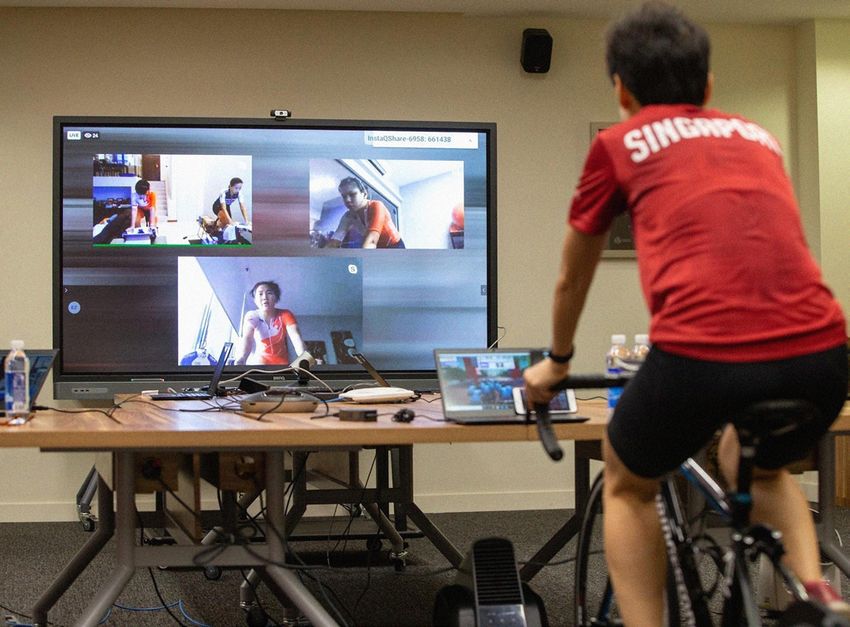
Inside View Health 9
Health
COVID-19 RECOVERY:
Balancing Regional Decisions
JENNIFER FRANCES DELA ROSA
FERDINAL M FERNANDO MD SENIOR OFFICER, HEALTH DIVISION, MARY KATHLEEN QUIANO-CASTRO
HEAD, HEALTH DIVISION, ASEAN SOCIO- ASEAN SOCIO-CULTURAL COMMUNITY EDITOR-IN-CHIEF
CULTURAL COMMUNITY DEPARTMENT DEPARTMENT THE ASEAN
As the COVID-19 pandemic raged across the globe in building interventions on public health
emergency preparedness and response;
2020, nations imposed containment measures with continually share critical lessons learned
varying success levels. For every decision to implement and good practices; coordinate resource
strict measures to help save lives, there have been mobilisation including technical assistance;
and engage more in policy dialogues relevant
devastating impacts on livelihoods and economies. to the latest development on COVID-19
including drug and vaccine development,
N
security and self-reliance."
ow, countries are slowly rolling out In line with the ACRF, the health sector,
several approved COVID-19 vaccines with valuable support from the German The outcome of these webinar series is a
to inoculate front liners, health workers, Corporation for International Cooperation set of policy briefs, which will be elevated
and vulnerable populations. The virus has or GIZ, launched a series of webinars on to the ASEAN Health Sector for consideration,
mutated to other variants that are feared the region's COVID-19 response. It kicked to strengthen the collective response to
to be more infectious. Governments still off with "Enhancing Health Systems and the pandemic.
grapple with tough decisions to further Resilience in the Context of the ASEAN
contain transmission while mitigating Comprehensive Recovery Framework" on Dr. Eduardo Banzon, Asian Development
the pandemic’s socio-economic impact. 15 December 2020. Expert panel members Bank (ADB) Principal Health Specialist, said
The ASEAN Comprehensive Recovery from ASEAN Member States and distinguished that non-pharmaceutical interventions would
Framework (ACRF) and its Implementation resource persons from various international only slow down the virus’s transmission,
Plan, adopted by the 37th ASEAN Summit organisations deliberated on the priorities not stop it. The ADB has provided support
on 12 November 2020, lays out the under Broad Strategy 1. programs to cushion the pandemic's
implementation of five broad strategies economic impact. Banzon emphasised,
to support the ASEAN region in their whole- As noted by ASEAN Deputy Secretary-General however, that “it is a health emergency crisis
of-community responses to COVID-19. for ASEAN Socio-Cultural Community Kung and for it to end, a health system-based
Included in the ACRF is Broad Strategy 1 Phoak in his opening remarks, "It is essential solution must be delivered.” He added that
on Enhancing Health Systems. that we strengthen cooperation on capacity “strengthening health systems, sustained
financing and implementation of universal
health coverage, and timely access to safe
and effective vaccinations, combined with
non-pharmaceutical interventions are
needed to stop the spread of COVID-19.”
Photo Credit: © myboys.me/Shutterstock
“Digital Technology for the Enhancement
of Healthcare Delivery” was the second
webinar’s focus on 15 January 2021.
Shared during the presentations was
the use of digital technology in contact
tracing, the most critical measurement in
containing the coronavirus. Dr. San-Il Kim,
Head of the Digital Transformation Division
and Senior Management Member of the
Swiss Federal Office of Public Health,
described how Switzerland used the
10   Inside View Head

                                                       According to Kato, authorities need to            According to Tangkeangsirisin, “the
                                                       consider additional measures as soon as           timely and equitable access to affordable
                                                       the situation deteriorates; otherwise, it can     and quality-assured COVID-19 vaccine(s)
                                                       increase mortality and even tighten measures.     will be the focus of the first phase for the
                                                                                                         urgent implementation of the Plan,” as
                                                       Anurag Agrawal of the Boston Consulting           guided by the July 2020 Senior Officials
                                                       Group said that based on the data, controlling    Meeting on Health Development.
     SwissCovid App effectively early in the           the virus is vital if countries hope to reopen
     pandemic. “The app was released in                their economies safely. He proposed four          UNICEF Immunization Specialist Dr. Ruhul
     summer 2020. The aim was to be anonymous,         “epinomic” (i.e., epidemiological and socio-      Amin highlighted the complexity of procuring
     as the app system does not use personal           economic) imperatives for the safe resumption     and distributing multiple vaccines. UNICEF
     data. The COVID code activation system            of economic activities: specificity, speed,       works together with the GAVI Alliance, WHO,
     only saves the user’s information related         stringency, and support.                          and the Coalition for Epidemic Preparedness
     to (the) contact tracing team,” explained                                                           Innovations (CEPI) in the COVAX vaccine
     San-Il Kim. He added that Singapore first         A review of countries’ responses shows that       facility that is designed to ensure the
     brought up the idea of digital contact            an early lockdown without corresponding           equitable distribution of approved vaccines.
     tracing through Bluetooth technology.             containment measures does not work.               UNICEF works with manufacturers in COVID-19
                                                       “When speed and stringency (of measures)          vaccine procurement. COVAX facility has
     The series’ third webinar, held on                come together, that’s when the length of          negotiated with vaccine manufacturers for
     19 January 2021, deliberated on the “Safe         the outbreak is dramatically shortened,”          3 billion doses of vaccines, with 2.3 billion
     Reopening of Economies and Communities            Agrawal said.                                     as an advance purchase agreement
     in the New Normal Era.” The discussions                                                             funded by donors.
     examined strategies that countries and            Agrawal added that imposing stringent
     communities can adopt to balance                  measures and providing economic support           Most ASEAN Member States have joined
     protecting public health and get                  to affected businesses and vulnerable             the COVAX facility and will benefit from
     the economy back on track.                        populations will also ensure a more               the two billion vaccine doses it plans to
                                                       effective response. “Greater economic             access from manufacturers by the end
     Dr. Masaya Kato of the World Health               support allows people to adhere to stringent      of 2021. Several experts on the panel
     Organization (WHO) Regional Office in the         measures and to stay in their homes,” he said.    warned against the danger of vaccine
     South East Asia Region stressed that countries    Economic support can be in the form of            nationalism. They stressed that countries
     must prioritise strengthening their health        income support and debt relief programme.         need to approach national vaccination
     systems. He added that the Asia Pacific                                                             drives as part of a global effort to ensure
     Strategy for Emerging Diseases and                With COVID-19 vaccines now available, the         enough safe vaccines will reach those who
     Public Health Emergencies provides                challenge is for countries to get enough supply   need them most, particularly in countries
     an excellent framework.                           for their population and ensure that they are     that cannot afford them.
                                                       ready and willing to receive the vaccination.
     Kato said WHO has developed guidelines                                                              In the discussions, several experts
     for implementing and adjusting public             As German Ambassador to ASEAN Peter               emphasised that vaccinations alone
     health and social measures in the context         Schoof said in his remarks, “the ACRF             would not work to beat the pandemic.
     of COVID-19.                                      leaves no doubt that many of its measures         It is crucial to continue strengthening
                                                       will only be applicable once an effective         health systems; assessing and enforcing
     “To inform the calibration of public              vaccine is widely available. Before that, we      safety protocols, and responding with
     health and social measures, we recommend          can only practice damage control but no           the appropriate measures.
     conducting a situational assessment using         economic recovery of any relevant
     the local data of each country and each           standard and long-lasting effect.”                ASEAN nations will have to make tough
     sub-national level,” Kato said. The situational                                                     decisions to save lives and livelihoods
     level, he added, is determined by two             Nations now face the daunting task                during this pandemic. The health sector
     variables, the level of transmission (i.e., no    of procuring approved COVID-19                    is committed to provide platforms where
     transmission, sporadic, cluster, or community     vaccines and inoculating enough of their          the Member States can share knowledge,
     transmission) and the health system’s             populations to achieve herd immunity.             expertise, and best practices and build and
     response capacity (e.g., hospital capacity,       Dr. Wisit Tangkeangsirisin from Thailand’s        strengthen partnerships as they navigate
     ability to conduct contact tracing).              National Vaccine Institute (NVI) said             towards a post-COVID-19 recovery.
                                                       “the timely distribution of vaccines”
     “Combining the level of transmission and          is ASEAN’s priority. NVI spearheads
     health system response capacity, we can           the ASEAN Vaccine Security and Self-                          Learn more about The ASEAN Comprehensive
     assign a situational level which can guide        Reliance (AVSSR), adopted by ASEAN                            Recovery Framework and Implementation
                                                                                                                     Plan https://asean.org/asean-comprehensive-
     decisions on implementing and adjusting           Leaders before the pandemic                                   recovery-framework-implementation-plan/

     public health and social measures,” Kato said.    on 2 November 2019.

                                                                                                                                  The ASEAN January 2021
Inside View Health 11
Health
The Cascading
Disaster of COVID-19
Renewed Calls for a More Robust
Regional Coordination System
ASEAN-USAID PROSPECT PROJECT
FUNDED BY THE US GOVERNMENT THROUGH THE U.S. AGENCY FOR INTERNATIONAL DEVELOPMENT
The unprecedented spread and devastation of the COVID-19
pandemic have tested communities throughout the globe—
even those considered to be well-prepared. In Southeast Asia,
ASEAN Member States boast of a successful track record of
dealing with infectious disease outbreaks of zoonotic origin
such as Avian Influenza and Severe Acute Respiratory
Syndrome (SARS).
C
OVID-19 has highlighted, however, shortfalls in national and regional preparedness
and response systems. Notably, the crisis has shown how public health emergencies
can impact every facet of our daily lives, thus galvanising a whole-of-society approach
to recovery efforts as well as a renewed vigor for preparing for future threats. As the ASEAN
Health Sector works to establish a stronger, more unified regional approach to responding to
future crises, the United States Agency for International Development (USAID) leads the
US Government’s efforts to support the new ASEAN Public Health Emergency
Coordination System (APHECS).
Recently highlighted in the Chairman’s Statement of the 36th ASEAN Summit, APHECS
seeks to integrate the many existing coordination mechanisms from across the region
and disparate sectors within a single cohesive platform (e.g. ASEAN Emergency
Operations Centre Network for Public Health Emergencies, ASEAN Joint Multi-
Sectoral Outbreak Investigation and Response System, and the ASEAN Plus
Three Field Epidemiology Training Network). As the current pandemic has
Photo Credit: © Alberto Andrei Rosu/Shutterstock
underscored, every second counts when it comes to mitigating the toll
of a public health emergency. Efficient coordination and communication
can save lives and livelihoods.
Once established, APHECS will help ASEAN better employ
a rapid joint outbreak investigation response and share technical
expertise and resources, including logistical management for
sharing medical supplies. For the first time, APHECS will provide
a unified, multisectoral institutional framework with public
health emergency preparedness and response standard operating
procedures. This structure will enable the ASEAN Member States
to prepare for and respond collectively to public health emergencies,
mitigate the impact of future outbreaks, and manage assistance
to the affected Member States.12 Inside View Health
Such support builds upon the long partnership between ASEAN
and the United States to jointly address diverse transnational
challenges and previous US Government support to enhance Member
States’ capacity to prevent, detect, and respond to existing and
emerging pandemic threats.
Under the leadership of the Senior Officials Meeting on Health Implementation will progress in four phases: Phase 1 – Assessment;
Development (SOMHD), the development of APHECS will align with Phase 2 – Development of the APHECS Framework; Phase 3 –
ASEAN’s Strategic Framework for Public Health Emergencies, Post-2015 Institutional Arrangements and Standard Operating Procedures;
Health Development Agenda, and other priorities governed by the and Phase 4 – Operationalisation (including training, table-top
Photo Credit: © peenat/Shutterstock
ASEAN Community’s post-pandemic recovery framework. The multi- exercises, and monitoring and evaluation).
year initiative is supported with technical assistance from the US
Government through USAID and the ASEAN-USAID Partnership Development of APHECS will be undertaken with an evidence-
for Regional Optimization within the Political-Security and based, inclusive, and consultative approach, starting off with an
Socio-Cultural Communities (PROSPECT) project. Such support initial assessment conducted in the first half of 2021. Each phase of
builds upon the long partnership between ASEAN and the United development will be guided by a Technical Advisory Group comprised
States to jointly address diverse transnational challenges and of key stakeholders and will involve regular consultations with
previous US Government support to enhance Member States’ representatives from other ASEAN Dialogue Partners, the World Health
capacity to prevent, detect, and respond to existing and Organization, the Food and Agriculture Organization, and the World
emerging pandemic threats. Organization for Animal Health (OIE), among others.
The ASEAN January 2021Inside View Health 13
ASEAN Public Health Emergency
Coordination System (APHECS)
Phases of Development
Phase 1: Initial Assessment
• Review existing system
and entities
• Consult stakeholders
• Design APHECS framework
Phase 2: APHECS Framework
• Member States agree on
APHECS function, structure,
and principles
• Legally binding instrument
Phase 3: Institutional Setup
• Institutional arrangements,
including resourcing
• Standard Operating Procedures
(SOPS)
Critical to this effort is ensuring alignment with several
new and ongoing initiatives of the ASEAN Health sector Phase 4: Operationalisation
and its partners to fortify regional preparedness and • Training
response capacity. The design of APHECS will seek to • Table-top exercise
complement the planned ASEAN Centre for Public Health • Monitoring and evaluation
Emergencies and Emerging Diseases (ACPHEED), which mechanism
is being supported by Japan. The establishment of ACPHEED
was announced by the ASEAN Leaders during the 37th Summit
under Viet Nam's Chairmanship on 12 November 2020.
According to Mr. Dhannan Sunoto, former Director of the
ASEAN Secretariat Cross-Sectoral Cooperation Department,
helping to lead this USAID effort, discussions with representatives
of the Japan-supported initiative were initiated last year and will One of the many hard lessons learned from the pandemic
continue. “When working with multiple partners, there is a risk of is that proactive coordination and effective and clear
duplication or even contradiction across initiatives,” Mr. Sunoto communication are critical during a crisis.This lesson will
explained. “At the same time, there is greater opportunity be enshrined in establishing APHECS, which will provide
to achieve synergies and tap into a broader set of expertise, the framework, platform, and tools for exchange among
ideas, and resources.” He added, “Resources are a challenge the ASEAN Member States and partners, across countries and
for everyone these days; it is imperative we work smarter sectors. As the ASEAN Community embarks on an ambitious
by working together and realising efficiencies.” To this end, post-pandemic recovery agenda, APHECS—as part of the suite
USAID will work with the ASEAN Secretariat Health Division of new preparedness and response efforts—will reinforce
to regularly convene an ASEAN Project Coordinating Meeting ASEAN’s ability to meet the challenges of today, as well
(APCM) to facilitate these ongoing conversations amongst as those of tomorrow.
relevant stakeholders and partners involved in parallel Views expressed in this article are of the ASEAN-USAID PROSPECT project
interventions at the regional level. and not the United States Government.14 Inside View Education and Youth
Education and Youth
PREPARING ASEAN
LEARNERS FOR THE FUTURE
MARY ANNE THERESE MANUSON JOANNE B. AGBISIT
HEAD, EDUCATION, YOUTH AND SPORTS DIVISION ASSOCIATE EDITOR
ASEAN SOCIO-CULTURAL COMMUNITY DEPARTMENT THE ASEAN
Delivering quality education to prepare This is articulated in the ASEAN Socio-Cultural Community
Blueprint, the ASEAN Work Plan on Education 2016-2020,
today’s learners for the challenges of and each Member State’s national education plan.
a rapidly changing, highly globalised,
Yet, this goal seems further away today with the unparalleled
and technology-driven world has been disruption brought by the COVID-19 pandemic to national
the overarching goal of ASEAN Member educational systems region-wide. School closures have
interrupted the schooling of over 150 million students. Almost
States for many years. overnight, education ministries, school administrators, and
teachers have to develop alternative modes of delivery and
scramble for resources.
The shift to online learning is particularly fraught with
numerous challenges. They range from weak broadband
infrastructure, learners’ limited digital skills and lack of access
to computer and internet connection, to mental health concerns
arising from isolation, exclusion, and accessibility issues.
On top of these, national education systems continue to grapple with
old familiar problems, particularly disparities in education access
and quality—due to gender, income, disability, and geography—
that were made more glaring by the crisis.
Photo Credit: © SAHACHATZ/Shutterstock
The ASEAN January 2021Inside View Education and Youth 15
The regional bloc believes
that education is front and
centre in helping countries
prepare not only for the future
of work, but also for building
people’s resilience against
future shocks like
global pandemics.
ASEAN Member States, individually and collectively, faced these
challenges head on.
At the Eleventh ASEAN Education Ministers Meeting (11th ASED), The ASEAN Comprehensive Recovery Framework and its
Secretary-General of ASEAN Dato Lim Jock Hoi said, “Despite this crisis, implementation plan aim to strengthen human capital development by,
education cannot wait. Education simply cannot stop, particularly among others, ensuring that digital and 21st century skills are taught
for learners from disadvantaged backgrounds who may fall even in basic education, technical and vocational education and training
further behind. There is greater urgency to ensure that these learners (TVET), and higher education. The framework also encourages the
do not suffer from disproportionate learning losses, and that they use of ICT in education delivery to speed up digital transformation.
are not at risk of dropping out and never returning to school.”
The ASEAN Declaration on Human Resources Development for
At the national level, ministries of education made an effort to train the Changing World of Work and its roadmap seek to promote
teachers on conferencing technology as well as online pedagogy, lifelong learning and inclusive education. The roadmap includes
develop new modules and materials, and provide access to activities to digitally transform education in our region, with emphasis
computer devices. on promoting digital literacy and 21st century skills, digital
infrastructure development, online platforms, and open
For the digitally excluded, other modes of teaching were introduced. educational resources.
“In an effort to remain true to the principles of equity and inclusion, The establishment of the ASEAN Technical and Vocational
offline approaches such as radio and TV-based instruction were also Education and Training Council is meant to foster skills development
provided to learners who currently do not enjoy access to Internet to make people employable and productive, match job requirements
and digital technologies,” said Secretary-General Dato Lim Jock Hoi and skills, facilitate career mobility, and encourage entrepreneurship.
during the 11th ASED. The Council aims to carry out research and development, quality
assessment of programmes, and capacity building of trainers.
At the ASEAN level, national efforts to address this crisis
were supported primarily through agenda-setting, policy and The ASEAN education sector is formulating its 2021-2025 Work Plan
programme guidance and commitment, and knowledge-sharing. on Education to set its targets and priority actions in the next five
years. The work plan is envisaged to be underpinned by the principles
The ASEAN ministers of education, for example, convened the of lifelong learning, inclusion, equity, and quality. It also seeks to
Conference on the Digital Transformation of Education Systems address the needs and situations of all learners in the region.
throughout ASEAN in October 2020 where they committed to
Photo Credit: © smolaw/Shutterstock
promote digital literacy and a safe cyber environment for children Deputy Secretary-General of ASEAN for the ASEAN Socio-Cultural
and youth, and to tap the private sector in developing and Community Kung Phoak said that the challenges and lessons learned
improving access to innovative digital learning solutions. in the previous education work plan must inform the new work plan,
and that it must be strategic, focused, targeted, and measurable.
The regional bloc believes that education is front and centre in
helping countries prepare not only for the future of work, but “The success of the next five-year work plan is also contingent
also for building people’s resilience against future shocks like upon ASEAN Member States’ determination to shepherd activities
global pandemics. This is reflected in a number of instruments through to completion. In this regard, I urge all Member States to
issued in 2020 that aim to help Member States recover from consider leading or co-leading activities in the work plan,” Deputy
the COVID-19-induced crisis. Secretary-General Kung said.16 Inside View Sports
Sports
MOVING
FORWARD TOGETHER
WE ARE BETTER TOGETHER WITH SPORTS
CHRISTY LAI
ASSISTANT MANAGER, SPORTS DIVISION, MINISTRY OF CULTURE, COMMUNITY AND YOUTH SINGAPORE
AND ASEAN SENIOR OFFICIALS MEETING ON SPORTS (SOMS) SINGAPORE TEAM
Year 2020 was a year fraught with unprecedented has seen tremendous growth in the sports
sector. Through various regional activities
challenges in the backdrop of the COVID-19 and programmes, the 1st AWPS (2016-
pandemic. Yet it is the throes of adversity that bring 2020) was instrumental in forging
out the best in us, no better exemplified than by how stronger cohesion among Member
States, and in the process, growing our
ASEAN has weathered many crises and emerged people-to-people ties and building more
even stronger and more confident together over resilient communities.
the past decades.
Sports has also been an excellent
platform for ASEAN friendship and
Photo Credit: © Jacob Lund/Shutterstock
ASEAN Sports Sector Community in October 2020 for the cultural exchanges and community-
Sports is a strong binding force in bringing 10th and 11th SOMS and the 3rd SOMS building events. The 6th World Sports
ASEAN Member States closer, and it has been Plus Japan. These meetings saw ASEAN for All Games under the auspices of the
especially true during this trying period. Member States reaffirm their commitment Association for International Sport for
Recognising the importance of ASEAN to sports development and mark the All (TAFISA) in Jakarta and the 5th Asian
unity in crisis, the pandemic did not successful conclusion of the 1st ASEAN Beach Games in Danang, both of which
deter officials from coming together Work Plan on Sports, or AWPS (2016-2020). were held in 2016, sought to instill values of
to push our agenda forward. For the mutual understanding and sportsmanship
first time, the ASEAN Senior Officials ASEAN Work Plan on Sports through traditional ASEAN sports and games.
Meeting on Sports (SOMS) was Since the advent of the ASEAN Ministerial At the national level, ASEAN Member
conducted virtually as One ASEAN Meeting of Sports (AMMS) in 2011, ASEAN States celebrated heritage sports that
The ASEAN January 2021Inside View Sports 17
involved their local communities, such people’s lives in other ways. Rallying its Football for Schools Program. In the
as the annual Traditional and Dragon Boat residents to keep active through sports, ASEAN-FIFA Joint Awareness Raising
Races in Cambodia and Lao PDR, respectively, Singapore commemorated the ASEAN Campaign, ASEAN Sports Ambassadors
and Ledwhay events in Myanmar. Malaysia Sports Day through a virtual edition of were nominated to promote healthy and
and the Philippines put up an excellent the Get Active! Singapore 2020. The ASEAN active lifestyles to improve the physical,
show in hosting the 29th Southeast Asian Youth Sport 4 Development, Peace and mental, and social wellbeing of the
(SEA) Games, the 10th ASEAN Para Games Leadership 2020 project, implemented by ASEAN Community. Such international
2017, and the 30th SEA Games 2019. Right to Play Foundation Thailand, saw youth collaborations are a significant step in
Meanwhile, the 8th ASEAN School leaders collaborating with their ASEAN peers enhancing and strengthening ASEAN
Games in Chiang Mai and ASEAN Youth virtually to promote sports and healthy efforts to better communities’ lives
Programme Camp 2019 in Berakas brought lifestyles in their local communities via sports.
ASEAN student-athletes and youth leaders through ground-up projects.
together in the spirit of ASEAN friendship. ASEAN also reaffirmed its commitment
Complementing such ground-up to fight against doping in sports. With
Although 2020 was a game-changer initiatives were collaborations forged the Southeast Asia Regional Anti-Doping
for physical sporting events, this did not with international organisations. ASEAN Organisation’s (SEARADO) assistance,
hamper sports from continuing to touch and the Federation Internationale de Lao PDR successfully set up their National
Football Association (FIFA) established Anti-Doping Organisation, while Cambodia,
a Memorandum of Understanding (MoU) Myanmar, and the Philippines enhanced their
Singapore rallies her peoples for a virtual in 2019. On top of enhancing professional anti-doping capabilities with SEARADO’s
sporting experience in GetActive! Singapore capacity building, the MoU seeks to Doping Control Officers and Therapeutic
2020 to commemorate ASEAN Sports Day foster life skills through football in Use Exemption courses. SEARADO’s
and celebrate Singapore's 55th National Day schools across ASEAN via their FIFA’s assiduous efforts have continued to
Photo Credit: © SOMS Singapore Team18 Inside View Sports
To improve support for our ASEAN
athletes on their path to international
sporting stages, Singapore will seek to
Sports will continue to play a critical build consensus on the standardisation
role as the world emerges from the global of SEA Games sports to provide more
consistency in its roster selection,
COVID-19 pandemic and makes sense to facilitate better planning for
of its impact and implications. our ASEAN athletes’ sporting
journeys and pathways.
be instrumental in the ASEAN Member As a founding city of the global Active
States’ steady progress in this area. Citizens Worldwide (ACW) programme, Looking to the Future
Singapore will be leading the ASEAN Sports will continue to play a critical
SOMS is pleased to note the successful ACW research study project in 2021. role as the world emerges from the
conclusion of the AWPS (2016-2020), which The research study to be presented at global COVID-19 pandemic and makes
is an important milestone for the ASEAN AMMS-6 will help ASEAN Member States sense of its impact and implications.
sports sector, and a testament to the Member draw insights and ideas for evidence-based Indeed, sports has emerged as even
States’ commitment to developing a robust reference in policymaking for sports, enabling more critical to the wellbeing of
sporting culture in ASEAN. more informed sports-related policies to individuals and society. We eagerly
Photo Credit: © SUPREEYA-ANON/Shutterstock
positively impact individuals and anticipate the resumption of our
Singapore’s Chairmanship communities in the region. It will also be sporting events and activities under
of AMMS/SOMS 2021 an opportunity to update and pivot our a new normal. With a few major sporting
Building on the spirit of cooperation strategies in the light of lessons learned events in the pipeline this year, such as
and consensus in realising the ASEAN from our COVID-19 experiences. the upcoming Tokyo Olympic Games,
Community Vision 2025 and the ASEAN 31st Hanoi SEA Games, and 11th
Socio-Cultural Community Blueprint 2025, To drive closer collaboration in ASEAN Para Games, there is much
Singapore, as the AMMS and SOMS Chair anti-doping efforts across the region, to look forward to in 2021 and beyond.
in 2021, has been working closely with Singapore is facilitating the signing of It is our hope that sports will continue
fellow member states in finalising the next an MoU between ASEAN and the World to hold the ASEAN fabric together
AWPS (2021-2025) for its formal adoption. Anti-Doping Agency, which represents as we move forward in solidarity
As Chair of the 2021 AMMS, Singapore ASEAN Member States' collective resolve towards a stronger and more
plans to fulfil the following deliverables: to protecting clean sports. resilient ASEAN Community.
The ASEAN January 2021Inside View Gender Equality 19
Gender Equality
Rethinking
Care Work
Advancing Gender Equality
in Times of a Pandemic
Photo Credit: © VectorMine/Shutterstock20 Inside View Gender Equality
SITA SUMRIT, PHD DESIANA NATALIA SAGITA
HEAD, POVERTY ERADICATION AND GENDER DIVISION OFFICER, POVERTY ERADICATION AND GENDER DIVISION
ASEAN SOCIO-CULTURAL COMMUNITY DEPARTMENT ASEAN SOCIO-CULTURAL COMMUNITY DEPARTMENT
“Women are naturally nurturing and empathetic. They are intrinsically more
suited to caring for children and families.” This worldview, which dominates
many cultures to this day, is the epitome of gender essentialism. It appears
commonsensical, but it has harmed generations of women—and society
at large. It has led to exclusion, discrimination, exploitation, and inequality.
C
are and care work, which are less access to services and technology, It has also not received sufficient
indispensable to maintain the trapping them in time and income investment from governments,
health, safety, and well-being poverty across their life-cycle. businesses, and communities, be it in
of societies and economies, are left infrastructure, work arrangements, or
mostly to women. While professional While statistics do not capture the commitment to structural change.
care services and occupations are qualitative and emotive experiences
remunerated, care duties within of shouldering care work and household The COVID-19 pandemic turned global
the family remain unpaid. Understood chores, it is illuminating to learn that, on attention to the gendered dimension of
mainly as natural to women and their average, women spent 5.4 hours per day the crisis: women’s safety, economic and
innate abilities to care and to share, on care as a primary activity. For men, social security, and institutional support
unpaid care is, on the contrary, a result it was merely under one hour (0.99). have been jeopardised. Moreover, in
of social or contractual obligations, such As for childcare, an average of 78 per cent households, females bear the burden
as marriage, family relations, and kinship, of women had been responsible for a of additional domestic chores and child
which are deeply entrenched in gender child, compared to 48 per cent of men care because of the reduced availability
norms and stereotypes. (UNESCAP, 2020). Alarmingly, this pattern of formal and informal care services
was also observed among the younger during the lockdowns.
Unpaid and invisible care perpetuates population, with girls spending 0.44 hours
gender inequality by creating a cycle of on average per day on care work compared At present, systematic and comprehensive
continual disempowerment for women to 0.25 hours for boys. data and analysis on gendered impacts of
and girls. From a vantage point of power COVID-19 have yet to be made available.
relations, unpaid care and domestic work In terms of economic contributions, Nonetheless, existing smaller-scale studies
are a systemic impediment to women’s data from 53 countries estimate that offer a ray of hope. Studies found that given
empowerment. It curtails women’s unpaid care work would amount to the closure of facilities and the shift to
choices, bargaining position, and 9 per cent of global GDP, equivalent to flexible work arrangements, many men
economic opportunities, and deprives 11 trillion US dollars of purchasing power are more exposed to the double burden
women of a precious resource—time. parity. Unpaid care and domestic work of paid and unpaid work. Altered work
are valued at around 40 per cent arrangements may lead to men’s or
For the less privileged, poor, rural, and of GDP (ILO, 2018). fathers’ increased involvement in
marginalised women, these heavy and care work, changing social norms, and
disproportionate tasks are even more Although this pivotal issue intersects bringing an equal division of care and
intractable as they cannot afford poverty, deprivation, and human rights, domestic responsibilities (World Bank,
domestic help. They also have far it receives little visibility in policymaking. 2020). In households where women work
in healthcare and other essential services
for COVID-19 response, many men are
likely to turn into primary informal care
providers for the family (OECD, 2020).
The Gender Outlook reveals that
Perhaps the lesson we are learning
in ASEAN, 30 per cent of women noted from the ongoing pandemic is that
increases in the intensity of domestic work while the pandemic may reinforce
stereotypical gender roles, it also offers
since the spread of the virus, compared to an unprecedented opportunity to shift
only 16 per cent among men. them. In the future, we may see an
The ASEAN January 2021Inside View Gender Equality 21
launched ASEAN Gender Outlook:
Achieving the SDGs for All and Leaving
No Woman and Girl Behind sheds light
on the implications of the COVID-19
pandemic on care and domestic work in
the region. The Gender Outlook reveals
that in ASEAN, 30 per cent of women
noted increases in the intensity of
domestic work since the spread of
the virus, compared to only 16 per cent
among men. The increase in workload
at home means that women sacrifice
paid employment to tend to household
needs, with obvious consequences for
their income and well-being.
The signs of changing gender roles, the
possibility of addressing inequality, and
progress in policy visibility and political will
are encouraging developments. However,
we are aware that a lot of work still needs
to be done to tackle unpaid care and
domestic work effectively. From individuals,
communities, to governments, all of us must
recognise, value, and highlight the full extent
of women’s work and their contributions to
productive and reproductive economies.
While the impacts of the COVID-19 crisis
are yet to be fully uncovered, it provides
a window of opportunity to build more
inclusive and resilient systems. Care needs
to be regarded as a universal right and
thus a national and regional policy
agenda. Comprehensive care systems
that harness co-shared responsibility
between men and women, the state, the
market, households, and the community
are needed. To effectively reduce and
redistribute unpaid care work, care policy
arrangements must be complemented
increased redistribution of care work Unpaid care and domestic work by labour market policies that support
in households where men/fathers have also lie at the ASEAN Comprehensive work-life balance for gender equality.
more work flexibility. Recovery Framework’s heart and its This support will enable both women
implementation plan. The framework and men to reconcile their job and
As for ASEAN, the issue of care work emphasises mainstreaming gender care responsibilities better.
has gained distinct prominence during equality throughout the recovery
Photo Credit: © VectorMine/Shutterstock
this pandemic. The first ASEAN Women’s scheme and actions with the commitment Fundamentally, we need to go beyond
Leaders’ Summit on the theme “Women’s to address unpaid care and domestic work the essentialist view that women are
Role in Building A Cohesive, Dynamic, to enable women to be drivers of the better at giving care and should be
Sustainable and Inclusive ASEAN recovery process with the provision of relegated throughout their lives regardless
Community in a Post COVID-19 expanded, accessible social safety nets, of circumstances. We need to redefine our
World” held in November 2020 social assistance, and social insurance values and norms, change gender role
affirmed the Leaders’ commitment programmes especially for women in expectations and socialisation, and
to recognise and redistribute unpaid vulnerable groups. elevate gender discourse within our
care and domestic work as well as families and communities to promote
enhance welfare and development These efforts are backed by strengthening care as a social and collective responsibility
of all women and girls. research and evidence. The soon to be and not a woman’s destiny.You can also read


