Abstract & Programme Book - BIGSPD Annual Conference Radisson Blu Durham, Frankland Lane
←
→
Page content transcription
If your browser does not render page correctly, please read the page content below

BIGSPD Annual Conference
  Tuesday 2nd – Thursday 4th April 2019
         Radisson Blu Durham,
            Frankland Lane,
                 Durham

Abstract & Programme Book
Opening Address & Welcome by BIGSPD Presidents

 Dr Oliver Dale, Consultant Psychiatrist, Hammersmith & Fulham Personality
 Disorder Service. Clinical Lead Cassel Hospital & Personality Disorder Pathway,
 West London NHS Trust, Chair Cassel Hospital Charitable Trust.

 Dr Julia Blazdell, Network Coordinator for the Managed Clinical Network for
 Personality Disorders in WLMHT. Freelance Educational Consultant for the
 Institute of Mental Health, Service user consultant for Psychological Approaches.

                      Keynote Speakers

 Language Matters: How words can harm and heal

 Clare Shaw - Writer and educationalist

 Biography
 Clare Shaw has three poetry collections from Bloodaxe: Straight Ahead (2006),
 which attracted a Forward Prize Highly Commended for Best Single Poem;
 and Head On (2012), which is, according to the Times Literary Supplement “fierce
 … memorable and visceral”. Her third collection, Flood, was published in June
 2018. Clare won a Northern Writer’s Award 2018 for her fourth collection, which
 she is currently working on.

 Often addressing political and personal conflict, her poetry is fuelled by a strong
 conviction in the transformative and redemptive power of language. Clare is a
 Royal Literary Fellow, and a regular tutor for the Poetry School, the Wordsworth
 Trust and the Arvon Foundation. She is also a mental health trainer, activist and
 author with a particular interest in self-injury, Borderline Personality and
 alternative/ critical mental health narratives: her publications include "Otis Doesn't
 Scratch: talking to young children about self-injury" (PCCS Books, 2015); and “Our
 Encounters with Self-Harm” (2013). She is passionate about the meeting ground
 between poetry and mental wellbeing, and is the facilitator of the Poetry School’s
 international online course, “Poetry as Survival”.

 Abstract
 As a poet, and as someone who has a diagnosis of Personality Disorder, I live and
 work with the capacity of language to harm and to heal. In this presentation, I’ll
 draw on poetry, research, theory and experiential material to explore the crucial
 role played by language in understanding and supporting people in distress. Using
 Borderline Personality Disorder as a case in point, I'll draw from survivor accounts
 to critique the linguistic and narrative framework offered by the Personality
 Disorder diagnosis. Instead, I'll suggest that poetry - and other forms of grey
 literature - offer effective, therapeutic and potentially transformative frameworks
 for expression communication, meaning-making and practice.

                                                                                      1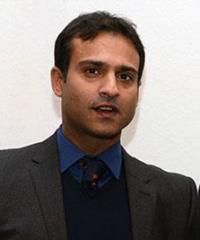
Personality Disorder in Crisis: the Psychiatric Intensive Care Unit Experience.

Dr Faisil Sethi - Consultant Psychiatrist & Service Director South London and
Maudsley NHS Foundation Trust

Biography
Dr Sethi is a Consultant Psychiatrist in Psychiatric Intensive Care at the Maudsley
Hospital and the Interim Service Director for the Croydon and Behavioural &
Developmental Psychiatry Directorate at the Bethlem Royal Hospital (South
London and Maudsley NHS Foundation Trust). As a Consultant Psychiatrist in
Psychiatric Intensive Care, Dr Sethi has over a decade of clinical experience in the
assessment/management of acute clinical crises, including personality disorder.

Dr Sethi is on the Executive Committee of the National Association of Psychiatric
Intensive Care Units (NAPICU) and on the Editorial Board of the Journal of
Psychiatric Intensive Care. He was the past Vice Chair of National Association of
Psychiatric Intensive Care Units (NAPICU), a past Elected Member of the General
Adult Psychiatry Faculty Executive in the Royal College of Psychiatrists, and was a
member of the NICE Guideline Development Group for the Short-Term
Management of Aggression and Violence (2015).

Dr Sethi’s clinical, quality improvement and research interests include: PICU clinical
standards; rapid tranquilisation and the management of acute disturbance;
personality disorder; art and mental health; mental health law and the criminal
justice interface; clinical leadership. In 2013 – 2016, he was a Co-Lead of the
English Personality Disorder Services Review Project, culminating in joint
authorship of the 2017 Original Paper: Personality disorder services in England:
findings from a national survey. In 2018, he was a Co-Lead of the 2018 Joint BAP-
NAPICU evidence-based consensus guidelines for the clinical management of acute
disturbance: de-escalation and rapid tranquillisation (British Association of
Psychopharmacology and National Association of Psychiatric Intensive Care Units).

Abstract
Title: The Psychiatric Intensive Care Unit and Personality Disorder in Crisis.

This session with explore the challenges and innovations in the clinical field of
adult psychiatric intensive care. The speaker will describe the model and function
of the psychiatric intensive care unit and the multidisciplinary management of
acute disturbance in clinical settings. Linking into this, the speaker will consider
aspects of learning for the management of personality disorder in the psychiatric
intensive care unit.

                                                                                       2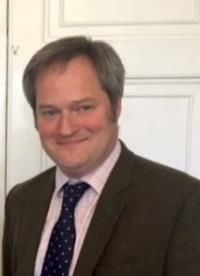
INterventions for Complex Traumatic Events (INCiTE): systematic review and
research prioritisation exercise

Dr Peter Coventry - Senior Lecturer in Health Research INCiTE Project

Biography
Dr Peter Coventry is a Senior Lecturer in Health Services Research at the
Department of Health Sciences and the Centre for Reviews and Dissemination,
University of York. He trained as a social scientist before taking up a Medical
Research Council post-doctoral fellowship in health services research. His work
focuses on understanding ways to integrate physical and mental health care for
people with mental health problems and physical comorbidities. He is expert in
evidence synthesis, including individual participant data meta-analysis, has
successfully run large randomised controlled trials in primary care to test low-
intensity psychological interventions for depression in people with multimorbidity,
and has twice won the RCGP Research Paper of the Year in Mental Health for
qualitative evaluations of primary care mental health for people with long term
conditions. On-going work includes developing self-management interventions for
people with serious mental illness and long term conditions and assessing the
effectiveness of behaviour change techniques to modify multiple risk factors in
people with serious mental illness. Recently completed work includes a NIHR
funded mixed methods systematic review (known as INCiTE) that assessed the
effectiveness and acceptability of psychological and pharmacological interventions
for mental health in people with a history of complex traumatic events.

Abstract
Background: People with a history of complex traumatic events typically
experience trauma and stressor disorders and additional mental comorbidities. It is
not known if existing evidence based treatments are effective and acceptable for
this group. There is a need to identify candidate psychological and non-
pharmacological treatments for future research.
Methods: Mixed-methods systematic review. We included randomised and non-
randomised studies of adults aged ≥18 years with a history of complex traumatic
events that tested psychological interventions versus control or active control; or
pharmacological interventions versus placebo. The main outcomes were post-
traumatic stress disorder (PTSD) symptoms; disturbances of self-organisation
common mental health problems. A meta-analysis was conducted across all
populations for each intervention category and for population sub-groups.
Results: 104 randomised controlled trials and 9 non-randomised controlled trials
were included. Population sub-groups were: veterans; childhood sexual abuse;
war-affected; refugees; domestic violence. Psychological interventions are superior
to control at post-treatment for reducing PTSD symptoms (standardised mean
difference -0.90, 95% CI -1.14 to -0.66; number of trials = 39), and also for
associated symptoms of depression, but not anxiety. Trauma focused therapies
were the most effective interventions across all populations for PTSD and
depression. Multi-component and trauma focused interventions were effective for
negative self-concept. Phased-based approaches were also superior to control for
PTSD and depression and showed the most benefit for managing emotional
dysregulation and interpersonal problems. Only anti-psychotic medication was
effective for reducing PTSD symptoms; medications were not effective for mental
comorbidities. Assessments about long term effectiveness of interventions were

                                                                                  3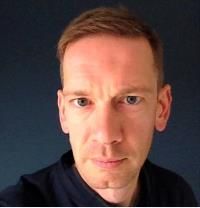
not possible.
         Conclusions: Evidence based psychological interventions are effective and
         acceptable for reducing PTSD symptoms and depression and anxiety in people with
         complex trauma. They were less effective in veterans and people with childhood
         trauma, and had less impact on symptoms associated with complex PTSD.
         The enduring effects of severe early institutional deprivation on young adult
         functioning

         Professor Edmund Sonuga-Barke - FBA, FMedSci- Professor of Developmental
         Psychology, Psychiatry & Neuroscience. Kings College London

         Biography
         Edmund Sonuga-Barke is currently Professor of Developmental Psychology,
         Psychiatry and Neuroscience at the Institute of Psychology, Psychiatry and
         Neuroscience, Kings College London. He has Visiting Chairs at Aarhus University
         and the University of Sussex. He is Editor in Chief of the Journal of Child Psychology
         and Psychiatry.
         His research focuses on understanding neuro-developmental disorders and mental
         health conditions across the life span. To this end, he employs basic developmental
         science approaches to study the pathogenesis of such conditions, their underlying
         genetic and environmental risk and resilience sources and their mediating brain
         mechanisms.
         Prof Sonuga-Barke is a Fellow of the Academy of Medical Sciences (2016) and The
         British Academy (2018).

         Abstract
         Adults with mental health and personality functioning difficulties often report
         having experienced social adversity in childhood. However, moving from
         identifying a correlation between early environmental exposures and later
         psychological difficulties to inferring that the former causes the later, is
         problematic. This is because research studies often rely on retrospective data from
         self-selected samples where genetic and environmental risks are confounded. In
         this talk I will present data from the young adult follow-up of English and
         Romanian Adoptees (ERA) that gets over some of these problems. We have spent
         the last 25 years studying the developmental outcomes of children who spent the
         early years of their lives in the harshly depriving Romanian institutions that existed
         during the last years of the communist regime in the late 1980s before being
         adopted as infants and young children by UK families. The presentation will focus
         on four different elements; (i) recovery of cognitive functioning; (ii) persistence of
         traits of autism, disinhibited social behaviour and ADHD; (iii) late onset of mental
         health problems and (iv) residual problems of social and personality functioning.
         We will conclude by testing the possibility that establishing positive relationships
         with adoptive parents could off-set some of the persisting risks for bad outcomes.

Adults

                                                                                              4
Improving care for people with a diagnosis of ‘personality disorder’ in the
context of the NHS Long Term Plan
Professor Tim Kendall – National Clinical Director for Mental Health for NHS England
Biography
Professor Tim Kendall is the National Clinical Director for Mental Health for NHS
England and NHS Improvement. He works closely with his Associate NCDs and
Clinical advisors covering perinatal, children’s, adult and forensic mental health. He
chairs a number of national committees to implement the mental health strategy
in England and leads national programmes of work, including the national suicide
reduction strategy, Improving Access to Psychological Therapies (IAPT) and the
National Institute for Health and Care Excellence (NICE) Digital Panel. In 2016 he
established a national mental health network, with sign up of 97% of England’s
mental health providers, and membership of Medical Directors, Chief Executives
and Directors of Nursing.
Tim has been Director of the National Collaborating Centre for Mental Health at
the Royal College of Psychiatrists since 2001, where he chaired the first NICE
guideline, on the management of schizophrenia and the first national quality
standard (dementia) for NICE. He has also been visiting Professor at University
College London for the past nine years and recently was awarded an honorary
doctorate from the Open University. Tim has published widely and won the Lancet
Paper of the Year Award in 2004, for showing the damaging effects of the drug
industry and its selective publishing of trials on the use of antidepressants in
children with depression.
Abstract
Prof Tim Kendall, NHS England National Clinical Director for Mental Health, will
present an overview of mental health commitments in the Long Term Plan and the
national ambitions to improve community based services for people with a
diagnosis of ‘personality disorder’.
5The Organisation and its discontents: in search of the fallible and 'good enough'
care enterprise
Jina Barrett - Organisational Consultant, Camden and Islington NHS Trust; Tavistock
and Portman NHS Trust.
Biography
Jina Barrett works as an organisation consultant in the public sector and in private
enterprise. She also works in clinical practice in the NHS as a psychoanalytic
psychotherapist. She was a member of the development team for the Personality
Disorder Knowledge and Understanding Framework Programme from its inception
in 2007, on behalf of the Tavistock and Portman NHSFT, and a member of the
national delivery team until 2018. As part of the DH National Programme for the
Development of Personality Disorder Services, she worked on the Camden and
Islington pilot, LiveWork, from 2004-15. She currently works as an internal
consultant at Camden and Islington NHS FT, with the Personality Disorder Service
and with Primary Care Mental Health Services. On behalf of the Portman Clinic, she
contributes to developing organisation support initiatives in forensic and custodial
settings.
Abstract
From the point of view of the individual seeking help with the part of themselves
which is attempting to manage relational and psychic struggles associated with
living, the organisation is a crucible through which to pass: potentially an
extremely difficult experience, offering at best the possibility of understanding and
managing oneself differently, at worst, causing extreme harm.
On the one hand, in the individual, there may be hope for refuge from intolerable
psychic strain, even if the entry is propelled by unspoken but tenacious defences
threatened with breakdown, of the kind that can only ever be known about
through action. On the other hand, there may be a 'pathway' to the door
evidencing attempts at fulfilling a profound wish for an ordinary life, one 'worth
living', regarded by the individual as failures rather than as experiences in need of
being understood.
6Parallel Sessions
Workshop Title - The Relational Field: do we need policy and practice reform?
Parallel 1
Chair: Rex Haigh
Speakers: Rex Haigh, Nick Benefield, Vanessa Jones.
Symposium Title - Learning from ‘failure’: model of care and outcomes for London’s
Parallel 2 OPD Pathway sexual offender service.
Chair: Jackie Craissati
Speaker 1: Jackie Craissati
Symposium Talk 1: Setting the scene: community outcomes for high risk
personality disordered sex offenders, with a focus on learning from 'failure'.
Speaker 2: Jenny Hopton
Symposium Talk 2: Why well treated psychologically minded group members often
'fail': case discussion.
Speaker 3: Karen Van Gerko
Symposium Talk 3: Why sexually preoccupied offenders with schizoid (or ASD)
traits often ‘fail’:case discussion.
Chair: Fiona Kuhn-Thompson
Parallel 3
Speaker : Sheena Dean
Standalone Presentation Title: Post Personality Pioneers - Developing support for
Senior Lived Experience Practitioners in a Post-Emergence Wilderness.
Speaker: Owen Curwell Parry
Standalone Presentation Title: Social behaviour in borderline personality disorder:
The impact of a democratic therapeutic community.
Speaker: Marsha McAdam
Standalone Presentation Title: Greater Manchester Devolution, SU involvement in
a PD pathway development.
Workshop Title - Voicing The Unsayable: The Unspeakable Truths of ‘Personality
Parallel 4 Disorder’ Services.
Chair: David Kingsley
Facilitators Keir Harding, Melanie Ann Ball & Hollie Berrigan
7Offender Standalones
Parallel 5
Chair: Sarah Skett
Speaker: Catriona Connell
Standalone Presentation Title: Increasing participation in the community with
people with an offending history and a personality disorder diagnosis: Modelling a
complex intervention.
Speaker: Abdullah Mia
Standalone Presentation Title: Developing a positive masculine service in toxic
contexts for young adult men.
Speaker: Polett Bali
Standalone Presentation Title: Ethnography in a prison based personality disorder
treatment unit: personal reflections.
Symposium Title : Making the links - Stepped care and care pathways in personality
Parallel 6 disorder from Tiers 1 to 4.
Chair: Steve Pearce
Speaker 1: Gary Lamph & Paula Slevin
Symposium Talk 1 : Whole System Response, the role of primary care and multi-
agency wider system approaches to personality disorder in Tier 1 services.
Speaker 2: Steve Pearce
Symposium Talk 2: Stepped Care in Tier 2 and Tier 3 personality disorder services.
Speaker 3: Kim Barlow & Dr Rex Haigh
Symposium Talk 3: Tier 4 Service Provision and its interface within PD pathways of
care.
The Enabling Environments as a tool for culture change - Sarah Paget Enabling
Environments/Royal College Psychiatrists and Simon Coope EE Assessor
Autism Workshop
Parallel 7
Chair: Mel Ball
Speaker: Joanne Sharp
Standalone Presentation Title: The expansion of Dialectical Intensive Therapies for
people with Personality Disorder, a Learning Disability and/or Autism and
Offending Behaviour.
Speaker: Kerry Cook
Standalone Presentation Title: Dual or Differential Diagnosis, working across the
interface within clinical practice.
Speaker: Fiona Riddoch
Standalone Presentation Title: Words that Carry On: Exploring priorities for research
into personality disorder and autism.
8Parallel8 World Café
Title: Capturing the Conversation; Exploring the label of personality disorder from
the perspectives of people with lived experience and occupational experience.
Chair: Gary Lamph
Speakers: Alison Coak, Tamar Jeynes and Jake Dorothy
Chair: Mike Crawford
Parallel 9
Speaker: Nikki Collins
Standalone Presentation Title: Polygraph with mentally disordered offenders.
Speaker: Kate Saunders
Standalone Presentation Title: Circadian rest-activity patterns in bipolar disorder
and borderline personality disorder.
Speaker: Dan Warrender
Standalone Presentation Title: Perspectives of crisis intervention for people with a
diagnosis of ‘borderline personality disorder’; an integrative review.
Symposium Title : Evidence for the Offender Personality Disorder (OPD) pathway:
Parallel 10 the story so far and next steps
Chair: Tom Mullen
Speaker 1: Carrine Lewis
Symposium Talk 1 : National Evaluation of the Offender Personality Disorder
Programme.
Speaker 2: Aisling O’Meara
Symposium Talk 2: Integrated research within an OPDP context – learning from
Wales.
Speaker 3: Sarah Skett
Symposium Talk 3: Where are we at now? Reviewing the evidence and next steps
for the OPD pathway.
Short Term and Co-Produced Interventions
Parallel 11
Chair: Zoe Dent
Speaker: Mike Crawford
Standalone Presentation Title: Can Brief Intervention help people with Personality
Disorder?
Speaker: Amanda Spong
Standalone Presentation Title: Is there evidence that brief psychological
interventions are effective for adults with borderline personality disorder?
Speaker: Chloe Finamore
Standalone Presentation Title: Feast or famine: the challenges of developing a
training and consultancy service for personality disorders.
9Workshop Title – What's in a name? Informing the debate around the term and
Parallel 12 diagnosis of personality disorder.
Chair: Steve Pearce
Speakers: Olivia Packe, Linda Thomson, Stuart Whitelaw
Workshop Title: Dancing Along the Borderline
Parallel 13
Chair: Jen Dylan
Facilitator: Lynn Shaw
Chair: Anna Motz
Parallel 14
Speaker: David Kingsley
Standalone Presentation Title: The Therapeutic Use of Mental Health
Observations in Inpatients with EUPD.
Speaker: Jorge Zimbron
Standalone Presentation Title: Are specialist units good value for money? Service
evaluation of the Springbank Ward Model.
Speaker: Viral Kantaria and Amy Clark
Standalone Presentation Title: Models of community based care for people with a
diagnosis of ‘PD’: workshop discussion with NHS England and the NIHR Mental
Health Policy Research Unit.
Symposium Title: Psychologically informed approaches to probation practice
Parallel 15
Chair: Eddie Kane
Speaker 1: Mel Briggs & Tanya Cockerill
Symposium Talk 1 : Enabling staff to embed psychological thinking into core
Probation practice.
Speaker 2: Jo Wood and Andy Connolly
Symposium Talk 2: Reflective practice groups for Offender Managers.
Speaker 3: Tania Tancred, Sally Reader, Komal Ramasawmy & Catherine Banfield
Symposium Talk 3: The Chiron Community – a probation-lead Intensive Integrated
Risk Management Service (IIRMS).
10Posters
Poster No Author Name Title
001 Rachel Scullion Delivering on therapeutic risk management and least restrictive practice
for young people with EUPD and complex risk profiles in specialist
mental health residential placements: A service review.
002 Jorge Zimbron Reducing restrictive practices in in-patient settings: rationale and
Methods.
003 Nandana Syam Predictors of treatment response following attendance at a
mentalisation-based therapy group: an analysis of routinely collected
patient outcome data.
004 Rose Stratton Cognitive Analytic Informed Team Formulation: Learning and challenges
for multidisciplinary inpatient staff.
005 Gayle Gilder Exploring experiences of South Wales Probation staff who access the
Wales Offender Personality Disorder Pathway.
006 Lorraine Ogilvie INSIDE OUT: An Evaluation of Art Psychotherapy with Complex Female
Offenders.
007 Iola Davies 'Balancing the bubble'
008 Ellen Harvey An evaluation of the Primrose Service’s social climate using the EssenCES.
009 Laura Blackett Is further guidance needed to enhance the effectiveness of key-worker
sessions on PIPE, in a women's prison?
010 Alison Hodgson Driven from within : Application of Quality Improvement Methodologies
to a Personality Treatment Service.
011 Genevieve Implementation of Carers’ Engagement Group: Structured
Quayle psychoeducation group for carers within a regional Personality Disorder
Service.
012 Genevieve How service user involvement, contributed to the improvement and
Quayle development of a DBT programme.
013 Anthony Lawlor Pet Care In Custody.
014 Simmi Protab What is Psychosocial Nursing at the Cassel Hospital (a Tier 4 personality
disorder hospital based on psychodynamic ideas and experiential
learning)?
015 Genevieve Structured Clinical Management (SCM) - Development and
Quayle Implementation of Family Work within Northumberland Tyne and Wear
NHS trust.
016 Camille Hart ’Why have we forgotten about the interpersonal context of Borderline
personality disorder – a family/carer intervention’’
017 Aisling O'Meara A model of a specialist transitional support and liaison service within the
Offender Personality Disorder Pathway in Wales: learning from a regional
pilot service.
11018 Chantelle Completed this research project, requested and analysed the data under
Wiseman supervision.
019 Sophie Who are the HIPPP men? An exploration of the potential cause of factors
Crosswaite of "Stuckness"
020 Nicole King What does ‘success’ look like for IPP sentenced male offenders on the
OPD pathway?
021 Michael Haslam The influence of Emergency Department target wait times upon
outcomes for patients who have self-harmed: An exploratory study.
022 Chloe Finamore An Evaluation of Tier 3 specialist day services for people with personality
disorders.
023 Kathryn The weirdness of having a bunch of other minds like yours in the room:
Gardner the lived experiences of mentalisation-based treatment for borderline
personality disorder.
024 Lucy Reading Comparing the social climate of rehabilitation and mainstream wings in
a lifer prison using the EssenCES.
025 Aisling O'Meara Goals, actions and outcomes of psychological consultations within the
OPD Pathway.
026 Ruth Sutherland Surviving Self Help: A Co-produced Guide.
027 Charlotte Hart ‘If I don’t turn up then I can’t let you down’ – incorporating the service
users logic into their intervention.
028 Sarah Rumfitt Drama for Wellbeing at the Primrose Unit (HMP Low Newton): Exploring
role to discover our potential and to develop a deeper understanding of
self.
029 Sarah Paget The National Enabling Environments in Prisons and Probation
Programme (NEEPPP) 2014-2019: Reviewing 5 years of Enabling Prisons
and Probation.
030 Andrea Williams Personality Disorder in Scotland: raising awareness, raising expectations,
raising hope.
12You can also read


