ACP news - 101 years of viral epidemics Peterborough ACP Leadership Skills Course Audit of venous invasion in colonic cancer It's the Arts!
←
→
Page content transcription
If your browser does not render page correctly, please read the page content below
The Association of Clinical Pathologists            Spring 2020

ACP news

                                101 years of viral epidemics
                 Peterborough ACP Leadership Skills Course
                  Audit of venous invasion in colonic cancer
                                                It’s the Arts!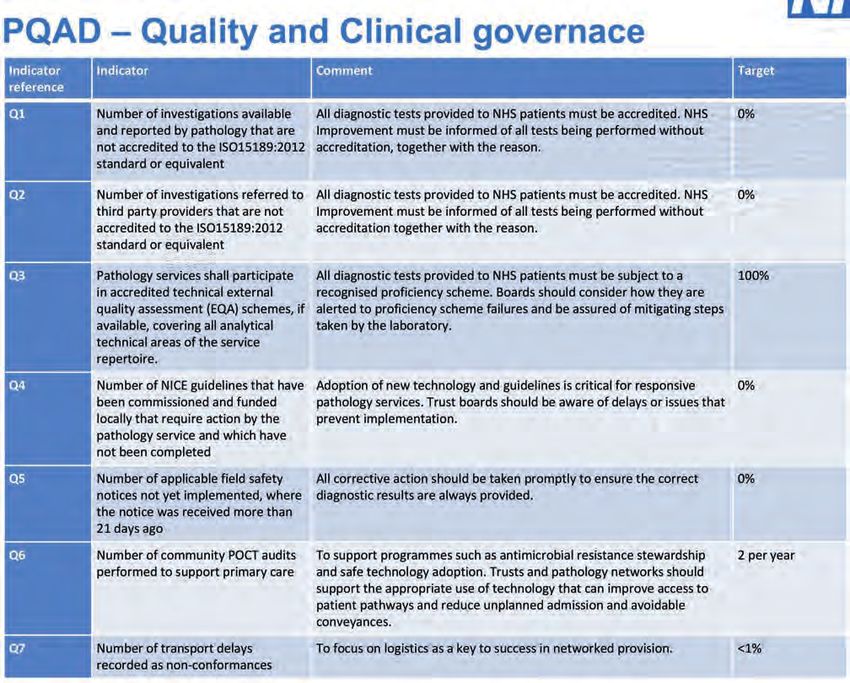
Association of Clinical                                Calendar of Forthcoming Meetings & Courses
      Pathologists
                                                                  DIARY DATES FOR 2020/21
                 Officers

               President                        Date              Title                Venue                 Contact Details
               Dr C Gray

           Past President                       Friday 6          Introduction to      TBC                   01273 775700
           Dr W Simpson                         November 2020     Leadership &                               info@pathologists.org.uk
                                                                  Management                                 www.pathologists.org.uk
       Chairman of Council
          Dr J L Burton                         Monday 9          Autopsy Update Day   Royal Society of      01273 775700
                                                November 2020                          Chemistry             info@pathologists.org.uk
              Secretary                                                                                      www.pathologists.org.uk
             Dr K Skordilis

              Treasurer                         Spring            Advanced             Chilworth Manor       01273 775700
            Prof P Twomey                       2021              Leadership &         Southampton           office@pathologists.org.uk
                                                                  Management Course                          www.pathologists.org.uk
                 Editor
               Dr E Watts

         Assistant Editors
            Dr M Clarke
           Dr G Watson
            Dr T Bracey                         The ACP accepts no liability for errors or omissions in this calendar of meetings.
           Dr S Elcombe                         Readers are reminded that advertised meetings may be cancelled. Those intending
                                                to attend are obliged to check the details on booking with the organiser in every
       Education Secretary
           Dr A Pugh                            instance. There will be a £25 administration fee per issue for entries in this table.

      Management Course
          Organiser
         Dr B Wilkins

 The Association of Clinical
          Pathologists
         189 Dyke Road
 Hove, East Sussex, BN3 1TL
       Tel: 01273 775700
      Fax: 01273 773303
email: info@pathologists.org.uk
http://www.pathologists.org.uk

            Administrator
            Mrs R Eustace

 Correspondence should be addressed to:
                The Editor,
   Association of Clinical Pathologists,
          189 Dyke Road, Hove,
          East Sussex, BN3 1TL
   Email: acpnews@pathologists.org.uk

                                                            ACP Journalism in Pathology Prize and
                                                               ACP Grants and Awards for 2020.
©acpnews 2020 all rights reserved.
No part of this publication may be
                                                Full details will be in the summer edition and on the website.
reproduced in any way whatsoever without
the permission of the Association of Clinical
Pathologists.
Charity registration number: 209455
ACP news
Spring 2020

Contents
P4     Invitation to contributors
P5     Editorial

ARTICLES
P7    ACP History – the old Boys and Girls – Eric Watts
P8    ACP NLSM Peterborough November 2019 Introduction – Eric Watts
P8    Challenges for delivering and developing pathology services in today’s NHS – Branko Perunovic
P11 Main themes of the day – Bridget Wilkins
P15 Am I a leader, manager or both? – Bridget Wilkins
P16 GIRFT How Pathology Services are Commissioned - what do commissioners need from us – Dr Marion Wood
P18 Leadership roles within the NHS Hospital Trusts: how is the voice of the pathologist heard – Dr Kanchan Rege
P21 Pathology Networks – David Wells
P25 Reflections on Clinical Leadership and Management in Pathology and Beyond – Dr Suzy Lishman
P27 101 years of viral epidemics – Eric Watts
P33 It’s the Arts – Carl Gray
P39 The patient’s role in improving quality in immunology services – Eric Watts and Suzanne Elcombe
P42 Haiku – Dr Almas Dawood
P43 The role of high-fidelity simulation in BLS training – Manisha Ahuja
P45 Specialist BMS reporting qualification in dermatopathology – Dr Katherine Syred
P48 Audit - Comparison of venous invasion in colorectal cancer audits – Jocelyn Aldridge, Izabela Geotgiades, Elizabeth Walsh,
      Seemeen Umar, Matthew Toy
P52 Case Report: Acardiac twinning and the TRAP sequence – Mike Kearney
P53 Some memories of Rob Lindsey – Mike Kearney
P54 A summer ascent of Imbodentind – Mike Kearney
P57 ACP Travel fund – Harry Haynes
P59 Thoracic Pathology NYC – Dr Alison Finall
P62 Where are they now: Student Grant awardees
P63 Humphrey Kay – Gerry Slavin and John Lilleyman

LEADERSHIP
P65 Read to Lead – Getting to yes – Bridget Wilkins

BOOK REVIEW
P69 Book review – That Good Night by Sunita Puri

ADDENDUM
P70 Newspaper Headlines March 2020

                                               ACP news - Spring 2020                                                    3
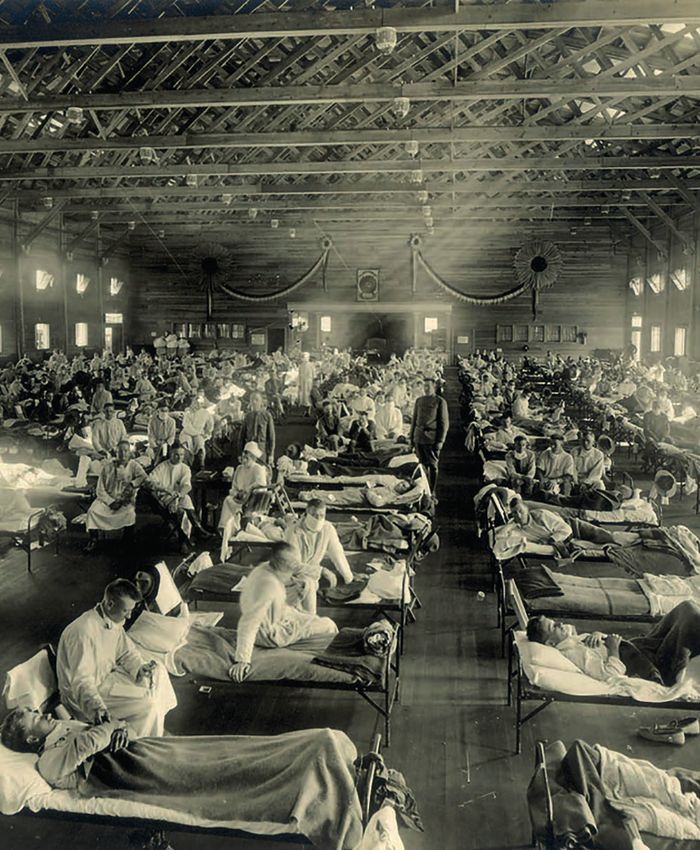
Cover Picture

                                    Emergency hospital during influenza epidemic, Camp Funston, Kansas. National
                                    Museum of Health and Medicine. Description: Beds with patients in an emergency
                                    hospital in Camp Funston, Kansas, in the midst of the influenza epidemic. Date:
                                    circa 1918 Photo ID: NCP 1603 Source Collection: OHA 250: New Contributed
                                    Photographs Collection, Otis Historical Archives, National Museum of Health and
                                    Medicine. Rights: No known restrictions upon publication, physical copy retained
                                    by the National Museum of Health and Medicine.

                                                Invitation to Contributors
In addition to the constant flow of material from ACP Council,      Trainees: Trainees are especially encouraged to submit
ACP committees and ACP branches, ACP news needs new                 material in any and all of the above categories. These will
material from you, the members of the ACP.                          normally be placed in the trainees’ section. Appointments
                                                                    committees in particular value publications in ACP news.
Pathology news items (1200-1500 words): Any items
related to the ACP or the College, pathologists in general, or      Editorial Policy: The editor would particularly encourage
medical and management matters that may have an impact on           overseas contributors, material from trainees, material from
pathologists.                                                       non-histopathologists, commentary on current affairs in
                                                                    pathology, occasional columnists, innovations in pathology,
Articles (1500-2000 words): These can be papers, reviews,           humorous writing on pathology-related topics, and anything
essays, commentaries, critiques or polemics. Submitted articles     downright cantankerous.
are always very welcome, as well as suggestions for articles and/
or details of people whom the editor may approach.                  Format: The ACP news style guide is now available on
                                                                    line via the ACP website in PDF format at: http://www.
Reports (1000 words): These may be personal views and               pathologists.org.uk/allpagestuff/publications_frameset2.htm.
reports on interesting meetings, travel or anything else of         The publication is a magazine, not an academic journal, and
interest to the readership. Travel reports are specifically for     long lists of references are generally considered unnecessary.
holders of ACP travel fellowships; however, other reports from      Where given, references should be in the Vancouver style and
abroad are welcomed.                                                should be kept to a maximum of around six per article, unless
                                                                    absolutely necessary. Alternatively, authors may prefer to give
Columns (600 words): Regular and irregular columnists               a recommended reading list, or a list of relevant internet links.
exercise their thoughts. Please feel free to rant.                  The editor prefers these as they take up less space.

Pathological creative writing: All literary forms, including        All suggestions are welcome; however, the editor’s decision
short stories, serials, surrealism and even poetry.                 is final.

Appreciations (1000-1500 words): We prefer appreciations            ACP news is published quarterly. Regular publication dates are:
on retirement, rather than obituaries. Please discuss these with
the editor before submission.                                       Issue               Publication month         Copy date
                                                                    SPRING              February                  5 December
Photo-journalism: Favoured subjects include pathologists            SUMMER              May                       5 March
doing something interesting, or College and ACP officers            AUTUMN              August                    5 June
doing anything at all. Interesting or artistic photographs are      WINTER              November                  5 September
welcomed.
                                                                    Copy is best submitted by email, in any version of Microsoft
Cartoons: Suggestions are welcomed.                                 Word, although it should be possible to accommodate other
                                                                    formats. Submissions on paper by snail mail will also be
Curettings: Jokes and humorous titbits are always needed.           accepted. Illustrations should be sent as JPEG digital images
                                                                    or hard copy prints. Please do not embed images in your text.
Debate: Letters to the editor are welcomed, but may be              Send them as separate files.
shortened for publication, or even converted into articles.
Please try to refrain from writing unless you are prepared to be    Please send email submissions direct to the editor at
published. All criticisms of organisations or named individuals     acpnews@pathologists.org.uk
will entitle the parties to a right of reply. Please bear in mind
the UK libel laws!

    In keeping with GDPR, please state if you wish your contact details to be published; they will appear in the
    print issue and will also be available as a PDF in the members’ area of the website.

4                                                   ACP news - Spring 2020
Editorial

Something old, something new, something borrowed,
something about flu; this is what the spring issue contains.
I had planned for the cover to have a beautiful picture of
cherry blossom but most of the news in the last few weeks
has been less cheerful.
   The coronavirus story began as an interesting
development affecting a few people in a far-off land, but
by mid-March it had become a national obsession. Whilst
a scholarly article would be ideal, the simple fact is that
our virologists and experts are far too busy dealing with
the urgent issues of the day to be able to contribute at
present.
   People in the UK have been given conflicting advice,
with the tide turning from containing the epidemic to
flattening the curve in the hope of developing herd
immunity. Not everyone agrees, and a WHO spokesperson
openly questioned whether we know enough about                  Your editor
Covid-19 to be able to predict if herd immunity will
occur, pointing out that each epidemic is different, and it     in Sheffield, then bundled off to the association office for
is simply too early to tell.                                    distribution. We now have a bigger magazine with high
   What I have found from various sources is that               quality glossy paper, content, as ever, depends on what
epidemics do tend to bring out divisions in opinion, not        contributors send to the editor, ever grateful for anything
only amongst doctors but clearly amongst politicians as         that touches on pathology or pathologists.
well. Within two weeks of stating that a miracle will save        Thanks as always to the many contributors; please
us, Donald Trump has announced a state of emergency.            consider writing something yourselves, unless of course
   Without wishing to present this issue as a significant       you wish to know more about my various holidays! I find
contribution to medical history, it is my best attempt to       disproportionately more comments on the curettings than
describe the situation as it rapidly unfolds as I have stated   the more serious articles. I include some contributions
at the time of writing the major piece of ‘101 years of         that have been sent in, some of them from mysterious
viral epidemics’ and the ‘addendum’ shortly afterwards.         and anonymous sources on the web, all part of the rich
   That piece is the something new; one piece that is           tapestry of modern life.
something old, and also something borrowed, is a piece            To return to the rapidly evolving maelstrom of news
from the Journal of Clinical Pathology celebrating the          about the advancing epidemic, it is hard to know what
life of a great haematologist, Humphrey Kay, written by         tone to set. Ancient wisdom is to hope for the best and
two of our more distinguished members. This is because          prepare for the worst, with the cynic’s edition ‘to expect
this April is the 60th birthday of the British Society of       nothing’.
Haematology, and Humphrey was a founder member; he                Always an optimist and hopefully a realistic one, I
is remembered not only for his academic brilliance but          leave you with the spring edition in the hope that there
for his creative abilities, celebrated in this issue with the   will be enough of us left to read and write the summer
haematologist’s Song.                                           issue.
   More old and borrowed material can be found in ‘ACP            Unless otherwise stated, all opinions in this issue are
history’; I have always enjoyed the collegial friendliness      my own and do not necessarily represent the views of
of ACP meetings and it is clear that the old boys and girls     other members of Council; a brief summary of the March
made an art form of it.                                         council meeting will be in the summer issue.
   Gathering the information for this item, I learned that        As always, comments and opinion are welcome.
the ACP news began as a typed A5 pamphlet edited by
George Pennington, a clinical scientist in Sheffield and        Eric Watts
then by John Lilleyman, printed by a small local company        Email: eric.watts4@btinternet.com

                                                 ACP news - Spring 2020                                                   5
Editorial

NEXT ISSUE
Travel, they say, broadens the mind and on this occasion we travelled a long way to a very different culture for
maximal mind broadening.

Here are two iconic images from the distant land, no prizes for guessing where and more photos to follow.

Can you guess where this is?
There will be plenty of information and travel tips in the summer issue.

                                                             www.pathologists.org.uk
                                                                     ISSN No. 0260-065X

6                                           ACP news - Spring 2020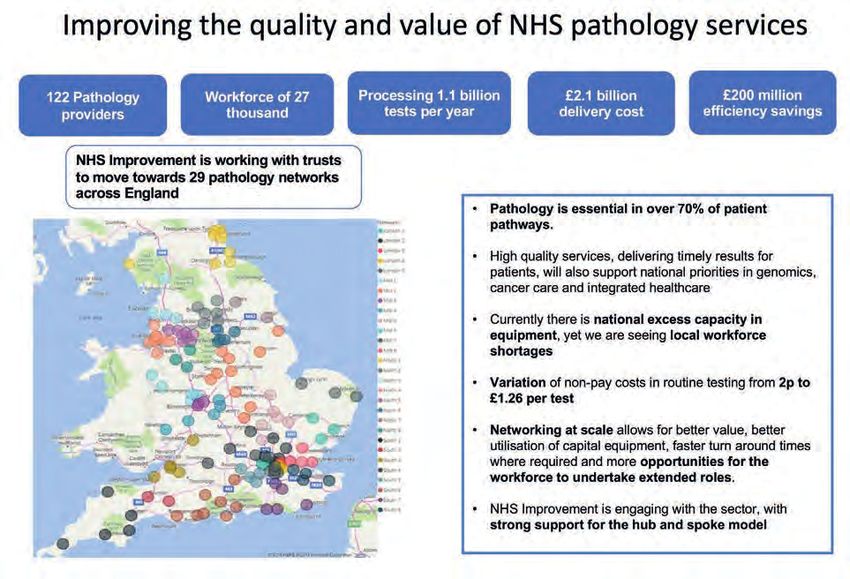
Articles

                       ACP History – the old Boys and Girls – Eric Watts

  The main picture shows, from left to right, Gerry Slavin, Peter Lachmann, Sylvia Lachmann, Diana Winfield,
David Winfield, Brenda Slaving, Pat Jarrett, John Jarrett, Joyce Graham, David Graham, Pat Lauder, Ian Lauder,
Rosalind Timperley, Jill Ames (with Jess the dog), Tony Ames, Jenny Palmer, Patricia Lilleyman and Kel Palmer.
                                     Photograph taken by Walter Timperley.

One of the fine institutions, or possibly more of a satellite   and moors. The old group came together from the four
activity, of the ACP has been the walking club set up by        corners of the United Kingdom and even from Florida,
Walter Timperley, neuropathologist at Sheffield, and John       USA and soon re-established the camaraderie that
(later Sir John) Lilleyman, also from Sheffield.                walking groups do so well.
   The Pathological Ramblers (PRs) appeared to be a                Perhaps strangely for doctors who wish to leave the
precursor unit, which had a fluctuating membership in           worries of work behind them, they had arranged a guide to
addition to John and Walter including at various times,         show them around the village of Eyam, otherwise known
Gerry Slavin, Peter Lachmann, David Winfield, Peter             as the Plague Village. Apparently, the disease reached
Wyld, Ian Lauder, Kel Palmer, David Graham and Rhona            rural Derbyshire in a roll of ‘suiting’ i.e. cloth from
Stewart.                                                        London. This parcel contained the fleas that caused the
   Benefiting from having the Peak District a few miles         plague. The tailor was dead within one week of receiving
from the city centre, they were spoiled for choice              it. The guide explained how, despite the considerable
of good walks and they shared their enjoyment of the            efforts of the Minister to isolate people, more than 300
open countryside, fresh air (whatever the weather),             succumbed. They learned few of the victims were buried
and companionship with other members, leading to                in the churchyard as it had been a case of bury your own
the formation of the Old Boys and Girls club, first             in any convenient spot.
described by George Pennington in the ACP news                     No doubt they felt fortunate that the plague was more
summer issue 1999.                                              than 300 years ago and were able to set off to enjoy the
   He described their first outing, possibly tacked onto        rest of the day when the heavens opened. Fortunately,
a council meeting in nearby Sheffield, which had taken          the area is well supplied with pubs and hotels and they
place in April, the month well known for its showers            were able to find shelter. The rest of the account of the
which can be particularly drenching on exposed peaks            weekend describes a good time being had by all. John

                                                 ACP news - Spring 2020                                                7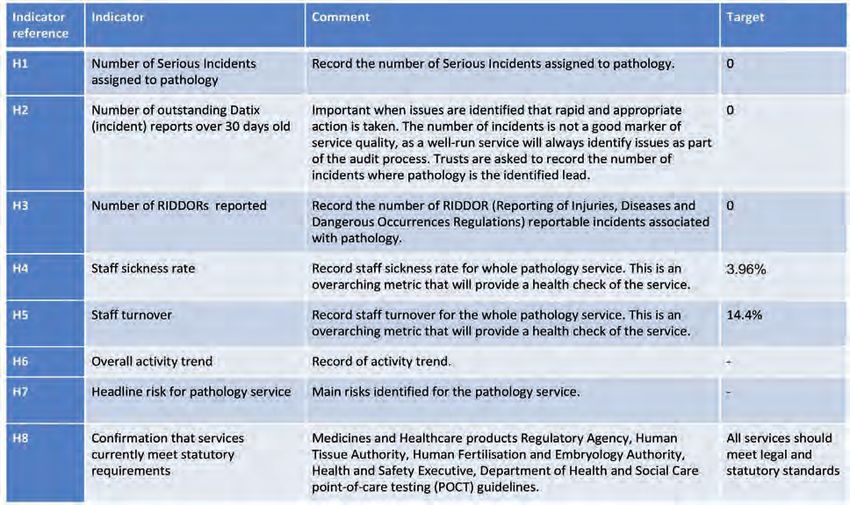
Articles

Lilleyman, then the ACP President, gave an after-dinner
talk on ‘The ACP, the College and all that Gas’; the report
states that John desperately tried to avoid speaking to the
chosen title of his talk.
   The entertainment continued with the ‘inevitable
rendition of Albert and the Lion’ by John Middleton.
It really does sound like a lot of good fun; I haven’t heard
Albert and the Lion for years. For those unfamiliar with
this well-worn poem, it comes from the great era of the
music hall of more than a century ago describing how
an adventurous young lad, Albert Ramsbottom, teases             The couple are Walter, who is normally behind the
a lion in a menagerie with predictable results and              camera, with Rosalind Timperley displaying one of
hilarious aftermath.                                                             her paintings.
   Old editions of ACP news chronicle more good times
up and down the country, with excellent walking terrain        by Keith Shinton. If any member wants more details, I
and variable weather, but always good accommodation            can email them the scans of the relevant pages. Walter
evening entertainment.                                         Timperley also took numerous photos ,which can be
   Many thanks to Rachel at head office for searching          shared through Dropbox or, if there is sufficient interest,
through the back copies for these items, which also            be put on the ACP website.
include the visit to Totnes and the Cotswolds, described

                  ACP NLSM Peterborough, November 2019 – Eric Watts
A lively meeting with plenty of enthusiasm, many               where possible, or from other sources when developing
fascinating facts, useful discussions and words of             a theme from discussions held around our table over
wisdom. Rather than present a blow-by-blow account of          tea or coffee etc. I tried to take the occasional discreet
what each speaker said in detail, I have opted to give my      photograph without making too much of a nuisance
impression with illustrations from actual presentations        of myself!

Challenges for delivering and developing pathology services in today’s NHS
- a personal story, Branko Perunovic,
Consultant Histopathologist; Clinical Director of
Laboratory Medicine, Sheffield Teaching Hospitals
NHS Foundation Trust

                                                               The title describes the challenges in the UK today, but
                                                               Branko’s brief historical introduction shows that he was
                                                               well prepared to deal with change and conflict. In 1989
                                                               he worked in a lab in Slovenia and lived through the fall
                                                               of communism, the war leading to criminals in control,
                                                               and hyperinflation in January 1994 of 313 billion percent.
                                                               Coming to the UK must have been a welcome relief from
                   Branko Perunovic                            these troubles.

8                                                ACP news - Spring 2020
Articles

                                                                    organisational form with risk and gain management
                                                                    agreements
                                                                •   Allocation of resources to develop and implement
                                                                    transformation programme

His next challenge was to transform the service in South
Yorkshire and adjoining Derbyshire, which he undertook
in three stages but first he illustrated his commitment to
the task stating:

           “There is no adverse situation in life
            from which you cannot recover.”
  He gave examples from the business world, such as the       This was done through a three-stage program
famous quote from Michael Dell, computer entrepreneur
on the future of Apple Inc after Steve Jobs left: “I would    Pathology 1.0
shut it down and give the money back to the shareholders”,     • Transactional
perhaps not the best approach. On his return Steve Jobs’       • Not responsive, passive
response was, “If you want to make Apple great again,          • Fragmented
let’s get going. If not, get the hell out”. Apple’s funeral    • Unwarranted clinical, operational and financial
was officially cancelled … the rest is history.                    variation
  He gave many examples of good leadership
characteristics, e.g. courage and selflessness, and           Pathology 2.0
responsibility to the team.                                    • Consolidation
Branko’s key message was:                                      • Economy of scale
                                                               • Address unwarranted variation
                    “In my opinion…..                          • Still transactional, discipline and cost-centre
        Two main ingredients are trust and loyalty,                confined
      Everything else you can learn how to do or buy
                These you have to earn..”                     Pathology 3.0
                                                               • Provider of choice
  The new network is officially North Mid 1 with a             • Employer of choice
starting budget of £49m and projected savings of £6m.          • Investment of choice
He introduced this as his hobbyhorse                           • Delivers solutions
  Key features of the Transformation Plan were:                • Good service and good medicine

  •    A     common      procurement    strategy    and       He concluded with key guiding principle; here’s a
       implementation of a single managed service             selection:
       contract (MSC)
  •    A common digital strategy, including a unified         Quality
       Laboratory Information Management System and            • Have patients at heart of all services, with equity of
       Digital Pathology Platform                                   access for all patients
  •    Estates strategy                                        • Be the provider of choice to the NHS and non-NHS
  •    End-to-end logistics                                         users within and beyond SYB ICS by developing
  •    Creation of most appropriate organisational form             and safeguarding a unified, comprehensive,
       for SYB Pathology                                            clinically-led, user-centred, top-quality service,
  •    Agreement of a financial model for the                       responsive to the needs of users and patients and

                                                ACP news - Spring 2020                                               9
Articles

                                                               •   Empower patients to self-manage long term
                                                                   conditions in partnership

                                                             Science and technology
                                                               • To remain future-proof and remain open for new
                                                                   scientific and technological developments which
                                                                   can add value to clinical operations and improve
                                                                   job satisfaction
                                                               • Organisation wide laboratory IT system
                                                               • Use IT, business intelligence and data analytics to
      highest standards of professionalism                         enhance clinical pathways
  •   Provide seven-day services relevant to user and          • Ensure that all patient results, including POCT, are
      patient requirements                                         available to all clinicians across primary and sec-
  •   Safeguard all compliance and accreditation                   ondary care within SYB ICS and beyond
      standards                                                • Proactively develop and introduce innovative IT
  •   Develop a culture of continuous improvement of               and data analytical solutions across all specialisms
      quality and performance at all levels of service             to enable more effective patient management and
                                                                   support new models of care
Workforce
 • Be the employer of choice providing exciting              Research
     opportunities for all staff                              • Develop research opportunities with constituent
 • Positively and proactively involve all members                 organisations of SYB ICS, universities and AHSN
     of our service in the transformation process and         • Develop innovative methodologies where appro-
     empower and support individuals and teams                    priate
     committed to the goals to make the change happen         • Support staff to become active participants in
 • Develop all tiers of our workforce to be                       R&D
     professionally competent, productive, cost-              • Bid and collaborate in the local, regional and na-
     effective, flexible and compatible with future               tional research initiatives, programmes, projects
     developments and needs of the service. Ensure                and trials where appropriate
     ‘right job right grade’ at all levels                    • Remain represented in relevant professional bod-
 • Remain active in undergraduate and postgraduate                ies and organisations to increase our profile and
     education                                                    positive influence and facilitate collection and
                                                                  transfer of information, ideas and skills
Innovation
  • To remain receptive and enhance our adaptability         Value for money
     to the changes in the healthcare system and society,     • Make best use of taxpayers money
     and the ability to accelerate implementation of          • Deliver NHSI-assigned savings target and proac-
     relevant national strategic initiatives and provide           tively support financial effectiveness of SYB ICS.
     proactive and dedicated support for transformation       • Deliver procurement efficiencies from economies
     of the healthcare sector within SYB ICS                       of scale and single MES contract
  • Safeguard the agile service model that proactively        • Develop service to safeguard the existing, and
     leverages cutting-edge clinical and scientific                establish new, commercial ventures within the
     approach, technology and methodology to                       healthcare, R&D and in-vitro diagnostic markets
     optimise and integrate laboratory diagnostics into            in SYB, nationwide and internationally
     new care models and develop innovative patient
     pathways to add value to clinical operations across     These were only some of the highlights! At the time of his
     the organisational boundaries and boundaries            talk our future membership of the EU was still undecided,
     of care                                                 and he threw in a final joke:
  • Develop pre-analytical, scientific and clinical                                   Eosin’s red
     processes with emphasis on quality, innovation,                             Haematoxilin’s blue
     productivity, flexibility, and compatibility with the                       That’s all we’ll have
     future developments                                                         When we leave EU

10                                             ACP news - Spring 2020
Articles
This was another excellent presentation, and more
information on the project can be accessed through this
link:
www.healthandcaretogethersyb.co.uk/what-we-do/
working-together-network/local-pathology-services
70 years plus – the NHS and the NHS Constitution
A great start to the day and what a challenge – to cover
all that this involves, seven decades of history and the
constitution, too. Fortunately, there are many learning
aids to help with respect to the history, in addition to the Structure-of-the-new-nhs-animation
many tomes that have been written; modern technology
allows condensed histories in the form of animations and second two are pledges. There was interesting discussion
the King’s fund has helpfully provided many of these about the entitlement to suitable food in the case of a
such as: vegan prescribed a low fibre diet.
Among the responsibilities of patients was
• How does the NHS work? responsibility for taking their medicines as prescribed,
• An alternative guide to the new NHS in England including finishing the whole course.
• How is the NHS structured? There’s plenty more to read in the Constitution
document itself, available on the internet; the net also has
plenty about the fact that the Constitution gives you rights
to timely treatment, and the fact that waiting time targets
are routinely missed so there are now waiting lists even
to get an appointment.
Pledges to staff are mostly described in contracts,
including work to support staff to enable them to maintain
a healthy lifestyle. Then, for the long-term plan, the effect
on pathology includes early cancer diagnosis, and the
plan aspires to world-class care.
Are we getting world-class care now? There was some
discussion on this. Whilst we are all aware that the NHS
Bridget Wilkins explains the NHS could do better, it is well worth making international
comparisons. The World Health Organization did this in
They are packed with useful information and make a 2000 but the report is no longer available. I think Monaco
welcome change to plodding through the paper versions. came top, with France second, and the Americans were
The constitution itself is a remarkably easy read; very upset that they came 37th, well after most of Europe
revised in 2015, it contains 15 pages of large well-spaced and Japan. From memory, UK was middling amongst the
type and unlike many constitutions is very simple and European countries.
straightforward. It states public, patient and staff rights Directly after the report there was a huge debate about
and responsibilities, and includes some pledges. the methodology used, and WHO has been more cautious
This gave the opportunity for the first fun quiz of the in its comments since then, pointing out that the health of
day – whether certain items are rights or pledges. Try the nation depends upon a multitude of factors, including
these for yourself. prosperity. They now state a well-functioning healthcare
system requires a steady financing mechanism, a properly
A Right or a Pledge? trained and adequately paid workforce, well-maintained
• Access to treatment approved by NICE facilities, and access to reliable information to base
• Access to treatment in the EU decisions on, and have not published another league table.
• Entitled to suitable food Perhaps the best known international comparison is a
• Access to screening regular update by the Commonwealth Fund, a private US
• Access to correspondence about you foundation whose stated purpose is to “promote a high
performing healthcare system that achieves better access,
Perhaps surprisingly the first three are rights and the improved quality, and greater efficiency, particularly for
ACP news - Spring 2020 11Articles
society’s most vulnerable and the elderly”. They regularly of different metrics, all subject to selection bias; the UK
publish league tables and other infographics, the best consistently scores well but not well enough, especially
known being the overall ranking, decided through analysis in the category “Long, Healthy, Productive Lives”.
Exhibit ES-1. Overall Ranking
Country Rankings
Top 2*
Middle
Bottom 2*
AUS CAN FRA GER NETH NZ NOR SWE SWIZ UK US
OVERALL RANKING (2013) 4 10 9 5 5 7 7 3 2 1 11
Quality Care 2 9 8 7 5 4 11 10 3 1 5
Effective Care 4 7 9 6 5 2 11 10 8 1 3
Safe Care 3 10 2 6 7 9 11 5 4 1 7
Coordinated Care 4 8 9 10 5 2 7 11 3 1 6
Patient-Centered
5 8 10 7 3 6 11 9 2 1 4
Care
Access 8 9 11 2 4 7 6 4 2 1 9
Cost-Related
9 5 10 4 8 6 3 1 7 1 11
Problem
Timeliness of Care 6 11 10 4 2 7 8 9 1 3 5
Efficiency 4 10 8 9 7 3 4 2 6 1 11
Equity 5 9 7 4 8 10 6 1 2 2 11
Long, Healthy, Productive
4 8 1 7 5 9 6 2 3 10 11
Lives
Health Expenditures/Capita,
$3,800 $4,522 $4,118 $4,495 $5,099 $3,182 $5,669 $3,925 $5,643 $3,405 $8,508
2011**
Note: * Includes ties. ** Expenditures shown in $US PPP (purchasing power parity). Australian $ data from 2010.
Source: Calculated by the Commonwealth Fund based on 2011 International Health Policy Survey of Sicker Adults; 2012
International Health Policy Survey of Primary Care Physicians; 2013 International Health Policy Survey; Commonwealth Fund
National Scorecard 2011; World Health Organization; and Organization for Economic Cooperation and Development, OECD
Health Data, 2013 (Paris: OECD, November 2013).
Having dealt with the broader issues of the NHS for doing the right thing.
the moment, we moved on to leadership in general and Why is leadership so important to pathology now?
specifically as applied to pathology. – good leadership is essential to support one of the
unquestionable constants in life – change. And change is
Key and fundamental qualities of leaders – first there accelerating rapidly now; whilst the NHS is hierarchical
was the collage of photos of leaders, including the easily with well-defined power structures, it has not always been
recognisable, the popular and unpopular, and some less good at supporting change.
well-known deserving of mention if they personified In pathology we are particularly vulnerable as we are
particular qualities, such as selflessness and giving credit too easily seen as being a support service, and as such,
to others. vulnerable to efficiency savings. To avoid damaging
Question: what do they all have in common? – most change being imposed from the top by people who don’t
essential for being a good leader is to be a Decent Human understand pathology, it is essential to be able to respond
Being; perhaps we would not see all the characters in the quickly to the challenges that are continuously coming
picture in that light, but each of them would certainly at us.
think that they were, and that they were doing good and Change can be very stressful and occupational
12 ACP news - Spring 2020Articles
psychologists in Britain talk expansively about this, • A = Ambiguity: the haziness of reality, the poten-
typically following the seminal work of Kubler Ross, tial for misreads, and the mixed meanings of con-
illustrated simply as: ditions; cause-and-effect confusion, sometimes
But you only need to Google ‘Kubler Ross change referred to as ‘brain fog’!
curve’ to get many more complex versions, along with
helpful annotations about what strategy to apply should These elements present the context in which
you wish to follow their advice. organisations view their current and future state. They
present boundaries for planning and policy management.
The Kübler-Ross Change Curve They come together in ways that either confound
decisions or sharpen the capacity to look ahead, plan
Shock & Denial ahead, and move ahead. VUCA sets the stage for
managing and leading.
Energy
Anger Acceptance The particular meaning and relevance of VUCA often
Bargaining relates to how people view the conditions under which
they make decisions, plan forward, manage risks, foster
change, and solve problems. In general, the premises of
VUCA tend to shape an organisation’s capacity to:
Depression
Integration of Change
For example, reading from left to right along the curve, 1. Anticipate the issues that shape
create alignment, maximise communication, spark 2. Understand the consequences of issues and actions
motivation, develop capacity, share knowledge. So much 3. Appreciate the interdependence of variables
for management theory for practical pathologists … there 4. Prepare for alternative realities and challenges
are specific challenges to consider, e.g. how would you 5. Interpret and address relevant opportunities
change your department? Or how engaged are the people
in your hospital or department? For most contemporary organisations – business, the
At the NHS Futures website and Collaboration military, education, government and others – VUCA is a
Platform, you can view examples to help to develop practical code for awareness and readiness. Beyond the
effective network for change and influencing skills. simple acronym is a body of knowledge that deals with
learning models for VUCA preparedness, anticipation,
VUCA: Volatility, Uncertainty, Complexity, evolution and intervention.
Ambiguity – the new managerial acronym Then suitably prepared, we discussed the topic we all
The U.S. Army War College introduced the concept understood – hierarchies. We recognise them and many
of VUCA to describe the more volatile, uncertain, of us are comfortable in them, but we then learned of
complex, and ambiguous multilateral world perceived as their problems and limitations. Hierarchies are not the
resulting from the end of the Cold War and pertaining best way to get the best out of human effort and are
to healthcare now. The deeper meaning of each element usually too rigid. Where they exist people generally find
serves to enhance the strategic significance of VUCA a way of working around them, i.e. forming an informal
foresight and insight, as well as the behaviour of groups network.
and individuals in organisations. It discusses systemic A good department needs to be fluid, flexible and
failures and behavioural failures, which are characteristic adaptable to get to the right person at the right time. Hub
of organisational failure. and spokes arrangements don’t function as networks,
despite the name NHS Improvement has chosen for these
• V = Volatility: the nature and dynamics of change, new arrangements.
and the nature and speed of change forces and We had another good interactive session with most
change catalysts. people contributing and offering suggestions of the
• U = Uncertainty: the lack of predictability, the qualities required of a good leader. One of my neighbours
prospects for surprise, and the sense of awareness at the table was most concerned that they had too much
and understanding of issues and events. work to do and shouted out a good leader should be
• C = Complexity: the multiplex of forces, the con- able to delegate. However, the word on the flipchart
founding of issues, no cause-and-effect chain, and was the need to be dedicated, i.e. required a little more
confusion that surrounds organisations. commitment than the status quo, rather than a lightening
ACP news - Spring 2020 13Articles of the load. The field of management theory is rich with fascinating terms and concepts, and we had a flavour of some of them. For example, the classification of problems. Bridget introduced us to the work of Keith Grint who has a page on the Leadership Centre website about critical, tame, and wicked problems, matching them with elegant and messy solutions. It states: Grint, drawing on the ideas of Cultural Theory, suggests that solutions to problems can only be designed through understanding the values, identities and beliefs of the people involved. This is difficult because different people hold different beliefs depending on which ‘cultural group’ they belong to. Different groups have A slightly different twist on this theme comes from the different views and values that need to be considered and different cultural groups approach to global warming, included in solutions. This means that solutions should where the groups values determine their approach, be combine every voice, meaning solutions are going to they individualists, egalitarian, hierarchical, or fatalists. be ‘messy’. There was much food for thought, and hard on the The most effective management is achieved by tailoring heels of the expansive theories came a series of focused the appropriate strategy, i.e. a manager can be coercive or examples presented by Branko, who reminded us of rational for simpler problems but with more complex ones his experience in the former Yugoslavia, quipping that a deeper understanding of the emotions that compound the smell of gunpowder is a good way to make people the complexity is required as illustrated:– pay attention. 14 ACP news - Spring 2020
Articles

                      Am I a leader, manager or both? – Bridget Wilkins

A lively session with lots of group work; in reality we
are all a mixture of different types and have to perform
a variety of different roles. Understanding the different
personality types may help, but this is a controversial
area to discussed further in a future item on Psychometric
Testing – contributions welcome.
  To be a good pathologist one certainly needs to be
analytical; to be a good communicator one needs to
express oneself well, so we need to have a range of
abilities to develop as a leader or manager. Do you need
to be one or the other? Can you be neither leader nor
manager, but make a difference? Yes, you can be a good
follower and provide ideas – be creative, be intelligent,
but still as a follower you can be a leader-in-waiting and
a change-agent and have fun, whilst being spared the
onerous weight of responsibility.

              Encouraging change agents

  Although it was not discussed in detail on this occasion,
there is also the need to consider conflict, particularly
when a member of the partners does not wish to be a
follower, i.e. disagrees with the leader or their policies.    in each position, and the second is a more subjective
This was mentioned in a session of an earlier meeting;         summary of what we want to experience from others we
the leader needs to listen to and acknowledge their critics.   work with in various roles – the insiders’ view(s).
The most effective criticism is constructive and includes        This was a very productive session, with many different
suggestions for improvement.                                   ideas presented for discussion and a good level of
  This session concentrated on identifying desirable           agreement when it came to the final task of recording our
qualities in the different roles of leader, manager, and       ideas on the charts.
worker. Having made our points in the discussions around
our tables, we then recorded them on the flip charts.
  The first flipchart shows the general characteristics        Picture credit Helen Bevan NHS Horizons School of
we associate (objectively/from the outside) with ‘good’        Change Agents

                                                ACP news - Spring 2020                                              15
Articles
GIRFT: How pathology services are commissioned – what do
commissioners need from us?
(Including an update on progress with the GIRFT Pathology programme)
– Dr Marion Wood
Dr Marion Wood, GIRFT Pathology co-lead; She encouraged pathologists to be bolder, stating
retired Consultant Haematologist, East our training is extensive and unique; we should not
Suffolk and North Essex NHS Foundation Trust; undervalue it.
recent past-Chair of ACP
Specifically
• Do give advice on the value of individual tests
• Guidance for further investigations – the possible
GIRFT - value of more specialised tests
• Getting it right first time: • Insist on right quality but at the right time
Improve quality of care within NHS, by reducing unwarranted variation • The role of internal/external QC and QA
National programme, (NHS Improvement) supported by Royal colleges
Identify variation; understand the reasons; share best practice
• Advise a full evaluation of new techniques, discuss
the data
• 2013 - Orthopaedics (Prof Tim Briggs)
Now extended to >40 clinical specialties
Pilots in Out-patients / General practice / Mental health
The GIRFT story began with an orthopaedic surgeon, Tim
Briggs, who shone a spotlight on variation, identifying
•
Marion introduced commissioning by explaining that DEFINITION OF A PATHOLOGY SERVICE
the word comes from the Latin meaning, ‘entrust’, and
described the commissioning process in a different Increasing willingness to see Pathology as an end to end service. The service does not start and end at the
situation. She had been involved in arranging for an doors of the lab
artwork in Colchester Hospital as a gesture of thanks to Brain to Brain, encompassing
organ donors; something to say thank you and celebrate • The choice of the correct test
the benefits of the generosity of donors and their families.
• Timeliness of collection and transport
• End to end IT
A challenging concept for an artist, they started off with • Effective analysis (QA and TAT)
a general approach to what the picture should look like,
• Interpretation and advice
• Delivery of the result
then refined it over many stages or iterations, with the
details becoming more specific at each stage. 6
Commissioning in health business does not start with
a blank sheet of paper and is usually based on historical outliers and, through encouraging them to review why
activity in cost, then adding 1 or 2% per year, usually they are so different from the mean, bringing changes to
adding to the activity and reducing funding. improve the standards and efficiency of care.
Pathology is not visible in most activities, as it is tied up
in patient management pathways and operations so that
outsiders have no idea what goes on in your department Our intention
unless you put on an open day to reveal how much activity
takes place away from the limelight. • Measure the current variability of pathology
• by geography, service, specialty, demographic
She asked what commissioners need to know:
• By clinical team (?)
• Which tests? • Raise the profile & improve the value of pathology
• How many?
• For patients & families
• For communities & society
• Delivered how?
• Create a vision for the future of pathology
• What cost ? • as a template on which to plan & execute tests of change
• How many in-house, how many sent away?
• How is quality assessed?
16 ACP news - Spring 2020Articles
The Pathology GIRFT project is largely based on primary care, e.g. for Hb levels when corrected for the list
responses to a questionnaire that was sent to all labs. The size as shown in the slide. Possible reasons include:
breadth of pathology disciplines led the team to focus on
the three main phases of the testing pathway, according • Variation in individual GP behaviour
to the ‘Clean’ process: ‘Clean in’ (request to receipt) / • Varying advice from specialists or local project
‘Clean through’ (lab processing) / ‘Clean out’ (result • Varying support for GPs for more complex cases
delivery and receipt). and shared care arrangements, such as Disease
Modifying Anti Rheumatic Drugs (DMARDs)
GIRFT Methodology
Primary Care requesting patterns 13
1. Collect relevant data
• National, eg: HES, professional bodies, national audits
• Questionnaire: issued to all Trusts – crucial for Pathology
2. Report (data pack) issued to every trust prior to
Visit (deep dive) with Path clinical staff & senior Trust managers
- also feedback to emerging networks & primary care rep
Highlight best practice, unwarranted variation, challenges
3. Agree an action & implementation plan,
to be supported by regional GIRFT teams
Variation is significantly more than can be accounted for purely by denominator (list size) issue
4. National Report published - involving Royal college & other bodies • Variation in GP behaviour?
- highlight best practices, concerns, challenges; • Variation in local advice (e.g.: Hb in chronic disease test profiles or not?)
- make recommendations • Variation in primary care support for more complex care
(e.g.: shared care of DMARDs; other follow up)?
The laboratory can have a significant role in helping match testing to clinical question.
How proactive is this?
The data have been pulled together to produce
individual hospital reports, set against the background of
all English hospitals. These reports are sent out ahead of
a ‘Deep Dive’ visit where the results, including reasons Another area looked at is the turnaround time for tests
for any variation, can be discussed. The team are keen that may be sent away to a tertiary centre, for example
to identify ‘exemplars’ of good practice, to share with ANCA, the result of which may have critical implications
others, as well as picking up on issues that may require for patient care. There is huge variation, from nought to
further work locally. 45 days, with a median of nine days; even this seems
The results so far suggest widely varying practice long for such a time-critical result. Every result above the
across the domains. For example, in A&E the number median should be looked at to see if it can be improved
of patients having their bilirubin measured varies from (a more intelligent approach than saying everyone should
nought to 70% of attenders; similar variation is seen other be above average!)
Emergency Department tests, including TSH and CRP. An electronic ordering system (NPEx) cannot only help
to expedite turnaround time but also increase safety by
reducing the risk of errors in transcription, amongst other
things. Some centres already use NPEx, others are at the
point of installing it, but many are still using traditional
systems with paper forms, and even batching up send-
VARIATION
IN aways, regardless of the nature of the request!
REQUESTS As of this March, the GIRFT Pathology team are
~ ED just over a quarter of the way through the visits, with
another 25% or so planned in the next three months.
Each laboratory and network gets local feedback, usually
within a month of the deep dive visit. They hope to have
got to the 80%+ point by the end of the year and, based on
common issues found during the deep dive visits, should
be pulling together the national report by then. The report
There are many possible causes of over or unnecessary will have to go through an approvals process (College,
investigating; one possible contributing factor could be GIRFT team, and perhaps other interested parties such
the use of protocols, and this could be an area to explore as ACB, BBTS) before it is published; the aim is for
in the next round. There is also considerable variation in Easter 2021.
ACP news - Spring 2020 17Articles
Leadership roles within the NHS Hospital Trusts:
how is the voice of the pathologist heard? – Dr Kanchan Rege
Dr Kanchan Rege Medical Director
North West Anglia NHS FT She also took a very practical approach to the
sometimes-nebulous concept of organisational goals:
An excellent and enjoyable talk with a clear message to
encourage people, even those who may doubt if they are • Our goal is to offer our customers great quality
made of the right stuff, to have a go. She described how food at fair prices and, as a leading food retail-
she worked her way up the ladder, including the courses er, we are committed to being “Best for food and
and influences that helped her. health” …
Kanchan took on a leadership role very early on, being • To organise the world’s information and make it
the head girl at her prep school and later, becoming universally accessible and useful
interested in people, she did BA in social anthropology. • … we aim to be where the growth is, enabling
At the Marsden she learned from a course in Managing businesses to thrive and economies to prosper, and,
Health Services from the Open University, then at her ultimately, helping people to fulfil their hopes and
hospital she led the clinical business unit before becoming realise their ambitions.
the medical director and deputy CEO. She described her • To deliver world-class clinical care to the children
many roles, as: we treat. To undertake innovative research that will
lead to new and improved treatments everywhere
• Doctor, Caldicott Guardian, Exec Lead • Working together to be the best at providing out-
• Responsible Officer, Medical Educa- standing care for local communities
tion (e.g. mental health spokesperson)
• Board member, Chair of Quality Committee This slide was not just a series of quotes for information;
• Service Improvement/GIRFT, Job planning it was a thought exercise for us to work out which
• Medical conduct, Research and Development organisations had made those statements. From memory,
• Serious Incident Panel, Strategy one may have been Google or maybe Microsoft, and I
• Clinical Excellence Awards, Accountable think one was a well-known bank.
Emergency Officer If readers would like to send their suggestions, I can
pass them on to Kanchan and whoever scores best could
There are good and bad aspects of work – good receive a mention in the summer issue of the news!
colleagues and the buzz of working with interesting A statement of values again can often be nebulous,
people. Some aspects of the work might be interesting but and Trust Boards can spend a lot of time on the various
also demanding, including appearance at the High Court nuances and implications. It is important to make sure
defending her Trust. Terrifying, but she did feel proud they are appropriate; they do need to convey what is
to have faced up to the challenge and speaking up for important to the particular organisation, and they will be
her hospital. different values in a yoga class from the army
The bad aspects include the loneliness of being the Her explanation of Trust values was another good
only doctor on the board. To ensure she punches her full example of a clear and practical statement:
managerial weight she is strict with appraisals, making As a member of the Trust Board she can be called
sure they are up to standard, sending back unsatisfactory on to give an opinion on all matters, including the Key
ones as she has to hold people to account. Performance Indicators (KPIs) which will be presented
Her slides show that she has really taken learning about at board meetings along with finance statements, which
management seriously, with some very insightful quotes:– can be very long and complex, or may be presented in a
puzzling manner such as the balanced scorecard from a
“Management is a set of principles relating to fictitious family business.
the functions of planning, organising, directing and Her comments on this were very reassuring; you do not
controlling, and the application of these principles in need to be a financial expert, but you do need to be able to
harnessing physical, financial, human, and informational talk to colleagues in the finance directorate. Having good
resources efficiently and effectively to achieve working relations with all the other members of the team
organisational goals.” oils the wheels of the hospital machinery.
18 ACP news - Spring 2020Articles
Who should be the lead?
• Not the shop steward
• Not by “turn”
• Not (necessarily) the most senior person in the
department
• Not (necessarily) the most technically proficient
• Not necessarily someone who is financially trained
• Not someone who avoids conflict
• Not someone who uses the term “dark side”
As medical director you don’t need to know all [Editor’s comment]: I would not like to think that any-
the detail of every line but if you see deterioration in one who has been a shop steward should be prevented
performance, e.g. from green to red, then you know that from leading a department as there have been some
this is something that needs to be looked into. fine examples of leadership within unions, including
The discussion that I found most interesting and our own BMA. But I do take the point that to be a shop
provocative was who should be the lead? Beware leaders steward whilst also being a manager would be a diffi-
of one particular faction, e.g. unions or managers, as they cult balancing act.
will have an agenda dominated by their interest rather
than the altogether philosophy – you should not appoint We also had a good discussion about conflict, which is
someone as a leader who avoids conflict. There will be inevitable, and to avoid it means that other people will
difficulties and different ways to handle them; people have to make the difficult decisions. On the other hand,
naturally seek fairness in their life but may be prepared however, someone too keen to be confrontational will
to go through difficult times when they feel that their cause all manner of unnecessary problems.
problems are shared.
Monthly
Business Evaluation
Priority KPI KPI Measure Comment
Area
1 2 3
1 Working Capital Yes, Peckham remains very near London
2 Debtor Days All cash in hand, no income, no VAT
Financial
3 Creditor Days Usually Thursday and Friday but Del avoids the
pub on those days
4 Distribution Coverage Dominant in Peckham, South London
(%)
Customer
5 Quality Demerit Index Dry-clean only raincoats and dodgy watches
have affected performance - amongst others
6 Sales Forecast Targets 100% success in supplying what
Process accuracy (%) nobody needs or wants
7 Warehouse Storage
Cost (per piece) House
8 Transport Cost Company policy to use 3 wheel Reliant Regal
Logistics (per km) van for tyre economy
9 Stock Security Constant screen monitoring by Grandad or
Uncle Albert
10 Training Days Rodney aka Dave already has 2 GCSE’s but
Learning studies Computers at night school
ACP news - Spring 2020 19Articles
Do you need a leadership course? read the mood in the room to avoid making enemies the
• Managing yourself (MBTI) moment you speak!
• Communication Being solution focused, common in areas outside
• Emotional intelligence medicine, is to think about what a good solution looks
• Integrity like. In general people prefer being given solutions rather
• Resilience than problems.
• Solution focused
Some suggestions on how to get involved
Kanchan reported that she had participated in seven • Departmental meetings – chair, agenda, actions
and found them helpful in developing self-awareness in
• Quality committees (e.g. Transfusion Committee,
order to better interact with other people.
Cancer Board, infection control)
The MBTI is an introspective self-report questionnaire
• Public Trust Board
indicating differing psychological preferences in how
people perceive the world and make decisions. The
original versions of the MBTI were constructed by two How best to get involved? There will be committees
Americans, Katharine Cook Briggs and her daughter needing professional representation, and for haematologist
Isabel Briggs Myers. The MBTI is based on the conceptual the blood transfusion committee or thrombosis committee
theory proposed by Swiss psychiatrist, Carl Jung. would generally be fairly low-level places to start and
She found she responds best to people who speak develop leadership skills; alternatively, choose whether
quickly, becoming impatient with slow speakers to the committee work is something that suits you.
point of wanting to finish their sentences. These courses She summarised the different but overlapping worlds
can help to develop emotional intelligence, i.e. be able to of leadership and management with a neat diagram:
Leadershp & Management
In a brilliant final flourish, she announced that like a psychotherapist a good leader should not take credit for the work
they have done, i.e. the benefits come through the efforts of other people who they have helped.
Much food for thought.
20 ACP news - Spring 2020Articles
Pathology Networks – an update on reconfiguration progress
David Wells, Head of Pathology Services Consolidation, NHS Improvement
David is well connected, this is how he was described by the IBMS last year.
“As Head of Pathology Services Consolidation at NHS England and NHS Improvement,
David Wells continues to drive the type of unprecedented change in UK pathology that
has attracted global attention, especially due to his excellent work with networking and
consolidation. He strives to embed pathology into the heart of healthcare by supporting
the adoption of digital systems, while also influencing key national health policies and
government-funded initiatives. His trailblazing approach to the modernisation of the field is
ensuring the sustainability of pathology expertise for the future – but he still manages to find
time to inspire future laboratory medicine professionals.
In addition to being an IBMS Fellow, David is an IBMS council member for the London Region and is deputy chair
of the IBMS Special Advisory Group for Clinical Chemistry and of the Membership and Marketing Committee. David
has also represented the IBMS on NICE diagnostic advisory panels, and various national forums, including as an
observer on the Royal College of Pathologist Council and in the Parliamentary and Science committee.”
Although David is clearly an important person, he came the cost per test has been reduced, giving resources to
across as modest, and advised that he has a small team to introduce new tests. Economies of scale bring savings by
carry out a lot of work with the networking project. As he buying better, and almost all Trusts are making progress
followed the discussion of leadership, with many people as commitment by NHS managers is enshrined in the
advocating high-profile leadership, he stated that not all long-term plan of five-ten years.
leaders are visible and that their work is more to do with Data are available NHS wide; some can be found on
pulling the levers that change direction. It is tough for the website model hospital, including costs per test, bank,
them to be asked to work with the second set of levers, and agency levels. Because of problems with collecting
e.g. digital, and they continue to refine processes mostly data hospitals are asked to send their own data. There are
in high-volume, low specialism areas. annual and quarterly reports, and they now have a huge
There have been successes; where we have networks, amount of data as shown:
ACP news - Spring 2020 21You can also read


