ACTION NEEDED: E-CIGARETTES - Truth Initiative
←
→
Page content transcription
If your browser does not render page correctly, please read the page content below

ACTION NEEDED:
                        E-CIGARETTES
      Following years of successful tobacco control efforts
      that achieved record low youth smoking, e-cigarettes
      have driven total youth tobacco use to rates
      unseen in decades. Current, or past 30-day, use of
      e-cigarettes among high school students increased
      from 11.7% to 27.5% between 2017 and 2019, driving
      overall tobacco use among high school students to
      31.2%.1-3 The most recent data from 2020 show that
      high school students continue to use e-cigarettes at
      epidemic levels, with 1 in 5 (19.6%) vaping in the past
      30 days, and that the intensity of use has increased       Young Americans who had ever
      with 38.9% of current users reporting vaping on 20 or
      more days per month.2,3
                                                                 used e-cigarettes had seven times
                                                                 higher odds of becoming smokers
      The Food and Drug Administration has taken
      only tentative steps to remove some youth-
                                                                 one year later compared with
      appealing products and flavors. In the absence of          those who had never vaped.
      comprehensive federal regulation, many flavored
      e-cigarettes remain on the market and sales data          alone and only 5.6% used other e-cigarettes alone.7 The
      indicate that young people simply switch to products      study found that among former smokers who had quit
      that are still available. Meanwhile, evidence is          in the past four years, just 2.2% reported using only
      mounting that links e-cigarette use among young           JUUL and 6.9% used other e-cigarettes.7 While some
      people with subsequent cigarette use. A 2020 Truth        adults have used e-cigarettes to switch completely
      Initiative study shows that young Americans who had       from combustible cigarettes, the FDA has not approved
      ever used e-cigarettes had seven times higher odds        any e-cigarette as a cessation intervention, and
      of becoming smokers one year later compared with          nearly half of adults who use e-cigarettes also use
      those who had never vaped.4                               cigarettes. This “dual use” provides no reduction in the
                                                                harms associated with smoking.
      Despite the tobacco industry’s insistence to
      regulators that e-cigarettes are intended for and         In an era when brand names of e-cigarettes have
      marketed to adult smokers, the data show that youth       become verbs (e.g. “JUULing”), much work remains
      and young adults continue to vape at the highest          for federal, state and local governments to establish
      rates. While youth use of e-cigarettes reached            comprehensive policies to protect youth from highly
      20.8% in 2018, the National Health Interview Survey       addictive nicotine-containing products like e-cigarettes.
      found in the same year that only 3.2% of adults use       Immediate action is needed, including removing all
      e-cigarettes — much of that driven by young adults,       non-tobacco flavors from the market, ensuring a
      who use at 7.6%.5,6 A recent Truth Initiative study       thorough and transparent FDA review of all products,
      also found that very few adult smokers are using          and placing restrictions on e-cigarette marketing,
      e-cigarettes to try to quit. Among adult smokers          among other regulatory measures that will help protect
      who tried to quit in the last year, just 1.1% used JUUL   youth from a lifetime of nicotine addiction.

November 2020   E-CIGARETTES                                                                                                1
11 Years of Delays:
           A Brief Regulatory History of E-cigarettes
         The 2009 Tobacco Control Act gave FDA the necessary tools to reduce society’s toll from tobacco,
         including e-cigarettes.16 However, the agency has repeatedly failed to use its powers to slow
         — or even prevent — the youth e-cigarette epidemic. Indeed, until very recently, e-cigarette
         manufacturers enjoyed a market with few barriers.

         While Congress expressly gave FDA the responsibility to regulate tobacco products in 2009,
         repeated regulatory delays gave e-cigarette manufacturers 11 years to operate with minimal
         federal oversight. First, FDA took seven years to officially bring e-cigarettes under its jurisdiction
         following the passage of the Tobacco Control Act in 2009. During that time, there were no
         federal regulations on e-cigarettes. In 2016, when FDA finally “deemed” e-cigarettes as part
         of its jurisdiction, it gave e-cigarettes that were currently on the market two years to prepare
         premarket applications (known as PMTAs).17 FDA requires these applications to determine
         whether new tobacco products are “appropriate for the protection of public health” before they
         are allowed on the market.18

         The deadline for e-cigarette pre-market applications faced four additional years of delays.
         In 2017, FDA extended the deadline for completed applications to August 2022.19 When several
         public health groups, including Truth Initiative, sued FDA, a federal court ordered the agency to
         require applications be submitted by May 2020.20 The deadline changed again to September 9,
         2020, following FDA and tobacco industry requests for more time due to the COVID-19 pandemic.21

         At long last, after finally facing a deadline for e-cigarette manufacturers to submit applications,
         FDA has begun reviewing thousands of applications to determine if those products meet the
         public health standard set by the Tobacco Control Act. While the agency is supposed to conduct
         its review of those products in one year, FDA’s Center for Tobacco Products director has admitted
         “the likelihood of FDA reviewing all of these applications during the one-year review period is
         low,” 22 foreshadowing yet more delays in necessary and urgent regulatory action.

November 2020   E-CIGARETTES                                                                                      2
REMOVE ALL NON-TOBACCO                                    e-cigarettes) will be allowed to stay on the market
      FLAVORED E-CIGARETTES,                                    for an additional year while FDA reviews these
      INCLUDING MENTHOL                                         applications. All other products for which companies
                                                                did not submit PMTAs are now on the market
      FDA must act to remove all non-tobacco flavored           illegally and must be removed immediately.
      e-cigarettes, including menthol flavors, from
      the market. Federal actions to date to limit the          FDA needs to be transparent about both the review
      marketing of e-cigarettes, including removing some        process and its enforcement of the regulations
      pod-type flavored e-cigarette products,23 have proven     against those products and companies who are
      insufficient to significantly reduce the alarming         operating outside of the existing regulatory structure.
      number of young people who use e-cigarettes.              Specifically, FDA should release on a regular and
                                                                timely basis a list of those manufacturers who
      For example, FDA announced in January 2020 that           have filed PMTA applications including the names
      it would remove all flavored, pod-based e-cigarettes      of products submitted, status of their acceptance
      except for menthol and tobacco flavors.23 This partial    by FDA, and other information to keep the public
      measure left not only menthol-flavored pods on            informed about this critical review process. Without
      the market, but all flavors of e-cigarette liquid,        such information, consumers, parents, retailers,
      or “e-juice.” It also exempted disposable flavored        lawmakers and the public health community
      e-cigarettes — a relatively new sector within the         have no way of knowing which products are even
      category at the time. The tobacco industry quickly        attempting to follow the regulatory process and no
      exploited these loopholes. By May 2020, menthol           way of holding FDA accountable for doing its job.
      e-cigarettes accounted for more than half (51.6%)
      of e-cigarette sales and 37% of youth e-cigarette         Product review is only the first step. FDA’s actions
      reported using menthol e-cigarettes.2,24 Disposable       cannot and should not stop with the pre-market
      e-cigarette sales increased from 10.3% of the             review process.
      market in August 2019 to 19.8% in May 2020, and
      use of disposable e-cigarettes among high school
      students increased an astounding 1000% in that
                                                                 FDA must act to remove all
      timeframe.2,24                                             non-tobacco flavored e-cigarettes,
      The policy simply moved young consumers from               including menthol flavors,
      one product to another. It is clear that without a full
      removal of all flavored products from the market,
                                                                 from the market.
      reversing the youth e-cigarette epidemic will be
      stymied.

      ENSURE A THOROUGH AND
      TRANSPARENT PRE-MARKET
      REVIEW PROCESS
      After many years of delays (see sidebar: “A Brief
      Regulatory History of E-cigarettes”), e-cigarette
      manufacturers faced a deadline of September 9,
      2020 to submit pre-market applications to FDA. The
      agency is now reviewing applications to determine
      whether the products can remain on the market.
      Only certain products that were on the market prior
      to August 2016 (before FDA had jurisdiction over

November 2020   E-CIGARETTES                                                                                              3
RESTRICT E-CIGARETTE MARKETING                            been a piecemeal, reactive approach. For example,
      TO ENSURE IT IS AIMED AT ADULTS                           in July 2020, FDA sent warning letters to seven
                                                                manufacturers ordering them to remove their
      The marketing tactics of the tobacco industry
                                                                flavored disposable e-cigarettes from the market
      have played a significant role in attracting youth to
                                                                because their marketing was targeted to youth or
      e-cigarettes. The products, which come in a wide
                                                                likely to promote use by youth.26 Egregious marketing
      variety of fruit, candy and alcohol flavors that appeal
                                                                examples cited in the letters included using cartoon
      to young people, are advertised with themes that
                                                                images or imitating food products that appeal to
      the tobacco industry has successfully used to attract
                                                                children, such as churros or other baked goods;
      youth for decades. The industry has also employed a
                                                                popcorn and Cracker Jack; or breakfast cereals.27-31
      variety of paid media efforts, such as extensive social
      media and experiential event campaigns featuring          These sporadic actions have not resulted in the
      young influencers, to attract youth.8-15                  removal of the myriad products that clearly target
                                                                youth. For example, despite its warning letter to
      FDA has indicated that it will impose restrictions on
                                                                the makers of Puff Bars, as well as that company’s
      social media marketing and encourage e-cigarette
                                                                announcement that it would cease doing business in
      advertising to be aimed at adults.25 We urge FDA
                                                                the U.S., sales data through October 2020 continue
      to move forward with imposing those restrictions
                                                                to show substantial sales for the brand in monitored
      expeditiously for all e-cigarettes so that the
                                                                retail channels.
      restriction is already in place prior to any product
      being authorized for sale in the U.S.                     FDA must exert its considerable enforcement
      The need for this action is clear as there are            authority to protect youth and young adults from
      numerous examples of e-cigarettes that are                all nicotine containing products before they enter
      advertised and packaged in a manner that is clearly       the market, and ensure swift and fulsome follow
      youth-appealing. FDA has taken action against             through in enforcement for those that flagrantly
      some of the most blatant products, but this has           disregard the rules.

        The marketing tactics of the tobacco industry have played
        a significant role in attracting youth to e-cigarettes.

November 2020   E-CIGARETTES                                                                                            4
COMPREHENSIVE ACTION NEEDED
      Much more needs to be done to ensure that
      e-cigarettes do not attract youth, and are actually
      helping adult smokers switch from cigarettes
      completely. State and local governments also can
      further protect their residents from these products.

      We have outlined a comprehensive set of actions
      that are needed at the federal, state and local levels
      to best protect public health and ensure that the
      tobacco industry does not continue to addict another
      generation of our nation’s youth.

      FEDERAL ACTION NEEDED
         >   Ensure illegal products that did not submit
             PMTA applications are removed from the
             market immediately. This process should be
             made public.
         >   FDA must promptly ensure that the PMTA
             process is transparent — and supply the
             public with information about industry
             compliance with, and FDA enforcement of the
             process. The FDA has indicated it will supply
             a list of products for which applications have      ›   Social media and influencer marketing
             been submitted. We strongly urge FDA to make            restrictions: FDA has indicated that it
             that list available rapidly and to include public       will review and institute restrictions on
             documentation of all actions FDA takes with             social media and influencer marketing
             regard to PMTA applications.                            (ensuring that marketing avoids images
                                                                     and themes that appeal to youth; that the
         >   Marketing: FDA must restrict e-cigarette                marketing focuses on appealing to adults
             marketing so that it does not target or appeal          such as using “switching” themes, using
             to youth.                                               older models; etc.) and restrictions on
             ›   Specifically, the agency must immediately           paid digital and social marketing and the
                 impose the same marketing restrictions              use of influencers to limit youth exposure
                 on e-cigarettes that it imposes on                  to advertising.25 We urge FDA to follow
                 combustible cigarettes. These include               through and apply such restrictions to all
                 prohibitions on:                                    e-cigarette products immediately.

                 › Sponsorships of sports and cultural           ›   The Federal Trade Commission (FTC)
                   events                                            monitoring: must also ensure that all
                                                                     industry-funded influencer endorsements
                 › Self-service access to the products
                                                                     clearly indicate that they are paid
                   (i.e. keeping the products behind the
                                                                     advertisements and clearly indicate the
                   counter)
                                                                     risks associated with nicotine use. The
                 › Free gifts with purchase, other than              FTC must collect data from the e-cigarette
                   tobacco products (i.e. no free branded            industry on all marketing spending just as it
                   t-shirts or hats with purchase)                   does for cigarettes and smokeless tobacco.

November 2020    E-CIGARETTES                                                                                        5
>   Product standards: FDA has the ability to             ›   Product packaging: FDA should issue
             institute product standards on e-cigarettes,              product standards so that e-cigarettes,
             preventing the sale and marketing of any                  and e-liquid in particular, come only in
             product that does not adhere to those                     child-resistant packaging to prevent
             standards. This is a powerful tool the agency             young people from ingesting these
             needs to exercise in several areas:                       products, which cause sickness and, in
                                                                       some cases, can be fatal.
             ›   Flavor restrictions: Truth Initiative has
                 long supported the removal of flavors,            ›   Restrictions on nicotine concentrations
                 including menthol, in cigarettes, cigars              and delivery: Currently FDA does not
                 and smokeless tobacco. We know that                   impose restrictions on the concentrations
                 flavors have overwhelming been used                   of nicotine in e-cigarette products in the
                 to attract youth and those who have not               U.S. JUUL, the most popular e-cigarette
                 previously used nicotine or tobacco. Given            in the U.S., contains 59 mg/ml (or 5%)
                 the youth e-cigarette epidemic and the                nicotine and has recently introduced a 3%
                 role that flavors play in influencing youth           concentration. Other e-cigarette brands,
                 to use e-cigarettes, we strongly support              such as popular disposable brand Puff
                 removing all flavored e-cigarettes                    Bar, claim to have just as much and
                 from the market, including mint and                   other competitors claim to have 6-7%
                 menthol, as well as any “concept”                     nicotine. This is in stark contrast to the
                 flavors or other ambiguously named or                 European Union, where the highest nicotine
                 packaged products that are flavored.                  concentration allowed is 20 mg/ml (2%).
                 We support a permanent ban on flavored                Truth Initiative supports restricting not only
                 tobacco unless a manufacturer can                     nicotine levels, but also the mechanism by
                 demonstrate three things to the FDA:                  which nicotine is delivered (e.g. restrictions
                 1) that a particular flavor helps current             on levels of nicotine salts), to reduce the
                 tobacco users to switch completely to a               amount of nicotine e-cigarettes deliver to
                 substantially less hazardous product, 2)              the body. These restrictions will help reduce
                 the flavor will not lead non-tobacco users,           the addictiveness of the products.
                 such as youth, to start, and 3) the flavor    >   Enforcement: In addition to enforcing the PMTA
                 itself does not increase the risk of harm
                                                                   requirements, the FDA must use its powerful
                 from using the product.
                                                                   enforcement authorities to ensure that all
                                                                   aspects of the Tobacco Control Act, as well
                                                                   as all subsequent regulations, are enforced
                                                                   in a timely manner to the full extent of the
                                                                   law. Without enforcement, these hard-fought
                                                                   measures are meaningless and will not protect
                                                                   youth. Additionally, other federal agencies,
                                                                   such as the FTC, should continue working with
                                                                   FDA to protect against misleading marketing.
                                                               >   Internet sales: FDA should prohibit all non-
                                                                   face-to-face sales, along with internet sales of
                                                                   all tobacco products, including e-cigarettes.
                                                               >   Taxation: Federal, state and local tax-writing
                                                                   authorities should set taxes on e-cigarettes at a
                                                                   level sufficient to discourage youth use.

November 2020    E-CIGARETTES                                                                                           6
>   Cessation: Federal agencies such as FDA              >   Clean Indoor Air: State and local governments
             and National Institutes of Health (NIH) must             should include e-cigarettes in their clean
             redouble all efforts to develop nicotine                 indoor air laws and requirements.
             cessation interventions for the millions             >   Tobacco 21: While a federal Tobacco 21 law
             of youth and young adults who now find
                                                                      passed in 2019, state and local jurisdictions
             themselves addicted to nicotine from
                                                                      (where allowed) should limit sales of all
             e-cigarette use. Additionally, the Centers
                                                                      tobacco products, including e-cigarettes and
             for Medicaid and Medicare Services and
                                                                      their components, to those 21 and older,
             insurance companies should make quitting
                                                                      with the onus on the retailer to comply. We
             services and interventions available for all
                                                                      note that the tobacco industry has supported
             those addicted to nicotine — whether from
                                                                      Tobacco 21 policies, selling the idea that this
             e-cigarettes or combustible tobacco products
                                                                      policy will take care of the youth tobacco
             — with no barriers to treatment.
                                                                      problem. While Tobacco 21 is an important
         >   Federal research: FDA and NIH must fund                  tool in the tobacco control toolbox, by itself it is
             research to better understand harms                      not sufficient to keep tobacco out of the hands
             associated with e-cigarettes, behavioral use             of young people. Tobacco 21 policies must be
             patterns, and impact on tobacco cessation                accompanied by complementary and strong
             (separate from the research mentioned above).            policies, including but not limited to those
                                                                      listed above.
      STATE AND LOCAL ACTION NEEDED
      States and local communities are often the                      Tobacco 21 policies must
      incubators of strong tobacco control policies and
      they have an important role to play in protecting               be accompanied by complementary
      youth from e-cigarettes. Some examples include:                 and strong policies.
         >   Licensing: Requiring all e-cigarette vendors to
             be licensed and registered with the state or
             local (where allowed) government. Licensing
             is not only an important way to keep track of
             who is selling tobacco products, it can also be
             a tool to limit the density and location (i.e. not
             near schools) of tobacco retailers. For more
             information on the importance of tobacco retail
             licenses please see our Point of Sale Policy
             Resource.
         >   Flavor restrictions: Many local jurisdictions
             have taken action to restrict or prohibit the
             sale of flavored tobacco products.32 Truth
             Initiative supports such actions because they
             limit the availability of highly appealing tobacco
             products for youth.

November 2020   E-CIGARETTES                                                                                                 7
REFERENCES
      1   Wang TW, Gentzke A, Sharapova S, Cullen KA, Ambrose           14 Jackler R CC, Getachew B, Whitcomb M et al. JUUL
          BK, Jamal A. Tobacco Product Use Among Middle and                Advertising Over its First Three Years on the Market. 2019;
          High School Students - United States, 2011-2017. MMWR            http://tobacco.stanford.edu/tobacco_main/publications/
          Morbidity and mortality weekly report. 2018;67(22):629-633.      JUUL_Marketing_Stanford.pdf.

      2   Wang TW, Neff LJ, Park-Lee E, Ren C, Cullen KA, King BA.      15 U.S. House Committee on Oversight and Reform. 2019;
          E-cigarette Use Among Middle and High School Students —          https://oversight.house.gov/sites/democrats.oversight.
          United States, 2020. MMWR Morb Mortal Wkly Rep. ePub:            house.gov/files/JLI-HOR-00144802_Redacted.pdf.
          9 September 2020. DOI: http://dx.doi.org/10.15585/mmwr.
                                                                        16 Family Smoking Prevention and Tobacco Control Act. In.
          mm6937e1.
                                                                           Public Law No: 111-31. Vol HR 12562009.
      3   Wang TW, Gentzke AS, Creamer MR, et al. Tobacco Product
                                                                        17 Food and Drug Administration. Deeming Tobacco Products
          Use and Associated Factors Among Middle and High School
                                                                           To Be Subject to the Federal Food, Drug, and Cosmetic Act,
          Students - United States, 2019. Morbidity and mortality
                                                                           as Amended by the Family Smoking Prevention and Tobacco
          weekly report Surveillance summaries (Washington, DC :
                                                                           Control Act; Restrictions on the Sale and Distribution of
          2002). 2019;68(12):1-22.
                                                                           Tobacco Products and Required Warning Statements for
      4   Hair EC, Barton AA, Perks SN, et al. Association between         Tobacco Products. United States Government. https://
          e-cigarette use and future combustible cigarette use:            www.federalregister.gov/articles/2016/05/10/2016-10685/
          Evidence from a prospective cohort of youth and young            deeming-tobacco-products-to-be-subject-to-the-federal-
          adults, 2017-2019. Addictive behaviors. 2020;112:106593.         food-drug-and-cosmetic-act-as-amended-by-the.
                                                                           Published 2016. Updated May 11. Accessed.
      5   Wang TW, Asman K, Gentzke AS, et al. Tobacco Product Use
          Among Adults - United States, 2017. MMWR Morbidity and        18 Food, Drug and Cosmetic Act as amended by the Family
          mortality weekly report. 2018;67(44):1225-1232.                  Smoking Prevention and Tobacco Control Act. §910, (2009).

      6   Dai H, Leventhal AM. Prevalence of e-Cigarette Use            19 Food and Drug Administration. FDA’s Plan for Tobacco and
          Among Adults in the United States, 2014-2018. Jama.              Nicotine Regulation. https://www.fda.gov/TobaccoProducts/
          2019;322(18):1824-1827.                                          NewsEvents/ucm568425.htm. Published 2017. Accessed.

      7   Patel M, Cuccia AF, Zhou Y, Kierstead EC, Briggs J,           20 American Academy of Pediatrics. Federal Judge Rules FDA
          Schillo BA. Smoking cessation among US adults: use               Acted Illegally in Delaying Required Review of E-Cigarettes,
          of e-cigarettes, including JUUL, and NRT use. Tobacco            Cigars. 2019; https://www.aap.org/en-us/about-the-aap/
          control. 2020.                                                   aap-press-room/Pages/FDAECigReviewRuling.aspx.

      8   Keller K. Ads for E-Cigarettes Today Hearken Back             21 Us Food and Drug Administration. Coronavirus (COVID-19)
          to the Banned Tricks of Big Tobacco. https://www.                Update: Court Grants FDA’s Request for Extension of
          smithsonianmag.com/history/electronic-cigarettes-                Premarket Review Submission Deadline for Certain Tobacco
          millennial-appeal-ushers-next-generation-nicotine-               Products Because of Impacts from COVID-19. https://www.
          addicts-180968747/. Published April 11, 2018. Accessed.          fda.gov/news-events/press-announcements/coronavirus-
                                                                           covid-19-update-court-grants-fdas-request-extension-
      9   Zhu SH, Gamst A, Lee M, Cummins S, Yin L, Zoref L. The
                                                                           premarket-review-submission-deadline. Published April 23,
          Use and Perception of Electronic Cigarettes and Snus
                                                                           2020. Accessed.
          among the U.S. Population. PloS one. 2013;8(10):e79332.
                                                                        22 US Food and Drug Administration. Perspective: FDA’s
      10 Campaign for Tobacco-Free Kids. 7 Ways E-Cigarette
                                                                           Preparation for the September 9 Submission Deadline.
         Companies Are Copying Big Tobacco’s Playbook.
                                                                           https://www.fda.gov/tobacco-products/ctp-newsroom/
         http://www.tobaccofreekids.org/tobacco_unfiltered/
                                                                           perspective-fdas-preparations-september-9-submission-
         post/2013_10_02_ecigarettes. Published 2013. Accessed.
                                                                           deadline. Published August 31, 2020. Accessed.
      11 Kamerow D. Big Tobacco lights up e-cigarettes. BMJ.
                                                                        23 US Food and Drug Administration. Enforcement Priorities
         2013;346:f3418.
                                                                           for Electronic Nicotine Delivery Systems (ENDS) and
      12 Cantrell J, Ganz O, Emelle B, et al. Mobile marketing: an         Other Deemed Products on the Market Without Premarket
         emerging strategy to promote electronic nicotine delivery         Authorization. https://www.fda.gov/media/133880/download.
         systems. Tobacco control. 2017;26(e2):e1-e3.                      Published 2020. Accessed.

      13 Huang J, Duan Z, Kwok J, et al. Vaping versus JUULing:         24 Ali FRM, Diaz MC, Vallone D, et al. E-cigarette Unit Sales,
         how the extraordinary growth and marketing of JUUL                by Product and Flavor Type — United States, 2014–2020.
         transformed the US retail e-cigarette market. Tobacco             MMWR Morb Mortal Wkly Rep 2020;69:1313–1318. DOI:
         control. 2019;28(2):146-151.                                      http://dx.doi.org/10.15585/mmwr.mm6937e2.

November 2020    E-CIGARETTES                                                                                                             8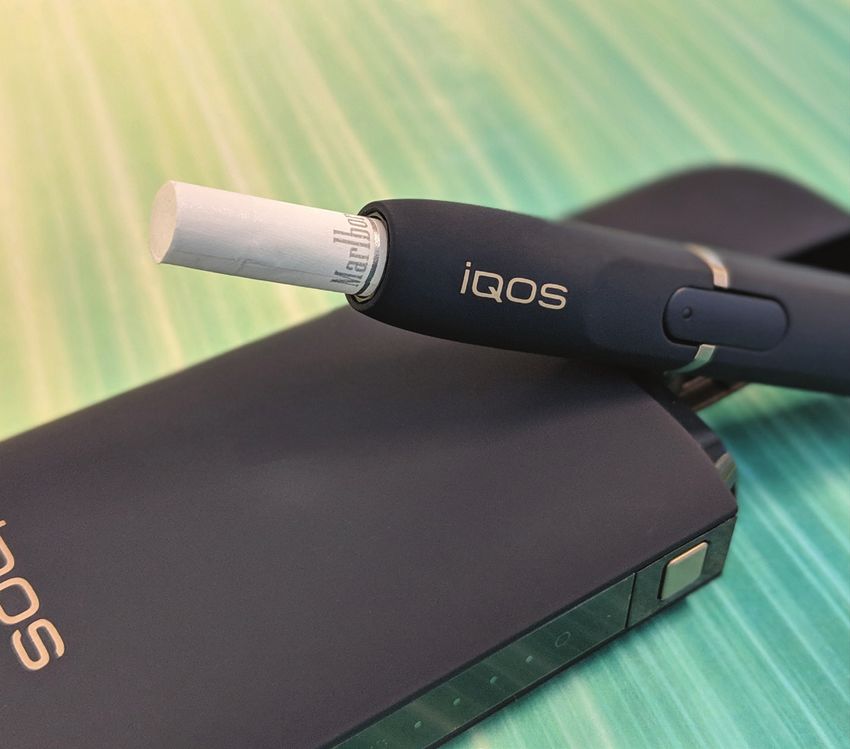
25 U.S. Food and Drug Administration. The Public Health       29 US Food and Drug Administration. Warning Letter: E
         Rationale for Recommended Restrictions on New Tobacco         Cigarette Empire LLC. https://www.fda.gov/inspections-
         Product Labeling, Advertising, Marketing, and Promotion.      compliance-enforcement-and-criminal-investigations/
         https://www.fda.gov/media/124174/download. Published          warning-letters/e-cigarette-empire-llc-608450-07202020.
         April 29, 2019. Accessed.                                     Published July 20, 2020. Accessed.

      26 Administration UFaD. FDA Notifies Companies, Including     30 US Food and Drug Administration. Warning Letter: Majestic
         Puff Bar, to Remove Flavored Disposable E-Cigarettes and      Vapors, LLC. https://www.fda.gov/inspections-compliance-
         Youth-Appealing E-Liquids from Market for Not Having          enforcement-and-criminal-investigations/warning-letters/
         Required Authorization. July 20, 2020.                        majestic-vapors-llc-608448-07202020. Published July 20,
                                                                       2020. Accessed.
      27 US Food and Drug Administration. Warning Letter: Eleaf
         USA. https://www.fda.gov/inspections-compliance-           31 US Food and Drug Administration. Warning Letter: Ohm City
         enforcement-and-criminal-investigations/warning-letters/      Vapes Inc. https://www.fda.gov/inspections-compliance-
         eleaf-usa-608399-07202020. Published July 20, 2020.           enforcement-and-criminal-investigations/warning-letters/
         Accessed.                                                     ohm-city-vapes-inc-608556-07202020. Published July 20,
                                                                       2020. Accessed.
      28 US Food and Drug Administration. Warning Letter: Vape
         Deal, LLC. https://www.fda.gov/inspections-compliance-     32 Truth Initiative, Local restrictions on flavored tobacco and
         enforcement-and-criminal-investigations/warning-letters/      e-cigarette products. https://truthinitiative.org/research-
         vape-deal-llc-608452-07202020. Published July 20, 2020.       resources/emerging-tobacco-products/local-restrictions-
         Accessed.                                                     flavored-tobacco-and-e-cigarette.

                                                                                                         900 G Street, NW
                                                                                                         Fourth Floor
                                                                                                         Washington, DC 20001
                                                                                                         202.454.5555

                                                                                                         truthinitiative.org
                                                                                                         @ truthinitiative
November 2020   E-CIGARETTES
E-CIGARETTES
  Among youth who            82.9%
  vape, 82.9% used a
  flavored e-cigarette
  in the past month.                                   15- to 17-year-olds
                                          16x           have more than
                                                          16x greater
                                                            odds to be
                                                              current JUUL
                 E-liquids                                     users vs.
           contain 60 chemical
               compounds.                                        adults.
                E-cigarette

                                 47
             aerosol contains
              47 compounds.                         19.6%

                                                      In 2020, 19.6% of high
 Young people who had ever used
 e-cigarettes had 7X higher odds         7x           school students and
                                                      4.7% of middle schools
 of becoming smokers one year                         students used
 later compared with those who                        e-cigarettes, a drop
 had never vaped.                                     from 27.5% and 10.5%,
                                                      respectively, in 2019.

        JUUL remains the most popular
        reusable e-cigarette device,              1000%
51.3%   taking 51.6% of the reusable               Use of disposable
        market share. Puff Bar was the        e-cigarettes increased
        most popular disposable device          about 1,000% among
        with 51.3% of the disposable          high school e-cigarette
        market share.                                  users in 2020.
E-CIGARETTES
BACKGROUND
Electronic nicotine delivery systems (ENDS) go by many
names. The most common name is “e-cigarette,” but
others such as e-cigs, vapes, vape pens, mods and
tanks are common terms. Recently, the e-cigarette
brand JUUL has become so ubiquitous among youth
that “JUULing” is also used as a common verb for all
e-cigarette use. For the purposes of this resource we
refer to the entire category as “e-cigarettes.”
WHAT IS AN E-CIGARETTE?
> E-cigarettes are devices that operate by heating
a liquid solution to a high enough temperature
so that it produces an aerosol that is inhaled.1 Nicotine salt formulas
> Solutions, sometimes called e-liquids, almost in the most recent generation
always include nicotine, flavoring and a
humectant, such as propylene glycol, to retain of e-cigarettes allow for much
moisture and create the aerosol when heated.1,2 higher levels and efficient
» While many of the flavorings and delivery of nicotine.
humectants used in e-liquids have
been approved by the Food and Drug
injury, and evidence is not yet sufficient to
Administration for oral consumption,2 they
rule out contribution of other toxicants.”
have not been approved for inhalation.
It continues to advise non-smokers to
Thus, their health consequences are not
avoid vaping of any variety and especially
well known when consumed in this manner.
products purchased “off the street.”
» There is an ongoing outbreak of significant > Older generations of e-cigarettes used a form
lung illness and death (2,051 reported
of nicotine called free-base nicotine. The most
cases and 39 deaths as of November
recent generation of e-cigarettes on the market,
5, 2019) due to vaping. Most of these
which include pre-filled pod systems like JUUL
cases (over 80%), but not all, were from
and refillable systems like Suorin Drop and
users who reported use of THC vaporizer
Kandypens, use nicotine salts in the e-liquids.
products. On November 8, 2019, the
CDC identified vitamin E acetate as a » The nicotine salt formulas allow for
significant concern in the outbreak finding much higher levels and efficient delivery
the chemical in all 29 samples it had of nicotine with less irritation compared
analyzed from victims. The CDC states, “it to earlier generations of e-cigarettes —
is possible that more than one compound prompting questions about the use, purpose
or ingredient could be a cause of lung and safety of this novel form of nicotine.3
May 2021 E-CIGARETTES 8» Higher nicotine e-cigarettes have driven
the surge in e-cigarette sales in recent Evolution of the e-cigarette
years, with those containing at least 4%
nicotine comprising nearly three-quarters
of the e-cigarette market in 2018.4 Unlike
in Europe, where e-cigarette nicotine
concentrations cannot exceed 2%, there are
no nicotine concentration restrictions in the
United States.5
> While using an e-cigarette is often called
“vaping,” the devices produce an aerosol, not
a vapor.
» Unlike vapor, which is simply a substance
in gas form, the aerosol from an e-cigarette
Cigalike Vape pen Box mod Vape pod
contains tiny chemical particles from
both the liquid solution and the device
Source: https://www.ruthlessvapor.com/blogs/ruthless-e-liquid/
(e.g., metals from the heating coil). There nicotine-salt-devices-vape-pods
is evidence to suggest that these particles
lead to cardiovascular injury, with links to
negative effects on resting heart rate, blood > More recently, e-cigarettes that have a sleek,
pressure and the cells that line the blood
high-tech design and easily rechargeable
vessels.6,7
batteries have entered the market.
WHAT ARE THE TYPES OF E-CIGARETTES?
» The most popular, JUUL, emerged in 2015
> When e-cigarettes first began entering the and quickly established itself as a leading
market around 2007, some devices were e-cigarette product, comprising nearly
designed to resemble regular cigarettes, while three-quarters (73.4%) of the e-cigarette
others looked more like cigars, pipes, pens and marketplace by July 2019.10
even USB flash drives.1,8
» “Copycat” products, such as Suorin Drop,
> To account for the diversity in product design, myblu and Vuse Alto, follow JUUL’s blueprint
some researchers have classified e-cigarettes of high-tech design and high nicotine delivery
as first, second or third generation devices.2 through the use of nicotine salt e-liquid
> A first generation e-cigarette is one formulations. These devices are all often
that closely resembles a cigarette and is referred to as “JUUL” due to the ubiquity of the
disposable.9 brand, but they are also referred to as “pod
mods” because the e-liquid is sold in self-
> A second generation e-cigarette is a larger, contained disposable pods.
usually pen-shaped device, that can be
recharged.9
» The enormous popularity of JUUL has
encouraged copycat devices that are
> A third generation e-cigarette refers to devices specifically compatible with JUUL, including
that do not resemble a combustible cigarette Eonsmoke and Vapor4Life, that deliver
and often have very large and sometimes similarly high amounts of nicotine in sleek,
customizable batteries. Some parts may be discreet devices or in devices that either use
replaceable, which is why they are sometimes JUUL pods or have pods that can be used in
called “mods.” These devices are refillable.2,9 JUUL devices.11
May 2021 E-CIGARETTES 9HOW MUCH NICOTINE IS IN AN E-CIGARETTE?
Nicotine levels in e-cigarettes are highly variable,
with some reaching or exceeding levels found in
combustible cigarettes.2,17
> Labeling is not always a reliable indicator
of nicotine content, as studies have found
mislabeling to be a common issue in the
category.2,17
> The way an e-cigarette is used or modified
also affects the delivery of nicotine to an
individual user.2,18
Heated tobacco > Some e-cigarette products deliver
products nicotine as efficiently as a cigarette.
The use of nicotine salts also lowers
the pH of e-liquids, which allows higher
In addition to e-cigarette products, tobacco concentrations of nicotine to be delivered
companies have begun introducing tobacco heating with less irritation.19 For example, the
systems or, as the industry calls them, “heat-not-
maker of JUUL claims the product has a
burn” tobacco products. These devices work by
nicotine content like traditional cigarettes,
heating tobacco instead of burning it. Sometimes
and that it delivers the nicotine up to 2.7
the tobacco is treated with a humectant like
propylene glycol to produce an aerosol inhaled by times faster than other e-cigarettes.20
the user. Manufacturers claim this delivery method > In the U.S., JUUL devices were originally
is substantially less harmful than traditional
introduced with a 5% nicotine salt pod.21
cigarettes,12 but current data on health effects of
Following suit, JUUL competitors began
these devices are sparse and most of what has been
published has been by tobacco industry scientists. offering nicotine salt concentrations as high
as 7% in what has been called a “nicotine
In 2019, the FDA allowed the first type of tobacco arms race.” 21 However, in 2018, JUUL
heating system to be marketed and sold in the U.S.13 introduced a lower nicotine pod, with 3%
IQOS, produced by Philip Morris International (PMI), is nicotine strength.4
now being sold in select test markets by Altria around
the country.14 Data in foreign markets submitted by > In addition to the rate of nicotine delivery,
PMI indicate that dual use of heated tobacco products the nicotine content of products like JUUL
along with cigarettes is, by far, the most dominant also raises concerns about the potential
pattern of use, which raises substantial issues for addiction. A 2018 Truth Initiative study
about what impact they might have on overall public
published in Tobacco Control found that
health.15 Notably, research has shown that dual use is
among current youth and young adult JUUL
not associated with reduced cigarette use, but rather
users, the majority — 63% — did not know
increased exposure and poorer health outcomes
than using cigarettes or e-cigarettes alone.16 Read that the product always contains nicotine.22
comments and potential concerns from Truth Anecdotally, youth are reporting signs of
Initiative on the IQOS application. Truth Initiative will severe dependence, such as inability to
continue to monitor patterns of use as the product concentrate in class, using an e-cigarette
becomes more common in the U.S. upon waking, and using e-cigarettes at night
after waking with a craving.23,24
May 2021 E-CIGARETTES 10ARE E-CIGARETTES LESS HARMFUL
THAN CIGARETTES? Recent reports of lung
It is generally accepted that e-cigarettes produce illnesses related to vaping
fewer of the toxins found in cigarette smoke.2
However, it is becoming increasingly apparent that have raised questions about
this frame is not adequate to tell the entire story both the long- and short-term
regarding individual health impacts. The most recent
evidence suggests that e-cigarettes may pose their effects of vaping.
own unique health harms and that comparison to
cigarettes may not be the only relevant question for While a 2018 National Academies of Sciences,
determining their impact on individual health.25-27 Engineering, and Medicine report found substantial
Indeed, the growing evidence of potential health risks evidence that exposure to toxic substances from
related to e-cigarette use has led some researchers e-cigarettes is significantly lower compared to
to question whether e-cigarettes are safer than combustible cigarettes, recent studies are showing
combustible cigarettes.27 For more information see that is not the end of the story on health impact. It
“Health Effects” on p. 17. now appears that e-cigarettes may present their own
unique health risks, including to the respiratory and
The recent outbreak of vaping related lung injuries
cardiovascular systems. Given the products’ relatively
also supports caution with respect to e-cigarettes.
recent introduction to the marketplace, further
While a substantial number of cases in the recent
research is needed to evaluate the short and long term
outbreak of vaping related lung illness (see “Health
health impacts of e-cigarettes.
Effects” on p. 18) appear to be related to THC vaping
and the CDC recently identified vitamin E acetate as a The evidence for e-cigarettes’ effectiveness as a
chemical of significant concern, the agency has been cessation tool also remains inconclusive and, until
cautious to say it has not found a single cause and an FDA review, the safest, most evidence-based
continues to recommend caution with respect to all cessation strategy should include a combination
vaping as the investigation continues.95 At minimum, of counseling, nicotine replacement therapy, and/
this outbreak dramatically demonstrates the dangers or cessation drugs like varenicline, approved by the
of an unregulated market in inhaled substances with FDA.29 Moreover, while the basic technology behind
no premarket review for consumer safety. e-cigarettes is consistent, there is enormous variability
within the product category and there is no typical
We also note the frequently cited claim from Public
e-cigarette. The products include different ingredients,
Health England that e-cigarettes are definitively
different hardware and deliver highly variable amounts
— 95% — safer than traditional cigarettes. First,
of nicotine and potentially toxic chemicals, including
this analysis was originally conducted in 2013,
heavy metals such as cadmium, lead, nickel, tin and
prior to recent research on health effects of vaping.
copper.30 This variation makes it difficult to issue overall
Moreover, further analysis into the original research
public health recommendations about the category
finds that the evidence for such a statistic remains
and demonstrates the huge and long-standing need for
unclear and not fully comprehensive, among other
pre-market review of these products.
concerns about author and funding conflicts of
interest.28 The Public Health England claim also Consumers need to consistently know what they are
fails to acknowledge the reality of the potential getting and whether it is safe — particularly from a
for negative net public health impact among a product designed to deliver chemicals by frequent
population of users that have otherwise never used inhalation. The growing evidence of potential health
tobacco products or the lack of clinical and long- risks and lung injuries related to e-cigarette use has
term evidence of these products’ safety in humans, led researchers to question whether e-cigarettes are
regardless of current smoking status.28 safer than combustible cigarettes.27
May 2021 E-CIGARETTES 11dangerous nicotine products.32,40,41 According to
Current e-cigarette use among middle a recent study, young people in the U.S. who had
and high school students ever used e-cigarettes in 2018 had 7X higher
odds of ever using cigarettes and 8X higher
High school students:
odds of currently using cigarettes one year
2019 27.5 later, compared with those who had never used
an e-cigarette.176 Another study estimated that
1.5 2011
e-cigarettes are likely responsible for 22% of new
Middle school students: ever cigarette use (trying a cigarette) and 15.3%
of current cigarette use for the same group —
2019 10.5
totaling nearly 200,000 new cigarette initiators.42
.6 2011
> Many young e-cigarette users do not know what
is in the products they are using. A recent study
5% 10% 15% 20% 25% 30%
found that 99% of all e-cigarette products sold at
Source: 2019 National Youth Tobacco Survey
convenience stores, supermarkets and similar
outlets contain nicotine.43 Yet, many young people
aren’t aware that the products they use, like
PATTERNS OF USE JUUL, contain nicotine.22 In fact, a 2018 Truth
Initiative study showed that nearly two-thirds
E-cigarette use has increased in recent years,
of JUUL users aged 15-21 were not aware the
especially among youth and young adults, who use
product always contains nicotine.
e-cigarettes more than any other age group. In
2018, the rapid rise of tobacco products led the U.S. > As rates of use increase, we are also seeing the
surgeon general to issue an advisory about the youth frequency of use (how many times a user vapes
e-cigarette “epidemic.” In 2019, youth e-cigarette in a day) go up, indicating that users are not
use increased to even higher levels. While the most simply experimenting with e-cigarettes but are
recent studies show a decrease in youth use in 2020, instead using them habitually. The 2020 National
the rate is still alarmingly high.31,32,175 Youth Tobacco Survey data show that 38.9%
of current high school e-cigarette users use
YOUTH
e-cigarettes on 20 days or more per month up
The last five years have seen enormous spikes in from 34.2% in 2019.175
youth e-cigarette use rates.33
FLAVORED PRODUCTS
> In 2017, 11.7% of high school students had > In 2020, 82.9% of youth e-cigarette users used
used an e-cigarette in the past 30 days.34 By
flavored e-cigarettes, including 84.7% of high
2018, that number had risen to 21% and,
school users (2.53 million) and 73.9% of middle
by 2019, 27.5% of high school students had
school users (400,000).175
used e-cigarettes in the past month.33,35 That
number dropped to 19.6% in 2020.175 > Among high school students who currently
used any type of flavored e-cigarettes, the most
> The current use rate among middle schoolers
commonly used flavor types were fruit (73.1%);
rose from 0.6% in 2011 to 10.5% in 2019.The
mint (55.8%); menthol (37.0%); and candy,
rate dropped to 4.7% in 2020.175
desserts, or other sweets (36.4%). Among middle
> Using e-cigarettes has been shown to school students who currently used any type of
increase the likelihood of smoking cigarettes flavored e-cigarettes, the most commonly used
among young people, raising concerns that flavor types were fruit (75.6%); candy, desserts, or
e-cigarettes are acting as entry nicotine other sweets (47.2%); mint (46.5%); and menthol
products that may lead to use of more (23.5%).175
May 2021 E-CIGARETTES 12> Youth e-cigarette users cite flavors as a top January 2020, menthol e-cigarette sales
reason they began using e-cigarettes, second increased by $59.5M and its market share shot
only to use by a family member or friend.46 up from 24% to 49% during the roughly eight-
week period following the announcement.
» A study that included middle and high The market share of mint e-cigarettes
school students reported that 43% of young
decreased from 26% to 4% and sales declined
people who ever used e-cigarettes tried
by $79.5M during this time, indicating that as
them because of appealing flavors.47
other flavors were either voluntarily pulled or
» The FDA has also reported that, among removed as a result of policy changes, users
current youth users of e-cigarettes, 97% used simply switched to menthol.178
a flavored e-cigarette in the past month.48
YOUNG ADULTS
» As much as 98.7% of flavored e-cigarette > Like youth, young adults aged 18-24 are also
products sold in convenience, dollar, drug
using e-cigarettes at increasing rates. Young
and grocery stores contain nicotine.49
adult use of e-cigarettes every day or some days
» While the most commonly used e-cigarette increased from 2.4% in 2012 and 2013 to 5.2% in
device type among youth was pre-filled pods, 2017, and increased again to 7.6% in 2018 based
such as JUUL, disposable e-cigarettes saw on a recent analysis.32,52,53
huge increases. In fact, disposable e-cigarette
> A 2016 report from the Behavioral Risk Factor
use among current high school e-cigarette
Surveillance System survey found that 44.3% of
users increased by approximately 1000%
young adult current e-cigarette users were never
during 2019-2020.175
smokers before trying e-cigarettes.54
For more information, see “Flavors” on pg. 25.
> Compared with adults aged 25 and older, young
> JUUL continues to hold a majority of the U.S. adults are more likely to try e-cigarettes and
e-cigarette sales market share, but the rise of report having used e-cigarettes in the past 30
disposable e-cigarettes and other brands are days.32
starting to erode that lead. > A study in Mississippi suggests that using
» The market share of disposable e-cigarettes JUUL leads to more sustained use than other
nearly doubled in just 10 months from August e-cigarettes. It concluded that the continued use
2019 to May 2020.177 This is likely because of JUUL by Mississippi undergraduate students
disposable e-cigarettes are still being sold was more likely than the continued used of
with youth appealing flavors such as candy other e-cigarettes after an initial trial. The study
and fruit. found that 30-day use was three times higher
among those who had tried JUUL than a different
> Research suggests that menthol, which remains
e-cigarette.55
available for sale, has continued to increase in
popularity. > The growth in the popularity of e-cigarettes
among young adults has caused concerns that
» By March 2020, menthol-flavored use will lead to the initiation of cigarettes and
e-cigarette sales had risen to an all-time
other tobacco products.56-62
high of 57.7% market share.178
» 2020 NYTS data show that 37% of high school 44.3% of young adult current
e-cigarette users use menthol flavored
e-cigarettes.175 In fact, following the FDA’s e-cigarette users were never
guidance around the removal of non-menthol-
flavored cartridge-based e-cigarettes in
smokers before trying e-cigarettes.
May 2021 E-CIGARETTES 13suppresses efforts to completely quit smoking
Adults who currently use e-cigarettes as of 2018 (i.e., people choosing to “cut down” instead of
quitting smoking entirely). Some individuals using
e-cigarettes to quit may experience a period of
18-24 YEARS OLD 7.6
dual use as they transition between products,
25-44 4.2 complicating the issue.
45-66 2.1 Among youth, the data tell a different narrative.
A 2018 report from the NASEM concluded that
65+ .8 there is “substantial evidence that e-cigarette
use increases risk of ever using combustible
2% 4% 6% 8%
tobacco cigarettes among youth and young
Source: 2018 National Health Interview Survey
adults,” suggesting that e-cigarette use itself is a
risk factor, not just a correlation with smoking.2,32
More recent studies have suggested that young
ADULTS
e-cigarette users are four times more likely to
> E-cigarette use has remained relatively begin smoking cigarettes compared to their peers
low and stable among adult users since who do not use e-cigarettes.42,60,66
around 2012. Between 2012 and 2013,
2.4% of adults aged 25-44 and 2% of DUAL USE PREVALENCE
adults aged 45-64 used e-cigarettes. By > Among adults in 2016, 54.6% of current
2016, the rates had increased to 4.2% e-cigarette users also smoked cigarettes.54
and 2.8%, respectively. The most recent
> Among adults who used more than
data for the year 2018 show current use
one tobacco product in 2017, the most
of e-cigarettes remaining at 4.2% among
common combination was cigarettes and
adults 25-44 and 2.1% among adults aged
e-cigarettes.52
45-64.52,63
> Dual use of e-cigarettes and cigarettes is
> The overall adult rate of e-cigarette use in
highly common among youth and young
2018 was 3.2%, down from 3.7% in 2014.52
adults.54,65,67,68
> Those aged 45 and older are significantly
> A nationally representative survey in 2016
less likely to have ever tried an e-cigarette
found that among youth and young adult
compared to young adults.64
e-cigarette users aged 13-25, more than half
DUAL USE OF TOBACCO PRODUCTS (55.9%) used another tobacco product in
addition to e-cigarettes.65
Among all age groups, e-cigarettes are most
commonly used by those who also use other > Among young adults aged 18-35, e-cigarette
tobacco products, such as combustible use was associated with more frequent
cigarettes.52,54,65 This pattern is commonly cigarette smoking and more intensive
referred to as “dual use” or “poly tobacco use.” cigarette use.69
Among adult users, this is a troubling pattern > Young adults (18-35) who used e-cigarettes
because it suggests that some e-cigarette use the previous year increased their odds of daily
may be supplementing smoking instead of cigarette use by 1.67 and increased their odds
replacing it. Because there is no safe level of of being diagnosed with tobacco use disorder
smoking, there are concerns that this behavior by 2.58.69
May 2021 E-CIGARETTES 14JUUL
Since 2016, the e-cigarette brand JUUL has surged Flavors are a top reason why young people begin using
in popularity among young people and, as of October e-cigarettes. A 2018 Truth Initiative survey found that
2019, holds 64.4% of the e-cigarette market share mint was among the top three favorite flavors among
measured by Nielsen.50 The traditional tobacco young JUUL users aged 12-24, meaning they chose it
industry took notice of JUUL’s rapid ascent. In 2018, last time they vaped. New research shows that mint and
Altria, the makers of Marlboro cigarettes, acquired menthol e-cigarette use among high school users rose
a 35% stake in the company for $12.8 billion. In from 16% in 2016 to 57.3% in 2019.39 Among high school
September 2019, an Altria executive replaced the JUUL users, 67.5% reported that their preferred flavor
former head of JUUL as CEO.10,70,71 was mint or menthol. Another study, conducted before
JUUL pulled its other flavors from the market, found
A 2017 study by Truth Initiative found 25% of survey that mint was one of the most popular flavors among
respondents, aged 15-24, recognized a JUUL high school student JUUL users, but that menthol was
e-cigarette device when shown a photo of the product. less so.45 However, study authors themselves caution
And among those who recognized JUUL, 25% reported that leaving both mint and menthol on the market
that use of this product is called “JUULing,” indicating undermines the purpose of removing flavors — which is
that this product is so distinctive, it’s perceived as its to prevent kids from using e-cigarettes at all.
own category.72 However, it’s likely that recognition
is higher now given that JUUL’s sales market share Promoted as a “satisfying alternative to cigarettes,”
continued to rise throughout 2018 and top out at 75% JUUL is putting a new generation of youth at risk of
among U.S. e-cigarette sales in July 2019.22,50 nicotine dependence and future cigarette use.
The most recent data from the CDC’s 2019 National › JUUL has spent more than $1 million to market its
Youth Tobacco Survey confirms JUUL’s grip on products on the internet and has paid for campaigns
America’s kids. More than 59% of high school on Twitter, Instagram and YouTube.73 However,
e-cigarette users reported that JUUL was their recently JUUL announced that it would “suspend all
“usual brand.” Among middle school e-cigarette broadcast, print and digital advertising in the U.S.” It
users, the number was more than 54%.39 This equates was not clear from the announcement how long that
to more than 3 million children reporting regular use suspension would last.74
of JUUL. Investigative reporting by Reuters shows
that even early in its operations, JUUL was aware › JUUL also hired social media influencers for product
that its products were attracting unprecedented youth promotion.75 The company had an entire department
use, yet, in the face of enormous revenue growth, the dedicated to influencer marketing and specifically
company failed to take effective action to stem that looked for influencers under 30 and created a “VIP
trends. Portal” for celebrities.76,77
May 2021 E-CIGARETTES 15QUITTING SMOKING
There are substantial research gaps in proving
the effectiveness of e-cigarettes as quit smoking
aids. The 2020 Surgeon General’s Report on
smoking cessation found that there is “inadequate
evidence” to conclude that e-cigarettes increase
smoking cessation.179 Similarly, the 2018 National
Academies (NASEM) report found limited evidence
on the effectiveness of e-cigarettes to promote
quitting.2,78,79,80,81,82
E-cigarettes are also not approved as quit aids by the
FDA or the U.S. Preventative Service Task Force. While some evidence supports
While some evidence supports the use of the use of e-cigarettes as
e-cigarettes as quit devices, recent research
suggests that their efficacy for quitting is likely quit devices, recent research
overstated.25 suggests that their efficacy
> The 2020 U.S. Surgeon General’s report on for quitting is likely overstated.
smoking cessation found insufficient evidence
to conclude that e-cigarette use increases
smoking cessation, citing the variable > A 2018 study among U.S. adults that explored
components of e-cigarettes, the different whether e-cigarettes inspired more successful
ways in which they are used and a dearth of quit attempts found that users of e-cigarettes
evaluative studies.179 The report suggested had 70% lower odds of quitting than non-
that e-cigarettes may help some adult users users.85
reduce their risk of smoking-related diseases
> A 2019 study by the U.K. National Health
if users avoid prolonged dual use.
Service and published in the New England
> Some evidence suggests that, compared Journal of Medicine found e-cigarettes
to e-cigarettes that don’t contain nicotine, may help adults quit. A group assigned
e-cigarettes with nicotine are associated to e-cigarettes as a combustible tobacco
with increased smoking cessation.179 A 2020 replacement were more likely to remain
systematic review of 50 studies that included abstinent at one year compared with a group
adult smokers in the U.S. and other countries using nicotine replacement products (18% vs.
found moderate evidence that e-cigarettes 9.9%). However, a majority of e-cigarette users
with nicotine increase quit rates compared were still using e-cigarettes at the one-year
to those using nicotine replacement therapy follow-up. Researchers noted the study was
or nicotine-free e-cigarettes. Nicotine based on a middle-aged adult population
e-cigarettes may also help more people to (median age of 41) actively seeking to quit
stop smoking than no support or behavioral smoking and receiving at least four weeks of
support alone.180 The NASEM report also behavioral support.84 Notably, the U.K. also
reported that more frequent e-cigarette use places severe restrictions on the marketing of
may increase an individual’s likelihood to quit e-cigarettes.5 No similar study has replicated
smoking.29 these results in the U.S.
May 2021 E-CIGARETTES 16> One study shows that product appeal, unlike FDA-approved cessation therapies, lack
including flavoring, is likely to encourage an evidence base that demonstrates their safety
smokers to try to use e-cigarettes to quit.86 and efficacy.25 Truth Initiative supports regulation
A 2020 study published in JAMA Network that encourages the development of consistently
Open found that among adults, use of flavored less harmful nicotine delivery alternatives that
e-cigarettes was more likely to be associated allow smokers to quit tobacco altogether or
with quitting smoking than use of unflavored switch completely to a much less harmful, well-
e-cigarettes, with more than double the odds regulated product.
of increased adult smoking cessation.181
Because the youth e-cigarette epidemic in the
Given that flavored e-cigarettes constitute
United States and the youth appeal of flavored
an overwhelming majority of the e-cigarette
e-cigarettes go hand in hand, Truth Initiative
market in the U.S., stronger empirical
strongly supports removing all flavored
evidence is needed to understand if and how
e-cigarettes from the market, regardless of device
flavors factor into smoking cessation.
type. At a minimum, an e-cigarette manufacturer
While some e-cigarettes may help some people must show that the flavor itself is safe, helps
quit, the diversity of products as well as the smokers switch completely from combustible
variations in quality and the lack of regulation cigarettes, and does not attract youth before a
make determining the potential of any particular product is allowed on the market. In addition to
product as a quit aid difficult.2,25,27 Some smokers flavor restrictions, Truth Initiative supports strong
have switched to e-cigarettes or used them to regulations to keep all tobacco products, including
quit tobacco completely, however, e-cigarettes, e-cigarettes, away from youth. (See “Action
Needed” on page 1 for more information.)
While some evidence supports
the use of e-cigarettes as quit
devices, recent research suggests
that their efficacy for quitting
is likely overstated.
May 2021 E-CIGARETTES 17You can also read


