ALL ROADS LEAD TO THE MEDITERRANEAN DIET - PRESENTER: JESSICA DECOSTOLE, MS, RD, LDN, CDE - MEDSTAR HEALTH
←
→
Page content transcription
If your browser does not render page correctly, please read the page content below
All Roads Lead to the
Mediterranean Diet

Presenter: Jessica DeCostole, MS, RD, LDN, CDE

                                                 1
Mediterranean Diet: The Basics
• Eating primarily plant-based foods
  – fruits and vegetables, whole grains, legumes and nuts
• Replacing saturated fat with healthy fats
  – olive oil and canola oil
• Using herbs and spices instead of salt to flavor
  foods
• Limiting red meat
                                                        2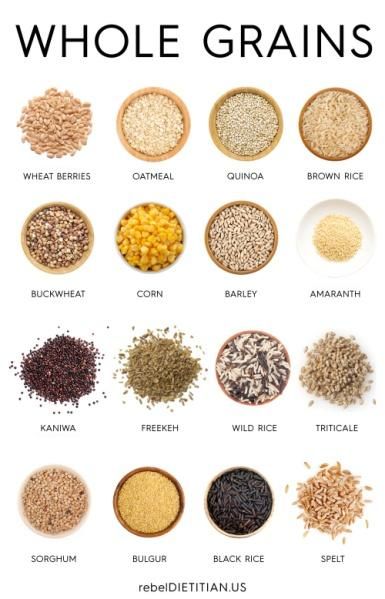
Mediterranean Diet: The Basics (cont.)

•   Eating fish and poultry at least twice a week
•   Enjoying meals with family and friends
•   Drinking red wine in moderation (optional)
•   Getting plenty of exercise

                                                    3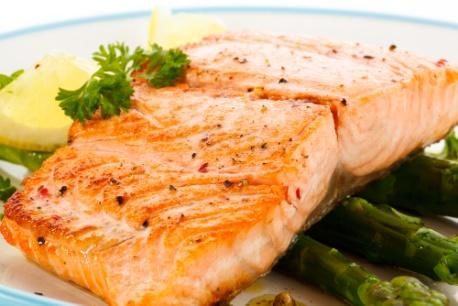
Mediterranean Diet: Why all the Hype?
• Decreasing risk of type 2 diabetes. A Mediterranean diet is rich in
  fiber which digests slowly, prevents variances in blood sugar, and
  can help maintain healthy weight.

• Preventing heart disease and strokes. Following a Mediterranean
  diet limits intake of refined and processed food and meats, and
  encourages drinking red wine instead of hard liquor—all factors that
  can help prevent heart disease and stroke.

• Keeping you moving. If you’re an older adult, the nutrients gained
  with a Mediterranean diet may reduce your risk of developing
  muscle weakness and other signs of frailty by about 70 percent.

                                                                        4
Mediterranean Diet: Why all the Hype? (cont.)
• Reducing the risk of Alzheimer’s. Research suggests that the
  Mediterranean diet may improve cholesterol, blood sugar levels, and
  overall blood vessel health, which in turn may reduce your risk of
  Alzheimer’s disease or dementia.

• Cutting the risk of Parkinson’s disease. The high levels of
  antioxidants in the Mediterranean diet may help prevent oxidative
  stress, thereby decreasing the risk of Parkinson’s disease.

• Increasing longevity. By reducing your risk of developing heart
  disease or cancer with the Mediterranean diet, you’re reducing your
  risk of death at any age by 20%.

                                                                        5
The Myths You Need to Know
• Myth 1: It costs a lot of money.
   – Fact: Beans and lentils (hallmarks of the diet) are less expensive
     than most processed foods.

• Myth 2: If one glass of wine is good for your heart,
  then three glasses is three times as healthy.
   – Fact: Moderate amounts of red wine (one drink a day for
     women; two for men) certainly has unique health benefits for
     your heart, but drinking too much has the opposite effect.

                                                                      6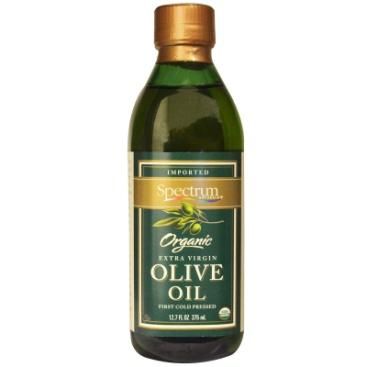
The Myths You Need to Know (cont.)
• Myth 3: Italians eat a lot of pasta and bread.
   – Fact: Typically, Mediterraneans don't eat a huge plate of pasta the
     way Americans do. Instead, pasta is usually a side dish with about a
     1/2-cup to 1-cup serving size. The rest of their plate consists of
     salads, vegetables, fish or a small portion of organic, grass-fed
     meat, and perhaps one slice of bread.

• Myth 4: The Mediterranean diet is only about the food.
   – Fact: The food is a huge part of the diet, yes, but don't overlook the
     other ways the Mediterraneans live their lives. When they sit down
     for a meal, they don't sit in front of a television or eat in a rush; they
     sit down for a relaxed, leisurely meal with others and also enjoy
     plenty of physical activity.

                                                                                  7
Quick Ways to Start Eating the Mediterranean
Way
Eat this:              Instead of that:

                                               8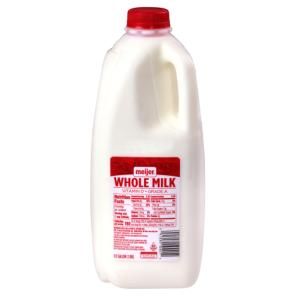
References
• https://www.health.harvard.edu/blog/study-supports-heart-
  benefits-from-mediterranean-style-diets-201302255930

• https://www.health.harvard.edu/staying-
  healthy/mediterranean-diet-beats-low-fat-diet-for-long-term-
  weight-loss

• https://www.health.harvard.edu/staying-healthy/quick-start-to-
  a-mediterranean-diet

                                                                   9
You can also read


