Annual Performance Plan - 2019|2020 Laying The Foundation For Greatness - Department Of Arts and Culture
←
→
Page content transcription
If your browser does not render page correctly, please read the page content below
Laying The Foundation For Greatness

      Annual
Performance
        Plan
             2019|2020
Annual Performance Plan 2019|2020

2

Laying The Foundation For Greatness
General Department Information
Physical address:    Sechaba House
			202 Madiba Street
			Pretoria

Postal address:		    Private Bag X897
			Pretoria
			0001

Telephone:		         +27 12 441 3000

                                         3
Fax:			              +27 12 441 3699

Email address:		     info@dac.gov.za

Website address:		   www.dac.gov.za

ISBN:			             978-1-919965-44-4

Department of Arts and Culture
Annual Performance Plan 2019|2020

                                             Foreword by the Minister
                                             The term of the fifth democratic administration as well as the       In the space of arts, culture and heritage, we have tabled a revised
                                             term of the fifth democratic Parliament is coming to an end. It      White Paper that carries forward the gains of the preceding two
                                             is prudent that the two arms of the democratic state reflect on      decades and addresses the challenges of inequality, poverty,
                                             the work done over the last 25 years to improve the lives of our     unemployment and persistent divisions based on race, gender
                                             people; to ask ourselves hard questions like have we conducted       and other factors of exclusion. The intention is to contribute
                                             ourselves in a manner that enhances the contract we have             effectively to building a cohesive and united society in which
                                             with the people? The success or failure of the nation-building       everyone has access to arts, culture and heritage resources,
                                             project depends on how we, the public representatives, conduct       facilities and opportunities, framed by the following objectives:
                                             ourselves in relation to this contract.                              Firstly, to align the revised White Paper on Arts, Culture and
                                                                                                                  Heritage with the Department’s core mandate of providing arts,
4                                            Even at this late hour we are still dealing with deep-seated         culture and heritage services, facilities, funds and resources
                                             legacies of apartheid colonialism, yet despite the challenges of     to address poverty and job creation, and to promote nation
                                             the day and the setbacks of the moment we are making steady          building and social cohesion.
                                             progress.
                                                                                                                  Secondly, to base the revised White Paper on the fundamental
                                             Radical economic transformation is a necessary requirement           right to culture, artistic creativity, language, and intellectual
                                             to turn the situation around. It will contribute immensely to        and artistic freedom as enshrined in the Bill of Rights in the
                                             ensuring the future political and social stability of our country.
              Mr Nathi Mthethwa (MP)                                                                              Constitution of the Republic of South Africa (1996), the National
                                                                                                                  Development Plan: Vision for 2030 (2011), the African Charter
              Minister of Arts and Culture
                                             While persuing these constitutional injunctions we should be         on Human and Peoples’ Rights (1981), the Charter for African
                                             aware that we are operating in a global environment that is          Cultural Renaissance (2006), the Unesco Declaration on
                                             not very keen to assist the developing world to realise these        Cultural Diversity (2001), the Convention for the Safeguarding
                                             objectives of a better life for all.                                 of Intangible Cultural Heritage (2003),the Convention on the
                                                                                                                  Protection and Promotion of the Diversity of Cultural Expressions
                                                                                                                  (2005), and the African Union’s Agenda 2063 (2014).

Laying The Foundation For Greatness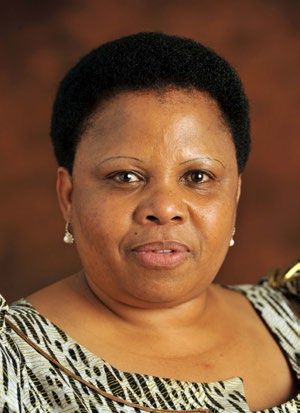
Thirdly, to harness arts, culture and heritage as creative, innovative, educational and social
   development practices with the economic capacity for transforming South Africa into an inclusive
   society based on actual equality.

                                                                                                               Radical economic
   Fourthly, to reconfigure the existing Arts, Culture and Heritage Sector and the policies
   underpinning it to eliminate duplication and overlaps for the optimal performance of the Sector
   in relation to current social, educational and economic policies.

   The National Development Plan (NDP) also envisions a South African society that embraces its
                                                                                                              transformation is a
                                                                                                            necessary requirement
   diversity rather than emphasising observable differences along the contours of race, class, gender,
   religion, culture and other social constructs.

   In all our work, we should be aware that South Africa’s efforts at fundamental change represent a
   social experiment that resonates with humanity’s progressive endeavours. As in the past when it
                                                                                                             to turn the situation
                                                                                                           around. It will contribute
   touched the conscience of humanity, South Africa is a giant social laboratory, the success or failure
                                                                                                                                        5
   of whose undertakings has global implications.

                                                                                                            immensely to ensuring
                                                                                                            the future political and
   Mr Nathi Mthethwa (MP)
   Minister of Arts and Culture                                                                              social stability of our
                                                                                                                    country.

Department of Arts and Culture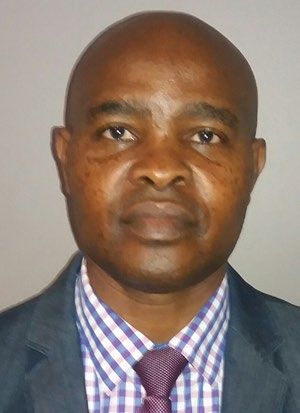
Annual Performance Plan 2019|2020

                                              Foreword by the Deputy Minister
                                              In preparation for the new administration of the next five years         Over the 2019 MTEF, the Department will develop and position
                                              (2019–2024), the Department’s performance plans will be informed         community arts centres, equally spread across the nine provinces,
                                              by the all-encompassing and daunting question of the State of the        to ensure that the masses of our people have easy access to these
                                              Nation Address (SONA) 2019:                                              platforms of arts, culture and heritage education. This will ensure
                                                                                                                       that large numbers of young aspiring artists are not stifled or
                                              “As South Africans, we will have to ask ourselves whether we have        confined to the margins of access and opportunity.
                                              realised the promise of our nation’s birth. We must spend this year,
                                              the 25th anniversary of our freedom, asking ourselves whether we         In line with the Presidential Commission on the 4th Industrial
                                              have built a society in which all South Africans equally and without     Revolution appointed by the President, as mentioned in SONA
                                              exception enjoy their inalienable rights to life, dignity and liberty.   2019, the Department has already started the process of migrating
                                              (HE President Cyril Ramaphosa)                                           to digital or electronic systems with the adoption of the Barn Owl
                                                                                                                       system as the central repository of performance information. Digital
6                                             The SONA 2019’s main message is that building a better nation            technology will also assist in delivering integrated,automated
                                              requires a social compact between all citizens, sectors, roleplayers     services for artists.
                                              and stakeholders of this great nation, South Africa. There can be no
                                              reigniting of growth and job creation without restoring the bond         Through the library conditional grant the Department will
                                              of trust, dialogue and cooperation.                                      continue to build and upgrade libraries, purchase relevant books,
                                                                                                                       and improve information and communication technology. The
                                              It is with this in mind that Cabinet deemed it important to approve      modernising of library services will also seek to appeal to youth
        Ms Magdeline Sotyu (MP)               the cabinet memorandum that seeks to provide a legislative, policy       who are technically skilled, and further ensure the transformation
        Deputy Minister of Arts And Culture   and implementation framework for social cohesion and nation              of collections and archiving infrastructure, and the promotion of a
                                              building in South Africa.                                                reading and a writing nation.

                                              With this Cabinet approval, our Department will, first and foremost,     The Pan African vision of the Department is a welcome initiative,
                                              be able to mainstream all nation-building indicators in all medium-      where when talking about identity, we will not just be looking at
                                              term strategic frameworks. This means our social partners at local       South African identity, but also an African identity.
                                              government levels will be able to address the cultural, spatial and
                                              economic challenges that resulted from the spatial structure being       Through the Schools Programme, the Department will continue
                                              designed to keep public spaces in only a few hands.                      to hoist the South African and the African Union flags side-by-
                                                                                                                       side, and to sing the AU anthem together with the South African
                                                                                                                       national anthem, to point to our commitment to the continent and

Laying The Foundation For Greatness
the expression of an African identity and pride. By 2024, all schools will also be teaching correct
South African heritage and history through the Arts Education Programme, in partnership with
the Department of Basic Education.

To ensure that all the Department’s assets and infrastructure, such as libraries, monuments,
graves, arts centres, etc., are always viewed as essential resources rather than as targets of
destruction during community service-delivery protests, the Department will allocate R11
million for adequate marketing. Further, it will intensify its visibility through increased marketing,
branding and media campaigns.
                                                                                                         “This task – of building a
Trust, and not tyranny, among citizens is necessary to construct, and not destruct, the long-term
compacts required to deal with the underlying causes of inequality and exclusion. As the SONA
2019 core message said:
                                                                                                          better South Africa – is
                                                                                                          our collective task as a    7

                                                                                                          nation, as the people of
Ms Magdeline Sotyu (MP)
                                                                                                               South Africa.”
Deputy Minister of Arts and Culture

Department of Arts and Culture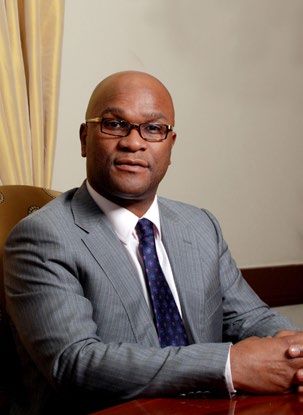
Annual Performance Plan 2019|2020

                                                Foreword by the Director General
                                               As we plan for the 2019/20 financial year, it is fitting for us to reflect   In working towards the realisation of a South Africa with shared
                                               on the work the Department has done over the past years and                  values, the Department has implemented programmes that
                                               outline the plans for the year ahead.                                        contribute to fostering constitutional values through the
                                                                                                                            promotion of the national symbols, mainly the flag and the
                                               In 2014 social cohesion was given prominence after the realisation           national anthem. These two symbols seek to unify all of us as a
                                               by government that there were still visible divisions within South-          nation. We are confident that over 80% of our schools have the flag
                                               African society. Outcome 14 was thus introduced, which focuses               infrastructure and are flying the flag; the majority of South Africans
                                               on social cohesion and nation building. This Outcome envisions a             also have a sense of pride about the national anthem.
                                               South Africa that:
                                                                                                                            In 2018, we launched the #IAMTHEFLAG campaign; a programme
                                                    •    Has broad-based knowledge about and support for a set              aimed at steering national pride and identity. The Flag is the
                                                         of values shared by all South Africans,including the               primary national symbol embedded in our Constitution. It is an
8                                                        values contained in the Constitution                               embodiment of how South Africa has evolved over time, from
                                                    •    Promotesan inclusive society and economy. This means               divergence to convergence, from division to unity, and it is the
                                                         tackling the factors that sustain inequality of                    embodiment and epitome of the post-1994 value system that
                                                         opportunity and outcomes by building capabilities,                 characterises our democratic state. The Department will be
                                                         removing participation barriers and redressing the                 implementing an important project of installing the biggest and
                                                         wrongs of the past                                                 tallest flag in the Republic of South Africa. The Iconic Big Flag
                                                    •    Encourages increased interaction between South                     Project will advance our expression of pride, and the celebration of
        Mr Vusumuzi Mkhize                               Africans from different social backgrounds and racial              our identity as a nation, our achievements as well as our aspirations.

        Director-General of Arts and Culture             groups                                                             It will serve as a rallying point in times of prosperity and diversity.
                                                    •    Has strong leadership across society, with an active and
                                                         responsible citizenry                                              One of the key elements of social cohesion and nation building
                                                                                                                            is equal opportunities, inclusion and redress. DAC has done
                                               The Department is responsible for coordination, supporting,                  positive work towards transformation of the heritage landscape
                                               monitoring and reporting on this Outcome.                                    and championing the cause of geographical name changes,and
                                                                                                                            building new heritage infrastructure and symbols.

Laying The Foundation For Greatness
In 2015, a task team was appointed to listen to concerns of the people and subsequently come NARSSA is essential not only for research and knowledge production for academic and intellectual
up with recommendations and an action plan for the transformation of the country’s heritage development, but also for good governance and the development of the country. The fifth
landscape to being more representative of the history and heritage of the country as a whole, and administration undertook a number of initiatives to promote the role of the archives and records.
not telling only one side of the history. This is evident in the work done to drive the digitisation project of the Rivonia Trial Dictabelt
Collection with the French Audio-Visual Institute (INA). Dictabelt technology was used in the
The task team’s recommendations included the use of prominent spaces for monuments and 1950s and 1960s to record trials in courts of law. The inability to recover information that was
memorials that are aligned to our constitutional values of equality, the advancement of human recorded through this technology would have obliterated this information from the annals of
rights and freedom, non-racialism, non-sexism, social justice and respect, and that those symbols history. There is therefore a need to digitise them for preservation and access.
that do not conform to these values be relocated to theme parks. It was also suggested that an
audit of all monuments and memorials be done to identify offensive memorials that are not In order to ensure that the memory of the nation in not at risk of being lost, the Department will
representative of the values espoused in the Constitution and are divisive. In response to the initiate construction of the new state-of-the-art National Archives, while supporting provinces in
recommendations, the Department will conduct the audit in the 2019/20 financial year. maintaining their archives and ensuring that their records remain functional and in a good state.
The South African National Chapter of the African Liberation Heritage Programme, called the The National Treasury has allocated funds in the 2019/2022 MTEF for renovation work on the
Resistance and Liberation Heritage Route (RLHR) Project, was presented to Cabinet in June 2011 existing NARSSA Building. Renovations will ensure that all records are stored in various formats.
and again in August 2015. The Department worked tirelessly to position the RLHR in the national 9
consciousness. Each province has now identified three sites for the first phase of the project. One of the key challenges facing the Department for years has been constant underspending
on infrastructure projects, ballooning costs and the unauthorised expansion of scope of work.
The Department is conducting a feasibility study for the establishment of liberation movements This has sometimes resulted in endless, costly litigation and incomplete projects. This financial
museum. The museum will be a prominent feature of the country’s heritage landscape, showcasing year, we will strengthen this area through the establishment of a project management office and
the resistance and liberation struggle; it should draw the attention and capture the interest and appoint people with technical expertise in the built environment.
imagination of the people of South Africa, the continent and the rest of the world, and be a place
of pilgrimage, a place of deep reflection and contemplation about our painful past. At the same Our Cultural Diplomacy Programme remains the cornerstone for export and development of
time, it should inspire us to continue to spare no effort to pursue a peaceful, prosperous non-racial our arts, culture and heritage through the use of strategic partnerships with foreign countries,
South–Africa that will never again be a pariah of the world. including our BRICS partners. These will enable greater market access and sharing of best
practices,and will be done through the cultural seasons programme and cultural exchanges.
Together with the National Library of South Africa we are working towards the establishment
of a national publishing house. Combined with the provision of library infrastructure through Through its research arm, the South African Cultural Observatory (SACO), the Department has
the Library Services Conditional Grant, this project will go a long way in promoting a culture of conducted research on a number of issues, including the transformation of the Film Industry. The
reading and writing. study highlighted the potential of the industry to grow and become a tool that would define the
South African identity. In addition, animation is emerging as a major focal area given its intensive
The main objectives of the National Archives and Records Service of South Africa (NARSSA) is use of technology and the digital element. There is also a need to create job opportunities for
to ensure proper management and care of the national memory, including the records of women, youth and people with disabilities and for them to participate in the value chain.
governmental bodies, the preservation of archival heritage for posterity,and the provision of
access to the archival records.
Department of Arts and CultureAnnual Performance Plan 2019|2020
Working with the DTI, the Department contributed to the amendment of the Copyright Bill, which
has since been passed by Parliament. The Department will embark on an awareness programme
to inform the sector of the importance and benefits of intellectual property and copyright.
To respond to the realities of the fourth industrial revolution, the Department will continue with its
modernisation programme. We have commenced with the development of a grant management
system for the MGE programme. This will enable people to apply online (desktop/mobile) and
for the Department’s back-end officers to manage the application process up to implementation
stage. In the medium to long term the track-and-trace system will also link with other funding
agencies, so that the work of government is aligned and coordinated. We will also set up a call
centre to enhance our responsiveness and ensure that the Department responds more quickly
to proposals and requests for funding while also addressing queries and complaints from our
stakeholders. Both these initiatives are being developed and piloted and will be rolled out fully in
2019/20.
In recent years, the Department has experienced budget cuts due to competing priorities. This has
10 had an impact on how we distribute or redirect limited resources, including levelling the playing
fields. We will implement a new funding regime in the coming financial year.
The focus will be on areas that have received little or no funding in the past, while the funding #IAMTHEFLAG
of organisations that have been funded year after year will be reduced. The plan is to focus on
projects and programmes that have a national imperative and impact. We will work in earnest to
encourage provinces and local government to fund programmes that benefit local communities.
We will continue to fight fraud and corruption, strengthen governance, monitor and provide
support to ensure stability of the Department and our entities.
Transformation of the sector remains key on our agenda and we will start the process of
implementing the recommendations of the revised White Paper.
Mr Vusumuzi Mkhize
Director-General of Arts and Culture
Laying The Foundation For GreatnessOfficial Sign-off Recommended by:
Mr. Makoto Matlala
It is hereby certified that this Annual Performance Plan: CHIEF FINANCIAL OFFICER
• was developed by the management of the Department of Arts and Culture under the
guidance of Mr. Nkosinathi Mthethwa, the Executive Authority; Dr Sakiwo Tyiso
• was prepared in line with the Sectorial Strategic Plan of the Department of Arts and CHIEF DIRECTOR: CME&GG
Culture for 2015/16-2019/20; and
• accurately reflects the performance targets that the Department of Arts and Culture
will endeavor to achieve given the resources made available in the budget for the Mr. Vusumuzi Mkhize
2019/20 financial year. ACCOUNTING OFFICER
Ms Makhotso Maggie Sotyu 11
DEPUTY MINISTER
Approved by:
Mr Nkosinathi Mthethwa
MINISTER
Department of Arts and CultureAnnual Performance Plan 2019|2020
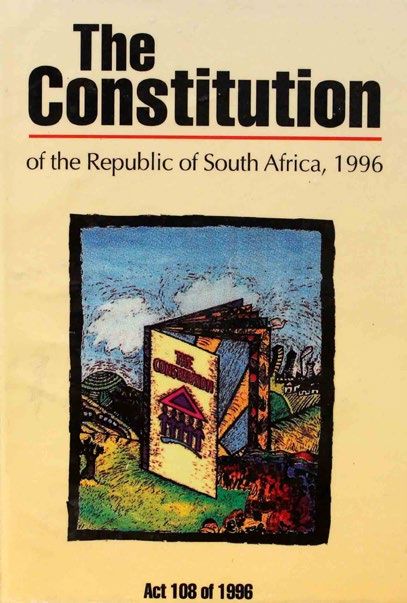
PREAMBLE of our Constitution
We, the people of South Africa,
Recognise the injustices of our past;
Honour those who suffered for justice and freedom in our land;
Respect those who have worked to build and develop our country; and
Believe that South Africa belongs to all who live in it, united in our diversity.
We therefore, through our freely elected representatives, adopt this Constitution as the supreme
law of the Republic so as to:
• Heal the divisions of the past and establish a society based on democratic values, social
12 justice and fundamental human rights;
• Lay the foundations for a democratic and open society in which government is based on
the will of the people and every citizen is equally protected by law;
• Improve the quality of life of all citizens and free the potential of each person; and
• Build a united and democratic South Africa able to take its rightful place as a sovereign
state in the family of nations.
May God protect our people.
Nkosi Sikelel’ iAfrika.
Morena boloka setjhaba sa heso.
God seën Suid-Afrika.
God bless South Africa.
Mudzimu fhatutshedza Afurika.
Hosi katekisa Afrika.
Laying The Foundation For GreatnessTHE NATIONAL Coat of Arms Contained within the shield are some of the earliest representations of humanity in the world.
Those depicted were the very first inhabitants of the land, namely the Khoisan people.
These figures are derived from images on the Linton Stone, a world-famous example of South
African rock art.
The motto - !KE E: /XARRA //KE, written in the Khoisan language of the /Xam people, means
‘diverse people unite’.
13
The National Coat of Arms is the highest symbol of the State. The Coat of Arms was launched on
Freedom Day, 27 April 2000. A central image of the Coat of Arms is the well known secretary bird
with its uplifted wings.
Symbolism of the Coat of Arms
Above the bird is the rising sun, a force that gives life while representing the flight of darkness and
the triumph of discovery, knowledge and understanding of things that have been hidden, and
illuminating the new life that is coming into being.
Below the bird is the protea, an indigenous flower of South Africa, which represents beauty, the
aesthetic harmony of all its cultures, and South Africa flowering as a nation. The ears of wheat
are emblems of the fertility of the land. The elephant tusks symbolise wisdom, steadfastness and
strength.
At the centre stands a shield, which signifies the protection of South Africans from one generation
to the next. Above it is a spear and a knobkierie. Together, they assert the defence of peace rather
than a posture of war. This shield of peace, which also brings to mind an African drum, conveys the
message of a people imbued with a love of culture.
Department of Arts and CultureAnnual Performance Plan 2019|2020
South African National Anthem Setjhaba sa South Afrika - South Afrika
(Our nation South Africa - South Africa)
Uit die blou van onse hemel,
(Ringing out from our blue heavens)
Uit die diepte van ons see,
(From the depth of our seas)
Oor ons ewige gebergtes,
(Over our everlasting mountains)
Nkosi sikelel’ iAfrika
(God Bless Africa) Waar die kranse antwoord gee,
(Where the echoing crags resound)
Maluphakanyisw’ uphondo lwayo,
(Raise high Her glory) Sounds the call to come together,
14 And united we shall stand,
Yizwa imithandazo yethu, Let us live and strive for freedom,
(Hear our Prayers)
Nkosi sikelela, thina lusapho lwayo.
(God bless us, we her children)
Morena boloka setjhaba sa heso,
(God protect our nation)
O fedise dintwa le matshwenyeho,
(End all wars and tribulations)
O se boloke, O se boloke setjhaba sa heso,
(Protect us, protect our nation)
Laying The Foundation For GreatnessAfrican Union Anthem NATIONAL Orders
The Order of Mapungubwe is awarded to South African citizens for
achievements that have impacted internationally and served the interests
of the Republic of South Africa. The first and highest category of this Order
is awarded in platinum. Other catergories are Gold, Silver and Bronze.
Let us all unite and celebrate together The Order of the Baobab is awarded to South African citizens for
The victories won for our liberation distinguished service. It is an award for contributions in the following
Let us dedicate ourselves to rise together areas:
To defend our liberty and unity 15
O Sons and Daughters of Africa • Business and the economy
Flesh of the Sun and Flesh of the Sky • Science, medicine and technological innovation
Let us make Africa the Tree of Life • Community service.
Let us all unite and sing together
To uphold the bonds that frame our destiny
Let us dedicate ourselves to fight together
The Order of the Companions of O R Tambo is awarded to foreign
For lasting peace and justice on earth
nationals (Heads of State and Government) and other foreign dignitaries.
O Sons and Daughters of Africa
It is awarded for friendship shown to South Africa. It is therefore an
Flesh of the Sun and Flesh of the Sky
order of peace, co-operation and active expression of solidarity and
Let us make Africa the Tree of Life
support.
Let us all unite and toil together
To give the best we have to Africa
The cradle of mankind and fount of culture
Our pride and hope at break of dawn.
O Sons and Daughters of Africa
Flesh of the Sun and Flesh of the Sky
Let us make Africa the Tree of Life.
Department of Arts and CultureAnnual Performance Plan 2019|2020
The Order of Luthuli is awarded to South Africans who have made a
NATIONAL Symbols
meaningful contribution to the struggle for democracy, human rights,
nation-building, justice, peace and conflict resolution. It symbolises the The National Flag of the Republic of South Africa was taken
vision of the late Chief Albert Luthuli - the legendary liberation struggle into use on 27 April 1994.
leader and first African recipient of the Nobel Peace Prize in 1961. The unique central design of the flag, which begins as a “V”
at the flag-post and comes together in the centre of the flag,
extending further as a single horizontal band to the outer
edge of the fly, can be seen as representing the convergence
of diverse elements in South African society, which then take
The Order of Mendi for Bravery is awarded to South African citizens who the road ahead in unison. This idea also links up with the motto
have performed an extraordinary act of bravery that placed their lives in of the new National Coat of Arms, namely !ke e: /xarra //ke, in
great danger, or who lost their own lives saving or trying to save the life of the language of the /Xam San people, which literally means
another person, the life of another person, or by saving property “diverse people unite”.
16
The National Animal is the SPRINGBOK
(Antidorcas marsupialis). This species has adapted to the dry,
The Order of Ikhamanga is awarded to South African citizens who have
barren areas and open grass plains and is thus found especially
excelled in the fields of arts, culture, literature, music, journalism and
in the Free State and North West Province, and in the Karoo up
sport.
to the west coast. They move in small herds during winter, but
often crowd together in bigger herds in summer. They breed
throughout the year and lambs are born after a six-month
gestation period.
Laying The Foundation For GreatnessThe National Flower is the GIANT or KING PROTEA The National Fish is the GALJOEN
(Protea cynaroides), found in the southwestern and southern (Coracinus capensis), which is found only along the South African
areas of the Western Cape, from the Cedarberg to just east of coast. It keeps to mostly shallow water, is often found in rough surf and
Grahamstown. The artichoke-like appearance of the flower sometimes right next to the shore. The Galjoen is a familiar sight for
heads of the king protea lead to the specific name ‘cynaroides’, anglers. Its diet consists mainly of red bait (ascidians), small mussels
which means ‘like cynara’ (the artichoke). A number of varieties and barnacles. It is also known in KwaZulu-Natal as blackfish or black
in colour and leaf shapes are found, but the most beautiful is bream.
the pink flower.
The National Tree is the REAL YELLOWWOOD
(Podocarpus latifolius), found from Table Mountain, along
the southern and eastern Cape coast, in the ravines of the
Drakensberg up to the Blouberg and the Soutpansberg in 17
Limpopo. The Yellowwood family is primeval and has been
present in this part of Africa for more than 100 million years.
The crown is relatively small in relation to its height and is
often covered with grey lichen.
The National Bird is the BLUE CRANE
(Anthropoides paradisia). It is quite common in the Karoo,
but is also seen in the grasslands of KwaZulu-Natal and the
Highveld, usually in pairs or small family parties. This elegant
bird is a light blue-grey in colour, with a long neck supporting
a big head, long legs and elegant wing plumes that sweep to
the ground. It eats seeds, insects and reptiles.
Department of Arts and CultureAnnual Performance Plan 2019|2020
DAC PUBLIC ENTITIES Contact List
LOGO Name of Institutions Primary Contact LOGO Name of Institutions Primary Contact
ArtsCape CEO: Marlene le Roux Afrikaans Taalmuseum Director: Mr Michael Jonas
Tel: (021) 410-9970 | 410 -9800 Tel: (021) 872 2018 | 872 3441
Fax: (021) 412 8756 | 410 9971 (021) 872 3642
Cell: 083 701 8889 Cell: 082 228 2188
Email: MarleneL@artscape.co.za Email: direkteur@taalmuseum,.co.za
The Market Theatre CEO: Ismail Mohamed Iziko Museums of South CEO: Ms Rooksana Omar
Foundation Tel: (011) 832 1641 Africa Tel: (021) 481 3800
Fax: (011) 834 4311 Fax: (021) 481 3994
Cell: 083 235 8440 Cell: 083 409 0609
Email: Ismailm@markettheatre.co.za Email: romar@iziko.org.za
PACOFS Acting CEO: Moeketsi Meshack Xaba National English Literary Director: Ms Beverly Thomas
Tel: (051) 447 7771 Museum Tel: (046) 622-7095/42
18
Fax: (051) 430 5523 Fax: (046) 622 2582
Cell: 064 7550 603 | 079 0133 530 Cell: 082 871 9019
Email: moeketsi@pacofs.co.za Email: b.thomas@nelm.org.za
Playhouse Company CEO: Ms Linda Bukhosini Luthuli Museum Director: Mr Brian Xaba
Tel: (031) 369 9555 | 369 9479 Tel: (032) 559-6822/3/4
Fax: (031) 306 2166 Fax: (032) 559-6806
Cell: 083 788 7902 Cell: 071 895 1256
Email: ceo@playhousecompany.com Email: Xabab@luthulimuseum.org.za
South Africa State Theatre CEO: Dr Sibongile Mkhize
Tel: (012 ) 392 4283 kwaZulu-Natal Director: Mr Luthando Maphasa
Fax: (012) 322 3913 Museum Tel: (033) 341 0554
Cell: 083 629 6899 Fax: (033) 345 0561
Email: Sibongiseni@statetheatre.co.za Cell: 083 645 3322
Email: lmaphasa@nmsa.org.za
Laying The Foundation For GreatnessLOGO Name of Institutions Primary Contact LOGO Name of Institutions Primary Contact
Msunduzi Museum Director: Dr Mlungisi Ngubane War Museum of the Boer Director: Mr Tokkie Pretorius
Tel: (033) 394-6834/5 Republics Tel: (051) 447 3447 | 447 0079
Fax: (033) 342-4100 | 394 6797 Fax: (051) 447 1322
Cell: 082 296 2499 Cell: 082 802 1698
Email: mngubane@msunduzimuseum. Email: tokkie@anglo-boer.co.za
org.za
National Museum Director: Ms Sharon Snell William Humphreys Art Director: Ms Ernestine White
Tel: (051) 447-9609 Gallery Tel: (053 ) 831 1724/5
Fax: (051) 447-6273 Fax: (053 832 2221
Cell: 074 244 8877 Cell: 083 260 4821
Email: snell@nasmus.co.za Email: director@whag.co.za
Nelson Mandela CEO: Mr Bonke Tyhulu
Museum Tel: (047) 501 9500 South African Director: Mr Francois Hendrikz
Fax: (047) 532 3345 | 538 0218 Library for the Blind Tel: (046) 622-7226 19
Cell: 082 523 4900 | 082 461 2099 | Fax: (046) 622-4645
082 312 7817 Cell: 082 552 4104
Email: Mandelamuseum32@intekom.co.za Email: director@blindlib.org.za
Ditsong Museums of South CEO: Ms Annabell Lebethe
Africa Tel: (012) 000 0010 National Library of South CEO: Prof Rocky-Ralebipi-Simela
Fax: (012) 323 6598 | 3237518 Africa Tel: (012) 401 9763 | 81 401 9717
Cell: 083 602 1407 Fax: (012) 326 7642
Email: annabell@ditsong.org.za Cell: 082 802 4168
Robben Island CEO: Mr Mava Dada Email: ralebipir@nlsa.ac.za
Museum and World Heritage Tel: (021) 413 4213
Site Cell: 081 747 3268
Email: mavad@robben-island.org.za
Department of Arts and CultureAnnual Performance Plan 2019|2020
LOGO Name of Institutions Primary Contact NPOs supported by DAC
Freedom Park CEO: Jane Mufamadi
Tel: (012) 336 4018 LOGO Name of Institutions Primary Contact
Fax: (012) 336 4021 BlindSA President: Ms Cathy Donaldson
Cell: 082 568 3504 Tel: (011) 839-1793
Email: jane@freedompark.co.za Fax: (011) 839-1217
National Arts CEO: Rosemary Mangope Cell: 083 701 4246
Council Tel: (011) 838 1383 Email: president@blindsa.org.za
EXT 106 Business and Arts South CEO: Ms Michelle Constant
Fax: (011) 838 6363 Africa Tel: (011) 447 2295
Cell: 083 441 2027 | 083 266 3360 Fax: (011) 447 2364
Email: Rosemary@nac.org.za Cell: 083 265 5000
National Film and Video Acting CEO: Mr Shadrack Bokaba Email: michelle@basa.co.za
Foundation Tel: (011) 483-0880
Fax: (011) 483 0881
20
Cell: 072 148 8888 | 084 211 2246
Email: shadrackb@nfvf.co.za
National Heritage Council CEO: ADV Sonwabile Mancotywa
Tel: (012) 348-1663
Cell: 082 330 5649
Email: s.mancotywa@nhc.org.za
South African Heritage Acting CEO: Ms Lungi Malgas
Resource Tel: (021) 462 4502
Agency Fax: (021) 462 1753
Cell: 076 011 1905
Email: lmalga@sahra.org.za
Pan South African CEO: Dr Rakwena Reginald Mpho
Language Board Monareng
Tel: (012) 341 9638
Fax: (012) 341 5938
Cell: 060 9871282
Email: mphom@pansalb.org
Laying The Foundation For GreatnessTable of Contents
PART A: STRATEGIC OVERVIEW 23 6.2 Strategic Objectives for the 2019 MTEF 45
6.3 Quarterly Targets for the 2019/20 Financial Year 48
1. Vision, Mission, Value Statement and Legislative and other 24 6.4 Budget and MTEF Estimates 49
Mandates 6.5 Reconciling Performance Targets with Expenditure 51
1.1 Vision 24 6.6 Strategic Risk Analysis 2019/20 52
1.2 Mission 24 7. Programme 3: Arts and Culture Promotion and Development 56
1.3 Values 24 7.1 Purpose of the Programme 56
1.4 Legislative and other Mandates 24 7.2 Strategic Objectives for the 2019 MTEF 57
2. Updated Situational Analysis 25 7.3 Quarterly Targets for the 2019/20 Financial Year 59
2.1 The Macro Environment 28 7.4 Budget and MTEF Estimates 60 21
2.2 The Organisational Environment 29 7.5 Reconciling Performance targets with Expenditure 62
3. Revisions of Policy and Legislative Mandates 31 7.6 Strategic Risk Analysis 2019/20 63
3.1 Review and/or development of ACH policies 31 8. Programme 4: Heritage Promotion and Preservation 64
3.2 Review of the White Paper on Arts, Culture and Heritage 31 8.1 Purpose of the Programme 64
4. Overview of the 2019/20 Budget and MTEF Estimates 32 8.2 Strategic Objectives for the 2019 MTEF 65
4.1 Expenditure Allocations 32 8.3 Quarterly Targets for the 2019/20 Financial Year 67
8.4 Budget and MTEF Estimates 68
PART B: PROGRAMME AND SUB-PROGRAMME PLANS 34 8.5 Reconciling Performance targets with Expenditure 70
8.6 Strategic Risk Analysis 2019/20 71
5. Programme 1: Administration 35
5.1 Purpose of the Programme 35 PART C: LINKS TO OTHER PLANS 74
5.2 Strategic Objective for the 2019 MTEF 37
5.3 Quarterly Targets for the 2019/20 Financial Year 39 9. Community Library Conditional Grant 75
5.4 Budget and MTEF Estimates 40 10. Capital Works (Infrustructure) Grant 77
5.5 Reconciling Performance Targets with Expenditure 41 11. Public Entities Reporting to the Department 78
5.6 Strategic Risk Analysis 2019/20 42 12. Monitoring of DAC Public Entities 80
6. Programme 2: Institutional Governance 44 13. Public-Private Partnerships 81
6.1 Purpose of the Programme 44 14. Materiality Framework 81
Department of Arts and CultureAnnual Performance Plan 2019|2020
LIST OF ACRONYMS/ABBREVIATIONS
ACH Arts, Culture and Heritage MRM Moral Regeneration Movement
ACPD Arts and Culture Promotion and Development MTEF Medium-Term Expenditure Framework
AGSA Auditor-General of South Africa MTSF Medium-Term Strategic Framework
APP Annual Performance Plan NAAIRS National Automated Archival Information Retrieval System
AToM Access to Memory NARSSA National Archives and Records Service of South Africa
AU African Union NDP National Development Plan
BBBEE Broad-Based Black Economic Empowerment NEP National Evaluation Policy
CAC Community Arts Centre NHC National Heritage Council
CEO Chief Executive Officer NT National Treasury
CFO Chief Financial Officer PanSALB Pan South African Language Board
CME&GG Coordination, Monitoring & Evaluation, and Good Governance PPEM People-to-People Mechanism
22
DAC Department of Arts and Culture RLHR Resistance and Liberation Heritage Route
DDG Deputy Director-General SA South Africa
DG Director-General SACO South African Cultural Observatory
DPME Department of Planning, Monitoring and Evaluation SDGs Sustainable Development Goals
DST Department of Science and Technology SAHRA South African Heritage Resources Agency
GTAC Government Technical Advisory Centre SAPLIS South African Public Library and Information Services
HLT Human Language Technologies TRC Truth and Reconciliation Commission
HR Human Resources
ICT Information and Communication Technology
IKS Indigenous Knowledge Systems
IODSA Institute of Directors South Africa
IT Information Technology
M&E Monitoring and Evaluation
MGE Mzansi Golden Economy
MinMEC Ministers and Members of the Executive Council
Laying The Foundation For GreatnessPART
A
Strategic
OVERVIEW
23
Department of Arts and CultureAnnual Performance Plan 2019|2020
1. VISION, MISSION,VALUE STATEMENT AND 1.4 Legislative and other mandates
LEGISLATIVE AND OTHER MANDATES
• The Constitution of the Republic of South Africa, 1996
• The White Paper on Arts, Culture and Heritage, 1996
1.1 Vision • National Development Plan (Vision 2030)
• Government Immovable Asset Management Act, 2007
A creative and inclusive nation.
• Public Finance Management Act, 1999
• National Youth Policy, 2009
1.2 Mission • Government wide Planning, Monitoring and Evaluation Framework, 2007
• The Use of Official Languages Act, 2012
Develop, preserve, protect and promote arts, culture and heritage. • The Cultural Promotion Act, 1983
• Cultural Institutions Act, 1998
1.3 Values • National Heritage Council Act, 1999
• National Heritage Resources Act, 1999
• Responsiveness: a department that is quick to react to requests from and provide • Heraldry Act, 1962
feedback to the public and other stakeholders. • South African Geographical Names Council Act, 1998
24
• Patriotism: as loyal PATRIOTS, we passionately serve South Africa and its people to • The National Archives and Records Service of South Africa Act, 1996
build a nation. • The Legal Deposit Act, 1997
• Ubuntu: CARE and concern for the wellbeing of our staff, customers and stakeholders • The Copyright Act, 1978
is the foundation of our success. • The Promotion of Access to Information Act, 2000
• Creative/Innovative: in everything we do, we strive for CREATIVE/INNOVATIVE • The Promotion of Administrative Justice Act, 2000
approaches. • The Electronic Communications and Transactions Act, 2002
• Integrity: in our day-to-day activities, our INTEGRITY shines through. • The Protection of Personal Information Act (POPIA), 2013
• Professionalism: together, we act PROFESSIONALLY to deliver value to the South • Minimum Information Security Standards (MISS), 1998
African economy, its people and ourselves. • South African Library for the Blind Act, 1998
• Accountability: we are ACCOUNTABLE to the people of South Africa in our quest to • National Library of South Africa Act, 1998
provide them with high-quality services. • National Council for Library and Information Services Act, 2001
• Local Government: Municipal Structures Act, 1998
• Legislation pertaining to provincial library services (including previous provincial
ordinances)
• Municipal Systems Act, 2002
• Division of Revenue Act, 2007
Laying The Foundation For GreatnessInternational Treaties 2. UPDATED SITUATIONAL ANALYSIS
By virtue of being a State Party to international arts, culture and heritage treaties (conventions The National Development Plan (NDP) envisions a South African society that embraces its diversity
and covenants), South Africa is bound by the legal obligations enshrined in those treaties. This rather than emphasising differences along the contours of race, class, gender, religion, culture and
includes implementation, domestication, reporting and other legally binding obligations. (Cf. other social constructs. In South Africa with its divisive past, while the social cohesion and nation
Constitution, Chapter 14, sections 231-233). building initiative has been on the agenda of government for some time, events such as “fees
must fall”, service delivery protests, regular incidents of racism, and heightened levels of political
• 1954 Convention on the Protection of Cultural Property in the Event of Armed Conflict contestation point to the need for an upscaled focus on building a more participatory citizenry in
• 1970 Convention on the Means of Prohibiting and Preventing the Illicit Import, Export order to realise the ideal of an inclusive and thus a socially cohesive society.
and Transfer of Ownership of Cultural Property
• 1972 Convention concerning the Protection of the World Cultural and Natural Heritage The social cohesion programme needs to be geared towards overcoming the fractures and
• 2001 Convention for the Protection of the Underwater Cultural Heritage divisions of the past in our communities and in society at large. Critical to the realisation of this
• 2005 Convention on the Protection and Promotion of the Diversity of Cultural ideal are the ongoing sector engagements leading to the conclusion of the social compact which,
Expressions among other things, should outline the value systems and principles that define being South
• 1966 International Covenant on Economic, Social and Cultural Rights African. Further, work needs to continue on foregrounding national symbols that are inclusive and
• 1995 UNIDROIT Convention on Stolen or Illegally Exported Cultural Objects uniting, as well as other social cohesion programmes such as community conversations, the social
25
cohesion advocates initiative and the moral regeneration efforts. There is a need to engage the
young people of South Africa directly with the aim of promoting patriotism and shared values. The
celebration and commemoration of significant national days must continue to promote interracial
and intercultural gatherings that are central to social cohesion.
The economic potential of arts, culture and heritage (ACH) has not been explored or exploited
fully. The revision to the White Paper on Arts and Culture provides us with an opportunity to
reposition the sector as a major contributor to the socio-economic imperatives of government.
This entails entrenching the strategic value of ACH in society and dispelling the distorted notion
that the value of ACH is recreation or entertainment only. Further, the government’s radical socio-
economic transformation agenda needs to be embedded in the strategies, plans and programmes
of the Department. The Mzansi Golden Economy (MGE) strategy should assist in creating job
opportunities for previously disadvantaged ACH practitioners. Further, the mainstreaming of
the youth, women and people with disabilities into the mainstream of the economy should be
foregrounded in all our programmes.
Department of Arts and CultureAnnual Performance Plan 2019|2020
The knowledge that resources are limited, however, forces us to direct our efforts to key priority The Department will continue to maintain and strengthen its strategic cultural relations with
programmes that will yield immediate impact and further assist us to complete the programme other parts of the world, including the Americas, Europe, Asia and the various United Nations
of action of the Fifth Administration. As such, our programme of action will be guided by the and other multilateral forums. The SA-China People-to-People Exchange Mechanism (PPEM)
following priorities: had been agreed on by the two respective Presidents, and the DAC Minister is leading the SA
inter-ministerial component. The DAC Cultural Diplomacy programme will continue to be aligned
A. Accelerating and amplifying nation building and social cohesion and to the department’s domestic mandate and ensure benefits accrue to local artists and the sector.
dealing with the challenges of racism, among other things
C. The Infrastructure Programme, including the National Heroes’ Acre
As the lead department for Outcome 14, the DAC is responsible for coordinating, supporting, Project and Resistance and the Liberation Heritage (RLH) Route
monitoring and reporting on progress against MTSF indicators and performance targets, with
contributions from 13 government departments and entities. In terms of the standing procedures The overall infrastructure has been beset with challenges of lack of expertise, delays in service
for the management of MTSF Outcomes, the Minister is obligated to table Outcome 14 quarterly delivery, cost escalations and failure to derive value for money. In a bid to resolve these challenges,
progress reports to Cabinet. Progress is being made to involve the provinces and entities in the Department will be establishing a Project Management Office, which will comprise of the
coordinating, monitoring and reporting on the Outcome. following skills and competencies:
26 Through our programming the principles of inclusivity and integration will permeate all our • Project Management
programmes and activities as espoused in outcome 14 • Architecture
• Quantity surveying
i. Currently, the celebration or commemoration of national days continue to be attended • Engineering
exclusively by a particular section of the population. The Department is thus challenged • Construction Management
with ensuring that there are inclusive celebrations and commemorations.
ii. The Department intends foregrounding national symbols that are inclusive and The Resistance and Liberation Heritage (RLH) Route narrative will be entrenched in our
uniting, and continue with community conversations, the social cohesion advocates programming. The narrative will go beyond the building of monuments, museums and memorials
initiative, the moral regeneration efforts, and sector engagements leading to the to also permeate the performing arts through theatre productions, cinemas and television through
conclusion of the social compact. film production and documentaries, as well as museums and galleries through exhibitions and
displays.
B. Focusing on Africa and the global space
D. Promotion of all official languages
The Department will continue to prioritise Africa and BRICS in its Cultural Diplomacy programme,
including increased global and continental participation. The annual hosting of the Africa Access to information is essential to the transformation agenda. The use of previously marginalized
Month and cultural seasons/weeks planned with other countries in the continent will provide languages will be given priority and should feature prominently in our knowledge production,
the focus point in the Africa programme over the next MTEF. Further, cultural diplomacy will be dissemination and sharing. To this end, the Department will:
consolidated in the Middle East through SA’s support for cultural weeks, the Annual Solidarity
Week with Palestine and the FISAHARA Festival in Western Sahara.
Laying The Foundation For Greatnessi. Continue to provide technical support in the setting up of active and operational As part of the Library Infrastructure Development programme, ongoing consultations and
language units in all public institutions and departments awareness-raising initiatives will be pursued with communities to sensitize them about the value
ii. Support language development through the creation of terminology in all the official and significance of the library infrastructure in their respective communities. This will ensure that
languages and investing in human language technologies (HLT) projects libraries are viewed as essential community assets rather than as targets of destruction during
iii. Promote access to information through the provision of a translation and editing community service delivery protests.
service in official and foreign languages
iv. Finalise the process of appointing and establishing the Board of PanSALB Further, efforts are underway to address the challenges facing the archives and repositories in
various spheres of government. The planning phase for a new state-of-the-art archival facility will
E. Ensuring that Mzansi Golden Economy benefits previously disadvantaged be initiated in the 2019 financial year and funds have been sourced from the current infrastructure
budget for this purpose. Running parallel with the aforesaid planning phase will be processes
arts practitioners
geared at securing an archival conditional grant from National Treasury.
The Department is responsible for the development and promotion of the creative industries,
including audience development and market access through the Mzansi Golden Economy (MGE) G. The Community Arts Programme
programme. Our priority is to ensure that the opportunities of the MGE programme permeate
all sectors of society to create an enabling environment and/or provide opportunities for up- The Department will focus on supporting the development and implemenation of Provincial
27
and-coming arts, culture and heritage practitioners. To this end, efforts will be made to ensure Community Arts Programme with the aim of widening the scope of access to Arts, Culture
that MGE benefits the neediest of our communities in remote provinces, towns and villages. The and Heritage Programmes as well as activities for communities and local artists. The Provnicial
Department will also improve the communication mechanism so that those whose projects have Community Arts Development programme will deal with challenges of community Arts
not been successful are provided with feedback. Programming, training management and skills development, infrustructure development, and
strengthening relationship between the three spheres of government.
Specific MGE projects that will be pursued over the 2019 MTEF include the incubation programme,
cultural observatory, the Venture Capital Fund, support for cultural events, touring ventures and Over the 2019 MTEF, the community arts programme will entail:
public arts.
i. The development of new CACs
ii. The refurbishment of existing CACs
F. The library and archives programme
iii. The provision of financial support for community arts activities.
The Department will continue the roll-out of the community library and archival programme
designed to preserve national memory and promote an informed, reading and writing nation.
Through the Library Conditional Grant, the DAC will continue to build and upgrade libraries,
purchase relevant books, and improve ICT connectivity. The modernising of library services
will seek to appeal to youth who are technically skilled, and further ensure the transformation
of collections and infrastructure. Equipment and capabilities to render services for the visually
impaired will also be prioritised.
Department of Arts and CultureAnnual Performance Plan 2019|2020
H. Ensuring that the school curriculum teaches correct South African Social Analysis
heritage and history through the Arts Education Programme and DAC
The National Development Plan (NDP) envisions a South African society that embraces its diversity
Schools Programme
rather than emphasising observable differences along the contours of race, class, gender, religion,
culture and other social constructs. The ACH Sector is gaining recognition within the wider
Through the Schools Programme, the Department will continue to deploy artists in schools as part
government spectrum and is seen as playing a critical role in social cohesion and transformation.
of inculcating arts, culture and heritage in the schooling system. Moreover, we will intensify the
Success is this area of work would be enhanced if we first determined the root of social disparity
campaign of promoting national symbols and constitutional values to foster a spirit of patriotism
systems, including the fundamental aspects of societal ills that have played themselves out on
and a sense of national identity. When talking about identity, we will be looking not just at South
different platforms.
African identity but also an African identity. The hoisting of the African Union (AU) flag side by
side with the South African flag, and the singing of the AU anthem together with the SA national
Further, the NDP and Vision 2030 are anchored by two fundamental objectives, namely the
anthem are pointers to our commitment to the continent and the expression of African identity
elimination of poverty and the reduction of inequality. As such, the success of our plans will be
and pride.
measured by the degree to which the lives and opportunities of the poorest South Africans are
transformed.
2.1 The Macro Environment
28 Environmental Analysis
Political Analysis
Arts and culture initiatives need to contribute to the green environment through, for example,
There is a very strong political will and support for the ACH Sector and this augurs well for conservation methodologies, green infrastructure and other such creative and innovative
successful implementation and achievement of the Department’s mandate. While internally the strategies.
Department enjoys strong political support, programmes relating to cultural diplomacy, exchange
and seasons may be vulnerable to political instability and changes in the countries we intend to
Technological Analysis
partner with in delivering these programmes.
Digital technology is enabling cultural and creative products, services and ventures to be
Economic Analysis launched from any location at scale, and successful cultural entrepreneurs have been able to
harness technology to their advantage. Increasing use and adoption of technology is the domain
The low economic growth in South Africa has had a huge impact on the budget allocation to the of the privileged and universal access is needed to bring our people up to speed and to allow
DAC. As such, the ACH Sector will have to take a serious re-look at how the convergence between them to exploit these technologies that allow for collective access by arts practitioners. We need
entities and provinces can take place through aligned and optimized systems to do “more with to increasingly make use of technology to assist in delivering integrated automated services for
less”. New funding streams and models need to be explored to bring forth alternative revenue artists.
streams to supplement the much-needed ACH Sector programmes. Key to this is the positioning
of the creative and cultural economies as one of the fastest growing industries, and this narrative
should be at the centre of the government strategy.
Laying The Foundation For GreatnessPolicy and Legal Analysis • Improved and better resource allocation to ensure that resources are allocated for
redress purposes.
The Revised White Paper carries forward the gains of the preceding two decades and addresses • Programmes should be designed to ensure that redress and transformation are
the challenges of inequality, poverty, unemployment and persistent division based on race, achieved. If the aim is to empower and prioritise previously disadvantaged arts and
gender and other factors of exclusion. An opportunity is presented to the ACH Sector to reposition culture practitioners, the budget should show that.
the Sector and create conditions conducive to flourishing cultural development. • Strengthening and improving oversight, monitoring and evaluation of all the DAC’s
public entities.
Moreover, the reality on the ground is that the three tiers of government are not funding in • Focusing on addressing under-expenditure on the Library Grant and the infrastructure
tandem and this hampers coordinated, integrated development. As such, joint implementation programme.
strategies need to be explored that will enable cooperative governance to work optimally and • Ensuring that the Department’s performance measures (objectives, indicators and
not sporadically. targets) are strategic, useful and adhere to the SMART principle to ensure proper
accountability.
2.2 The Organisational Environment • Aligning risk assessment with and integrating it into the planning processes.
As we strive to be a developmental state with a capable workforce, we will constantly identify Improving the quality of reporting and compliance
29
the requisite skills in our respective environments, and develop them through training and
mentorship programmes. To this end, skills audits and work studies will be conducted from time The Department has a portfolio of 25 public entities, which includes heritage, performing
to time to improve human resource utilisation in the organisation. The ongoing skills audits in the arts, development (funding) bodies and libraries. As part of its oversight responsibilities, the
DAC is to ensure that human resources are correctly placed in the organisation. Department has to ensure that these entities are well managed and that sound governance
principles are entrenched. To this end, the Department has introduced a number of governance
The reductions in budgets, and more specifically the ceilings imposed on expenditure on the instruments, including the Shareholders’ Compact, governance forums such as the CEO’s Forum
compensation budgets of government departments, call for a renewed focus and realignment , quarterly reporting and site visits. Despite all these efforts, the DAC’s entities continue to be
of the organisational programmes, structure and resources of the Department. Priority 10 of the confronted with a range of governance challenges, including labour disputes that have regrettably
10-Point Plan, that aims to ensure people are placed in the correct positions in the organisation, is found their way into the media space. Further to the governance efforts outlined above, the
therefore particularly important and will be expedited during 2019/20. following interventions were introduced in an effort to curb the challenges facing entities:
Finally, the oversight work of the Portfolio Committee on Arts and Culture and the Audit and Risk • The scope of the site visits to entities was extended to provide a platform for all
Committees in the 2018/19 financial year raised critical issues needing serious attention by the stakeholders in the entities to engage on matters relating to the operations in the
Department and remain relevant in 2019/20, including: respective entities.
• The Minister initiated bilateral meetings with the councils of the entities and this has
afforded both the councils and Minister a platform to further engage on matters
affecting service delivery.
• Support services (i.e. legal, HR, IT, etc.) from the Department are dispatched to entities
to resolve challenges that confront entities.
Department of Arts and CultureYou can also read


