Assuring the safety of vaccines - The plastisphere Mandatory childhood vaccination Latin anyone? - Society for Applied ...
←
→
Page content transcription
If your browser does not render page correctly, please read the page content below

MARCH 2021   |   VOL. 22 NO. 1   |   ISSN 1479-2699

Assuring the safety
of vaccines
The plastisphere
Mandatory childhood vaccination
Latin anyone?

CONTACT POINT EDITORIAL
• • • • • • • • • • • • • • • • • • • • • • • • • • • • • • • • • • • • • • • • • • • • • • • • • • • • • • • • • • • • • • • • • • • • • • • • • • • • • • • • • • • •
Editorial Group Copy dates Executive Committee You don’t have
Editor
Paul Sainsbury
paul@sfam.org.uk
Vol. 22 No. 2 June 2021
Wednesday 14 April
COMMITTEE MEMBERS
President
my attention
Vol. 22 No. 3 September 2021 Brendan Gilmore
Regular Content Editor Wednesday 7 July b.gilmore@qub.ac.uk
Louise Hill-King
Vol. 22 No. 4 December 2021 General Secretary
louise@hill-king.com
Wednesday 6 October Clare Taylor
Cover Artist cl.taylor@napier.ac.uk
Vol. 23 No. 1 March 2022
Nicola Williams
Wednesday 12 January Meetings Secretary
ni66i.w@gmail.com
Ian Feavers
Features Editors
Elaine Cloutman-Green Society office staff ian.feavers@icloud.com
Treasurer
elaine.cloutman@gosh.nhs.uk
Oern Greif
Marcela Hernández García
Chief Executive
Lucy Harper
oerngreif@aol.com A ‘you don’t have my attention’ glare is a look I have seen in many a
marcela.hernandez@uea.ac.uk
lucy@sfam.org.uk
ORDINARY COMMITTEE MEMBERS Zoom-face over the last 12 months. The pandemic forced many organisations
Sarah Maddocks
smaddocks@cardiffmet.ac.uk
Head of Communications and
Business Development
UNTIL JULY 2021
like the Society for Applied Microbiology to adopt virtual formats for
Ayuen Lual Paul Sainsbury
Mike Dempsey
m.dempsey@mmu.ac.uk
their conferences and meetings, and with free registration – participation
ayuen.lual@phe.gov.uk paul@sfam.org.uk
Nicola Stanley-Wall Finance and Grants Coordinator
Sally Cutler rocketed. But many of these virtual conferences are not serving the needs
n.r.stanley-wall@dundee.ac.uk Tina Sellwood
s.cutler@uel.ac.uk
of this much more diverse and international scientific community.
tina@sfam.org.uk Elaine Cloutman-Green
Clare Taylor
elaine.cloutman@gosh.nhs.uk
cl.taylor@napier.ac.uk Member Relations and It is not enough these days to simply translate a traditional example, are still an extremely important method of
Communications Officer
Advertising ORDINARY COMMITTEE MEMBERS in-person event to an online format. It can be difficult to communication for early career researchers who need to
Luwam Mekonen
Luwam Mekonen UNTIL JULY 2022 hold a virtual audience’s attention at the best of times, increase their visibility and gain exposure. However,
luwam@sfam.org.uk
luwam@sfam.org.uk but with many of us socialising, working and learning in many of these young people have been networking online
Stephen Forsythe
Digital Communications and
Proofreader sforsythe4j@gmail.com this environment, sitting through numerous hour-long since they received their first smartphone. This group of
Engagement Officer
Liz Rees slide-based presentations is the last thing we want to do. individuals have led the way in determining what they
Robert Millar Catherine Ludden
liz@lizrees.co.uk When this is optional, many of us will opt out. need from a virtual event and have organised two of
robert@sfam.org.uk catherine.ludden@lshtm.ac.uk
Design and Production SfAM’s biggest collaborative conferences – the ECS
Events and Projects Manager Marcela Hernández García The committees and staff responsible for the SfAM online
John Dryden Symposium (page 12) and the International Microbiology
Laura Lincoln marcela.hernandez@uea.ac.uk events featured in this issue of Microbiologist relentlessly
john@octopusdesigngroup.com Conference (page 50). These events do not simply replace
laura@sfam.org.uk focus on a quality audience experience. There are shorter,
ORDINARY COMMITTEE MEMBERS aspects of in-person conferences but offer innovative
Business Technology Manager punchier, interactive speaker sessions with the ability to
UNTIL JULY 2023 approaches that allow dynamic virtual interactions that take
Abraham Glover watch offline and submit questions beyond the event.
abraham@sfam.org.uk Emmanuel Adukwu
inspiration from television, social media and online gaming.
Subtitles (when possible) to enable silent viewing, and
emmanuel.adukwu@uwe.ac.uk the more personal networking, workshop and community We will always crave face-to-face interactions, but for
Policy and Public Affairs Manager
Lisa Rivera Suzy Moody sessions are designed to leave the delegate feeling those organisations that have embraced the digital move,
lisa@sfam.org.uk suzy.moody@solent.ac.uk motivated, productive and less isolated. designing any future programme of events has just got a
Science Policy Officer lot more challenging.
Having information provided to us in a digital format is
Lucky Cullen
by no means a new phenomenon, but as organisations …and talking of events, I suggest you turn to page 21 first,
Society for Applied Microbiology policy@sfam.org.uk
streamline their events to keep people’s attention, we are as you now only have three days to register for the Vaccine
+44 (0)20 3880 2881 Science Policy Intern being offered top-class keynote speakers that we actually Hesitancy event.
communications@sfam.org.uk Catriona MacDonald
want to hear from!
www.sfam.org.uk catriona@sfam.org.uk
But scientific meetings and conferences are more than just
Disclaimer: The Society assumes no responsibility for the opinions expressed by contributors. The views expressed by Microbiologist is published quarterly by the
Society officers and staff do not necessarily represent the official position of the Society. Readers should note that scientific Society for Applied Microbiology, a registered charity. speakers; many new collaborations and partnerships are Paul Sainsbury
material is not refereed and represents only the views of the authors. The claims of advertisers cannot be guaranteed. ISSN 1479-2699. formed at these events. Traditional poster sessions, for Editor
02 microbiologist | March 2021 www.sfam.org.uk www.sfam.org.uk microbiologist | March 2021 03
CONTENTS CONTENTS
• • • • • • • • • • • • • • • • • • • • • • • • • • • • • • • • • • • • • • • • • • • • • • • • • • • • • • • • • • • • • • • • • • • • • • • • • • • • • • • • • • • • • • • • • • • • • • • • • • • • • • • • • • • • • • • •
My daughters and I are privileged to
have a good education and many
opportunities, but this is not the norm
throughout most of Africa. Evidence News Must-read Articles
shows that African women and girls
bear the brunt of poverty and 02
Contact point 42
Environmental Microbiology
elimination of this bias must start 03
Editorial 43
Microbial Biotechnology
with their education. You don’t have my attention
06
A President speaks
People & Places
Unparalleled achievements
Dr Yemesi Jeff-Agboola
Page 09
08 Harper’s postulates 44 An interview with Dr Joan Geoghegan
Bringing gender into focus
09 International Day of Women and 46 Careers: best-laid plans...
Girls in Science
48 London’s microbiota: gone to the dogs
10 Shaping the future
Things can only get better
Education &
12 10th ECS Research Symposium Public Outreach
Features 50
SfAM International Online
Microbiology Conference
14 A psychological ‘vaccine’ against fake news
18 Assuring the safety of vaccines
Policy & Public Affairs
21 Vaccine Hesitancy
52 BioFocus: resilience and innovation
22 A psychologist’s perspective
54 A new dawn for UK science policy
Parental decisions about vaccination:
concerns between exploitation & neglect 55 Andrew Miller Policy Competition
26
A paediatrician’s perspective 56 Meet the Policy Subcommittee’s
Parental decisions about vaccination: ECS members
our children’s health
29
New members of the Society
Industry
30
Latin anyone?
34
AMR: an unseen threat in the race 58 The latest news, views and
against COVID-19 microbiological developments
38
The global diversity of the plastisphere 61 European Academy of Microbiology is
ensuring effective vaccines in the time
of COVID-19
04 microbiologist | March 2021 www.sfam.org.uk www.sfam.org.uk microbiologist | March 2021 05
A PRESIDENT SPEAKS A PRESIDENT SPEAKS
• • • • • • • • • • • • • • • • • • • • • • • • • • • • • • • • • • • • • • • • • • • • • • • • • • • • • • • • • • • • • • • • • • • • • • • • • • • • • • • • • • • •
Late last year it was my pleasure to inform our 2020
recipient of the WH Pierce Prize, Dr Joan Geoghegan
from the Institute of Microbiology and Infection,
University of Birmingham, that she had been awarded the
Society for Applied Microbiology’s most prestigious award
in recognition of her outstanding contribution to the
understanding of the molecular basis of Staphylococcus
Unparalleled aureus colonisation, biofilm formation and infection.
The WH Pierce Prize is awarded annually to an early career
microbiologist who has made a substantial contribution
achievements to the science of applied microbiology. Nomination
(by members of the Society only) for the 2021 prize is now
open, so please consider putting forward a nomination.
You can read more about Dr Joan Geoghegan and her
world-leading research later in this issue.
In February, SfAM joined forces with the National Biofilm
Innovation Centre (NBIC) for a one-day virtual meeting
‘Microbes and Biofilms in the Food Industry’, with nine
excellent speakers from the UK, Ireland and the USA and
over 300 delegates, discussing the challenges of controlling
microbial contamination, new technologies, biocides and
regulatory control of contamination control measures in
On 8 December last year, a 91-year-old grandmother, Margaret Keenan, the food industry. Our varied and exciting programme of
became the first person in the UK to be administered the first of two doses events for the remainder of the year is available on our
website. In particular, I am looking forward to the Early
of the Pfizer/BioNTech COVID vaccine. Regulatory approval for the Career Scientist (ECS) Research Symposium 2021, this year
Oxford-AstraZeneca vaccine and the Moderna vaccine followed swiftly on celebrating its 10th birthday and running from 22 to
26 March. The week-long event highlights and celebrates
30 December 2020 and 8 January 2021, respectively. At the time of writing, the very best of our early career scientists from industry
over 18 million people in the UK have had at least one dose of a COVID and academia. Providing opportunities to present, listen,
network and participate, this is a symposium not to
vaccine, and with current rollout rates 16 million people will have received be missed. I encourage you to support our early career
their first dose of the vaccine by the middle of February. scientists, the lifeblood of our Society and the future
of our discipline, by joining us in March. I wish all of our
ECS Committee and contributors a successful meeting and
It’s well worth reflecting on; three vaccines developed, These successes, after a year of tribulations, personal
fruitful networking! I thank them for their dedication
trialled and approved and several more in late-stage sacrifice and tragic loss, bring hope for a return to aspects
and hard work in organising this superb programme of
development, to combat a new coronavirus pandemic, of normal life. They also point towards the unfathomable
talks and events, and for the valuable contribution they
all within a year of the first reported cases of SARS-CoV-2. value of the science base, not only here in the UK but
make to our Society. As we move from winter to spring,
By any measure, it is a remarkable feat of human across the world, and the importance of continuing to
I look forward to continue working with and hearing from
endeavour and an achievement unparalleled in the history support and invest in both private and public sector
our members, and to seeing you (hopefully in person) at a
of medicine. Of course, some challenges remain, with scientific research and development. It’s always hard to
future meeting.
new variants of the virus now becoming widespread in predict when and from where scientific discoveries will
a number of countries, with information on the likely arise, so investing in and maintaining a diverse science base
efficacy of these vaccines now emerging. Despite this, the is an essential part of any future pandemic preparedness,
speed at which new vaccines have been developed, the
diversity of approaches to vaccine design and the speed at
which production, validation and regulatory approval have
and also our ability as a society to respond to emerging
global challenges including antimicrobial resistance, food
safety and security, climate change, the health of our
These successes, after a year of tribulations,
taken place is nothing short of incredible. If politics is the
art of the possible then science is surely the art of making
oceans and addressing health inequalities around the
globe. A flexible and diverse science base is the foundation
personal sacrifice and tragic loss, bring hope
the impossible possible. of a healthy economy and a healthy society. At SfAM
we support scientists working in all areas of applied
microbiology, across a wide range of disciplines, from
for a return to aspects of normal life
science outreach activities in the classroom, right through
Brendan Gilmore to undergraduates, PhD candidates and scientists at all
Queen’s University Belfast career stages in the public and private sectors.
06 microbiologist | March 2021 www.sfam.org.uk www.sfam.org.uk microbiologist | March 2021 07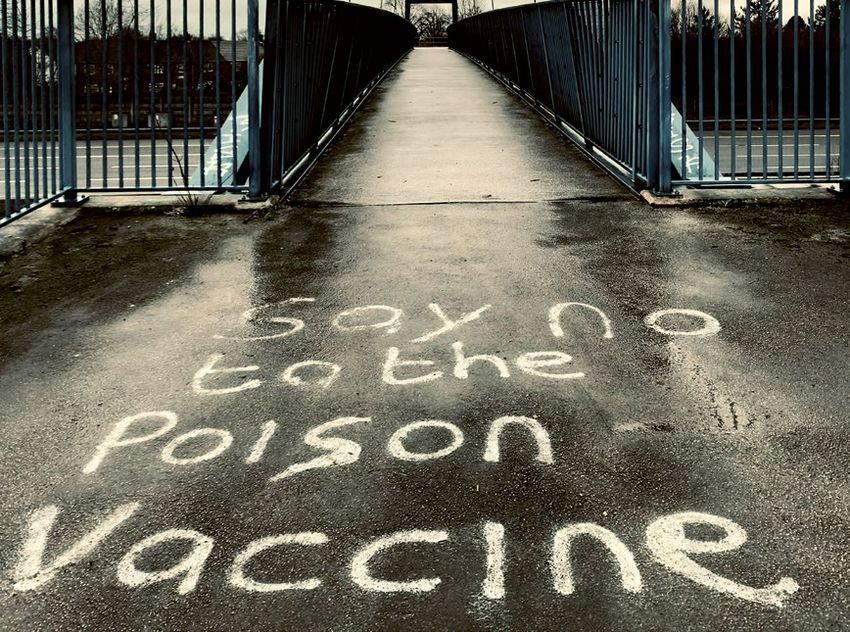
HARPER’S POSTULATES HARPER’S POSTULATES
• • • • • • • • • • • • • • • • • • • • • • • • • • • • • • • • • • • • • • • • • • • • • • • • • • • • • • • • • • • • • • • • • • • • • • • • • • • • • • • • • • • •
International Day of Women and Girls in Science
11 FEBRUARY 2021
International Women’s Day #choosetochallenge
8 MARCH 2021
Bringing gender
into focus Dr Elaine Cloutman-Green BEM LEAD HEALTHCARE SCIENTIST / CLINICAL LECTURER
‘As part of a course, I did a project on surface modification to prevent infection in
catheterised spinal injury patients. For the first time I saw how science could make
a difference, not in 10 years but quickly and for patients. I knew this was the kind
of science I wanted to do’.
Dr Yemesi Jeff-Agboola SfAM INTERNATIONAL MICROBIOLOGY CONFERENCE COMMITTEE CHAIR
‘Women still face major challenges and obstacles in Africa, with their contributions
to the economy not properly recorded or recognised. The most inhibiting factor
is they continue to be denied an education and we know that poverty decreases
when more women and girls are educated. Women and girls need to see more
As well as bringing into focus the scientific process in a very public way, action being taken to achieve gender parity and not just a list of wishful goals and
aspirations. We are not the faces of poverty, but the keys to overcoming it’.
the global pandemic has shone a light on many societal inequalities,
including gender discrimination. One example of this has been academic
journal submissions: despite an overall increase in submissions to life Dr Joan Geoghegan WH PIERCE PRIZE WINNER 2020
science journals during 2020, the number from female first authors ‘Establishing my own research group and contributing to the mentoring of the next
generation of microbiologists will never stop feeling like a great achievement and
began to decline in March and continued to fall in April and May.1 one of which I am incredibly proud’.
I’m putting this article together a few days before The role of representation is important in breaking
International Day of Women and Girls in Science 2021. down barriers and here at the Society we hold Equality,
The UN’s description of this day states: Diversity and Inclusion at the heart of what we do. Hannah Brace-Thompson SEROLOGY LAB TECHNICIAN
https://sfam.org.uk/knowledge/policy/equality-diversity-
‘Over the past 15 years, the global community has made ‘While studying full-time, I carried and gave birth to my son, was diagnosed with
and-inclusion-ed-i.html.
a lot of effort in inspiring and engaging women and girls general anxiety disorder, and had to cut my honours project short and finish my
in science. Yet women and girls continue to be excluded Of the members who responded to our end-of-year survey thesis during the initial COVID-19 lockdown. But, despite all the bumps –pun intended–
from participating fully in science. in December 2020, the gender split was 53%:47% male: I have finally achieved my lifelong dream of doing scientific work in a laboratory’.
female. This, and the current gender balance of the SfAM
‘At present, less than 30% of researchers worldwide are
Executive Committee (EC) (50%:50% male:female), are both
women. According to UNESCO data (2014 – 2016), only
an improvement on the gender balance of the EC announced Professor Dame Sally Davies UK SPECIAL ENVOY ON ANTIMICROBIAL RESISTANCE AND
around 30% of all female students select STEM-related FORMER UK CHIEF MEDICAL OFFICER
in early 2019 (62%:38% male:female). This reflects, in part,
fields in higher education. Globally, female students’ ‘The reason I put Athena Swan into National Institute for Health Research (NIHR) as
the impact of the positive steps we’ve taken to place
enrolment is particularly low in ICT (3%), natural science, a condition for getting grants was because women make up 51% of our population
Equality, Diversity and Inclusion at the Society’s core.
mathematics and statistics (5%) and in engineering, and you can’t afford to throw away half of our best brains – let alone the fact that
manufacturing and construction (8%). Scientific progress, such as the development of vaccines, it’s not fair. You have to speak up and tell people ‘this is not right’, because most
needs great minds and the gender identity, race, sexuality people know it’s not right by now. Change is challenging but worth it, so my advice
‘Long-standing biases and gender stereotypes are steering
or ability of the body that supports that mind must not to young women and girls in science is simply… GO FOR IT!’
girls and women away from science-related fields. As in
matter. There is still work to do and we will continue to learn
the real world, the world on screen reflects similar biases—
and develop our Equality, Diversion and Inclusion work,
the 2015 Gender Bias Without Borders study by the Geena
but for now I’m proud of the work the Society is doing to Dr Lucy Harper SfAM CHIEF EXECUTIVE
Davis Institute showed that of the onscreen characters
welcome all applied microbiologists into the SfAMily.
with an identifiable STEM job, only 12% were women’. ‘In the beginning I lacked confidence in my ability. Some of that was down to not
1
ttps://www.timeshighereducation.com/news/pandemic-
h being able to identify with my mentors or tutors – all of whom were men. So now,
lockdown-holding-back-female-academics-data- when I can, I talk to women and girls about science and scientists‘.
Lucy Harper show?utm_source=hootsuite&utm_medium=linkedin&utm_
Chief Executive of the Society for Applied Microbiology campaign=general&utm_term=digital%20science
08 microbiologist | March 2021 www.sfam.org.uk www.sfam.org.uk microbiologist | March 2021 09
SHAPING THE FUTURE SHAPING THE FUTURE
• • • • • • • • • • • • • • • • • • • • • • • • • • • • • • • • • • • • • • • • • • • • • • • • • • • • • • • • • • • • • • • • • • • • • • • • • • • • • • • • • • • •
It was around this point that supermarkets started to have defined 2020 for me: things seem like they are set to get
empty shelves. I will admit I laughed a little at the prospect better and then they don’t.
of a toilet paper shortage, and a little less when we started
When the pandemic first arrived in the UK, everyone was
running out of the flour that fuels my baking hobby, but
saying this was the start of us developing into a more
when we were facing shortages of critically important PPE
caring society (we were outside clapping our hands and
and testing reagents there was a distinct lack of a funny
bashing pots and pans to show support for our carers).
side. The lockdown continued and a family holiday in Greece
I didn’t really believe it at the time, but after trying to
Things can only was replaced with binge-watching The Office in the same
room that I had been working from home in the day before.
comfort a close friend in my lab from two metres away
who was crying behind their facemask, I realised how
get better I was fortunate enough to return to the lab by mid-July.
I tried to get back firing on all cylinders but was quickly
reminded that lab skills are just like a muscle – if you don’t
important it was that we work together to support our
community – because it’s rough out there.
The ECS Committee has been working hard to create a
use them, they weaken. Everything took me twice as long
supportive environment and being on the committee has
to do and I would make mistakes twice as often. Strict time
been a great source of sanity for me personally in the past
limits on when we were allowed in the lab meant that
12 months. This year’s ECS Research Symposium is kicking
staying an extra hour to finish a protocol was not an
off with a series of community corners that provide a
option, making every mistake devastating. Being forced to
safe environment to talk about the issues that we face
sit outside for lunch was probably a good thing though as
as scientists – including a session for COVID’s impact on
I may not have left the lab all day otherwise.
STEM. SfAM has also been working hard on launching the
Like many of us, I felt a huge pressure on myself to ‘catch Quorum Forum, another place where members can talk
up’ to the targets I had set myself in January, which meant about the issues they are having or even just to have a
2020 was a year of constantly shifting aspirations, which played a huge I quickly started to burn out. I got a little wind in my sails good vent – a bit like I have done in this column!
when I started to tick off some milestones, but that wind
part in what made it so tough – what we thought we knew for sure kept changed when UK Research and Innovation (UKRI) Join us for the ECS Research Symposium
changing. This was especially true for our ECS members who have faced announced they would not be extending PhD funding and 22–26 March, book now at www.sfam.org.uk
that students should ‘mitigate their research’. This cycle
continuous uncertainty and upheaval throughout the year.
At the start of 2020 I figured that if I managed to do all
the work that I had planned and attend all the conferences
I’d booked on to then I could travel around, show off my What gets us into trouble
research and maybe even come away with a paper to show
for all my hard work. Last January I got on to it – ordering
consumables, training on new equipment, learning to
is not what we don’t know;
code, applying for travel grants, and I even made the
poster I would present at the ECS Symposium! By the end
it’s what we know for sure
of February, I was all set and ready to start putting all that
groundwork into action. Less than a month later all the
that just ain’t so
conferences were cancelled, the lab was closed, and I was
stuck at home.
I told myself this would last for a month or two and then Mark Twain
we would have got the situation under control to be able
to return to work. The news definitely made it seem like
lockdown would only be a few weeks, so I focused
on cancelling the train tickets I had booked to get to
conferences and set about promising myself I would
get through the backlog of unread papers I had been
accumulating since the start of my PhD.
Caleb Marsh
ECS Committee Lead Communications Officer
10 microbiologist | March 2021 www.sfam.org.uk www.sfam.org.uk microbiologist | March 2021 11
SHAPING THE FUTURE SHAPING THE FUTURE
• • • • • • • • • • • • • • • • • • • • • • • • • • • • • • • • • • • • • • • • • • • • • • • • • • • • • • • • • • • • • • • • • • • • • • • • • • • • • • • • • • • • • • • • • • • • • • • • • • • • • • • • • • • • • • • •
10 ECS
22–26 MARCH 2021
th
Research
Symposium
Keynotes
This online event features keynotes from diverse
fields, a variety of interactive workshops, Professor Duncan Cameron Professor Tania Dottorini
University of Sheffield University of Nottingham
networking sessions and the beloved SfAM quiz!
Agricultural and Bioinformatics and
We can’t wait to see you there! Environmental Machine Learning
Microbiology in Medicine
Monday 22 Monday 24
All times GMT 12:00 – 13:00 12:00 – 13:00
Welfare Community Workshops
Corner sessions
Policy
Monday 22 / 15:00 – 16:00
Tuesday 23 / 15:00 – 16:00
Undergraduate
Wednesday 24 / 15:00 – 16:00 Professor Julian Marchesi
Cardiff University
Industry
Denver Russel Memorial Lecture:
Thursday 25 / 12:00 – 13:30 Microbiome in Human Health
Networking session
Careers Monday 26 / 12:00 – 13:00
Thursday 25 / 15:00 – 16:00
Friday 26 / 15:00 – 16:00
SfAM
Quiz
Thursday 25
Register at 19:00 – 20:00
www.sfam.org.uk
12 microbiologist | March 2021 www.sfam.org.uk www.sfam.org.uk microbiologist | March 2021 13
FEATURES FEATURES
• • • • • • • • • • • • • • • • • • • • • • • • • • • • • • • • • • • • • • • • • • • • • • • • • • • • • • • • • • • • • • • • • • • • • • • • • • • • • • • • • • • • • • • • • • • • • • • • • • • • • • • • • • • • • • • •
now actually borrow models from epidemiology to study by evaluating whether we could distil a sufficiently
the spread of information pathogens. Misinformation is weakened dose out of a specific myth: misinformation
highly contagious as it can spread from one person to about climate change. In particular, we used a screenshot
another without the need for physical contact. The vaccine of a real website that hosts a bogus petition allegedly
analogy has, therefore, never been more apt. signed by thousands of scientists claiming that global
warming is a hoax. In the experiment, we forewarned
To develop a scalable vaccine that provides long-term
people about the petition (without naming it) and
cognitive protection against a wide range of
A psychological ‘vaccine’ misinformation pathogens, we further developed the
prophylactic framework of inoculation theory—otherwise
provided them with a pre-emptive refutation (a weakened
dose that contains the ‘prebunk’). For example, the
forewarning message contained an explanation of the
against fake news known as ‘prebunking’. To illustrate how this approach
works in a controlled laboratory environment, we started
flaws and fallacies utilised in the misinformation (e.g. the
use of fake experts, including false signatories such as
Rakoen Maertens and Sander van der Linden
University of Cambridge, UK
As governments across the world are rolling out COVID-19
vaccination policies, they are not only facing challenges
around vaccine logistics but are also fighting an uphill
battle against the onslaught of ‘fake news’. In fact,
commentators have argued that misinformation might
be the most contagious thing about the virus. The
consequences of belief in fake news can be dangerous,
whether it concerns fake cures that lead people to ingest
harmful substances or vandalisation of the 5G network
misinformation—especially on social media—outpaces
infrastructure because of false assertions that there is a
the rate at which we can fact-check and so people are
link between radiation and COVID-19. In our recent
repeatedly fooled by manipulative information. In other
research, we found clear evidence that belief in common
words, debunking is never agile enough: even if it works,
misinformation about the virus is strongly associated with
the damage is often already done, and the myth continues
reduced intentions to get vaccinated and a lower likelihood
to spread.
to recommend the vaccine to others. We therefore need an
effective way to counteract and tackle the spread of This leads to the natural question of whether we can
misinformation in society. prevent misinformation from taking root in the first place?
In the 1960s, American psychologist William McGuire
Despite years of research in cognitive and behavioural
developed a framework known as inoculation theory,
science on how to curb the impact of misinformation, a
which closely follows the biomedical analogy. In brief,
magic bullet solution for the problem has not been found.
McGuire posited that—similar to a biomedical vaccine—the
The classical method is known as debunking and entails
‘cognitive immune system’ needs to become familiar with
issuing a correction after people have already been
a weakened version of the ‘virus’ (the manipulation
exposed to a falsehood. This method leaves much to be
attempt) in order for it to develop ‘mental antibodies’.
desired because it often requires repeating the myth in an
At the time, McGuire was thinking about people’s
effort to debunk it. We know that the more someone is
susceptibility to propaganda during the Cold War and
exposed to a myth, the more familiar the myth feels, and
whether it was possible to produce a ‘vaccine against
the more weight the brain will give the claim in memory
brainwash’. Although he had some initial success with
retrieval: an effect known as the illusory truth effect. In
his experiments, showing that people can become more
other words, when fact-checking misinformation, there is
immune to persuasion when they are forewarned and
always a risk that the myth becomes more readily available
exposed to a severely weakened version of the ‘persuasive
in one’s memory, potentially leading to a negative effect
attack’, he never quite tested his ideas in the context of
that reinforces the myth while people easily forget about
propaganda, and the theory slowly faded into history.
the correction. Sometimes the benefits of debunking
outweigh the adverse effects of potentially increasing Sixty years later, at the Cambridge Social Decision-Making
familiarity through repetition but even when debunking is Lab, we decided to renew focus on inoculation theory. One
effective, it does not solve the problem: the spread of insight that McGuire may not have foreseen is that we can
14 microbiologist | March 2021 www.sfam.org.uk www.sfam.org.uk microbiologist | March 2021 15
FEATURES FEATURES
• • • • • • • • • • • • • • • • • • • • • • • • • • • • • • • • • • • • • • • • • • • • • • • • • • • • • • • • • • • • • • • • • • • • • • • • • • • • • • • • • • • • • • • • • • • • • • • • • • • • • • • • • • • • • • • •
Graffiti on a Manchester campaign, we launched GoViral! The GoViral! Game
motorway bridge about prebunks three common techniques used to spread
COVID-19 being a hoax misinformation about the coronavirus: fearmongering,
the use of fake experts and conspiracy theories.
Although these advances are promising, we needed to
know more about the long-term efficacy of the cognitive
vaccine. Similar to how it is imperative to determine the
long-term effectiveness of COVID-19 vaccines, research on
inoculation-based interventions will need to investigate
how to increase the interventions’ long-term success. In
general, the literature shows that the benefits of cognitive
inoculation remain intact for up to two months, but that
its effectiveness starts to dissipate after a few weeks.
Importantly, research has found evidence for the potential
of ‘booster sessions’. Just like for the Pfizer vaccine—where
a booster jab is needed three weeks after the initial
injection—cognitive immunity can be prolonged with an
additional ‘booster shot’. In an experiment with Bad News,
we found evidence for inoculation effect decay after two
Charles Darwin and members of the Spice Girls). The and aim to gain followers (whilst maintaining their months when we excluded follow-ups, but full retention of Screenshot of GoViral!, a game illustrating the fake expert technique
warning and weakened dose are meant to trigger people’s credibility) by creating and sharing manipulative news the protective effects for at least three months after three (www.goviralgame.com).
vigilance and attention (to start the production of mental headlines according to one of the six degrees of booster sessions.
Ultimately, we aim to follow the vaccination analogy to its
antibodies), and the message offers people concrete manipulation. During gameplay, players are forewarned
logical conclusion: herd immunity. Psychological vaccines
ways to resist the misinformation. After people were about the dangers of fake news and are exposed to
do not work in exactly the same manner as biological
inoculated, participants were exposed to a full dose of the weakened doses of the six manipulation techniques in a
vaccines of course, their efficacy is nowhere near 95%
misinformation. Our findings showed that while those who controlled environment, often using humour. Importantly,
received a placebo treatment were negatively impacted these doses are strong enough to trigger people’s
FURTHER READING immunity and they wear off over time if not boosted
Basol M, Roozenbeek J, van der Linden S.
regularly. Having said this, we are currently running
by the misinformation, inoculated participants were motivation to learn how to protect themselves but not so
Good news about Bad News: gamified inoculation computer simulations to try to estimate what percentage
substantially less likely to be fooled by it. This experiment strong as to actually dupe them (or infect people with the
boosts confidence and cognitive immunity against fake of a population needs to be vaccinated at a sufficient rate
was replicated three times and extended to show that even virus). Players typically participate in a quiz beforehand
news. Journal of Cognition 2020; 3(1), 1–9 within a given (online) community to effectively contain
one week after the intervention, inoculated individuals where they are asked to rate how reliable they find a large
https://doi.org/10.5334/joc.91 the spread of misinformation. To help ensure that
were still protected against the misinformation attack. series of posts that are either credible news items or items
misinformation-induced vaccine hesitancy does not spread
that contain one of the key misinformation techniques. Maertens R, Anseel F, van der Linden S. Combatting
After some initial success with an isolated issue in one climate change misinformation: evidence for longevity of further, governments, schools, technology companies and
Notably, the test items are different from the training items
context, we successfully developed the first vaccine of the inoculation and consensus messaging effects. Journal of civil society can therefore help spread and scale the vaccine.
used in the game. Both big data samples (of people who
second generation: an intervention to inoculate people Environmental Psychology 2020; 70, 101455 For example, some social media companies, such as Twitter,
voluntarily play the game) as well as randomised controlled
against a broad range of misinformation tactics. Rather https://doi.org/10.1016/j.jenvp.2020.101455 have already started experimenting with prebunking on
trials on the Bad News game have shown that it effectively
than trying to pre-empt every single myth, we deemed it their platform. We are currently collaborating with Google,
reduces people’s susceptibility to fake news headlines, that Maertens R, Roozenbeek J, Basol M, van der Linden S.
more efficient to develop a broader-spectrum vaccination who through their research and innovation hub Jigsaw, is
the game boosts people’s confidence in their own ability to Long-term effectiveness of inoculation against
that targets the very building blocks of the misinformation misinformation: three longitudinal experiments. helping us to develop short inoculation videos, which could
discern manipulative from credible news and reduces
virus itself (its nucleic acid). After a year’s worth of Journal of Experimental Psychology: Applied 2020. be embedded as an advertisement on, for example,
self-reported readiness to share fake news.
investigation, we identified the techniques common to Advance online publication. YouTube (before people are exposed to misinformation).
nearly all online misinformation; ‘The Six Degrees of After these promising findings, we decided to further test https://doi.org/10.1037/xap0000315 However, at the end of the day, we need a multi-layered
Manipulation’: discrediting, appealing to emotion, group and evaluate our intervention with the UK government. defence system. We need to prebunk first where possible,
Roozenbeek J, Schneider CR, Dryhurst S, Kerr J,
polarisation, impersonation (e.g. fake experts), conspiracy The government helped translate the game into 20 Freeman ALJ, Recchia G et al. Susceptibility to but also continue to rely on real-time fact-checking as well
theories and trolling. An important second theoretical languages around the world, which enabled us to do misinformation about COVID-19 around the world. as debunking after the fact if needed. Only if these
innovation was that we wanted to simulate a social media additional large-scale cross-cultural replications with Royal Society Open Science 2020; 7(10), 201199. combined pre- and debunking measures are implemented
feed to increase the validity of our testing environment. positive results. The game has now been played by over https://doi.org/10.1098/rsos.201199 quickly, widely and in various settings, will we be able to
This also allowed us to examine the notion of ‘active a million people around the world and is implemented in contain the spread of misinformation in society.
Roozenbeek J, van der Linden S. Fake news game confers
inoculation’ or the idea that instead of passively high school and university curricula in several countries. psychological resistance against online misinformation. At present, we do not yet know at what rate the
providing people with the facts beforehand, you let Palgrave Communications 2019; 5(1), 65
Following the recent declaration by the World Health misinformation virus evolves, but we know it is getting
people generate their own intellectual antibodies in an https://doi.org/10.1057/s41599-019-0279-9
Organization (WHO) of a worldwide ‘infodemic’ and the more sophisticated. As with any virus, we have to stay alert
interactive learning setting.
success of our second-generation vaccine, we set out to van der Linden S, Roozenbeek J, Compton J. Inoculating and be ready to update our vaccines whenever a new
Accordingly, in collaboration with the Dutch media literacy develop a similar inoculation game to help protect people against fake news about COVID-19. Frontiers in variant of misinformation arises. In the words of the
organisation DROG, we designed the inoculation-based against the harmful impact of COVID-19 misinformation Psychology 2020; 11, 566790 renowned Defence against the Dark Arts Professor, Severus
game Bad News (getbadnews.com). In the game, specifically. Together with the UK Cabinet Office and with https://doi.org/10.3389/fpsyg.2020.566790 Snape, ‘our defences must be as flexible and inventive as
participants take on the role of misinformation producer support from the WHO and United Nation’s Verified the arts we seek to undo’.
16 microbiologist | March 2021 www.sfam.org.uk www.sfam.org.uk microbiologist | March 2021 17
FEATURES FEATURES
• • • • • • • • • • • • • • • • • • • • • • • • • • • • • • • • • • • • • • • • • • • • • • • • • • • • • • • • • • • • • • • • • • • • • • • • • • • • • • • • • • • • • • • • • • • • • • • • • • • • • • • • • • • • • • • •
Additionally, the studies may be used to identify an the control. Phase III trials follow and involve thousands to
appropriate dose of the vaccine that evokes an immune tens of thousands of participants comprising a range of age
response. Once completed the vaccine progresses to phase groups, from infants to elderly, providing a comprehensive
II clinical trials. These evaluate the safety of the vaccine in safety profile of the vaccine. Importantly, these trials enrol
a larger population, usually hundreds of people, as well a sufficient number of the target population to be
as providing crucial information on optimal dosing and powered to provide statistically significant safety and
appropriate vaccination regimes. Critically, these trials effectiveness results. In phase III trials, groups may be
Assuring the safety of vaccines include a control group, are randomised with participants
arbitrarily assigned to a group and ideally are double-
blinded so neither the participant nor the researcher know
included to assess concomitant administration with other
routine vaccines; for example, to determine whether a
candidate paediatric vaccine interferes with other vaccines
who has been administered the developmental vaccine or in an infant immunisation programme.
Caroline Vipond
Phase IV
The National Institute for Biological Standards and Control
(NIBSC), UK
A vaccine undergoes a comprehensive regime of testing, dose of vaccine, which at least matches the highest dose
and its use is subject to continuous vigilance throughout proposed for human trials. Animals are observed for any
its lifecycle to ensure safety, efficacy and quality. The adverse reactions focusing on undesirable inflammatory
evaluation begins at the pre-clinical stage of vaccine responses. Subsequently, a full autopsy will be undertaken
development and progresses stepwise through to the to examine organs for signs of adverse effects alongside Pharmacovigilance
licensed vaccine. analysis of relevant samples, taken throughout the study,
to measure the immune response to the vaccine. On
Clinical trials are the primary process for testing vaccine Detection, assessment
successful completion of the study a vaccine developer
safety and efficacy in humans. They are run in a stepwise and prevention of
applies to a national regulator to run phase I clinical trials.
or phased manner, but before any medicine is administered adverse reactions
to humans it undergoes rigorous pre-clinical testing. In the Phase I, or first-in-human trials, are typically run in a small
case of vaccines, this includes an in-depth toxicological number of healthy adults and are primarily designed to
assessment in animals. Typically, animals are administered a ensure the vaccine does not cause serious adverse events.
Pre-clinical Phase I Phase II Phase III Approval
• Safety • First in human • Hundreds of participants • Thousands to tens of Dossier submission to
• In vivo toxicology • 20–80 healthy adults • Safety thousands of participants regulatory authority
• Safety • Optimal dosing • Target vaccine group containing in-depth analysis
• Appropriate dosing • Vaccine regime • Comprehensive • Clinical data
• Control group safety profile • Quality data
• Double-blind and • Control groups
randomised • Concomitant
administration
Batch release
Clinical trials are the primary process for testing Laboratory testing to
measure safety, efficacy
vaccine safety and efficacy in humans. and quality attributes
They are run in a stepwise or phased manner.
18 microbiologist | March 2021 www.sfam.org.uk www.sfam.org.uk microbiologist | March 2021 19FEATURES
• • • • • • • • • • • • • • • • • • • • • • • • • • • • • • • • • • • • • • • • • • • • • • • • • • • • • • • •
Thursday, 4 March 2021
13:50 – 16:30 GMT Webinar
Once the candidate vaccine has completed the clinical detection, assessment and prevention of adverse events FREE REGISTRATION AT
trials, the manufacturer submits a dossier to the relevant caused by the vaccine. Whilst thorough, the evidence of
SFAM.ORG.UK
regulatory authority for authorisation to administer the safety of a vaccine prior to its authorisation is limited to
vaccine in the population in its jurisdiction. The dossier is a relatively small group of people, over a narrow time
an in-depth report containing analysis of clinical studies, period with a small number of batches. It is possible that
and descriptions of manufacturing and quality processes. changes occur during product manufacture that are
The assessors review all data and make a recommendation
on whether the vaccine should be used in humans and any
undetected by the QC testing, or administration with
another medicine causes an adverse event, or there may VACCINE
limitations that apply. be rare underlying conditions in patients, which result
in adverse events that were not identified in the trials. HESITANCY IS
CURRENTLY
Upon authorisation, both the vaccine manufacturer and
Identifying an adverse reaction from a vaccine requires
the regulatory authority implement post-licensure
data from multiple sources including physicians,
surveillance based on a previously agreed risk management
plan. Batch release testing of every vaccine lot is also
pharmacists and patients. In the UK, members of the CONSIDERED
TO BE A MAJOR
public and healthcare professionals can report suspected
undertaken to ensure the consistency of every batch with
safety issues or adverse reactions via the Yellow Card
those shown to be safe and effective in clinical trials.
The manufacturer is required to run an exhaustive panel
scheme. Data from all sources are combined by the
regulators and manufacturers in real time to identify any THREAT TO
GLOBAL HEALTH
of quality tests as described in the marketing authorisation
potential issues at the earliest possible moment allowing
(licence). Test results are submitted along with samples
effective intervention.
of each batch to the national control laboratory, such as
the National Institute for Biological Standards and Control The first clinical trials occurred centuries ago, building
(NIBSC) in the UK, who review the manufacturer’s data the foundations for the intensive testing regimen applied
and run independent tests focusing on vaccine safety and to vaccines today. As new state-of-the-art methods and
potency. On successful completion of all tests the vaccine technologies are developed with improved sensitivities,
VACCINE
batch is issued with a certificate permitting it to be efficiencies and capabilities so they are adopted by
marketed in the designated country. Pharmacovigilance regulators, control laboratories and manufacturers to
(part of phase IV trials) is performed by the manufacturer ensure ever-improving safety and surveillance mechanisms
and the national regulator. Pharmacovigilance is the are in place to continually protect public health.
Pharmacovigilance is the detection,
assessment and prevention of adverse
events caused by the vaccine Hesitancy
WHAT YOU’LL FIND OUT
Listen to top scientists and government
advisors and explore what makes immunisation
acceptable in society and the factors that either
drive or hinder vaccine uptake.
Engage in a panel discussion with
keynote speakers
Dr Pauline Paterson
The London School of Hygiene and Tropical Medicine (LSHTM)
Dr Caroline Vipond
National Institute for Biological Standards and Control (NIBSC)
Professor Helen Bedford
UCL Great Ormond Street Institute of Child Health
Professor Matthew Hornsey
University of Queensland
Dr Winston Morgan
University of East London
20 microbiologist | March 2021 www.sfam.org.uk www.sfam.org.uk microbiologist | March 2021 21FEATURES FEATURES
• • • • • • • • • • • • • • • • • • • • • • • • • • • • • • • • • • • • • • • • • • • • • • • • • • • • • • • • • • • • • • • • • • • • • • • • • • • • • • • • • • • • • • • • • • • • • • • • • • • • • • • • • • • • • • • •
A psychologist’s perspective
Parental decisions about vaccination:
concerns between exploitation & neglect
Kaja Damnjanovi
Department of Psychology, University of Belgrade, Serbia
‘What is a vaccine?’ is a clean question that yields at least responsibility in the realm of the already flourishing public
two opposite answers stemming from different reference debate about necessity, benefits and possible alternatives
points depending on the role of decision-makers. to immunisation via vaccination. Out of all the roles in this
social process, parents relate to this debate strongly, since
A vaccine is a superbly elegant way of utilising nature’s
they act as proxy decision-makers for their children. It is
own adaptive mechanism of informing the immune system
one of the most involving decisions a parent makes, and
about the presence of a specific pathogen or disease,
this high involvement leads to overemphasising the
which makes us prepared and immune. That information
potential side-effects. Indeed, for parents, the vaccine
could be coded in a live, attenuated (weakened) or
is conceptually vague and based on a somewhat
inactivated (killed) microorganism or virus, or proteins or
counterintuitive procedure of injecting, ’the virus itself’
toxins from the organism, e.g. only 10 antigens are enough
(sic) into an already healthy organism – to remain healthy.
in a pentavalent vaccine, in comparison to the million
However, in discussions about vaccinating their children,
antigens a baby is exposed to in the mother’s birth canal.
parents emphasise consideration of the purpose and
Before it was named ‘vaccination’ (meaning ‘from a cow’),
safety of vaccination rather than on the procedure
then tested and refined, this adaptive mechanism had
itself, which is accompanied by limited knowledge.
been observed in farmers immune to smallpox from
In addition, a specific pattern of trade-off
previous exposure to the less severe cowpox, which
between two fears of the uncertain outcomes
rarely kills. This is neither a decision, nor a choice, and
was registered over time, historically, and
any potential debate about the usefulness of this
procedure is frowned upon in science. This would be
the stance of healthcare professionals, the health system
and public servants.
For parents, studies show, vaccines are one of the public
health measures, mandatory or at least recommended
by the government and the above-mentioned distant
scientific elite, which they, the parents, have a duty
(via official consent) to carry out. For parents,
who are both legally responsible and
emotionally attached to their children,
this is an exercise of parental
22 microbiologist | March 2021 www.sfam.org.uk www.sfam.org.uk microbiologist | March 2021 23FEATURES FEATURES
• • • • • • • • • • • • • • • • • • • • • • • • • • • • • • • • • • • • • • • • • • • • • • • • • • • • • • • • • • • • • • • • • • • • • • • • • • • • • • • • • • • • • • • • • • • • • • • • • • • • • • • • • • • • • • • •
globally: the fear of potential disease and the fear of Parents are the key propagators of vaccine hesitancy and
potential side-effects of the vaccine. When the disease is consumers of anti-vaccine influences, while the children
present in the near or wider community, parental fear of are the key victims. In extreme cases, which are
a vaccine is weaker, and vice versa: parents are scared of represented by a small percentage of the population
a vaccine when they cannot imagine or witness how (less than 5% on average), it is the position of complete
dangerous vaccine-preventable diseases are. This is a refusal of the vaccination, and a phenomenon labelled as
costly and short-term ‘solution’ for vaccination reach. intensive parenting, which is considered to be one of the
most dominant parenting styles in the current neoliberal
The parental caring position is straightforwardly exploited
societies. Parents feel that children’s outcomes (intellectual,
by the presence of rumours and threatening campaigns led
social, emotional and health-related) and protection are
by the blatant anti-vaccination billion-dollar industry,
solely parental responsibility, and research shows that
which propagates malign intentions of ‘the vaccine’.
intensive parenting has been an important rationale for
refusing vaccines, as salutogenic parents have a higher
sense of advocacy and feel more capable of taking care
of the children without expert scientific intervention,
government or vaccines. However, this is a small minority
of parents encapsulated in specific communities, while
approximately 20%–40% of parents are hesitant, or –
simply put – confused.
What is a no-brainer for science is
an in-depth decision for parents
Parents are the key
propagators of In short, what is a no-brainer for science is an in-depth
decision for parents. Scientific and parental stances differ
in many aspects: epistemologically, in statistical reasoning,
globally. Thirdly, the internet is the reality and real
source of information, even when providing lies.
Fourthly, parents are not ever going to have an ‘easy-
vaccine hesitancy and psychological and emotional involvement, socially and
in their perception regarding the dangers of vaccines.
going’ approach toward any health-related decision
regarding their child. All of these combined posit
consumers of anti- These aspects collide in the media arena, in which some of
the arguments used by the establishment are that parents
fundamentally different and new challenges for parents
and stakeholders who are communicating with them.
vaccine influences are no good in statistical reasoning and irresponsible in
risk assessment, that they are naive to believe everything
they read on the internet, that they should not be
Stating that parental fear is not scientifically justified or
just merely fighting misinformation (though necessary)
is futile, since the concerns regarding vaccination are
‘burdened’ by the complicated mechanism of vaccination. not coming from science at all. Instead, providing
This poses a problem for several reasons, but mostly comprehensive, both informational and emotional,
because discarding parental concerns widens the gap support for adequately informed parental decisions
between those two stances and undermines the key factor about life-saving vaccines will contribute to the
that makes a group of humans a community: trust. sustainable discourse about vaccination. After all, one
Secondly, parents are more scientifically literate nowadays common ground for both the scientific and parental
than a few decades ago, and also hyperconnected stances is for children to be immune and safe.
24 microbiologist | March 2021 www.sfam.org.uk www.sfam.org.uk microbiologist | March 2021 25You can also read


