2014 2019 Bay of Plenty Tertiary Intentions Strategy - He Mahere Mātauranga Matua mō Tātau - Bay of Connections
←
→
Page content transcription
If your browser does not render page correctly, please read the page content below
Bay of Plenty Tertiary Intentions Strategy
                 2014 - 2019                 He Mahere Mātauranga Matua mō Tātau

A REGIONAL PLAN FOR THE STRATEGIC ALIGNMENT AND DEVELOPMENT OF POST-SECONDARY EDUCATION AND RESEARCH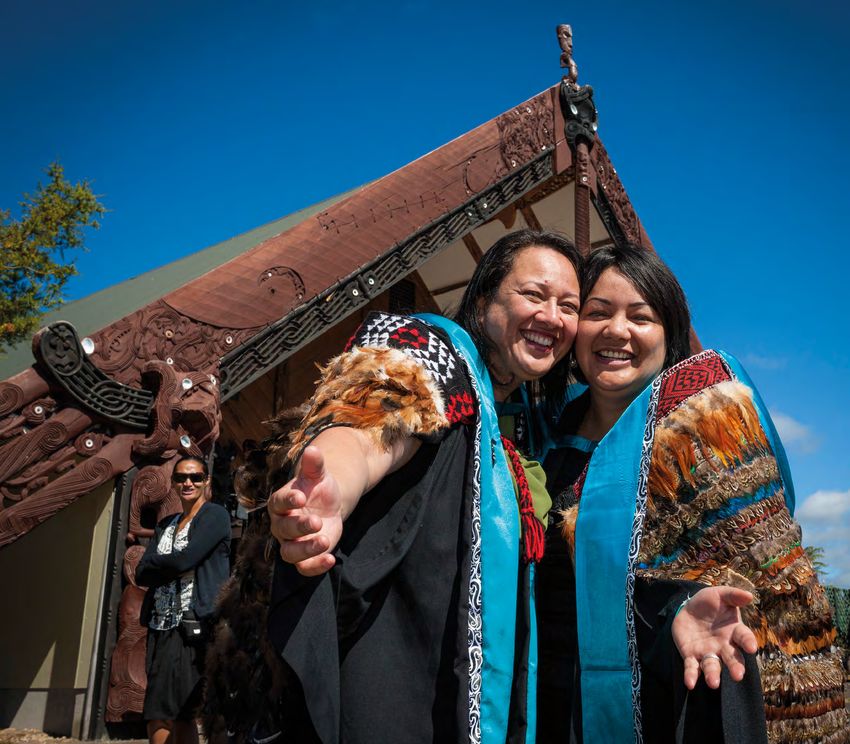
Table of Foreword . . . . . . . . . . . . . . . . . . . . . . . . . . . . . . . . . . . . . . . . . . . . . . . . . . . . . . . p6
contents Introduction . . . . . . . . . . . . . . . . . . . . . . . . . . . . . . . . . . . . . . . . . . . . . . . . . . p7
COVER PHOTOS:
• TE PUIA | NEW ZEALAND MÄORI ARTS
Research findings. . . . . . . . . . . . . . . . . . . . . . . . . . . . . . . . . . . . . . . p10
AND CRAFTS INSTITUTE, ROTORUA, NZ
PHOTO: TE PUIA | NEW ZEALAND MÄORI ARTS AND CRAFTS INSTITUTE, ROTORUA, NZ
• BAY OF PLENTY POLYTECHNIC
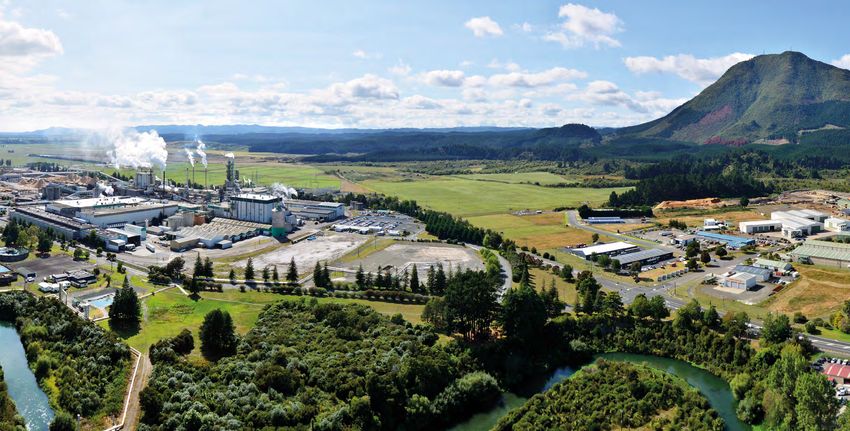
• NORSKE SKOG TASMAN
Recommendations . . . . . . . . . . . . . . . . . . . . . . . . . . . . . . . . . . . . . p13
1. Collaborative leadership. . . . . . . . . . . . . . . . . . p13
2. M ori engagement. . . . . . . . . . . . . . . . . . . . . . . . . . . . p14
3. Improving transitions . . . . . . . . . . . . . . . . . . . . . . . . p17
4. Fostering innovation . . . . . . . . . . . . . . . . . . . . . . . . . p18
5. Attract international students . . . . . . . . . . p22
6. Local priorities. . . . . . . . . . . . . . . . . . . . . . . . . . . . . . . . . . . p23
• Taupo . . . . . . . . . . . . . . . . . . . . . . . . . . . . . . . . . . . . . . . . . . . p24
• Eastern Bay of Plenty. . . . . . . . . . . . . . . . . p25
• Rotorua . . . . . . . . . . . . . . . . . . . . . . . . . . . . . . . . . . . . . . . . p27
• Western Bay of Plenty. . . . . . . . . . . . . . . p28
7. Tauranga campus development . . . . . p29
8. Implementation and review. . . . . . . . . . . . .p30
Acknowledgements . . . . . . . . . . . . . . . . . . . . . . . . . . . . . . . . . . . p31
PHOTO: COASTAL MARINE FIELD STATION
PHOTO: NORSKE SKOG TASMAN
PHOTO: DMS PROGROWERS
2 He Mahere Mätauranga Matua mö Tätau BAY OF PLENTY TERTIARY INTENTIONS 2014-2019 3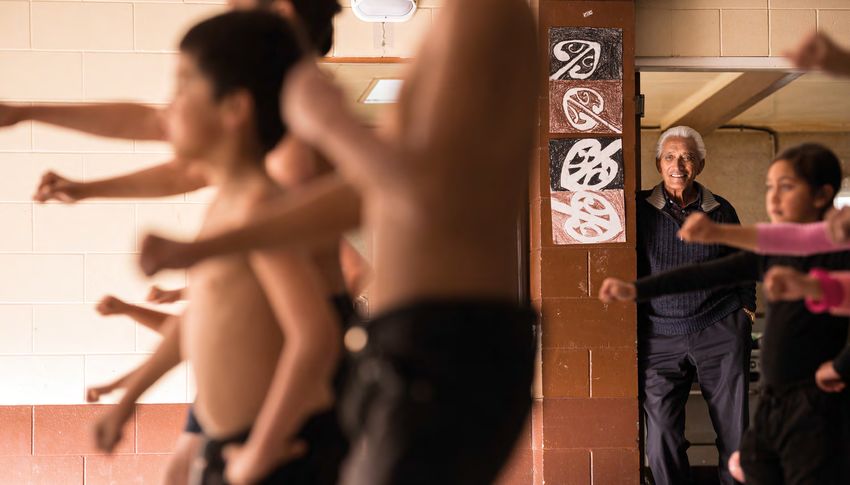
PHOTO: WAIARIKI INSTITUTE OF TECHNOLOGY
Toi Moana, Toi Whenua, Toi
Tangata!
Rangi e tü nei
Papa e takoto nei
Ruaimoko puritia täwhia kia
mau, kia ü, kia ita!
Mai i Ngä Kurï a Whärei ki
Tihirau
Mai i Maketü ki uta
Tihë mauri ora!

Kei o tatau rau mate o te rohe
nei, haere whakangaro atu ki a
Ngäi Nunui mä i te pö
Ko tatau te hunga ora e mihi
nei, e tangi nei
Ko Ihoa te tïmatanga o te
mätauranga e rewa ake nei

Ko Täwhaki näna te kura
wänanga i kimi i te pö uriuri, i
te pö kerekere, i ngä rangi puhi,
i ngä rangi mamao ka tau ki
papa whenua ki te uri tangata

Tënei rä te whakarewa ake i
tënei kaupapa whakahirahira
hei taonga ki te rohe whänui
Nö reira tënä kotou katoa.

  4       He Mahere Mätauranga Matua mö Tätau   BAY OF PLENTY TERTIARY INTENTIONS 2014-2019   5
Foreword Introduction
A strong and growing tertiary The Bay of Plenty has enormous potential. The region is diverse, rich in people,
education sector that is well culture and resources. Collaboration at a regional and local level is a
hallmark of the way local stakeholders approach issues and a solid track
connected with regional stakeholders record has already been built in achieving positive community outcomes.
is critical to the social and cultural,
environmental and economic Post-compulsory sector (tertiary) education is a cornerstone of a recognised as playing a key role in enabling individuals and society
strong and skilled economy and a major contributor to improved to foster the skills and resilience that underlie effective social and
wellbeing of the Bay of Plenty region. social wellbeing. A life-long approach to education and learning is economic engagement.
This Tertiary Intentions Strategy is a regional plan developed for
the people and communities of the wider Bay of Plenty. It is a About the Tertiary The Bay of Plenty Tertiary Intentions Strategy Education Partnership (BoPTEP), which
(TIS) provides a collective vision, strategy and consists of the Bay of Plenty Polytechnic, Te
somewhat innovative way of considering and addressing tertiary Intentions Strategy desired actions for tertiary education and Whare Wänanga o Awanuiärangi, Waiariki
education and research requirements. Ultimately, its purpose is research delivery in the Bay of Plenty and Institute of Technology and the University of
to provide collaborative leadership and advocacy for community Taupo, which is closely aligned with local Waikato.
needs in the post-compulsory education sector. It is not a tertiary industry and the community.
The development of the TIS has been
institution plan, but should provide some guidance as to regional The TIS is a regional initiative funded by a overseen by a reference group consisting
needs and aspirations, to tertiary education organisations including range of local agencies, including the Bay of representatives from each sub-region,
the Bay of Plenty Tertiary Education Partnership, who have key roles of Plenty Regional Council, territorial local including each of the economic development
and opportunities to address those needs in a variety of ways. authorities, spatial planning partnerships agencies, spatial planning partnership, the
and regional development agencies. It is BoPTEP, iwi and BayTrust.
This plan is the result of wide-ranging engagement with regional agencies, organisations and groups, and supported by the Bay of Plenty Tertiary
interested individuals, together with tertiary providers. The uniqueness of the approach is that tertiary providers
are strongly supported by regional and sub-regional agencies in a collaborative manner.
Map of Tertiary Intentions Strategy region
This region has committed significant resource to enhancing tertiary education and research capacity over a Tuhua (Mayor Island)
number of years and is fortunate to have a range of quality institutions with which to work. Waihi Beach
Matakana Island Whakaari/
It is our belief that by working in partnership with tertiary education organisations we have a better chance of
ensuring the region’s priorities are met.
Education Katikati Tauranga
White Island Cape Runaway
City
is more than a Island
It is important for regional stakeholders to appreciate the complexity of aligning national, regional, sub-regional
luxury; it is a Tauranga
Western
and community goals with those of tertiary institutions, each of whom operate with institutional autonomy. Te Kaha
responsibility Bay of Plenty
Moutohora Island
However, good progress has been made in the region through collaborative initiatives such as the Bay of Plenty District
Tertiary Education Partnership, which can be further enhanced to deliver greater synchronicity between regional
that society Whakatane
needs and tertiary delivery. The Tertiary Intentions Strategy plays an important role in achieving this. owes to itself. L Rotorua
Opotiki
ROBIN COOK,. Rotorua Kawerau
Opotiki District
On behalf of the Bay of Plenty Tertiary Intentions Strategy Reference Group, I commend this plan to you and look
BRITISH FOREIGN SECRETARY Kawerau
(1997-2001)
Rotorua District
forward to strengthening our collaboration with the tertiary education sector for the benefit of individuals and District
communities in the Bay of Plenty.
Whakatane District
Murupara
Bill Wasley
Waikato
District
Taupo
L Taupo Taupo District Locality
North Island
Chair Turangi
Bay of Plenty Tertiary Intentions Strategy Reference Group
New Zealand
6 He Mahere Mätauranga Matua mö Tätau BAY OF PLENTY TERTIARY INTENTIONS 2014-2019 7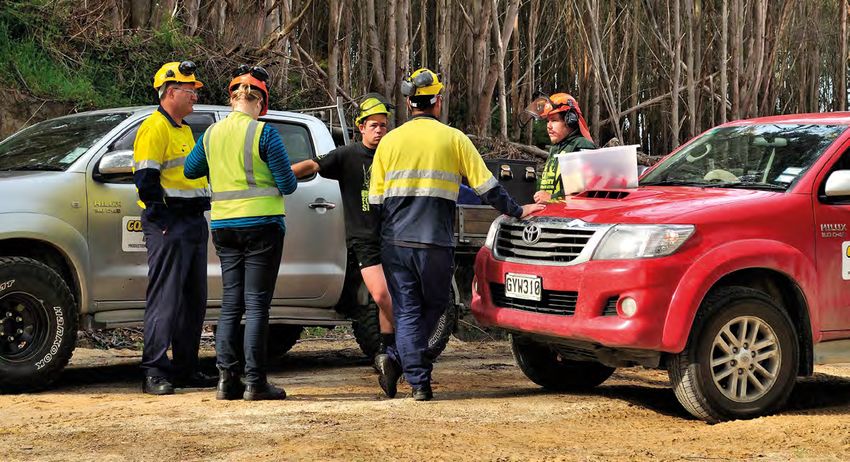
PHOTO: TE PUIA | NEW ZEALAND MÄORI ARTS AND CRAFTS INSTITUTE, ROTORUA, NZ
The TIS recommends a framework by which the Bay of Plenty region can proactively
Project objectives advocate for its tertiary education and research needs in a collaborative manner, and in
doing so support the region’s overall objectives for tertiary education and research.
THESE OBJECTIVES INCLUDE:
Capability and capacity – Increasing tertiary education (vocational, professional, academic and research)
Te Ngoi participation and attainment for people within our communities, particularly Mäori;
Developing a highly educated, entrepreneurial and skilled workforce that grows the
prosperity of the Bay of Plenty.
Knowledge and innovation – Increasing research and generating knowledge to enable innovation that fosters business
Mätauranga growth and community development.
Sustainable growth – Harnessing talent, skills, knowledge and networks to support sustainable social, cultural,
Toi Tupu economic and environmental development across the region.
Methodology
The priorities set out in the national Tertiary Education Strategy are all significant and
The TIS was developed with significant community input (business/ • A stocktake of current tertiary education supply in the Bay of The national strategy relevant to the Bay of Plenty. This is particularly true regarding the need to boost
employers, local government, iwi and community groups) and Plenty and Taupo. achievement for Mäori and Pasifika, getting young people into careers and delivering
draws from a range of existing documents that have provided a appropriate skills and attitudes for industry. This alignment between local/regional
• Over 150 stakeholder interviews with business and community
detailed review of the social and economic profile of the Bay of needs and national priorities enhances the potential for the region to work in partnership
leaders, employers, students, principals of schools, iwi and
Plenty and Taupo. A literature review was also completed, with with central government and therefore support the region’s tertiary initiatives.
local/regional agencies.
a particular focus on international evidence and experience of
international cooperative tertiary education models that have • A specific Mäori consultation and engagement programme.
made a difference to regional development. Specifically, the TIS
involved:
• Community input and feedback on a draft regional tertiary plan.
Current tertiary The map below shows the extent of the BoPTEP’s network of provision in the
region – the locations of the campuses, and particular research areas that are
• A review of the national and international literature pertaining
• Report and recommendations finalised.
education provision a focus for growth.
to regional models for tertiary education and research and The expectations of central government as expressed in the
economic/social development, regional innovation systems, Tertiary Education Strategy (2014-2019) were also considered in
Marine Park and Coastal BoPTEP University of Waikato-led campus
labour-market models and Mäori wellbeing. developing the TIS, particularly those sections most relevant to the Huntly Research Centre, Sulphur Point Te Aroha and BOPP Bongard Centre
Bay of Plenty/Taupo and its people.
• A review of national and regional research, reports and data
relevant to regional demographics, skill needs and workforce
Newnham Innovation
Morrinsville Tauranga Bay of Plenty Polytechnic
Park (Agri-tech and
requirements. Robotics)
Te Whare Wananga o Awanuiarangi
- Whakatane campus
BoP District Health Board
Hamilton Matamata Te Puke
Clinical School
Cambridge
Titanium Industry
Development Association
Whakatane
Te Awamutu
Scion Forest
Research Centre Putaruru
Lake Kawerau Opotiki
Rotorua
Waiariki Institute of Technology
Comvita Natural
OtorohangaProducts Campus Rotorua - Whakatane campus
Tokoroa
Opotiki Harbour Development Waiariki Institute of Technology
& Aquaculture Project - Mokoia campus
Te Kuiti
Waiariki Institute of Technology
Industrial Symbiosis
- Waipa campus
Kawerau Murupara
PHOTO: NORSKE SKOG TASMAN
Waiariki Institute of Technology
NZ Clean Energy Centre
- Taupo campus
BoPTEP campuses
Taupo
Lake BoPTEP research facilities and partners
Taupo
8 He Mahere Mätauranga Matua mö Tätau BAY OF PLENTY TERTIARY INTENTIONS 2014-2019 9
Research findings
Based on the findings of the literature review, analysis of regional    across the region. However, the general consensus from regional      The literature review also highlighted that education is an essential   There are a number of recommendations in this plan aimed at
data and consultation with regional stakeholders, enhanced              stakeholders is that these can be converted into opportunities       component of wellbeing in contemporary society and that tertiary        better aligning the region’s tertiary education sector with national
community and business sector engagement with the region’s              through collaborative leadership.                                    education provides individuals the best life-long protection against    and regional priorities for sustainable social and economic
tertiary providers is needed, in order to assist in overcoming local                                                                         unemployment, low wages and poverty.                                    development.   These recommendations cover more than the
                                                                        It was acknowledged that while there are some common issues
and regional challenges and in taking best advantage of emerging                                                                                                                                                     courses and skills development needs of the region.  For example,
                                                                        and linkages, Western Bay of Plenty, Rotorua, Taupo and the          Addressing issues regionally will have a much greater impact, with
opportunities.                                                                                                                                                                                                       there are recommendations for local authorities around spatial
                                                                        Eastern Bay of Plenty face different demographic and economic        resources well positioned to make a difference for our people
                                                                                                                                                                                                                     planning and infrastructure development that would assist in
The data highlights a number of significant regional characteristics,   challenges. Therefore, the delivery of education and research        and economy. This is especially important in areas like the Bay of
                                                                                                                                                                                                                     improving tertiary outcomes for the region.
namely the region’s youthful Mäori population and rapidly ageing        needs to reflect these different issues and strengths, while still   Plenty, where the scale of resources, funds, students, staff and
workforce, combined with substantial socio-economic diversity           working towards the agreed region-wide vision.                       relevant organisations are more limited than major cities.

                                                                                                                                                                                                                                                      NORSKE SKOG TASMAN, KAWERAU

  10        He Mahere Mätauranga Matua mö Tätau                                                                                                                                                                                                 BAY OF PLENTY TERTIARY INTENTIONS 2014-2019   11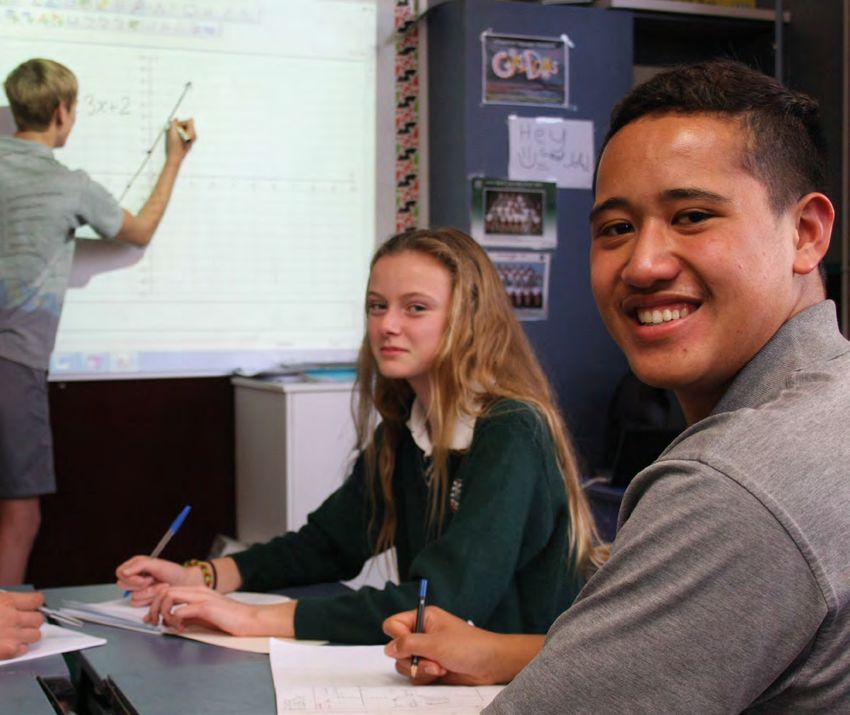
Recommendations

      Education is an essential component of wellbeing

Key findings

                                                                                                                                                                                                                                                                                                    PHOTO: OTUMOETAI COLLEGE
KEY FINDINGS THAT HAVE INFORMED THE STRATEGIC CONTEXT FOR RECOMMENDATIONS INCLUDE:
Collaborative leadership                       It is in the region’s interest to actively engage with the tertiary education and research
                                               sector to better align tertiary outcomes with regional and sub-regional goals, and to be
                                               proactive in advocating for regional needs.

Mäori engagement and                           Young Mäori are crucial to the future wellbeing of the region and it is therefore critical to
participation                                  increase Mäori engagement and participation in tertiary education.

Transitions                                    Emphasis should be placed on improving links between secondary schools, tertiary
                                               education and employers in the region, in order to prepare young people with work-ready
                                               skills and improve the flow of young people into tertiary education and employment.
                                                                                                                                               1. Collaborative leadership
                                                                                                                                               It is in the region’s interest to actively engage with the tertiary   priorities are met.  It is about supporting local influence and
Innovation                                                                                                                                     education and research sector to achieve desired community            development of initiatives whilst encouraging the Bay to work
                                               The region should support and encourage concentrations of teaching and research
                                               excellence in key areas relevant to the Bay of Plenty to foster innovation, including links     outcomes.  This entails a whole-of-community philosophy around        together where it is appropriate to do so, such as in approaches to
                                               to education pathways, industry and employment.                                                 working in partnership with tertiary education organisations          government for tertiary related matters.
                                                                                                                                               (TEOs), government and other stakeholders to ensure that regional
International education                        The region should support the attraction of international students, recognising they are
                                               an important source of skills, knowledge and global links, as well as export revenue for
                                               education institutions, local communities and the region.                                       To assist in this process it is recommended that:
In addition, based on strong                   • Local priorities.
                                                                                                                                               1.	   Bay of Plenty local authorities and regional development             with the region’s tertiary education sector to support tertiary
community feedback, a number                   • Tauranga campus development .
                                                                                                                                                     agencies establish a regional tertiary implementation group          education and research outcomes appropriate to the Bay of
of other recommendations have                  • Review and monitoring the TIS.                                                                      to provide a mechanism to connect stakeholder interests,             Plenty region.
been grouped according to:
                                                                                                                                                     agree regional priorities and engage in constructive dialogue
 12      He Mahere Mätauranga Matua mö Tätau                                                                                                                                                                                                     BAY OF PLENTY TERTIARY INTENTIONS 2014-2019   13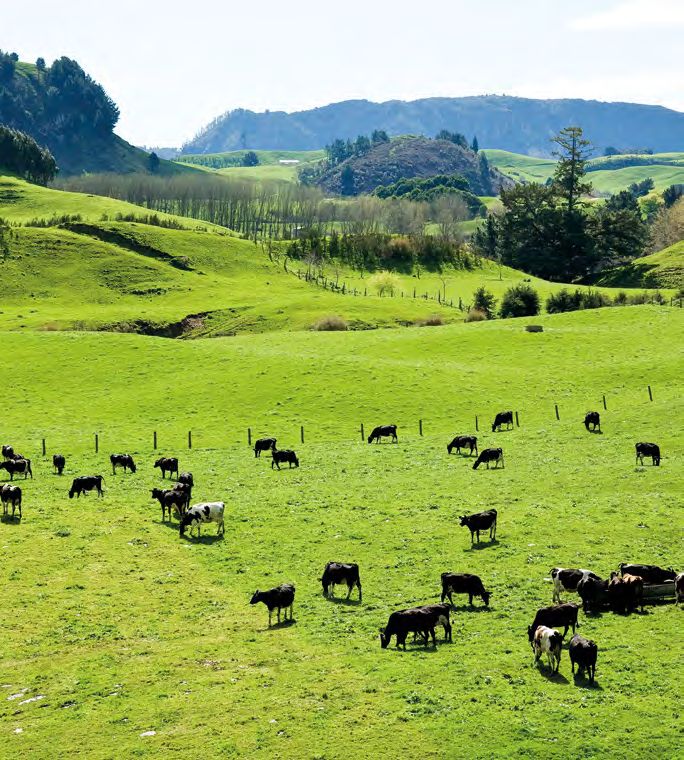
2. Maori
   engagement

                                                                                                                                                                                                                                                                                          PHOTOGRAPHY BY: CHRIS WILLIAMS
     Boosting the educational outcomes for M ori                                                         Mäori comprise 25% of the regional population (compared with                                Mäori population with culturally respectful tertiary education and
                                                           Mä

                                                                                25%
                                                             ori co prise 2

             and Pasifika is a national priority.                                                        14% nationally) with one-half of the Bay of Plenty’s young Mäori                            training, and in areas aligned to skills gaps and opportunities within
                                                                                                         between 0-24 years of age.          1
                                                                                                                                                                                                     the region, will make a major contribution towards achieving
            In the Bay of Plenty, increasing engagement
                                                                   m

                                                                                                    n

                                                                                                                                                                                                     improved outcomes for Mäori, with significant spin-off benefits for
            and participation of M ori youth in tertiary
                                                                                                    io

                                                                                                         In the future, Mäori will account for a significant proportion of
                                                                                                lat

                                                                                                                                                                                                     the wider community.
            education is imperative to its social and                   %                                the workforce in the region.  A focus on engaging the youthful
                                                                                              pu

                                                                                               po
                                                                           5

                                                                               of
            economic success.                                                     the regional
                                                                                                         1. REVIEW OF DEMOGRAPHIC AND LABOUR FORCE PROJECTIONS FOR THE BAY OF PLENTY REGION FOR THE PERIOD 2013 – 2063. NATIONAL INSTITUTE FOR DEMOGRAPHIC AND ECONOMIC ANALYSIS, 2014.

14   He Mahere Mätauranga Matua mö Tätau                                                                                                                                                                                               BAY OF PLENTY TERTIARY INTENTIONS 2014-2019   15
PHOTO: ZESPRI INTERNATIONAL
Therefore, it is recommended that:
3. Improving
transitions
2. TEOs focus on creating partnerships with iwi and hapu to 6. Bay of Plenty Iwi give consideration to developing a pan-iwi
foster active participation, consultation and engagement with view of tertiary provision in the region with agreed priorities
whanau, hapu and iwi on all areas pertaining to the successful communicated through the proposed regional tertiary
education and skill development of Mäori. implementation group.
3. The BoPTEP considers inviting Te Wänanga o Aotearoa to join 7. Consideration be given to how the region can assist in linking
their collaborative arrangement. the Tertiary Education Commission, Ministry of Education
and Whanau Ora in order to ensure educational planning is
4. TEOs consider developing tailored courses that align with
incorporated into whanau development plans.
Mäori values and experiences and provide staff with the
opportunity to receive training in Mäori culture and values.
5. Bay of Plenty Iwi give consideration to consolidating
education scholarships so that recipients receive a greater
level of financial support to see them through their education.
PHOTOGRAPHY BY: CHRIS WILLIAMS
A focus on improving transitions between secondary and tertiary
education and employment opportunities in the region is
imperative to improving the flow of people with work-ready skills
into tertiary education and employment.
43 43% of M ori school leavers in the BOP do not
transition to further training or education - MINISTRY OF EDUCATION -
Therefore, it is recommended that:
8. The BoPTEP develops a joint Bay of Plenty/Taupo Youth b. provide opportunities for secondary school principals and
Strategy with specific regards to secondary tertiary transition, teachers to spend time with local industry to get a better
course and careers advice. feel for employer skill needs and personal qualities sought
by employers.
9. Bay of Plenty regional development agencies consider
establishing a regional graduate profiling initiative to c. organise industry days for local students to meet with key
link local graduates with local employers and encourage businesses or industries.
opportunities for student internships. 11. TEOs, secondary schools and regional development agencies
10. Bay of Plenty regional development agencies continue to consider developing collaborative initiatives to assist
support and consider expanding existing initiatives that: secondary to tertiary and tertiary to work transitions for
Mäori, e.g. mapping Bay of Plenty career pathways specifically
a. encourage participation of regional industries in local
for Mäori.
career expos as is the case in Taupo, Kawerau and the
Western Bay of Plenty.
16 He Mahere Mätauranga Matua mö Tätau BAY OF PLENTY TERTIARY INTENTIONS 2014-2019 17
4. Fostering innovation
Tertiary education and research plays an important role in preparing
skills to fuel business growth and community development,
as well as in the generation of new knowledge that fosters
innovation.
R
RUIT O CHARD Use our comparative advantage
IF S
W
AR
KI
There is a desire amongst regional stakeholders for the Bay of
80% OF NZ
Plenty to develop a reputation as the region that provides the
E
BASED IN TH
most relevant, innovative, connected education in the country,
in turn producing graduates who are highly sought-after for their
employability, who start successful businesses and are highly
networked.
PHOTO: NORSKE SKOG TASMAN
One of the ways in which the Bay of Plenty can differentiate itself
D
in this manner is to create a strong tertiary education brand in
UN
niche areas of vocational and academic training and research
E
O BO
aligned to industry sectors in which the region has a comparative
AR P
advantage and can offer employment opportunities.
Tertiary education and research fuels business growth
PHOTO: BAY OF PLENTY POLYTECHNIC
and community development.
The following sectors were • Kiwifruit and horticulture • Gerontology
identified as initial areas • Food processing and .
natural ingredients
• Restoration of freshwater
quality in river and lake systems
the Bay should strive to • Freight and logistics • Tourism
differentiate itself: • Forestry
Therefore, it is recommended that:
12. The BoPTEP and relevant TEOs work with New Zealand 15. Regional development agencies consider establishing a
Kiwifruit Growers (NZKGI) to investigate appointing a regional working group to develop a proposal and business case to
champion for the kiwifruit sector and establishing a formal create a regional centre for researching the workplace needs
group to develop a business case for creating a global centre of mature and older people.
for primary sector research and education, initially focused
16. The BoPTEP supports the working group established by Grow
around horticulture.
Rotorua to develop a proposal and business case for a regional
13. Bay of Plenty secondary schools consider developing a centre of expertise around restoration of freshwater quality in
horticulture trades academy that feeds into local tertiary and river and lake systems.
employment opportunities.
17. The BoPTEP and other TEOs consider undertaking a review
14. The BoPTEP works closely with Scion to create more wealth of the mix, location and quantum of current tourism training
and wellbeing for the Bay of Plenty from its forest resource provision, including the potential to further leverage Mäori
– ranging from wood products and wood engineering, to bio- tourism to support indigenous development.
energy and new bio-materials, automation and engineering
18. The BoPTEP and other relevant TEOs consider undertaking
applied to forestry management. .
a review of the mix, location and quantum of current food
safety and handling provision locally.
18 He Mahere Mätauranga Matua mö Tätau BAY OF PLENTY TERTIARY INTENTIONS 2014-2019 19Supporting new and emerging sectors Other MPI forecast a need for 50,000
There are a number of new and emerging sectors within the region
that require support from the tertiary sector to assist with
sectors extra workers for the primary sector by 2025
sustainable growth and development.
• Agriculture
There are other sectors within the Bay of Plenty • Aged care
• Aquaculture region where further opportunities lie, such as in: • Service sector
• Manufacturing • Building and construction
• Energy
• High performance sports,
eg biking and rugby sevens Therefore, it is recommended that:
27. The region supports the efforts of TEOs with respect to the 29. The region supports the continued development of business
development of on-farm training initiatives, and seeks to management and entrepreneurship training in the region, and
understand whether there are opportunities for regional in particular initiatives that encourage Mäori to progress to
Therefore, it is recommended that: actors to support these initiatives, particularly with respect higher levels of learning.
to better serving the needs of Mäori, and in providing
30. Regional agencies support the efforts of industry training
19. As a general principle, the BoPTEP, other TEOs and regional 24. TEOs work with the ICT industry to (i) develop ICT curriculum opportunities to enhance secondary/tertiary/employment
organisations and Mäori Pacific Trades Training initiatives
development agencies actively support the education and that more strongly reflects industry needs for graduates who transitions.
and seeks to understand whether there are opportunities for
training outcomes of the BoC industry sector strategies. have a mix of soft skills, technical skills and enterprise skills;
28. TEOs involved in training for the aged care sector develop regional actors to further support initiatives aimed at better
(ii) develop links with professional industry bodies to promote
20. The BoPTEP actively engages with Toi EDA, Opotiki District career maps for the sector and work with the aged care serving the needs of Mäori, and in providing opportunities to
ICT career pathways.
Council and Whakatohea around supporting the training and industry and secondary schools to better promote career enhance secondary/tertiary/employment transitions.
research needs of the Opotiki harbour twin projects. 25. The BoPTEP considers how it supports the development and pathways.
implementation of the BoC Sevens and Biking strategies which
21. The BoPTEP and regional agencies provide strong support for
have significant potential for the region’s tourism sector,
the establishment of the WNT partnership high-technology
together with contributing to economic development.
incubator.
26. Industry and regional agencies work with TEOs to provide
22. The Bay of Plenty Polytechnic considers the growth needs of
more opportunities for student internships in the Bay of
TiDA, currently based on its Windemere campus, and likely to
Plenty’s key and emerging industry sectors.
require significantly more land to meet growth targets.
23. The BoPTEP considers working with the Bay of Connections
PHOTO: UNIVERSITY OF WAIKATO
Energy Group to discuss ways in which the partners can
support science training, career development and research to
PHOTO: TE PUIA | NEW ZEALAND MÄORI ARTS AND CRAFTS INSTITUTE, ROTORUA, NZ
develop the region’s potential from energy.
20 He Mahere Mätauranga Matua mö Tätau BAY OF PLENTY TERTIARY INTENTIONS 2014-2019 216. Local priorities
There are a number common priorities within
communities around the Bay of Plenty,
along with some specific local matters.
Tertiary provision in the following areas
PHOTO: BAY OF PLENTY POLYTECHNIC
Address current were identified as needing to be reviewed
perceived gaps to ensure current provision was meeting
regional needs. These areas included:
• Engineering skills (mechanical/megatronics engineering, particularly at a
vocational/technician level) to support the region’s growing manufacturing,
transport and logistics sectors.
• Entrepreneurship and general business training within a broad range of regional
5. Attract international students training programmes.
• ICT/technology skills.
International education is NZ’s fifth largest export sector
In 2013 there were approx. 3,630 international students
studying in the Bay of Plenty
International education provides an important
opportunity to improve the value delivered
by tertiary education. It not only provides
additional sources of income for New Zealand Therefore, it is recommended that:
PHOTO: ZESPRI INTERNATIONAL
TEOs, but also stimulates international linkages
with overseas counterparts. 31. Local councils and economic development agencies support the
International education helps enhance teaching development and implementation of local international education plans
and research, share knowledge, build human to include:
capital, and realise a number of wider benefits • welcoming international students to the region
associated with New Zealand’s international
relationships and trade. • supporting the development of destination marketing collateral
Growing the value of international education • understanding student accommodation needs 33. The BoPTEP and other relevant TEOs consider undertaking a review of the mix,
is a national priority that presents a significant • supporting the development of student accommodation where needed Therefore, it is location and quantum of current engineering provision.
opportunity for the Bay of Plenty region.
Having appropriate degree and post-graduate
• providing links that assist in the development of employment pathways recommended 34. The BoPTEP and other local TEOs consider how they might incorporate concepts
related to innovation and entrepreneurship, as well as technology training
pathways for international students is generally
(including part-time employment) for international students. that: (e-commerce, business transformation etc) within new and existing programmes.
accepted as being an important factor in 32. The Bay of Connections Governance and Management Groups consider
student attraction, as is the need for quality 35. The BoPTEP considers identifying areas for common curriculum development to be
adding international education to the BoC key industry sectors, thus
student accommodation and pastoral care. undertaken, and that key themes are included in all such shared development.
assisting to align and monitor sub-regional international education plans.
22 He Mahere Mätauranga Matua mö Tätau BAY OF PLENTY TERTIARY INTENTIONS 2014-2019 23Taupo priorities Eastern Bay of Plenty priorities
PHOTOGRAPHY COURTESY OF: DESTINATION GREAT LAKE TAUPO
The Eastern Bay of Plenty district faces a number of specific The Eastern Bay of Plenty sub-region feels the following points
challenges associated with population decline, numeracy, literacy must be considered with respect to tertiary education provision:
and intergenerational social issues. However, there are also
• The need to include relevant trade and industry training that
significant opportunities for the sub-region, which the tertiary
the Eastern Bay of Plenty requires.
education sector can support. These include the Opotiki harbour
The community sees significant benefits from a partnership participation by young people. The community is particularly development and aquaculture project, Industrial Symbiosis • The importance of effective pre-employment/engagement/
approach in the region, versus working in perceived isolation with Kawerau and tourism based around the unique attraction of White second-chance learning as a necessary gateway for many
interested in enhanced tertiary provision in the following areas:
individual tertiary institutions. The importance of local secondary Island. potential students into tertiary education and training.
• management/entrepreneurship training
schools working with TEOs to provide vocational pathways was Courses covering such widely diverse subjects as forestry, nursing, • The need to keep such place-based training local within the
highlighted. Given many secondary school students are already • forestry and agriculture training truck driving, scaffolding, farm work and tourism along with region.
training at tertiary level there is a need to align courses with local appropriate trade and degree courses will be needed to keep
• mechanical engineering (vocational) training
tertiary provision to ensure relevance and continuity. people within the sub-region and available for work.
• geothermal energy training (degree and post-graduate)
Transport providing access to education and training is also
viewed as a barrier that needs to be addressed, as is the • tourism industry training
upgrading/expansion of local tertiary facilities in order to increase • secondary/tertiary/employment transitions.
Therefore, it is recommended that:
36. Taupo District Council supports the establishment of a 38. That the BoPTEP and other relevant TEOs consider undertaking
regional tertiary implementation and monitoring group and a review of the mix, location and quantum of current tourism
advocates for increased training and education in the areas sector provision.
identified above.
39. That relevant TEOs support the development of Taupo’s youth
37. The BoPTEP considers meeting with Taupo District Council, transitions project facilitated by Enterprise Great Lake Taupo.
Enterprise Great Lake Taupo, GNS and Contact Energy to
discuss ways in which the partners can support science
training and career development for the geothermal energy
sector.
24 He Mahere Mätauranga Matua mö Tätau BAY OF PLENTY TERTIARY INTENTIONS 2014-2019 25Therefore, it is recommended that:
Rotorua priorities
40. Toi EDA and local stakeholders support the establishment of 41. Toi EDA or Whakatane District Council consider developing
the proposed regional tertiary implementation and monitoring a local tertiary infrastructure plan with Te Whare Wänanga
group and advocate for increased tertiary sector support o Awanuiärangi and Waiariki Institute of Technology which
associated with: includes:
• the training needs of the primary sector, particularly dairy, • a proposal to develop a tertiary precinct around Te Whare
forestry and wood products, kiwifruit and the emerging Wänanga o Awanuiärangi’s campus in Whakatane
aquaculture sector, together with associated industries
• consideration of the potential to support a shift of the
servicing these sectors such as transport and logistics
current Waiariki campus in Whakatane onto this precinct.
• the needs of other sectors expected to increase substantially
in the sub-region over the next 10 years, including tourism, 42. The BoPTEP considers engaging with Industrial Symbiosis
geothermal use and elderly care Kawerau to more fully understand the specific training,
education and research needs of this industry group.
• the potential to deliver more first year degree courses in
PHOTO: WAIARIKI INSTITUTE OF TECHNOLOGY
Whakatane
• the vital importance of pre-employment/engagement/
second-chance learning opportunities provided within the
Eastern Bay of Plenty
• the potential for developing international education in the
Eastern Bay of Plenty.
Rotorua stakeholders have identified the following priority
growth sectors – forestry and wood processing, tourism
(including spa and wellness), geothermal, agriculture
and international education. In addition, the skills and
research needs associated with achieving Rotorua’s
vision to become a sustainable city are crucial.
Therefore, it is recommended that:
43. Rotorua Lakes Council support the establishment of the 44. That the BoPTEP considers undertaking a review of the mix,
proposed regional tertiary implementation and monitoring location and quantum of current tourism sector provision,
group and advocate for: particularly as it relates to developing Rotorua as a world-
• the specific education and research needs of Rotorua’s class spa and wellness destination.
priority sectors
• the education and research links with the proposed Scion
wood innovation centre
• Waiariki Institute of Technology’s centre for excellence in
forestry and wood manufacturing
• the SkillMe Mäori and Pasifika trades training initiative
PHOTOS: WHAKATANE DISTRICT COUNCIL
which will assist young people successfully through trades
training and into apprenticeships and stable employment,
while meeting the skills needs of regional employers
• the case for developing a regional centre of expertise in
sustainability, including the restoration of freshwater quality
in river and lake systems
• the growth of the export education sector in conjunction
with Rotorua’s export education group.
26 He Mahere Mätauranga Matua mö Tätau BAY OF PLENTY TERTIARY INTENTIONS 2014-2019 277. Tauranga
campus development
The Bay of Plenty Tertiary Education Partnership is developing
a university-led campus development in Tauranga.
Regional stakeholders are contributing significantly to the It is the stated intention of the BoPTEP to deliver programmes and
development of a tertiary campus facility in Tauranga. The campus activities directly related to areas of economic development in the
is intended to be the University of Waikato led component of the region, enabling a step change in improving social, educational and
BoPTEP’s network of facilities in the Bay of Plenty region. economic outcomes for people in the Bay of Plenty.
The new facility is envisaged to complement existing tertiary The tertiary partnership is proposing that the initial focus of the
provision and provide purpose-built space for leading academics new campus will be on marine, ICT and logistics – areas relating
and Chairs, researchers and teaching staff, postgraduate and directly to already identified regional needs, further supported by
undergraduate students, industry and community collaborations, the TIS.
and commercialisation activities.
Therefore, it is recommended that:
PHOTO: COASTAL MARINE FIELD STATION
47. TLAs, regional development agencies and regional 48. The BoPTEP aims to foster a culture of innovation and
Western Bay of Plenty priorities stakeholders support the proposed initial focus for academic
provision on marine, ICT and logistics and engage with
industry bodies and stakeholders in these sectors to ensure
entrepreneurship within the new campus, recognising the
significant opportunity to reflect wider regional aspirations,
capture unique and distinctive regional opportunities and link
appropriate industry input is provided into course content closely with key stakeholders in the region’s innovation eco-
and delivery, and opportunities for work placements/student system.
Within the Western Bay of Plenty sub-region, both SmartGrowth internships are explored. .
49. The BoPTEP considers the TIS in the development of new
(the sub-region’s 50 year spatial plan) and Smart Economy
academic and research programmes.
(the sub-region’s economic development strategy) have
recently been reviewed.
There is a strong focus in both strategies on improving tertiary Smart Economy identifies tertiary education as a priority area
provision to meet local community and industry needs. enabling regional innovation, supporting the growth of the export
SmartGrowth has a number of desired outcomes around . sector, city centre rejuvenation and Mäori economic development.
(i) visionary leadership and collaboration, (ii) environmental
sustainability, (iii) community building, (iv) the economy and .
(v) cultural identity.
Therefore, it is recommended that:
45. The SmartGrowth Implementation Committee supports b. the sub-region’s goals for developing export education in
the establishment of the proposed regional tertiary conjunction with Education Tauranga
implementation and monitoring group and advocates for: c. a sub-regional tertiary infrastructure plan, including a
a. the development of specific tertiary education and plan around student accommodation and the future
research plans for the following sectors: development of the Tauranga CBD tertiary precinct.
• Advanced manufacturing 46. The BoPTEP and sub-regional agencies to provide strong
• Coastal marine support for the establishment of the WNT partnership high-
• Added value primary industries (including horticulture/ technology incubator in Tauranga.
food ingredients, forestry and aquaculture)
• Gerontology
28 He Mahere Mätauranga Matua mö Tätau BAY OF PLENTY TERTIARY INTENTIONS 2014-2019 298. Implementation
and review
Acknowledgements
PHOTOGRAPHY BY: CHRIS WILLIAMS
The Chair of the Bay of Plenty Tertiary Intentions Strategy
Reference Group, Bill Wasley, would like to thank the
following people and organisations for their support
and commitment to developing this strategy:
• The project team, consisting of Greg
Regional plans such as the TIS require effective implementation,
Simmonds, Neil Barns and Shane Stuart
including robust monitoring to ensure intended outcomes
are achieved, and that actions remain fit for purpose and relevant. • The project reference group members, including
Awanui Black, Chloe Walker, Francis Pauwels, John
Galbraith, Margaret Noble and Terri Eggleton
The proposed regional tertiary implementation group will have responsibility for development, implementation
and monitoring of an annual action plan to achieve the anticipated outcomes of the TIS. • He Mauri Ohooho, particularly Maui Hudson and Christina
Diamond who undertook consultation with tangata whenua
Therefore, it is recommended that: • The Bay of Plenty Regional Council, Bay of Connections,
Territorial Local Authorities and Economic
50. This TIS is endorsed by the following groups on behalf of 51. The TIS Reference Group be tasked with establishing the Development Agencies from across the region
regional and local stakeholders: regional tertiary implementation group and recommending an
appropriate administrative authority and long-term funding • The Bay of Plenty Tertiary Partnership (Bay of Plenty
a. Rotorua Lakes Council
arrangements to formalise the structure and enable effective Polytechnic, Te Whare Wānanga o Awanuiarāngi, Waiariki
b. Taupo District Council
implementation of this TIS. Institute of Technology and University of Waikato)
c. Eastern Bay of Plenty Joint Committee
d. SmartGrowth Implementation Committee
52. The proposed regional tertiary implementation group be • Jacky James and Madeleine Moore (Shine PR)
responsible for working with identified stakeholders to
e. Bay of Plenty Regional Council
develop and adopt an annual implementation plan (including • The many individuals, businesses and organisations
f. Bay of Connections Governance Group . timeframes), and reporting six monthly to Invest Bay of Plenty who provided input into the development of
. (once established), and the region’s local authorities on the regional tertiary intentions strategy.
. progress.
53. A formal review of the TIS is undertaken in five years (2019).
30 He Mahere Mätauranga Matua mö Tätau BAY OF PLENTY TERTIARY INTENTIONS 2014-2019 31February 2015
www.bayofconnections.com/tertiary-intentions-strategyYou can also read


