China's next 100 global giants - ACCOUNTANCY FUTURES ACADEMY
←
→
Page content transcription
If your browser does not render page correctly, please read the page content below
ACCOUNTANCY FUTURES ACADEMY

China’s next 100 global giants
About ACCA
                                                               A growing number of Chinese
ACCA (the Association of Chartered Certified
Accountants) is the global body for professional
                                                               businesses are moving from
accountants. We aim to offer business-relevant, first-choice   dominance of domestic markets to
qualifications to people of application, ability and
ambition around the world who seek a rewarding career
                                                               global growth. This report
in accountancy, finance and management.                        identifies 100 emerging businesses
We support our 170,000 members and 436,000 students            that are not yet well known outside
in 180 countries, helping them to develop successful           China but will be competing
careers in accounting and business, with the skills needed
by employers. We work through a network of 91 offices          globally over the next three to five
and centres and more than 8,500 Approved Employers             years.
worldwide, who provide high standards of employee
learning and development.

ABOUT ACCA’S GLOBAL FORUMS

To further its work, ACCA has developed an innovative
programme of global forums which bring together
respected thinkers from the wider profession and
academia around the world.
www.accaglobal.com/globalforums

The Accountancy Futures Academy
The Accountancy Futures Academy contributes to
ACCA’s research and insights work with powerful visions
of the future. It provides a platform to look forward, to
tune into the emerging trends and discussions in the
global business and policy spheres and the latest reforms
facing the world of finance.

By looking to the future it helps the profession stay at the
cutting edge. The Academy’s work fosters fresh thinking
and innovative discussions, identifies the barriers to and
facilitators of tomorrow’s successes, and identifies the
potential strategies that will enable business and finance
to navigate the choppy waters that lie ahead.
www.accaglobal.com/futures

                                                                         Faye Chua
                                                                         Head of Future Research, ACCA

                                                                         Faye Chua is ACCA’s head of future research
                                                                         and leads ACCA’s global research and
                                                                         insights work that focuses on the future
                                                                         directions of business and the accountancy
                                                                         profession across a range of subjects. She
                                                                         has over 10 years of experience in research
                                                                         across different sectors of the economy and
                                                                         has worked in North America, Asia Pacific
                                                                         and Europe.

© The Association of Chartered Certified Accountants,
September 2014
Contents Contents 3 About the authors 4 Foreword 5 Executive summary 6 1. China’s next 100 global giants 8 2. Case studies of China’s emerging global giants 13 3. China’s emerging banks 17 4. Where to next for China’s emerging global giants? 18 Appendix: project methodology 19 CHINA’S NEXT 100 GLOBAL GIANTS 3
About the authors

                                      ANDREW ATHERTON

                                      Andrew Atherton is a professor of enterprise and deputy vice-chancellor at
                                      Lancaster University and an expert in SME policy and China. He joined Lancaster
                                      University in January 2013 from Lincoln University where he was senior deputy
                                      vice-chancellor and led on major university initiatives on employer engagement
                                      and enterprise. This included establishing the first new School of Engineering in the
                                      UK for more than 20 years, in partnership with Siemens.

Professor Andrew Atherton             He worked at Durham University from 1995 to 2002, latterly as head of department
Deputy vice-chancellor at Lancaster   and before that as director of the Policy Research Unit within the Small Business
University                            Centre, Durham University Business School. He has advised national and regional
                                      government as well as major bilateral and multilateral agencies on policy
                                      development and implementation, and has led major projects to establish
                                      enterprise development centres in Central and Eastern Europe and China.
                                      Professor Atherton has degrees from the School of Oriental and African Studies,
                                      University of London and Yale, and publishes on enterprise, SME development and
                                      related areas of economic development and regeneration in leading international
                                      journals and policy publications.

                                      HUANG QIHAI

                                      Dr Huang Qihai is reader in Entrepreneurship and Innovation and head of department
                                      of the institute of Entrepreneurship and Enterprise at Lancaster University. He has
                                      published extensively on industry and consumer dynamics in China.

                                      ZHAN GAO

                                      Dr Zhan Gao is lecturer in Accounting and Finance at Lancaster University
                                      Management School. He published on global finance, including equity and
                                      earnings value and growth.

4
Foreword
It’s no secret that China’s businesses have been the ones to watch in the global
sphere. The rapid advancement in technology in this part of the world has been key
to it becoming what it is today.
Europe and North America have increasingly had China on their radars for global
competition in various business sectors. Now is the time for them to develop and
strengthen their ties with Chinese business and work together to create global
businesses.
It is also time for China to embrace its notoriety and turn those businesses on the
edge of international expansion into global giants. ACCA has always endorsed the
notion that smaller and less well-known entities are the pinnacle of the business
world, and so need to be nurtured as much as possible to go from SMEs to large
and then global businesses.
ACCA’s report on the matter is very timely and, as chairman of the Accountancy
Futures Academy, I have been looking at the future of the accountancy, and finance
professions as a whole, in great detail.
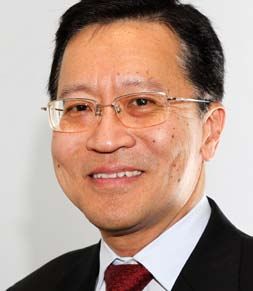
Ng Boon Yew FCCA
Finance professionals must keep up-to-date with the ever-changing world around Chairman, ACCA Accountancy Futures
them, so they can be at the forefront of discussions about the developing business Academy
world.
China’s rise to the highest ranks of the business world is something to definitely
take note of, and the 100 businesses identified in this report as having the potential
to become global giants clearly show the robust business models they have in
place.
China is on the cusp of realising its abilities and the realities of becoming a global
giant. I, for one, am looking forward to seeing it develop.
CHINA’S NEXT 100 GLOBAL GIANTS 5Executive summary
A growing number of Chinese developed a successful business model established, and so would be well
businesses are going global by entering in China and are adapting this model to known in China and by China observers.
new markets. The 2012 CNN/Fortune markets outside China. The smallest companies, most with a
Global 500 identified 73 Chinese turnover of less than RMB2.25bn (£216m
businesses in its top 500, of which three This report looks at these emerging or US$ 364m),1 were removed because
were in the top 10 worldwide. In 2006, Chinese businesses and how they are they were not yet large enough to
only 28 of the Global 500 were Chinese, developing into major competitors in influence markets and make a
and none was placed in the top 10. international markets. Most have strong substantial impact overseas.
and in some cases dominant market
Well-known examples of major Chinese share in their niche areas. They are A small number of businesses below the
businesses include Lenovo, which expanding rapidly into markets outside turnover threshold were ultimately
acquired IBM’s PC business, and Haier, China and look likely to continue on included because they more than
a manufacturer of household goods this path. fulfilled all other selection criteria.
such as fridges and freezers that now
has 10% of the world’s major appliances Over the next few years, many of these Businesses were also filtered by growth.
market. will become well known in the board Many rankings rely on total turnover
and press rooms of Europe and North size, which measures scale but not
Not all these globalising companies are America. Several are likely to become future potential or performance.
manufacturers. Alibaba.com, for household names if they can extend Growth rates provide a better picture of
example, issued what could be the into business-to-business (B2B) and recent performance and the ability to
world’s largest initial public offering consumer markets outside China. At sustain this through continued
(IPO) in April 2014. And large present, most but not all are well known expansion in the near future. Five-year
enterprises active in agriculture, mining inside China as up-and-coming growth rates were considered in order
and extraction have acquired significant businesses, even if they are not yet to ensure that businesses were growing
holdings worldwide. recognised internationally. sustainably over time. Maintaining high
levels of annual growth over this period
Many of these businesses were already In order to identify the businesses likely indicates that a business has a sound
very large before they went global, to become global giants, companies business model and the capacity to
securing major market shares in the listed on domestic Chinese and cope with growth.
domestic Chinese market. Government international stock exchanges were
support and funding has often helped considered, as were unlisted companies The ranking also considers the market
these businesses to expand in the All China Federation of Industry positioning of emerging Chinese
domestically and internationally. and Commerce (ACFIC) directory of businesses. In order to better
Chinese businesses (the Gongshanglian understand this, companies were
An increasing number of less well- (GSL) listing). filtered by three further criteria, each of
known enterprises, not always state- which considers an aspect of their
owned or state-sponsored, are now These companies were filtered by size performance: (1) strength of domestic
internationalising. These new entrants and annual turnover growth to remove market presence in China; (2) extent of
into global markets operate across a the largest and the smallest companies. activity in international markets outside
range of sectors and have different Larger companies were removed on the China; and (3) competitiveness of
growth strategies. Typically, they have basis that they were already business model and strategy.
1. Currency exchange rates are based on rates at
the time of writing, July 2014.
6The rationale for using these criteria characteristics of emerging global The report also highlights six emerging
was: (1) domestic presence provides a giants. Although these businesses Chinese banks. Each has annual growth
‘home base’ for growth into other cannot yet be considered giants, as rates of between 20% and 30%.
markets; (2) international activities show their current size does not warrant this, Although they are increasingly
an ability to transfer a business model their growth rates and business models successful in the Chinese market, these
to other markets and, as a result, an indicate that they are likely to continue banks have not yet developed fully the
ability to ‘grow beyond’ a home market; to expand and, over the short- to strategies and overseas presence
(3) the business model underpinning medium-term, become China’s next needed to break into international
domestic and international expansion generation of giant global corporations. markets outside China. They cannot be
needs to be scalable and sustainable, considered, therefore, as emerging
able to operate successfully in different Four cases are reviewed in more detail. global giants and so are not included in
markets and across customer segments. They are: iSoftStone Holdings, a the top 100 list. However, their growing
software business; Hangzhou Hikvision importance in financing many of the
The multidimensional approach Digital Technology, a supplier of businesses included in the top 100
produced a detailed rating of the surveillance equipment; ctrip.com makes them an important dimension of
overall competitiveness of the identified International (CTRIP), a travel company; China’s business ecosystem. These
businesses. This report is, as a result, and Zhejiang Shangfeng Industrial banks are also developing relationships
very different to other rankings, which Holding, a manufacturing company. The outside China.
rely on a small number of financial first three businesses are highly ranked
measures, mainly size, rather than on and the fourth is placed lower in the
wider measures of performance and rankings but has the potential to
competitiveness. emerge over time as a global giant.
Each example offers a different profile
This report identifies 100 fast-growing of the emergence of businesses in
Chinese businesses that have the contemporary China.
BOX 1: THE TOP 100 IS DIVERSE
The top 100 businesses are active in a variety of sectors and are located
across China. Many have their headquarters in Beijing, Shanghai, or the
coastal provinces of Guangdong, Zhejiang and Jiangsu, reflecting the extent
of economic development in these parts of China. However, the overall
geographical spread is wider, with businesses located in the west, the north,
the east and the southeast of the country.
The listing is not overly dominated by manufacturing and production
businesses; technology, internet and service businesses are well represented.
These types of businesses reflect the growing importance of services and the
internet in China. The broad range of sectors indicates an increasingly
diversified business base in China and points to the emergence of businesses
that are likely to compete on design, innovation and service, as well as those
specialising in cost-efficient assembly and production.
CHINA’S NEXT 100 GLOBAL GIANTS 71. China’s next 100 global giants
Businesses in the top 100 list were internet, hospitality and entertainment. majority of the top 100 companies
ranked based on multiple criteria, doubled in size, and a number of them
namely: Scores range widely, from a top score of quadrupled in size. By any measure, this
147 for Jiangsu Hengtong Photoelectric is significant growth.
• size (as measured by turnover) Stock, to 21 for Henan Xinye Textile.
Much of this spread can be explained Extrapolating 2012 turnover by these
• growth (in revenue) by differences in annual growth rate growth rates, the typical top 100
and international presence, and size is businesses will have a turnover of at
• presence (domestic and also a factor. least RMB10bn (£1bn or US$1.5bn), and
international), and many will have annual turnovers of more
Broadly, the top 100 firms can be than RMB20bn (£2bn or US$3bn) by
• business model. characterised as relatively large 2017–18. On these indicative
businesses in terms of their turnover, calculations, the top 100 will be major
This approach, which used multiple although there is variation in size. The businesses by size criteria within the
dimensions in order to develop the average (mean) turnover is RMB4.75bn, next five years.
fullest possible analysis, produced a which is approximately equal to £450m
more rounded and detailed assessment sterling or US$750m. In other words, The majority of businesses
of business performance and potential. many of these companies are medium- demonstrated strong business models
to-large businesses, but are not yet the and strategies. Indeed, a common
Table 1 presents the 100 Chinese largest established businesses in their characteristic of almost all the top 100
companies that ranked highest in the markets. They can be characterised as businesses was a highly rated business
scoring system. There is real diversity big, but not huge. model and strategy. Overall, the
across the businesses included in the businesses had clear strategies and
ranking. The geographical spread of Their future growth trajectory appears demonstrated in-depth knowledge of
businesses is wide, so that even though strong. If they sustain their growth rates the dynamics of their industries, as well
the tier 1 cities in China, especially they will be competing against as the needs of their customers.
Beijing and Shanghai, are well established giants in China and in other Strategies were clear and coherent and
represented, the top 100 companies markets. Among the top 100, growth there was evidence of strong
come from many different parts of rates vary between 16% and 49%. management control of the business
China. However, the top 20 is made up almost and monitoring of progress and
completely of businesses with annual performance.
Different sectors are represented and growth rates of 30% a year or higher,
the presence of services and intangible and, in the case of the top three Almost all the businesses were very
products in the top 100 points to an businesses, growth rates of 40% or strong, if not dominant, in their
increasingly diverse economy and a more. Sustaining these annual levels of domestic markets, creating a ‘home
move away from manufacturing and growth over five years from 2008 to base’ for globalisation. A domestic
production. 2012 demonstrates sustained platform for future growth, both in
performance and rapid expansion. China and through internationalisation,
The most common sector in the top 100 was a common feature.
is computers and communication Businesses that grew at an annualised
equipment, with 19 in this category; 13 rate of 20% more than doubled their China’s next global giants, in summary,
of the top 100 are in electronics and 11 turnover over the five-year period. have developed sound business models
in metal and non-metal products. In Those that grew at 40% a year over five by building market share and power
contrast, 17 are in services and years (between 2008 and 2012) almost domestically. Most are now applying
intangible products, such as the quadrupled in size. In other words, the their successful business models in
8other markets, building a stronger market and had started to develop however, were growing a little more
overseas presence. some international presence in recent slowly than the top 50, with annual
years. They showed a clear trajectory growth rates between 15% and 20%
A small number of these businesses towards greater international presence. compared with annual growth rates of
(Huapont-Nutrichem, iSoftStone They were earlier in their cycle of 30% or more for those ranked in the
Holdings, Hongfa Technology, Zhejiang internationalisation, but looked likely to top 10.
Wanfeng Auto Wheel, Anhui Zhongding become more globalised in the next
Sealing Parts, Beijing Zhongke Sanhuan few years. If they continue on their Businesses placed in the 80s and 90s in
High-Tech) secured maximum scores current trajectory, these businesses will the ranking were less dominant
(see Appendix, stage 3) for domestic continue to grow and are highly likely to domestically, were less internationalised
dominance, international presence and do so by becoming more internationally and had underdeveloped business
business model, indicating that they are focused. models. Based on these criteria, they
highly competitive businesses that will appear less likely to become future
continue to expand globally and be Most of the businesses ranked between global giants without further growth
competitive in new markets. They also 51 and 70 had a strong domestic and and the possibility of a major
achieved five-year annual growth rates international presence, as well as transformation of their business models
of more than 30%. Of the companies effective business models, and so and international activities. This does
included in this listing, these businesses should be considered strong not mean that these businesses were
in particular look likely to become major candidates for China’s next generation underperforming in their domestic
global giants in their industries and of global giants. They had started to markets. Those that were dominant
markets over the next few years. internationalise their businesses and domestically and had sound business
were large enough and growing fast models but little international presence
A subset of the top 100 scored lower (1) enough to indicate that they would could well become domestic champions
on international presence. These continue to expand to become more over time if they do not globalise.
businesses were strong in their home global. Many of these businesses,
Figure 1: Industry sectors represented by China’s next 100 global giants
Computers and comminication equipment, 19 Business services , 1
Instruments, 1
Retail, 1
Transportation and logistics, 1
Other transport equipment, 1
Electronics, 13
Education and entertainment, 2
Hospitality, 2
Rubber and plastics products, 2
Wholesale, 2
Metal and non-metal products, 11
Food and beverages, 4
Automobiles, 5
Internet and information, 9 Chemicals, 5
Pharmaceuticals, 6
Equipment and machinery, 8
Textiles and apparel, 7
CHINA’S NEXT 100 GLOBAL GIANTS 9Table 1: China’s 100 next global giants
Rank Company name Score* 2012 Annual Domestic International Business Sector Location
Revenue Revenue dominance presence model
(million growth and
RMB) (2008–12) strategy
1 Hengtong Optic-Electric 147 7,804 46.5% 3 2 3 Electronics Suzhou
2 Huapont-Nutrichem 139 3,877 39.7% 3 3 3 Chemicals and allied Chongqing
3 Zhejiang Dahua Technology 125 3,531 44.1% 2 2 3 Computers and comms Hangzhou
4 iSoftStone Holdings 123 2,434 35.1% 3 3 3 Internet and information Beijing
5 Hangzhou Hikvision Digital Technology 119 7,214 37.5% 3 2 3 Computers and comms Hangzhou
6 Hosa International 115 5,352 40.7% 3 1 3 Textiles and apparel Beijing
7 Hongfa Technology 110 3,008 31.4% 3 3 3 Electronics Wuhan
7 Zhejiang Wanfeng Auto Wheel 110 4,091 31.5% 3 3 3 Automobiles Shaoxing
9 Anhui Zhongding Sealing Parts 109 3,369 31.1% 3 3 3 Rubber and plastics Xuancheng
10 Beijing Zhongke Sanhuan Hi-Tech 106 4,934 30.2% 3 3 3 Computers and comms Beijing
10 Zhongli Science and Technology 106 6,326 37.3% 2 2 3 Electronics Changshu
12 Ningxia Zhongyin Cashmere 102 2,426 32.2% 2 3 3 Textiles and apparel Lingwu
13 Shenzhen Desay Battery Technology 101 3,195 37.8% 2 3 2 Electronics Shenzhen
14 Pactera Technology International 100 2,266 31.7% 2 3 3 Internet and information Beijing
15 China XD Plastics 98 3,785 49.2% 2 1 2 Chemicals and allied Harbin
15 Hefei Rongshida Sanyo Electric 98 4,016 32.8% 3 3 2 Electronics Hefei
17 China New Borun 95 2,621 38.1% 2 1 3 Food and beverages Shouguang
17 Xi’an Longi Silicon Materials 95 1,708 30.1% 3 2 3 Metal and non-metal products Xi’an
17 Zhuzhou Times New Materials 95 3,719 33.5% 3 1 3 Rubber and plastics Zhuzhou
20 Zhejiang Dun’an Artificial Environment 93 7,579 29.4% 3 2 3 Equipment and machinery Zhuji
21 Eternal Asia Supply Chain Mgmt 91 7,484 28.8% 2 3 3 Business services Shenzhen
21 RDA Microelectroncs 91 2,469 45.5% 2 1 2 Computers and comms Shanghai
23 Nari Technology Development 87 6,028 43.5% 2 1 2 Internet and information Nanjing
23 Tianjin Zhonghuan Semiconductor 87 2,536 37.2% 3 1 2 Computers and comms Tianjin
25 Jiangxi Black Cat Carbon Black 85 4,655 26.8% 3 2 3 Chemicals and allied Jingdezhen
26 ctrip.com International 84 4,213 26.4% 3 2 3 Transport and logistics Shanghai
26 Inner Mongolia Baotou Steel Rare-Earth 84 9,242 36.0% 3 1 2 Metal and non-metal products Baotou
Hi-Tech
26 Lianhe Chemical Technology 84 2,955 26.5% 2 3 3 Chemicals and allied Taizhou
29 New Oriental Education and Tech 80 6,057 28.2% 3 1 3 Education and entertainment Beijing
29 Huayi Brothers Media Corporation 80 1,386 28.3% 3 1 3 Education and entertainment Dongyang
31 Changyuan Group 78 2,413 27.6% 3 1 3 Computers and comms Shenzhen
31 Han’s Laser Technology 78 4,333 24.7% 3 2 3 Equipment and machinery Shenzhen
33 Sinoma Science and Technology 75 2,803 23.6% 3 2 3 Metal and non-metal products Nanjing
34 Sichuan Jiuzhou Electric 73 2,757 27.4% 2 3 2 Computers and comms Mianyang
35 Shandong Nanshan Aluminum 72 14,870 20.5% 3 2 3 Metal and non-metal products Longkou
36 Beijing Tong Ren Tang 71 7,504 25.1% 3 1 3 Pharmaceuticals Beijing
36 Tianma Microelectronics 71 4,334 30.4% 1 3 2 Computers and comms Shenzhen
38 China Lodging Group 69 3,266 34.7% 2 1 2 Hospitality Shanghai
39 Aerospace Comms Holdings 68 9,302 27.2% 2 1 3 Wholesale Hangzhou
39 Fiberhome Telecomms Technology 68 8,183 21.5% 3 2 3 Computers and comms Wuhan
39 Zhejiang Aokang Shoes 68 3,455 29.0% 3 1 2 Textiles and apparel Wenzhou
42 Yonyou Software 67 4,235 23.6% 3 1 3 Internet and information Beijing
43 Humanwell Healthcare (Group) 65 5,317 43.0% 2 1 1 Pharmaceuticals Wuhan
43 O-Net Comms (Shenzhen) 65 4,590 23.1% 1 3 3 Computers and comms Shenzhen
43 Puyang Refractories Group 65 2,146 20.5% 2 3 3 Metal and non-metal products Puyang
46 Zhejiang Supor 64 6,889 18.3% 3 3 3 Metal and non-metal products Yuhuan
47 Home Inns and Hotel Management 63 5,486 26.8% 3 1 2 Hospitality Shanghai
47 Shanghai Fudan Microelectronics 63 4,443 22.3% 3 1 3 Computers and comms Shanghai
49 Kunming Pharmaceutical 62 3,016 21.9% 2 2 3 Pharmaceuticals Kunming
50 Hangzhou Nabel Group 61 7,853 21.5% 3 1 3 Metal and non-metal products Hangzhou
10Rank Company name Score* 2012 Annual Domestic International Business Sector Location
Revenue Revenue dominance presence model
(million growth and
RMB) (2008–12) strategy
51 Fabchem China 60 3,086 19.0% 3 2 3 Metal and non-metal products Singapore
51 Huayi Compressor 60 5,601 17.0% 3 3 3 Equipment and machinery Jingdezhen
51 Jiangsu Changjiang Electronics 60 4,436 17.0% 3 3 3 Computers and comms Jiangyin
54 Guangdong Dongyangguang Aluminum 59 4,415 18.5% 3 2 3 Metal and non-metal products Shaoguan
54 Shanghai Fosun Pharmaceutical 59 7,341 18.5% 3 2 3 Pharmaceuticals Shanghai
56 Apeloa Pharmaceutical 58 3,480 21.6% 2 3 2 Pharmaceuticals Dongyang
56 JinkoSolar Holding 58 4,857 31.4% 1 3 1 Computers and comms Shangrao
58 China Avic Electronics 57 4,300 28.5% 3 0 2 Other transport equipment Beijing
58 Zhejiang Sanhua 57 3,826 16.2% 3 3 3 Equipment and machinery Shaoxing
60 Baofeng Modern International Holdings 56 8,529 23.8% 2 2 2 Textiles and apparel Quanzhou
60 Wuxi Little Swan 56 6,900 18.7% 3 3 2 Electronics Wuxi
62 Dongling Grain and Oil 55 8,317 33.0% 1 1 2 Food and beverages Guangzhou
62 E-commerce China Dangdang 55 5,261 47.5% 1 1 1 Retail Beijing
62 Ningbo Huaxiang Electronic 55 5,600 17.4% 2 3 3 Automobiles Ningbo
65 Hualing Xingma Automobile 54 4,475 26.9% 2 1 2 Automobiles Ma’anshan
65 Anhui Ankai Automobile 54 3,841 17.0% 2 3 3 Automobiles Hefei
65 Anhui Heli 54 5,976 17.0% 3 2 3 Equipment and machinery Hefei
65 China Spacesat 54 4,261 19.2% 3 1 3 Computers and comms Beijing
65 Xiamen Tungsten 54 8,837 17.9% 3 3 2 Metal and non-metal products Xiamen
70 Netease Inc 53 8,307 26.3% 2 1 2 Internet and information Beijing
70 Shunfeng Photovoltaic International 53 6,686 26.6% 1 2 2 Computers and comms Changzhou
72 Aucma 52 4,003 18.2% 3 1 3 Electronics Qingdao
72 Changyou.com 52 3,934 26.0% 2 1 2 Internet and information Beijing
72 Angel Yeast 52 2,714 18.5% 2 2 3 Food and beverages Yichang
72 Keda Clean Energy 52 2,661 22.2% 3 1 2 Equipment and machinery Foshan
76 Peacebird Group 51 8,451 25.4% 2 1 2 Textiles and apparel Ningbo
77 Viewtran Group 47 4,954 23.7% 2 1 2 Computers and comms Shenzhen
77 Guodian Nanjing Automation 47 4,147 23.3% 2 1 2 Electronics Nanjing
77 Hengdian Group Dmegc Magnetics 47 2,910 21.7% 3 2 1 Electronics Dongyang
80 Aerosun Corporation 46 4,003 19.6% 2 2 2 Automobiles Nanjing
80 Fujian Furi Electronics 46 2,723 19.9% 1 3 2 Wholesale Fuzhou
82 Perfect World 44 2,806 16.6% 3 2 2 Internet and information Beijing
82 Zhejiang Shangfeng Industrial 44 2,576 21.9% 2 1 2 Electronics Shangyu
84 Golden Meditech Holdings 43 6,810 17.2% 2 1 3 Instruments Beijing
84 Tongling Jingda Special Magnet Wire 43 8,248 18.5% 3 1 2 Electronics Tongling
86 Avic Heavy Machinery 42 5,372 28.3% 2 1 1 Equipment and machinery Guiyang
86 Sinotex 42 3,253 28.2% 1 2 1 Textiles and apparel Shanghai
86 SouFun Holdings 42 2,715 35.8% 1 1 1 Internet and information Beijing
89 Guangzhou Baiyunshan Pharma 41 8,229 20.3% 2 1 2 Pharmaceuticals Guangzhou
90 Hefei Meiling 38 9,307 18.8% 2 1 2 Electronics Hefei
91 Baosheng Science and Technology 37 8,569 18.6% 2 1 2 Electronics Yangzhou
92 Tech Pro Technology Dev 36 3,907 19.4% 1 3 1 Computers and comms Hong Kong
93 Xu Long Group 35 8,958 21.3% 1 1 2 Food and beverages Ningbo
94 Sun King Power Electronics Group 34 3,619 22.6% 2 1 1 Computers and comms Beijing
95 Xinjiang Zhongtai Chemical 33 7,113 22.2% 2 1 1 Chemicals and allied Urumqi
96 Anhui Quanchai Engine 31 2,712 16.8% 3 1 1 Equipment and machinery Chuzhou
96 Nanjing Yunhai Special Metals 31 3,493 17.0% 2 2 1 Metal and non-metal products Nanjing
96 Sohu.com 31 6,735 20.8% 2 1 1 Internet and information Beijing
99 Ningbo Yunsheng (Group) 26 2,920 22.5% 1 1 1 Computers and comms Ningbo
100 Henan Xinye Textile 21 3,158 18.0% 1 1 1 Textiles and apparel Nanyang
*Under the parameters we set, the maximum score is 193 (=1.1x50x(3+3+1.5x3)/3).
CHINA’S NEXT 100 GLOBAL GIANTS 11Figure 2: Headquarter locations of China’s next 100 global giants
Harbin (1)
Urumqi (1)
Shandong
Baotou (1) Qingdao (1)
Beijing (17) Shouguang (1)
Longkou (1)
Tianjin (1)
Jiangsu
Suzhou (1)
Changshu (1)
Lingwu (1) Jiangyin (1)
Nanyang (1) Changzhou (1)
Nanjing (5)
Nanyang (1) Wuxi (1)
Yangzhou (1)
Xi’an (1)
Tibet Anhui
Chuzhou (1)
Hefei (4)
Shanghai (7) Ma’anshan (1)
Mianyang (1)
Yichang (1) Tongling (1)
Wuhan (3) Xuancheng (1)
Chongqing (1) Jingdezhen (2)
Zhejang
Shangrao (1) Dongyang (3)
Hangzhou (4)
Zhuzhou (1) Ningbo (4)
Shaoxing (2)
Guiyang (1)
Shaoguan (1) Shangyu (1)
Kunming (1) Taizhou (1)
Wenzhou (1)
Foshan (1)
Yuhuan (1)
Guangzhou (2) Zhuji (1)
Shenzhen (7)
Taiwan
Hong Kong (1) Fujian
Fuzhou (1)
Quanzhou (1)
Xiamen (1)
Outside the
Republic of China
Singapore (1)
122. Case studies of China’s emerging global giants
Chapter 2 focuses on four specific RANKED 4: iSOFTSTONE HOLDINGS international markets. It has subsidiaries
examples of businesses included in the incorporated in Hong Kong, the US,
top 100 ranking. One is a software Founded in October 2001 in Beijing, Canada, Japan, Europe and South
development company that has a client and listed on the New York Stock Korea. By the end of 2012, the company
list of major multinationals. The second Exchange in 2010, iSoftStone is a leading had 89 Fortune 500 companies as its
is a globally leading manufacturer and information technology (IT) services and key clients, of which 55 were global
supplier of surveillance equipment. The solutions provider in China. clients. It has seven overseas sales and
third is the leading Chinese online travel delivery centres: three in the US, one in
agency, with a growing international The company’s total revenue in 2012 Canada, two in Japan, and one in
profile for Chinese tourists going was RMB2.434bn, which in July 2014 Taiwan.
overseas and international tourists equated to around US$390m or £230m
visiting China. The fourth is a specialist (market rate). Revenue breakdown by The company scored 3 for its business
manufacturer in household and activity in 2012 was as follows: model and strategy. The strategy is
industrial fans and related equipment consulting and solutions (33.4% of 2012 clear on iSoftStone’s strengths and has
that is diversifying its business model revenue); IT services (63.1%); and analysed its key markets in depth. It
and starting to internationalise. business process outsourcing (3.5%). maintains a balanced business mix
iSoftStone has expanded internationally between industry sectors and between
Each business reflects in its own way with 36% of its 2012 revenue coming Chinese and international clients. The
not only the diversity of China’s from markets outside China. The US company is well established as a leader
emerging global giants but also their was the largest overseas market (22.7% in China’s rapidly developing market for
distinctive and innovative business of revenue), followed by Europe (6.6%) IT services. It has expanded its business
models. The first two examples are and Japan (6.1%). Major clients include and acquired technology through
already very internationalised in their large corporations with headquarters in company acquisitions and strategic
business and strategy and, with their China, the US, Europe and Japan. alliances, including partnerships with
high growth rates and penetration of Microsoft, IBM and Huawei
global markets, are very likely to build iSoftStone has 20 sales and delivery Technologies.
stronger global presences. The third – centres in China located in tier 1 cities,
Ctrip – is following its customers into such as Beijing, Shanghai and Although a significant proportion of its
new international markets, mainly in Shenzhen, and also in key tier 2 and tier activity will continue to be in China, the
East and Southeast Asia, as well as 3 cities. It has six research and company has adopted a deliberate
Australasia. Through its accessible development (R&D) bases – in Beijing, strategy of internationalisation. In the
English website, Ctrip is attracting Chengdu, Shenzhen, Tianjin, Wuhan future it is likely to be competitive
overseas travellers to plan and book and Wuxi. These assess new because it will further strengthen its
holidays and travel in China. technologies and how related domestic market share in China, making
applications (such as cloud computing) it an increasingly powerful competitor
can be used by the company. for international companies seeking to
build presence and share in China. It
iSoftSstone scored a 3, out of 3, for also looks likely to secure business from
domestic market presence because it is more Fortune 500 companies
one of the largest sales and delivery worldwide, so increasing its client list of
platforms for IT services and solutions major multinational and global
in China, and it has significant domestic companies. In securing more clients,
market share as a result. Key iSoftStone is likely to take business off
competitors are ChinaSoft International, companies already providing enterprise
Neusoft Group, and Pactera software and related services, not only
Technology International. in China but also in other countries. As
a result it will become an increasingly
The company scored 3 for overseas globalised competitor in enterprise
presence because it has established a software.
strong market presence in key
CHINA’S NEXT 100 GLOBAL GIANTS 13RANKED 5: HANGZHOU HIKVISION Dahua Technology, which placed in the opportunities to compete on price in
DIGITAL TECHNOLOGY top 50 of China’s emerging global Europe and North America, as well as
giants. scope to grow market share in middle-
Hikvision is a global leader in the income and fast-emerging economies,
manufacture and supply of surveillance The company secured a high score for such as the BRIC countries (Brazil, Russia,
equipment. It has an extensive global international presence. Hikvision’s India and China) and other emerging
network of distributors and overseas global market share of 8–10% in its key and middle-income economies. In
branches in Brazil, Italy and South markets is significant. These shares, summary, Hikvision appears well
Africa, as well as a global marketing however, are in niche global markets positioned to grow rapidly in the
network spread across 13 countries. and it competes against more ‘middle of the pyramid’, ie among
Increasingly, the company is involved in established businesses. emerging middle classes in middle-
large-scale surveillance solutions as a income countries. This is one of the
component of wider intelligent and The company also gained the maximum fastest growing customer groups
smart city projects and developments. score for its business model because of globally.
Around one-sixth of its revenues come its continuing innovation and
from markets outside China. investment in R&D, as well as its move
from B2B and subcontracting business
Hikvision has sought to expand its into the consumer market and to more
product range to consumers in recent turnkey solutions involving design and
years and emphasises the quality and installation.
technology of its equipment. It claims
over 1,000 staff in its R&D and Hikvision’s dominance in a specialist
technology development departments. niche market has enabled the company
to establish a global presence. Recent
As well as the supply of products, the developments indicate that the
company provides systems solutions business is moving into new segments,
and also has a service business that increasingly in the consumer market, to
focuses on the needs of individuals and supplement its considerable strength in
firms, especially households and small the corporate surveillance and security
businesses. camera sector. Hikvision’s products are
now supported by a service company
In 2012 a&s magazine ranked Hikvision that will add greater value to equipment
No. 1 in the world for supply of CCTV supply and installation. The company
and surveillance equipment, for which it has also developed a more
has an 8% global market share, and comprehensive product and related
third in the world for security cameras, service offer, which expands its ability
for which it has a 9.7% market share. The to generate new business.
company is also a global leader in
camcorders. As well as continuing to grow share in
its existing markets, Hikvision is
Hikvision achieved the maximum rating developing camera products for
for domestic presence because it has a consumers that are likely to be
dominant market share in China and is competitive in terms of price and
an industry leader, alongside Zhejiang functionality. This will give the company
1420% and 30%, and this growth rate is bookings in China and other countries.
projected to continue to 2020. Initially, these markets are likely to be in
Asia – for example, in Thailand – and
The business has been developing its ‘hotspots’ destinations such as
customer intelligence and has used its Mauritius. Over time, and with
new web platform and data analytics to expansion of mainland Chinese tourism,
improve insight into demand. Ctrip is likely to expand its networks
RANKED 26: CTRIP.COM Essentially, Ctrip seeks to understand and market share in Europe and North
INTERNATIONAL (CTRIP) the travel patterns and decisions of its America, as more tourists from China
customers and ‘follows’ these. book their travel to these parts of the
Ctrip started in 1999, inspired by the world through a portal that they know
Priceline model developed in the US, For example, there has been significant and have confidence in: namely, Ctrip.
which brings together providers of growth in tourist travel to countries
travel services and consumers. outside China and Ctrip has responded
Bookings and purchases are made to this by developing its offer in places
through the Ctrip website. The where Chinese tourists regularly travel,
company also has a presence in major such as Macau, Hong Kong, Japan,
Chinese domestic airports and has local South Korea and Southeast Asia. Over
offices in tier 1 and key tier 2 cities. time, Ctrip’s presence in these countries
Historically a mixed online and offline may enable the company to offer its
business with a busy call centre, in 2013 services to local residents, giving it
Ctrip introduced a new online platform further potential for international growth.
with enhanced functionality. As a result,
online and especially mobile The recent performance of Ctrip
technology has become an increasingly indicates that it is now gaining market
common means of using Ctrip. share against other Chinese online
booking aggregators. Should this trend
Initially, Ctrip focused on hotel continue, Ctrip will move to securing
bookings, but has since expanded its dominant market share in a sector that
services to include air flights, train will grow. As travel bookings go online,
tickets, package tours and corporate this market is likely to grow by more
travel. Since its establishment, the than four times its current size if it
company has grown rapidly as it has reaches the same size as the current US
added these market segments. The market. Ctrip looks likely to secure a
company now accounts for around half large proportion of this market
of all online travel business in China. expansion.
Overall, online business makes up
roughly one-seventh of the total market. This will give Ctrip a foundation for
In contrast, online bookings account for expansion outside China, in particular in
about 50% of the US travel market, three areas. First, by servicing Chinese
suggesting significant growth tourist bookings in countries outside
opportunities in China. China. Second, by creating localised
versions of Ctrip in countries that are
Ctrip’s annual growth each year over popular with Chinese tourists. Finally, by
the last five years has been between building English language website
CHINA’S NEXT 100 GLOBAL GIANTS 15building industries. Its annual revenue international construction and
in 2012 was more than RMB2.5bn. infrastructure projects in other
countries.
Shangfeng scored 2 for domestic
market presence because it appeared The company scored 2 for its business
to have high national market share for model, which is based on a strategy
its products and an extensive network that focuses on the business’s core
RANKED 82: ZHEJIANG of more than 40 offices across China. strength: cost-efficient manufacturing.
SHANGFENG INDUSTRIAL HOLDING The company’s products are, however, Shangfeng is collaborating with
mainly for the civil building industry, universities on R&D projects related to
In order to gain some insight into which tends to operate at relatively low product improvement and innovation.
companies that are still emerging, a margins. This indicates a business The demand for its products in China is
company in the bottom quartile of the model that is cost-focused, even expanding as infrastructure improves,
top 100 ranking is also considered in though the company is investing in R&D and Shangfeng is focused on the
this chapter. Shangfeng is well and design innovation, which over time growth opportunities generated by
established in China in its key market would suggest a move up the value these investments. The company is well
and, as a result, has been growing chain. positioned for growth in rapidly
rapidly over the five-year period expanding markets in China, such as
covered. The company has not yet Shangfeng’s key competitors include nuclear energy.
developed a strong international Shenyang Blower Works (Group) and
presence, but its sales are growing in Shaanxi Blower (Group). These This company has secured market share
markets outside China. With some companies tend to produce higher tier and domestic presence through the
refinement of its business model and products, for example, they design and acquisition of Shangyu Zhuanfeng, a
strategy and a greater international manufacture centrifugal compressors competitor in the same industry that is
presence, Shangfeng has the potential for large-scale industrial projects and located in the same part of China as
to move up the rankings and establish plants. The design component of these Shangfeng. It has also developed an
itself as a global competitor in its projects and the large scale of alliance with Midea Group, one the
market sectors. investment associated with this plant largest conglomerates in China.
suggests higher value added for these
Shangfeng was founded in 1974 in competitors. Recent orders, including
Zhejiang Province, and has been listed for example, ventilating a Beijing metro
on the Shenzhen Stock Exchange since line, suggest that Shangfeng is looking
2000. Shangfeng manufactures wires, to move to a higher value-added
fans and related equipment, including approach.
refrigeration and freezing equipment.
The company product range includes: Shangfeng scored 1 for overseas
axial, mixed-flow and centrifugal fans presence, because about 10% of its
and enamelled wires; also air-cooled revenue comes from sales outside
and water-cooled refrigeration China. Its international presence is
equipment and auxiliary equipment mainly as a supplier of blower products
such as drying equipment, air supply to Chinese companies that are active
and exhaust ducts and electric overseas on major infrastructure
cabinets. It serves the power, projects such as railway construction. It
manufacturing, refrigeration, air- also operates as a subcontractor to
conditioning, rail transit and civil larger Chinese businesses on
163. China’s emerging banks
As well as the businesses included in because of the size of the big four tended to fund emerging enterprises
the next global giants, the study banks. They are still focused on the and the private sector when the giant
identified a small group of banks that domestic market, although most have state banks have focused on state-
are also emerging as increasingly some international links and presence. owned enterprises. This has made them
important businesses. Although China The ‘middle six’ banks are becoming key enablers of the emergence and
is dominated by a small number of increasingly engaged internationally future expansion of the companies
state-funded banks, the businesses with an increasing amount of cross- identified in this report.
listed in Table 2 below have been investment.
increasing their market share by Second, these banks are reaching a size
securing new customers and offering As these banks grow, they are and scale of activity where they number
alternative financial products. beginning to explore and develop among the largest banks in the world.
international markets. An increasing All of these banks are ranked among
China’s banking sector is dominated by number have significant minority the 100 largest banks in the world by
four very large state banks; it also has a shareholdings invested in them by the SNL Financial, a US financial
large population of local banks that non-Chinese financial institutions, industry website and news site, and four
typically are small and focused locally especially those focused on North are in the top 50. In other words,
on a city or sub-provincial area. The six America and Europe. In addition, some although the big four banks in China are
banks detailed in Table 2, therefore, are expanding their activities into among the largest in the world, the
represent a middle group of emerging markets outside China. As a result, banks identified in this report are major
banks that are large in international these banks are becoming more financial institutions in their own right.
terms but not yet the size of one of internationalised in presence and
China’s banking giants, many of which profile, and this looks likely to continue They also have significant growth rates
count among the most capitalised into the future. of between 24% and 29% a year over
globally. five years and so will become more
The reason for the inclusion of these important over time. At this rate of
The six banks in this middle group have banks in this report is twofold. Firstly, annual revenue increase, they are within
developed strong business models, they are increasingly important as the growth parameters set for China’s
with financial innovation, but are not funders of businesses in the top 100 of next global giants, highlighted earlier in
dominant in their domestic market China’s next global giants. They have this report.
Table 2: China’s emerging banks
Company name 2012 total 2012 tier 1 2012 Revenue Domestic International Business Score Rank
assets capital ratio Revenue growth dominance presence model and
(million RMB) (2008–12) strategy
(million RMB)
Industrial Bank 3,250,975 9.29% 87,187 28.90% 2 1 3 87 1
China CITIC Bank 2,959,939 9.89% 87,043 22.00% 2 2 3 73 2
China Minsheng Bank 3,212,001 8.13% 98,195 28.50% 2 1 2 67 3
Shanghai Pudong 3,145,707 8.97% 82,639 24.40% 2 1 2 57 4
Development Bank
Hua Xia Bank 1,488,860 8.18% 39,573 26.90% 1 1 2 54 5
Ping An Bank 1,606,537 8.59% 38,911 28.20% 1 0 2 47 6
CHINA’S NEXT 100 GLOBAL GIANTS 174. Where to next for China’s emerging global giants?
The 100 businesses and six banks competitive global giants in the future. global competition. Companies such as
identified in this report all report Although some of the other companies Huayi Compressor and Zhejiang Sanhua
significant turnover, rapid growth and are larger, or have grown more rapidly, are more internationalised, although on
positive domestic and international their performance is not as strongly a smaller scale, than some in the top 50.
market activity based on a competitive underpinned by an effective business These companies are not yet at a point
business model. All these businesses, model and strategy. This is especially so where they look likely to become global
as a result, can be considered for businesses with a business model leaders in their markets. However, they
competitive in any environment. And rated 1. Unless these companies appear be strong competitors in their
this means that each of them has real enhance their business model, their domestic and international markets.
potential to become a global giant in its future growth is likely to be constrained. Over time, these businesses may also
market. Clearly, those that are highly Should they refine and improve their become global giants that influence
ranked are more likely to emerge into business model, their future potential is and dominate international markets.
leading global businesses, and some of great.
the top-ranked businesses in this report Many, if not most, of the 100 emerging
can already be considered global giants Even though most of the businesses Chinese businesses listed in this report
in their particular markets. had already broken into international are likely to become substantial
markets at the time this report was international competitors in the near
Within the top 100, 34 businesses have compiled, 20 of the top 50, and 26 future. Over the next five years a
a top-ranked business model and a ranked between 51 and 100, scored the significant number will become more
strong domestic and international minimum recognised rating for dominant within China and also expand
market presence (that is, rated 2 or 3 international presence (1). Although not internationally to compete with major
out of 3). These businesses are relatively fully exposed to markets outside China, multinational companies and local
evenly distributed, with 24 in the top 50 many of these businesses have effective businesses in markets worldwide. As
and 10 ranked between 51 and 72. The business models and are industry they do so, they will place more
variation in rankings of these businesses leaders in their own highly competitive pressure on incumbents, especially on
is because some have lower growth domestic Chinese markets. It would be existing major companies. They are
rates and revenues and, so, lack the unfair, therefore, to characterise their likely to take market share from
scale and momentum of the larger, performance as lower than that of established market leaders, across a
rapidly expanding enterprises in the top businesses with a higher score for range of economies, including the
100. However, all have highly international presence. Indeed, many Organisation for Economic Co-operation
competitive business models and are in the early stages of expanding into and Development (OECD) and
strong presence in their markets. These new markets and have been developed nations, as well as middle
businesses are growing at rates that experiencing success and positive and lower income countries. It is likely
would be impressive in any developed returns. It may be best to characterise that the businesses identified in this
economy and most emerging nations, these businesses as highly successful report will be competing vigorously in
particularly as growth was measured domestically, but less established many markets across the world over the
over a five-year period. To generate outside China. The expectation is that next five to 10 years.
average annual growth of at least 16% many will become more global as they
and up to 50% each year and over five continue to grow.
years is an achievement and suggests
that continued rapid growth looks likely There are several businesses in the
to be sustainable. 51–100 grouping that have strong
domestic and international presence
The 34 businesses with a maximum (3) and a competitive business model.
rating for business model and strong These companies tend to be smaller
ratings (2 or 3) for domestic and and are growing less quickly.
international presence represent the Nevertheless, they also have real
companies most likely to become highly potential for international success and
18Appendix: project methodology
The ranking methodology was based Data was taken from the COMPUSTAT The four excluded sectors, and the
on three stages of analysis, as follows: Global and the China Securities Market rationale for their exclusion, are as
and Accounting Research Database, follows.
• Stage 1: Identification of a ‘longlist’. both of which provide detailed
information about companies. 1. Agriculture, Livestock and Forestry
• Stage 2: Creation of a shortlist. Largely commodity-driven businesses
Listed companies were included if they in agriculture and related production
• Stage 3: Scoring to establish the had a listed trading history of at least were excluded on the basis that they
ranking of China’s next global five years up to 2012 and were active as did not appear to be developing
giants. of February 2014. A five-year period is business models or strategies that
sufficiently long to indicate that year- created market advantage, but instead
STAGE 1: LONGLISTING on-year performance has been focused on resources and scale. Food
sustained. From the multiple processing and production for
As a starting point, a desk review was information sources used, 1,863 listed consumer markets was included.
undertaken, in both English and companies were identified.
Chinese, to identify businesses. This 2. Construction and 4. Property
was based on three sources: To supplement the search for listed Development
firms, the GSL lists were analysed over These industries are domestically
Companies listed on stock exchanges in the last four available years (2010–13). focused in terms of core business
China (Shanghai, Shenzhen, ChiNext) The period was reduced to four years activities. Their widespread use of
and other countries (NASDAQ, NYSE, for unlisted firms due to the lack of migrant labour with varying levels of
Hong Kong, Singapore Exchange). access to GSL prior to 2010. This search training and, hence, expertise limits the
yielded 155 unlisted companies that scope for internationalising by
Unlisted companies included in the GSL were included in GSL in each of these expanding to countries where building
500 listing, which identifies the largest four years. GSL provides revenue data standards are maintained and
500 private companies, listed and for companies included in the listing, so inspected robustly. A number of
unlisted, in China. At the time this data were available for analysis. successful domestic Chinese
project was carried out, the latest GSL construction companies however are
list provided data to 2012.2 Combining listed and unlisted investing overseas and some are
businesses generated a longlist of 2,018 developing business in Africa and other
Media searches. Multiple web searches candidates. continents. Many of these are very large
were undertaken to identify up-and- and already established and so could
coming businesses that have been As a further filter, four sectors were not be categorised as newly emerging
identified in the Chinese and non- excluded on the basis that business global giants.
Chinese (Western) media. models and dynamics in certain
industries are unlikely to produce global 3. Mining
The primary source was listed giants able to compete on their Much of China’s mining industry is
companies in China (all forms of legal business model and strategy. The either state-owned or state-controlled,
incorporation). Listed companies emphasis was on identifying businesses or locally focused on particular deposits.
regularly disclose financial and strategic that could differentiate themselves in Where it is international, mining tends
corporate information under regulation global markets, so those based on to be undertaken by very large state-
and generally have better media commodity production, extraction owned enterprises, which would not be
coverage than non-listed companies. industries and China’s property market considered emerging global giants
were excluded in the first instance. because they are already established.
However, companies were considered
that process and manufacture extracted
metals and minerals.
2. See http://finance.sina.com.cn/leadership/
mroll/20130829/101816602059.shtml
CHINA’S NEXT 100 GLOBAL GIANTS 19In order to test this approach, a further have sufficient resources to expand into that most experience a decline in
check was used to determine whether other markets. growth following on from an initial burst
any businesses had developed a profile of hyper-growth.3
that could be considered that of a A maximum size threshold was set in
global giant. Specifically, targeted order to remove the largest companies. Average revenue growth over 2008–12
media searches were undertaken in Very large companies can be between the 60th and 95th percentiles
order to identify possible emerging considered established giants in their was used to select non-financial
global giants in the excluded sectors. own markets, due to their significant companies from the longlist. This range
These searches focused on the above size. As a result, they cannot be selected companies that grew faster
four sectors, with individual searches for considered up-and-coming businesses than the average but only excluded the
each. These media searches did not that are part of China’s next generation 5% fastest-growing businesses.
identify any businesses with a profile of global giants.
that could be considered that of a In absolute terms, the range of annual
global giant. However, the additional The second filter was growth based on growth rates for non-financial
targeted media search gave the option average revenue growth over 2008–12 companies based on these parameters
of incorporating individual businesses for listed companies, and 2009–12 for was between 16.6% and 49.2%. Both the
within these sectors if they were non-listed businesses. Sustainable threshold and the ceiling are
identified. growth over a long enough period to economically sensible. The 16.6%
show it can be managed was a key threshold is well above China’s real
Applying these sectoral filters removed shortlisting criterion, as it provided the gross domestic product (GDP) growth,
280 companies, generating a longlist of strongest available empirical indication which averaged 10.4% between 2004
1,738 companies. Among them, 1,704 of the likelihood of continued future and 2011. Annual growth of 16.6% over
were non-financial and 34 were banks. growth. five years translates to a doubling in size
over the period (+216%), which is
STAGE 2: SHORTLISTING The growth rate was calculated by reasonable in a Chinese context.
analysing revenue (in natural log) over
The longlisted businesses were then time: The 49.2% growth ceiling makes sense
filtered by: (1) turnover; and (2) growth. when comparing national economic
These two indicators use publicly Ln (Revenuet) = a + g • t , for t = 1, …, 5 development conditions in China with
available, and hence verified, financial those in more developed countries. A
information and so are suitable for The least-squared slope g is the study of US listed firms whose growth is
initial screening. average growth each year over five ranked up to the 75th percentile, which
years. By contrast, an arithmetic corresponds to an annual growth rate of
The first filter was size, measured by average would only use the data at the 15.3%, revealed that they showed
turnover in 2012. A threshold was put in beginning and end of the period and persistence in their revenue growth
place to remove the smallest and can be disproportionately affected by patterns over time.4 Given that the
largest companies in the longlist. The short-term fluctuations in either or both Chinese economic growth rate was
revenue size threshold was businesses years. three times that of the US over the
with revenues between the 50th and period, the 95th percentile rate of 49.2%
80th percentiles. A growth range was established that is in line with the extrapolation made in
excludes both low- and hyper-growth this study to the higher growth context
The primary reason for a lower revenue companies. The exclusion of very of China.
threshold is that even fast-growing firms fast-growth companies was based on
that have a clear business model are the finding that firms that grow too
unlikely to become China’s next global quickly face significant challenges in
giants if they are not large enough to managing this growth over time; and 3. K. Palepu, P. Healy and E. Peek, Business
Analysis and Valuation (IFRS Edition), Thomson
Higher Education, 2010 (page 278, Figure 6.1).
4. L. Chan, J. Karceski and J. Lakonishok, ‘The level
and Persistence of Growth Rates’, Journal of
Finance, 58 (2): 643–84, 2003 (Table 1, page 650).
20You can also read


