Close the Gap - Australian Healthcare & Hospitals ...
←
→
Page content transcription
If your browser does not render page correctly, please read the page content below
Rapid service design
and cultural safety
Ask the Specialists:
a cultural education
podcast
Co-design in oral health
Learning through
healing

Close the Gap
The official magazine of the
Australian Healthcare and Hospitals Association
                                                          ISSUE 62 / February 2021

                                                  PRINT POST APPROVED PP :100009739
Contents
your super
Articles ISSUE 62 / February 2021
08. Healthy people, healthy systems: A blueprint for outcomes
focused, value-based health care
10. Launching AHHA’s 2021-22 Reconciliation Action Plan
and
13. What is the role of universities during a crisis?
15. From COVID-19 to Closing the Gap
18. S upporting primary care and the health of First
8
Nations people in the ACT
COVID-19
22. E
quity for sexual and reproductive health in
rural Australia
25. Rapid service design and cultural safety
30. Ask the Specialist: Larrakia, Tiwi and Yolngu stories to
inspire better healthcare
34. C
o-design delivers better oral health outcomes for
Aboriginal and Torres Strait Islander children in rural
Find out how HESTA can help, live from our team. Australia
hesta.com.au/webinars
38. L
earning through healing for Indigenous mental
health workers
41. S tudent nurses get primary health care experience
18
as COVID restricts hospitals
48. Alpine Health’s PACE Program —
National winners of HESTA Team Excellence Award
50. S ix months at the Australian Centre for Value-Based
Health Care
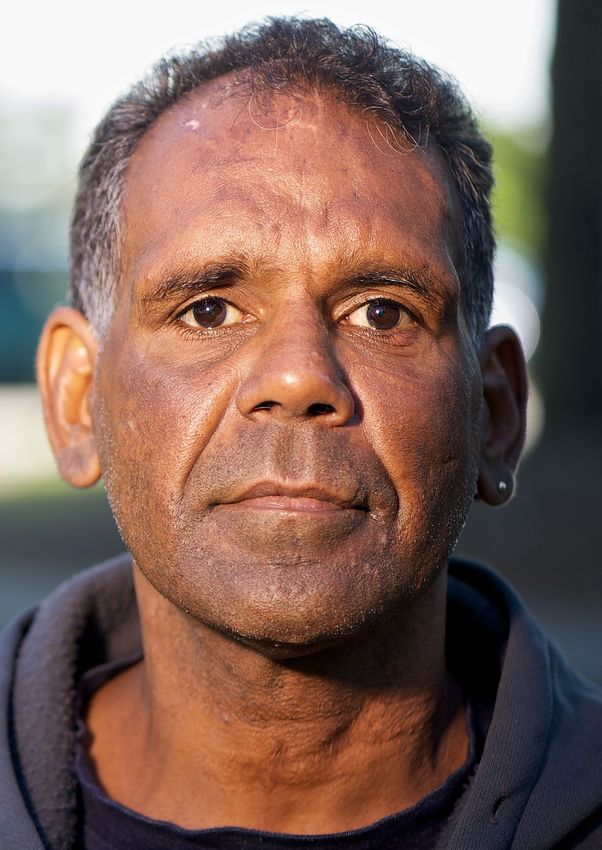
Cover: Aboriginal man (Gary Radley – RF Commercial license)
30
From the AHHA desk
04. Chief Executive update
06. AHHA in the news
52. Become an AHHA member
53. More about the AHHA
Advertorial
28. Culturally safe maternity care
48
44. How digital health can help close the health
Issued by H.E.S.T. Australia Ltd ABN 66 006 818 695 AFSL 235249, the Trustee of Health Employees Superannuation Trust inequality gap
Australia (HESTA) ABN 64 971 749 321.
46. Good governance and Closing the Gap
CHIEF EXECUTIVE UPDATE

                                     Lessons
                                     from 2020
    ALISON VERHOEVEN
    Chief Executive
    AHHA

As we all try to make sense of our experiences in         Lack of access to information about health,
2020, some things stand out as information and           including limited availability and poor quality
knowledge we have had for many years but have            translated materials, and messaging that is not
failed as a society to act upon.                         culturally sensitive or responsive, have also been
    Nowhere has the impact of this been more             identified as key contributors to illness, disease
obvious than amongst communities that                    transmission and loss of life during 2020.
experience health inequity, yet it is many of             While consistency in the public health response
these communities that have demonstrated the             to the pandemic and natural disasters is something
leadership required for change and have provided         we aspire to, we also need to recognise the value
a positive model for doing things differently in         and importance of place-based responses, led at
the future.                                              community level and responsive to the needs and
    First amongst these lessons is that good health is   capacity of individual communities.

                                                                                                               Maxime Lebrun
not achieved solely by building more hospitals and        Building on the strengths of communities and
health services, training and employing more staff,      their leaders, rather than paternalistic approaches
spending more money on health technology and             aimed at addressing deficits and weaknesses, has
medicines, and investing in programs that respond        been demonstrated to make a positive difference
                                                                                                                               “First amongst these lessons is that good health is not achieved solely by
only to illness.                                         to health outcomes in 2020.
                                                                                                                               building more hospitals and health services, training and employing more
    While these investments are important, and some       As 2020 ended, AHHA honoured NACCHO Chief
                                                                                                                               staff, spending more money on health technology and medicines, and
— particularly in relation to support for a strong,      Executive Patricia Turner for her leadership in
well-funded and well-trained health workforce —          ensuring Aboriginal and Torres Strait Islander
                                                                                                                               investing in programs that respond only to illness.”
have been demonstrated to be critical in 2020,           communities could take control of their own
they do not guarantee good health.                       health and security as the COVID pandemic took
    Inadequate and overcrowded housing, insecure         hold in Australia.
employment, low income, food insecurity, lack of          We also honoured the ANU Bushfire Impact                             new ways of doing things as we emerge from          Community leadership, collaboration with
protection for the vulnerable — whether in aged or       Working Group which led a regional partnership                        the challenges of 2020.                            committed partners, a recognition that health
disability care, social housing, detention facilities    across many research disciplines and across many                       This edition of the Health Advocate highlights    is more than treating illness, and building on
or other ‘socially managed’ settings, have all been      organisations in responding to and learning from                      many community led programs that are making        strengths are common threads across these stories.
drivers for the transmission of and deaths from          the 2019-20 bushfires.                                                a difference in closing the gap in health equity    There is also a clear message — not only can
COVID-19 in Australia and internationally.                Both are examples of community leadership that                       experienced by Aboriginal and Torres Strait        we do things differently, we must if we aspire to
                                                         have grown out of great adversity and can inspire                     Islander peoples.                                  becoming a stronger and healthier country.   ha

4    The Health Advocate • FEBRUARY 2021                                                                                                                                                 The Health Advocate • FEBRUARY 2021          5
FROM THE AHHA DESK
Refreshing the blueprint: a supplement to Healthy people, Healthy systems
HAVE YOUR SAY...
AHHA in the news
The effective and
sustainable adoption
We would like to hear your opinion on these or any other healthcare issues.
Send your comments and article pitches to our media inbox: communications@ahha.asn.au
of virtual health care
KEY ACTION AREAS
PATIENT-CENTREDNESS 4
EQUITY 5
CROSS-SECTOR LEADERSHIP AND GOVERNANCE 6
3 DECEMBER 2020 8 DECEMBER 2020 15 DECEMBER 2020 12 JANUARY 2021
A DIGITALLY-CAPABLE WORKFORCE PROVIDING TEAM-BASED CARE 7
INTEROPERABLE AND QUALITY ASSURED TECHNOLOGY 8
FUNDING FOR REFORM 9
Lessons from 2020: aged care, Health leaders during bushfires, Five Australian health
mental health reforms needed COVID to be honoured services receive international
‘As the horror year that was 2020 comes to a close, Outstanding health leadership during the 2019-20
recognition for their COVID-19
the latest edition of the Australian Health Review, bushfires and the COVID-19 pandemic was recognised response
highlights reform opportunities across the mental at the 2020 Sidney Sax Medal Presentation held at Five Australian health services have been
health and aged care sectors’, says the Editor- the Australian National University (ANU). recognised in the International Hospital
in-Chief of Australian Health Review, Professor Australian Healthcare and Hospitals Association Federation’s (IHF) Beyond the Call of Duty for
Sonĵ Hall. Chair, the Hon Jillian Skinner, jointly awarded COVID-19 recognition program. Healthy People, Healthy
Australian Health Review is the academic the 2020 Sidney Sax Medal for outstanding health Beyond the Call of Duty for COVID-19 Systems: A blueprint
journal of the Australian Healthcare and Hospitals leadership to the ANU College of Health and acknowledges hospitals and health services for outcomes focused, JULY 2020
Association (AHHA). Medicine’s Bushfire Impact Working Group, and around the world that proactively implemented value-based health care
In a policy reflection, Dr Sebastian Rosenberg Patricia Turner, CEO of the National Aboriginal outstanding and innovative actions in response
from the Centre for Mental Health Research, Community Controlled Health Organisation After months of review, the Australian Healthcare
to the COVID-19 pandemic.
Australian National University, cautions that we (NACCHO). and Hospitals Association is proud to launch
Dental Health Services Victoria (DHSV),
must combat ‘Commission fatigue’ and ensure During the 2019-20 bushfires, the ANU College the refreshed Blueprint, Healthy People, Healthy
Heathcote Health & Energesse, Pathology
focused, strategic reform in both the aged care of Health and Medicine’s Bushfire Impact Working Systems: A blueprint for outcomes focused,
Queensland, Royal Brisbane and Women’s
and mental health sectors. Group, chaired by Professor Robyn Lucas and Dr value-based health care.
Hospital and SA Pathology were among the
Anna Dixon of the UK Centre for Ageing Better Arnagretta Hunter, responded to immediate health ‘In 2017, AHHA launched the first iteration of
100 health services from 27 countries that
Healthy People, Healthy Systems: A Blueprint for
highlights the significant proportion of COVID- needs related to the physical and mental health received international recognition for their
a Post 2020 National Health Reform Agreement,
related deaths, which have occurred in residential effects of bushfires and smoke in communities in responses to the pandemic.
which mapped out how to transform our
aged care facilities across the world. the ACT and South Coast NSW. ‘We are proud that these Australian health
healthcare system, reorienting our healthcare
Echoing findings from the Royal Commission into As the COVID-19 pandemic began to impact services have been internationally recognised
system to focus on patient outcomes and value,’
Aged Care Quality and Safety, Anna Dixon notes Australia’s health system and communities, for the outstanding work they have done said AHHA Chief Executive Alison Verhoeven.
that this raises vital questions for governments Patricia Turner, Chief Executive of NACCHO, throughout the COVID-19 pandemic to keep our ‘Since then, new challenges have emerged and
about how we want to care for the growing number played a significant leadership role in ensuring that communities safe,’ said AHHA Chief Executive, the 2019-20 bushfires and the COVID-19 pandemic
of older people now and in the future Commonwealth and state/territory governments Alison Verhoeven. ‘It demonstrates that Australian have shone a light on the systemic weaknesses
Other articles explore the role of codesign took urgent action to protect Aboriginal and Torres health services are international leaders in the of our health system, while simultaneously
in developing mental health models of care, Strait Islander communities, closing down access and provision of innovative, quality, health care to our presenting new opportunities for innovation.’
partnership with mental health carers, and prioritising safety to prevent community transmission community.’ ‘In the refreshed Blueprint, we have continued
workforce strategies including peer workers with of COVID-19. Beyond the Call of Duty for COVID-19 is an to advocate for an outcomes-focused, value-based
lived experience and the potential for greater The contributions of both the ANU Bushfire Impact IHF initiative sponsored by the Ashikaga — healthcare system through a range of strategies,
engagement of mental health nurses. ha Working Group and NACCHO CEO Patricia Turner Nikken Group and the International Federation including short, medium, and long-term actions,
will continue to make Australia a better, safer and of Pharmaceutical Manufacturers & Associations to reform and strengthen the Australian health
healthier country for all its residents. ha
(IFPMA). ha system.’ ha
6 The Health Advocate • FEBRUARY 2021 The Health Advocate • FEBRUARY 2021 7
Healthy People, Healthy Systems:
A blueprint for outcomes focused,
value-based health care
AHHA’s vision for 2021 and beyond

In 2017, as Australian state and territory             Through the refreshed Blueprint, Healthy People,        2. Performance information and reporting               vision of a sustainable workforce that protects the
governments were preparing for a new national         Healthy Systems: A blueprint for outcomes focused,       that is fit-for-purpose                                welfare of health professionals and meets the health
health funding agreement, AHHA released the first     value-based health care, we continue to advocate         The shift from an output-focused to an outcomes-       needs of all Australians. Team-based models of care
iteration of Healthy people, healthy systems: A       for an outcomes-focused, value-based healthcare          focused health system requires efficient and           need to be enabled, with practitioners working to
Blueprint for a Post 2020 National Health Reform      system. A series of short-, medium- and long-            transparent performance reporting. Despite the         the top of their scope of practice to achieve the
Agreement. The Blueprint mapped out how to            term actions are proposed to achieve four critical       importance of health information and reporting,        outcomes that matter to patients.
transform our healthcare system, reorienting our      features:                                                and the substantial data currently being collected,    4. Funding that is sustainable and appropriate
healthcare system to focus on patient outcomes        1. A nationally unified and regionally controlled        Australia has not implemented a long-term strategic    to support a high quality health system
and value through a series of short-, medium-         health system that puts patients at the centre           plan to coordinate and direct national health          Outcomes are the ultimate measure of success
and long-term actions.                                As we step into 2021 and beyond, it is important         information interests.                                 in healthcare. Leadership is needed to ensure
    Since then, all Australian governments have       that we carry the lessons from 2020 with us. AHHA         Data standards, digital health architecture, and      funding is directed to health sector priorities
signed on to the Addendum to the National             continues to advocate for the establishment of           analytical and reporting capabilities are needed       and used effectively and efficiently to deliver
Health Reform Agreement 2020-25 which provides        an independent national health leadership body,          to establish a system where data accurately            high-value services. The time to move to a value-
important opportunities for new thinking about        building on arrangements established during 2020         reflect care outcomes and are in the right format,     based approach to healthcare funding is now, and
the way health is delivered.                          with the Australian Health Protection Principal          timely and of sufficient quality to discern critical   innovative funding models need to be explored
    The initial Blueprint laid out a comprehensive    Committee, and reporting directly to National            relationships between investment and results and       and evaluated to inform this shift. Ensuring funding
platform for reform, with many of the issues          Cabinet to provide stewardship for the health            support overall health system performance.             supports the specific needs of local communities
identified just as relevant today as they were in     system. We continue to call for the formalisation of     3. An integrated health workforce that exists          will result in more positive health outcomes,
2017. System sustainability is an ongoing concern,    effective governance strategies at a regional level to   to serve and meet population health needs              and incentivising stakeholders to cooperate in
healthcare costs are continuing to rise, and issues   promote the coordination of health service delivery,     The COVID-19 pandemic highlighted the weaknesses       standardised tracking of health outcomes will align
of equity and access persist.                         address unmet need and improve efficiency.               in the current health workforce, namely the            health sector priorities and promote health equity.
    2020 brought new challenges, with natural          In recognising the grave impacts of a changing          increasingly casualised workforce and shortages in      The challenges of 2020 have demonstrated our
disasters and the COVID-19 pandemic shining a         climate on the health and wellbeing of Australians,      many professions particularly in outer metropolitan,   system’s capability for rapid reform and innovation.
light on systemic weaknesses of our health system,    we push for climate action at a federal level to         regional and remote areas and in serving               We call on our health ministers to continue this path
while simultaneously presenting new opportunities     support a unified approach.                              disadvantaged populations. This has exemplified        of reform and innovation to continue building the
for innovation.                                                                                                the need for national coordination and a shared        health system that Australians need and deserve.      ha

8    The Health Advocate • FEBRUARY 2021                                                                                                                                     The Health Advocate • FEBRUARY 2021             9
Launching AHHA’s                           The Australian Healthcare and Hospitals Association is committed to
                                           reconciliation and better healthcare outcomes for Aboriginal and

2021-22 Reconciliation                     Torres Strait Islander peoples. In 2017, we launched our Reconciliation
                                           Action Plan (RAP), which set out our commitment to Close the Gap.

Action Plan                                Reflecting on our progress since 2017, we are proud to launch our
                                           2021-22 RAP and continue our journey to reconciliation.

                                                  “AHHA seeks to play a meaningful role to Close the Gap
                                                  in healthcare outcomes and in addressing the institutional
                                                  racism endemic in our care systems.”

                                           The Australian Healthcare and Hospitals Association       AHHA seeks to play a meaningful role to Close the
                                           (AHHA) strongly supports reconciliation and is           Gap in healthcare outcomes and in addressing the
                                           committed to working towards it. We acknowledge          institutional racism endemic in our care systems.
                                           Aboriginal and Torres Strait Islander peoples as the     To this end, we believe that those working
                                           traditional custodians of the land and waters of this    to promote equity in the wider health sector
                                           continent, and respect and value the diversity of        should also be actively working to address power
                                           Aboriginal and Torres Strait Islander cultures across    imbalances and accountability as well as shape
                                           Australia. AHHA aims to contribute positively and        culture and attitudes within their own organisations.
                                           influence issues relating to Aboriginal and Torres
                                                                                                    Reflecting on our past
                                           Strait Islander health and well-being in partnership
                                                                                                    In 2017, AHHA launched the inaugural Reflect
                                           with Aboriginal and Torres Strait Islander people
                                                                                                    Reconciliation Action Plan (RAP). The RAP consisted
                                           and their organisations. We acknowledge the
                                                                                                    of a framework of objectives and deliverables
                                           historical and contemporary poor outcomes for
                                                                                                    designed to work with and support Aboriginal and
                                           Aboriginal and Torres Strait Islander peoples in
                                                                                                    Torres Strait Islander peoples in the development of
                                           hospitals and healthcare settings, as well as the role
                                                                                                    health public policy through our advocacy, research,
                                           of colonisation, dispossession, discrimination, and
                                                                                                    education programs, publications and events. In the
                                           racism in creating these poor outcomes. We also
                                                                                                    years since its launch, AHHA has consistently worked
                                           acknowledge the effort of Aboriginal and Torres
                                                                                                    to integrate these values into our organisational
                                           Strait Islander people and their organisations in
                                                                                                    culture and aimed to embrace the principles of
                                           reducing these inequities.

10   The Health Advocate • FEBRUARY 2021                                                                  The Health Advocate • FEBRUARY 2021           11
AHHA 2020 SIDNEY SA X AWARDS

                                                                                                               LIZ DRUMMOND
                                                                                                               Science Communicator,     What is the role
                                                                                                                                         of universities
reconciliation amongst all aspects of our work.         for Aboriginal and Torres Strait Islander people.      The Australian National
These efforts have led to the implementation of         Similarly, during NAIDOC Week 2020, AHHA was           University
several notable initiatives at AHHA.                    pleased to present a free webinar which discussed

                                                                                                                                         during a crisis?
 In 2018, we established the AHHA Traditional           better healthcare in hospitals for Aboriginal and
Owner Acknowledgement Protocol to ensure that           Torres Strait Islander people.
AHHA accurately recognises the Traditional Owners
                                                        Looking to the future
and communicates respect at external events.
Similarly, the AHHA Aboriginal and Torres Strait
                                                        Reconciliation is an ongoing journey—encompassing                                Advocacy and collaborating beyond campus
Islander Employment Policy was developed to foster
                                                        historical acceptance, real equality and meaningful                              during Black Summer 2019/20
                                                        change. In our newly published RAP, we reflect
and encourage employment of First Nations peoples
                                                        on our progress since 2017 and maintain our
at AHHA. This policy recognises that Aboriginal
                                                        commitment to reconciliation through a range
and Torres Strait Islander staff bring expertise                                                                                         2020 has the unfortunate distinction of providing ample opportunity
                                                        of new actions.                                         The Australian
and insights that build AHHA’s capacity to develop                                                                                       to address the role of universities during a crisis. This year, bushfires
                                                         Throughout 2021, AHHA will build on our existing       National University
health policies and services for both Indigenous                                                                                         incinerated an area equivalent to England, destroyed thousands of
                                                        work to develop closer ties with Aboriginal and         Bushfire Impact
communities and the overall Australian community.                                                               Working Group,           buildings, killed or displaced an estimated three billion animals, and
                                                        Torres Strait Islander communities. We will continue
 Recognising the obligations placed on Aboriginal                                                               led by Professor         33 people tragically lost their lives fighting them.
                                                        to nurture a culture of respect and understanding       Robyn Lucas and
and Torres Strait Islander employees to participate                                                                                        Then there was the smoke — engulfing whole cities, with Canberra
                                                        amongst our staff and members as part of our            Dr Arnagretta
in ceremonial activities and other cultural                                                                                              recording the world’s worst air quality for several days in a row.
                                                        commitment to reduce institutional racism and           Hunter and Patricia
obligations, we have incorporated additional leave                                                              Turner, Chief              Researchers from across the Australian National University (ANU)
                                                        continue to create opportunities for Aboriginal and
privileges into the AHHA Leave Policy to allow our                                                              Executive of the         understood they had a major role to play in protecting the physical
                                                        Torres Strait islander peoples through our work.        National Aboriginal
employees to participate in cultural activities.                                                                                         and mental health of our communities. Professor Russell Gruen, Dean
                                                        We will maintain our commitment to ongoing              Community                of the College of Health and Medicine, quickly established the Bushfire
 AHHA has long made Aboriginal and Torres Strait
                                                        projects, in particular the Close the Gap campaign,     Controlled Health        Impact Working Group, bringing together academics from public health,
Islander health issues an ongoing focus of research,
                                                        and we will continue to support staff and senior        Organisation, were
both through the Deeble Institute for Health Policy                                                                                      psychology, clinical medicine, as well as climate scientists, disaster risk
                                                                                                                jointly awarded
                                                        leaders to participate in cultural awareness                                     scientists and science communications experts.
Research and through our peer-reviewed journal,                                                                 AHHA’s 2020 Sidney
                                                        programs and events.                                    Sax Medal for              ‘We recognised an immediate need for evidence-based health
the Australian Health Review. Since 2017, these
                                                         To achieve these goals, AHHA will continue to          outstanding health       communications on bushfire smoke that was accessible to communities,’
efforts have led to the publication of several issues
                                                        work in partnership with Aboriginal and Torres          leadership.              says Professor Lucas, founding Chair of the group.
briefs and peer-reviewed articles.
                                                        Strait Islander peoples and their organisations                                    While academics are sometimes mocked as working in ivory towers,
 AHHA actively participates in National
                                                        in developing health policy. We will continue                                    the actions of the group went well beyond the walls of their institution.
Reconciliation Week (NRW) and NAIDOC week each
                                                        to authentically engage with our staff and our                                   The team rolled up their sleeves and worked alongside the community.
year. Despite challenges brought about by COVID-19,
                                                        members to Close the Gap and secure a healthy                                    Experts in air pollution and science communication mobilised to fill
AHHA participated in NRW 2020 through our online
                                                        Australia for all.   ha
                                                                                                                                         the gap in reliable information for affected and worried people. This
channels. This work culminated in the recording of a
                                                         You can view AHHA’s RAP at: https://ahha.asn.                                   information was translated into multiple languages and disseminated
free online webinar which discussed the regulatory
                                                        au/governance.                                                                   widely to culturally diverse communities.                                    >
approaches to improving healthcare outcomes

12   The Health Advocate • FEBRUARY 2021                                                                                                                             The Health Advocate • FEBRUARY 2021           13
AHHA 2020 SIDNEY SA X AWARDS                                                                                                                                                   AHHA 2020 SIDNEY SA X AWARDS

                                                                                                               From COVID-19
                                                                                                               to Closing the Gap
                                                                                                                 NACCHO CEO Pat Turner
                                                                                                                 presenting at the AHHA 2020
                                                                                                                 Sidney Sax Award ceremony.

                                                                               Dr Arnagretta Hunter and
                                                                               Professor Robyn Lucas
                                                                               from the ANU Bushfire
                                                                               Impact Working Group being
                                                                               presented the 2020 Sidney
                                                                               Sax Medal by AHHA Chair, the
                                                                               Hon Jillian Skinner.

  The team continued to engage with affected          made submissions to the Senate Finance and Public
communities, allowing their health concerns to        Administration Inquiry into the bushfires and to
guide research questions.                             the Royal Commission into Natural Disasters, and
  ‘We know a lot about air pollution, but there is    have called for a National Strategy for Health and
a big knowledge gap surrounding bushfire smoke,’      Climate Change.
says current Bushfire Impact Working Group Chair,       ‘The group is very much driven by a need to be
Dr Arnagretta Hunter.                                 helpful and to use the skills and knowledge that we
 ‘Nine out of ten people suffered some kind of        have to help our communities get through a tough
physical health issue from the bushfire smoke, and    period,’ says Dr Hunter.
50% of the population were anxious. Communities         ‘Our advocacy work with the bushfire community
were asking me questions like “what are the long-     is really important. We want to make sure that
term health effects from breathing in bushfire        they are not forgotten in amongst the coronavirus
smoke? What are the implications for my unborn        pandemic.’
baby?” And I couldn’t give them a good answer.’         Indeed, while universities are traditionally thought
 So the team set out to investigate various health    of as places of knowledge creation and education,        The success of the Aboriginal Community                 But pandemics are best defeated by community-
impacts on short and long timescales. They rapidly    recent disasters have shown the importance of their      Controlled Health Organisations (ACCHOs) in           based action and the very ACCHO model itself is
set up air quality monitoring stations, tested lung   role as leaders and supporters of our communities.       keeping COVID-19 out of Aboriginal and Torres         fundamentally about community control. It was no
function among at-risk people, forged programs          ‘The role of universities doesn’t stop with doing      Strait Islander communities has come as a welcome     surprise to us. And there was too much at stake for
to assess smoke implications on pregnancy,            great research. We need to be advocates to ensure        shock to most. Less than 150 Aboriginal people        us to fail. Look at what happened to the Navajo.
and assessed the impact of bushfires on local         we’re progressing as a society and as a community,       have contracted COVID-19 Australia-wide. Our share    They have the highest death rate of any ethnic group
communities and their health services.                so that future generations have an opportunity to        of the COVID-19 caseload was 0.5% when our share      in the USA. If the virus had got into Aboriginal and
  Their work continues and has broadened to           live healthy, productive lives,’ says Professor Gruen.   of the national population is 3.3%. This has been a   Torres Strait Islander communities, the consequences
include advocating for the community in the             ‘These are not traditional ways of working for         wonderful achievement.                                would have been catastrophic with our levels of
policy sphere. To this end they participated in the   academics or universities, either in nature or time-                                                           comorbidity and social disadvantage.
Emergency Leaders for Climate Action Roundtables;     frames. But they could and should be.’   ha

14   The Health Advocate • FEBRUARY 2021                                                                                                                                   The Health Advocate • FEBRUARY 2021          15
AHHA 2020 SIDNEY SA X AWARDS                                                                                                                                                        AHHA 2020 SIDNEY SA X AWARDS

                                                                                                                         “The new National Agreement on Closing the Gap has the potential
                                                                                                                         to be a game-changer. Since it was signed, steady progress has
                                                                                                                         been made. But pressure needs to be kept on governments to
                                                                                                                         maintain their commitments and to apply the principles of reform
                                                                                                                         that they all signed off in July 2020. It will be a critical year ahead.”

                                                                                                                      So, we drew a line in the sand. NACCHO led the     we will be sitting at the table as partners alongside
                                                                                                                    response. We represent 143 members operating         governments to resolve key policy questions for
                                                                                                                    550 clinics that deliver 3.1 million episodes of     our communities across the country.
Representatives from the Coalition of Peaks, a representative body of around 50                                     care each year to 410,000 people. As such,             The new National Agreement on Closing the Gap
Aboriginal and Torres Strait Islander community controlled peak organisations.
                                                                                                                    we were well-positioned to lead the rejection        has the potential to be a game-changer. Since
                                                                                                                    of the Commonwealth’s process and to invite          it was signed, steady progress has been made.
                                                                                                                    all governments to work with us in a genuine         But pressure needs to be kept on governments
                                                                                                                    partnership. Together, we wrote to the Prime         to maintain their commitments and to apply the
 While the press has been calling the pandemic               cannot wait for people to embrace it. We have
                                                                                                                    Minister, Premiers and Chief Ministers. From         principles of reform that they all signed off in July
and the measures to combat it ‘unprecedented’,               to keep moving forward.
                                                                                                                    14 Aboriginal groups back in 2018 we are now         2020. It will be a critical year ahead.
the virus for Aboriginal and Torres Strait Islander            The Coalition of Peaks — which NACCHO has
                                                                                                                    over 50. By staying strong and unified, our voice     Perhaps COVID-19 played a role late in this
people is, sadly, a familiar tale. Aboriginal people         led — is a prime example of what can be done.
                                                                                                                    cannot be ignored.                                   process. The pandemic came and, although
have been battling pandemics since 1788. The                 Its work in getting the Closing the Gap process
                                                                                                                      On 6 December 2018, the Prime Minister met         unfunded at first, our clinics just put on their
success of the measures put in place by our ACCHOs           back on track is self-determination in action. Only
                                                                                                                    with us and acknowledged that the current targets    rubber gloves, masks and gowns and got on with it.
is well documented. In any case, it was told in              two of the old targets were on track. For example,
                                                                                                                    were ‘government targets’ and, that for Closing      As an accidental outcome of all this, we find that
The Health Advocate by Chris Bourke as recently              in Australia, Aboriginal and Torres Strait Islander
                                                                                                                    the Gap to be successful, we had to be able          governments are more willing to acknowledge us
as August.                                                   people can expect to live ten years less than other
                                                                                                                    to take formal responsibility for the outcomes       and to cooperate with us. Let’s hope it lasts. Let’s
  Another significant aspect of our work is the              Australians. Life expectancy is longer in Bangladesh
                                                                                                                    through shared-decision making. Six days later,      hope they honour their commitments to Closing the
successful negotiation of a new National Agreement           and Azerbaijan than for our people. When the
                                                                                                                    the heads of the Commonwealth, state and local       Gap and work with us to build community solutions
on Closing the Gap.                                          Commonwealth began to redraft the targets, they
                                                                                                                    governments publicly committed to develop a          across all policies and programs for all Aboriginal
  There is no doubting in my mind that the Uluru             said that they would consult with our people.
                                                                                                                    genuine partnership with us through which a new      and Torres Strait Islander peoples.   ha

Statement is a beautifully written, simple message           But lip service was being paid to the consultation
                                                                                                                    Closing the Gap framework could be agreed. It was
for all Australians. It certainly is ‘straight from the      process and the same mistakes looked like they
                                                                                                                    the first time that there has been formal decision   Pat Turner is the CEO of NACCHO and Lead
heart’. But while its rejection was disappointing, we        were going to happen all over again.
                                                                                                                    making with our peoples in this way. From now on,    Convener of the Coalition of Peaks.

16   The Health Advocate • FEBRUARY 2021                                                                                                                                       The Health Advocate • FEBRUARY 2021           17
DR NAOMI HOUSTON
Indigenous Health GP
Advisor
SHARON STOREN
Indigenous Health Officer,
Capital Health Network
Supporting primary care
and the health of First
Nations people in the ACT L-R: Capital Health Network’s (CHN) Indigenous Health GP Advisor Dr Naomi Houston, Coolamon Advisors Director
Katrina Fanning PSM, CHN Indigenous Health Officer Sharon Storen and Coolamon Advisors Culture and Capability
Consultant Nevada Brown.
Canberra is Ngunnawal country. However, the health service for young First Nations people processes for assessment, referral, treatment assessment, management and referral options
ACT region is home for many Aboriginal and Torres (under 25 years) to improve social and emotional and ongoing care,’ said Dr Naomi Houston, CHN available locally across the ACT and Southern NSW.
Strait Islander peoples from different First Nations wellbeing through one-on-one support. Indigenous Health GP Advisor. These pathways are developed by the PHNs, GPs,
communities across Australia, making up about • Alcohol and other drug (AOD) issues — Canberra specialists and other local health care providers,’
Guidance and education for
1.8% of the ACT population. ACT’s Primary Health Alliance of Harm Minimisation and Advocacy said Ms Storen.
general practice
Network Capital Health Network (CHN) is committed (CAHMA) provides the Peer Treatment Support The suite of Indigenous-specific pathways range
CHN provides in-practice support and education
to supporting the provision of culturally appropriate Service to support clients to engage with from the Practice Incentives Program — Indigenous
for primary care providers to assist with the delivery
services to improve the health and wellbeing of necessary AOD service providers, enhance health Health Incentive, to the Pharmaceutical Benefits
of culturally appropriate services.
First Nations people in the ACT. literacy and access treatment. See case study. Scheme (PBS) Co-payment Measure to cultural
‘We tailor the sessions to the needs of each
CHN has also worked with local organisation, competencies. The ACT and SNSW HealthPathways
Partnering for success practice and cover topics such as identification
Coolamon Advisors, to co-design a Cultural Program is a unique cross-border partnership
Partnerships are key to effective health service of First Nations patients, MBS items and other
Competency Framework to ensure collaboration involving ACT Health, Southern NSW Local Health
delivery. CHN has partnered with a number of local government health incentives specific to First
with Aboriginal and Torres Strait Islander community District, COORDINARE (South Eastern NSW PHN)
organisations to support the health of First Nations Nations people, and available referral options.
members when planning, commissioning and and CHN. Health professionals can find the details
people in the ACT. We also work with practices to identify barriers
evaluating programs and services. of how to access their local HealthPathways from
CHN funds local organisations through the National for First Nations people in accessing health services
their local Primary Health Network (PHN).
Indigenous Australian’s Health Programme to Cultural Awareness Training and assist the practices with looking at ways to
support First Nations people with: Coolamon Advisors also provides cultural awareness address these barriers,’ said Dr Houston. Expanded COVID-19 testing options
• Chronic disease management — Grand Pacific training for primary health care providers in the Indigenous Health Officer, Sharon Storen explained
CHN provided advocacy and support for the
Health and Winnunga Nimmityjah Aboriginal ACT, including service providers commissioned by that a suite of pathways for Aboriginal and Torres
establishment of three GP Respiratory Clinics to
Health and Community Services deliver the CHN and CHN staff. Strait Islander health has been recently updated
conduct COVID-19 testing in the ACT, including
Integrated Team Care Program which provides ‘The free training provides insights into strategies and released through the ACT and Southern NSW
one at Winnunga Nimmityjah Aboriginal Health
care coordination services and funding for certain for implementing a culturally safe health service HealthPathways Program which can be used to
and Community Services which provides culturally
approved medical equipment. including access (physical, financial, environmental, supplement the information in these sessions.
appropriate testing for First Nations people and
• Mental health issues — Marathon Health delivers cultural), improving interpersonal relationships ‘HealthPathways is a web-based clinical tool
existing clients. CHN is providing ongoing support
a culturally sensitive, evidence-based mental and communication, and culturally appropriate that provides health professionals with localised
to the clinics which are funded by the Australian
and evidence-based pathways that identify the
Government. >
18 The Health Advocate • FEBRUARY 2021 The Health Advocate • FEBRUARY 2021 19ELIZABETH KOFF VBHC CONFERENCE
Perth, WA
NSW Health, Sydney
CASE STUDY
JULIE MCCROSSIN
Journalist and facilitator, Sydney
ELIZABETH TEISBERG
Value Institute for Health and Care, Texas
The CAHMA Community Centre is many verge of giving up. Belinda understands intuitively WE'VE GONE HYBRID
FACE 2 FACE + VIRTUAL
things to many people… because she has felt that same experience. She tells
People don plastic aprons, colourful paint mixes Sarah of her own experience and builds rapport and DAPHNE KHOO
Ministry of Health, Singapore
in tubs — blues, yellows, reds, all the colours trust with her in a respectful manner to support her
of the rainbow. White canvasses are held in to try once again to get onto the program.
people’s hands and the centre buzzes with
excitement. People greet, meet and re-meet as
Sarah is transported and accompanied to another
medical appointment by Belinda who is able to DONT MISS OUT ~ REGISTER NOW
the leader explains the plan. When you feel the discuss issues and ask appropriate questions to
paint flowing and spreading, look into the picture ascertain why Sarah had been unable to receive
VBHC Conference: 27 - 28 May 2021
treatment. In the appointment, Belinda explains the
it creates and talk to each other. That’s all.
Just talk… treatment options available to Sarah and discusses JOSEPH CONTE VBHC Workshop: 20-21 & 24-25 May 2021
Sarah’s experiences and needs with the doctor. An Staten Island Performing
Sarah* is told about the CAHMA Art Group by Provider System, NYC
another community member and decides to come
understanding is formed between all three people
Early Bird Rego Closing: 26 Feb 2021
that Sarah be placed on the right treatment option
along. She starts to talk to the other participants,
for her needs.
which include members of the CAHMA staff who
also enjoy creating and exploring. Sarah builds trust
Belinda accompanies Sarah to pick up her
w w w. c i c c a n c e r. c o m / v b h c c o n f
medication daily and within five consecutive days
with a CAHMA Peer Treatment Support Worker,
of picking her medication up from the clinic Sarah
Belinda*, and together they decide to dig deeper
is able to be successfully transferred to a pharmacy
and enter her into the CAHMA Peer Treatment
Support Program. Sarah tells Belinda that she has
closer to her residence. ROSS CRAWFORD Proudly hosted by
This was a successful outcome for Sarah who is University of Technology, Queensland
attended a number of medical appointments (she
now stabilised on her medication, has returned
was trying to get onto the opioid maintenance
to her online studies and is currently seeking
program) but has had no success for a variety of
employment.
reasons. In particular she gets overwhelmed and
Sarah still has the painting she made that morning
anxious and finds the doctor’s language difficult to
at the CAHMA Community Centre. ha
understand. She explains that she is tired and at the
* Names have been changed
20 The Health Advocate • FEBRUARY 2021Equity for sexual
and reproductive
Aboriginal Woman (Gary Radler - RF Commercial licence)
ADJUNCT PROFESSOR
RUTH STEWART health in rural
Australia
National Rural Health
Commissioner
What rural women want and need
Rural and remote Australian women lack equity of For those women who are pregnant and live supported by Indigenous Health Practitioners and References
1. Rowe H, Holton S, Kirkman M, Bayly C, Jordan L, McNamee K,
access to sexual and reproductive health services. outside Australian cities, access to maternity Rural Generalist doctors has halved premature
McBain J, Sinnott V, Fisher J. Prevalence and distribution of
In Australia, rural and remote women experience and birthing services has been decreasing for birth rates, significantly reduced rates of smoking unintended pregnancy: the Understanding Fertility Management
in Australia National Survey. Aust N Z J Public Health. 2016 Apr;
more health risk factors and poorer health outcomes decades. The Rural Doctors Association of Australia during pregnancy and reduced the percentage of Accessed: 23 December 2020
than their urban peers. They have higher rates of (RDAA) reported in 2006 that over 130 small babies born with low birthweight. This model was 2. Australian Department of Health 2018 National Women’s Health
unplanned pregnancy, suffer higher rates of infant rural maternity units had closed across Australia co-designed with the Aboriginal and Torres Strait Strategy 2020-2030
3. Australian Department of Health 2018 National Women’s Health
mortality and give birth to more low birthweight in the 10 years since 1995.6 Obstetric Medicare Islander community where cultural safety and Strategy 2020-2030
and preterm babies than do their urban sisters.1 expenditure shows that for every dollar spent on empowerment are central.10 4. Mazza, D., Bateson, D., Frearson, M., Goldstone, P., Kovacs, G.
These rates increase as remoteness increases yet obstetric care per capita in major cities in 2010, During my term as National Rural Health and Baber, R. (2017), Current barriers and potential strategies to
increase the use of long‐acting reversible contraception (LARC)
still rural women face increased barriers to access only 47 cents was spent in very remote areas.7 Commissioner I will be working to increase the to reduce the rate of unintended pregnancies in Australia: An
health services.2 The National Women’s Health Pregnant women need maternity and birthing number of Rural Generalist doctors, nurses and expert roundtable discussion. Aust N Z J Obstet Gynaecol, 57:
206-212. https://doi.org/10.1111/ajo.12587
Strategy 2020-2030 rightly identifies women living in services close to home. When birthing services allied health and other health professionals trained 5. Shankar M, Black KI, Goldstone P, et al. Access, equity and
rural and remote areas as a priority population.3 close and health professionals with maternity skills and employed across rural and remote Australia. costs of induced abortion services in Australia: a cross-
sectional study. Aust N Z J Public Health. 2017;41(3):309-314.
Timely, appropriate and affordable sexual and leave the community, risks for pregnant rural In collaboration with each state and territory doi:10.1111/1753-6405.12641
reproductive health care is fundamental to health women increase. In Australia, where the driving government, I will focus on the development 6. Australian Department of Health 2009 Improving Maternity
Services in Australia: The Report of the Maternity Services Review
and wellbeing. Many rural women do not have time to a birthing service is more than two hours, of the workforce that is needed for strong
7. Australian Institute of Health and Welfare 2010. Australian health
access to the full range of contraceptive choices. more babies are born before arrival to hospital and multidisciplinary primary health care teams to expenditure by remoteness: a comparison of remote, regional and
Access to long-acting reversible contraception when this occurs, the risk increases for mothers turn around the health of the rural and remote city health expenditure. Health and welfare expenditure series
no. 50. Cat. no. HWE 50. Canberra: AIHW.
(LARC) depends on availability of professionals and babies.8 communities in our nation. Rural sexual and
8. Thornton CE, Dahlen HG Born before arrival in NSW, Australia
trained in LARC management and insertion.4 Rural and remote women do not want to be reproductive health services now and in the future (2000–2011): a linked population data study of incidence, location,
associated factors and maternal and neonatal outcomes BMJ
A rural woman’s access to termination services taken away from their support networks when must concentrate on continuity of care and carers,
Open 2018; 8:e019328. doi: 10.1136/bmjopen-2017-019328
is determined by distance, and the expense and birthing or to travel great distances for care. They on providing care close to home and on giving 9. Australian Department of Health 2019 Woman-centred care:
disruptions incurred by travelling to that service. want to feel safe throughout pregnancy and to options for women to choose the care they want, Strategic directions for Australian maternity services. Prepared
under the auspices of the COAG Health Council.
Thus rural women struggle to receive the care they make informed choices in a collaborative manner deserve and need.
10.Kildea S, Gao Y, Hickey S, et al. Reducing preterm birth amongst
require when and where they need it. This in turn with their care providers.9 Locally designed and It is with primary care, from known professionals Aboriginal and Torres Strait Islander babies: A prospective cohort
study, Brisbane, Australia. EClinicalMedicine. 2019;12:43-51
affects their decision making about their lives, embedded multidisciplinary models of care are close to home, that health equity will be achieved
including their choice or lack of choice about having yielding results. For example, in the Torres Strait for rural women. ha
children.5 the introduction of a midwifery Group Practice
22 The Health Advocate • FEBRUARY 2021 The Health Advocate • FEBRUARY 2021 23Rapid service
TABITHA JONES
COVID-19 Response design and
cultural safety
Coordinator Western
NSW PHN
Learnings from our General Practitioner
Led Respiratory Clinics in Western NSW
When the COVID-19 pandemic was declared in ‘how do we establish these clinics rapidly whilst
February 2020, the history of pandemics suggested trying to create services that cater to the needs
a severe and detrimental impact would be felt by of our Aboriginal communities?’
our Aboriginal communities. The Government released the Management Plan
The Western NSW Primary Health Network for Aboriginal and Torres Strait Islander Populations
Supporting quality care at the end of life (WNSW PHN) region spans 53.5% of NSW, caring for and, together, we made a list of key objectives to
over 313,600 people, with 10.5% of our population try and consider in the clinic development derived
identifying as Aboriginal or Torres Strait Islander. from that plan.
ELDAC connects you to Australia’s palliative care and advance care
We had significant challenges ahead of us in At that point, we started researching and having
planning information, resources and services. keeping our community safe during the response conversations with our services, councils and
to COVID-19. We were concerned about the communities about how we could answer this
• Access five evidence-based toolkits wellbeing of our Aboriginal communities and our very question.
• Find state and territory-specific information and services ability to keep our most vulnerable members of We consulted with our Aboriginal Medical Services
the population safe. (AMS) and Aboriginal Community Controlled Health
• Call the free telephone advisory service WNSW PHN is challenged by vast geography, Organisation (ACCHO) to determine what their
an under-resourced health workforce and the preferences were for accessing care, and the
Together we can improve care at the end of life for older Australians. health disparities of rural and remote NSW. feedback was both insightful and location-specific
Like all challenges, this also brought about the in line with our aims.
opportunity to review and redesign the way that We determined that some services had vulnerable
we deliver care. staff that needed to be kept safe. Protection of the
ELDAC Helpline: 1800 870 155 www.eldac.com.au health workforce was a top priority in our planning
The development of General Practitioner
Led Respiratory Clinics (GPRC) as we are a region with existing, problematic health
workforce shortages.
When tasked with the job of setting up the GP-
There were also some services that nominated
led Respiratory Clinics in Western and Far Western
to take the lead role. We supported these >
NSW, one of the most challenging questions was
24 The Health Advocate • FEBRUARY 2021 The Health Advocate • FEBRUARY 2021 25
ELDAC is funded by the Australian Government Department of HealthWNSW PHN Aboriginal Health Profile 2019 Source: WNSWPHN COVID-19 Response for Aboriginal and Torres Strait Islander Communities
applications, with two of our nine clinics being Aboriginal prints were a beautiful complement to we engaged Nathan Peckham, an Aboriginal
AMS or ACCHO led. the work we were doing to increase cultural safety. man descended from the Tubbah Gah clan within
Some of our larger AMSs requested to provide We realised that the sterile clinic environment the Wiradjuri nation of New South Wales.
GPs to support the staffing of clinics in our larger may not create a safe and welcoming place for A contemporary artist, Nathan leans upon the
centres where we needed multiple GP rosters. Aboriginal people to visit. We looked at signage teachings of his Elders in his artwork which is a
Some of our clinics run by mainstream practices and artwork from Aboriginal artists that may have rich mixture of modern media and methods to
had a crossover of staff from the local AMS. added to the visual appeal of the clinics. However, give life to his unique brand of artwork and design.
Our aim was to create a familiar face for clients, in the fast-paced establishment phase, we did Nathan has been helping us to develop an online
enhance cultural safety and encourage not have artwork that was local, purposeful or learning experience that is an introduction to
the symptomatic patient traffic away from the available to us to use. Aboriginal community and culture; a starting point
usual practice to minimise the risk to their other We did encourage the use of the fantastic for clinicians in their journey towards cultural
clients and staff. COVID-19 resources available from the Aboriginal competency that encourages them to engage with Allinta Riley, Nathan Peckham and Josh Costa.
Health and Medical Research Council and NSW the local Aboriginal community and Aboriginal
Our innovations and local solutions
Health to support Aboriginal patients attending culture. It is based heavily around art and graphic
One important gesture of support to our systems for vulnerable members of the population.
the clinics. design and is an easily accessible, online package
Respiratory Clinics was from a community group We need to learn from the work we have done and
The design and set up of the clinics were rapid that can be used by any health workers.
— The Scrub Cap Angels, based in Grenfell. They have better plans in place to support the care of
and the services were developed at scale and pace. As a PHN, it will also give us a suite of art and
wanted to contribute to the initiative and their our first nations people, both in a crisis situation
When designing the model of care, it was our wish graphics that we can use in service delivery and
team of volunteers made over 100 scrub caps and, just as importantly, in circumstances where
to have cultural safety training available to all the design that is local, meaningful and available for
for the clinics in colourful Australian animals and we have the luxury of time on our side to plan
staff prior to opening, but with restrictions on the development of signage, resources or web-
Aboriginal prints. care. May the lessons we have learnt and the tools
training and gatherings, this was not a task we based media into the future.
These gifts were a bright and heartfelt tribute we have developed take us another step towards
were able to achieve on time. So, while we may have fared well on the
to the generosity of those clinicians running improving our cultural safety in the delivery of
What this did, however, was to create an idea global scale in our management of the COVID-19
the clinics and were a practical addition to health in Western NSW and the design of new
that the PHN should have these resources available pandemic, our work is not done. The pandemic has
the somewhat surgical and sterile clinics. The models of care. ha
for existing and future services. This is where exposed many cracks in the health and social care
26 The Health Advocate • FEBRUARY 2021 The Health Advocate • FEBRUARY 2021 27“I want a
super fund
ADVERTORIAL
Culturally safe that’s an
expert at
maternity care managing
Cassandra Nest, 2020 HESTA Midwife of the Year
money.”
Midwives have always had a responsibility to maternity health service that provides care and of Aboriginal and Torres Strait Islander women Vindhya Mendis,
provide care that contributes to the best possible support to Aboriginal and Torres Strait Islander engaging in care, families’ satisfaction with care HESTA member
outcome for the person they are caring for. families, delivered by First Peoples midwives and and the number of babies with low birth weight —
2020 HESTA Midwife of the Year, Cassandra Nest, nurses. an important outcome for improved infant health.
was recognised for her dedication to improving ‘In order to improve the experiences of First
The next generation
the delivery of culturally safe, quality maternity Peoples women and families, they need to be
Cassandra wants to help increase the number of
care to Aboriginal and Torres Strait Islander provided with culturally safe care,’ says Cassandra.
First Peoples midwives, with the prize money
peoples on the Gold Coast. ‘Gold Coast University Hospital Women’s,
from her HESTA award to be used for a scholarship
Cultural safety happens when the person Newborns and Children’s Unit, Griffith University
that includes mentorship for a Griffith University
providing the care reflects on their own First Peoples Health Unit and the Midwifery@
midwifery student.
assumptions and culture in order to work in a Griffith team are truly dedicated to improving
‘As a recipient of scholarships whilst studying
genuine partnership with Aboriginal and Torres the experiences of our First Peoples community.’
at Griffith University, I understand the immense
Strait Islander peoples. It’s underpinned by
Closing the gap impact that a scholarship can have on the safety of the whole workforce as First Peoples
good communication, respectful treatment,
midwives advocate for culturally safe care and can
empowerment in decision making and the The impact of Cassandra’s work to We’ve
improvebeen awarded completion
a 15 year platinum performance rating
of the midwifery degree by taking
from Australia’s
encourage others to do the same,’ says Cassandra.
First Peoples’ health and close the gap between away some of the financial stress that comes
inclusion of family members. most respected super with
Indigenous and non-indigenous health outcomes
research company, SuperRatings.
being a University student and not being able
Cassandra is a proud Ngunnawal woman and the
Find out more about the HESTA Awards,
first Aboriginal woman to join the midwifery group ThatGCUH
is far reaching. Since Cassandra joined means
in we’re not to
only one of the largest super funds in
work whilst studying.’
the country,
2017, the number of First Peoples’ women and According to the most recent statistics from visit hesta.com.au/awards
practice at Gold Coast University Hospital (GCUH), we’re also one of the best.
babies accessing GCUH maternity services has the Australian Institute of Health and Welfare, Issued by H.E.S.T. Australia Ltd ABN 66 006 818 695 AFSL 235249, the
where she has led the way in building a culturally Trustee of Health Employees Superannuation Trust Australia (HESTA)
increased from three to 57, with the number of there are 28,000 midwives employed in Australia.
safe midwifery workforce. ABN 64 971 749 321.
First Peoples’ midwives at GCUH increasing from Of those, only 230 midwives identify as an
‘Midwifery is my calling, it is what I was meant
one to five. Aboriginal and/or Torres Strait Islander. This
to be doing. This is more than just a job to me,
‘The most rewarding part of my work is being represents less than 1% of all employed midwives.
this is my life, and the lives of my community,’
honoured with the role of walking beside women ‘Increasing the amount of First Peoples
says Cassandra.
and their families as their midwife whilst they midwives not only provides the women and
Midwifery care delivered by First Peoples bring our future ancestors into the world.’ families they care for with access to innate
Cassandra was instrumental in setting up GCUH’s Gold Coast Health data shows there have cultural knowledges, it contributes to the cultural
Waijungbah Jarjums Service, an innovative been significant improvements in the number
Product ratings are only one factor to be considered when making a decision. See hesta.com.au/ratings for more information. Issued by H.E.S.T. Australia Ltd ABN 66 006 818 695 AFSL 235249, the
Trustee of Health Employees Superannuation Trust Australia (HESTA) ABN 64 971 749 321. This information is of a general nature. It does not take into account your objectives, financial situation or
specific needs so you should look at your own financial position and requirements before making a decision. You may wish to consult an adviser when doing this. Before making a decision about
28 The Health Advocate • FEBRUARY 2021 The
HESTA products you should read the relevant product disclosure statement (call 1800 813 327 or visit hesta.com.au/pds for a copy), and Health
consider any Advocate • FEBRUARY 2021 29
relevant risks (hesta.com.au/understandingrisk).You can also read


