COLOR BASICS TERMINOLOGY AND BASIC CONCEPTS FOR VISUAL ARTISTS - Carrollton Artist Guild
←
→
Page content transcription
If your browser does not render page correctly, please read the page content below

COLOR BASICS TERMINOLOGY AND BASIC CONCEPTS FOR VISUAL ARTISTS
This presentation will cover the following information.
References will refer generally to 2D art but are applicable to 3D media, equally.

What is Color?

Color Perception

The Color Wheel

Value and Color

Warm vs. Cool Color

Saturation and Intensity

Balance and Space

Color Schemes
Basic Terminology
                                                              The hue Green
Hue – the most general names for the visible spectrum as
observed by Newton; there are many ‘colors’ but only a few                              Colors of Green,
‘hues’.                                                                                 yellow green, blue
                                                                                        green, etc.
Color wheel – a model for the study of color that expresses
the difference in primary, secondary and tertiary color and    A tint of Green
sometimes value. There are many color wheels useful for
differing purposes.                                            A shade of green

Tint – Color plus white
Shade – Color plus black
                                                                                 Analogous Color Scheme
Color Scheme – a selected series of colors applied to an
artwork or design to achieve particular optical effects and
emotions.                                                     Saturated chroma of red
Chroma – another word for color, sometimes used to refer to
‘saturation’: the purity and intensity of a color.            Desaturated chroma of red
*either a tint OR a shade is a ‘desaturated’ color.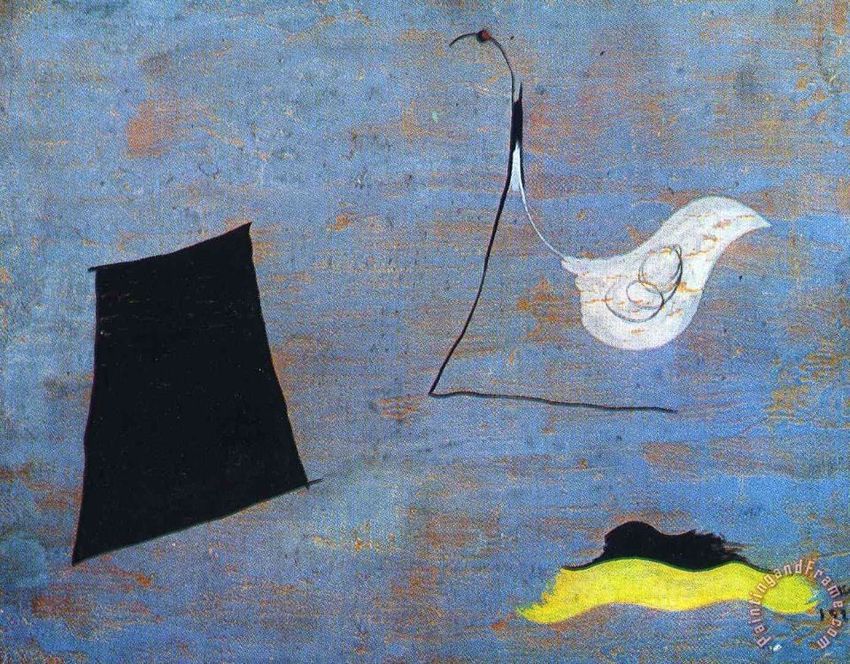
The History of COLOR…..
                                                                                   Rene Descartes (1596-1650)
Color is a phenomenon of light and your perception, it is
NOT
A ‘thing’ unto itself.

How does color work?
     Color is present within white light as various
wavelengths of energy. When combined, we perceive them
as ‘white’, but separated, we observe them as a spectrum
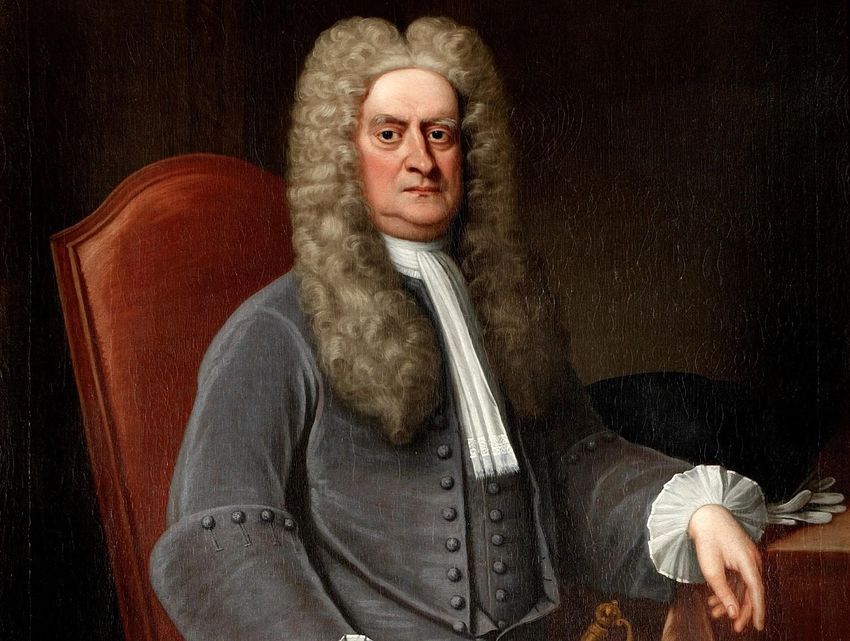
with each wave function expressing a different color; some     Sir Isaac Newton,
we see, some we do not.                                            1643-1727
Who discovered the phenomenon of color?
     Rene Descartes, the French philosopher and scientist
observed light dispersing into the color spectrum in the
16th century. But it is Isaac Newton that we credit with the
definitive observation of the phenomenon, by passing light
through a glass prism, in 1666.
Newton divided this spectrum into the 7 base colors,
known by the anagram ROY G BIV…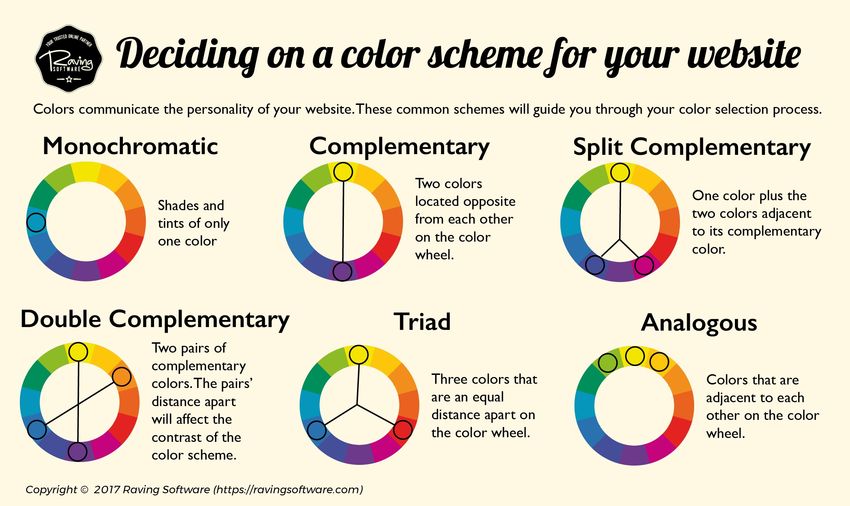
OR……..                            Newton created the first
                                  Color Wheel to express
Red                               the visible spectrum….
Orange
Yellow                                      …and other theorists
                                              followed, with new
Green
                                                interpretations…
Blue
Indigo
Violet

……..BUT, besides the base 7 in the ‘visible
spectrum’, there is a nearly continuous spectrum
that we are simply unable to perceive.
                                                                   What there
                                                                   actually is…

                                 What we see…
The Color Wheel Structure….
The modern color wheel was developed by Swiss born Johannes
                                                                       Primary
Itten in the 1920’s. Itten was a teacher at the Bauhaus School and
developed his color theory course by combining earlier studies
with his 12 point geometric system.
                                                                       Secondary
Center Triangle: the Primary colors – red, yellow, blue; these
colors cannot be mixed from any other hues, which is why they
are ‘primary’.

Next 3 Triangles: the Secondary colors – orange, green and purple
                                                                       Tertiary
made up of the combinations of the primary colors that they align
with.

The outer ring consists of the Tertiary colors that sit between the
Primary and Secondary in varying combinations.
Yellow + Blue (Primary) = Green (Secondary) and Green closer to
Yellow is the Tertiary color Yellow Green, and to the opposite side,
Blue Green. Of course, you can make a nearly infinite number of
subtle gradations (and paint manufacturers do) especially when
you include value.
How do we see Color?

White light, containing all the wavelengths
together, hits an object and some of the waves are
absorbed; what is not absorbed is reflected back
into the eye. Special cells (‘rods and cones’) at the
back of the eye then ‘read’ the color wavelength
and transmit that information to the brain.

                                                         …if there is an abnormality in the light sensitive
                                                           cells of the eye, then the viewer experiences
                                                                                         ‘color blindness’.

                                                        3 basic forms of color blindness…
Color and Value…
                                                      These are all tints and shades of the hue red but each with different
                                                      value that significantly affects how they are perceived and function.
All colors have intrinsic ‘value’, or, a level of
relative lightness to darkness.

In the early 20th century, Albert Munsell
developed the Munsell color system that
included value, saturation as well as hue.

The value of the color can have radical effects
on how the color interacts with others.

Example: Green         is the opposite of Red

The two do not go together optically and create
visual discord. But, by adjusting the value, a more
pleasing and useful pairing is possible: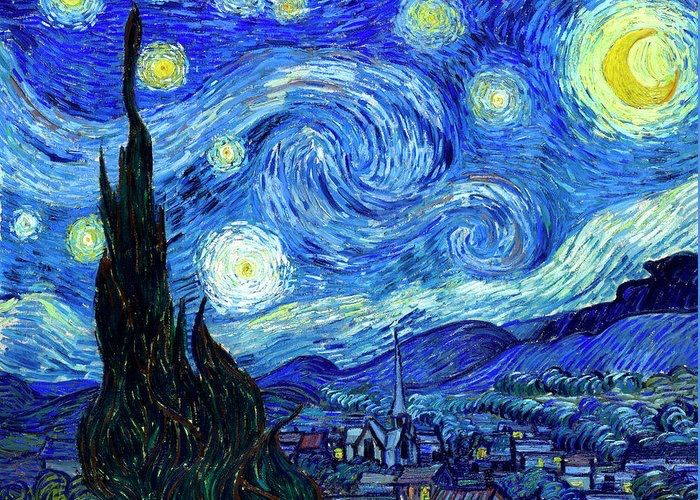
Color interaction and manipulation….

The perception of a color and its visual weight within
a composition can be manipulated by:

Adjacent color (colors that surround the color)
Desaturation (via tint/shade or neutral grey)
Scale – more or less of a saturated color within a
composition can alter balance and space.

Notice below how the yellow shape draws the eye so
significantly from the larger black shape creating an
asymetrical balance.

                                                           All of the green colors above are the same color; any
                                                         perception otherwise is just the adjacent colors and values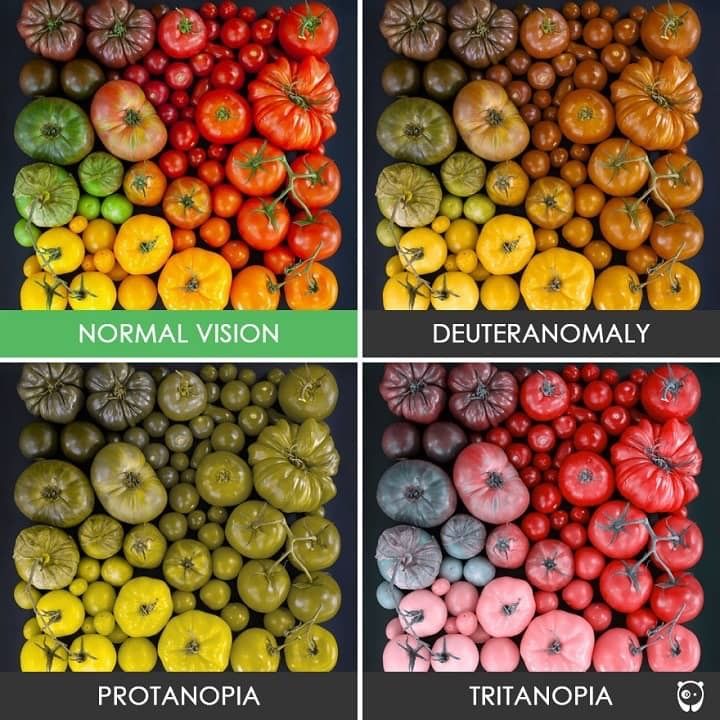
Color and Space…                                        Foreground: saturated,
                                                        darker, contrast, detail.
Color choices can help create the illusion of space
and movement within an image.                           Background: desaturated,
                                                        lighter, grey blue, less
Atmospheric Perspective is a visual illusion drawn      detail.
from nature based on the diffusion of light, and
therefore color, through the atmosphere.

In the image to the right observe how the
foreground is darker, and more saturated while the
mid and backgrounds move to lower saturation and
less detail/contrast. Blue has the longest wavelength
in the spectrum so as all other colors are filtered,
blue-grey tones remain.

The phenomenon is just as
Convincing in Abstraction as it is in
Realism.
….color also has ‘temperature’ that can affect the
perception of space and composition.
Colors can be divided basically between
Warm and Cool; warm colors will advance visually
while cool colors will recede. Overlapping and
atmospheric perspective increase this illusion.
Warm: red, orange, yellow
Cool: blue, purple, green
BUT….what if you make a cool color warmer, or vice
versa?
The blue recedes, even in the center,
while the yellow advances.
In this composition to the left, the colors are all the
same, they’ve just been reversed in position. Notice how
their scale and what they are closest to affects your
perception.COLOR SCHEMES…
Color schemes can range from harmonious to
discord, depending on the effect you are going for.
In visual art, color schemes do NOT need to be
‘pretty’, they just need to be effective. So, there
are a few RULES…
1) Complementary colors do NOT mix; these
are opposite each other on the color wheel.
The light sensitive cells in your eyes are
assigned specific colors to receive and read
(which is why not all color blindness is the
Mixing the Complements…
same). Some wavelengths simply won’t mix
with others – these are their ‘complements’.
2) Analogous colors are next to one another
on the wheel and always harmonize. *Neutral grey
3) The above rules can be bent to your will with a color made by
the introduction of tints and shades making mixing
the ‘neutral greys’ complements with
additions of white
or black
* Notice how the mixtures are not necessarily ‘ugly’ they are
just desaturated, but also, interesting in their own ways.Besides complementary and analogous color schemes, there are many others. Adding tints and shades broadens the possibilities even further.
How does color feel?                                                             In the West, we have ‘royal’ purple
It’s a matter of opinion, but also culture.                                      for kings and queens, but in China,
                                                                                 ‘imperial’ yellow was the color of
                                                                                 choice for the divine ruler…

    …a Hindu bride wouldn’t be caught dead in a white sari.
    Because it’s a symbol of mourning!                        …but again, in
                                                              Myanmar and
                                                              Egypt, yellow is
                                                              for mourning…
It all depends on the message you are trying to
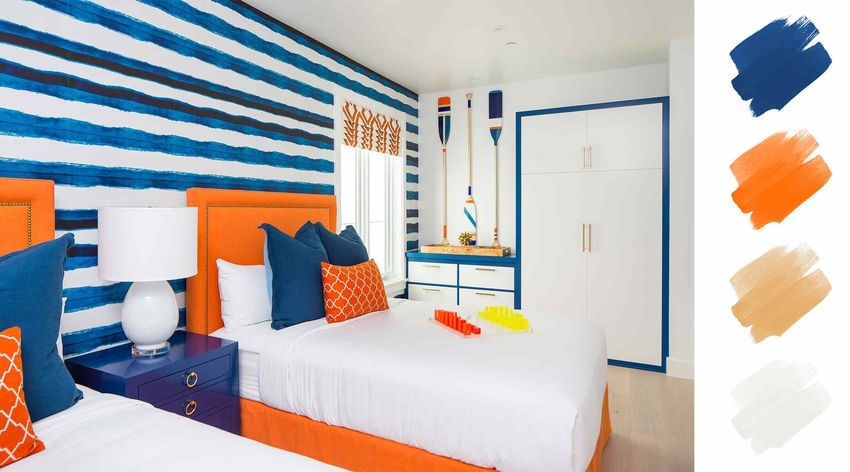
Orange and blue vs. blues and greens
send with your work.
Generally, the more ‘artificial’ a color the more
energetic it feels, while the more ‘natural’ and
muted a color, the more organic and relaxed it
feels.
Dynamic? Modern? Energetic? – try
complementary schemes for vibrating contrast.
Serene? Calm? Relaxing? – try Analogous
schemes of greens and blues drawn from
nature.
Realism? That’s ‘local color’ - whatever color it
is, that’s what it is. Choose items with the color
sensation you are after and arrange accordingly. Wolf Khan is a master of the
vibrant, arbitrary color scheme
Realistic subject but who cares about realism? applied to the realistic subject.
That’s ‘arbitrary color’. Its not about the landscape, its
about the feeling of the
landscape…You can also read


