COMMUNITY IN THE TIME OF COVID - Edmonton Community ...
←
→
Page content transcription
If your browser does not render page correctly, please read the page content below
S P R I N G
               2   0   2  1

COMMUNITY
 IN THE TIME
 OF COVID
Agility.
                            Insight.
                            Performance.
                            Three properties that define us.
                            The quality of a real estate investment portfolio is
                            a reflection of the core qualities your investment
                            firm brings to the table.

                            Canadian Urban is structured to capitalize on the
                            properties that many firms overlook. It is a reason
                            why our funds consistently deliver returns ranked
                            in the top quartile.

                            Learn why Canadian Urban is the choice to handle
                            your real estate needs:
                            •   Investment Management
                            •   Asset Management
                            •   Acquisitions & Dispositions
                            •   Property Management
                            •   Portfolio Solutions
                            •   Development & Sustainability

                            Contact us today!
Toronto: (416) 367.1300
Edmonton: (780) 424.7722
Toll Free: 1.888.412.7722

canadianurban.com
4
CEO MESSAGE
Edmonton Community Foundation granted                                                       CEO
more than $4 million to date to organizations                                               Martin Garber-Conrad

providing relief and assistance during the                                                  DIRECTOR OF COMMUNICATIONS
                                                                                            & EQUITY STRATEGY
COVID-19 pandemic.                                                                          Nneka Otogbolu

                                                                                            COMMUNICATIONS ASSOCIATE
                                                                                            Andrew Paul

6                                                                                           COMMUNICATIONS TEAM LEAD
                                                                                            Elizabeth Bonkink

AND ON WITH THE SHOW                                                                        EDITORIAL CONSULTANT
                                                                                            Phil Rivers
Artists and arts organizations get creative
                                                                                            EDMONTON COMMUNITY
during the lockdown.                                                                        FOUNDATION
                                                                                            9910 103 St. NW
                                                                                            Edmonton, Alberta, Canada T5K 2V7

8
                                                                                            T 780.426.0015 F 780.425.0121

GIVE WHERE YOU LIVE
From personal and corporate donations
to dollar-matching programs and piggy banks.
                                                                                            PUBLISHER
                                                                                            Trudy Callaghan

                                                                                            MANAGING EDITOR

                                                     11                                     Jodi Glen

                                                                                            ART DIRECTOR
                                                     TAKING A TOLL                          Diana Van Oorschot

                                                     Intimate-partner violence calls have   CONTRIBUTORS
                                                                                            Regina Akok
                                                     increased during the pandemic,         David Berry
                                                                                            Lisa Catterall
                                                     but organizations geared to helping    Emily Chu
                                                     those individuals are adapting.        Caitlin Crawshaw
                                                                                            Esta Bee Photography
                                                                                            Kyle Hack
                                                                                            Serena Tang

                                                     14                                     Curtis Trent
                                                                                            Danielle Paradis
                                                                                            Daniel Wood
                                                     AN ADAPTING                            PRINTING
                                                     COMMUNITY                              Mitchell Press

                                                     Local organizations assist             ODVOD PUBLISHING INC.
                                                                                            10221 123 St. NW
                                                     Edmonton’s South Sudanese in           Edmonton, Alberta, Canada T5N 1N3

                                         14
                                                     adjusting to challenging times.        T 780.451.1379 F 780.482.5417
                                                                                            odvodpublishing.com

                                                                                            No part of this publication may be

                                                     18
                                                                                            reproduced without the written consent
                                                                                            of the publisher and the organization,
                                                                                            Edmonton Community Foundation.

  18
                                                                                            The views and opinions herein do not
                                                     TECH FOR VULNERABLE                    necessarily represent those of
                                                     COMMUNITIES                            Odvod Publishing, the publisher,
                                                                                            Trudy Callaghan, or the organization,
                                                     Local organizations provide            Edmonton Community Foundation.
                                                     the technology tools and
                                                     resources to keep vulnerable
                                                     individuals connected.

                                                     21
                                                     WEATHERING THE
                                                     STORM TOGETHER
                                                     A by-the-numbers look at the
                                                     impact of COVID-19 in Edmonton.

                                                                                            Cover by Odvod Media

              STAY CONNECTED                    MORE ONLINE AT ECFOUNDATION.ORG                                    ecfoundation.org   3
A MESSAGE
                                              FROM THE CEO

                                              T
                                                      he virus has touched most aspects          is providing devices to 50 families in the
                                                      of our lives. As we reflect on this year   Somali, Eritrean, Ethiopian, Ivorian and
                                                      under lockdown, we are amazed and          Syrian communities.
                                              delighted by the acts of generosity from               Newcomers are particularly vulnerable
                                              the community.                                     during these times. In the fall of 2020,
                                                  Edmonton Community Foundation                  leaders in Edmonton’s South Sudanese
                       Martin Garber-Conrad   (ECF) established the COVID-19 Rapid               community approached ECF. More than
                                              Response Fund (RRF) on March 25, 2020,             a dozen of their community members
                                              with $500,000 of our discretionary                 had died from complications due to
                                              funds. That amount soon grew to more               COVID-19 and they could not afford to
                                              than $1 million, thanks to everyday                bury them. On page 14, read about how
                                              Edmontonians like Raina Shah. When                 ECF stepped up to cover funeral costs to
                                              Raina heard about the RRF, she asked her           help their families.
                                              dad if she could donate her chore money                The arts community was also hit
                                              to help Edmonton’s most vulnerable.                hard. Not only were live events cancelled
                                              We are inspired by Raina, who is only              en masse, but adjacent industries that
                                              seven years old! You can read Raina’s              artists rely on, including cafes and
                                              story in the donor profile series starting         restaurants, were also decimated by
                                              on page 8.                                         COVID-19. On page 6, you can see how
                                                  To date, we have granted more                  funding to the Edmonton Arts Council
                                              than $4 million through the RRF and                and the Citadel Theatre has helped keep
                                              the Government of Canada’s Emergency               artists working during the pandemic.
                                              Community Support Fund. Trends                         As provincial restrictions around
                                              emerged as we flowed the money into                gatherings and travel ebb and flow, many
                                              the community. The need for technology             of us take for granted the privilege of
                                              support was the largest by far.                    isolating in the safety of our homes. On
                                                  On page 18, we show how technology             page 11, we highlight three organizations
                                              support is helping organizations across            working with adults and children
                                              multiple sectors provide critical services.        surviving domestic violence during
                                              An RRF grant to the United Way’s                   the pandemic.
                                              All in for Youth program provided 420                  It was a challenging year and there
                                              Chromebooks to low-income students                 is hope ahead. Nevertheless, we know
                                              so they can continue their education               that the need for RRF assistance will
                                              online. Tablets and laptops are helping            continue in 2021. I invite you to consider
                                              seniors at the Edmonton Chinatown                  participating again this year, as you are
                                              Care Centre stay connected with their              able. Your contributions make a difference.
                                              families. And another grant, to the                    We hope you enjoy this issue of
                                              Multicultural Family Resource Society,             Legacy in Action.

4   LEGACY IN ACTION
CONTRIBUTORS
                                          EMILY CHU
                                          Emily is an award-winning
                                          illustrator, specializing in
                                          editorial and commercial
                                          illustration. Her clients include
                                          Reader's Digest, the City
                                          of Edmonton, Telus and
                                          ATB Financial, to name a few.
                                          In her spare time, Emily loves
                                          to draw in her sketchbook
                                          and actively vends at
REGINA AKOK                               Art & Design markets.

Regina is a South Sudanese Canadian,
mother, freelance writer, journalist,
high school teacher and graduate
student at the University of Regina.
She explores writing and research
to help advance peace, social
justice and stability in her community,
and the world.
                                          KYLE HACK
                                          Kyle is a freelance illustrator
                                          from Edmonton, Alberta.
                                          He graduated from the
                                          Edmonton Digital Arts College
                                          with a degree in digital
                                          illustration and sequential art.

                                          SERENA TANG
                                          Serena is a Hong Kong-
DAVID BERRY                               Canadian illustrator and is
David is a writer from Edmonton           passionate about visual
whose work has appeared across            artwork to tell the stories
Canada. His first book, On Nostalgia,     of Edmontonians and their
was published by Coach House              changing surroundings as
Books in July 2020.                       the city evolves.

                                                                              ecfoundation.org      5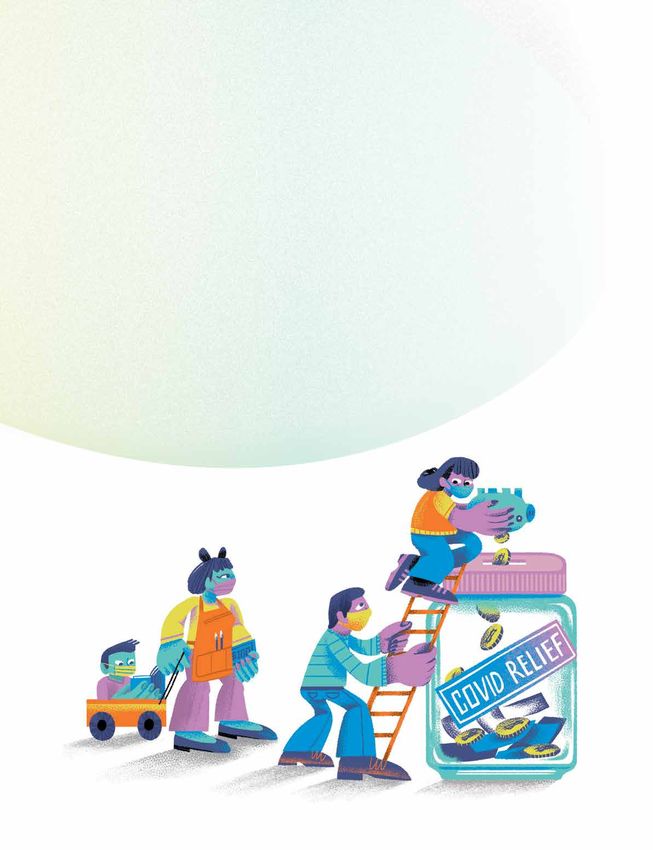
Finished products on display at SNAP Gallery, →
                         one of four local arts organizations that created
                                  the local artist showcase Art from Here.

    THE SHOW
    MUST
    GO ON
    CREATIVE MINDS ARE GIVEN A BOOST
    FROM ECF TO CONTINUE CREATING

    BY DAVID BERRY

    PHOTOGRAPHY BY CURTIS TRENT & DANIEL WOOD

    There are silver linings, lessons learned and perhaps even               programs at the Edmonton Arts Council (EAC).
    new ways of doing things that will help the community recover            As the body that distributes the city’s arts grants,
    more quickly, but there is no way to sugar-coat or sidestep the          the EAC saw demand for individual artists’ funding
    basic fact: The effects of the COVID-19 pandemic have been               triple in 2020 — and though that’s partially a result
    devastating for Edmonton’s arts community.                               of most other avenues for artists to make money
         The uncharacteristic quietude of festivals and venues               disappearing, it also speaks to the fundamental
    speaks for itself, but the below-the-public-eyeline effects are          need Edmonton’s artists have to keep creating.
    no less dire: audiences and revenues down by as much as                      “We pivoted pretty hard this year to supporting
    three-quarters; jobs both in the arts and adjacent to the sector         individual practitioners, but we didn’t set up any
    evaporating; professionals, amateurs and aspiring artists alike          kind of income support: We support artists so
    left with almost nowhere to perform, practise and learn on a             they can pursue their practice,” explains Williams.
    consistent basis.                                                        “And this past year will have yielded the greatest
         “It’s been crushing, both from a creative standpoint and a          number of artists we’ve ever funded. They might
    mental-health standpoint, a joy standpoint,” Chantell Ghosh,             not have always had a chance to show it this year,
    executive director of the Citadel Theatre, says. “From the               but artists were still making work.”
    moment we had to cancel shows, I think, we all kind of realized              That kind of resiliency was evident at an
    that we were starting a journey through the steps of grief, and          institutional level as well. The first thing the
    I guess the good news is that we were able to reach a point of           Citadel did after it got to its acceptance stage,
    acceptance.”                                                             says Ghosh, was find a way to get performers
         Precisely what that form of acceptance looks like has varied        performing with its Stuck in the House series,
    widely, from organizations hunkering down and hoping to                  made possible in part by funds from Edmonton
    weather the storm, to artists setting up stages anywhere they            Community Foundation (ECF).
    could find enough eyeballs to safely watch them, whether that                “Our plan was to have one a day until the
    was on a porch or online.                                                pandemic ended, although that was before we
         “The artistic community is extraordinarily creative and             realized how long it might go on — but we got to
    resilient at finding ways to share their expressions,” says              80 shows, which was a lifeline for our performers
    Stephen Williams, director of grants, awards and support                 and our audience,” Ghosh explains, adding that

6   LEGACY IN ACTION
“THIS PAST YEAR WILL HAVE YIELDED     the experience also encouraged them to create
                                      a filmed version of the Citadel’s renowned
THE GREATEST NUMBER OF ARTISTS        holiday staple, A Christmas Carol.
WE’VE EVER FUNDED. THEY MIGHT              Other organizations found ways to share
                                      work that might prove to be more permanent.
NOT HAVE ALWAYS HAD A CHANCE          Latitude 53, the Mitchell Art Gallery, Ociciwan
TO SHOW IT THIS YEAR, BUT ARTISTS     Contemporary Art Collective and SNAP Gallery
                                      pooled resources from ECF’s Digital Arts
WERE STILL MAKING WORK.”              Funds and EAC grants to create Art From Here,
— STEPHEN WILLIAMS                    showcasing, paying and helping lead a discussion
                                      about a different local artist each week. It has
                                      been a chance to not just maintain some of the
                                      ties so essential to an artistic community, says
                                      Latitude 53 executive director Michelle Schultz,
                                      but to help grow that community.
                                           “While the online programming certainly
                                      wasn’t a replacement for the experience of
                                      visiting the gallery, we did immediately recognize
                                      that this form of programming allowed a much
                                      greater reach than our gallery exhibitions
                                      ordinarily do,” she explains. “It allowed this work
                                      and these conversations to reach audiences across
                                      the country and internationally.”
                                           That kind of connectivity gives Schultz hope
                                      that things in the arts community won’t just
                                      return to normal, but come back better and
                                      stronger in an environment that promises to
                                      challenge artists even after the pandemic has
                                      subsided. It’s a bit of resilient optimism that
                                      Ghosh echoes, too, and is perhaps proof that,
                                      no matter how bad things might get, artists will
                                      do what they can to pull through — as much
                                      for their audience as themselves.
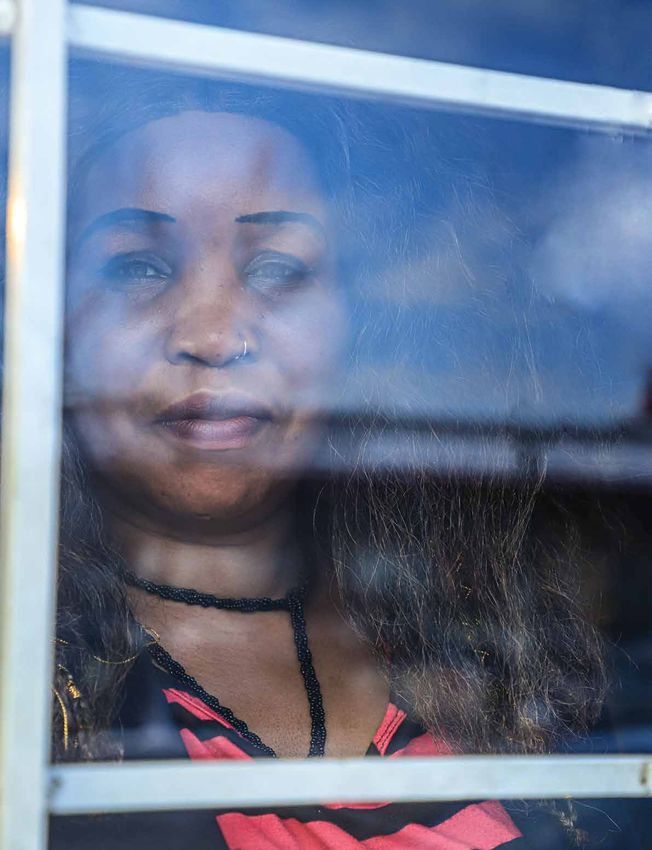
                                           “It has been a great shift in viewpoint,”
                                      Ghosh says. “Both in terms of bringing some
                                      flexibility to an industry that often isn’t, and in
                                      terms of providing access and removing barriers
                                      that we hadn’t always considered before.
                                           “We’re going to be very happy to welcome
                                      people back,” she adds, “whichever way they
                                      want to come back.”

                           “WE’RE GOING TO BE
                           VERY HAPPY TO WELCOME
                           PEOPLE BACK, WHICHEVER
                           WAY THEY WANT TO COME
                           BACK.” — CHANTELL GHOSH
                                    ← Chantell Ghosh, photographed at the Citadel Theatre
                                      before the pandemic.

                                                                      ecfoundation.org      7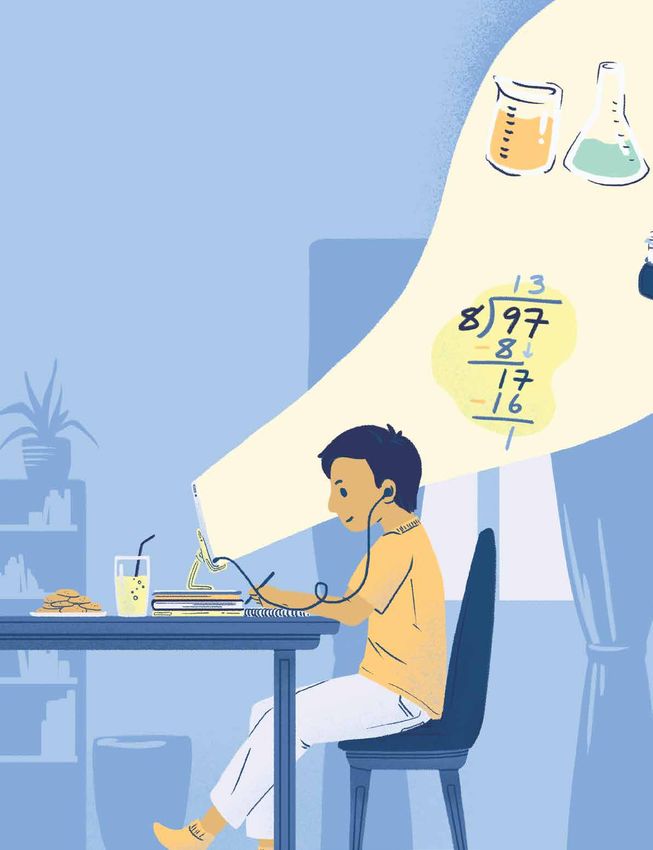
LEADING THE WAY
    WITH THE COVID-19
    RAPID RESPONSE FUND
    INSPIRING                    It’s been nearly a year since the COVID-19           Rapid Response Fund. What’s more, many
    EDMONTONIANS                 pandemic upended the world in many ways.             of these early donors to the Rapid Response
    & CORPORATIONS               In the 12 months since ‘Coronavirus’ became          Fund were able to take advantage of a matching
    TO GIVE WHERE                part of our daily lexicon, everything from           program provided by the Alberta government,
    THEY LIVE                    the ways we get around, to the ways we work,         increasing the impact of their contributions.
                                 gather and celebrate has changed. As public-
    BY LISA CATTERALL            health measures evolved throughout the last          Individual donations
                                 year, many local charities found themselves          When fitness centres and gyms closed
    ILLUSTRATIONS BY EMILY CHU
                                 facing gaps in services and funding as a result of   down in the early days of the pandemic,
                                 increased and changing demand for services.          Kyler Costucci found himself looking for
                                     The uncertainty of last year was challenging     new ways to stay active and healthy. As a
                                 for many, yet Edmontonians came together in          young professional with a passion for healthy
                                 community spirit to support their neighbours in      living, he knew that staying active was an
                                 need. Whether giving their savings from a piggy      essential way for him to manage the increased
                                 bank or using an employer-matching donation          stress and challenges brought on by the
                                 program, these Edmontonians stepped up to            pandemic. With temperatures warming,
                                 make a difference by contributing to Edmonton        Costucci turned to the great outdoors and
                                 Community Foundation’s (ECF) COVID-19                took up a new hobby: running.

8   LEGACY IN ACTION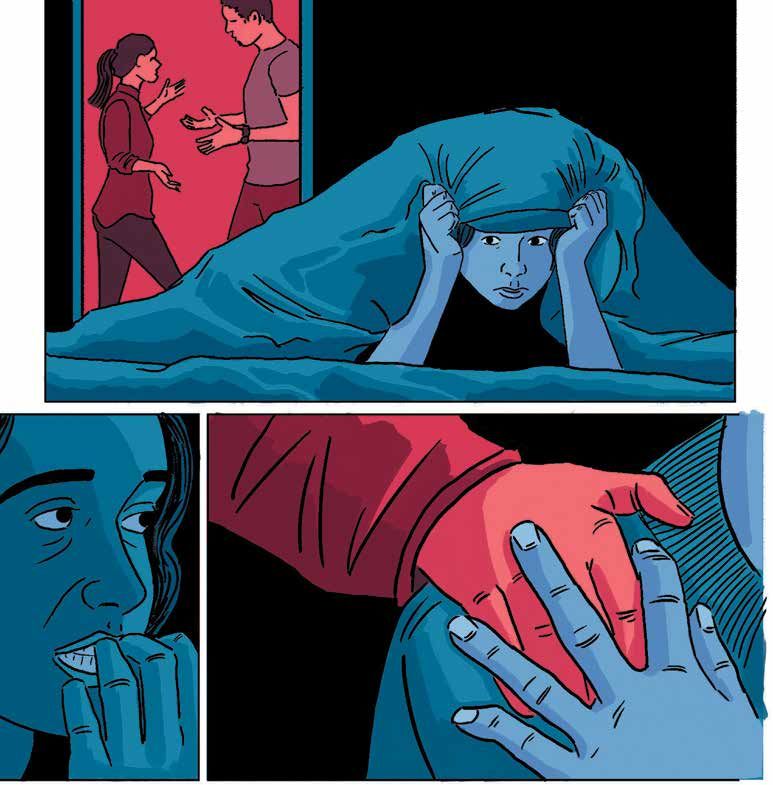
“IF WE ALL                One day while out on a run, Costucci            in terms of a contribution to the fund, but I
                     had an epiphany. What if he could use his
MAKE A SMALL         newfound hobby as a force for good?
                                                                          think the real impact I wanted to have was in
                                                                          raising awareness of what we can all do at a
CONTRIBUTION,             “I was just thinking about everything that      personal level,” he says. “If we all make a small
                     was going on and what I could do about it. I
COMPOUNDED           kind of thought back to when I was younger
                                                                          contribution, compounded over time with a
                                                                          whole bunch of other people, that's where the
OVER TIME            and we did things like the Terry Fox Run, and        actual progress comes in.”
                     just, this idea came to me very powerfully that
WITH A WHOLE         maybe I could do a fundraiser and use it to help     Corporate giving
BUNCH OF             people in need. I’m a faith-based person and         and community investment
                     it just felt like God put this idea in my heart of
OTHER PEOPLE,        how I could help,” he says. “So I went home, I
                                                                          Edmonton-based corporations also saw ECF’s
                                                                          COVID-19 Rapid Response Fund as a way to
THAT'S WHERE         found ECF online and saw the kinds of things         support local organizations that faced increased
                     this fund was supporting, and that was it.”
THE ACTUAL                Almost immediately after learning about
                                                                          need as a result of the pandemic. While
                                                                          corporations like EPCOR and Capital Power
PROGRESS             ECF’s COVID-19 Rapid Response Fund,                  were already well aware of the importance of
                     Costucci reached out to his networks via social
COMES IN.”           media. He called his initiative “KM for COVID,”
                                                                          community investment, they recognized the
                                                                          immediate and unprecedented need many
  — KYLER COSTUCCI   with the goal of running every day from              community members faced in the wake of
                     April 20 – May 20, 2020. Over that time, and         the pandemic.
                     despite suffering an injury, he ran 137 km,              EPCOR, which contributed $150,000 to
                     finishing the 30th day of his campaign by            the fund, has long understood the value of
                     running his first-ever marathon. He raised           community. As the full impact of the pandemic
                     more than $1,000 for the fund. Although              became clearer, EPCOR stepped up its efforts
                     he was pleased with the amount he raised,            to support Edmontonians hardest hit by
                     Costucci notes that his efforts were about           the pandemic by investing in community
                     more than just raising a specific dollar value.      programs such as ECF’s Rapid Response Fund
                          “I knew that the money would be great           to help Edmontonians in need. >

                                                                                                          ecfoundation.org    9
“This donation was provided to                essential services, we’re very fortunate        to make a difference. When she saw a story
     address the immediate and long-term               that our jobs haven’t changed through           about people in need during the pandemic,
     community needs related to the pandemic,”         the pandemic, but we recognize that’s not       Raina turned to her father and suggested she
     said Stuart Lee, EPCOR President and              the case for everyone and we wanted to          wanted to donate the contents of her piggy
     CEO. “Edmonton Community Foundation               make a difference in the lives of those in      bank to help. Kevin has also donated his
     was well-positioned to do more to help            our community who were most affected            savings to local charity during COVID-19.
     community charities deal with urgent              by COVID-19.”                                       “I did some chores and my parents gave
     needs resulting from the pandemic,                                                                some money for my birthday and I was
     including providing food hampers,                 Individual donors                               saving up for some toys like dolls and Lego,”
     youth-support workers, digital mental             At just seven years old, Raina Shah might       said Raina. “But I wanted to help the people
     health-supports and more.”                        be among the youngest donors to support         in need and make them smile.”
         Capital Power also recognized the             community relief efforts in the wake of the         Dhaval began looking for community
     increased need for community support as           pandemic. But for the Shah family, charitable   organizations working to specifically
     a result of the pandemic. In late April, the      giving is a family value, instilled from a      address the needs brought about by the
     company launched a two-week employee-             young age.                                      pandemic. When he learned about the
     giving campaign to support COVID-19                   “We’re immigrants — we just came to         COVID-19 Rapid Response Fund, as well
     community relief. Employee contributions          Canada 15 years ago, so we know struggle        as the chance to have donations matched
     to the campaign, which totalled $40,075,          and difficulty,” says Dhaval Shah, Raina’s      by the provincial government, he made
     were matched and topped up by Capital             father. “I’m self-employed, and when I          arrangements to help Raina make the
     Power for a total donation of $101,813.           started my insurance business back in 2009,     donation. He couldn’t have been more
         “We want to contribute to the                 I decided to give back to the community and     proud of her decision.
     communities where we work and operate —           support other people in whatever way I can.”        “It’s very important that kids learn
     that’s something we would be doing in any             Dhaval had long hoped to instill the        to give from an early age, so they will
     year, and we’re proud that our employees          values of community and charitable giving       remember throughout their lives. We don’t
     take that step as well,” said Sian Barraclough,   in his two young children, Kevin and            have to be rich to give, but we can give
     Vice President of Strategy and Sustainability     Raina. He was pleasantly surprised when         what we can, and that’s enough to make
     with Capital Power. “As a company providing       his youngest, Raina, suggested she wanted       a difference,” said Dhaval.

10   LEGACY IN ACTION
I N G
S W ER
A N
TH E
SUPPORTS FOR VICTIMS OF DOMESTIC
VIOLENCE ADAPTED FOR OUR
CONSTANTLY CHANGING WORLD >
BY DANIELLE PARADIS
ILLUSTRATIONS BY KYLE HACK
ecfoundation.org 11“THERE WAS A
WOMAN WHO
APPROACHED US,
SHE JUST WALKED
IN FROM THE STREET.
SHE REPORTED THAT
HER HUSBAND
HAD WALKED OUT ON
HER AND SHE DIDN’T
KNOW WHAT TO DO.
HE HAD DISAPPEARED
WITH ALL HER
VALUABLES AND
JEWELRY AND LEFT
HER STRANDED IN A
RENTAL PROPERTY.”
— SADIA SAMEEULLAH
T
he COVID-19 global pandemic has created a crisis within “Domestic violence has spiked during
a crisis. In lockdowns around the world, the movement these times and we wanted to create a safe
restrictions in place to stop the spread of the virus have platform for women to approach culturally
correlated with a rise in more severe incidents of domestic violence. appropriate services to reach out for help,”
The trend in Edmonton is the same as elsewhere. During the says Sameeullah. During the pandemic, they
pandemic, domestic-violence calls to the police have increased, hired a ‘systems navigator’ with the help
and mental-health incidents that involve the police are on the rise. of funding from Edmonton Community
Now more than ever, vulnerable women are relying on Foundation (ECF).
community-based organizations for assistance. Katherine O’Neill, ECF granted more than $300,000 to
chief executive officer for YWCA Edmonton, says that responding assist organizations supporting vulnerable
to this crisis has been challenging. “Normally, a crisis comes and people experiencing domestic violence
goes quite quickly, but we are going to be in a crisis situation for during the pandemic. The funding comes
a year or longer. This is extraordinary for a non-profit to keep on from the Foundation’s Rapid Response Fund
top of,” she says. and the Government of Canada’s Emergency
O’Neill says the increase in domestic violence “comes down to the Community Support Fund (ECSF). The
fact that there is a lot of stress in the home economically, and having ECSF was established by the Government
the children in the home more [...] When you put all that together of Canada and the Foundation has been
in an unhealthy relationship, it can lead to violence.” collaborating with the Canadian Red Cross,
Groups such as the Indo-Canadian Women’s Association are Community Foundations of Canada and
rising to the occasion. It was established in 1984 with the goal of United Way Centraide Canada to flow
ensuring newcomers to Canada have representation and equal ECSF support to those who need it most.
opportunities for integration in their new homeland. Over time, “I am so immensely grateful for the
the association has specialized in research on issues such as funding. There has been an exponential
honour-based killings, and a preference for male children. These increase in calls and the women calling
are issues around which the Indo-Canadian Women’s Association us sometimes have language barriers […]
has a lot of experience facilitating conversations, says executive The person we have hired is fluent in a
director Sadia Sameeullah. few South Asian languages — she speaks
12 LEGACY IN ACTIONPunjabi, Hindi, Urdu and Gujarti,” says As of November 19, 2020,
Sameeullah. The systems navigator works Edmonton Police are
with women in understanding how the reporting a 16% increase
legal system in Canada works, as well as in intimate-partner
helping women who are looking to leave a violence calls.
domestic violence situation create a safety
The total number of reported
plan. Leaving an abusive relationship can
intimate-partner violence calls
be tough, and a safety plan helps to ensure
this year is 7,931, compared to
that a victim knows who to contact, and
Edmonton’s three-year average
has a back-up plan for a place to stay.
(2017-2019) of 6,851 calls.
Sameeullah shared a story of a client
they had been able to assist during COVID. The number of intimate-partner
“There was a woman who approached assault charges this year remains
us, she just walked in from the street. mostly static, down 1% (1,332
She reported that her husband had in 2020 — compared to our
walked out on her and she didn’t know healing from the trauma of sexual abuse — three-year average of 1,344).
what to do. He had disappeared with with the creation of an online counselling However, there has been
all her valuables and jewelry and left program called “Be Brave Bridge” or BBB. a significant increase in the
her stranded in a rental property. We “Because of COVID, we basically severity of those assaults —
supported her in reporting the crime and had to shut everything down and send a 38% increase in aggravated
got her into transitional housing. Now all the kids home from mid-March until assaults and a 56% increase
she’s actually pursuing an employment mid-June. We also had to lay off most of in bodily harm/weapons-
and career development program and our staff. Because the kids were in our related offences.
she’s looking at healing and finding a job,” care however, we couldn’t just abandon
Paul Gregory, Staff Sergeant for
says Sameeullah. them … so we used this time to develop
the Domestic Offender Crimes
Funding from ECF also assisted the something that had been on our radar
Section, says the numbers are
organization Little Warriors — which for a very long time — online programs
very concerning since we
offers support to children and families for caregivers, teens and children which
know that intimate-partner
they could access from their home,” says
violence offences are vastly
Laurie Szymanski, CEO of Little Warriors.
under-reported.
The Little Warriors team of therapists
used the time that the centre was closed to
create three programs: one for families, one
for teens and one for children.
One of the parents who had recently
completed the BBB program found it
immensely helpful. “The BBB online
RESOURCES &
program felt like a light at the end of
SUPPORT PHONE
the tunnel and that I was not alone and
NUMBERS
had something to hang on to […] like
a lighthouse,” says the parent, who was Community and Social Services
not named for privacy reasons. “I have Helpline: 211
taken many parenting programs, but the
Edmonton Police Complaint
difference with the BBB program was it
Line: 780-423-4567
was so specific to the issue; it was written
in a way that made sense. Having an Alberta 24-Hour Mental
online coach helped with self-reflection Health Line: 1-877-303-2642
and working through mindful parenting
CMHA Edmonton 24-Hour
practices.”
Distress Line: 780-482-4357
As the lockdowns continue, so too
does the work of these organizations. Edmonton Sexual Assault
They’ve worked to become adaptive to the Centre 24-Hour Crisis Line:
new normal which they find themselves 780-423-4121
in. Although there is a light at the end of
Alberta ONE LINE for Sexual
the tunnel thanks to vaccines, much of the
Violence: 1-866-403-8000
work to heal the trauma of the pandemic
will remain.
ecfoundation.org 13SEARCHING
FOR SOLACE
EDMONTON’S
SOUTH SUDANESE
COMMUNITY ADAPTS
TO THEIR NEW
HOME IN A MOST
CHALLENGING TIME
BY REGINA AKOK
PHOTOGRAPHY BY
ESTA BEE PHOTOGRAPHY
DO YOU FEAR contracting COVID-19
at work and bringing it home to family
members? Are your kids adjusting to online
learning? Do you have to manage child-care
issues? Have you lost your job? Are you
struggling to pay your rent or mortgage?
Are you battling depression or other mental
disorders triggered by social isolation?
You’re not alone.
“Not only has COVID exposed the
underlying problems that our community
faces,” says Dr. Mawien Akot, a South
Sudanese physician residing in Edmonton,
“but it has magnified them. Sadly, one of
our community leaders died in February.
“In July alone, we lost six people. In
September, we lost five and just a few days
before the end of 2020, three more lives
just perished. Some of these deaths, though
not directly COVID-19-related, have been
expedited by pandemic-related stressors,
but mostly youth under 30 so far.”
People from South Sudan arrived in
14 LEGACY IN ACTION← Asha Anihiri A., independent researcher and senior policy analyst
with the Government of Alberta.
“IN ADDITION TO BEING
ESSENTIAL WORKERS, SOME
COMMUNITY MEMBERS LIVE
IN COMPACT HOUSING TO
SHIELD THEIR RELATIVES OR
FRIENDS WHO HAVE NO PLACE
TO LIVE, WHICH CREATES A
CONDUCIVE ENVIRONMENT
FOR SPREADING THE VIRUS
AMONG THE COMMUNITY
AT THE HIGHEST SPEED.”
— DR. MAWIEN AKOT
birthdays, to not spend time with our friends, and not
to support our community during sickness and death.”
Nyadauol Gach, a small-business owner and single
parent of five, tells how her business has slowed down since
the pandemic. “I understand, because of this virus, many
people do not have money, so I am losing some of my
customers,” she says. Gach’s shop sells a wide variety of items
including “things you can’t find in any average Canadian
stores.” She sells food from African and Middle Eastern
Edmonton as landed immigrants in the early 1990s from countries, beauty products, as well as Islamic and African
countries that hosted them as refugees from the Second clothes for women and men.
Sudanese Civil War. Today, Edmonton is home to more Atoj Deng is a medical assistant, completing her
than 5,000 people from South Sudan. Alberta alone houses bachelor’s degree in healthcare management from the
almost 30,000, the largest South Sudanese Canadian National American University in Rapid City, South Dakota.
community in the country, says Deng Akol, a community Deng was already studying online from her home in
leader who, at the University of Calgary, studied Alberta’s Edmonton, but has been experiencing cuts in her paycheque
South Sudanese cultural dilemmas. Here, many South due to reduced working hours. However, she is more
Sudanese work in nursing homes and meat-packaging concerned about kids in her community.
plants. These were severely impacted by COVID-19. “I noticed in our [Sudanese] community that many kids’
“In addition to being essential workers, some performance at school has suffered especially because of the
community members live in compact housing to shield remote learning and language barrier,” Deng says. “It’s hard
their relatives or friends who have no place to live, which for some parents to help their children with schoolwork and
creates a conducive environment for spreading the virus especially with online learning.” Many community members
among the community at the highest speed,” says Dr. Akot. speak good English, but it is a different story when helping
Asha Anihiri A., a South Sudanese Canadian, is an children with schoolwork.
independent researcher and senior policy analyst with Community and local organizations including
the Government of Alberta. “Like everybody else, we are Edmonton Community Foundation (ECF), Multicultural
stuck at home,” she says about the pandemic. “In March, Health Brokers Co-op (MCHB) and Edmonton Mennonite
when the country started to restrict gatherings to help Centre for Newcomers (EMCN) play key roles in supporting
limit the spread of the virus, it was so confusing especially members of the community. ECF, for example, funded some
among South Sudanese, who are a community-oriented of the burial costs of those who died of COVID-19. Usually,
people. It has been tough not to celebrate our children’s the South Sudanese community collects money to support >
ecfoundation.org 15“I UNDERSTAND,
BECAUSE OF THIS
VIRUS, MANY
PEOPLE DO NOT
HAVE MONEY,
SO I AM LOSING
SOME OF MY
CUSTOMERS.”
— NYADAUOL GACH
16 LEGACY IN ACTIONthe family that lost their loved one, but many are
dazed by the number of deaths in such a short time —
and the financial strains created as a result.
The MCHB is currently supporting 23 senior
citizens from the community with food items and
prepaid cell phones to help prevent additional social
isolation. The MCHB also provided gift cards to
purchase food and helps those who need special diets
due to chronic illnesses like diabetes. Similarly, the
EMCN assists in housing and the Multicultural Family
Resource Society is helping community members
facing eviction.
While it is important to focus on financial needs
during the pandemic, mental health also deserves more
attention than ever. The World Health Organization
(WHO) reports that “[because of the pandemic]
and given past experience of emergencies, the need
for mental health and psychosocial support will
substantially increase in the coming months and years.”
Anihiri A. agrees. “Mental health is not dealt with
well in our communities because it is still a stigmatized
topic, even though we have gone through years of wars
that have left many traumatized,” she says. “Yet, we still
don’t accept mental illness as a real thing. If people are
made aware that it’s an illness like any other physical
condition, people will take it seriously and stop
treating it as a personal failure.
“Mental health must be addressed based on an
informed and cultural way of different ethnic groups
in the country because this one-size-fits-all approach
does not work for everybody or every community and,
certainly, not our community.”
There is also a structural component that prevents
South Sudanese people from getting treatment: A study
by the University of Alberta found that Black youth
in Edmonton have difficulty getting the support they
need for mental-health problems.
A similar study conducted in Ontario revealed
that COVID-19 has disproportionately affected
racialized minorities and those who live in low-income
neighbourhoods in that province. Kwame McKenzie,
CEO of the Wellesley Institute and a psychiatry
professor at the University of Toronto, told CBC:
“Some people thought that COVID would be the
great equalizer. COVID-19 is not a great equalizer —
it discriminates.”
Anihiri A. and Akot agree that assisting
communities begins by understanding their dynamics,
values and cultural contexts. South Sudanese are
community-based, live based on collaboration, and
need language and skills training to access sustainable
jobs, affordable housing, psychologists and resources
to help with traumas and mental illnesses, while at the
same time addressing systemic racism.
Nyadauol Gach, owner-operator of South Sudan →
Beauty Supplies in downtown Edmonton.
ecfoundation.org 17CONNECTING VULNERABLE COMMUNITIES DURING COVID-19 ECF HAS BEEN PROVIDING TECHNOLOGY SUPPORT FOR EDUCATION, INFORMATION-SHARING AND FAMILY CONNECTION DURING THE PANDEMIC BY CAITLIN CRAWSHAW ILLUSTRATIONS BY SERENA TANG
T
       echnology is ubiquitous — it’s everywhere around us,        United Way’s All in For Youth program, which supports
       and often a part of our daily routines. From phones and     socially vulnerable youth at five Edmonton schools. In the
       laptops, to smart watches and even toothbrushes and         early days of the pandemic, funding from ECF helped the
coffee makers. But what happens when you don’t have access to      program provide 420 laptops to K-12 students lacking
what we may refer to as “basic” technology, like the Internet or   technology for home-schooling. “In many cases, not only did
a smartphone?                                                      these kids not have anything they could bring home with
    We grumble about Zoom meetings and online schooling            them, because their schools weren’t equipped, but no one in
as we navigate through life during a pandemic, but should          their households had devices either,” says Yager.
consider those who feel increasingly isolated due to a lack of         The devices have also been critical for the well-being of
Internet access. “The pandemic ramped up existing problems in      the program’s students. When the lockdown began, students
our society — including technology gaps,” explains Rob Yager,      who were already struggling in school found themselves
President and CEO of United Way of the Alberta Capital Region.     without the educational and social support the program
    As pervasive as digital technology may be, not everyone        provided while navigating COVID-related stress in their
has access to hardware such as computers and tablets, or high-     households. Laptops and Internet access ensure kids remain
speed Internet — tools that have become necessary during the       connected with their classmates and teachers, as well as
pandemic. Digital technology keeps us connected to family          mental-health supports and mentoring.
and friends, and allows us to gather information about the             The pandemic has also put the city’s immigrant and
pandemic (including social supports), succeed at school, work      refugee population at a much greater risk of social isolation.
or look for work opportunities, and more. For these reasons,       Ese Ejebe, a project coordinator with the Multicultural
Edmonton Community Foundation (ECF) has invested more              Family Resource Society (MFRS), says many newcomers lack
than $580,000 to support information technology (IT) for           adequate access to digital technology because of financial
marginalized populations needing tech help during COVID.           and language barriers.
    One of the first recipients of this funding was the                “There was definitely a need [for greater technology >

“IN MANY CASES, NOT ONLY DID THESE KIDS NOT HAVE ANYTHING
THEY COULD BRING HOME WITH THEM, BECAUSE THEIR SCHOOLS
WEREN’T EQUIPPED, BUT NO ONE IN THEIR HOUSEHOLDS HAD
DEVICES EITHER.” — ROB YAGER
                                                                                                                  ecfoundation.org   19
“THERE WAS DEFINITELY A NEED [FOR GREATER TECHNOLOGY ACCESS]
BEFORE THE PANDEMIC AND IT JUST BECAME SO MUCH MORE
OBVIOUS DURING THE PANDEMIC BECAUSE OF THE NEW NORMAL —
THE NEW WAY OF DOING THINGS.” — ESE EJEBE
access] before the pandemic and it just became so much more a cable to connect the devices to a larger screen, as well as
obvious during the pandemic because of the new normal — Pocket Talkers (assistive devices to help hard-of-hearing residents
the new way of doing things,” she says. communicate over video) and disposable covers to prevent
Many MFRS clients live in multigenerational households where COVID-19 transmission.
the available devices are in high demand by children attending school Joanna Yu, the centre’s activity/volunteer coordinator, says
online, parents researching government supports and grandparents virtual ‘visits’ have become critical to the well-being of residents.
checking on loved ones abroad, for instance. “Most of their families can’t come in to visit them, so we can
Ejebe is the project coordinator of the Technology Ambassador only do virtual visits,” she explains. These visits are not only
project, which received funding from ECF to distribute devices and lifelines to family abroad, but also to loved ones nearby, as outside
support digital literacy for 50 families in the Eritrean, Ethiopian, visits are restricted and sometimes, not possible at all (such
Ivorian and Syrian communities (which are connected to MFRS as during an outbreak of COVID-19 this past winter). These
through various programs and services). MFRS has hired four virtual conversations are just as crucial to family members, too,
youths to act as technology ambassadors by liaising with specific particularly when they can’t be at the bedsides of their loved ones
families, identifying their technology needs and helping them make at the end of their lives.
the most out of the devices they eventually receive. “We don’t just As people in Edmonton and around the world get vaccinated, life
want to provide devices, but information for families on how to use will return to normal — or, at least, a new normal. Yager points out
them,” says Ejebe. that we’re unlikely to revert back to old ways of using technology,
ECF funds are also assisting the elderly residents of Edmonton which means it’ll be just as important to close the technology gap for
Chinatown Care Centre to stay connected with loved ones during marginalized populations moving forward. “From most indications,”
COVID-19. The centre has been able to buy tablets and a laptop, he says, “we’ve got a lot of work to do as a community.”
20 LEGACY IN ACTIONCOVID-19
IN EDMONTON Edmonton Vital Signs is an annual checkup conducted
by Edmonton Community Foundation, in partnership with
Mar 11
We are all in the Edmonton Social Planning Council, to measure how the
community is doing. Vital Topics are a quick but comprehensive
same storm... look at issues that are timely and important to Edmonton.
Unless otherwise stated, “Edmonton” refers to Census Metropolitan
Area and not solely the City of Edmonton.
Disclaimer – We have done our best to provide up-to-date information but
the situation is changing rapidly. Wherever possible we have provided a date
COVID-19 that is associated with when the facts occurred.
An infectious disease caused by SARS-CoV-2.
The World Health Organization (WHO) first learned of this virus
on December 31, 2019. It reached Canada on January 27, 2020. ... but in different boats.
• Variants of SARS-CoV-2 appeared in Canada on December 26, 2020. Although more than half of Canadians report that the pandemic is having
• Although more infectious, the vaccines are expected to be effective a significant impact on their households, the virus disproportionately
on the variants. affects marginalized communities.
0 3000 4000 5000 6000 7000 8000
PANDEMIC – A worldwide
ON occurrence
QC affecting a large
number of people. On March 11,
VACCINES – The first
dose in Canada was given
on December 14, 2020.
Ethnicity African, Black and
Caribbean Canadians
Visible minorities are at greater • Compared to the Canadian
2020 the WHO declared COVID-19 • The vaccines approved in average, Black Canadians are
risk of COVID-19 due to higher
a pandemic after 113,000 people Canada are Pfizer-BioNTech more likely to report COVID-19
poverty rates. They are more
world-wide were infected and and Moderna. symptoms, and 3x as likely to
likely to live in overcrowded
more thanAlberta BC
4,000 had died. Ontario Quebec know someone who has died.
housing and work in jobs with
greater exposure to the virus. • 1.9x more likely to report
Note: much of the data collected on ethnicity
difficulty paying rent.
is self-reported as the medical system does • 2.6x are more likely to
3500
ON 3,182.3 not regularly collect or report on ethnicity.
experience food shortages.
3000 POP. 14,566,547
Indigenous Peoples (First Asian Canadians
2500 QC 2,553.9 Nations, Métis, Inuit) • People of South Asian heritage
2000
Average daily 8,484,965 • Report higher instances report higher instances of
cases of COVID-19 (particularly COVID-19.
1500 (based on a 7-day
rolling average).
AB 1,148.7 Métis). • Two of the largest outbreaks
in Alberta were at two meat
1000 4,371,316 • Indigenous Peoples are 2x as processing plants.
likely to report inability to
500 BC 575 pay rent during the pandemic.
- 70% of Cargill’s employees
are of Filipino descent.
5,071,336 • First Nations people have a - 33% of JBS employees are
0
Mar. 11 100 Days 200 days 300 days high prevalence of underlying from East Africa, South
2020 JUN 21 SEP 29 JAN 7, 2021 health conditions that could Asia, and Latin America.
increase severe outcomes of • Police across Canada have
HIGHEST DAILY DEATH RATES COVID-19. reported an increase in
from COVID-19 Canada-wide: hate crimes targeting Asian
populations.
May 1 Dec 28
229 274 Other Socioeconomic Factors
Persons with disabilities
More than 20% of Canadians have one or more disabilities.
• 36% reported losing work (of the 66% that worked pre-pandemic).
• 44% reported an impact on food and 40% on personal protective
ECF in conjunction with individual donations, funds from the equipment.
Provincial Government, and assistance from the Emergency
• 71% reported impacts on their finances.
Community Support Fund through the Federal Government,
has issued well over $5 million to help charities. Throughout PARENTS OF CHILDREN WITH DISABILITIES
this document you will see ECF@Work. • 76% were very concerned about managing their children’s
behaviours, and anxiety compared with 57% of parents
of children without disabilities.
Sources for these statistics are available at
Socioeconomic factors
ecfoundation.org continued on next page...ECF has provided 24 grants to greater
Domestic Violence Fighting
during the Pandemic
Edmonton organizations and charities in the amount of
$580,000 to assist seniors during the pandemic.
the storm...
12 grants
Seniors > $290,000 towards stemming Becoming complacent
CANADIANS OVER THE OF THE 118 REPORTED violence in the home. Only 3 months into the pandemic
AGE OF 60 ACCOUNT FOR OUTBREAKS IN Canadians started to change their
• 71% of hospitalizations. EDMONTON • 10% of women and 6% of habits:
(January 19, 2021): men in Canada are concerned
• 61% of cases admitted about violence in their home
• 40% say they are not keeping
to the Intensive Care • 29% were in long-term extra personal space from
care facilities during the pandemic.
Unit. others.
• 44% were in supportive • Domestic violence-related
• 97% of deaths. calls to Edmonton police rose
• 57% say they are not staying
living/home living sites. away from public spaces.
16% in 2020.
CO-MORBIDITIES People with pre-existing chronic • 70% of Albertans felt that the
conditions are at higher risk of dying of COVID-19. worst of COVID was over.
Mental Health
LGBTQ2S+ Canadians Edmonton’s homeless How are our medical
Pre-existing inequalities in Overall, the number of homeless 110 grants professionals?
financial and housing security in Edmonton has remained > $1.8 M to assist with mental
have made LGBTQ2S+ individuals stable, however these numbers health supports.
Infections among health
even more vulnerable during the are expected to go up when the care professionals
pandemic. pandemic supports end. According to a June 2020 Leger
As of November 23, 2020, Alberta
poll Edmontonians stated that
• LGBTQ2S+ youth may be In March 2020, Edmonton’s Health Services employees
friends and family were the
forced to isolate at home homeless-serving sector opened reported 2.66% had tested positive
thing that helped them most
with phobic family members. a location for homeless to access for COVID-19 including 2% of
during the pandemic.
services in a safe environment. physicians.
• 59% of Canadians indicate
Quality of Life that their mental health has
been negatively affected by
Mental health among health
care professionals
53% of Canadians report that In 2018, average life satisfaction COVID-19, 66% among women.
According to an on-going study by
the pandemic has had a strong among Canadians was 8.09 • Only 1 in 5 have sought University of Alberta researcher
impact on their quality of life. (0–10 scale). In June 2020, healthcare for their issues. Dr. Nicola Cherry:
• 14% live alone which means satisfaction declined to 6.71.
• More than half the doctors now
spending days with limited • Satisfaction was lowest Alcohol consumption
have very high levels of anxiety.
social contact. among those aged 15 to 29 1 in 5 Canadians say they
and highest for those 60+. are drinking more since the • Nurses and other healthcare
• 24% of women and 21% of men workers have higher levels of
are caring for children all day. • Satisfaction was lowest pandemic.
depression.
among Asian-born immigrants. 21% drink at least once per day.
They say they drink more due to: How you can help:
Food Security • Stress and boredom (34%).
• No regular schedule (29%).
Follow local guidelines – Wear
a mask when indoors with those
55 grants > $1.45 M to assist with food security. • Loneliness (23%). outside your cohort. Stay home
whenever possible. Wash your
1 in 10 report drinking less. hands frequently. Adhere to all
In September 2020 Edmonton Food Security
Food Bank reported that: Canada-wide local guidelines.
Record Opioid usage
• Home delivery for hampers • 1 in 7 Canadians were Check in on friends and family
Beginning in March 2020, (safely) – Text, phone, or video
was provided to 1,134 estimated to live in a food-
opioid use began to increase check-ins. Don’t forget about the
households between March insecure household in May
significantly. people you know who may be in
and August 2020. 2020. Of households with
• 46,807 individuals received a children it rises to 1 in 5. As of June 2020: quarantine.
food hamper so far. • 2.5 people were dying every Support local – Small businesses
day in Alberta due to Opioids. are being hit hardest by the
The Economy • 284 people died from
fentanyl-related poisoning
(130 the previous quarter).
pandemic. Shop online or call for
curbside pick-up.
Many individuals have lost work due to the pandemic. According to Kindness counts – Grocery store
Statistics Canada some groups reported higher unemployment rates: • There were 3,028 emergency employees, delivery personnel, and
• South Asian 17.8% (South Asian women were at 20.4%) and urgent care visits related especially medical professionals
to opioids and drug use are stressed. Be kind and
• Arab 17.3% • Black 16.8% (18.6% for Black women) (2,472 the previous quarter). compassionate.
UNEMPLOYMENT RATE AT THE 100-DAY MARKERS Volunteer your time (even online)
JUNE (100 days) SEPT. (200 days) DEC. (Jan unavailable) volunteerconnector.org
Edmonton 15.8%* 13% 10.4%
Alberta 15.5% 11.7% 11.4%
*Highest of all the major cities.Well-being for the
Young and
Young-at-heart
We share a passion for healthcare and a strong
commitment to family and faith and we wanted
to find ways to support children, youth, and
seniors in a meaningful way. ECF made it super
convenient for us to help those in need while allowing us
to share our values with our children so they will one day
want to make a positive difference in
our community.
Taam Family
Give. Grow. Transform.
Call 780-426-0015 or visit our website www.ecfoundation.orgYou can also read


