CONFUSION Region's risk averse patchwork policies stalling recovery says IATA's Willie Walsh - Orient Aviation
←
→
Page content transcription
If your browser does not render page correctly, please read the page content below
Vol. 28 No. 4
                                                August-September 2021
                                                    orientaviation.com

                                CONFUSION
                                  Region’s risk averse patchwork
                                        policies stalling recovery
                                        says IATA’s Willie Walsh

China’s “Big Three”   Air cargo bonanza         Asia-Pacific “richest”
carriers join brand   promises profits          future airline
value top table       beyond pandemic           MRO market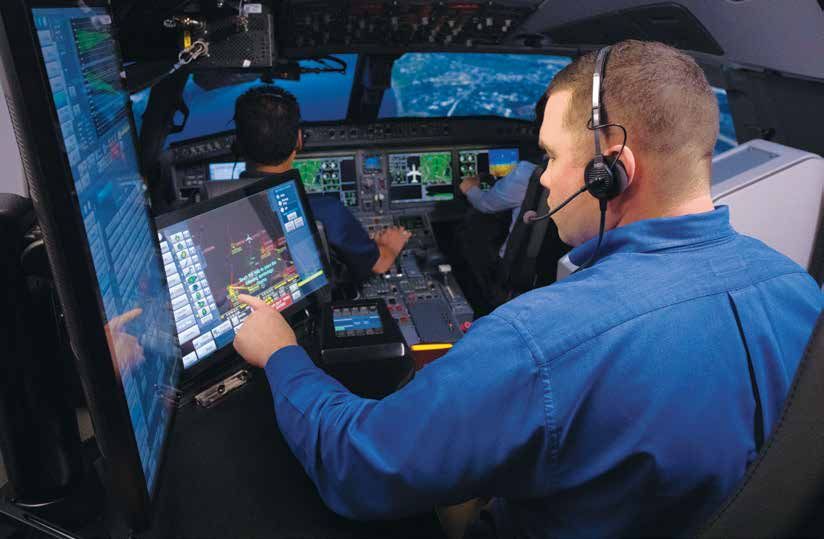
Willis Lease does it again.
Introducing Revolving Credit Lease Engine Financing
       REDUCE COSTS. INCREASE FLEXIBILITY.
          OWN YOUR OWN SPARE ENGINE.

    ✔ More liquidity (including for future maintenance)

    ✔ More flexibility for airlines looking for long-term ownership of engine assets

    ✔ Payment cash flows that mirror the way engines produce airline revenue

             leasing@willislease.com | +1 561.349.8950 | willislease.com
CONTENTS                                                                                          Volume 28, Issue 4

                                            COVER STORY
                                       12

                                                                                                       CONFUSION
ORIENT AVIATION MEDIA GROUP                                                                                     Region’s patchwork policies
17/F Hang Wai Commercial Building,
                                                                                                               stalling airline recovery says
231-233 Queen’s Road East,
                                                                                                    International Air Transport Association
Wanchai, Hong Kong
Editorial: +852 2865 1013
                                                                                                              director general, Willie Walsh
E-mail: christine@orientaviation.com
Website: www.orientaviation.com

Publisher & Editor-in-Chief
Christine McGee
E-mail: christine@orientaviation.com

Associate Editor &
Chief Correspondent
Tom Ballantyne
Tel: +61 2 8854 1458
M: +61 4 1463 8689
E-mail: tomball@ozemail.com.au

North Asia Correspondent
Geoffrey Tudor                              COMMENT                                                 	TRANSFORMING ASIA-PACIFIC
Tel: +81 3 3373 8368                   5    Airline MRO forever changed by pandemic                   MRO TO DIGITAL UNIVERSE
E-mail: tudorgeoffrey47@gmail.com                                                                   17	Asia-Pacific remains “richest” future airline MRO

Photographers
                                            ADDENDUM                                                    market

Rob Finlayson, Graham Uden,
                                       6	China’s “Big Three” carriers only top of table
Ryan Peters                                 Asian airlines in brand value survey

Chief Designer
Chan Ping Kwan

Printing
Printing Station (2008)

                                                                                                    19	MRO compound growth forecast at 3% annually
ADMINISTRATION
                                                                                                        to 2031
General Manager                        6	Veteran Asia insider tasked with delivering               20	Airlines shifting to parts repair from component
Shirley Ho                                  Boeing’s expanded Asia ambitions                            replacement during pandemic
E-mail: shirley@orientaviation.com     7	Final quarter recovery evaporates for region’s
                                            airlines

ADVERTISING
                                            NEWS BACKGROUNDERS
Asia-Pacific, Europe & Middle East     8	Europe’s emissions strategy reverts to increased
Defne Alpay                                 airline taxes
Tel: +44 771 282 9859                  10	Air cargo demand promises profits beyond the
E-mail: defne@orientaviation.com
                                            pandemic                                                20	Fokker Services Asia boss says full recovery “years
The Americas / Canada                  16	Asia-Pacific airline priorities for industry re-start        away”
Barnes Media Associates
Ray Barnes                                                                                              INDUSTRY ADDENDUM
Tel: +1 434 770 4108                                                                                22 ILS recruits Rob Suhs to head global sales
Fax: +1 434 927 5101                                                                                22	HAECO Group names leadership team for new
E-mail: ray@orientaviation.com                                                                          Europe, Middle East and Africa unit
                                                                                                    22	China’s largest airline extends Africa partnership
                                                                                                        with Magnetic MRO subsidiary
Download our 2021 media planner at:                                                                 22	Mainland regulators validate Honeywell JetWave
orientaviation.com/advertising
                                                                                                        WiFi system for China’s commercial carriers
Follow us on Twitter @orientaviation                                                                22	Collins Aerospace wins Clark International
                                                                                                        Airport passenger processing contract

                                                                                                   AUGUST-SEPTEMBER 2021 /       ORIENT AVIATION      / 3
GOING PLACES
PROVEN PERFORMANCE FOR OVER 250 MILLION
FLIGHT HOURS AND COUNTING
The world is eager to take flight. At Pratt & Whitney, we’re
ready. With enhanced service options to meet our customers’
evolving needs, the IAE V2500® engine is designed to
maximize time on wing while delivering best-in-class fuel
consumption, noise and emissions. Setting the standard for
reliability, the V2500 engine — with ongoing production and
a committed supply base — will support our customers’
efficient operations for many years to come.
LEARN MORE AT PRATTWHITNEY.COM/V2500
The V2500 engine is offered through IAE International Aero Engines AG,
a multinational aero engine consortium whose shareholders comprise
Pratt & Whitney, Pratt & Whitney Aero Engines International GmbH,
Japanese Aero Engines Corporation and MTU Aero Engines.

COMMENT

          Airline MRO forever changed by pandemic
          All sectors of the aviation industry have changed             necessary and what is not when it comes to maintenance
          dramatically as a result of a global pandemic that has        of their fleets.
          gone on far longer than anyone expected. The business              A good example of such adaption comes from MTU
          of providing maintenance, repair and overhaul (MRO)           Maintenance Zhuhai. Because of the pandemic, a U.S.
          services, either by original equipment manufacturers          Federal Aviation Administration (FAA) inspector could
          such as Boeing and Airbus or independent operators,           not travel to China to conduct an audit on an overhauled
          is no exception. Lockdowns, travel restrictions and           engine. Instead, it was done online, an efficient and
          quarantine measures worldwide have played havoc with          successful process that certainly saved money - and not
          MRO operations, forcing them to innovate and fast.            least in time and travel costs.
          They have gone through a steep learning curve but it is            To abate a concern that adopting virtual repair and
          one that will benefit them and their airline customers.       maintenance practices might reduce aircraft and engine
               The pace of digitalization has been ramped up.           maintenance standards, MTU and its MRO peers stress
          MROs have discovered there are many processes that            that whatever they are doing on-line or virtually, the end
          can be performed online and/or virtually. And while           result matches the high standards and product quality
          MROs will not reveal details of their financial dealings      of pre-pandemic processes. Although it is a time of
          with customers, they have had to face a commercial            great upheaval, it is anticipated these changes in MRO
          landscape where customers have lost billions of dollars       processes will be a huge plus for carriers, whether in the
          and are deep in debt from the pandemic.                       Asia-Pacific or elsewhere. In theory, when the recovery
               MROs say they recognize the difficulties airlines        takes hold, MRO advances in digitalization and a shift to
          are facing and are doing all they can to assist their         online communications and virtual reality should bring
          customers. It is likely that probably has included allowing   cost efficiencies to the sector and, in turn, to airline
          some of their customers to defer payments. Just as            costs. In other words, the cost efficiencies identified as a
          important, it has forced airlines into a more detailed        result of the pandemic will be completely integrated into
          assessment of their priorities - and decide what is           the sector's standard operating practices. ■

                                                                                                      TOM BALLANTYNE
                                                                                     Associate editor and chief correspondent
                                                                                                  Orient Aviation Media Group

    A trusted source of Asia-Pacific commercial aviation news and analysis

ORIENT AVIATION

                                                                                        AUGUST-SEPTEMBER 2021 /        ORIENT AVIATION   / 5
ADDENDUM                              AIRLINES AIRPORTS PEOPLE

China’s ‘Big Three” carriers top of Asia-Pacific table for brand value
The coronavirus pandemic                                                                                             a balanced scorecard of
has decimated airline profits                                                                                        metrics that evaluate marketing
and spread red ink across the                                                                                        investment, stakeholder equity
industry’s accounts. It also has                                                                                     and business performance.
seriously damaged the value of                                                                                       Across the rankings flag
their brands, including those of                                                                                     carriers receive higher global
leading carriers in the region.                                                                                      and domestic Brand Strength
      In a report from Brand                                                                                         Index (BSI) scores. In Brand
Finance, the world’s leading                                                                                         Finance’s latest Global Brand
brand valuation consultancy,                                                                                         Equity Monitor, flag carriers
the value of the world’s top 50                                                                                      outperformed non-flag
most valuable airline brands has      Air Lines is the world’s leading        the outbreak of COVID-19, with         carriers on two key metrics:
declined by a third, from $108.6      airline for brand value, although       brand values plummeting across         recommendation by 16 points
billion in 2020 to $72.9 billion in   still down by 37.5%, to $5.7            the board. With recovery closely       and reputation by 12 points.
2021 as the sector was battered       billion, followed by American           tied to vaccination rates, we will          In general, flag carriers have
by COVID-19.                          Airlines with a fall-off of 39.9%, to   likely witness short-haul flights      benefitted from greater state
      In its Brand Finance Airlines   $5.4 billion, and United Airlines,      and their airline carriers rebound     support than their non-flag carrier
50 2021 airline list only three       sitting at $5 billion or 39.2% lower    quicker compared with long-            counterparts. They have received
Asian carriers appear in the top      than before the outbreak of the         haul,” Brand Finance’s valuation       large allocations of direct financial
ten table for brand values.           pandemic.                               director, Savio D’Souza, said.         support and indirect support
      They are mainland airlines            Emirates Airline comes in at           “Airlines that successfully fly   from furlough schemes and tax
Air China (6), whose brand value      number four, down 31.9% to $4.7         through the economic storm of          deferral concessions. They also
is estimated to have fallen 34.1%     billion.                                the pandemic and protect their         have kept flying on essential
to $2.9 billion, China Southern             There are three new entrants      brands are likely to be more           routes during the pandemic,
Airlines (7) down 35.8%, to           into the rankings in 2021: Saudia       resilient and perform better as we     an option not available to lower
$2.6 billion, and China Eastern       (brand value $506 million) in           return to normality.”                  cost peers who had to suspend
Airlines (8) with a brand value       39th place, Jetstar (brand value             In addition to measuring          routes. The visible presence of
decline of 32.5%, to $2.2 billion.    $360 million) at 49 and Avianca at      overall brand value, Brand             flag carriers during COVID has
      The top three most valuable     50. “As predicted, airline brands       Finance determines the relative        boosted trust and the reputations
brands are U.S. carriers. Delta       have had a turbulent ride since         strength of brands through             of their brands. ■

Veteran Asia insider tasked with delivery of Boeing’s expanded ambitions for Asia
The Boeing Company has                     Feldman’s responsibilities         has represented 170 businesses,        George H. W. Bush and George
appointed Alexander Feldman           also span the roles of director and     including Boeing, the OEM said.        W. Bush, said: “With more than
as Southeast Asia president,          chairman of Boeing Singapore                 “We are really sorry to see       380 million people under the age
succeeding Ralph “Skip” Boyce,        Pte. Ltd and president director of      Skip leave and thank him for           of 35, Southeast Asia will bolster
a trilingual U.S. State Department    PT Boeing Indonesia.                    having done such a tremendous          Boeing’s growth for decades to
officer and a former U.S.                  Feldman’s CV most recently         job leading and growing the            come and support hundreds of
ambassador to both Thailand and       includes 12 years as president          Boeing operation and presence          thousands of American jobs as
Indonesia. Boyce, who joined          and CEO of the US-ASEAN                 across the region, which now           well as countless others across
Boeing in 2008 after 31 years with    Business Council (US-ABC),              includes newly opened offices          the region.”
the U.S. State Department, has        including the chairmanship in           in Jakarta and Hanoi,” Boeing               In the statement, which also
retired.                              2020-2021.                              International president, Sir           highlighted the expansion of
                                           An International Relations         Michael Arthur, said.                  Boeing’s presence in Indonesia
                                      graduate from the Ivy League’s               “We are excited to have           and Vietnam, the company said
                                      University of Pennsylvania,             Alex join Boeing. He brings to         Feldman helped assemble a
                                      Feldman has held senior roles           the team a strong combination          government and industry coalition
                                      at the U.S. State and Commerce          of diplomatic and business skills      that provided financial and
                                      Departments and a number of             garnered during his more than          medical support for Indonesia and
                                      Asia-based businesses.                  30 years in the private and public     the broader region, to contain the
                                           At the US-ABC, the                 sectors of the region.”                2021 surge in COVID-19 cases.
                                      Eisenhower Fellow and Council                Feldman, who served in the             His appointment takes effect
                                      of Foreign Relations member             administrations of U.S. presidents,    on August 27. ■

6 / ORIENT AVIATION / AUGUST-SEPTEMBER 2021
Hopes of a late 2021 recovery “evaporate” for region’s airlines
Even if plans for travel bubbles        testing to quarantine,” he said.        in the next few months. That is
are on the shelf because of                  While the International Civil      what we are talking to them about
the new Delta variant in the            Aviation Organization (ICAO) is         as well asking them to speed up
ongoing pandemic, Asia-Pacific          planning a high-level conference        these agreements,” Menon said.
governments should be talking to        towards the end of 2021 to seek              In the meantime, airlines
each other to ensure coordinated        clarity and co-ordination on health     concede hopes of a beginning of
health measures are in place when       issues, Menon told Orient Aviation      an industry recovery by year-end
travel markets begin to open up.        “we need to start thinking about it     have evaporated. “Everyone was
     That is the view of the region’s   and talking to each other about it      looking forward to a recovery
peak airline body, the Association      so we put things into motion”.          starting by the end of this year, but   a bit better off this year, he added.
of Asia Pacific Airlines (AAPA).             Historically it has been           now it does not look like it because    “Their losses have come down.
     Persuading governments             difficult for countries to concur on    of low vaccination rates, especially    Their costs have come down
to agree to synchronized health         such issues so Menon advocates          among young people. They are            significantly and most airlines
measures is the “greatest               progress based on bilateral             the ones we rely on for the supply      have restructured their debt or
impediment” to progress,                agreements. Each nation knows           chain, for tourism, for businesses      raised cash in capital markets
AAPA director general, Subhas           the countries they want as travel       to expand beyond their national         backed by their shareholders and
Menon, said. “That is where we          bubble partners, he said, “so           borders, but unfortunately this is      their governments,” he said.
are directing a lot of effort - to      you can start talking about the         not the case,” Menon said.                   “Having said that, they don’t
attempt to convince governments         issues to make sure you have a               While 2020 has been                have an indefinite amount of
to make use of current down time        recognition framework for testing       confirmed as the worst year in          cash. It’s going to run out sooner
to mutually agree harmonious            centres and vaccination labs as         the history of aviation, 2021 is        or later if they can’t operate and
measures for travel health              well as certificates”. “All of these    proving to be worse than last year,     earn enough money to cover their
protocols from vaccination to           matters need to be worked out           he said. Nevertheless, airlines are     costs.” ■

                 Visit us at
                MRO Europe
            October 20-21, 2021
              RAI Amsterdam
              Booth # 6002

                                                        We are your engine experts
                                                        Our people make the difference. We are passionate. We are dedicated. We marry engineering
                                                        with intelligent creativity. And we never give up unless an optimal solution has been found.
                                                        As the global market leader in customized solutions for aero engines, MTU Maintenance
                                                        supports you with the right product across the lifecycle of your engine. From innovative
                                                        maintenance, repair and overhaul (MRO) services, to integrated leasing and asset management.
                                                                                                          Contact us and find your solution today.

                                                                                                                                    www.mtu.de/en

   Maint_E_172x120_Orient_Aviation_20211708_01.indd 1                                                                                     17.08.21 11:42
                                                                                                 AUGUST-SEPTEMBER 2021 /          ORIENT AVIATION    / 7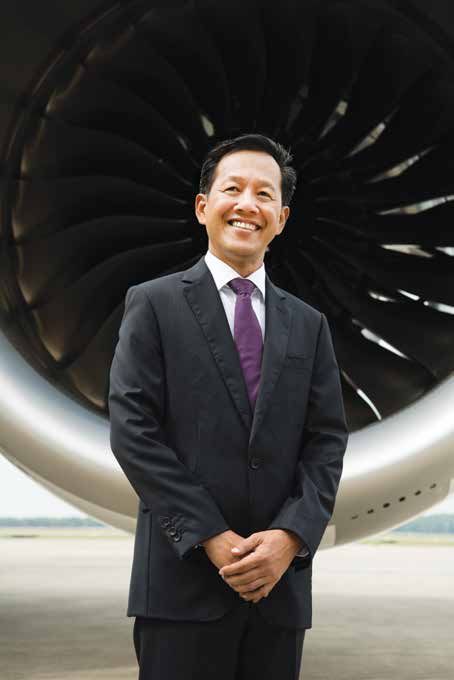
NEWS                BACKGROUNDER

Europe’s emissions strategy
reverts to new taxes on airlines
By associate editor and chief correspondent, Tom Ballantyne

T
              he European Union         to fuel-up consistently during       EU SAF regulations condemning         technology solutions are fully
              (EU) is at it again.      aircraft turns within the EU so      them as counterproductive to          developed, IATA said. “The
              In the middle of the      they cannot avoid fueling at         the goal of sustainable aviation.     industry supports the Carbon
              COVID-19 pandemic         airports with SAF, where the fuel    “Aviation is committed to             Offsetting and Reduction
              and the worst crisis      price is expected to be higher.      decarbonization as a global           Scheme for International Aviation
airlines have experienced in the             For airlines the issue is       industry. We don’t need               (CORSIA) as a global measure
history of flying, EU legislators are   that SAF is far more expensive       persuading or punitive measures       for all of international aviation.
proposing new taxes on aviation         than normal jet fuel and the         like taxes, to motivate change,”      It avoids creating a patchwork
fuel and regulations that will          infrastructure required to meet      said IATA director general, Willie    of uncoordinated national or
force carriers flying in European       global aviation fuel requirements    Walsh. “In fact, taxes siphon         regional measures such as the
skies to use increasing amounts         is decades away. “Taxes are          money from the industry that          EU Emissions Trading Scheme,
of sustainable aviation fuel (SAF).     unhelpful and usually harmful        could support emissions reducing      that can undermine international
      Airline industry bodies are       to consumers. It will be more        investments in fleet renewal and      cooperation,” the global airline
dismayed by the EU’s plans,                                                                                        body said.
angrily pointing out the last                                                                                            “Overlapping schemes
problem their members need
                                              We should all be worried that the                                    can lead to the same emissions
now is additional fees on bottom           EU’s big idea to decarbonize aviation is                                being paid for more than once.
lines that have been decimated          making jet fuel more expensive. That will not                              IATA is extremely concerned
by the pandemic, not to mention                                                                                    by the Commission’s proposal
the debt they have accumulated
                                        get us to where we need to be. Taxation will                               that European States would no
and will have to repay for at least      destroy jobs. Incentivizing SAF will improve                              longer implement CORSIA on all
a decade to come.                       energy independence and create sustainable                                 international flights.”
      The policy recommendations                                                                                         “Modernizing European
are part of a sweeping set of             jobs. The focus must be on encouraging                                   ATM through the Single
proposals put forward by the                the production of SAF and delivering                                   European Sky initiative would
European Commission aimed at
reducing the EU’s net greenhouse
                                                   the Single European Sky                                         cut Europe’s aviation emissions
                                                                                                                   between 6%-10%, but national
gas emissions by at least 55% by                                                                Willie Walsh       governments continue to delay
2030.                                                 International Air Transport Association director general     implementation,” IATA said.
      Under the ReFuelEU Aviation                                                                                        “Just recently the European
Initiative, fuel suppliers will be      productive if governments            clean technologies.” A better         Council failed to show any
obligated to blend increasing           support and incentivize the          approach would be tax incentives      leadership in cutting emissions
levels of SAF (sustainable aviation     accelerated development and          to spur SAF production, Walsh         through harmonizing European
fuel) in the jet fuel delivered to      deployment of sustainable            said.                                 air traffic management,” Walsh
EU airports. That number will rise      aviation fuels on a cost-effective        IATA’s data on SAF in aviation   said.
from 5% in 2030 to 20% in 2035          basis,” said Association of Asia     underscores the challenge ahead.            “The most practical
and ultimately to 63% by 2050.          Pacific Airlines (AAPA) director     While SAF reduce emissions            near-term solution to reducing
A minimum tax for polluting fuels       general, Subhas Menon. “All          by up to 80% compared to              emissions is SAF. But energy
is to be introduced gradually over      parts of the aviation ecosystem,     traditional jet fuel, insufficient    transitions are only successful
a decade, starting in 2023.             including fuel suppliers, need to    supply and high prices have           when production incentives drive
      The EU wants to make sure         come together to overcome this       limited airline uptake to 120         down the price of alternative
carriers flying through Europe,         significant challenge which is       million litres in 2021, a fraction    fuels while driving supplies up.
including Asia-Pacific airlines,        beyond the airlines to address on    of the 350 billion litres airlines    Making jet fuel more expensive
don’t dodge the regulation by           their own.”                          consume in a ‘normal’ year.           through taxation scores an
fuelling up outside the EU to                The International Air                What is required are             ‘own goal’ on competitiveness
avoid the new taxes or the SAF          Transport Association (IATA)         market-based measures                 that does little to accelerate the
regulation. Instead, they will have     reacted strongly to the proposed     to manage emissions until             commercialization of SAF.” ■

8 / ORIENT AVIATION / AUGUST-SEPTEMBER 2021
State-of-the-Art Simulation
Raises Your Effectiveness

Choose our high-fidelity, advanced        Trust the FS1000 Simulator to          View resolutions of more than 12 million
training devices for your organization.   replicate an aircraft’s exact flight   pixels on the VITAL 1150 visual system.
Manufactured to the highest specs         and performance characteristics        Instructors operate an intuitive interface
and backed by outstanding service.        with electric motion cueing system.    and large multitouch displays.

NEWS               BACKGROUNDER

Air cargo bonanza
                                                                                                                          improvement. And while the
                                                                                                                          pace of growth did slow slightly
                                                                                                                          in June, air cargo outperformed

promises profits
                                                                                                                          global goods trade for the sixth
                                                                                                                          consecutive month.
                                                                                                                                In June, Asia-Pacific airlines
                                                                                                                          reported demand for international

beyond the pandemic
                                                                                                                          air cargo increased 3.8%, a
                                                                                                                          decrease from the previous month
                                                                                                                          (5.3%) due to a slight slowdown
                                                                                                                          in growth in several large trade
                                                                                                                          routes such as Within Asia.
It is hardly news air cargo is the shining light of Asia-Pacific                                                          International capacity remained
aviation amid the gloom of the pandemic. Statistics indicate the                                                          constrained in the region, down
sector’s recent growth will endure beyond COVID-19 requiring                                                              16.9% versus May 2019. But as
                                                                                                                          was the case two months earlier,
the region’s airlines to expand their cargo divisions to keep                                                             the region’s airlines reported their
pace with demand. Associate editor and chief correspondent                                                                highest international load factor
Tom Ballantyne, reports.                                                                                                  at 75.2%.
                                                                                                                                IATA said underlying
                                                                                                                          economic conditions and
                                                                                                                          favourable supply chain dynamics
                                                                                                                          remain supportive for air cargo,
                                                                                                                          adding Purchasing Managers
                                                                                                                          Indices - leading indicators of air
                                                                                                                          cargo demand - show business
                                                                                                                          confidence, manufacturing
                                                                                                                          output and new export orders are
                                                                                                                          growing at a rapid pace in most
                                                                                                                          economies.
                                                                                                                                “Propelled by strong
                                                                                                                          economic growth in trade and

A
                                                                                                                          manufacturing, demand for air
               ir freight traffic      the world and that growth is                   While there continues to be a       cargo is 9.4% above pre-crisis
               is solidly back to      expected to continue after the            cargo capacity shortfall because         levels. As economies unlock, we
               pre-pandemic levels.    recovery because online retailing         of lost belly space from a depleted      can expect a shift in consumption
               And there is more       and express home deliveries have          passenger jet fleet, airlines            from goods to services. This could
               good news on the        become part of daily life.                are lifting cargo capacity. The          slow growth for cargo in general,
horizon. The International Air               For example, in the first half of   passenger-to-cargo conversion            but improved competitiveness
Transport Association (IATA) has       2021 Chinese commercial airlines          business is booming. Cargo Facts         compared to sea shipping should
reported air cargo is now much         carried 3.74 million metric tonnes        Consulting has reported active and       continue to make air cargo a
more competitive with ocean            of cargo and mail, an increase            planned passenger-to-freighter           bright spot for airlines while
shipping. At press time, air freight   of 6.4% over the same period in           conversion sites across all jet          passenger demand struggles
was only six times more expensive      2019. International cargo flights         aircraft types have increased to 25      with continued border closures
than ocean transport compared          increased by 7.8%.                        worldwide.                               and travel restrictions,” said IATA
with 12 times more costly pre-               Global air cargo is forecast             The cargo sector’s latest           director general, Willie Walsh.
COVID-19.                              to increase by 4.9% annually,             statistics, for June this year, reveal         Association of Asia Pacific
     At the same time, rapid           to around $144 billion, by 2027.          a continued upward trend even            Airlines (AAPA) director general,
growth in e-commerce,                  But given market indicators, the          though comparisons between               Subhas Menon, echoed these
accelerated by stay-at-home            projections may be conservative.          2020 and 2021 are distorted              sentiments and said air cargo
orders, lockdowns and demand           Differing predictions aside, it is        “by the extraordinary impact             volumes carried by Asia-Pacific
for transport of temperature           generally agreed the Asia-Pacific         of COVID-19”, IATA said. But             airlines have largely recovered to
sensitive drugs, chemicals and         will remain the fastest growing air       global demand in June this year          pre-pandemic volumes in response
medicines are propelling air           cargo market in the world, rising in      was up on 2019. Global demand            to strong demand. “This contrasts
freight growth to bigger profits.      excess of 5% a year and achieving         this year, it reported, increased        starkly with the depressed state
Air cargo has become crucial to        a value of more than $60 billion          9.9% compared with June 2019,            of international passenger traffic,
moving medical supplies around         by 2027.                                  the 14th consecutive month of            which has remained largely

10 / ORIENT AVIATION / AUGUST-SEPTEMBER 2021
“To provide additional lift the country and Cambodia are
we are converting two more reviving with business from Europe
of our B777 passenger aircraft and the U.S. Cargo volumes in
into cargo-only ‘preighters’ by Myanmar continue to be adversely
removing seats from the Economy affected by the political situation.
Class cabin, bringing our total to Imports will see longer transit
six ‘preighters’. These aircraft will times and space constraints as
provide support to our general demand remains high in hub
cargo and post shipments around airports.
Asia.” In Australia and New Zealand,
In all of this, the shift from COVID-19-related cancellations
seaborne freight to air cargo is on some direct flights between
very significant for the future Australia and New Zealand have
of the sector. Interestingly, it put pressure on export capacity,
has been acknowledged by the but there is an increased appetite
world’s biggest shipping company, for space from New Zealand to
Denmark-based Maersk, which Australia as ocean shipments
has subsidiaries and offices in 130 are affected by delays and port
countries and around 83,000 congestion.
employees worldwide. It also has In Indonesia and the
an air freight division. Its analysis is Philippines, air freight is driven by
air cargo demand remains strong strong export demand for retail,
as shippers “seek alternatives to garment and electronics products
stagnant with no improvements in following the high uptake of the ocean” ahead of the peak to the U.S and Europe. “In the
over a year,” he said. vaccination among our aircrew, season. Philippines, air cargo capacity to
In May, international air we were able to further reinstate The company has published its European destinations is higher
cargo demand in Asia measured our freighter capacity, especially assessment of Asia-Pacific freight than to the U.S., but remains tight
in freight tonne kilometres on our long-haul routes. markets. In Greater China, it said, to both markets. In Japan and
(FTK) saw 23.1% year-on-year “We also were able to mount shippers should rebuild inventories Korea, rates have declined slightly,
growth compared with a year considerably more cargo-only to beat the peak season rush. except to U.S. destinations. Space
earlier, significantly outpacing passenger flights compared with It wrote there is a shift from remains tight and demand is high,
the 3.6% increase in offered the previous month, especially ocean to air and a commitment which requires longer lead times,”
freight capacity, as belly hold on short-haul routes, to meet to longer term charters. Maersk Maersk said.
space remained constrained due the reasonably strong regional Airfreight has added routes As the more contagious
to limited commercial passenger demand,” the airline said. and service options in China to Delta variant of COVID continues
operations. As a result, the “Regarding cargo, we are help its customers adapt to the to wreak havoc on international
average international freight load cautiously optimistic that overall ever-changing market situation. passenger operations, indicating
factor rose by 11.7 percentage demand will be strong for the Demand is predicated to there is no immediate end in sight
points to 73.7%. remainder of the year. Gradual strengthen in Thailand, Malaysia to the global pandemic, air freight
Some cargo operators are resumption of passenger services and Singapore in the coming appears certain to continue to
doing even better. Singapore will provide us with greater belly months. Prospects in Vietnam play a more significant role in
Airlines Cargo, for example, saw capacity and should coincide with remain weak from the impact of the operations of Asia-Pacific
its cargo load factor in June rise to the usual cargo peak season. COVID-19, although exports from airlines. ■
87.6%, which was 5.1 percentage
points higher year-on-year, as
cargo traffic rose by 52.0% on the
back of a capacity expansion of
43.3%.
Cathay Pacific Airways has
reported its freight load factor
increased by 5.6 percentage
points to 80.6% and capacity, or
available freight tonne kilometres
(AFTKs), was up by 2.7%
year-on-year, although down
44.4% versus June 2019. “With
quarantine restrictions easing
AUGUST-SEPTEMBER 2021 / ORIENT AVIATION / 11COVER STORY RISK AVERSE GOVERNMENTS HOLDING BACK AIRLINE RECOVERY When Willie Walsh took charge of the International Air Transport Association earlier this year, airlines worldwide were in the midst of their worst crisis in the history of aviation. The former airline boss is determined to see the industry through the pandemic, but he has a special message for Asia-Pacific governments, reports associate editor and chief correspondent, Tom Ballantyne. 12 / ORIENT AVIATION / AUGUST-SEPTEMBER 2021
I
      rish-born Willie Walsh, the 59-year-old airline veteran         International Airline Group (IAG), stepped down from IAG a
      who heads the airline peak body, the International Air          year ago. He accepted the position of IATA director general,
      Transport Association, has a warning for the region:            as successor to Alexandre de Juniac, two months later. Some
      recovery for Asia-Pacific carriers is likely to be delayed      may have said “no thanks” to taking charge of the global
      because of the risk averse approach of Asian                    airline association enduring an unprecedented crisis, but
governments and the slow take-up of COVID-19 vaccines                 Walsh did not hesitate in accepting the job.
among their citizens.                                                      “I felt the industry needed to have a strong voice at this
    In Asia, he explained to Orient Aviation last month,              stage. I believe, and always have believed, IATA is important
around 25% of the population has been vaccinated, which is            to the industry. Given my background, the knowledge I have
comparable with global numbers. “But that is significantly            of the industry, the fact I know how airlines operate and also
     behind countries such as the UK, Israel, the U.S. and the        that I know most of the players in the industry, I felt I could
           UAE. All of them are in the 60% - 70% range.               contribute and could hit the ground running. I felt bad
           Singapore is obviously doing very well with                leaving the industry when I did. You don’t want to leave [at
            vaccination but most of Asia is lagging behind. I         this time] so when I was approached about this I had
            think it will suggest the recovery [in the region]        absolutely no hesitation in saying yes,” Walsh said.
            will take longer,” he said.                                    Having spent 13 years as an IATA Board of Governors
                 Part of the problem, Walsh believed, is              member, Walsh is well versed in the modus operandi of the
            Asia-Pacific restrictions on travel and quarantine        association. “I am really happy to make a contribution, play
           that do not look like ending any time soon. “Once          my part and support all of the former competitors who I really
            the restrictions are removed the demand is there.         feel sorry for at a time like this. It’s a horrible time to be an
             In fact, it is very strong. All of the evidence          airline CEO, but I have great faith and confidence in them
              supports that. The recovery will be quick once          and the industry. I am looking forward to getting through
                the restrictions are removed, but given what we       this and enjoying the recovery phase that is clearly going to be
                  are seeing in Asia, and the risk appetite those     an exciting time,” he said.
                   Asian countries have, it is going to take               Walsh has not been slow to make changes at the
                   longer for the restrictions to be removed in       association. He has appointed a deputy director general, the
                    Asia than it will in other parts of the           first IATA has had. The group’s Asia-Pacific chief, Conrad
                        world,” he said.                              Clifford, has moved from Singapore to Geneva to take up the
                                 Walsh, who started his career as a   post. A search is underway for Clifford’s successor.
                                pilot with Aer Lingus, rose to             “It has been an issue debated for many years. When I was
                                     chief executive of the Irish     on the [IATA] board the DG was often encouraged to
                                         carrier, moved to running    appoint a deputy because the role comes with a lot of external
                                              British Airways and     commitments and travel. The view was it might be sensible to
                                                   then the           have somebody to deputize, either to travel on behalf of the
                                                                      DG to represent the DG or run the shop at home when the
                                                                      DG is travelling,” he said.
                                                                           Part of Walsh’s restructuring is making Geneva the
                                                                      centre of operations. Until now, IATA has had two principal

                                                                                           AUGUST-SEPTEMBER 2021 /         ORIENT AVIATION   / 13
COVER STORY
“Not comfortable” politicians
fear backlash from relaxed
travel restrictions
Walsh makes one issue clear. IATA will continue to
fight long and hard to convince governments being aboard
a plane is one of the safest places you can be during the
pandemic and that restrictions such as border closures and
quarantine should be eased.
“We have to continue to put the data in front of people.
Most people want to be informed and make reasonable
decisions based on their own risk assessment and their
own risk appetite. We are not saying there is zero risk. There
is risk in everything. I think that’s the difference. In our
industry we manage risk. That’s the very basis of the
industry and how successful and secure it is,” Walsh said.
“We understand the nature of risk. We are all the time
assessing it and ensuring the measures we have in place
are sufficient to mitigate against the risk that we have
identified.
“Politicians are less comfortable with risk. They don’t
like being accused of making the wrong decisions. We have
to keep putting the data out there and keep showing the
evidence. We have to be challenging the restrictions.”
Willie Walsh
International Air Transport Association director general
offices: Geneva and Montreal. “In any organization it is co-ordinate responses to the pandemic, particularly testing.
difficult to justify two principal offices,” Walsh said. “At a “You have agencies like the WHO (World Health
time of crisis like this you have to focus on your cost base so Organization) and ICAO. They come out with measures they
we are going to rationalize the focus on Geneva as the believe should be applied on a global basis yet governments are
principal office. The main focus of the Montreal office will be looking at them and then doing the wrong thing,” he said.
engagement with ICAO (International Civil Aviation “I keep highlighting the EU (European Union), 27
Organization) and other aviation parties that are based there. countries you would have thought could co-ordinate testing
We will continue to have a strong presence in Montreal, but regimes. Instead, there is every combination of testing you
the executive function of the business will be in Geneva.” could imagine.
As for the pandemic, Walsh does not think it is going on “Some require PCRs (the test used to detect a person has
longer than airlines expected. “What is going on longer than COVID-19), within 24 hours of travel, others 48 hours and
expected are the restrictions on international travel. Like all even 72 hours. Ten countries think it is safe to do a PCR
sorts of viruses I assumed we would end up living with this within 72 hours. What do the the other 17 see that makes
one as we live with other viruses. I think governments have them do something different? This is extremely frustrating
continued to take an extremely risk averse approach to this, and very confusing for travellers.
particularly in the Asia-Pacific,” he said. “People read the restrictions applicable to their country
He pointed to seven-day averages of daily COVID cases. and assume, rationally so, there will be similar if not the
“Mid last month, the world was at 57.6. Yet Australia, before same measures in other countries. They are often frustrated
the recent outbreaks of the Delta variant, particularly in to find a completely different regime. It has been not just
Sydney and Melbourne, was a mere 3.18. “Yet the UK is disappointing but one of the issues we really do have to
removing all restrictions. What we are seeing is a completely challenge.
different approach from governments. Some are basing their “It’s the same virus everywhere. This is a common virus.
decisions on the data, but others have adopted a zero COVID There should be common measures taken to address it. The
approach, including probably most of Asia and Australia and world has to learn because this virus is not going to go away,
New Zealand in particular,” Walsh said. the same way as the flu has not gone away. Flu mutates every
“In countries with high levels of vaccinations, year. We take measures to address that every year.
governments are more willing to acknowledge the pandemic “When we get through this, looking back on it, there is a
is just part of our lives and vaccination is the key to enabling lot not just the industry needs to learn, but governments need
people to return to a more normal environment.” to learn. You would expect global organizations like WHO,
Walsh also is disappointed at the failure of governments to the United Nations and ICAO would pull together and
14 / ORIENT AVIATION / AUGUST-SEPTEMBER 2021global airline industry revenues fell by 6.4% compared with
2000. In 2009, revenue collapsed by 16.5% versus 2008. In
the current pandemic, 2020 revenues were down 56% against
2019. Despite these disastrous numbers, Walsh said carriers
have done an incredible job in the face of massive losses by
simply surviving the crisis and maintaining their
commitment to sustainability goals.
“Airlines have demonstrated resilience from a financial
point of view. Still, there are challenges for a lot of airlines,” he
said. “They have to be careful because there is this disconnect
between cash flow of sales in advance of carriage. People are
not booking in advance at the moment. And naturally,
because they don’t know when markets will open,” he said.
“So, you are going to see the traditional cash in and cash out
dynamic change in the short-term.
“But the factor that is really positive is the focus on the
environment has not in any way waned. It reflects the external
reality that a focus on the environment has, if anything,
increased as we have gone through this pandemic. The
industry recognizes we have a job to do. I have been really
impressed with the continuing investment by airlines in
support of their environmental measures as we go through
this crisis.” ■
Asia-Pacific priorities
for recovery
address this situation in a co-ordinated fashion.”
When recovery does come, Walsh believes re-establishing • Acceptance by governments that COVID-19 is part of
daily living in the same way as the common flu is
networks will be challenging for airlines. “We are used to
accepted
dealing with challenges. We are used to managing rapidly • Bringing governments together to establish global
changing requirements when it comes to security or safety standardised testing and “vaccine passport” travel
issues,” he said. documents for travel worldwide
“We can cope with it. We would prefer not to have to, but
there are a number of factors that will be on the minds of
CEOs. All airline balance sheets have been very much
stressed. The level of debt for the industry globally we
estimate to be more than $650 billion, up from $220 billion
since the pandemic started. That will increase,” Walsh said.
“People will have been shocked as they saw liquidity
significantly tighten during the first three or four months of
the pandemic. We had all been hoping things would start
relaxing and airlines could start building up cash reserves
again.
“You will see a cautious approach being adopted by many
airlines because the key for a lot of carriers is their costs have
significantly reduced, principally because they are not flying.
We are avoiding fuel costs, which is the single biggest cost.
Labor costs have been significantly reduced with a lot of • C hallenge of re-establishing pre-pandemic route
networks especially if air passenger demand takes off
countries providing employee support.
at faster levels than airlines can accommodate
“These costs will come back very quickly as airlines build • Managing repayment of global airline debt, estimated
up their networks. I expect a lot of them will be very cautious to be US$650 billion at present and still to stabilise
about how they re-establish their networks, which suggests • C ash flow curtailed as airline customers are not
there will be parts of the global network that will be lost and booking ahead fearing sudden flight cancellations or
lost for some time.” new imposition of border closures and unanticipated
Walsh cites a comparison between the current crisis and or sudden extended quarantine regulations at borders
previous global economic crises in 2001 and 2009. In 2001,
AUGUST-SEPTEMBER 2021 / ORIENT AVIATION / 15ORIENT AVIATION
OCTOBER-NOVEMBER 2021
COVER STORY:
MALAYSIA AIRLINES GROUP
CEO CAPT. IZHAM ISMAIL
Malaysia Airlines Group (MAG) boss and commercial
aviator, Izham Ismail, has thrown out the traditional
playbook of an Asia-Pacific flag carrier.
Realising the survival of the airline group and its
dependent subsidiaries could no longer depend on
air traffic alone, he is diversifying the brand and its
Kuala Lumpur headquartered hub into an aerospace
services centre and using the status of the much
loved brand to build new loyalty and entertainment
subsidiaries, the charming and impassioned MAG
boss told chief correspondent, Tom Ballantyne, in our
October-November 2021 cover story.
Also in Orient Aviation in October-November 2021:
the definitive story of the region’s airline and engine
leasing businesses as told to chief correspondent,
Tom Ballantyne, by the major Asia-Pacific players in
the sector.
ORIENT AVIATION DECEMBER 2021-JANUARY 2022
COVER STORY: Not so long ago, no news was good news industry animal than pundits had forecast,
KOREAN AIR CHAIRMAN AND at Korean Air. Two of the three children of largely due to the leadership of the
CEO WALTER CHO WAN-TAE the late founder of Korean Air, Choi Yang- younger Cho and his new executive team.
ho, were behaving like spoilt brats and In our final Orient Aviation of the year
their brother, Walter Cho, faced constant we profile Cho and his achievements in
questions about his ability to hold together keeping the family business together while
a feuding family in the politically charged capitalising on the group’s regional location
atmosphere of the Korean Air group. to build a profitable cargo business that
has increased the airline group’s financial
Fast forward to mid-2021 and Korean Air health compared with its regional peers
is a different - and much more profitable - during the pandemic.
ORIENT AVIATION MEDIA GROUP SALES DIRECTORS:
The Americas / Canada Europe, the Middle East & the Asia-Pacific
RAY BARNES DEFNE ALPAY
E-mail: ray@orientaviation.com E-mail: defne@orientaviation.com
T: +1 (434) 770 4108 T: +44 7712 829859
ORIENT AV IATION MEDIA GROUP: ORIENT AV IAT ION • ORIENT AV IAT ION DA I LY DIGEST • W W W.ORI EN TAV I AT I O N.COMMRO ASIA-PACIFIC UPDATE
Asia-Pacific remains “richest”
future airline MRO market
Asia-Pacific aircraft MRO companies rapidly adjusted their business models as
COVID-19 hit the industry hard. When a recovery commences the sector will
have undergone significant change, leading MROs told associate editor and chief
correspondent, Tom Ballantyne.
I
n September last year, as we want to be part of it,” MTU
the COVID-19 pandemic Maintenance Zhuhai president
persisted, Boeing’s Global and CEO, Jaap Beijer, said of
Services modification team the joint venture between
commenced an assignment MTU Aero Engines and China
they had never undertaken: Southern Airlines. “For sure we
supporting the complete nose have expansion plans and I am
to tail interior and connectivity very happy both shareholders in
modification of a big passenger Zhuhai have decided to go on
jet in an entirely virtual setting with expansion plans,” he said.
while keeping the work on “We have announced we
schedule. The aircraft was an will have a second plant coming
All Nippon Airways (ANA) B777 in soon. We will still build the
parked in China at HAECO second plant because we think
Xiamen, the U.S. planemaker’s the growth will come back. There
MRO partner. will be a kick back in later years.
Facing daily COVID-19 We have to be prepared for that.”
related challenges, including turnaround cycle on issues that with a product we have as much The second facility, with an initial
fast changing local conditions, returned the aircraft to service confidence in as a non-pandemic annual capacity of 250 shop visits,
lockdowns and the virtual work on time. environment.” is expected to enter operations
environment, to meet customer Boeing Commercial Services The Boeing case study is only in 2024. “We also invested in
commitments Boeing created Programs vice president, Mike one example of the changes the new engine types - (CFM) Leap
a global support team on-line, Doellefeld, told Orient Aviation entire aviation MRO ecosystem 1A and Leap 1B. Already we are
bringing together design and earlier this month: “For example, has undergone during the working on that. It is there we
liaison talent in Long Beach, we utilized technology during pandemic. While digitisation see the next three, four, five years
California and Puget Sound, the pandemic to change the and advances in IT systems were growth. That is why we decided
Washington, as well as Boeing way we do a modification. We well underway pre-pandemic, to invest now and hopefully have
engineering experts in Moscow have gone to a full nose-to-tail MRO providers are agreed the good flexibility in the next two or
and Kiev to ensure the necessary modification using technology COVID-19 crisis has accelerated three years for customers when
round-the-clock support needed without necessarily having to the process. Limitations on travel, businesses are picking up again.”
to deliver the Japanese carrier’s be first-hand on the product, created by border restrictions and Beijer said a major digitisation
specifications. doing a certification lock. quarantine measures, have forced program has been launched at
Working closely with That’s an example of exercising business on line and encouraged the Zhuhai joint venture and at
ANA and HAECO, using video, the portfolio with traditional them to innovate. And despite other facilities. “This is a chance
detailed photographs and 3-D communication supplemented the downturn, most sector to get it done. All these things are
drawing markups to troubleshoot by increased photos, videos, real- participants have not held back on now moving forward. The same
issues and keep the complex time cross share, virtual walks and investment and research and have applies to automation of deliveries
modification on schedule through measures by analytics. Then we pushed ahead with expansion and logistics. The same will apply
constant communication, they take all that to draw conclusions plans. to scoping in data, analysing it
were able to support their that will conform to the “We see the Asian market and bringing it on a platform to
commitment to a 24-hour regulations and ultimately end up as growing significantly and show to the customer,” he said.
AUGUST-SEPTEMBER 2021 / ORIENT AVIATION / 17MRO ASIA-PACIFIC UPDATE
“We do a lot there. We have time to do an audit for the
a process where they can tell us authorities,” he said.
online their problems and we can “The FAA (U.S.Federal
quickly support the customers Aviation Administration) cannot
there. There is a big program come here now [during the
coming to Zhuhai to automate pandemic]) so they do it online.
and it is speeding up.” All these factors will change our
Boeing also is committed business and they will change the
to expansion. One example, trust in data. It will be different in
Doellefeld said, is the opening the future.”
of two lines for passenger to P&W’s Cormier said the
freighter conversions of B737s and impact of digital transformation
B767s in response to a strong air on advanced manufacturing
cargo market. The services arm of technology is even more dramatic
the OEM also is investing in sub with robotics, automated
sectors of airline MRO. testing, augmented reality,
Pratt & Whitney vice parked and travel restricted, if I have to admit my team already additive manufacturing, business
president aftermarket operations communication channels is very keen to go back and visit intelligence and data insights.
Asia-Pacific, Tim Cormier, said emerged as one of the key customers physically. I don’t think “It is part of a framework for
the engine maker is developing survival mechanisms for the this is the end of business travel.” connecting the various flows
technologies for its MRO shops in MRO business, Airbus head of Like other MROs battling of data and will provide an
the region. “We are introducing scheduled maintenance services, the pandemic, Airbus has been all-inclusive view across the life
advances in automation and Claire Kauffman, told Orient conducting frequent webinars cycle of a product from design
non-destructive testing (NDT). Aviation. with customers across the globe, and development and service
Embracing digital transformation The new digital answering questions about and support. It is influencing all
moves industry leaders like Pratt communication systems were aircraft parking, storage and operations. Such an end-to-end
& Whitney (P&W) further into basically in place, but maybe not return to service among other digital infrastructure connects
the future, where the customer embraced as much by people. MRO issues. Kauffmann said that the stakeholders throughout the
experience can be integrated “During the pandemic, it actually while protocols are contained life cycle using data and models,
with our products in flight and became one of the key tools to in official manuals many aircraft driving dramatic improvements in
not only our own operations. continue running our business as were parked away from their productivity, quality and customer
It also assimilates [us] with a efficiently as possible. We realised home bases. Some carriers are satisfaction,” he said.
comprehensive supply chain at the they were actually very efficient. accustomed to storing aircraft, but Magellan Aviation Group
back end.” We could work remotely and we others were not and they needed senior sales and marketing
Companies such as P&W, could work using these digital to be assisted with the process. director, Mohammad Ali Dawood,
MTU, Boeing, Airbus and others tools,” she said. MTU’s Beijer agreed the said the pandemic will bring
also are training their workforce “Yes, definitely it was a real- business will be forever changed. about change in other areas of
to rapidly incorporate augmented life example that it was working. “The trust about doing things on the industry. Its aircraft parts and
reality in aircraft MRO checks. We will continue having the line will increase. So, customers engine leasing business, which
With thousands of aircraft benefits of those capabilities even won’t have to come here every has bases in Singapore, North
Hunting for Spare Parts?
18 / ORIENT AVIATION / AUGUST-SEPTEMBER 2021Carolina, Florida and Ireland, and in confidence. They did, into specifics, due to commercial will resume that position when
has found that as passenger however, make it clear everything confidentiality, but we are recovery comes. “We view the
demand has declined during the possible was being done to assist staying close to our customers market as strong,” Doellefeld said.
pandemic airlines and lessors financially hard-pressed airlines. during these difficult times and “We know the Asia-Pacific
have consolidated their fleets “We keep in close contact helping airlines when we can. will be one of the richest parts of
and retired some mature aircraft with all our customers. When We recognize that when people our world for growth in the next
sooner than expected. you are running a business it’s encounter difficulties, it is how 20 years. Our expansion plans
“As a result of these early the full spectrum of the value you respond that will determine are not disrupted by COVID-19 in
retirements, we anticipate an stream which includes the the nature of the relationship in staying focused on that.
increased volume of aircraft and commercials and the financials. future,” he said. “We see continued growth in
engines to begin being parted That’s a conversation we will For some MROs, while the the region for additional capacity
out to the point where we see a keep between ourselves and pandemic brought new pressures and we see our aircraft in that
flood of USM (Used Serviceable our customers, but we have to their businesses, the direct area. We know our airline market
Materials) materials entering had proper conversations to impact on their operations was will recover with time so we will
the marketplace in coming address their needs and have short-lived. Engine shops like stay focused on the initiatives
months and years. We expect the done everything possible in the MTU Zhuhai and P&W saw some and the needs and growth of
USM market will be even more spirit of help and forward looking recovery come quite quickly technology and services. It is
competitive,” he said. involvement,” Doellefeld said. because most of their MRO exactly what we are doing and
“At the same time, older that’s inclusive of MRO capacity
aircraft platforms converting to and capability in the Asia-Pacific.”
freighters have been a bright spot MRO compound growth forecast Magellan’s Ali Dawood said
in our industry. With demand
for conversions increasing these
at 3% a year to 2031 the current outlook for recovery
in the Asia-Pacific is much longer
conversions will see a substantial The International Air Transport Association (IATA) has calcu- than anticipated, possibly starting
increase in MRO work as well.” lated the global aviation industry lost more than US$118 billion in in the last quarter of this year and
Boeing’s Doellefeld believes 2020 with dozens of airlines either seeking bankruptcy protection extending through the first and
or ceasing flying as a result of the pandemic. During the crisis,
MRO tools will change. “We are second quarters of 2022. “This
cash preservation and cost control remained a priority for airlines,
moving more and more towards timeline is due to an unfortunate
which also resulted in bad news for aerospace manufacturers and
technology or virtual reality. We MRO providers. combination of reasons;
are looking at measuring airplanes The COVID-19 crisis is estimated to have lowered spending vaccinations rates continue to
with more technology. Scanning on commercial MRO by about $40 billion in 2020, according to be very low, while international
is another technique. We can do analysis conducted by U.S. consultancy Oliver Wyman, published travel restrictions remain largely in
a quick survey, infra-red systems in its Global Fleet and MRO Market Forecast 2021-2031. It place,” he said.
and i-bars on parts or inventory estimated spending on commercial MRO in 2021 will reach $68 “It will be difficult to estimate
components rather than physical billion and that demand is unlikely to return to pre-pandemic levels and the timeline could change
inspections,” he said. until year-end 2022. as Asia-Pacific countries struggle
Despite lower predicted MRO industry expansion, compound
“Going beyond the MRO is to deal with the virus situation.
annual growth of the sector from 2019 to 2031 is expected to be
how we train mechanics servicing Although China’s domestic
at least 3% per year.
the airplanes. We have been market has surpassed 2019
shifting to virtual sessions and levels, it does not benefit others
competency-based training for MTU’s Beijer underscored work was on engines powering in the region as China does not
the certification and accreditation the importance of talking to narrow-body fleets. In MTU’s case expect to open its borders in
of pilots and technicians. They all customers. “We tried to limit their its Shanghai lines work on engines any significant way before the
have a network or a relationship financial burden. I think this is for B737 and A320 types while for February 2022 Winter Olympics.
to the maintenance, repair the biggest topic. How did we do P&W in the Asia-Pacific it primarily “For the rest of Asia, we
and overhaul sections of our it? We try to help the customer overhauls the V2500 and GTF, the can expect countries like India,
business.” in need. The most important engine types on several A320ceo Indonesia, Vietnam, Japan and
As the pandemic worsened, factor is flexible work scoping. and neo, Embraer E2 and Airbus Thailand to bounce back quicker
there was something else MROs So reducing the cost as much as A220. These airplanes fly short- than others once herd immunity
have had to worry about. Their possible but making sure they still haul and domestic services which is established due to their vast
customers were losing billions of have engines to fly. Try to limit not began returning to service well domestic market presence.
dollars and needed to radically only our own costs, but the cost before wide-bodies. However, as borders continue
cut costs. MROs approached by to the customer to help them in One undisputed belief is held to be closed and governments
Orient Aviation would not detail these difficult times,” he said. by all the MROs Orient Aviation continue to impose more
how they approached this subject Cormier said P&W interviewed: that the Asia-Pacific, lockdown measures, we do
as financial arrangements with understood airlines need to the growth engine of aviation not see a fast recovery on the
their customers are commercial manage cash flow. “I can’t go before the pandemic outbreak, horizon.” ■
AUGUST-SEPTEMBER 2021 / ORIENT AVIATION / 19You can also read


