CONGRESS WAR OF 1812 AND THE - Historic Treasures in Exhibition Hall
←
→
Page content transcription
If your browser does not render page correctly, please read the page content below
CONGRESS
                AND THE
   WAR OF 1812
Historic Treasures in Exhibition Hall

Instrumental to our identity and
future national development, the
War of 1812 both shaped and was
shaped by Congress. International
in scope and economic in nature,
the war would not only inspire a
national anthem, but would define
Congress’s mission for the era to
come and fundamentally change the
nation’s political parties.

                                        www.visit the capitol.gov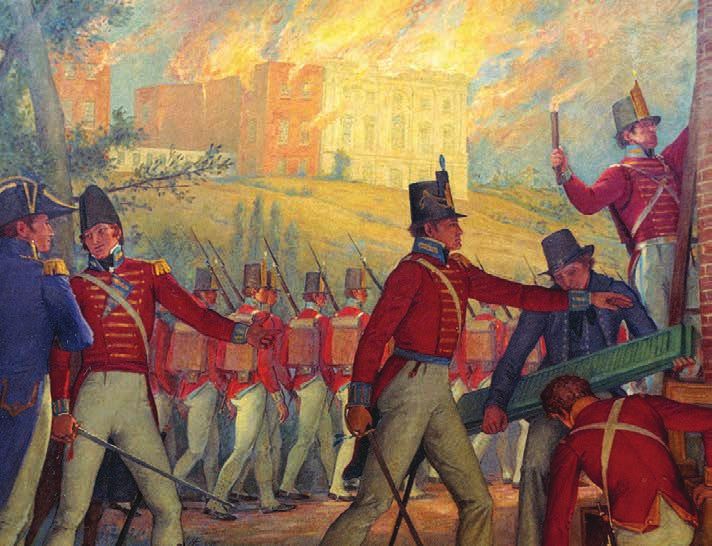
CONGress aNd The War of 1812
   Historic Treasures in Exhibition Hall                                                                                                 Currently on display

                                    House Theater                                                               Senate Theater

               	Exploration         Common Defense          Unity                               	Freedom	General Welfare             Knowledge

                13              1     7   8   2     3   9 10 6                                  12                          11       5   4

1 President James
Madison’s war                                                                               The British
message, June 1, 1812                                                                       Burn
                                                                                            Washington
Conflicts between the
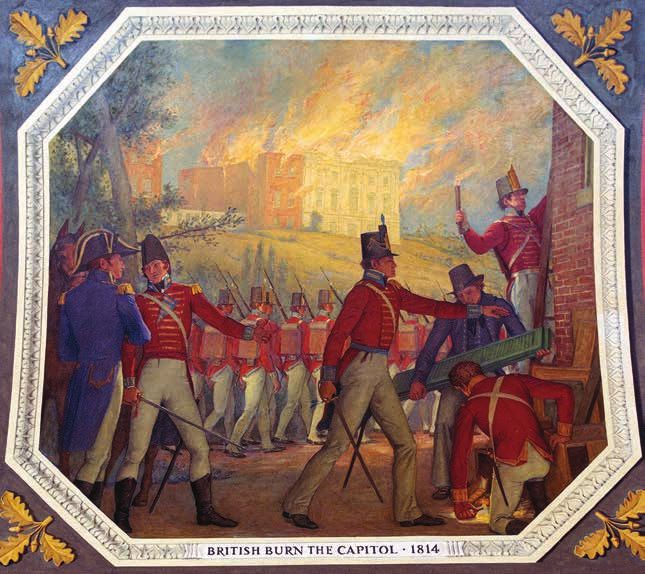
United States and                                                                           On August 24,
Great Britain endured                                                                       1814, British
after the 1783 Treaty                                                                       forces entered
of Paris that ended                                                                         Washington, D.C.,
the Revolutionary                                                                           attacked the Navy
War. In this message                                                                        Yard, and burned
to Congress,                                                                                the major federal
President James                                                                             buildings. The
Madison detailed                                                                            fire destroyed the
British offenses                                                                            chambers of the
against the United                                                                          Senate and House of
States. Congress                                                                            Representatives, the
responded by using                                                                          Library of Congress,
                                                                                            and the Supreme                      2 Sketch of the March
its constitutional
power to declare                                                                            Court. To determine how              of the British Army under
war for the first                                                                           the British were able to             Gen’l. Ross from the 19th to
time, leading the                                                                           capture the city, Congress           the 29th August 1814, map
country into a second war                                                                   initiated an investigation.          by D. Evans, 1814
with Great Britain.                                                                         The resulting report,                Geography and Map Division,
                                                                                            however, was inconclusive.           Library of Congress
Records of the U.S Senate, National Archives and
Records Administration

                                              C o n g r e s s a n d t h e W a r o f 18 12   |   Exhibition Hall    2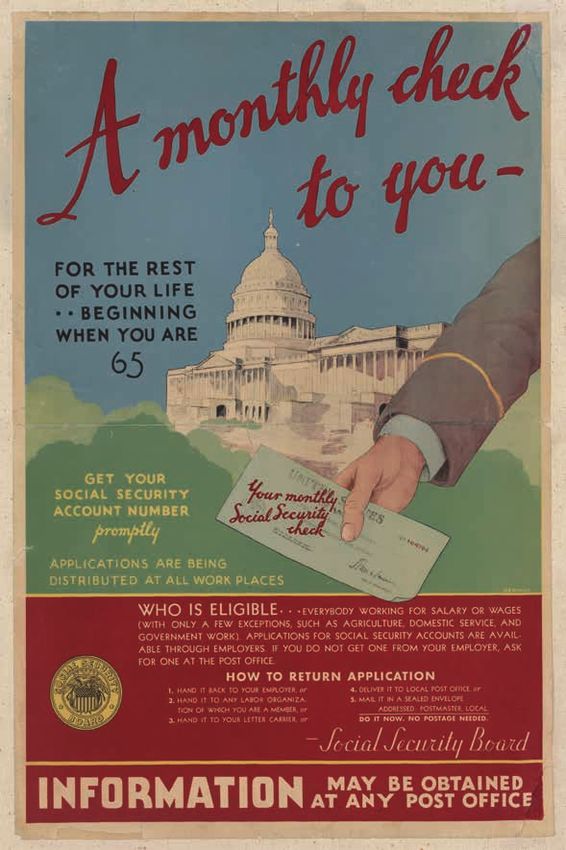
4 The U.S. Capitol after Burning by the British, ink and
                                                                                           watercolor on paper by George Munger, ca. 1814
                                                                                           Prints and Photographs Division, Library of Congress

       3 British Burn the Capitol, 1814, oil on canvas by
      Allyn Cox, 1973–1974
      Architect of the Capitol

 5 Report from the Joint
Committee on the Library
of Congress regarding
the purchase of Thomas
Jefferson’s library,
November 28, 1814
When British troops
burned the U.S. Capitol
in August 1814, they
destroyed the Library
of Congress, which was
housed in the building. To                                                                      6 The Hartford Convention or Leap No Leap, etching by
help replace the damaged                                                                        William Charles, ca. 1814
and lost books, former                                                                          New England’s Federalist Party opposed the War of 1812
President Thomas                                                                                because of its disastrous impact on the region’s economy.
Jefferson offered to sell                                                                       Meeting in Hartford, Connecticut, in December 1814, party
Congress his personal library. After debating the                                               delegates secretly debated—and rejected—secession; instead,
offer, Congress purchased Jefferson’s library in 1815.                                          they drafted constitutional amendments strengthening state
Records of the Joint Committees of Congress, National Archives and                              controls over commerce and militias.
Records Administration                                                                          Prints and Photographs Division, Library of Congress

                                             C o n g r e s s a n d t h e W a r o f 18 12    |     Exhibition Hall       3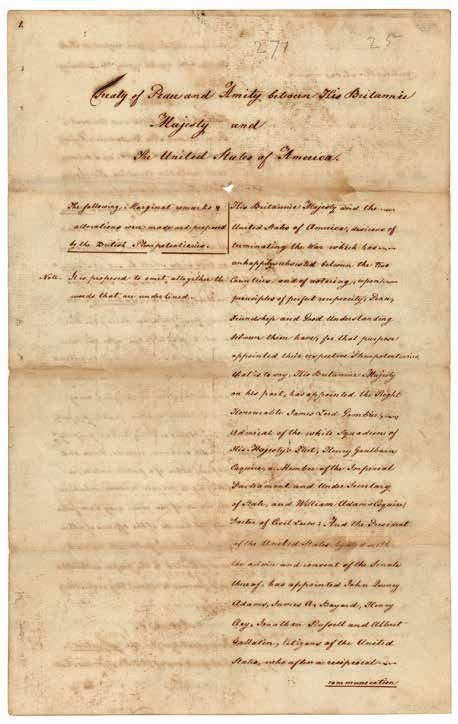
The Treaty of Ghent
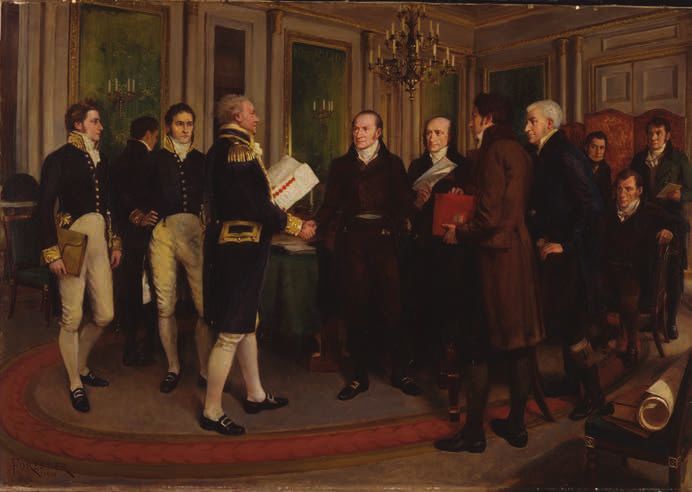
Delegates from Great                                                                            8 The Signing of the Treaty of Ghent, Christmas Eve,
Britain and the United                                                                         1814, oil on canvas by Sir Amèdée Forestier, 1914
States signed a treaty                                                                         Smithsonian American Art Museum, Gift of the Sulgrave
to end the War of 1812                                                                         Institution of the U.S. and Great Britain
on December 24, 1814,
in Ghent, Belgium.
Though it didn’t address
all the causes of the
conflict, the Treaty of
Ghent initiated a lasting
peace between the United
States and Great Britain.

 7 Projet of a Treaty of
Peace (Treaty of Ghent),
November 10, 1814
Records of the U.S. Senate,
National Archives and
Records Administration

 The National Anthem
 “The Star-Spangled Banner,” is a song based on a poem
 by Francis Scott Key. He was inspired by the sight of the
 American flag during the British attack on Fort McHenry in
 the War of 1812. The patriotic song became popular during
 the nineteenth century, and Congress officially designated it as
 the national anthem in 1931.

  9 Bombardment of Fort McHenry, oil on canvas by Alfred                               10 H.R. 14, An Act to make The Star-Spangled Banner the
 Jacob Miller, ca. 1828-1830                                                           national anthem of the United States of America, April 21, 1930
 Courtesy of the Maryland Historical Society, Acquisition No. 1901.2.3                 Records of the U.S. Senate, National Archives and Records Administration

                                         C o n g r e s s a n d t h e W a r o f 18 12     |   Exhibition Hall        4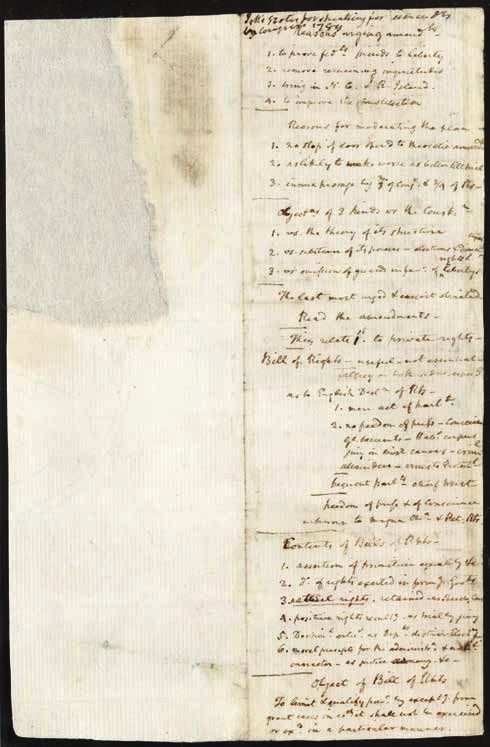
Legislative Highlights                                                                                              12 James Madison’s notes for
                                                                                                                    his speech introducing the Bill of
                                                                                                                    Rights, June 8, 1789
                                                                                                                    Initially skeptical of the need for
                                                                                                                    a bill of rights, Representative
                                                                                                                    James Madison of Virginia
                                                                                                                    became its leading proponent.
                                                                                                                    His notes outlined objections to
                                                                                                                    the proposed amendments and
                                                                                                                    arguments for their adoption.
                                                                                                                    Madison believed guaranteeing
                                                                                                                    individual rights would guard
                                                                                                                    against potential abuse of federal
                                                                                                                    power and unify the nation in
                                                                                                                    support of the new Constitution.
                                                                                                                    Manuscript Division,
                                                                                                                    Library of Congress

11 A Monthly Check to You for the Rest of Your Life…
Beginning When You Are 65, U.S. Social Security Board poster,
lithograph print, 1935
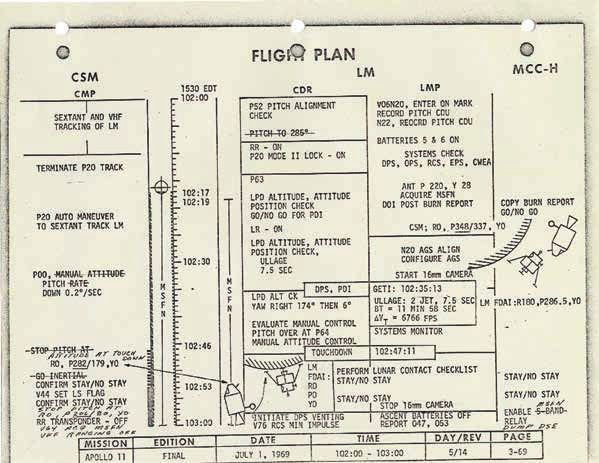
                                                                                      13 Apollo 11 flight plan, July 16–24, 1969
Congress passed the Social Security Act to provide for the
elderly, the unemployed, dependent children, and the disabled                         To reach the moon, Congress funded a series of space
through taxes on workers and employers. The legislation,                              missions called the Apollo Program. The crew of Apollo 11—
created during the Great Depression, addressed the concerns                           Michael Collins, Neil Armstrong, and Edwin “Buzz” Aldrin
of popular grassroots movements that advocated for federal                            Jr. — followed this minute-by-minute timetable to make the
old-age pensions and relief for those without jobs.                                   first manned moon landing on July 20, 1969.
Prints and Photographs Division, Library of Congress                                  Records of National Aeronautics and Space Administration,
                                                                                      National Archives and Records Administration

                                        C o n g r e s s a n d t h e W a r o f 18 12   |   Exhibition Hall       5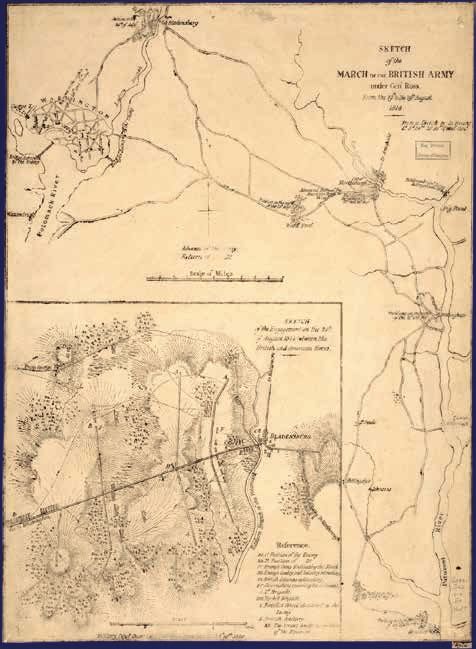
Architect of THE CAPITOL
                                                                                      A More Perfect Union
                                                                                      “Congress and the War of 1812” is the theme of the
                                                                                      documents currently on display in the exhibit A More
                                                                                      Perfect Union.

Exhibition Hall Online                                                                This section of Exhibition
                                                                                      Hall illustrates the role of
                                                                                      Congress in defining and
           Explore the Capitol Visitor Center’s online
                                                                                      helping to realize national
             exhibition. Find out more about the
             fascinating artifacts and documents in                                   goals and aspirations.
             Exhibition Hall that tell the story of the                               Treasured documents
           history of Congress and the building of the                                from the National
        Capitol at www.visitthecapitol.gov/exhibit.                                   Archives and the Library
                                                                                      of Congress trace the

                                                                                                                                             Architect of THE CAPITOL
                                                                                      journey toward “a more
                                                                                      perfect union” through
                                                                                      the actions of Congress.

                                                                                      Documents are arranged in six thematic sections—
                                                                                      Exploration, Common Defense, Unity, Freedom,
                                                                                      General Welfare and Knowledge.

Get a closer view of
documents on display
with the “zoom” feature.
                                                                                                                                             Architect of THE CAPITOL

                                    C o n g r e s s a n d t h e W a r o f 18 12   |     Exhibition Hall       6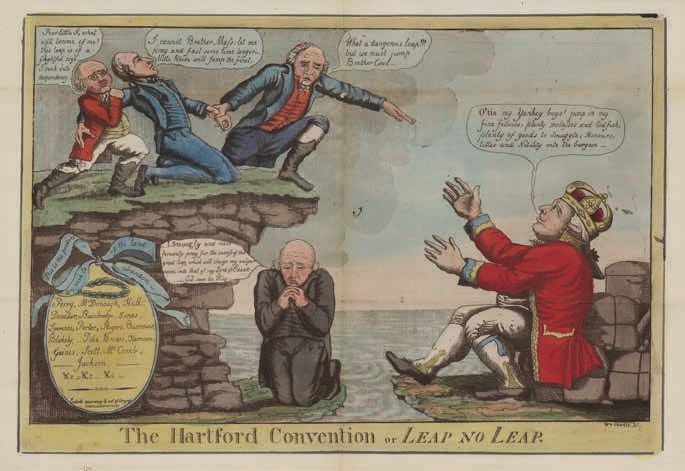
LOCATION & HOURS
             The Capitol Visitor Center, the public entrance to the U.S.
             Capitol, is located below the East Plaza of the Capitol between
             Constitution and Independence Avenues.

             Hours: The Capitol Visitor Center is open to the public from
             8:30 a.m. to 4:30 p.m., Monday through Saturday. It is closed on
             Thanksgiving Day, Christmas Day, New Year’s Day, and
             Inauguration Day.

             Official Business: Visitors with official business appointments
             may enter the Capitol Visitor Center as early as 7:15 a.m.

             Accessibility: Listening devices with audio description of
             the U.S. Capitol tour orientation film and Exhibition Hall
             are available at the Information Desks. Visitors may request
             wheelchairs at the North Coat Check located on the Upper Level
             or from Capitol Visitor Center staff. All restrooms are accessible.

             International Visitors: Visitors may request listening devices
             for foreign-language versions of the U.S. Capitol tour orientation
             film and the Exhibition Hall audio tour at the Information Desks.

             Twitter @visitthecapitol
             www.visitthecapitol.gov

             Thank you for visiting the U.S. Capitol.
             Your feedback is important to us. Share your experience at
             www.visitthecapitol.gov/comments
             or text “Capitol” to 313131 Message and data rates may apply.

             On the Cover: (clockwise) British Burn the Capitol, 1814 (detail), oil on canvas by Allyn Cox,
             1973–1974; H.R. 14, An Act to make The Star-Spangled Banner the national anthem of the
             United States of America, April 21, 1930; and The Hartford Convention or Leap No Leap,
             etching by William Charles, ca. 1814

CVC#14-018                                                                                                    www.visit the capitol.gov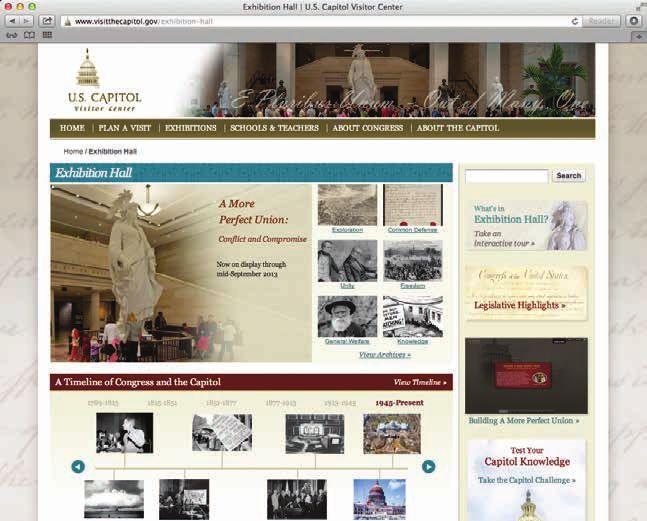
You can also read


