Copyright 2020 by Linda Goldman - End of Life University
←
→
Page content transcription
If your browser does not render page correctly, please read the page content below

Copy
   right© 2020byLi
                 ndaGol
                      dman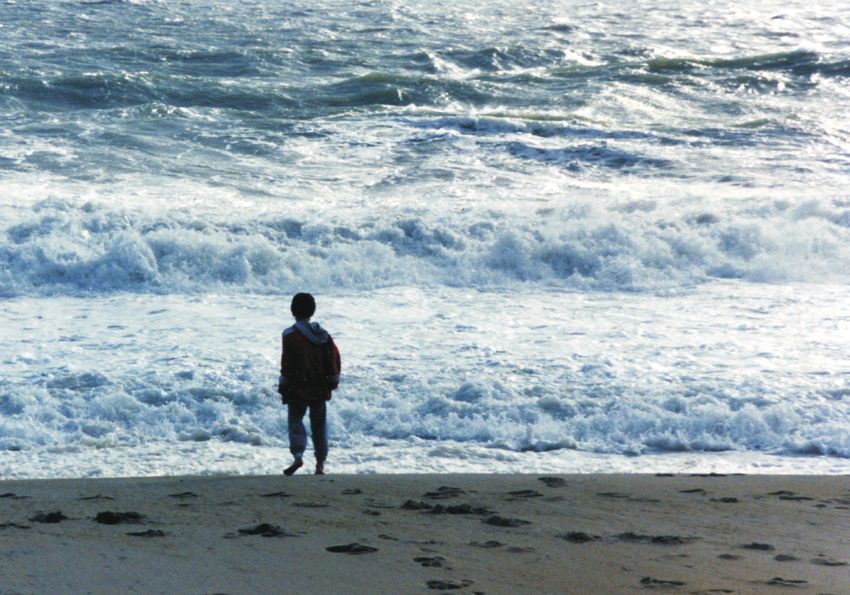
Copyright © 2020 by Linda Goldman

A strong tree grows from a carefully tended sapling.
The education of people begins with youth.
                                     – Popular proverb
Contents
Henry’s Story . . . . . . . . . . . . . . . . . . . 9
My Memory Book . . . . . . . . . . . . . . 51
Sharing Grief with Words. . . . . . . . . 70
For Caring Adults . . . . . . . . . . . . . . . 73

Bibliography                                      78
About Linda Goldman                               79

Henry’s Story

         Hi. My name is Henry.
         Grandfather has died and I am
         very sad. I live with my friends
         Ling, Suzie, and Yili. Tashi and
         Sam live nearby.
         This is the story of our grief
         and the ways we have learned
         to heal.

                                            9
This is Ling. He is five      This is Suzie. She is Ling   This is Yili. He is the
     years old. He is the little   and Yili’s sister. She is    older brother of Ling
     brother of Suzie and Yili.    fifteen years old. Even      and Suzie. He is sixteen
     He has been sad since         though Grandfather died,     years old. He is angry
     Grandfather died and          she is still happy and       that Grandfather died.
     doesn’t feel like playing     likes to sing and dance.
     ball anymore.

10
This is my friend Tashi. She lives next        This is Sam. He lives across the street
door to me and visits a lot. I can talk to     in a big brown house. Tashi and I used
her about my feelings about Grandfather        to chase Sam. When Grandfather died
and she will listen.                           it didn’t seem like fun anymore.

     Ling, Suzie, and Yili are grieving the death of their grandfather. Grandfather
     lived at home with them and their mom, dad, and me until he died. Tashi and
     Sam miss him too. We all miss Grandfather very much.
                                                                                         11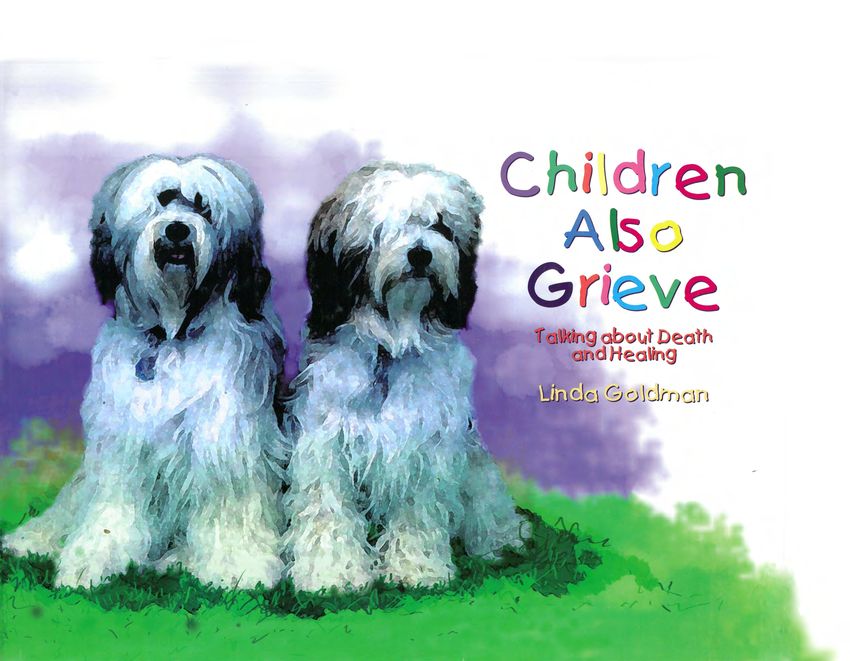
12

Sometimes it’s hard to talk about death. But death is a part of life. It is a natural
part of life. We are born, we live, we grow old, we die. This is natural.
Life has many changes, just like the seasons. Animals, plants, and people die.
New animals, plants, and people are born, and life continues.
Grandfather died in winter. It felt cold and lonely.
I tried to play in the snow with my friend
Tashi so that I would forget about how bad I
felt. But I still felt bad. Playing with Tashi
didn’t seem like fun anymore. Nothing did.
Winter felt long and I felt empty inside. I
didn’t want to dig, or chase Sam the cat, or
even bury a bone. My heart hurt.
I thought the sun would never shine again.

                                                                                        13
Then springtime came.
                 I began to feel better. Yili
                  told me it was ok to feel
                   better. I could still love
                   Grandfather and miss
                    him, but I could start to
                    be happy again too.
                    We began taking walks
                    by the lake. It was so
                    pretty.

     We decided to plant pink spring flowers for
     Grandfather. Pink was his favorite color.

14
Can you tell me what you think death is?
I think death is when the body stops
working. Usually people die when they are
very, very old, or very, very sick, or so
injured that the doctors and nurses can’t
keep their bodies working.
15When someone dies…
…they can’t eat candy
…they can’t watch TV
…they can’t sing
…they can’t play
…they can’t breathe.
Their body doesn’t work anymore.
Ling wanted to know how Grandfather died. Mother said he was very, very
old, and got very, very sick. He went to the hospital because he was feeling
very sick. His heart stopped working, and he died.
16People can die in many ways…
They can get hit by a car or crash in a plane. They can die from a serious illness.
They can die of old age.
They can decide to make their body stop working
and kill themselves. This is called suicide.
They can fall off the roof or drown swimming.
Someone else can kill them.
They can be soldiers and get killed in war. This is called murder.
How did the person you knew die?
1718
When someone dies, we grieve. Grief can be feelings of sadness, anger, worry,
fear, and loneliness. Many people have these feelings after the death of a person
they care about.
Sometimes grief hits me like waves from the ocean. I never know when a wave
of grief will hit me or how it will make me feel. A bird flying, a song on the
radio, or a beautiful butterfly can suddenly remind me that Grandfather is not
here anymore. I might burst into tears or bark at a friend.
Often I feel like hiding my feelings because it seems no one understands, or I’m
worried that people might make fun of me. I don’t like to feel different.

 Are there any feelings you hide? Tell me what they are.

                                                                                    19
I am worried about my friends Ling, Suzie, and Yili. Ling used to play ball with
me, and we would all go for long walks in the park. Now Ling feels too sad
because Grandfather has died.
Have you ever felt too sad to play? What made you feel so sad?
20Once I felt angry at Grandfather for dying. Then I felt ashamed for feeling like
that towards Grandfather.
Have you ever felt ashamed about a feeling you’ve had towards the person
who died? Tell me about it.
21Sometimes we get angry when someone dies, and feel like yelling or screaming
or even hitting someone. Angry feelings are ok.
Yili is my big friend. He is sad and angry too. Yili yelled at me for lying on his
bed with muddy paws. He had never done that before. He said he was sorry
and wanted to think of some ways to let out his anger without hurting himself
or someone else.
What makes you angry?
22Here are some things you could do when you are angry…
Tell someone why you are angry.
Go outside and run like the wind.
Write an angry letter about how you feel.
You don’t need to send it.
Yell in the shower.
Play football.
Talk to a friend.
Punch a ball or pillow.
What can you do when you feel angry?
23Suzie is Ling and Yili’s sister. Since Grandfa-
ther died, Suzie still acts happy. She laughs,
sings, dances, and says she feels fine.
Everyone grieves in different ways. This is ok.
There are days when I feel like I’m in a cage
with no way to get out. I feel trapped with
all of my feelings and thoughts.
Do you ever feel trapped with your feelings and thoughts, and don’t
know how to let them out? Tell me about them. It may help you to feel
better.
24Everyone gets scared at times. Suzie told me she got
frightened that her mom and dad would die too,
and didn’t know who would take care of her. This
scares lots of kids.
Is there something that scares you? Tell me
about it. Sharing something that scares you can
take some of the fear away.
25Feelings can live in our bodies and hurt
like aches and pains. We might get
headaches or stomach aches, or we
could even feel dizzy. Some people
can’t eat or sleep.
Where in your body do you feel your feelings? Tell me about them.
26Sometimes I think it was my fault Grandfather died. If only I had taken better
care of him, given him more medicine, or not let him go out in the cold. One
time I got angry and growled at Grandfather for moving so slowly, and maybe
that made him even sicker.
Do you have any “If onlys”? – things you worry may have caused the
person you knew to die. What are they?
It is important to know that people can’t die because of what we think, say,
or wish. Death is not like magic. Our thoughts and feelings don’t make
people die.
27Sometimes I think about the friends I can talk to when I’m feeling sad, or
angry, or scared, or lonely. I remember that Tashi is my best friend, and I feel
better when I share my feelings with her.
We can share grief with… …teachers
dads cles
…moms an
d …aunts and un
…babysitters
ers
…cousins …sisters and broth
…friends and neighbors
r nature …and even
…God, a spirit, o pets.
Who can you share your grief with?
28How do you share your grief ?
How does it make you feel to share your grief ?
Sometimes it feels good just to ask
for a hug.
29Often I wonder where Grandfather is. I look
at the sky and I can almost see his face in the
clouds or hear his voice in the wind.
What do you wonder about?
30Have you ever felt that the person you knew who has died was with you in
some way? Maybe a breeze that blew against your cheek or a beautiful
butterfly that rested on a flower. What was that like? Tell me about it.
When the doorbell rings, sometimes Tashi and I wonder if it is Grandfather at
the door. Although we know it can’t be him, we still wonder.
31Ling told me he had a dream about
Grandfather. He said Grandfather was
running with me in a big field, and
then he lay down with me in the grass
and looked at all of the beautiful
flowers. It made me feel good to hear
Ling’s dream about Grandfather.
Have you ever had a dream about your special person? Tell me about it.
32Ling, Suzie, Yili, and I had many questions after Grandfather died…
that I know? Why do I feel so bad?
n yo n e e ls e
Will I die, or will a
d id G ra n df at he r die?
What happens Why
after someone dies?
Did Grandfather suffer?
a ndfather?
Is it ok to talk about Gr
m y f a ult G ra n df at her died?
Is it
? ?
? What questions do you have about the person who died? ?
?
33“Where is Grandfather?” is one question I have.
Some people say Grandfather is in heaven, others say he is with God. One of
my friends told me Grandfather might come back again in another form –
maybe as a plant or animal, or as another person. Tashi said Grandfather is
buried in the ground and he helps the plants and animals to grow.
Grandfather would say life and death are mysteries. There may be more to
understanding the world than we can possibly imagine.
Where do you think the person you knew is now?
34Life is different after someone dies. Tashi and I played tag
and chased the neighbor’s goose before Grandfather died.
After he died I felt tired a lot and just wanted to rest.
I needed to be alone in a quiet and
peaceful place. I would often sit in
Grandfather’s chair when I missed
him. It helped me.
When Yili missed him, he visited Grandfather’s grave.
Suzie wrote poetry. Ling sat with me. Sam took naps on
Grandfather’s bed. Tashi listened to music that reminds
her of Grandfather.
3536
Sometimes I would sit by the water, feel the breeze on my face, and watch the
fish swim by.
Other times I felt safe and protected inside a shelter by the lake.
I listened to the birds chirping, and it reminded me of Grandfather
singing to me.

 Where do you go to feel safe and peaceful?

 Tell me about your peaceful place.

                                                                                37
Tashi came over to take me to a friend’s
birthday party. I decided not to go.
I didn’t want to be around anyone.
She said that was ok.
This made me feel better.
The next week Tashi came back
and asked if we could play.
This time I said yes.
38Tashi said it was ok to miss Grandfather and still have fun.
We played hide and seek. I stayed very still behind the bushes.
39We pretended to be statues. That was a fun game.
It felt good to laugh again. Grandfather would
have laughed too. He loved to watch us play.
What do you do to have fun?
4041
A friend is someone who listens and understands. Tashi is my friend and I
     know I can trust her. She helps me by letting me share a memory or just by
     sitting with me without saying anything.

      Who are your friends?

      Tell me about a time you shared a memory with a friend.

42
After Grandfather died, I shared memories with my family too.
I learned so much about Grandfather, and it felt good to
talk about him.
Ling said Grandfather loved to fly kites with him.
Suzie said Grandfather told her wonderful stories at bedtime.
Yili said Grandfather taught him to fish.
I said Grandfather gave me treats.
43We can share memories in many ways.
We can make a memory book.
A memory book is a special place to write or draw memories about a person
who has died. The second half of this book is blank for you to fill in and use as
your own memory book, but if you want to make your own you can write in a
blank scrapbook or ask your mom or dad to help you make one.
We can make a memory table of special items that remind us of the person
who has died. Just lay a tablecloth over a table and place your special objects on
the cloth. You might like to take a photograph of them.
Ling put Grandfather’s hat on the table.
Suzie added Grandfather’s pipe.
Yili brought out Grandfather’s clock.
We put Grandfather’s favorite roses in a vase.
44We can also make a memory mural, collage, or video.
We can make a memory photo album of our life together. We can write a
story about it. Collect as many photos as you can of the person who has died.
Put these into an album or a scrapbook. You can write messages to remind you
when the pictures were taken and what they mean to you.
We can make a memory box and decorate it with pictures and things that remind
us of the person who has died. You could paint an old shoe box or a cardboard box
and decorate it with stickers or drawings. Then put something special inside that
reminds you of your special person. Yili put in Grandfather’s watch.
45Yili, Suzie, and Ling did some things to remember Grandfather…
They went to his funeral.
They drew a picture.
They planted flowers.
They lit a candle.
They wrote a poem. They sang Grandfather’s favorite song.
They sent off a balloon.
46I like to remember Grandfather. I use rituals to remember. Rituals are things I
can do to help me remember Grandfather in nice ways. Here are a few favorites.
Some of my friends like to say a prayer, draw a heart, write a story, or look at a
photograph. I like to make paw prints in the snow.
What rituals do you use to remember your person? Tell me about them.
4748
Special birthdays and holidays can remind us of the person we knew who has
died. We can use rituals to remember them on these days. Yili, Tashi, and I
decided to fly a kite with an “I Love You” note attached on Grandfather’s
birthday. The sky was glowing that morning.

 What are your family rituals for special days?

 Did you get to say goodbye to the person you knew who died?

Tashi and I went to Grandfather’s funeral. We got to say goodbye, tell him we
love him, and thank him for loving us so much.
Now I know I can talk about Grandfather and share my memories of him. It
helps me to feel better when I miss him.

                                                                                49
Grandfather will always be a part of me. He lives in my heart.
♥
♥
♥
♥
♥ ♥
♥
50This part of the book is for you to fill in about your special person.
My Memory Book
My name is ……………………………I am …… years old.
This is a picture of me:
51My special person is ……………………………
Here is a picture of my special person:
…………………………… was born on ……………………………
and died on ……………………………
52…………………………… told me that ……………………………
had died.
…………………………… died because:
This is how …………………………… died:
53Memory projects can help us to remember a person.
We can make a memory table.
This is what I would put on my memory table:
We can make a memory box.
This is what I would put inside my memory box:
54We can make a memory photo album.
Here are some pictures of my life:
55My favorite memory is:
My funniest memory is:
If I could have one wish it would be:
If I could say one more thing to …………………………… it would be:
56Sometimes I feel like writing a letter to ……………………………
Here’s what I would say:
Dear ……………………………
Love from
……………………………
57Here is a picture of my family:
Their names are ……………………………
……………………………
……………………………
This is how each person in my family grieves:
58This is a picture of my family before …………………………… died:
This is a picture of my family after …………………………… died:
59Here is a picture of the friends I can talk to about my grief:
These are their names and telephone numbers:
Name Telephone number
…………………………… ……………………………
…………………………… ……………………………
…………………………… ……………………………
…………………………… ……………………………
60Here is a picture of my favorite pet:
This pet’s name is ……………………………
This is the way my pet helps me grieve:
61Here are some feelings kids have when they are grieving. Circle the ones
you have felt since …………………………… died.
Sad Worried Sorry Guilty
Lonely Happy Revengeful Hopeful
Unprotected Scared Shocked Surprised
Angry Ashamed Wondering Nervous
I have lots of feelings.
Right now I am feeling……………………………………because:
62This is how I would draw or write about the following feelings:
Sad Angry
Scared Happy
Guilty Confused
63This is something I worry about:
Here are my five main worries:
1.……………………………………
2.……………………………………
3.……………………………………
4.……………………………………
5.……………………………………
64One thing I am sorry about is:
One thing I am hoping for is:
65Circle something you want to do for your person:
Plant a flower Send off a Write a poem
Or do something special such as:
66These are the things I really liked about …………………………… :
This is something I learned from …………………………… :
67I went to the funeral. This is what it was like:
If I could say goodbye now, I would say:
68♥
…………………………… will always be in my heart.
69Sharing Grief with Words
Casket or coffin is a box that a dead Faith is the belief that life will be ok
person’s body is placed in. It is then again.
buried in the ground.
Friends are people who listen and care.
Cemetery is a place where caskets and You can trust them and know they will be
coffins are buried. Many people are buried there for you if you need them. Animals
there. Pets can be buried there too. can be friends too.
Death is when a person’s body stops Funeral is a gathering of friends and
working. family where children and adults come
together to remember the person who has
Depression is a feeling of hopelessness died and say goodbye.
and sadness that doesn’t seem to go away.
70Grave is a place at the cemetery where the Revenge is a deep feeling of wanting to
casket with the dead body is placed. It is hurt someone because you think they hurt
marked with a name so friends and you.
relatives can visit it.
Rituals are behaviors we can use to
Grief is a feeling of sadness, anger, worry, express grief, for example, lighting a
fear, or loneliness after someone dies. candle.
Guilt is a feeling that it is our fault that Shame is feeling guilty about something
something has happened. we have done that we don’t want anyone
to know about.
Homicide or murder is when someone
makes someone else’s body stop working. Suicide is when someone makes his or her
own body stop working.
Memory is remembering something that
happened in the past. Trauma is something unexpected that
happens that might feel scary and bad.
71We are powerless to control the losses and catastrophic events our children may need to
face. But by honoring their inner wisdom, providing mentorship, and creating safe havens
for expression, we can empower them to become more capable and more caring human
beings.
Linda Goldman
Raising Our Children to Be Resilient (2005)For Caring Adults
Sometimes it is difficult for parents, educators, and other Common signs of grief
caring professionals to talk to children about grief and loss. Adults and children need to gain an awareness of the
Often adults may consciously or unconsciously inhibit common signs of grief in order to feel reassurance, reduce
children from expressing feelings due to their own anxiety, and normalize the experience of death. Educators,
discomfort or inability to speak of death. For many girls counselors, clergy, parents, and other caring professionals
and boys it may be easier to talk with a fictional character can identify these signs as a “cry for help”. Girls and boys
or imagninary friend about their private emotions. learn that they share common forms of expressing
Children Also Grieve opens the discussion of grief-related thoughts and feelings and that these thoughts and
issues with vocabulary that children can understand. The feelings are often similar to those of other bereaved
storyline is simple and characters are familiar to children, children. The following are common grief responses.
and Henry explains his thoughts and feelings about the Grieving children:
death of Grandfather in child-friendly terms.
• tell and retell their story
Henry defines death for children as “when the body stops
working” and speaks of the sadness, anger, fear, and
• are preoccupied with death, their own health, and
loneliness the loss of a loved one can bring. He also speaks the health of their friends and family
of healing and the ability to enjoy life and still love Grand- • speak of the person who has died in the present
father. Henry knows he can carry Grandfather in his heart. tense
73• feel the presence of the deceased loved one himself at the center of the universe, capable of creating
and destroying at will the world around him. He blamed
• tend to imitate and idolize their loved one who has
himself, saying over and over again that he knew his
died
“words made his brother die.” This is an example of a
• become the class clown, class bully, or withdraw common reaction to bereavement in young children: they
from others feel that they have been the cause of a loved one’s death.
• show an inability to concentrate, and appear to Mira, a six-year-old whose dad also died in an car
daydream accident, visualized death as reversible and thought her dad
• experience nightmares, bedwetting, or regress and was going to come back. She wrote a letter to her dad and
become clingy sent it in the mail to heaven. She waited and waited for a
letter back, even though she knew her dad was killed in
• complain of stomach aches and headaches the crash.
• yearn to be with the deceased loved one. Children between the ages of seven and twelve are
generally a part of the concrete operational stage of
Children’s view of death cognitive development. This means that they want to
know facts about how their person died. They have a
The Swiss educator Piaget explained that young children –
more realistic concept of time, and are beginning to
sually between the ages of two and seven – are categorized
develop their spiritual belief system.
as part of the pre-operational stage of cognitive develop-
ment. During this stage, girls and boys exhibit magical Jimmy is an eight-year-old whose magical thinking
thinking, egocentricity, reversibility, and causality in the convinced him that he had killed his mother. He
way they view death. explained that his mother picked him up the night she
had her heart attack – he was four. “If she hadn’t done
Children think their words and thoughts can magically
that, she wouldn’t have died. It’s all my fault,” he said. In
cause a person to die. Adam screamed at his older brother,
this stage of their development, children want to know
“I hate you and I wish you were dead!” He was then
more about the person who has died. Explaining the
haunted by the idea that this wish created his brother’s fatal
medical facts to Jimmy was very helpful. He learned what
car accident. Adam’s egocentric perception meant that he saw
74caused his mother’s heart attack. Being overweight, not Tammy heard Mom say, “Sweets can kill you.” She
taking medication, and smoking cigarettes were important thought Aunt Margaret died from eating too much candy.
factors. Using age-appropriate facts as a reality check had a
Five-year-old Ned wondered, “Grandma said God loved
comforting effect on Jimmy.
Grandpa so much he took him to heaven. Doesn’t God
love me that much?”
Clichés that inhibit the grief process “Grandpa went to heaven,” Alice thought. “Why can’t I go
Children often take language literally. They need direct and too?”
simple language explaining death. When defining death for
the young child we could say, “Death is when the body
stops working. Usually someone dies when they are very, The nature of the grieving child
very old, or very, very sick, or their bodies are so injured Grieving children need to feel that they are being heard
that the doctors and nurses can’t make their bodies work and understood. Many sensitive issues will arise, and
again.” The following are examples of children’s reactions feelings of worry, sadness, rage, terror, shame, abandon-
to common clichés that can hinder the grief process. ment, and guilt may emerge. Children Also Grieve helps
adults to create a safe environment that meets the needs of
Grandmother told Jen, “Grandfather went on a long trip.”
all grieving children, giving them the freedom and
Jen questioned this: “Why didn’t he say goodbye and why
security to express thoughts and feelings, and to feel that
didn’t he take me with him?” She waited for him to come
they are listened to in the process.
back.
Six-year-old Nancy expressed great anger at Mrs. Lee, her
Lin heard in nursery school that her friend, Sumi, lost her
teacher, for her lack of acknowledgement of Nancy’s
mother. “How could she lose her?” she asked in a panicked
father’s death. After the first week of school she bravely
voice. “She was so big.”
told Mrs. Lee that her father had died of cancer. Mrs. Lee
“Do you think Dad is watching over me?” Jon asked. “I never responded to her, and Nancy waited and waited for
hope not. That is too embarrassing.” a reply.
“Mom said they put our dog Lucky to sleep. Will I die Every child is unique and so is the way he or she grieves.
when I go to sleep too?” asked four-year-old Sam. A helpful attitude is one that allows the child to be the
75expert: “Teach me about your grief and I will be with you.” Suggest letter writing as another tool that allows children
So often, we as adults try to prescribe to children how they to express unrecognized feelings.
should think and feel, instead of allowing them to tell us
Recommend drawing as a means of expressing unacknowl-
where they are in their grieving process.
edged feelings. Children can create pictures of how they
visualized their loved one dying, of the hospital or funeral
How to help children express grief scene, or their image of where their loved one is now.
Share the experience of looking at family pictures in order Promote support groups for children and families as a way
to open a dialogue and allow the expression of memories. to share memories and not feel alone throughout the grief
Allow children to tell their story over and over again. Using process.
tools such as writing, role-playing, and re-enactment, boys Create rituals that allow children and their families to
and girls can safely project feelings and thoughts about express their grief. Making Grandmother’s favorite recipe,
their loss, and may feel some relief from expressing their visiting Uncle Joe’s grave together, or singing Aunt Betsy’s
inward thoughts outwardly. favorite song helps girls and boys share their memories
Provide reality checks such as allowing the child to call their with others.
surviving parent during the school day or visit the school Become a grief team by including the child as a recognized
nurse. These interventions reassure girls and boys that they mourner. Adults can model memories and share the child’s
and their family are ok. Grieving children are often preoc- grief, allowing children to safely express their thoughts
cupied with their own health and the health of their loved and feelings.
ones.
Encourage memory projects where the child creates physical Conclusion
objects in order to remember his or her feelings and share
Many young people will experience grief and trauma
them. A memory book is a collection of feelings and
throughout their childhood. They need caring adults to
thoughts conveyed through artwork, poetry, and story-
create an oasis of safety to explore these sensitive experi-
telling that allows the child to re-experience memories in a
ences. School violence, war, terrorism, and global unrest
safe way. It serves as a useful tool to enable children to talk
may act as traumatic triggers for many of the pre-existing
about the person who has died and to open discussion.
76grief issues of our children. These pre-existing grief issues standing of themselves and allow the adults around them
may have arisen from sudden fatal accidents and deaths due a deeper insight into their grief process.
to illness, suicide, and homicide.
“What we can mention, we can manage.” If we, as caring
There are also many non-death related issues that have a and educated adults, are incapable of discussing important,
similar effect on children. Loss of family stability owing to and to some degree universal, life issues, how then are
separation and divorce, violence and abuse, unemployment, children to learn how to discuss them? Who will model
bullying and victimization, foster care, multiple relocation, such thoughts for them? If professionals and parents
parental imprisonment, sexuality and gender issues, military provide grief vocabulary, resources, and educational inter-
deployment and service, and family alcohol and drug ventions, they can create a safe haven for expressing these
addiction are a few of the many grief issues that may affect profound and difficult life issues.
a child.
Children Also Grieve can become a bridge of communica-
Grief feelings and thoughts are continuous and ever- tion between the world of fear, isolation, and the
changing, inundating children’s lives like waves on the loneliness of grief to the world of truth, compassion, and
ocean. Thoughts and feelings may arrive without warning, dignity for the grieving child. This book enables children
and children may feel unable to cope with their enormity in and the caring adults around them to recognize the pre-
a home or school setting. When children can express ciousness of life, the endurance of love, and the
previously hidden emotions, they gain a greater under- importance of thoughtful listening.
77Bibliography This is a clearly written guide for adults to help children and teens
with complex grief issues. It includes specific chapters on suicide,
Resources for children homicide, AIDS, violence and abuse, guidelines for educators,
A Terrible Thing Happened: A Story for Children Who Have Witnessed national resources, and an annotated bibliography.
Violence or Trauma by M. Holmes. (2000) Washington, DC:
Magination Press. Life and Loss: A Guide to Help Grieving Children, Second Edition by L.
Goldman. (2000) New York, NY: Taylor and Francis.
Sherman explains something terrible has happened to him and learns
This is a practical and comprehensive resource for caring adults
to talk about it. (Ages 5–9)
working with children’s issues of grief and loss. It provides informa-
After a Murder: A Workbook for Grieving Kids by The Dougy Center. tion, resources, hands-on activities, a model of a goodbye visit for
(2001) Portland, OR: The Dougy Center. children, and an annotated bibliography.
This is a useful workbook for children who have experienced a
Lost for Words: Loss and Bereavement Awareness Training by J. Holland,
murder. (Ages 8–12)
R. Dance, N. MacManus and C. Stitt. (2005) London: Jessica
Bart Speaks Out: Breaking the Silence on Suicide by L. Goldman. (1998) Kingsley Publishers.
Los Angeles, CA: Western Psychological Services. Lost for Words is an innovative “loss awareness” training package
This is an excellent, user-friendly, interactive storybook for children designed for teachers and caregivers supporting children who are
on the sensitive topic of suicide. (Ages 4–9) experiencing bereavement, be it through death or any other kind of
loss.
Be a Friend: Children Who Live with HIV Speak by A. Best, P.A. Pizzo
and L.S. Wiener (1994) Morton Grove, IL: Albert Whitman & Co. Raising Our Children to Be Resilient: A Guide to Helping Children Cope
This is a wonderful book written by children with AIDS and those with Trauma in Today’s World by L. Goldman. (2005) New York,
who work with them. (Ages 5–11) NY: Taylor and Francis.
This is a complete resource on traumatic grief in today’s world,
Everything Changes, But Love Endures: Explaining Hospice to Children by K. including children’s voices on events such as war, terrorism, school
Carney. (1999) Wethersfield, CT: Dragonfly Publishing. violence, and bullying, with age-appropriate resources and interven-
This is a helpful resource for young children that provides age-appro- tions. It highlights family, school, and community resources that
priate explanations about hospices. (Ages 4–9) empower children to enhance their natural resilience.
Without You: Children and Young People Growing Up with Loss and its
Resources for adults Effects by T. Granot. (2005) London: Jessica Kingsley Publishers.
Breaking the Silence: A Guide to Help Children with Complicated This book provides practical and sensitive advice on supporting
Grief/Suicide, Homicide, AIDS, Violence, and Abuse, Second Edition by grieving children. Granot explores the consequences grief can have
L. Goldman. (2001) New York, NY: Taylor and Francis. on children’s development, and discusses unresolved loss for adults.
78About Linda Goldman TAPS (The Tragedy Assistance Program for Survivors) of a
military death. She is a past board member of ADEC (Asso-
Linda Goldman is a Fellow in Thanatology: Death, Dying, ciation for Death Education and Counseling).
and Bereavement (FT) with degrees in counseling and early
childhood education. She is a Licensed Clinical Professional In 1998, The Washingtonian Magazine named her as one of
Counselor and a National Certified Counselor. the top therapists in the Maryland, Virginia, and District of
Columbia area and, in 2001, the same publication recom-
Linda has a private grief therapy practice in Chevy Chase, mended Linda to people in need of therapy after the 9/11
Maryland, working with children, teenagers, families with terrorist attacks in New York. She was actively involved in
prenatal loss, and grieving adults. She presents workshops organized responses to the trauma that followed the attacks,
and courses on children and grief and teaches as an adjunct conducting workshops and writing a number of articles. In
professor on the Graduate Counseling Program at Johns 2003, Linda received the ADEC Clinical Practice Award.
Hopkins University.
Linda Goldman is the author of Life and Loss, Breaking the
Linda has worked as a consultant for Head Start, the national Silence, Raising Our Children to Be Resilient, and Bart Speaks Out.
program helping to address the needs of disadvantaged
children and their families, and currently serves on a number Linda lives with her husband Michael, son Jonathan and
of advisory boards: SPEAK (Suicide Prevention Education their two wonderful Tibetan Terriers, Henry and Tashi, in
Awareness for Kids), RAINBOWS for Our Children, and Chevy Chase, Maryland.
79You can also read


