Courses of Study Guide 2021 Junior School - Year 9 and Year 10 - King's College
←
→
Page content transcription
If your browser does not render page correctly, please read the page content below
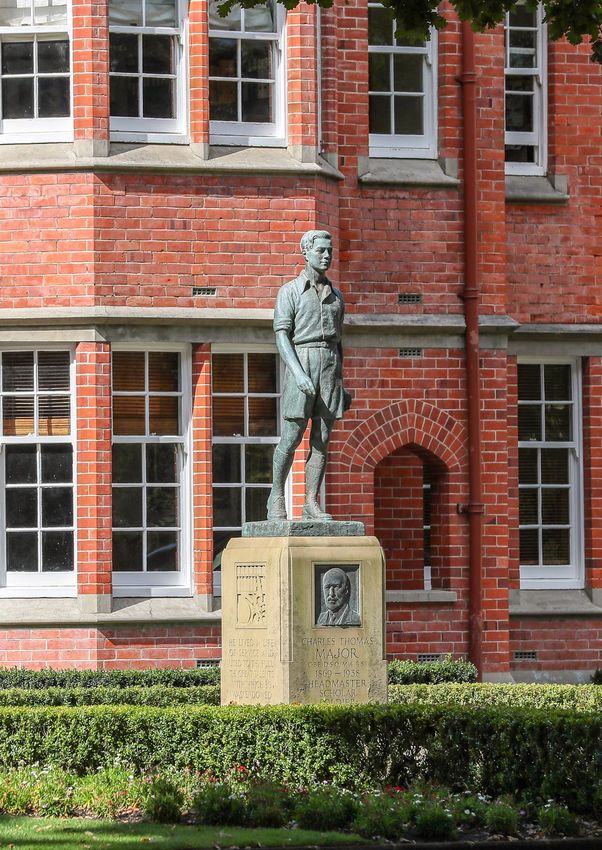
Courses of Study Guide 2021
Junior School
Year 9 and Year 10


Contents
     Junior School curriculum                                   4

     Teaching and Learning at King’s College                    5
     E-learning                                                 7
     Support for learning                                       8

     Advice from the Careers Centre                            10
     Parents as career educators                               11
     How to select your subjects                               12

     Arts and Technology                                      14

     English                                                  15

     Financial Literacy                                       16

     Health and Physical Education                            17

     Languages                                                18

     Māori Studies                                            19

     Mathematics                                              19

     Religious Education                                      20

     Science                                                  20

     Social Studies                                           22

     Sports Development Programme                             23

     Year 10 Adventure Challenge                              24

		          King’s College | Junior School Courses of Study | 2021   3
Junior School
 curriculum

 We have developed a curriculum for our Year 9 and            All Year 9 and 10 students have the opportunity to be
 Year 10 students that aims to give them the strongest        selected for a Sports Development Programme.
 possible foundation for their senior studies at
                                                              All Year 10 students will also participate in the
 the College.
                                                              ‘Adventure Challenge’ – a month-long outdoor
 Our two-year Junior School curriculum aims to provide        education programme which takes them away from
 a base from which students can venture into senior           home and school. The Adventure Challenge is part
 courses and beyond. The curriculum covers the core           of our commitment to providing the best all-round
 learning areas and is compulsory to ensure that all of       education and provides our students with educational
 our students have a wide range of options open to them       and character development experiences to help
 when they come to select their senior school courses.        advance personal responsibility, health and well-being,
                                                              community, leadership development, civic engagement
 King’s College values the study of languages and taking
                                                              and stewardship for King’s College.
 a language is compulsory at Year 9 and 10. Students are
 able to choose which language they want to study from
 French, Spanish and Te Reo language options.
 We aim to challenge our students and encourage
 them to reach their academic potential. To provide
 extension opportunities selected Year 9 and 10 classes
 will take Latin as a compulsory subject and will select an
 additional language option.

 Year 9 and Year 10 Subjects
 Year 9 students follow a compulsory course of subjects and select one language option. Year 10 students follow a
 compulsory course of subjects, continue with their Year 9 language and choose two options from Arts and Technology.

   Year 9                                                      Year 10

   Arts and Technology                                         Arts and Technology
   (Art, Drama, Music, Technology)                             (Art, Coding, Drama, Music, Technology, Advanced Latin)
                                                               or
   English                                                     Sport (full year programme)

   Financial Literacy                                          English

   Languages (either French, Spanish or Te Reo Māori)          Financial Literacy

   Latin (for selected classes)                                Languages (either French, Spanish or Te Reo Māori)

   Mathematics                                                 Latin (for selected classes)

   Physical Education                                          Mathematics

   Religious Education                                         Physical Education

   Māori Studies                                               Religious Education

   Science (Biology, Chemistry, Physics)                       Māori Studies

   Social Studies                                              Science (Biology, Chemistry, Physics)

                                                               Social Studies

4 
Teaching and Learning
at King’s College

Providing “the best all-around education it is possible to            The learning journey
obtain” is at the heart of the King’s College educational
                                                                      Our King’s College curriculum has been developed to offer
philosophy. Our goal is to prepare our students so that               the best possible learning pathway to meet the needs of
they can flourish in today’s rapidly changing world.                  every student.
Staff are dedicated to the development of our academic                We have a two-year school curriculum for Year 9 and Year 10
curriculum and co-curricular programmes and have                      students combining traditional academic subjects with a wide
worked productively to create exciting, challenging and               range of life and thinking skills. This gives our students a strong
worthwhile opportunities for all our students.                        base for the future.

Recognising that a successful education has many                      In Year 11 our students can access the National Certificate
different strands, we have identified eight key                       of Educational Achievement (NCEA) and the Cambridge
dimensions that communicate the King’s College                        International Examination (Cambridge) pathway. In Year
                                                                      12 and Year 13 they must choose between these two great
Teaching and Learning Philosophy.
                                                                      qualifications. We are proud to be offering this choice to
                                                                      our students.
Our all-round educational philosophy
                                                                      As students progress to more senior levels at King’s they will
Founding Headmaster, Graham Bruce, determined that King’s
                                                                      also have more choice of subjects. We encourage our students
College should “provide the best all round education it is possible
                                                                      to retain a broad range of subjects for as long as possible, giving
to obtain”. That commitment remains today and is now evident in
                                                                      them access to more opportunities when they come to consider
the eight key dimensions: learning, internationalism, democracy,
                                                                      future study options and other endeavours.
environment, adventure, leadership, service and spirituality. Each
of these dimensions guides our approach to learning and shapes
the environment we create for our students.
                                                                      A positive environment
                                                                      The commitment of our teachers, encapsulated with our
Every King’s student benefits from our all-around teaching and
                                                                      innovative Teaching and Learning Philosophy, has created an
learning philosophy. A student with an all-round education is
                                                                      environment that supports excellence.
a proficient thinker, capable of deep understanding and the
ability to apply their knowledge to different situations. They        Our class sizes are small allowing us to provide low pupil-to-
have a strong sense of who they are and are aspirational and          teacher ratios. This ensures our students benefit from greater
self-motivated. They value freedom of thought and speech,             individual attention in the classroom.
they see themselves as global citizens and they aspire to make
                                                                      All our students are encouraged to be self-motivated and are
a difference.
                                                                      encouraged to reach their highest potential.

          Students learn in calm and deliberately arranged learning environments that
          promote engagement. Students and teachers interact positively and with respect.
          Students demonstrate an enthusiasm for learning, and learning together.
          Education Review Office Report

                                       		                                King’s College | Junior School Courses of Study | 2021             5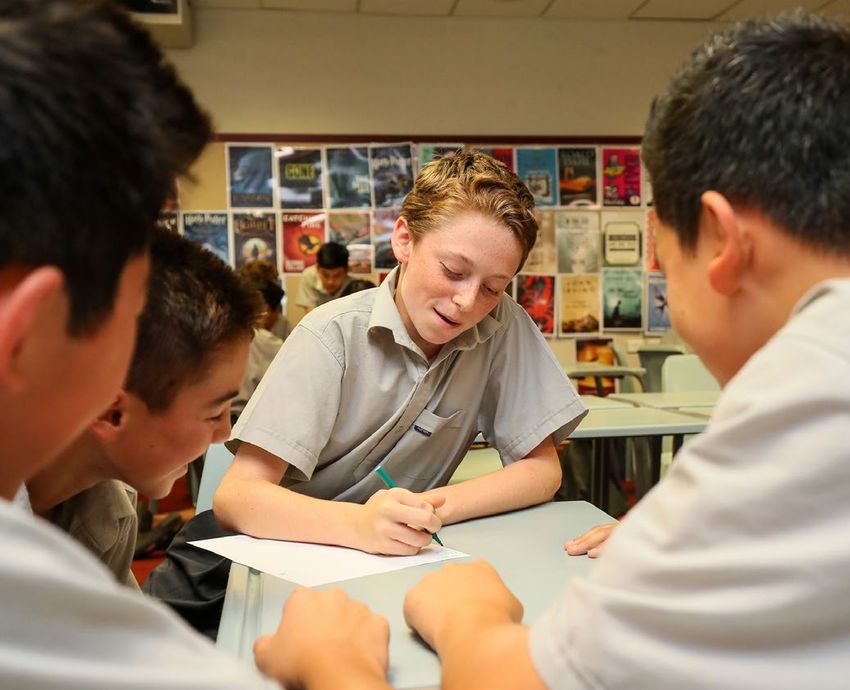
CURIOUS
Learning is a
consequence of thinking
WO
– and good thinking is
D
DE
RL
learnable by all students.
UN
D-
RO
Learning should involve
FO
-G
Students explore deep understanding,
CU
Students learn to see
LL
SE
who they are, the which involves the flexible themselves as global
WE
D
Anglican faith, have active use of knowledge. citizens and to look
a strong sense of beyond gender, class,
belonging and search race, nationality and
for meaning and culture to understand
LEARNING
purpose in life. human nature.
INT
ER
AL
NA
TU
TIO
IRI
NA
SP
LIS
M
Students come face-to-face
Freedom of thought
FAIR-MINDED
with the plight of those in
and speech are greatly
most need around the world DEMOCRACY
SERVICE
encouraged and appropriate
KIND
and discover how they can
forums and channels
make a positive and
of communication are set
sustainable difference
in place.
through service.
NT
LE
ME
AD
ON
ER
VIR
SH
Students learn that
IP
EN
true leadership is ADVENTURE Students learn about the
serving others and is fine balance needed to
found in those whose maintain a healthy
convictions are rooted interdependent relationship
Students take part in
in personal between human beings
activities that foster a
responsibility, kindness and the planet.
spirit of adventure and
E
IN
BL
and justice.
FL
allow students to discover
SI
UE
ON
that they are capable of
NT
SP
more than they might
IA
RE
L
have imagined.
COLLABORATIVE
6 
E-learning

At King’s College we are using educational technologies            Digital citizens
and our e-learning approach to transform the learning
                                                                   We are very conscious of the role we play as digital educators.
experience by making it more student-centred, more                 We want our students to be confident users of technology and to
dynamic and more accessible.                                       know how to use technology in the way that is most appropriate
Our teachers are using technology to give our students             to the task at hand.
access to new resources and new ways to learn. We are              Our teachers integrate the use of technology into classroom
also equipping our students with the skills to enhance             teaching and assignments, allowing students to learn about
their own study and research, by making smarter use of             different applications in a practical and useful way.
the technology that is available to them.                          These classes provide valuable skills they can apply in their
One of the key advantages of our e-learning approach               subjects, such as effective note-taking on digital devices and
is that it allows our staff to deliver more individualised         smart online search practices. Knowing how to access, navigate
                                                                   and differentiate information is a vital skill in today’s world and
learning opportunities and gives our students greater
                                                                   one which our students will continue to use in future study and in
control over their learning experience.
                                                                   the workplace.
Students are supported to learn at their own pace,
                                                                   Alongside teaching them how to access the advantages offered
allowing them to revise content they need to spend                 by digital technologies, we also educate our students to become
more time with, or to stretch themselves with additional           responsible digital citizens. Students learn about the risks,
readings and exercises.                                            responsibilities and etiquette of being a digital citizen.
Each student’s device enables our staff to reach them
with a range of learning resources such as course                  Prepared for the future
notes, videos, podcasts, revision exercises and online             To prepare our students for the increasingly complex work
publications, including a number of iBooks developed               environments of the future, we know it is essential to develop
in-house by our subject departments.                               their digital literacy and confidence. We recognise technology
                                                                   as an important platform and enabling tool for; creativity
                                                                   and innovation, critical thinking and problem-solving, and
                                                                   communication and collaboration, in our globally-connected
We are very conscious of the role we play as                       classrooms and offices.
digital educators. We want our students to be
                                                                   By building educational technologies into all aspects of our
confident users of technology and to know                          teaching and learning, we also ensure that our students can
how to use technology in the way that is                           access and make use of real-world, contemporary data, tools
most appropriate to the task at hand.                              and expert insights. We believe this is a valuable practice for our
                                                                   students to learn and apply in their studies and, ultimately, in
                                                                   their careers.

Technology requirements                                            Technology is constantly evolving and at King’s College our
                                                                   goal is to prepare our students with the tools and confidence to
All our students from Year 9 to Year 13 are required to bring an
                                                                   keep pace with that evolution. We are always looking for new
iPad Air or iPad Pro to school for their learning. Some subjects
                                                                   opportunities to use technology to unlock student potential and
also require a laptop depending on the software requirements
                                                                   expand the learning experience.
for their selected courses – these requirements are outlined in
the course descriptions in this guide.

All our academic courses are delivered to students’ iPads
through iTunes U, enabling them to keep up-to-date with their
coursework at any time and from anywhere.

                                       		                             King’s College | Junior School Courses of Study | 2021             7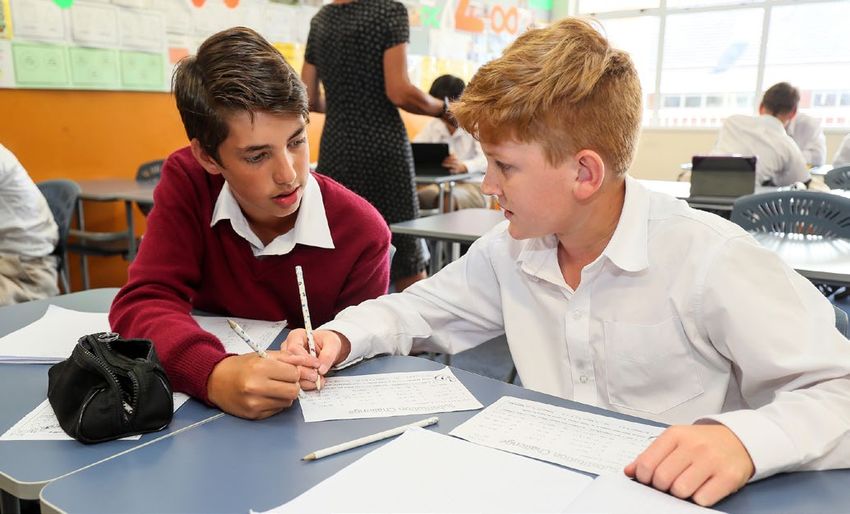
Support for learning

 King’s College is committed to promoting achievement, raising standards and to providing an environment that
 encourages all students to develop his or her abilities to the fullest. We aim to provide a rich education for every
 student, working with their talents and abilities, and take pride in celebrating their success.
 We believe that the role of the College is to provide a wide range of challenging learning opportunities that will
 enable each individual to realise their potential. It is also our role to support our students to meet the challenges we
 set for them.
 Different students will need different levels of support and we are committed to understanding the individual needs
 and circumstances of each student.
 Learning Support at King’s College focuses on five key elements to help students achieve their highest potential:
 communication, support, curriculum, achievement, and monitoring progress opportunities.

  Communication              • Identify and monitor a student’s needs at the earliest possible stage.
                             • Make teachers aware of additional/specific needs of the student they teach and provide support
                               for both the teacher and student to meet their needs.
                             • Involve parents at an early stage - parents are encouraged to be involved with their
                               child’s education.
                             • Close liaison with education assessment and learning support services and, where necessary,
                               social services, educational welfare and medical services.
                             • Develop adequate records that follow the student through the school, which are clear, factual, up
                               to-date and reliable.

  Support                    • Help students with their intellectual, emotional and social development, working with them to
                               develop their personalities, skills and abilities.
                             • Meet the particular social and emotional needs associated with students with a learning difference.
                             • Work for quality and equality of opportunity.
                             • Work to ensure students with a learning difference develop a positive self-image.
                             • Give students the pastoral support they need to maximise their potential.

  Curriculum                 • Provide lessons which take account of both the student’s ability and his/her learning difference.
                             • Continuously improve classroom-based provision for students with learning differences.
                             • Help students to reach their potential in all aspects of the curriculum by ensuring there is an
                               efficient system of identification, programme planning and monitoring.
                             • Provide a full and balanced curriculum that attempts to meet the learning needs of all students.
                             • Devise strategies for learning as part of a differentiated, extended and enriched experience.

  Achievement                • Raise students’ levels of achievement.
                             • Recognise under-achievement through appropriate teaching and learning programmes.
                             • Increase the level of engagement of all students.
                             • Enable students to reach their potential in all aspects of College life.

  Monitoring                 • Make use of learning analytics to interpret data from the College’s Learning Management System,
  Progress                     providing insights into each student’s learning behaviours and tracking their academic attainment.
                               This information assists in enabling teachers to provide personalised, targeted advice for each
                               student and helps to identify when and where extra learning support is needed.
                             • Share information about learning behaviours and academic attainment with students, encouraging
                               them to set goals and take responsibility for their own learning and achievement.

8 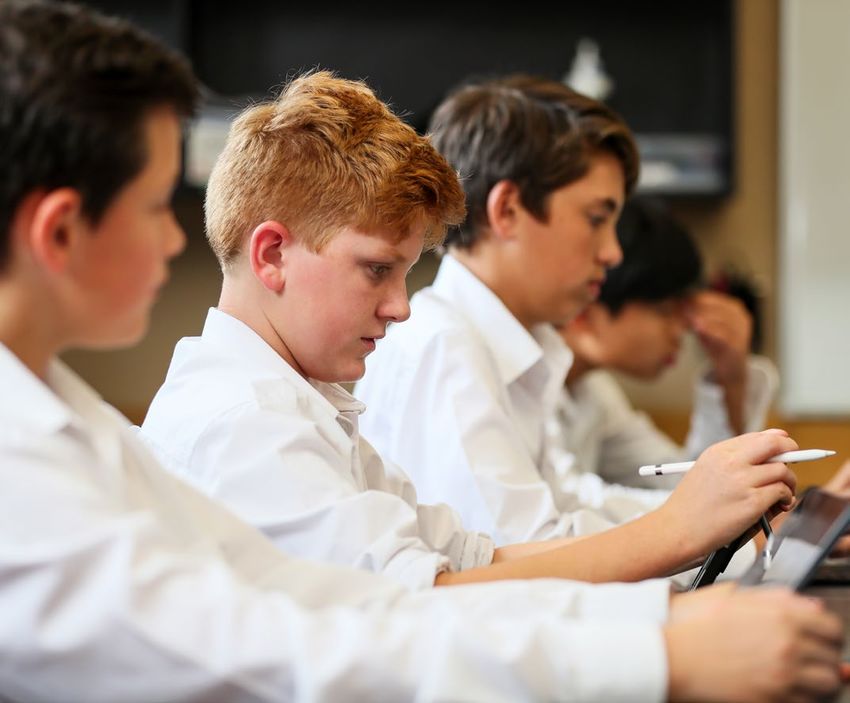
Learning Support

    Programmes                  Intervention               Tuition                     Services

       Special                    Numeracy              Tutor Services                   Library
assessment conditions
    Identification                                 • Study and test-taking
    and interview                                    strategies
                                   Literacy                                       Counselling services
                                                   • Mentoring of individual
                                                     learning programmes
International Students          Subject learning   • Effective reading skills        Careers Centre
• Weekend and after                               • Time-management
   school tutoring                                 • Skills for academic
                                                     success
                                                   • Executive functions
Software Applications
for Academic Support
• Online learning resources
• Educational software

      Scholars’                                    Generous staff-to-student ratios enable good
    Common Room
                                                   support for all students, including those
• Academic scholarships
                                                   with additional learning needs and talents.
• Specialist subject tutoring
                                                   Teachers have high expectations of student
• Scholarship examinations
                                                   behaviour and for their achievement.
• Tertiary placement
  – C entre of Oxbridge
  – Scholastic aptitude
     tests SAT)

       Specialised
• Individual learning
  programme

                                		                     King’s College | Junior School Courses of Study | 2021   9
Advice from the
  Careers Centre

  For each of our students, understanding where they
  want to go next in their studies – and ultimately which                Schoolbox:
  career pathway they want to follow – will help them
  choose the subjects and course options that are right                  Visit the ‘Careers’
                                                                         section on Schoolbox
  for them.
                                                                         to find more Career
  The ‘Parents as career educators’ material on the following            Tools and Career
  page (adapted from the University of Canterbury’s Careers,             Resources, and to
  Internships & Employment Centre) provides advice for parents           learn more about
  on questions they can ask and steps they can take to help their        Subject Choice and
  son/daughter identify future study and career options.                 University Entry.
  We also have some simple tips to help with subject selection –
  the most important piece of advice is to leave yourself enough
  time to choose your subjects. Read this guide. Visit Schoolbox.
  Talk to family, friends and teachers about your career interests,
  skills, abilities and talents and the pathways that fit with your
  strengths and interests.

  When choosing your subjects make sure you look ahead and
  consider the prerequisites you will need for future tertiary study
  options. Visit the ‘King’s Careers, Level 1, CC Building’ section of                     You love it!
  Schoolbox and click the Subject Choice tile, to access a table of
  recommended and prerequisite subjects, as well as web links to

                                                                                                        ON
  detailed advice from all NZ universities.
                                                                                      PAS

                                                                                                     SSI
                                                                                                              The
                                                                                         SIO

                                                                                                  MI
  This guide includes information on how to gain university
                                                                         You are
                                                                                            N

  entrance but students and parents need to visit Schoolbox for
                                                                                                             World
  the specific entry requirements for different universities and
                                                                          great                              needs
  degree programmes, or you can visit the university websites.
                                                                           at it                               it
                                                                                            N

                                                                                                  VOC
                                                                                         SIO

  We hope this information helps students make informed,
                                                                                      FES

                                                                                                      AT

  well-researched decisions about the subjects they take now so
                                                                                                     ION
                                                                                   PRO

  they can realise their study and career aspirations in the future.
  We encourage any students who need more guidance to visit
  the Careers Centre at the College to discuss their study and                           You are paid
  career options.                                                                           for it
  Naku noa, na

  Riki Apa
  Careers Director

          I got most of my advice from
          the King’s Careers Centre and
          found the university subject
          talks really helpful as they give
          you an idea of what each degree
          involves.

10
Parents as career educators
Helping our children make the right career and Skills and abilities, you can use to help
education decisions can feel like a heavy responsibility. your child explore their subject and career
The best role parents/guardians can play in these options
decisions is a supportive one, acting as a sounding
board and advisor to allow your son/daughter to find the Listening Skills
options that are right for them. Below are some steps we Listen uncritically and patiently, and don’t rush to solutions.
recommend working through with your son or daughter
to help them identify study and career options that are a Guiding Ability
good match with their interests and strengths. Suggest ideas without forcing them in one direction.
• Ask your son/daughter questions that will help them to look at
themselves. Focus on their interests, things they are good at Asking Ability
and their personal values about work.
Ask questions that help your son/daughter think about
• If your son/daughter does not know what career they want, their likes and dislikes – their interests, sports, hobbies and
ask them to define broad areas of interest, such as helping academic subjects.
people or scientific work. Then encourage them to investigate
lots of options within each field. Pursuing work or study in an
Lateral Thinking Ability
area of interest is vital for maintaining satisfaction and getting
through tough times. Help them see the links between different jobs, between skills
• Discuss what your son/daughter needs or wants from their and jobs, and between interests and jobs.
career. Attitudes to the need for money, security or self-
development vary from person to person. Assessment Ability
• Try not to impose your ideas, but help by using questions that Assist your son/daughter to assess the information they have
will clarify the issues i.e. “This job does not have much physical
collected about subject and career options, using categories
activity in it, and you have said that is important to you. How
such as ‘really interested’, ‘it is okay’ and ‘not really my thing’.
much will that matter?”
• Point your son/daughter towards sources of information about
A ‘Sounding Board’
careers and encourage them to see their Careers Advisor
and to look at websites like www.canterbury.ac.nz/careers Encourage one-on-one or family discussions to help your son/
or www.schoolconnect.co.nz. daughter work through various ideas and get feedback. (Remind
• Encourage your son/daughter in any activity that develops family members to keep it positive).
skills. Many of the important transferable skills that employers
look for are developed at school through the general Encouragement Skills
curriculum. Skills are also gathered from part-time or holiday
jobs and from leisure or sporting activities. Support and encourage your son/daughter to do the necessary
research to come to a good, informed decision.
• Discuss subject choice with your son/daughter each year.
Which subjects best suit their plans for the future? Do you Source: Adapted from www.canterbury.ac.nz/careers
agree with their thinking? If you have concerns, sit down with
their Careers Advisor or teachers and find out what they think.
Keep an open mind – and be positive
• Keep an open mind – and be positive
• We are often limited by our own experience. There are hundreds of different sorts of jobs that we have never heard of, let
alone considered. Try to cast your son’s/daughter’s net as wide as possible.
• Do not discourage with comments like “You are not bright enough to do that” or “I thought you hated that subject”. It is
amazing what people can achieve when they want something, and many people are ‘late career developers’, growing into
skills as they get older.
• Most importantly of all, encourage your son/daughter in all aspects of their lives – school, home, hobbies, sport and part-
time employment. The greatest gift you can give them is a belief in themselves.
• No career decision is final or fatal! It is okay not to know! A career is a journey, not a destination, so let’s enjoy the trip!
King’s College | Junior School Courses of Study | 2021 11How to select
your subjects
Set aside
enough time
Ask for help
Give yourself plenty of time to
Visit the Careers Centre, talk to select your subjects and use
your teachers, ask your parents this Guide. Think about
and family. Discuss your subject what you enjoy
strengths and what you enjoy and
Interest and enthusiasm for
ask them to share their ideas on
your subjects are important
subjects and career pathways.
motivators for study
and success.
Tips
to help you
select your
subjects
Look ahead –
check prerequisites Pick a mix
If you know the subjects you want to take
of subjects
over the next couple of years and/or the Even if mathematics is your passion, try
university course you want to apply for then to choose at least one or two subjects
research the prerequisites – entry to some from another area of study such as the
subjects and courses will depend on arts or humanities – many competitive
your subjects and achievement university programmes are looking
levels in previous years. Challenge your for a breadth of interests in
their candidates.
assumptions
If you decided on your ideal career or
qualification while you were still in Year
9 or 10, think about whether your areas
of interest are still the same now. Ask
yourself which subjects you really
enjoy and where else they
could lead.
For more advice
on selecting your
subjects
Visit Schoolbox and click
on ‘Subject Choice’ to find
resources that can help you
identify subject and study
pathways that fit with your
skills and interests.
12 YEAR 9 AND YEAR 10
• Students follow a compulsory course which introduces a • Students must select one language option – either French
broad range of subjects and offers a strong foundation for or Spanish or Te Reo Māori. Select a language that interests
future learning at the College. you or that you have some cultural affinity with or that will
assist in preparing you for future study aspirations.
YEAR 11
• All students must select an English course and a • Students should identify entry requirements for university
Mathematics course. degree programmes they are interested in. Students should
• Students are encouraged to achieve breadth in their subject select subjects that prepare them for the widest range of
selection by selecting as many different learning areas as programmes in their field (or fields) of interest.
possible – this ensures you do not unduly limit future study • The emphasis at Year 11 is on the choice of subjects, not the
pathways by narrowing your subject choices now. qualification pathway. Students do not need a full IGCSE
• If you are unclear about future study and career aspirations Certificate or NCEA Level 1 Certificate to proceed to Year 12
do not discard subjects studied as part of the Junior School courses of study. They do, however, need to attain success
curriculum, continue with a broad subject selection. in their individual subjects.
• Students contemplating overseas tertiary study need to
understand that their Year 11 results will be considered in
their application.
YEAR 12
• All students must select an English course. • Students are reminded that they may only qualify for
• Students should select subjects, if possible, that are going tertiary entrance through one pathway not both –
to lead them to a definitive tertiary pathway. Cambridge or NCEA – but this does not need to preclude
a mixed course.
• At this level students should look ahead to their subject
options for Year 13 and make a plan for the final two years • Year 12 results will be a key determinant in successful
of study at the College – this will help to ensure you meet applications to New Zealand Halls of Residence and
course prerequisites. overseas placement.
• Students should not enrol in a subject if they have not
met the criteria for success in Year 11 – many courses have
set prerequisites.
YEAR 13
• There are no compulsory courses at Year 13. • Some subjects are ‘stand alone’ at this level. That is,
• Care should be taken in deciding which subjects to continue students can enrol in these without prior study. Students
or discard. Students should not enrol in a subject if they should consult with the appropriate Head of Department
have not met the criteria for success in Year 12 – many to ascertain whether selecting such a subject is in the
courses have set prerequisites. student’s best interests.
Advice on subject selection from former students
“In hindsight, I wouldn’t be so quick to specialise in one gave me the best idea of which subjects would help me or
subject area, which I did in Year 11, by taking mostly essay- give me an advantage for entry to that course.”
heavy ‘humanities’. If you’re indecisive about what you want
“I recommend students keep their options as open as possible
to study at university, keeping your options open is probably
by taking a balance of humanities and science subjects.
your best course of action.”
Students shouldn’t stress too much about choosing their
“I chose my subjects based on the research I had carried out senior subjects. Ultimately, I think the goal of high school is
into the course that I wanted to enrol in for university, as it for students to build up a good work ethic irrespective of the
subjects they take.”
King’s College | Junior School Courses of Study | 2021 13Arts and Technology
Arts and Technology introduces students to art, drama, Students will learn to:
music and technology providing a strong foundation for • Use techniques to develop drama practice
further study at the College. These subjects contribute • Initiate and refine ideas with others to plan and develop drama
to a well-rounded education and will help students • Present and respond to drama, identifying ways in which
develop an appreciation and understanding of design elements, techniques, conventions and technologies create
and the arts. meaning in their own and others’ work.
Art Music
Practical art is a foundation course on which each successive This course covers basic theory, ensemble performance,
year builds. By engaging with art, students are encouraged arranging and composing and prepares students with the
to learn how to discern, participate in and celebrate their own skills and knowledge necessary to take music at higher levels.
and others’ visual worlds. Students start to develop conceptual Students undertake a mix of theoretical and practical work.
thinking within a range of practices across drawing, painting,
The key components of the course include:
printmaking, sculpture and design. The students are given
the opportunity to gain skills, techniques, processes and an • Performance
increased understanding of the theoretical, practical and • Composition
conceptual principles of visual art. • Materials of Music
• Music Knowledge
Code School
The Year 10 semester programme is based on the idea of Technology
computational thinking. This allows students to solve problems This course lays the foundation for students to learn how to be
using logical processes and turning them into programming innovative developers of products and systems and discerning
code using Python. Students will experience learning Python to consumers who will make a difference in the world.
produce Apps or Websites and move into developing Internet of
Things (IoT) solutions. Students will then use their programming The aim is for students to be given the base that can be
skills to develop solutions with the aid of a Raspberry Pi. An expanded in subsequent years to develop a broad technological
example of a solution may be a security monitoring system using literacy that will equip them to participate in society as informed
microprocessor controlled sensors. Students end the course citizens and give them access to technology-related careers.
completing an exciting project that may relate to other subject Over the two-year programme students learn a mix of theory
areas such as Robotics or Electronics. and practical skills. The course covers:
• Basic workshop practices and safety expectations
Drama
• How to sketch, design projects and explore variations
Junior Drama focuses on skill building, enabling students to • Design process and how to use visual stimuli
build confidence and performance skills. Students will undertake
• An introductory course to the CAD program ‘SolidWorks’.
a variety of scripted and devised work and will learn to
communicate and interpret ideas. The course will also investigate The course includes a range of practical projects such as building
the functions, purposes and technologies of drama in cultural a six-watt stereo loudspeaker system, producing a flat pack chair
and historical contexts. model and evaluating it, making a wooden stool/table which
includes an inlayed top.
14 English
The Year 9 and Year 10 course provides the foundation for later, • Close reading skills
more advanced study. The aim is to: • Formal and personal writing styles including an essay on their
chosen topic
• Examine the history and development of the English language
• Listening comprehension and note-taking
• Develop an appreciation of the development of literature
in English • Visual skills and understanding of visual language
• Develop an understanding of the basic structure of the • Independent research skills.
English language
Students will participate in the creation of several forms of
• Develop basic terminology for the analysis of language written or spoken expression. Projects may include producing
and literature. a newspaper, radio interview or short film, staging a scene from
Students are introduced to many different facets of language a play, devising an advertisement, class debates or delivering a
and literature and study a wide range of texts including both short speech.
local and international authors, modern and historical works. The
study of the whole or part of a Shakespeare play will feature at
this level.
Throughout the course, students will develop their:
King’s College | Junior School Courses of Study | 2021 15Financial Literacy
To be an active and productive participant in our community, Students will have the opportunity to explore their own financial
it is vital that students are prepared for a complex and fast- behaviour within a variety of situations where their beliefs and
paced financial world. This means that our students need to values are reflected in their thinking and actions.
become financially capable and have a basic knowledge and
Topics covered include development of money, banking,
understanding of financial organisations, how to use credit
taxation, retirement saving schemes and KiwiSaver, student
effectively and make wise investment choices. A financially
loans, flatting, insurance, buying habits, credit cards, borrowing
capable person is able to make informed and effective decisions
and the sharemarket.
about their personal use and management of money.
This course provides an excellent foundation for students
Over the course of the two-year programme students will:
to progress to senior courses at Year 11, Year 12 and Year 13
• Develop their knowledge and understanding of financial where more detailed financial knowledge will be developed
information and processes impacting on their daily lives in the commerce subjects of Accounting, Business Studies
• Gain confidence in making sound financial and and Economics.
economic decisions
• Develop motivation to manage their own personal finances
• Manage themselves, think and use language, symbols and
tools to enable them to make sound financial judgments and
effective decisions.
Students enjoy this subject because they are able to apply financial
skills in a range of different everyday situations to make more
informed decisions. They also enjoy the challenge of learning
about the successes and failures of a wide range of entrepreneurs
and businesses both in New Zealand and overseas.
16 Health and Physical Education
The Health and Physical Education courses at Year 9 and 10 Concepts covered may include but are not limited to:
give students the opportunities to learn in, through and about
• Interpersonal Skills
movement and examine health-related concepts. The course
• Cultural Responsiveness
provides a foundation for future studies in Physical Education,
while providing students with strategies for well-being and • Risk Management
lifelong participation. Students will focus on the well-being of • Biophysical Principles
self, others and wider society. • Motor Skill Learning & Improving Performance
• Socio-Cultural Factors
• Mental Health
• Sexuality Education
• Decision Making
• Taking Action
King’s College | Junior School Courses of Study | 2021 17Languages
Selected classes will take Latin plus one Students choose ONE language option.
other language option.
Languages link people locally and globally. By
learning a new language and studying the related
Latin culture, students are introduced to a new way of
This course introduces students to the structure and linguistic thinking about, questioning and interpreting the
features of Latin. The course covers: world and their place in it.
• Basic structures of Latin grammar and how they underpin
modern European languages French
• Customs and habits of the Romans in the 1st Century AD and
This course provides a strong framework for learning French and
their relevance to our lives today
a foundation for future studies. Students learn to:
• Word studies looking at the Latin words which have
provided the basis of more than 60 per cent of our modern • Conduct basic and more developed transactions in French
English vocabulary • Talk about themselves and their families
• Insights into the history of Roman Civilisation including • Express opinions and talk about a range of
student research projects straight-forward topics.
• Students will complete units of the Cambridge Latin course.
or
Year 10 classes are given the opportunity to undertake NCEA
Level 1 internal standards during the course of the year.
Spanish
The aim of this course is to provide a framework for learning
Spanish and introduce students to the relationship between
culture and language. Students learn to:
• Conduct basic and more developed transactions in Spanish
• Express opinions and talk about a range of
straight-forward topics
• Understand basic tenses and grammatical structures.
or
Te Reo Māori
This course is designed for students wishing to develop their
skills in Te Reo Māori, in preparation for enrolment in senior
courses of study in future years. Students learn to:
• Greet, farewell and acknowledge people
• Introduce themselves and others
• Communicate about a range of basic topics including
possessions, likes and dislikes, weather and seasons, time,
physical characteristics, personality and feelings.
18 Māori Studies Mathematics
Year 9 introduces students to Māori language, culture The Year 9 and Year 10 Mathematical Modelling
and history. Students learn about Te Reo Māori and and Problem-Solving courses broadly follows the
correct pronunciation and about key Māori concepts and National Curriculum.
cultural practices. The course has the following overarching aims:
In Year 10 this topic builds on the Year 9 course, developing • To help students to develop a belief in the value of
greater understanding of Māori language, culture and history. mathematics and its usefulness to them, to nurture confidence
in their own mathematical ability, to foster a sense of
personal achievement and to encourage a continuing interest
in mathematics
• To develop in students the skills, concepts, understandings
and attitudes which will enable them to cope confidently with
the mathematics of everyday life
• To help students to develop a variety of approaches to solving
problems involving mathematics and to develop the ability to
reason logically
• To help students to achieve the mathematical and
statistical literacy needed in a society which is increasingly
technologically-oriented and information-rich
• To provide students with the mathematical tools, skills,
understandings and attitudes they will require in the world
of work
• To provide a foundation for those students who may continue
studies in Mathematics or other learning areas where
mathematical concepts are central
• To help foster and develop mathematical talent
• To instil a love of mathematics in our students through
engaging and challenging tasks and by stressing the links with
other subjects.
King’s College | Junior School Courses of Study | 2021 19Religious Education Science
Religious Education reflects the College’s commitment Science is about creating testable explanations and
to the all-round education of our students. The course predictions from scientific knowledge about the world
explores Christian values and ethics and helps to and universe around us. The ability for a student to
foster the culture of service encouraged at King’s. arrive at conclusions and make judgements through
Through this course students will also be introduced to testing, problem-solving and collaboration will be helpful
philosophy and discuss some of the big questions with throughout their adult life.
reference to contemporary and history’s great thinkers.
At this level science is taught by subject specialists
In Year 9 there is an introduction to mainstream world in Biology, Physics and Chemistry. Students in Year 9
religions and Anglicanism. Year 10 classes learn the and Year 10 study each of the scientific disciplines, in
value of ‘reflection’ by being involved with Community turn, over the course of the year and receive subject-
Service during class time and then discussing and specific instruction. We believe this offers the very best
evaluating the experiences they have. Year 10 classes preparation for students as they enter the Senior School
also follow a course which explores the basics of the and further their science education.
Christian faith. The classes allow students to engage
with and research key biblical texts. Biology
In biology at Year 9 students will investigate:
• New Zealand fauna and flora
• The ecology of New Zealand – looking at study and
conservation of the College’s streams
• The Future is Wild – evolution of our world and its creatures in
5, 100 and 200 million years from now.
20 The Year 10 biology course provides an excellent introduction to This Year 10 course ensures students are well-prepared for
human anatomy and physiology. The course covers six topics: chemistry at the next level, whether it be the Cambridge or
NCEA course. The course covers nine topics:
• Cardiovascular system
• Co-ordination • Introduction and a review of Year 9 material
• Digestion • Atoms and atomic structure
• Human reproduction • Periodic table
• Microscope and cells • Bonding
• Response. • Writing formulae, ionic and molecular
• Writing balanced formula equations
Chemistry • Types of reactions
• Properties and reactions of simple acids with metals and bases
In chemistry at Year 9 the course covers 16 key topics which
introduce students to the basic ideas, concepts and techniques • Salts
they need as a foundation for this subject. The topics
covered are: Physics
• Chemistry as a science At Year 9 students concentrate on four main topics:
• State of matter and changes of state • Home electricity – an introduction to electrostatics and
• Laboratory rules and etiquette circuits with inquiry projects that enable the student to
• Hazard symbols understand home electricity and power generation
• Properties of pure substances – physical and chemical • Seeing the world – a look at light and how we use it for
exploration of the world around us and space above us
• Laboratory equipment
• Magnetic effects – how magnets and electromagnets
• Experimental chemistry
influence our lives
• Scientific method and deductions
• Forceful effects – an investigation of the origins of force and
• The candle experiment how they apply to objects in motion.
• The elements
The Year 10 course builds on the previous year and further
• Chemical names and formulae
develops understanding of physics with four topics:
• Mixtures and separations
• Measurement and experiments – introduction to the scientific
• Chromatography
method of gathering data and looking at relationships
• Chemical changes
• Extended forces and motion – dynamics of flight, pressure
• Water and levers are investigated in depth
• The atmosphere • Extended electronics – further work in electricity extending
into basic electronics
• Thermal physics – introduction to thermal physics with
investigations into thermal properties of materials.
King’s College | Junior School Courses of Study | 2021 21Social Studies
In Social Studies students learn about the world around • Cold War – this topic attempts to examine the reasons for
them and are given an understanding of important the divisions between East and West after 1945, focusing on
specific events in the period up to 1951
contemporary and historic issues. Social Studies
• Global Issues – this topic examines how past events have
students gain an understanding of differing points of
created a number of global issues that have grown in
view and develop their own clear, critical thinking. This significance over the second half of the 20th Century
course provides a good foundation for later studies in • Plate Tectonics – this topic examines the background and
Art History, History and Geography. causes of plate movement and hazards that result from
At Year 9 students investigate the following topics: these movements
• Local Area Study – this topic examines the geography and
• King’s Unit – students gain an understanding of what it means history of the Auckland region along with a more specific
to become a member of their House and part of the King’s study of South Auckland, which has played such a unique role
College community in the growth of the city.
• 19th Century History of Aotearoa – this topic focuses on
the interaction between Māori and Pakeha up to the 1870s,
the end of the New Zealand Wars. The main areas of focus
for this topic include: early contact, the Treaty and its
legacy, the Māori King movement, New Zealand wars and
contemporary issues
• Kiwiana – this topic examines formal and informal aspects of
New Zealand ‘Kiwi’ identity
• The rise of Hitler and the Nazi State – this unit examines
fascism and its growth in Europe through the 1920s and 1930s,
comparing it with the system of government in New Zealand.
At Year 10 students investigate the following topics:
22 Sports Development Programme
Students in Year 9 and 10 can apply to be part of the Junior Sports Development Programme.
The emphasis of the Sports Development Participants will undertake regular physical
Programme is on learning “how to train” followed assessments over the course of the programme.
by “training to train”. The idea behind the The assessments will generate valuable
programme is to provide students with the building data allowing students to gain insights and
blocks of fundamental movement and foundational understanding of the physical and physiological
sports skills including strength, conditioning, changes that they will experience. The results
technique and understanding. This foundation will will also provide powerful analytics that the
lessen the risk of injury, and prepare their body programme staff will use to track changes
and mind to train at a higher level of intensity and and measure development and improvements
complexity that will allow them perform at a higher over time.
level later on.
King’s College | Junior School Courses of Study | 2021 23Our Adventure Challenge
programmes have been
developed to give the students
a better understanding of
themselves and other people.
Students come away with
improved personal confidence
and initiative, resilience and
self-reliance, and the ability to
work in a team.
Year 10 Adventure Challenge
All Year 10 students participate in the Adventure During the Adventure Challenge students will take
Challenge – a month-long outdoor education part in a wide range of outdoor activities which can
programme which takes them away from include tramping, swimming, kayaking, bush craft and
home and school. The Adventure Challenge bush survival, camping, orienteering, navigation, ropes
course, compass courses, abseiling, firearms, initiative
provides educational and character development
exercises, solo experience, problem-solving and trust
experiences for our students which advance
exercises, sailing, snorkelling, rock-climbing, canoeing,
personal responsibility, health and well-being,
confidence course activities, tubing, caving, snow skills and
community, leadership development, civic river walking.
engagement and stewardship for King’s College.
Leadership opportunities are provided for students to
The Adventure Challenge includes time spent at: develop judgement and decision-making, giving and
• Ahuroa: King’s College Adventure Camp in Puhoi receiving feedback, bystander intervention skills, creating
(approx. 9 days) effective learning sequences and learning how to be
• Steinlager II: Sir Peter Blake’s 85-foot maxi yacht challenged and how to positively challenge others.
(approx. 6 days)
• Tongariro National Park (approx. 11 days).
24 King’s College | Junior School Courses of Study | 2021 25
Golf Avenue | PO Box 22012 | Ōtāhuhu | Auckland 1640 | New Zealand
 P + 64 9 276 0600 | F + 64 9 276 0670 | www.kingscollege.school.nz
You can also read


