COVID-19 Care Continuum - HealthManagement.org
←
→
Page content transcription
If your browser does not render page correctly, please read the page content below

LEADERSHIP • CROSS-COLLABORATION • WINNING PRACTICES

  VOLUME 20 • ISSUE 3 • 2020 • € 22                                 ISSN = 1377-7629

                                Cover Story:

           COVID-19
   Care Continuum
212 Guiseppe Galati:                      234 Prof. Andy Tatem:
Management of COVID-19 in Italy           COVID-19: Data Uncertainty and
                                          Effectiveness of Interventions
220 Prof. Mamas A. Mamas:
COVID-19 Pandemic: The Importance 		      248 Rafael J. Grossman:
of Testing and Social Distancing          Telemedicine Post COVID-19

226 Prof. Eugene Fidelis Soh:             258 Eric de Roodenbeke:
                                          Filling the Gaps: Learning From Each
Smart Hospital for the Future             Other During the COVID-19 Pandemic

Contents
      Editorial
202 COVID-19 Care Continuum                                               231   New Image Sharing Technology Transforms
      Prof. Christopher Lovis, Switzerland                                      Radiology Services Across Yorkshire
                                                                                Rachel Coleman, Yorkshire Imaging Collaborative

      Management Matters                                                  232   How the Digitisation of ICU can Power
                                                                                the Fight Against COVID-19
206   Preparing Staff for Crises                                                Pål Arne Wøien, GE Healthcare Europe
      Iris Meyenburg-Altwarg, Germany

                                                                         238    Call to Action for the Cardiovascular
                                                                                Segment of COVID-19
                                                                                Jürgen Fortin, CNSystems
      Cover Story: COVID-19
      Care Continuum                                                      239   Crisis Communication: Challenges,
                                                                                Priorities and Perspectives
210   COVID-19: New Pandemic Offers a                                           Prof. Peter Vermeir, Belgium. Prof. Dirk Vogelaers, Belgium,
      New Chance to be Well Together                                            Prof. An Mariman, Belgium
      Ian Weissman, USA

                                                                          243   COVID-19: PENTAX Medical Talks Supporting Improved
212   Management of COVID-19 in Italy                                           Patient Outcomes
      Guiseppe Galati, Italy                                                    Mariuccia Zambelli, PENTAX Medica

216   CoviLake Niguarda: Trying to Predict
      COVID-19 Patient Path                                              244    Imaging AI for Chest CT to Aid in Resource Allocation
      Prof. Angelo Vanzulli, Italy, Prof. Alberto Torresin, Italy               During COVID-19
                                                                                Dirk Smeets, Icometrix

220   COVID-19 Pandemic: The Importance
      of Testing and Social Distancing                                   246    Grading COVID-19 Severity with CT: CAD and AI
      Prof. Mamas A. Mamas, UK                                                  Prof. Valentin Sinitsyn, Russia

224   Imperatives for Rebuilding European                                248    Telemedicine Post COVID-19
      Healthcare Systems Post-COVID-19                                          Rafael J. Grossman, USA
      Sourabh Pagaria, Siemens Healthineers

                                                                         250    Precise Automated Resuscitation with RESPIRA
                                                                                Pau Sarsanedas, GPAINNOVA
226   Smart Hospital for the Future
      Prof. Eugene Fidelis Soh, Singapore

234   COVID-19: Data Uncertainty and                                            DISCLOSURE OF CONFLICT OF INTEREST:
      Effectiveness of Interventions                                            Point-of-View articles are the sole opinion of the author(s)
      Prof. Andy Tatam, UK                                                      and they are part of the HealthManagement.org Corporate
                                                                                Engagement or Educational Community Programme.

                                                                    HealthManagement.org The Journal • Volume 20 • Issue 3 • 2020              197
IMPROVE CARE, CUT COSTS AND INCREASE
PATIENT SAFETY WITH ULTRASOUND
See the benefits and evidence for incorporating point-of-care ultrasound
into 12 common procedures.
Our ‘Patient Safety Guide’ shows how point-of-care ultrasound (POCUS) can impact
quality of care, patient safety, healthcare costs, and patient satisfaction. Scan the QR code
below to download the guide and learn about ultrasound for 12 of the most common
invasive procedures.

                                                                                                                                                       Patient
                                                                                                                                                       Safety
                                                                                                                                                       The Evidence for Ultrasound Guidance
                                                                                                                                                       During Invasive Procedures

                               Scan the QR code to download
                               the ‘Patient Safety Guide’

SONOSITE and the SONOSITE logo are trademarks and registered trademarks of FUJIFILM SonoSite, Inc. in various jurisdictions.
FUJIFILM is a trademark and registered trademark of FUJIFILM Corporation in various jurisdictions. All other trademarks are the property of their respective owners.
Copyright © 2019 FUJIFILM SonoSite, Inc. All rights reserved. Subject to change. 3165 07/19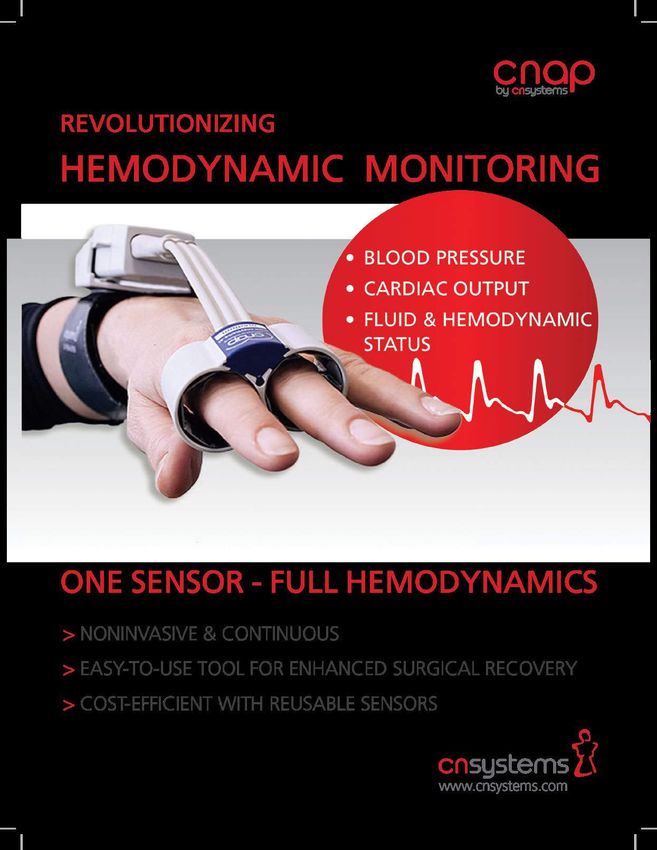
Contents
       Cover Story: COVID-19                                                                          Winning Practices
       Care Continuum
252     Conducting Research in the COVID-19 Era                                             270 Going ‘Liquid’ - Digital Transformation and Big Data
        Prof. David Koff, Canada                                                                Strategy in SJD Children’s Hospital
                                                                                                     Arnau Valls Esteve, Spain
                                                                                                     Jaume Perez Payarols, Spain
254     The Importance of Meaning: The Global Effort to
        Manage COVID-19 Through Collaboration and Clinical
        Terminology                                                                         275 How to Support a National Network for COVID-19
        Don Sweete, SNOMED International                                                        Identification in Medical Imaging Studies?
                                                                                                     Luís Bastião Silva, BMD Software

256     Global COVID-19 Pandemic - Compelling Effects
        on Cardiovascular Medicine                                                                   Upcoming Issue
        Amir A. Mahabadi, Germany, Matthias Totzeck, Germany

                                                                                            276 COVID-19 Management Edition
258     Filling the Gaps: Learning From Each Other During
        the COVID-19 Pandemic
        Eric de Roodenbeke, Switzerland

260     Oxygen – A Vital Need for the Fight Against COVID-19
        Valérie Bokobza, NOVAIR

262     Virtual Consultations: Now or Never
        Miguel Cabrer, Spain, Nerea Elosua Bayés, Spain
        Carla Riera, Spain

266     COVID-19: Unforeseen and
        Unpredictable Pandemic
        Alexandre Lourenço, Portugal

        DISCLOSURE OF CONFLICT OF INTEREST:
        Point-of-View articles are the sole opinion of the author(s)
        and they are part of the HealthManagement.org Corporate
        Engagement or Educational Community Programme.

                                                                                            Legal Disclaimer
  Subscription Rates (6 Issues/Year)                                                        The Publishers, Editor-in-Chief, Editorial Board, Ambassadors and Editors make
  One year: Euro 106 + 5% VAT, if applicable                                                every effort to ensure that no inaccurate or misleading data, opinion or statement
  Two years: Euro 184 + 5% VAT, if applicable                                               appears in this publication. All data and opinions appearing in the articles and
                                                                                            advertisements herein are the sole responsibility of the contributor or advertiser
  Production & Printing                                                                     concerned. Therefore the Publishers, Editors-in-Chief, Editorial Board, Industry and
  Total circulation 47,000                                                                  Regional Ambassadors, Editors and their respective employees accept no liability
  ISSN = 1377-7629a                                                                         whatsoever for the consequences of any such inaccurate or
                                                                                            misleading data, opinion or statements.
  © HealthManagement.org is published six times per year. The Publisher is to be
  notified of any cancellations six weeks before the end of the subscription. The           Verified Circulation
  reproduction of (parts of) articles is prohibited without the consent of the Publisher.   According to the standards of International Business Press Audits.
  The Publisher does not accept any liability for unsolicited material. The Publisher
  retains the right to republish all contributions and submitted materials via the          HealthManagement.org
  internet and other media.                                                                 is independently audited by TopPro Audit

                                                                                   HealthManagement.org The Journal • Volume 20 • Issue 3 • 2020                                   199
Contributors
Valérie Bokobza Miguel Cabrer Rachel Coleman Nerea Elosua Carla Riera Eric de Pau Sarsanedas Luís Bastião Silva
Valérie Bokobza Miguel Cabrer is Rachel Coleman is the Programme Nerea Elousa is a Carla Riera is a Roodenbeke With his back- Luís Bastião Silva has
joined NOVAIR in a Digital Health Support Manager for the Yorkshire biomedical engi- Biomedical Engineer Prior to becom- ground in engi- a PhD in Computer
2012 at the position Entrepreneur with Imaging Collaborative, a network of neer who strives to interested in devel- ing CEO of the IHF neering and busi- Science and he is a
of Marketing & CRM a special inter- nine acute hospital trusts working help physicians and oping, testing and in June 2008, Dr ness, Pau has been specialist in Medical
Director. She holds est in transforming together to improve radiology ser- engineers to under- improving health- de Roodenbeke managing innova- Imaging computa-
a Master Degree healthcare though vices. She manages the admin- stand each others’ care tools to provide worked at WHO/ tive companies and tion solutions. He
in Business from real patient engage- istration and communications needs in the context better experiences GHWA and the leading industriali- is the CTO of BMD
Neoma Business School, France. ment. He is participating in initia- for the Programme and has sup- of developing new medical devices, for both patients and medical World Bank. He also held posi- sation and commercialisation pro- Software, an SME targeted to
tives for image exchange, patient ported the YIC team for the past and improving clinical practice. specialists. Carla has recently tions at University Hospital of jects across different sectors. the development of novel bio-
portability and AI & Chatbots to year and a half, working before engaged in an AI project focused Tours and the French government. He is a founder of two industrial medical software solutions.
facilitate patient engagement. that as the Programme Support on improving medical processes. start-ups and a private investor.
Officer for the WYAAT Programme.
New Image Sharing How to Support a National
260 Oxygen – A Vital Need 262 Virtual Consultations: 231 Technology Transforms 262 Virtual Consultations: 262 Virtual Consultations:
Now or Never
258 Filling the Gaps: Learning
from Each Other During
250 Precise Automated
Resuscitation with
275 Network for COVID-19
for the Fight Against Now or Never Radiology Services Now or Never Identification in Medical
COVID-19 Across Yorkshire the COVID-19 Pandemic RESPIRA Imaging Studies
Arnau Valls Esteve Jürgen Fortin Giuseppe Galati Rafael J. Grossman Dirk Smeets Eugene Fidelis Soh Don Sweete Prof. Andy Tatem
As R&D Engineer at Jürgen Fortin is the Guiseppe Galati is a Rafael Grossman is Dirk Smeets, Ph.D. Eugene Fidelis Soh SNOMED International As a Professor of
the SJD Hospital, founder and CEO of consultant cardiolo- a practicing surgeon is Chief Technology is CEO of Tan Tock CEO, Don Sweete spatial demogra-
Arnau is involved in CNSystems. He is gist at San Raffaele in the USA as well Officer at icome- Seng Hospital and is the guardian of phy and epidemiol-
various healthcare also a university lec- Hospital in Milan, as a global speaker, trix. He is head Central Health in SNOMED CT’s clini- ogy at the University
technology projects. turer and responsible Italy. His special- healthcare and edu- of the research Singapore. He is cal terminology and of Southampton
He is a lecturer at for the company’s ties include chronic cation technol- and development a medical doctor has worked relent- and the Director
d-Health Barcelona intellectual property heart failure, cardiac ogist and futur- team, including IT, by training with an lessly to unite of WorldPop and
and a researcher in innovation being the author of 80 patents and magnetic resonance, echocardiog- ist. His view is technology is a product manager of icobrain and MA in Public Health from Harvard stakeholders across the sector, co-director of Flowminder, Prof.
and entrepreneurship in health- several publications on current and raphy, myocardial disease, public complement to the most impor- icolung, and information secu- University and is an alumni of the building and maintaining criti- Tatem is working with govern-
care, digital transformation, big future noninvasive technologies. health and health economics. tant qualities of a medical pro- rity manager. In his spare time, Senior Executive Programme at cal relationships with its global ments, UN agencies, Gates
data and 3D printing for health. vider: compassion and empathy. he loves to run and play soccer. the London Business School. members and partners. Foundation, Wellcome Trust, etc.
Going ‘Liquid’. Digital The Importance of
270 Transformation and Big 239 Call to Action for 212 Management of 248 Telemedicine Post 244 Imaging AI for Chest CT to
Aid in Resource Allocation
226 Smart Hospital
for the Future
254 Meaning: The Global Effort 234 COVID-19: Data Uncertainty
Data Strategy in SJD the Cardiovascular COVID-19 in Italy COVID-19 to Manage COVID-19 and Effectiveness
Children’s Hospital Segment of COVID-19 During COVID-19 Through Collaboration of Interventions
Prof. David Koff Alexandre Lourenço Amir A. Mahabadi Prof. Mamas Prof. Alberto Matthias Totzeck Prof. Angelo Prof. Peter Vermeir
Professor of Hospital Amir Mahabadi is an A Mamas Torresin Matthias Totzeck Vanzulli Prof. Dr Peter Vermeir
Radiology at Administrator at attending physician Prof. Mamas is a As Head of Medical is an attend- Since 1999 Prof. is liaison officer at
McMaster University, Coimbra University at the Department structural interven- Physics Dept. at ing physician at Vanzulli has been at the University
David Koff is and Hospital Centre of Cardiology tional cardiologist, Niguarda Hospital the Department heading the Radiology Hospital in Ghent,
founder and direc- and a consultant and Vascular treating patients and Visiting of Cardiology Department at Belgium. He is clini-
tor of MIIRCAM for WHO, Alexandre Medicine, West in both the elec- Professor at and Vascular Niguarda Hospital, cal professor in com-
at McMaster, is President of the German Heart and tive and emer- University of Milan, Medicine, West where he is also munication and hos-
leading numerous research pro- Portuguese Association of Hospital Vascular Center Essen, University gency setting. He is also the Prof. Torresin’s work focuses on German Heart and Vascular Director of the Department of pital management at the faculty of
jects. He is Chair of Canada Managers and hold various posi- Hospital Essen, Germany. Associate Editor of Circulation radiological optimisation. He is a Center Essen, University Advanced Technologies. He is a Medicine and Healthcare Science
Safe Imaging and has been tions in EAHM, EHMA and a Cardiovascular Interventions and member of AIFM, EFOMP, AAPM Hospital Essen, Germany. member of the SIRM and RSNA at the Ghent University, Belgium.
organising MIIT conference in number of healthcare organi- leads a large research groups and ECIBC, Chair of ESMPE and and works with a number of jour-
Canada for the past 15 years. sations around the world. focussed around EHR research. Associate Editor of EJMP. nals (JCAT, Radiology, AJR).
252 Conducting Research 266 COVID-19: Unforeseen and 256 Global COVID-19 Pandemic 220 COVID-19 Pandemic: The 216 CoviLake Niguarda: 256 Global COVID-19 Pandemic
– Compelling Effects on
216 CoviLake Niguarda: 238 Crisis Communication:
Challenges, Priorities
in the COVID-19 Era Unpredictable Pandemic – Compelling Effects on Importance of Testing Trying to Predict COVID- Trying to Predict COVID-
Cardiovascular Medicine and Social Isolation 19 Patient Path Cardiovascular Medicine 19 Patient Path and Perspectives
Ian Weissman Pål Arne Wøien Mariuccia Zambelli
Prof. An Mariman Iris Meyenburg- Sourabh Pagaria Jaume Perez Prof. Dirk Vogelaers Ian Weissman is a GM of Life Cares With over ten years
Prof. Dr An Mariman Altwarg Sourabh Pagaria Payarols Prof. Dr Dirk Vogelaers radiologist and strong Solutions at GE of marketing experi-
is a psychiatrist and Being Managing is responsi- A specialist in pae- is a specialist in patient care advo- Healthcare Europe, ence in the med-tech
somnologist at the Director of Nursing ble for Siemens diatrics and man- Internal Medicine cate. He leads mul- Pål Arne Wøien industry, Mariuccia is
University Hospital and Nursing Services Healthineers busi- agement in health- with special focus on tiple national initia- joined the company responsible for devel-
in Ghent. She is a and Director of the ness in Southern care institutions, Dr infectious diseases tives with an interest in 2003 and since oping and main-
lecturer in differ- Education & Training Europe. He is a Payarols held many at the University in improving patient then has held various taining PENTAX
ent educational pro- Academy at MHH, thought leader managerial posts in Hospital in Ghent, and at the faculty and family-centred care and cli- managerial positions within GE. Medical’s marketing and business
grammes (medicine, nursing, Iris is a consultant for a number on how Data, AI and joint pub- healthcare organisations. Since of Medicine and Healthcare Science nician wellness. Dr. Weissman Former Managing Director at development strategies across
etc) at the faculty of Medicine of projects, part of ENDA, WANS lic-private approach can reshape 2008 he is Director of Research, at the Ghent University, Belgium. He was awarded the Advocate of the Datex Ohmeda.Pål Arne holds a Europe, Middle East and Africa.
and Healthcare Science at the and STTI, and Visiting Professor the future of healthcare. Innovation and Education in is president of the Medical Council Year Award through the American B.Sc. degree in Cybernetics.
Ghent University, Belgium. at three universities in China. SJD Hospital, also leading the of the Ghent University Hospital. College of Radiology in 2019.
Research Committee there.
Going ‘Liquid’. Digital
238 Crisis Communication: 206 Preparing Staff for Crises 224 Imperatives for Rebuilding
European Healthcare
270 Transformation and Big 238 Crisis Communication: 210 COVID-19: New Pandemic 232 How the Digitisation of
ICU can Power the Fight
243 COVID-19: PENTAX Medical
Talks Supporting Improved
Challenges, Priorities Data Strategy in SJD Challenges, Priorities Offers a New Chance
and Perspectives Systems Post-COVID-19 Children’s Hospital and Perspectives to Be Well Together Against COVID-19 Patient Outcomes
200 HealthManagement.org The Journal • Volume 20 • Issue 3 • 2020 HealthManagement.org The Journal • Volume 20 • Issue 3 • 2020 201
Editorial
                                                  COVID-19 Care Continuum
                                                  Think back to January 1, 2020. Can you even remember what the outlook was for
                                                  a new decade in your area of healthcare? The first phase of the deadly corona-
                                                  virus disease, COVID-19, has practically swept away any memory of the status quo
                                                  before it hit like a tsunami and healthcare scrambled to fight it.
                                                      Today, months later, more than 200 countries and territories have been hit
      Christian Lovis
                                                  by the virus, with over 3 million cases worldwide and over 200,000 deaths. As
      HealthManagement.org, Editor-in-Chief, IT
      Head - Division of Medical Information
                                                  healthcare continues to fight COVID-19, HealthManagement.org has also raced to
      Sciences, University Hospitals of Geneva
                                                  produce the first of several special editions dedicated to healthcare response to
      Professor of Clinical Informatics,
      University of Geneva, Switzerland           the crisis. In this special issue, COVID-19 Care Continuum, we focus on the impact
      christian.lovis@hcuge.ch |   @chr_lovis
                                                  of the COVID-19 pandemic and how countries around the world have dealt with
                                                  this crisis.
                                                      Radiologist Prof. David Koff examines the impact of COVID-19 on research. Two
                                                  expert cardiologists, Prof. Mamas Mamas and Giuseppe Galati communicate their
                                                  experience of fighting the pandemic in the UK and Italy, while Prof. Eugene Fidelis
                                                  Soh talks about the ‘smart’ management of COVID-19 in Singapore.
                                                      Surgeon and healthcare futurist, Rafael Grossmann looks into the potential of
                                                  telehealth uncovered by the pandemic, and Miguel Cabrer and colleagues talk
                                                  about the need for virtual consultations during these times to reduce patient flow
                                                  in hospitals.
                                                      Prof. Andy Tatem describes how population data are used during pandemics.
                                                  Eric de Roodenbeke suggests how health leaders can sustain their organisa-
                                                  tions with the support of the IHF, and Ian Weissman examines how the COVID-19
                                                  pandemic is impacting the health of patients and healthcare workers.
                                                      Prof. Valentin Sinitsyn looks at how technology has aided imaging-based diag-
                                                  nosis for COVID-19, while Amir Mahabadi and Matthias Totzeck discuss the
                                                  compelling effects of COVID-19 on cardiovascular medicine.
                                                      These are only the highlights of the issue’s rich content, which also includes
                                                  communication during a pandemic, preparing your staff for crises, creating a
                                                  ‘liquid’ hospital, and many other topics.
                                                        Enjoy, comment and keep sharing your COVID-19 stories with us!

202        HealthManagement.org The Journal • Volume 20 • Issue 3 • 2020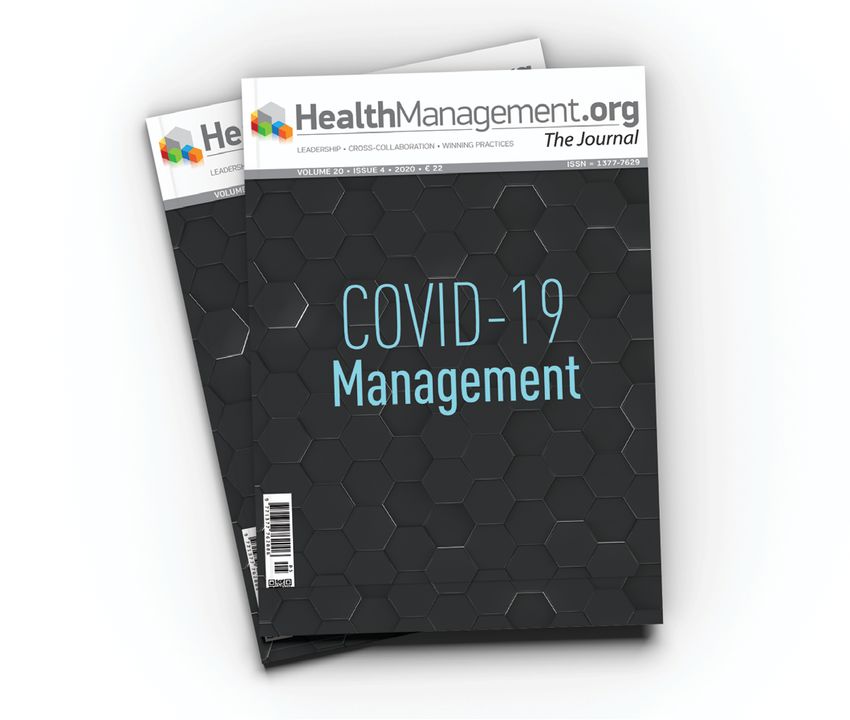
Leading independent provider of Advanced            9400
Diagnostic Imaging, Outpatient and Cancer             professionals
Care services in Europe

    280
                                    16
                                    countries in
                                                               14
      medical                         Europe                  million
      centres                                                exams / year

                                                   1374
                                7                  diagnostic and
                                                    cancer care
                            million                  modalities
                           patients / year

                       www.affidea.com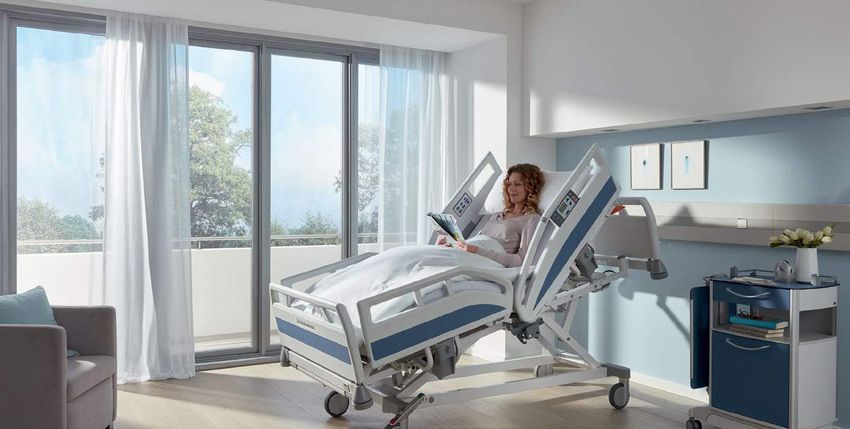
Editorial Board
Alexandre Lourenço Prof. Lluis Donoso Prof. Tienush Prof. Christian Lovis Christian Marolt
Editor-in-Chief EXEC Editor-in-Chief IT Executive Director
Bach Rasaf University Hospitals of Geneva HealthManagement.org,
Centro Hospitalar e Universitário
Editor-in-Chief Imaging Editor-in-Chief Cardiology cl@healthmanagement.org Cyprus
de Coimbra, Portugal
Hospital Clinic – University Westgerman Heart- and cm@healthmanagement.org
al@healthmanagement.org
of Barcelona, Spain Vascular Center, University of
ld@healthmanagement.org Essen, Germany
tr@healthmanagement.org
Board Members
Dr. Gilbert Bejjani Prof. Frank Boudghene Prof. Michael Glikson Dr.Mahboob ali Khan
Prof. Josep M. Picas Imam Abdul Rahman Bin Faisal University, KSA
CHIREC Hospital Group, Brussels, Belgium Tenon Hospital, France Shaare Zedek Medical Center, Israel WAdaptive HS, Spain
Philippe Blua Prof. Davide Caramella Priv.-Doz. Philipp Kahlert Dr. Sergej Nazarenko is a product by MindByte Communications Ltd
Prof. Eric Poiseau
Hospital Center of Troyes, France University of Pisa, Italy Universitätsklinikum Essen, Germany IHE Europe, France Estonian Nuclear Medicine Society, EstoniaDr.
Juraj Gemes Prof. Alberto Cuocolo Prof. Peter Kearney Brussels Office:
Prof. Karl Stroetmann Nadya Pyatigorskaya Rue Villain XIV 53-55, B-1000 Brussels, Belgium
F.D. Roosevelt University Hospital, Slovakia University of Naples Federico II, Italy Cork University Hospital, Ireland Empirica Communication & Technology Research, Pitié Salpêtrière Hospital, France
Tel: +32 2 2868500, Fax: +32 2 2868508
Prof. Sir Muir Gray Prof. Johan de Mey Prof. Alexandras Laucevicius Germany Andreas Sofroniou brussels@mindbyte.eu
Better Value Healthcare, Oxford, UK Free University of Brussels, Belgium Vilnius University Hospital, Lithuania Diane Whitehouse Limassol General Hospital, Cyprus
Limassol Office:
Sjaak Haakman Prof. Nevra Elmas Prof. Fausto J. Pinto EHTEL, Belgium Dr. András Vargha 166 Agias Filaxeos, CY-3083 Limassol, Cyprus
Reinaert Kliniek, The Netherlands Ege University, Turkey Lisbon University, Portugal Ing. Martin Zeman National Centre for Patients’ Rights, Hungary Tel: +357 25 822 133, Fax: +32 2 2868508
Marc Hastert Dr. Mansoor Fatehi Prof. Piotr Ponikowski CESNET, Czech Republic Anton Vladzymyrskyy office@mindbyte.eu
Federation of Luxembourg Hospitals, Luxembourg Medical Imaging Informatics Research Center, Iran Clinical Military Hospital, Poland Virtual Hospital m-Health, Russia
Headquarters:
Prof. Karl Kob Prof. Guy Frija Prof. Silvia G. Priori 9, Vassili Michaelides, CY-3026, Limassol, Cyprus
General Hospital Bolzano, Italy Georges-Pompidou European Hospital, France University of Pavia, Italy Industry Ambassadors Team hq@mindbyte.eu
Heinz Kölking Assoc. Prof. Frederik L. Giesel Prof. Amiran Revishvili
Lilienthal Clinic, Germany University Hospital Heidelberg, Germany Scientific Center for Cardiovascular Surgery, Russia @Healthmanagement.org
Dan Conley Christian Marolt @ehealthmgmt
Nikolaus Koller Prof. Wolfram Knapp Prof. Massimo Santini Beacon Communications, USA Executive Director cm@healthmanagement.org
HealthManagement.org
President EAHM Editorial Board, Austria Hannover Medical School, Germany San Filippo Neri Hospital, Italy
Marc De Fré Iphigenia Papaioanou healthmanagement_org
Dr. Manu Malbrain Prof. David Koff Prof. Ernst R. Schwarz Agfa, Belgium Project Director ip@healthmanagement.org
University Hospital Brussels, Belgium Hamilton Health Sciences; McMaster University, Cedars Sinai Medical Center, USA
Canada
Prof. Okan Ekinci Barbora Terešková
Chris McCahan Eugene Fidelis Soh Roche, USA Vice President Client Management bt@mindbyte.eu
International Finance Corporation (IFC) Prof. Elmar Kotter Tan Tock Seng Hospital and Central Health, Singapore
Prof. Mathias Goyen Anastazia Anastasiou
World Bank Group, USA University Hospital Freiburg, Germany
Prof. Dan Tzivoni GE Healthcare, UK Creative Director art1@mindbyte.eu
Louise McMahon Prof. Heinz U. Lemke Israel Heart Society, Israel
Dr. Rowland Illing Lucie Robson
Health and Social Care Board, Northern Ireland International Foundation for Computer Assisted
Prof. Alex Vahanian Affidea, UK Editorial Director lr@healthmanagement.org
Radiology and Surgery; University of Leipzig, Germany
Prof. Iris Meyenburg-Altwarg Bichat Hospital, France
Jurgen Jacobs Samna Ghani
Nursing Medical University, Hannover Medical School Prof. Lars Lönn João Bocas Qaelum, Belgium Senior Editor sg@healthmanagement.org
(MHH), Germany National Hospital, Denmark
Dr. Taner Özcan Prof. Elisabeth Schouman-Claeys
Digital Salutem, UK
Miguel Cabrer
Ljubisav Matejevic
Ascom, Germany
Maria Maglyovanna
Staff Editor mm@healthmanagement.org
Have your say.
MLPCare, Turkey
Prof. Denitsa Sacheva
APHP Medical Organisation Directorate; University
of Paris 7, France
TopDoctors CIO and Founder of Idonia Medical
Image Exchange Palma de Mallorca, Spain
Christina Roosen Marianna Keen Engage!
AHIMA International, Spain Staff Editor mk@healthmanagement.org
Council of Ministers, Bulgaria Prof. Valentin Sinitsyn Richard Corbridge
Jean-Pierre Thierry Federal Center of Medicine and Rehabilitation, Russia
Boots, UK
Gregory Roumeliotis Dran Coronado The COVID-19 pandemic has
Breakthrough Genomics, USA Staff Editor dc@healthmanagement.org
Synsana, France Dr. Nicola H. Strickland Dr. Marc Cuggia changed the world. As the number
Hans-Peter Wyss Imperial College Healthcare NHS Trust, UK
Pontchaillou Hospital, France
Dr. Jan Schillebeeckx Katya Mitreva of patients increases, so does the
Meerkant, Belgium Communications Director km@healthmanagement.
Management & Recht, Switzerland Prof. Henrik S. Thomsen Dr. Peter Gocke demand for healthcare services.
org
University Hospital of Copenhagen, Denmark
Prof. Stephen Baker Charité, Germany
Anna Malekkidou How long can the system sustain
Rutgers New Jersey Medical School, USA Prof. Vlastimil Valek Prof. Jacob Hofdijk this crisis? How are different coun-
Prof. Hans Blickman Masaryk University, Czech Republic
European Federation for Medical Informatics,
Regional Ambassadors Communications am@healthmanagement.org
Sabahat Shamsuddin tries handling this challenge? We
University of Rochester Medical Center, USA Prof. Berthold Wein The Netherlands
Group Practice, Aachen, Germany Joan Marques Faner
Communications office@healthmanagement.org explore this and more.
Prof. Edward I. Bluth Prof. Werner Leodolter Sandip Limbachiya
Ochsner Healthcare, USA Prof. Gunter Breithardt University of Graz, Austria Son Dureta University Hospital, Spain
Head of IT
Prof. Georg Bongartz University of Munster, Germany
Prof. Eric Lepage Dr. Thomas Kaier Sergey Chygrynets To contribute, contact us on
University of Basel, Switzerland Prof. Hugo Ector Agence Régionale de Santé Ile-de-France, France King’s College London, UK
Front-end Developer Interested@HealthManagement.org
University Hospital Leuven, Belgium
204 HealthManagement.org The Journal • Volume 20 • Issue 3 • 2020 HealthManagement.org The Journal • Volume 20 • Issue 3 • 2020 205Management Matters crisis management, communication, staff training
Preparing Staff for Crises
Summary: Staff management during critical times can be and often is very challeng-
ing. Therefore, there is a need to learn new processes, acquire new skills/information
and use new approaches. A veteran nursing expert talks about how you train, inform
and support your staff to achieve the best possible outcomes during a crisis.
Work during a crisis is always chal- upgrade skills through emergency Of course, it is impossible to cover all
lenging. Even if we had similar experi- training, both for our staff and non- the weak spots in the given circum-
ences in the past, this does not mean qualified volunteers; to rapidly devise stances, but we should take this crisis
that we have learnt from them or that a communication strategy ensuring no as an opportunity to see what is lacking,
they are applicable now. Currently, many critical information is lost; or to embrace learn from our mistakes and think about
of us are faced with the necessity to ‘online’ as the new reality of our work. how we fix them once back to normal.
206 HealthManagement.org The Journal • Volume 20 • Issue 3 • 2020crisis management, communication, staff training
‘Emergency’ Staff Changes to the staff and whose authority is not expanded in a critical situation.
Professional interdisciplinar y crisis disputed. There should be clear and Here, however, one major change
teams that can make and implement strict hierarchy, which would enable should be mentioned – all those online
situation-related decisions are an better functioning of the organisation. meetings that we, and the entire world,
essential element of a crisis manage- So you have to find a way to somehow are having now. Since the beginning of
ment strategy. They need the compe- combine these two approaches. the crisis the majority of our meet-
tence to make those decisions and the ings are held online – and I must say
flexibility to act across the board. While Information Dissemination we feel ‘not bad’ about it. By now we
being structures parallel to the manage- We should remember that when there have already realised that after this
ment, these teams should include is a crisis, it is for all of us. During such crisis is over, we should rethink the way
specialists and not only managers. times people are really disturbed. It we communicate. We have to decide
Their wor k requires professional is important not to frighten staff and whether we need so many meetings,
competence and trust, therefore the public, so the information we share and either in person or remotely. For us this
members of such ‘emergency’ teams the way we share it must be chosen will be one of the ‘lessons learnt’ and a
must be the people with a high level of carefully. Information must be provided potential area for improvement.
acceptance in the organisation, people on a regular basis and in a centralised
who are qualified, highly knowledge- and transparent manner. Emergency Training
able and experienced in the specialised An important element here would be Crisis training is difficult to incorpo-
field. Someone from the top manage- regular meetings and dissemination rate as ‘theory’ into regular education
ment with little knowledge about daily of information to all internal depart- and training programmes during normal
routines of emergency services is not a ments and the general public. Decision- times. It would be much less efficient
good fit for this role. making must be transparent and clear, because people do not feel the stress,
Also, the ‘normal’ management team and messages about the management do not understand the pressure, so they
is not suitable and/or may not be avail- and specialist participation are neces- simply cannot relate. With this in mind,
able to act as an ‘emergency’ team, sary, eg as interviews that are cred- the main goal of such training would
Members of ‘emergency’ teams must be the people with a
high level of acceptance in the organisation
since it is engaged in the day-to-day ible and honest. A news bulletin issued be to teach people how to behave. This
health related activities, which must once or several times per day, always process should be as easy and engaging
continue. However, the management is at the same time, can help to deal with as possible, so using practical and/or
still involved in all critical decisions. uncertainty. People should understand, visual exercises as well as gamification
To implement the emergency strategy for example, that they will read the news techniques would be the most effective
and ensure the provision of care, it is every day at 6pm. strategies here (eg scenarios for coping
also necessary for a healthcare facility to When disseminating information, the with crises, films, etc).
form technically skilled and experienced process should be efficient for both Telehealth is another emerging area,
working groups (procurement, medical the organisation and the employees. If in which many of you probably see the
necessities, technology, media, adapting possible, avoid completely new commu- lack of proper training. In general, we
conventional work processes, etc). nication structures. Stick to the usual should see this crisis as an opportu-
Special attention should be given to means of communication, otherwise nity to advance the adoption of these
how you manage your staff. For example, people may have difficulties embracing new technologies and to ensure they
I now work 14 to 16 hours per day. The novelties and a lot of information may are used afterwards. The problem is
workload is enormous. In such circum- get lost on the way. Take advantage that amid the crisis it is very difficult to
stances some flexibility is needed to of the current work process, which is introduce such new formats of care with
allow the personnel to use their exper- familiar to the staff and which they the staff. You can only succeed with this
tise to the full extent. At the same understand. Even in normal times, very early into a crisis, because the staff
time, there is a need to have someone there must be a known and practiced needs time to get used to and learn
in charge who gives clear instructions emergency plan to only be adapted or how to handle them. It is much better
HealthManagement.org The Journal • Volume 20 • Issue 3 • 2020 207Management Matters crisis management, communication, staff training
to incorporate telemedicine into your critical values for respiratory rate, pulse, Interviewee:
practice in normal situation. If you had etc. These SOPs are clearly visualised Iris Meyenburg-Altwarg
Managing Director of Nursing, Medical University |
not done that, then this is your oppor- and attached on-site at the place of Hannover Medical School (MHH)
Director, Academy for Nursing Education & Training |
tunity to learn and think, very clearly, use because volunteers and non-clin- MHH | Hannover | Germany
about these strategies afterwards. ical staff must know precisely which President, European Nurse Directors Association (ENDA)
Meyenburg-Altwarg.Iris@MH-Hannover.de | mhh.de
tasks are assigned to them and what the @iris-meyenburg-altwarg-35102820
Dealing with Non-Clinical Workers specific working conditions and expec-
Since the beginning of the pandemic, tations are.
our hospital has engaged with many
non-clinical personnel and volunteers. Motivation and Support Key Points
We have trained over 1,000 people – Appreciation as well as honesty, credibility
qualified, semi-qualified and non-qual- and transparency are effective strategies
• Professional interdisci-
ified, including soldiers, cleaners, ie to support your staff. Active employee plinary crisis teams are an
people who do not know how to work protection should be in place, and health essential element of a crisis
in these specific emergency settings. must have high priority. Support can management strategy, as are
For example, cleaning staff do know also come in the form of ensuring the technically skilled and experi-
how to clean, but you have to tell them greatest possible flexibility in the provi- enced working groups.
about the current changes and chal- sion of work (eg home office), expanding
• When managing your staff,
lenges, how to carry out the proce- childcare facilities, psychosocial offers,
combine certain flexibility with
dures to maintain sterility, their recom- supply of drinks and food, and so on.
strict hierarchy.
mended dress code, and so on. These Crises always involve additional and
are very important to keep them safe often unexpected challenges. Volun- • Information must be provided
and healthy. It is often necessary to tary absence and resignations that may on a regular basis and in a
allow more time for the additional start to appear are usually a sign of fear, centralised and transparent
training effort because in contrast to uncertainty, physical and mental over- manner. Stick to the usual
the health professionals, there is no load and lack of knowledge. Only infor- means of communication and
learn from the increased online
background knowledge and certain mation, transparency, honesty and
presence.
additional hygiene measures are not appropriate staff management help in
necessarily comprehensible. This can these circumstances. Talking to people • Crisis training should be as
be quite a challenge. is, probably, the best approach here. You easy and engaging as possible.
To succeed, first and foremost, a cannot push them, so you talk to them
suitable and motivated training team and find out what causes the change in • If you had not put telehealth
in place before the crisis, then
should be created. This team must their behaviours. You can then fill in the
now is a good time to learn
develop brief and concise training mate- gaps if they lack information, or try to
and plan for the future.
rials adjusting their usual programmes, help with whatever issues they may have
extracting the most important points so that they feel more secure and can • When dealing with
and presenting them in an understand- continue to perform their duties. non-qualified staff, it is often
able manner, with simple wording and necessary to allow more
images. This is because people lack the Share and Care time for training. A suitable
specialised skills, knowledge and qualifi- In conclusion, I would like to stress how and motivated training team
cations in the specified area. Examples important it is now for all healthcare should be created, and proper
materials developed.
of circuit training units should be avail- professionals to support each other. We
able for the most important tasks as need to work with our networks, talk to • Support your staff with appre-
well as standard operating procedures others, learn from each other, share the ciation, honesty, credibility
(SOPs) for specific frequent activities. information, knowledge and experience and transparency. Talking
Due to such large volumes, the we have with other people – so that they with people may be the best
training sessions must be kept short. do not repeat our mistakes and are able approach to deal with fear and
We have so far developed 11 different to improve their situation. This comes uncertainty.
training sequences with a training from my own experience – I use all avail-
• During a crisis, it is really
effort of approximately 20 minutes able means of communication to share important for all healthcare
per sequence. As such, we manage what I know with others and to interact professionals to support each
to complete the training in one day. with my staff. Just be open – this would other. Be open and share what
Additionally, there are about 20 SOPs be my advice. you know with others.
dealing with vital-sign devices and their
208 HealthManagement.org The Journal • Volume 20 • Issue 3 • 2020ESSENTIALLY BETTER
E va r i o
The hospital bed for reliable hygiene
The Evario is a bed for all wards. It is also suitable for use in
intensive care units and supports hospitals flexibly with all
requirements. Its excellent hygiene properties are a strength
in the fight against viruses and other pathogens.
Your advantages:
• Large surfaces for easy cleaning
• Optionally machine washable
• Split Protega safety sides with one-hand operation
• Integrated control panels allow easy and intuitive
adjustment of the mattress base
stiegelmeyer.comCover Story COVID-19 Care Continuum
COVID-19: New Pandemic
Offers a New Chance to Be
Well Together
Summary: A physician examines how the COVID-19 pandemic is
impacting the health of patients and healthcare workers, and pro-
poses strategies to improve wellbeing.
The COVID-19 pandemic of 2020 offers a new challenge healthcare workers to make ethical decisions about
for the world community not seen since the Spanish Flu rationing limited healthcare resources like ventilators for
pandemic of 1918 (Bernhardt 2020). The world commu- their patients. Healthcare workers who are trained to save
nity, in large part, has come together in this crisis to share lives are being forced to make ethical choices regarding
ideas, crowdsource, and innovate to contain this viral “who lives and who dies,” and this can cause moral injury
pandemic until a vaccine and/or established treatments for the clinician (Emanuel et al. 2020; BBC 2020).
become available (Piore 2020). Prior to the COVID-19 pandemic, a large societal well-
Governments, industry, scientists and private individ- being initiative had already begun to help individuals be
uals have united to rapidly overcome challenges, and healthier given the increasing incidence of depression
Healthcare workers trained to save lives are being forced to
make ethical choices regarding “who lives and who dies”
are sharing ideas to develop vaccines, 3D print personal and suicide in our society (Fox 2018; Healy 2019). Health-
protective equipment for frontline workers, and sew care workers, in particular, have faced new challenges in
protective masks for one’s community (Jacobs and their workplace that has led to an increasing incidence of
Abrams 2020). The worldwide community response has burnout (Dyrbye 2017). Of concern, is that clinicians are
demonstrated the best of the human spirit. leaving a critical need profession after taking a Hippocratic
Enduring this protracted challenge and maintaining resil- Oath to heal others (USA.gov 2012). They are being forced
ience becomes even more important as people are put to leave a profession (a calling for many) to heal them-
into new situations that run counter to the human condi- selves after sustaining moral injury caused by external
tion such as being asked to socially distance to protect stressors such as overwhelming clinical volume, a lack of
one’s community. Human beings by nature are social indi- autonomy and perceived ineffective leadership (Carville et
viduals, and this creates new stressors (Leader 2020; al. 2020).
Chen 2015). Organisations, professional medical societies and indi-
Healthcare workers who have not been trained for war, viduals have recently come together, across the world, to
are working around the clock to save lives in wartime heal the healers. Here are several examples. The National
conditions without sufficient protective gear, and without Academy of Medicine has recently published a land-
established treatments to save patient’s lives. This forces mark consensus study report in 2019 called Taking Action
210 HealthManagement.org The Journal • Volume 20 • Issue 3 • 2020COVID-19 Care Continuum Cover Story
Against Clinician Burnout: A Systems Approach to Profes-
sional Well-Being since supporting clinician wellbeing is Key Points
critical to improving patient care (National Academy of
Medicine 2020). A Charter on Physician Well-Being was • The COVID-19 crisis has led to heightened cooperation
within healthcare and the wider community for better
recently published through the Journal of the American
care.
Medical Association (JAMA) in 2018 to promote the well-
being of healthcare professionals by establishing soci- • The medical community has given more focus to staff
etal, organisational, and interpersonal/individual guide- wellbeing through innovative online resources.
lines (Gold Foundation 2018). Contemporary thought
leaders in the area of wellbeing such as Tait Shanafelt MD • These positive resources are available now to decrease
the risk of burnout and moral injury to patients and
have raised awareness, and have made recommendations
healthcare workers during this pandemic crisis.
regarding healing the professional culture of medicine
(Shanafelt et al. 2019).
Professional medical societies like Radiology have
become involved, and in 2018 and 2019 convened an REFERENCES
Intersociety Meeting to foster a roadmap to wellness
and engagement (Kruskal 2019). Recently, in 2019 the ACR (2020) Combating the COVID-19 Pandemic: A Collection of Well-Being Resources
for Radiologists. Available from acr.org/Member-Resources/Benefits/Well-Being/
American College of Radiology (ACR) developed a Well- COVID-19-Well-Being-Resources
being Programme that contains a rich collection of webi-
ACR (2020) Radiology Well-Being Program. Available from acr.org/Member-Resources/Benefits/
nars and articles curated by a team of dedicated radi- Well-Being
ologists and ACR staff intent on improving the well-
Barnhardt D (2020) How the Spanish flu compares to COVID-19: Lessons learned,
being of their colleagues and patients (ACR 2020). Social answers still being pursued. Available from cbc.ca/news/canada/manitoba/
media has become an important form of communication spanish-flu-covid-coronavirus-canada-manitoba-1.5523410?__vfz
allowing the exchange of new ideas through open dialogue, BBC (2020) Coronavirus: Why healthcare workers are at risk of moral injury. Available from bbc.
and through vehicles like Tweet Chats on Clinician Well- com/news/world-us-canada-52144859
Being such as one conducted in May of 2019 through the Carville O et al. (2020) Hospitals Tell Doctors They’ll Be Fired If They Speak Out
Journal of the American College of Radiology (Wakelet About Lack of Gear. Available from bloomberg.com/news/articles/2020-03-31/
hospitals-tell-doctors-they-ll-be-fired-if-they-talk-to-press
2019).
These innovative and proactive wellbeing resources, Chen A (2015) Loneliness May Warp Our Genes, And Our Immune Systems.
Available from npr.org/sections/health-shots/2015/11/29/457255876/
recently developed, have allowed professional medical
loneliness-may-warp-our-genes-and-our-immune-systems
societies, like radiology, to quickly pivot and build on these
Dyrbye L (2017) Burnout Among Health Care Professionals: A Call to Explore and Address This
positive initiatives by curating and sharing new well-
Underrecognized Threat to Safe, High-Quality Care. Available from nam.edu/burnout-among-
being resources that specifically address the challenges of health-care-professionals-a-call-to-explore-and-address-this-underrecognized-threat-to-
COVID-19 such as a sense of isolation caused by neces- safe-high-quality-care/
sary temporary social distancing. These COVID-19 specific Emanuel E et al. (2020) Fair Allocation of Scarce Medical Resources in the Time of Covid-19.
resources address important behavioral health areas such Available from nejm.org/doi/full/10.1056/NEJMsb2005114
as improving mindfulness, fitness, and sleep, and are Fox M (2016) Major depression on the rise among everyone, new
freely available for all to review on the ACR’s WellBeing data shows. Available from nbcnews.com/health/health-news/
major-depression-rise-among-everyone-new-data-shows-n873146
Programme website (ACR 2020).
Together, we will overcome this new pandemic challenge Gold Foundation (2018) CHARM-Gold Charter on Physician Well-being now published in JAMA.
Available from gold-foundation.org/newsroom/news/charm-gold-charter/
through improved communication across the world, and
by sharing new proactive strategies to optimise patient Healy M (2019) Suicides and overdoses among factors fueling drop in US life expectancy.
Available from chicagotribune.com/lifestyles/health/sc-hlth-drop-in-life-expectancy-
care as well as effective mentoring, mindful listening and 1211-20191204-o2uxisqknza7jfenhu3tg3dyim-story.html
empathy for our colleagues and patients.
Jacobs A, Abrams R (2020) Hive Mind of Makers Rises to Meet Pandemic.Available from
This COVID-19 challenge has given us a tremendous nytimes.com/2020/03/30/health/coronavirus-innovators.html
opportunity to be well together now, and for the future.
Kruskal J et al. (2019) A Road Map to Foster Wellness and Engagement in Our Work-
place—A Report of the 2018 Summer Intersociety Meeting. Available from jacr.org/article/
S1546-1440(18)31413-3/fulltext
Leader G (2020) Why Social Distancing Feels So Strange. Available from sapiens.org/evolution/
covid-19-social-distancing/
Author: Ian Weissman National Academy of Medicine (2020) Taking Action Against Clinician Burnout:
Attending Radiologist, Milwaukee Veterans Affairs Medical Center | Milwaukee, A Systems Approach to Professional Well-Being. Available from nam.edu/
U.S. | Chair, American College of Radiology Patient and Family Centered systems-approaches-to-improve-patient-care-by-supporting-clinician-well-being/
Care Outreach Committee
milwaukee.va.gov | American College of Radiology | @DrIanWeissman For full reference please email edito@healthmanagement.org or visit https://iii.hm/12sg
HealthManagement.org The Journal • Volume 20 • Issue 3 • 2020 211Cover Story COVID-19 Care Continuum
Management of
COVID-19 in Italy
Guiseppe Galati is a consultant cardiologist at San Raffaele Hospital in
Milan, Italy. His specialties include chronic heart failure, cardiac mag-
netic resonance, echocardiography, myocardial disease, public health
and health economics. HealthManagement.org spoke to Dr. Galati
about the management of COVID-19 in Italy.
Do you think your country used a good strategy and they overlooked the seriousness of it. I don’t give
to contain the virus? Have any other coun- any fault to them because these physicians and experts
tries implemented measures that you think have based their decisions on data coming from China. I’m
worked well? talking about the weeks that went from the 21st of
We can divide the results of the management of this February to the 28th-29th of February. We now know
pandemic in three big categories. One is the availability that the data from China was not reliable. The Chinese
of ICU places in the most difficult time when you have have corrected their data about the number of people
the tsunami of COVID-19. The second area is the availa- who died and the number of people who were really
bility, and access of PPE for the healthcare professionals infected from the virus. Therefore, in the beginning, this
and the third area is the availability and distribution of wasn’t considered deadly and was treated like influenza.
the test for COVID-19. If I evaluate my country in these This made us overlook this disease during the first week.
three main fields, I have to say that we did a great job It is also important to highlight the suboptimal
with respect to the availability of ICU places. When this management by the World Health Organization (WHO),
pandemic started in Italy before the 21st of February, we who, till the end of February, recommended that surgical
had, for example, in Lombardy, which was the red zone masks would be sufficient for healthcare professionals.
where we still have more cases compared to the rest Unfortunately, we now know that the surgical mask for
of Italy, we had only 720 places of ICU before the crisis, healthcare professionals, in particular, when you perform
and in two weeks, we were able to more than double this invasive procedures like intubation, does not offer suffi-
number, and before the 13th of March, we had 1400 ICU cient protection as this mask does not have any filtration
places. This is published in a paper in JAMA (Grasselli capability. It only protects you from droplets and no more.
et al. 2020). Italy implemented an effective protocol in Hence, this was very suboptimal for healthcare profes-
Lombardy as to how to manage the emergency, how to sionals and was also a major reason why many healthcare
create a triage zone, how to pre-screen, how to use PPE, professionals in Italy died from this disease in the first
how to ventilate, and how to put people in the intensive week. After one week, we realised that we needed the
care unit. FP2 and FP3 (also called N95 masks in North America)
The first point is extremely important because, without as these masks have more discretion capability. Unfortu-
the availability of the ICU places, the number of people nately, we did not have the availability of the right PPE in
who died from this disease in Italy would have been three the first few weeks, and the right PPE became available
or four times higher. The second and third areas have more or less in the second week of March, and progres-
some similarities because the management was subop- sively they improved. The full head-to-toe coverage
timal. Unfortunately, this was because a lot of Italian became available mid-March.
people and also physicians at the beginning of the crisis If we talk about the test for coronavirus in Italy, it
in Italy considered this virus similar to the influenza virus, was made available from the 21st of February to the
212 HealthManagement.org The Journal • Volume 20 • Issue 3 • 2020COVID-19 Care Continuum Cover Story
29th and the first week of March to all people who were do in a democratic country. You can’t kill people if they
symptomatic and to all healthcare professionals and go outside the home. I think Italy was the real pioneer in
other people who had contact with the person that was this disease and serves as a model for other countries in
confirmed as COVID-19 positive but also those who were terms of the good things that we did and the mistakes
asymptomatic. Even here, I would like to highlight that that we made. We now see the same pattern in other
the WHO made a significant intervention in our country countries.
and Europe and claimed that this was not the best prac-
tice and that we should only test those who were symp- We know that this disease affects the lungs. In
tomatic, and even now, we are doing the test only in your opinion, could other organs and systems be
symptomatic patients. This is probably not the optimal affected?
management situation because we need to identify the After more than two months of this pandemic, we now
contacts, and we need these tests for healthcare profes- have more evidence that this virus can also affect
sionals and for people who were in contact with those other organs. For example, we have seen some cases of
infected as this can give us the power to put these myocarditis in which the myocardium was involved. We
people in quarantine. This is a very critical point, as many have also seen the ability of this virus to provoke and to
of our healthcare professionals died from coronavirus - stimulate thromboembolic events. Since the first week
more than 128 physicians (as of April 16, 2020). This is of March, we started to use enoxaparin to give anticoag-
a very dramatic number. Therefore, when I consider my ulation because we saw a lot of thromboembolic events.
country, I have to say that the management, considering Hence, other systems can be affected, in particular, the
In the beginning, this wasn’t considered a deadly disease
because of data coming from China, and it was compared to
influenza virus
all areas and problems that we faced, was good. I believe cardiovascular system. There has also been some acute
we were the pioneer in the Western world with respect to coronary syndrome and alteration of the endocrine and
the management of the coronavirus outbreak. the metabolic part in particular, and there was an altera-
You asked me also if there were other countries that tion of the lipids and glucose metabolism. So the answer
had a better strategy of management compared to is yes, there are different organs and systems that could
Italy. I have seen a lot of comparisons between Italy and be affected by this virus.
South Korea. This is not a proper comparison because,
yes, South Korea is a democratic country, and yes, Patients with comorbidities are dying more
they applied a very good strategy in tracing people. than those without. Patients with cardiovas-
But our culture and our habits are very different from cular disease, in particular, have shown higher
both the Western and the Eastern world. It’s very diffi- mortality. What is the scientific evidence? What
cult to use an application to map and to track people at is the interplay between COVID-19 and cardio-
every moment of the day, every time and everywhere. vascular diseases (new complications or aggrava-
In our country, this is considered a violation of privacy. tions)? How can we manage cardiac involvement?
In Lombardy, they have started using an application to In Italy, we have had high mortality with this disease,
track and trace people, but it is important to remember and this is related to the fact that we do not have the
that in the European Union, this can be done only on a real number of people who were affected. Also, Italy is
voluntary basis. We cannot track people without their second only to Spain in terms of people with comorbid-
consent. Therefore, the South Korea model is very diffi- ities and the mean age of people. As per the data from
cult to apply in the Western world because we are a very the Ministry of Health in Italy, the mean age of people
different country with a different political system. In who died in Italy is 79 years, and the median age is 80
Italy, Europe, and the USA, we can advise and suggest, years. 66% of the people who died were men, and 34%
but we cannot oblige people to stay at home. We have were female. We don’t know why the men died more than
also taken strong and effective measures in some Italian the females. When we talk about comorbidities, 61.5%
cities. We deployed the police and even the army for had three or more comorbidities, 20.7% had two or more
controlling people, but this is the maximum that we can comorbidities, and 14.5% had one or more comorbidities.
HealthManagement.org The Journal • Volume 20 • Issue 3 • 2020 213You can also read


