COVID-19 Scientific Advisory Group Rapid Evidence Report - Transmission of COVID-19 in Taxis and Ride-Sharing Vehicles: Evidence around risk ...
←
→
Page content transcription
If your browser does not render page correctly, please read the page content below
Scientific Advisory Group

COVID-19 Scientific Advisory
Group Rapid Evidence
Report
 Transmission of COVID-19 in Taxis and Ride-Sharing Vehicles:
 Evidence around risk, current guidelines, and preventive measures
 June 22, 2021

 ECC Approved: 06/23/2021 1048h
Table of contents

Table of contents ............................................................................................................. 2
Lay Summary .................................................................................................................. 3
Authorship and Committee Members .............................................................................. 4
Topic ............................................................................................................................... 5
Context ............................................................................................................................ 5
Key Messages from the Evidence Summary................................................................... 5
Committee Discussion..................................................................................................... 6
Recommendations .......................................................................................................... 6
Practical Considerations.................................................................................................. 7
Research Gaps ............................................................................................................... 7
Strength of Evidence ....................................................................................................... 8
  Limitations of this review.............................................................................................. 8
Summary of Evidence ..................................................................................................... 8
  Research Question 1 ................................................................................................... 8
    Evidence from Primary Literature ............................................................................. 8
    Evidence from secondary and grey literature ........................................................... 9
    Synthesis of the Information Relating to Question 1 .............................................. 10
  Research Question 2 ................................................................................................. 10
    Evidence from secondary and grey literature ......................................................... 10
    Evidence from the primary literature ...................................................................... 19
    Synthesis of the Information Relating to Question 2 .............................................. 20
Evolving Evidence ......................................................................................................... 20
Appendix ....................................................................................................................... 21
References .................................................................................................................... 30

2                                                                                                     Last revised: June 22, 2021
Lay Summary
BACKGROUND
• Alberta Health and Alberta Health Services had previously issued COVID-19
guidance documents for Taxis, Limos, Rideshares and Commuting (updated in
June 2020).
• In consideration of the increased transmissibility of some new Variants of
Concern, and evolving knowledge about factors influencing transmission, a
literature review around driver risk and mitigation strategies was requested to
inform updates to these documents.
KEY FINDINGS
• There is very little high quality specific research that directly assesses risk factors
for transmission within vehicles or how best to reduce risk.
• Taxi and ride-sharing drivers might have a higher risk of COVID-19 infection
based on limited studies of poor quality from multiple countries but separating
work-related risk from specific background community risk is very challenging
given the quality of the studies.
• Existing guidelines currently draw on basic infection prevention and control
practices customized for taxi and other ride-sharing settings, and include
screening passengers for symptoms, transporting higher risk of COVID-19
passengers alone or only with their household cohort, hand hygiene, and
sanitizing the vehicle. Masking and barriers within vehicles are commonly
mentioned but details vary.
• General recommendations include not working while ill, consistent masking, hand
hygiene, physical distancing as best can be achieved, possible use of barriers,
cleaning and disinfection of high touch surfaces and improving the ventilation
within the vehicle
• Optimal protection of individuals, especially essential workers such as drivers, is
accomplished with COVID-19 vaccination.
RECOMMENDATIONS AND GUIDANCE
• Taxi, limo, and ride-share drivers should receive COVID-19 vaccination, and
employers should be encouraged to provide time off/sick leave if needed in order
to accomplish this. If transporting a known COVID-19 case or person at high risk
of COVID-19 (i.e., an exposed person attending for diagnostic testing), priority
should be given to fully immunized drivers.
• Drivers who are carrying high risk individuals (such as travelers, persons under
isolation and quarantine, and individuals with symptoms compatible with COVID-
19) should use medical masks or high thread count cotton masks with a middle
polypropylene insert and continue to follow hand hygiene and cleaning guidance.
• Drivers should consider using eye protection in interactions involving face-to-face
contact with symptomatic individuals.
• The feasibility of an analysis of Alberta based data around driver risk should be
assessed, to evaluate the effectiveness of the existing guidelines and serve as a
baseline to follow changes to policies.
3 Last revised: June 22, 2021Authorship and Committee Members
Name Contribution
Sumedh Bele, Seungwon Lee Writing – evidence extraction, original draft
preparation. Equal contributions.
Becky Skidmore Literature search
Lynora Saxinger Primary scientific reviewer, and writer
Andre Corriveau, Judy MacDonald Secondary scientific reviewers
Braden Manns & Lynora Saxinger Scientific Advisory Group chairs (oversight
and leadership responsibility)
John Conly, Andre Corriveau, Discussion, revision, and approval of
Alexander Doroshenko, Shelley document
Duggan, Elizabeth MacKay, Frank
MacMaster, Andrew McRae, Jeremy
Slobodan, Brandie Walker, Nathan
Zelyas
© 2021, Alberta Health Services, COVID-19 Scientific Advisory Group
This copyright work is licensed under the Creative Commons Attribution-NonCommercial-NoDerivative 4.0
International license. You are free to copy and distribute the work including in other media and formats for
non-commercial purposes, as long as you attribute the work to Alberta Health Services, do not adapt the
work, and abide by the other licence terms. To view a copy of this licence, see
https://creativecommons.org/licenses/by-nc-nd/4.0/. The licence does not apply to AHS trademarks, logos or content for which
Alberta Health Services is not the copyright owner. Disclaimer: This material is intended for general information only and is provided
on an "as is", "where is" basis. Although reasonable efforts were made to confirm the accuracy of the information, Alberta Health
Services does not make any representation or warranty, express, implied or statutory, as to the accuracy, reliability, completeness,
applicability or fitness for a particular purpose of such information. This material is not a substitute for the advice of a qualified health
professional. Alberta Health Services expressly disclaims all liability for the use of these materials, and for any claims, actions,
demands or suits arising from such use.
4 Last revised: June 22, 2021Topic:
1. What is the degree of risk of acquiring COVID-19 to taxi and ride-share
drivers transporting people at community-based risk; or transporting
people with or at higher risk of COVID-19 (e.g. exposed, symptomatic, or
documented to have COVID-19)? Are there specific factors associated with
a higher transmission risk?
2. What is the current evidence on best practices to reduce risk of
transmission in vehicles/during ride sharing, and what are the optimal
mitigation strategies to reduce risk?
Context
Alberta Health and Alberta Health Services had previously issued COVID-19 guidance
documents for Taxis, Limos, Rideshares and Commuting (updated in June 2020)
(Government of Alberta, 2020). This guidance document affirmed symptom and contact
isolation and quarantine rules, handwashing, and disinfection precautions; suggested
that drivers consider the use of non-medical masks and the use of physical barriers
between driver and passengers; and suggested only ride-sharing with household
cohorts. If transporting people who are on isolation or quarantine, additional measures
such as passenger masking, driver personal protective equipment (PPE), seat covers,
and extra sanitizing are recommended. In consideration of the increased transmissibility
of some new Variants of Concern (VOCs) and evolving knowledge about factors
influencing transmission factors a literature review around driver risk and mitigation
strategies was requested to inform updates to these documents.
Key Messages from the Evidence Summary
• There might be an increased risk of COVID-19 transmission in taxi and ride-
share settings to both commercial drivers and passengers, but there is little high
quality evidence available on the topic. National occupation based COVID-19
analyses have suggested an elevated risk of COVID-19 infection in taxi and ride-
sharing drivers compared to other occupational groups although separating
occupational risk from community acquisition risk, given exposures outside
occupational settings, is very challenging based on the quality of available
studies.
• Primary literature on evidence for specific mitigating interventions for vehicle
based transmission is limited with guidelines based on other published guidance
and on expert opinion, often extrapolating from other COVID-19 transmission
settings.
• Examples of existing guidelines currently are summarized, and draw on basic
infection prevention and control practices customized for taxi and other ride-
sharing settings, and commonly include not working while ill, screening
passengers for symptoms, transporting higher risk of COVID-19 passengers
alone or only with their household cohort, distancing as possible, hand hygiene ,
and cleaning/disinfection of high touch surfaces. Consistent masking, possible
use of barriers within vehicles, and mitigating any airflow dependent issues within
the vehicle are commonly mentioned but details vary.
5 Last revised: June 22, 2021• There are specific evolving questions around mitigation strategies, for example a
single modeling study suggesting fully opening all windows or right front/left back
may optimize airflow within 4 door vehicles, and two low quality studies of barrier
use in non-vehicle settings (school and offices) which do not support barrier
usefulness in longer term exposures. There will be a need to reassess guidelines
with evolving evidence.
Committee Discussion
The committee reached consensus on the recommendations and practical
considerations. The committee had a robust discussion on mitigation strategies of
COVID-19 transmission between taxi and ride-share drivers and passengers. There
was agreement among members the evidence is too limited for firm recommendations
on all questions, and that practical considerations may need to be based on expert
opinion and extrapolation from other settings. It was pointed out that the primary
literature illustrated epidemiological patterns of elevated risk to taxi and ride-share
drivers but generally couldn’t separate elevated occupationally derived risk from
possibly elevated community based risk in drivers based on societal disparities. There
was no literature assessing specific mitigation interventions in vehicle transport.
Mitigation strategies such as immunization, masking, eye protection, and need for local
data analysis were determined to be listed in recommendations based on extrapolation
of the evidence base in other settings; the need for further analysis for ventilation
maneuvers and barrier installation in vehicles were agreed on as practical
considerations.
Recommendations
1. Taxi, limo, and ride-share drivers should receive COVID-19 immunization, and
employers should be encouraged to provide time off/sick leave if needed in order
to accomplish this. Fully immunized drivers should be prioritized if transporting a
known COVID-19 case or person at high risk of COVID-19 (i.e., an exposed
person attending for diagnostic testing).
Rationale: Vaccination offers a very significant reduction of risk of COVID-19
infection, hospitalization and death from COVID-19, and reduces the risk of
transmission to others (as discussed in this SAG review). If vaccine hesitancy is
an issue, strategies to engage high risk essential workers such as drivers may be
required.
2. Consistent mask use is recommended for those responsible for transporting
individuals at higher risk of COVID-19 (such as persons under isolation and
quarantine, individuals with symptoms compatible with COVID-19, and potentially
travelers) by taxi or ride share, in accordance with current public health
guidelines for indoor masking. In higher risk situations with known COVID-19 or
suspected COVID-19, medical masks are recommended. If cloth masks are
used, they should be of high quality as described in World Health Organization
guidance (i.e., high thread count cotton with middle polypropylene insert).
Rationale: PPE should be optimized for drivers who are at higher risk of
exposure to active COVID-19 cases and to travelers who may have elevated risk
6 Last revised: June 22, 2021of more highly transmissible Variants of Concern (VOC). This is consistent with
public health recommendations for masking in indoor spaces, and with WHO
recommendations for medical masks for those in shared airspace with suspected
or confirmed COVID-19.
3. The feasibility of an analysis of Alberta based data around driver risk should be
determined including assessment of whether data are available about both
occupational and non-occupational (community based) risk, in order to determine
the effectiveness of the existing guidelines and serve as a baseline to follow
changes to policies.
Practical Considerations
1. Drivers should consider eye protection in interactions involving face-to-face
contact with symptomatic individuals.
Rationale: In healthcare settings, the addition of eye protection appears to offer
additional protection against short range droplet exposures. In vehicles, face-to-
face contact is relatively limited but eye protection (such as safety glasses, face
shields and goggles) can be considered in face-to-face interactions. Within the
vehicles, a plexiglass barrier may provide adequate eye protection between a
driver and passenger(s) although data are limited.
2. Existing guidance on risk reduction practices will require updates with evolving
data on optimization of ventilation parameters within vehicles.
Rationale: There is a need for further research to guide firm recommendations,
but vehicle airflow modeling may support both avoidance of recirculating air and
possible optimization of airflow patterns with specific ventilation maneuvers
(preferentially opening all windows completely, or the right-front and left-rear
windows if conditions permit, for example) to reduce the potential for air flow
dependent transmission.
3. When individuals with COVID-19 are being transported, optimizing processes to
allow for appropriate vehicle choice for distancing and ventilation, driver
protection, and sanitizing processes between rides is recommended. There is no
current evidence to inform further guidance about barriers within vehicles.
Rationale: There is no current data to guide optimal mitigation strategies within
vehicles specifically, with no literature on the effectiveness of plexiglass barriers
in vehicles. The presence of such barriers may have an unpredictable effect on
measures meant to improve ventilation, but also stand to provide potential
protection from large droplet exposures and act as a substitute for eye protection.
Further strategies may be informed by a combination of literature and local data
to assess the association between general barrier implementation interventions
and transmission rates.
Research Gaps
1. There is little data on specific risk factors (type, duration of exposure, and risk
mitigation measures in place) for COVID-19 transmission associated with vehicle
7 Last revised: June 22, 2021travel. There is also no direct assessment of the effectiveness of risk mitigation
techniques, including both common general public health measures (high touch
surface and hand hygiene, PPE) as well as more specific measures such as
physical barriers and optimizing ventilation in the setting of various types of
vehicles.
2. All published primary studies are retrospective.
Strength of Evidence
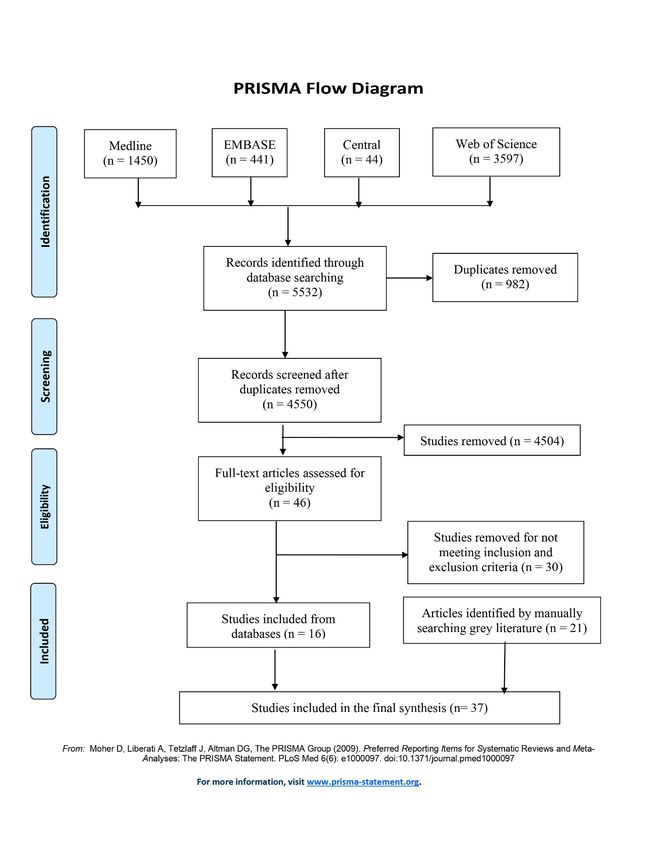
A total of 4,550 abstracts were screened in duplicate by two reviewers (Lee and Bele)
and 37 primary, secondary, and grey literature sources were identified. Among these
37, 14 (37.8%) were published guidelines, 3 (8.1%) were grey literature (blog or short
statement), and 20 (54.1%) were references from the primary literature. The screening
of primary articles was done systematically.
The strength of the evidence around this question was very limited, with fairly good
occupational data although occupational versus community risk assessment was
limited. There was very little primary evidence on risk factors for transmission and risk
mitigation in vehicles. The primary literature contained cohort and descriptive studies,
simulations, surveys, and contract tracing. The geographical location of publications
varied, although some of the primary literature was published outside of North America.
Common themes in recommendations throughout the secondary literature were
identified despite these geographical differences.
Limitations of this review
The following limitations are identified:
1. Formal quality assessment (i.e. identifying risk of bias) was not completed, given
that this was a rapid review
2. Non-English articles were not included
3. The primary literature pertaining to these questions was overall limited and of
lower quality (see above.).
Summary of Evidence
Research Question 1: What is the degree of risk of acquiring COVID-19 to
taxi and ride-share drivers transporting people at community-based risk; or
transporting people with or at higher risk of COVID-19 (e.g. exposed,
symptomatic, or documented to have COVID-19)? Are there specific
factors associated with a higher transmission risk?
Evidence from Primary Literature
There is very little primary evidence available on risk factors for transmission in this
setting. However, case reports and epidemiological studies have demonstrated risk of
transmission of COVID-19 in taxi and ride-sharing vehicles with evidence of
transmission to passengers as well as to drivers, and reports from multiple jurisdictions
suggest elevated risk of documented COVID-19 in drivers compared to people in other
occupations.
8 Last revised: June 22, 2021In a study reported by Fernandez-Prado et al. (2020), dialysis patients who had shared the same car with patients that later were documented to have SARS-CoV-2 infection had a 3.3 to 4.7-fold increased risk of developing COVID-19 if they were transported with someone who later developed symptomatic or asymptomatic COVID-19 respectively (Fernandez-Prado et al., 2020). There is a two-way risk of infection, i.e., from driver to the passengers and vice versa. In a case study from the United States of America (USA), two instances of transmission within a transport van were described, including transmission in spite of masking and distancing. A presymptomatic COVID-19 positive van driver transported 4 patients on 2-hour trips to and from the hospital, developing symptoms the next day. The driver and all passengers wore cloth facemasks and only interacted during boarding and transportation. Three of 4 passengers tested 6 to 8 days after exposure, and 1 subsequently developed COVID- 19 symptoms. A second driver, in the same van and on the same route transported 3 patients on the day he developed symptoms with 1 of 3 passengers testing positive 4 days later. The van driver did not wear a mask, but the passengers wore cloth facemasks (Jones et al., 2021). Ventilation assessment (air flow and small and large microsphere deposition) of the van (3 metres distance) showed dispersal of microspheres to the back of the van when the fan and heater were on only. A multi-national study of COVID-19 classed as occupationally acquired from Hong Kong, Japan, Singapore, Taiwan, Thailand, and Vietnam epidemiologic reports showed that car, taxi and van drivers made up 15% of all identified occupationally acquired cases (15 out of 103 cases). This study assessed possible work-related exposures if car, taxi and van drivers had close contact with another confirmed case due to work, or had an unknown contact history but were likely to have been infected in the working environment (e.g., an airport taxi driver). In this study, work-related COVID-19 infections assessed as occupational infections were 15% among car, taxi, and van drivers, 10% in non physician health professionals, and 3% in physicians(Lan et al., 2020). Magnusson et al. (2020) reported that during the first wave in Norway, taxi drivers along with healthcare providers and other public transport workers had 1.5-3.5 times the risk of COVID-19. In the second wave, taxi drivers along with food services workers and travel stewards had 1.5-4 times the risk of COVID-19. In another study, immigrants from Somalia, Pakistan, Iraq, Afghanistan and Turkey working as taxi drivers had slightly higher risk of COVID-19 than other professions (except healthcare). This study also assessed background risk in the broader immigrant groups and found an increase separate from occupational status, with a suggestion, that higher rates of infection are likely related to a complex set of factors including factors related to exposure and to underlying health (Kjollesdal & Magnusson, 2021). Evidence from secondary and grey literature This literature review is restricted to taxis and car sharing, however there is acknowledgement of some evidence from engineering controls in small rooms given the paucity of studies, although this evidence is not used in developing recommendations. According to the World Health Organization’s interim guidance on COVID-19 related occupational health and safety for health workers, transportation of people known or suspected of having COVID-19 without physical separation between the driver and the 9 Last revised: June 22, 2021
passenger, and cleaning between transports of patients with suspected COVID-19 are
considered high risk tasks (World Health Organization, 2021). Other risk factors
identified in the literature include sharing the same car between multiple drivers in shifts
in the same taxi company, riding in a small space with passengers without known
COVID-19 status, contact with shared surfaces, whether or not vehicles are cleaned
between rides, exposure to asymptomatic carriers, close proximity between driver and
passengers, and low air exchange rate (compared to other vehicles such as auto-
rickshaws) (Baluja et al., 2021; Lan et al., 2020; Loa et al., 2021).
The European Centre for Disease Prevention and Control’s Technical Report included a
study from Sweden (in Swedish), which looked at occupational risk of COVID-19
diagnosis and found that relative risk among taxi drivers was 4.8 times higher than in all
other professions (95% confidence interval 3.9-6) followed by bus and tram drivers (RR
4.3, 95% CI 3.6–5.1) (European Centre for Disease Prevention Control, 2020;
Folkhälsomyndigheten, 2020). The report published by the British Office of National
Statistics found that between 9 March and 25 May 2020 in England and Wales,
transport workers including taxi drivers and chauffeurs were found to have statistically
significant increased mortality rates (65.3 deaths per 100,000; 134 deaths) from COVID-
19 (UK Office for National Statistics, 2020). Similarly, UK’s EMG Transmission Group’s
report also highlights higher risk of transmission among taxi drivers (UK EMG
Transmission Group, 2021). However, this report also cautions that the occupational
risks are interlinked with other factors such as household size, socioeconomic
inequalities and financial barriers to isolation and inability to work from home, which
might affect individuals’ risk of infection.
Synthesis of the Information Relating to Question 1
Overall, the evidence suggests that driving taxis or ride-sharing vehicles is associated
with higher risk of infection and mortality compared to other occupational groups studied
so far. In some studies, driver risk of infection was even higher than that of healthcare
providers. Since asymptomatic carriers can transmit infection, passengers (or drivers)
without noticeable symptoms may be a source of infection for others, so consistent
precautions are required. One study even suggests devising safety strategies based on
the assumption that any person using the taxi service may be infected.
Since most of the included studies and guides were published prior to mass
vaccinations, none of the studies examined the impact of vaccinations on the risk of
infection.
Research Question 2: What is the current evidence on best practices to
reduce risk of transmission in vehicles/during ride sharing, and what are the
optimal mitigation strategies to reduce risk?

Evidence from secondary and grey literature
Jurisdictions across Canada and international bodies have published guidelines on
taxis, limos, and on other ride-sharing activities (Centers for Disease Control and
Prevention, 2021; Eastern Ontario Health Unit, 2021; European Centre for Disease
Prevention Control, 2020; Government of Alberta, 2020; Health Information and Quality

10                                                                    Last revised: June 22, 2021
Authority, 2021; Infrastructure Health and Safety Association, 2021; INSPQ Public
Health Expertise and Reference Centre, 2021; Norwegian Institute of Public Health,
2020; Occupational Safety and Health Administration, 2020; Queensland Health, 2020;
The Workers' Compensation Board of British Columbia, 2021; UK EMG Transmission
Group, 2021; Windsor-Essex County Health Unit, 2021; World Health Organization,
2021). These guidelines largely discuss infection prevention and control practices
customized to vehicular settings. Common recommendations can be grouped to
categories of screening practices, masking wearing, maintaining limited contact, air
circulation, and cleaning and disinfection practices. These jurisdictional
recommendations are summarized in Table 1.

1. Screening Practices

Screening practices identify symptomatic or high-risk passengers by asking questions
on possible COVID-19 exposure or asking about travel history (i.e. international
travelers). Guidelines recommended having screening practices for both drivers and
passengers. The passenger screening could occur at booking or during the interaction
between passenger and driver at the initial contact.

Some guides explicitly mentioned that employers should be responsible for setting up a
process to identify sick drivers. Drivers who have had a high-risk exposure or are
developing symptoms should not be driving, and provisions for appropriate coverage
and sick leave are required. Drivers are also asked to contact local health authorities
and their healthcare providers for follow-up if they suspect exposure to COVID-19 or if
starting to develop symptoms.

2. Mask Wearing

Most public health agencies including the Centre for Disease Control (2021), for
example, have mandated masks on taxi and other ride-shares if traveling into, within, or
out of the USA and in USA transportation hubs such as airports and stations. The
specific masking practice recommendations varied for passenger and driver, based on a
risk assessment.

3. Limiting outside of household contacts

Multiple guidelines stated that only those from the same household should be sharing a
taxi or ride-share, and no multiple households or groups should be sharing a cab. A
guide published by Eastern Ontario stated that passengers who are required to be in
isolation or self-isolation should only travel for essential healthcare appointments.

4. Droplet and contact-based precautions

Installation of physical barriers was discussed in some guidance documents, with
recommendation for a barrier (e.g. plexiglass) between passenger(s) and driver.
However, slight wording differences of “recommended or should consider” and
“required” were observed between guidelines. When a barrier was required it was
suggested that if a barrier could not be installed, then the driver must wear a mask.

11                                                                  Last revised: June 22, 2021
Guides recommended that contactless payment should be used for taxi or ride-share
services. The passenger should sit at the furthest position from the driver (Driver at
Front-Left, passenger at Back-Right).

Hand-washing practice was included in all guidance, some quite detailed. The Windsor-
Essex Health unit guide, for example, contained an explicit statement on cleaning hands
with an alcohol-based hand rub or washing with soap and water for at least 20 seconds.
However, variations on responsibilities of providing hand sanitizer were observed. One
guide asked that employers be responsible for providing hand sanitizer to drivers, while
another asked that the driver provide the passenger with a hand sanitizer.

5. Air Circulation

All guides advised against setting ventilation systems to recirculation mode. Some
guides had a statement that ventilation with open windows is possible.

6. Cleaning and Disinfection

Disinfection between rides or between shifts was included in guides, with
recommendations and explicit instructions. Additionally, there were statements such as
using only the disinfectants that have a Drug Identification Number. Eastern Ontario
Health Unit also contained link to Government of Canada-approved disinfectants with
DINs. The CDC also provides a list of EPA-approved disinfectants for hard non-porous
surfaces.

12                                                                 Last revised: June 22, 2021
Table 1. Summary of Jurisdictional Recommendations on Commonly Considered Factors Among Taxi or Ride-share
Services
 Jurisdiction                                         Factors and Recommendations
                                                                                                                               Comments
                          Mask                   Barrier         Circulation          Cleaning               Others

Alberta,         1.non-medical face        Physical barrier     Do not set       Protocolized hand    Consider PPE if         Evidence:
Canada           masks for standard risk   between driver and   ventilation      hygiene (before      barrier cannot be       expert opinion
(2020)           situations;               passenger            system to        and after loading)   installed               (inferred)
                                                                recirculation
                 2. surgical mask                               mode             Cleaning between     Disposable gloves (if
                 (carrying persons                                               passengers           cash payment is
                 required to isolate or                                                               required)
                 quarantine)                                                     Keep vehicle
                                                                                 cleaning logs        Distancing 2 m
                                                                                                      (outside vehicle)

                                                                                                      No contact between
                                                                                                      driver and passenger
                                                                                                      during loading and
                                                                                                      unloading luggage
Centre for       Non-surgical masks:       N/A                  Do not set       Cleaning between                             Evidence:
Disease          Required (for both                             ventilation      shifts (frequently                           expert opinion
Control and      drivers and                                    system to        touched surfaces)                            (inferred)
Prevention,      passengers)                                    recirculation
USA (2021)                                                      mode             Cleaning between
                                                                                 passengers
                                                                Open vehicle     (especially if
                                                                windows to       carried passengers
                                                                increase         who are sick at
                                                                airflow and/or   minimum)
                                                                use the car’s
                                                                vents to bring   Protocolized hand
                                                                in fresh         hygiene
                                                                outside air
Eastern          Mask (Non-specific) or    Physical barrier     Open vehicle     Protocolized         Disposable gloves       Evidence:
Ontario Health   face-covering:            between driver and   windows to       cleaning             when cleaning           expert opinion
                 Required for              passenger            increase         (Frequently                                  (inferred)
Unit, Canada passengers and airflow, touched surfaces:
(2021) drivers (especially if At least twice per
transporting a day, or after every
passenger to ride if possible.)
or from a
COVID-19 Cleaning after
assessment transporting
center, or a medical patients
healthcare (e.g. to and from
facility and/or the hospital,
symptomatic assessment centre,
passenger ) or other healthcare
settings), or
symptomatic
patients)
EMG Group NA NA NA NA Revise workplace risk Note:
assessments (in Technical
accordance with report of
occupational safety current
and health legislation evidence on
and occupational transmission
health and safety
measures adapted) Evidence:
expert opinion
(inferred)
European NA NA NA (general NA Drivers should be
Centre for about any provided with simple
Disease indoor types of intervention
Prevention spaces) (not specified) and
and Control, PPE
Europe (2020)
Government of Mask: Required Physical barrier NA Protocolized hand Eliminate the use of Evidence:
British between driver and hygiene (after the front passenger expert opinion
Columbia, passenger handling cash or seat (where (inferred)
Canada cards) passenger numbers
(2021) allow for it)
Tissues and wipes
for passengers and Increase signage at
garbage bag within taxi-ranks advising
reach
14 Last revised: June 22, 2021passengers of basic
Provide hand hygiene etiquette.
sanitizer for
passengers Touchless payment or
signature methods
Employers provide
drivers with hand Minimize shared rides
sanitizers and
alcohol-based Passengers to handle
disinfectant wipes. their own personal
luggage (if possible)
Cleaning between
passengers
(frequently touched
surfaces)
Health (For Passengers) NA NA NA This document
Information Austria: FFP2 Mask (or summarizes
and Quality equivalent) required the guidelines
Authority, from other
Ireland, (2021) England: Face- countries.
covering required
Evidence:
Wales: Face covering Expert opinion
required for age over
11
Northern Ireland: Face
mask required for age
over 13
Denmark: Face mask
required
Infrastructure Surgical NA NA Cleaning between Distancing 2 m Evidence:
Health and Mask/Procedural mask shifts (outside vehicle) Expert opinion
Safety or N95: required as a
Association, source control per risk Cleaning between No contact between
Canada, assessment for passengers driver and passenger
(2021) workers during loading
15 Last revised: June 22, 2021Use masks as source Touchless payment or
control in their signature methods
workplace
Apply risk assessment Protocolized hand
to determine hygiene
appropriate mask
types
Protocolized training
on PPE
INSPQ Public Procedural mask: Physical barrier Do not set the Driver exclusion for Evidence:
Health standard between driver and ventilation symptoms Expert opinion
Expertise and passenger system to
Reference Surgical mask: recirculation Protocolized hand
Centre, required if client is mode. hygiene
Canada, symptomatic. If there is
(2020) no mask, to wear a Protocolized clothing
face cover. Applies to
drivers Distancing 2 m
(outside,
symptomatic)
Enhanced measures
for symptomatic
passenger
Norwegian Medical face mask: NA NA Cleaning between Distancing 2 m Evidence:
Institute of required for passenger, shifts (outside, Expert opinion
Public Health, and companion if symptomatic) only
Norway, suspected of COVID- Cleaning between
(2020) 19. passengers Distancing 2 m
(outside, routine)
Eye protection and Employer training
gloves: required for program for Protocolized training
driver if passenger cleaning vehicles. program
symptomatic
Segregated driving Driver exclusion for
teams (routine vs. symptoms
symptomatic for
handling Protocolized hand
passengers hygiene
16 Last revised: June 22, 2021Recordkeeping of Protocolized
drivers in contact respiratory etiquette
with COVID-19
passenger
(employer)
Occupational Face coverings or NA Lower vehicle Cleaning between Driver exclusion for Evidence:
Safety and surgical masks: windows to shifts symptoms Expert opinion
Health required for driver. increase only
Administration, airflow. Cleaning between Protocolized hand
USA, (2020) Mask have at least two passengers hygiene
layers of tightly woven
breathable fabric. Face Employer provided
coverings should be cleaning and hand
provided at no cost to hygiene products
workers
Queensland Facial mask (surgical NA NA NA No passenger sharing Evidence:
Health, or procedural): Expert opinion
Australia, standard for driver Protocolized hand only
(2020) hygiene
Medical masks and
respirators: required Driver exclusion for
for driver if passenger symptoms
is symptomatic
Enhanced measures
for symptomatic
passenger
Windsor- Face mask: required NA NA Cleaning between Driver exclusion for Evidence:
Essex County for driver shifts symptoms Expert opinion
Health Unit only
(Canada, Cleaning between Protocolized hand
2021) passengers hygiene
Employer provided Contactless payments
cleaning and hand
hygiene products Maximum physical
distancing
No passenger sharing
17 Last revised: June 22, 2021World Health Medical, fabric masks: NA Enhanced Cleaning between Driver exclusion for Evidence:
Organization required for ventilation shifts symptoms Expert opinion
(WHO, 2021) driver/workers without only
recirculation Protocolized hand
Medical mask: required Cleaning between hygiene
for driver if transferring passengers
symptomatic patient Protocolized
respiratory etiquette
Protocolized training
program
18 Last revised: June 22, 2021Evidence from the primary literature
Compared to secondary literature, the recommended best practices from primary
literature were limited but the findings from the primary literature are aligned with
recommendations from the secondary literature.
An article published by Baluja et al. (2021) suggested that any preventive and safety
strategies must be devised based on the presumption that any person using the taxi
service may be infected, leading to a conclusion that universal adoption of measures is
warranted. These authors listed risk assessment, hand-hygiene practices, masking, air
ventilation, and physical distancing as crucial measures.
The previously mentioned study by Fernandez-Prado et al. (2020) documented
transportation-related risk in dialysis patients exposed to even asymptomatic infective
persons in shared vehicles, with an implicit need for non-symptom based universal
precautions.
Studies on specific potential mitigating factors including airflow in vehicles and broader studies
on eye protection and the use of barriers:
Ventilation: To inform ventilation optimization, a simulation study by Mathai et al. (2021)
using varying droplet sizes assessed computational fluid dynamics simulations for a
range of ventilation options in a model four-door passenger car, and concluded the
following:
A well-ventilated space requires the availability of entrance and exit for airflow
and establishing a favorable pressure gradient between the two, so having all
windows fully open, or the front right across from the driver seated front left, and
the back left, across from the passenger (seated back right) fully open was seen
as optimal in a 4 door vehicle.
Once a cross-ventilation path is established, opening a third window has little
effect on the air change per hour rate.
Eye Protection: Basic science literature points to the possible transmissibility of COVID-
19 through exposure of surfaces of the eye (Chen et al., 2020; Coroneo & Collignon,
2021; Marra et al., 2021). A systematic review of observational studies in healthcare
workers by Chu et al. (2020) demonstrated that eye protection was associated with less
infection (n=3713; aOR 0.22, 95% CI 0.12 to 0.39, RD −10·6%, 95% CI −12·5 to −7·7,
low certainty) (Chu et al., 2020). The same study also showed physical distancing of 1
metre or more is associated with lower transmission of COVID-19 (n=10 736, aOR 0.18,
95% CI 0.09 to 0.38; risk difference -10.2%, 95% CI -11.5 to -7.5, moderate certainty)
(Chu et al., 2020).
Barriers: The use of plexiglass barriers in vehicles has not been studied specifically, and
they may vary in application and consequent effect on airflow (whether the barrier fully
contains airflow between the driver and passenger compartment for example). Although
the literature is limited, studies in Georgia and across the US have suggested that
barriers in schools are not associated with reduced transmission based on public health
data, when assessed as aspects of prevention bundles (Gettings et al., 2021; Lessler et
al., 2021). In addition, COVID-19 outbreak transmission has been documented in offices
with barriers installed with concerns for adverse change to airflow (Ishigaki et al., 2021).Synthesis of the Information Relating to Question 2 Application of infection prevention and control practices tailored to taxi and other ride- share services was recommended in published guidelines. Primary articles on recommended practices are few. However, the science and assumptions from primary literature are in alignment with these published recommendations from secondary literature. The recommendations have varying levels of detail, representing jurisdictional differences. There is a lack of information on recommendations for immunization in taxi drivers or passengers from primary and secondary literature, although emerging evidence on both vaccination protection against COVID-19 disease and against transmission (as summarized in a SAG report) would strongly support a recommendation that taxi and ride-share drivers be immunized to reduce their own occupational risk of COVID-19 and also reduce potential risk of transmission to their passengers. Evolving Evidence Research on SARS-CoV-2 is continually evolving and as such the evidence will continue to be assessed as new information is provided. Evidence on above recommendations may change as immunization progresses. 20 Last revised: June 22, 2021
Appendix
List of Abbreviations
AHS              Alberta Health Services
CDC              Center for Disease Control and Prevention
COVID-19         Coronavirus Disease 2019
INSPQ            Institut national de santé publique du Québec
PPE              Personal Protective Equipment
RR                Risk Ratio
SAG              Scientific Advisory Group
USA              United States of America
WHO              World Health Organization

Methods
Literature Search
A literature search was conducted by Becky Skidmore, medical information specialist; search strategies
were tested through an iterative process in consultation with the review team.

B. Skidmore searched databases for articles published from January 1st, 2019 up until May 25, 2021.
Databases included Ovid MEDLINE®, including Epub Ahead of Print, In-Process & Other Non-Indexed
Citations, Embase, EBM Reviews - Cochrane Central Register of Controlled Trials, and EBM Reviews –
Cochrane Database of Systematic Reviews. We also searched the Web of Science (core collection).

Additionally, grey literature was searched from the following sources:

    1.   WHO COVID database https://search.bvsalud.org/global-literature-on-novel-coronavirus-2019-
         ncov/
    2.   Living Overviews of Evidence (L.OVE) Platform https://iloveevidence.com
    3.   COVID-END inventory of best evidence syntheses for clinical management
         https://www.mcmasterforum.org/networks/covid-end/resources-to-support-decision-
         makers/Inventory-of-best-evidence-syntheses/clinical-management
    4.   Cochrane COVID19 register https://covid-19.cochrane.org/

Briefly, the search strategy involved combinations of keywords and subject headings including a
combination of controlled vocabulary (e.g., “Coronavirus Infections”, “Motor Vehicles”, “Automobile
Driving”) and keywords (e.g., “COVID19”, “taxi”, “rideshare”). Vocabulary and syntax were adjusted
across the databases. No language restrictions were applied but searches were limited to the publication
dates 2019 to the present. Results were downloaded and deduplicated using EndNote version 9.3.3
(Clarivate Analytics) and uploaded to Covidence.

Identified articles were initially screened by title and abstracts against the inclusion/exclusion criteria listed
in Table 1 below. 4,550 articles were identified by KRS with references and abstracts provided for further
review after removing duplications. 4,534 studies were excluded from the review in accordance with the
inclusion/exclusion criteria stated below.

PRISMA diagram is shown below.

21                                                                                    Last revised: June 22, 2021
22 Last revised: June 22, 2021
Table 1. Inclusion and exclusion criteria for results of the literature search

  Inclusion Criteria                                      Exclusion Criteria
      - Studies focusing on taxi and/or other ride           - Not available in English
          sharing services                                   - Studies with no available full text
      - Human only                                           - Presented data/evidence is not sufficient
      - Timeline: Jan 1, 2019 to May 21, 2021                    to address the research questions
      - All methods                                          - Studies focusing on public transportation
      - English only (or with English translation)               (e.g. buses and trains)
      - Full text, peer-reviewed, non-peer                   - Studies focusing on medical
          reviewed (pre-print), grey literature                  transportation (e.g. ambulances)
      - No limits on geographic location

Critical Evaluation of the Evidence
Exclusion criteria for study quality were adapted from the Mixed Methods Appraisal Tool (MMAT)(Hong et
al., 2018). Potential articles were evaluated on three criteria: 1) Peer reviewed or from a reputable source;
2) Clear research question or issue; 3) Whether the presented data/evidence is appropriate to address
the research question. Preprints and non peer-reviewed literature (such as commentaries and letters from
credible journals) are not excluded out of hand due to the novelty of COVID-19 and the speed with which
new evidence is available.

Table 2 below is a narrative summary of the body of evidence included in this review. The categories,
format, and suggested information for inclusion were adapted from the Oxford Centre for Evidence-Based
Medicine, the Cochrane Library, and the AGREE Trust (Brouwers et al., 2010; Urwin et al., 2020;
Viswanathan et al., 2017; Wynants et al., 2020).

Table 2. Narrative overview of the literature included in this review.

                    Description
 Volume             Four cohort studies were included, 3 contact tracking studies were included, 3
                    descriptive studies were included, 14 government guides were included, 2 literature
                    reviews were included, 4 simulation studies were included, 4 survey studies were
                    included.

 Quality            The quality of primary literature in answering these two research questions varied.
                    The quality of literature related to the first question on risk associated with taxi and
                    ride-share drivers was high. However, the quality of literature on interventions was
                    lacking. The grey literature is from reputable and established organizations and
                    current intervention strategies are in alignment with each other.

 Applicability      Guidelines were published from across Canadian and international jurisdictions.
                    These jurisdictions have similar health system structure as Alberta.

 Consistency        Findings were consistent in the primary literature, and guidelines consistent in their
                    recommendations around infection prevention and control practices.

23                                                                                  Last revised: June 22, 2021
Search Strategy
Final Search Strategy
May 21, 2021
Ovid Multifile
Database: EBM Reviews - Cochrane Central Register of Controlled Trials , EBM Reviews -
Cochrane Database of Systematic Reviews , Embase ,
Ovid MEDLINE(R) and Epub Ahead of Print, In-Process, In-Data-Review & Other Non-Indexed Citations
and Daily
Search Strategy:
--------------------------------------------------------------------------------
1 COVID-19/ (82301)
2 SARS-CoV-2/ (74525)
3 Coronavirus/ (13284)
4 Betacoronavirus/ (40980)
5 Coronavirus Infections/ (57218)
6 (COVID-19 or COVID19).tw,kf. (239821)
7 ((coronavirus* or corona virus*) and (hubei or wuhan or beijing or shanghai)).tw,kf. (9575)
8 (wuhan adj5 virus*).tw,kf. (517)
9 (2019-nCoV or 19nCoV or 2019nCoV).tw,kf. (3098)
10 (nCoV or n-CoV or "CoV 2" or CoV2).tw,kf. (86799)
11 (SARS-CoV-2 or SARS-CoV2 or SARSCoV-2 or SARSCoV2 or SARS2 or SARS-2 or severe acute
respiratory syndrome coronavirus 2).tw,kf. (88225)
12 (2019-novel CoV or Sars-coronavirus2 or Sars-coronavirus-2 or SARS-like coronavirus* or ((novel
or new or nouveau) adj2 (CoV or nCoV or covid or coronavirus* or corona virus or Pandemi*2)) or
(coronavirus* and pneumonia)).tw,kf. (34919)
13 (novel coronavirus* or novel corona virus* or novel CoV).tw,kf. (17801)
14 ((coronavirus* or corona virus*) adj2 "2019").tw,kf. (55207)
15 ((coronavirus* or corona virus*) adj2 "19").tw,kf. (8996)
16 ("coronavirus 2" or "corona virus 2").tw,kf. (28403)
17 (OC43 or NL63 or 229E or HKU1 or HCoV* or Sars-coronavirus*).tw,kf. (7460)
18 (COVID-19 or severe acute respiratory syndrome coronavirus 2).os. (17)
19 (coronavirus* or corona virus*).ti. (42863)
20 or/1-19 [COVID-19] (298466)
21 Motor Vehicles/ (15152)
22 Automobiles/ (16463)
23 Automobile Driving/ (34364)
24 (autos or automobile* or car or cars or sedan or sedans or vehic*).tw,kf. (438476)
25 (taxi or taxis or taxicab? or cab or cabs or limo or limos or limousine* or Lyft or rideshar* or ride-
shar* or (ride? adj2 shar*) or ridehail* or ride-hail* or (ride? adj2 hail*) or carpool*).tw,kf. (13752)
26 Uber.tw,kf. not German.lg. (2131)
27 (chauffeur* or driver* or driving).tw,kf. (378256)
28 (shar* adj3 transport*).tw,kf. (1618)
29 exp Occupational Exposure/ and Transportation/ (339)
30 (((occupation* adj3 risk*) or (occupation* adj3 expos*) or (work* adj3 risk*) or (work* adj3 expos*))
adj5 (drive* or transport* or travel*)).tw,kf. (699)
31 or/21-30 [DRIVERS/DRIVING, ETC] (811581)
32 20 and 31 [COVID-19 - DRIVERS/DRIVING, ETC] (2963)
33 exp Animals/ not Humans/ (16090418)
34 32 not 33 [ANIMAL-ONLY REMOVED] (2840)
35 limit 34 to yr="2019-current" (2745)
36 35 use ppez [MEDLINE RECORDS] (1482)
37 coronavirus disease 2019/ (192833)
38 severe acute respiratory syndrome coronavirus 2/ (91572)
24 Last revised: June 22, 202139 Coronavirinae/ (4824)
40 Betacoronavirus/ (40980)
41 coronavirus infection/ (58094)
42 (COVID-19 or COVID19).tw,kw. (243700)
43 ((coronavirus* or corona virus*) and (hubei or wuhan or beijing or shanghai)).tw,kw. (9725)
44 (wuhan adj5 virus*).tw,kw. (540)
45 (2019-nCoV or 19nCoV or 2019nCoV).tw,kw. (3423)
46 (nCoV or n-CoV or "CoV 2" or CoV2).tw,kw. (86288)
47 (SARS-CoV-2 or SARS-CoV2 or SARSCoV-2 or SARSCoV2 or SARS2 or SARS-2 or severe acute
respiratory syndrome coronavirus 2).tw,kw. (93875)
48 (2019-novel CoV or Sars-coronavirus2 or Sars-coronavirus-2 or SARS-like coronavirus* or ((novel
or new or nouveau) adj2 (CoV or nCoV or covid or coronavirus* or corona virus or Pandemi*2)) or
(coronavirus* and pneumonia)).tw,kw. (35432)
49 (novel coronavirus* or novel corona virus* or novel CoV).tw,kw. (18130)
50 ((coronavirus* or corona virus*) adj2 "2019").tw,kw. (55606)
51 ((coronavirus* or corona virus*) adj2 "19").tw,kw. (8742)
52 ("coronavirus 2" or "corona virus 2").tw,kw. (28291)
53 (OC43 or NL63 or 229E or HKU1 or HCoV* or Sars-coronavirus*).tw,kw. (7641)
54 (coronavirus* or corona virus*).ti. (42863)
55 or/37-54 [COVID-19] (307112)
56 motor vehicle/ (15819)
57 car/ (17068)
58 car driver/ (994)
59 car driving/ (15286)
60 (autos or automobile* or car or cars or sedan or sedans or vehic*).tw,kw. (440046)
61 (taxi or taxis or taxicab? or cab or cabs or limo or limos or limousine* or Lyft or rideshar* or ride-
shar* or (ride? adj2 shar*) or ridehail* or ride-hail* or (ride? adj2 hail*) or carpool*).tw,kw. (13817)
62 Uber.tw,kw. not German.lg. (2135)
63 (chauffeur* or driver* or driving).tw,kw. (378792)
64 (shar* adj3 transport*).tw,kw. (1620)
65 "traffic and transport"/ and occupational exposure/ (148)
66 (((occupation* adj3 risk*) or (occupation* adj3 expos*) or (work* adj3 risk*) or (work* adj3 expos*))
adj5 (drive* or transport* or travel*)).tw,kw. (713)
67 or/56-66 [DRIVERS/DRIVING, ETC] (810214)
68 55 and 67 [COVID-19 - DRIVERS/DRIVING, ETC] (3106)
69 exp animal/ or exp animal experimentation/ or exp animal model/ or exp animal experiment/ or
nonhuman/ or exp vertebrate/ (53724177)
70 exp human/ or exp human experimentation/ or exp human experiment/ (42205590)
71 69 not 70 (11520295)
72 68 not 71 [ANIMAL-ONLY REMOVED] (2973)
73 limit 72 to yr="2019-current" (2881)
74 73 use oemezd [EMBASE RECORDS] (1369)
75 COVID-19/ (82301)
76 SARS-CoV-2/ (74525)
77 Coronavirus/ (13284)
78 Betacoronavirus/ (40980)
79 Coronavirus Infections/ (57218)
80 (COVID-19 or COVID19).ti,ab,kw. (243647)
81 ((coronavirus* or corona virus*) and (hubei or wuhan or beijing or shanghai)).ti,ab,kw. (9700)
82 (wuhan adj5 virus*).ti,ab,kw. (531)
83 (2019-nCoV or 19nCoV or 2019nCoV).ti,ab,kw. (3399)
84 (nCoV or n-CoV or "CoV 2" or CoV2).ti,ab,kw. (86266)
85 (SARS-CoV-2 or SARS-CoV2 or SARSCoV-2 or SARSCoV2 or SARS2 or SARS-2 or severe acute
respiratory syndrome coronavirus 2).ti,ab,kw. (93860)
25 Last revised: June 22, 202186 (2019-novel CoV or Sars-coronavirus2 or Sars-coronavirus-2 or SARS-like coronavirus* or ((novel
or new or nouveau) adj2 (CoV or nCoV or covid or coronavirus* or corona virus or Pandemi*2)) or
(coronavirus* and pneumonia)).ti,ab,kw. (35403)
87 (novel coronavirus* or novel corona virus* or novel CoV).ti,ab,kw. (18103)
88 ((coronavirus* or corona virus*) adj2 "2019").ti,ab,kw. (55593)
89 ((coronavirus* or corona virus*) adj2 "19").ti,ab,kw. (8725)
90 ("coronavirus 2" or "corona virus 2").ti,ab,kw. (28274)
91 (OC43 or NL63 or 229E or HKU1 or HCoV* or Sars-coronavirus*).ti,ab,kw. (7617)
92 (coronavirus* or corona virus*).ti. (42863)
93 or/75-92 [COVID-19] (299690)
94 Motor Vehicles/ (15152)
95 Automobiles/ (16463)
96 Automobile Driving/ (34364)
97 (autos or automobile* or car or cars or sedan or sedans or vehic*).ti,ab,kw. (439583)
98 (taxi or taxis or taxicab? or cab or cabs or limo or limos or limousine* or Lyft or rideshar* or ride-
shar* or (ride? adj2 shar*) or ridehail* or ride-hail* or (ride? adj2 hail*) or carpool*).ti,ab,kw. (13561)
99 Uber.ti,ab,kw. not German.lg. (2131)
100 (chauffeur* or driver* or driving).ti,ab,kw. (378371)
101 (shar* adj3 transport*).ti,ab,kw. (1618)
102 exp Occupational Exposure/ and Transportation/ (339)
103 (((occupation* adj3 risk*) or (occupation* adj3 expos*) or (work* adj3 risk*) or (work* adj3 expos*))
adj5 (drive* or transport* or travel*)).ti,ab,kw. (711)
104 or/94-103 [DRIVERS/DRIVING, ETC] (812122)
105 93 and 104 [COVID-19 - DRIVERS/DRIVING, ETC] (2961)
106 limit 105 to yr="2019-current" (2809)
107 106 use coch,cctr [COCHRANE RECORDS] (49)
108 36 or 74 or 107 [ALL DATABASES] (2900)
109 remove duplicates from 108 (1935) [TOTAL UNIQUE RECORDS]
110 109 use ppez [MEDLINE UNIQUE RECORDS] (1450)
111 109 use oemezd [EMBASE UNIQUE RECORDS] (441)
112 109 use coch [CDSR UNIQUE RECORDS] (0)
113 109 use cctr [CENTRAL UNIQUE RECORDS] (44)
***************************
Web of Science
# 22 3,597
#19 NOT #20
Refined by: PUBLICATION YEARS: ( 2021 OR 2020 OR 2019 )
Indexes=SCI-EXPANDED, SSCI, A&HCI, CPCI-S, CPCI-SSH, ESCI Timespan=All years
# 21 3,716
#19 NOT #20
Indexes=SCI-EXPANDED, SSCI, A&HCI, CPCI-S, CPCI-SSH, ESCI Timespan=All years
# 20 3,149,421
TI=(animal or animals or mice or mouse or rat or rats or lamb or lambs or sheep or murine or
cow or cows or cattle or bovine or piglet* or pig or pigs or hog or hogs horse or horses or
equine or dog or dogs or canine or cat or cats or feline or rabbit or rabbits or monkey or
monkeys or chimpanzee*)
Indexes=SCI-EXPANDED, SSCI, A&HCI, CPCI-S, CPCI-SSH, ESCI Timespan=All years
# 19 3,758
#18 AND #12
Indexes=SCI-EXPANDED, SSCI, A&HCI, CPCI-S, CPCI-SSH, ESCI Timespan=All years
# 18 2,090,758
#17 OR #16 OR #15 OR #14 OR #13
Indexes=SCI-EXPANDED, SSCI, A&HCI, CPCI-S, CPCI-SSH, ESCI Timespan=All years
# 17 533
26 Last revised: June 22, 2021TS=(((occupation* NEAR/3 risk*) or (occupation* NEAR/3 expos*) or (work* NEAR/3 risk*) or (work*
NEAR/3 expos*) ) NEAR/5 (drive* or transport* or travel*) )
Indexes=SCI-EXPANDED, SSCI, A&HCI, CPCI-S, CPCI-SSH, ESCI Timespan=All years
# 16 2,585
TS=(shar* NEAR/3 transport*)
Indexes=SCI-EXPANDED, SSCI, A&HCI, CPCI-S, CPCI-SSH, ESCI Timespan=All years
# 15 1,440,947
TS=(chauffeur* or driver* or driving)
Indexes=SCI-EXPANDED, SSCI, A&HCI, CPCI-S, CPCI-SSH, ESCI Timespan=All years
# 14 45,226
TS=(taxi or taxis or taxicab* or cab or cabs or limo or limos or limousine* or Lyft or rideshar*
or (ride NEAR/0 shar*) or (ride NEAR/2 shar*) or (rides NEAR/2 shar*) or ridehail* or (ride NEAR/0
hail*) or (ride NEAR/2 hail*) or (rides NEAR/2 hail*) or carpool*)
Indexes=SCI-EXPANDED, SSCI, A&HCI, CPCI-S, CPCI-SSH, ESCI Timespan=All years
# 13 713,721
TS=(autos or automobile* or car or cars or sedan or sedans or vehic*)
Indexes=SCI-EXPANDED, SSCI, A&HCI, CPCI-S, CPCI-SSH, ESCI Timespan=All years
# 12 136,646
#11 OR #10 OR #9 OR #8 OR #7 OR #6 OR #5 OR #4 OR #3 OR #2 OR #1
Indexes=SCI-EXPANDED, SSCI, A&HCI, CPCI-S, CPCI-SSH, ESCI Timespan=All years
# 11 20,048
TI=(coronavirus* or "corona virus" or "corona viruses")
Indexes=SCI-EXPANDED, SSCI, A&HCI, CPCI-S, CPCI-SSH, ESCI Timespan=All years
# 10 5,457
TS=(OC43 or NL63 or 229E or HKU1 or HCoV* or "Sars-coronavirus")
Indexes=SCI-EXPANDED, SSCI, A&HCI, CPCI-S, CPCI-SSH, ESCI Timespan=All years
#9 13,542
TS=("coronavirus 2" or "corona virus 2" or "coronavirus 2019" or "coronavirus 19")
Indexes=SCI-EXPANDED, SSCI, A&HCI, CPCI-S, CPCI-SSH, ESCI Timespan=All years
#8 8,002
TI=((coronavirus* or "corona virus") AND ("2019" or "19") )
Indexes=SCI-EXPANDED, SSCI, A&HCI, CPCI-S, CPCI-SSH, ESCI Timespan=All years
#7 8,099
TS=("novel coronavirus" or "novel corona virus" or "novel CoV")
Indexes=SCI-EXPANDED, SSCI, A&HCI, CPCI-S, CPCI-SSH, ESCI Timespan=All years
#6 323
TS=("2019-novel CoV" or "Sars-coronavirus2" or "Sars-coronavirus-2" or "SARS-like coronavirus")
Indexes=SCI-EXPANDED, SSCI, A&HCI, CPCI-S, CPCI-SSH, ESCI Timespan=All years
#5 38,291
TS=("SARS-CoV-2" or "SARS-CoV2" or "SARSCoV-2" or SARSCoV2 or SARS2 or "SARS-2" or
"severe acute respiratory syndrome coronavirus 2")
Indexes=SCI-EXPANDED, SSCI, A&HCI, CPCI-S, CPCI-SSH, ESCI Timespan=All years
#4 37,803
TS=("2019-nCoV" or 19nCoV or 2019nCoV or nCoV or "n-CoV" or "CoV 2" or CoV2)
Indexes=SCI-EXPANDED, SSCI, A&HCI, CPCI-S, CPCI-SSH, ESCI Timespan=All years
#3 23
TS="Wuhan virus"
Indexes=SCI-EXPANDED, SSCI, A&HCI, CPCI-S, CPCI-SSH, ESCI Timespan=All years
#2 5,511
TS=((coronavirus* or corona virus*) and (hubei or wuhan or beijing or shanghai) )
Indexes=SCI-EXPANDED, SSCI, A&HCI, CPCI-S, CPCI-SSH, ESCI Timespan=All years
#1 117,422
TS=("COVID-19" or COVID19)
Indexes=SCI-EXPANDED, SSCI, A&HCI, CPCI-S, CPCI-SSH, ESCI Timespan=All years
27 Last revised: June 22, 2021You can also read


