DETOX Campaigning for safer chemicals - WWF, January 2007
←
→
Page content transcription
If your browser does not render page correctly, please read the page content below
DETOX
Campaigning for safer chemicals

                       WWF, January 2007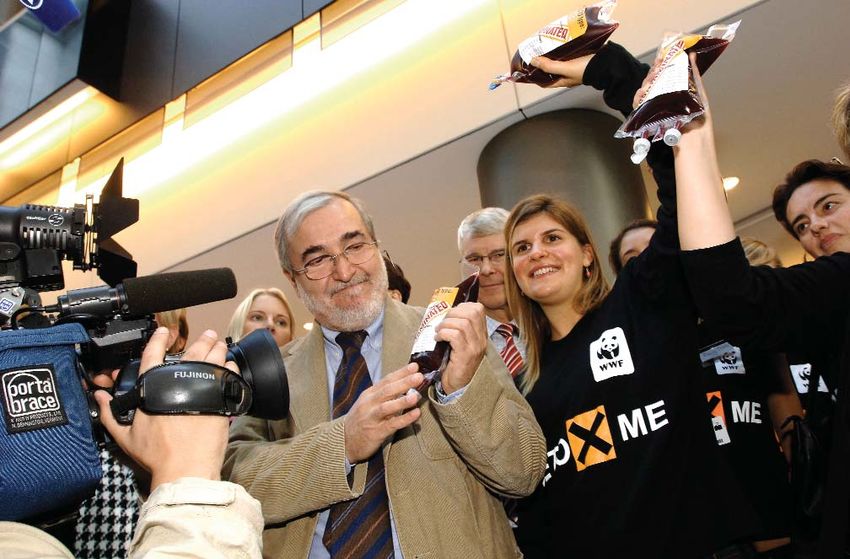
DETOX Campaign:
                                          breaking the unknown
                                          about chemicals
                                          After years of chemicals mismanagement resulting in the
                                          widespread contamination of wildlife, humans and the              WWF’s DetoX campaign supported policy and lobbying
                                          environment, the reform of chemicals legislation in Europe        through an ambitious communication programme. This was
                                          offered a unique opportunity to secure safer chemicals for        designed to create awareness amongst decision makers
                                          the future. DetoX was developed by WWF’s International            and the public on chemical contamination with mainly
                                          Toxics Programme. Its main aim being to ensure that the           unknown effects, the proven negative effects of some
                                          newly proposed legislation on chemicals, REACH, would             chemicals, the fact that an important decision making
                                          deliver WWF goals to identify and phase out the most              process was ongoing and the need to take action.
                                          hazardous chemicals and ensure that safety information on
                                          all chemicals on the EU market be publicly available.             WWF’s DetoX campaign was highly successful in making
                                                                                                            European citizens and decision makers aware of the
                                          WWF saw REACH as a unique opportunity to close the                shocking lack of safety information for the large majority of
                                          knowledge gap on chemicals and secure a safer                     chemicals used in daily life. Co-operation with scientists
                                          management system for chemicals in Europe. Influencing            and medical experts and their research on chemical
                                          the content of the mammoth REACH legislation and                  contamination in wildlife and people helped put the issue
                                          fighting one of the biggest and most powerful industries in       under the spotlight.
                                          Europe for over 3 years was certainly a challenge!
                                                                                                            The campaign team successfully engaged most WWF
                                                                                                            European national organisations. It was also supported by
                                                                                                            activities outside the EU, such as the “US Declaration of
                                                                                                            independence of hazardous chemicals” which was
                                                                                                            organised by WWF US. Also, close partnerships with other
                                                                                                            environmental and health NGOs, consumer groups and
                                                                                                            trade unions assured a powerful platform from which to
                                                                                                            raise our concerns and become a leading voice in the
                                                                                                            REACH debate.

DetoX team. From left to right (top), Justin Wilkes, Karl Wagner, Sandra Jen. In the bottom, from left to
right, Ninja Reineke, Noemi Cano, Elizabeth Drury, Suzanne Natelson.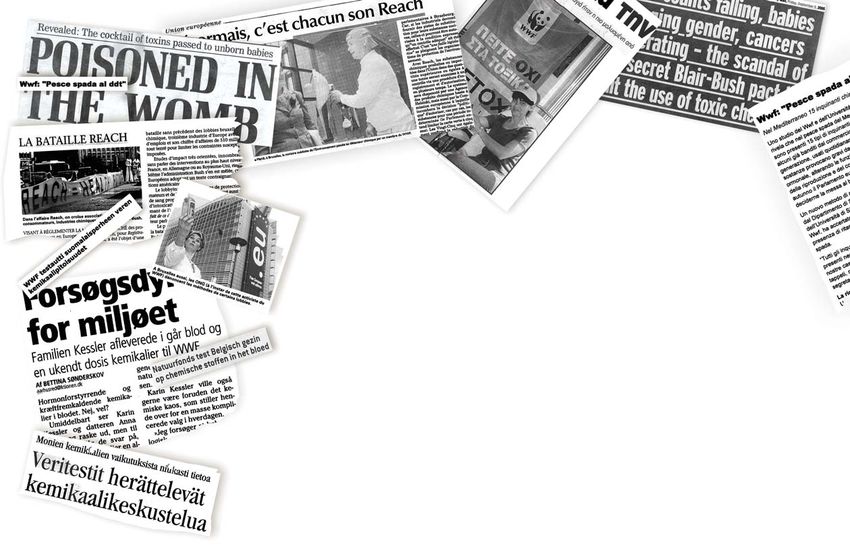
Chemicals                                                         The European launch of the family blood-test results just
                                                                                                            before the First Reading vote on REACH in the autumn of

                                          out of control!                                                   2005 obtained unprecedented media coverage, including
                                                                                                            prime time news. The issue of chemical contamination had
                                          To highlight the presence of chemicals of very high concern       definitely touched a public nerve. Expectations were being
                                          in our blood, food and environment, DetoX and WWF                 placed firmly on EU decision-makers to secure a strong
                                          national offices organised 8 biomonitoring surveys testing        European chemical legislation.
                                          more than 350 people across Europe, including politicians,
                                          celebrities and three generation families. By literally getting   In September 2006, at the start of the official Second
                                          under the people’s skin, everyone realized the intimate           Reading negotiations on REACH, DetoX presented a new
                                          global nature of the problem. REACH became everyone’s             insight into the global chain of contamination: the presence
                                          issue.                                                            of man-made chemicals in food, the most important human
                                                                                                            exposure for many persistent, bio-accumulative and
                                          WWF UK initiated the process in 2003, testing over 150            endocrine disrupting chemicals. Food items from dairy to
                                          volunteers in the UK including politicians and journalists in     olive oil, honey, fish and meat purchased in supermarkets
                                          partnership with the Cooperative Bank. With the debate on         in the UK, Italy, Spain, Greece, Sweden, Finland and
                                          REACH entering full speed and an ever growing interest            Poland were analyzed for eight different groups of man-
                                          from key decision makers to be associated to the                  made chemicals. Results found potentially harmful
                                          campaign, WWF organised the testing of 40 Members of              synthetic chemicals in all of the analysed samples. This
                                          the European Parliament, 14 Ministers across Europe,              study was backed by Cascade, the European network of
                                          doctors and scientists, journalists and celebrities. This         scientific excellence on chemicals in food. Prime time
                                          culminated, in the spring of 2005, with the impressive study      television and radio news programmes brought the story to
                                          “Generations X”, testing 3 generations of 13 European             the attention of the public in Europe and beyond. The
                                          families. In all cases, results showed that people were           following week, in the Parliament’s Environment Committee,
                                          contaminated with a chemical cocktail whose long-term             a large majority of Members voted again in favour of
                                          effects remain largely unknown.                                   substitution of the most hazardous chemicals.

Left: Finnish family daughter participating in the “Generations X” biomonitoring. | Right: Spanish environment minister Cristina Narbona testing her blood for chemicals.
Top: Arctic fox asleep, Canada. © WWF-Canon / François PIERREL.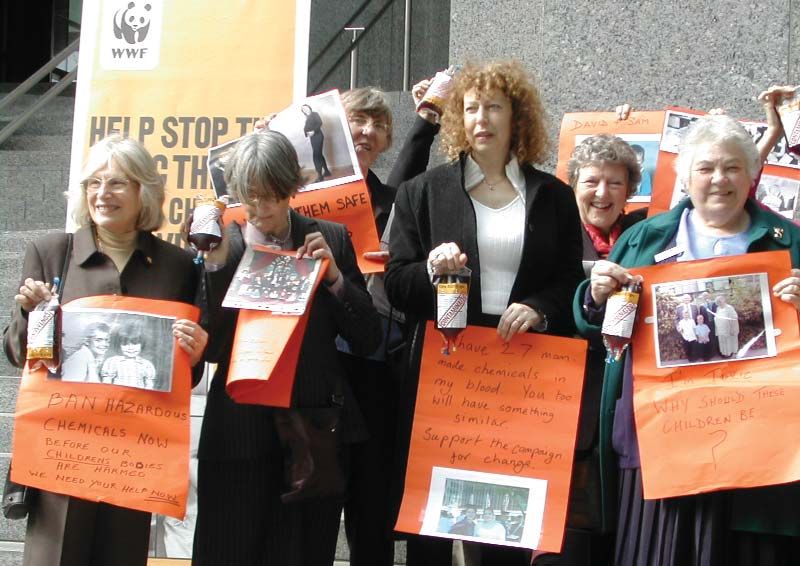
Left: A 77.000 signature petition was presented in Brussels by WWF UK and the National Federation of Women’s Institutes. | Right: EU Commissioner, Stavros Dimas, receiv-
ing the mother of the Greek family blood tested for chemicals.

                                          A truly European                                                                  In Greece, DetoX put together a strong
                                                                                                                            coalition of consumers, trade unions,

                                          campaign                                                                          professional organizations and media that
                                                                                                             effectively influenced the national debate on REACH.
                                          Operating from the heart of EU decision-making, DetoX ran                         In Hungary, WWF built a coalition of NGOs on
                                          in parallel in 13 European countries, giving it a truly European                  REACH and was chosen to represent their
                                          impact. With the leadership of the core team in Brussels,                         points of view in the Hungarian REACH ad-
                                          WWF’s national offices managed to place the need for a             hoc committee. The TV spot featuring a Hungarian Member
                                          stronger EU regulation on chemicals in the media, with             of the European Parliament was run on 24 TV channels.
                                          politicians and ultimately, in the minds of the people, thereby
                                          increasing the pressure on EU decision-makers. The global                         After testing the blood of 18 Italian
                                          media success achieved with the involvement of most WWF                           celebrities and politicians, an on-line
                                          European offices in the biomonitoring studies, and the report                     chemical contamination self-test attracted
                                          on contamination of the food chain, were crucial in making a       more than 22.000 visitors in a week. Numerous street
                                          Europe-wide breakthrough on the political debate front and         actions, joint petitions and email campaigns targeted Italian
                                          in the public’s awareness.                                         Members of the European Parliament and placed the toxics
                                                                                                             issue high up on the political agenda.
                                          Some national highlights include:                                                 In Latvia, two years of street actions, many
                                                                                                                            publications, discussions, lectures and
                                                          Having taken part in WWF’s biomonitoring                          contacts with top officials brought chemical
                                                          survey, the mother of the Belgian family           contamination into the public arena.
                                                          tested (a doctor herself) started a strong
                                          personal campaign to persuade the medical community,                              In Poland, DetoX engaged celebrities and
                                          the media and the Belgian politicians of the need for a                           generated one of the most intensive media
                                          strong REACH.                                                                     campaigns in Europe, including a television
                                                                                                             spot with Polish celebrities that was shown in cinemas and
                                                          In May 2006, after strong pressure from            a widely played song created by famous Polish pop stars.
                                                          WWF and other Danish NGOs, Danish
                                                          Members of the European Parliament sent a                         In Spain, getting the Minister for
                                          letter to the REACH “rapporteur” supporting the                                   Environment to test her blood for chemicals
                                          substitution of hazardous chemicals. The campaign also                            and the launch of several chemical
                                          attracted huge media attention.                                    contamination reports were key in attracting the attention of
                                                                                                             citizens, media and politicians. WWF/Adena forged good
                                                          In Finland, the family blood testing became        relationships with key MEPs and worked closely with other
                                                          such a hot topic of conversation that people       Spanish organisations to put REACH on the Spanish
                                                          could be overheard talking about it on public      government’s political agenda.
                                          transport and in supermarkets. Very good cooperation was
                                          established with Finnish Members of the European Parliament,                      In Sweden, DetoX has been the most
                                          which has now been extended to other environmental issues.                        successful WWF campaign ever. It has
                                                                                                                            generated extensive media coverage on the
                                                          In France, following an event in the               toxics issue and kept the pressure on Swedish politicians
                                                          European Parliament with French                    to vote for a strong REACH
                                                          companies in favour of substituting harmful
                                          chemicals for safer alternatives, WWF is now working with                         In the UK, the excellent media coverage of
                                          the French Environment Ministry to persuade other                                 campaign activities and reports increased
                                          companies to choose safer chemicals.                                              public awareness of the campaign. Intense
                                                                                                             political contacts and media pressure made UK Tory leader,
                                                          In Germany, the family blood testing and           David Cameron, join the ranks for a strong REACH and
                                                          reports about wildlife contamination resulted      cross-party support for the substitution of hazardous
                                                          in good media coverage about the problem           chemicals was achieved in the European Parliament’s
                                          of chemical contamination.                                         Environment Committee vote.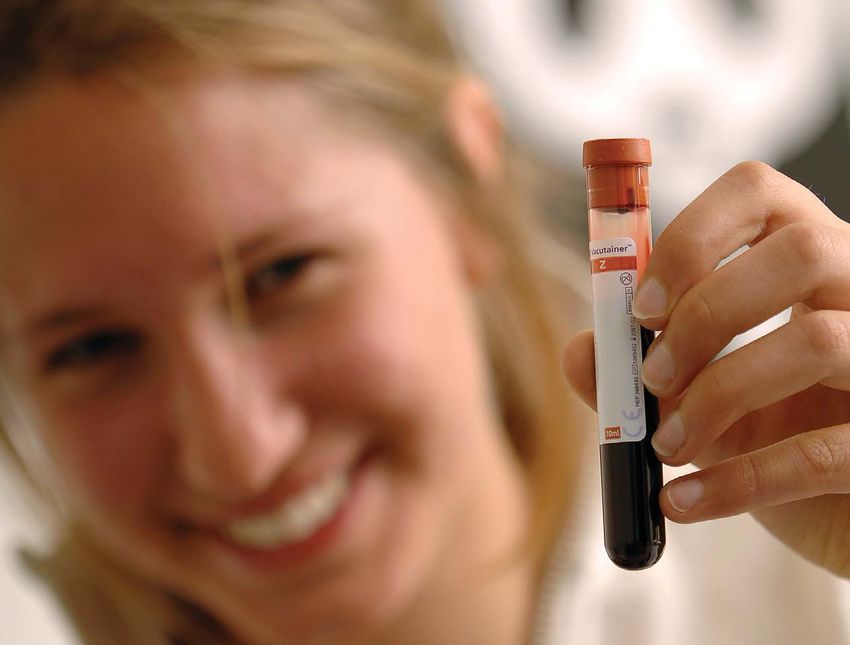
An integrated                                time, and as part of an integrated approach to
                                                                                                      communications, a printed version appeared in European

                                                         media campaign                               magazines, poster-size prints were displayed around the
                                                                                                      European area in Brussels and an online version was
                                                      DetoX used innovative communication tools       downloaded by thousands of viewers from video portals
                                                     to hold the public’s attention and rally         such as youtube.com.
                                                      campaigners and decision makers to its key
                                                       battles. Over three years of campaigning,      DetoX also made full use of Internet and web-based
                                                DetoX organised several press conferences and         communications. Creative web animations were used to
                                              put out more than 200 press releases, position          explain, for instance, how industrial chemicals travel to the
                                            papers and internet features on the issue of chemical     Arctic. Educational games, such as an “on-line chemical
                                           contamination and the REACH political process. This        contamination test” that was successfully launched by
                                           helped to position WWF as one of the key NGOs on           WWF Italy, were spread across EU countries.
                                          REACH.
                                                                                                      Street stunts, launched during key political moments, also
                                         DetoX’s biomonitoring studies and wildlife contamination     attracted significant media attention. Vampires in many EU
                                        reports obtained unprecedented media coverage all over        capitals ventured into daylight to demand clean blood. A
                                        Europe. Top newspapers and broadcasters such as the           “toxic family” approached European ministers during a
                                        BBC, Financial Times, CNN, Reuters and Associated Press       meeting in Brussels equipped with a “chemical detector”,
                                        – as well as hundreds of national media - covered WWF’s       demanding strong protection against toxic chemicals.
                                        biomonitoring studies and main campaign reports. In many
                                        cases, the strong media pressure translated into direct
                                        positive political moves.

                                        In September 2006, building on the success of a TV spot
                                        that WWF Poland prepared with national celebrities, DetoX
                                        made an international version featuring 4 key Members of
                                        the European Parliament. The spot was launched in the
                                        European Parliament when the second round of
                                        discussions on REACH was starting. It was also broadcast
                                        on Euronews and many national TV channels. At the same

Left: key Members of the European Parliament confess they have been in contact with toxic chemicals. | Right: DetoX Campaign Director, Karl Wagner, at the press
conference launching WWF’s biomonitoring results. | Top: Vampires take the streets in different European cities demanding “clean blood”.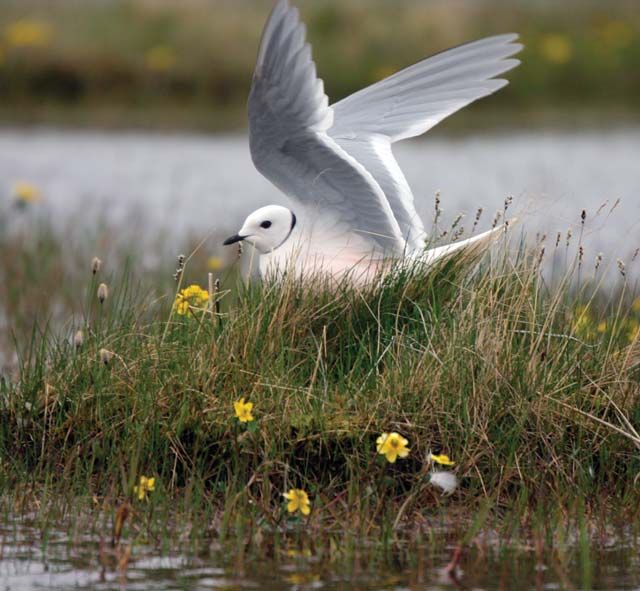
2001
13.02.2001
Commission adopts a White Paper
outlining the REACH principles
May 2003
“The Social Cost of Chemicals”,
a report for WWF-UK by David Pearce
and Phoebe Koundouri says REACH will
generate net benefits.
A month later, WWF UK launches the
biomonitoring tests (over 150 volunteers).
Results reveal a chemical cocktail in each
January 2004 25.01.2005
participant.
After 6 months of preparations, the DetoX A new WWF report, Clean Baltic within
23.09.2003 campaign kicks off! The report Causes for REACH?, reveals that fish from some
Chirac-Schroeder-Blair letter on REACH concern, highlights the widespread areas of the Baltic Sea are so
says that REACH needs “substantial chemical contamination in species such contaminated that they may be too toxic
changes” and that “we must ensure that as seals, whales and birds. for EU markets.
we do not place unnecessary burden on
29.04.2004 17.02.2005
industry”.
Cry Wolf, a report by the International A new WWF report warns that the Arctic
The same month, Science and Technology
Chemical Secretariat, sponsored by and its wildlife are increasingly
Policy Research presents a new report for
WWF, proves industry has overestimated contaminated with chemicals.
2003
2004
2005
WWF UK on how REACH will bring
the cost of implementing environmental
Innovation in the Chemicals Sector.
legislation to persuade politicians to
weaken REACH.
29.10.2003
A watered down draft proposal after 12.07.2004
Internet consultation on REACH is 14 EU Ministers sign up to WWF’s
published by the European Commission ongoing Chemical Check Up and
discover their blood is contaminated with Driftice, Norway. Arctic archipelago. © WWF-Canon / Wim VAN PASSEL
02.12.2003 a total of 55 industrial chemicals.
08.09.2005
Some 40 Members of the European WWF/Greenpeace report A Present for
July 2004
Parliament, representing 17 EU countries, Life reveals that harmful chemicals
WWF welcomes newly elected Members
join WWF’s biomonitoring initiative. present in everyday household products
of an enlarged European Parliament with
Results, launched in April 2004, show are entering babies’ bodies through the
a DetoX exhibition.
that 76 man-made chemicals were umbilical cord.
present in their blood. 29.10.2004
One year anniversary of debate on
04.10.2005
REACH- vampires venture into the daylight
Parliament’s Environment committee
to protest about the widespread
backs strong substitution principle in
contamination of blood.
REACH but falls short of guaranteeing
safety information.
February 2001
2003
2003
2003
2003
2003
2003
2003
2003
2003
2003
2004
2004
2004
2004
2004
2004
2004
2004
October 2004
November 2004
2003
2003
2004
December 2004
January 2005
February 2005
March 2005
April 2005
May 2005
January
February
March
April
May
June
July
August
September
October
November
December
January
February
March
April
May
June
July
August
September
2001 2003 2004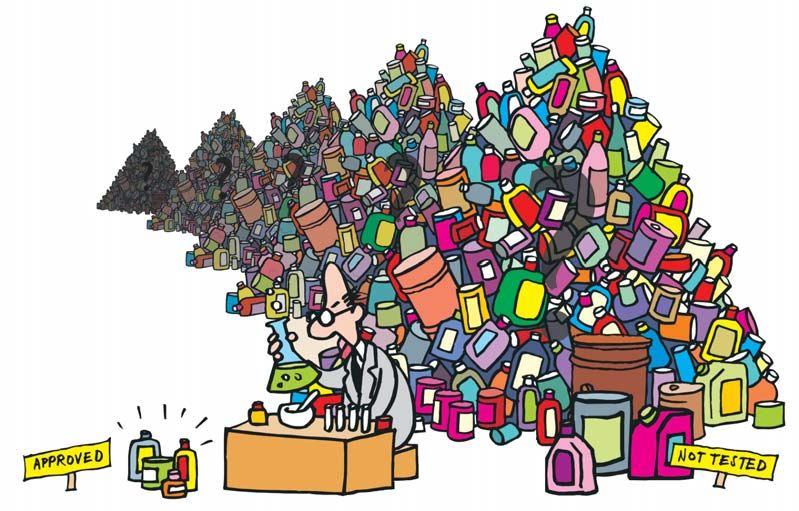
Timeline
06.10.2005 09.05.2006
The first Europe-wide family bloodtesting Despite official government opposition to 10.10.2006
survey finds 73 man-made hazardous REACH, pressure is mounting in the US Parliament’s Environment Committee
chemicals in the blood of 3 generations for a reform of its own chemicals policy, reiterates its will to have hazardous
of 13 European families. A week later says a new report by WWF and CIEL. chemicals replaced by safer
they come to Brussels to urge Members alternatives whenever available.
of the European Parliament to support a 15.06.2006
strong REACH. Commissioner for A new WWF report, killing them softly
Environment receives the mother of the 18.10.2006
shows growing evidence that harmful
Greek family tested. New paper by top UK scientist, Andreas
chemicals are already affecting the health
Kortenkamp, and WWF points at
of many Arctic
hormone disrupting chemicals as a
mammals. A week
17.11.2005 potentially crucial factor behind breast
later, representatives of
Parliament’s First Reading plenary vote cancer increases.
the Arctic indigenous
on REACH in Strasbourg. WWF and a
peoples come to
coalition of environmental groups display 25.10.2006
Brussels to share their
two 40 meter orange banners calling for The postcard
concerns with MEPs
a strong REACH. The Parliament votes to ‘A toxic Europe?
about chemical
strengthen substitution provisions, No thank you!’
contamination.
establish a duty of care and provide is sent to EU ministers
A to ic Europe?
information to consumers. and Commissioners. No thank you!
29.08.2006
07.12.2005 WWF detects for the first time the
20.11.2006
With Panda Passport, more than 11.000 presence of brominated flame retardant
38 leading scientists on hormone
emails calling for a strong REACH flood chemicals in Mediterranean swordfish
2006
disrupting chemicals call in an open letter
the email boxes of the President of the from the Italian coast.
for REACH to effectively regulate these
European Commission and
chemicals.
Commissioners for Industry and 05.09.2006
Environment. Four leading Members of the European
Parliament, from the three larger political 13.12.2006
groups, feature together in a WWF TV European Parliament Second
13.12.2005
spot on REACH. Reading vote. REACH is a first step
A disguised ‘toxic family’ meets Swedish
towards safer chemicals. NGO
and Danish Environment ministers and
scrutiny on implementation will be
hands them a ‘toxic gift’ on the occasion
crucial to make REACH a success.
of the Competitiveness Council’s vote on
REACH. The UK presidency proposal on
REACH finds unanimous agreement in
Council. 18.12.2006
European Environment Ministers sign
off REACH at their Environment
21.09.2006 Council meeting.
A new WWF report, Chain of
Contamination: The Food Link finds
industrial chemicals in food consumed
throughout Europe.
June 2005
July 2005
August 2005
October 2005
October 2006
September 2005
November 2005
December 2005
January 2006
February 2006
March 2006
April 2006
May 2006
June 2006
July 2006
August 2006
September 2006
November 2006
December 2006
2005 2006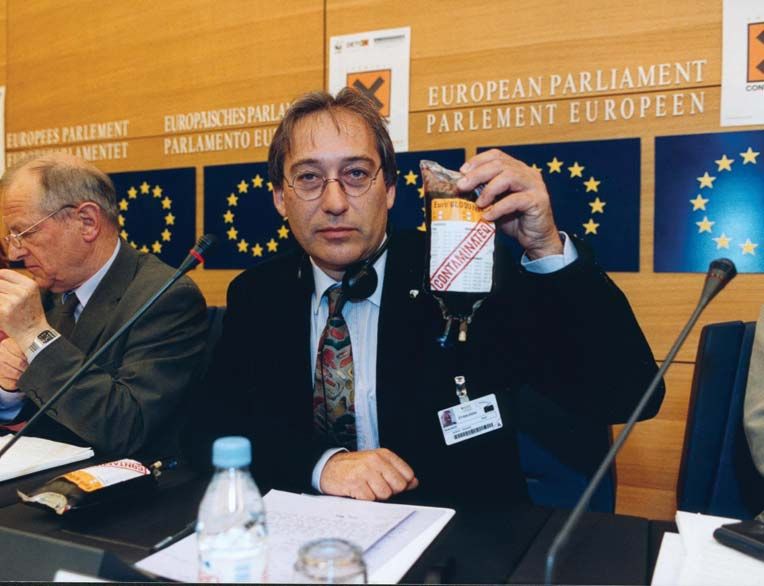
Left: WWF DetoX demonstration in front of the European Parliament in Strasbourg. | Right: Ex-Commissioner Margot Wallström visiting a DetoX exhibition with Tony Long,
WWF EPO Director. | Bottom left: Bloodtested families during a photo opportunity with Members of the European Parliament.

                                         In the political arena                                           DetoX also had a fundamental role in countering industry’s
                                                                                                          fierce attacks against the establishment of the REACH
                                                                                                          system as a whole and its endless attempts to water down
                                         The close coordination of WWF’s policy and advocacy
                                                                                                          its key provisions.
                                         work between the European and national levels was crucial
                                         to the successes of DetoX. At European level DetoX
                                                                                                          With this sustained work at each step of the process, WWF
                                         engaged with all three EU institutions - the Council of
                                                                                                          managed to establish itself as a highly respected voice in
                                         Ministers, the European Parliament and the European
                                                                                                          the REACH debate. Many of the communication initiatives
                                         Commission - with the support of WWF national
                                                                                                          were also great opportunities to engage politicians in
                                         organisations. Offices at national level also undertook
                                                                                                          campaign actions and secure real sympathy for the
                                         crucial work to influence the position of their national
                                                                                                          priorities WWF was promoting.
                                         governments.

                                                                                                          Policy briefings, fact sheets, publications on the socio-
                                         DetoX managed to build up cross party support for its
                                                                                                          economic aspects of the legislation and informative events,
                                         priority demands in many key national delegations of the
                                                                                                          often organised in the European Parliament, have all been
                                         European Parliament. This has particularly been reflected in
                                                                                                          crucial tools in helping politicians to understand the
                                         the results of the votes in the Environment Committee and
                                                                                                          complex issues at stake in the REACH legislation.
                                         at Parliament first plenary vote on the control of the most
                                         hazardous chemicals.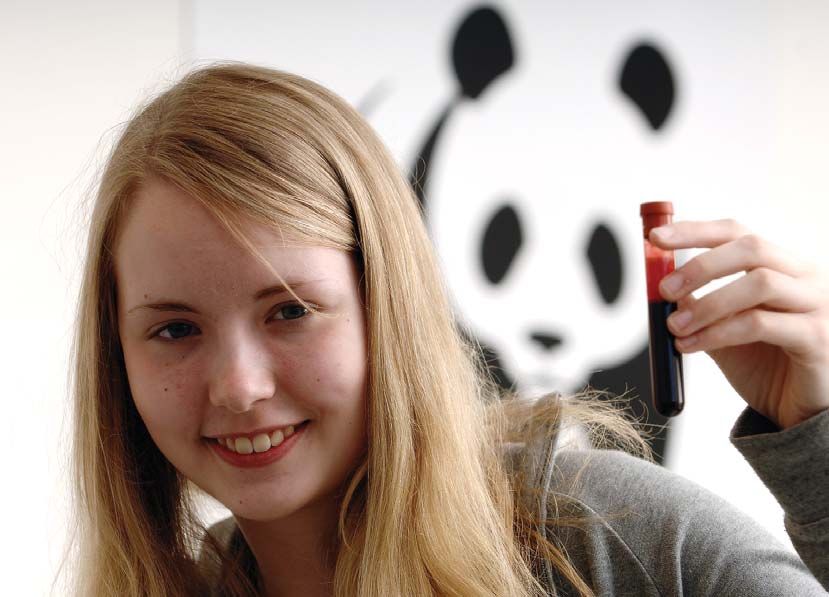
Highlighting
                                        new evidence
                                        WWF used its scientific expertise to reveal the chemical
                                        contamination that humans, wildlife and the environment          Alongside the human story, the presence and effects of
                                        are being increasingly exposed to, thereby making the case       man-made chemicals in wildlife was also the subject of
                                        for a strong REACH all the more pressing.                        many DetoX campaign reports. The WWF Arctic
                                                                                                         programme made key contributions to the DetoX campaign
                                        WWF’s DetoX campaign successfully contributed in                 with two reports on Arctic contamination. Due to the
                                        highlighting the fact that many scientists are becoming          transport of chemicals via air and water currents the Polar
                                        increasingly concerned about the mounting evidence               Regions face a high level of pollution despite their
                                        linking hormone disrupting and bio accumulative chemicals        remoteness. A WWF report in 2006 summarized new
                                        with negative health effects. Several declarations calling for   scientific evidence showing that the presence of man-made
                                        a precautionary approach to hormone disrupting chemicals         chemicals, such as perfluorinated chemicals and
                                        have been signed by doctors and scientists from all over         organochlorines, already leads to health effects such as
                                        the world, such as the Prague Declaration on endocrine           immune suppression, hormone disturbances or behavioural
                                        disruption in 2005.                                              changes in species such as polar bears, beluga whales,
                                                                                                         seals and sea birds.
                                        New scientific insight shows that long-term low-level
                                        exposure during early life may result in unexpected effects,     Equally alarming signals from research in other parts of
                                        which only become apparent many years later. Moreover,           Europe were included in the report, carried out together with
                                        chemicals can act together in an additive way, and               the WWF Baltic Programme, Clean Baltic within REACH. It
                                        foetuses and young children are particularly sensitive to        concluded that fish from some areas of the Baltic Sea were
                                        chemicals. In this light, the WWF blood testing results from     so contaminated that they may be too toxic for EU markets.
                                        European families and unborn babies are extremely                Scientific news from the Mediterranean Sea reported the
                                        worrying and, all the more important, show the need for          first detection of a certain type of brominated flame
                                        better protection from hazardous chemicals.                      retardants in Mediterranean swordfish off the Italian coast, a
                                                                                                         WWF DetoX report by WWF Italy in collaboration with the
                                                                                                         University of Siena showed.

Left: Tagging of polar bears to monitor their development. Arctic, Norway, Svalbard © WWF-Canon / Tanya PETERSEN | Right: Ross's Gull (Rhodostethia rosea) © WWF-
Canon / Hartmut JUNGIUS. | Top right: Children playing. © WWF-Canon / Martin HARVEY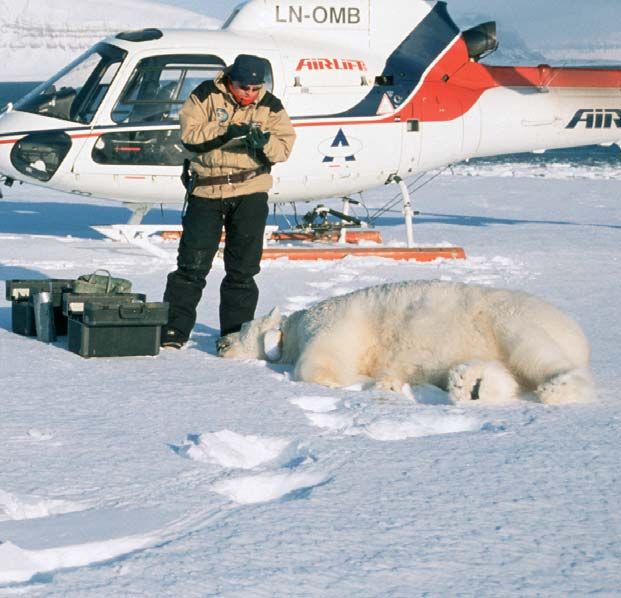
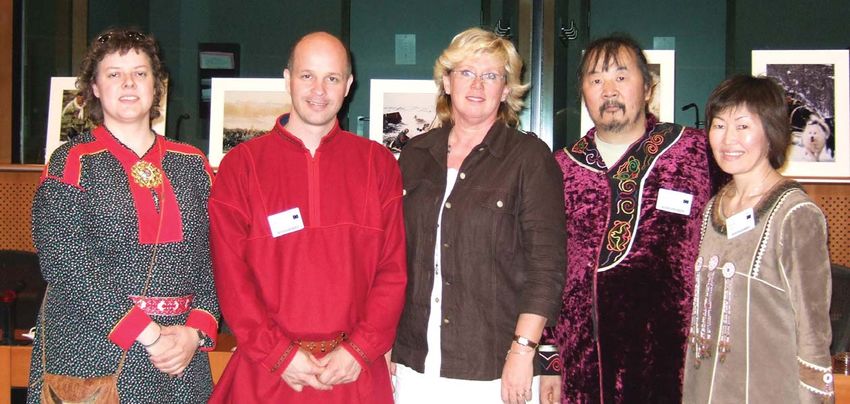
Left: Representatives of the Arctic Indigenous Peoples, invited by WWF, explained Members of the European Parliament (with Lena Ek here) the increasing chemical contam-
ination of the Arctic. | Bottom left: The Women’s Institute supporting WWF’s call for safer chemicals in front of the European Parliament in Brussels.

                                          Partnerships                                                     Experts from the WHO (World Health Organisation) and
                                                                                                           some of Europe’s most prestigious universities came to the
                                                                                                           European Parliament to meet with MEPs. Leading experts
                                          From the outset, DetoX invested in building partnerships
                                                                                                           signed open letters to request changes in the draft REACH
                                          with the social, medical, and scientific communities across
                                                                                                           text, and specialists in cancer have agreed to take part in
                                          Europe. Continuous scientific work and legal and political
                                                                                                           WWF press conferences for the launch of the biomonitoring
                                          analysis allowed DetoX to get the public support of
                                                                                                           results. Representatives of Arctic indigenous peoples came
                                          organisations such as Cascade (the European network of
                                                                                                           to Brussels with the support of DetoX to explain to
                                          scientific excellence on chemicals in food), the Women’s
                                                                                                           Members of the European Parliament their concerns about
                                          Institute in the UK, the Co-operative Bank, the European
                                                                                                           the impact of chemical contamination in their daily life. A
                                          Community of Consumer Cooperatives (Eurocoop) and the
                                                                                                           group of ladies from the Women’s Institute from the UK did
                                          EPHA (European Public Health Alliance)-Environment
                                                                                                           the same, following on from their participation in the
                                          Network (EEN) for its key initiatives.
                                                                                                           chemical check up.

                                          Numerous renowned scientists supported WWF calls to
                                                                                                           WWF national offices also engaged in partnerships with
                                          take action on the most hazardous chemicals, particularly
                                                                                                           progressive companies who are keen on promoting safer
                                          those that persist and accumulate, or can cause cancer, or
                                                                                                           chemicals for their products and who see REACH as an
                                          are toxic to reproduction, or affect DNA or the hormone
                                                                                                           opportunity for improved innovation and competitiveness in
                                          system. These partnerships were crucial for media
                                                                                                           Europe.
                                          coverage of DetoX publications and underlined the
                                          scientific basis of WWF’s work.
What DetoX achieved Due to intensive industry lobbying, REACH still has
loopholes. This means work must continue for many years.
For instance, a review of the authorisation system for
On the policy side, the DetoX campaign achieved its
hormone disrupting chemicals is scheduled to take place in
greatest success by ensuring REACH will mean the start of
6 years, in other words 2013. The watch dog function of
a paradigm shift in chemical legislation:
the NGOs will still be important to safeguard the
achievements and make sure REACH finally delivers on
■ industry will now have to provide safety information and
human health and wildlife protection.
recommendations for safe uses for all chemicals
produced or marketed in the EU as from 10 tonnes per
More generally, the Detox campaign was highly successful
year, thereby placing the burden of proof on companies.
in changing the debate on industry costs to a debate about
For an estimated 10-30% of chemicals between 1-10t
protecting wildlife and health. WWF’s blood testing got
(including all new chemicals) basic safety information will
under the skin of decision makers and the public: the issue
have to be provided, for the rest only available
of chemical contamination cannot be ignored anymore.
information will have to be submitted.
Due to the change in public awareness we should see
■ Chemicals of very high concern will need an increased market demand for safer products and other
authorisation and companies will not be allowed to countries outside the EU starting to copy elements of the
continue manufacturing, using or selling chemicals that REACH legislation.
have persistent, bio accumulative and toxic properties or
very persistent and very bio accumulative properties if The high media visibility and public success of the
there is a safer alternative or if the risks of using the campaign helped to move WWF to the centre of the
substance outweigh the benefits it brings. REACH debate. The combination of sustained media work
and high level policy and advocacy work carried out over
■ A list of the most hazardous chemicals will be publicly
the last three years has also shone a spotlight on the wider
available. This will allow retailers and other companies to
operations of WWF’s national organisations and that of the
avoid using and selling such chemicals and allow
WWF European Policy Office in the European Commission,
retailers to insist that their suppliers find –and start
Parliament and Council. This offers enormous benefits to
using– safer alternative chemicals or technologies.
WWF’s ongoing and future work on climate change,
■ Consumers now have the right to know whether very forests, species, marine, freshwater and our field projects
hazardous chemicals are present in consumer products. around the world.
Companies will be required to answer such questions
from consumers within 45 days.
Left: Polish celebrities engaged in the DetoX Campaign. | Right: Polar bear (ursus maritimus) in blue ice. ©WWF-Canon/Wim van Passel.© WWF-Canon / Michel TERRETTAZ.
design: www.beelzepub.com
© WWF-Canon/Sylvia Rubli
© 1986 Panda symbol WWF – World Wide Fund For Nature (Formerly World Wildlife Fund) ® “WWF” and “living planet” are Registered Trademarks
© WWF-Canon/Wim van Passel
Over three years, the DetoX Campaign has benefited from the enthusiasm and commitment
of the policy and communication experts from WWF national organisations and of its core
team in Brussels:
Directors: Karl Wagner and Sandra Jen
Senior Toxics Progamme Officers: Michael Warhust and Ninja Reineke
Toxics Programme Officer: Justin Wilkes
Communications Managers: Julian Scola and Noemi Cano
Advisors on European Parliament Affairs: Elizabeth Drury, Delia Villagrasa, Sandra Jen
Information assistants: Suzanne Natelson and Emma Bagyary
For more information on the DetoX Campaign and REACH please visit:
http://www.panda.org/euYou can also read


