Doing Business on the US East Coast for Dutch Companies - GUIDE TO Information for small and medium enterprises, startups, and scale-ups - RVO
←
→
Page content transcription
If your browser does not render page correctly, please read the page content below

LOPENDE TITEL   1

GUIDE TO

Doing Business on
the US East Coast
for Dutch Companies
Information for small and medium
enterprises, startups, and scale-ups

2

Contents
    Introduction                                                            5
    Foreword Ambassador Haspels                                             6
    Foreword Pauline Dirkmaat                                               7
    Chapter 1: An introduction to the US East Coast                         8
    1   The US East Coast: a Great Place for Internationalizing Companies    9
    2   East Coast vs. West Coast                                           10
    3   Business Culture                                                    11
    4   Dutch Government Network on the East Coast                          12

    Chapter 2: Practical Information for Setting Up
    a Business on the US East Coast                                         13
    1   Legal Aspects                                                       14
        1.1 The three Levels of Law & Incorporation                         14
        1.2 Immigration: Getting to and Staying in the US                   14
        1.3 Insurance                                                       15
    2   Finance and Banking                                                 15
    3   Human Resources                                                     15
    4   Communication and Networking                                        16
        4.1 Communication Tips                                              16
        4.2 Networking Tips                                                 17
    5   Practical Tips for Startups                                         18
        5.1 Raising Capital                                                 18
        5.2 Pitching                                                        19
        5.3 Other Resources for Startups                                    20

    Chapter 3: Boston                                                       21
    1   Introduction                                                        22
    2   Why Boston?                                                         23
    3   Key Sectors in Boston                                               23
        3.1 Life Sciences and Health                                        23
        3.2 Cleantech                                                       24
        3.3 Artificial Intelligence                                         24
        3.4 Robotics                                                        25
        3.5 Edtech, FinTech and Cybersecurity                               25
    4   Startup Ecosystem Drivers                                           26
    5   Other Resources                                                     28

    Chapter 4: New York City                                                30
    1   A Brief Background                                                  31
    2   Why New York City?                                                  31
    3   Key Sectors & Opportunities                                         32
        3.1 Finance, FinTech & Cybersecurity                                32
        3.2 Life Sciences and Health and Biotech                            32
        3.3 Creative Industries                                             33
        3.4 Manufacturing                                                   34
        3.5 Circular Economy & Resiliency                                   34
        3.6 Cleantech & Energy                                              35
        3.7 Water Management & Resiliency                                   35
    4   Startups and Scale-ups                                              35
    5   New York Online Resources                                           38
CONTENTS                        3

Chapter 5: Washington, D.C.                                              40
1   Introduction: More Than Politics                                     41
2   Why the DC Metro Area?                                               41
3   Important Sectors                                                    42
    3.1 Cybersecurity                                                    42
    3.2 Life Sciences and Health                                         43
    3.3 Aerospace and Defense                                            43
    3.4 E-Commerce and Logistics                                         43
    3.5 Water and Resilience                                             44
4   Information for Startups                                             44
5   Other Resources                                                      46

Chapter 6: Atlanta                                                       47
1   A Brief Introduction                                                 48
2   Why the Southeast?                                                   48
3   Key Sectors                                                          49
    3.1 Logistics                                                        49
    3.2 Cybersecurity, Telecom, Software and More                        49
    3.3 FinTech                                                          50
    3.4 AgriFood                                                         50
    3.5 Life Sciences and Health                                         51
    3.6 Manufacturing and Automotive                                     52
    3.7 Urban Function (Smart Cities)                                    52
    3.8 Creative Industries (Music, Film, and e-Sports)                  52
    3.9 Water                                                            53
4   Startup Scene                                                        57
5   Beyond Business                                                      59

Chapter 7: Miami                                                         60
1   The Hub of the Americas: a Brief Introduction to Miami               61
2   Why Miami?                                                           61
3   Key Sectors                                                          62
    3.1 Life Sciences and Health                                         62
    3.2 Tourism                                                          63
    3.3 Logistics                                                        63
    3.4 Maritime Industry                                                64
    3.5 Aerospace and Aviation                                           64
    3.6 Financial Services and FinTech                                   64
    3.7 Water and Climate Resiliency                                     65
    3.8 Urban Function                                                   65
    3.9 Sports                                                           66
4   The Startup Scene — the Entrepreneurial Spirit of the “Magic City”   68
5   The Miami Vibe: Beyond Business                                      70

Notes                                                                    71
US East Coast                                         Boston

                                                  MN

                                          VT NH

                               NEW YORK
                                             MA
                                              Boston
                                                       New York City
                          PA
                                 New NJ
                                     York City
                                   MD
            OH                          DE

                       Washington DC
                 WV
                        VIRGINIA
       KY

                         NORTH
                        CAROLINA
                                                       Washington DC
      TN
                   SOUTH
                  CAROLINA

       Atlanta
 AL          GEORGIA

                       FLORIDA                         Atlanta
                               Miami

Sectors
 Life Sciences and Health                              Miami
 Cyber
 FinTech
 Water
5

Introduction
to the Guide to Doing Business on the
US East Coast for Dutch Companies

        Do you have a Dutch company you would like to grow in the US?
        Ready to take the next step and set up operations on the East Coast?
        Or are you simply seeking general information about the startup
        ecosystem in the United States? You are in the right place! This East
        Coast guide serves as a comprehensive guide for Dutch small and
        medium-sized enterprises, startups, and scale-ups to navigate the
        opportunities, challenges, and other aspects to consider before
        making the big move. Each chapter is dedicated to helping you make
        the right decisions for your company. This guide offers insights,
        tips and tricks, and support networks that can assist in landing and
        expanding, so keep it close and prepare for the journey ahead!
6

Foreword
Ambassador Haspels

                                                                        landscape, and resources can vary greatly. We typically advise
                                                                        companies to focus on one region, state, or city as a point of
                                                                        entry and build their business from there. It is therefore
                                                                        important to look for a region that fits your product and look for
                                                                        a place where you can find the supportive resources you need
                                                                        to grow and make connections. The United States East Coast
                                                                        may well be that focus, with important hubs in Boston, New York,
                                                                        Washington, D.C., Atlanta, and Miami.
                                      André Haspels
                                      Ambassador of the Kingdom         The update of this guide was published during the COVID-19
                                      of the Netherlands to the         health crisis, which has had a huge impact on our social-
                                      United States of America          economic system. Almost all economic sectors have been
                                                                        negatively affected. Please bear in mind that many figures used
                                                                        in this guide pre-date the pandemic, and it has not been able
Many Dutch entrepreneurs place the United States at the top             to fully factor in the economic challenges caused by it in the long
of their list for international expansion and understandably so.        run. However, the long-lasting ties between the United States
In addition to its sheer market size and per capita wealth              and the Netherlands throughout history have created jobs and
creation, the United States is home to some of the most                 investments, as well as promising opportunities for companies
important and leading innovation hubs in the world. The United          from both countries. I expect it will be no different when our
States attracts more international talent than any other country,       societies and economies rebound from this crisis. Now, more
accounts for well over a quarter of the world’s R&D spending,           than ever, it is important to create jobs, increase sustainable
and registers the most international patents per year. It might         investments, and strengthen our economic partnerships.
come as no surprise that a phrase often used to describe the
United States is “Everything is bigger in America.” It makes            So, are you ready to expand your business to the United States
me proud to see many Dutch entrepreneurs make their way to              and the East Coast in particular? Or are you simply looking for
the United States.                                                      general information on setting up a business in the United
                                                                        States? Please do, since opportunities abound! And do not
At the same time, it is not easy to leverage the United States          hesitate to reach out to colleagues in the economic departments
market in its entirety, at least not when first entering the country.   of the embassy in Washington, D.C., the consulates general
The 50 states can in some regards best be compared to                   in New York, Atlanta, and Miami, or our innovation colleagues
independent countries. Their culture, legislation, regulations,         in Boston. We hope you thrive on the East Coast!
7

Foreword
Pauline Dirkmaat

                                                                       We learned quickly that besides being well prepared, we needed
                                                                       to present ourselves as a partner instead of a vendor, as an
                                                                       American company with Dutch roots instead of a Dutch company
                                                                       opening a sales office. In addition, we learned many other critical
                                                                       lessons that are discussed in this guide to doing business on
                                                                       the US East Coast, such as:

                                                                       • Present yourself bigger than you are by leveraging key
                                                                         resources in the US and Europe for key pitches.

                                      Pauline Dirkmaat                 • Be aware of cultural differences in the hiring process,
                                      EVP Americas at Order2Cash         management, sales and marketing messages, etc. What we
                                                                         consider to be honest feedback can be interpreted as rude.

January 2006. I land at JFK after a peaceful flight. It is freezing.   • Smart partnering/marketing can help jump start the business
The famous yellow cabs are lined up. It is way before UBER               and quickly open doors that might take years to open
took over the market. Cold but excited, I climb into one of the          otherwise.
cabs that drives me — and four heavy suitcases — to my new
adventure. Only three weeks earlier, the CEO of our Dutch              • Startup teams need to have an entrepreneurial, goal-driven
software company asked me to launch and build an American                mindset and the willingness to run the extra mile. Above all,
business. This would be critical to the bigger picture of global         provide excellent service to prospects and clients.
scale and final goal of selling the company. Success was far
from guaranteed, but failure was not an option. Our company            • Early success is key; quick client wins are critical to justify
was ready for the next level, and I couldn’t wait.                       your US presence (easy wins can be rolling out existing clients
                                                                         to the US).
It was a new chapter for our business. Happily, I was able to
recruit a strong technical colleague from the Netherlands to help      It can be a humbling and exciting experience to build up a new
set up the business. We started from scratch with a small budget.      name in the American market. After 15 years and starting 3 US
When I think back on this time, I can still envision late hours of     businesses for Dutch companies, I am still grateful for the trust
white board sessions, brainstorms, campaigns, red-eye trips,           my employers had in me.
many cold calls to fill up those yet empty pipelines, and our little
office in a sketchy NY neighborhood. Being Dutch, I even thought       There is something extremely rewarding and special to be able
it was normal to ride my bike to work during NYC rush hour,            to work for a Dutch company as a Dutch woman in an amazing
10 years before bike lanes showed up.                                  country I now call home. Being Dutch might have been a huge
                                                                       advantage for me. The Dutch mentality suits the American market
We quickly realized that the US requires a different mode of           well. We are to the point, efficient, and hard workers. With the
doing business than we were used to back home. I ran a                 right amount of courage and grit, the Dutch can succeed here.
successful sales operation in the Benelux, so why was it more
difficult to kick start the business here? It was clear that the US    Let’s keep on learning from each other, from our worst and best
is not just “a bigger Europe.” The market is different. It responds    practices. As this guide shows us, we have enough knowhow and
differently to your messaging. Even the terminology can be             experience to be valuable partners in this exciting adventure
different. I found out that you can be a leading player in Europe      called Dutch entrepreneurship in the US.
and a nobody in the US.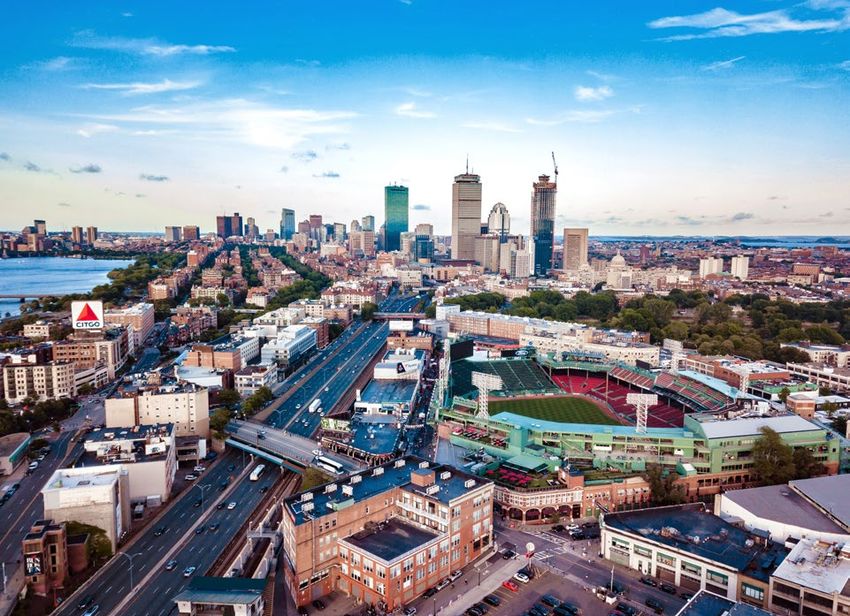
CHAPTER 1            8

An introduction to
the US East Coast

INTRODUCTION 9
City Access Quality 1 The US East Coast: a Great Place
Silicon Valley 10 10
for Internationalizing Companies
New York City 10 10 The East Coast is home to four of the top 10 economic metro
politan hubs in the US. The region is rich with opportunities and
London 9 10 has made significant strides in becoming the next center of
technological innovation. The East Coast is a great place to do
Beijing 9 9
business in sectors such as life sciences, FinTech, agriculture
Boston 9 10 and cybersecurity and hosts a number of vibrant innovation hubs
along the Atlantic, from New England all the way down to Florida.
Tel Aviv 9 7 The US East Coast specifically offers Dutch companies significant
Los Angeles 9 8 and unique advantages with regards to location, talent,
investment, and customers:
Shanghai 8 10
Paris 9 9 • From Amsterdam’s Schiphol, multiple direct flights to East
Coast cities are offered daily and most do not exceed eight
Berlin 8 4 hours. Just six hours behind the Netherlands, the two markets
overlap by at least three regular business hours, leaving
Stockholm 8 3 opportunity to liaise with support back home.
Seattle 8 7
• In addition to relative proximity to the Netherlands, it contains
Toronto-Waterloo 8 7 some of the major ports for trading with the Netherlands.
Singapore 7 9 The more central East Coast locations give easy access to
half the US population.
Amsterdam-StartupDelta 8 8
• The East Coast is home to many of the world’s most renowned
Austin 8 4
universities. It is consequently an important center for research
Chicago 8 8 and development as well as a great place to recruit talent.
Bangalore 8 2 • The US East Coast hosts the federal government, as well as
Washington, D.C. 8 7 many federal agencies crucial for tendering, federal approval
of products, and public funding of research programs.
San Diego 8 8
• And specifically for startups, among other things the significant
Denver-Boulder 8 5
number of venture capital and other types of (institutionalized)
Lausanne-Bern-Geneva 8 5 investment available makes that the US East Coast has some
of the largest startup ecosystems in the world.
Sydney 7 2
Vancouver 6 5 The US is known for its speed, the maturity of its ecosystems,
attitude to risk, international talent pool, and depth of capital.
Hong Kong 7 8 This unique combination fosters a spirit of startup entrepre-
neurship and a growth mentality that could help Dutch companies
Atlanta scale. Of the top 30 global startup ecosystems, 11 are in the US.1
Barcelona Figure 1 2 displays Funding Quality and Access for major startup
Runners-Up ecosystems worldwide. Notice the high grades for East Coast
Dublin
hubs including New York City, Boston, and Washington, D.C.
Miami Also take note of both Atlanta and Miami as runners-up. Whereas
2019 data for Europe show an overall investment of $36 billion3,
Munich Crunchbase shows an investment of $132 billion4 for the US.
Figure 1. Source: Startup Genome, Global Startup Ecosystem Report 2019 In this guide, Boston, New York City, Washington, D.C., Atlanta,
and Miami are all highlighted as hubs with their own specific         Finally, at the most southern point of the East Coast, Miami
strengths and opportunities for Dutch companies.                      thrives in the creative industries sector and has one of the
                                                                      most diverse populations in the US; connecting Brazil and
The Boston ecosystem is famous for its world-class universities       Spanish-speaking Latin America to the US market.
and its highly educated workforce, and is leading in the life
sciences industry.

The New York City (NYC) metro area is the highest GDP-
producing region in the country and financial capital of the US.           The East Coast is
With over 8.5 million residents, NYC has a strong presence across          home to four of the
                                                                           top 10 economic
a variety of industries, focusing predominately on finance, AI, big
data and analytics, cybersecurity, design and creative industries,
and is bustling with startups. NYC is the world’s second leading
tech ecosystem, attracting top talent and entrepreneurs.
                                                                           metropolitan hubs
As the capital of the US, Washington, D.C. has a political
                                                                           in the US.
environment comprised of many governmental authorities, think
tanks, and large global organizations. D.C. has a strong cyber-
security ecosystem, and the city benefits from the presence of
government agencies for sectors such as life sciences and health      2      East Coast vs. West Coast
and the defense industry. And accordingly, its ecosystem is a
large receiver of federal (R&D) funding.                              Aside from the common fast vs. slow pace conceptions of the
                                                                      East and West coasts, there are a number of notable differences
The Southeast of the US is characterized as a vibrant and             between the two landscapes that are important to consider.
diversified economy with Atlanta being widely recognized as a         The West Coast is No. 1 when looking at venture capital
FinTech hub and often dubbed “transaction alley” as 70 percent        investments, but the East Coast offers access to the country’s
of the country’s (payment) card transactions are processed in         largest number of notable research institutions and universities.
the region. The robust FinTech ecosystem combines Fortune 500         Not only do these East Coast cities secure a highly educated
companies, a group of dedicated venture capital investors, top        workforce, but they also offer substantial support for starting
ranked universities, and available talent.                            entrepreneurs.5
INTRODUCTION 11
In terms of mindset, West Coast startups seem to be focused 3 Business Culture
on the next big thing, meaning they are out to generate massive
wealth by changing how the world works. It is based on a fast- The US business climate differs from the Dutch business climate
moving mentality, inspired by a highly competitive industry in a number of ways and this is no different for the East Coast.
that’s seeded with venture capital. On the East Coast, companies Selecting your business partner(s) should be a deliberate and
are more traditional, in the sense that they are looking to support careful process, and being unaware of the cultural differences
existing solutions and create a steady stream of revenues. can complicate a collaborative force. The East Coast requires
It is built on a more traditional foundation that stems from its in-person relationship-building, so be prepared to invest in
academic environment.6 These differences determine the repeated quality (digital) face time. See section 2.4 for more
questions asked by possible investors. If you meet an East Coast info on how to communicate and network effectively in the US.
investor, be prepared to share hard numbers indicating how
your idea is going to deliver a steady stream of revenues.
West Coast investors are more interested in the potential
number of users your platform can attract, not so much about The Dutch say
how they are paying for it.
Americans stretch
It also important to note the cultural differences between the the truth in business,
while Americans say
East and West coasts. In terms of both casual and professional
exchanges, people on the East Coast tend to be more direct
than people on the West Coast. However, do not make the
mistake of being as straightforward as you are used to being in
the Dutch are prone
the Netherlands, as you may run the risk of being considered to undersell their
rude. In addition, the East Coast has a more traditional company
culture than the West Coast. On the West Coast, you see more work and potential.
flexible hours and vacation policies, and extravagant/
nontraditional perks (like paying salaries in Bitcoin) to retain
employees.7 Furthermore, people in the south tend to be a bit We often hear the Dutch say Americans stretch the truth in
more “traditional,” take more time to get acquainted, and are business, while Americans see the Dutch as prone to underselling
less direct than in the north. their work and future potential. Also on the US East Coast it is
important to acknowledge the business culture differences and
think about how to express and frame your performance and
forward trajectory in a manner as appealing as possible.
Arrogance and exaggeration actually aren’t impressive in the US,
but downplaying or underselling your company isn’t either.
This is about attitude and preparation. One needs to be ambitious
and confident in what you have to share and what sets you apart
from the crowd. It’s important to prove that your solution works
Useful websites and and your strategy is sound. Americans want to see you’re
twitter accounts well-prepared with thorough research and a game plan. They’re
sharp and will ask tough questions. Accurate and detailed
• Techleap numbers you can back up are key.
• www.NLintheUSA.com
• www.netherlandsworldwide.nl Contract negotiations tend to be significantly longer and more
• www.DutchCultureUSA.com complicated in the US compared to the Netherlands. In addition,
• @NLinBoston the use of legal advice and courts are far more common in the US.
• @NLinNY It is therefore advised to secure legal counsel in an early stage
• @NLinMiami of negotiations.8
• @NLinAtlanta
• @NLintheusaINTRODUCTION 12
4 Dutch Government Network Within the US network, startup liaison officers have been
on the East Coast appointed in San Francisco and New York to coordinate the
involved efforts and help promising Dutch startups and scale-ups
On the US East Coast, the Dutch government has offices in five connect with talent, capital, markets, and a local mentor and
major hubs that can assist in your expansion here. These offices entrepreneurs. The strength of the startup liaison officers in
are the Embassy and Netherlands Innovation Network the US is that they are part of an international network of liaison
in Washington D.C., Consulate General in New York, officers in various other countries that are interconnected
Consulate General in Miami, and provide hands-on support.
Consulate General in Atlanta, and the
Netherlands Innovation Network in Boston. In addition to the Dutch government network in the US, the
Netherlands Enterprise Agency (RVO) located in The Hague helps
The Dutch government network regularly hosts delegations you with your international ambition. They help you find the
of Dutch companies on a multitude of topics. These trade right contacts, provide knowledge about the market you are
missions are sometimes partly funded and can help you get to considering expanding to, offer financial support, and promote
know a specific sector or location better if you have an interest the Dutch interests abroad. More information can be found here:
in expanding to the US. Information can be found here: Doing Business in the US.
Upcoming (Virtual) Trade Missions.CHAPTER 2 13
Practical Information
for setting up a business
on the US East Coast
Despite the similarities between the Netherlands and the
United States, there are many differences in doing business.
To make matters even more complicated, each state is different
with regard to government regulations and taxation. This chapter
will provide you with insight into the practical aspects of doing
business in the United States, particularly on the East Coast.
Rather than being an exhaustive guide, the chapter provides
an overview of all the aspects to consider before doing business
in the United States. In all cases, it is advised to consult with
a professional before setting up a business here.PRACTICAL INFORMATION 14
1 Legal Aspects9 that saves time and money. Usually the process of the
application will take a few hours, but it is possible for it to take
Prepare to tackle a number of legal aspects when starting your up to 72 hours. According to the MKB website, you will most
expansion process. The first thing to note is that the legal likely qualify for an ESTA in the following cases:
system in the United States is different from the Dutch system. 1. you are going to meet supplier or customers in the
In general, you hire a lawyer in the Netherlands when you are in United States;
trouble, and you hire a lawyer in the United States to stay out 2. you are going to negotiate and/or consult in reference
of trouble. Prepare to tackle a number of legal aspects when to your business;
starting your expansion process. 3. you are going to visit a conference or a
business-related meeting.
Although many aspects of incorporation, immigration, finance,
intellectual, and other aspects can be found online, it is highly According to the same source, you will most likely not qualify
recommended to speak to a lawyer early in the process. The for an ESTA in the following cases:
regional representatives/missions are able to help you find 1. you are going to the United States to make an investment;
trustworthy lawyers who specialize in foreign companies doing 2. you are going to organize a startup or scaleup of
business in the US. your company;
3. you are going to work for an American organization,
or an American branch of a Dutch company.
1.1 The three levels of law & incorporation
American law is divided into three levels: federal law (which In order to become acquainted with the American immigration
applies in all states equally), state law (which applies to each procedures, the following site will give you the most reliable
state differently), and local law (which applies at the city and and up-to-date information: https://www.uscis.gov/.
county level within states). This separation of power also means An important resource for Dutch entrepreneurs with updates
that taxes are administered on all three levels. on a number of restrictions on visa applications and travel
restrictions following the outbreak of COVID-19 is a dedicated
When entering the US market, a Dutch company may want to page on the RVO website.
consider setting up a separate, local, legal entity through which
to conduct business. There are two possibilities: a corporation Besides that, it is advised to retain a US immigration lawyer or
(sometimes called an “Inc.”) and a limited liability company another field expert early on in the process of obtaining visas
(“LLC’’). Important to note, a branch is not a separate legal entity. that allow for the right to work. The risk of not applying for a visa
Many companies choose to set up their entity in Delaware due correctly and in time increases the likeliness of incurring many
to familiarity, predictability, and ease of the corporation law. unnecessary costs. An interrupted or backtracked application
process also often takes significantly more time to finalize than
securing the right process from the start.
1.2 Immigration: getting to and
staying in the US
For many Dutch companies entering the American market,
it is necessary to have employees in the US to monitor and drive
expansion in the local market. This might mean hiring a US
regional manager, making use of a local agent, or transferring Most important things
employees from the Netherlands. It is often recommended to to know about legal
have a member of upper-management move to the US for a period
of time to ensure a smooth expansion. Hiring local has the
aspects in the US?
advantage of an assumed right to work in the US. When hiring Take a look at the booklet “Legal aspects of doing
and/or transferring Dutch employees for the US market, business in the United States for Dutch companies”.
an immigration process with many different options applies.
https://www.hugheshubbard.com/index.
In some cases, you won’t have to apply for a visa at an American php?p=actions/vmgHhrUtils/download/
consulate. In those cases, an ESTA (Electronic System for Travel asset&id=277
Authorization) can suffice. An ESTA is an application procedure
that can be filled in electronically. It is a much simpler processPRACTICAL INFORMATION 15
company when doing business in the United States. In addition
to a corporate bank account, it is recommended to also set up
a personal account, as this will make it easier to pay bills
and utilities.
It has been proven to be difficult to set up a bank account in the
United States when you are still in the process of applying for
your visa. The East Coast mission network can connect you to
Dutch banks, which are able to use your Dutch bank account as a
reference in setting up your corporate bank account in the States.
Relevant criteria to check whether a bank is startup friendly
includes: a free checking account, the possibility to easily pay
small bills, low or no fees for a credit card, online account
management, and shared access. Some banks have specific
startup programs or have other advantages for startup companies.
For instance, HSBC has large-scale and international operations
and Capital One’s Spark Business card account is one
to consider when getting your startup off the ground.
Other common choices are Bank of America and Chase.
1.3 Insurance
When setting up a legal entity and hiring workers, it is necessary
to consider the many insurances that will need. This section 3 Human Resources
will not go into detail concerning all applicable insurances, but
will address important ones. Human resources (HR) is one of the most challenging obstacles
for starting companies in the United States. An important
One of the most important insurances protects against product advantage of hiring American personnel is that they are
liability. It is important for a company to find insurance that will accustomed to the United States ecosystem. It is often easier
cover product liability claims arising in the United States. for Americans to do business with other Americans since the
Dutch companies should be particularly careful in this regard, business culture is the same. When interviewing an American
as many product liability policies sold in the Netherlands claim to for a job, note that it is illegal to ask personal questions, like
provide “worldwide coverage” but in fact, exclude coverage for age and religion, and be conscious of the cultural differences.
US claims. Related to product liability insurance is product As any mentor will tell you, it makes sense to first hire a
recall insurance, either as a stand-alone policy or as additional professional HR partner, since you want to focus on your core
coverage. Product recall insurance covers costs incurred business rather than side issues regarding HR. Be sure to ask
proactively by a company to prevent injury or damage. More for help when it comes to salary negotiations. Coming from the
information on product liability can be found in this booklet. Netherlands, the fierce competition for talent in the US often
means you will have to think about doubling or sometimes even
Besides product liability insurance and product recall insurance, tripling a salary to hire the desired quality of talent.
it is crucial to consider directors and officers liability insurance,
workers compensation insurance, and property insurance. To provide you with a little more insight into the largest
challenges in HR and hiring Americans for your company, below
an overview of the three most common challenges.
2 Finance and Banking • Payroll — HR is a state-regulated principle, so payroll is based
on state law. For any foreign company, it can be a challenge
Transferring money between US and Dutch bank accounts is to keep up with United States payment laws. Did you know,
expensive and inefficient. Although companies such as for instance, that most employees in the United States
TransferWise and PayPal have made the process easier, it is are paid every two weeks? And that once a year you must file
important to set up an American bank account for your your federal, state, and local taxes?PRACTICAL INFORMATION 16
• Benefits — benefits are what will set your company apart 4 Communication and Networking
from the rest. Successful Dutch startups have used their
Dutch DNA and belief in “work-life balance” to attract Even though most of the tips in this section will generally be
employees. You should see this as an opportunity. In what true for the entire US, all states have their own norms, values,
other ways could you make your company attractive to the manners, likes, dislikes and so forth. They can differ as much as
best possible employees? What perks can you offer to countries in Europe, and you should take the time of explore
complement the standard salary offering? A main component what distinguishes one state from another.
of the benefits package is employee insurance. The laws for
these insurances differ per state, so make sure to review
these with a professional. 4.1 Communication tips
The importance of marketing and communication is no different
on the East Coast than elsewhere in the US. Visibility can
Benefits are what make or break your expansion. If possible, have a set budget
for marketing. At the very least, have an active social media
will set your (Twitter, Instagram, FB, LinkedIin) plan in place. This can be the
company apart
difference between remaining anonymous or getting picked up
by the press, which can help you generate capital as a result
from the rest. of brand awareness. Research the differences in social media
tool usage between the Netherlands and the ecosystem you’re
targeting in the US.
• Risk and Compliance — risk and compliance are necessary Commit to having your product (or service) ready for launch
aspects of any business. Ever heard of an employee handbook? when you move to the US. The more people you can show your
This is not only a mandatory document in which the general product in the early stages, the greater your initial reach will be.
laws regarding the labor contract are explained, but also a Make sure to appoint one person to be responsible for all external
platform for outlining company policies. communications including talking with reporters and handling
things like product reviews. Establish a distinct identity,
• Be aware of possible Americans with Disabilities Act stress what makes you different from the competition, and
(ADA) requirements and Occupational Health and Safety don’t be afraid to stand out! If you notice that you struggle with
Administration (OSHA) standards when operating a business. the differences in business culture, talk to experts or mentors,
or even consider hiring an American to handle US
communications and PR.
Netherlands Enterprise Here are a number of specific communication tips:
Agency (RVO) • Be US proof. US companies and investors like to do business
with people that are from the US or at least have the
For practical information, tips and tricks and useful appearance of being from the US. First step is to make sure
references, the Netherlands Enterprise Agency you have a US legal entity. Then, make sure your marketing
(Dutch: RVO) website is key. On this regional website materials are US proof, meaning not simply translated from
for the United States, you can find information on Dutch to English. Finally, only use US dollars when
specific sectors, marketing, finding business partners, discussing revenues or amounts you are raising.
do’s and don’ts, trade and economy, contracts, IP,
investment, and shipment. • Be open to new insights. Don’t only focus on educating your
potential client or investor, make it an educational journey
On this page, Business Opportunities in the US, for yourself as well.
you can find sector specific market reports on tech
and startups, agricuture and food, water, energy • Ask for advice instead of money. Don’t start the meeting with
and cleantech, life sciences and health, innovation and “I am looking for $5 million.” Try to first build a relationship
business opportunities, and more. with your potential investor. An alternative strategy to asking
for investment is asking for advice. This resonates particularly
well in more informal hubs such as Boston or Miami. A requestPRACTICAL INFORMATION 17
for advice is often more likely to lead to promising contacts, interesting, make sure to ask the right questions. At the very
ecosystem insight and strategy, and eventual connections to least, this will help in getting you pointed in the right direction.
the right sources of capital at the right time.
• The informal pitch. There’s formal pitching (standing in
• Prepare what questions you want to ask. Have your list of front of people with a deck), and there’s informal pitching.
questions on hand during the meeting. The second there is a You know those situations — the opportunity just pops up in
silence, your meeting is over. conversation while you’re in the elevator between meetings or
trying to balance a plate of hors d’oeuvres and a glass of wine
• Follow up within 24-48 hours. Send the client or investor at an industry talk. Be ready. It will happen all the time.
you had a meeting with an email with a summary of what you Keep it short (really short) and adaptable, keep it organic and
discussed, and ask if they know someone else who is conversational, know your main points, numbers should be
interested to hear more about the opportunity. Leave the memorized and up-to-date… and ask for advice.
door open, but don’t ask directly for a follow-up meeting.
• Skip the bad pitch. Don’t burn your top sales or VC prospect
with a bad pitch. Start at the bottom of your list so you can The East Coast
takes a lot of time
first test the conversation.
• Use personal networks. If possible, try to get an introduction
through a personal network. Why? Because this checks three
and in-person
boxes: an understanding of how sales and VC works, the
ability to hustle to get the intro, and most important, a trusted
relationship-building.
connection via someone who already knows the company
and its vision.
• Quickly follow up. Business cards, e-mails, and LinkedIn
• Social media posts/photographs. Be aware that social media connections are what you want — be sure to ask for this
posts and photographs, regardless of when they were made, information. Follow up immediately after the event with a
could have a negative effect on your business prospects in LinkedIn request (make sure your LinkedIn looks professional).
the United States. One example is photographs of Zwarte Piet The follow-up is crucial, do it in a timely manner and be to
attending your company’s Sinterklaas celebration, or an the point. Try to restrict your follow-up e-mails or messages
employee dressing up as Zwarte Piet even at a function that to 5 sentences max.
does not involve your company. When Americans see Zwarte
Piet, they see a character wearing black face, which is highly • Build relationships. Americans are buying you as much as
offensive, racist, and unacceptable to Americans. they’re buying your product. The two are intertwined.
Also East Coasters want to understand who you are as a
person because it translates into how you do business and
4.2 Networking tips what you would be like as a partner. They will engage in small
talk at the outset of a conversation or meeting to feel you out
Networking Dos and see what you might have in common. Topics for your back
• Show up. Be prepared to invest in repeated quality (digital) pocket: vacation, family, weather, where you went to school/
face time. The East Coast takes a lot of time and in-person what you studied, and sports. Be careful with topics involving
relationship-building. Set up conversations with local entre- politics, religion or race. Especially when you don’t know
preneurs and venture capitalists. Listen to research talks at people that well, your intention may be to have friendly
local universities and follow up with the scientists afterward. conversation, but this can be viewed as very personal.
Take advantage of open and friendly informational networking
events. Plan to come back again and again. Be consistent. • Be genuine. Along with confidence in your solution, represent
confidence in yourself. Have a personal brand as strong
• Professional networking. In the US, networking means as your company brand, but keep it real. Demonstrate this
networking. It’s okay to move on quickly from a conversation by showing up genuinely, comfortably, and confidently
if it is not going anywhere. Be polite but do end the representing yourself through attitude and dress. If you like
conversation, no harm done. When a conversation is a sharp suit, wear a sharp suit. If you like jeans, sneakers,and a jacket, great —just do it with style. At the same time, enough and obtain the necessary return on investment. If you
don’t write off East Coasters who don’t seem to care about their are looking for less than $1 million, your best bet is to seek funds
appearance. Great minds and great people can be found in all from so called micro VCs — funds with $10 to $50 million.
manner of dress. If you are looking for a $5 million series A, you will need to go to
a $150 million fund. Find out what the typical check size is for the
• Perception check. Most Americans can very politely tell you funds you are considering partnering with. Sometimes the fund is
“no” or “maybe” or “later” or “how about this instead?” completely spent, but the partners will still take the meetings
without you realizing it. So, listen carefully and read between
the lines. Don’t take all statements literally or at face value.
Get someone else to read the follow-up email you received or An alternative
strategy to asking
to debrief the meeting with you. Send your own follow-up
emails restating what you think the outcome of the meeting
was and checking for confirmation. Do the same at the
conclusion of a conversation.
for investment is
Network Don’ts
asking for advice.
One of the big no-no’s of networking is making promises you
cannot keep. For example, don’t say you can introduce a person and talk to the founders without committing to any new
to someone when you really can’t. This might backfire and investments. As a founder, you should always ask how many
hurt your reputation. investments the fund typically commits to per quarter or year and
how many they’ve already done during the current fiscal calendar.
Make sure you meet with a partner in the right focus area.
5 Practical Tips for Startups Don’t meet with a partner who is specialized in consumer
startups when you have a B2B startup. Do some research before
5.1 Raising capital seeking to meet potential partners. Finally, when investors
Before trying to raise venture money, you need to understand indicate that they are interested, they offer you a term sheet —
that a typical venture fund is set up to deploy all capital over four a document outlining all the key economic and governing terms
years. If their fund has $50 million, it doesn’t make sense to write of the investment. Always have lawyers review and negotiate
$100K checks, since they won’t be able to deploy capital quickly the terms, but more importantly, commit to personallyPRACTICAL INFORMATION 19
understanding the key terms and what you are signing up for. • Educate your investor: Do not focus on getting funding for your
Read the book Venture Deals by Brad Feld and Jason startup; instead, make sure the potential investor is incredibly
Mendelson to learn more about term sheets. educated about what you do. Often a first investor meeting is
just a discovery meeting. Investors want to be educated.
So what do VCs want to know? VC’s want to get to know the founders, watch them execute,
• The team: Investors don’t just invest in a cool or big idea, and make progress before committing to invest. Remember,
they invest in the team that will bring that idea to life. the check is not going to come after the first meeting, so
Storytelling is crucial, including the story behind the people remain patient.
behind your business: from the founders, board of advisors
to the technical team. • Your business model: You must understand how your business
will create and capture value, as well as how it can scale.
• The competitive landscape: Show your potential investor that As mentioned, when meeting an East Coast investor, be
you understand the competitive landscape, and not just today prepared to share hard numbers indicating how your idea
but also where it’s been and where it’s heading. Look back is going to deliver a steady stream of revenues. Having paying
over the past two to three years and be able to explain to the customers shows the investor that your team can execute a
VC why you are different. European startups are often two plan together and that customers want and need what you
years behind, it might be unique in Europe, but likely there is are building. Understand that VC’s are looking for multiple
or was something like it in the US. times return on their capital. If they don’t believe the market
is large enough, they won’t invest.
Don’t only focus 5.2 Pitching
on educating your What makes pitching skills and preparations so important is its
goal. Raising capital is often necessary for startups. Whether
potential client it comes to seed funding, A, B or C series, the question remains
or investor, make the same: How do I get this capital and how much do I need
or aim to raise? Pitching is an integral part of that process and if
it an educational you encounter difficulties in getting funding it is advisable to
journey for
seek help. One option is to find people that offer pitch training.
Workshops and fresh perspective can be extremely helpful.
yourself as well. Finding a private mentor can also help in improving your pitches
and seeking out capital.
There’s formal pitching (standing in front of people with a deck),
and there’s informal pitching. You know those situations —
the opportunity just pops up in conversation. Be ready; it will
happen all the time. Keep it short (really short) and adaptable,
keep it organic and conversational, know your main points and
your numbers… and ask for advice. Here are a number of tips:
1. Define a clear goal
Building a great story or pitch is not about what you want to
broadcast. It is about how you can bring your point across in a
way that matters to your audience. You want them to do
something, understand something and become interested.
Make sure you know exactly what your pitch should accomplish.
Is it getting a meeting? Or getting an investor on board?
2. Study your audience
The next important step is to really understand who your
audience members are. What makes them tick? What are theyPRACTICAL INFORMATION 20
looking for? Do some research and talk to people that pitched online successfully, provides tips & tricks to make a Video Pitch
to them before. Consider what they are doing before you to present their proposition as to get the most of their
pitch to them. Are they in a receptive state of mind? Or are they interactions with US counterparties. Please apply for the online
rushed and distracted? course by contacting sfn-ea@minbuza.nl. We look forward
to seeing you online.
3. Build your pitch
Use the advice about the perfect pitch deck to map out the • Mentors. Our economic network in the US offers a mentor-
points you want to make. And borrow from the best: use pitch driven program. The founder teams we work with may just be
deck collections online to get inspiration! entering the startup world, while others are serial entre-
preneurs. Each startup is different, whether in product,
4. Use speaker notes customer, revenue or other traction. Mentors in our network
When you are telling a story in public, use speaker notes. have in-depth knowledge about the situation on the ground in
That way, you don’t have to tell the story exactly as it appears on the US and have the capacity to help Dutch startups familiarize
the slides — and you’ll appear more natural. You can always go with and attune themselves to US entrepreneurial realities
off-script if necessary. and practices. Therefore, mentors in our network play a vital
role in helping promising Dutch startups scale internationally
5. Have tryouts and gain a competitive edge in the US ecosystem. Startup
Stand-up comedians do multiple tryouts to make their act a entrepreneurs can apply for mentoring support by contacting
success. And a tryout is not the same thing as rehearsing the sfn-ea@minbuza.nl.
story in front of a mirror. That is just the first step. Find some
actual people (preferably from your target audience) to listen • Digital Founders Academy — Power comes from the Platform!
to your story. See when they are engaged and when they get The US mission network has created the digital mentor
confused. When do you lose their interest? What questions do platform in a number of our US Hubs. It provides an online
they have? Use these insights to make your story better. space for mentoring and matchmaking between startups and
mentors. Startups can register for participation in the platform
6. The A-Ha Moment online. Next to this, it also delivers content in the form of
The audiences’ A-Ha moment is the moment you have them learnings for startups. We aim to also launch digital
convinced. However, it is something they have to create for scale-up missions to replace or supplement real-life missions
themselves. It needs to occur as a natural spark. Think of it as with online masterclasses and other digital meetups.
a joke. You can make the joke, but if you explain it nobody will For more information, please contact sfn-ea@minbuza.nl.
laugh. Don’t over-explain your A- Ha moment.
7. This is the End
When you finish the story, really finish it. Staying on stage and
continuing to talk about unrelated things confuses the audience.
1+3
Consider this: they will most likely remember the last thing you say.
What piece of information will you choose to leave them with?
8. Have a plan B
Telling a story can be scary, and it won’t always go as planned.
Come up with a few “plan B” actions beforehand that you can use
when a point does not come across.
1 Embassy and 3 Consulates
5.3 Other resources for startups General on the US East Coast can
• Online Pitch Course USA. The US mission network has help you establish your business.
developed an Online Pitch Training Course USA with renowned
Pitch Coach David Beckett from the Netherlands that has
trained hundreds Dutch startups pitch in the USA. The Online
Pitch Course helps entrepreneurs to prepare their winning
pitches, supports Dutch entrepreneurs to present themselvesCHAPTER 3
Boston
A leading hub for
innovation, technology,
and science.Who’s here from
the Netherlands?
Startups, multinationals, investors, scaleups
and venturing departments — Dutch actors of all
profiles can be found in Boston. Philips, Prodrive,
Bynder, Gilde Healthcare, DSM Venturing, Mavim,
1 Introduction Shell Techworks, and Arcadis are just a few of
the Dutch organizations that have a presence and
The greater Boston area is a leading hub for innovation, are doing business in Massachusetts and greater
technology, and science. The level of scientific research, the New England.
available investment capital, and the presence of multinationals
make the region a well-known breeding ground for pioneering
technologies. Boston is particularly strong in the fields of life
sciences and health, cleantech, artificial intelligence, and of early computing, Kendall Square, the adjacent neighborhood
robotics. The greater Boston area is home to 4.8 million people. in the City of Cambridge, went mostly unnoticed. Only with the
Massachusetts spends 6% of its GDP on R&D, startups most advent of the internet in the 1990s did Kendall Square transform
recently secured $10.8 billion in investment capital, and you from a few MIT labs into a vibrant startup scene. MIT alumni have
will find over 100 universities in the state. founded over 30,000 companies, employing 4.6 million people
and generating annual revenues of $1.9 trillion. Some notable
examples are Intel, Bose, and Dropbox. Following rapid startup
Massachusetts spends growth, multinational corporations recognized the benefits of
close proximity to disruption and accordingly set up offices in
6% of its GDP on R&D, greater Boston. Securing these corporates as sponsors and
and you will find mentors, incubators and accelerators bridged the gap between
universities and industry. MassChallenge is the largest zero-
over 100 universities equity accelerator program in the world, and Greentown Labs is
in the state.
the largest cleantech incubator in the United States. They run
sponsored programs with multinationals like Unilever, Veolia,
BAE Systems, Nestle, and DSM.
One of the main drivers of innovation and entrepreneurship in The premier example of Boston as an innovation hub is its global
the region is the concentration and density of world-class leadership is in the fields of life sciences and health. Nine of the
research and talent. This is exemplified by Harvard University and 10 largest biotech companies and all 20 of the world’s largest
the Massachusetts Institute of Technology (MIT), which together medical device companies are present in the region, and you will
have dominated global university rankings for years. While MIT’s also find four of the five best-funded research hospitals in the US
scientific significance skyrocketed in the space age and the era in this area. Between Boston and the Netherlands, there’s clearBoston as an
ecosystem is
well-defined
MN by startup
friendliness.
VT NH
MA
NEW YORK Boston
CT
New York City
PA
NJ
MD
DE
Washington DC
WV
VIRGINIA
NORTH
CAROLINA
potential for stronger cooperation in the biotech and medical • A “European” city in the US, making it a great cultural fit for
devices industries. In addition to the life sciences, Boston’s entering the US market.
strongest niches are cleantech, AI, and robotics, and Boston has
a well-defined niche in producing “deep” or “tough” tech. This • Only a six-hour flight from the Netherlands — and Bostonians
makes Boston a good place for Dutch startups that are ahead of will serve you french fries with mayonnaise (just ask nicely).
the curve, technology-wise, but need a more productive place to
bring a riskier bet. Also, while Boston is well-known for science-
driven, B2B-focused innovation, success stories also include B2B
and B2C companies, like TripAdvisor and Hubspot. Other Boston- 3 Key Sectors in Boston
founded companies include Facebook, Reddit, EMC, and Wayfair.
3.1 Life Sciences and Health
Boston as an ecosystem is also well-defined by startup Boston is one of the world’s leading hubs for biotech,
friendliness. The numbers are large, but the community is small, pharmaceuticals, and medical technologies. Greater Boston
which keeps it navigable. It’s competitive, but entrepreneurs, enjoys the presence of 19 of the 20 largest pharmaceutical
academia, and government work closely together. The ecosystem companies and the 10 largest medical devices companies
is deeply interconnected across sectors and organizations, worldwide. The medical device industry employs 25,000 people
and state and municipal government are committed to and its exports total $6.13 billion, of which the plurality goes
driving innovation through financial and coordinating support. to the Netherlands (12.7%). The biotech sector secured over
The culture of collaboration and the unflagging joy in discovery $4.8 billion in venture capital in 2018. And probably the most
and commitment to impact is inspiring. important statistic: Massachusetts-headquartered companies
are behind the development of therapies that today treat up
to 2 billion patients around the globe.
2 Why Boston? One of the greatest strengths of the Boston ecosystem is
connectivity, as exemplified by the Life Sciences Corridor, a
• Dense and compact ecosystem, marrying research, industry, cluster of 730 life sciences companies co-located along the
and capital with a high taste for risk, creative solutions, and Metro Area’s main transit line. In this mix of actors, key players
compelling stories. connecting the dots between research, talent, corporates, and
funding are startup launchpads and accelerator programs, such
• Innovation uniquely combined with startup friendliness. as LabCentral, Tufts Launchpad/BioLabs, Philips Healthworks,MassChallenge (via its healthtech vertical) and Alexandria Two subsectors that clearly exemplify Boston and
Launchlabs. The Mass Life Sciences Center plays an Massachusetts’ ambitions are the built environment and offshore
essential coordinating and support role as a quasi-governmental wind. The city’s updated Climate Action Plan (October 2019)
actor, offering internship programs, (seed) funding, tax signals a pivotal role for the buildings sector in the context of
incentives and programming to grow diversity. Biotech and the energy transition. As of spring 2020, cross-sector task forces
medical devices have traditionally been the ecosystem’s biggest are working to identify 15 core building typologies on the basis
focus, but in 2016, government and private sector leaders of which Boston is expected to greenlight demo projects
launched a partnership to improve the competitiveness of showcasing design plus clean technologies that can take those
Massachusetts’ digital health ecosystem, and the state is now buildings to net zero across the city. Further, just like New York
home to more than 300 digital health companies. and other New England states, Massachusetts has great
ambitions when it comes to developing offshore wind farms.
Look along the rest of the East Coast for other LSH hubs: A Dutch consortium in the offshore wind sector recently
à New York doubled down on its efforts to enter the East Coast market via
à Washington D.C. Area a Partners for International Business (PIB) program.
à Atlanta
à Miami See this 2018 RVO report on the state of offshore wind
development in Massachusetts, which has continued to develop
since then.
3.2 Cleantech
Boston faces many of the same climate, population, and Look along the rest of the East Coast for other Cleantech hubs:
infrastructure challenges as the Netherlands. Also aiming for à New York
carbon neutrality by 2050 (50% reduction in emissions
+ offsets), the city is increasingly held up as a model of urban
climate resilience, marked by its ongoing mitigation and 3.3 Artificial Intelligence
adaptation initiative Climate Ready Boston. Greater Boston For Boston as an AI hub, its universities are the ecosystem
is home to a young and rapidly growing ecosystem of cleantech drivers. The Massachusetts Institute of Technology (MIT) is
entrepreneurs and research and renewable energy projects. the moonshot research powerhouse and the birthplace of many
Greentown Labs runs challenges ranging from offshore wind to startups, Harvard University is the policy powerhouse and home
energy storage to circularity, and you will find DSM, Shell, of the artificial intelligence and life sciences interface, and
and Unilever among their biggest sponsors. Northeastern University is a breakout star developing theBOSTON 25
3.4 Robotics
As of 2018, there are 35+ robotics R&D programs at 18+
academic institutions, and 200+ companies leveraging and
producing robotics in 11+ markets in Boston. The sector excels
at life sciences, warehousing and logistics, advanced
manufacturing, autonomous vehicles, and agriculture. Big
players include Amazon Robotics, LG, iRobot, Draper Labs,
Boston Dynamics, Toyota, Apple, Google, Schneider Electric,
Thermo Fischer, and General Electric. Top startups include
Vecna, RightHand, Humatics, and Veo Robotics. Blossoming
robotics clusters can be found in Somerville and Waltham.
MassRobotics is the one Massachusetts quasi-governmental
actor dedicated to an enabling technology.
MIT’s Computer Science and Artificial Intelligence Lab and
Biometric Robotics Lab and Harvard’s Wyss Institute for
Biologically-Inspired Engineering innovatively bring together
AI and robotics, but many lesser-known universities and
polytechnic schools, from Tufts University to Worcester
Polytechnic Institute, also have strong robotics programs.
The University of Massachusetts (UMass) Lowell is home to
workforce of tomorrow. The universities are increasingly the New England Robotics Validation and Experimentation
investing in training practical talent (i.e. graduates ready to join (NERVE) Center — one of three top testing sites nationally.
a midsize company tomorrow and work on commercial products), The Woods Hole Oceanographic Institute’s (WHOI) hosts the
interdisciplinary education, and joint research labs with top Center for Marine Robotics.
industry players. MIT launched the $1 billion Schwarzman
College of Computing in 2019. Northeastern is setting up Look along the rest of the East Coast for other Robotics hubs:
projects in its new $50 million Institute for Experiential AI and à New York (manufacturing)
its $100 million Roux Institute.
AI innovation in the private sector is defined by the corporates, 3.5 Edtech, FinTech and Cybersecurity
major research hospitals, and boundary-pushers in the startup With the rise of actors like LearnLaunch and the political and
and scale-up scene. Niches are the artificial intelligence and financial backing of the state of Massachusetts, edtech has
life sciences interface, robotics, mobility, facial recognition, become a staple of Boston. LearnLaunch is dedicated to driving
and natural language processing. The larger actors approach AI innovation and transforming learning by providing support for
as one of a suite of enabling technologies to push their sector the creation and growth of edtech and learning companies in
focus forward. For example, AI has been a topic of focus at New England. It’s home to The Capital Network, a nonprofit
Philips HealthWorks and at Brigham and Women Hospital’s organization that helps startups find funding. LearnLaunch is
Digital Innovation Hub (iHub). In the startup and scaleup space, also home to a successful Dutch edtech company, Studyportals.
notable local companies include Affectiva, PathAI, Neurala, For Massachusetts, the edtech sector has created 25,000 jobs
nuTonomy, and DataRobot. For Dutch AI-focused startups in over 400 companies.
looking to break into the Boston market, DEEP1 is a launchpad
percolating at the Cambridge Innovation Center. It aims to On the FinTech front, Boston is where mutual fund and ETF
provide access to massive datasets from partners like were invented. The state is home to leading institutions such
Autodesk and Google for algorithm training and to also make as State Street, Fidelity, Putnam Investments and MassMutual.
connections to large industry players. In addition, Boston has FinTech Sandbox, a testing ground
for new innovations in the financial sector.
Look along the rest of the East Coast for other AI hubs: See this 2018 RVO report on the state of blockchain and
à New York cryptocurrencies in Massachusetts.You can also read


