Down House - The Home of Charles Darwin
←
→
Page content transcription
If your browser does not render page correctly, please read the page content below
ENGLISH HERITAGE TEACHER’S KIT                                                                     HISTORY
Down House –
The Home of Charles Darwin

PAGE 1 | 3
                                                                                                    ALSO AVAILABLE
For forty years between 1842 and 1882 Down House was home to Charles Darwin                        TO DOWNLOAD
(1809–82). Darwin was one of the most well known and influential scientists of the 19th                       INFO
century, and his work on the evolution of species drastically changed our view of the                   ACTIVITIES
natural world and man’s place within it.                                                                   IMAGES

HISTORICAL DESCRIPTION                            The property of Down House dates from
For forty years between 1842 and 1882             around 1681 but the main block of the
Down House was home to Charles Darwin             house itself was built in the 18th century. It
(1809–82). Darwin was one of the most             underwent several alterations over the
well known and influential scientists of the      course of the next century before Darwin
19th century, and his work on the evolution       first saw the house in 1842. Darwin himself
of species drastically changed our view of        then carried out several alterations and
the natural world and man’s place within it.      additions. Following the death of Emma
Following the return from his voyage round        Darwin in 1896, the house was used was a
the world on the Beagle, Darwin settled in        girls’ school until 1922 after which it was
London to work on his research. Owing             bought by Sir George Buckston Browne
partly to his ill-health, however, he and his     who turned the house into a museum
wife Emma with the first two of their             to Darwin.
children moved away from the disease and
filth of the city, to the peace of the Kent       Following its purchase by English Heritage in
countryside and the solitude of Down              1996, the house has been completely
House, in the village of Downe (spelt Down        restored and refurbished. Using evidence
until 1850) near Bromley.                         such as an inventory of the house made after
                                                  Darwin’s death and various contemporary
It was at Down House that Charles and             photographs and descriptions, the ground
Emma brought up their family and spent the        floor rooms have been restored as far as
rest of their lives; where they were visited by   possible to their appearance in the 1870s,
some of the most eminent scientists of the        using both Darwin’s own furniture and other
day and where Darwin thought, wrote and           items from the late Victorian period.These
carried out scientific experiments to             rooms show Darwin as both a scientist and a
substantiate his theory of evolution by           family man.The first floor rooms contain an
natural selection. This work resulted in the      exhibition of Darwin’s life and work and an
publication of many books, including, in          interactive room illustrating his theories
1859, his major work, On the Origin of            and ideas.
Species, bringing Darwin to the forefront of
public attention, and shocking Victorian
society with a theory that attacked the very
foundation of Christian belief – God’s
creation of man as described in Genesis.

BOOKING AND SITE INFORMATION
Apsley House Education Liaison Officer, 149 Piccadilly, London W1J 7NT
T 020 7499 5676 (ext 23) www.english-heritage.org.uk/onlinebooking
04/11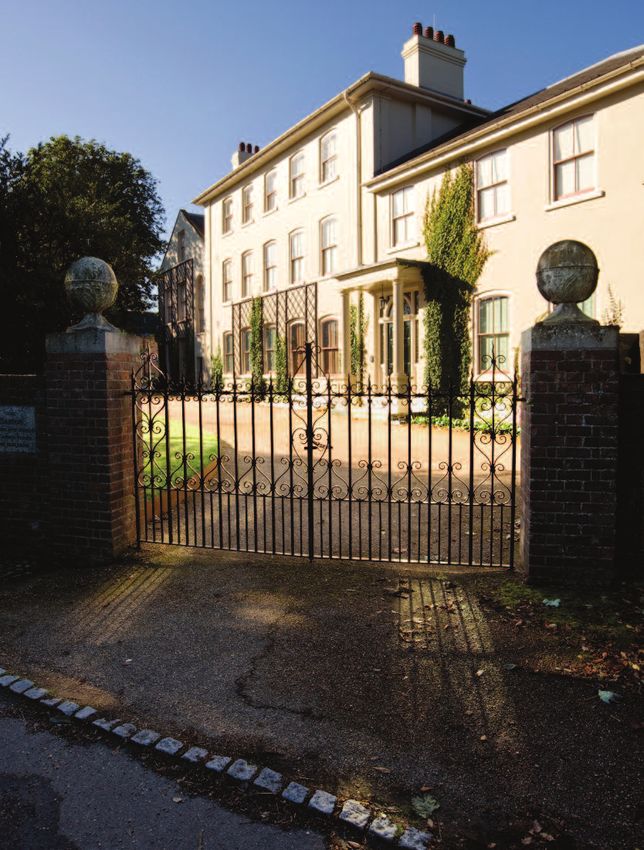
ENGLISH HERITAGE TEACHER’S KIT                                                                       HISTORY
Down House –
The Home of Charles Darwin

PAGE 2 | 3
                                                                                                      ALSO AVAILABLE
THE GARDENS                                         quite rare, and English Heritage is taking       TO DOWNLOAD
Whilst living at Down, Darwin spent a great         care, in conjunction with The Kent Wildlife                 INFO
deal of time in the garden, experimenting           Trust, to ensure the survival of the rare             ACTIVITIES
and thinking. Over the course of forty years        species of fungi. By the 1870s the Darwin                IMAGES
he made many changes and additions.                 children were playing tennis on the lawn. In
Contemporary paintings, photographs and             1881, the year before his death, Darwin
descriptions reveal what the garden was like.       purchased a plot of land beyond the
Educational groups have the chance to               orchard and laid out a hard tennis court.
experience the atmosphere that Darwin               Close to the house students can see the
and his family enjoyed, and to observe many         ancient mulberry tree which Darwin noted
of the plants and animals that Darwin               when he bought the house in 1842.
observed in the course of his work.
                                                    The Kitchen Garden
The ornamental garden                               Darwin created a new kitchen garden on a
On moving to Down, Darwin increased the             strip of land taken from the Home Meadow.
privacy by lowering the lane which                  Here he planted his experimental beds to
overlooked the house and used the                   demonstrate variability and fertilisation
removed earth to make banks and mounds              techniques. The brick and flint walls are from
around the garden. This part of the rear            Darwin’s time, and were built using local
garden was for the most part typically              materials. Today these walls support over
Victorian with mixed borders, rose gardens          sixty-five species of lichen, some growing on
and flower beds. In Darwin’s time there             the lime mortar and others growing on the
were six rectangular beds behind the house,         bricks themselves. Wall ferns also grow in
planted with, amongst other things, phlox,          the lime mortar, including maidenhair
lilies, larkspurs and verbenas.                     spleenwort and black spleenwort.

The Darwins set a millstone onto his lawn,          The Sand-walk
with a special instrument to measure how far        The Sand-walk, or ‘thinking path’, was
the stone sank each year, owing to the action       created in 1846. An acre and a half (0.6
of earthworms in the soil. A ‘wormstone’ can        hectares) of land was fenced and planted
still be seen.Today the lawn is mown                out with native trees and bushes – hazel,
regularly, and is an example of acid to neutral     alder, lime, hornbeam, birch, privet and
grassland that has not been improved’ with          dogwood and a circular path dressed with
chemical fertilisers and herbicides.The lawn        sandy gravel was laid out. A line of hollies
contains a lot of moss and common grasses.          ran down the exposed side. Emma Darwin
                                                    encouraged wild flowers within the
There are various wild flowers at certain           woodland – bluebells, anemones, cowslips,
times of the year, including bird’s foot trefoil,   primroses and wild ivy. A wooden summer
yarrow, common daisy and bulbous                    house was built at the bottom end. It was
buttercup. There are also many kinds of             strolling round this path that Darwin did
grassland fungi found in the lawn, including        much of his thinking. Whenever he was at
wax caps, earth tongues and fairy clubs.            Down he would take his daily constitutional
Unimproved grassland such as this is today          and walk a number of times, depending on

BOOKING AND SITE INFORMATION
Apsley House Education Liaison Officer, 149 Piccadilly, London W1J 7NT
T 020 7499 5676 (ext 23) www.english-heritage.org.uk/onlinebooking
04/11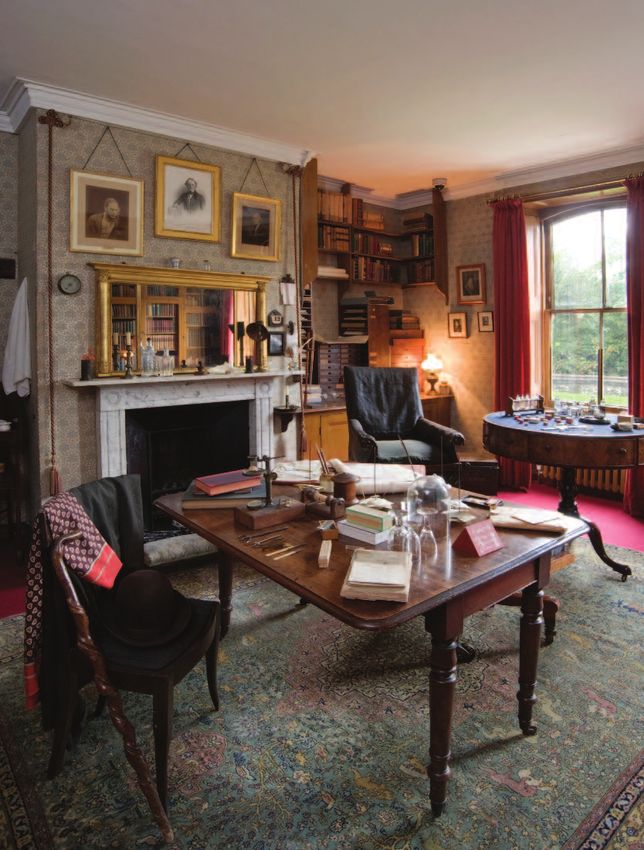
ENGLISH HERITAGE TEACHER’S KIT                                                                       HISTORY
Down House –
The Home of Charles Darwin

PAGE 3 | 3
                                                                                                      ALSO AVAILABLE
the weather and his mood, around the                 The Glasshouses                                 TO DOWNLOAD
Sand-walk between midday and one o’clock             As he became engrossed in the study of                     INFO
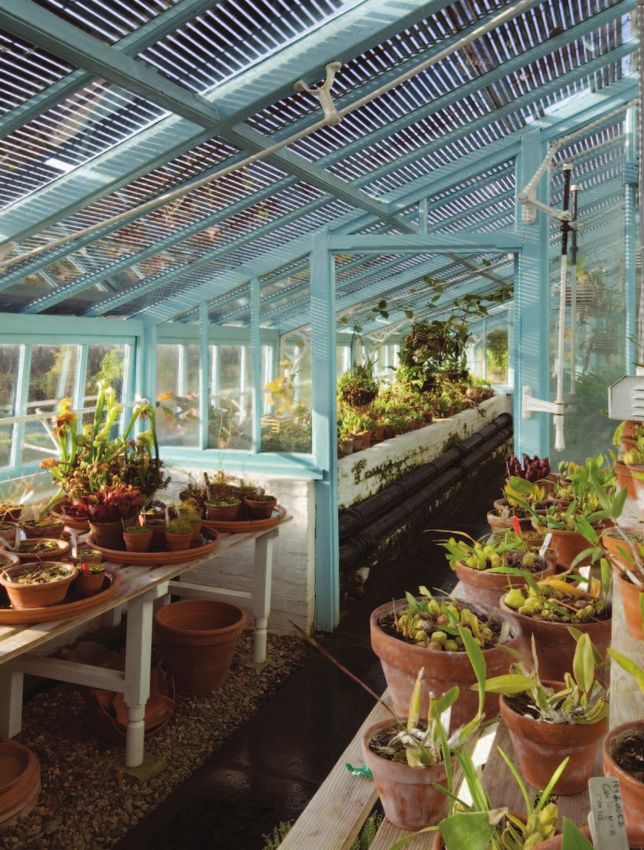
, counting the laps with flints piled at the         plants, in particular orchids and carnivorous        ACTIVITIES
beginning of the circuit. Still visible is part of   plants, Darwin built a small hot-house which            IMAGES
the dead beech that is the remnant of the            was completed in early 1863.This was
Darwin children’s elephant tree’, which got          heated by a boiler and hot water pipes.
its name from a growth on the trunk where
a branch had once been cut off.                      Laboratory
                                                     In 1881 Darwin purchased the land
Several climbing plants can be seen along            immediately north of the kitchen garden. A
the walk, including ivy, wild rose, black and        brick laboratory was constructed on the
white bryony, and clematis. Darwin was               north side of the garden wall, though it
particularly interested in the white bryony,         appears that Darwin could not have had
especially the way the tendrils spiralled, then      much use of it before his death in 1882.
straightened, then spiralled in the opposite
direction. This gave the plant elasticity, which
prevented it being loosened from its
support, and was an example to Darwin
of plant modification in order to survive.

BOOKING AND SITE INFORMATION
Apsley House Education Liaison Officer, 149 Piccadilly, London W1J 7NT
T 020 7499 5676 (ext 23) www.english-heritage.org.uk/onlinebooking
04/11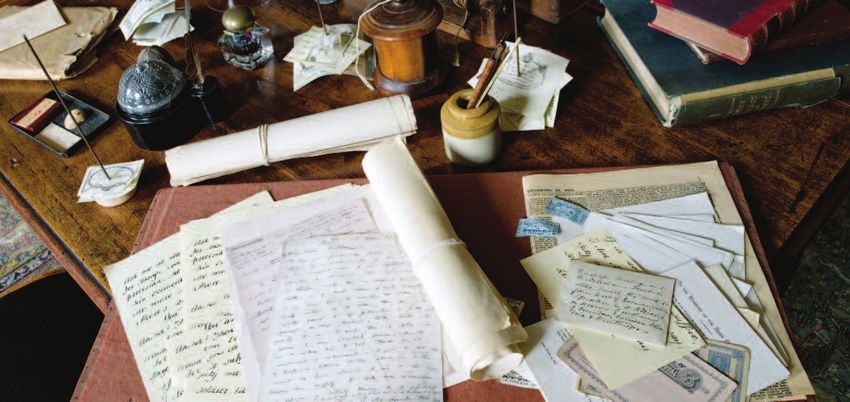
ENGLISH HERITAGE TEACHER’S KIT                                                                          INFO
Down House –
The Home of Charles Darwin
LOCATION
Luxted Road, Downe, Kent BR6 7JT
Off A21 or A233 near Biggin Hill
OS map 177/187, 147: TQ431611
PAGE 1 | 1
                                                                                                  ALSO AVAILABLE
HOW TO GET THERE                               LEARNERS GO FREE                                  TO DOWNLOAD
The house is well signposted from              Educational visits are free to English Heritage          HISTORY
major roads.                                   properties and should be booked at least 14            ACTIVITIES
Bus 146 from Bromley North and South           days in advance via the Education Liaison                 IMAGES
railway station (36 minutes past the hour);    Officer at
R8 from Orpington railway station (not on      Apsley House, 149 Piccadilly,
Sundays)                                       London W1J 7NT
Train 15 minutes from London Victoria or       T 020 7499 5676 (ext 23)
London Charing Cross to Bromley South,         www.english-heritage.org.uk/onlinebooking
followed by bus 146 at 36 minutes past the
hour. Also trains to Orpington followed by     Limit on party number 80
bus R8 (not on Sundays)                        Required teacher/adult helper
                                               to pupil ratio 1:6 for years up to year 3
FACILITIES                                     (8 years and under) and 1:15 for all
Parking 50m from house with separate           other groups.
disabled bays. Space for one coach. Disabled
visitors may be set down outside the house     Pupils must be supervised at all times.
by prior arrangement. Level path to house.     Please remember you are responsible for
At busy times we endeavour to use an           your own risk assessment. Hazard
overflow car park. This may not be open in     information available when booking.
wet conditions.
Shop Yes                                       Due to the number of visitors to the
Refreshments Tea room on ground floor          property, all educational groups must book
Toilets Accessible WC on ground floor          well in advance and arrive and depart at the
                                               time specified on the permit.

                                               ENGLISH HERITAGE EDUCATION
                                               English Heritage is proud of its commitment
                                               to heritage education. We aim to help
                                               teachers and those involved in education –
                                               at all levels – to use the historic environment
                                               as a resource, right across the curriculum.
                                               T 020 8981 7898
                                               education@english-heritage.org.uk
                                               www.english-heritage.org.uk/education

BOOKING AND SITE INFORMATION
Apsley House Education Liaison Officer, 149 Piccadilly, London W1J 7NT
T 020 7499 5676 (ext 23) www.english-heritage.org.uk/onlinebooking
04/11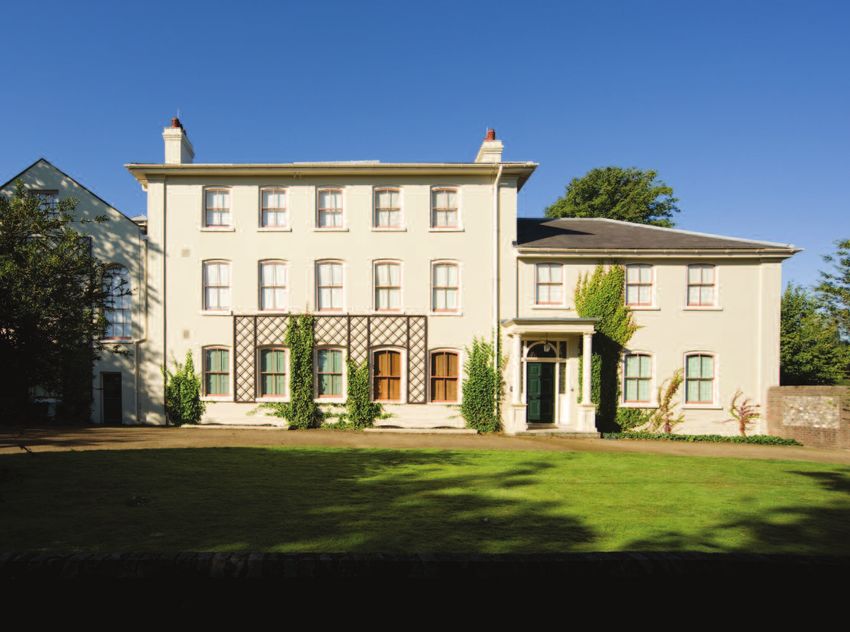
ENGLISH HERITAGE TEACHER’S KIT                                                                    ACTIVITIES
Down House –
The Home of Charles Darwin

PAGE 1 | 1
                                                                                                    ALSO AVAILABLE
ACTIVITIES                                                                                         TO DOWNLOAD
Allow sufficient time during your visit to explore the gardens as well as the house.                      HISTORY
Remember that other visitors will be enjoying the gardens and remind your pupils to keep                      INFO
to the paths.                                                                                              IMAGES

Students can experience walking round the sand-walk as Darwin did every day. Use the
walk as an opportunity for pupils to collect words for creative writing. Ask them to stop and
stand quietly at two or three stages of their circuit of the sand-walk, and to consider what
they see, hear and feel. Ask them to jot down some words, which can be discussed later at
school and used as a basis for their writing.

Students could also be asked to carry out a survey of some of the plant and animal life they
observe in the grounds. For example, a lichen survey could be particularly interesting.
Lichens are particularly sensitive to sulphur dioxide pollution. Shrubby, or fruticose lichens
(eg Usnea, Ramalina) are most affected by pollution, leafy or foliose ones (eg Parmelia and
Cobaria) less so, and powdery or crustose ones (eg Zanthoria and Lecanora) least of all. In a
polluted area there will be few, if any, shrubby lichens. However, at Down your students
should be able to observe a good variety. Remember to take some magnifying glasses with
you, and remind your groups that plants should not be disturbed.

Sitting quietly in the grounds, if possible away from other people, students should also be
able to observe some of the animal life of the area. Particularly interesting in relation to
Darwin’s work are the finches. Goldfinches can be seen feeding on the tough seed heads of
thistles and similar plants, using their sharp pointed beaks like tweezers. In contrast,
bullfinches have short rounded beaks with sharp edges to help them eat the buds of trees
and shrubs.

Downe Village
If you have time, you could explore the village of Downe. Although the church is usually
locked, the exterior of the church and churchyard are interesting. Students can look at the
sundial on the wall (can they tell the time from it?) and could look for the graves
mentioned above.

If there is enough time, a study of the gravestones in the churchyard can make an interesting
local history project. In pairs students should systematically study the grave stones noting
their style and the inscription. Devise a grave recording sheet for your pupils (or get them to
devise one) asking them to note:
    inscription
    any decoration
    shape of memorial
    condition of memorial
    materials used.

BOOKING AND SITE INFORMATION
Apsley House Education Liaison Officer, 149 Piccadilly, London W1J 7NT
T 020 7499 5676 (ext 23) www.english-heritage.org.uk/onlinebooking
04/11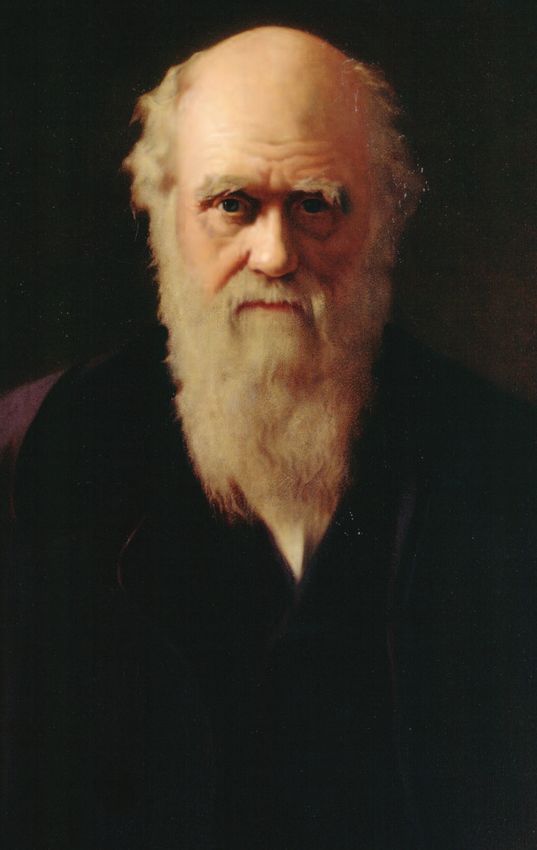
ENGLISH HERITAGE TEACHER’S KIT                                              IMAGES
    Down House –
    The Home of Charles Darwin
    Exterior view of the front of the house.

    Visit www.heritage-explorer.org.uk for more copyright-cleared images
    PAGE 1 | 6
                                                                              ALSO AVAILABLE
                                                                             TO DOWNLOAD
                                                                                    HISTORY
                                                                                        INFO
                                                                                  ACTIVITIES

© English Heritage Photo Library

    BOOKING AND SITE INFORMATION
    Apsley House Education Liaison Officer, 149 Piccadilly, London W1J 7NT
    T 020 7499 5676 (ext 23) www.english-heritage.org.uk/onlinebooking
    04/11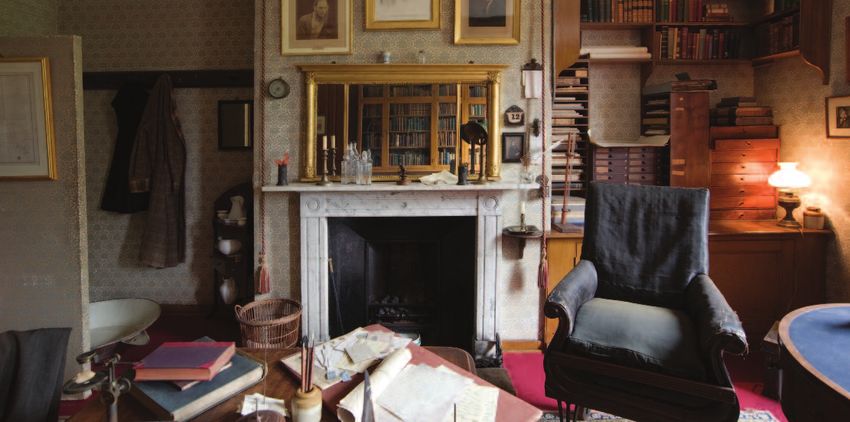
ENGLISH HERITAGE TEACHER’S KIT                                           IMAGES
    Down House –
    The Home of Charles Darwin
    View over the wall towards the front of the house.

    PAGE 2 | 6

© English Heritage Photo Library

    BOOKING AND SITE INFORMATION
    Apsley House Education Liaison Officer, 149 Piccadilly, London W1J 7NT
    T 020 7499 5676 (ext 23) www.english-heritage.org.uk/onlinebooking
    04/11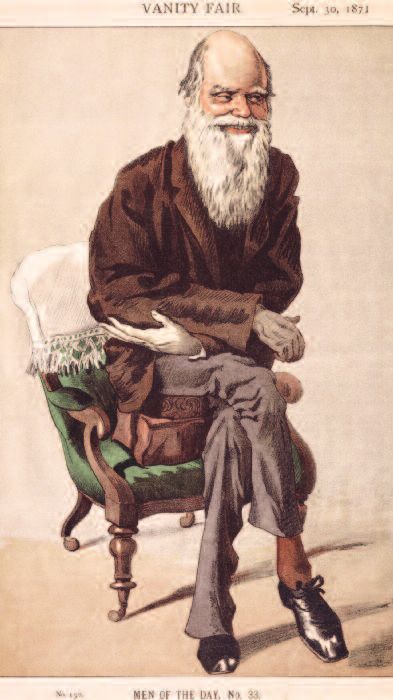
ENGLISH HERITAGE TEACHER’S KIT                                              IMAGES
    Down House –
    The Home of Charles Darwin
    Greenhouse benches filled with orchids insectivorous and climbing plants.

    PAGE 3 | 6

© English Heritage Photo Library

    BOOKING AND SITE INFORMATION
    Apsley House Education Liaison Officer, 149 Piccadilly, London W1J 7NT
    T 020 7499 5676 (ext 23) www.english-heritage.org.uk/onlinebooking
    04/11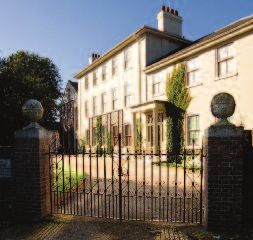
ENGLISH HERITAGE TEACHER’S KIT                                                            IMAGES
    Down House –
    The Home of Charles Darwin
    top Detailed view of Darwin's worktable with letters, manuscripts and books on display.
    below The Old Study fireplace showing pigeonhole shelves and partitioned privy.

    PAGE 4 | 6

© English Heritage Photo Library

© English Heritage Photo Library

    BOOKING AND SITE INFORMATION
    Apsley House Education Liaison Officer, 149 Piccadilly, London W1J 7NT
    T 020 7499 5676 (ext 23) www.english-heritage.org.uk/onlinebooking
    04/11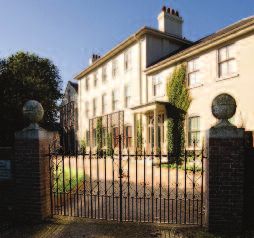
ENGLISH HERITAGE TEACHER’S KIT                                           IMAGES
    Down House –
    The Home of Charles Darwin
    The Old Study with walking stick and hat on chair.

    PAGE 5 | 6

© English Heritage Photo Library

    BOOKING AND SITE INFORMATION
    Apsley House Education Liaison Officer, 149 Piccadilly, London W1J 7NT
    T 020 7499 5676 (ext 23) www.english-heritage.org.uk/onlinebooking
    04/11
ENGLISH HERITAGE TEACHER’S KIT IMAGES
Down House –
The Home of Charles Darwin
left “Charles Darwin” by Reilly.
right Folio page from Vanity Fair 1871 with colour lithograph cartoon of Charles Darwin.
PAGE 6 | 6
© English Heritage Photo Library
© English Heritage Photo Library
BOOKING AND SITE INFORMATION
Apsley House Education Liaison Officer, 149 Piccadilly, London W1J 7NT
T 020 7499 5676 (ext 23) www.english-heritage.org.uk/onlinebooking
04/11You can also read


