Drug-Testing Program 2011-12 - www.NCAA.org/drugtesting
←
→
Page content transcription
If your browser does not render page correctly, please read the page content below
Drug-Testing
  Program
        2011-12

www.NCAA.org/drugtesting
What You
  Don’t Know
   Can Hurt
Your Eligibility!
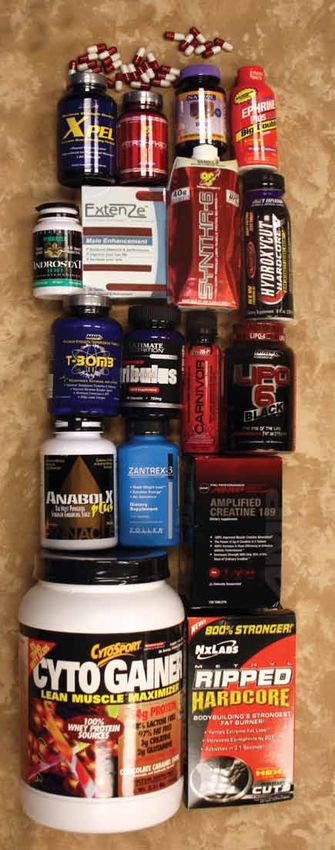
Before consuming any nutritional/dietary
supplement product, review the product
with your athletics department staff:
  ● Dietary supplements are not well
  regulated and may cause a positive
  drug test result.
  ● Student-athletes have tested positive
  and lost their eligibility using dietary
  supplements.
  ● Many dietary supplements are con-
  taminated with banned drugs not listed
  on the label.
  ● Any product containing a dietary
  supplement ingredient is taken at your
  own risk.
It is your responsibility to check with the
appropriate athletics staff before using
any substance.

    Ignorance is
     No Excuse!

         www.ncaa.org/drugtesting
Contents Page
Chapter I. — NCAA Banned-Drugs .............................................................................................................................. 2
Chapter II. — Medical Exceptions................................................................................................................................. 2
Chapter III. — Alcohol, Tobacco and Other Drug-Education Guidelines........................................................ 3
Chapter IV. — Drug-Testing Program and Protocol............................................................................................... 4
1. Medical Code..................................................................................................................................................... 4
2. Organization...................................................................................................................................................... 4
3. Causes for Loss of Eligibility......................................................................................................................... 5
4. Drug Testing Selections................................................................................................................................. 5
5. Drug-Testing Notification.............................................................................................................................. 6
6. Specimen Collection Procedures............................................................................................................... 7
7. Chain of Custody.............................................................................................................................................. 9
8. Laboratory Procedures, Notification of Results and Appeal Process............................................ 9
9. Restoration of Eligibility..............................................................................................................................11
Chapter V. — Drug-Testing Legislation – Bylaws..................................................................................................12
Chapter VI. — Institutional Drug Testing.................................................................................................................19
The Drug-Testing Program is reviewed annually by the
Committee on Competitive Safeguards and Medical Aspects of Sports.
Contact NCAA Staff Liaison Mary Wilfert.
Photographs Provided By: NCAAphotos.com
1Chapter I Chapter II
2011-12 NCAA Banned Drugs Medical Exceptions
The NCAA bans the following classes of drugs: The NCAA recognizes that some banned substances
are used for legitimate medical purposes. Accordingly,
a. Stimulants; the NCAA allows exception to be made for those
b. Anabolic Agents; student-athletes with a documented medical history
demonstrating the need for regular use of such a drug.
c. Alcohol and Beta Blockers (banned for rifle only); Exceptions may be granted for substances included
d. Diuretics and Other Masking Agents; in the following classes of banned drugs: stimulants,
e. Street Drugs; anabolic agents, beta blockers, diuretics, peptide
hormones, anti-estrogens, and beta-2 agonists.
f. Peptide Hormones and Analogues;
g. Anti-estrogens; and The institution shall inform The National Center for Drug
Free Sport (Drug Free Sport), the NCAA drug-testing third
h. Beta-2 Agonists. party administrator, of its intent to request a medical
Note: Any substance chemically related to these exception to a positive drug test when it is notified
classes is also banned. The institution and the student- of the positive result of the A sample. If the B sample
athlete shall be held accountable for all drugs within is confirmed positive and reported to the institution
the banned drug class regardless of whether they have and documentation to support the medical exception
been specifically identified. request has not been submitted, the student-athlete will
be declared ineligible until such time documentation is
Drugs and Procedures Subject to Restrictions: received and reviewed and the exception is granted. If
• Blood Doping. the exception is not granted, the student-athlete may
then request an appeal.
• Local Anesthetics (under some conditions).
NOTE: A medical exception for the use of anabolic
• Manipulation of Urine Samples. agents and peptide hormones must be submitted to
• Beta-2 Agonists permitted only by prescription and the NCAA and approved before athletics participation.
inhalation. Additional information regarding medical exceptions
procedures, including for stimulant medications for
• Caffeine – if concentrations in urine exceed 15
ADHD, can be found at www.ncaa.org/drugtesting.
micrograms/ml.
NCAA Nutritional/Dietary Supplements Warning:
• Before consuming any nutritional/dietary
supplement product, review the product and its
label with your athletics department staff!
• Many dietary supplements are contaminated with
banned drugs not listed on the label.
• Dietary supplements are not well regulated and
may cause a positive drug test result.
• Student-athletes have tested positive and lost their
eligibility using dietary supplements.
• Any product containing a dietary supplement
ingredient is taken at your own risk.
Information about ingredients in medications and
nutritional/dietary supplements can be obtained by
contacting the Resource Exchange Center (REC)
at 877/202-0769 or www.drugfreesport.com/rec
(password ncaa1, ncaa2 or ncaa3).
2Chapter III Tasks and Timelines for Educating Student-
Athletes
Alcohol, Tobacco and Other By July 1:
Drug-Education Guidelines ◊ Send out the NCAA list of banned drug classes and the
The NCAA is committed to prevention of drug and dietary supplement warning and REC* information to
alcohol abuse. NCAA Bylaw 14.1.4.2 requires the director all returning student-athletes and known incoming
of athletics or designee to educate student-athletes student-athletes.
about NCAA banned substances and the products that Orientation at Start of Academic Year:
may contain them. The following provides a framework ◊ Ensure that student-athletes sign NCAA compliance
for member schools to ensure they are conducting forms.
adequate drug education for all student-athletes. Each ◊ Provide student-athletes with a copy of the written
athletics department should conduct drug and alcohol drug policies as outlined prior.
education for all athletics teams, and target student-
athletes who transfer mid-year. Athletics administrators, ◊ Show the NCAA Drug Education and Testing video.
coaches, compliance officers and sports medicine ◊ Verbally explain all relevant drug policies with
personnel should also participate in drug education student-athletes and staff:
sessions. Campus colleagues working in alcohol and
• NCAA banned drug classes (note that all related
other drug prevention programs may provide additional
compounds under each class are banned,
support for athletics department efforts.
regardless if they are listed as an example).
The following are guidelines:
• NCAA drug-testing policies and consequences
In preparation for institution drug education for testing positive, including failure to show or
programs, annually: tampering with a urine sample.
◊ Develop a written policy on alcohol, tobacco and • Risks of using nutritional/dietary supplements –
other drugs. This policy should include a statement read the dietary supplement warning statement.
on recruitment activities, drug testing, disclosure
• NCAA tobacco use ban during practice or
of all medications and supplements, discipline, and
competition.
counseling or treatment options.
• Conference and institutional drug-testing program
◊ Review the NCAA, conference and institutional drug-
policies, if appropriate.
testing program policies and update handbook
materials accordingly. • Street drug use policies and institutional sanctions
for violations, if appropriate.
◊ Include the NCAA list of banned drug classes
and NCAA written policies in the student-athlete Team Meetings:
handbook. ◊ Repeat the information from the orientation at team
meetings throughout the year.
◊ Identify NCAA, conference and institutional rules
regarding the use of street drugs, performance Start of Each New Academic Term:
enhancing substances, and nutritional supplements, ◊ Repeat the information from the orientation at the
and consequences for breaking the rules. start of new academic terms to reinforce messages
and to ensure transfer student-athletes are exposed to
◊ Display posters and other NCAA educational materials
this information.
in high-traffic areas.
Throughout the Year:
◊ Include the following printed warning in the student-
◊ Provide additional drug education opportunities using
athlete handbook:
NCAA resources found at www.NCAA.org/drugtesting.
Before consuming any nutritional/dietary
*For authoritative information on NCAA banned
supplement product, review the product with your
substances, medications and nutritional
athletics department staff. Dietary supplements are
supplements, contact the Resource Exchange Center
not well regulated and may cause a positive drug test
(REC) at 877/202-0769 or www.drugfreesport.com/
result. Any product containing a dietary supplement
rec (password ncaa1, ncaa2 or ncaa3).
ingredient is taken at your own risk.
3Chapter IV epitosterone in urine to greater than 6:1.
NCAA Drug-Testing Program 1.2. Evidence of presence of a banned substance
and/or metabolite will be from analysis of the
With their approval of Proposal No. 30 at the January student-athlete’s urine and confirmation by an NCAA-
1986 NCAA Convention and Proposal Nos. 52-54 at the approved laboratory through mass spectrometry
January 1990 Convention, NCAA institutions reaffirmed in combination with gas chromatography, liquid
their dedication to the ideal of fair and equitable chromatography or isotope mass spectometry, or
competition at their championships and postseason other approved methods. The method of testing for
certified events. At the same time, they took another erythropoietin (EPO) is isoelectric focusing (IEF) with
step in the protection of the health and safety of the immunoblotting, and other approved methods.
student-athletes competing therein. So that no one
participant might have an artificially induced advantage, 1.3. The current NCAA list of banned-drug classes
so that no one participant might be pressured to use is available from the NCAA and at www.NCAA.org/
chemical substances in order to remain competitive, and drugtesting. In addition, other substances may be
to safeguard the health and safety of participants, this screened to gather data for making decisions as to
NCAA drug-testing program was created. whether additional drugs should be added to the list.
The NCAA Executive Committee will be responsible for
The program involves urine collection on specific reviewing and revising the list of banned-drug classes.
occasions and laboratory analyses for substances on
a list of banned-drug classes developed by the NCAA 1.3.1. The Executive Committee may limit testing to
Executive Committee.† This list consists of substances select banned-drug classes.
generally purported to be performance enhancing and/
or potentially harmful to the health and safety of the 2.0. Organization.
student-athlete. The drug classes specifically include 2.1. The NCAA Executive Committee has final
stimulants (such as amphetamines and cocaine) and authority over the procedures and implementation of
anabolic steroids, as well as other drugs. the NCAA drug-testing program.
†This list was approved initially by the 1986 NCAA 2.2. The NCAA Committee on Competitive Safeguards
Convention. and Medical Aspects of Sports or a subcommittee
thereof will recommend policies and procedures to
NCAA Drug-Testing the Executive Committee and will hear drug-testing
Program Protocol 2011-12 appeals.
1.0. Medical Code. 2.3. The National Center for Drug Free Sport,
“Drug Free Sport,” will support, coordinate and be
1.1. The presence in a student-athlete’s urine of a responsible for the general administration of the drug-
substance and/or metabolite of such substance testing program.
belonging to a class of drugs currently banned by the
NCAA may be cause for loss of eligibility. 2.3.1. Drug Free Sport will be responsible for
administration of the program. This will include
1.1.1. Related compounds are included in the selection of and training of the certified collectors
class due to their pharmacological action and/ who will take responsibility for respective drug-
or chemical structure. No substance belonging to testing occasions and who will be responsible for
the prohibited class may be used, regardless of appointing their collectors.
whether it is specifically listed as an example, unless 2.3.1.1. Drug Free Sport may use the services
specifically exempted. of outside collection agencies to conduct drug-
testing specimen collection.
1.1.2. The definition of positive for the following
substances is: for caffeine, if the concentration in 2.3.2. Certified collector assignments and
urine exceeds 15 micrograms/ml; for marijuana determination of testing sites will be part of the
or THC, if the concentration in the urine of THC administrative responsibility of Drug Free Sport.
metabolites exceeds 15 nanograms/ml; for
2.3.3. No member of a drug-testing crew may
testosterone, if the administration of testosterone
concurrently serve in any other capacity during the
or use of any other substance or manipulation has
drug testing event.
the result of increasing the ratio of testosterone to
42.3.4 Drug-testing collectors may not participate in 3.2. All student-athletes found to be positive for a
year-round testing at an institution at which they banned substance and/or metabolite are subject to
are employed. loss of eligibility consistent with existing policies, as
designated in NCAA Bylaw 18.4.1.5.
2.4. The host institution for an NCAA championship
or the involved institution(s) for a year-round testing 3.3. A student-athlete who refuses to sign the
event will designate an individual to serve as site notification form or custody and control form, if
coordinator with the NCAA and the certified collector any, fails to arrive at the collection station at the
assigned to that testing site. designated time without justification, fails to provide
a urine sample according to protocol, leaves the
2.4.1. The designated site coordinator at an NCAA
collection station without authorization by the
championship may not concurrently serve in any
certified collector before providing a specimen
other capacity at that championship (e.g., director
according to protocol, or attempts to alter the
of medical coverage).
integrity or validity of the urine specimen and/or
2.5. The NCAA president or his or her designee will collection process will be treated as if there was a
approve any contracts between the NCAA and drug- positive for a banned substance other than a “street
testing entities or consultants. drug” as defined in Bylaw 31.2.3.
2.5.1. Any drug-testing laboratory(ies) will be 4.0. Drug Testing Selections.
required to demonstrate, to the satisfaction of
the NCAA competitive safeguards committee, 4.1. The method for selecting championships,
proficiency in detection and confirmation of the institutions or student-athletes to be tested will be
banned substance categories on the NCAA list of recommended by the NCAA competitive safeguards
banned-drug classes. A periodic quality control committee, reviewed by the Executive Committee or
check of the laboratory(ies) will be maintained. the president acting for the Executive Committee in
advance of the testing occasion, and implemented by
2.5.2. Members of the NCAA competitive the assigned certified collectors. All student-athletes
safeguards committee and/or its consultants may are subject to testing.
be called upon to interpret test results.
4.2. Student-athletes who test positive will be tested
2.6. Specimen collection by organizations other than at any subsequent NCAA championship or postseason
those authorized by the NCAA is not allowed at drug bowl game at which they appear and at which drug
testing events and postseason bowl games. testing is being conducted or at any subsequent year-
round NCAA testing event.
3.0. Causes for Loss of Eligibility.
3.1. According to Bylaw 14.1.4.1., each academic 4.2.1. It is the responsibility of the institution to
year the student-athlete shall sign a form prescribed notify the drug-testing certified collector that a
by the Committee on Competitive Safeguards and student-athlete who is present on site must be
Medical Aspects of Sports in which the student- tested to satisfy Section 4.2.
athlete consents to be tested for the use of substances 4.3. Selection of Student-Athletes for Year-Round
banned by NCAA legislation. Failure to complete and Testing on Campus.
sign the consent form before practice or competition
or before the Monday of the fourth week of classes, 4.3.1. Student-athletes competing in Divisions I and
whichever date occurs first, shall result in the student- II sports are subject to year-round testing.
athlete’s ineligibility for participation (i.e., practice
4.3.2. In year-round testing events, student-athletes
and competition) in all intercollegiate athletics.
may be selected on the basis of sport, position,
Drug testing consent form remains in effect until a
competitive ranking, athletics financial-aid status,
subsequent form is signed. For year round summer
playing time, an NCAA-approved random selection
testing, student-athlete will be selected from official
or any combination thereof.
roster or other approved list.
4.3.2.1. For on campus year-round, student-
3.1.1. The institution shall administer the consent
athletes will be selected from the official
form individually to each student-athlete (including
squad list, or complete roster if the first
recruited partial qualifiers and nonqualifiers)
outside competition has not yet occurred.
each academic year. Details about the content,
administration and disposition of the consent form 4.3.2.1.1. For year-round summer drug
are set forth in Bylaw 14.1.4.
5testing student-athletes will be selected squad list to Drug Free Sport for student-athlete
from official roster or other approved list. selections.
Student-athletes listed who have exhausted
their eligibility or who have career- 5.2. Notification of Student-Athletes for Year-
ending injuries or quit from team, are not Round Testing.
enrolled or withdraw from the institution, 5.2.1. For on campus year-round testing events, the
will not be selected. All other student- student-athletes will be notified of and scheduled
athletes with remaining NCAA eligibility for testing by the institution. For off campus
(including partial qualifiers, nonqualifiers, summer testing the student-athlete will be notified
and student-athletes who have expressed by certified collector.
interest in transferring schools) are subject
5.2.1.1 For on campus year-round testing, the
to possible testing through August 31 of
student-athlete will be notified in person or by
the following year or until a subsequent
direct telephone communication, of the date,
consent form is executed.
time to report and location of the testing event
4.4. Selection of Student-Athletes at NCAA and will read and sign any Student-Athlete
Championships and Postseason Bowl Games. Notification Form.
4.4.1 All student-athletes are subject to NCAA 5.2.1.2 Student-athletes shall provide picture
testing at NCAA championships or in conjunction identification when entering the drug-testing
with postseason bowl games. station.
4.4.2 Student-athletes may be tested before, 5.2.2 For on campus, year-round testing, an
during or after NCAA championship events and institutional representative will be present in
postseason bowl games. the collection station to certify the identity of
student-athletes and will assist with security of the
4.4.3. At NCAA team championships and
collection station.
postseason bowl games, student-athletes may be
selected on the basis of playing time, positions and/ 5.3. Notification of Host Institutions/
or an NCAA-approved random selection. Local Organizing Committees (LOC)/NCAA
Administrators for NCAA Team Championships
4.4.3.1. For team championship and postseason
Testing.
bowl-game testing, student-athletes will be
selected from the official travel party roster, official 5.3.1. The championships event manager,
gate/credential list, championship participation championships event drug-testing site coordinator
sheets or official championship form. and the NCAA championships administrator will be
notified before the first day of testing.
4.4.4. NCAA Individual/Team Championships. At
5.4. Notification of Competing Institutions for
NCAA individual/team championships events,
NCAA Team Championships Testing.
selection of student-athletes may be based on
NCAA-approved random selection or position of 5.4.1. An institutional representative will be notified
finish. not earlier than two hours prior to the start of
competition that drug-testing will take place
5.0. Drug-Testing Notifications following their team’s competition.
5.1. Notification of Institutions for Year-Round 5.4.2. At NCAA team championship events, a
Testing. separate collection site must be provided for each
5.1.1. For on campus year-round testing, the team. Immediately after any NCAA established post
director of athletics, director of compliance and game cool-down period, student-athletes selected
site coordinator will be notified not earlier than for drug testing will be notified by a collector.
two days before the day of testing. For off campus Each student-athlete will be instructed to read
summer testing, institutions will not receive and sign the Team Championship Student-Athlete
notification. Notification Form. The notification form will instruct
the student-athlete to report to the collection
5.1.2. According to Bylaw 3.2.4.7, for year-round station within one hour, unless otherwise directed
testing events and upon request from Drug Free by the certified collector or designee.
Sport, the director of athletics or designee will
be required to provide an accurate and current 5.4.3. An official institutional representative must
6be in the collection station to certify the identity to accompany the courier to the collection station
of the student-athletes selected. The institutional within one hour, unless otherwise directed by the
representative must remain in the collection station certified collector or designee.
until all student-athletes have completed testing.
5.8.2. If a student-athlete is selected for drug
5.4.4. At NCAA team championship events, when testing during that championship, the NCAA
competition begins at 10 p.m. or later local time, drug testing administrator or designee will direct
an institution may defer testing until the next the student-athlete to be tested immediately, to
morning. Deferred testing must begin not later defer testing until the completion of his/her final
than 10 a.m. local time. event of that session or day, or to defer testing
until the completion of his/her final event of the
5.4.5. The institution must decide immediately after championship.
the game whether to defer testing.
5.8.3. The courier and selected student-athlete
5.4.6. The host institution will be required to will obtain an official institutional representative’s
provide collection sites for deferred tests. signature on the notification form if testing is
5.4.7. If testing is conducted after a final round at deferred until completion of the student-athlete’s
team championships, testing may not be deferred. final event of that session or day or completion of
his/her final event of the championship, as noted
5.5. Notification of Student-Athletes for NCAA on the form. An institutional representative must
Team Championships Testing. present the student-athlete to the collection station
5.5.1. The NCAA drug-testing certified collector and certify identification of the student-athlete not
or Drug Free Sport representative will present to later than one hour after completion of this final
the institutional representative the list of selected event of the session or day or final event of his/her
student-athletes that will be tested immediately championship.
following the completion of the competition.
5.8.4. The time of notification will be recorded
5.5.2. The institutional representative and the NCAA and the student-athlete will read and sign the
certified collector or Drug Free Sport representative notification form.
will coordinate the notification of the student-
5.8.5. Completed notification forms will be returned
athletes (e.g., in locker room, on field of play, etc.)
to the collection station and given to the certified
5.6. Notification of Host Institutions/ collector (or designee). The student-athlete or
Local Organizing Committees (LOC)/ NCAA institutional representative will be given a copy at
Administrators for NCAA Individual/Team the completion of the collection process.
Championships Testing.
5.8.6. A declared witness may accompany the
5.6.1. The championships event manager, student-athlete to the collection station.
championships event drug-testing site coordinator
and the NCAA championships administrator will be 5.8.6.1. The witness must remain during the
notified before the first day of testing. entire collection process.
5.7. Notification of Competing Institutions for 6.0. Specimen Collection Procedures.
NCAA Individual/Team Championships Testing.
6.1. Only those persons authorized by the certified
5.7.1. Institutions will not be notified in advance collector will be allowed in the collection station.
whether testing will occur or not occur at
individual/team championships. 6.1.1. The certified collector may release a sick
or injured student-athlete from the collection
5.8. Notification of Student-Athletes for NCAA
station or may release a student-athlete to return
Individual/Team Championships Testing.
to competition, and must release a student-athlete
5.8.1. At NCAA individual/team championship to meet academic obligations, and in all cases
events, a student-athlete will be notified of only after appropriate arrangements for having
selection for drug testing immediately after the student-athlete tested have been made and
competition. Any student-athlete selected for recorded by the certified collector.
drug testing will be handed a Student-Athlete
Notification Form by an official courier. The 6.2. Upon entering the collection station, the
notification form will instruct the student-athlete student-athlete will be identified by an NCAA
courier, an institutional representative or through
7other appropriate identification methods, and then Sport. The student-athlete must remain in the
the student-athlete will be officially signed into the collection station until an adequate specimen is
station. provided.
6.2.1. A collector will require the student-athlete to 6.2.7.3. If the urine has a pH greater than 7.5
rinse and dry his or her hands. (with reagent strip) or less than 4.5 (with reagent
strip), the specimen will be sent to the lab; but
6.2.2. The student-athlete will select a sealed the student-athlete must remain in the collection
beaker from a supply of such and attach a unique station until another specimen is provided. No
bar code to the beaker. more than three alkaline samples for any one
6.2.3. A collector will monitor the furnishing of the student-athlete will be sent to the lab.
specimen by observation in order to ensure the 6.2.7.4. Final determination of specimen
integrity of the specimen. adequacy will be made by the laboratory.
6.2.4. The student-athlete will be responsible 6.2.7.4.1. If the laboratory determines that
for keeping the collection beaker closed and a student-athlete’s specimen is inadequate
controlled. for analysis, at the NCAA’s discretion, another
6.2.5. Fluids and food provided by the certified specimen may be collected.
collector to student-athletes must be from 6.2.7.4.2. If a student-athlete is suspected of
individual sealed containers that are opened and manipulating specimens (e.g., via dilution
consumed in the station. These items must be or urine substitution), the NCAA will have
caffeine-free, alcohol-free and free of any other the authority to test the student-athlete for
banned substances. all banned substances, not to exceed two
6.2.6. If the specimen is incomplete, the student- consecutive negative tests.
athlete must remain in the collection station unless 6.2.8. Once a specimen has been provided
otherwise directed by the certified collector. During that meets the on-site specific gravity and pH
this period, the student-athlete is responsible parameters, the student-athlete will select a
for keeping the collection beaker closed and specimen collection kit and a uniquely numbered
controlled, unless otherwise directed by the set of bar codes from a supply of such.
certified collector.
6.2.8.1. A collector will record the specific gravity
6.2.6.1. If the specimen is incomplete and the and pH values.
student-athlete must leave the collection station
for a reason approved by the certified collector, 6.2.8.2. The collector will pour at least 60 mL of
the specimen may be discarded at the discretion the specimen into the “A” vial and at least 25 mL
of the certified collector. into the “B” vial in the presence of the student-
athlete.
6.2.6.2. Upon return to the collection station,
the student-athlete will complete the collection 6.2.8.3. The collector will place the cap on each
procedure. vial in the presence of the student-athlete; the
collector will then seal each vial in the required
6.2.7. Once a specimen (at least 90 mL) is provided, manner under the observation of the student-
the collector who monitored the furnishing of athlete and witness (if present).
the specimen by observation will sign that the
specimen was directly validated, and a collector will 6.3. Vials and forms (if any) sent to the laboratory shall
check the specific gravity and pH of the urine in the not contain the name of the student-athlete.
presence of the student-athlete.
6.4. All sealed specimens will be secured in a
6.2.7.1. If the urine has a specific gravity at or shipping case. The collector will prepare the case for
above 1.005 and the urine has a pH between 4.5 forwarding.
and 7.5 inclusive, the specimen will be processed
and sent to the laboratory. 6.5. The student-athlete, collector and witness (if
present) will sign certifying that the procedures were
6.2.7.2. If the urine has a specific gravity below followed as described in the protocol. Any deviation
1.005, the specimen will not be sent to the from the procedures must be described and recorded
lab unless otherwise directed by Drug Free at that time. If deviations are alleged, the student-
8athlete will be required to provide another specimen. 8.2. Upon receipt of the results, Drug Free Sport will
break the number code to identify any individuals
6.6. After the collection has been completed, the with positive findings.
specimens will be forwarded to the laboratory, and
all copies of all forms, if any, will be forwarded to the 8.2.1. For NCAA individual/team championships,
designated persons. only positive test results will be reported to
the institution. Positive results should be made
6.7. The specimens become the property of the NCAA. available within approximately 30 days of the
6.8. A student-athlete who refuses to sign the collection.
notification form or custody and control form, fails to 8.2.2. For student-athletes who have a positive
arrive at the collection station at the designated time finding of the A sample, Drug Free Sport will
without justification, fails to provide a urine specimen contact the director of athletics or a designee
according to protocol, leaves the collection station by telephone. Drug Free Sport will send a letter
before providing a specimen according to protocol, or (marked “confidential”) or e-mail the director of
attempts to alter the integrity or validity of the urine athletics or designee. The institution shall notify the
specimen and/or collection process, will be in breach student-athlete of the finding.
of protocol and treated as if there was a positive
test for a banned substance other than a street drug 8.2.2.1. Drug Free Sport will, during the
as defined in Bylaw 31.2.3. The institution shall telephone conversation, advise the director
immediately declare the student-athlete ineligible. of athletics that sample B will be tested. The
The certified collector will inform the student- student-athlete may be present at the opening
athlete of these implications (in the presence of a of sample B.
witness) and record such. If the student-athlete is not
available, the certified collector will notify the NCAA 8.2.2.2. The institution and/or the student-
official responsible for administration of the event or athlete will be given the option to be
an institutional representative. represented at the laboratory for the opening of
sample B. Notification by the institution and/or
7.0. Chain of Custody. the student-athlete of intent to be represented
must be given to Drug Free Sport.
7.1. The collector will deliver the shipping case(s) to
the carrier. 8.2.2.3. If the institution and/or the student-
athlete desires representation, they must inform
7.2. A laboratory employee will record that the
Drug Free Sport within 48 hours of the telephone
shipping case(s) has been received from the carrier.
notification in 8.2.2 who will attend the opening
7.3. The laboratory will record whether the numbered of the B sample, and present themselves at the
bar-code seal on each vial arrived intact. lab within 48 hours of informing Drug Free Sport.
If they choose not to send a representative to
7.3.1. If a specimen arrives at the laboratory with be present for the opening of the B sample,
security seals not intact, the NCAA may collect the institution or the student-athlete will give
another specimen. approval to Drug Free Sport to arrange for a
surrogate to attend the opening of sample B.
8.0. Laboratory Procedures, Notification
of Results and Appeal Process. 8.2.2.3.1. The surrogate will not otherwise be
involved with the analysis of the sample.
8.1. The laboratory will use a portion of sample A for
its initial analysis. 8.2.2.4. The student-athlete, student-athlete’s
representative, the institution’s representative
8.1.1. Analysis will consist of sample preparation, or the surrogate will attest by signature as to
instrument analysis and data interpretation. the code number on sample B, that the security
8.1.2. The laboratory director or designated seal has not been broken, and that there is no
certifying scientist will review all results showing a evidence of tampering.
banned substance and/or metabolite(s) in sample 8.2.2.5. Preparation for sample B analysis will be
A. conducted by a laboratory staff member other
8.1.3. The laboratory will inform Drug Free Sport of than the individual who prepared the student-
the results by each respective code number. athlete’s sample A.
98.2.2.6. Sample B findings will be final. The so requests, the NCAA competitive safeguards
laboratory will inform Drug Free Sport of the committee or a subcommittee thereof shall
results. make a good-faith reasonable effort to hear
the appeal before the student-athlete’s next
8.2.2.6.1. For student-athletes who have a contest or within 48 hours of the institution’s
sample B positive finding, Drug Free Sport will notice of intent to appeal, whichever is longer.
contact the director of athletics or a designee
by telephone. The institution shall notify the 8.2.2.7.4. Such an appeal will be conducted
student-athlete of the finding. At this point, by telephone conference with the student-
normal NCAA eligibility procedures will apply. athlete and an athletics administrator required
to participate therein. It is recommended that
8.2.2.6.2. Upon notification of the sample the head coach or designee also participate.
B positive finding, the institution shall be The student-athlete may have others available
required to declare the student-athlete to participate on the call on his other behalf.
ineligible, and the institution will be obligated
to withhold the student-athlete from all 8.2.2.7.5. Copies of the report from the
intercollegiate competition. In the event that laboratory that contain results from the A
a student-athlete tests positive for a substance sample and B sample will be forwarded to the
for which the institution desires an exception director of athletics or designee before the
(see Medical Exceptions), and documentation appeal call.
has been submitted prior to the notification
of the positive B sample, the eligibility of the 8.2.2.7.6. Technical experts, including Drug
student-athlete may be maintained while the Free Sport staff, may serve as consultants
exception request is under review. to the committee in connection with such
appeals.
8.2.2.7. A positive finding may be appealed
by the institution to the NCAA competitive 8.2.2.7.7. Drug Free Sport staff and collectors
safeguards committee or a subcommittee may serve as consultants to the committee
thereof. The institution shall notify the student- in appeal phone calls involving matters of
athlete of the right to appeal. The student- collection protocol.
athlete will remain ineligible pending the 8.3. The NCAA will notify the institution’s chief
outcome of the appeal.
8.2.2.7.1. The institution shall appeal if so
requested by the student-athlete.
8.2.2.7.2. The request for an institutional
appeal shall be submitted by the director
of athletics or designee to Drug Free Sport
within two business days of the confirmation
of the positive drug test unless an extension
is granted by Drug Free Sport. Required
documentation must be submitted by the
institution within 45 days of the notice to
appeal. Not later than five business days
before the scheduled appeal, the institution
is required to submit to Drug Free Sport
all required documentation, including a
written summary describing the institution’s
drug-education policy and practices and
the grounds for the appeal. Additional
information about the NCAA drug-test appeal
procedures can be found at www.NCAA.org/
drugtesting.
8.2.2.7.3 If the student-athlete’s next
competition is imminent and if the institution
10executive officer and the director of athletics of the 9.5. Institutional requests for reinstatement of a
result of any appeal. This notification will be initiated student-athlete’s eligibility shall be submitted to the
by telephone to the director of athletics or designee. NCAA Student-Athlete Reinstatement pursuant to
This will be followed by a letter (marked “confidential”) Bylaw 14.12. Requests for reinstatement of eligibility
to the chief executive officer and the director of will not be considered until after the student-athlete
athletics. It is the institution’s responsibility to inform tests negative (exit test)and the results have been
the student-athlete. received by the NCAA Student-Athlete Reinstatement.
8.3.1. The NCAA may release the results of a 9.6. Exit tests for reinstatement of eligibility are
student-athlete’s final positive test to the involved conducted at the institution’s expense.
institution’s conference office upon the approval of
the institution.
8.4. Student-athletes who are ineligible as a result
of an NCAA positive drug test or a breach of protocol
shall be subject to testing of all banned substances
by the NCAA at any time during their period of
ineligibility.
8.5. The NCAA competitive safeguards committee
will send a report of aggregate findings to the
NCAA President. No report of aggregate data will be
otherwise released without the approval of the NCAA
President.
8.6. The following is a recommended statement
concerning a positive test that results in a student-
athlete’s ineligibility. If the institution receives
inquiries, this statement could be released:
“The student-athlete in question was found in
violation of the NCAA eligibility rules and has been
declared ineligible.”
9.0. Restoration of Eligibility.
9.1. Student-athletes will be tested by the NCAA
in order to be considered for eligibility restoration.
This “exit test”, which includes testing for all banned
substances, shall be scheduled through Drug Free
Sport by contacting the Drug Free Sport director of
NCAA drug testing at 816/474-8655.
9.2. The NCAA exit test shall not be conducted
sooner than the start of the 11th month of the one-
year suspension, or as designated by the NCAA for
suspensions of less than one year.
9.3. The results of the exit tests will be provided to
the NCAA Student-Athlete Reinstatement.
9.4. It is the responsibility of the institution to initiate
the request for the exit test and to do so not sooner
than the start of the 11th month of the period of
ineligibility. Institutional requests for exit testing shall
be submitted to Drug Free Sport. Drug Free Sport shall
determine the date the student-athlete will be tested.
11Chapter V Unethical conduct by a prospective or enrolled
student-athlete or a current or former institutional
staff member (e.g., coach, professor, tutor, teaching
Drug-Testing Legislation assistant, student manager, student trainer) may
include, but is not limited to, the following: (Revised:
The current drug-testing legislation can be found in the 1/10/90, 1/9/96, 2/22/01)
Division I, II and III Manuals and on the NCAA Web page
at www.NCAA.org. (f ) Knowing involvement in providing a banned
substance or impermissible supplement to student-
Following are the NCAA Bylaws related to NCAA drug- athletes, or knowingly providing medications to
testing policy in Division I. Divisions II and III provisions student-athletes contrary to medical licensure,
may vary and be listed differently in their respective commonly accepted standards of care in sports
Manuals. medicine practice, or state and federal law. This
provision shall not apply to banned substances for
ARTICLE 3.2 ACTIVE MEMBERSHIP which the student-athlete has received a medical
exception per Bylaw 31.2.3.5; however, the substance
3.2.4.7 Drug-Testing Consent Form. An active
must be provided in accordance with medical
member shall administer annually, a drug-testing
licensure, commonly accepted standards of care and
consent form for each student-athlete (per Bylaw
state or federal law; (Adopted: 8/4/05, Revised: 5/6/08)
12.02.5) pursuant to Bylaw 14.1.4, and shall ensure
compliance with the following elements of the NCAA ARTICLE 10.2 KNOWLEDGE OF USE OF
Drug Testing Program:
BANNED DRUGS
(a) Complete and forward the drug-testing availability
A member institution’s athletics department staff
calendars to The National Center for Drug Free
members or others employed by the intercollegiate
Sport by the date specified by the organization;
athletics program who have knowledge of a student-
(b) Respond to the initial drug-testing notification athlete’s use at any time of a substance on the list
from The National Center for Drug Free Sport by the of banned drugs, as set forth in Bylaw 31.2.3.4, shall
date specified by the organization; follow institutional procedures dealing with drug
abuse or shall be subject to disciplinary or corrective
(c) Complete and forward to The National Center for action as set forth in Bylaw 19.5.2.2.
Drug Free Sport a current and accurate institutional
squad list (see Bylaw 15.5.11) by the date specified BYLAW 13.3 ADMISSIONS AND
by the organization; GRADUATION DATA, BANNED DRUG LIST
(d) Provide adequate and secure drug-testing facilities AND INITIAL-ELIGIBILITY STANDARDS
as specified by The National Center for Drug Free 13.3.2 Banned Drug List and Information about
Sport; Nutritional Supplements.
(e) Notify student-athletes who have been randomly 13.3.2.1 Report Publication. The Association’s
selected for drug testing according to the timeline national office annually shall publish the banned drug
specified by The National Center for Drug Free list and shall update the list on its Web site (see Bylaw
Sport; and 31.2.3.4). (Adopted: 4/29/04 effective 8/1/04, Revised:
(f ) Respond to additional requests for assistance in 2/10/06)
administering the NCAA drug-testing program 13.3.2.2 Report Distribution. The NCAA Eligibility
as specified by The National Center for Drug Free Center shall provide the NCAA banned drug list, and
Sport. information about nutritional supplements (see Bylaw
3.2.4.7.1 Effect of Violations. A violations of 31.2.3.4) to a prospective student-athlete and his
Constitution 3.2.4.7 shall be considered institutional or her parents or legal guardian after he or she has
violations per Constitution 2.8.1; however, they shall registered with the Eligibility Center.
not affect the student-athlete’s eligibility. (Revised:
4/28/05 effective 8/1/05) BYLAW 14.1 GENERAL ELIGIBILITY
REQUIREMENTS
ARTICLE 10.1 UNETHICAL CONDUCT
14.1.3 Student-Athlete Statement.
1214.1.3.1 Content and Purpose. Prior to participation intercollegiate athletics (see Constitution 3.2.4.7).
in intercollegiate competition each academic year,
a student-athlete shall sign a statement in a form 14.1.4.2 Administration. The following procedures
prescribed by the Legislative Council in which the shall be used in administering the form (see
student-athlete submits information related to Constitution 3.2.4.7):
eligibility, recruitment, financial aid, amateur status, (a) The consent form shall be administered individually
previous positive drug tests administered by any other to each student-athlete by the athletics director or the
athletics organization and involvement in organized athletics director’s designee each academic year;
gambling activities related to intercollegiate or
professional athletics competition under the (b) The athletics director or the athletics director’s
Association’s governing legislation. Failure to designee shall disseminate the list of banned drug
complete and sign the statement shall result in the classes to all student-athletes and educate them
student-athlete’s ineligibility for participation in all about products that might contain banned drugs.
intercollegiate competition. Violations of this bylaw do All student-athletes are to be notified that the list
not affect a student-athlete’s eligibility if the violation may change during the academic year, that updates
occurred due to an institutional administrative error or may be found on the NCAA website and informed of
oversight, and the student-athlete subsequently signs the appropriate athletics department procedures for
the form; however, the violation shall be considered disseminating updates to the list; and
an institutional violation per Constitution 2.8.1.
(Revised: 1/10/92 effective 8/1/92, 1/14/97, 2/19/97, (c) The consent form shall be kept on file by
4/24/03, 11/1/07 effective 8/1/08) the athletics director and shall be available for
examination upon request by an authorized
14.1.3.2 Administration. The following procedures representative of the NCAA.
should be used in administering the form:
14.1.4.3 Exception—14-Day Grace Period. A
(a) The statement shall be administered individually student-athlete who is “trying out” for a team is not
to each student-athlete by the athletics director or required to complete the form until 14 days from the
the athletics director’s designee prior to the student’s first date the student-athlete engages in countable
participation in intercollegiate competition each athletically related activities or before the student-
academic year; and athlete participates in a competition, whichever
occurs earlier. (Adopted: 4/27/06 effective 8/1/06)
(b) The statement shall be kept on file by the athletics
director and shall be available for examination upon 14.1.4.4 A violations of Bylaw 14.1.4 or its subsections
request by an authorized representative of the NCAA. shall be considered an institutional violation per
Constitution 2.8.1; however a violation shall not affect
14.1.3.3 Institutional Responsibility—Notification the student-athlete’s eligibility provided the student-
of Positive Test. The institution shall promptly notify athlete signs the consent form.
in writing the NCAA vice president for student-
athlete affairs regarding a student-athlete’s disclosure 15.5.11 Squad List.
of a previous positive test for banned substances
administered by any other athletics organization. 15.5.11.1 Eligibility Requirement. To be eligible to
(Adopted: 1/14/97 effective 8/1/97) represent an institution in intercollegiate athletics
competition, a student-athlete shall be included on
14.1.4 Drug-Testing Consent Form. the institution’s squad-list form.
14.1.4.1 Content and Purpose. Each academic year, 15.5.11.2 Squad-List Form. The member institution’s
a student-athlete shall sign a form maintained by the athletics director shall compile a list on a form
Committee on Competitive Safeguards and Medical maintained by the Awards, Benefits, Expenses and
Aspects of Sports and approved by the Legislative Financial Aid Cabinet and approved by the Legislative
Council in which the student consents to be tested Council of the squad members in each sport on the
for the use of drugs prohibited by NCAA legislation. first day of competition and shall indicate thereon
Failure to complete and sign the consent form prior the status of each member in the categories listed.
to practice or competition, or before the Monday (Revised: 11/1/07 effective 8/1/08)
of the fourth week of classes (whichever occurs
15.5.11.3 Drug-Testing Consent-Form
first) shall result in the student-athlete’s ineligibility
Requirement. Any student-athlete who signs a
for participation (practice and competition) in all
drug-testing consent form must be included on the
13institution’s squad-list form, and any student-athlete (in accordance with the testing methods authorized
who is included on the squad-list form must have by the Executive Committee) and the student-
signed a drug-testing consent form pursuant to Bylaw athlete’s eligibility is restored by the Committee on
14.1.4. (Adopted: 1/10/92 effective 8/1/92) Student-Athlete Reinstatement. If the student-athlete
participates in any contests from the time of collection
15.5.11.3.1 Exception—14-Day Grace Period. An until the confirmation of the positive result, he or she
institution is not required to place a student-athlete must be withheld from an equal number of contests
who is “trying out” for a team on the squad list form after the 365-day period of ineligibility. (Revised:
for 14 days from the first date the student engages 1/10/90 effective 8/1/90, 1/16/93, 1/9/96 effective
in countable athletically related activities or until the 8/1/96, 1/14/97 effective 8/1/97, 4/28/05 effective8/1/05,
institution’s first competition, whichever occurs earlier. 11/1/07)
(Adopted: 4/28/05)
18.4.1.5.1.1 Breach of NCAA Drug-Testing Program
15.5.11.4 Eligibility Ramifications. Violations of Protocol. A student-athlete who is in breach of the
Bylaw 15.5.11 shall not affect the student-athlete’s NCAA drug-testing program protocol (e.g., no-show,
eligibility; however, such violations shall be tampering with sample) shall be considered to have
considered institutional violations per Constitution tested positive for the use of any drug other than a
2.8.1. (Adopted: 4/26/01) “street” drug. (Adopted: 4/28/05 effective 8/1/05)
BYLAW 18.4 ELIGIBILITY FOR 18.4.1.5.1.2 Appeals. An institution may appeal
CHAMPIONSHIPS the duration of ineligibility to the Committee on
Competitive Safeguards and Medical Aspects of
18.4.1.5 Ineligibility for Use of Banned Drugs. Sports (or a designated subcommittee). In all sports,
A student-athlete who, as a result of a drug test the committee may reduce the legislated penalty
administered by the NCAA, is found to have used a to withholding the student-athlete from the next
substance on the list of banned drug classes, as set 50 percent of the season of competition or provide
forth in Bylaw 31.2.3.4, shall be declared ineligible for complete relief from the legislated penalty. If the
further participation in postseason and regular-season committee requires the student-athlete to fulfill the
competition in accordance with the ineligibility legislated penalty or be withheld from the next 50
provisions in Bylaw 18.4.1.5.1. The certifying percent of the season of competition in all sports,
institution may appeal to the Committee on Student- the student-athlete shall remain ineligible until the
Athlete Reinstatement for restoration of the student- prescribed penalty is fulfilled, the student-athlete
athlete’s eligibility if the institution concludes that tests negative and the student-athlete’s eligibility
circumstances warrant restoration. (Revised: 1/10/90 is restored by the Committee on Student-Athlete
effective 8/1/90) Reinstatement. (Adopted: 4/28/05 effective 8/1/05)
18.4.1.5.1 Duration of Ineligibility. A student- 18.4.1.5.1.3 Transfers. If the student-athlete transfers
athlete who, as a result of a drug test administered to another NCAA institution while ineligible, the
by the NCAA, tests positive (in accordance with institution from which the student-athlete transferred
the testing methods authorized by the Executive must notify the institution that the student-athlete
Committee) shall be charged with the loss of a is ineligible. If the student-athlete immediately
minimum of one season of competition in all sports transfers to a non-NCAA institution while ineligible
if the season of competition has not yet begun for and competes in intercollegiate competition within
that student-athlete or a minimum of the equivalent the 365-day period at a non-NCAA institution, the
of one full season of competition in all sports if the student-athlete shall be ineligible for all NCAA
student-athlete tests positive during his or her season regular-season and postseason competition until the
of competition (the remainder of contests in the student-athlete does not compete in intercollegiate
current season and contests in the following season competition for a 365-day period. Additionally, the
up to the period of time in which the student-athlete student-athlete must test negative (in accordance
was declared ineligible during the previous year). The with the testing methods authorized by the Executive
student-athlete shall remain ineligible for all regular- Committee) and request that eligibility be restored
season and postseason competition during the time by the Committee on Student-Athlete Reinstatement.
period ending one calendar year (365 days) after the (Revised: 4/28/05 effective 8/1/05)
collection of the student-athlete’s positive drug-test
specimen and until the student-athlete tests negative 18.4.1.5.1.4 Testing Positive on More than One
Occasion. If the student-athlete tests positive a
14second time for the use of any banned drug other a positive drug test administered by a non-NCAA
than a “street drug” after having previously tested athletics organization. A student-athlete under a drug-
positive for any banned drug other than a “street testing suspension from a national or international
drug”, he or she shall lose all remaining regular-season sports governing body that has adopted the
and postseason eligibility in all sports. If the student- World Anti-Doping Agency (WADA) code shall not
athlete tests positive for the use of a “street drug” participate in NCAA intercollegiate competition for
after having tested positive for use of any banned the duration of the suspension. (Adopted: 1/14/97
drug, he or she shall be charged with the loss of a effective 8/1/97, Revised: 4/28/05 effective 8/1/05)
minimum of one additional season of competition in
all sports and also shall remain ineligible for regular- BYLAW 18.7 POSTSEASON FOOTBALL
season and postseason competition during the time [FBS/FCS]
period ending one calendar year (365 days) after the
collection of the student-athlete’s positive drug-test 18.7.4 Eligibility Rules. [FBS/FCS] The eligibility rules
specimen. (Revised: 4/28/05 effective 8/1/05, 6/17/08, governing individual participation and drug usage
5/27/10) shall be as demanding for participants in postseason
bowl games as those governing participation in NCAA
18.4.1.5.2 Banned Drugs and Drug-Testing championships. To attest to the eligibility of its student-
Methods. The Executive Committee shall adopt a list athletes (in conformity with this paragraph), each
of banned drug classes and shall authorize methods institution selected or qualified for a postseason game
for drug testing of student-athletes on a year- shall meet the certification-of-eligibility requirements set
round basis. The list of banned drug classes and the forth in Bylaws 14.10. (Revised: 1/10/95)
procedure for informing member institutions about
authorized methods for drug testing are set forth in BYLAW 31.2 ELIGIBILITY FOR
Bylaw 31.2.3. (Revised: 1/10/90 effective 8/1/90)
CHAMPIONSHIPS
18.4.1.5.3 Non-NCAA Athletics Organization’s
31.2.2.3 Participation While Ineligible. When
Positive Drug Test. The Executive Committee shall
a student-athlete competing as an individual or
authorize methods for drug testing any student-
representing the institution in a team championship
athlete who has disclosed in the student-athlete
is declared ineligible following the competition, or a
statement (see Bylaw 14.1.3.1) that he or she has
15You can also read


