BURGER COMPETITION TEACHER RESOURCE KIT - BEEF + LAMB
←
→
Page content transcription
If your browser does not render page correctly, please read the page content below
Secondary School
   BURGER COMPETITION
  TEACHER RESOURCE KIT

BEEF +   LAMB
  NEW ZEALAND                    BEEF + LAMB
                                   NEW ZEALAND
   Freephone 0800 733 466 I Email enquiries@beeflambnz.co.nz I Website www.beeflambnz.co.nz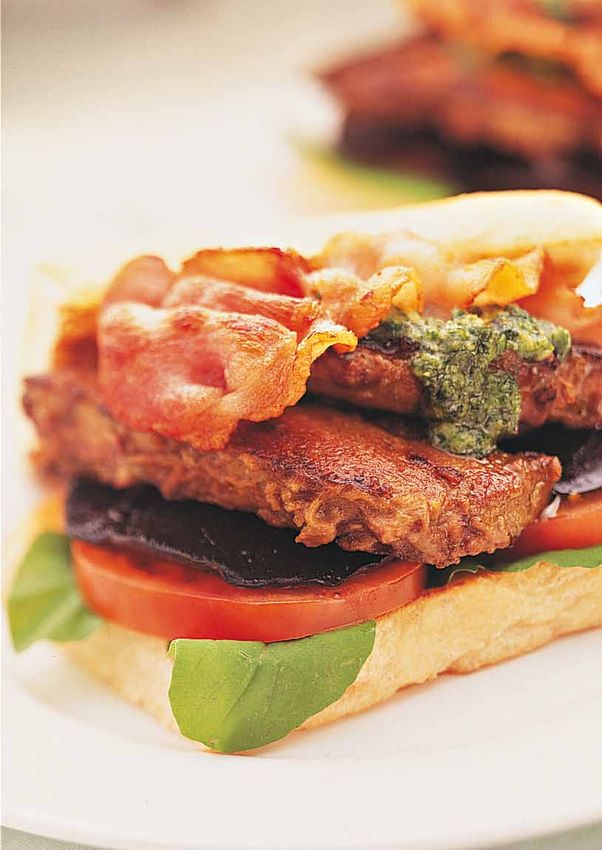
Overview
Welcome to the Teacher Resource Kit for the Beef + Lamb New Zealand Burger Competition.

This resource, based on the New Zealand Technology Curriculum, is designed to lead secondary school
students through the process of designing, testing and perfecting a burger suitable for entry into the annual
Secondary School Burger Competition. It is divided into three distinct sections encompassing Teacher
Resources, Student Resources and Competition Resources. Whilst this resource is targeted for Year 9 and 10,
activities may be adapted for senior students, refining their culinary skills.

The National Secondary School Burger Competition is now undergoing a full review in 2013 and the
competition has been put on hold to allow Beef + Lamb New Zealand to do this. In the meantime, this
resource can still be used in class and could culminate in an in-class competition for your students.

We hope you enjoy using this resource and tutoring your students in the development of a winning beef or
lamb burger!

                                                   BEEF + LAMB
                                                     NEW ZEALAND
                  Freephone 0800 733 466 I Email enquiries@beeflambnz.co.nz I Website www.beeflambnz.co.nz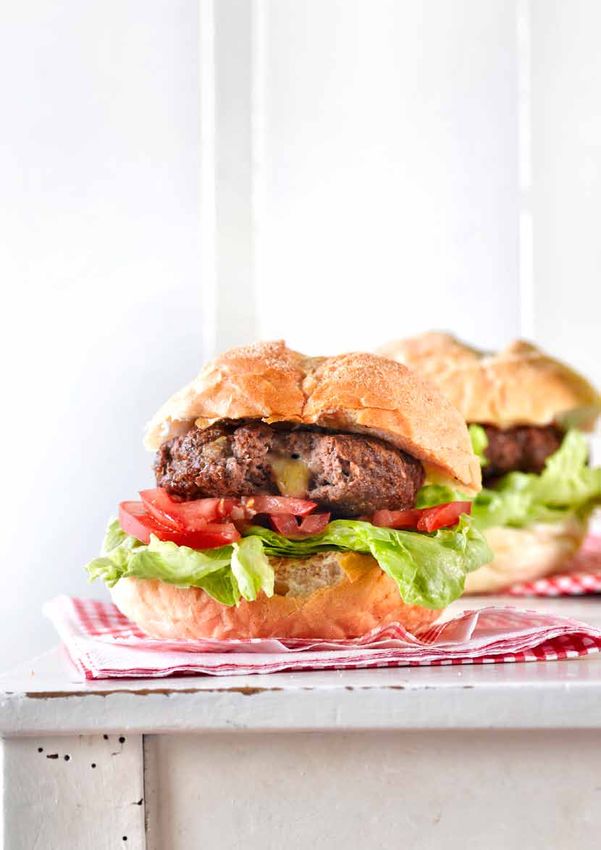
Contents
Overview........................................................................................................................................................................3

TEACHER RESOURCES.....................................................................................................................................7
Unit Plan.........................................................................................................................................................................8
Plan of Action................................................................................................................................................................9
Teacher Supplementary Notes ................................................................................................................................10
Student Resource Answers.........................................................................................................................................12
Setup Requirements for Competition Mode...........................................................................................................13

STUDENT RESOURCES..................................................................................................................................15
The Brief........................................................................................................................................................................16
Burger Brainstorm........................................................................................................................................................17
Burger Pre-Test.............................................................................................................................................................18
Burger Post-Test...........................................................................................................................................................19
Plan of Action - Progress Log.....................................................................................................................................20
Design Process.............................................................................................................................................................21
Dry and Moist Heat Methods of Cooking................................................................................................................22
Lean Beef and Lamb Facts ......................................................................................................................................23
Beef Cuts......................................................................................................................................................................24
Lamb Cuts....................................................................................................................................................................25
Food Safety Handling.................................................................................................................................................26
Food Safety Storage...................................................................................................................................................27
Storage and Handling of Meat Products ................................................................................................................28
Beef + Lamb A Winning Formula Crossword............................................................................................................29
Hamburger Definition.................................................................................................................................................30
Basic Hamburger Recipe...........................................................................................................................................31
Flavour Makers............................................................................................................................................................32
Record of my Burger Trial...........................................................................................................................................33
Sensory Analysis...........................................................................................................................................................34
Sensory Chart..............................................................................................................................................................34
Sensory Descriptors.....................................................................................................................................................35
Flavour Makers............................................................................................................................................................36
Concept Development..............................................................................................................................................38
First Impressions Count................................................................................................................................................38
Presentation on a Plate..............................................................................................................................................39
Work Plan for Trial Burger............................................................................................................................................40
Work Plan for Competition.........................................................................................................................................41
Evaluation....................................................................................................................................................................42
Gateway Assessment Student...................................................................................................................................44
Gateway Assessment Teacher..................................................................................................................................45

COMPETITION RESOURCES........................................................................................................................ 47
Competition Brief........................................................................................................................................................48
Burger Judging Criteria..............................................................................................................................................49
Judging Criteria Notes................................................................................................................................................50
Recipe Card................................................................................................................................................................51
Menu Card..................................................................................................................................................................52
Image Gallery..............................................................................................................................................................53
Resource Material Available.....................................................................................................................................62

                                                                            BEEF + LAMB
                                                                              NEW ZEALAND
                         Freephone 0800 733 466 I Email enquiries@beeflambnz.co.nz I Website www.beeflambnz.co.nz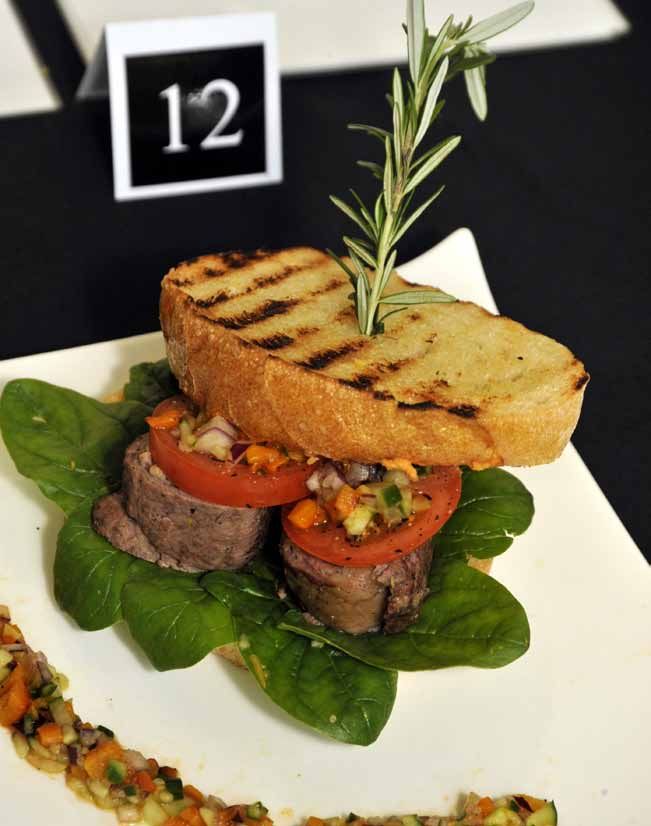
BEEF + LAMB
                                NEW ZEALAND
Freephone 0800 733 466 I Email enquiries@beeflambnz.co.nz I Website www.beeflambnz.co.nz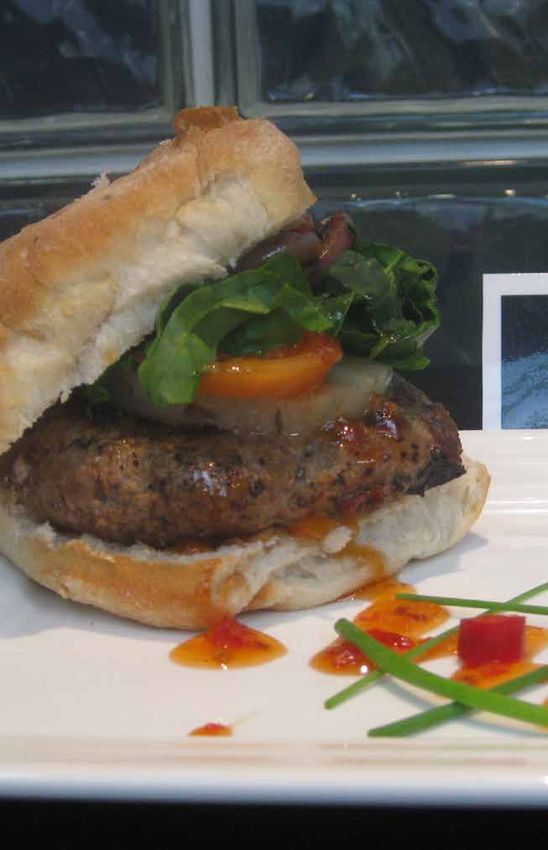
TEACHER RESOURCES

                              BEEF + LAMB
                                NEW ZEALAND
Freephone 0800 733 466 I Email enquiries@beeflambnz.co.nz I Website www.beeflambnz.co.nz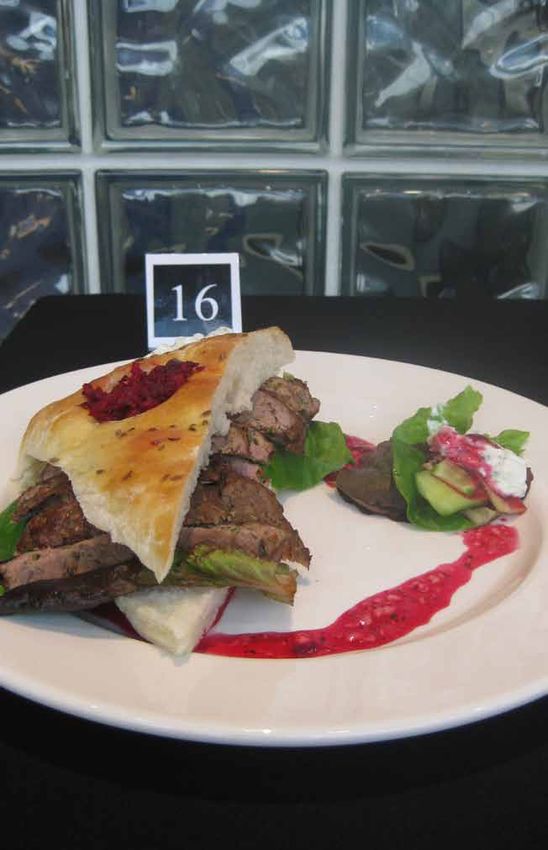
Unit Plan
    Context:
    To investigate beef and lamb with a focus on the manipulation and storage of materials.

    Issue:
    To design, test and perfect a burger to enter into an in-class burger competition.

    Background
    Beef + Lamb New Zealand organised the National Secondary School Burger Competition, to encourage
    students to develop creative cooking skills and practice using New Zealand beef and lamb. Healthy eating
    and good nutrition are key competition criteria components.

    Supporting Resources:
    Copies of the following Beef + Lamb New Zealand resources are available upon request or can be
    downloaded from the Resource section at beeflambnz.co.nz.
    •   New Zealand Beef & Lamb Reference Guide ($26 inc. GST)
    •   Cooking with Beef Brochure (complimentary)
    •   Cooking with Lamb Brochure(complimentary)
    •   Beef Cuts Poster (complimentary)
    •   Lamb Cuts Poster (complimentary)
    •   Thousands of New Zealanders aren’t getting enough iron (complimentary)
    •   Recipes from our Iron Maidens Brochure (complimentary)
    •   Beef + Lamb A Winning Formula Brochure (complimentary)

    NZ Curriculum Possible Links
    Technological Practice
    •   Justify the nature of an outcome in relation to the need or opportunity.
    •   Analyse their own and others’ planning practices to inform the selection and use of planning tools.
    •   Analyse their own and others’ outcomes to inform the development of ideas for feasible outcomes.

    Nature of Technology
    •   Understand that technological outcomes are fit for purpose in terms of time and context.
    •   Understand the concept of malfunction and how ‘failure’ can inform future outcomes.

    Technological Knowledge
    •   Understand how evidence, reasoning, and decision-making in functional modelling contribute to the
        development of design concepts and how prototyping can be used to justify ongoing refinement of
        technological outcomes.
    •   Understand how materials are selected, based on desired performance criteria.

                                        BEEF + LAMB
                                          NEW ZEALAND
8
         Freephone 0800 733 466 I Email enquiries@beeflambnz.co.nz I Website www.beeflambnz.co.nz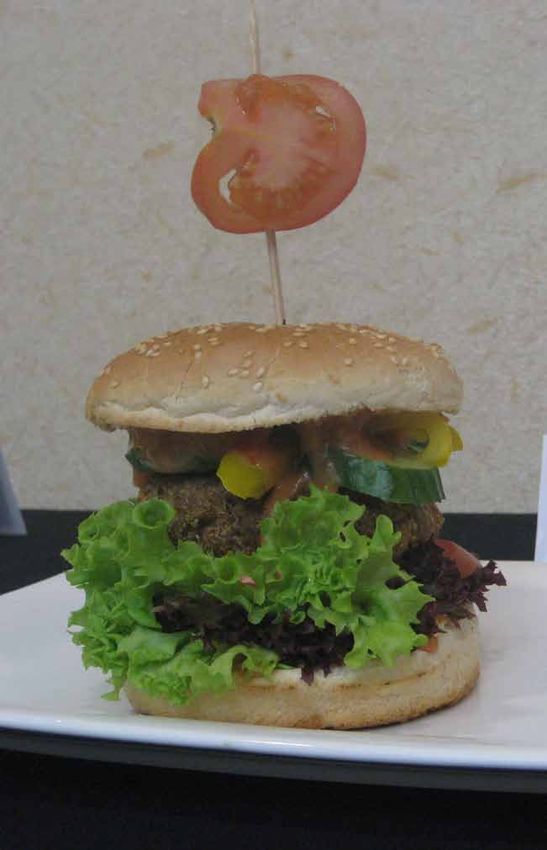
Plan of Action
The following outlines the activities contained in this folder, in order of suggested sequence. For more
information on individual activities, please refer to Teacher Supplementary Notes (p. 10 and 11).

 Key                   Processes          Resources                 P.   Homework P.           Gateway
 Milestones                                                                                    Assessment
 Introduction          Introduction to    The Brief                 16
                       the unit
                                          Burger Brainstorm         17
                                          Burger Pre-Test           18
                       Plan of Action     Plan of Action - Progress 20
                                          Log
                       Review of          Design Process            21
                       Technology
 Investigations        Beef and Lamb      www.beeflambnz.           24
                       Cuts               co.nz\consumer\
                                          cooking tips\meat cuts
                       Appropriate        Lean Beef and Lamb        23
                       Cooking            Facts
                       Methods
                                          Dry and Moist Heat        22
                                          Methods of Cooking
                       Red Meat           Beef + Lamb: A Winning 29      Beef + Lamb      29
                       Nutrition          Formula Brochure               A Winning
                                                                         Formula
                                                                         Crossword

                       Storage and     Food Safety (Handling)       26   Storage and      28
                       Handling of Red                                   Handling of
                                       Food Safety (Storage)        27
                       Meat                                              Meat Products
                       Basic              Hamburger Definition      30
                       Hamburger
                                          Basic Hamburger           31
                       Preparation
                                          Recipe
                       Sensory Analysis   Flavour Makers            32   Flavour Makers   36
                                          Record of My Burger       33
                                          Trial
                                          Sensory Analysis          34
                                          Sensory Descriptors       35
 Product               Development      Concept Development         38
 Development           of Trial Concept
                                        Presentation on a Plate     39
                       Trial Initial      Food lab, equipment,                                 Technological
                       Concept            ingredients                                          Practice
                       Evaluate and       Work Plan for Trial       40
                       Refine Concept     Burger
                                          Work Plan for             41
                                          Competition
                       Develop Final      Food lab, equipment,
                       Product            ingredients
 Evaluation of         Self Judgement     Evaluation                42                         Evaluating
 Product               of Burger
 Class Description     Prepare and        Food lab, equipment       49                         Knowledge
                       present burger     ingredients and Burger                               Development
                       for competition    Judging Criteria
                       Post Test          Post Test                 19
                       Gateway            Student Self Assessment   44
                       Assessment
                                          Teacher Assessment        45

                                                 BEEF + LAMB
                                                   NEW ZEALAND
                                                                                                               9
                  Freephone 0800 733 466 I Email enquiries@beeflambnz.co.nz I Website www.beeflambnz.co.nz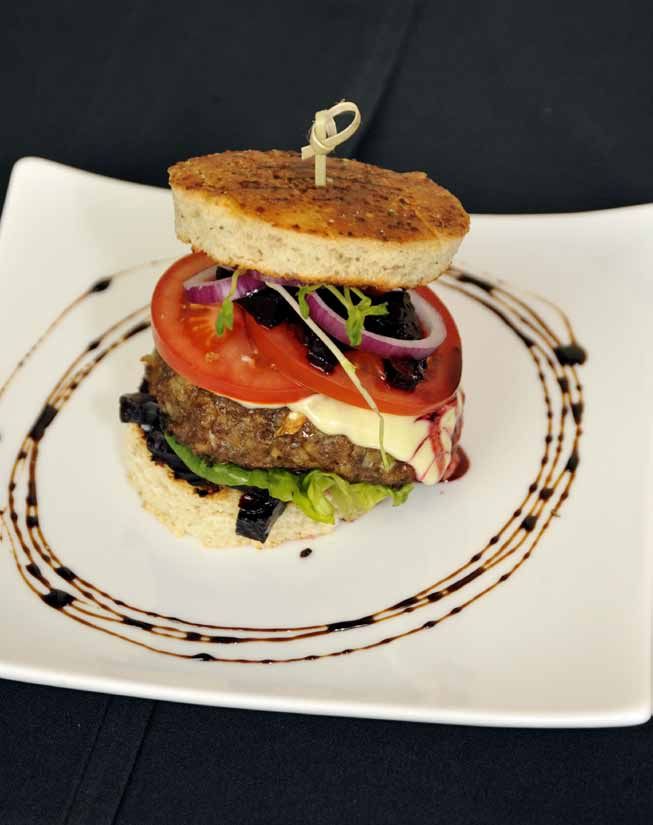
Teacher Supplementary Notes
     The following is a guide in the use of the Student Resources as contained in this document. It is set out in a
     recommended activity time-line as per the ‘Plan of Action’ (p.9).

     Activity Sheet /            Teacher Notes                                            Learning Page
     Handout                                                                              Structure
     Competition Brief           Photocopy and distribute to each student.                Class          16
                                 Introduce brief and discuss.
     Burger Brainstorm           Photocopy and distribute to each student. Students       Pairs          17
                                 to research and discuss questions. Review as a
                                 class.
     Burger Pre / Post Test      Photocopy and distribute to each student. Test           Individual     18/19
                                 conditions. Contributes to value-added learning.
                                 (Answers on page 12). Post Test to be completed at
                                 end of unit.
     Plan of Action - Progress   Either photocopy and distribute or students can          Individual     20
     Log                         draw up a table in their books. Students to log
                                 details after each learning experience and as they
                                 work towards finalising their burgers.
     Design Process              This activity is aimed at revising the Design Process.   Groups /       21
                                 Prior to lesson, photocopy the activity and cut out      Individual
                                 each step. Students to research each step and
                                 place in the appropriate order. Students to discuss
                                 how the steps relate to completing the brief.
     Dry and Moist Heat          Prior to lesson, photocopy the activity and cut out      Groups         22
     Methods of Cooking          the terms and definitions. Students to match words
                                 with associated meanings. Discuss / demonstrate
                                 methods of cooking as a class.
     Lean Beef and Lamb          Photocopy and distribute to each student. Discuss        Individual     23
     Facts                       as a whole class before and after completing.
                                 Could be given as a homework task. (Answers on
                                 p.12).
     Beef / Lamb Cuts            Photocopy sheets enough for small groups, or             Groups         24/25
                                 individuals if preferred. Students to cut out and
                                 place pieces in the correct layout within the
                                 outlines. Refer to our website www.beeflambnz.
                                 co.nz\consumer\cooking tips\meat cuts.
     Storage and Handling        Suggested Homework Activity. Students to read            Individual     26/27/28
     ‘Food Safety’               handout then answer associated questions
     Beef + Lamb A Winning       Suggested Homework Activity. Photocopy and               Individual     29
     Formula Crossword           distribute. Class set of ‘Beef + Lamb A Winning
                                 Formula’ brochures required. Students to read
                                 through resource then complete crossword.
                                 (Answers on p.12).
     Hamburger Definition        This definition should be discussed as a class. Ask      Whole class/   30
                                 students to first write down their own definitions and   Individual
                                 discuss what they believe constitutes a burger.
     Basic Hamburger             Photocopy and distribute to each student. Students       Individuals    31/32/33
     Recipe, Flavour Makers      develop first trial using basic hamburger recipe then
     and Record of Trial         using this as a control, experiment using different
     Burger                      flavours / additives. Students to draw up table and
                                 record any changes.

                                         BEEF + LAMB
                                           NEW ZEALAND
10
          Freephone 0800 733 466 I Email enquiries@beeflambnz.co.nz I Website www.beeflambnz.co.nz
Sensory Analysis Photocopy and distribute to each student. Students Whole class/ 34/35/36
to use patties from student trial to record feedback Individual
from peers. Use the ‘Sensory Descriptors’ handout
(p.35) to assist. Student to complete ‘Flavour
Makers’ as follow-up homework.
Concept Development Photocopy and distribute to each student. Discuss Whole Class/ 38
as a whole class. Useful to have samples of possible Individual
products available for students to investigate
using. Once complete, discuss importance of
an appropriate name. Source sample menus
from local restaurants as examples. Students
to brainstorm striking names for their burgers.
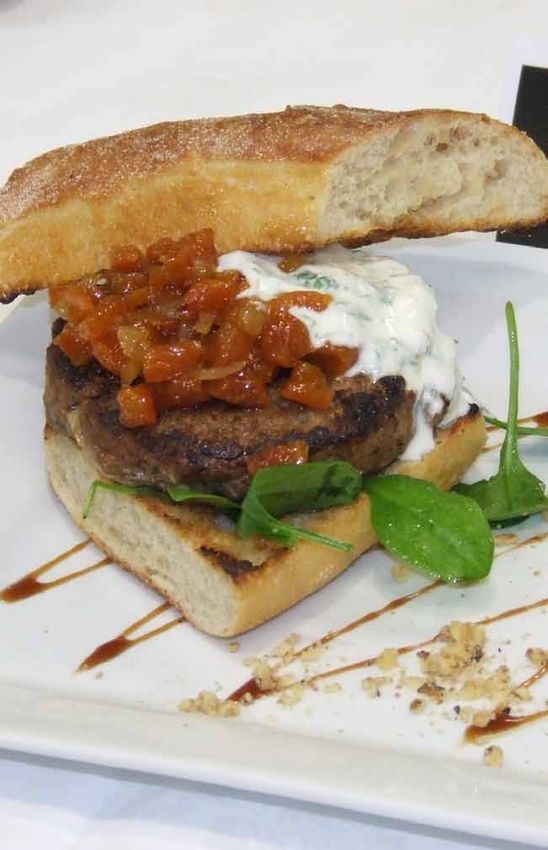
Photocopy or have on display winning burgers from
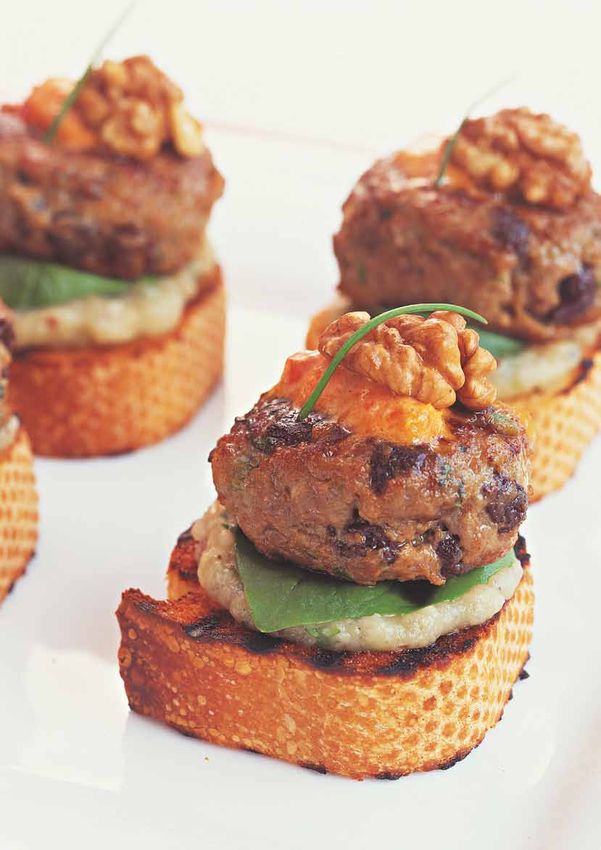
past years to guide and inspire students (p.53-62).
Presentation on a Plate Photocopy and distribute to each student. Read Individual 39
and discuss. Demonstrate with examples found in
magazines and recipe books or from the image
gallery on p.53-62. Students to brainstorm a series
of their own to choose the best composition from
three layouts.
Trial Concept Students to trial their concepts with all chosen Individual 33
ingredients and cooking methods.
Work Plan Photocopy and distribute to each student. Whole Class/ 40/41
This is to act as a recipe to assist students when Individual
producing their burger. Discuss best techniques
as a whole class and assist students before they
complete their own plans. Consider cooking times,
cutting preparation, heating plates etc. Refine for
competition using Work Plan for Competition (p.41).
Evaluation Photocopy and distribute to each student. Students Individual 42/43
to self-evaluate how they met each requirement in
the brief by completing a series of sentences.
Burger Judging Criteria Photocopy and distribute to each student. Read Class 49/50
and Judging Criteria and discuss competition criteria and Judging Notes.
Notes
Class Competition Hold a competition within your class to find the best Class
burger. You could invite some special outside guest
judges i.e. local butchers or chefs to come along
and judge and sponsor prizes.
BEEF + LAMB
NEW ZEALAND
11
Freephone 0800 733 466 I Email enquiries@beeflambnz.co.nz I Website www.beeflambnz.co.nzStudent Resource Answers
Pre & Post Test (p.18-19)
1. T 6. T 11. T 16. F
2. F 7. T 12. T 17. T
3. T 8. T 13. T 18. T
4. F 9. T 14. F 19. T
5. T 10. T 15. F 20. F
Lean Beef and Lamb (p.23)
Meat is obtained from the muscles and organs of animals. Lean beef and lamb are excellent sources of
many essential nutrients. They are a rich source of protein, iron and zinc. Protein is required for growth,
repair and maintenance of body tissues. Zinc is an essential mineral that helps maintain a strong immune
system and assists wound healing. Iron is an essential mineral, which amongst other functions forms part of
haemoglobin in the blood to carry oxygen to all cells in the body.
Tenderness, juiciness and flavour all contribute to the eating quality of meat. Some meat cuts are naturally
more tender than others. Meat cuts from muscles that continually work are less tender. Beef shin (in the
leg) and beef chuck (part of the shoulder) are muscles which get a lot of exercise so are less tender. More
tender meat cuts come from muscles that are not used for vigorous exercise. The tenderloin or fillet (lying
along the backbone) gets little physical exercise and is therefore a tender cut.
The method of cooking will also affect the tenderness of the meat cut. There are two basic types of meat
cookery: Dry heat methods and moist heat methods Dry heat methods do not use liquid, but can use fat
or oil. Dry heat suits tender or medium tender meat cuts like beef sirloin, rump or mid loin lamb chops. Dry
heat methods include:
• Roasting
• Grilling (includes fan-grilling, pan-grilling, barbecuing)
• Shallow frying (pan frying, sautéing, stir-frying)
• Deep frying
Moist heat methods use liquid, and are suitable for less tender meat cuts like blade steak, brisket or neck
chops. Moist heat methods include:
• Braising (includes casserole cooking), pot-roasting, stewing
• Poaching, simmering
• Steaming, pressure cooking
Remember, for successful meat cookery it is important to choose the cooking method that best suits your
meat cut.
Crossword (p.29)
Across: Down:
2. Blood 1. Selenium
4. Nervous system 3. Beef and lamb
8. Amino acids 4. Nutritious
10. Lean 5. Vitamin B12
11. Fat 6. Iron
12. Zinc 7. Tick
13. Growth 9. Development
BEEF + LAMB
NEW ZEALAND
12
Freephone 0800 733 466 I Email enquiries@beeflambnz.co.nz I Website www.beeflambnz.co.nzSet-up Requirements for competition mode
Note: Practices prior to competition / final are vital for students to gain best results.
• Allow 1 hour, not including unpacking and clean-up, to prepare and plate two burger portions.
• Students to wear appropriate clothing, head wear, apron and covered shoes.
• Tea towel and hand towel plus cloth for wiping spills.
• Unit tidy and functional, plate for utensils.
• Service plates.
• All equipment for preparation, cooking and service collected and ready before starting.
• All ingredients sorted and pre-prepared where allowed eg: vegetables washed and peeled but not
trimmed or shaped.
• All garnishes ready.
• Base stocks and sauces can be brought in, but they must be finished in competition.
• Junior students (Years 9 and 10) must use beef or lamb mince; Seniors (Years 11, 12 and 13) may use
any beef or lamb cut of their choice.
• Students to work off their recipe card (p.51) and use their menu card (p.52) to identify their burger.
BEEF + LAMB
NEW ZEALAND
13
Freephone 0800 733 466 I Email enquiries@beeflambnz.co.nz I Website www.beeflambnz.co.nzBEEF + LAMB
NEW ZEALAND
14
Freephone 0800 733 466 I Email enquiries@beeflambnz.co.nz I Website www.beeflambnz.co.nzSTUDENT RESOURCES
BEEF + LAMB
NEW ZEALAND
15
Freephone 0800 733 466 I Email enquiries@beeflambnz.co.nz I Website www.beeflambnz.co.nzThe Brief
To design, test and perfect a burger to enter into a classroom competition.
Specifications
• 1 hour (not including unpacking and clean-up) to prepare and plate two portions of your burger, one
for the judges and one for photography purposes.
• Provide a pre-made recipe card to accompany your burger.
• Work hygienically and adopt a neat and tidy attire appropriate for the competition (this should
include apron and hat, long hair tied back, enclosed footwear etc).
• Set up your work station so it is tidy and functional.
• Juniors (Years 9 and 10) must use beef or lamb mince; Seniors (Years 11,12 and 13) may use any beef
or lamb cut of their choice.
• Complementary fillings of your choice (vegetables can be brought in washed and peeled, but
not trimmed or shaped and base stocks and sauces can be brought in but must be finished in the
competition). All meat must be cooked from scratch.
• Beef or lamb must be the ‘hero’ of your burger.
• Consider leanness when selecting your beef and lamb cuts.
• Take into account portion size, flavour, colour and textural balance.
• Use bread which is an appropriate shape and size for your burger.
• Display individual creativity and flair.
• Beef or lamb should be easy to cut and eat.
• Serve the burger at the appropriate temperature.
• Your burger should be presented so it is appealing and appetising and of an appropriate portion size
for one person.
• Flavours and aromas of the meat component should complement other fillings.
• Use appropriate cooking method for beef or lamb and ensure correct degree of doneness is
achieved.
• Consider the Ministry of Health’s Food and Nutrition Guidelines for Healthy Children and Young People
(aged 2-18 years), web: health.govt.nz
• Consider New Zealand Food Safety Guidelines, web: foodsmart.govt.nz
BEEF + LAMB
NEW ZEALAND
16
Freephone 0800 733 466 I Email enquiries@beeflambnz.co.nz I Website www.beeflambnz.co.nzBurger Brainstorm
Instructions: In pairs, discuss and answer the following questions.
What is a burger?
_______________________________________________________________________________________________________
_______________________________________________________________________________________________________
_______________________________________________________________________________________________________
_______________________________________________________________________________________________________
What are its origins?
_______________________________________________________________________________________________________
_______________________________________________________________________________________________________
_______________________________________________________________________________________________________
_______________________________________________________________________________________________________
What are the main ingredients?
_______________________________________________________________________________________________________
_______________________________________________________________________________________________________
_______________________________________________________________________________________________________
_______________________________________________________________________________________________________
Now using either recipe books or online research, check out your ideas and add any additional information
that may be useful.
BEEF + LAMB
NEW ZEALAND
17
Freephone 0800 733 466 I Email enquiries@beeflambnz.co.nz I Website www.beeflambnz.co.nzBurger Pre-Test
Instructions: Answer the following questions by placing True (T) or False (F) in the spaces provided:
1. Teenagers need two servings per day from the ‘lean meats, chicken, seafood, eggs. legumes,
nuts and seeds’ group. __________
2. Grilling is a moist method of cooking. __________
3. Lean red meat is a rich source of iron. __________
4. Sirloin is one of the least tender cuts of meat. __________
5. Many cuts of lean beef and lamb qualify for the National Heart Foundation
‘Tick’ endorsement. __________
6. Minced meat should be thoroughly cooked to an internal
temperature of 750 Celsius. __________
7. Store raw meat and cooked meat separately. __________
8. A burger must include one serving of a bread-based product. __________
9. Protein is essential for growth and repair. __________
10. Zinc is an essential mineral. __________
11. Good quality control ensures a safe product is produced. __________
12. Freeze red meat once only. __________
13. Sensory analysis is a scientific method used to evaluate
food products. __________
14. Thaw red meat at room temperature. __________
15. The method of cooking does not affect the tenderness of meat. __________
16. Meat cuts from muscles that are continually working are more tender. __________
17. The ideal temperature to store fresh raw meat is between 0-40 Celsius. __________
18. Extra hygiene care should be taken when dealing with mince and finely
sliced and diced meats. __________
19. Cooking meat enhances the flavour, colour and aroma. __________
20. Food presentation is the first stage of food preparation. __________
TOTAL: ______ / 20
BEEF + LAMB
NEW ZEALAND
18
Freephone 0800 733 466 I Email enquiries@beeflambnz.co.nz I Website www.beeflambnz.co.nzBurger post-Test
Instructions: Answer the following questions by placing True (T) or False (F) in the spaces provided:
1. Teenagers need two servings per day from the ‘lean meats, chicken, seafood, eggs, legumes,
nuts and seeds’ group. __________
2. Grilling is a moist method of cooking. __________
3. Lean red meat is a rich source of iron. __________
4. Sirloin is one of the least tender cuts of meat. __________
5. Many cuts of lean beef and lamb qualify for the National Heart Foundation
‘Tick’ endorsement. __________
6. Minced meat should be thoroughly cooked to an internal
temperature of 750 Celsius. __________
7. Store raw meat and cooked meat separately. __________
8. A burger must include one serving of a bread-based product. __________
9. Protein is essential for growth and repair. __________
10. Zinc is an essential mineral. __________
11. Good quality control ensures a safe product is produced. __________
12. Freeze red meat once only. __________
13. Sensory analysis is a scientific method used to evaluate
food products. __________
14. Thaw red meat at room temperature. __________
15. The method of cooking does not affect the tenderness of meat. __________
16. Meat cuts from muscles that are continually working are more tender. __________
17. The ideal temperature to store fresh raw meat is between 0-40 Celsius. __________
18. Extra hygiene care should be taken when dealing with mince and finely
sliced and diced meats. __________
19. Cooking meat enhances the flavour, colour and aroma. __________
20. Food presentation is the first stage of food preparation. __________
TOTAL: ______ / 20
BEEF + LAMB
NEW ZEALAND
19
Freephone 0800 733 466 I Email enquiries@beeflambnz.co.nz I Website www.beeflambnz.co.nzPlan of Action - Progress Log
Instructions: Fill in the following table at the end of each lesson to log your progress toward designing your
burger.
Date What I did in class today Homework
BEEF + LAMB
NEW ZEALAND
20
Freephone 0800 733 466 I Email enquiries@beeflambnz.co.nz I Website www.beeflambnz.co.nzDesign Process
Instructions: In pairs, place each step of the burger design process into the best order and discuss /
research the purpose of each step. Record your answer. Keep these steps in mind when completing your
Progress Log.
EVALUATE
INVESTIGATE CONCEPTS
ANALYSE THE DESIGN BRIEF
DESIGN DEVELOPMENT
PRODUCE SPECIFICATIONS AND CONSTRAINTS IF REQUIRED
CHECK QUALITY
PRODUCE PRODUCT
BEEF + LAMB
NEW ZEALAND
21
Freephone 0800 733 466 I Email enquiries@beeflambnz.co.nz I Website www.beeflambnz.co.nzDry and Moist Heat Methods of Cooking
Instructions: Cut out the table below and match the following terms with the correct descriptions.
ROAST Meat is cooked uncovered, in hot air, in an oven.
GRILL Quick cooking by direct heat from a gas flame or
an electric element.
Meat is cooked on grill or spit over glowing coals
BARBECUE
or gas flame.
Meat is cooked in a small amount of hot fat or oil,
PAN-FRY
in an uncovered pan.
Small pieces of food are fried lightly in a little hot
SAUTÉ
oil.
Finely cut food rapidly stirred and tossed as it is
STIR-FRY
fast cooked, usually in a wok, over high heat.
DEEP-FRY Food cooked by being immersed in hot oil.
Meat cut into smaller pieces or cubes, gently
STEW/CASSEROLE
simmered in liquid in covered pan.
SIMMER Gentle cooking in liquid just below boiling point.
Food is cooked very gently in liquid below
POACH
simmering point.
PRESSURE COOK Cooking in liquid and steam under pressure.
Cooking in a multi-function oven using radiant
FAN-GRILL heat from the grill element and heated air
circulated by a fan.
Meat is cooked on a pre-heated, heavy, dry
PAN-GRILL
frypan, ridged iron grill pan or metal hot plate.
BEEF + LAMB
NEW ZEALAND
22
Freephone 0800 733 466 I Email enquiries@beeflambnz.co.nz I Website www.beeflambnz.co.nzLean Beef and Lamb Facts
Instructions: Read the following facts about lean beef and lamb and fill in the missing words. The missing
words are at the bottom of the page to help you. Each word can only be used once. (Answers on pg.12)
Meat is obtained from the muscles and organs of __________. Lean beef and lamb are excellent sources of
many __________ nutrients. They are a rich __________ of protein, iron and zinc. Protein is required for growth,
repair and maintenance of __________ tissues. Zinc is an essential __________ that helps maintain a strong
_______ system and assists wound healing. Iron is an essential mineral, which amongst other functions forms
part of haemoglobin in the blood to carry __________ to all cells in the body.
Tenderness, juiciness and flavour all contribute to the __________ quality of meat. Some ______ cuts are
naturally more __________than others. Meat cuts from __________ that continually work are __________
tender. Beef shin (in the __________) and beef chuck (part of the shoulder) are muscles which get a lot of
__________ so are less tender. More tender meat cuts come from muscles that are not used for __________
exercise. The tenderloin or fillet (lying along the __________) gets little physical exercise and is therefore a
tender cut.
The __________ of cooking also affects the tenderness of the meat cut. There are two basic types of meat
cookery: Dry __________ and __________ heat methods. Dry heat methods do not use liquid, but can use
__________or oil. Dry heat suits tender or __________ tender meat cuts like beef sirloin, rump or mid loin lamb
chops. Dry heat methods include:
• Roasting
• Grilling (includes fan-grilling, pan-grilling, __________)
• Shallow frying (pan frying, sautéing, stir-__________)
• Deep frying
Moist heat methods use __________, and are suitable for less tender meat cuts like blade steak, brisket or
neck chops. Moist heat methods include:
• Braising (includes casserole __________), pot-roasting, stewing
• Poaching, simmering
• Steaming, pressure cooking
Remember, for successful meat cookery it is __________ to choose the cooking method that __________ suits
your meat cut.
Choose one of the following words for each gap:
tender eating oxygen barbecuing less muscles
body source frying method moist essential
exercise fat liquid cooking heat animals
leg immune meat mineral vigorous best
medium important backbone
BEEF + LAMB
NEW ZEALAND
23
Freephone 0800 733 466 I Email enquiries@beeflambnz.co.nz I Website www.beeflambnz.co.nzBeef Cuts
Instructions: Cut out the pieces of the puzzles and place them inside the existing outline. Refer to ‘Meat
Cuts’ under the consumer cooking tips section on our website beeflambnz.co.nz and complete the
tenderness key by shading in the cuts with the appropriate tenderness levels.
Most Tender Medium Tender Least Tender
BEEF + LAMB
NEW ZEALAND
24
Freephone 0800 733 466 I Email enquiries@beeflambnz.co.nz I Website www.beeflambnz.co.nzLamb Cuts
Instructions: Cut out the pieces of the puzzles and place them inside the existing outline. Refer to ‘Meat
Cuts’ under the consumer cooking tips section on our webiste beeflambnz.co.nz and complete the
tenderness key by shading in the cuts with the appropriate tenderness levels.
Most Tender Medium Tender Least Tender
BEEF + LAMB
NEW ZEALAND
25
Freephone 0800 733 466 I Email enquiries@beeflambnz.co.nz I Website www.beeflambnz.co.nzFood Safety
Handling
Meat is a perishable food requiring high standards of hygiene. When working with meat:
• Wash your hands thoroughly with soap and warm water and dry them with a clean dry towel or
paper towel.
• Always check food and meat before use to ensure it has not spoiled. Keep in mind some harmful
organisms can be present on food that looks and smells fresh.
• Keep handling of meat to a minimum. Take extra care with hygiene when dealing with mince and
finely sliced or diced meats as the more surface area exposed, the greater the possibility of bacterial
contamination.
• Clean work surfaces, chopping boards and knives frequently with hot soapy water, and always after
the preparation of raw foods.
• Do not use the same utensils or cutting boards to prepare raw meat with food which will not be
cooked (eg salad vegetables, cooked meat) to prevent cross-contamination.
• Minced meat and hamburger patties should be thoroughly cooked to an internal temperature of
75°C; they should not be served undercooked.
• Keep temperature of the preparation area as low as possible and move meat as quickly as possible
from refrigerated or frozen storage to preparation area.
• Always use a clean, sharp knife for preparing cuts.
BEEF + LAMB
NEW ZEALAND
26
FreephoneFreephone
0800 733 466
0800
I Email
733 466
enquiries@beeflambnz.co.nz
I Email enquiries@beeflambnz.co.nz
I Website www.beeflambnz.co.nz
I Website www.beeflambnz.co.nzFood Safety
Storage
• Keep fresh raw meat at the lowest temperature practicable that does not cause freezing (between
2-40C is ideal).
• Ensure raw meat is properly wrapped to stop drips.
• Keep raw meat away from other foods and below ready-to-eat foods in the refrigerator.
• Label and date all meat and use a strict rotation plan (first-in, first-out) to minimise dehydration and
spoilage.
• Operate freezers at minus 18°C or below, and refrigerators at 2-4°C.
• Freeze foodstuffs once only.
• Chill cooked meat that was not consumed to below 3°C or less in under two hours.
• Portioned meat cuts can be stored for three to four days under correct storage conditions. Larger cuts
may be kept for up to 10 days.
• If mince is not to be used for at least 12 hours, it should be frozen.
• The best way to thaw red meat is in the fridge.
• Cover and refrigerate uneaten food as soon as possible after cooking. Throw out perishable foods
that you have left at room temperature for more than two hours.
Remember, actual storage life depends not only on the refrigeration conditions, but also on how long
the meat had been stored, and under what conditions, at the time you received it. If meat is vacuum-
packed, its shelf life is considerably longer.
BEEF + LAMB
NEW ZEALAND
27
Freephone 0800 733 466 I Email enquiries@beeflambnz.co.nz I Website www.beeflambnz.co.nzStorage and Handling of Meat Products
HOMEWORK ACTIVITY
Instructions: Read the Food Safety resource (Handling p.26 and Storage p.27), and refer to the website:
foodsmart.govt.nz and answer the following questions:
1. Why is it important to keep raw meat and cooked meat separate?
_____________________________________________________________________________________________________
_____________________________________________________________________________________________________
2. What is the optimum temperature for a freezer to operate at?
_____________________________________________________________________________________________________
_____________________________________________________________________________________________________
3. What is the optimum temperature for a fridge to operate at?
_____________________________________________________________________________________________________
_____________________________________________________________________________________________________
4. Why should meat be labelled and dated when being stored?
_____________________________________________________________________________________________________
_____________________________________________________________________________________________________
5. Explain why it is important to take extra care with hygiene when handling mince.
_____________________________________________________________________________________________________
_____________________________________________________________________________________________________
6. What is the internal temperature mince products should be cooked to?
_____________________________________________________________________________________________________
_____________________________________________________________________________________________________
7. Explain the term ‘cross-contamination’.
______________________________________________________________________________________________________
_____________________________________________________________________________________________________
BEEF + LAMB
NEW ZEALAND
28
Freephone 0800 733 466 I Email enquiries@beeflambnz.co.nz I Website www.beeflambnz.co.nzbeef + lamb: a winning formula Crossword
HOMEWORK ACTIVITY
Instructions: Read the pamphlet titled ‘Beef + Lamb A Winning Formula’, then complete the following
crossword.
1
2
3
4
N E R V O U S
5
6 7
p
i
8 9
c
k
t
h
10
e
11
12
13
Across
2. Iron is needed for healthy ____ (5).
4. Vitamin B12 is important for the maintenance of the nervous _________ in the body (6).
8. The protein in meat contains the complete range of these (5, 5).
10. All the good nutrition of beef and lamb is found in the ____ part (4).
11. Lean beef and lamb are low in _____ (3).
12. ______ is important for our immune system, to fight infection and heal wounds (4).
13. Amino Acids are the building blocks for ______ (6).
Down
1. Beef and lamb are a source of this (8).
3. _____ and _____ are the most commonly eaten sources of zinc in New Zealand (4, 4).
4. Red meat is a very _____ package (10).
5. This nutrient is only found naturally in animal foods (7, 3).
6. Red meat is an excellent source of this (4).
7. Lean beef and lamb qualify for this National Hearth Foundation’s endorsement ‘Pick the ____’ (4).
9. Iron is important for brain _____ in babies (11).
BEEF + LAMB
NEW ZEALAND
29
Freephone 0800 733 466 I Email enquiries@beeflambnz.co.nz I Website www.beeflambnz.co.nzHamburger Definition
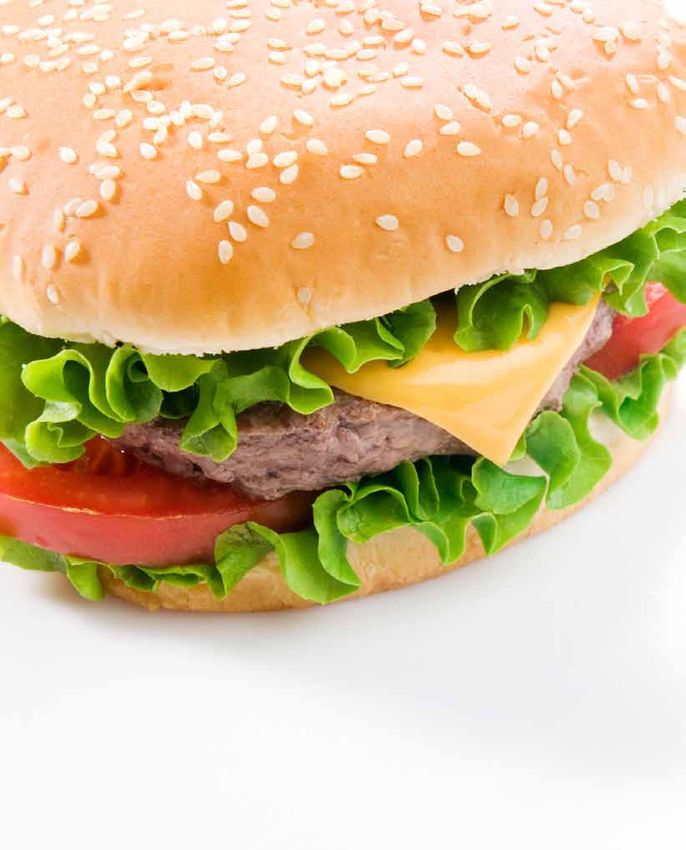
A sandwich consisting of a cooked patty of ground or chopped meat,
usually in a roll or bun, garnished with various fillings (such as lettuce,
tomato, capsicum, cheese etc).
BEEF + LAMB
NEW ZEALAND
30
Freephone 0800 733 466 I Email enquiries@beeflambnz.co.nz I Website www.beeflambnz.co.nzBasic Hamburger Recipe
Ingredients - Serves 4
• 250g lean Quality Mark beef or lamb mince
• 1 small onion, finely chopped
• 1 egg
• 1 cup soft white breadcrumbs
• Salt and pepper to taste
• 2 tsp oil
Method
1. Mix the mince, onion, egg, breadcrumbs and seasonings together.
2. Using wet hands shape into 4 flat patties of equal size.
3. Heat oil in a frying pan, add patties and cook for about 5 minutes each side or until cooked
through.
4. Serve between buns or bread with desired fillings.
BEEF + LAMB
NEW ZEALAND
31
Freephone 0800 733 466 I Email enquiries@beeflambnz.co.nz I Website www.beeflambnz.co.nzFlavour Makers
One aim of cooking meat is to develop and improve its flavour, colour and aroma, making it more
delicious to eat.
To take your burger beyond the ordinary, you can change the flavour of the basic burger by adding
different herbs and spices. You can also try adding other ingredients like grated vegetables, dried fruit,
nuts, seeds, sauces or different cheeses.
Prepare the plain burger patty recipe. Split the basic mixture into four patties and trial your different flavour
combinations in three of the patties. Record the additions that you make to your burger patty on the
chart on p. 33. It is important to keep accurate records so that you can repeat or improve your initial trial.
Remember to keep one burger patty plain to act as your control.
Cut each burger patty into quarters and present samples to four of your peers for tasting. You can present
the samples blind (using a 3-digit code) or provide each sample with a name. Use the sensory chart
provided and the sensory descriptors to assist you.
Remember, feedback is important and will help you design the best burger.
BEEF + LAMB
NEW ZEALAND
32
Freephone 0800 733 466 I Email enquiries@beeflambnz.co.nz I Website www.beeflambnz.co.nzRecord of my Burger Trial
Patty 1 patty 2 Patty 3 Patty 4
Burger Name
Additional Basic Hamburger
flavours (Control)
(including
quantities)
BEEF + LAMB
NEW ZEALAND
33
Freephone 0800 733 466 I Email enquiries@beeflambnz.co.nz I Website www.beeflambnz.co.nzSensory Analysis
Sensory analysis will help you find out what people think of the flavour, texture, aroma and appearance of
your burger. If your friends and family like your burger, chances are the competition judges will too!
There are a number of sensory analysis tests to find out if your burger is acceptable to other consumers.
The chart below will help you to get detailed information on the texture, flavour, appearance and aroma
of your burger.
Sensory descriptors help you to describe food products more accurately. Check out the Sensory Descriptors
(p.35) for ideas to help with your product evaluation.
Sensory Chart
Patty Name Appearance Aroma Texture Flavour
Basic Hamburger
(Control)
BEEF + LAMB
NEW ZEALAND
34
Freephone 0800 733 466 I Email enquiries@beeflambnz.co.nz I Website www.beeflambnz.co.nzSensory Descriptors
The following sensory descriptors will help you describe your burger more accurately and evaluate
consumer response to your new product.
Chewy Greasy Garlicky
Salty Herby Soft
Beefy Crumbly Clean
Moist Dry Spicy
Burnt Oniony Delicious
Tough Pale Round
Brown Smoky Colourful
Cheesy Bland Hard
Cold Fresh Hot
Overpowering Meaty Flat
Healthy Grainy Raw
Exotic Strong Tender
Mushy Dull Watery
Appealing Tasty Flavoursome
Why are words like yummy and yuck not very helpful as sensory descriptors?
_____________________________________________________________________________________________________
_____________________________________________________________________________________________________
_____________________________________________________________________________________________________
_____________________________________________________________________________________________________
_____________________________________________________________________________________________________
_____________________________________________________________________________________________________
_____________________________________________________________________________________________________
BEEF + LAMB
NEW ZEALAND
35
Freephone 0800 733 466 I Email enquiries@beeflambnz.co.nz I Website www.beeflambnz.co.nzFlavour Makers
HOMEWORK ACTIVITY
Instructions: Refer to the Basic Hamburger Recipe (p.31) and answer the following questions.
1. Explain the function of the egg in the Basic Hamburger Recipe.
_______________________________________________________________________________________________________
______________________________________________________________________________________________________
2. List four reasons why we cook meat.
a) ____________________________________________________________________________________________________
b) ____________________________________________________________________________________________________
c) ____________________________________________________________________________________________________
d) ____________________________________________________________________________________________________
3. Visit recipes.co.nz and search for ‘Tandoori Burgers with Chilli Salsa’ and ‘Warrior
Burgers’. List the ingredients and highlight those that contribute flavour and aroma to the dish.
Tandoori Burgers with Chilli Salsa Warrior Burger
Ingredients Ingredients
_________________________________ ___________________________________________
__________________________________ ___________________________________________
__________________________________ ___________________________________________
__________________________________ ___________________________________________
__________________________________ ___________________________________________
__________________________________ ___________________________________________
__________________________________ ___________________________________________
4. Describe how the flavours of the ingredients you have highlighted contribute to the dish.
Use the Sensory Descriptors (p.35) to help you.
_______________________________________________________________________________________________________
_______________________________________________________________________________________________________
_______________________________________________________________________________________________________
_______________________________________________________________________________________________________
BEEF + LAMB
NEW ZEALAND
36
Freephone 0800 733 466 I Email enquiries@beeflambnz.co.nz I Website www.beeflambnz.co.nzFlavour Makers Continued.
5. Identify any ingredients or part of the cooking method you think adds flavour to the
burger recipes.
_______________________________________________________________________________________________________
_______________________________________________________________________________________________________
_______________________________________________________________________________________________________
_______________________________________________________________________________________________________
6. Choose one of your favourite burger trial patties and explain why you like the
patty. Comment on the appearance, aroma, texture and flavour.
_______________________________________________________________________________________________________
_______________________________________________________________________________________________________
_______________________________________________________________________________________________________
_______________________________________________________________________________________________________
_______________________________________________________________________________________________________
_______________________________________________________________________________________________________
_______________________________________________________________________________________________________
_______________________________________________________________________________________________________
7. Explain how you checked your hamburger patty was cooked.
_______________________________________________________________________________________________________
_______________________________________________________________________________________________________
_______________________________________________________________________________________________________
_______________________________________________________________________________________________________
_______________________________________________________________________________________________________
BEEF + LAMB
NEW ZEALAND
37
Freephone 0800 733 466 I Email enquiries@beeflambnz.co.nz I Website www.beeflambnz.co.nzConcept Development
Instructions: Complete the concept plan below to design your burger. Fill in the gaps with other ingredient
ideas you may wish to include in your burger. In the box below your ideas, record the actual ingredients
and quantities for your burger.
Lean Beef or Lamb Bread Product Fruit & Vegetables Flavourings
Ingredient Ideas Beef Mince White bun Lettuce Basil
Lamb Mince Wholemeal bun Rocket Thyme
Beef Schnitzel Pita bread Tomato Chilli
Lamb Leg Steaks Focaccia Onion Curry
__________________ Naan Apricots Parsley
__________________ __________________ __________________ __________________
__________________ __________________ __________________ __________________
__________________ __________________ __________________ __________________
__________________ __________________ __________________ __________________
Ingredients and eg 100g lean beef eg 1 wholemeal __________________ __________________
quantity for your mince bun
__________________ __________________
burger
__________________ __________________
__________________ __________________
__________________ __________________
__________________ __________________
__________________ __________________
__________________ __________________
__________________ __________________
__________________ __________________
__________________ __________________
__________________ __________________
__________________ __________________
__________________ __________________
__________________ __________________
__________________ __________________
__________________ __________________
First Impressions Count
In a competition, first impressions count. You need to impress the judges with a catchy name for your
burger. Complete the chart below with ideas for the name of your burger.
Burger
Names
The name of my burger will be: ______________________________
BEEF + LAMB
NEW ZEALAND
38
Freephone 0800 733 466 I Email enquiries@beeflambnz.co.nz I Website www.beeflambnz.co.nzPresentation on a Plate
Food presentation is the final stage of all food preparation. The layout of your burger on the plate needs to
have maximum visual appeal. The garnish and serving equipment or setting should be appropriate for the
dish and complement the burger you have developed.
Guidelines for serving food on a plate:
• Ensure the plate is balanced and not overcrowded, and is free of smudges and crumbs.
• Choose a garnish or decoration appropriate to the dish.
• Choose serving equipment and a table setting that complement the food.
• Combine foods of contrasting colour and texture to create interest.
• Serving your burger on a warm plate will keep it hotter for longer.
Instructions: On the plates below, sketch your ideas for the presentation of your burger. Write PMIs (Plus,
Minus, Interesting) for each layout and state which one you have chosen and why. You may want to
experiment with different plate sizes and shapes.
Layout 1 Layout 2 Layout 3
Plus Plus Plus
• ________________________ • ________________________ • ________________________
• ________________________ • ________________________ • ________________________
Minus Minus Minus
• ________________________ • ________________________ • ________________________
• ________________________ • ________________________ • ________________________
Interesting Interesting Interesting
• ________________________ • ________________________ • ________________________
• ________________________ • ________________________ • ________________________
Which layout will you use and why?
_______________________________________________________________________________________________________
_______________________________________________________________________________________________________
_______________________________________________________________________________________________________
_______________________________________________________________________________________________________
BEEF + LAMB
NEW ZEALAND
39
Freephone 0800 733 466 I Email enquiries@beeflambnz.co.nz I Website www.beeflambnz.co.nzYou can also read


