DUTCH FOOD STAY 2019 - Agroberichten Buitenland
←
→
Page content transcription
If your browser does not render page correctly, please read the page content below
1 9
2 0

      DUTCH
      FOOD
      STAY
    IN TOUCH
       EAT
 WITH THE DUTCH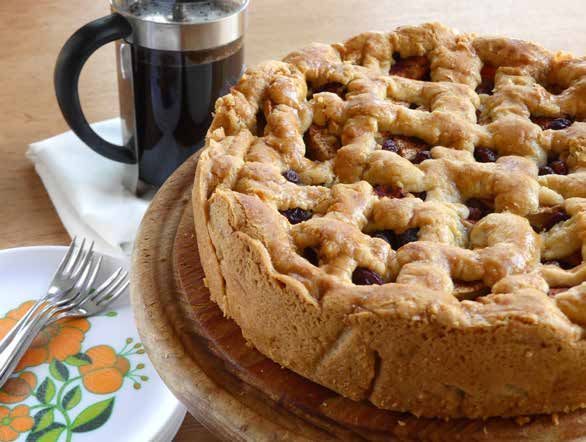
Agriculture, nature and food:
            valuable and connected
            “We need to appreciate food more. This goes to individual consumers,
            large-scale users and the catering industry. Wastage should be avoided.
            The distance between primary producers and citizens must become
            smaller.”

            The vision of the Ministry of Agriculture, Nature and Food Quality of the
            Netherlands, September 2018.

            This calendar “DUTCH FOOD” would not have been possible without the
            incredible support of:

            Marijse Hofstede and Cunera Greveling for taking the time to not only
            photograph the bitterballen and gevulde speculaas but even creating
            the special orange tompouce for this occasion. Michiel Verheugd for
            providing the setting in which to eat the bitterbal, follow us on Facebook
            to see the result.

            Mieke de Bruin for the photo of the mussels she prepared. Gonny Spaans-
            Koenen for arranging not only this picture but being a consultant all the
            way on how to prepare these Dutch dishes. Leny Meijerink for supplying
            the Dutch sausage for the pea soup and boerenkool. But this boerenkool
            (farmers cabbage or kale) would not even have been possible without
            our own personal supplier: colleague Bob. A boerenkool show model
            from his garden we are using to promote this vegetable among our
            network of farmers in Ukraine.

            Also a thank you to Eva Peek who wrote all the short stories and recipes
            during her internship at the Embassy.

            We hope you will enjoy the Dutch food!

            The recipes will be published monthly on the Embassy’s Facebook
            page: https://www.facebook.com/DutchEmbassyUkraine/.
            Please share your photos of the dishes prepared with these recipes in
            the comments to our posts.

                                                     Scan this QR code
                               for the digital version of the calendar.

fb.com/DutchEmbassyUkraine/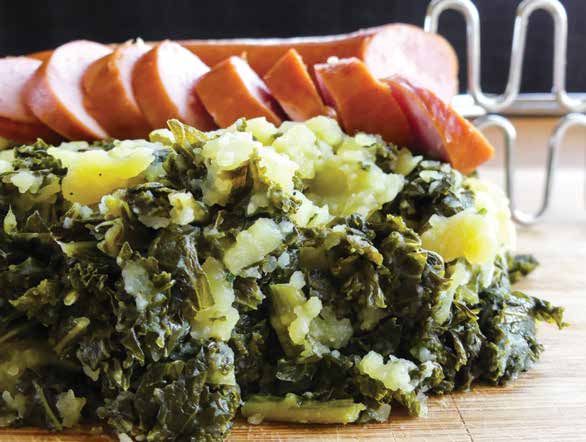
@Carolien Spaans
©Carolien

                   Split pea soup / Erwtensoep

       Mon         Tue Wed Thu   Fri   Sat Sun
 01                 1  2  3  4 5   6
 02        7        8  9 10 11 12 13
 03       14       15 16 17 18 19 20
 04       21       22 23 24 25 26 27
 05       28       29 30 31

January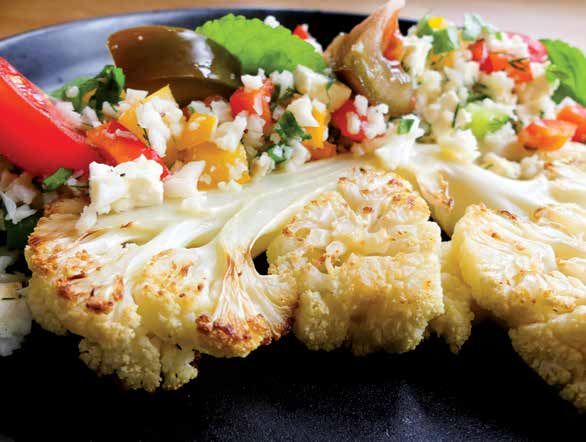
Split pea soup / Erwtensoep
            Looking for a winter soup but tired of Borsh? Traditional Dutch split pea
            soup is the way to go. This recipe has kept the Dutch warm during winters
            for centuries now. Do not be surprised if the soup turns out so thick your
            spoon can stand upright in it. That means you did it right.
            On a trip to Holland you can order the soup in one of our traditional brown
            cafes or next to an ice skating rink. You’ll also be offered a cup if you
            participate in the famous ‘new year’s dive’, when hordes of Dutch people
            run into the ice cold North Sea to start off the year fresh and well. But of
            course you can bring a bit of Holland to your kitchen by making it yourself.
            Do not worry if you cannot find the green split peas, yellow ones will work
            just fine. And If you really want to go Dutch all the way, eat it with rye
            bread topped with some typical Dutch smoked bacon, katenspek.

            INGREDIENTS
            300 g dried green split peas
            1 stock cube (vegetable pork or chicken)
            1 potato, 1 onion, 2 celery sticks, 3 carrots, 1 leek, 100 g celeriac
            1 smoked sausage
            1 pork chop
            100 gr bacon

            DIRECTIONS
            1.   Boil 1,75 l water with split peas, stock cube and bacon softly for
                 45 min.
            2.   Add vegetables to the broth, cook for 30 min, add water when
                 necessary. Add sausage for last 15 min. Then remove both sausage
                 and bacon, slice and set aside.
            3.   Puree the soup as you like. Add pepper and salt. Add the meat again,
                 serve with chopped celery leaf.

fb.com/DutchEmbassyUkraine/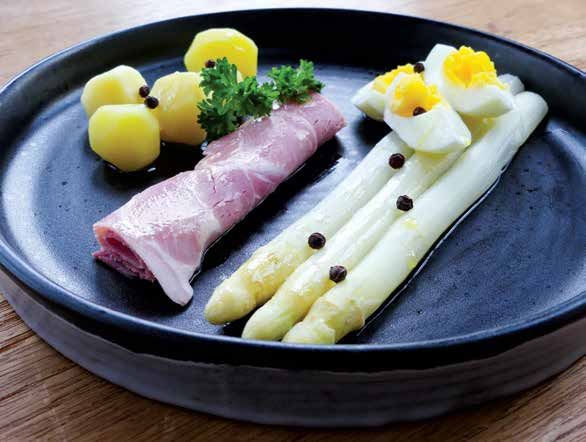
@Carolien Spaans
©Carolien

                   Kale / Stamppot boerenkool

       Mon         Tue Wed Thu   Fri   Sat Sun
 05                             1  2 3
 06        4  5  6           7  8  9 10
 07       11 12 13          14 15 16 17
 08       18 19 20          21 22 23 24
 09       25 26 27          28

February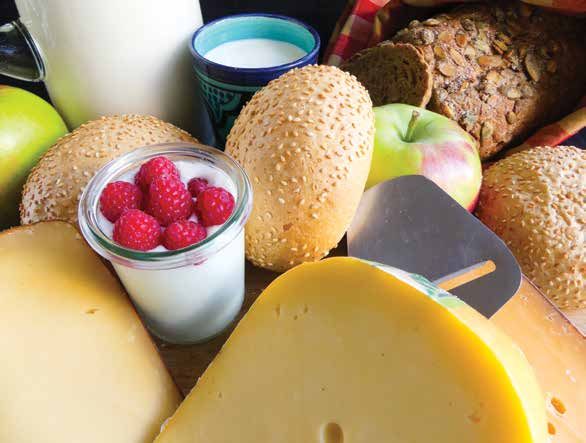
Kale / Stamppot boerenkool
            There is no denying it, Dutch people love to mash their food. Stamppot
            literally means ‘stomped pot’, and there are endless variations to it.
            Kale (or ‘farmers cabbage’) just might be the tastiest of them all.
            Although people like to think this dish has been around for ages, it
            is actually only in the 20 th century that the Dutch started to really
            mash everything together. The way older version with merely mixed
            ingredients is hutspot, which can be traced back to as early as the 16 th
            century.
            Nowadays it serves as the perfect winter dish since the kale does
            not only withstand cold, but actually tastes better and sweeter after
            a night of frost. In Ukraine it’s not so easy to get though. That’s why
            our embassy colleague Bob grows some in his garden. Too much of a
            hassle for you? Maybe it’s worth a try, given its nutritive qualities we
            believe this dish might be the reason the Dutch are the tallest people
            in the world.

            INGREDIENTS
            1,4 kg potatoes                        450 g smoked sausage
            2 onions, 1 bay leaf                   1/2 cup milk
            450 g kale                             2 tbsp butter

            DIRECTIONS
            1.   Cut and slice the vegetables. Put the potatoes on the bottom
                 of the pan and put the kale on top of the potatoes.
            2.   Add the bay leaf, cover with water and boil gently
                 for 20–30 min.
            3.   Meanwhile boil or heat the sausage.
            4.   Remove the bay leaf, drain and mash the vegetables with butter
                 and milk.

            Add salt and pepper, serve with slices of sausage.

fb.com/DutchEmbassyUkraine/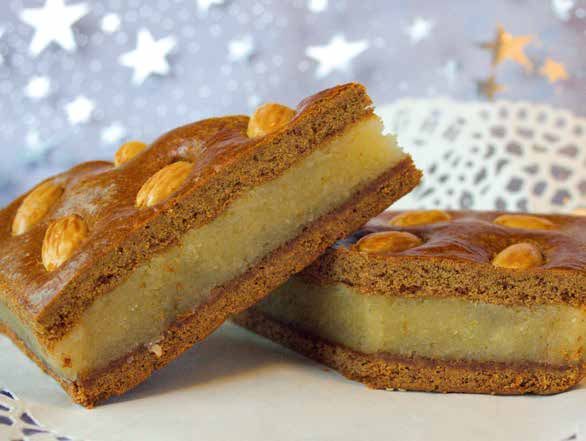
@Carolien Spaans
©Carolien

                                  Dairy lunch

       Mon         Tue Wed Thu   Fri   Sat Sun
 09                               1  2 3
 10        4  5  6  7             8  9 10
 11       11 12 13 14            15 16 17
 12       18 19 20 21            22 23 24
 13       25 26 27 28            29 30 31

March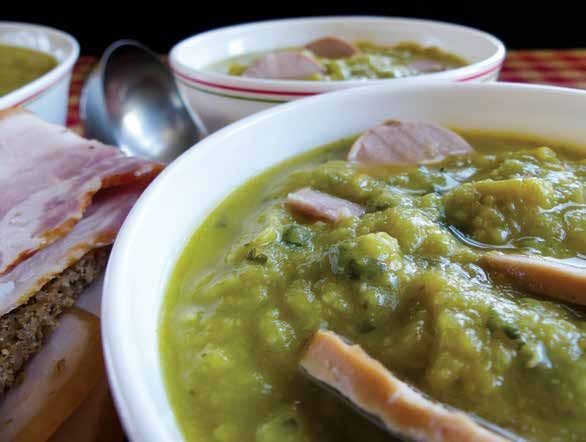
Dairy lunch
            Dutch lunch culture is never easy explain to anyone who did not grow
            up with it. Don’t expect a hot meal, let alone more than one course.
            Actually there’s not much of a difference between lunch and breakfast.
            80 percent of Dutch people state they prefer to eat slices of brown
            bread – boterhammen – with cheese, accompanied by a glass of milk.
            Lunches mostly do not last over 30 minutes. A symbol of Dutch stinginess
            or the secret to Dutch efficiency? Maybe a bit of both.
            It may sound like a meager meal, but at least the cheeses are world class.
            Archeological findings suggests cheese was already made in Holland in
            prehistoric times. Nowadays Gouda and Edammer cheese are among
            the most famous of the world, and you may stumble over more than one
            cheese museum while here. So who needs a hot meal if you can enjoy
            Dutch dairy every day?

            INGREDIENTS
            Bread
            Good Dutch cheese
            A glass of milk
            Butter for on the bread
            Yoghurt with fruits of choice

fb.com/DutchEmbassyUkraine/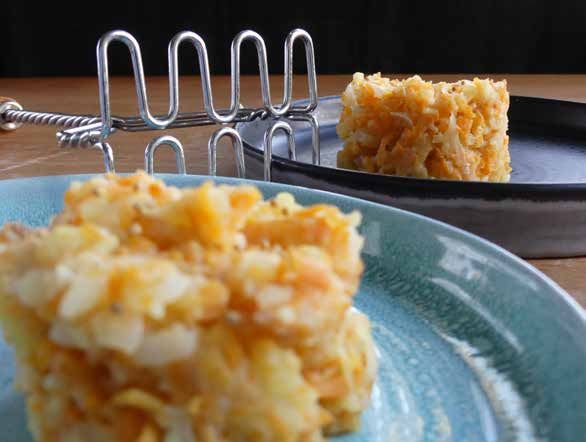
@CarolienHofstede,
©Marijse  Spaans Cunera Greveling

          Creamy Dutch pastry / Tompouce

       Mon      Tue Wed Thu         Fri   Sat Sun
 14        1  2  3  4  5  6 7
 15        8  9 10 11 12 13 14
 16       15 16 17 18 19 20 21
 17       22 23 24 25 26 27 28
 18       29 30

April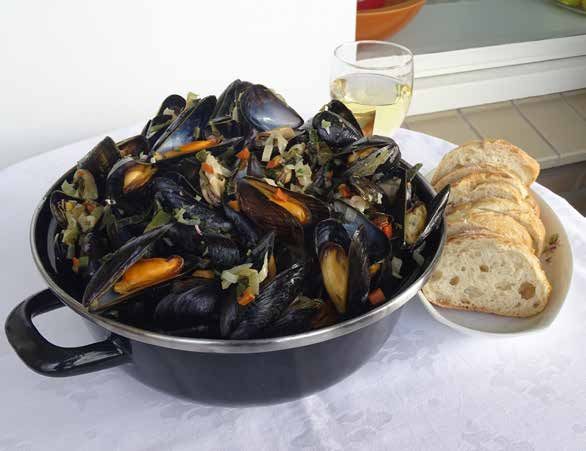
Creamy Dutch pastry / Tompouce
            The tompouce is an iconic Dutch pastry, usually served at birthday parties.
            It is basically cream between two layers of puff pastry, with pink icing
            on top. It may not look extremely festive with its straight brick-like form,
            but this straightforwardness is actually its charm. No frills or extravagant
            cake decorations needed, a simple design and good quality is what the
            Dutch like in their food, as in their lives. It’s no coincidence that Holland’s
            most beloved sayings goes: ‘act normally, that’s crazy enough.’
            So it’s a bit ironic that it’s not that easy to act normally when eating
            a tompouce. There has yet to be found a way to eat it without making
            a mess, although it helps to turn it on its side. The scarce times you will
            find a non-pink tompouce are around Kingsday on April 27th, and around
            important matches of the Dutch national football team. The icing turns
            orange, and during those days you will not see any restrained ‘normalcy’
            in Holland. Bring your most extravagant orange outfit, and join in on the
            many exuberant street parties.

            INGREDIENTS
            Pastry:           ready-rolled puff pastry and 1 beaten egg white
            Custard: 	250 ml milk, 1 tsp vanilla extract, 2 egg yolks,
                       40 g sugar, 1 lemon zest, 2 tbsp corn flour.
            Glaze: 	100 g powdered sugar, 1 beaten egg white,
                     1 lemon zest and ½ tsp juice

            DIRECTIONS
            1.   Pastry: preheat the oven to 205 °C, cut the pastry puff into rectangular
                 pieces, brush with egg white and bake 10–15 min.
            2.   Custard: beat the egg yolks with sugar and lemon zest to foam, add
                 corn flour and few tbsp of warm milk. Whisk. Then softly heat the rest
                 of the custard ingredients, add the egg mixture and whisk until it is
                 thick.
            3.   Glaze: whisk all ingredients for 5 min.

            Put everything together and enjoy!

fb.com/DutchEmbassyUkraine/
@Carolien Spaans
©Carolien
White asparagus
Mon Tue Wed Thu Fri Sat Sun
18 1 2 3 4 5
19 6 7 8 9 10 11 12
20 13 14 15 16 17 18 19
21 20 21 22 23 24 25 26
22 27 28 29 30 31
MayAsparagus
Who doesn’t love the asparagus, the queen among the vegetables, the
famous ‘white gold’? Dutch asparagus are always a treat. And the fact
that they can only be served during the asparagus season that lasts just
two months, only adds to their appeal. In earlier times, the asparagus
was considered a medicine against problems like toothaches and heart
conditions. Nowadays the Dutch eat them with ham, a soft boiled egg and
melted butter.
One Dutch painter was especially inspired by the asparagus. 17th century
master of still lifes Adriaen Coorte got famous with no less than seven
paintings of the tasty vegetable. If you want to cook them yourself and
add an extra efficient Dutch touch, use the pealing of the asparagus to
make soup. That way you get two dishes out of one vegetable, and reduce
food waste.
INGREDIENTS
2 kg white asparagus
1 tsp salt, 1 tsp sugar
2 tbsp butter
1 egg and a slice of ham
DIRECTIONS
1. Clean and peel the asparagus, cut off the bottom inch.
2. Put the asparagus in a pan of water, the amount so that you will not
cover the heads of the asparagus, add the butter, sugar and salt,
bring to boiling point, lower the heat and cook till they’re tender.
3. Garnish with the ham and egg, serve with some melted butter.
Simple as that.
fb.com/DutchEmbassyUkraine/@Carolien Spaans
Soused Herring / Haring
Mon Tue Wed Thu Fri Sat Sun
22 1 2
23 3 4 5 6 7 8 9
24 10 11 12 13 14 15 16
25 17 18 19 20 21 22 23
26 24 25 26 27 28 29 30
JuneSoused Herring / Haring
Some say the soused herring is an ‘acquired taste’, but the Dutch swear
by it. You could argue it is the most typical Dutch snack out there, from
the way it reflects our relation to the North Sea to our not so subtle
manner of eating it. If you want to jump right into this tradition, there
is no better time to do so then at the beginning of June. Not only is the
herring of the highest quality, you can even attend actual herring eating
parties.
Every year the Dutch celebrate ‘Little-Flags-day’. The first newly caught
fish is welcomed into the port of Scheveningen, the first barrel is
auctioned off for charity and the herring eating feast commences. The
way to prepare it is rather simple. The herring is frozen and kept in salt
for a couple of days, to ripen it. The herring is thus, contrary to popular
belief, not really raw. This practice was already used in the Middle Ages.
Then the herring is served with cut onions. Simple as that! So how do
you eat it? Hold the fish by its tail, dip it in the onions, tilt your head
backwards and let the slippery fish slide right into your mouth. Dutch
culinary culture at its finest.
INGREDIENTS
Traditional Dutch herring
Onions and pickles
DIRECTIONS
Cut the onions.
Then, as explained above, hold the fish by its tail, dip it in the onions, and
just go for it.
fb.com/DutchEmbassyUkraine/@Carolien
©Mieke deSpaans
Bruin
Mussels
Mon Tue Wed Thu Fri Sat Sun
27 1 2 3 4 5 6 7
28 8 9 10 11 12 13 14
29 15 16 17 18 19 20 21
30 22 23 24 25 26 27 28
31 29 30 31
JulyMussels
Mussels are our beloved black gold: healthy, tasty, fun to eat and served in
beautiful big black mussel pan. Did you know that one ounce mussel meat
contains more protein than one ounce of beef, and only a mere quarter
of the calories and much less fat? Something to chew on. The season for
mussels runs from July to April, and they are most famously caught in
Zeeland, specifically in the village of Yerseke. On the third Saturday of
August, they even celebrate their own mussel day there! Mussel day has
it all: a carnival fair, marching bands, a chance to tag along on a special
mussel ship, fireworks, and naturally loads and loads of mussel eating.
If you look at the figures, it is understandable the people from Yerseke
feel that mussels deserve a good party. The mussel is the most important
product from Dutch shellfish farming, and Yerseke is the epicenter
of mussel sales of all Northwest Europe. They process around 90 million
kilos of mussels per year, of which over 50 million come from Dutch waters.
And maybe the Dutch also love mussels so much because it is one of few
foods that are orange? Not all of them are, and all mussel sellers will tell you
the white ones taste just as good because it’s just a matter of pigmentation.
But as you can imagine, we at the embassy prefer the orange ones.
INGREDIENTS
2 kg mussels ( 1 kg per person) 250 ml white wine
2 onions, 3 carrots, 1 leak Sauces
Parsley, bayleaf Baquette
DIRECTIONS
1. Only use those mussels which are closed after you have washed
them.
2. Cut the vegetables and put them in a pan together with the mussels,
parsley, bay leaf and wine. Cook for about 5-8 min till the mussels
have opened. Shake the pan now and then.
3. Take out the mussels which are still closed and throw away.
4. Serve the complete pan with mussels just like that on the table with
different sauces, bread and French fries.
fb.com/DutchEmbassyUkraine/@Carolien Spaans
©Carolien
Cauliflower couscous
Mon Tue Wed Thu Fri Sat Sun
31 1 2 3 4
32 5 6 7 8 9 10 11
33 12 13 14 15 16 17 18
34 19 20 21 22 23 24 25
35 26 27 28 29 30 31
AugustCauliflower couscous
Most of the dishes on this calendar represent traditions that go back
hundreds of years. But make no mistake, modern day Dutch food culture
is anything but old fashioned. The new movement ‘Dutch Cuisine’ draws
on our culinary memory to propel our food culture into the 21st century.
It strives to be healthy, of high quality, sustainably produced, and always
from the principle ‘less is more’. The special focus is on vegetables:
every dish should consist of 80% vegetable and 20% meat or fish, and as
much as possible based on what the season brings. It strives to use what
nature offers us from head to tail to reduce food-waste, and as much as
possible cook with high quality local, fair-trade products.
Inspired by this movement, we made a dish with cauliflower as our
central vegetable. We also added a second important trait of modern
Dutch cuisine, namely its connection to other culinary cultures.
Throughout the ages, Dutch cuisine has always been an extremely
adaptive, influenced by an ever changing mix of cultures. As a tribute
to the Moroccan community in the Netherlands and its contribution
to Dutch culture, we made cauliflower-couscous: modern, easy and
healthy. You can visit http://dutch-cuisine.nl/ to get your own inspiration
from this approach to food and cooking, which in its aesthetics of
sobriety stands in the tradition of Dutch design, Dutch architecture
and Dutch fashion.
INGREDIENTS
1 cauliflower Brynza
Seasonable vegetables Dressing
Greens
DIRECTIONS
1. Cut half of cauliflower in slices of 2 cm, rub with oil and roast in oven
(175 °C) for approx. 25 min on both sides.
2. For the couscous blend the rest of cauliflower to the size of couscous
or rice, fry for 2 min.
3. Add all the seasonable vegetables you like such as different tomato
varieties, cucumber and sweet pepper, greens (dill, parsley, mint etc)
and mix with a dressing (orange & lime juice, honey, oil) through the
cauliflower couscous.
4. Add Brynza or another soft cheese to your taste. Enjoy!
fb.com/DutchEmbassyUkraine/@Carolien Spaans ©Carolien Spaans
Apple pie / Appeltaart
Mon Tue Wed Thu Fri Sat Sun
35 1
36 2 3 4 5 6 7 8
37 9 10 11 12 13 14 15
38 16 17 18 19 20 21 22
39 23 24 25 26 27 28 29
40 30
SeptemberApple pie / Appeltaart
A lot of countries have their apple pie recipes, but we are proud to say
the Dutch version is the best one. And if you do not believe us, take
it from US president Clinton. He once visited a Dutch brown cafe in
Amsterdam, and was so in love with his one piece he asked if he could
take the entire pie home. We know the recipe has a long tradition in
the Netherlands because a version of it can be found in the first Dutch
language cookbook ever, stemming from 1514.
You know you have encountered a Dutch apple pie when it has good
thick crust made from sand dough, a rich filling of apples and raisins and
a dough-made raster on top. You can get it in almost every Dutch café,
but it’s also extremely popular with many home baking aficionados:
it’s simple, and since apple harvest season starts in September it’s a
great way to comfort yourself with the passing of summer. It’s also the
one exception to our infamous ‘one cookie rule’. Our Queen herself,
from Argentinian descent, expressed slight horror over her discovery
that Dutch people only serve their guests one cookie to go with their
coffee. But if you visit someone in September, you might get lucky and
be offered coffee with a point of warm apple pie, and who knows, even
some whipped cream on the side…
INGREDIENTS
Dough: 300 g flour, 200 g butter, 150 g sugar, pinch of salt,
1 egg
Filling: 1 kg apples, lemon juice, 2 tsp cinnamon,
50 g sugar, 50 g dry raisins
DIRECTIONS
1. Mix flour, sugar, butter, and 3/4 of the egg, knead it into dough and
leave in the fridge for an hour.
2. Cut the apples, sprinkle with lemon juice, mix with cinnamon, sugar
and raisins.
3. Preheat the oven to 175°C. Cover baking tin with 60% of the dough, fill
it with the apples.
4. Make a grid on top with the rest of the dough, and brush it with the
left 1/4 of egg. Bake for about 60–70 min.
fb.com/DutchEmbassyUkraine/@Carolien Spaans ©Carolien Spaans
Mashed potatoes and carrots / Hutspot
Mon Tue Wed Thu Fri Sat Sun
40 1 2 3 4 5 6
41 7 8 9 10 11 12 13
42 14 15 16 17 18 19 20
43 21 22 23 24 25 26 27
44 28 29 30 31
OctoberMashed potatoes and carrots / Hutspot
We know, hutspot is not exactly the most photogenic dish on the menu.
But bear with us, its historical significance is beyond compare and there is
hardly any dish with such a patriotic story attached to it. It all goes back to
the night of the 2nd of October, in 1574 in the city of Leiden. It was during
the Eighty Years’ War, when the Seventeen Provinces of what are today the
Netherlands, Belgium, and Luxembourg revolted against Philip II of Spain, a
war that would last from 1568 till 1648. At the start of that October of 1574,
the inhabitants of the city of Leiden were hungry and desperate. In May the
city had been sieged by Spanish troops and after two months the city had
run out of food, thousands of Leidenaren starved to death.
But the night of 2nd of October, the army of Watergeuzen, “Sea Beggars”,
led by prince of Orange Willem the Silent came to the rescue. They broke
the dikes, sailed to the city and made the Spanish troops flee for their
lives. The flight was so hastily that they left their pots with carrot and
parsnip-stew cooking on the stove. As this was the first real food the
people of Leiden tasted in a long time, it made such an impression that
to this day, they still eat it on the 3 October festival, in celebration of the
‘relief of Leiden’. Of course, as with any tradition, it underwent some
significant changes over the years. We now eat it with potato instead of
parsnip, although potato only gained popularity in the 19 th century. But
why would we let historical facts spoil the fun. It just has the flavour of
victory over Spain. And especially after our traumatic loss in the world cup
final in 2010, we like to taste as much of that as we can.
INGREDIENTS
6 large peeled and quartered 8 black peppercorns
potatoes 500 ml of water, 1/2 beef bouillon cube
9 large peeled and diced carrots 1 bay leaf
4 large peeled and sliced onions 1 tbsp of flour dissolved
500 g sliced beef roast in 1/2 cup water
DIRECTIONS
1. Dissolve bouillon in water, add the meat, bay leaf, peppercorns and
braise on low heat for 1–2 hours until the meat is tender.
2. Remove the meat, bay leaf, peppercorns and mix the dissolved flour
with the remaining juices. Stir and increase the heat until the gravy
thickens. Pour it over the meat.
3. Cover the potatoes with water, add salt, carrots and onions. Cover the pot,
bring to a boil, lower the heat and boil 20 min. Remove and set aside the
water. Mash it all, add cooking liquid if needed.
fb.com/DutchEmbassyUkraine/@CarolienHofstede
©Marijse Spaans
Bitterballs / Bitterballen
Mon Tue Wed Thu Fri Sat Sun
44 1 2 3
45 4 5 6 7 8 9 10
46 11 12 13 14 15 16 17
47 18 19 20 21 22 23 24
48 25 26 27 28 29 30
NovemberBitterballs / Bitterballen
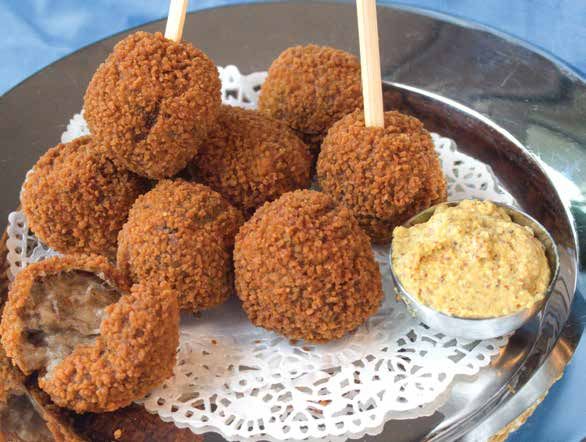
How to even begin to explain a bitterbal? Imagine a croquette, but small and
round. The literal translation would be “bitter balls,” but don’t worry, the
taste is in no way bitter or harsh. Their name comes from the tradition of
serving them with bitters, strong alcoholic bitter drinks such as jenever –
Dutch gin. In reality however they are nowadays more often served as a
beer snack, usually with some mustard on the side. You can order them
in any Dutch café, on its own as well as part of a selection of fried finger
foods, called bittergarnituur. Clinically speaking you could describe them as
balls of deep fried ragout.
But really, they are so much more than that. More than any other food,
this meat snack is associated with the typical Dutch ‘gezelligheid’ you might
have heard of. This vague notion of fun, cosiness and togetherness that
defies translation. You can find gezelligheid at a typical Dutch birthday
party, where everybody sits around in a circle of chairs, drinking coffee and
tea from 14h till 17h. A colleague can be gezellig or, if he goes off to lunch
on his own, particularly ongezellig. The way you decorated your apartment
should be gezellig. And when you share bitterballs with someone over a
beer and it’s STILL not gezellig, something is clearly wrong. The only way
to truly understand the meaning of bitterballs however, is of course to try
them yourself. Get your frying pan out, buy some mustard, and be ready
for gezelligheid to come your way.
INGREDIENTS
Roux: 1 stick butter, 1 cup flour Breading: 1 cup flour
2 cups shredded, cooked beef, 2 eggs (beaten)
3 cups beef broth 1–2 cups bread crumbs
1 chopped onion
1/4 cup chopped parsley
DIRECTIONS
1. Melt butter, gradually add flour, slowly add broth, keep stirring
till it thickens. Stir in the onions, parsley, beef, and cook until
it’s thick gravy. Add salt and pepper. Keep it in fridge for few
hours to solidify.
2. Roll the solid gravy into small balls and roll them through the
flour, egg mixture and breadcrumbs. Put them in the fridge.
3. Take a saucepan and heat enough oil to cover the bitterballen.
Fry them golden brown and serve with mustard.
fb.com/DutchEmbassyUkraine/©Carolien Spaans
©Marijse Hofstede, Cunera Greveling
Cookies with almond paste / Gevulde speculaas
Mon Tue Wed Thu Fri Sat Sun
48 1
49 2 3 4 5 6 7 8
50 9 10 11 12 13 14 15
51 16 17 18 19 20 21 22
52 23 24 25 26 27 28 29
01 30 31
DecemberCookies with almond paste /
Gevulde speculaas
Ukraine has Sviatyi Mykolay, the Netherlands has Sinterklaas. This Saint
Nicolas figure lives in Madrid during summer, and every winter he sets out
for the Netherlands on a steamship to reward the good kids with candy
and gifts, and to punish the bad ones with a birch rod, a chimney sweep’s
broom made of willow branches. Over the years however, hitting children
has become more or less taboo, so now it’s just candy for everyone. There is
a wide array of special Sinterklaas candy and pastries, and one of the classics
is gevulde speculaas: a spice cookie filled with almond paste.
The speculaas gets its peculiar taste from the abundance of spices that go into
it: a combination of cinnamon, nutmeg, cloves, ginger, cardamom, mace, anise
and white pepper. This explosion of spices can be traced back to the rise of
the famous Dutch East India company and its spice trade in the 17th century.
Spices had always been extremely expensive, but as soon as the price of
Indian, Indonesian, and Mediterranean spices dropped, Dutch bakers started
experimenting with making speculaas. Every baker had his own top-secret
recipe and even secret dough storages. Nowadays it has lost its enigmatic
reputation, and there are plenty of recipes to be found online. But we encourage
you to experiment with your own secret mixture of spices, Sinterklaas and Sviatyi
Mykolay should keep a bit of mystery, don’t you think?
INGREDIENTS
Almond paste, whole almonds for decoration
250 g all-purpose flour, 150 g sugar, 175 g unsalted butter, 1 tsp baking
powder
Mix of spices, 1 large egg
DIRECTIONS
1. Mix flour, sugar, butter, baking powder and spices, knead all to
smooth dough. Let it rest in the fridge for a few hours.
2. Preheat the oven to 180°C, roll two layers of dough and place one in a
shallow baking pan. Lightly beat the egg with 1 tsp of cold water and
brush 1/3 of the egg over the dough. Roll out the almond paste, cover
the dough with it and brush it with another 1/3 of egg. Place second
layer of dough on top and brush it with the last 1/3 of egg.
3. Decorate with almonds in a pattern of your choice, and bake for
40 min.
fb.com/DutchEmbassyUkraine/2020
January February March
MO TU WE TH FR SA SU MO TU WE TH FR SA SU MO TU WE TH FR SA SU
1 2 3 4 5 1 2 1
6 7 8 9 10 11 12 3 4 5 6 7 8 9 2 3 4 5 6 7 8
13 14 15 16 17 18 19 10 11 12 13 14 15 16 9 10 11 12 13 14 15
20 21 22 23 24 25 26 17 18 19 20 21 22 23 16 17 18 19 20 21 22
27 28 29 30 31 24 25 26 27 28 29 23 24 25 26 27 28 29
30 31
April May June
MO TU WE TH FR SA SU MO TU WE TH FR SA SU MO TU WE TH FR SA SU
1 2 3 4 5 1 2 3 1 2 3 4 5 6 7
6 7 8 9 10 11 12 4 5 6 7 8 9 10 8 9 10 11 12 13 14
13 14 15 16 17 18 19 11 12 13 14 15 16 17 15 16 17 18 19 20 21
20 21 22 23 24 25 26 18 19 20 21 22 23 24 22 23 24 25 26 27 28
27 28 29 30 25 26 27 28 29 30 31 29 30
July August September
MO TU WE TH FR SA SU MO TU WE TH FR SA SU MO TU WE TH FR SA SU
1 2 3 4 5 1 2 1 2 3 4 5 6
6 7 8 9 10 11 12 3 4 5 6 7 8 9 7 8 9 10 11 12 13
10 11 12 13 14 15 16
13 14 15 16 17 18 19 14 15 16 17 18 19 20
17 18 19 20 21 22 23
20 21 22 23 24 25 26 24 25 26 27 28 29 30 21 22 23 24 25 26 27
27 28 29 30 31 31 28 29 30
October November December
MO TU WE TH FR SA SU MO TU WE TH FR SA SU MO TU WE TH FR SA SU
1 2 3 4 1 1 2 3 4 5 6
5 6 7 8 9 10 11 2 3 4 5 6 7 8
7 8 9 10 11 12 13
9 10 11 12 13 14 15
12 13 14 15 16 17 18 14 15 16 17 18 19 20
16 17 18 19 20 21 22
19 20 21 22 23 24 25 21 22 23 24 25 26 27
23 24 25 26 27 28 29
26 27 28 29 30 31 28 29 30 31
30
fb.com/DutchEmbassyUkraine/Embassy of the Kingdom
of the Netherlands in Ukraine
Kontraktova Square, 7
Kyiv, 01901, Ukraine
Economic Department
E-mail: kie-ea@minbuza.nl
Agricultural Department
E-mail: kie-lnv@minbuza.nl
Embassy Facebook page where the recipes will be published
monthly. Please share your photos of the dishes prepared with
these recipes in the comments to our posts.
https://www.facebook.com/DutchEmbassyUkraine/
Site of the Netherlands Embassy in Ukraine
https://www.netherlandsandyou.nl/your-country-and-the-
netherlands/ukraine
The dates the Embassy is closed in 2019.
https://www.netherlandsandyou.nl/your-country-and-the-
netherlands/ukraine/about-us/public-holidays
Site of the Agricultural Department of the Embassy
https://www.agroberichtenbuitenland.nl/landeninformatie/
oekraine
The link where the digital version of this calendar can be found:
https://www.agroberichtenbuitenland.nl/landeninformatie/
oekraine/documenten/publicaties/2019/01/01/ua-dutch-food-
calendar
http://dutch-cuisine.nl/
https://www.hollandtradeandinvest.com/You can also read


