EUROPEAN PATIENTS' FORUM WORK PLAN 2021 - Driving Better Health for Patients in Europe
←
→
Page content transcription
If your browser does not render page correctly, please read the page content below
EUROPEAN PATIENTS’ FORUM
           WORK PLAN 2021

Driving Better Health for Patients in Europe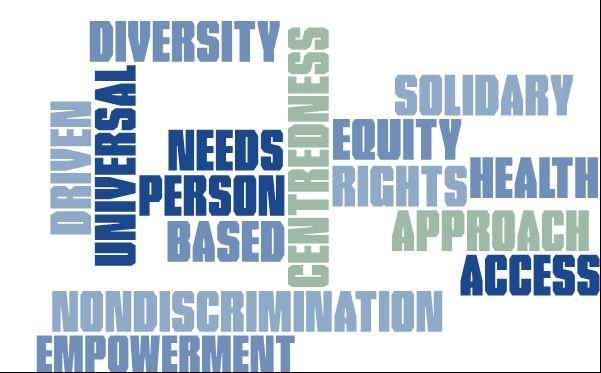
1.     Executive Summary ........................................................................................................... 3
2.     Introduction ....................................................................................................................... 4
3.     Target Groups & Partners ................................................................................................... 6
4.     Added Value and Impact .................................................................................................... 7
5.     How We Work .................................................................................................................... 8
6.     EPF’s 2021 work plan .......................................................................................................... 8
     6.1      Communications, engagement and membership .................................................... 20
7.     Governance....................................................................................................................... 22
8.     Transparency and Independence ..................................................................................... 23
9.     List of deliverables ............................................................................................................ 25
10.        Key Events 2021 ............................................................................................................ 29

                                                                                                                                           2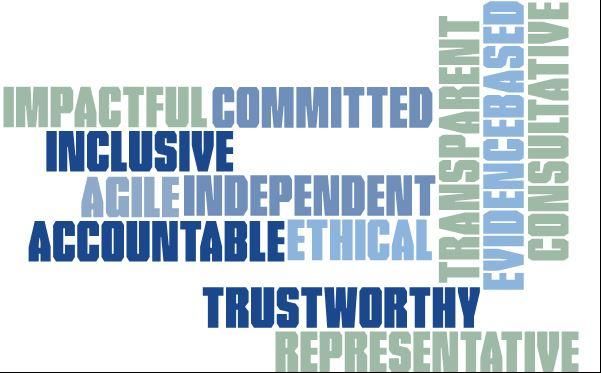
The EPF work plan for 2021 reflects a swiftly changing, uncertain environment due to the COVID-19
crisis. The first year of the new European Parliament and Commission was profoundly disrupted by
the impact of the pandemic, which is ongoing and will continue to influence the political and economic
environment. Already it has had a transformative effect on how health is prioritised in country politics,
and how the EU’s health policy mandate is prioritised at the highest political level.

This work plan is guided by EPF’s new Strategic Plan for 2021–2026, which was shaped together with
our membership to reflect changes in the European health and social policy environment, new
challenges, and new opportunities for EPF as an umbrella of patient organisations across the wider
European region. Amidst the ongoing pandemic, patient organisations must, more than ever before,
be included as partners in efforts to create high-quality, equitable, person-centred, accessible, and
sustainable healthcare systems of the future.

In 2021 we will see the implementation of the new EU health and research framework programmes.
The EU4Health programme has been allocated an unprecedented budget, despite cuts in the Council.
We will monitor and contribute to the shaping of the priorities under both EU4Health and Horizon
Europe programmes to ensure they reflect patients’ needs and goals. In parallel, debates about the
EU’s health competences and the “European Health Union” will continue and EPF will add strong and
united voice to these debates. In parallel and in synergy, we will engage with the WHO Regional Office
for Europe as an accredited non-state actor.

The COVID-19 pandemic will continue to have a far-reaching impact, even once the immediate
situation is brought under control. The pandemic exposed ‘cracks’ in national health systems,
revealing under-funding, under-equipment and lack of preparedness and highlighted health and wider
social inequalities. EPF engaged proactively with our members, policymakers and stakeholders during
2020 as the representative voice of patients, and we will continue to do so in 2021 to ensure that
learnings are taken on board and patients are included in the shaping of policy responses, and also in
the wider context of health systems strengthening.

The European Commission’s priority actions in 2021 will reflect the immediate needs of the pandemic
response, but we need to also look collectively at where we go from here. We need to support
European health systems as they adapt to the challenges of an ageing population and rising chronic
diseases.

A significant proportion of illness and premature deaths could be prevented by better access to
healthcare, including prevention and treatment. Access to healthcare remains highly inequal across
the European, and gaps remain in universal health coverage. EPF will continue to actively engage our
membership to bring our experiences and perspectives to the fore, building on years of work in this
area.

Other priorities in 2021 will include the Commission’s proposed pharmaceutical strategy, launched in
December 2020, including its strategy on medicine shortages, and the shaping of the European Health

                                                                                                       3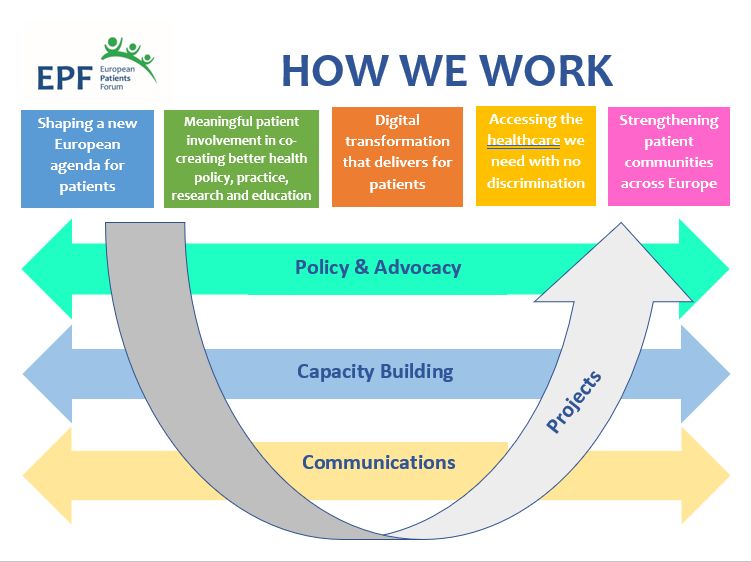
Data Space. We will contribute to the latter through our body of work in the area of Digital Health and
Health Data and continue our involvement through a diverse portfolio of EU-funded projects and
initiatives such as Data Saves Lives. Aware of the relevance of this area of work and building on the
success of the 2019 EPF Congress, EPF will hold a 2021 Congress focusing on digital transformation of
healthcare.

Vaccination and AMR will continue to be high on the agenda. EPF will continue to focus particularly
on vaccination, where the specific needs and vulnerabilities of patients with chronic conditions must
be considered in the context of vaccines for COVID-19. Patient safety will be an ongoing priority, and
we will carefully follow developments regarding the application the EU Regulations on medical
devices and clinical trials. Our policy work is underpinned by our engagement in various EU-funded
projects.

EPF will keep supporting its community via its capacity building opportunities targeting both young
people (the Summer Training for Young Patients Advocates) and other patient leaders (the capacity
building module on Fundraising and Engagement).

The European Patients’ Forum was set up in 2003 to represent the collective interests of patients in
the EU, with its main focus on chronic and/or lifelong conditions, demonstrating the solidarity,
commitment and unity of the patients’ movement across the EU.

The Strategic Plan 2021-2026 was formally adopted at its online Extraordinary General Meeting (EGM)
in October 2020 with the overall objective of defining strategic priorities to enable EPF to continue to
respond effectively to the needs of Europe’s patients and to ensure sustainable growth.

In 2021, EPF’s work plan takes forward this strategy whilst building on the outcomes of the annual
work plans from previous years. It factors in the external political environment to reflect healthcare
developments, including the launch of the next EU programming period, EU4Health 2021-2027.

Our new vision and mission statements and strategic goals are central to this, reflecting also our
organisational and community values.

EPF’s Vision:
A Europe where patient organisations are valued partners in creating equitable, person-centred,
accessible, and sustainable healthcare systems, based on patients’ unique expertise.

EPF’S MISSION:
To advance the interests of patients and patients’ communities by strengthening their collective
impact across Europe through effective advocacy, education, empowerment, and partnership.

                                                                                                      4
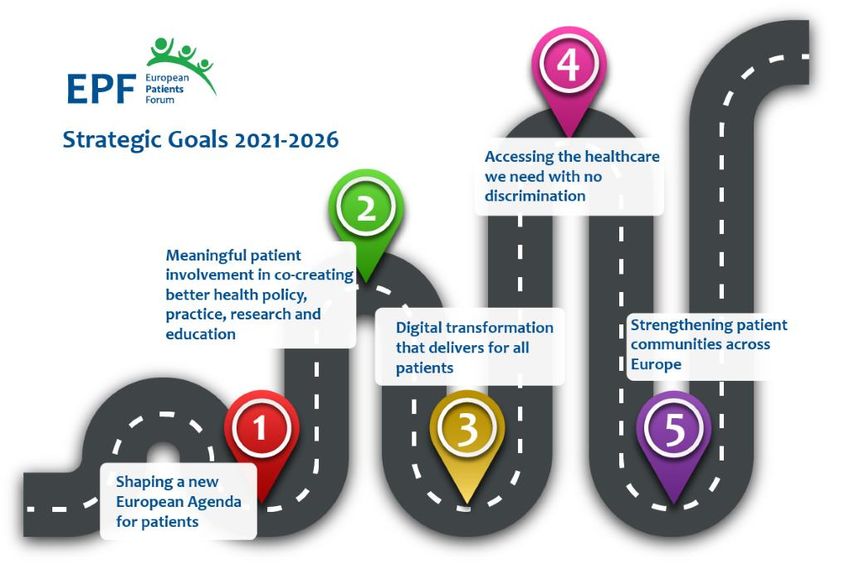
Strategic Goals:
The 2021 annual work plan’s goals identified in the Strategic Plan 2021-2026 are:
1. Shaping a new European agenda for patients:
EPF will support strong European health cooperation in order to derive and apply key lessons from
major challenges, including the COVID-19 pandemic, for future health systems that deliver [a new deal]
for patients. Patients are central to identifying and shaping solutions for quality-oriented, person-
centred, equitable, resilient, and sustainable healthcare.
2. Meaningful patient involvement in co-creating better health policy, practice, research,
and education:
EPF will promote meaningful, systematic, and structured patient involvement in policy-making,
research and in shaping healthcare practice that empower patients to be active partners in care. EPF
will advance patient involvement through campaigns, advocacy, education, research, and projects.
3. Digital transformation that delivers for patients:
EPF will engage in the digital transformation of healthcare in Europe to support safe, high-quality,
more participatory, and person-centred healthcare that brings better outcomes for patients and value
for society. Co-design and patient preferences must be at the heart of digital health solutions, including
patients’ access to, ownership and control of their data, safe and ethical use and sharing of health
data, and exploring the potential of real-world data for healthcare improvement.
54. Accessing the Healthcare we need with no discrimination:
EPF will advocate for equitable and affordable access to high-quality, state of the art, inclusive care for
all and for the eradication of discrimination and stigma. EPF will advocate for the attainment of
universal health coverage in Europe, building on the EPF Roadmap and the UN Sustainable
Development Goal on health.
5. Strengthening patient communities across Europe:
EPF will, together with our members and partners, support European patient communities and health
stakeholders with education, resources, and expertise to help them in co-designing people-centred
health policies and resilient health systems.
EPF will, together with member organisations, help to define the future of patients’ organisations, with
the patient experience at the forefront, including the essential young patients’ perspective.
EPF will be pro-active in safeguarding the long-term sustainability of the organisation through
collaborative work with its members and partners.
EPF will actively support the development of its team expertise, professional growth, and well-being in
line with our core values.
EPF’s Organisational Values: EPF’s Community Values:
The work plan has been crafted with consideration of the expected impact of the COVID-19 pandemic
in 2021 and beyond. In this regard, EPF’s plans will be re-aligned with significant external
developments throughout the year.
The primary target groups of EPF’s activities in 2021 will be:
• Our member patient organisations;
• The wider patient community and the general public;
• European-level policy-makers (Members of the European Parliament, officials of the European
Commission key DGs and Commissioners);
• Member States’ representatives in Brussels as well as nationally, also in the context of the EU
Presidencies of Germany, Portugal, and Slovenia;
6• The European Medicines Agency (EMA), Fundamental Rights Agency (FRA) and European
Centre for Disease Control (ECDC);
• International organisations: The OECD, WHO European Region;
• Health stakeholders, including public health NGOs, medical professionals’ organisations,
academia/research community, scientific/professional bodies, and the healthcare industry;
• The European Patient Academy on Therapeutic Innovation (EUPATI)
• Health media/press at EU and national levels.
Patient involvement in healthcare policy adds value from a moral and principle perspective because
the decisions directly impact patients’ lives and well-being; but equally from a hands-on perspective,
because policy and practice should focus on what matters to patients. A meaningful definition of
“what matters” in healthcare is only possible with the involvement of patients.
EPF is the only European-level, non-disease specific umbrella patient organisation, and it provides a
vital cross-disease perspective from a wide patient community into EU policymaking on issues that
have a direct impact on patients’ lives in a national and regional context. We have a unique and
privileged position linking patient communities across the EU with EU-level developments. We focus
on empowering patient organisations to become effective, credible civil society actors and on
strengthening their capacity to partner in national health policy and practice, supporting participatory
and inclusive health systems. Through our Youth Group we nurture a future generation of patient
leaders, covering a wide range of chronic conditions and nationalities.
In health system performance and quality of care, measuring the right things will require a critical
exploration of “what matters to patients,” and how/whether that which matters most can be
measured. Accurate evaluation of the added therapeutic value of new medicines, similarly, requires a
meaningful patient input.
Our evidence-based advocacy helps strengthen patient involvement and recognition of patients as
partners in health policy and practice, thus supporting participatory and inclusive health systems. Our
work on patients’ rights and responsibilities goes beyond disease- or country-specific initiatives and
has the credibility of being supported by a wide cross-EU patient movement. This will support
meaningful implementation of good practices in patient empowerment and involvement by
practitioners as well as policymakers.
EPF also brings significant added value as a strong advocate for the value of Europe in health, and
health in Europe, in our engagement with high-level strategic issues such as an EU health Union and
trusted partnerships with diverse actors. We link with both EU and international bodies and can point
out relevant synergies or gaps. We participate in collaborative initiatives and policy debates at
European and international level, helping to define health priorities in which the patient community
can contribute and reap benefit. EPF is also committed to the highest level of integrity and ethics in
its interactions with all partners.
7EPF’s work comprises three mutually reinforcing “areas”: policy and advocacy; capacity-building and
communications, while our extensive project work represent a platform underpinning these three
areas. The illustration below shows how these methods apply to all our objectives in a cross-cutting
manner. Thus, for example, our capacity-building efforts strengthen the advocacy expertise of our
members and their ability to feed into our policy activities; the data collected, and good practices
identified in European projects will reinforce the evidence-base of our policy work; and our policy and
advocacy expertise brings added value to projects.
Our work plan for 2021 will focus on the five strategic goals of our new Strategic Plan 2021-2026,
which are complemented by cross-cutting activities. In this section we describe the activities under
each goal, although it should be kept in mind that our activities are highly complementary and often
address more than one strategic goal. In addition, our 2021 work plan includes our second patient-led
Congress. EPF has selected digital transformation of healthcare as the broad theme of this year’s
Congress, drawing on the exploration of this area in the 2019 Congress, our engagement in EU policies
focusing on digital health, and the experience and key learnings of the COVID-19 pandemic.
8STRATEGIC GOAL 1:
SHAPING A NEW EUROPEAN AGENDA FOR PATIENTS
• EUROPEAN COMMISSION EPF is a trusted interlocutor of the European Commission, working
particularly closely with the directorate-general responsible for health, but also those on
employment, research and innovation, and digital technology. We will work towards
consolidating further our relationship with the Commission, both at high political and at
operational levels.
• EUROPEAN PARLIAMENT EPF already has a strong profile in the European Parliament, which we
continue to strengthen. In line with EPF’s internal engagement strategy with the new
Parliament, we will continue to raise awareness of the importance and relevance of patient
involvement in the policy making process and engage in legislative activities as appropriate.
As a co-founder of the Patient Access Partnership (PACT) which serves as a secretariat to the
MEP interest group on Equitable Access to Healthcare, EPF will support and provide guidance
to the interest group and engage in its activities.
• EUROPEAN UNION AGENCIES EPF has a long-standing relationship and a very strong presence at
the European Medicines Agency. We will engage in several initiatives with EMA as detailed
below. We will also work with the European Centre for Disease Control and Prevention
(ECDC) on topics such as antibiotic resistance and vaccination and closely follow the mandate
changes for ECDC, and act as needed. As a member of the Fundamental Rights Platform, EPF
will continue to engage with the EU Agency for Fundamental Rights (FRA), through the lens
of patients’ rights and non-discrimination in healthcare.
• WHO REGIONAL OFFICE FOR EUROPE As an accredited non-state actor, EPF will contribute to
WHO-led consultations and participate in events as and when appropriate.
• EUROPEAN HEALTH NETWORKS EPF is involved in several formal and informal bodies and
networks, including the EU Health Policy Platform, EU4HEALTH Civil Society Alliance, Civil
Society Europe, All Policies for a Healthy Europe, the EU Health Coalition, the European Health
Parliament, the Alliance for Value-Based Healthcare, the Patient Access Partnership (PACT),
the EFPIA Patient Think Tank, Dialogues with Medtech and Medicines for Europe, SDG Watch
Europe and The Social Platform. Engagement in these platforms and groups of varying degrees
of formality serves to both feed into our policy analyses and to disseminate our key advocacy
messages effectively to targeted audiences.
• EUROPEAN HEALTH UNION The current health crisis has exposed the need to strengthen
Europe’s crisis preparedness and management of cross-border health threats. While a
significant part of our focus has been on advocacy relating to the impact of the COVID-19
9pandemic, we have started to also draw the first lessons from the crisis. EPF will contribute
these learnings to the European Health Union debate. EPF will also contribute to the
Conference on the Future of Europe, which will play a central role in determining the future
of the envisioned European Health Union.
• EPF will engage with relevant aspects of the Commission’s proposals to reinforce the EU’s
framework for detecting and responding to serious cross-border health threats, including the
possible new European agency for biomedical advanced research and development with an
impact assessment and legislative proposal expected towards the end of 2021, and the
changing mandates of the EMA and ECDC. We will closely follow these plans, and act as
needed in consultation with our members.
• EUROPEAN HEALTH DATA SPACE (EHDS) EPF will engage in the European Commission’s plans for
a European Health Data Space to harness data for better healthcare, better research, and
better policy making to the benefit of patients. Meaningful patient engagement in the
governance of the EHDS will be one priority topic for 2021.
• EUROPE’S NEW PHARMACEUTICAL STRATEGY EPF will engage actively in the shaping of the
Commission’s Pharmaceutical Strategy to ensure that the strategy will address access,
affordability and availability of high-quality medicines and include patients as a critical
stakeholder group. We will focus on specific elements, such as shortages, regulatory aspects,
innovation and value, and act as needed in consultation with our members.
• EU4HEALTH PROGRAMME EPF will closely monitor the implementation of the EU4Health
Programme and advocate for the inclusion of patients’ priorities in the annual work plans
implementing EU4Health.
• EVALUATION OF THE DIRECTIVE ON THE APPLICATION ON PATIENT RIGHTS IN CROSS-BORDER
HEALTHCARE EPF will engage closely with the evaluation of the cross-border healthcare
directive. We will consult our membership to guide our response, contributing to the
Commission’s evaluation.
• EUROPEAN MEDICINES AGENCY EPF will continue to actively work with the EMA in a critical period
where the Agency starts to implement its new strategy on regulatory science to 2025 under
the leadership of a new Executive Director. We will engage through our membership and co-
chair of the Patient and Consumer Working Party and the Management Board, and our role
as patient observer on the EMA’s COVID-19 Task Force (ETF), aiming to drive forward the
principle of embedding patient engagement across regulatory assessment and linked
processes, such as Health Technology Assessment. EPF will contribute to the stakeholder
consultation on the EMA fee system foreseen in Q1 2021 and closely follow the mandate
changes for EMA, acting as needed. We will also contribute to activities of other EMA working
10groups and task forces on an ad hoc basis and aim to further strengthen the flow of
information from and about the EMA to patients, ensuring a good understanding of its role
and encouraging wider patient involvement in its activities.
• MEDICAL DEVICES EPF will carefully monitor the effective and timely implementation of the EU
Regulations on medical devices and in vitro diagnostics, informing our members of progress
made. EPF will also contribute to implementation actions as and when appropriate as a
stakeholder member of two sub-groups of the Medical Devices Coordination Group (MDCG)
– clinical investigation and evaluation, and post-market surveillance and vigilance. Ahead of
the May 2021 application date, EPF intends to co-organise with the Commission a webinar on
the Medical Devices Regulation for patients’ organisations, which will explain changes that
will affect patients. Our policy work will be enriched by our involvement and contribution to
a project on developing methodological approaches for improved clinical investigation and
evaluation of high-risk medical devices (CORE-MD – Coordinating Research and Evidence for
Medical Devices). As CORE-MD partner, EPF will contribute to develop a core outcome set of
Patient Reported Outcomes Measures through a consensus building process, for assessing
which PROMs should be included for patients with orthopaedic, trauma or cardiovascular
medical devices, for both sexes and different age groups.
• HEALTH TECHNOLOGY ASSESSMENT (HTA) EPF will continue to engage with the legislative
proposal for an EU regulation on HTA following developments in Q4 2020 under the German
EU Presidency, and engage as appropriate with all stakeholders and policymakers, including
the successive 2021 presidencies of Portugal and Slovenia. Independently of the EU proposals,
we will continue to actively participate in the EUnetHTA stakeholder forum and the HTA
Network Stakeholder Pool. To strengthen our advocacy for meaningful patient involvement in
HTA and improved transparency, EPF will conduct a new consultation following on the one
run in 2010/2011, to reassess the level of patient engagement in HTA across European
countries. EPF will also collaborate with the HTAi interest group on patient and citizen
involvement and contribute to the HTAi-ISPOR Task Force on Deliberative Processes, whose
aim is to develop a consensus definition for a deliberative process from an HTA perspective
and internationally recognized fit-for-purpose recommendations on the use of deliberative
processes in HTA.
CLINICAL TRIALS EPF will monitor the application of the EU Clinical Trials Regulation
now planned for 2021 and engage in information and communication activities to
ensure our membership is aware of the implications of the new Regulation for
patients. This will inform our future areas of engagement in monitoring the
implementation of the Regulation beyond 2021 and goes hand in hand with our
commitment to increase meaningful patient involvement in clinical research.
11STRATEGIC GOAL 2:
MEANINGFUL PATIENT INVOLVEMENT IN CO-CREATING BETTER HEALTH
POLICY, PRACTICE, RESEARCH AND EDUCATION
• PATIENT INVOLVEMENT IN RESEARCH EPF will engage with EU institutions on fostering
meaningful patient organisation participation in EU-funded research projects under different
funding streams and will engage with academic and other stakeholders with the aim of
increasing patient involvement.
Next year, EPF will once again contribute to the COMPAR-EU project that aims to identify,
compare, and rank the most effective and cost-effective self-management interventions in
type 2 diabetes, COPD, obesity, and heart failure. In 2021, we will continue to champion
meaningful patient involvement through the project, and we will contribute to develop a
patient-friendly interactive online platform. Https://self-management.eu/.
Another project under the topic area of patient involvement in research is PREFER, which has
been running patient preference studies in academic and industry settings. Patient preference
studies have a potential to inform regulators’ and HTA bodies’ decision-making processes. In
2021 EPF will continue to contribute to the drafting of the final recommendations.
https://www.imi-prefer.eu/.
EPF will also continue to collaborate in EATRIS Plus, a H2020 project that aims to support the
long-term sustainability of EATRIS as Europe’s key research infrastructure for personalised
medicine. Patient empowerment and engagement are key to strengthen EATRIS’ leadership
role in personalised medicine research. After setting up a Patient Advisory Committee (PAC),
with the support of our member organisation EATG, EPF will contribute through the
coordination PAC patient experts and multi-stakeholder outreach activities to promote and
facilitate uptake of patient engagement practices among EATRIS Plus partners.
https://eatris.eu/projects/eatris-plus/
EU-PEARL (EU Patient-Centric Clinical Trial Platforms) aims to make clinical trials more
efficient and patient friendly, building on the concept of platform trials. EPF manages overall
patient engagement activities and will design a framework for patient engagement applicable
to future platform trials, and a patient engagement platform. https://eu-pearl.eu/
In 2021, in the H2020 project PERMIT (Personalised Medicines Trials), which is dedicated to
improving personalised medicines research by establishing commonly agreed
recommendations, EPF will join a series of collaborative workshops and trainings with all
relevant stakeholders and will produce lay summary materials of key project outcomes to
ensure outreach to a wider public. https://permit-eu.org/
12In the ImmUniverse project EPF will play a supporting role to our member organisations
EFCCA and EFA. The project focuses on immune-mediated diseases and aims to address
current unmet needs related to the effectiveness of existing therapies. EPF will contribute to
disseminate the project results. https://www.immuniverse.eu/
• PATIENT INVOLVEMENT IN MEDICAL EDUCATION Building on a 2019 Congress plenary session on
professional education and a collaboration with European medical societies on Continuing
Medical Education (CME) and Continuing Professional Development (CPD), EPF will
disseminate the findings of its 2020 survey on members’ experiences of their involvement in
CME and CPD activities, and their views on independent medical education. We aim to further
develop this initiative through a dedicated meeting in 2021 to identify follow-up actions,
within the broader objective of mainstreaming patient involvement in medical education. As
chair of the EUPATI board, EPF will continue to support EUPATI as an independent foundation
driving patient education in medicines R&D.
• PATIENT INVOLVEMENT IN NUTRITION EPF will continue facilitating patient involvement in
guideline development, review, and the development of lay summaries for several care areas,
in collaboration with the European Society for Clinical Nutrition and Metabolism (ESPEN). As
a member of the European Nutrition Health Alliance (ENHA), EPF will also continue to uphold
its commitment to the alliance’s Optimal Nutritional Care for All (ONCA) campaign. EPF will
also contribute to ENHA’s patient involvement plan, as outlined in their strategy. We will
continue to communicate our recommendations on the topic of nutrition and, in particular,
on the introduction of a mandatory front-of-pack labelling scheme and European
harmonization in this regard.
• PATIENT ENGAGEMENT OPEN FORUM (PEOF) is one of the IMI project PARADIGM’s key legacies.
In 2021 EPF will co-design and co-host an online event with its partners, Patient Focused
Medicine Development (PFMD) and the EUPATI Foundation. The purpose of PEOF is to
collaborate in a multi-stakeholder context, to turn patient engagement into reality. The Forum
aims to provide a holistic perspective of patient engagement, the landscape and actors, and
foster collaboration and co-creation while breaking down fragmentation that are often
present in patient engagement work.
STRATEGIC GOAL 3:
DIGITAL TRANSFORMATION THAT DELIVERS FOR PATIENTS
• HEALTH DATA Following our 2020 activities, EPF aims at further consolidating its position on
health data. Through engagement with members and the EPF Digital Health Working Group
in particular, EPF will work on defining a clear and updated position on health data, addressing
key elements, current issues and newer trends and topics. This will support our engagement
with the development of the European Health Data Space, in view of the European
13Commission legislative proposal expected towards the end of 2021. Our work on health data
will also be focused on better integrating the work of EU projects and initiatives in which EPF
is engaged with our policy and advocacy work on this topic.
The Data Saves Lives (DSL) initiative, coordinated by EPF, will continue raising patient and
public awareness and understanding about the importance of health data through effective
communication and engagement with regional and national level organisations. It will also
work on raising the external profile of EPF as a credible voice to shape the health data
environment in Europe by equipping regional and national level organisations with practical
tools to implement health data sharing initiatives locally. https://datasaveslives.eu/
EPF will also bring the patient voice to the European Health Data Evidence Network (EHDEN)
project mission. EHDEN aims to reduce the time to provide data-backed answers to real world
health challenges, and health research by creating a federated data network and an online
training academy. This year, the aim of EHDEN was highlighted with the extra mission of
COVID-19 data. https://www.ehden.eu/ Through its role in the IMMUcan project, EPF will
ensure that the patient perspective is embedded throughout and that informed consent and
reuse of patient data are central to the project. IMMUcan aims to investigate how the immune
system and tumours interact, to understand which patients may respond better to specific
therapeutic interventions. By leading on the communications work package, EPF will ensure
that materials such as a website patient portal, patient information leaflet, and other online
communication materials remain accessible to patient groups. https://immucan.eu/
EPF is also involved in PharmaLedger. The project will use block-chain technology to create a
platform for the healthcare sector that integrates the supply chain, clinical trials, and health
data as case studies. In 2021, EPF will keep informing the patient perspective and will
contribute to the design and delivery of the Patient Collaboration Platform meant to support
patient engagement activities. https://pharmaledger.eu/ . The project aims to drive the early-
adoption of blockchain-based technology by working together with partners to build a
complete solution for improving the quality of healthcare, and explore how blockchain
technology can help us tackle real-world health challenges
• ARTIFICIAL INTELLIGENCE EPF will continue to engage on this topic based on our response to the
European Commission White Paper on Artificial Intelligence (June 2020) and on the EPF AI
Survey launched in October 2020. EPF will work on a more explicit position through increased
engagement with the EPF Digital Health Working Group and our wider membership. The
consolidated position will allow us to engage with upcoming EU initiatives on this topic, such
as the follow-up to the European Commission’s White Paper foreseen for early 2021 and
participate in stakeholder dialogues and networks to convey our key messages.
• INCLUSIVE DIGITAL TRANSFORMATION OF HEALTH AND CARE SERVICES The COVID-19 pandemic has
further accelerated the digitalisation of care and pushed for a quicker implementation of
digital health solutions including telemedicine and mHealth. Through engagement with
members, EPF will continue its advocacy work highlighting shortcomings and learnings from
14the current state of play of digital health deployment in Europe. Furthermore, EPF will build
on the work of EU projects we are involved in, specifically on DigitalHealthEurope’s (DHE)
tangible outputs (the benefits of having digitally empowered patients, the Empowerment
Roadmap for better digital health uptake and the White Paper on collaboration between
patients and healthcare providers) to continue its advocacy activities towards more structured
and meaningful involvement of patients in digital health innovation. Finally, next year will
mark the completion of the project and, EPF will focus its efforts on disseminating DHE’s
results including the recommendations listed in the White Paper by setting up a few virtual
events. https://digitalhealtheurope.eu/
• GRAVITATE HEALTH While DHE is coming to an end, 2021 will see the involvement of EPF in
another digital health related project, Gravitate Health, a new IMI project whose mission is to
equip and empower citizens as users with digital tools that make them confident, active, and
responsive in their patient journey, specifically encouraging safe use of medicines for
improved adherence, better health outcomes and higher quality of life. In 2021, EPF will set
up a User Advisory Group and plan training and engagement activities.
https://www.gravitatehealth.eu/
• EPF CONGRESS 2021 The success of our first Congress in 2019 highlighted the importance and
impact of such an event, bringing together the key stakeholders, innovators and
changemakers in the health sector, with patients at the heart of every discussion.
For our next Congress, EPF has selected digital transformation of healthcare as the broad
theme, drawing on the exploration of this area in the 2019 Congress, our engagement in EU
policies focusing on digital health, and the experience and key learnings of the COVID-19
pandemic.
With this Congress we aim to:
• achieve a greater and genuine understanding of the importance and added value of
patient involvement in the digital transformation of healthcare
• look at the European Health Data Space from the patients’ perspective
• understand the patient’s intrinsic role in valuable innovation and partnership
• share the patient’s experience of digital health and responsible health data sharing
during the COVID-19 pandemic.
Ultimately, we seek to create a unique patient-led congress that brings real and lasting change
in patient involvement in the digitalisation of health as a pre-requisite for value based,
outcome-oriented and sustainable healthcare.
Co-produced with our patient community and high-level experts from our Advisory Board, the
EPF Congress 2021 will provide the platform to bring coherence to a fragmented picture of
patient involvement in digital health, promoting the uptake of person-centred and/or patient-
driven digital solutions.
15Due to the current public health situation, the Congress 2021 will be held virtually, over a
week in October with a follow-up physical event in Brussels, in Spring 2022.
STRATEGIC GOAL 4:
ACCESSING THE HEALTHCARE WE NEED WITH NO DISCRIMINATION
• MEDICINES As part of our work on access, an important focus will be given to equitable access
to medicines and their affordability. We will engage with the implementation of the
Commission’s pharmaceutical strategy, based on the EPF position paper on the pricing and
value of innovative medicines, and our previous work on generic and biosimilar medicines.
Potential areas of action for EPF will include a patient perspective on medicine shortages,
access barriers and debates about access to, quality and affordability of medicines. EPF’s
advocacy at EU level will be in synergy with our contribution to the activities under the WHO’s
European Programme of Work (EWP) concerning access to medicines.
We will continue to participate as member in the EURIPID stakeholder platform on medicines
transparency and contribute to other meetings, consultations, and fora, where appropriate.
We will also contribute to the WHO Regional Office for Europe’s virtual consultations with
non-state actors on access to medicines, including its resolution on improving the
transparency.
As the pandemic and containment measures continue, it is important that Europe prevents
the current health and economic crisis from developing into a social one. In the context of
increasing health inequalities, we will aim to collect further patients’ evidence on access
barriers, and address these barriers using policy instruments such as the European Pillar of
Social Rights as well as the European Semester and the UN Sustainable Development Goals.
• EMPLOYMENT EPF will also highlight EPF’s existing recommendations on inclusion of people
with chronic conditions in the workplace in the context of the forthcoming Communication on
a new occupational safety and health strategy framework.
• THE IMPACT OF THE COVID-19 PANDEMIC ON THE PATIENT COMMUNITY EPF will continue to closely
monitor the situation closely, providing information and support to the patient organisation
community, while conveying patients’ perspectives and positions on health policy responses
to the pandemic. EPF will use learnings from our 2020 survey on the impact of COVID-19 on
patients and patient organisations in discussions around health systems post-crisis. In 2021,
we will continue to survey and engage with our members on questions relating to the
pandemic and its impact as the situation evolves. We will also engage in collaboration where
need and opportunity arise, including with the European Commission, European Medicines
Agency, or stakeholders.
16The acquired knowledge will inform EPF input to PERISCOPE (Pan-European response to the
impacts of COVID-19 and future pandemics and epidemics), an EU-funded project that will
conduct multi-disciplinary research on the impacts of the COVID-19 outbreak from different
viewpoints: clinic and epidemiologic; humanistic and psychologic; socio-economic and
political; statistical and technological. EPF will contribute to mapping and analysing the socio-
economic impact; to developing solutions and guidance for policymakers and health
authorities on how to mitigate the impact of the outbreak. EPF will also co-design trainings
for patients with chronic conditions to cope with the impacts of an outbreak and response
measures, including to ensure adherence to medication, continuity of care and other best
practices as identified in previous work plans.
• VACCINATION EPF has a long-standing commitment to vaccines confidence and information. In
2021, EPF will closely monitor developments relating to COVID-19 vaccines development and
accessibility, with patient safety and transparency as top priorities. EPF continues to
participate as a member in the stakeholder forum of the EU Joint Action on Vaccination (EU-
JAV). In addition, EPF is currently leading a pilot project on increasing the uptake of and
confidence in vaccination for patients with chronic conditions and their communities (VAC-
PACT). The online resource supporting vaccination confidence developed by EPF and partners
will be finalised and upon permission from the European Commission, published in 2021 and
will incorporate information on coronavirus vaccines.
• PATIENT SAFETY Building on the 2019 WHO resolution on patient safety as well as the outcomes
of the EPF Congress, we will continue to advocate for greater recognition of the important
role of patients and family members in the area of safety and on providing information and
education on patient safety topics, such as healthcare-associated infections and antibiotic
resistance. We will collaborate as relevant with other stakeholders, e.g. healthcare
professionals, EU agencies and international organisations such as ECDC, EMA and WHO. We
will also engage in awareness-raising activities for Patient Safety Day (17 September). We also
continue as stakeholder partner in the EU Joint Action on antimicrobial resistance, EU-JAMRAI
and to support the European Antibiotic Awareness Day (EAAD).
• QUALITY OF CARE Building on work to date, we will continue to engage with policy-makers,
international organisations such as WHO and OECD, and with other stakeholders to improve
quality of care engaging in discussions around patient-centredness, patients’ priorities, and
patients’ involvement as well as value-based healthcare. We will continue to participate in
meetings of the OECD HQCO working group, and the international patient advisory board for
the OECD PaRIS project on PROMs and PREMs.
EPF has joined the new IMI project H2O (Health Outcomes Observatory) which aims to
empower patients through digital tools and achieve better measurement of their health
outcomes in a standardized manner in order to improve their care. EPF will contribute a strong
patient perspective and in 2021 a key objective will be the setting up three patient advisory
boards. EPF will identify patient advocates with expertise in diabetes, cancer and IBD disease
17areas and from the European and national/regional level. The coordination of these PABs will
represent the cornerstone of our contribution to the project. Together with the expertise of
these patients, we will ensure that there is a strong and diverse patient perspective, and that
patients are consulted throughout.
https://health-outcomes-observatory.eu/
• HEALTH LITERACY is a core value of EPF and a cornerstone of patient empowerment. Health
literacy and information activities are embedded in all our advocacy work as well as our
projects and capacity-building. In 2021 we will continue to work with the informal health
literacy coalition involving health professionals, academia, and industry, on topics of mutual
interest around mainstreaming health literacy as part of EU health policy, especially in the
context of the COVID-19 pandemic. EPF will also embed health literacy priorities in our
activities on critical patient safety and public health issues, in particular vaccination.
STRATEGIC GOAL 5:
STRENGTHENING PATIENT COMMUNITIES ACROSS EUROPE
• CAPACITY-BUILDING PROGRAMME (CBP) Our capacity-building activities, will seek to strengthen
patient organisations offering them tools and expertise to enable them to play their legitimate
role in the health sector.
The EPF Leadership Meeting will take place as a one-day event or a webinar series aimed at
empowering EPF members’ leadership through high-level discussions and exchanges. The
event will provide EPF members with the opportunity to further shape strategic direction of
EPF and the patient movement in Europe on Artificial Intelligence and its application in
healthcare. In 2021 the event will be linked to the EPF Annual General Meeting (AGM) to
ensure a high level of participation.
We will continue to strengthen the capacity of patient leaders at national and European level
with a capacity-building module dedicated to supporting patients' organisations to improve
their fundraising and engagement strategy in the light of the current health and financial
crisis. The module will be open to patient organisations from all over Europe with a specific
focus on organisations based in Bulgaria, Hungary, Poland, Romania, Slovakia, and the
Western Balkans. Given the current scenario the training will happen fully online providing a
balanced mixed of online learning circles and content-based webinars.
Our online webinars and online informal gatherings will also continue in 2021, responding to
a double objective: increasing members’ awareness and familiarity of the EU health policy
developments and key actors (stakeholders) and discussing potential actions to be undertaken
by the patient community.
18EPF is undergoing preparatory work to create an International Master’s Degree Programme
on Patient Advocacy in partnership with Cattolica University, Milan, and will launch the first
ever recognised international master on patient advocacy. The Master will attract mainly
patient advocates and other key stakeholders who would like to get a deeper understanding
of international patient advocacy. The master will be a mix of state of the art academic and
practical knowledge as well as group and individual work.
The EPF Youth Group (YG) represents young patients within the EPF community. The objective
of the YG is to recognise, understand, meet, and effectively represent the needs and
expectations of young patients through their meaningful involvement and empowerment. In
2021, the YG will conduct research on youth participation and activities in patient
organisations in Europe, to evaluate their participation, advantages, opportunities, and
possible barriers. The YG will also start the research phase of an exciting new project on sexual
health and wellbeing of young European patients, where they will gather material, opinions,
patients' stories, and key asks of the young European patients on the matter. Finally, the YG
will organise monthly calls to ensure the engagement of the group and the advancements of
projects, meet twice a year for a two-day strategic meeting, participate in several events
representing the youth perspective, contribute to EPF policy work and participate in learning
opportunities to strengthen their knowledge and capacity. Via the EPF YG social media
channels they represent and amplify the young patients voice, via the EPF communication
channels (mainly social media and newsletter) the YG contributes greatly to the vibrancy of
EPF. Finally, as per the new EPF Constitution, one youth group representative is elected as EPF
board member, therefore the YG is also involved in ensuring the good governance of EPF.
In line with our regular engagement with young patients, EPF will organise the fifth edition of
the Summer Training Course for Young Patient Advocates – Leadership Programme, an
exciting and unique opportunity offering a tailored high-quality training to young patient
advocates. The fifth edition, where an essential role will be played by the Youth Group, will
look at topics that are central to the patient community as a whole and represent a key priority
for the new generation of advocates. In 2021 the overarching theme will be, “Be the future of
patient advocacy”, with a focus on the role that young patient advocates can play in the
aftermath of the COVID-19 health and economic crisis for patient advocacy at individual and
community level, ethical advocacy, role of emerging actors and challenges. Given the current
scenario the training will happen fully online providing a balanced mixed of online learning
circles and content-based webinars. After an initial phase, participants will be split into teams
and their progress will be monitored. Efforts will continue in 2021 to establish an EPF Young
Patients’ Alumni and Ambassador Programme, creating a powerful network of ‘graduates’
from the Summer Training Programme, able to collaborate and champion EPF and its work
with young people.
EPF will also provide ad hoc support and training to its members on a variety of topics
depending on member's needs (from advocacy to organisational development).
196.1 COMMUNICATIONS, ENGAGEMENT AND MEMBERSHIP
The importance of effective, agile and high-quality communication was endorsed in 2020 when there
was a need to inform all stakeholders on the expected impact and effects of the COVID-19 pandemic.
Communication is central to all aspects of the work undertaken by EPF and the new Vision and Mission
statements will forge the new communication messages and the new Goals and Values will support
the communication and engagement objectives.
EPF’s website was refreshed and redesigned in 2020 and will continue to be the first point of contact
for members, and stakeholders. Accessibility guidelines were utilised to ensure all citizens would be
able to use it without problems.
The COVID-19 Resource Point was launched in March 2020 to combat the ‘infodemic’ surrounding
COVID-19 and leverage our relationships with the European Medicines Agency, particularly Prof. Jean-
Michel Dogne, to provide our members and key stakeholders with relevant and credible facts, figures
and updates surrounding the virus. The resource point is updated weekly with any relevant news
surrounding the development of therapeutics and vaccines, research from the field and patient
perspectives. Adjacent to the resource point, members can find all the work we have done concerning
COVID-19, including statements, letters as well as the consolidation of our members’ work. All this
information is promoted through our social networks and our weekly newsletter to members.
For 2021, the work plan will additionally focus on ensuring that our communication outputs are, where
possible, provided in languages other than English to enable a greater number of EPF’s partners,
stakeholders, and the wider European patient population to be able to use.
Particular attention will also be brought to a customised format and presentation for each of EPF’s
policy and advocacy outputs, which will be systematically accompanied by an effective and tailored
dissemination strategy.
In 2021, EPF will focus on continuing delivery of high-quality communications products via the
channels listed above and EPF will focus its communications effort in producing:
• An Impact Report on 2020-2021 activities;
• An Annual Report on 2020 activities;
• 12 monthly newsletters (The Patient Perspective);
• 50 Weekly Insiders newsletter;
20• A minimum of four videos to be uploaded on our YouTube channel.
To adapt to the “new normal” and working from home procedures, EPF will launch a Podcast “The EU
Patients’ Podcast” to 1) increase members’ and stakeholder awareness of the EU health policy
developments; 2) provide members a platform to amplify their voice and perspective; 3) promote all
EPF activities to a wider audience; and 4) provide a personal touch to EPF communications. The
podcast will be available in audio and video format and published on EPF channels. The goal is to
produce 30 episodes within the first year.
EPF will continue to segment its voice and audience using its social media channels of Facebook,
Twitter, and LinkedIn. Facebook will be used to promote EPF and member activities, using a lay
language voice. Twitter will use a hybrid of such and be the main platform when attending or hosting
events. LinkedIn will be used on a more formal basis, promoting only EPF activities concerning policy
and project initiatives as well as promoting vacancies and important announcements. This will help to
provide brand coherence while ensuring proper growth within the three channels.
EPF will continue to enlarge its database to expand its reach concerning statements, press releases
and updates. As a result of our work on COVID-19, our online database, regarding social media,
newsletters, and emails have increased substantially. We will continue on this path in 2021, to ensure
the patient perspective and voice are seen in worthwhile publications and platforms for our members
in an accessible and lay-friendly manner.
EPF members are at the core of everything we do. They are the legitimacy of EPF, and they shape the
strategy and the priority of our organisation. EPF’s membership has grown considerably from 13 in
2003 to 75 in 2020. Our objective is to welcome warmly all eligible organisations to reinforce our
collective disease and geographical representativeness. To achieve this objective, we will undertake
the following actions in 2021:
• Increase contact with potential new members: EPF will constantly update the map/list of
potential members, based on the 2020 EPF membership mapping;
• Continue with the implementation on the wider Europe approach: recognising that EPF’s
members often cover areas beyond the EU, the EPF AGM 2019 approved the EPF new
Constitution (which entered into force as from January 2020) opening the EPF membership to
organisations that are based in geographical Europe. In 2021 EPF will continue to reach out to
new potential members and build connections with existing patient organisations in Europe.
21In 2021 EPF will work on a mapping report on Western Balkans patient organisations to
better understand the patient movement landscape in the region and start building bridges
with national coalitions and patients organisations active in the region;
• Support emerging national coalitions: national coalitions play a crucial role in monitoring,
understanding, and reacting to, as well as influencing national health policies and they are a
vital partner in cascading messages to the grassroots. Strengthening their capacities adds
value for the targeted countries and for EPF. In 2021, EPF will continue to support national
coalitions through training and exchange of best practices.
EPF aims at both gaining new members and to continue the engagement of existing ones. We will
continue to improve our tools to promote interactions between the EPF Secretariat and EPF members,
with the objective of being as clear, efficient, and inclusive as possible in our internal communications.
The Membership and Capacity-Building Manager is the link between the Secretariat and EPF’s
members. She has regular and personalised contact with members (e.g., through the Weekly Insider’s,
a weekly update, tailored emails, field visits) ensuring that members make the most of EPF
membership. Virtual weekly coffees with EPF members will continue to take place and thanks to the
initiative “EPF on the spot” Elena and the EPF staff, will participate in members’ activities, sharing EPF
material and best practices with their own audiences, thus stimulating dissemination and creating a
constructive feedback loop. In 2021 EPF will pilot a new format Members’ Online Circle. In 2021 we
will organise 3 online informal gatherings for our members to share best practices and current
challenges that they are facing.
Effective and transparent governance is core to everything we do at EPF. EPF has several governing
bodies that meet regularly during the calendar year:
• ANNUAL GENERAL MEETING EPF's highest governance body is the Annual General Assembly
where each member is represented by one delegate. The AGM meets once a year and makes
all decisions required to implement the objectives of the EPF, according to our Constitution.
The AGM will happen either as a virtual event or as a face-to-face event depending on the
status of COVID-19 pandemic in Europe.
• EXTRAORDINARY GENERAL MEETING EPF will organise an online (prior approval of all EPF Full
members) Extraordinary General Meeting to vote a change to the EPF Constitution to include
Online General Meeting as an option.
• EPF’S BOARD EPF is administered by Board Members, who are elected by the Annual General
Meeting for a term of two years. The Board meets around four times a year, physically or
virtually to provide political leadership, ensure the good running of the Secretariat and
oversee the implementation of the annual work plan. The Board is composed of 9 members.
Since April 2020 EPF has an elected Board representative coming from the Youth group.
22• SECRETARIAT The EPF Secretariat executes the annual work plan based on the EPF Strategic
Plan and works to support and inform the members.
• ADVISORY WORKING GROUPS EPF has two topic specific Advisory Working Groups to guide and
support two of its priority areas of work: one on Universal Access to Healthcare and the other
on Digital Health.
• ETHICS COMMITTEE The EPF Ethics Committee is a key part of the organisation’s mission. The
first EPF Ethics committee was elected during the 2020 EPF Annual General Meeting. The role
of the Ethics Committee members include issuing opinions or advice upon written request
from the Board; recommending appropriate handling of conflict of interests, and providing
general advise on wider ethical issues that EPF needs to address, in the context of legislation
or practice. It is comprised of five members, who are nominated by an EPF member and voted
by the AGM Members of the organisation. These representatives hold a 3-year term, during
which their duties align in order to ensure a balanced check mechanism for the organisation.
• EPF’S OPERATING GRANT TASK FORCE Set up in 2020, this task force is made up of EPF members
and the EPF Secretariat. The main objective of the task force is to agree on a common position
and approach on the sustainable financing of patients’ organisations through public funds
such as the EU Health Programme, as well as joint advocacy activities. The task force also aims
to raise awareness and recognition of the role and contribution of patients’ organisations and
civil society in policy-making. The task force will continue this work in 2021, beyond the
EU4Health programme, while reflecting on a long-term sustainable funding strategy for
patients’ organisations and civil society.
• YOUTH GROUP The EPF Youth Group (YG) is made up of young patient representatives
between 15-29 years old. They all have different chronic conditions and they come from all
over the EU. The aim of the YG is to become the reference group of the young patient
community and its role is to communicate the needs and expectations of young patients to
EPF and its members.
Since our inception we have continually worked to improve the way in which we operate EPF and we
are committed to transparency and independence in all aspects of our work in accordance with our
Code of Conduct as well as our Constitution and Internal Rules. Adopted by the EPF Annual General
Assembly in March 2009 and updated in 2018, our ‘Framework for Cooperation’ outlines how EPF
works with partners who provide unrestricted sustainable funding to contribute to EPF’s strategic plan
and annual work plan, and why this is important. This partnership is not solely financial and focuses
also on open and transparent dialogue and the exchange of independent views and positions between
23You can also read


