First Chairs at Trial - More Women Need Seats at the Table A Research Report on the Participation of Women
←
→
Page content transcription
If your browser does not render page correctly, please read the page content below
First Chairs at Trial
      More Women Need
      Seats at the Table
  A Research Report on the Participation of Women
Lawyers as Lead Counsel and Trial Counsel in Litigation
First Chairs at Trial
      More Women Need
       Seats at the Table
  A Research Report on the Participation of Women
Lawyers as Lead Counsel and Trial Counsel in Litigation
Cover design by Jill Tedhams /ABA Publishing.

The materials contained herein represent the opinions of the authors and/or the editors, and should not be
construed to be the views or opinions of the law firms or companies whom such persons are in partnership with,
associated with, or employed by, nor of the American Bar Association or the Commission on Women in the
Profession or the American Bar Foundation unless adopted pursuant to the bylaws of the Association.

Nothing contained in this report is to be considered as the rendering of legal advice for specific cases, and readers
are responsible for obtaining such advice from their own legal counsel. This report is intended for educational
and informational purposes only.

© 2015 American Bar Association. All rights reserved.

No part of this publication may be reproduced, stored in a retrieval system, or transmitted in any form or by any
means, electronic, mechanical, photocopying, recording, or otherwise, without the prior written permission of
the publisher. For permission contact the ABA Copyrights & Contracts Department, copyright@americanbar.
org, or complete the online form at http://www.americanbar.org/utility/reprint.html.

Printed in the United States of America.

18 17 16 15 14    54321

www.ShopABA.org
A Note from the Authors

A
           chieving greater gender diversity in the legal   day-to-day meaning of these statistics. We have each
           profession in general, and in lead trial roles   practiced in national firms as associates and partners
           in particular, has been an incremental, evolu-   and also in boutique firms with a mixture of women
tionary process that we have witnessed firsthand ever       and men at senior levels. We have appeared in hun-
since we graduated from law school. Bobbi became            dreds of cases and in dozens of courtrooms across the
a lawyer in 1975, when women comprised only 20%             country. In all of those matters and jurisdictions, we
of law students. Just ten years later, when Stephanie       have too often found ourselves to be the only woman
finished law school, that figure had doubled to 40%,        (or one of very few) to appear as trial counsel or lead
and women were moving into the associate ranks of           counsel.
law firms at almost the same rate as men.                      Some may ask, why does it matter if relatively few
   As young lawyers, we anticipated that many               women are in lead roles? We believe that one could
women would achieve successful legal careers, becom-        just as well ask, why does it matter if there is a small
ing partners, practice group leaders, and lead counsel      or large pool of talent in the legal profession? Women
on major matters in litigation and in corporate deals.      lawyers make up at least 36% of the legal profession.
We thought—along with many others—that the well-            To the extent that women are hampered in obtain-
stocked pipeline of women lawyers beginning their           ing lead roles, not only do their own careers suffer,
careers would surely result in a substantial pool of        so too does the profession, as there is less diversity of
women at the top of their profession.                       thinking, less effectiveness in front of a broad range of
   We now know that relying on an entry-level pipeline      judges and jurors, and less creative energy brought to
to drive gender diversity is not enough. While women        bear on client matters.
lawyers have been entering the profession in large num-        No one seriously contends that women have less
bers for three decades, they have not advanced at nearly    ability than men. Instead, commentators point to myr-
the same rate as men. And the gender gap is larger with     iad social and structural factors to explain the slow
each step up the ladder, as shown by such studies as the    progress of women lawyers. These include, among oth-
NAWL Annual Surveys of law firms, the annual survey         ers, the impact of children and other family responsi-
of Fortune 1000 chief legal officers conducted by the       bilities on women’s careers; bias, whether implicit or
Minority Corporate Counsel Association, and NALP            explicit; male-centered social norms and expectations
annual data about law firm associates and partners.         about how to progress; outdated law firm cultures,
   Our own experiences and observations as we pro-          policies, and structures that hinder the development
gressed in our litigation careers have driven home the      of talent from diverse lawyers; the short-term busi-

                                                                                A Note from the Authors            3
ness focus of many firms; and social norms among men         women to appear as lead counsel and to appear as trial
versus women with respect to rainmaking and client           attorneys. That substantial gender gap is a marked
development. It is hard to know the relative impact of       departure from what we expected based on the dis-
these factors in everyday practice, in part because the      tribution of men and women appearing generally in
legal profession has virtually no systematic data about      the federal cases we examined (a roughly 2 to 1 ratio)
who receives first-line responsibility in major litigation   and the distribution of men and women in the legal
and major deals—and how men and women come to                profession generally (again, a roughly 2 to 1 ratio). We
play those roles.                                            found that type of case, nature of the parties, and type
    First Chairs at Trial: More Women Need Seats at the      of legal employer affect gender disparities. Criminal
Table is a first-of-its-kind empirical study of the par-     cases also showed a pattern based on gender. Men are
ticipation of women and men as lead counsel and trial        nearly four times more likely than women to appear as
attorneys in civil and criminal litigation. Our goal was     trial attorneys. Type of client makes a difference, as the
to understand the parameters of the gender gap in            majority of male lead counsel (66%) in criminal cases
the ranks of lead trial lawyers, so that we in the legal     appeared for defendants, while the majority of women
profession will know how and where to seek changes.          lead counsel (69%) appeared for the government.
Using a random sample of all cases filed in 2013 in the          In making recommendations for closing the gap, we
United States District Court for the Northern Dis-           set forth a number of best practices and strategies that
trict of Illinois, this report provides data concerning      can be implemented by law schools, law firms, courts,
the level of participation by men and women in civil         clients, and women lawyers themselves to increase the
and criminal litigation and identifies characteristics of    ranks of women lead counsel. We encourage others
cases, law firms, and clients that impact the extent to      to use this study as a research template for examin-
which men and women serve in lead counsel roles.             ing the representation of women in leadership roles
    As revealed in this study, women are consistently        in litigation in other jurisdictions. It is time for more
underrepresented in lead counsel positions and in the        women to find their seats at the table as first chairs
role of trial attorney for all but a few types of cases.     at trial—and this report is our contribution toward
In civil cases, men are three times more likely than         achieving that goal.

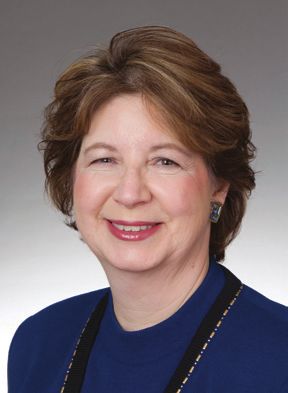
                                                             Stephanie A. Scharf         Roberta D. Liebenberg

4    First Chairs At Trial
Thank You

F
        or decades, women and men have graduated           the broader application of the data collection process
        from law school in roughly equal numbers. Yet,     to other courts throughout the country. The result is
        women have not maintained parity with their        First Chairs at Trial: More Women Need Seats at the
male counterparts as they progress in their careers.       Table, a joint project of the American Bar Foundation
Stephanie Scharf and Roberta (“Bobbi”) Liebenberg          and the American Bar Association Commission on
have witnessed this phenomenon firsthand as trial          Women in the Profession.
lawyers. On far too many occasions, they often found          Our thanks to Stephanie and Bobbi for their tire-
themselves “the only woman in the room” when they          less efforts in spearheading the research and crafting
appeared in court as lead counsel. Indeed, their experi-   a compelling final report. In First Chairs at Trial, they
ences served as the impetus to determine if what they      have made the case and offered strategies for increas-
were seeing was the exception or the rule . . . and why.   ing the number of women as lead trial counsel. They
   We were excited when they approached us with            have given clients, law firms, courts, law schools, and
their idea for this study because we recognized imme-      women litigators the additional steps needed to close
diately the importance of such empirical research and      this gender gap.

                                                           Robert L. Nelson             Michele Coleman Mayes
                                                           Director and MacCrate        Chair,
                                                           Research Chair,              American Bar Association
                                                           American Bar                 Commission on Women
                                                           Foundation                   in the Profession

                                                                                                  Thank You       5
First Chairs at Trial
More Women Need Seats at the Table
A Research Report on the Participation of Women Lawyers
as Lead Counsel and Trial Counsel in Litigation
Stephanie A. Scharf and Roberta D. Liebenberg1
T
his report and the research underlying it were Women in the Profession
17+83A 22+78+A
inspired by our everyday experiences as trial
lawyers. We have represented clients in lead
roles in many different matters and in many federal
and state court jurisdictions. Yet, far too often, when
we enter a courtroom filled with lawyers on a range of
cases, each of us is either the only woman lead counsel 17%: Equity Partners in 22%: General
Big Firms Counsel of Fortune
or, at best, one of only a few women taking the lead in 500 Companies
court or in major parts of litigation.
Women have been attending law school and enter- data gaps by providing a longitudinal view of the
ing the legal profession in substantial numbers for retention and advancement of women lawyers in big
the past 30 years.2 When we began practicing law, we firm practice.4 But we are not aware of any study that
assumed, along with many others, that as the number has systematically examined, based on representative
of women lawyers increased, so too would the number data, the specific roles that women and men play on
of women in leadership roles. But women have not client matters, such as whether women are equally
advanced into the highest levels of private practice or likely as men to be lead trial lawyer or lead deal lawyer.
of corporate law departments at anywhere near the This study is the first of its kind to provide an
same rate as men. Today, for example, only 17% of empirical snapshot of the participation of women and
equity partners in big firms and 22% of general coun- men as lead counsel and trial attorneys in civil and
sel in the Fortune 500 are women.3 criminal litigation. In addition, the study examines
Beyond some basic data about job categories at various objective factors that may help explain why
senior levels, the legal profession has almost no sys- women occupy leadership positions in certain types
tematic data about men and women in their everyday of cases for certain types of clients. It is our hope that
practice, including whether and how they obtain the this study will lead to the development and imple-
necessary skills and experience to advance into lead mentation of specific policies and best practices to
roles. The NAWL Annual Surveys have filled some enhance the opportunities for women to take the lead
More Women Need Seats at the Table 7in the courtroom and be involved in the critical phases Women, provided just the right administrative advice.
of cases. We are grateful for all of their support.
Bearing those goals in mind, and with a focus on
using readily available empirical data with the expec- Study Design and
tation that the research can be replicated in various Methodology
jurisdictions and over time, we aimed to: Federal courts require a relatively detailed intake
form for all filed cases as well as individual attorney
a. obtain benchmark statistics about the role of appearance forms. All of that information is available
women in litigation; through Public Access to Court Electronic Records
b. identify characteristics of cases, law firms, and (PACER), the public access service that allows users to
clients that may affect the roles played by women obtain case and docket information online from fed-
and men in litigation; eral courts. The required information provides the basis
c. provide insights into what firms, law schools, here for analyzing the level of participation of women
clients, judges, and individual lawyers can do to as lead counsel and as trial attorney.
enhance the prospects for women to serve as lead
counsel; and To perform the research, we took a random sample
d. provide a research template for use in multiple of all of the cases filed in 2013 in the United States
jurisdictions in order to understand on a more District Court for the Northern District of Illinois.
comprehensive basis the factors for advancing We chose the Northern District of Illinois for four
women into lead counsel roles. principal reasons:
Several organizations and individuals were semi- 1. The Northern District of Illinois is a large and
nal to the research. The American Bar Association’s diverse locale. No single type of case dominates
Commission on Women in the Profession and the the docket.
American Bar Foundation provided financial support 2. As a group, the firms located in the geographic
and a welcome intellectual context for conducting the locale of the Northern District of Illinois are
research. The Honorable Ruben Castillo, chief judge of diverse with respect to size, employment of men
the United States District Court for the Northern Dis- and women, and types of cases and clients.
trict of Illinois, encouraged the research and provided 3. As with other federal courts, there is robust infor-
thoughtful views about addressing the results. Robert mation about each filed case as reflected in the
Nelson, director of the American Bar Foundation and required Civil Cover Sheet for each newly filed
professor of sociology, Northwestern University, was lawsuit.
an early advocate for the research and provided thor- 4. There is information in the lawyer appearance
ough and valuable comments about the results. Jen- form showing by self-designation whether a
nifer Woodward conducted the random sample and lawyer is “lead counsel” and/or “trial attorney” or
much of the data coding. Jill May conducted additional not. The Northern District classifies lawyers as
data coding and patiently completed the many detailed members of its Trial Bar based on certain experi-
data analyses. Jill was generous with her time and with ence in the courtroom.5 Only members of the Trial
her intellectual enthusiasm. Michele Coleman Mayes, Bar can appear as trial attorney in a given case.
current chair of the Commission on Women, has
championed the study with gusto. Barbara Leff, com- Using the PACER system, we randomly selected
munications and publications manager of the Com- 558 civil cases filed in 2013.6 There were 2,076 lawyers
mission on Women, reviewed multiple drafts without appearing in those 558 cases. In addition, we sampled
complaint and with a thoroughly professional eye to 50 criminal cases, in which 135 lawyers appeared.7
editing. Melissa Wood, director of the Commission on We then created a database that coded characteristics
8 First Chairs At Trialof cases as well as characteristics of lawyers in those The types of questions we sought to answer included
cases. The coded case characteristics were: these:
a. Whether the case is civil or criminal. 1. Do women and men occupy lead roles in litiga-
b. The subject matter of the suit (for civil suits). tion matters in equal numbers, as shown by their
The categories listed on the Civil Cover Sheet self-designated individual appearance as “lead
include contract, real property, torts, civil rights, counsel” or “trial attorney”?
prisoner rights, forfeiture/penalty, labor, immi- 2. Are there certain types of cases more likely to
gration, bankruptcy, intellectual property, Social have men or women appear as lead counsel?
Security, federal tax suits, and other statutes.8 3. Are there certain types of clients (individu-
c. Whether the suit is a class action. als, corporations, government entities, client
opposing pro se parties) or sides (plaintiff versus
The coded characteristics of lawyers appearing in defendant) that are more likely to retain men or
those cases were: women as lead counsel?
4. Are there certain types of practice settings in
a. The nature of the party the lawyer represents: which men or women lead counsel are more
individual, business, United States, state or local likely to practice?
government, or nonprofit.
b. The side for which the attorney appeared, plain- By answering such questions, we expect to have a
tiff or defendant. better understanding of the roles played by men and
c. The attorney’s practice setting: solo practice, women in the courtroom, whether there is a gender
small private firm, AmLaw 200 firm, AmLaw gap, and areas of focus for change.
100 firm, government (United States, Illinois,
municipal), and some other categories.9 I. In Civil Cases, Women Appear Less
d. Whether the lawyer appeared as “lead counsel” Often Than Men and Are Far Less
and/or as “trial attorney.” Likely to Designate Their Role as
e. Gender of the lawyer. If there was any confu- Lead Counsel or Trial Attorney
sion from the attorney’s name as to gender, the Roughly two-thirds of all attorneys appearing in civil
attorney’s name and photo were checked on his/ cases—whether as lead counsel or trial attorney—are
her firm’s public website. men. Thus, 68% of all lawyers who appeared in civil
f. Whether the lawyer was retained by his/her cases were men and 32% were women.11 Of those
client or appointed by the court.10 attorneys appearing, a little more than half (54%)
appeared as “lead counsel.” 12
We would also have liked to study minority status
and minority status interacting with gender. However, All Lawyers Appearing in Civil Cases
68+32+A
neither the Civil Cover Sheet nor the appearance form
contains information that allowed us to determine the
minority status of lawyers, and, therefore, we could not
perform those analyses.
In conducting our data analyses, we sometimes
68% Men
used the lawyer as the unit of analysis and some- 32% Women
times used the case as the unit of analysis, depend-
ing on the perspective and nature of the research However, just as women and men did not appear
question at hand. We analyzed criminal and civil generally at the same rate, men and women do not
cases separately. appear in lead roles in civil cases at the same rate
More Women Need Seats at the Table 9Lawyers Appearing as Lead Counsel appearing as lead counsel, and 21% had only women
76+24+A
appearing in the role of trial attorney.13
II. Does the Type of Case, Type of
Practice Setting, and Type of
Client Affect the Participation of
76% Men
24% Women Women in Lead Counsel or Trial
Attorney Roles?
either. Among lawyers appearing as lead counsel, only We performed a number of analyses looking at factors
24% were women and 76% were men. In essence, a that could affect whether a man or woman appears as
man is three times more likely to play the role of lead lead counsel or as trial attorney in civil cases.
counsel on a civil case than a woman. First, type of case shows a gender effect. For
A similar pattern exists for men and women who certain types of civil cases, lead counsel are pre-
entered their appearances as “trial attorney,” with dominantly male, including in “other statutory” cases
63% of all lawyers identifying themselves as a trial (88% of lead counsel are male), contract cases (85%
attorney on the case. The percentage of women serv- of lead counsel are male), torts (79% of lead counsel
ing as trial attorneys in civil cases was slightly higher are male), labor (78% of lead counsel are male), and
than the percentage of women serving as lead coun- intellectual property rights (77% of lead counsel are
sel. But of those lawyers identifying themselves as male). On the other hand, there is no type of case in
trial attorneys, nearly three-quarters are men (73%) which women are more likely than men to be lead
and slightly more than a quarter are women (27%). counsel—i.e., where the majority of persons who
appeared as lead counsel were women. A similar pat-
Lawyers Entering Appearance as tern exists in the data for trial attorney.
Trial Attorney
73+27+A
Percentage of Women Appearing as
Lead Counsel
4138+ 34+ 32+ 23+ 22+ 21+ 15+ 12+
Real Property 41%
73% Men Prisoner Rights 38%
27% Women
Social Security 34%
What these numbers show is that the steps to the
role of lead counsel and trial attorney are much steeper Civil Rights 32%
for women than men. Women are significantly less Intellectual
23%
likely to appear in courtrooms—although it could be Property Rights
argued that the gender difference roughly mirrors the Labor 22%
difference between the proportion of men and women
generally in the legal profession. On top of that gap, Torts 21%
however, and more troubling, is the fact that when Contract 15%
women do appear, they are significantly less likely than
men to occupy the lead roles. Other Statutes 12%
We also observed a marked gender gap when the
unit of analysis is cases. Some 59% of civil cases had
only men appearing as lead counsel; similarly, 58% of
civil cases had only men appearing as trial attorney.
In contrast, just 13% of civil cases had only women
10 First Chairs At TrialIn the same vein, certain types of civil cases exhib- municipalities. Lead lawyers for the U.S. government,
ited a greater gender gap than others, as shown by state of Illinois, and municipalities are, respectively,
whether there were any women appearing at all as 31%, 32%, and 40% female.
lead counsel. The following shows the results when
we measured cases as a whole: Percentage of Women as Lead Counsel in
Civil Cases Involving the Government
3132+ 40+
Percentage of Cases with No Women
Appearing as Lead Counsel U.S. Government 31%
7770+ 67+ 67+ 55+ 54+ 47+ 47+ 40+ 2516+ 20+ 25+
Other Statutes 77%
State of Illinois
Municipalities
32%
40%
Contract 70%
Intellectual
67%
Property Rights
By contrast, individual litigants and businesses are
Torts 67%
overwhelmingly represented by male lead counsel.
Labor
Close to 80% of all lead counsel who represent busi-
55%
nesses are male (79% male vs. 21% female), and the
Prisoner Rights 54% same percentage breakdown is found with respect to
lead counsel who represent individuals.
Civil Rights 47%
Social Security 47%
Lead Counsel Representing
79+21+A
Businesses and Individuals
Real Property 40%
With respect to practice setting, gender differ-
ences among lead counsel from private firms follow 79% Men
21% Women
a 1 to 3 female/male gender ratio—or worse. In
terms of the size of firms from which lawyers appear Whether a party is plaintiff or defendant also affects
(AmLaw 100 firms, AmLaw 200 firms, small private whether their lead counsel is male or female. Among
firms, and solo practice), the percentage of women all women who are lead counsel in civil cases, 40% rep-
appearing as lead counsel is 25%, 16%, 20%, and 25%, resent plaintiffs and 60% represent defendants. A more
respectively. 14 equal distribution between representation of plaintiffs
and defendants is found for men appearing as lead
Percentage of Women as Lead Counsel
counsel. Among all men appearing as lead counsel,
by size of firm
45% represent plaintiffs and 55% represent defendants.
AmLaw 100 Firms 25%
AmLaw 200 Firms 16%
Small Private Firms 20%
Solo Practice 25%
It is noteworthy that there is a greater likelihood
of women being lead counsel in civil cases involv-
ing the U.S. government, the state of Illinois, and
More Women Need Seats at the Table 11That said, and consistent with the data in Sec- Looking at all cases filed as class actions, we
tion I, the majority of all attorneys appearing as lead observed a similar gender gap in lead counsel roles.
counsel for plaintiffs or defendants are men (for Of the 48 class action cases, 71% (34 cases) had only
plaintiffs, 78% of lead counsel are men; for defendants, men appearing as lead counsel. Just one case (2.1% of
74% of lead counsel are men). For those appearing as cases) had only women appearing as lead counsel. In
trial attorneys, among plaintiffs’ counsel 75% are men other words, 98% of class actions had at least one man
and among defense counsel 70% are men. as lead counsel but only 29% of class actions had any
women as lead counsel.
Lawyers Appearing as Lead Counsel We also reviewed data concerning civil cases in
by Party which the plaintiffs appeared pro se. We note that cases
with pro se plaintiffs are often viewed as less complex,
2226
Representing Plaintiffs 22%
unlikely to go to trial, or have less at stake than cases
where the plaintiff is represented by counsel. In this
Representing Defendants 26%
sample, there were 81 cases with pro se plaintiffs, in
which 111 lawyers appeared for defendants. Of those
We also examined the subset of cases that were 111 lawyers, 64% were men and 36% were women. The
filed as putative class actions. There were 48 such cases gender breakdown of lead counsel opposing a pro se
in our sample, and 246 attorneys appeared in them. plaintiff was similar: 65% men and 35% women. Thus,
Looking at all attorneys who appeared in class actions, women appeared as lead counsel at the same rate they
68% are male and 32% are female—a 2/3 versus 1/3 appeared generally in cases against pro se plaintiffs,
ratio, which is not unlike the data for women appear- a noticeable difference compared to other civil cases
ing in civil cases. However, there is a marked gen- (except civil cases in which the client is a governmental
der gap when it comes to appearing as lead counsel. party). Even so, in cases with pro se plaintiffs, women
Among men appearing in class actions, 55% appeared did not approach the number of men who appeared
as lead counsel. In contrast, only 18% of women who and were designated as lead counsel.
appeared in class actions filed their appearances as lead
Defense Lawyers Appearing as
counsel.15 Looking at these data another way, of all of
65+35+A
Lead Counsel in Pro Se Cases
the lawyers who designated themselves as lead counsel
in class actions, 87% were male.
68+32+A
Lawyers Appearing in Class Actions
65% Men
35% Women
III. Criminal Cases Show a Mixed
68% Men
32% Women
Pattern for Women
We looked separately at the sample of 50 criminal
Lawyers Appearing as Lead Counsel
cases under the theory that criminal cases and clients
87+13+A
in Class Actions
could well show a different gender dynamic. Among
men and women attorneys who appeared in crimi-
nal cases, the vast majority filed their appearances as
lead counsel (88% of all men appearing and 89% of
all women appearing).16 The result is not surprising,
87% Men
13% Women as criminal cases tend not to be layered with differ-
ent levels of associates and partners. However, there
12 First Chairs At Trialis a gender gap when it comes to appearances gener- to us that a number of social factors are impeding the
ally in criminal cases and therefore in the percentage retention of women as lead counsel, as explained below.
of women versus men who play lead roles. Among all
attorneys appearing in criminal cases, 67% are men. IV. Summary of the Findings
Among attorneys appearing as lead counsel, 67% are It is evident that women are consistently underrep-
men (33% are women), and among attorneys appear- resented in lead counsel roles in all but a few settings
ing as trial attorney, 79% are men (21% are women). and for all but a few types of cases. In civil cases, men
are three times more likely to appear in lead roles than
Lawyers Lawyers women, which is a marked departure from what we
Appearing as Appearing as
Lead Counsel Trial Attorney expected based on the distribution of men and women
in Criminal in Criminal appearing generally in federal litigation (a roughly 2
Cases Cases
67+33+A 79+21+A
to 1 ratio) and the distribution of men and women in
the legal profession (again, a roughly 2 to 1 ratio). In
private practice settings, the gender gap is greatest in
AmLaw 200 firms, compared to AmLaw 100 firms
and other smaller firms not on the AmLaw lists. In
67% Men 79% Men
addition, women are more likely to be lead counsel
33% Women 21% Women representing civil defendants rather than civil plain-
tiffs. On the other hand, men appearing as lead counsel
in civil cases are somewhat more evenly distributed
For criminal cases, there is also a gender impact by between representing plaintiffs and defendants.
type of client. Of men appearing as lead counsel in Moreover, in the majority of civil cases (59%), lead
criminal cases, 34% appear for the government and counsel are all men, even though it is typical for more
66% appear for defendants. Of women appearing as than one lawyer to enter an appearance in a civil case.
lead counsel in criminal cases, the ratio is reversed: A much smaller proportion of civil cases (13%) have all
69% appear for the government and 31% appear for women as lead counsel. The findings show more gen-
defendants. In other words, women who are govern- der segregation in civil cases than we would have pre-
ment prosecutors—compared to women in all other dicted. In essence, more than 70% of cases are defined
practice settings and client representations—have the by lead counsel of one gender or the other, not a mix
greatest chance of appearing in a case as lead counsel. of male and female lead counsel.
If we were to extrapolate these statistics to the
Lawyers Appearing as Lead Counsel in almost 11,000 civil cases filed in the Northern District
34+66A 69+31+A
Criminal Cases by Party
in 2013,17 we would see that approximately 6,490 cases
had no women appearing as lead counsel, and about
1,400 cases had no men appearing as lead counsel.
Women representing the government had better
odds of appearing as lead counsel, at roughly the same
Men
34% Represent Government
Women rate as women generally appeared (a 2 to 1 male-to-
69% Represent Government
66% Represent Defendants 31% Represent Defendants female ratio) and at roughly the same rate as their
distribution in the legal profession. Without putting
too fine a point on the results, we certainly observed
Federal criminal prosecutions are important and a private vs. public sector gender gap for women in
powerful roles for any trial lawyer. The lower percent- lead roles.
age of women lead counsel representing parties in civil The results in criminal cases—where one side is
litigation or representing criminal defendants suggests the government and the other a private party, albeit a
More Women Need Seats at the Table 13criminal defendant—show a pattern consistent with women to leave private practice, men are more likely
the private vs. public sector gender gap we observed than women to advance beyond the associate ranks
in civil cases. Women lead counsel in criminal cases and become partners, and men earn more than women.
represent the government more than twice as often Such disparities in advancement and compensation
as they represent criminal defendants. For men, the can stem from factors outside the control of women
ratio is reversed: men appear as lead counsel for pri- (such as implicit bias), affecting the types of assign-
vate defendants twice as often as they appear for the ments women receive, performance evaluations, and
government. even an ability to meet billable-hour requirements.20
Even so, only a minority of attorneys appearing in The result will be a cumulative negative impact on the
criminal cases are women. Those women who appear, ability of women litigators to receive increasingly bet-
however, almost always file their appearances as lead ter assignments and greater opportunities to serve in
counsel and in about the same ratio as men. Overall, lead roles in the courtroom.
and looking across all practice settings, women in Other social factors may impinge, as well, on
the public sector and women in criminal matters opportunities for women lawyers. As one example,
have a substantially greater chance of playing lead lawyers who have taken time out of the labor force
counsel roles than those in the private sector work- to attend to family responsibilities are less likely to
ing on civil cases. become partners and earn less if they do become part-
We also note that class actions—considered by ners, and that phenomenon disproportionately affects
many to be both high-stakes and complex litiga- women.21 Additional reasons are more closely linked
tion—are dominated by male lead counsel. Indeed, to the dynamics of becoming lead counsel. There may
the grouping of lead counsel in class actions is about be bias (sometimes implicit, sometimes not) by senior
as close to gender segregation as we can imagine. partners or clients who choose their first-chair law-
Although we did not look at the role of men versus yers; the impact from judges or opposing counsel who
women as lead counsel in multidistrict litigation— make inappropriate or stereotypical comments and
another type of litigation considered complex and act accordingly; and the increased scrutiny and double
high-stakes—our personal experience has been that standards that women experience in the courtroom.
it is rare for women to be appointed by judges as lead Research by the ABA Commission on Women
or liaison counsel.18 On the opposite side of the spec- in the Profession and other organizations has shown
trum are cases with pro se plaintiffs, which are more that implicit bias hinders the progress of women law-
likely to have women as lead counsel than the typical yers, and this also can also apply to women litiga-
civil case (except for cases where counsel represent tors.22 Senior lawyers who choose their co-counsel in
government entities). courtrooms are overwhelmingly male, and they may
automatically choose someone like themselves—i.e.,
V. Best Practices for Law Schools, another male. Certainly, implicit biases play a role,
Law Firms, Clients, Judges, and such as the belief that a woman lawyer will express too
Women Lawyers much emotion. Ironically, male litigators who display
Men and women have been graduating from law the same level of emotion are considered “deeply pas-
school and entering private firms at about the same sionate” about the case. When a woman litigator raises
rate for many years,19 and on a clean slate we would her voice to make a point or argues forcefully, she may
expect men and women to progress at about the same be viewed as being overly aggressive. A male litigator
rate into lead counsel roles. But as our research shows, acting in the same way is typically viewed favorably for
the trial bar continues to have a substantial gender gap. zealously representing his client. Thus, women lawyers
The gender disparity we observed may reflect the often have to demonstrate greater levels of competence
overall career arc for women in private practice. As and proficiency and are held to higher standards than
shown by the NAWL Surveys, men are less likely than their male colleagues.
14 First Chairs At TrialWomen trial lawyers must also occasionally deal We believe it is imperative that actions be taken to
with opposing counsel and judges who make inappro- address and remedy the continuing gender imbalance
priate or stereotypical comments. Many women have in the courtroom. The result will be a much deeper
reported being patronized and called “honey” or “dear” pool of skilled attorneys available to represent clients
or referred to by their first name in the courtroom. in the courtroom and a cadre of trial lawyers who more
Indeed, a Defense Research Institute survey found closely reflect the diversity of our society, litigants,
that 70% of women attorneys experienced gender bias judges, and jurors.
in the courtroom.23 The ABA Commission on Women in the Profes-
The underrepresentation of women among lead sion is planning to work with law schools, law firms,
lawyers may also stem from certain client preferences, corporations, judges, and individual women lawyers
as some clients prefer a male lawyer to represent them around the country to identify the steps that can be
in court.24 In addition, women may too often be rele- taken so that women receive the training and court-
gated by their law firms to second-chair positions, even room experience needed to become skilled trial law-
though they have the talent and experience to serve as yers. We hope that state and local bar associations,
first chairs. The denial of these significant opportuni- trial lawyer groups, and women’s bar organizations will
ties adversely affects the ability of women to advance shine a spotlight on the need to increase the number
in their firms.25 of women serving in lead counsel positions and hold
All of these issues apply with even greater force to programs focusing on best practices, such as those sug-
women trial attorneys of color, who face the double gested here, to accomplish that goal.
bind of gender and race. We have no doubt that had we
been able to measure the impact of gender and minor- A. Law Schools
ity status, the results would show an even more difficult
Law schools can play a major role in training women
road for women lawyers of color—as has been shown
to serve as effective trial lawyers. Women law students
repeatedly in other studies on gender and race.26
should be encouraged to become trial lawyers and
The lack of women as lead counsel is not explained
receive training and mentoring by trial attorneys to
by a disparity in talent or ability between male and
perfect their skills in moot court, legal aid clinics, and
female trial lawyers. To the contrary, women can be
trial competitions. Teaching tools should be specifi-
highly effective courtroom advocates.27 Jurors are
cally designed to help women law students navigate the
receptive to women attorneys,28 and many commen-
implicit biases they may face in the courtroom. Also,
tators have observed the potential benefits of represen-
in light of the results of our study, law schools should
tation by women lawyers in litigation and at trial.29
advise women law students who want to become trial
The overwhelming view today is that being an
lawyers that, at the current time, government litigation
effective trial lawyer is not a matter of gender. As well-
positions will enhance their opportunity to play a lead
known litigator Elizabeth Cabraser put it, “There are
role and gain first-chair experience.
as many ways to be a good, effective lawyer as there
are people who want to be a good, effective lawyer.”30
B. Law Firms
And while not giving wholesale credit to gender ste-
reotypes, Cabraser also recognized that gender stereo- Law firms should focus on specific training for
types have play in courtroom effectiveness: “If you go women litigators, recognizing that traditional means
by stereotyping, women have a great advantage because of obtaining trial experience may no longer suffice.
women have had to learn to listen—listening to judges Since certain large law firms or clients prefer that
is more important than talking to judges; listening to important depositions be taken only by partners or
what the witnesses are saying is more important than senior associates, and first-chair trial lawyers are over-
saying what you’ve already decided you want to say. . . . whelmingly men, firms must be even more resourceful
Women have had to learn to do that.” to ensure that all of their litigators, and particularly
More Women Need Seats at the Table 15their women litigators, are getting the experience that serve as the basis for compiling names of experienced,
will allow them to be successful and confident in the successful women litigators, thus expanding the pool
courtroom. of “go-to” lawyers used by the company. Likewise,
Law firms should also encourage women lawyers general counsel or senior in-house counsel can rec-
to take pro bono cases or secundments in district attor- ommend women litigators they have retained to other
ney or public defender offices so that they will have in-house colleagues. In addition, companies can pro-
the opportunity to get into court and hone their trial vide women litigators with specific training concern-
skills. Depositions of less important witnesses and cus- ing the particular subject areas in which the company
todians of records can also provide needed experience. has most of its litigation.
Similarly, oral argument experience can be obtained Finally, clients can require firms to maintain met-
in discovery disputes and less central motions in state rics on how their company’s cases are being staffed
and federal matters. and the roles women lawyers are playing in their cases,
In addition, women lawyers should be strongly with an eye toward ensuring an increase in the ranks
encouraged to participate in trial training and advo- of women trial lawyers.34
cacy programs, those conducted both in-house or by
outside organizations, such as the National Institute D. Judges
of Trial Advocacy (NITA) and bar association groups. Judges are also integral to the efforts to increase the
It is also important that law firms use metrics to number of female first-chair trial lawyers. Judges can be
track the professional development of their associates, mindful of appointing experienced, qualified women
so they receive the appropriate amount and level of trial lawyers as lead counsel, liaison counsel, or members of
experience, and take action to remedy any deficiencies. the steering committee in MDL class action cases.35
Finally, we recommend that law firms avail them- Judicial appointments of women litigators as special
selves of the ABA Commission on Women’s Grit Proj- discovery or bankruptcy masters, trustees, or guardians
ect Toolkit,31 which provides training concerning “grit” ad litem can help increase the visibility and credibility
and “growth mindset.” These important traits, which of women lawyers, which will help them advance to
can be learned, entail perseverance and resiliency and equity partnership and develop as rainmakers.36
can be enhanced through deliberate practice. As one In addition, a number of judges have sought to
experienced trial judge has sagely observed, these traits incentivize law firms to provide greater opportunities
are essential to becoming a great trial lawyer and enable for courtroom experience to their women and minor-
litigators to learn and develop even from setbacks and ity associates. For example, certain judges around the
defeats that they experience in the courtroom.32 country have made it a practice of allowing argument
on motions that would otherwise not be heard, as long
C. Clients as the advocate will be the associate working on the
Clients can also play an important role in increasing case, rather than the partner.
the gender diversity of the trial bar. First, clients can be
proactive in retaining women litigators to be their lead E. Individual Women Lawyers
trial lawyer in their cases. In addition, clients can use Individual women lawyers need to take the initiative
their considerable economic clout with their law firms to develop the skills, tools, and expertise necessary to
to insist that women be given prominent positions and be an effective trial lawyer. Women lawyers can and
significant responsibility in trial teams assembled by should affirmatively reach out to seek assignment to
the firm for the client’s matters. 33 cases where they will get to play an active role in the
Clients can also keep track of the names of women litigation and obtain trial experience. It is a given, of
attorneys in trial court opinions issued in the subject course, to learn the substantive law involved in the case
areas of importance to the client. This data can then
16 First Chairs At Trialand master the rules of evidence and the rules of civil jurors, particularly with women jurors, who often com-
procedure. But there is more. prise half or more of the jury pool; are viewed as more
It is also important to be aware of gender dynam- credible and trustworthy; and are in many instances
ics in the courtroom and take steps to deal with or overprepared rather than underprepared. Women
overcome them. Body language is critical, including litigators have ample reason to be confident in their
maintaining an outward appearance of calm, even in effectiveness as trial counsel.
moments of stress and pressure. Women need to “own”
the courtroom with their presence and also with their Conclusion
voices. Soft voices of either gender can be distract- Fostering the success of women litigators redounds to
ing or ineffective at trial, but some women naturally the benefit of clients, who obtain top-notch represen-
have softer voices. Thus, they will need to adjust their tation in their cases; to law firms, which have made
volume so as to take full command of the courtroom. a substantial investment in hiring and training their
Moreover, women trial lawyers need to be mindful women litigators; and to women lawyers themselves,
that their appearance is often carefully scrutinized by who are able to realize their full potential and advance
others in the courtroom. Like it or not, one’s hairdo, in their careers. We believe it is imperative for all con-
shoes, and even the decision to wear slacks instead of cerned that women are encouraged and supported in
a skirt can often engender comments.37 their pursuit of a career in the courtroom and the role
Women should seek opportunities to be courtroom- of lead counsel at trial.
ready by taking trial advocacy classes and taking on pro We hope that this study will heighten awareness
bono matters where they are in the lead. Small cases are about the existence of significant gender disparities in
good for learning all of the key aspects of litigation the ranks of lead trial lawyers. We want to spur a dia-
and can give women the courtroom confidence that is logue that will result in concrete and effective actions
so much a part of being an effective advocate. And we to increase the numbers of women lead trial counsel.
advise women never to turn down the opportunity to These recommended best practices will help women
be part of a trial team. There are so many upsides to litigators develop their skills and obtain the same
saying “yes” and enough downsides to saying “no” that, opportunities for leadership roles and success in the
to our minds, the only right answer is “yes.” courtroom as their male colleagues.
As discussed above, women lawyers have many
advantages in the courtroom—they connect well with
More Women Need Seats at the Table 17Endnotes
1. Stephanie Scharf heads the Litigation Practice at Scharf www.nawl.org (http://www.nawl.org/p/cm/ld/fid=82).
Banks Marmor LLC, a nationally prominent women-owned In contrast, women have fared substantially better in the
law firm. She represents corporations in business litigation, judiciary than in private settings. For example, women
class actions, product liability, and complex tort defense. Cur- comprise 35% of federal appellate judges and 32% of
rently a commissioner of the ABA Commission on Women federal district court judges, as well as 34% of state appeals
in the Profession, she is a former president of the National judges and 29% of all state judges, http://www.nawj.org/
Association of Women Lawyers. Stephanie founded, us_state_court_statistics_2014.asp; http://www.nwlc.org/
designed, and directed from 2006 through 2013 the NAWL resource/women-federal-judiciary-still-long-way-go-1.
Annual Survey of Retention and Promotion of Women in Law
Firms. She also designed and conducted the only national 4. The first eight NAWL surveys were designed, imple-
survey of women’s initiatives in law firms, under the auspices mented, and largely reported by Stephanie A. Scharf. The
of the NAWL Foundation. Stephanie received a JD and PhD eighth survey report was largely co-authored by Ms. Scharf
in Behavioral Sciences from the University of Chicago and and Ms. Liebenberg.
was Senior Study Director, NORC, before practicing law. Her
email contact is SScharf@scharfbanks.com. 5. See criteria for Trial Bar Membership at https://www.ilnd.
Roberta (“Bobbi”) Liebenberg is a senior partner at Fine, uscourts.gov/home/_assets/_documents/Trial%20Bar%20
Kaplan and Black in Philadelphia, where she focuses her Instructions.pdf.
practice on class actions, antitrust, and complex commercial
litigation. She served as past chair of the American Bar 6. Before finalizing the sample, we eliminated (1) any case
Association Commission on Women in the Profession from that was filed but then transferred out of the Northern
2008 to 2011 and 2013 to 2014. She also served as chair of District; (2) cases that were part of the 17 MDL cases filed
the ABA Task Force on Gender Equity. She is a founder and in the Northern District in 2013; (3) cases where attorney
now chair of DirectWomen, the only organization whose appearance forms were not filed for both sides or were
mission is to increase the representation of women attorneys missing a Civil Cover Sheet, unless that information was
on corporate boards. She has been named by the National available from other documents filed with the court; (4)
Law Journal as one of its “50 Most Influential Women cases that were pro se on both sides; (5) cases where all
Lawyers in America” (2007) and as one of the country’s 75 attorneys on one side withdrew; (6) cases involving foreign
most “Outstanding Women Lawyers” (2015). Her email is nations; and (7) any attorney who withdrew from the case.
rliebenberg@ finekaplan.com.
7. Before finalizing the sample of criminal cases, we elimi-
2. See American Bar Association statistics, showing that in nated cases without attorneys appearing on both sides,
1985 women accounted for about 40% of first-year law prisoner transfers, and “suppressed” cases.
students and that percentage increased in subsequent years,
http://www.americanbar.org/content/dam/aba/administra- 8. “Other statutes” are a wide-ranging collection of 17 types
tive/legal_education_and_admissions_to_the_bar/statistics/ of actions not covered by other substantive legal categories
enrollment_degrees_awarded.authcheckdam.pdf. on the federal Cover Sheet. The “other statutes” category
includes such areas as false claims, antitrust, banks and
3. See data from Minority Corporate Counsel Association banking, deportation, racketeer influenced and corrupt
about the percentage of women general counsel in the For- organizations (RICO), consumer credit, agriculture, and
tune 500 and data reported by the NAWL Foundation and freedom of information, among others.
the National Association of Women Lawyers about the per-
centage of women equity partners, http://www.diversityan- 9. For other categories, such as nonprofit and corporate in-
dthebardigital.com/datb/november december 2014#pg20; house attorney, the number of lawyers appearing was too
NAWL Annual Surveys from 2006 to 2013, posted at small to analyze.
Endnotes 1910. While we coded this variable, there were too few cases for 13. By inference, 28% of civil cases had both men and women
a reliable analysis. appearing as lead counsel, and 21% of civil cases had both
men and women appearing as trial attorneys.
11. At first blush, this male/female ratio appears to be roughly
consistent with the distribution of men and women in the 14. We note that the majority of lawyers appearing as lead
legal profession; the American Bar Association reports that counsel come from small private firms (60%)—those not
36% of the legal profession are women. See American Bar in the AmLaw 200 and also not solo practitioners. AmLaw
Association Market Research Department, February, 2015. 100 and 200 firms—the nation’s top 200 firms by gross
In the same vein, as of October, 2014, it is reported that 38% revenue—account for 15% of lawyers appearing as lead
of Illinois attorneys were women. See http://www.iardc. counsel; solo practitioners account for 9% of lead counsel;
org/2014_Annual Report_Highlights.pdf. However, government lawyers account for 14% of lead counsel; and
it is unclear how much weight to give these estimates there is a sprinkling of lead lawyers from other settings.
because of several unknown factors. First, the ABA had
data on lawyers in 43 states, representing only 59% of the 15. The trial attorney designation shows a similar pattern for
lawyer population. We do not know how the unreported class actions.
population differs—with more or less women—than
the reported population. Second, we suspect that the 16. Of the 135 lawyers who entered appearances in criminal
statistics about total lawyers include those who have been cases, 119 appeared as lead counsel.
practicing for more than 40 years, which could lead to
two countervailing trends: on the one hand, the older 17. See Federal Judicial Caseload Statistics 2014 at http://www.
segment of the bar is overwhelmingly male (because of uscourts.gov/Viewer.aspx?doc=/uscourts/Statistics/Federal
the demographics of law school graduates 40-plus years JudicialCaseloadStatistics/2014/tables/C00Mar14.pdf.
ago), while on the other hand, the older segment may
be less actively engaged in litigation because they are 18. Elizabeth Chamblee Burch, Judging Multidistrict Litiga-
either working part-time or are fully retired. See, e.g., tion, 90 N.Y.U.L. Rev 71, 93 n. 102, 120 n. 251, Table 1 at
“Lawyer Retirement Policy and Opinion Explored in 139-40 (April 2015) (presenting empirical study of repeat
New Survey,” http://www.altmanweil.com/index.cfm/ players in MDLs and noting gender gap within repeat
fa/r.resource_detail/oid/51df5c74-cd4f-404a-b24e- players); Jaime Dodge, Facilitative Judging: Organizational
5729df0c7092/resource/Lawyer_Retirement_Policy_ Design in Mass Tort Multidistrict Litigation, 64 Emory
and_Opinion_Explored_in_New_Survey.cfm. Third, L.J. 329, 363–67 (2014) (presenting empirical data on the
current surveys show that women lawyers leave the private significant gender gap in plaintiffs’ executive and steering
practice of law in greater numbers than men. See note 3, committee and defense side appointments).
above. As a result of these and other factors, we do not
believe there are fully reliable data about how many men 19. EEOC, Diversity in Law Firms, http://www.eeoc.gov/
and women nationally or in Illinois are active in a litigation eeoc/statistics/reports/diversitylaw/lawfirms.pdf. More
practice. Short of better data, however, for purposes of this recently, in 2009 through 2014, for example, approximately
report we extrapolate from the reported data and assume 45% of associates in law firms were women. See NALP
that a little more than one-third of practicing litigation publication, “Diversity Numbers at Law Firms Eke Out
lawyers are women. Small Gains: Numbers for Women Associates Edge Up
After Four Years of Decline” at Table 1, http://www.nalp.
12. This analysis includes all cases where there were lawyers org/lawfirmdiversity_feb2015#table1.
appearing on both sides and excludes the relatively few
cases where one side appeared pro se. We note that in any 20. See, e.g., Roberta Liebenberg, “Plugging the ‘Leaky
given case, more than one attorney can designate himself Pipeline’ of Women Attorney Attrition,” ABA The Young
or herself as lead counsel for the same client on the mat- Lawyer Vol. 15 No. 9 ( July/Aug. 2011); Roberta Lieben-
ter. Also, more than one attorney can designate himself berg, “Has Women Lawyers Progress Stalled?”, Legal
or herself as trial attorney for the same client. Intelligencer, May 28, 2013.
20 First Chairs At Trial21. See, e.g., M. C. Noonan and M. E. Corcoran, “The Mommy 29. Id. at notes 27 and 28; see also L. Spano and J. L. Meihls,
Track and Partnership: Temporary Delay or Dead End?” “You Go Girl! How Women Can Gain an Advantage in
Annals of the American Academy of Political and Social Sci- the Courtroom,” Trial Partners, Inc., http://www.trial-
ence, Nov. 2004, vol. 596, no. 1, 130–150. partners.com/images/yougogirl.pdf.
22. Implicit biases are unconscious biases that everyone has, 30. Founder of Lieff, Cabraser, Heimann & Bernstein LLP,
both men and women, and that affect what we notice about quoted in H. Hayes, “Women Winners of the Plaintiffs’
people, what we remember about them, how we interpret Bar,” http://www.americanbar.org/content/dam/aba/
their behavior, and the actions we take in relation to them. publishing/perspectives_magazine/women_perspectives_
womenwinners.authcheckdam.pdf.
23. “A Career in the Courtroom: A Different Model for the
Success of Women Who Try Cases,” DRI—The Voice of the 31. See ABA Commission on Women, www.ambar.org/grit.
Defense Bar, 2004, at pp. 11, 58.
32. See Judge Mark Bennett, “Eight Traits of Great Trial
24. Id. at p.11;“Women in the Courtroom: Best Practices Guide,” Lawyers: A Federal Judge’s View on How to Shed the
DRI, 2007, at p.6, http://www.google.com/url?sa= t&rct=j&q Moniker, ‘I Am a Litigator,’” The Review of Litigation,
=&esrc=s&source=web&cd=1&ved=0CCAQFjAA&url=http Winter 2013, Vol. 33, No. 1; “Grit, Growth Mindset, and
%3A%2F%2Fwww.dri.org%2Fdri%2Fwebdocs%2Fwomen_ Being a Great Trial Lawyer,” Woman Advocate, Section
in_the_courtroom_best_practices_guide.pdf&ei=i2tq of Litigation, March 9, 2015; http://apps.americanbar.
VMrHAtCkyASv0ILYBA&usg=AFQjCNGKG2u org/litigation/committees/womanadvocate/articles/
8yW5-cU0IRf5d_63bXlKUkQ&sig2=rPrkNLznu_-qyj- winter2015-0315-grit-growth-mindset.html.
Edj2JUQ&bvm=bv.79908130,d.aWw.
33. See “Power of the Purse: How General Counsel Can
25. Id. Impact Pay Equity for Women Lawyers,” ABA Task Force
on Gender Equity, www.americanbar.org/GenderEquity.
26. See, e.g., National Association of Women Lawyers Annual
Survey of Retention and Promotion of Women Lawyers, 34. Id.
for the years 2008 and 2013, http://www.nawl.org/p/cm/
ld/fid=82#surveys; “Visible Invisibility: Women of Color 35. See “Standards and Best Practices for Large and Mass-
in Fortune 500 Legal Departments,” American Bar Asso- Tort MDLs,” at Best Practice 4E, pp. 58–60 (“The
ciation Commission on Women in the Profession, 2012; transferee judge should take into account whether the
“Visible Invisibility: Women of Color in Law Firms,” leadership team adequately reflects the diversity of legal
American Bar Association Commission on Women, 2006. talent available and the requirements for the case.”), Dec.
2014, http://law.duke.edu/judicialstudies/research.
27. Lynne Bratcher, “Women Trial Lawyers—As Good or
Better Than Men,” Nov. 2009, http://uncommoncourage. 36. See Roberta Liebenberg, “The Importance of Diversity
blogspot.com/2009/11/women-trial-lawyers-as-good-or- in a Court’s Exercise of Its Appointment Powers,” Coun-
better.html. terbalance, Fall 2011, at 36, http://www.nawj.org/files/
counterbaIance/cb31 2.pdf.
28. See, e.g., Victoria Pynchon, “Juror Attitudes to Women
in the Courtroom,” Feb. 2012, http://www.forbes. 37. Karen L. Hirschman and Dr. Ann T. Greeley, “Trial
com/sites/shenegotiates/2012/02/15/juror- Teams and the Power of Diversity,” DecisionQuest
attitudes-to-women-in-the-courtroom; Bratcher, “Women (“Jurors more often make comments about the dress and
Trial Lawyers—As Good or Better Than Men,” id. at note physical appearance of women lawyers.”) See http://www.
27; Jan Nielsen Little, “Ten Reasons Why Women Make decisionquest.com/utility/showArticle/?objectID=1678.
Great Trial Lawyers,” June 2006, http://www.kvn.com/
templates/media/files/pdfs/Jan_Column_June2006.pdf.
Endnotes 21You can also read


