FIVE EXAMPLES OF CO-CREATION AND BRAND ADVOCACY - MEET THE CUSTOMER ADVOCACY PIONEERS
←
→
Page content transcription
If your browser does not render page correctly, please read the page content below

FIVE
EXAMPLES
OF CO-CREATION
AND BRAND
ADVOCACY
MEET THE CUSTOMER ADVOCACY PIONEERS

Meet the
    customer advocacy pioneers
 Five brands doing all the right things
when it comes to customer collaboration
The last decade initiated a shift in how brands relate to their customers. Gone are the
  days of one sided relationships between the audience and the company. In their
   place symbiotic communities have flourished, where the consumer defines the
  parameters of their role and the priorities of the organisation. Enter the era of co-
               creation, customer collaboration and brand advocacy.

  As Forbes says, ‘Individuals who are part of a customer community have a much
deeper connection with a business and its mission, not just its products and services.
Beyond seeing themselves as loyal customers, they see themselves as being part of
  something bigger: a group that collectively rallies to help the business survive,
                          sometimes in extraordinary ways.’

 At Bulbshare, we’re all about co-creation, customer collaboration and the need for
modern brands to empower their customers to be the co-architects of their products,
                          services, content and campaigns.

    So, we’ve selected our top five pioneering brands who are leading the way in
building burgeoning customer communities, mastering co-creation and changing the
                      game when it comes to brand advocacy..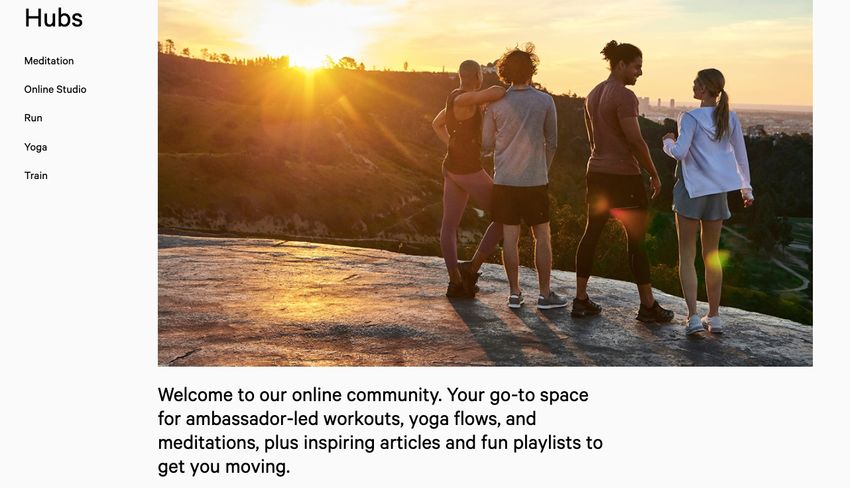
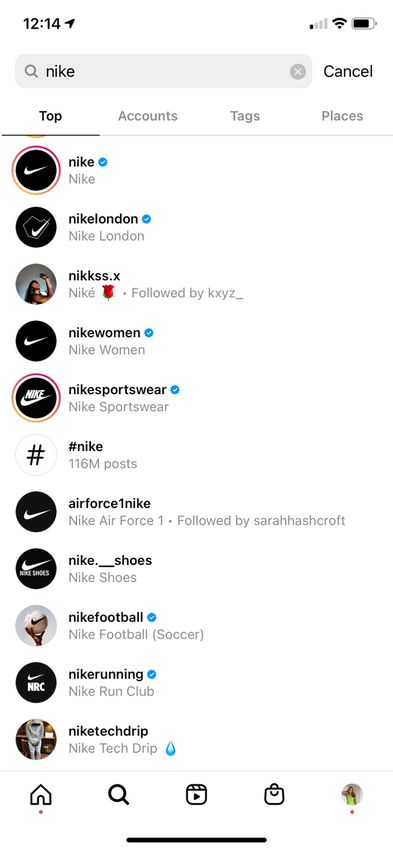
Nike
 Nike is a shining example of UGC, customer communities and advocacy.

 By segmenting their audience into subcommunities based on their buying
      preferences, interests and demographics, they engage with their
community on a more personal level. Rather than just packaging ‘Nike’ into
  one simple label, they run around 20 social media pages and community
                     spaces which target niche divisions.

   Similarly, they host events that allow fans to interact with each other.
  Sneakerheads can attend parties, design contests, product showcases,
releases, workshops and shows all in honour of the iconic Air Max trainer.

But what makes this much awaited event so special is the UGC it provokes.
On their SNKRS app, where fans can unlock exclusive prizes and access to
events, the hashtags #KickCheck, #InMyJs, and #AirMaxMondays are viral.
 Fans are rewarded for their involvement in these trends by having their
          photos reposted on the Nike website, shop and socials.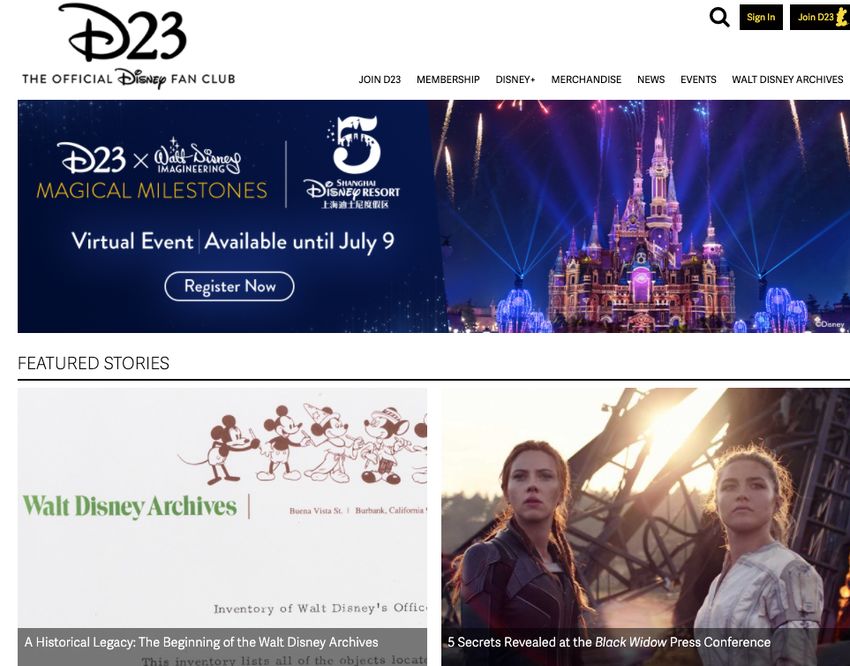
Glossier
  Glossier is another prime example of co-creation done well. The makeup brand
 started as a beauty blog and has since boomed into a billion dollar company. The
   success of this is arguably attributed to their highly involved fan base who are
                           arbiters in company decisions.

 An example of the respect and responsibility they bestow upon their customers is
their choice to ditch glass jars for pumps when fans argued they were more hygienic
                                     and convenient.

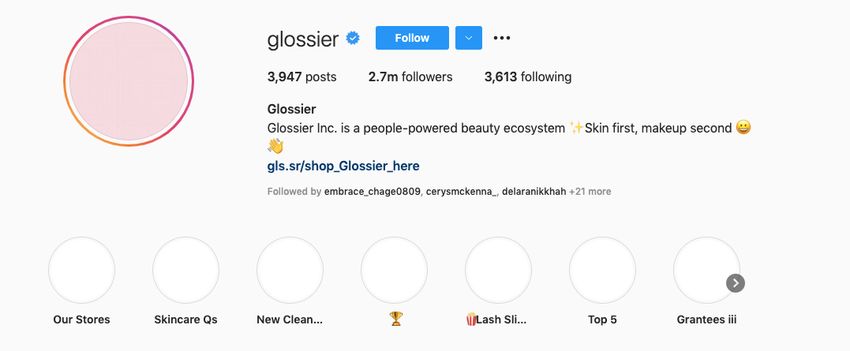
   Moreover, they select loyal customers with small followings to share tutorials,
   routines and products on their social media. Their word-of-mouth advocacy is
 promulgated through unique links given to these reps, which give new customers
10% off. The content shared by their community is not just shared to their own social
                      media, but on actual ad campaigns too.

  With their social media army ready at any moment to respond to every comment
 and engage with all mentions and tags, they become a friendly and approachable
                 brand rather than a faceless and anonymous entity.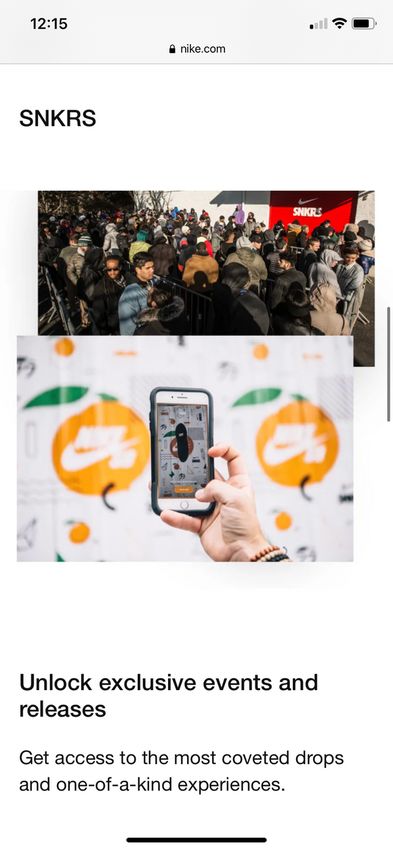
LEGO
  Recent years have seen LEGO rise and rise to become one the globe's hottest, most
     innovative and revered brands - as well as one that leads the way in customer
                                    collaboration.

   As the world became increasingly digitised over the last fifteen years, LEGO had to
 evolve - and it did so with gusto. The launch of the company's Ideas Platform in 2008 saw
the Danish toymakers connect to their customers in an innovative new way that pioneered
 a more collaborative approach. From developing products in a largely closed innovation
 process, it moved to a more open, collaborative model and the results have been game-
                                          changing.

  The community allows fans to submit new concepts for sets, share their builds and talk
 about their interests and lives. Those who design ideas that are picked for a new toy are
 even given 1% of the royalties [Havard Business Review, 2020], which truly empowers the
  customer to become a comrade and co-worker. During lockdown, LEGO came to the
rescue for parents and children everywhere when they posted inspiration for builds online
                        and donated sets to disadvantaged children.

With over a million users, thousands of product ideas and nearly 30 new toys built based
on community-driven ideas [WebWire, 2018], the Ideas Platform is revolutionising the way
       LEGO does business. Their best build yet might just be their community.
Disney
 Disney hosts an annual gathering sponsored by the Official Disney Fan Club,
D23, which welcomes members of the fan club to celebrate their joint passion.
 The three day event is avidly awaited by Disney fans and is an opportunity to
                        mingle and share experiences.

With blogs, virtual events, merchandise and exclusive membership levels, D23 is
                            the place to be for any fan.

Known for giving back to the community, its charity initiatives around schooling,
  homelessness and mental health take its community focus to the next level.

   Disney knows it takes more than just magic to sustain a business. It takes
        customer collaboration and a strong community focus as well.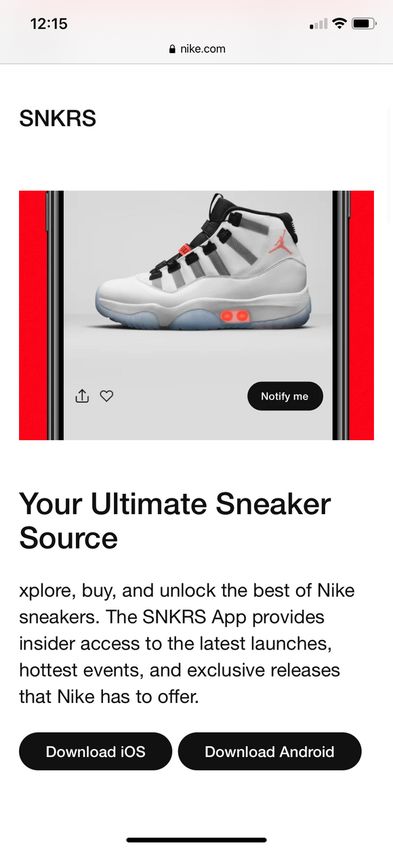
Luluemon
Lululemon Athletica is a
sports apparel brand for
yoga lovers. But it’s also
much more than that. With
free yoga classes for
beginners, festivals and
events for seasoned yogis,
and a fitness studio with a
juice bar and athletic gear
for sale, Lululemon has
positioned itself beyond
the status of mere online
shop.

With a hub for yoga, meditation, running and training, it targets every
segment of its market and offers online training, advice articles, and
instructional videos from professionals. With pre-made playlists you can
enjoy while working out in your Lululemon outfit, it occupies every
space of the workout and becomes an experience rather than a
product.

The community created by this shared love of yoga is one that
Lululemon listens to eagerly. A glance at their website shows products
and services offered in response to consumer demands. 'You asked, we
delivered' is the attitude that serves them, and their community, so well.
Brand
                         Toolkit
Hyper niche segmentation.
  Targeting your consumers based on their demographics achieves a more personalised
  experience for your fans. Follow Nike’s example by using a laser focused approach with
  your consumers and steering clear of generalised marketing. Break down your audience
  into gender, background, interests, and purchasing profiles.
Make the customer feel seen.
  Glossier’s ability to engage with their fans on a personal level, not just through social
  media but through 'people powered' decisions, takes them from brand to buddy. They
  make the consumer feel listened to and appreciated. They’re not just buyers or sources
  of commerce, they become friends, co-creators, and partners in the brand mission.
  Make sure your presence in the community is active and conversational, not bland and
  impersonal, by engaging with every comment, piece of content, and tag.
Promote the customer.
  By not only involving the customer, but rewarding them for their creativity and
  involvement, LEGO empowers their fans to be more than just a passive audience. How
  can you reward the consumer with more than just a product delivered on time? Can you
  make them feel special, involved, and powerful? Can you promote them to business
  partners?
Create a hub.
  Disney sets an example of how to bring customers together through its D23 page. By
  creating a centre for your brand that isn’t just about the product or service, but the
  community, you allow your fans to mingle, share stories, and become an army of
  advocates. If you haven’t already, it’s time to set up your own space for community.
Become more than a brand.
  If Lululemon teaches you one thing, it should be that your brand isn’t just delivering a
  product, but an experience. It elevates itself from a transactional site where buyers
  purchase an item, to a hub of all things exercise. Consider how your branding could
  take the next step towards a more all-encompassing strategy and always ask the
  consumer what they need. Can you offer more than just a product? Can you offer a
  memory, experience or feeling instead?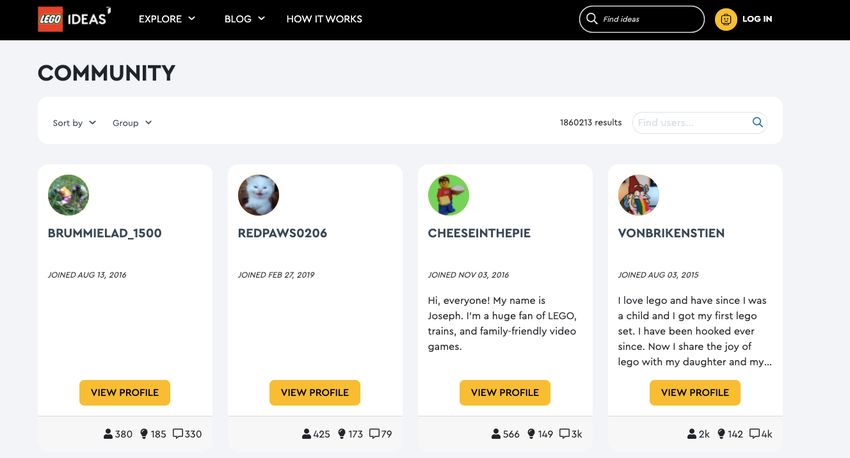
You can also read


