FIVE-YEAR STRATEGIC PLAN2 - Washington State ...
←
→
Page content transcription
If your browser does not render page correctly, please read the page content below

1

                Washington State
    2021-2025

                Commercial Tobacco
                Prevention and Control

                FIVE-YEAR
                STRATEGIC
                PLAN
      DOH 340-131 December 2020
WASHINGTON STATE
COMMERCIAL TOBACCO
PREVENTION AND CONTROL
FIVE-YEAR STRATEGIC PLAN:
STATE FISCAL YEAR 2021–2025

Publication Number:
DOH 340-131 December 2020

For more information or additional copies of this report, contact:
  Washington State Department of Health
  Commercial Tobacco Prevention Program
  P.O. Box 47848
  243 Israel Road SE
  Tumwater, WA 98504-7848
  Phone: 360-236-3765

To request this document in another format, call 1-800-525-0127.
Deaf or hard of hearing customers, please call 711 (Washington Relay)
or email civil.rights@doh.wa.gov.

Preface                                                                     4
CONTENTS   About the Plan                                                              6
             Guiding Principles
             The Planning Process
             Implementing the Plan

           Overview                                                                    9
             The Burden of Commercial Tobacco Use
               Commercial Tobacco Use
               Health Burden
               Economic Burden
             Commercial Tobacco Industry Influences
               An Evolving, Largely Unregulated Market
             Youth and Young Adults
               Rising Rates
             Health Equity and Social Justice
             Policy Landscape
               Increasing the Price of Commercial Tobacco Products
               Comprehensive Smoke-Free Policies and Laws
               Limiting Access to Commercial Tobacco Products by Youth
               Providing Insurance Coverage to Support Quitting Commercial Tobacco
               Ensuring Adequate and Sustained Funding
             The Challenge

           The Next Five Years: 2021-2025                                              26
             Statewide Policy Priorities
             Goal Areas
               1. Reduce Commercial Tobacco-Related Disparities Among Priority
                  Populations
               2. Prevent Commercial Tobacco Use Among Youth and Young Adults
               3. Leverage Resources for Promoting And Supporting Tobacco Dependence
                  Treatment
               4. Eliminate Exposure to Secondhand Smoke and Electronic Cigarette
                  Emissions

           End Notes										 32
4 The 2021–2025 Washington State Commercial Tobacco Prevention and Control 5-Year
PREFACE
Strategic Plan provides goals, strategies, and tactics that will guide commercial tobacco
prevention and control throughout Washington state. The development of this plan
was facilitated by the Washington State Department of Health Commercial Tobacco
Prevention Program (CTPP). This plan is an update to the 2017-2021 Strategic Plan. We
would like to thank the organizations and individuals below for generously giving their time
and energy to the development of the original strategic plan and this update.
Special Thanks to:
American Cancer Society St. Peter Chemical Dependency Center
American Heart Association Public Health - Seattle & King County
American Stroke Association Republic Cares
American Indian Health Commission for Washington Seattle Cancer Care Alliance
State Snohomish Health District
American Lung Association of the Mountain Pacific Spokane Community College
Amerigroup Washington Spokane Community Services
Asian Pacific Islander Coalition Advocating Together Spokane Regional Health District
Benton-Franklin Health District Stillaguamish Tribe Behavioral Health Programs
Center for MultiCultural Health Swinomish Tribe Health Clinic
CHAS Health Swinomish Tribe
CHOICE Regional Health Network Clark County Tacoma-Pierce County Health Department
Public Health The Korea Daily
Columbia County Public Health Department Thurston County Public Health
Educational Service District 112 Tobacco-free Alliance of Pierce County
Educational Service District 113 (Capital Region) TOGETHER for Youth
Educational Service District 114 (Olympic) TOGETHER!
Educational Service District 121 (Puget Sound) United General District #304
El Centro de la Raza Veterans Authority
Foundation for Healthy Generations and the Prevention Walla Walla County Health Department
Alliance Washington State Department of Health:
Garfield County Health District Prevention and Community Health Office of Healthy Communities
Governor’s Interagency Council on Health Disparities • Access Systems and Coordination Section
Gay City: Seattle LGBTQ Center • Community-Based Prevention Section
–Healthy Eating Active Living Program
Grant County Health District
–Healthy Communities Program
Island County Public Health –Heart Disease, Stroke, and Diabetes Prevention Program
King County Mental Health Services –Marijuana Prevention and Education Program
Kitsap County Substance Abuse Prevention and Youth –Oral Health Program
Services –Commercial Tobacco Prevention Program
Kitsap Public Health District • Community Healthcare Improvement Linkages Section
Korean Community Service Center of Greater • Partnership, Planning, Policy, and Operations Section
Washington • Surveillance and Evaluation Section
Korean Women’s Association Health Systems and Quality Assurance
Lincoln County Health Department • Office of Community Health Systems
Mason General Hospital • Injury and Violence Prevention Program
Mentoring Works Washington Washington State Department of Social and Health
Nisqually Tribal Pharmacy Services
Northeast Tri County Health District Washington State Health Care Authority Division of
Northwest Portland Area Indian Health Board Behavioral Health and Recovery
Odyssey Youth Movement Washington State Liquor and Cannabis Board
Optum Washington State Office of the Attorney General
Pend Oreille County Counseling Services Washington State Office of the Insurance
Providence Health Care Commissioner
Providence Regional Cancer Partnership Washington State Prevention Enhancement Policy
Providence Regional Medical Center Consortium
Everett Providence Whatcom County Health Department
Yakima Valley Farm Workers Clinic
5             A note on language: Some American Indian tribes use tobacco as a sacred medicine

    PREFACE
              and in ceremony to promote physical, spiritual, emotional, and community well-being.
              This traditional tobacco is different from commercial tobacco, which is tobacco that is
              manufactured and sold by the commercial tobacco industry, and is linked to addiction,
              disease, and death. “Commercial” tobacco has been added to the Washington State
              Tobacco Prevention Program’s name, and is used throughout this document, in order to
              acknowledge and honor the use of traditional tobacco and distinguish between the two.

              The 2021–2025 Washington State Commercial Tobacco Prevention and Control 5-Year
              Strategic Plan is not intended to solely reflect the activities of the Washington State
              Department of Health’s CTPP, but instead outlines a series of goals, strategies, and tactics
              that will help guide all commercial tobacco prevention and control stakeholders throughout
              Washington state. The CTPP played the following roles in the development of this plan:
                • Coordinated community engagement to ensure participation by a diverse group of
                   stakeholders interested in preventing and decreasing commercial tobacco-related
                   morbidity, mortality, and economic costs in Washington state.
                • Drafted the plan including a coordinated review by key partners before the plan was
                   finalized.

              This document was supported by a cooperative agreement from the Centers for Disease
              Control and Prevention (CDC), National Center for Chronic Disease Prevention and
              Health Promotion, Office of Smoking and Health, National State-Based Tobacco Control
              Programs.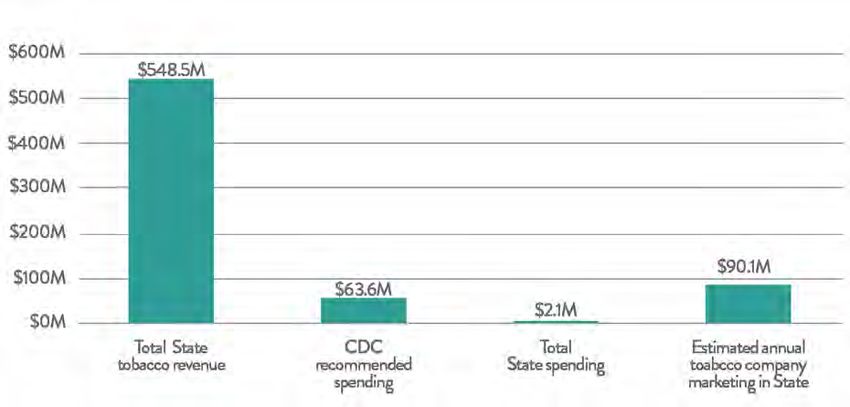
6                      The Washington State Commercial Tobacco Prevention and Control Strategic Plan

      ABOUT THE PLAN
                       (2021–2025) is a statewide plan. It is the result of a collaborative process, coordinated by
                       the Washington State Commercial Tobacco Prevention Program that involved partners and
                       stakeholders from state agencies to grassroots organizations. Involvement of a broad range
                       of partner organizations ensures that this document is a reflection of shared purpose and
                       will be useful and relevant for all those with a stake in commercial tobacco use prevention.

                       This plan outlines a series of goals, strategies, and tactics that will guide commercial
                       tobacco prevention and control stakeholders across Washington state to lessen the toll of
                       the number one preventable cause of death and disease in the state.

                       Guiding Principles
                       A. The Washington Commercial Tobacco Prevention and Control community believes in a
                            comprehensive and integrated approach to achieve the following four goals:
                              • Identify and eliminate commercial tobacco-related disparities
                              • Prevent youth and young adults from beginning to use commercial tobacco
                              • Increase quitting among commercial tobacco users
                              • Eliminate exposure to secondhand smoke
                       B.   All Commercial Tobacco Prevention and Control programs, policies, and practices shall
                            ensure every person receives the benefit of commercial tobacco prevention and that
                            measures are in place to understand, address, and remedy conditions that cause health
                            inequities and inequitable access to resources.
                       C.   All Commercial Tobacco Prevention and Control strategies and activities must be
                            guided by research and data, and align with established best and promising practices.
                       D.   The Commercial Tobacco Prevention and Control community prioritizes resources to
                            those strategies that:
                              • Help the program achieve expected results
                              • Assure maximum impact
                              • Are the most effective in achieving sustainable results
                       E.   All Commercial Tobacco Prevention and Control resources shall remain flexible so they
                            can be redirected, based on the following:
                              • Program evaluation
                              • Community need
                              • Changes in data, policy, or best practices
                              • Opportunities for cross-program integration with chronic disease

    VISION:            A Washington state free of death
                       and disease related to commercial
                       tobacco use.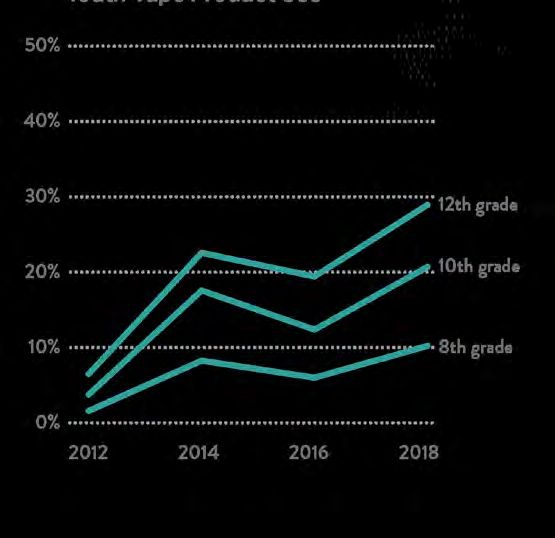
7
    HEALTH EQUITY IN TOBACCO
    PREVENTION AND CONTROL
    IS THE OPPORTUNITY FOR
    ALL PEOPLE TO LIVE A
    HEALTHY, TOBACCO-FREE
    LIFE, REGARDLESS OF THEIR
    RACE, LEVEL OF EDUCATION,
    GENDER IDENTITY, SEXUAL
    ORIENTATION, THE JOB THEY
    HAVE, THE NEIGHBORHOOD
    THEY LIVE IN, OR WHETHER OR
    NOT THEY HAVE A DISABILITY.1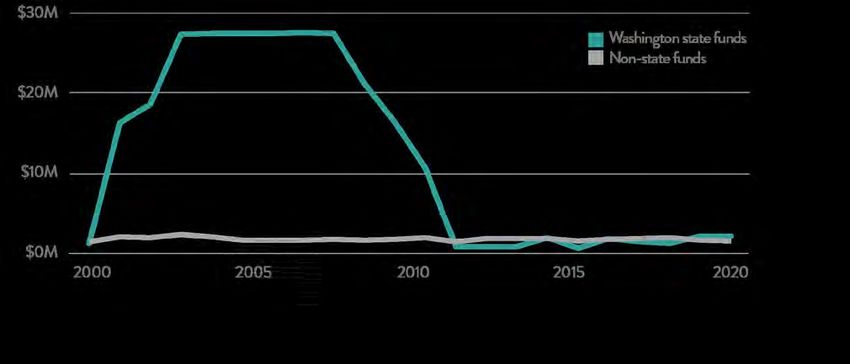
8                    Stakeholder Engagement

    ABOUT THE PLAN   The development of this plan included the following:
                       • Six key informant interviews with advocacy groups, community-based organizations,
                         and state agencies.
                       • Thirteen regional and priority population sessions where contractors, stakeholders,
                         and partners utilized a workbook and facilitation guide to identify priorities and tactics.
                       • A full-day prioritization session with contractors and stakeholders to refine and
                         prioritize strategies and tactics.
                       • Two webinars that provided an overview of the process and the draft priorities, goals,
                         strategies, and tactics.
                       • A two-week public comment period.

                     Implementing the Plan
                     To guide implementation of this strategic plan, the Washington State Commercial Tobacco
                     Prevention Program will:
                       • Convene implementation teams as needed for goals.
                       • Work with partners to identify planning and implementation mechanisms that
                          identify:
                          a. Lead agency or individual
                          b. Output and outcome measures
                          c. Activities that will lead to accomplishing each strategy and tactic
                          d. Steps for evaluating and future planning

                     The following section details the state’s burden of commercial tobacco use, industry
                     influences and corresponding issues of health equity and social justice, the unique impacts
                     on youth and young adults, and the current policy landscape in which Commercial Tobacco
                     Prevention and Control operates in Washington. The plan for the next five years follows
                     this information.
9 Each year, cigarette smoking kills about 8,300 adults in Washington state. Health care costs
OVERVIEW
directly caused by cigarette smoking are estimated to be $2.8 billion annually.2 Cigarette
smoking also leads to other costs such as workplace productivity losses. Additionally, there
are costs related to non-cigarette commercial tobacco product use, exposure to secondhand
smoke, and smoking-caused fires.
Commercial tobacco includes any product that contains tobacco and/or nicotine, such as
cigarettes, cigars, electronic cigarettes, hookah, pipes, smokeless tobacco, heated tobacco,
and other oral nicotine products. Commercial tobacco does not include FDA-approved
nicotine replacement therapies such as nicotine patches or gum. Additionally, the term
“e-cigarettes” in this report refers to any electronic nicotine delivery device.
The Burden of Commercial Tobacco Use in Washington State2,3
13% of adults smoke
5% of high school students smoke
21.2% of high school students use e-cigarettes
8,300 people die from smoking each year in the state
27.4% of cancer deaths are attributable to smoking
$2.8 billion in annual health care costs directly caused by smoking
$789 million in Medicaid costs were caused by smoking in 201710 Key Points
INDUSTRY INFLUENCES + Commercial tobacco product marketing, retailer density, and placement in
communities increases commercial tobacco use, especially among youth.
+ Spending on commercial tobacco industry marketing greatly exceeds money
spent on commercial tobacco prevention and control.
The commercial tobacco industry continues to spend enormous amounts of money to
market their products - $90.1 million annually in Washington alone.4 That’s more than 50
times what the state commercial tobacco prevention and control program receives in state
funding to prevent commercial tobacco use.5
A just society ensures that no person – regardless of economic status or social identity –
is exposed again and again to things that we know are harmful. Yet in Washington, there
are more commercial tobacco retailers in communities of color and in lower-income
communities. Commercial tobacco companies engage in higher levels of advertising,
discounts, and displays of their products in these communities.6 Targeted, aggressive
marketing practices, combined with additional stressors experienced by lower-income
communities, contribute to disproportionate health problems and higher rates of
commercial tobacco use, especially among youth.
Examples of targeted marketing include:
• Commercial tobacco companies place a greater number of advertisements for
menthol cigarettes and sell menthol cigarettes at discounted prices in predominantly
Black neighborhoods.6
• Smokeless commercial tobacco brands sponsor rodeos to reach rural populations,
where up to 30 percent of the audience are children and teens.7
• The commercial tobacco industry has spent billions to market their product as being
part of the LGBTQ+ culture – from sponsoring Pride events to advertising rainbow-
colored packaging in LGBTQ+ magazines – associating smoking with independence
and freedom of expression, values important to LGBTQ+ individuals.6
Knowing that a person who starts smoking or using e-cigarettes in their teens is likely
to become a reliable consumer, the commercial tobacco industry deliberately places
advertisements next to items that appeal to youth in grocery and convenience stores, such
as toys and candy, and ensure they are eye-level for youth. Bright colors and floor decals
also guide youth to these products, without them even realizing it. E-cigarettes do not
have the same advertising restrictions as other commercial tobacco products do, resulting
in packaging and flavors that widely appeal to youth. Additionally, the commercial tobacco
industry has a long history of sponsoring youth prevention programs that ultimately
undermine evidence-based commercial tobacco control efforts and that have not
demonstrated success in impacting young people’s commercial tobacco use.8 Some
e-cigarette companies have been known to offer scholarships to youth that ask for
essays describing the benefits of using their products.911 An Evolving, Largely Unregulated Market
INDUSTRY INFLUENCES The increased use of nicotine via e-cigarettes was largely fueled by the introduction of
“pod-based systems,” commonly referred to as “pod mods.” These are small, sometimes
rechargeable devices that aerosolize liquid solutions containing nicotine, flavoring agents,
and other contents encapsulated in cartridges. This started with the introduction of the
popular product JUUL in 2015, which accounted for nearly 75 percent of the e-cigarette
market by 2019.10 JUUL e-cigarettes became especially popular among youth because of
their flavors, high tech design resembling a USB drive, and clever marketing centered in
social media sites popular with teens.
E-cigarettes are highly variable in design and nicotine levels. The e-cigarette industry
has evolved their products rapidly throughout the years, finding ways to diversify and
modernize their products to overcome existing regulations, while expanding options for
nicotine addiction. The industry has also advertised its products as a safe alternative to
cigarettes. The Washington Healthy Youth Survey (HYS) found that only a third (35%)
of 10th grade youth perceived great harm from using electronic cigarettes regularly,
compared to 74% from smoking one or more packs of cigarettes daily.
E-cigarettes have been specifically marketed to be alluring to youth, using lifestyle
coaches, youth influencers, and celebrities to promote the products on social media. For
example, in Washington state, blu eCigs, an e-cigarette company, sponsored the 2013
Sasquatch! Music Festival and featured a lounge for using e-cigarettes with appearances
from top performers, an interactive social media photo booth and samples.11
JUUL e-cigarettes became extremely
popular among youth because of their
flavors, high tech design, and social
media marketing.12 There remains a lack of safety standards and consumer protections for e-cigarettes.
INDUSTRY INFLUENCES
Although there are many kinds of e-cigarettes, the overwhelming majority contain
nicotine, which is harmful to youths’ developing brains. Some products advertised as “zero
nicotine” have been tested and found to actually contain nicotine, and in some instances,
large amounts.12 Youth and young adults up to age 25 are more susceptible to nicotine
addiction, as the brain is the last organ to develop. The National Academies of Sciences,
Engineering and Medicine 2018 report, “Public Health Consequences of E-Cigarettes”
concluded that using e-cigarettes likely increases risk of using combustible commercial
tobacco. They found that young people who use e-cigarettes are four times more likely to
start smoking cigarettes than their peers who do not use e-cigarettes.13
With limited regulation and changing timelines from the FDA, Washington has taken
several steps to help protect our youth. This included the passage of the state’s e-cigarette
law in 2016, which increased youth access protections and established a statewide licensing
system for all e-cigarettes retailers in Washington. In 2019, the legislature passed a law
making it illegal to sell commercial tobacco products, including e-cigarettes, to anyone
under 21. These policies are most effective when they work synergistically in a coordinated
effort combining clinical, regulatory, economic, and social strategies.
The industry has also introduced new nicotine products to overcome existing regulations.
Heated tobacco products (also called “heat not burn”) are a type of commercial tobacco
product that is becoming increasingly popular on the market. These products heat tobacco
instead of e-liquids to produce an inhalable aerosol, rather than burning the tobacco like
traditional cigarettes. They are positioned to appeal to people who smoke who have tried
and rejected e-cigarettes.
In 2016, the legislature
21
passed a law establishing a
In 2019, the legislature passed a law
STATEWIDE making it illegal to sell commercial
E-CIGARETTE tobacco to anyone under
RETAIL LICENSING
SYSTEM13 Rising Rates
YOUTH + YOUNG ADULTS Nearly 9 out of 10 people who smoke first try cigarettes by age 18.14 While cigarette
smoking has declined for all age groups over the past decade, use of e-cigarettes has
increased significantly among youth. There are many contributing factors to this, but
the industry’s predatory marketing and highly concentrated flavored nicotine products
are largely to blame. The commercial tobacco companies and e-cigarette manufacturers
continue to diversify and modernize their products to overcome existing regulations, while
expanding options for nicotine addiction.
The rate of commercial tobacco use among 10th graders has increased since 2012, even
though the rate of cigarette smoking has declined in the last 10 years (data on pipe,
hookah, and cigar use are not available for Washington). According to Washington’s 2018
Healthy Youth Survey (HYS), 10th-grade use of e-cigarettes increased from 13% in 2016
to 21% in 2018, while 12th-grade use went from 20% to 30%.3 This is consistent with CDC
data that show commercial tobacco use, including e-cigarettes, among youth has increased
nationally since 2012, hovering around 25 percent.15
According to Washington’s 2018 HYS, use of e-cigarettes increased significantly in 8th,
10th and 12th graders. Nearly a quarter (21%) of 10th graders and almost a third (30%)
of 12th graders reported using e-cigarettes in 2018. A majority (56%) of 10th graders
reported using e-cigarettes for nicotine, and a majority (55%) of 10th grade youth who
reported using e-cigarettes also reported using marijuana in 2018, compared to 7% of
those who reported not using e-cigarettes. Moreover, results from the HYS show that
the groups of youth reporting the highest rates of commercial tobacco use are a part
of the same racial, ethnic, and LGBTQ+ groups that are disproportionately affected by
commercial tobacco-related illness as adults.
Youth e-cigarette use 2012-201816
“The base
of our
business
is the high
school
student.”
(Lorillard Tobacco)14
“TODAY’S
TEENAGER IS
TOMORROW’S
REGULAR
CUSTOMER.”
(Philip Morris)15 Key Points
HEALTH EQUITY + SOCIAL JUSTICE + While cigarette smoking has decreased overall, certain groups have not seen the
same decreases.
+ We need additional data to assess the full burden of commercial tobacco use in
certain communities with disproportionately high rates.
Since the implementation of the original Tobacco Prevention and Control Program (TPCP)
in 1999, Washington state has seen significant overall declines in cigarette smoking and
increasing public awareness of the harmful effects of commercial tobacco use. However, 21
years later, disproportionately high rates of smoking persist in certain populations.
The United States (US) has steadily expanded protections from commercial tobacco since
1964—with less smoke in the air and fewer advertisements for harmful products as a result.
But these protections, which most Americans take for granted, are less likely to cover the
places where certain groups and populations live, learn, work, and play. This helps to explain
why commercial tobacco-related diseases, such as cancers, cardiovascular disease, and lung
diseases, disproportionately affect individuals identifying as Black or American Indian/Alaska
Native, certain Hispanic and Asian American communities, rural communities, populations
facing behavioral health challenges, and LGBTQ+ communities.
Lower-income communities experience higher levels of stress due to the social determinants
of health (SDOH). Without access to quality employment, housing, health care or childcare,
the pressures of daily life increase. Discrimination and social and economic injustice
persists for people of color and sexual and gender minority communities. In addition,
in these communities, there are often more commercial tobacco retailers and higher
levels of advertising, discounts, and displays of commercial tobacco products. Together,
these combined elements push people toward commercial tobacco and nicotine use and
dependence. When stressful circumstances are combined with more targeted and aggressive
marketing practices and more commercial tobacco exposure, health risks increase. The table
below details the SDOH and corresponding tobacco control policies that - in the absence of
statewide preemption- could address them, and resulting health outcomes.17
Social Economic stability Physical environment Education Food Community context Health care system
Determinants • employment • housing • literacy • hunger • social integration • health coverage
of Health • income + debt • transportation • language • access to • support systems • provider availability
• expenses • safety • early childhood healthy • community • provider linguistic/
• medical bills • parks/playgrounds education options engagement cultural competency
• support • walkability • vocational training • discrimination • quality of care
• zip code • higher education • stress
Preempted Closing the Restrict commercial Permit the adoption Ban commercial Ban menthol commercial Prohibit commercial
tobacco control loophole of tobacco retailers of retailer licensing tobacco sales in tobacco product sales tobacco sales in
policy trade discount/ from operating near by localities, with retailers where pharmacies, as tobacco
coupon tactics schools and/or high- license fees to low-cost food is is antithetical to
that undercut risk areas. fund community- sold (e.g., dollar promoting health
public health led prevention stores)
interventions programming
Health outcomes: mortality, morbidity, life expectancy, health care expenditures, health status, functional limitation16
EVEN IF A FAMILY DOESN’T
SMOKE, CHILDREN MAY STILL
BE EXPOSED TO SECONDHAND
SMOKE THAT TRAVELS
THROUGH VENTS, DOORS,
AND WINDOWS.
LOW-INCOME CHILDREN, WHO
ARE MORE LIKELY TO LIVE IN
APARTMENT COMPLEXES, ARE
DISPROPORTIONATELY
AFFECTED.17 Even if no one in a family smokes, children may still be exposed to secondhand
HEALTH EQUITY + SOCIAL JUSTICE
smoke that travels through vents, doors, and windows. This affects low-income
children more than affluent children, because they are more likely to live
in apartment complexes and multi-unit housing. This is one reason the US
Department of Housing and Urban Development implemented a smoke-free policy
that bans smoking in public housing.18
Not only do the chronic health impacts of commercial tobacco disproportionately
burden Washington’s underserved populations, so do acute illness complications
exacerbated by commercial tobacco use. In recent years, there has been an
increased focus on how smoking weakens the immune system and increases the risk
of developing serious health complications from infections that attack the lungs.
The e-cigarette use-associated lung injury (EVALI) outbreak in 2019 and the novel
coronavirus (COVID-19) outbreak in 2020 highlight how communicable and non-
communicable disease progression or severity may be exacerbated by smoking or
e-cigarette use. The same commercial tobacco-related diseases that disparately
afflict Washington’s underserved communities are also the underlying conditions
that put people at higher risk from these newly identified lung illnesses. Both of
these outbreaks make it clear that the health impacts of commercial tobacco use
may be more wide-reaching than once believed.
Furthermore, there is also the established and alarming reality that commercial
tobacco and nicotine consumption increases during times of stress, disaster, and
disease outbreaks, especially upon experiencing job loss. Therefore, the combined
physical, social, and mental health effects of outbreaks show why addressing
nicotine use and dependence is so important.
Although we know that disparities exist, commercial tobacco use and health impacts
can be hidden by lack of data. Some limitations of general population surveys and
risk factor surveillance systems include:
• Exclusion of specific groups of people, including people who do not speak English
or Spanish; youth who are not enrolled in public schools; or people who do not feel
comfortable taking government-sponsored surveys.
• Small communities that do not have enough people included in health surveys to
provide reliable results.
• Grouping of diverse populations in a way that masks important differences in some
groups (for example, Asian Americans).
• Reliance on self-reported data, which can have natural inaccuracies and can be hard to
gather in groups that feel uncomfortable providing health information.18
HEALTH EQUITY + SOCIAL JUSTICE
An example of the disparities not captured by general population surveys includes
high smoking rates among some Asian American communities that are hidden
within the aggregate group of Asian. After receiving guidance and feedback from
community partners on improvements to the Washington state Healthy Youth
Survey (HYS), the 2018 survey included questions on specific Asian origin to
expose any differences within the large category of ‘Asian.’
Data monitoring is also a critical issue for LGBTQ+ communities. In 2014, upon
working with community representatives and experts, Washington state’s HYS
added sexual orientation as an optional demographic variable. Additionally,
DOH worked with Asian Pacific Islander Coalition Advocating Together
(APICAT) and Gay City: Seattle’s LGBTQ Center to develop a new registration
survey for the smartphone app for tobacco cessation, and the Washington state
Quitline has added more appropriate gender identity questions.19 Key Points
POLICY LANDSCAPE + Public policy changes are most effective when supported by commercial tobacco
prevention and control activities at the state and community levels.
+ Evidence-based commercial tobacco prevention and control programs reduce
smoking and commercial tobacco-related diseases and deaths.
Commercial tobacco-free laws and policies are crucial in reducing commercial tobacco
use. They are most effective when supported by comprehensive, integrated, and sustained
commercial tobacco prevention and control activities at the state and community level.
Examples of evidence-based policy changes are:
• Increasing the price of commercial tobacco products
• Ensuring commercial tobacco-free public places and workplaces
• Limiting access to commercial tobacco products by youth
• Providing insurance coverage to support quitting commercial tobacco
• Ensuring adequate and sustained funding for commercial tobacco prevention
Preemption and Local Control
Preemption limits local governments’ ability to enact local policies to protect the health
of their residents. Washington state currently preempts most local government action to
prevent and control use of commercial tobacco and e-cigarette products.
The CDC and the greater public health community recommend that state law serves
as a minimum standard for tobacco and e-cigarette products, permitting localities to
implement more protective regulations as appropriate for their communities. Continuing
to restrict local regulatory authority through state-level preemption may further the
health disparities that have prominently emerged these past decades, as well as lead to
increased nicotine addiction among our state’s youth.
Increasing the Price of Commercial Tobacco Products
Many studies have shown that cigarette taxes or price increases reduce smoking in both
youth and adults. Increasing the price of commercial tobacco products can also prevent
relapse among people who have quit, can reduce tobacco-related disparities among
different income groups, and may reduce disparities among different racial and ethnic
groups.1 In 2020, Washington state had the ninth highest cigarette tax in the nation
($3.025 per pack), bringing the average cost of a pack of cigarettes to about $8.00.19
Effective Oct. 1, 2019, there is also a tax on e-cigarette products: $0.27 per mL for
products < 5 mL (so, $0.19 or the equivalent of ~5% per Juul pod), and $0.09/mL for open
system/refillable products >=5 mL. There is some concern that this taxation level favors the
“pod” based products, keeping taxes too low to deter youth use.20 Ensuring Commercial Tobacco-Free Public Places and Workplaces
POLICY LANDSCAPE Indoor Establishments
Initiative 901 prohibits smoking in all restaurants and bars by amending the state’s 1985
Clean Indoor Air Act. Today, the definition of “public place” includes bars, restaurants,
bowling centers, skating rinks, and non-tribal casinos. The definition also includes private
residences used to provide childcare, foster care, adult care, or similar social services, and
at least 75 percent of the sleeping quarters within a hotel. In addition, the law prohibits
smoking within 25 feet of entrances, exits, windows that open, and ventilation intakes that
serve enclosed areas where smoking is prohibited.
K-12 Schools
Revised Code of Washington 28A.210.310 (passed in 1997) requires all 295 school
districts in the state to have policies prohibiting commercial tobacco use. These policies
reach K-12 students (approximately 81,000 per grade) enrolled in public schools. However,
schools face several enforcement challenges, such as adult visitors who use commercial
tobacco during evening and weekend events, students who use commercial tobacco
“just off the property,” and staff who do not know how to intervene. Additionally, the
legalization of medical and recreational marijuana in Washington state and the increased
youth use of e-cigarettes has prompted schools to respond by building awareness and
enhancing school policies.
Colleges and Universities
As of July 1, 2020, 28 college campuses in the state have 100% smoke-free policies –
26 of which also prohibit e-cigarette use on campus. One-third of smoke-free college
campuses in Washington are community and technical colleges.
Behavioral Health Facilities
Half of mental health residential and outpatient facilities and nearly 1/3 of substance abuse
residential and outpatient facilities in Washington are entirely smokefree.20
Limiting Access to Commercial Tobacco Products by Youth
Revised Code of Washington 70.155 (passed in 1993) prohibits the sale and distribution of
commercial tobacco products to minors and includes licensing, bans on vending machines
where youth can access them, and bans on sampling and coupons. License fees and
penalties are directed to youth commercial tobacco prevention activities.
RCW 70.155.130 preempts local jurisdictions from implementing place-based policy
options that could restrict the total number of retailers based on city or county population
or prohibit new retailers from setting up shop near existing retailers, proven strategies to
reduce youth exposure to commercial tobacco industry marketing.
During the 2015 and 2016 legislative sessions, the state legislature regulated e-cigarettes.
This law increased the fee of licenses to sell tobacco and requires retailers to purchase a
license to sell e-cigarettes. The penalty for illegal sale of tobacco to minors also increased.21 Vapor Products Law21
POLICY LANDSCAPE
Revised Code of Washington 70.345 accomplishes the following:
• Requires e-cigarette retailers to have a license to sell their product
• Doubled fines for retailers who sell to youth (under 21)
• Limited restrictions on vaping in public places22
• Established some labeling and packaging requirements
FDA Deeming Rule
On August 8, 2016, the FDA extended its regulatory authority to cover all tobacco
products including vaporizers, vape pens, hookah pens, electronic cigarettes
(e-cigarettes), e-pipes and all other ENDS (electronic nicotine delivery systems).23
Tobacco and Vapor 21
Washington ESSB6254 made it illegal to sell tobacco products to anyone under 21 years
old.
Federal Tobacco 21
Effective December 20, 2019, it became illegal to sell tobacco products to anyone under
21 nationwide.
Federal E-cigarette Flavor Actions
January 2020: FDA announced prioritized enforcement of certain unauthorized, flavored,
nicotine-containing, prefilled, cartridge-based e-cigarettes that are popular with youth for
violations of tobacco and e-cigarette regulations.
July 2020: FDA issued warning letters to manufacturers of certain unauthorized, flavored,
disposable e-cigarettes that are sold in flavors popular with youth for their violations of
tobacco and e-cigarette regulations.
• While the FDA states that manufacturers who do not abate the violations stated in their
warning letters could be subject to injunction or seizure, as of July 2020, it appears that
the FDA has never taken either of these actions against manufacturers.
Providing Insurance Coverage to Support Quitting Commercial Tobacco
Each year, more than half of the approximately 750,000 adults who smoke in Washington
try to quit, but fewer than one in 10 are able to remain abstinent. On average, adults who
quit by the age of 44 increase their life expectancy by nine years, due to the reduced
chance of dying from a smoking-related disease.24
Yet, coverage of tobacco dependence treatment is inconsistent in Washington, and no
single cessation method works for everyone. To comply with the Patient Protection and
Affordable Care Act (ACA) and help achieve equitable access to tobacco dependence
treatment and outcomes, all health insurance plans and employers should cover individual,
group, and telephone tobacco cessation counseling services, as well as barrier-free access
to all seven FDA-approved cessation medications.22 Results from a 2019 DOH survey of public and private insurance carriers suggest that
POLICY LANDSCAPE
disparities in insurance coverage remain. While privately insured individuals are generally
able to be counseled by their providers and immediately prescribed medications to treat
their dependence on nicotine, Medicaid clients – who are twice as likely to smoke as the
general population and include individuals from underserved communities – are typically
referred for telephone counseling and face barriers to accessing some FDA-approved
medications. The lack of optimal coverage for Medicaid clients is reflected in results
from the 2016 Consumer Assessment of Healthcare Providers and Systems (CAHPS),
2018 National Mental Health Services Survey (N-MHSS), and 2018 National Survey of
Substance Abuse Treatment Services (N-SSATS), which demonstrate that Washington
health care systems are underperforming on measures of provider intervention for tobacco
use and dependence treatment (i.e., provision of counseling and/or medication).
The Washington State Quitline (WAQL), a DOH program funded entirely by CDC,
provides free tobacco cessation telephone counseling and medications to uninsured and
underinsured Washingtonians. In state fiscal year 2019, the North American Quitline
Consortium (NAQC) ranked Washington state second in the nation on participant quit
rate, and third-to-last in the nation on treatment reach, and last in the nation on quitline
spending, at $0.33 per adult who smokes in the state. A recent evaluation of WAQL
services estimated that nearly 35% of participants had quit tobacco seven months after
registering for services, and that Washington state saves $5 in medical expenditures, lost
productivity, and other costs for every $1 spent on the WAQL. Therefore, in addition to
insurance coverage of tobacco use and dependence treatment services, scaling WAQL
services to meet demand remains a priority.
Addressing social determinants influencing effective cessation
Undeniably, we must address the core influencers of addiction, realizing how the social
determinants of health form a clear relationship with addiction. Nicotine-addicted
individuals report stress levels and stressors as being a principal influencer, mediating and
moderating their commercial tobacco use. Inadequate access to stable and affordable
housing, safe communities, food security, and quality education and health services are
fundamental stressors that must be addressed to holistically and effectively prevent
addiction and to reduce hurdles for achieving effective cessation. A trauma-informed
approach to tobacco dependence treatment would allow space to identify and explore the
ways the social determinants impact commercial tobacco use and better support cessation.
The social
determinants
of health form a
clear relationship
with addiction.23 Ensuring Adequate and Sustained Funding
POLICY LANDSCAPE The CDC has shown that when evidence-based practices are implemented in an integrated
way, adequately funded, and sustained and evaluated over time, they can reduce smoking
rates and commercial tobacco-related diseases and death. Components of an evidence-
based comprehensive commercial tobacco prevention and control program include:
• State and local level interventions
• Mass reach health communication interventions
• Commercial tobacco cessation interventions
• Surveillance and evaluation
• Infrastructure, administration, and engagement
A comprehensive state commercial tobacco control program optimizes synergy from
applying a mix of educational, clinical, regulatory, economic, and social strategies. States
that have made larger program investments have seen larger declines in cigarette sales than
the US as a whole, and the prevalence of youth and adult smoking has declined faster as
spending for programs increased. CDC recommends, based on state characteristics such
as the prevalence of tobacco use, sociodemographic and other factors, that Washington
spend $63.6 million a year for a comprehensive commercial tobacco prevention and
control program. A recent study published in the Public Library of Science (PLOS)
found that states that spent between 25%-75% of the CDC-recommended levels had
significantly lower per capita cigarette sales than states that spent less than 25% of CDC
recommended levels.25 The funding amount of $16.3 million for the Washington State
Commercial Tobacco Prevention Program represents 25% of $63.6 million.
Beginning in 2009, state funding for Washington’s Commercial Tobacco Prevention
Program (CTPP) began to drop significantly. This has limited the program’s ability to
support statewide and community-based activities, help commercial tobacco users
quit, monitor changes in commercial tobacco use, and combat emerging and persistent
challenges, such as youth use of e-cigarettes and commercial tobacco-related disparities.
Washington state has proven that providing adequate and sustained funding for
Commercial tobacco prevention and control program funding 2000-202024 commercial tobacco prevention is a wise public health investment. During the time of
POLICY LANDSCAPE
heaviest investment (from 1999 to 2010), adult smoking rates dropped by one-third
and youth smoking was cut in half,26 which outpaced national reductions in smoking. A
2011 study in the American Journal of Public Health found that for every dollar spent
by Washington’s tobacco prevention and control program between 2000 and 2009
(the period of highest investment), more than five dollars were saved by reducing
hospitalizations for heart disease, stroke, respiratory disease, and cancer caused by tobacco
use.27 The commercial tobacco industry spends about $90 million annually marketing their
products in Washington state.4 In 2019, $548.5 million in state revenue was generated
through Master Settlement Agreement payments and state taxes on tobacco products—
none of which were dedicated to commercial tobacco prevention.28 The CTPP received $2.1
million in state funding in SFY 2020—approximately three percent of the minimum
funding level recommended by CDC.29 Countering this financial disadvantage requires
strategic approaches by all commercial tobacco prevention stakeholders.
Nationally, Washington state ranks 41st among all states in commercial tobacco prevention
and control funding.29 Additionally, the National American Lung Association has given
Washington state an “F” for SFY20 spending on commercial tobacco prevention and
control and cessation services.30
Commercial tobacco prevention and cessation funding
In 2020, the American Lung
Association gave Washington
state an ‘F’ for prevention and
cessation program spending
Washington state revenue, CDC recommended spending, actual spending, and
commercial tobacco industry marketing spending2825
LOOKING FORWARD
Decades of research show that we know how to prevent commercial tobacco use and help
people who use commercial tobacco products quit. There are factors to consider when
moving commercial tobacco prevention and control forward, including legislative issues
and mitigating equity concerns in discussions of enforcement. For example, preemption
limits the policies that local jurisdictions can implement and there are inconsistencies in
the definition of e-cigarettes in state law, including when they are considered tobacco
products. Enforcement mechanisms of any law may impact groups of people differently, and
tobacco possession and use laws may create inequities that especially impact youth of color
and LGBTQ+ youth. Care needs to be taken when crafting policy to reduce risks/potential
harassment for youth of color and LGBTQ+ youth.
Implementing the goals and strategies in this plan will usher in an era that is free from
the devastating toll of commercial tobacco use on Washingtonians.
The commercial
tobacco epidemic
can be stopped.26 Statewide Policy Priorities
THE NEXT FIVE YEARS: 2021-2025 In order to reduce the harmful effects of commercial tobacco use, the Washington State
Commercial Tobacco Prevention and Control community is committed to the following:
1. Demonstrating the importance of restoring funding for an evidence-based, statewide
commercial tobacco prevention and control program at the CDC-recommended
annual investment of $44 to $63 million annually.
2. Educating policymakers and stakeholders on the value of local control to allow for local
regulation of commercial tobacco products.
3. Establishing partnerships to address health insurance regulations so that all licensed
health care providers can be reimbursed for providing tobacco dependence treatment.
4. Extending restrictions on flavored commercial tobacco products, including flavored
e-cigarettes, menthol cigarettes, and flavored cigars to reverse the youth use epidemic.
Goal Areas
The plan is a framework for building quality commercial tobacco control in Washington
state over the next five years. There are four goals:
1. Reduce commercial tobacco-related disparities among priority populations.
2. Prevent commercial tobacco use among youth and young adults.
3. Leverage resources for promoting and supporting commercial tobacco dependence
treatment.
4. Eliminate exposure to secondhand smoke and electronic cigarette emissions.
Each goal area includes specific strategies and tactics requiring a collective effort
and continuous collaboration and involvement from advocates, health care providers,
government and education sectors, non-government organizations, and individuals.
Reducing commercial tobacco-related disparities must be a top priority to further decrease the
rate of commercial tobacco use in Washington. This plan focuses efforts on priority populations
that experience higher rates of commercial tobacco use, exposure to secondhand smoke, or
commercial tobacco industry influences. Priority population groups are those designated by:
• Disability;
• Low educational attainment;
• Socioeconomic status;
• Geographic region;
• Race and ethnicity;
• Sexual orientation and gender identity;
• Behavioral health conditions; and
• Military/veteran status.27 Goal 1: Reduce Commercial Tobacco-Related Disparities Among Priority Populations
THE NEXT FIVE YEARS: 2021-2025 Commercial tobacco-related health disparities occur when communities, groups, and
individuals have higher rates of commercial tobacco use and poorer health outcomes
compared to the rest of the population. Often, disparities occur in groups identified
by race or ethnicity, sexual orientation, gender identity, age, disability, socioeconomic
status, military/veteran status, behavioral health condition, or geographic region.
Ensuring that all people have the opportunity to attain their health potential is a mandate
of government and public health. As a commercial tobacco prevention and control
community, we embrace this mandate and are guided by an imperative to understand
the prevalence and impact of commercial tobacco use for all Washingtonians and apply
best and promising practices to eliminate disparities where they exist. As we continue
evidence-based commercial tobacco prevention and control population-based policies
and programs, we must also expand our efforts to embrace the fundamental principles
of health equity that afford equal treatment of all individuals/groups while providing
supplementary support for those who are disproportionately impacted.
Strategy 1.1: Establish commercial tobacco prevention as a critical investment in Washington
state. Increase state investment to a minimum of 25% of CDC-recommended funding. Tactic:
1. Informed and co-led by local communities, priority populations and tribes, educate
decision-makers on, and establish the importance of, equity-rooted commercial
tobacco prevention programming and strategies.
Strategy 1.2: Ensure community-informed approaches inform program development and
funding allocation to local communities, tribes and priority populations. Tactics:
1. Support organizations serving communities experiencing health disparities and their
partners to lead and co-create commercial tobacco prevention and cessation strategies
that meet the unique cultural and geographic needs of specific populations.
2. Develop program design models that allow for flexibility in program development and
implementation to meet local needs, while ensuring sound principles of public health
prevention and health equity are centered in decisions.
Strategy 1.3: Utilize a Social Determinants of Health framework to incorporate Adverse
Childhood Experiences (ACEs) and/or trauma-informed approach into entire program. Tactic:
1. Establish frameworks and expectations for Trauma-Informed Approaches that can be
applied systemically in commercial tobacco prevention programs.
Strategy 1.4: Develop appropriate, effective tools to eliminate commercial tobacco related
health inequities. Tactics:
1. Conduct an equity analysis of state commercial tobacco prevention and control
programming using a third-party evaluator.
2. Leverage community-based, culturally grounded, and participatory research
methods to find out what is working in communities and why.
3. Build partnerships and ensure coordination between public agencies and community
groups to better understand effective and equitable data collection methods and
assessments of results, including data-related challenges and gaps.28 4. Host a commercial tobacco prevention and control equity summit.
THE NEXT FIVE YEARS: 2021-2025
5. Develop faith-based and intergenerational connection tool kits that build resilience
for addressing and overcoming unhealthy behaviors.
6. Identify and utilize higher education resources and research tools for local data
gathering.
Goal 2: Prevent Commercial Tobacco Use Among Youth and Young Adults
We have long understood that preventing youth initiation of commercial tobacco use
is the only way to stem the tide of population-wide commercial tobacco addiction and
population-level tobacco related mortality, morbidity and economic costs. Youth and
young adults under age 26 are far more likely to start commercial tobacco use than
adults: 4 out of 5 people who smoke started during adolescence. More than 104,000
Washington youth alive today will ultimately die prematurely from smoking.2 And, as has
been conclusively documented, commercial tobacco companies have and do target young
people through a barrage of pro-commercial tobacco messages.
In addition, the rapidly evolving electronic cigarette market has caused serious concern in
Washington state. We have an epidemic of youth e-cigarette use in our state and nation.
Commercial tobacco prevention and control stakeholders are concerned that e-cigarettes
may re-normalize smoking in public places and perpetuate cigarette smoking. Most
e-cigarettes contain nicotine. Nicotine is highly addictive and can harm adolescent brain
development, which continues into the early and mid-20s. There is substantial evidence
concluding that youth who use e-cigarettes are at increased risk of cigarette smoking.
Each year, commercial tobacco companies spend approximately $90 million promoting
tobacco in Washington state.4 The amount that Washington state spends to counter that
influence is strikingly insufficient, according to the federal CDC and every leading health
advocacy organization.
In the past 25 years, the public health community has learned how to reduce youth
commercial tobacco initiation; when these best practices are applied, success is predictable.
Thousands of lives can and will be saved, but only if the entire community acts.
Strategy 2.1: Educate youth and young adults. Tactics:
1. Develop and deploy social and earned media tools (templates and readymade
materials) for use in statewide and local communications efforts to raise awareness
and educate about:
a. Population level and individual harms associated with commercial tobacco use;
b. Impact of youth use of commercial tobacco;
c. Nicotine addiction;
d. Commercial tobacco industry tactics in promoting commercial tobacco; and
e. State and local policy options to protect the public’s health.
2. Design and implement a mass media communications campaign that includes a social
media component and focuses on Positive Community Norms.29 a. Develop ready to go tools, trainings and communication campaigns that can be
THE NEXT FIVE YEARS: 2021-2025
tailored for different communities (e.g. rural, military, colleges, etc.).
b. Build opportunities for youth leadership.
Strategy 2.2: Build the capacity of early learning providers, K-12 schools, and colleges and
universities to raise awareness and prevent use of commercial tobacco. Tactics:
1. Support the development and implementation of commercial tobacco prevention
policies for school districts, colleges, and universities.
2. Identify and offer technical assistance to prevention specialists/interventionists in K-12
schools.
3. Partner with early learning providers to offer resources.
4. Collaborate with schools to identify and implement trauma-informed, equity-based,
best and promising practices for the prevention of commercial tobacco use.
Strategy 2.3: Address needs for stronger regulation of commercial tobacco including
point-of-sale, price, and nicotine content. Tactics:
1. Build local, regional, and statewide traditional and nontraditional champions,
partnerships, and coalitions to collaborate on improving the regulatory environment.
2. Increase the number of state and local laws and ordinances that:
a. Remove youth penalties for possession of commercial tobacco products;
b. Extend flavored commercial tobacco restrictions;
c. Restore local control to allow for commercial tobacco regulations while
maintaining a statewide minimum standard;
d. Update/increase commercial tobacco taxes with dedicated funding to
comprehensive commercial tobacco prevention and control programming;
e. Limit the amount of nicotine in commercial tobacco products; and
f. Regulate the time, place and manner of commercial tobacco advertising.
3. Increase local and state capacity for supporting retailer compliance with commercial
tobacco laws and policies.
4. Study and monitor the e-cigarette black market.30 Goal 3: Leverage Resources for Promoting and Supporting Tobacco Dependence Treatment
THE NEXT FIVE YEARS: 2021-2025 Encouraging and helping people who use commercial tobacco to quit is a surefire way
to reduce tobacco-related disease and death, as well as the associated burden on health
systems. Affordable Care Act implementation guidance states that health plans are
in compliance with the law when they cover individual, group, and telephone-based
counseling and all seven medications approved by the FDA for tobacco cessation -without
prior authorization or cost sharing. Although comprehensive coverage of cessation
services is necessary, it is not sufficient to ensure health systems consistently diagnose
and treat tobacco use and dependence; health systems and providers must be adequately
incentivized to incorporate screening, treatment, and referral processes into their
workflows. For those without adequate health insurance coverage (or no coverage at all),
access to free or low-cost cessation counseling and medications is critical.
Strategy 3.1: Increase access to tobacco dependence treatment resources. Tactics:
1. Explore frameworks for adapting local commercial tobacco dependence treatment
programs to meet standards of cultural agility and local need.
2. Improve public and private health insurance coverage of best and promising practices
for tobacco dependence counseling and medications.
3. Streamline access to existing tobacco dependence treatment resources (e.g., through
electronic referrals to Washington State Quitline).
Strategy 3.2: Build health care provider knowledge, skills, and capacity for treating
commercial tobacco dependence and nicotine addiction. Tactics:
1. Identify, adapt, and promote use of tools for health care providers to better
understand the importance of treating commercial tobacco dependence and nicotine
addiction to improve health outcomes (e.g., clinical quality measures).
2. Link health care providers, including school-based health centers, clinicians,
pharmacists, health navigators, and community health workers, with appropriate
training in best and promising practices for treating commercial tobacco dependence
and nicotine addiction.
3. Engage behavioral health agencies to co-treat commercial tobacco dependence and
nicotine addiction during substance abuse treatment to promote long-term recovery.
Strategy 3.3: Provide population-level tobacco dependence treatment services to
underserved populations. Tactics:
1. Continue to offer and improve the service quality of Washington State Quitline.
2. Continue to offer a smartphone application for tobacco dependence and nicotine
addiction treatment, with a focus on evaluating reach and effectiveness.
3. Monitor the development of youth tobacco dependence and nicotine addiction
treatment resources and services available from state and national research partners;
ensure dissemination of promising practices to health care partners.You can also read


