Genomics Genetics, Transcriptomics and Epigenetics
←
→
Page content transcription
If your browser does not render page correctly, please read the page content below
Genomics
Genetics, Transcriptomics and Epigenetics
Subgroup report

Didier Meulendijks, NL
Dieter Deforce, BE
Hans Ovelgönne, NL
Renate König, DE
Marjon Pasmooij, NL (subgroup lead)

See websites for contact details
Heads of Medicines Agencies www.hma.eu
European Medicines Agency www.ema.europa.eu   An agency of the
                                               European Union
1. Summary ................................................................................................. 4
2. Background ............................................................................................. 5
2.1. Genomics ............................................................................................................ 5
2.2. Genetics .............................................................................................................. 5
2.3. Transcriptomics .................................................................................................... 6
2.4. Epigenetics .......................................................................................................... 6
2.5. Microbiomics ........................................................................................................ 8

3. Objectives ............................................................................................... 8
4. Methods................................................................................................... 9
5. Results of the data characterisation ........................................................ 9
5.1. General overview and history ................................................................................. 9
5.2. European regulatory scientific guidelines ............................................................... 12
5.3. U.S. Food and Drug Administration (FDA) .............................................................. 14
5.4. Data sources ..................................................................................................... 19
5.4.1. Public data sources .......................................................................................... 19
5.4.2. Genomics initiatives ......................................................................................... 23
5.4.3. Conclusions on Data Sources ............................................................................ 26
5.5. Volume ............................................................................................................. 26
5.5.1. Size of the data source ..................................................................................... 26
5.5.2. Structure (terminology, structured vs. unstructured data) .................................... 27
5.6. Veracity ............................................................................................................ 28
5.6.1. Data provenance ............................................................................................. 28
5.6.2. Data Quality ................................................................................................... 28
5.6.3. Completeness (opportunity to capture the data) .................................................. 30
5.6.4. Representativeness .......................................................................................... 31
5.6.5. Analytical tests / variability ............................................................................... 31
5.6.6. Validation ....................................................................................................... 32
5.7. Variability .......................................................................................................... 33
5.7.1. Data heterogeneity .......................................................................................... 33
5.7.2. Data standards ................................................................................................ 34
5.7.3. Data processing .............................................................................................. 36
5.8. Velocity ............................................................................................................. 39
5.8.1. Speed of change .............................................................................................. 39
5.8.2. Rate of accumulation ....................................................................................... 39
5.9. Value ................................................................................................................ 40
5.9.1. Usability of genomics big data ........................................................................... 40
5.9.2. Identify any uncertainties or unknowns which require further exploration ............... 44
5.9.3. Possible gaps in current European guidance ........................................................ 44
5.9.4. Data Accessibility - consider privacy and governance challenges and the limitations to
access as this will affect the value from a regulatory context .......................................... 45
5.9.5. Data analytics - discuss current and potential new approaches .............................. 45
5.9.6. Regulatory challenges ...................................................................................... 45

6. Conclusions ........................................................................................... 46
6.1. Summarised key messages ................................................................................. 46

Genomics
Genetics, Transcriptomics and Epigenetics
                                                                                                                    Page 2/69
6.2. Specific recommendations from the analysis .......................................................... 47

7. References ............................................................................................ 54
Appendix 1: Definitions ............................................................................. 57
Appendix 2: Genomics initiatives............................................................... 58

Genomics
Genetics, Transcriptomics and Epigenetics
                                                                                                    Page 3/69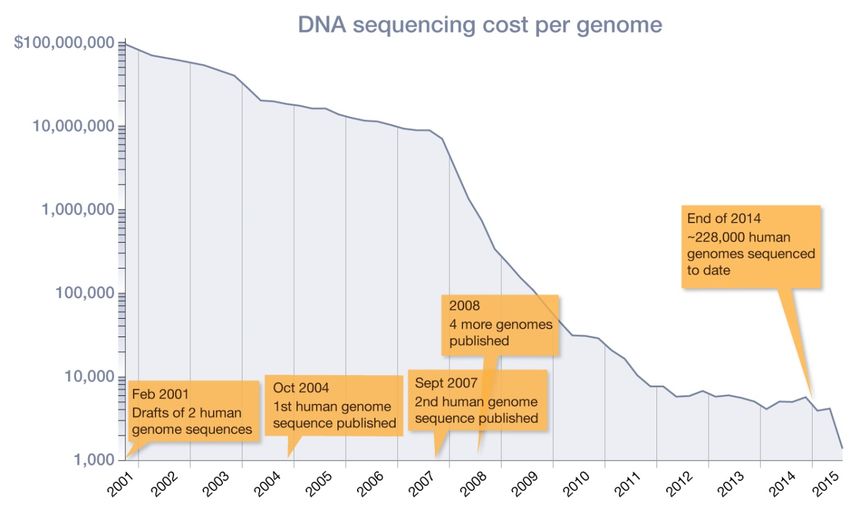
1. Summary
This report is a deliverable from the HMA/EMA Big Data Task Force, ‘Genomics’ subgroup, and focuses
on the characterisation and mapping of a type of ‘big data’, namely genomics data, including
epigenetics and transcriptomics data. In addition, this report describes the potential
usability/applicability of genomics data in regulatory processes as well as recommendations from the
HMA/EMA Big Data Task Force regarding how to optimise the future use of genomics (big) data in
regulatory processes.

There are different public data sources (databases) where genomics data can be uploaded and freely
accessed. Most publicly available genomics data sources are derived from investigator-initiated (non-
industry-driven) initiatives and contain only genomics data, without phenotypic/clinical outcome data
linked to the genomics data. Some data sources do contain phenotypic data, mainly data on the
presence or absence of genetic/hereditary diseases. Other phenotypic data, in particular clinical
outcome data (e.g. data on efficacy or safety of treatments) are currently only sporadically found in
available public databases (e.g. PharmGKB, https://www.pharmgkb.org/), although a vast number of
initiatives are now being performed which do link genomics data to clinical data. Most genomics data
generated by pharmaceutical industry, which is often genomics data linked to clinical outcomes (e.g.
from clinical trials), are not publicly available. These data would be of interest to regulators as the data
could be used for regulatory purposes (e.g. pharmacovigilance, identification of biomarkers for
efficacy, etc.).

Incentives to make genomics data available to regulators and/or publicly available could be beneficial
for the regulatory system, e.g. it could facilitate more individual patient-based B/R assessment as
opposed to population-based B/R assessment. Therefore, it could be considered to request companies
upon a marketing authorisation application to make genomics data linked to clinical data from the
pivotal clinical trials available in public databases or to the EMA. By doing so, the data would be
accessible for further analyses for academic as well as potentially for regulatory purposes. To facilitate
data sharing in a secure way, it could be explored whether the EMA should provide a central platform
for sharing of clinical trial data, or whether the EMA could provide a portal linking to industry-owned
data. To be able to optimally profit from available data, it would be important to link the most
important parameters related to phenotype and/or treatment outcome to the genomics data (e.g.
adverse events, primary efficacy outcomes). Importantly, various privacy, security and ethical issues
need to be addressed before genomics data sharing can become common practice. For example,
informed consent would have to be adequately covered in relation to data sharing. Furthermore, to be
able to link data from different sources, a system that includes patient identifiers that ensures both
adequate linking of data and patient privacy would be needed. Linking clinical and phenotype data
across datasets would both empower precision medicine, but also introduce new privacy risks. The
latter is especially of concern for rare diseases where there are sometimes only a few patients with a
specific mutation worldwide.

Genomics data quality can be improved by improving standardisation (e.g. making use of standard
operating procedures), by requiring raw data to be shared in addition to processed data, by requiring
meta-data to be attached to the data (i.e. descriptive information about the overall study, individual
samples, all protocols, and references to processed and raw data file names), by certification of the
instruments used for analysis, and by setting a minimal data standard. It is important to not only
standardise the genomics data, but also the clinical outcome/phenotypic data.

Genomics analyses require highly specific skills and knowledge. Therefore, although it is anticipated
that regulators will not do these highly specialised analyses themselves, knowledge should be available
within the regulatory network to be able to assess big data analyses as part of a marketing

Genomics
Genetics, Transcriptomics and Epigenetics
                                                                                                    Page 4/69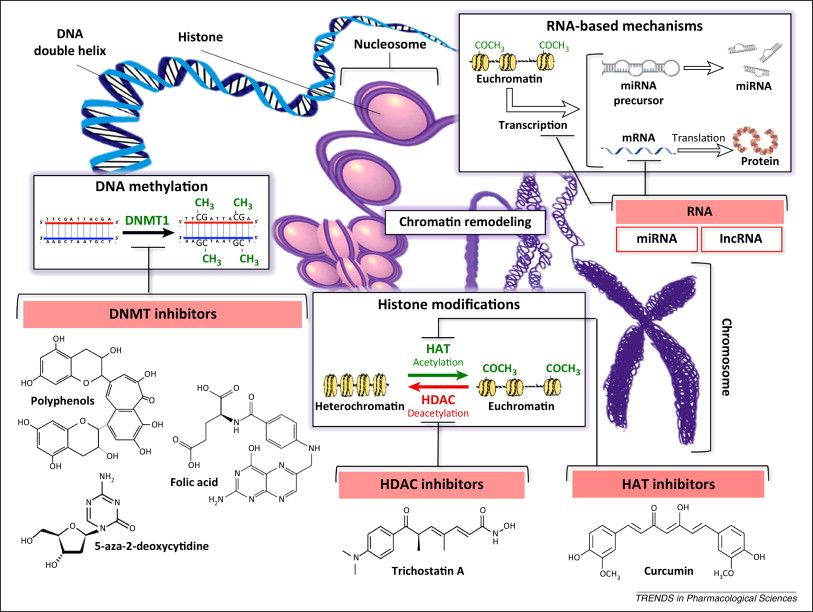
authorisation application. Collaborations with skilled academic groups as well as clustering of expertise
within a working party (similar to the Pharmacogenomics Working Party) and/or different regulatory
agencies in the network or educating assessors using the EU NTC platform could be considered.

Lastly, in order to advance genomics-guided treatment in clinical practice, it would be advisable to
make clinically meaningful information regarding genomics data more readily available in the SmPC,
including the most up-to-date information. Further, it could be considered to make this information
available online in a separate database, which could be searched by pharmacists, geneticists or
physicians, and which would be linked to the SmPC. However, it would be important to have an
adequate system in place to curate the presented information and be clear about the level of evidence
available for clinical utility of the described genomics-outcome associations.

The end result of this report by the genomics subgroup of the Task Force on Big Data is a number of
recommendations for future actions in relation to the use of genomics (big) data in regulatory
processes. The full table with recommendations based on the mapping exercise can be found below in
Table 12 in section 6.2 Specific recommendations from the analysis.

2. Background
This report is a deliverable from the HMA/EMA Big Data Task Force, ‘Genomics’ subgroup, and focuses
on the characterisation and mapping of one type of ‘big data’, namely genomics data, including
epigenetics and transcriptomics data. Genomics data can be expected to have major implications on
regulatory processes in the near future, and therefore an overview of the regulatory challenges ahead
is warranted. This report summarises the results of a mapping process to map the available relevant
sources of big data and define their main formats, which was performed in the context of the HMA/EMA
Big Data Task Force. In addition, this report describes the potential usability/applicability of these
genomics data sources in the regulatory processes as well as recommendations from the Big Data Task
Force regarding how to optimise the future use of genomics (big) data in regulatory processes.

2.1. Genomics

Genomics – the study of genes and their functions – comprises different aspects of the genome,
including genetics (variations in DNA sequence and their function), transcriptomics (variations in RNA
sequence and their function), and epigenetics (the study of modifications of gene expression rather
than alteration of the genetic code itself; see also Appendix 1 for explanation of definitions). These
different aspects of genomics already have a wide variety of applications in current medical practice,
and the number of applications can be expected to further increase in the coming years.

2.2. Genetics

Genetic variants have been used for decades to diagnose a number of hereditary diseases which
previously were of unknown origin, including cystic fibrosis, Duchenne muscular dystrophy, and spinal
muscular atrophy (disease genomics). Genetic variants are also increasingly used to inform medical
treatment decisions, i.e. as part of ‘personalised medicine’. One promising area of genomic medicine is
the ability to match an individual's genetic profile to the likelihood of experiencing an adverse reaction
or a therapeutic response with particular drugs (pharmacogenomics). A large number of anticancer
drugs are already being used specifically in patient populations selected based on certain genomic
characteristics in order to achieve optimal efficacy, including vemurafenib in BRAF V600-mutated
melanoma (SmPC Zelboraf®), erlotinib in epidermal growth factor receptor (EGFR)-mutated non-small
cell lung cancer (SmPC Tarceva®), and cetuximab in RAS wild-type metastatic colorectal cancer (SmpC
Eribitux®). The patient’s genetic makeup can also be used to predict the occurrence of adverse drug

Genomics
Genetics, Transcriptomics and Epigenetics
                                                                                                   Page 5/69
reactions, such as the severe and potentially life-threatening hypersensitivity reactions that occur in
patients carrying the HLA-B*5701 allele who receive abacavir for the treatment of human
immunodeficiency virus infection (SmpC Ziagen®), or severe gastrointestinal and haematological
toxicity in patients treated with fluoropyrimidine chemotherapy who carry a deficient DPYD gene
(Dean, 2016). Furthermore, genetic variability in cytochrome P450 isoenzymes (CYP’s) occurs
frequently in patients and is a major source of interindividual differences in drug metabolism, with
potential consequences for efficacy and safety of many small-molecule drugs (e.g. CYP2C19 deficiency
in patients treated with clopidogrel; Dean, 2015).

There are many examples of evolving genetic applications that will change the way we treat patients in
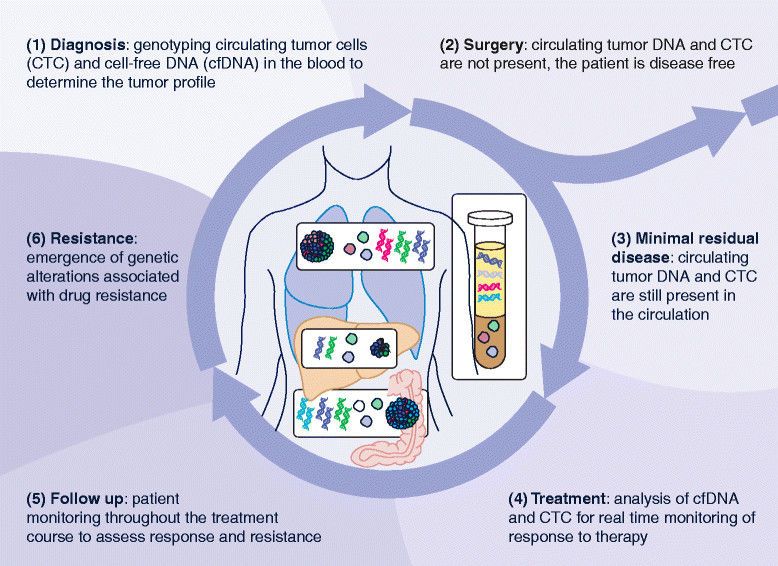
the very near future. One such example is the use of circulating tumour DNA (Dawson et al., 2013;
Lippman and Osborne, 2013; Han et al., 2017). Circulating tumour DNA allows for the highly sensitive
and non-invasive detection of tumour DNA in blood plasma, which can be used to determine the
genomics of tumours without the need for an invasive biopsy. Importantly, quantitative and qualitative
changes in circulating tumour DNA can be used to determine the patients’ response to treatment, and
the use of circulating tumour DNA has already been shown to be superior to conventional methods of
determining treatment response in subsets of patients with cancer.

2.3. Transcriptomics

The transcriptome is the set of all RNA molecules in a cell or a population of cells. It is used to refer to
all RNAs, or to just messenger RNA (mRNA). It differs from the exome in that it includes only those
RNA molecules found in a specified cell population, and usually includes the amount or concentration of
each RNA molecule in addition to its molecular identity. Advanced clinical applications related to RNA
expression are already being implemented in clinical practice, and these applications change the way
patients are treated. One example is gene expression profiling of primary breast cancer after surgical
resection, e.g. using the ’MammaPrint’, to determine whether women need adjuvant chemotherapy
after surgery, or whether adjuvant chemotherapy provides no additional benefit (Krop et al., 2017). A
recent large randomised-controlled study showed that when gene expression profiling is used in
combination with clinical–pathological risk stratification to determine whether chemotherapy should be
administered, approximately 46% of the women with breast cancer for whom adjuvant chemotherapy
used to be the standard of care, can be spared from receiving chemotherapy, as their outcome is not
further improved with chemotherapy (Cardoso et al., 2016).

2.4. Epigenetics

Epigenetics – the study of changes in organisms caused by modification of gene expression rather than
alteration of the genetic code itself, e.g. through DNA methylation – appears to be of critical
importance in regulating gene expression. Therefore, like genomics and transcriptomics, epigenetics is
likely to have an increasing impact on health care in the near future. For example, cancer is nowadays
considered to be both a genetic and an epigenetic disease. The epigenome comprises the chemical
changes to the DNA and histone proteins of an organism and is overlaid on DNA in the form of
epigenetic traits that are heritable during cell division, but do not alter the DNA sequence itself. The
pattern of these chemical tags is called the epigenome of the cell, whereas epigenetics is the study of
the function of these marks that lead to alterations in gene expression (Figure 1). Epigenetic
mechanisms can be divided in:

•   DNA methylation occurs by the addition of a methyl (CH3) group to DNA, thereby often
    modifying the function of the genes and affecting gene expression. The most widely characterised
    DNA methylation process is the covalent addition of the methyl group at the 5-carbon of the
    cytosine ring resulting in 5-methylcytosine. These methyl groups project into the major groove of

Genomics
Genetics, Transcriptomics and Epigenetics
                                                                                                    Page 6/69
DNA and inhibits transcription. In human DNA, 5-methylcytosine is found in approximately 1.5% of
    genomic DNA. Methylation in promoter regions correlates negatively with gene expression.

•   A histone modification is a covalent post-translational modification (PTM) to histone proteins,
    which includes methylation, phosphorylation, acetylation, ubiquitylation, and sumoylation. The
    PTMs made to histones can impact gene expression by altering chromatin structure or recruiting
    histone modifiers. Histone modifications act in diverse biological processes such as transcriptional
    activation/inactivation, chromosome packaging, and DNA damage/repair.

•   Noncoding RNAs (ncRNAs) may contribute to regulation of protein expression and therefore
    modulate drug effects. NcRNAs are RNA molecules that are transcribed from DNA but not
    translated into proteins. Their function is to regulate gene expression at the transcriptional and
    post-transcriptional level by playing a role in heterochromatin formation, histone modification, DNA
    methylation targeting and gene silencing. They can be divided into two main groups; the short
    ncRNAs (200 nucleotides). The short ncRNAs can be
    further classified into three major classes of microRNAs (miRNAs), short interfering RNAs (siRnAs),
    and piwi-interacting RNAs (piRNAs).

Figure1. This schematic representation illustrates epigenetic mechanisms, including DNA methylation
(including cytosine methylation), histone alterations, and RNA-based transcriptional control, which can
alter the cellular gene expression profile. Chemical structures of selected compounds targeting
epigenetic modifications are also reported. A simplified scheme illustrating the structure of mammalian
chromatin is also presented. Abbreviations: DNMT, DNA methyltransferase; HAT, histone
acetyltransferase; HDAC, histone deacetylase. Source: Schiano et al., 2015.

Genomics
Genetics, Transcriptomics and Epigenetics
                                                                                                  Page 7/69
At present, a major area of interest in the clinical use of epigenetics is that of biomarkers, which are
prognostic and/or predictive of response to therapeutics. Epigenetic changes have been shown to be a
key aspect of cancer development, and epigenetic variability has been shown to be prognostic and/or
predictive in many cancers, including haematological malignancies (e.g. multiple myeloma and
myelodysplastic syndrome) and many solid tumour types (e.g. colon cancer, prostate cancer, and
glioblastoma) (Blute et al., 2015; Glavey et al., 2016; Lao et al., 2011). A number of diagnostic tests
for epigenetic changes are under development as prognostic and/or predictive biomarkers for different
types of cancer. One epigenetic biomarker, which is already being used in routine clinical practice, is
MGMT promoter methylation, a marker that is predictive of the patient’s response to treatment with
temozolomide chemotherapy in glioblastoma (Seystahl et al., 2016; Herceg et al., 2017).
In addition, there is increasing evidence that individual differences in drug response may also result
from epigenetic alterations such as histone‐acetylation or DNA‐methylation (Cascorbi and Schwab,
2016). Fisel et al. (2016) outlined the influence of DNA methylation on genes involved in the
absorption, distribution, metabolism and excretion (ADME) of drugs, showing that over 60 ADME genes
have been considered to be influenced by epigenetics, including via histone modifications, DNA
methylation, and miRNAs. An extensive summary regarding the available knowledge on regulation of
ADME gene expression by DNA methylation is provided in Fisel et al., 2016.
MiRNAs are frequently dysregulated in malignancies and involved in tumour cell drug resistance (Fanini
and Fabbri, 2016). Depending on which genes or pathways are regulated by specific miRNAs in a
specific cancer type, miRNAs can act as onco-miRNAs, or suppressor-miRNAs. A new field of drug
research is the modulation of specific miRNAs deficiencies, by either antagonists or mimics, with the
aim to improve treatment outcome by restoring the network of gene regulation associated with
pathways such as drug resistance.
Acknowledging the importance of epigenetics, large-scale studies of human disease-associated
epigenetic variation, specifically variation in DNA methylation have been performed, e.g. to determine
links between epigenetics and development of human diseases (EWAS, Rakyan et al., 2011), similar to
how genome wide association studies (GWAS) have been performed. An important aspect will be to
integrate the EWAS with GWAS data to allow better functional analysis.
2.5. Microbiomics
The human microbiota (the total of all microorganisms present in/on humans) consists of the 10-100
trillion symbiotic microbial cells harboured by each person, primarily bacteria in the gut; the human
microbiome consists of the genes these cells harbour. The microbiome thus refers to the overall
collection of genes of all the microbes comprising a human microbiota. While an individual’s genome is
fixed for life, the microbiome changes over time. More and more studies highlight the potential
utilisation of the microbiome as a potential therapeutic option, although the large majority of studies
on the role of the microbiome in the pathogenesis of disease are correlative and preclinical (Lynch and
Pedersen, 2016).
3. Objectives
• To map relevant sources of genomics data (i.e. genetics, transcriptomics, and epigenetics) and
genomics data formats.
• To discuss issues related to data quality.
• To discuss issues on access to data (data sharing) and privacy/ethical issues.
Genomics
Genetics, Transcriptomics and Epigenetics
Page 8/69• To identify regulatory challenges related to the use of big data sources within regulatory processes
• To make recommendations on the usability and potential applications of genomics data in
regulatory processes across the product life cycle.
4. Methods
For the mapping exercise, a focused internet search was conducted for genomics data, i.e. genetics,
transcriptomics and epigenetics data. Use was made of peer-reviewed publications by searching
PubMed. Furthermore, informal input was received from a member of the Pharmacogenomics Working
Party (Marc Maliepaard, NL) and several external experts (Hanns Lochmüller, RD-connect; Lude
Franke, associate professor, Department of Genetics, University Medical Center Groningen, NL). The
focus was on providing an overview that especially mapped those data sources that could be of value
in regulatory processes.
Microbiome data was not mapped in detail in this report, given that the methodology for analysing
microbiome data resembles that of genomics data, and because microbiomic applications are far from
mature and will likely be highly specific. Therefore, it is difficult at this stage to provide specific
recommendations for microbiome data. However, the recommendations regarding genomics given in
this document will generally also apply to microbiomics.
5. Results of the data characterisation
5.1. General overview and history
In Figure 2 an overview is provided on the different aspects of collecting and analysing genomics data.
For obtaining information on the individual’s genetic makeup, usually a blood sample or a buccal swap
will be required. In case of a specific disease, for instance in the field of oncology, a biopsy is usually
necessary to study somatic mutations in tumour tissue.
Genomics
Genetics, Transcriptomics and Epigenetics
Page 9/69Figure 2. Overview of the different aspects of genomics data, from source of tissue to applications and
implications.
There is a wide variety of genomic techniques that can be performed (Table 1). Sanger sequencing,
which typically focusses on sequencing of a single gene, has been used traditionally. More recently,
however, targeted gene panels were introduced. Targeted gene panels have been optimised to capture
key genes or regions of interest. For instance, cardiopanels have been developed by different hospitals,
which include known cardiogenes (e.g. http://biosb.nl/wp-content/uploads/2014/10/Day-2-Jongbloed-
Cardio-Gene-Panel.pdf). With such a targeted gene panel all cardiogenes can be screened in one run,
leading to a significant reduction in the time required to establish a diagnosis compared to Sanger
sequencing (i.e. separate sequencing of individual genes).
Nowadays, next-generation sequencing (NGS) is increasingly performed, and different NGS systems
have been introduced in the past decade. The critical difference between traditional Sanger sequencing
and NGS is that NGS extends the process of sequencing of a single DNA fragment to sequencing of
millions, or even billions of sequencing reactions at the same time. Although different machines have
been developed, with varying technical details, they all share several common features, i.e.: library
preparation, cluster generation, sequencing, and data analysis.
Because the quality of whole-exome sequencing (WES) and whole-genome sequencing (WGS) has
improved, and the costs have been reduced (Figure 3), this technology is increasingly applied in clinical
practice to inform patient care. Further, in some hospitals and in clinical trials it is already becoming
the standard (e.g. specialised cancer centres and academic hospitals).
Genomics
Genetics, Transcriptomics and Epigenetics
Page 10/69Whole-genome sequencing allows for analysis of both the exonic (i.e. coding) regions as well as the
intronic (non-coding) regions of the DNA. With WES, on the other hand, only the exons in the genome
are captured and analysed (approximately 30 million base-pairs, instead of the whole genome,
composed of roughly 3 billion base-pairs). The focus is on the exons, because these are translated into
functional proteins, in which mutations are most likely to have a direct phenotypic consequence. The
pros and cons of different sequencing techniques are summarised in Table 1.
Table 1. Pros and cons of different sequencing techniques
GENOMICS
PROS CONS
TECHNIQUE
Sanger sequencing - Simple technique, widely available. - Sequencing restricted to one or several
- Cost-efficient and time-efficient when DNA fragments.
there is an indication, which - Mutations in non-coding regions (e.g.
gene/mutation to investigate. intronic variants) will be missed.
- No discovery of new genes involved in
a specific disease.
- In case multiple genes could be
involved, then it costs a lot of time
compared to WES/WGS.
Whole-exome - High coverage in targeted regions. - Mutations in non-coding regions (e.g.
sequencing (WES) - Reduced costs for large genomes intronic variants) will be missed.
compared to WGS*. - Genetic markers can only be
genotyped if they are in the targeted
regions.
- Requires information about targeted
regions and enrichment kits.
- Risk of incidental findings, i.e.
previously undiagnosed medical or
psychiatric conditions that are
discovered unintentionally and are
unrelated to the current medical or
psychiatric condition which is being
treated or for which tests are being
performed.
- Data interpretation: analysis of found
variants can be time-consuming.
Whole-genome - Most comprehensive technique, i.e., - Expensive for large genomes*.
sequencing (WGS) whole genome analysed, including the - Risk of incidental findings.
identification of non-coding mutations - Data interpretation: analysis of found
(e.g. intronic variants). variants can be time-consuming.
- Access to the whole genomic sequence.
RNA-sequencing - Simultaneous analysis of expression - Mutations in regulatory regions or non-
(RNA-seq) (differences) possible. expressed genes will be missed.
- Complexity reduction of large genomes - Genetic markers can only be
without prior knowledge about genes. genotyped if they are expressed.
- Effects of splice-site mutations are
readily identifiable.
Epigenetic techniques - Analysis of epigenetic changes, which - Wide variety of techniques depending
(e.g. promoter cannot be assessed by the other on the specific type of modification, i.e.
methylation) techniques mentioned above. DNA methylation or histone modification
including methylation, acetylation,
phosphorylation and sumoylation.
- Epigenetics may change over time and
vary between different organs/samples.
* The price of WGS is dropping rapidly (see Figure 3), and it is expected that costs will not be a limiting factor in
the near future.
Genomics
Genetics, Transcriptomics and Epigenetics
Page 11/69Figure 3. DNA sequencing cost per genome over time.
Source: http://learn.genetics.utah.edu/content/precision/time/. References: 1) National Human
Genome Research Institute (updated October 2, 2015). DNA sequencing costs: data from the NHGRI
Genome Sequencing Program (GSP). Retrieved November 2, 2015, from
http://www.genome.gov/sequencingcosts/.; 2) Nature editorial staff (2010). Human genome at ten:
The sequence explosion. Nature, 464, 670-671.
5.2. European regulatory scientific guidelines
Several regulatory guidance documents on genomics have been made available by the EMA. An
overview is provided in Table 2. In addition, the Pharmacogenomics Working Party (PGWP) provides
recommendations to the CHMP on matters directly and indirectly related to pharmacogenomics
(http://www.ema.europa.eu/ema/index.jsp?curl=pages/contacts/CHMP/people_listing_000018.jsp&mi
d=WC0b01ac0580028d91). The PGWP has expertise on genomics in the regulatory process and
consists of up to 14 experts nominated by the CHMP.
The “Guideline on good pharmacogenomics practice” (22/02/2018;
http://www.ema.europa.eu/docs/en_GB/document_library/Scientific_guideline/2018/03/WC50024594
4.pdf) points out that although pharmacogenomics research has revealed a number of variable genetic
loci that influence drug response, some clinical studies on pharmacogenomics have resulted in
“ambiguous findings”, which highlights the importance of correctly measuring, interpreting and
translating pharmacogenomics data into clinical treatment. Important pitfalls that were identified in
published studies are:
• Poor quality of the employed analytics.
• Analyses of non-relevant Single Nucleotide Variations (SNVs).
• Analysing somatic instead of germline DNA when germline DNA analysis is intended and vice versa.
• Lack of appropriate patient selection.
• Lack of appropriate phenotype identification.
• Lack of power in relation to the frequency of the genetic variation studied.
• Non relevant endpoints selected for the basis of the study.
• Failure to take into account the pharmacology of the drug in the design of the study.
Genomics
Genetics, Transcriptomics and Epigenetics
Page 12/69Further, this guideline lays out its guidance on pharmacogenomic variants: phenotyping and
genotyping; important issues to consider when analysing the tumour genome, including information on
the hot topic of liquid biopsies and identifying circulating tumour DNA; DNA sequencing design; quality
aspects of pharmacogenomic analyses, including guidance on analytics; study design;
pharmacogenomic biomarkers and translation in the clinic today; and the future dynamics of drug
labels.
The EMA does not assess (companion) diagnostics and genetic testing platforms; this responsibility lies
with the notified bodies. However, the EMA and national agencies can be requested by a notified body
to provide input on the medical device in a consultation procedure. Of note, currently a guideline is
being drafted by the PGWP, outlining recommendations on developing predictive biomarker-based
assays including companion diagnostics (CDx). Moreover, there are new European regulations on
medical devices ((EU)2017/745) and in-vitro diagnostics ((EU) 2017/746), which will go into effect
from May 2020 and May 2022, respectively.
No specific guidelines currently exist on the use of epigenetics; however, much of the guidance
described above may also apply to epigenetics data.
Table 2. EMA scientific guidelines on genomics ordered by date
Title Status Date
Position paper on terminology in pharmacogenetics adopted 21/11/2002
EMEA/CPMP/3070/01
Guideline on pharmacogenetics briefing meetings adopted 27/04/2006
EMEA/CHMP/PGxWP/20227/2004
General principles processing joint FDA EMEA Voluntary Genomic Data adopted 01/04/2007
Submissions (VGDSs) within the framework of the confidentiality
arrangement
Reflection paper on pharmacogenomics samples, testing and data adopted 15/11/2007
handling
EMEA/CHMP/PGxWP/201914/2006
ICH E 15: Definitions for genomic biomarkers, pharmacogenomics, adopted 01/11/2007
pharmacogenetics, genomic data and sample coding categories - Step 5
EMEA/CHMP/ICH/437986/2006
Reflection paper on the use of genomics in cardiovascular clinical adopted 01/11/2007
intervention trials
EMEA/CHMP/PGxWP/278789/2006
Reflection paper on pharmacogenomics in oncology draft: consultation 01/04/2008
EMEA/CHMP/PGxWP/128435/2006 closed
ICH: E 16: Note for guidance on genomic biomarkers related to drug draft: consultation 01/06/2009
response: context, structure and format of qualification submissions - closed
Step 3
EMEA/CHMP/ICH/380636/2009
Reflection paper on co-development of pharmacogenomic biomarkers draft: consultation 30/11/2010
and assays in the context of drug development closed
EMA/CHMP/641298/2008
Reflection paper on methodological issues associated with draft: consultation 25/11/2011
pharmacogenomic biomarkers in relation to clinical development and closed
patient selection
EMA/446337/2011
Guideline on the use of pharmacogenetic methodologies in the adopted 19/01/2012
pharmacokinetic evaluation of medicinal products
EMA/CHMP/37646/2009
International Conference on Harmonisation of Technical Requirements adopted 11/02/2013
for Registration of Pharmaceuticals for Human Use guideline E16:
Genomic biomarkers related to drug response: context, structure and
format of qualification submissions - Step 5
EMA/CHMP/ICH/380636/2009
Guideline on key aspects for the use of pharmacogenomics in the adopted 20/11/2015
pharmacovigilance of medicinal products
EMA/CHMP/281371/2013
ICH: E 18: Guideline on genomic sampling and management of genomic adopted 06/10/2017
Genomics
Genetics, Transcriptomics and Epigenetics
Page 13/69data
EMA/CHMP/ICH/11623/2016
Concept paper on an addendum on terms and concepts of draft: consultation 07/07/2017
pharmacogenomic features related to metabolism to the Guideline on closed
the use of pharmacogenetic methodologies in the pharmacokinetic
evaluation of medicinal products (EMA/CHMP/37646/2009)
EMA/CHMP/644998/2016
Concept paper on predictive biomarker-based assay development in the draft: consultation 28/07/2017
context of drug development and lifecycle closed
EMA/CHMP/800914/2016
Guideline on good pharmacogenomic practice adopted 22/02/2018
EMA/CHMP/268544/2016
5.3. U.S. Food and Drug Administration (FDA)
Several regulatory guidance documents on Genomics have been made available by the FDA (Table 3).
In contrast to the EMA, the FDA assesses and grants approval for (companion) diagnostics and genetic
testing platforms, whereas in Europe this responsibility lies with the notified bodies. This difference is
reflected by a larger number of FDA guidances related to in vitro (companion) diagnostics than in the
EU.
Table 3. FDA guidances related to pharmacogenomics
Year Status Guidance Title
2018 Final Use of Public Human Genetic Variant Databases to Support Clinical Validity for Next
Generation Sequencing (NGS)-Based In Vitro Diagnostics (PDF, 499KB)
2018 Final Use of Standards in FDA Regulatory Oversight of Next Generation Sequencing (NGS)-Based
In Vitro Diagnostics (IVDs) Used for Diagnosing Germline Diseases (PDF, 708 KB)
2018 Final E18 Guideline on Genomic Sampling and Management of Genomic Data (PDF, 170.5KB)
2017 Discussion Discussion Paper on Laboratory Developed Tests (LDTs) (NB: not a guidance document)
paper
2016 Draft Principles for Codevelopment of an In Vitro Companion Diagnostic Device with a Therapeutic
Product (PDF, 1.1 MB)
2016 Final Clinical Pharmacology Section of Labeling for Human Prescription Drug and Biological
Products — Content and Format (PDF, 143.8 KB)
2014 Final Qualification Process for Drug Development Tools (PDF, 498.8 KB)
2014 Final In Vitro Companion Diagnostic Devices (PDF, 159.2 KB)
2014 Draft Framework for Regulatory Oversight of Laboratory Developed Tests (LDTs) (PDF, 312.5 KB)
2013 Final Clinical Pharmacogenomics: Premarketing Evaluation in Early-Phase Clinical Studies and
Recommendations for Labeling (PDF, 130.6 KB)
2012 Draft Enrichment Strategies for Clinical Trials to Support Approval of Human Drugs and Biological
Products (PDF, 996.7 KB)
2012 Draft Drug Interaction Studies — Study Design, Data Analysis, Implications for Dosing, and
Labelling Recommendations (PDF, 827 KB)
2011 Final E16 Biomarkers Related to Drug or Biotechnology Product Development: Context, Structure,
and Format of Qualification Submissions (PDF, 708 KB)
2010 Draft Adaptive Design Clinical Trials for Drugs and Biologics (PDF, 423.1 KB)
2008 Final E15 Definitions for Genomic Biomarkers, Pharmacogenomics, Pharmacogenetics, Genomic
Data and Sample Coding Categories (PDF, 1.1 MB)
2005 Final Pharmacogenomic Data Submissions (PDF, 306.9 KB)
The FDA has recently assessed and approved the MiSeqDx platform, which is a sequencing
instrument that measures fluorescence signals of labelled nucleotides through the use of instrument
specific reagents and flow cells, imaging hardware, and data analysis software. The MiSeqDx Platform
is intended for targeted sequencing of human genomic DNA from peripheral whole blood samples. The
MiSeqDx Platform is not intended for whole genome or de novo sequencing.
https://www.accessdata.fda.gov/cdrh_docs/reviews/DEN130011.pdf.
Genomics
Genetics, Transcriptomics and Epigenetics
Page 14/69In addition, in Table 4 a list of nucleic acid-based tests that have been cleared or approved by the FDA
are provided. These tests analyse variations in the sequence, structure, or expression of DNA and RNA
in order to diagnose disease or medical conditions, infection with an identifiable pathogen, and
determine genetic carrier status.
Interesting to point out in table 4 is the first consumer-oriented genetic service of 23andME that was
recently approved (www.fda.gov/newsevents/newsroom/pressannouncements/ucm551185.htm).
These are the first direct-to-consumer tests authorised by the FDA that provide information on an
individual’s genetic predisposition to certain medical diseases or conditions, which may help to make
decisions about lifestyle choices or to inform discussions with health care professionals.
Table 4. List of FDA approved Human Genetic Tests
Acute Myeloid Leukaemia Vysis D7S486/CEP 7 FISH Abbott Molecular Inc. K131508
Probe Kit
Vysis EGR1 FISH Probe Kit Abbott Molecular Inc. K123951,K091960
LeukoStrat CDx FLT3 INVIVOSCRIBE P160040
Mutation Assay TECHNOLOGIES, INC
Abbott RealTime IDH2 ABBOTT P170005
MOLECULAR, INC.
Acute Myeloid Leukaemia or VYSIS EGR1 FISH PROBE ABBOTT DEN130010
Myelodysplastic Syndrome KIT - SC (SPECIMEN MOLECULAR, INC.
CHARACTERIZATION
Aggressive Systemic Mastocytosis KIT D816V ASSAY ARUP H140006
LABARATORIES
Autosomal Recessive Carrier 23ANDME PERSONAL 23andMe DEN140044
Screening GENOME SERVICE
B-cell chronic lymphocytic leukaemia VYSIS CLL FISH PROBE ABBOTT K100015
KIT MOLECULAR, INC
VYSIS CLL FISH PROBE ABBOTT P150041
KIT MOLECULAR, INC
CEP 12 SpectrumOrange Vysis K962873
Direct Labeled
Chromosome Enumeration
DNA Probe
Bladder Cancer Vysis UroVysion Bladder Vysis K033982, K013785, K011031
Cancer Recurrence Kit
Breast Cancer Prosigna Breast Cancer Nanostring K130010
Prognostic Gene Signature Technologies
Assay
MammaPrint Agendia BV K101454, K081092, K080252, K07
0675, K062694
INFORM HER2 Dual ISH Ventana Medical P100027
DNA Probe Cocktail Systems, Inc.
HER2 CISH pharmDxTM Dako Denmark A/S P100024
Kit
GeneSearch Breast Lymph Veridex, LLC. P060017 S001-S004
Node (BLN) Test Kit
Dako TOP2A FISH Dako Denmark A/S P050045 S001-S004
PharmDx Kit
HER2 IQFISH PHARMDX DAKO DENMARK A/S P040005
INSITE HER-2/NEU KIT BIOGENEX P040030
LABORATORIES,
INC.
SPOT-LIGHT HER2 CISH INVITROGEN P050040
KIT CORPORATION
Genomics
Genetics, Transcriptomics and Epigenetics
Page 15/69INFORM HER-2/NEU VENTANA MEDICAL P940004
SYSTEMS, INC.
DAKO HERCEPTEST DAKO A/S P980018
PATH VYSION HER-2 DNA ABBOTT P980024
PROBE KIT MOLECULAR, INC.
DakoCytomation Her2 DakoCytomation P040005
FISH pharmDx™ Kit Denmark A/S
Colorectal Cancer Cologuard Exact Sciences P130017
Corporation
Therascreen KRAS RGQ QIAGEN P110027/P110030
PCR Kit MANCHESTER LTD
Epi ProColon® Epigenomics AG P130001
Cobas KRAS MUTATION Roche Molecular P140023
TEST Systems, Inc.
Praxis Extended RAS Illumina, Inc. P160038
Panel
Chronic Myeloid Leukaemia Quantidex qPCR BCR-ABL ASURAGEN, INC. DEN160003
IS Kit
Coagulation, late-onset alheimer's Personal genome service 23andME DEN160026
disease, parkinson's disease, celiac (pgs) genetic health risk
disease, alpha-1 antitrypsin test for hereditary
deficiency, early-onset primary thrombophilia
dystonia, factor ix deficiency,
gaucher disease type 1, glucose-6-
phophate dehydrogenase deficiency,
herditary hemochromatosis,
hereditary thrombophilia
Cystic Fibrosis Illumina MiSeqDx Cystic Illumina, Inc K132750
Fibrosis Clinical
Sequencing Assay
Illumina MiSeqDx Cystic Illumina, Inc K124006
Fibrosis 139-Variant Assay
xTAG Cystic Fibrosis 60 Luminex Molecular K163336
Kit v2, xTAG Data Analysis Diagnostics, Inc.
Software (TDAS) CFTR
xTAG Cystic Fibrosis 39 Luminex Molecular K163347
Kit v2 Diagnostics, Inc.
eSensor CF Genotyping Osmetech Molecular K090901
Test Diagnostics
xTAG Cystic Fibrosis 60 Luminex Molecular K083845
Kit v2 Diagnostics Inc.
xTAG Cystic Fibrosis 39 Luminex Molecular K083846
Kit v2 Diagnostics Inc.
Verigene CFTR and Nanosphere, Inc K083294
Verigene CFTR PolyT
Nucleic Acid Tests
InPlex CF Molecular Test Third Wave K063787
Technology, Inc.
Cystic Fibrosis Genotyping Celera Diagnostics K062028
Assay
Tag-It Cystic Fibrosis Kit Tm Bioscience K060627, K043011
Corporation
eSensor Cystic Fibrosis Clinical Micro K060543, K051435
Carrier Detection System Sensors, Inc.
Coagulation Factors Invader Factor V Hologic, Inc. K100980
Invader Factor II Hologic, Inc. K100943
Genomics
Genetics, Transcriptomics and Epigenetics
Page 16/69Illumina VeraCode Illumina, Inc. K093129
Genotyping Test for Factor
V and Factor II
eSensor Thrombophilia Osmetech Molecular K093974
Risk Test, eSensor FII-FV Diagnostics
Genotyping Test, eSensor
Fll Genotyping Test,
eSensor FV Genotyping
Test, eSensor MTHFR
Genotyping Test
Xpert HemosIL FII & FV Cepheid K082118
Verigene F5 Nucleic Acid Nanosphere, Inc. K070597
Test
Verigene F2 Nucleic Acid
Test
Verigene MTHFR Nucleic
Acid Test
INFINITI System Autogenomics, Inc. K060564
Factor II (Prothrombin) Roche Diagnostics K033612
G20210A Kit Corporation
Factor V leiden Kit Roche Diagnostics K033607
Corporation
Invader MTHFR 677 Hologic, Inc. K100987
Invader MTHFR 1298 Hologic, Inc. K100496
Chromosome abnormalities Affymetrix CytoScan Dx Affymetrix, Inc. K130313
Assay
AneuVysion Vysis K010288, K972200
CYTOSCAN(R) DX Affymetrix, Inc. DEN130018
GenetiSure Dx Postnatal Agilent Technologies, K163367
Assay Inc.
CEP 8 Spectrumorange Vysis K953591
DNA Probe Kit
CEP X SpectrumOrange/ Y Vysis K954214
SpectrumGreen DNA
Probe Kit
Drug metabolizing enzymes xTAG CYP2D6 Kit v3 Luminex Molecular K130189, K093420
Diagnostics, Inc.
xTAG CYP2D6 Kit v3 Luminex Molecular K130189, K131565
Diagnostics, Inc.
Spartan RX CYP2C19 Test Spartan Bioscience, K123891
System Inc.
Verigene CYP2C 19 Nanosphere, Inc. K120466
Nucleic Acid Test
INFINITI CYP2C19 Assay AutoGenomics, Inc. K101683
Invader UGT1A1 Molecular Third Wave K051824
Assay Technologies Inc.
Roche AmpliChip CYP450 Roche Molecular K043576, K042259
microarray Systems, Inc.
eSensor Warfarin GenMark Diagnostics K110786
Sensitivity Saliva Test
eQ-PCR LC Warfarin TrimGen Corporation K073071
Genotyping kit
eSensor Warfarin Osmetech Molecular K073720
Sensitivity Test and XT-8 Diagnostics
Instrument
Gentris Rapid Genotyping ParagonDx, LLC K071867
Genomics
Genetics, Transcriptomics and Epigenetics
Page 17/69Assay - CYP2C9 & VKORCI
INFINITI 2C9 & VKORC1 AutoGenomics, Inc. K073014
Multiplex Assay for
Warfarin
Verigene Warfarin Nanosphere, Inc. K070804
Metabolism Nucleic Acid
Test and Verigene System
Heart Transplant AlloMap Molecular xDx K073482
Expression Testing
Hereditary thrombophilia Impact dx factor v Leiden SEQUENOM, K132978
and factor ii genotyping INC./AGENA
test Bioscience
Melanoma Roche cobas DNA Sample Roche Molecular P110020
Preparation Kit, COBAS Systems, Inc.
4800 BRAF V600
MUTATION TEST
THXID-BRAF KIT BioMerieux, Inc. P120014
Myelodysplastic Fluorescence in situ ARUP H140005
syndrome/myeloproliferative disease hybridization, platelet- LABARATORIES
derived growth factor
receptor, beta polypeptide
(pdgfrb), rearrangement
Non-Small Cell Lung Cancer VYSIS ALK BREAK APART ABBOTT P110012
FISH PROBE KIT MOLECULAR, INC.
Cobas EGFR MUTATION QIAGEN P120019
TEST v2 MANCHESTER LTD
THERASCREEN EGFR RGQ ROCHE P120022
PCR KIT
Cobas EGFR MUTATION Roche Molecular P150044
TEST v2 Systems, Inc.
Cobas EGFR MUTATION Roche Molecular P150047
TEST v2 Systems, Inc.
Oncomine Dx Target Test LIFE TECHNOLOGIES P160045
CORPORATION
Ovarian Cancer BRACAnalysis CDx Myriad Genetic P140020
Laboratories, Inc.
FoundationFocus FOUNDATION P160018
CDxBRCA MEDICINE, INC
Platforms, Imaging Systems, and ILLUMINA MISEQDX Illumina, Inc DEN130011
Reagents PLATFORM
MISEQDX UNIVERSAL KIT Illumina, Inc. DEN130042
1.0
DUET SYSTEM BIOVIEW LTD. K130775
Polycythaemia Vera Ipsogen JAK2 RGQ PCR Kit QIAGEN INC DEN160028
Prostate Cancer NADiA ProsVue Illumina, Inc. K101185
MISEQDX UNIVERSAL KIT Gen-Probe, Inc. P100033
1.0
Severe Combined Immunodeficiency PerkinElmer Enlite TREC Wallac OY DEN140010
Disorder (SCID) Test System
Tissue of Origin Pathwork Tissue of Origin Pathwork Diagnostics K120489, K092967
Test Kit – FFPE Inc.
Pathwork Tissue of Origin Pathwork Diagnostics K080896
Test Inc.
Source: https://www.fda.gov/MedicalDevices/ucm330711.htm#human
Genomics
Genetics, Transcriptomics and Epigenetics
Page 18/695.4. Data sources
There are different public data sources (databases) where genomics data can be uploaded and freely
accessed, described in section 5.4.1. Furthermore, a great number of genomics initiatives have been
initiated in the past decade, described in section 5.4.2.
5.4.1. Public data sources
A large number of public genomics databases have been established. With regard to these databases a
differentiation can be made between primary databases, which are databases that contain
experimentally derived data such as nucleotide sequence data (section 5.4.1.1). Experimental results
are submitted directly into the database by researchers, and the data are essentially archival in nature.
Once given a database-accession number, the data in primary databases are never changed: they
form part of the scientific record.
On the other hand, there are secondary databases, which comprise data derived from the results of
analysing primary data (section 5.4.1.2). Secondary databases often draw upon information from
numerous sources, including other databases (primary and secondary) and the scientific literature.
They are highly curated, often using a complex combination of computational algorithms and manual
analysis and interpretation to derive new knowledge from the public record of science. Of note, many
data resources have both primary and secondary characteristics. Data sources that link gene function
to disease are for instance OMIM and NCBI, whereas IHEC Data Portal links epigenomes to disease.
The data are, however, usually not linked to treatment outcome.
It requires specialised knowledge and skills to know when and how to use which data resource. Many
of the websites provide more background information, or courses, e.g. the European Bioinformatics
Institute (EMBL-EBI), https://www.ebi.ac.uk/training/online/course/bioinformatics-terrified.
Several examples of public genomics databases are discussed in the next sections.
5.4.1.1. Genomics data – primary databases
GenBank at the National Centre of Biotechnology Information (NCBI), the DNA DataBank of Japan
(DDBJ), and the European Nucleotide Archive (ENA) are part of the International Nucleotide Sequence
Database Collaboration (Table 5). These three organisations exchange data on a daily basis.
Researchers, or institutions, can submit their own data in these primary databases. Most journals
require DNA and amino acid sequences that are cited in articles to be submitted to a public sequence
repository (DDBJ/ENA/Genbank - INSDC) as part of the publication process. No restrictions apply on
the use or distribution of the INSDC data. Further, it is indicated that when submitting human
sequences, data that could reveal the personal identity of the source should not be included.
Table 5. Publicly available primary genomics databases
Name Organisation Started Website
The National Center for www.ncbi.nlm.nih.gov/gen
GenBank Established in 1988
Biotechnology Information (NCBI) bank/
DNA DataBank of National Institute of Genetics
Established in 1986 www.ddbj.nig.ac.jp
Japan (NIG) in Mishima, Japan
European Nucleotide The European Bioinformatics
Established in 1982 www.ebi.ac.uk/ena
Archive Institute
Genomics
Genetics, Transcriptomics and Epigenetics
Page 19/69Different submission types are accepted (https://www.ncbi.nlm.nih.gov/genbank/submit_types/). Data
can also be submitted on input information (sample, experimental setup, machine configuration),
output machine data (sequence traces, reads and quality scores) and interpreted information
(assembly, mapping, functional annotation).
It has to be pointed out that some of the patient’s sequencing information is only available through
controlled access for privacy protection reasons and held in sub-partition of ENA, i.e. the European
Genome-phenome Archive (EGA). The decisions of who will be granted access to data resides with the
submitter nominated Data Access Committee. In the USA, an equivalent exists called DbGap.
Information about submitted studies, summary level data, and documents related to studies can be
accessed freely on the DbGaP website (http://www.ncbi.nlm.nih.gov/gap). Individual-level data can be
accessed only after a Controlled Access application has been approved, stating research objectives and
demonstrating the ability to adequately protect the data
(https://dbgap.ncbi.nlm.nih.gov/aa/wga.cgi?page=login).
From June 2017 GenBank contained 201,663,568 sequences and Whole Genome Shotgun (WGS)
487,891,767 sequences. Figure 4 shows how the amount of available genomics data grew
exponentially over time.
Figure 4. Number of sequences in GenBank and Whole Genome Shotgun (WGS) over time. Source:
https://www.ncbi.nlm.nih.gov/genbank/statistics/.
5.4.1.2. Genomics data – secondary databases
Secondary databases comprise data derived from analysing results of primary data. In Table 6 several
examples of secondary databases are summarised, as well as different resources for interpreting
genomics data, e.g. in the context of pharmacogenomics.
Genomics
Genetics, Transcriptomics and Epigenetics
Page 20/69Table 6. Publicly available secondary genomics databases and resources for interpreting genomics data.
Cohort Cohort
Name Type Additional Details Type of Data Started Website
Size Description
Part of the National Institutes
The National Center of Health (NIH). The NCBI
Governmental Established in On NCBI a list of resources with
for Biotechnology contain different databases,
institution 1988. description is provided
Information (NCBI) such as “Genome” and
(https://www.ncbi.nlm.nih.gov/guide/all/
“GenBank”.
Pilot: 179 Low coverage and
individuals; exome sequence data
Data from the 1000 genomes 1000
Phase 1 26 populations. are present for all of
The International European project, such as variant calls Genomes
1092 The IGSR samples these individuals, 24
Genome Sample Bioinformatics (VCF format), alignments Project ran http://www.internationalgenome.org/data/
individuals; do not reflect all individuals were also
Resource (IGSR) Institute (BAM or CRAM format) and from 2008-
Phase 3 populations. sequenced to high
raw sequence files. 2015
2504 coverage for validation
individuals purposes.
The full-text,
referenced overviews
McKusick-
in OMIM contain
Nathans A database of human genes,
information on all
Institute of genetic diseases and Established in
Online Mendelian known mendelian
Genetic disorders. It is updated daily, 1966. Online
Inheritance in Man disorders and over https://www.omim.org
Medicine, John and the entries contain version from
(OMIM) 15,000 genes. OMIM
Hopkins copious links to other genetics 1985.
focuses on the
University resources.
relationship between
School
phenotype and
genotype.
Comprehensive resource that
The
curates knowledge about the
Pharmacogenomics
impact of genetic variation on https://www.pharmgkb.org/
Knowledgebase
drug response for clinicians
(PharmGKB)
and researchers
Genomics
Genetics, Transcriptomics and Epigenetics
Page 21/69You can also read


